The quest for efficient energy solutions has never been more vital. An innovative Inverter System plays a crucial role in this transition. These systems convert DC power to AC power, which is essential for most home appliances. They enhance energy efficiency and promote sustainability.
Choosing the best inverter system can be daunting. Many models claim superiority, but not all deliver. Often, users face issues like poor performance or high costs. It's important to evaluate features like efficiency ratings, power output, and durability. Small factors can significantly impact your energy savings.
Understanding your energy needs is key. An inverter system should match your specific requirements for optimal performance. Researching reliable brands and reading customer reviews offers valuable insights. The right choice can lead to substantial energy savings and a reduced carbon footprint. However, the decision-making process needs thorough consideration. Aim for a system that balances cost and efficiency effectively.
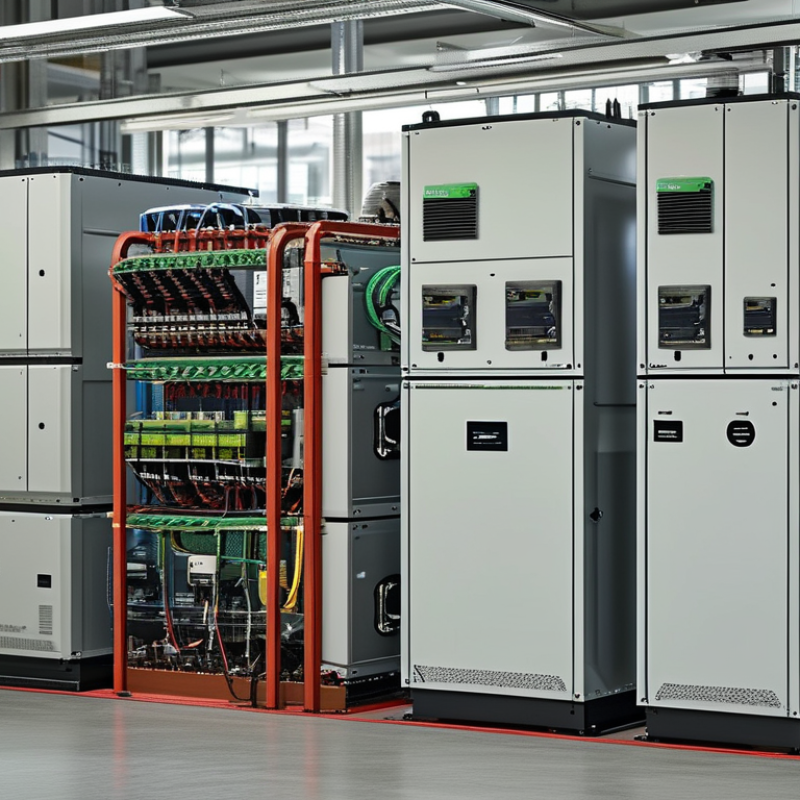
Inverter systems play a crucial role in modern energy solutions. They convert DC electricity into AC electricity, which is essential for powering household and commercial appliances. According to research by the International Energy Agency (IEA), about 40% of global electricity generation comes from renewable sources like solar and wind. The efficiency of inverter systems directly impacts the overall effectiveness of these energy solutions.
Inverting technology has significantly evolved. The latest models boast efficiencies exceeding 98%, as indicated in a 2022 report released by the National Renewable Energy Laboratory (NREL). High-efficiency inverters reduce energy loss. This optimization leads to better performance in renewable energy systems. However, choosing the right inverter is not merely about efficiency. Factors like reliability, durability, and cost-effectiveness also matter.
The decision-making process in selecting inverter systems can be overwhelming. Many businesses and homeowners overlook critical aspects. For example, environmental factors can influence inverter performance. In hot climates, overheating can reduce efficiency. Data shows that inverter efficiency decreases by 0.5% for every degree Celsius above 25°C. Hence, understanding the specific requirements and conditions is essential for successful energy solutions.
This chart illustrates the energy efficiency of various inverter systems based on their output capacity and efficiency percentage. The data reflects the trends in inverter systems and their importance in enhancing energy solutions.
When selecting an inverter system, understanding the types available is crucial. Inverters generally fall into three main categories: string inverters, microinverters, and central inverters. String inverters are commonly used in residential settings. They connect multiple solar panels in series. While they are cost-effective, their performance can decline if one panel is shaded.
Microinverters, on the other hand, are installed on individual solar panels. This allows for maximum energy harvest from each panel. They typically ensure better performance under varied lighting conditions. However, they can be more expensive and may require more maintenance. Central inverters, most suitable for commercial systems, manage large arrays of solar panels. They are efficient but less flexible in managing individual panel performance.
It’s essential to consider your energy needs and installation environment. Each type of inverter offers distinct advantages and drawbacks. Evaluating these factors will lead to a more informed decision. Your choice impacts energy efficiency and costs significantly. Balancing efficiency with practical applications is key to achieving optimal performance.
When considering the best inverter system for efficient energy solutions, it's crucial to examine key features that enhance performance. One major aspect is the inverter's efficiency rating. Look for models with high conversion efficiency to maximize energy output. Typically, an efficiency rating above 90% is desirable. This means less energy is wasted during the conversion process.
Another critical factor is the inverter's capacity to handle varying loads. An inverter should adapt to changes in energy requirements. This flexibility ensures that your energy needs are met without overworking the system, which can lead to premature failures. Additionally, some systems have built-in protections against overvoltage and overheating. Such features help maintain long-term reliability.
**Tips:** Regular maintenance checks can prevent operational issues. Schedule these checks at least twice a year. Investing in a smart inverter with monitoring capabilities can also provide insights into performance and help identify inefficiencies.
Choosing the right inverter can feel overwhelming. You might find some features unnecessary or confusing. Research and user reviews can highlight problems that have not been addressed. Take your time to compare options and evaluate what truly meets your energy needs.
When installing an inverter system, proper planning is crucial. A well-thought-out placement maximizes efficiency. Consider factors like sunlight exposure and accessibility. Many overlook the importance of ventilation. Ensure the inverter is in a well-ventilated area. This can prevent overheating, which significantly affects performance.
Regular maintenance is key to ensuring longevity. Check connections periodically. Loose wires can lead to energy losses. Dust accumulation can also impede performance. Clean the system regularly, especially around vents. Additionally, monitor the system's performance metrics. Unexpected drops can indicate issues that need immediate attention.
Documenting maintenance activities can help track performance over time. While most are diligent at first, it’s easy to forget. Set reminders for routine checks. Having a proactive approach can save money in the long run. It creates a more reliable energy solution for your needs.
| Inverter Type | Efficiency (%) | Installation Cost (USD) | Maintenance Frequency (Years) | Average Lifespan (Years) |
|---|---|---|---|---|
| String Inverter | 95 | 1500 | 5 | 10 |
| Micro Inverter | 97 | 2000 | 4 | 25 |
| Power Optimizer | 96 | 1800 | 6 | 15 |
| Hybrid Inverter | 94 | 2500 | 7 | 20 |
| Off-Grid Inverter | 90 | 2200 | 5 | 15 |
The future of inverter technology promises significant advancements in sustainable energy solutions. Recent reports from the International Energy Agency highlight that inverter efficiency can greatly influence energy savings. For instance, high-quality inverters can improve overall energy system efficiency by up to 20%. This potential is crucial as global energy demands rise.
Emerging trends indicate a shift towards bidirectional inverters. These inverters allow energy flow in both directions, enabling storage systems to send energy back to the grid. A study by the Solar Energy Industries Association suggests that by 2025, nearly 80% of new residential systems will utilize this technology, making them more resilient and cost-effective. Such systems enhance energy independence, but their initial costs may be a barrier for some consumers.
Moreover, advancements in artificial intelligence are reshaping inverter capabilities. AI-integrated inverters can optimize energy output based on real-time data. These technologies can adjust settings dynamically, yet they are not without challenges. Concerns about cybersecurity and system reliability are emerging. As we pursue more sustainable options, reflection on these vulnerabilities is essential. Balancing innovation with robustness will determine the effectiveness of future energy solutions.
: There are string inverters, microinverters, and central inverters. Each has unique advantages and limitations.
String inverters connect multiple solar panels in series. They are cost-effective but can lose efficiency if a panel is shaded.
Microinverters are installed on individual panels. They maximize energy harvest and perform well under varied lighting conditions.
No, central inverters are best for commercial systems. They efficiently manage large arrays but lack flexibility.
Assess your energy needs and installation environment. Each inverter type has distinct benefits and drawbacks to consider.
Look for inverters with efficiency ratings above 90%. Higher ratings mean less energy waste during conversion.
Regular maintenance checks are crucial. Schedule them at least twice a year to prevent operational issues and ensure reliability.
Yes, an efficient inverter should adapt to changes in energy requirements without overworking the system.
Some inverters have protections against overvoltage and overheating. These features enhance long-term reliability.
Research helps clarify confusing features. User reviews can reveal issues and guide you towards the best option for your needs.
Inverter systems play a crucial role in modern energy solutions, converting direct current (DC) into alternating current (AC) to power various applications efficiently. Understanding the different types of inverter systems, including string inverters, microinverters, and central inverters, is essential for selecting the right solution based on efficiency and specific energy needs. Key features to consider when evaluating an inverter system include conversion efficiency, reliability, and compatibility with renewable energy sources.
Moreover, proper installation and routine maintenance are vital for ensuring optimal performance and longevity of the inverter system. As technology progresses, future trends indicate advancements in inverter capabilities, emphasizing smart functionalities and enhanced efficiency, which will further support sustainable energy initiatives. Overall, a well-chosen inverter system can significantly impact energy savings and contribute to a greener future.

NVVV Electric