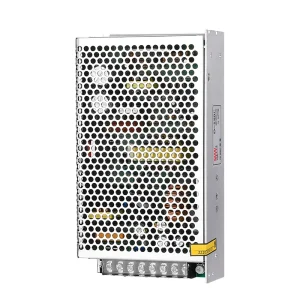
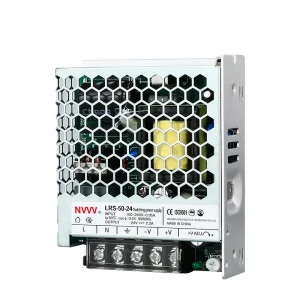
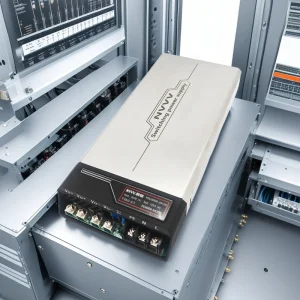
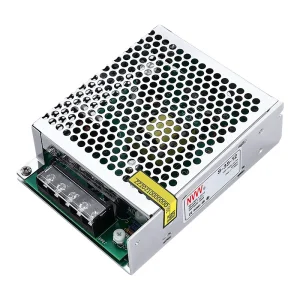
Explore our high-performance switching power supplies engineered for isolation, constant current precision, and industrial-grade reliability.
In modern electronic systems and industrial infrastructures, the demand for modular electrical design has reached unprecedented heights. Global commercial industries—ranging from telecommunications, data centers, and renewable energy grids to advanced robotics and automated factory lines—increasingly rely on highly integrated, isolated power modules to simplify system architecture, ensure strict electromagnetic compatibility (EMC), and maintain extreme levels of operating efficiency.
As a premier Module Type Supplier, NVVV Electric Technology Co., Ltd. analyzes the macro shifts in global procurement. Supply Chain Directors are transitioning away from heavy, bespoke, monolithic linear power frames. Instead, they demand highly standardized switching power modules, DIN rail power supply units (PSUs), and DC-DC converters. Modular architectures enable engineers to implement plug-and-play components, drastically shortening time-to-market (TTM) and reducing long-term maintenance costs.
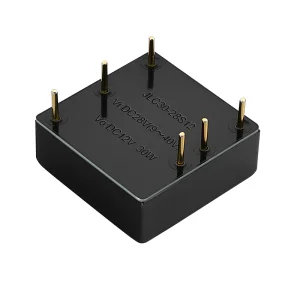
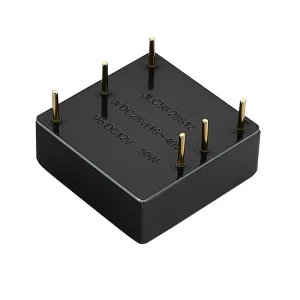
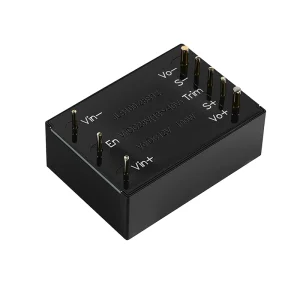
Global decentralized networks require ultra-stable DC-DC converter modules to manage localized computing racks, requiring constant current and zero voltage sag.
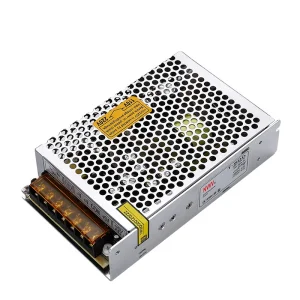
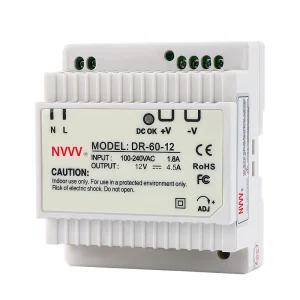
Factory automation (Industry 4.0) relies on DIN rail switching modules that mount directly inside control cabinets to actuate programmable logic controllers (PLCs).
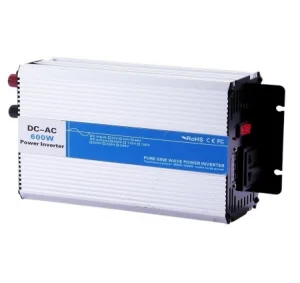
Pure sine wave inverters convert battery DC voltages back to utility-grade AC electricity for remote telecommunication outposts and emergency power stations.
Operating a 2,644 square meter modern manufacturing facility in Wenzhou, Zhejiang Province—the global epicenter of low-voltage electrical engineering—gives NVVV Electric Technology Co., Ltd. an unmatched competitive advantage. Wenzhou’s dense ecosystem of raw copper, high-grade magnetic cores, robust capacitors, and thermal-conductive aluminum extrusions allows us to optimize raw material procurement timelines down to the single digit hours.
Equipped with 5 automated production lines and 46 advanced manufacturing machines, our production floors run with high mathematical precision. Our supply chain is structured to resist global market fluctuations, ensuring that components like active Power Factor Correction (PFC) ICs, Schottky diodes, and high-frequency transformer coils are continuously stocked. Below is a look into our state-of-the-art production floors and assembly pipelines:
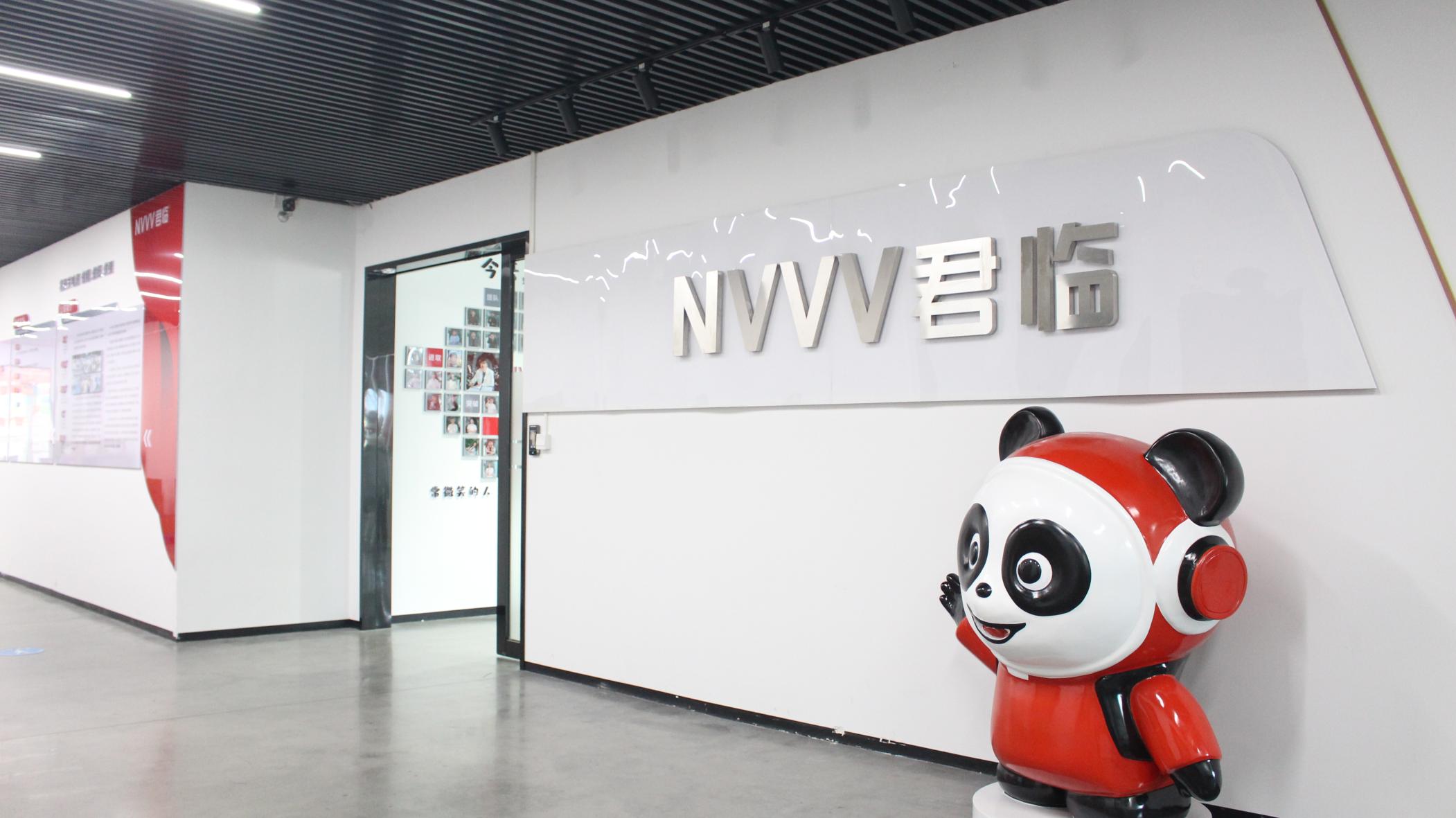
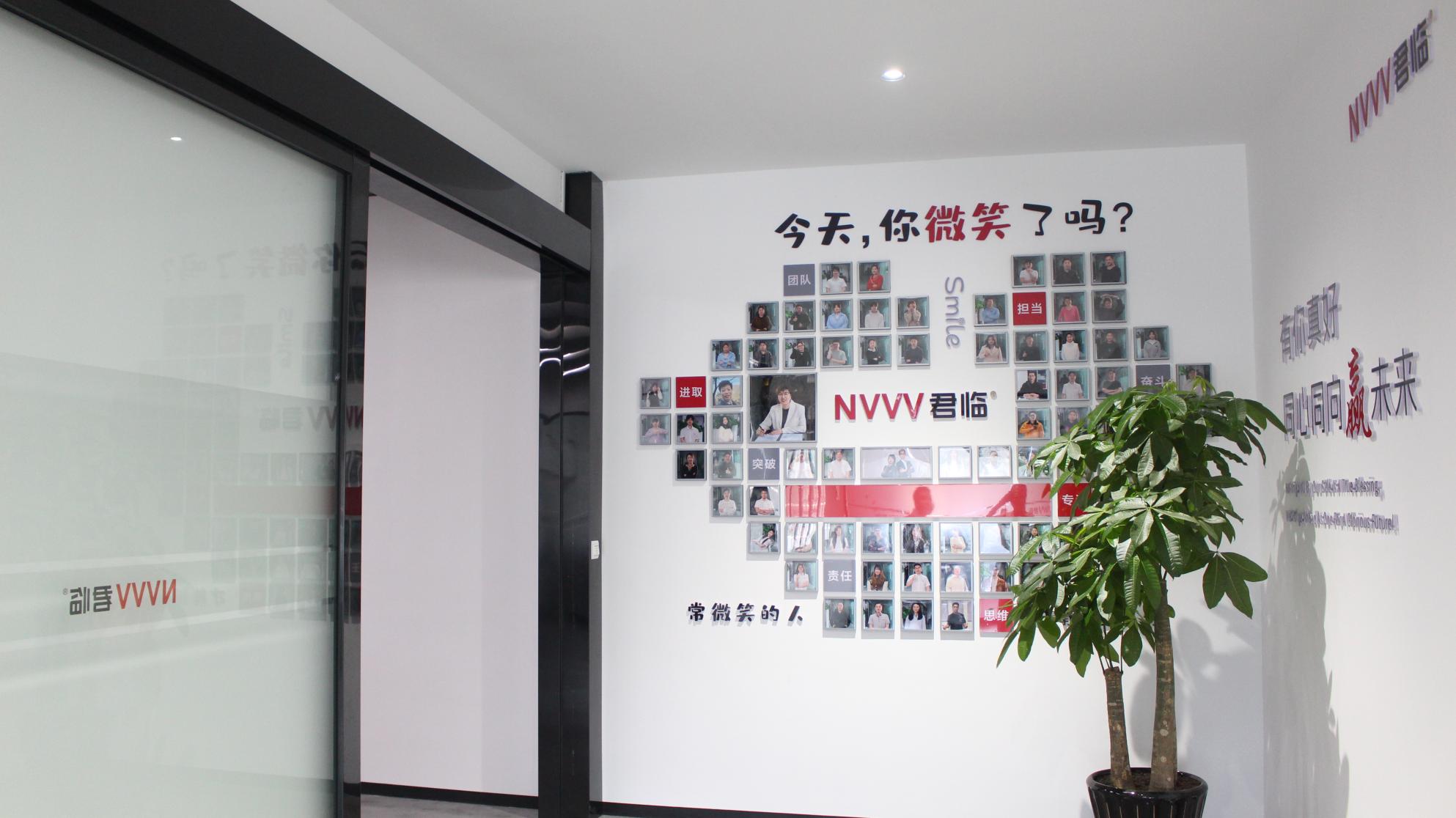
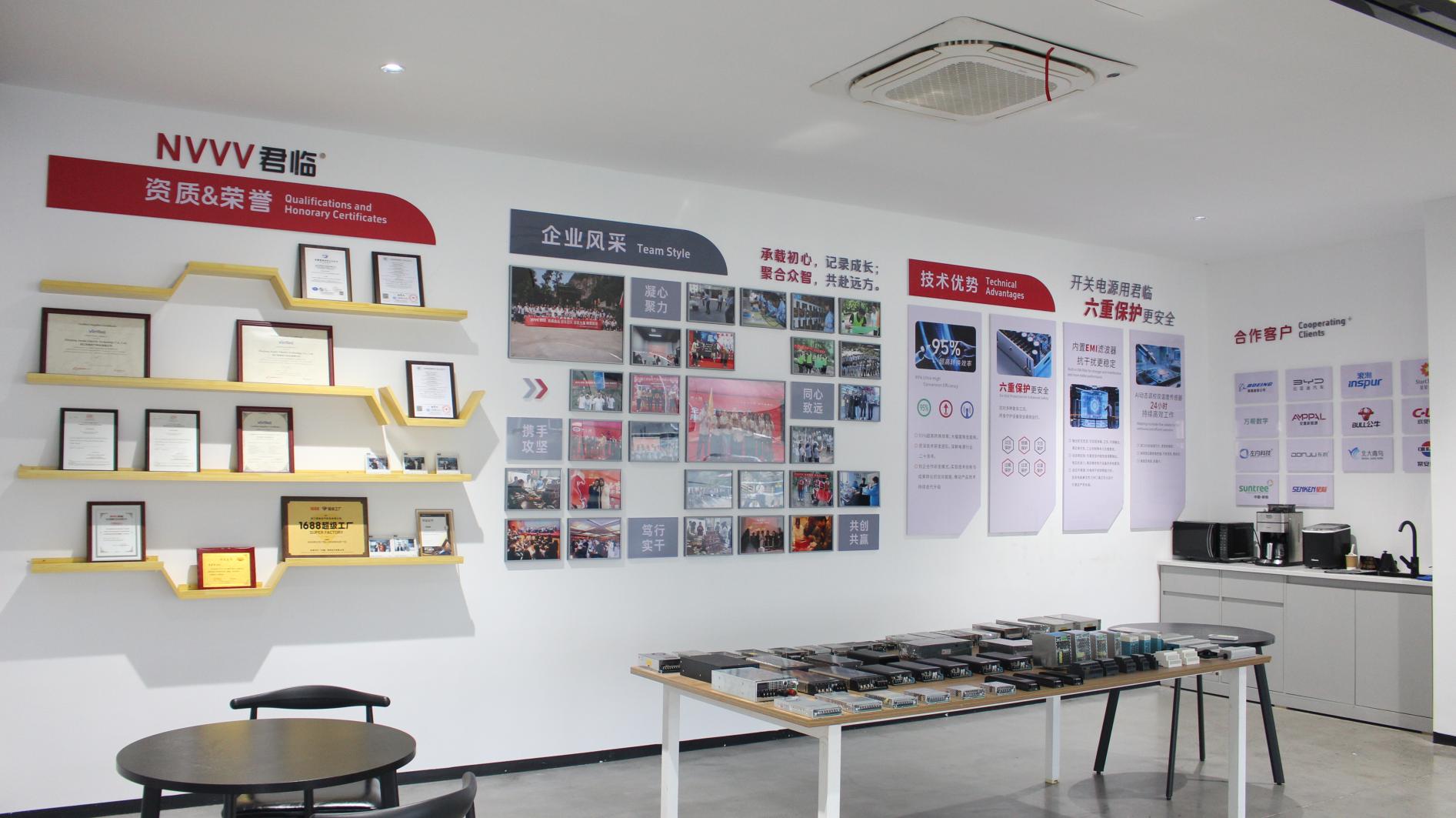
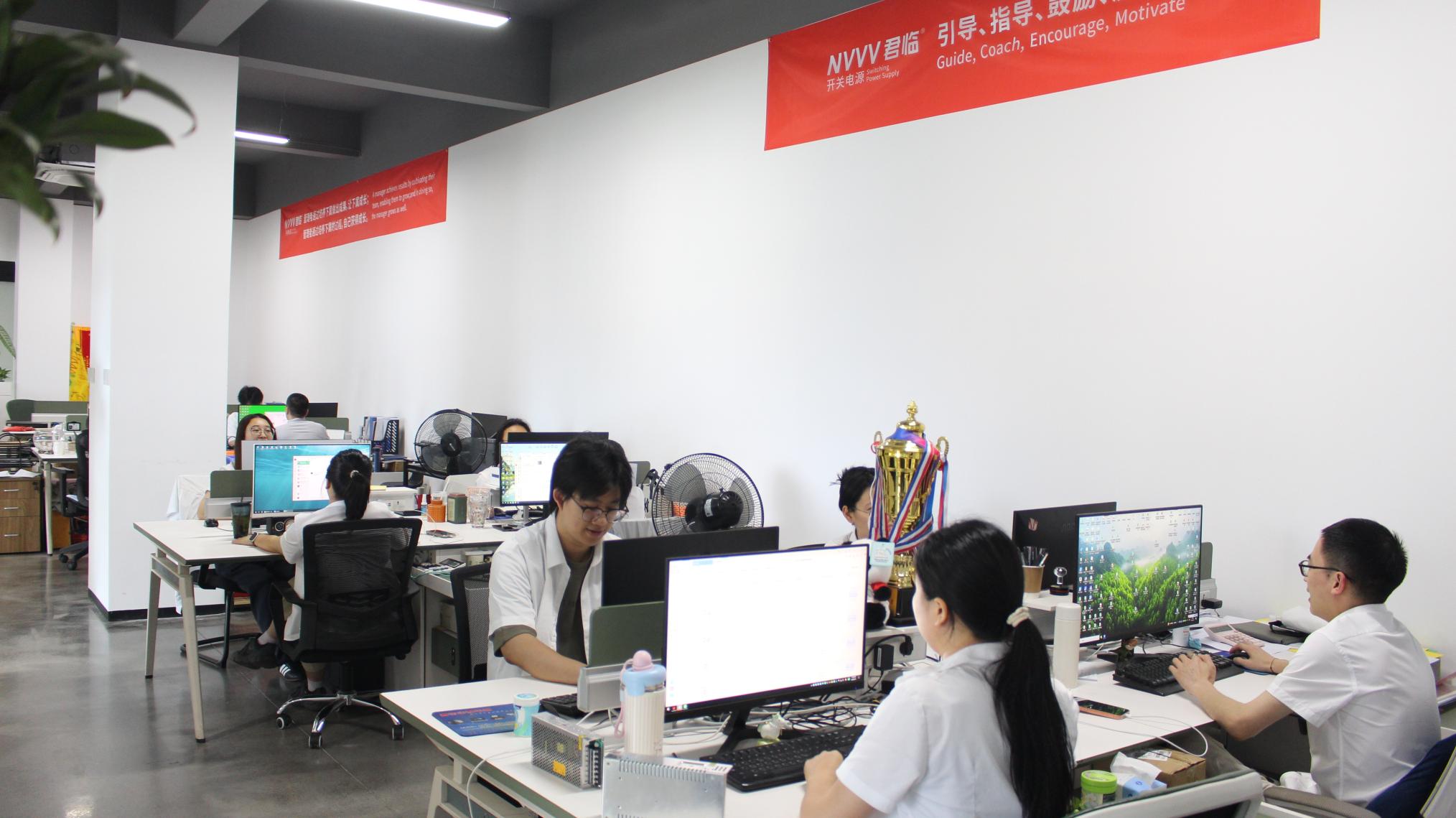
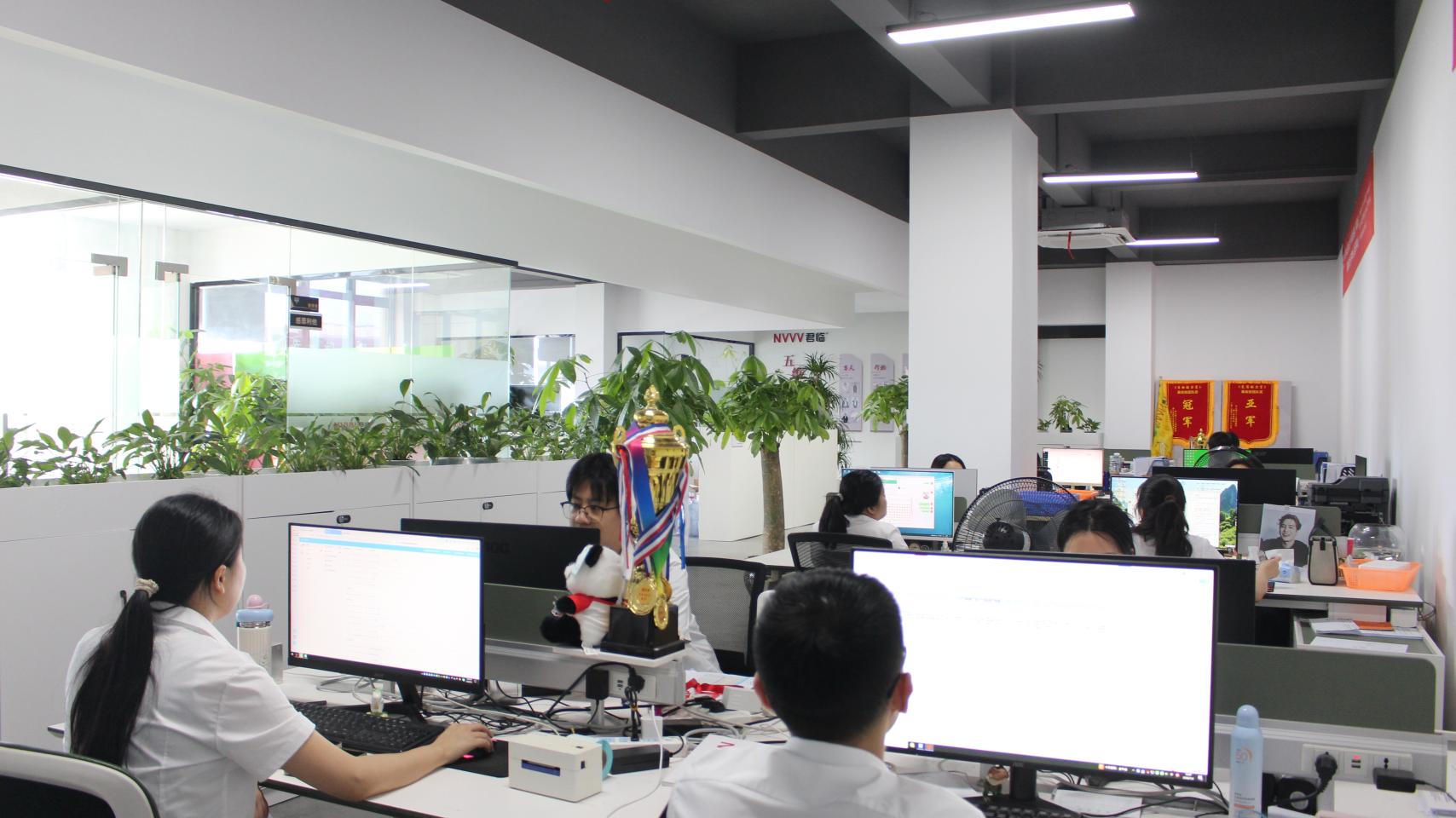
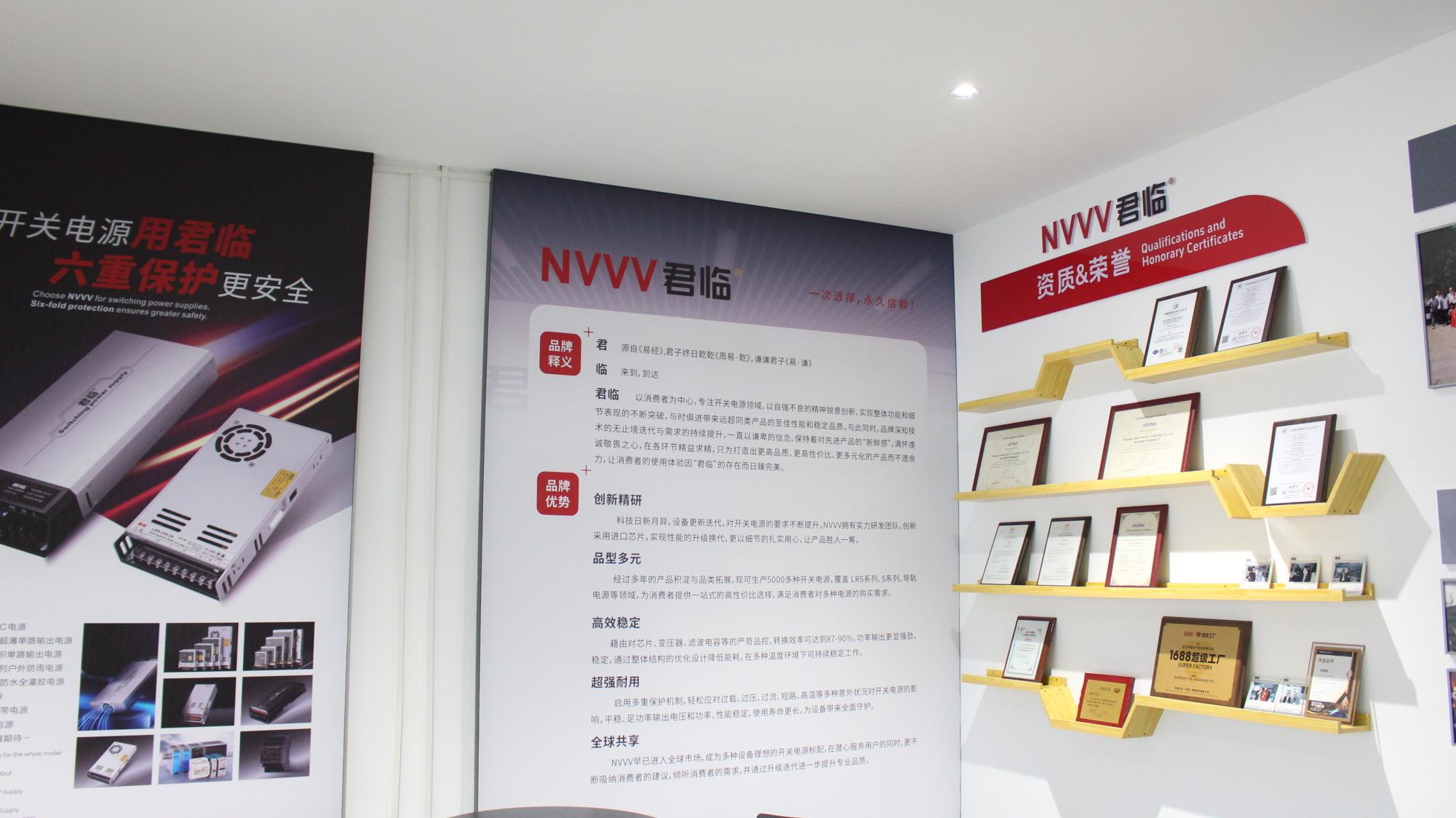
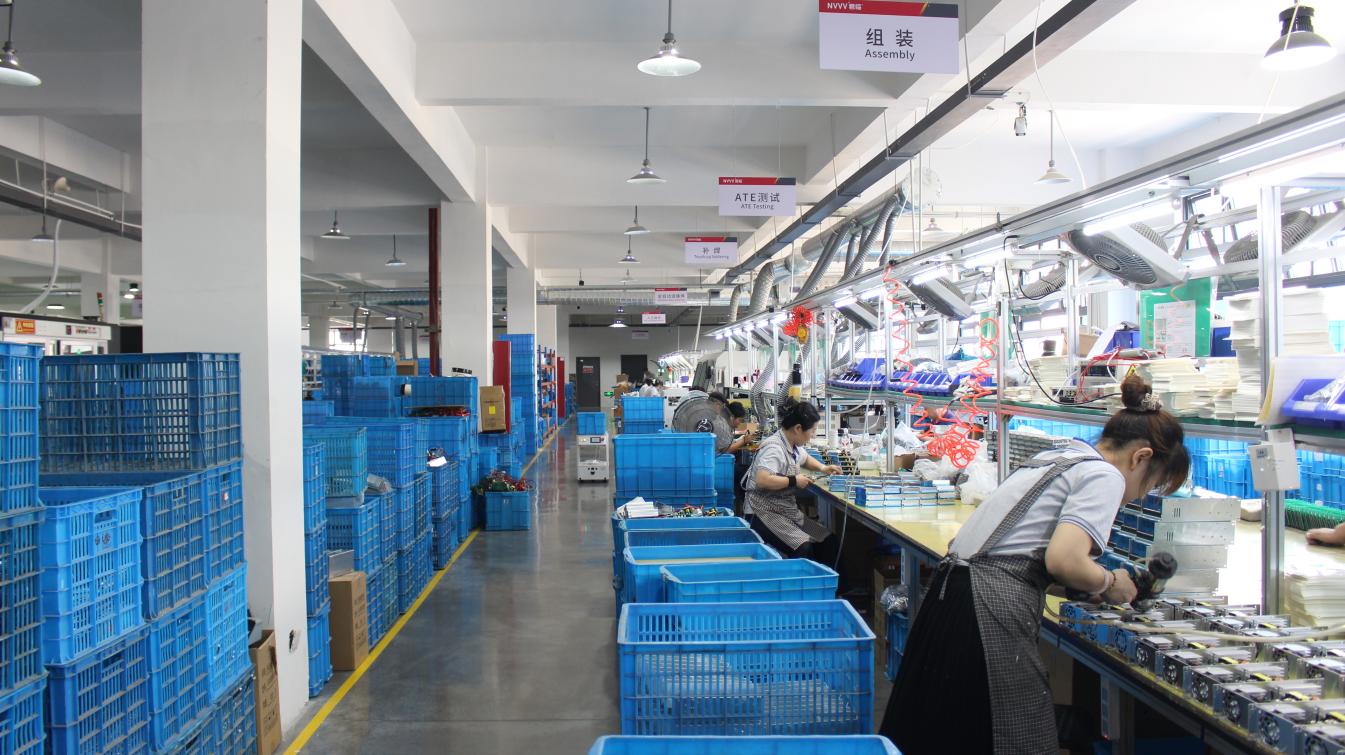
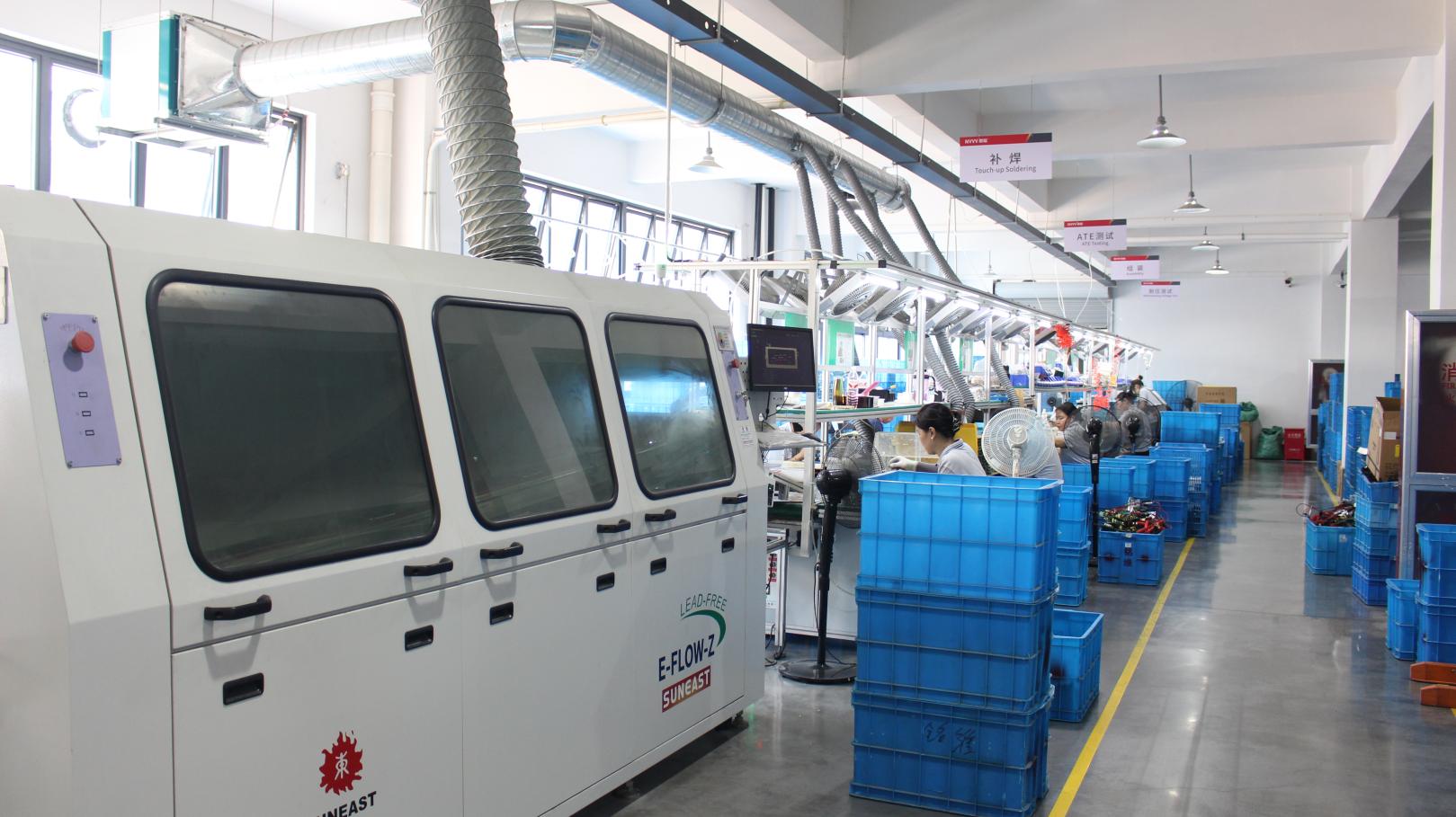
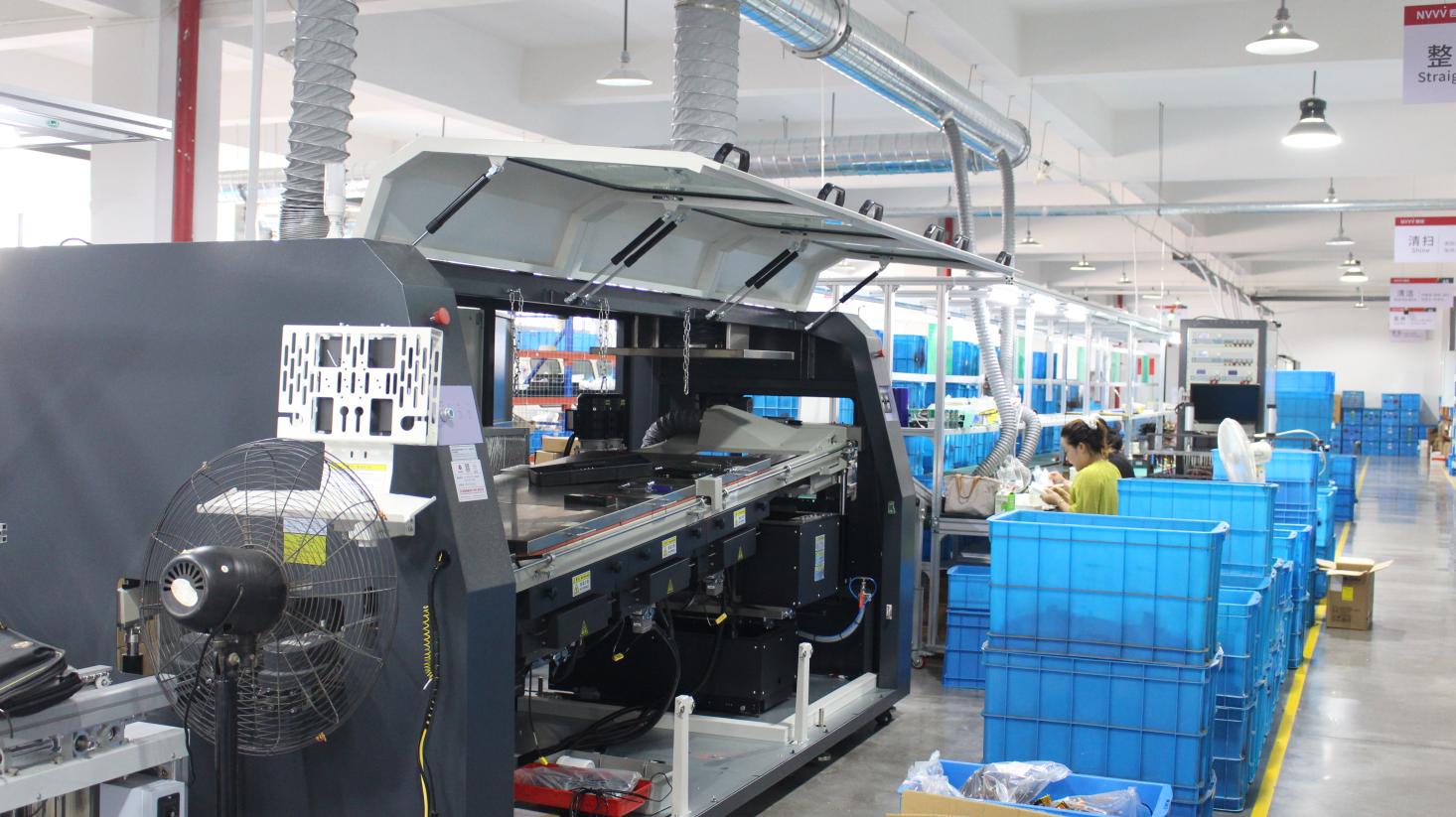
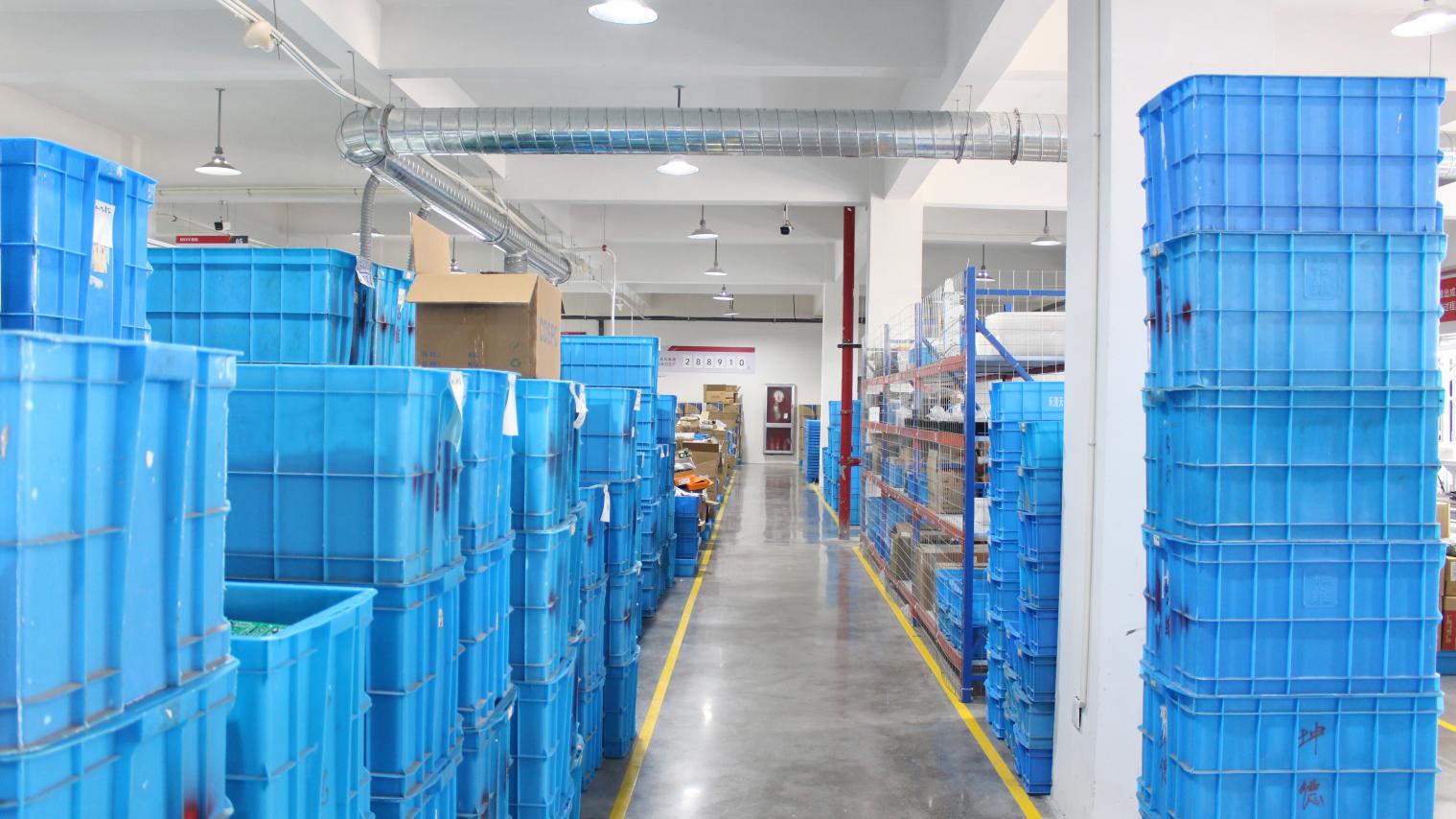
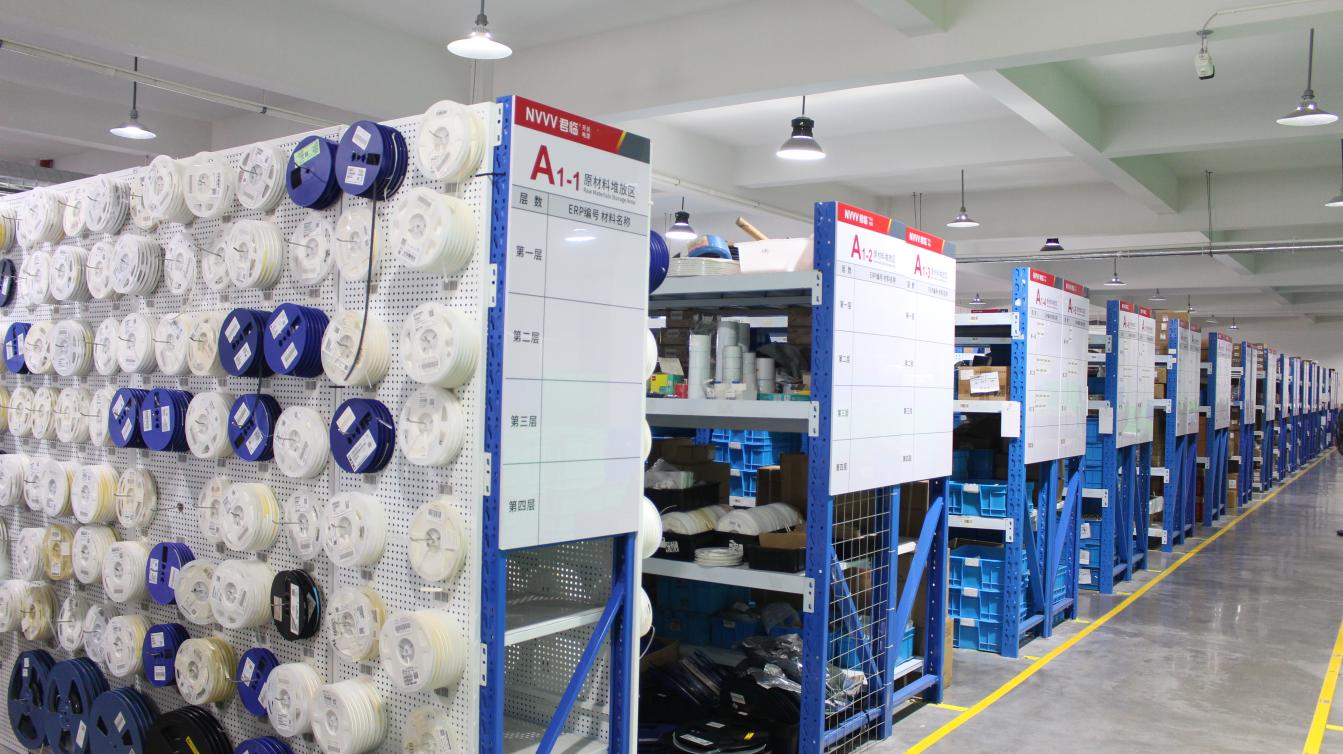
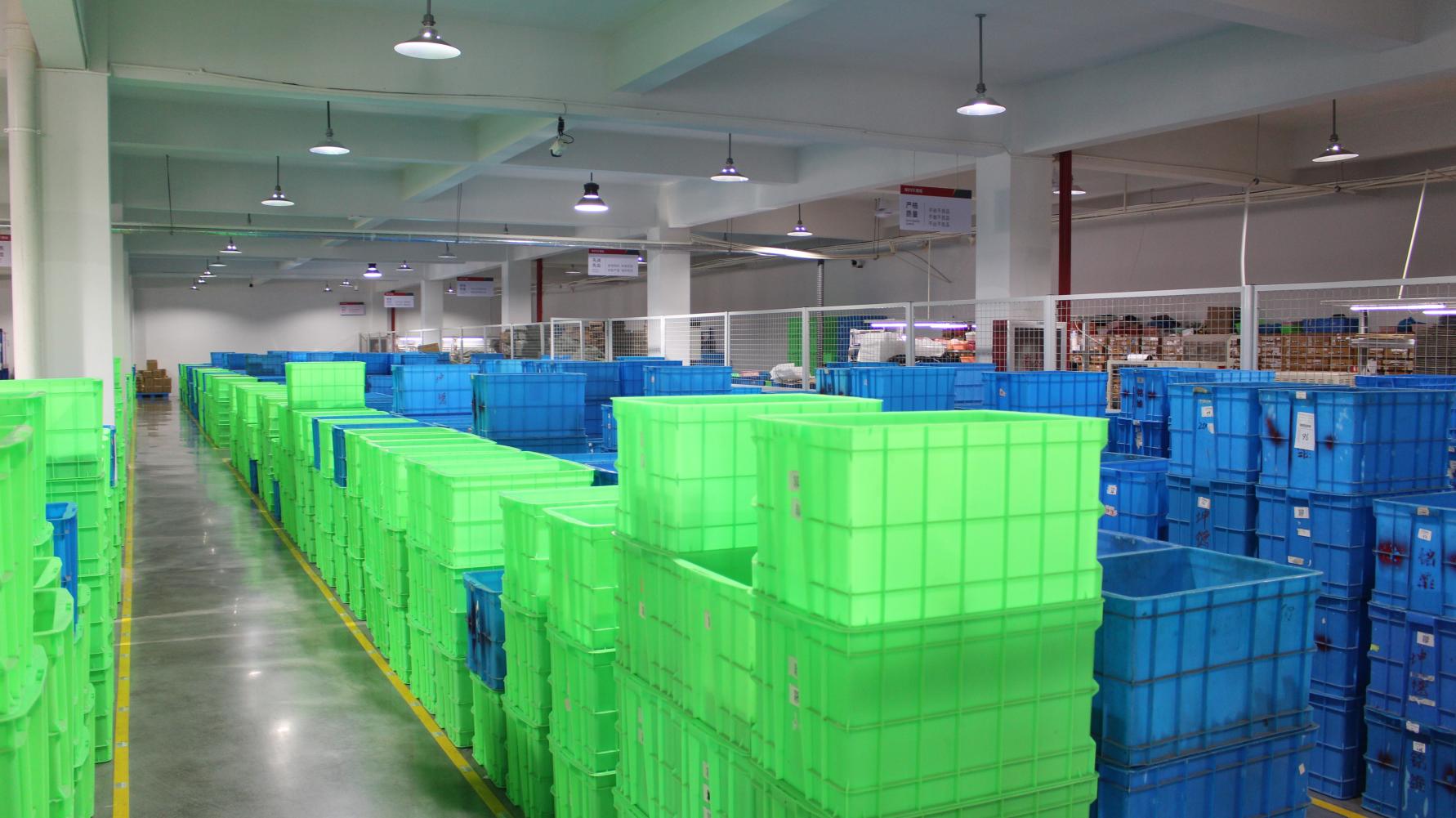
Every single power supply that exits our shipping bay undergoes a series of highly monitored manufacturing steps. We enforce a 100% full-load burn-in (aging) test under varied temperatures to guarantee field survival in harsh operational conditions.
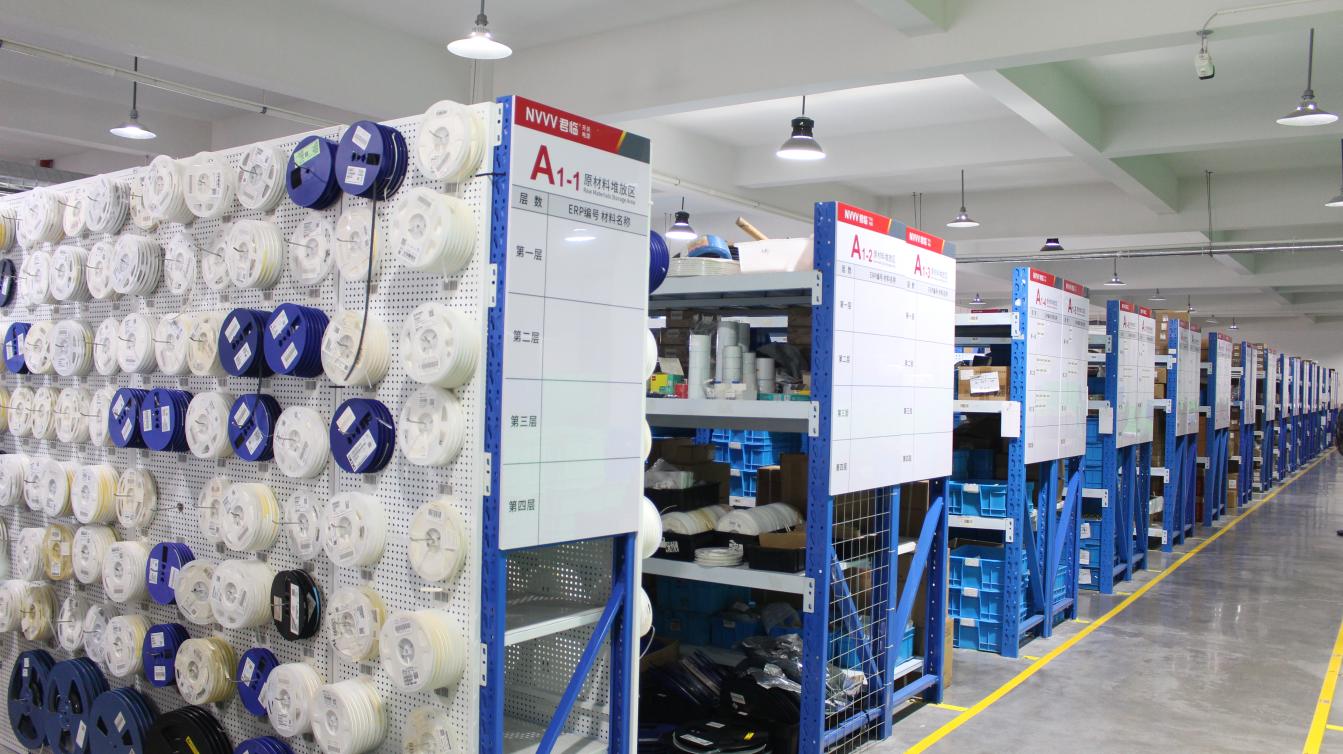 Raw material
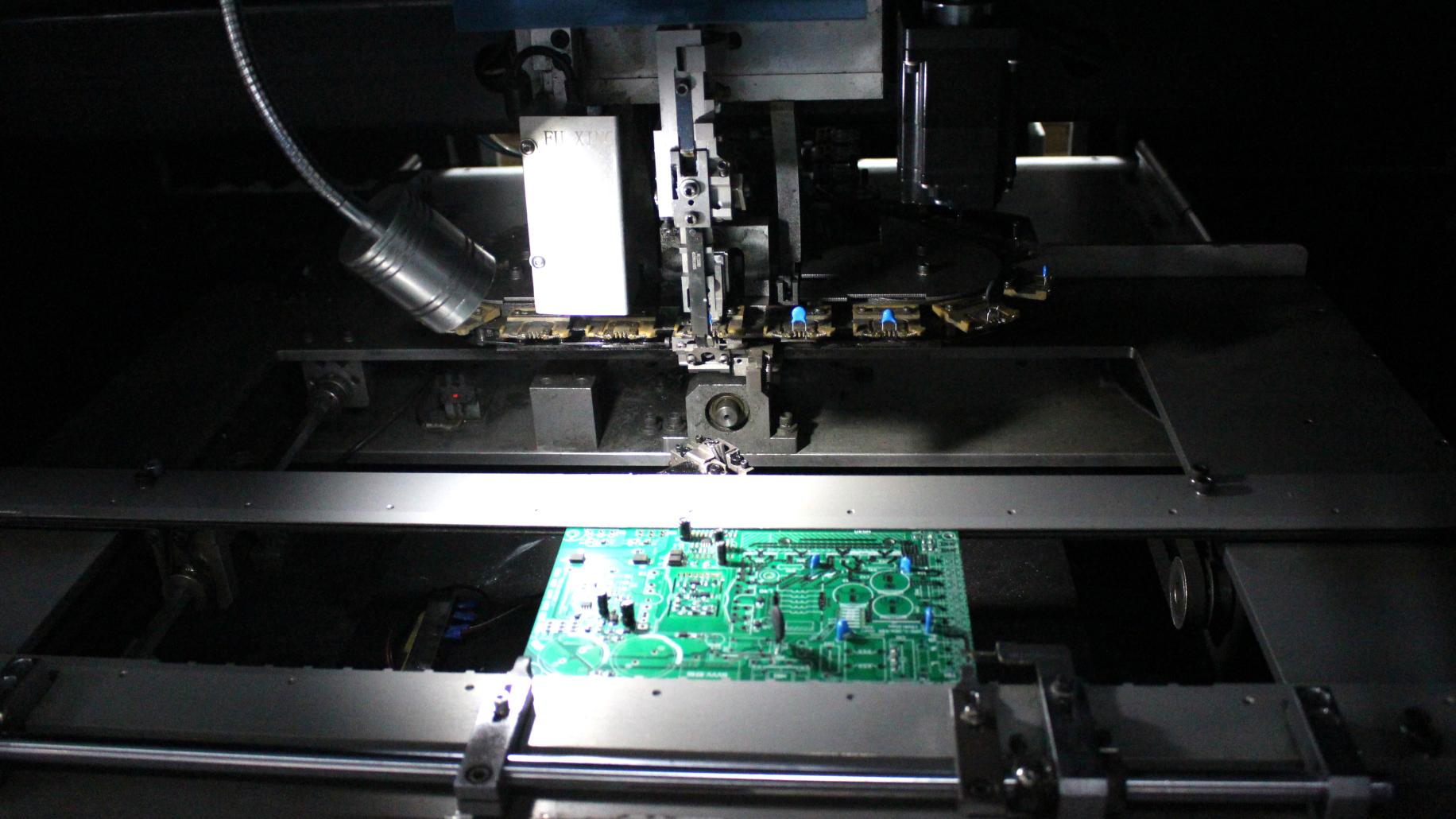 Component plug-in
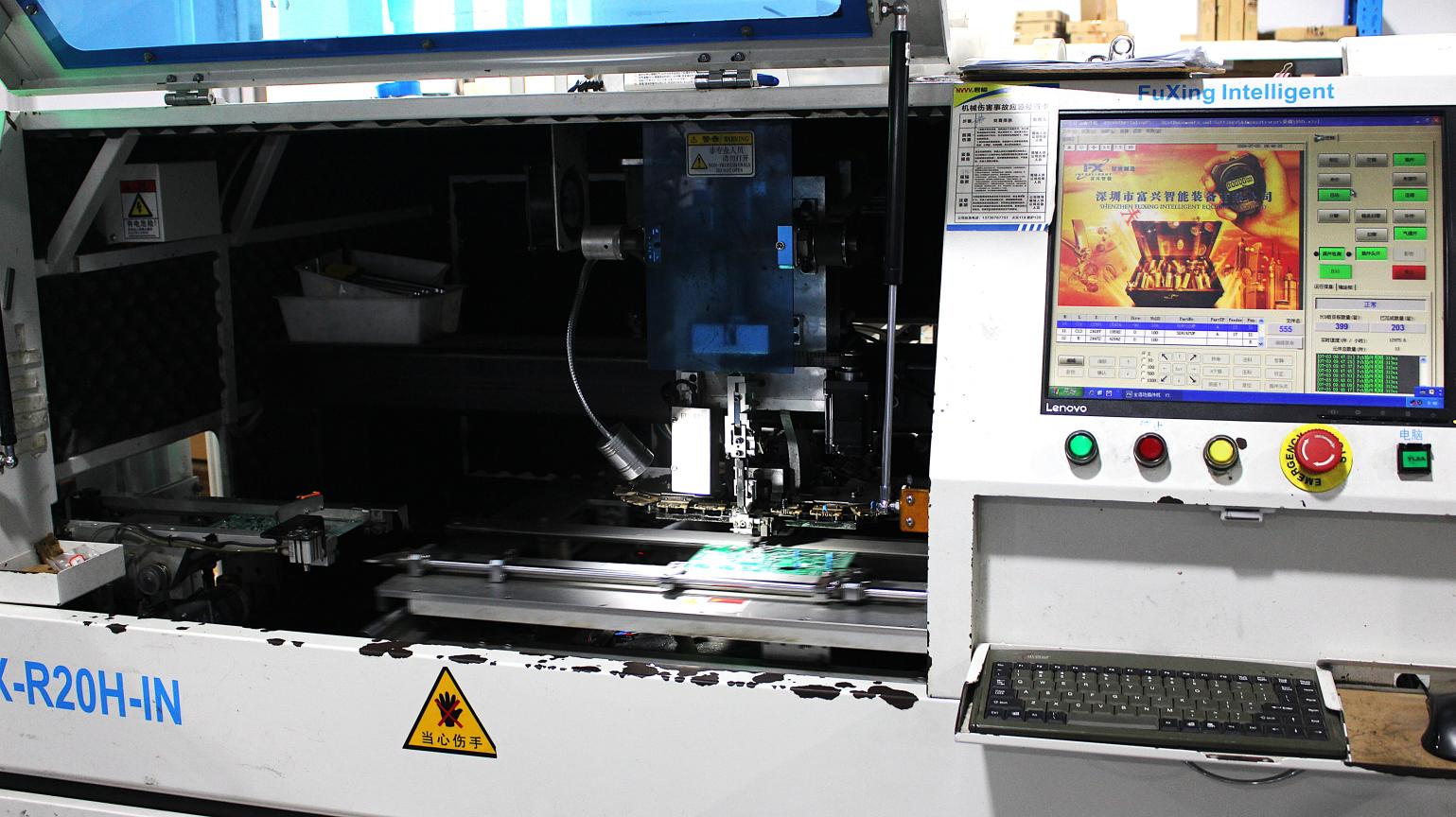 Component plug-in
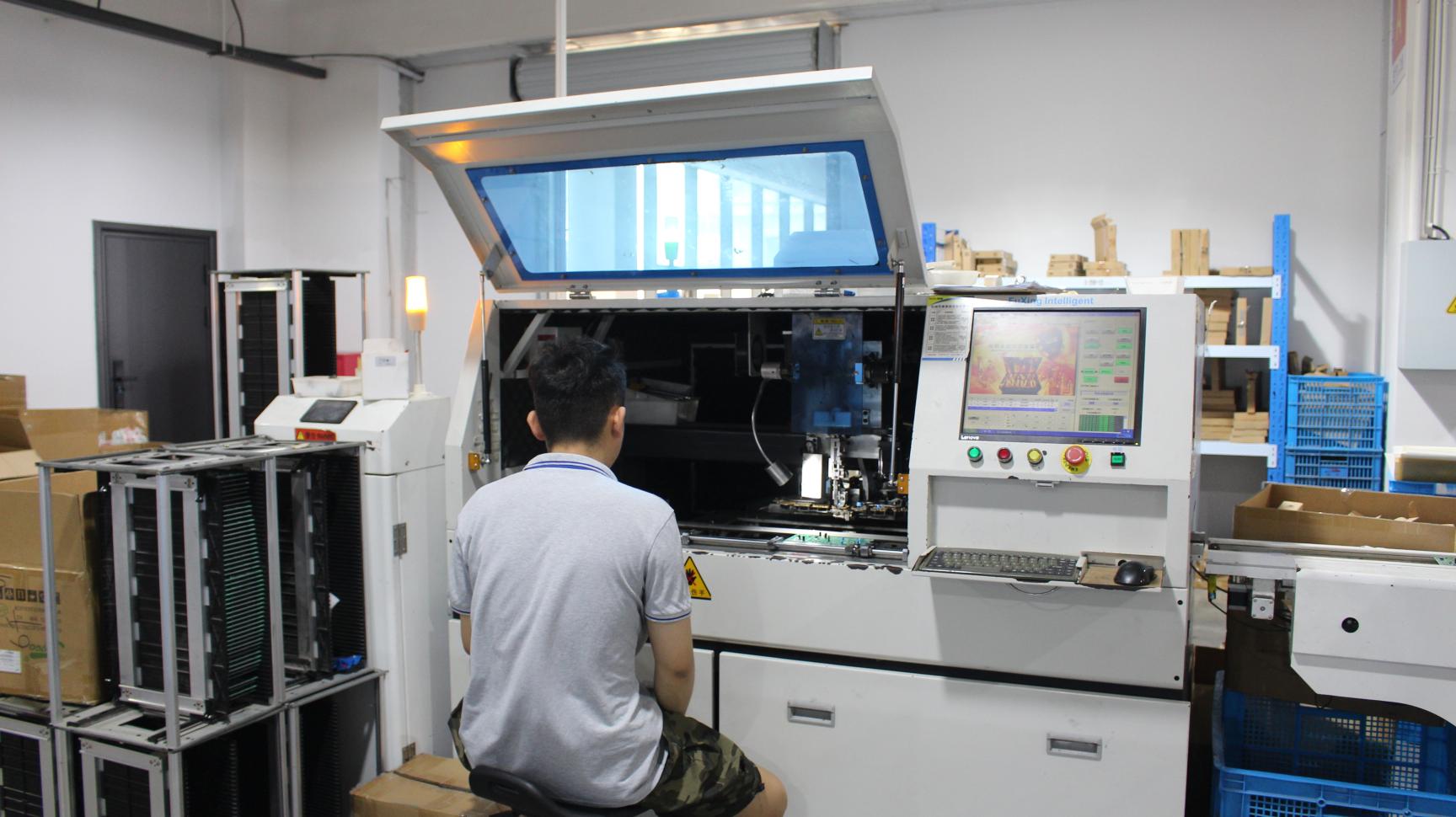 Component plug-in
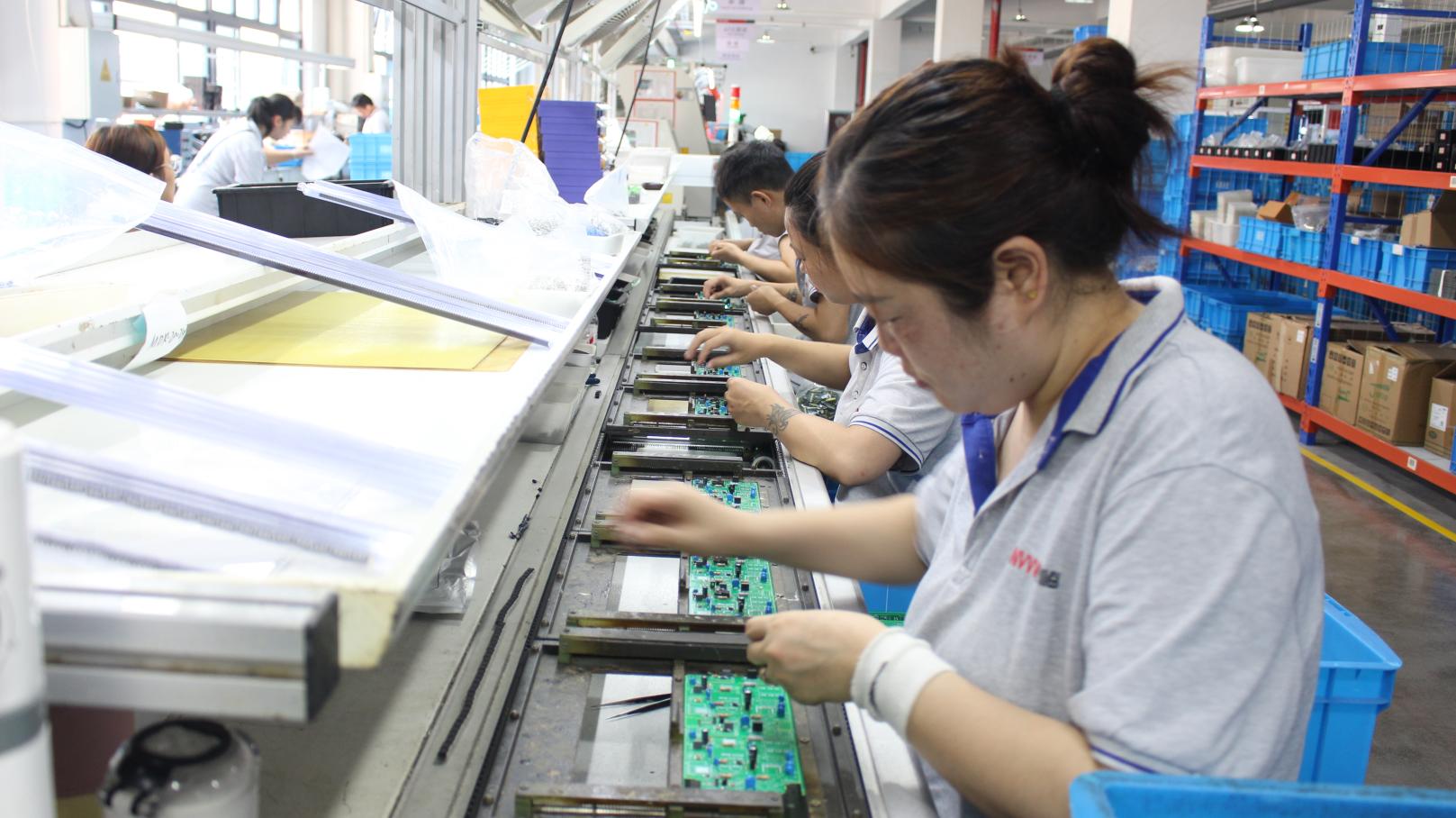 Plug-in
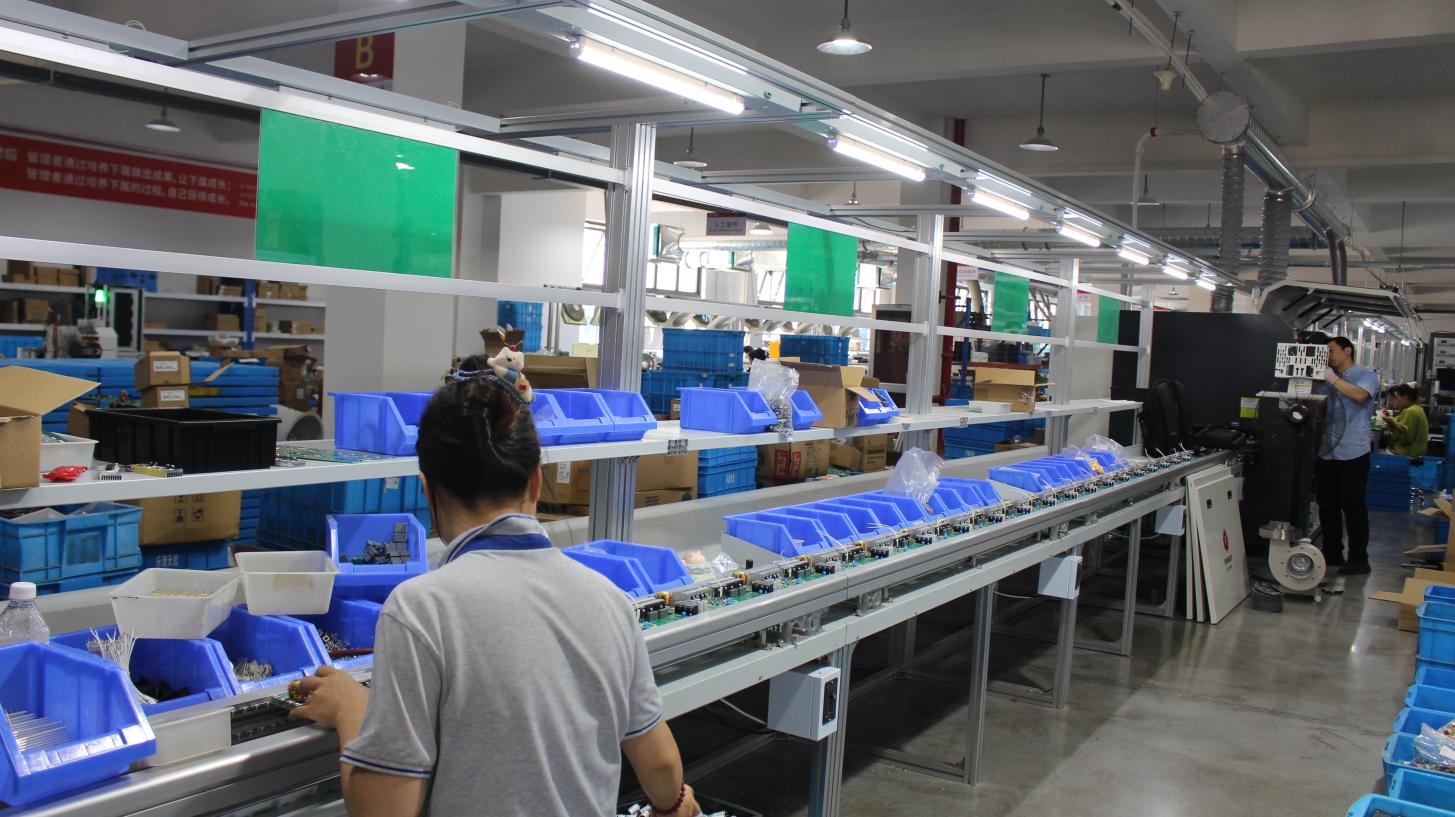 Plug-in
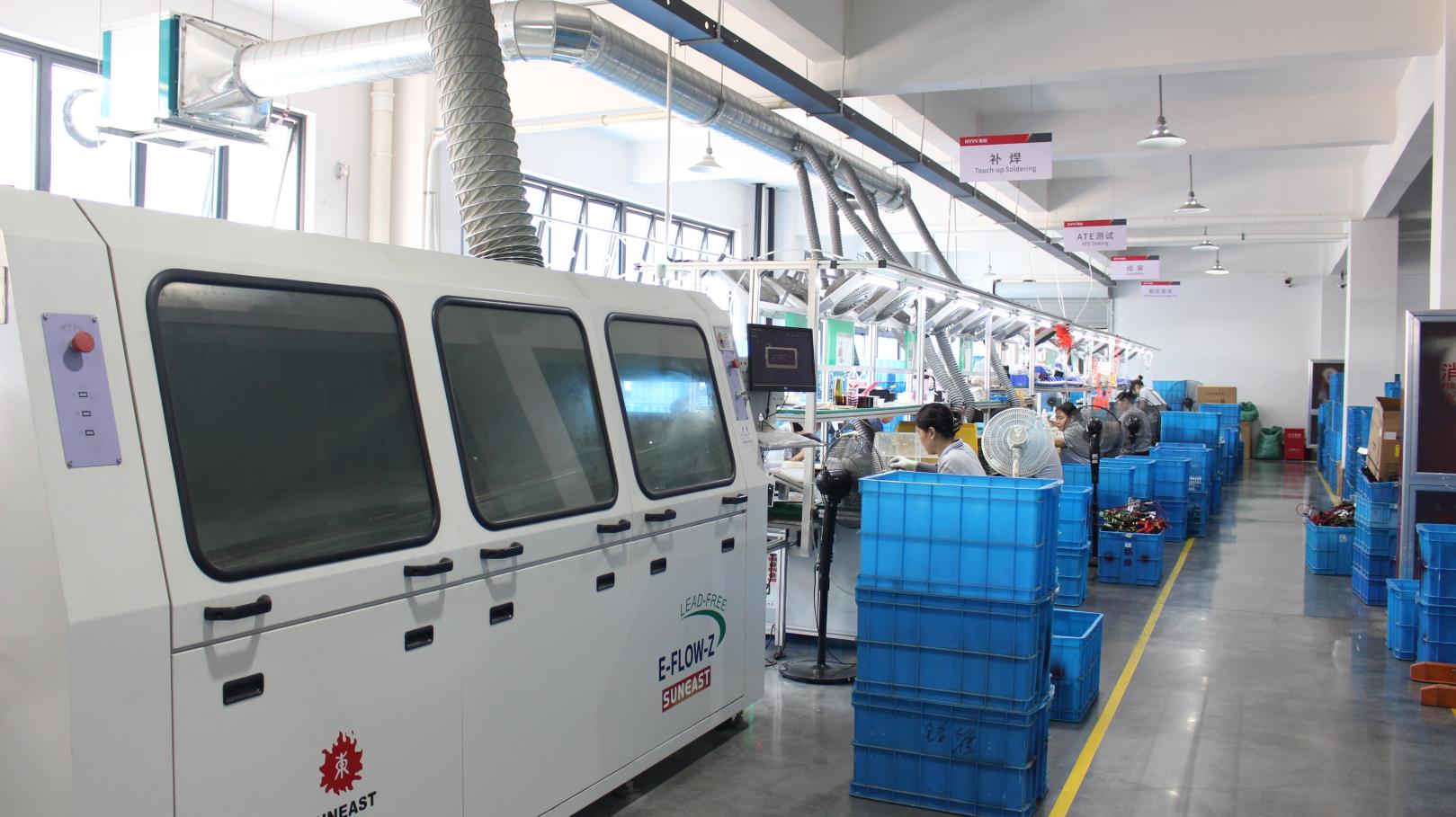 Wave soldering
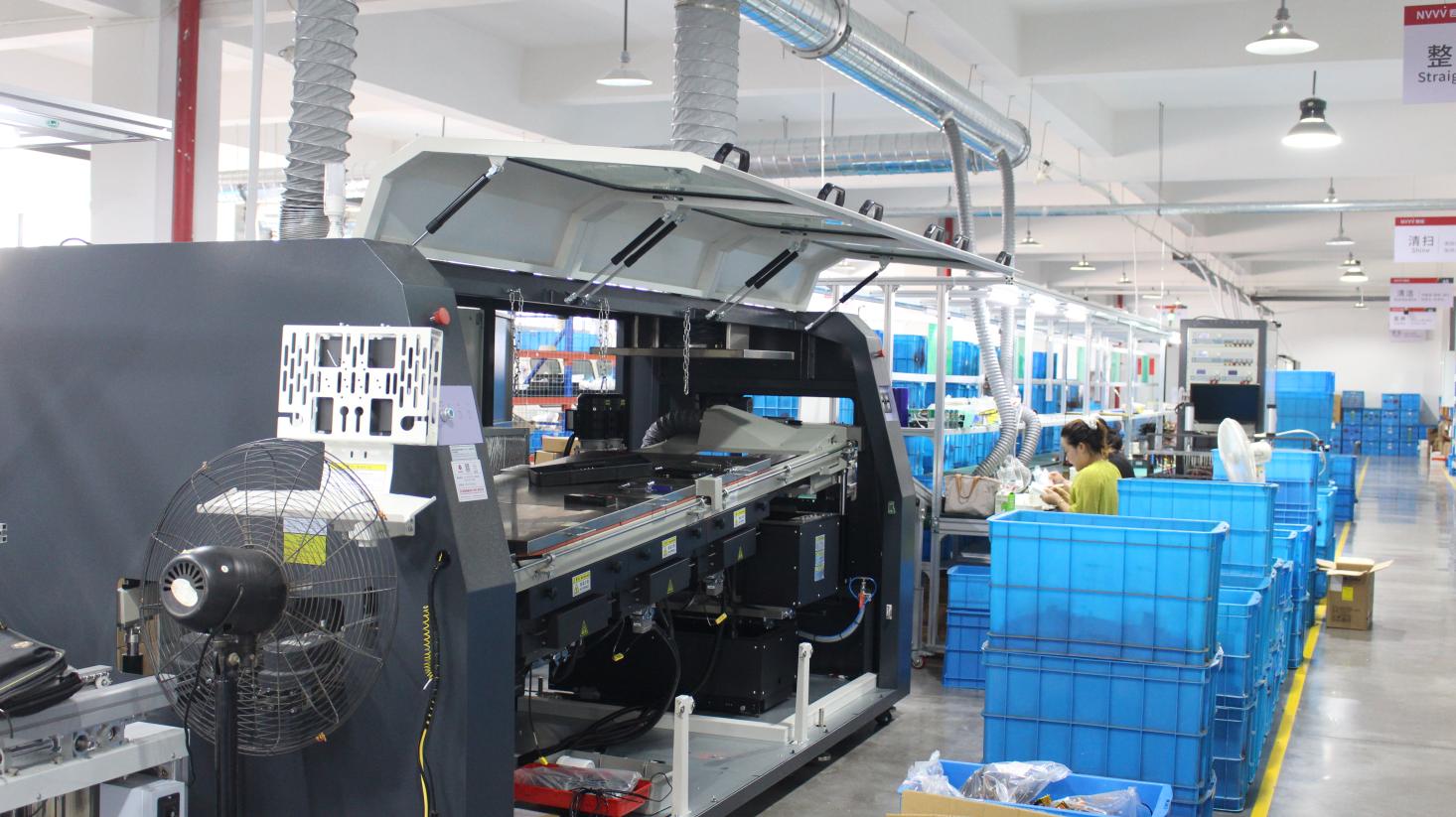 Wave soldering
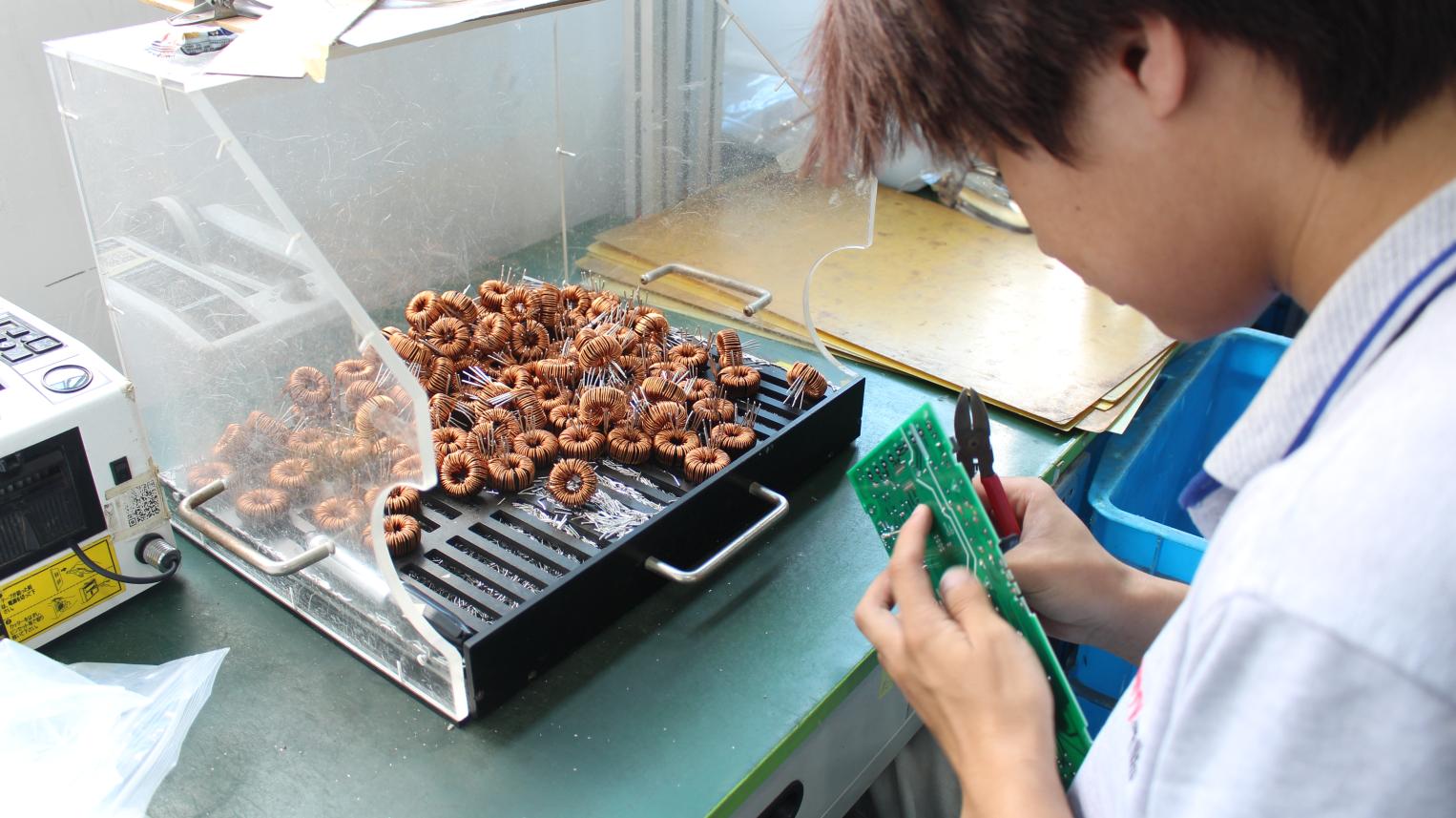 Assembling
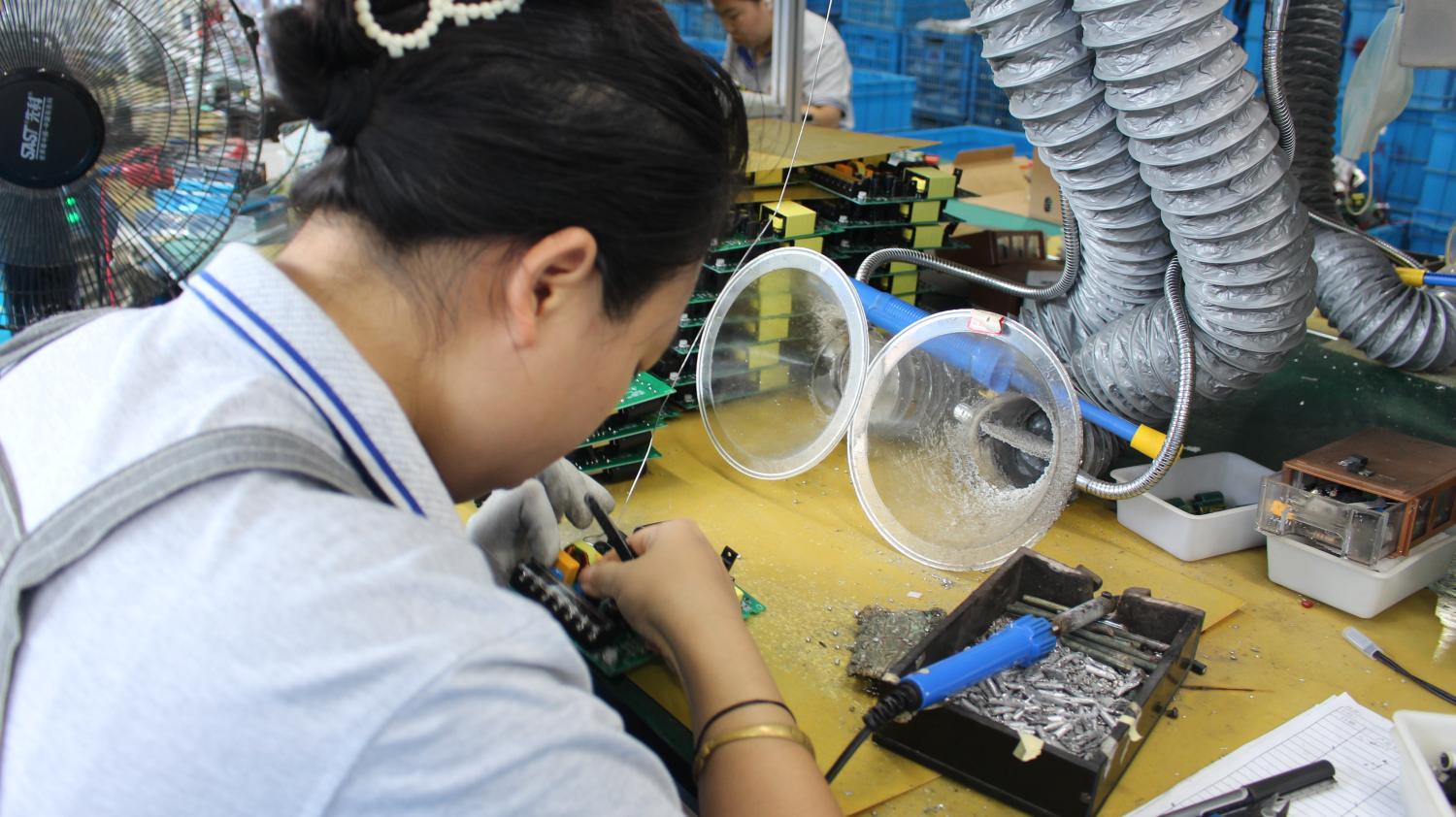 Assembling
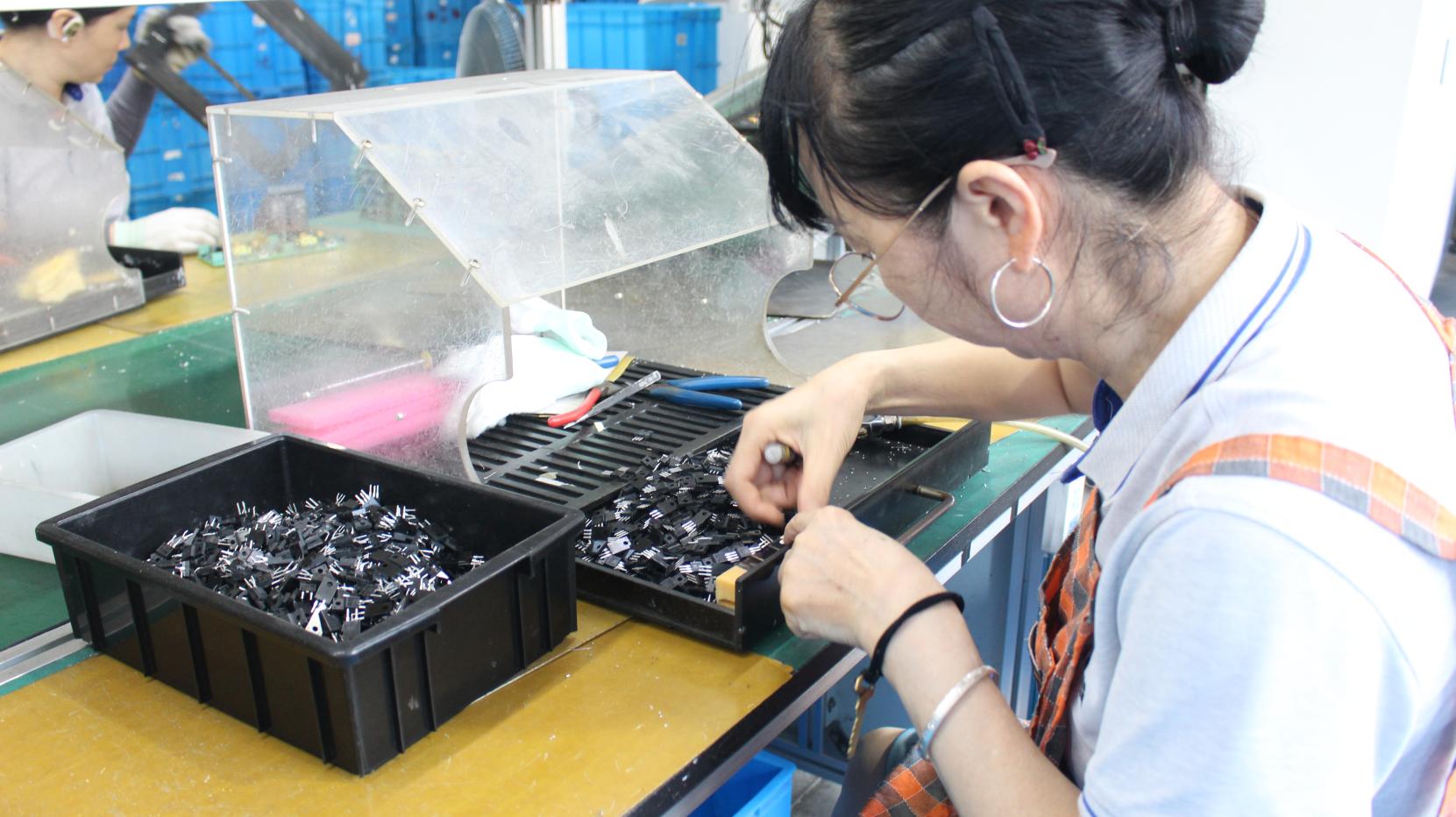 Assembling
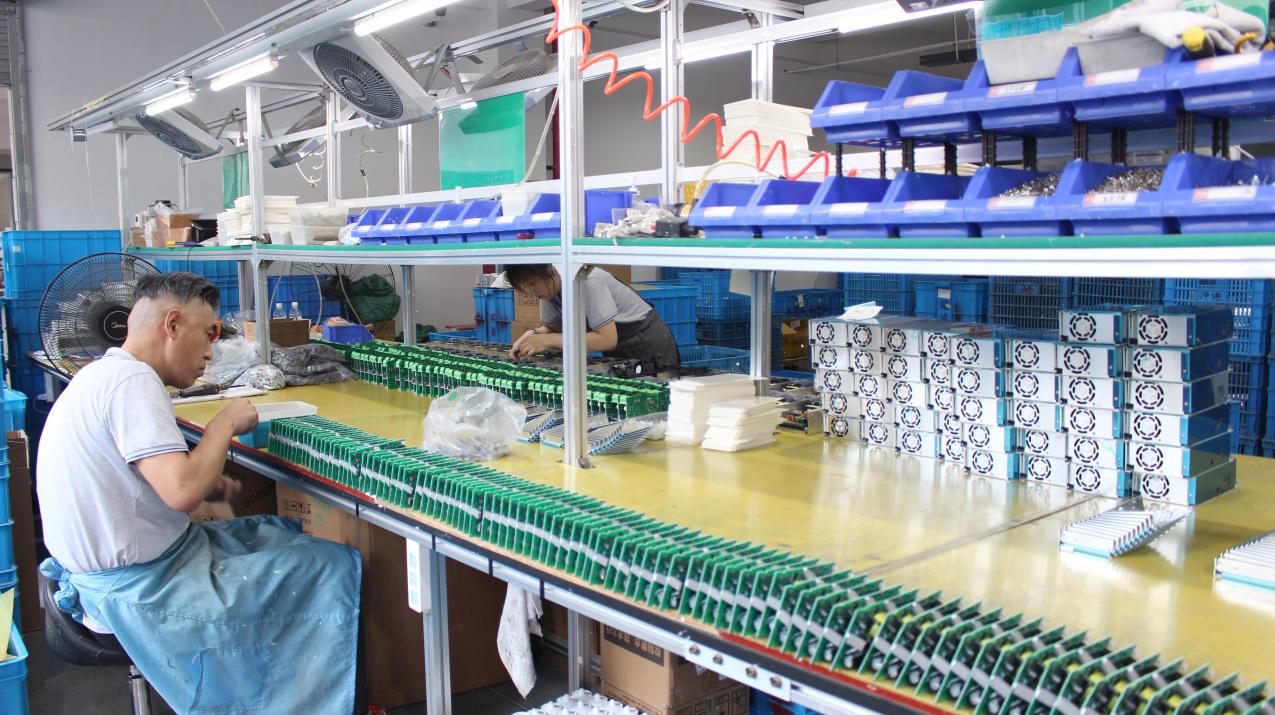 Assembling
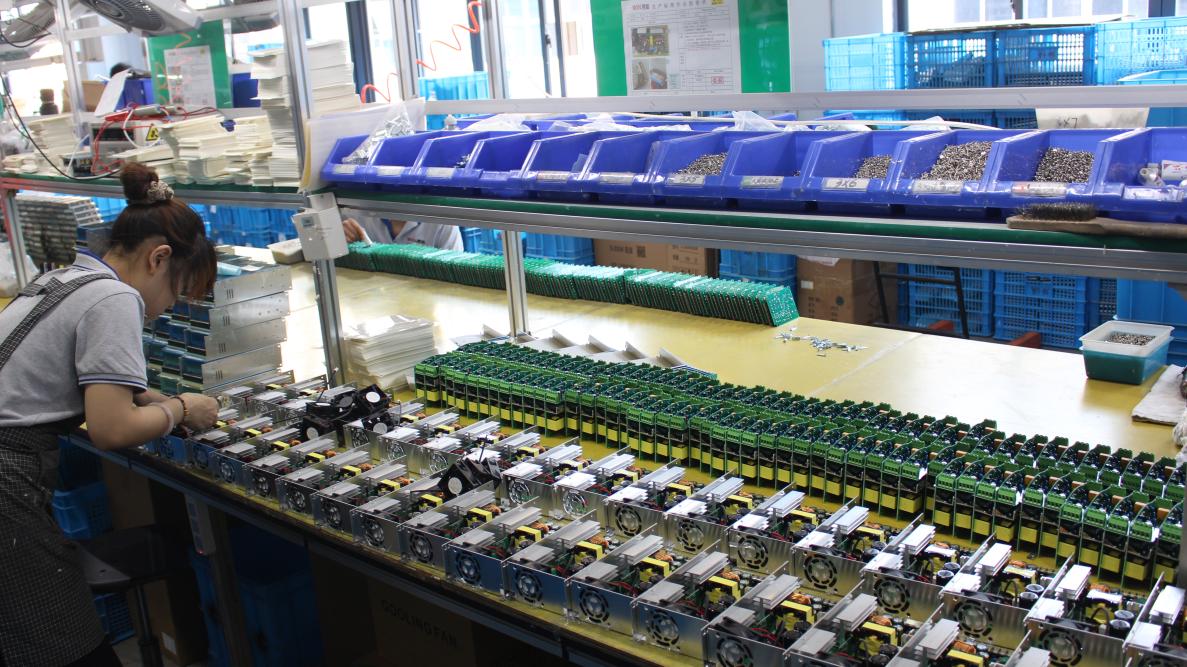 Assembling
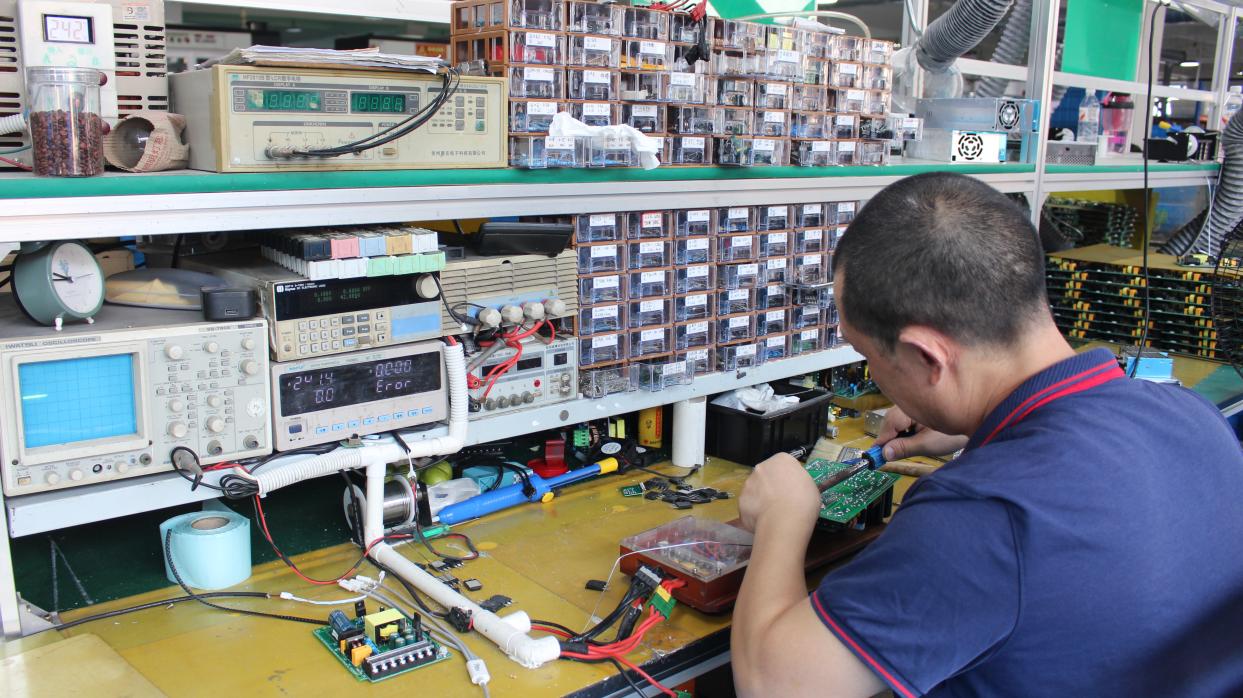 Assembling
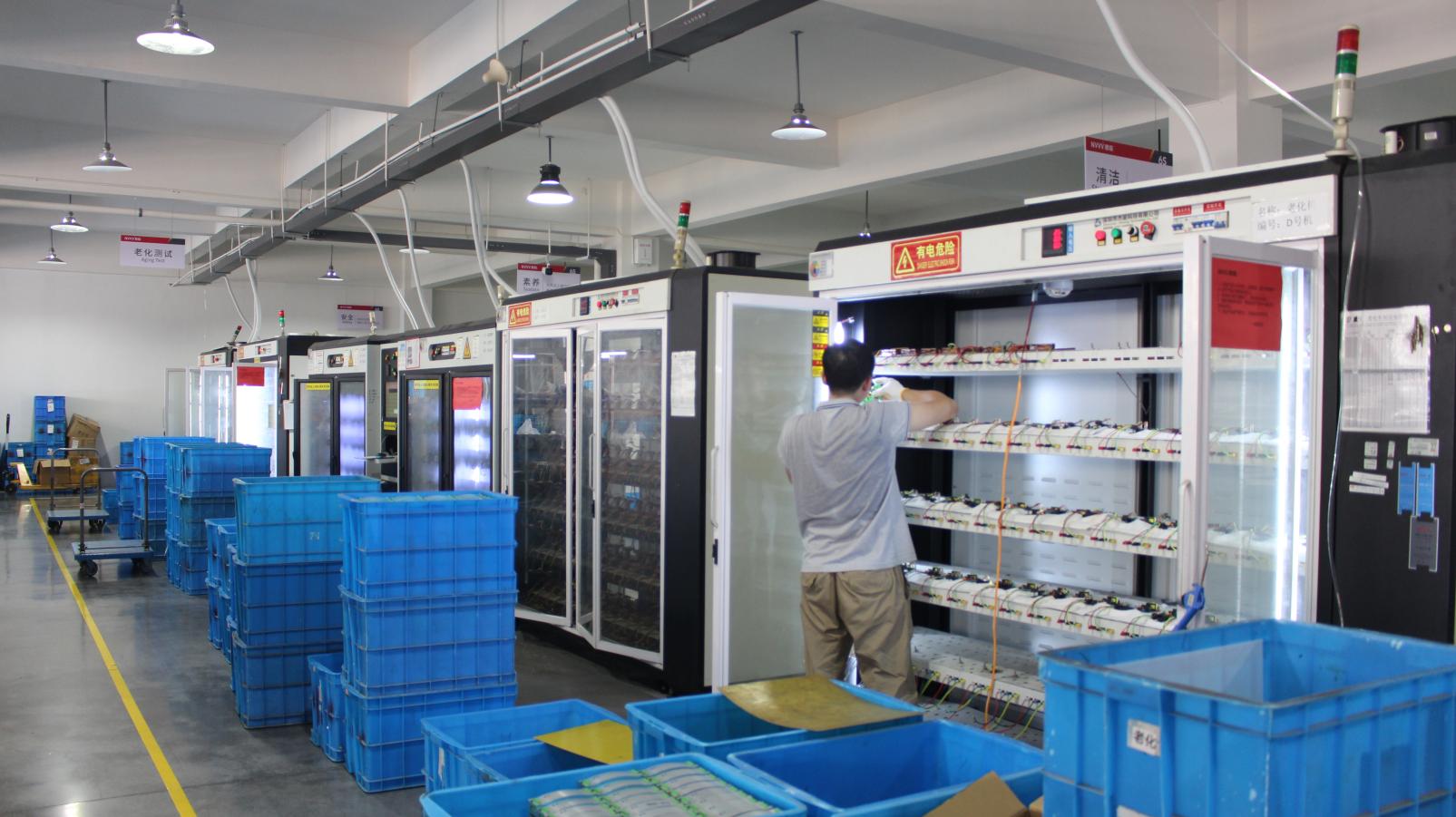 Testing
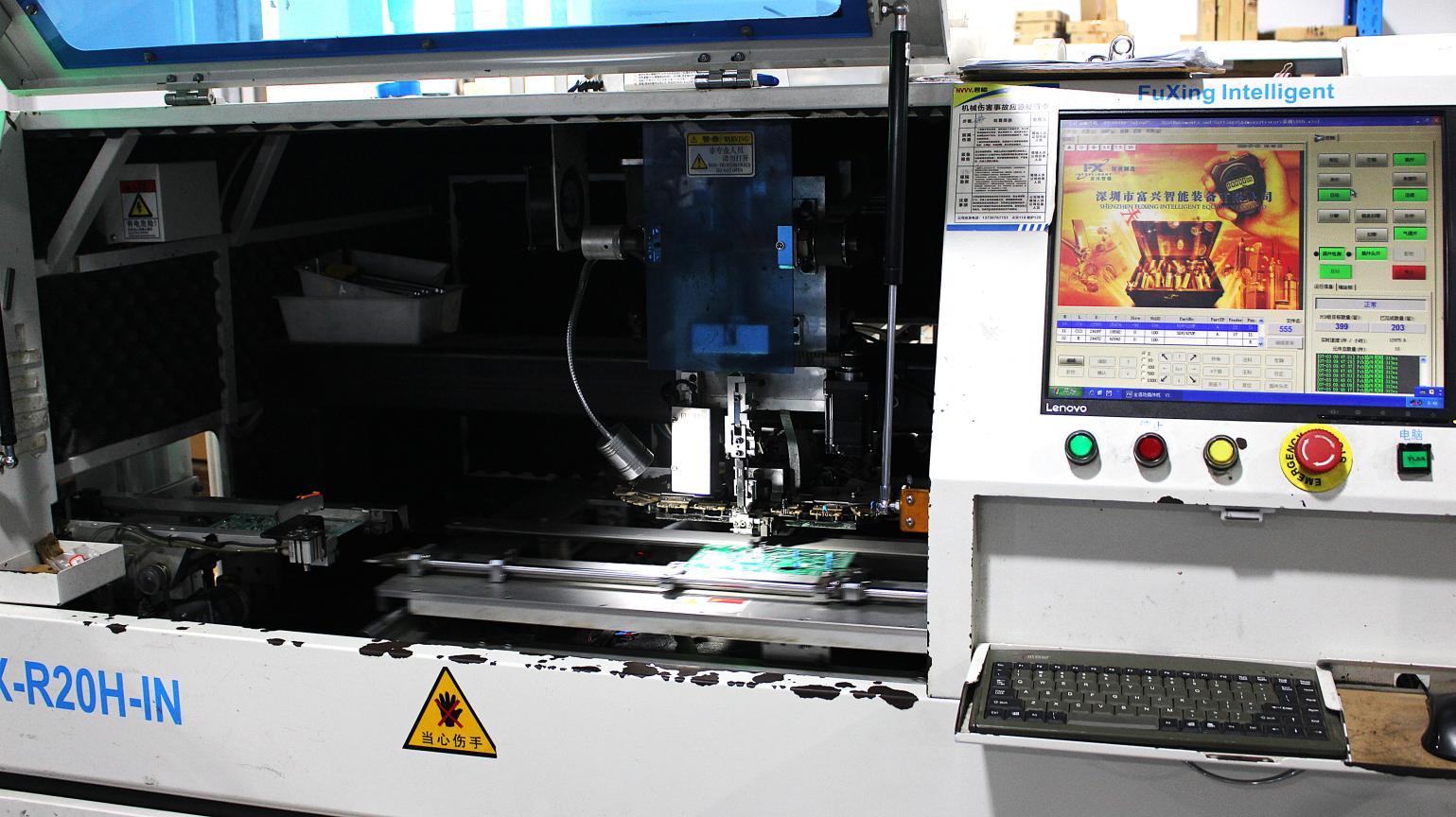 Component plug-in machine
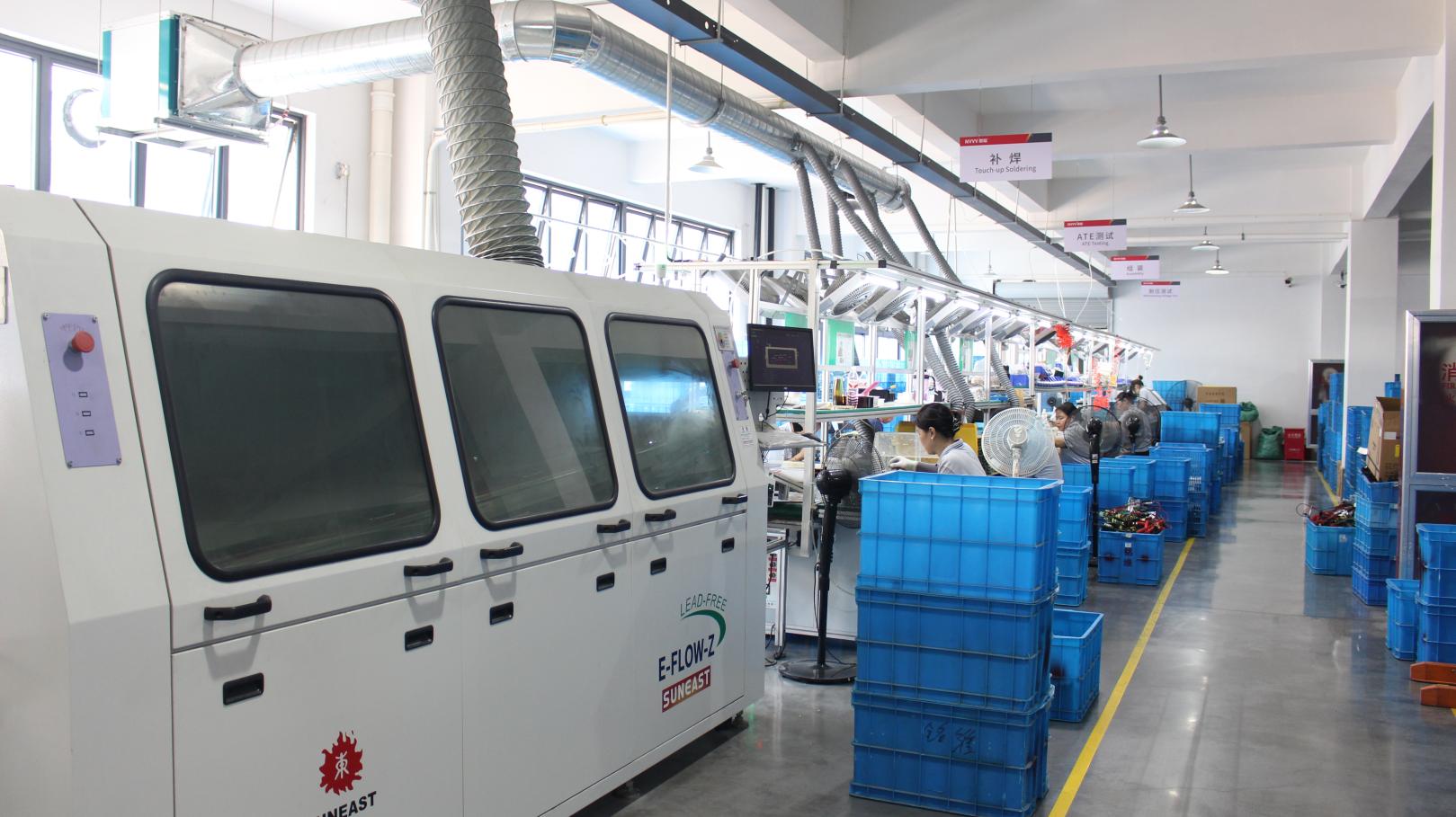 Wave soldering machine
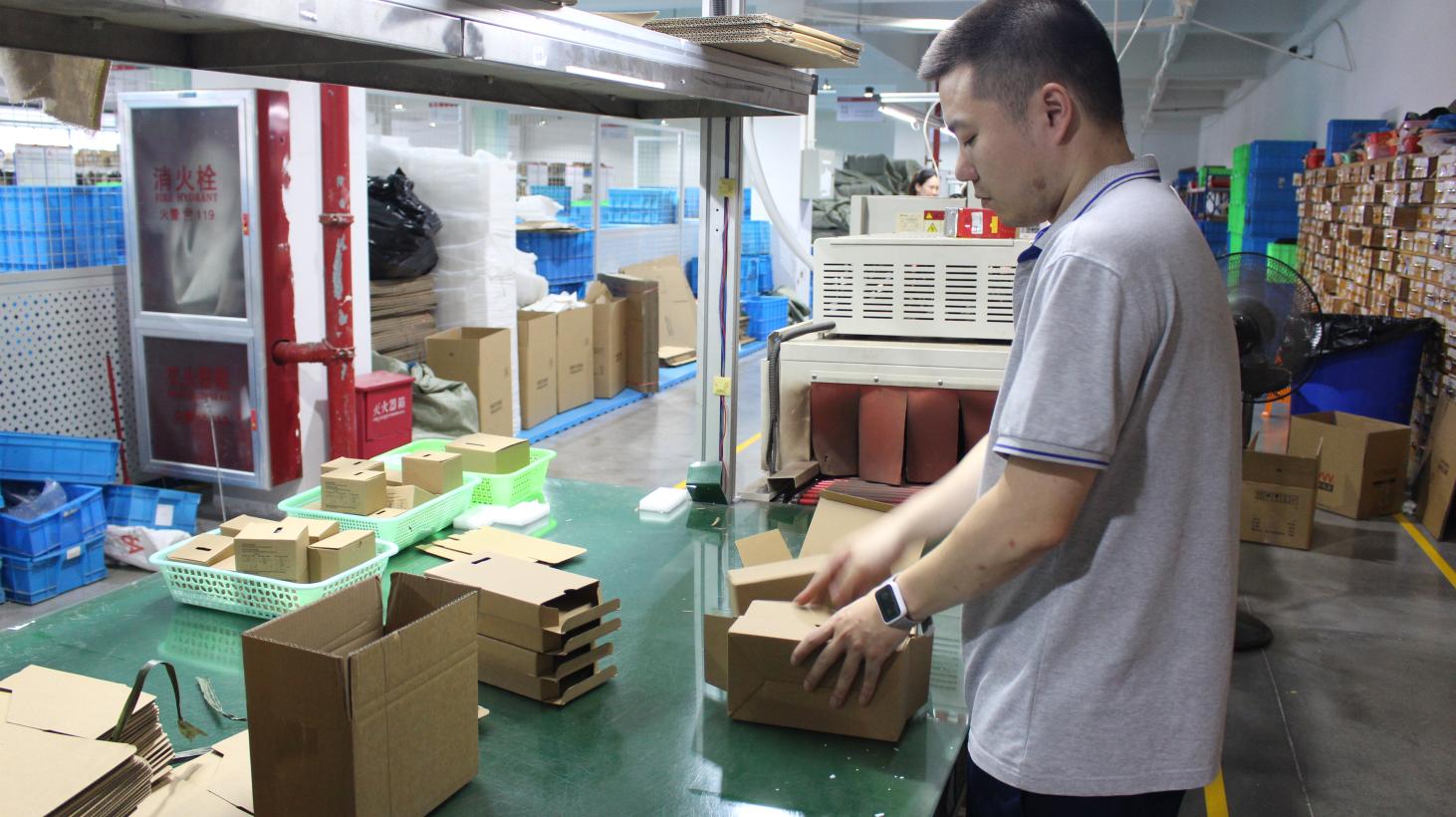 Automatic packing machine
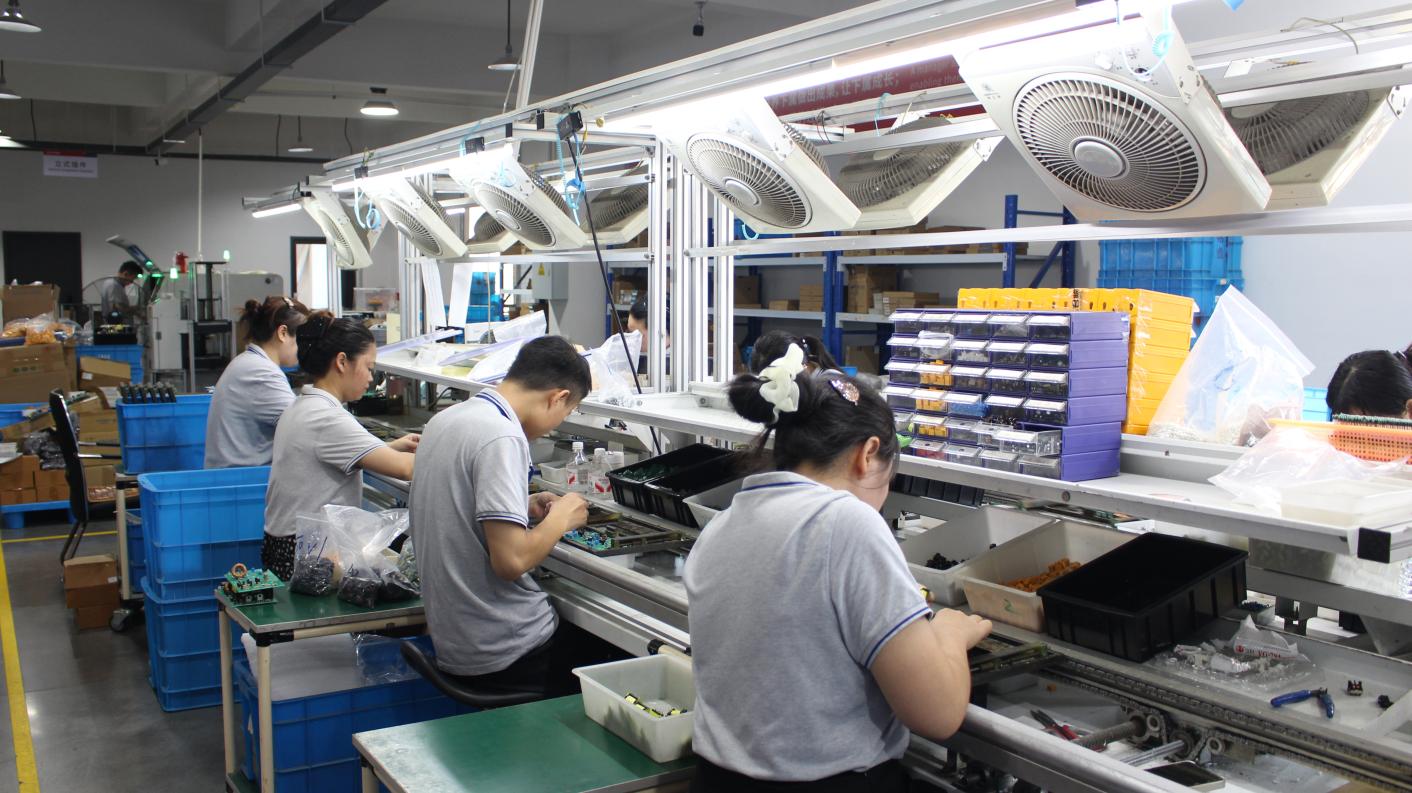 Assembly line
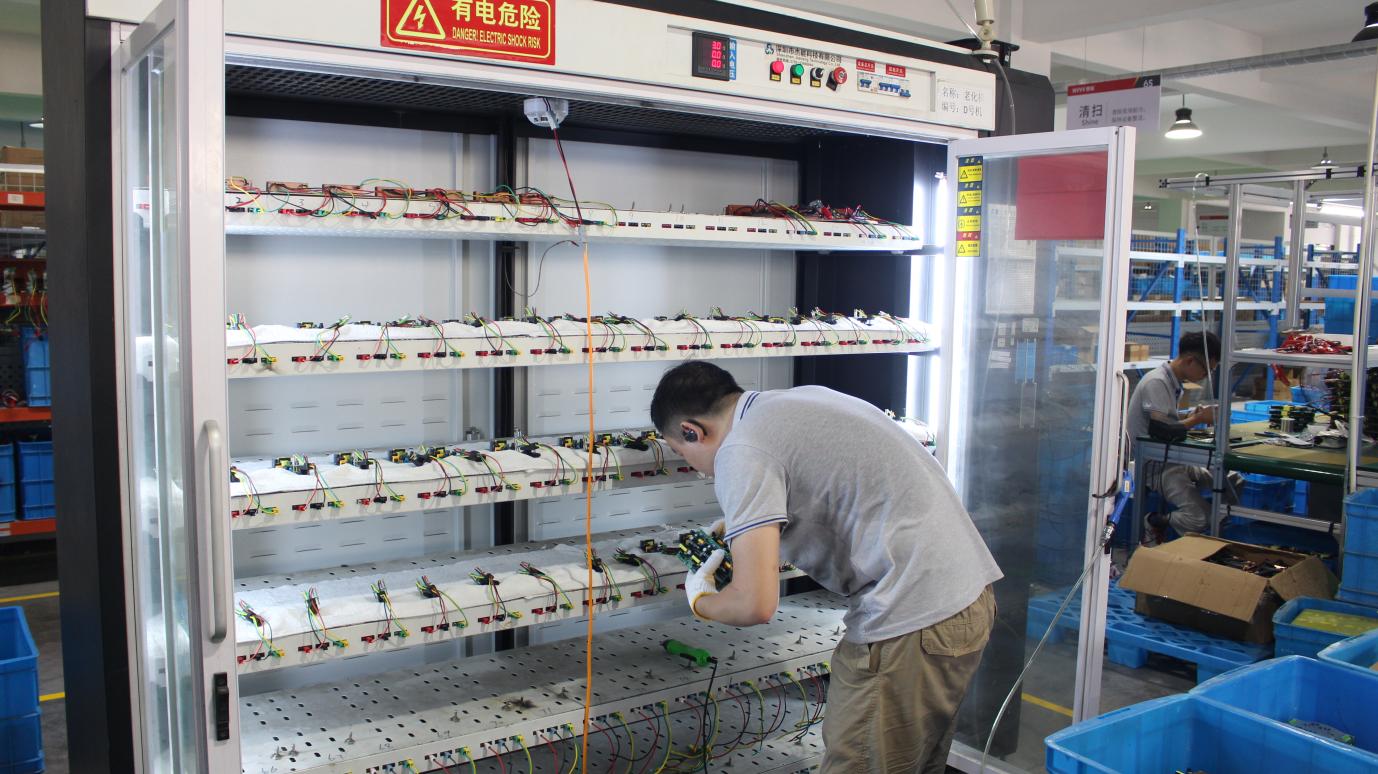 Testing
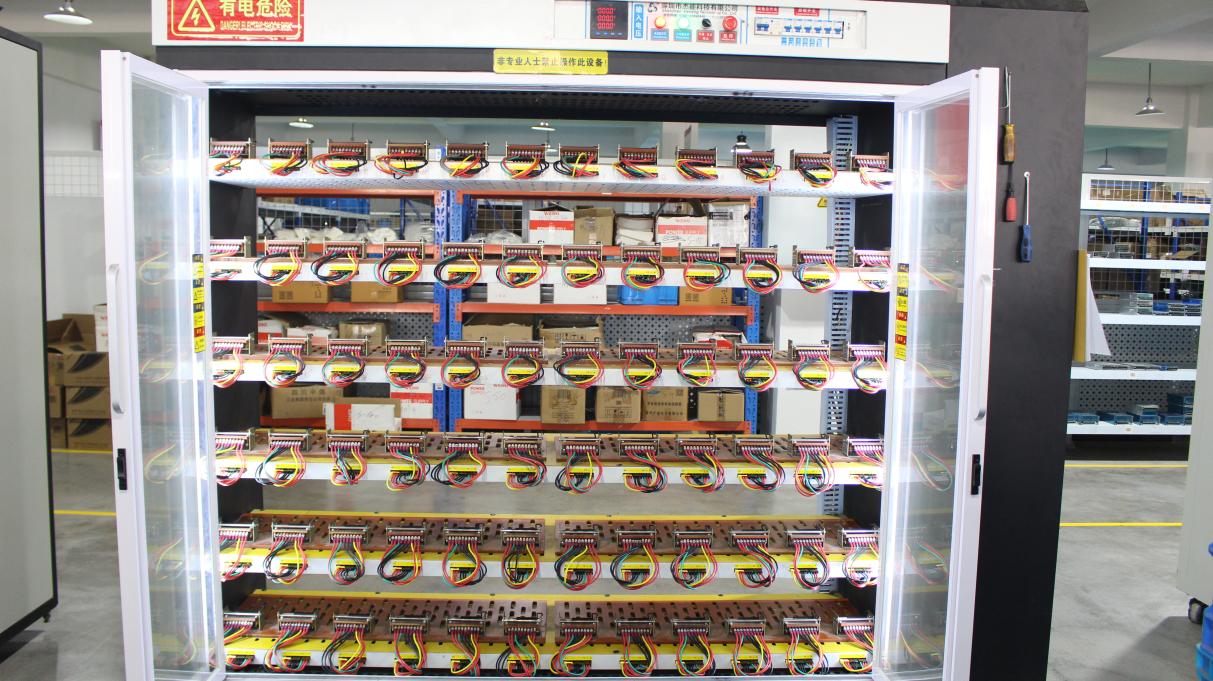 Aging test bench
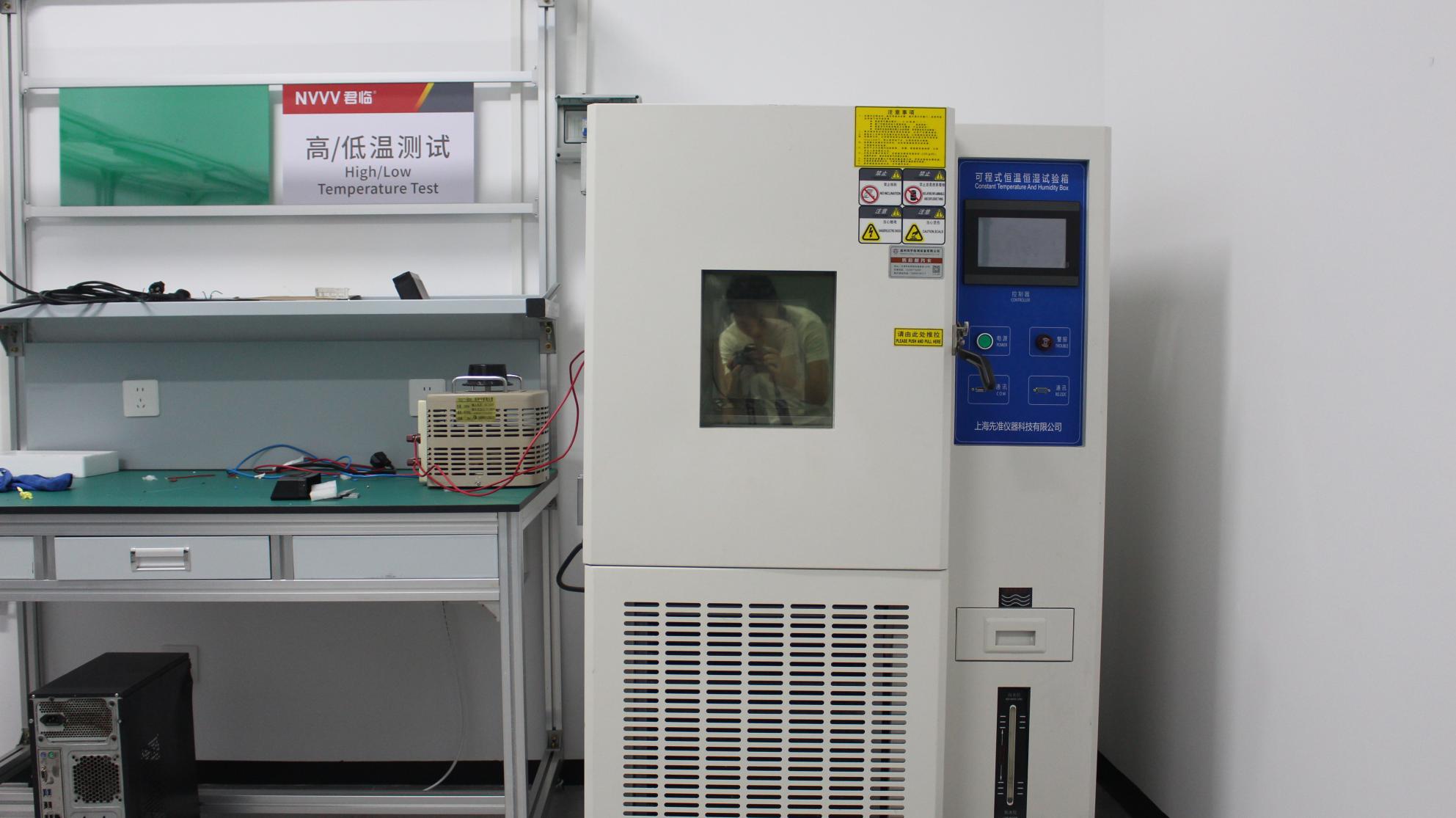 High and low temperature test machine
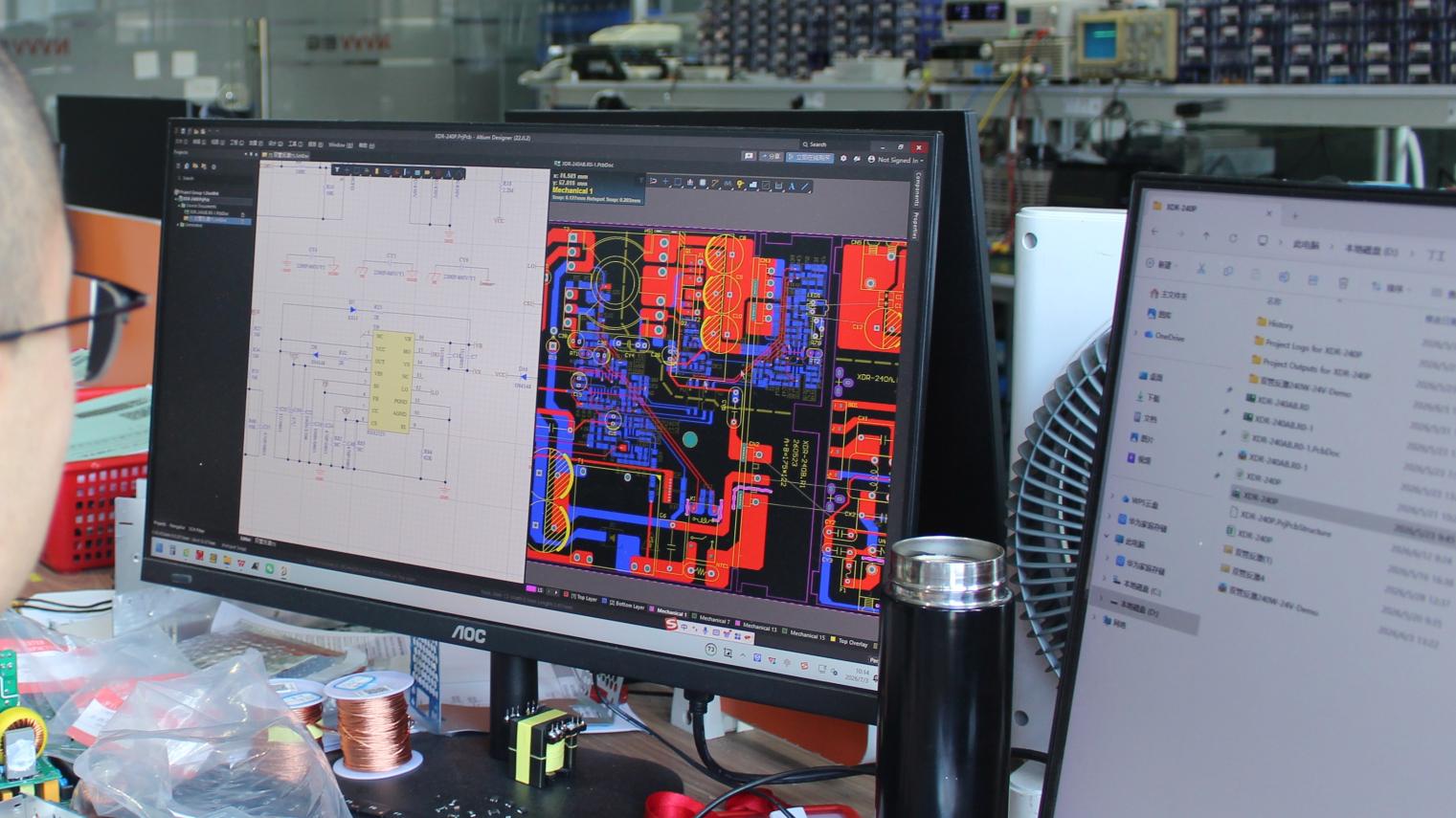 Design
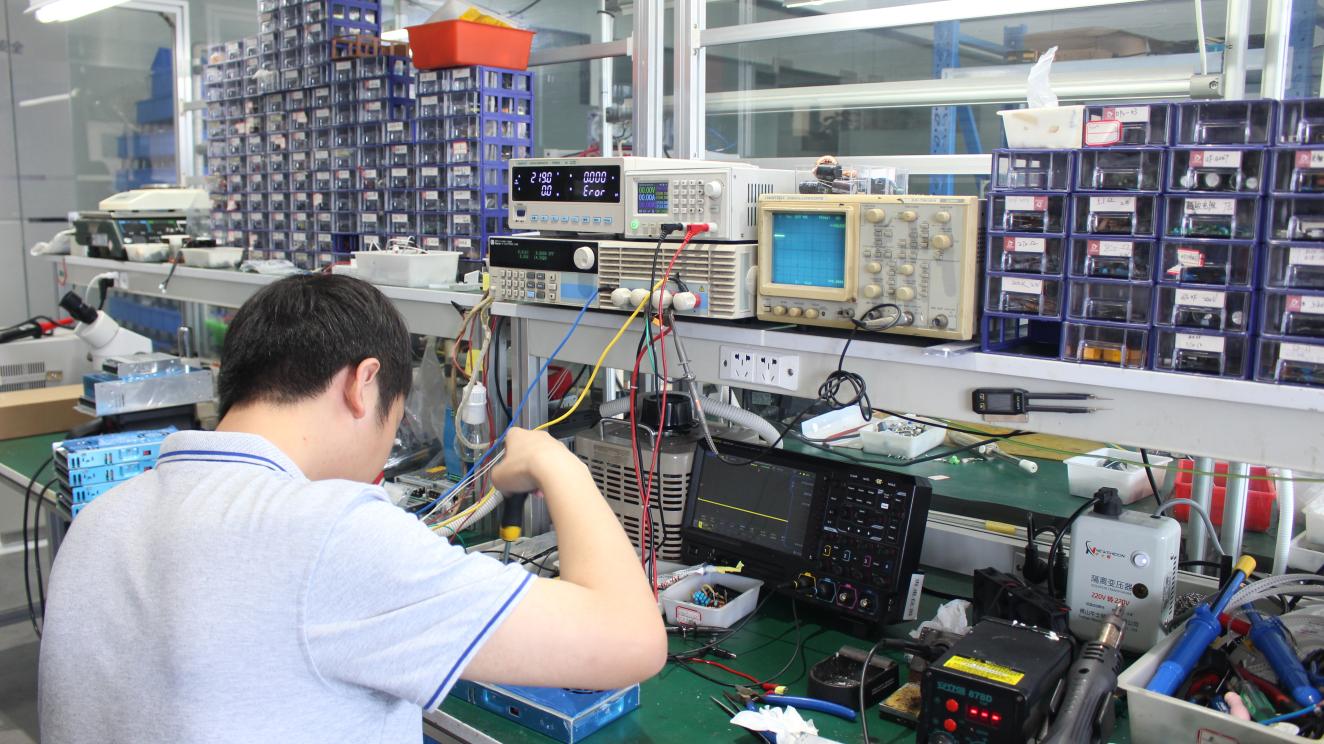 Electronic engineering test equipment
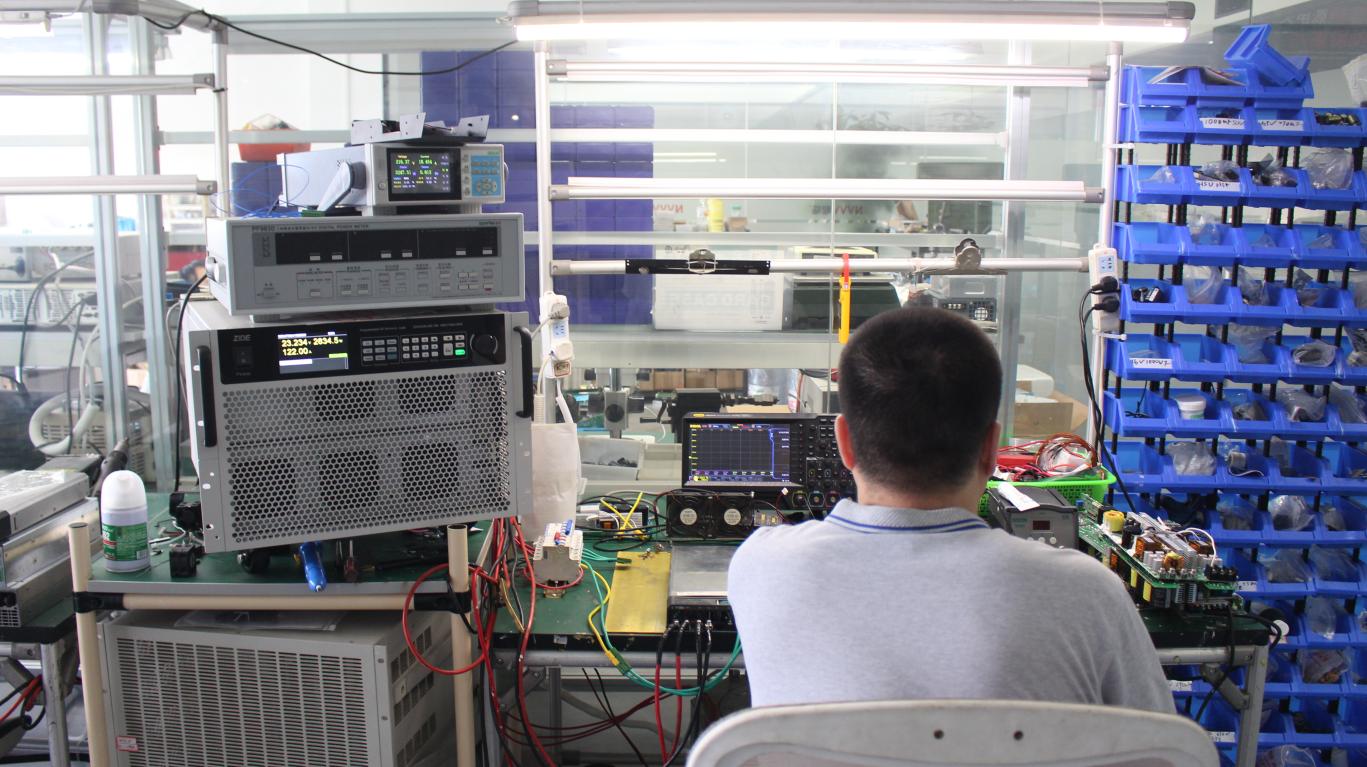 Electronic engineering test equipment
The power engineering industry is rapidly adopting advanced materials and digital interfaces. NVVV’s 7 dedicated R&D engineers are driving this technical roadmap. We focus on integrating next-generation semiconductor technology and smart telemetry protocols directly into our upcoming product lines.
Traditional silicon switching elements face frequency limits. Our development team is building GaN and Silicon Carbide (SiC) based topologies into our ultra-compact switching power supply range. This transition will increase efficiency from 89% to over 95%, allowing for smaller enclosures with lower thermal output.
Industrial complexes require real-time telemetry. In our newer high-power models, we are integrating isolated RS485 and PMBus ports. These enable host PLCs to monitor output currents, internal rail temperatures, and fault registers. This feature supports predictive maintenance schedules before hardware shutdowns occur.
As grid reliability becomes more dynamic, we are designing our module-type UPS supplies to accept dual inputs: standard AC grids and direct solar/battery DC inputs. This dual-input capability guarantees zero-millisecond switchover periods for mission-critical industrial nodes.
To align with stringent European and American environmental targets (e.g., ErP Lot 9), NVVV is developing ultra-low standby power modules. In sleep or standby state, these circuits draw less than 0.15 Watts, mitigating energy drain in standby systems.
Our global footprint stretches across diverse regions, each requiring specific environmental and electrical considerations. By configuring input voltages and enclosure standards, we supply power modules tailored for regional grid conditions:
Regulatory Standard: FCC Part 15 Class B, UL/cUL recognized.
Use Case: Intelligent LED lighting networks and outdoor CCTV systems.
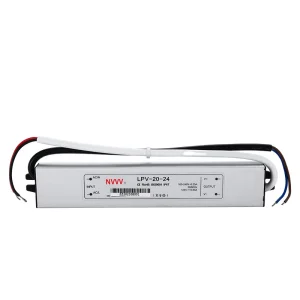
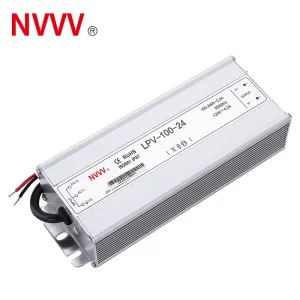
Solution: NVVV’s waterproof LED drivers (LPV waterproof line) utilize fully potted silicone enclosures to resist rain, high humidity, and temperature variations from -30°C to +70°C.
Regulatory Standard: CE, UKCA, EN 62368-1.
Use Case: Factory machinery operations in cold-weather sub-zero environments.
Solution: Our DIN rail power supplies feature custom magnetic chokes and low-temperature startup capacitors, ensuring reliable 24V supply startup down to -40°C.
Regulatory Standard: EMC CE, BIS.
Use Case: LED digital billboards and industrial systems exposed to high ambient desert heat.
Solution: We apply high-grade aluminum alloy cases with specialized cooling fin profiles, enabling efficient heat dissipation without the use of high-wear mechanical fans.
Regulatory Standard: CCC, BIS, EMC.
Use Case: Multi-rail robotic pick-and-place lines requiring clean voltages.
Solution: Triple and dual-output SMPS units supply isolated 5V, 12V, and 24V rails simultaneously, shielding high-speed controllers from electrical noise caused by large relays.
Engineering standards differ worldwide. Operating without recognized local compliance certifications exposes systems to regulatory and downtime risks. NVVV addresses this by acquiring and maintaining certifications that verify compliance, safety, and compatibility for major global markets.
Our certifications include CE, FCC, CCC, UKCA, and BIS. Beyond certifications, we support systems integration engineers with layout consulting, customized terminal configurations, and specialized branding (OEM/ODM).
Heavy-duty power conversion modules designed for harsh industrial, outdoor, and commercial applications.
Get answers to critical engineering and procurement questions regarding switching power modules and supplier integration.
 NVVV Electric