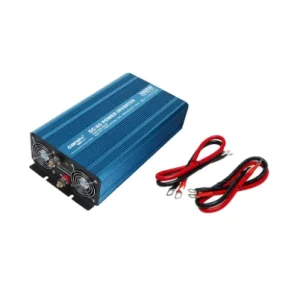
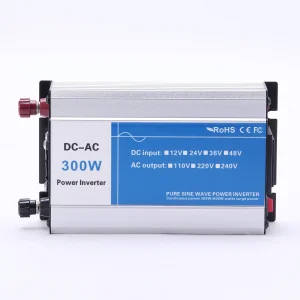
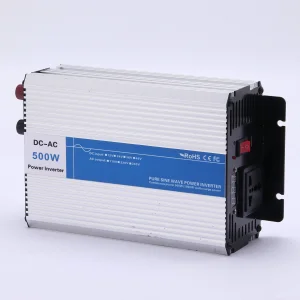
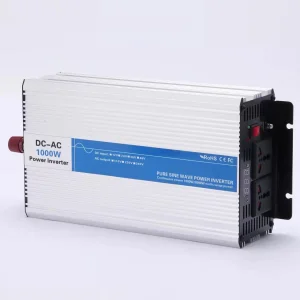
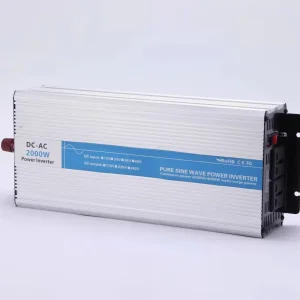
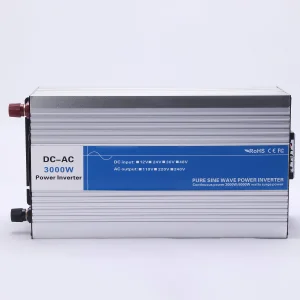
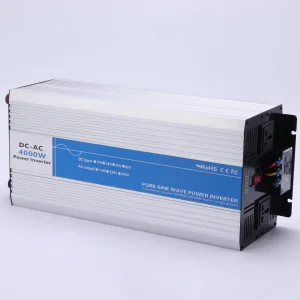
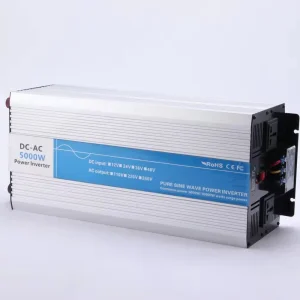
As the global energy landscape accelerates its shift toward decentralization and clean power, the efficiency of energy conversion systems remains paramount. Power inverters form the baseline component in off-grid solar architecture, industrial automation, portable electronics, and resilient household backup grids. Selecting the ideal OEM/ODM partners in this complex technical environment demands clear expertise in power dynamics, electrical certifications, thermal load management, and microchip integration.
This whitepaper establishes an analytical framework for engineers, corporate buyers, and distributors sourcing premium pure sine wave and modified sine wave power converters. By analyzing the engineering methodologies behind quality switching technology and highlighting local compliance pathways, we aim to deliver deep strategic knowledge to global sourcing managers.
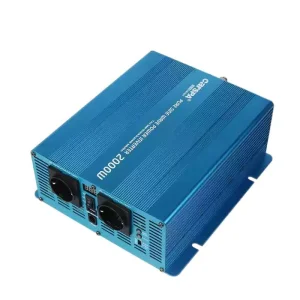
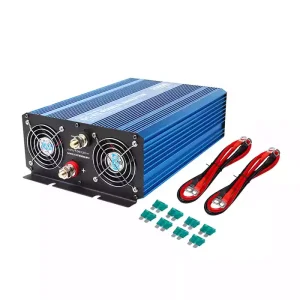
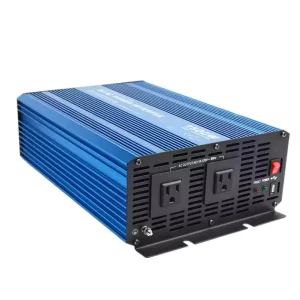
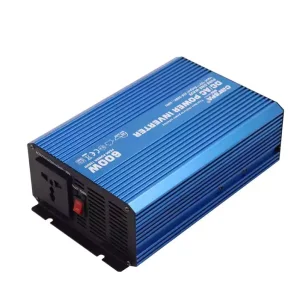
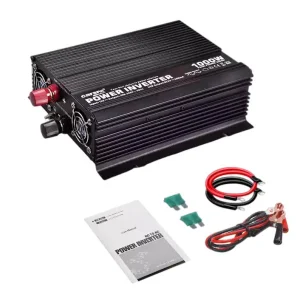
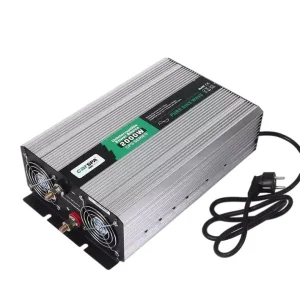
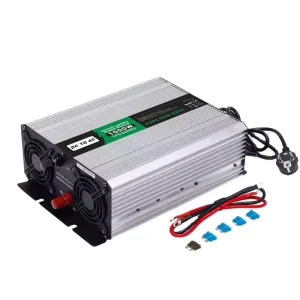
High-efficiency DC-to-AC power converters designed for residential off-grid grids, emergency backup power systems, and high-precision electronic equipment.
At the core of direct-to-alternating current conversion lies wave architecture. Pure sine wave inverters produce output currents that match or exceed the clean quality of municipal utility grids. Characterized by Total Harmonic Distortion (THD) levels consistently below 3%, these inverters utilize advanced high-frequency pulse-width modulation (PWM) combined with low-pass filters. This design supports sensitive loads like inductive motors, medical equipment, and high-end audio-visual devices.
Conversely, modified sine wave inverters approximate a stepped voltage waveform. While highly cost-effective and suitable for basic resistive loads—such as lighting networks, simple heating elements, and legacy phone chargers—they introduce line noise. Running complex electronics or inductive loads on modified sine waves causes heat build-up and reduces equipment lifespan. Our production processes cater to both market requirements, applying strict control loops to ensure safety and system longevity.
| Specification Feature | Pure Sine Wave Inverters | Modified Sine Wave Inverters |
|---|---|---|
| Total Harmonic Distortion (THD) | < 3% (Typical) - Ultra-clean power delivery | 30% to 40% (Stepped waveform profile) |
| Load Compatibility | Universal: Inductive, capacitive, & resistive loads | Resistive loads only (light bulbs, heaters) |
| Component Wear & Heat | Negligible heat generation; extends device life | Higher thermal dissipation in load motors |
| Peak Conversion Efficiency | Up to 92% utilizing high-grade MOSFETs | Approx. 85-88% with simpler driver topology |
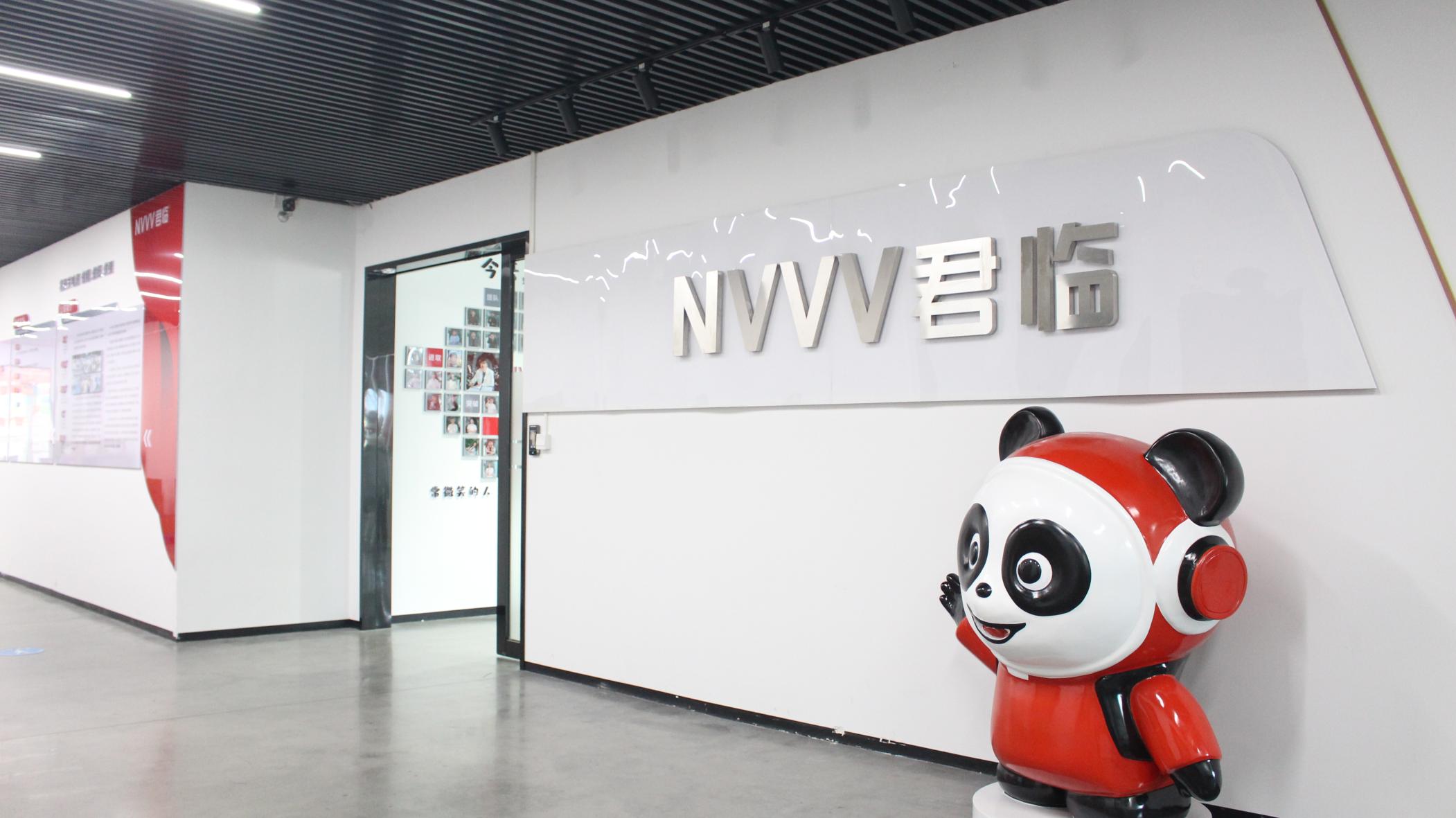
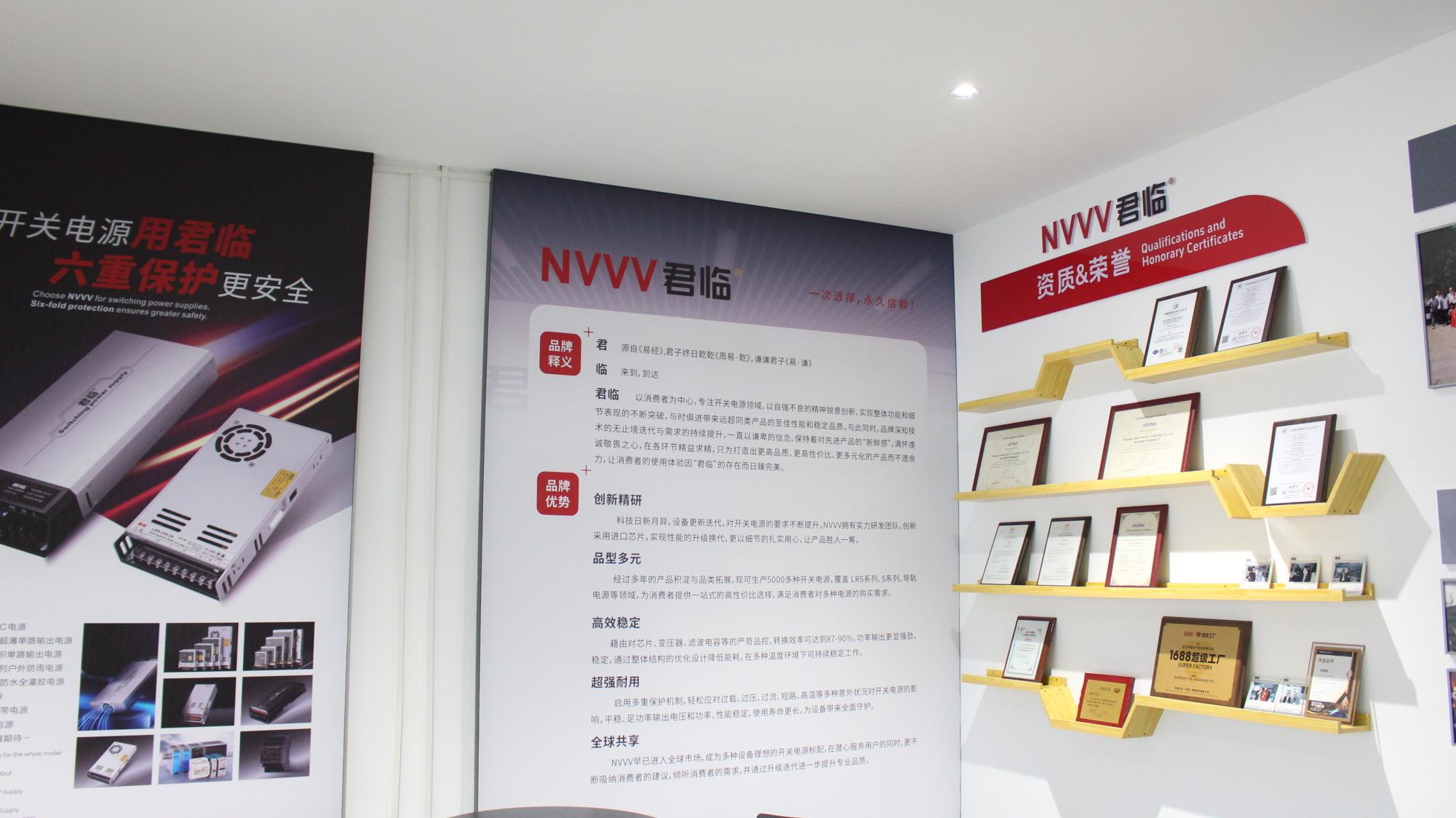
NVVV Electric Technology Co., Ltd. is a leading manufacturer specializing in the research, development, production, and sales of high-performance switching power supplies and DIN rail power solutions. Situated in the industrial manufacturing hub of Wenzhou, Zhejiang Province, China, our enterprise has delivered advanced energy conversion products for over a decade.
Supported by a registered capital of USD 1.4 Million and annual export revenues exceeding USD 1.27 Million, we represent a reliable financial partner for global OEM/ODM sourcing. Our modern manufacturing complex spans 2,644 square meters and features 5 automated production lines equipped with 46 advanced manufacturing machines.
We launch approximately 120 new products annually, driven by 7 dedicated R&D engineers, ensuring access to cutting-edge technologies.
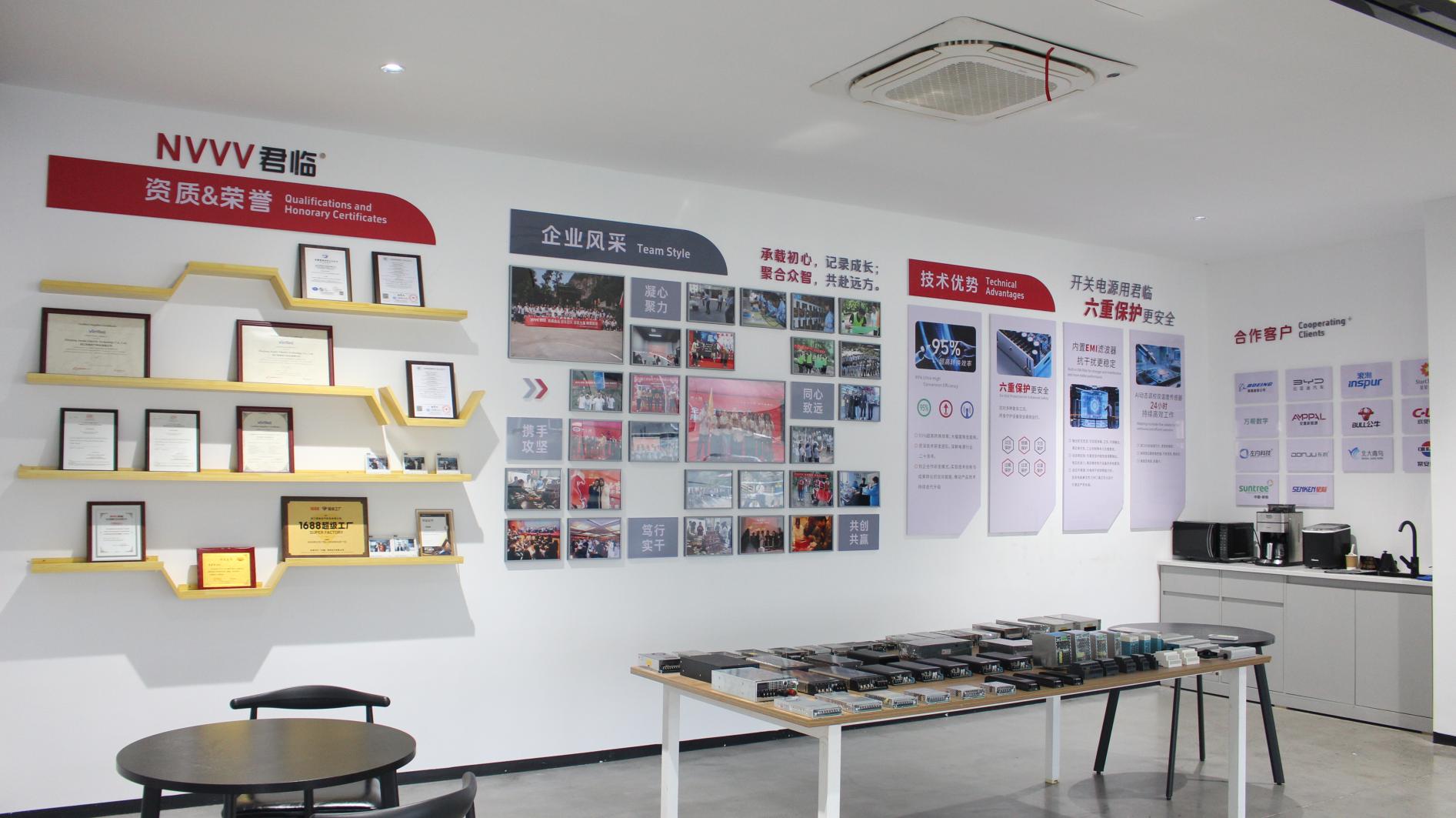
Our quality system is verified by international standards, holding valid certifications for CE, FCC, CCC, UKCA, and BIS.
We consistently sustain a 98.6% on-time delivery rate, securing global supply chains across North America, Europe, and Asia.
A proven 31% customer reorder rate highlights our reliability, engineering precision, and post-sales support.

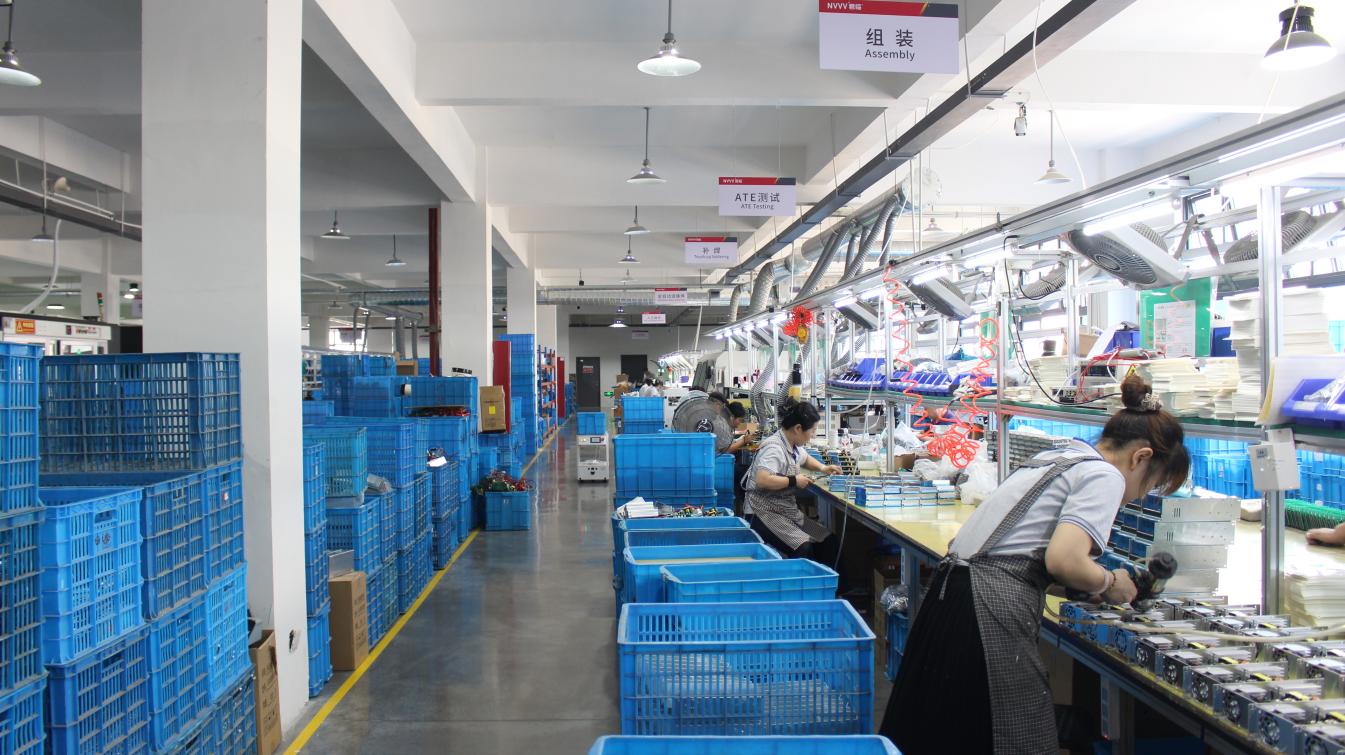
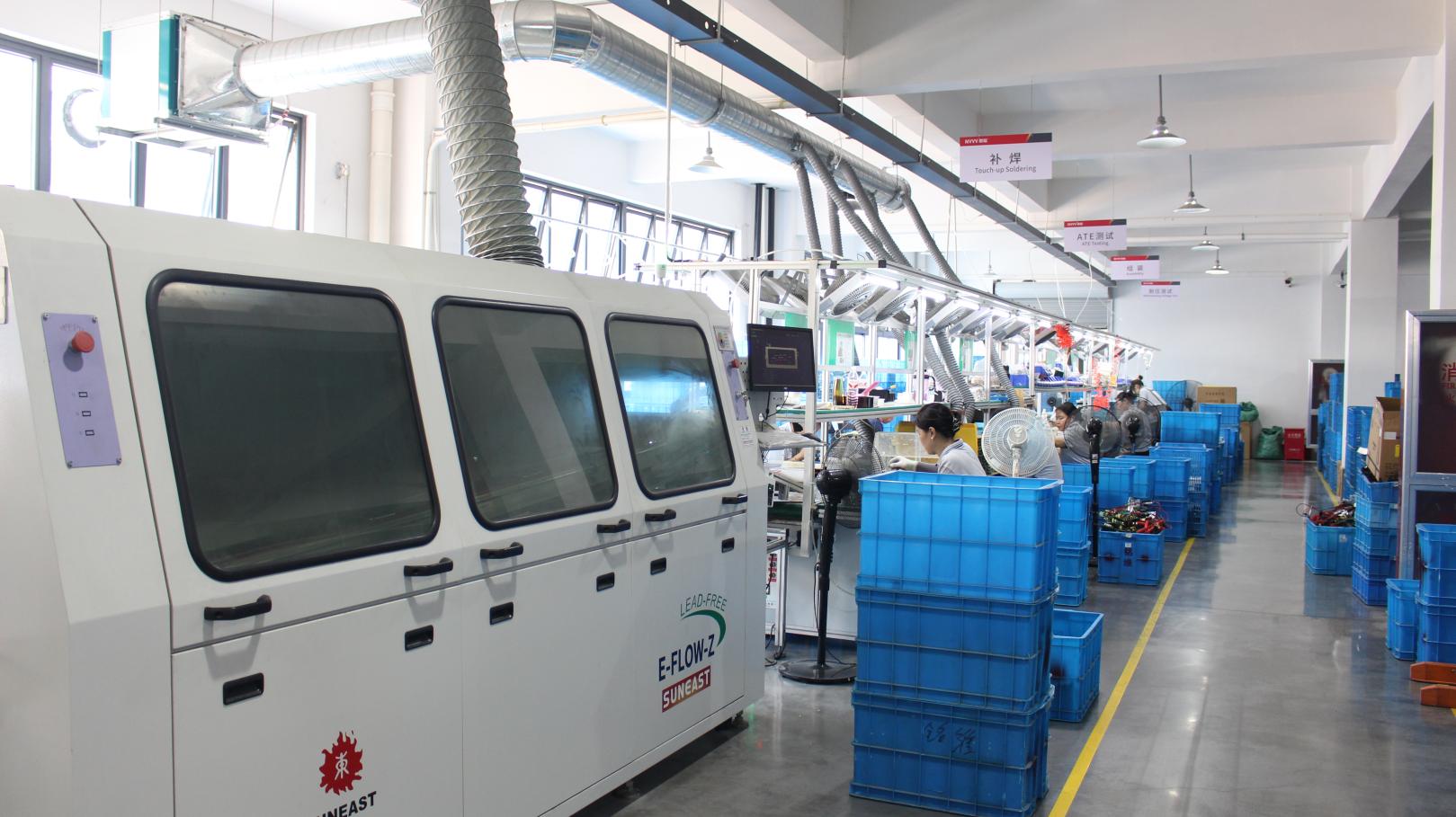
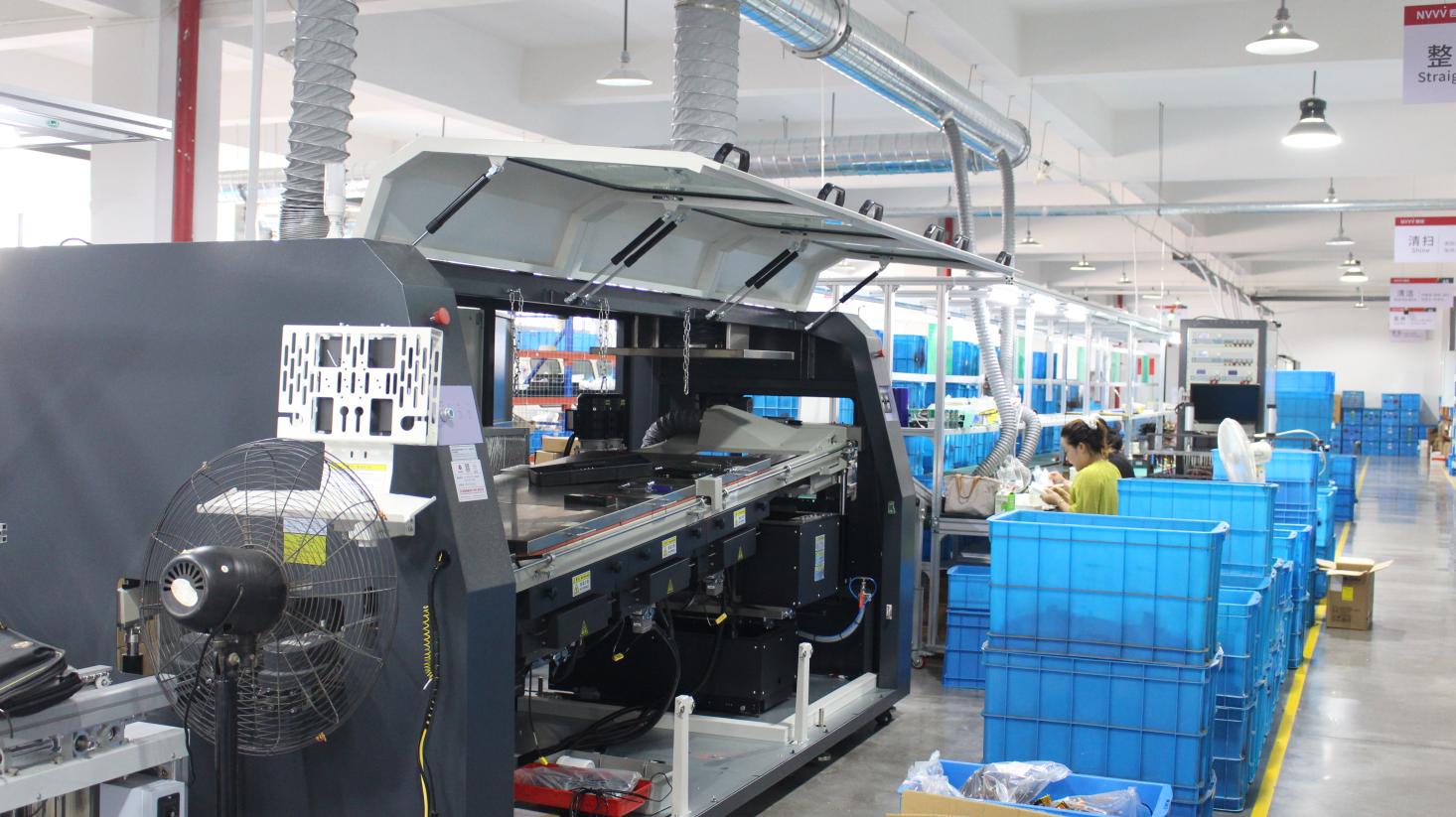
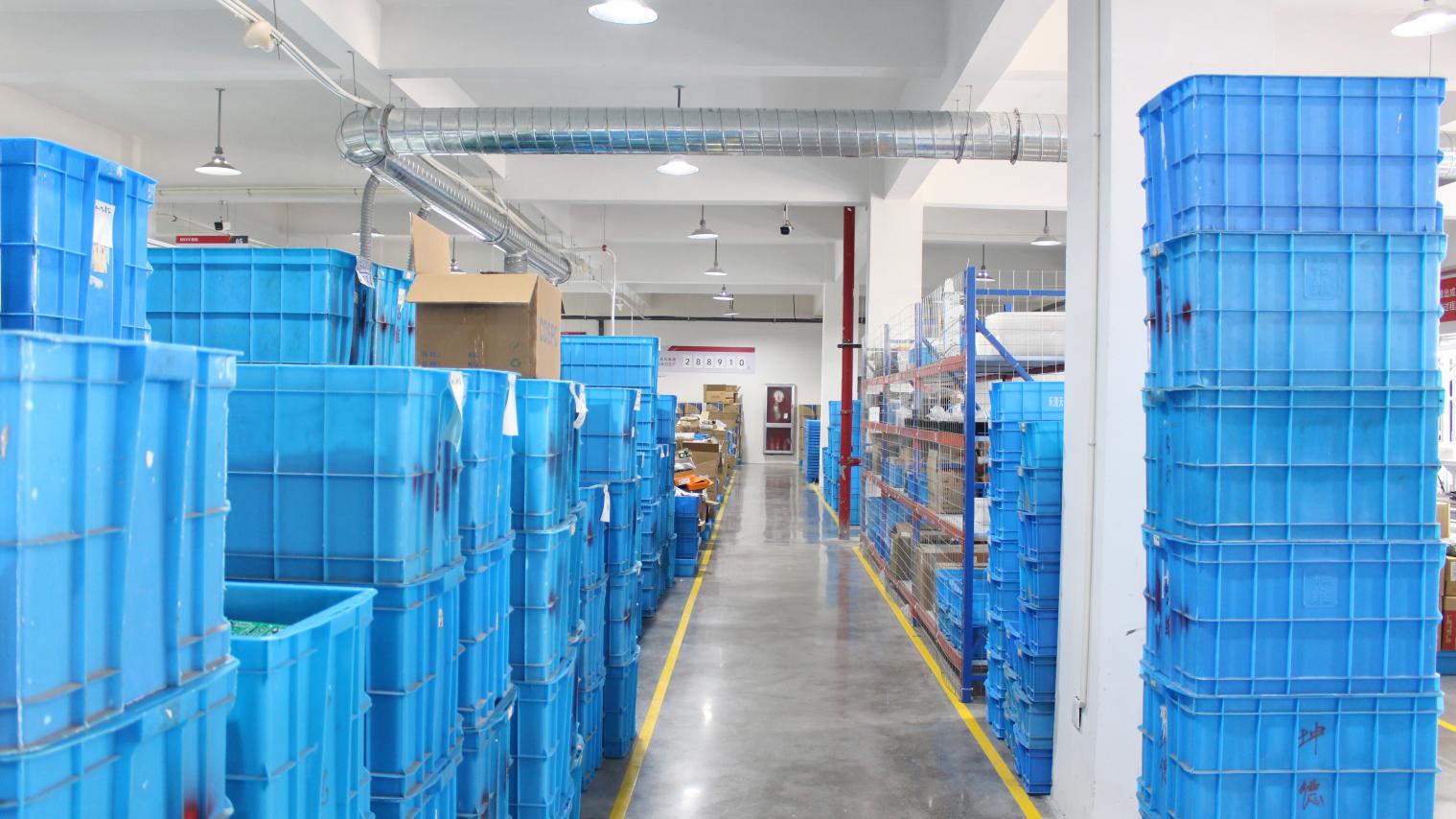
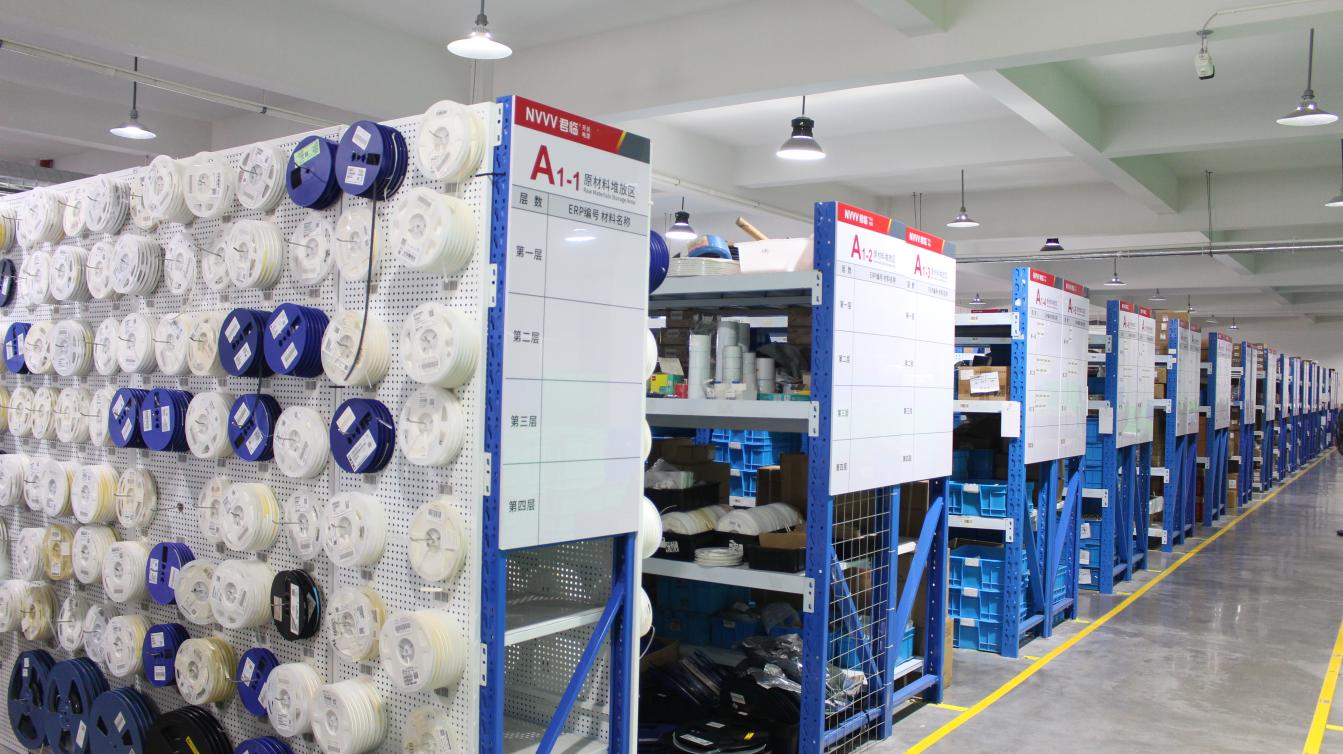
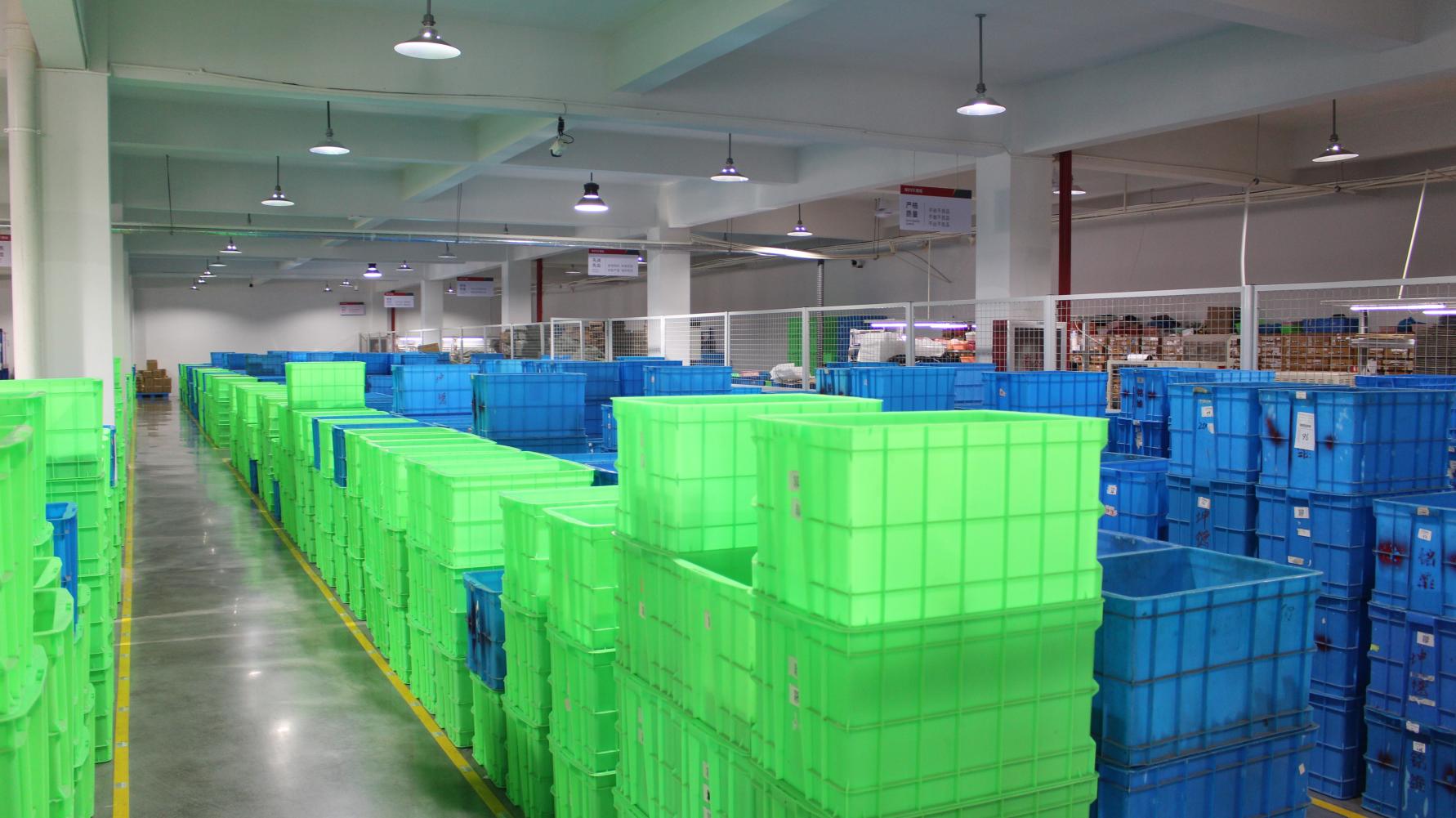
High-performance inverters require precise component insertion, soldering, and rigorous stress testing. At our Wenzhou facility, we implement a comprehensive quality control cycle from the inspection of incoming passive components to automated, multi-hour thermal stress testing.
Our manufacturing line utilizes automatic component plug-in machines, advanced lead-free wave soldering, manual assembly with precise torque tools, and multi-stage testing rigs. This systematic process ensures that every pure sine wave inverter delivers stable performance and consistent voltage conversions.
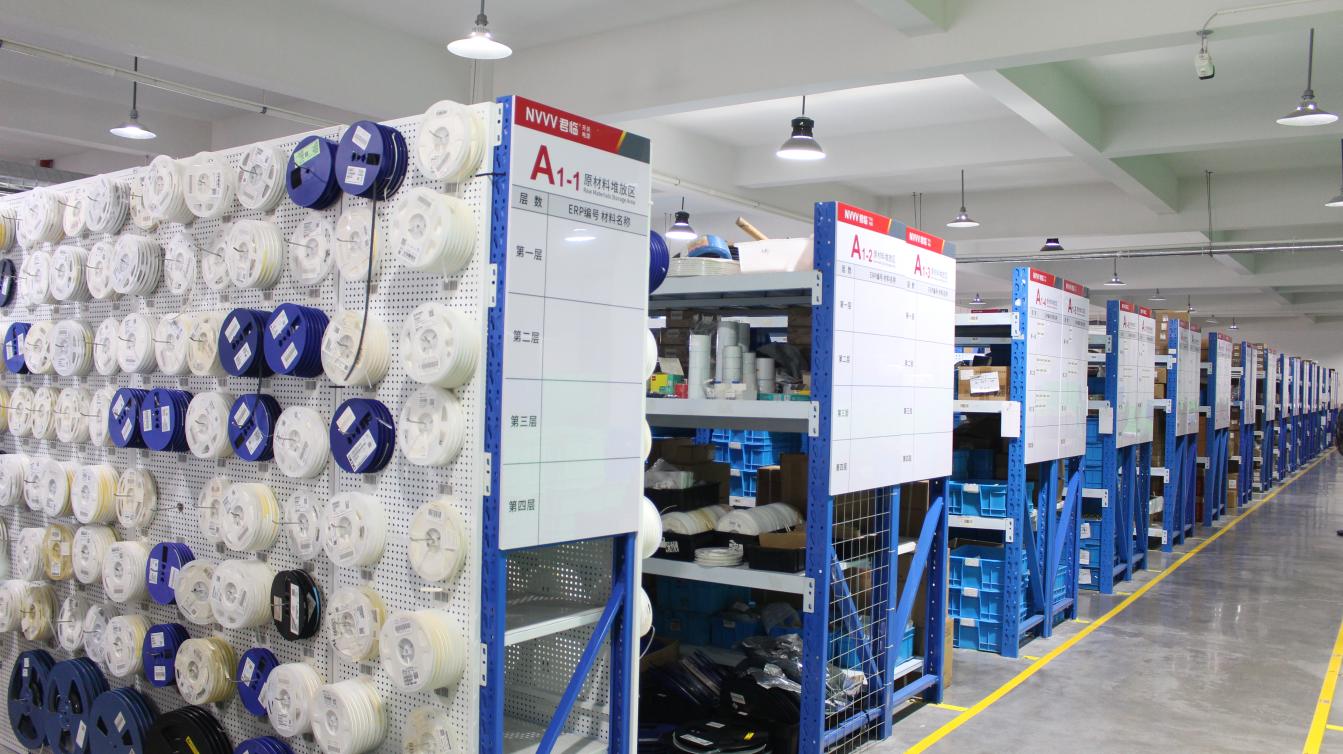 Raw material
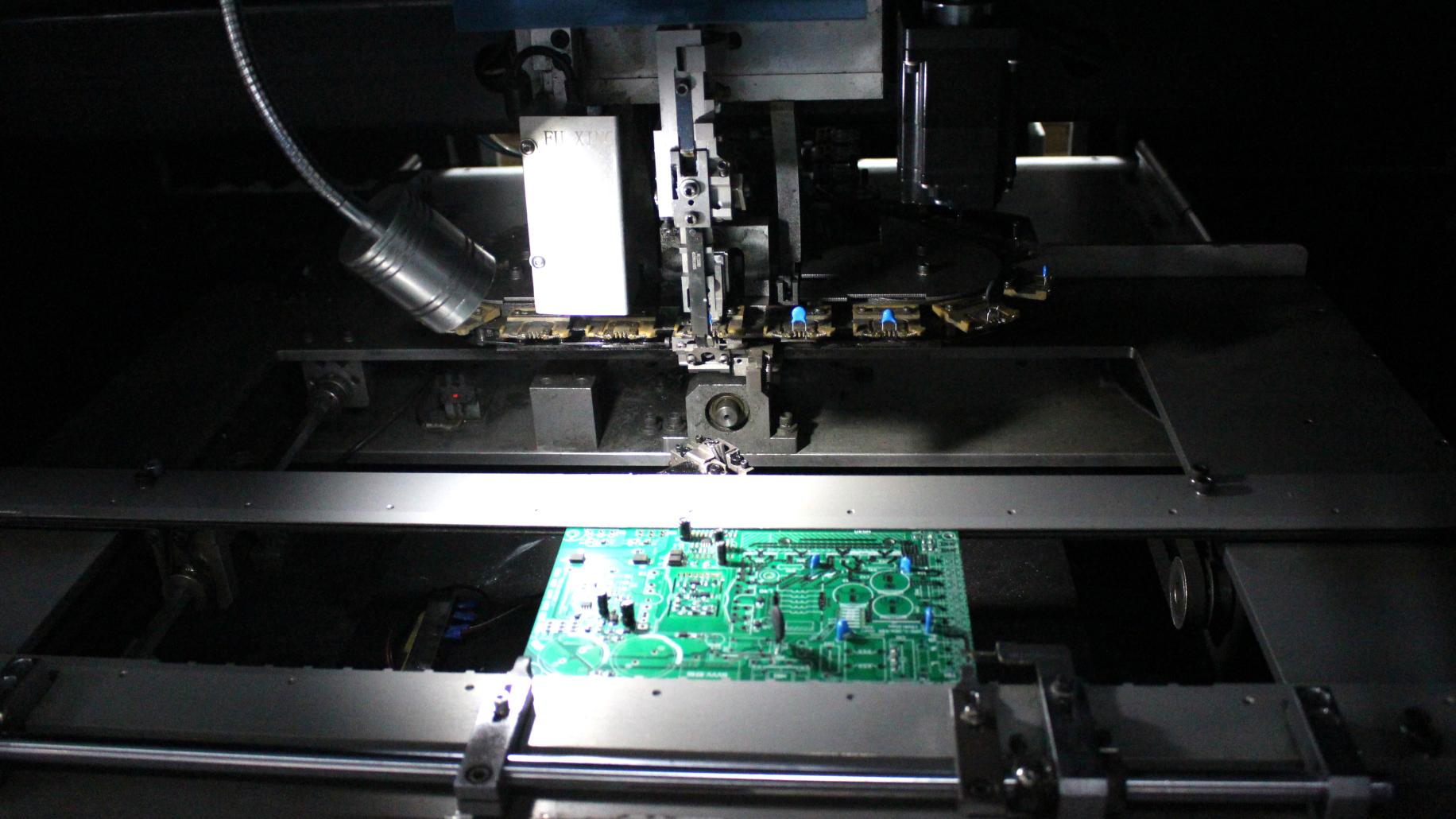 Component plug-in
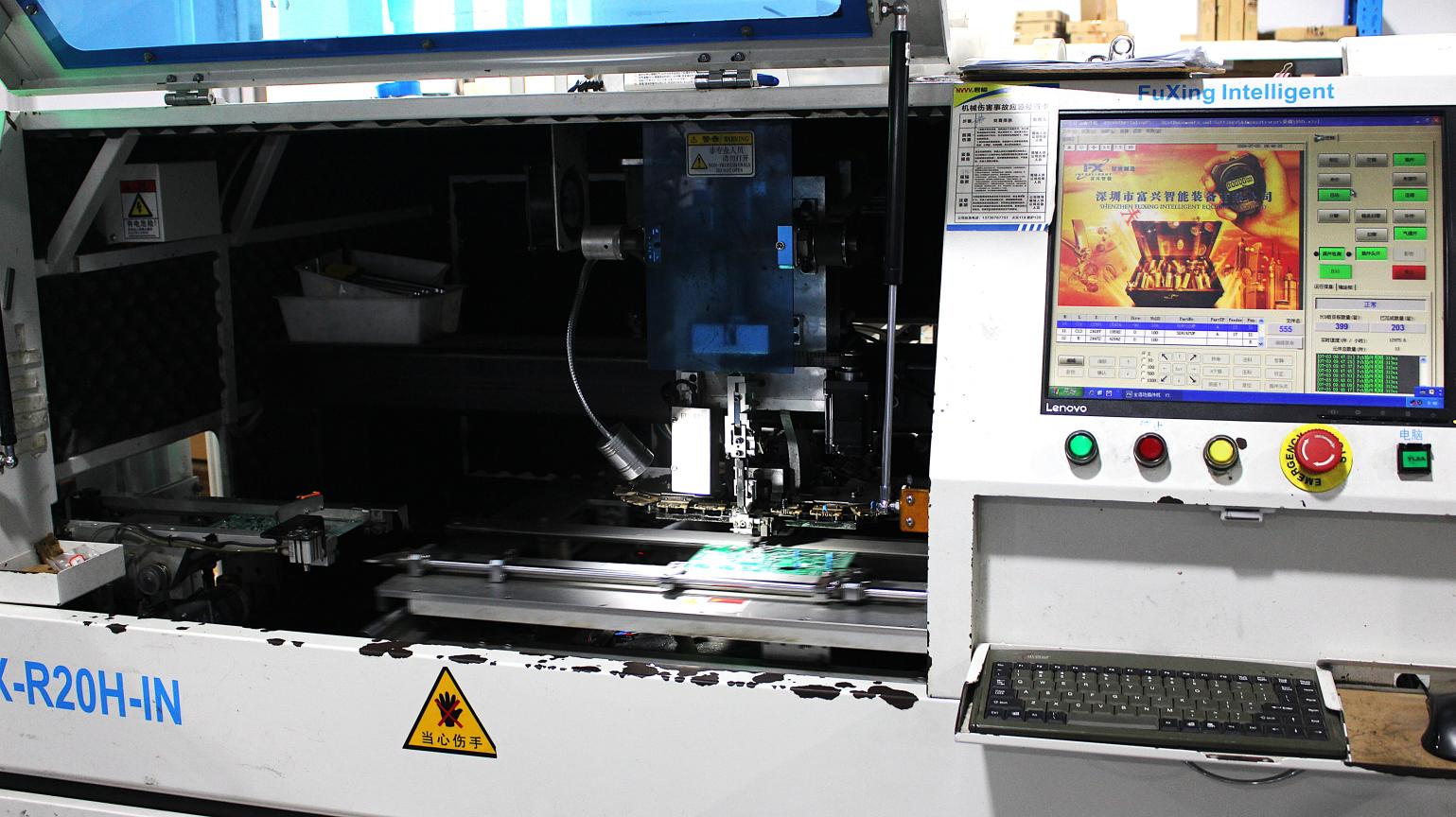 Component plug-in
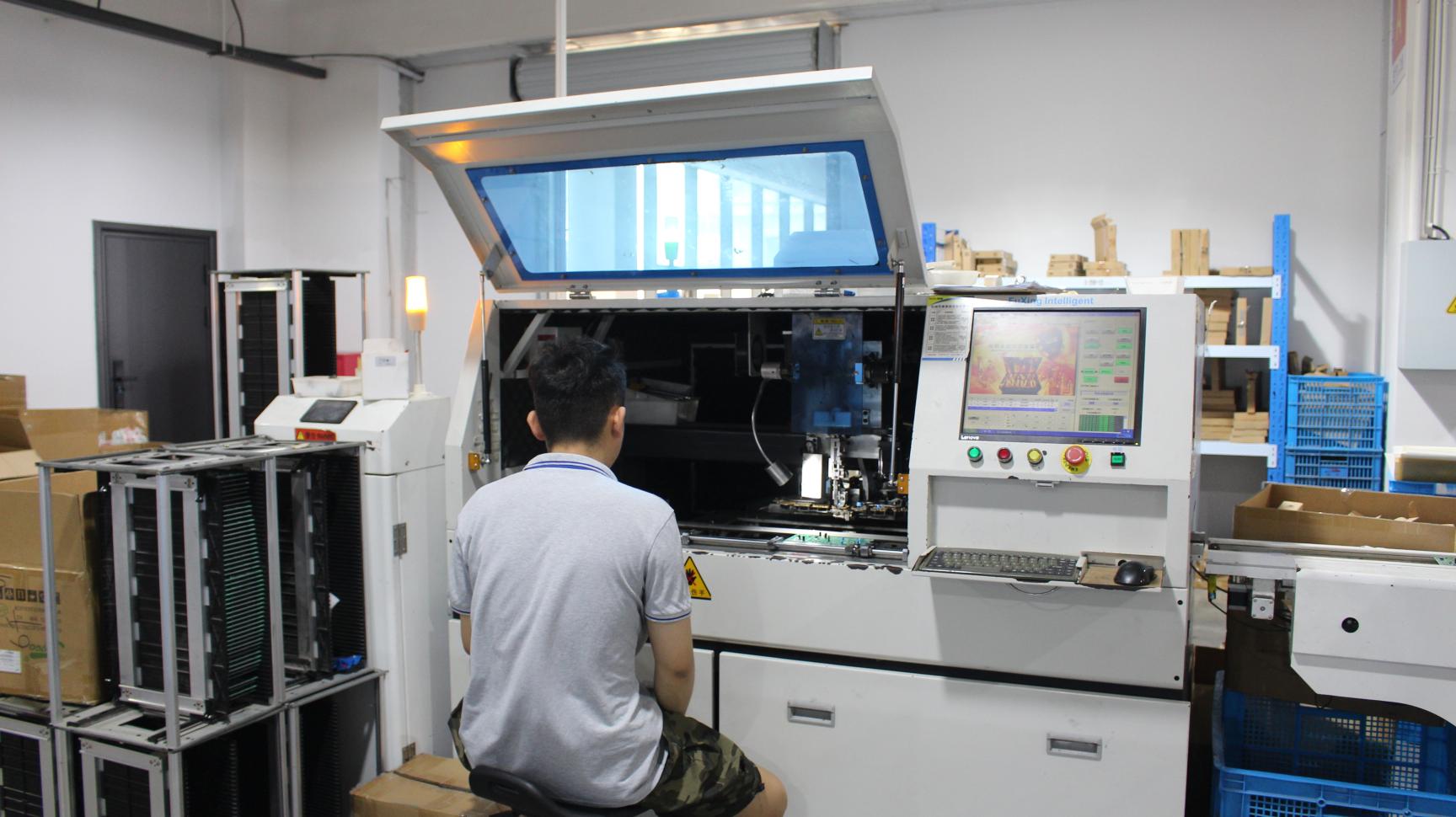 Component plug-in
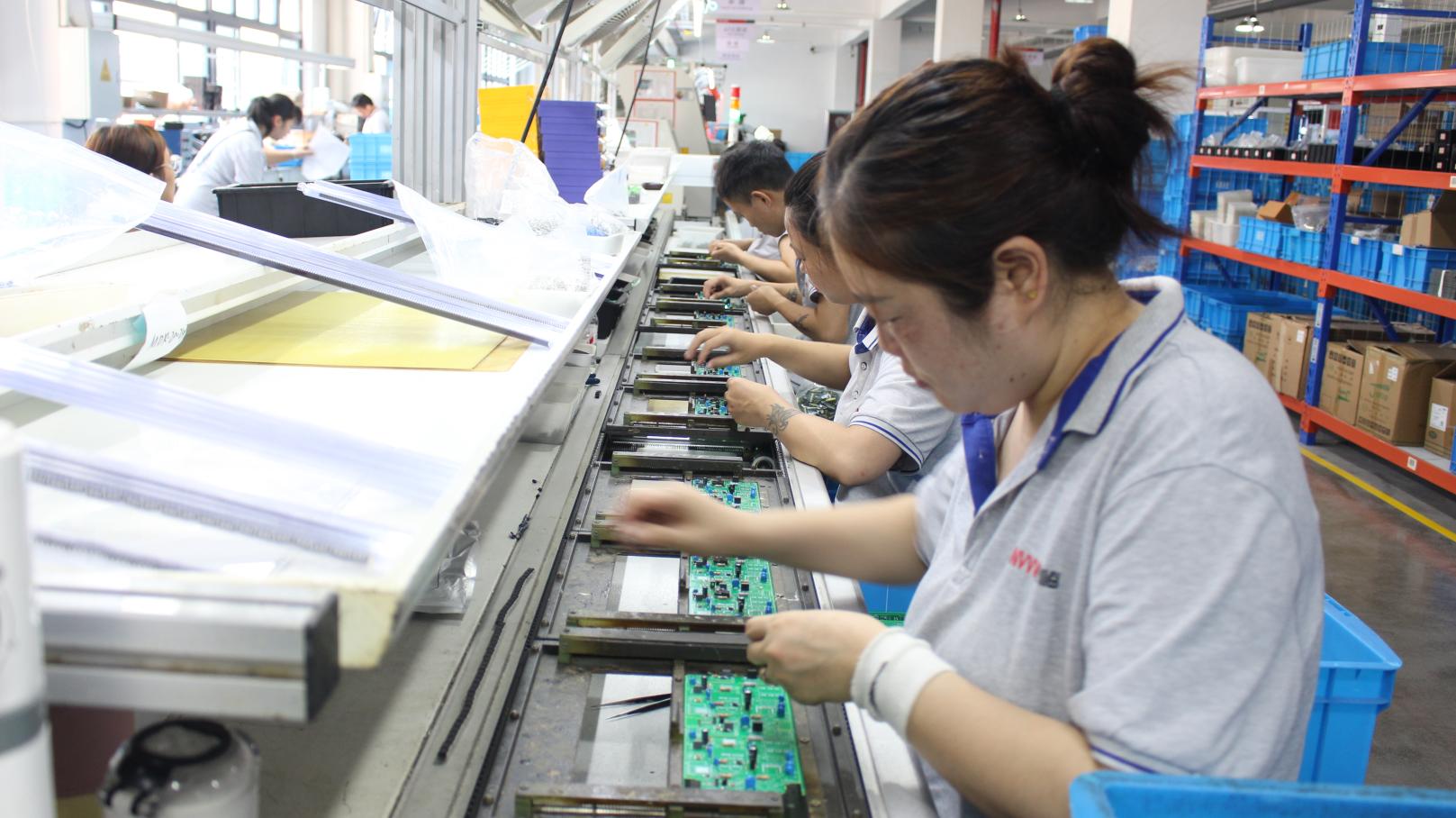 Plug-in
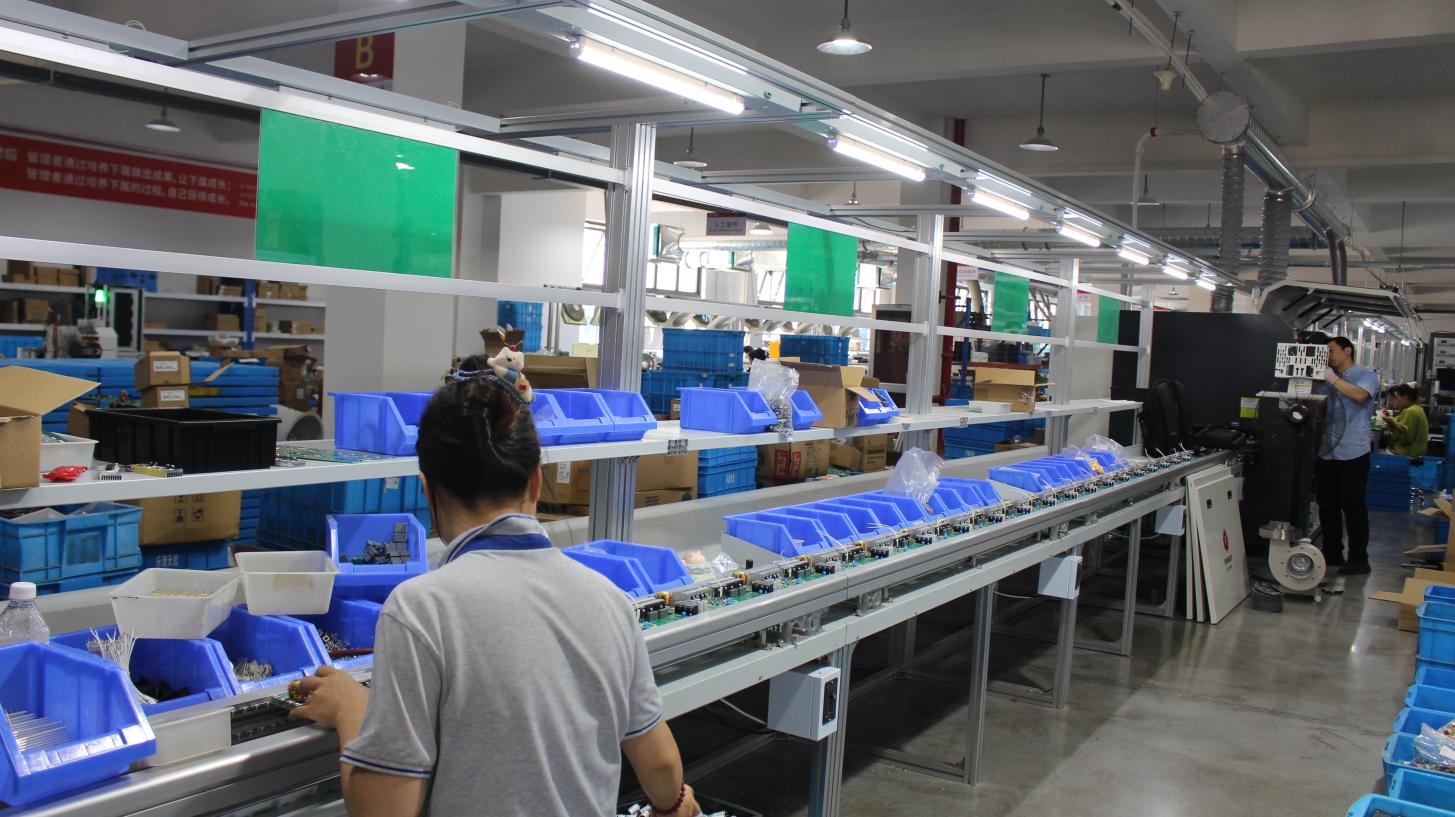 Plug-in
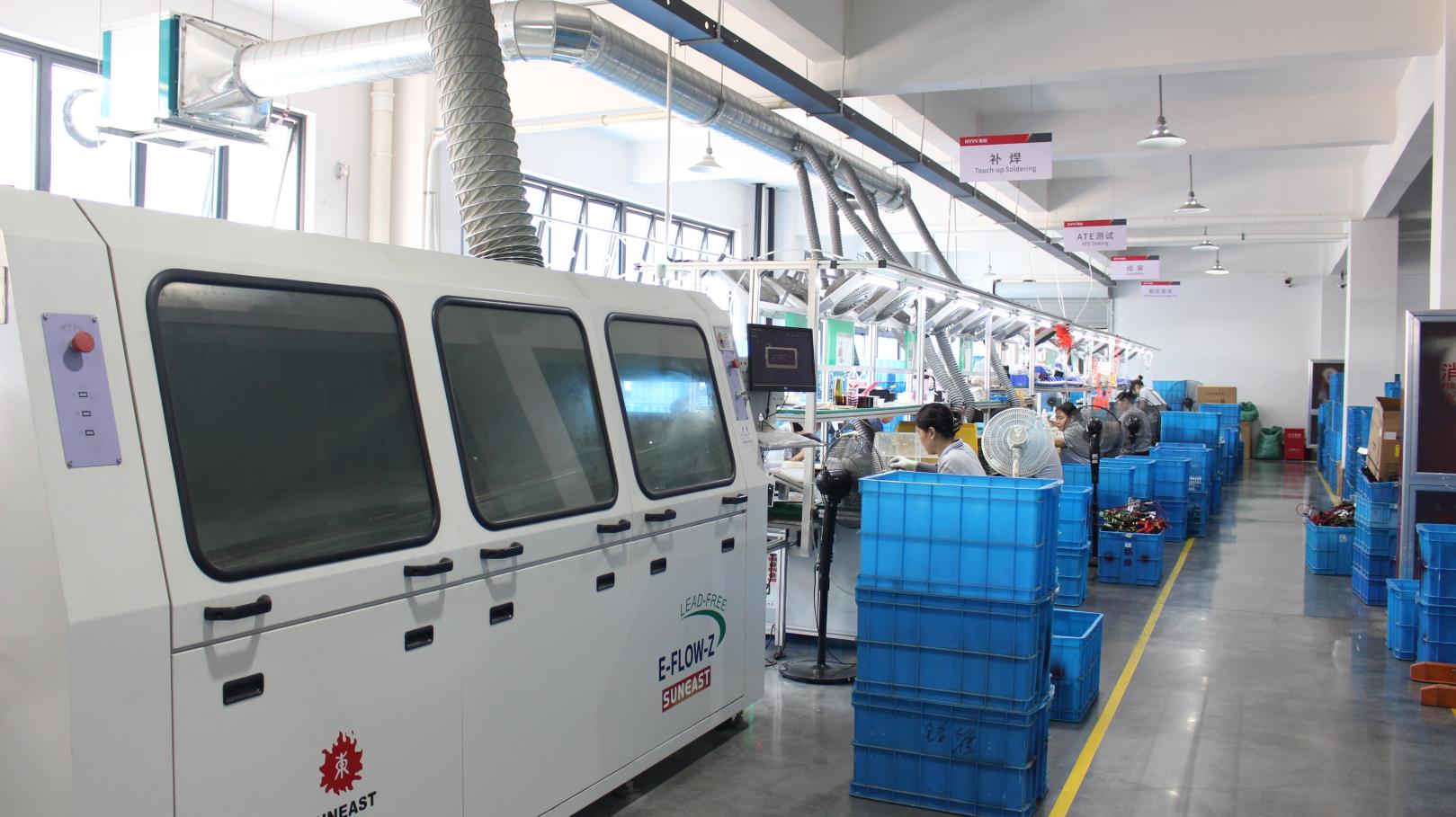 Wave soldering
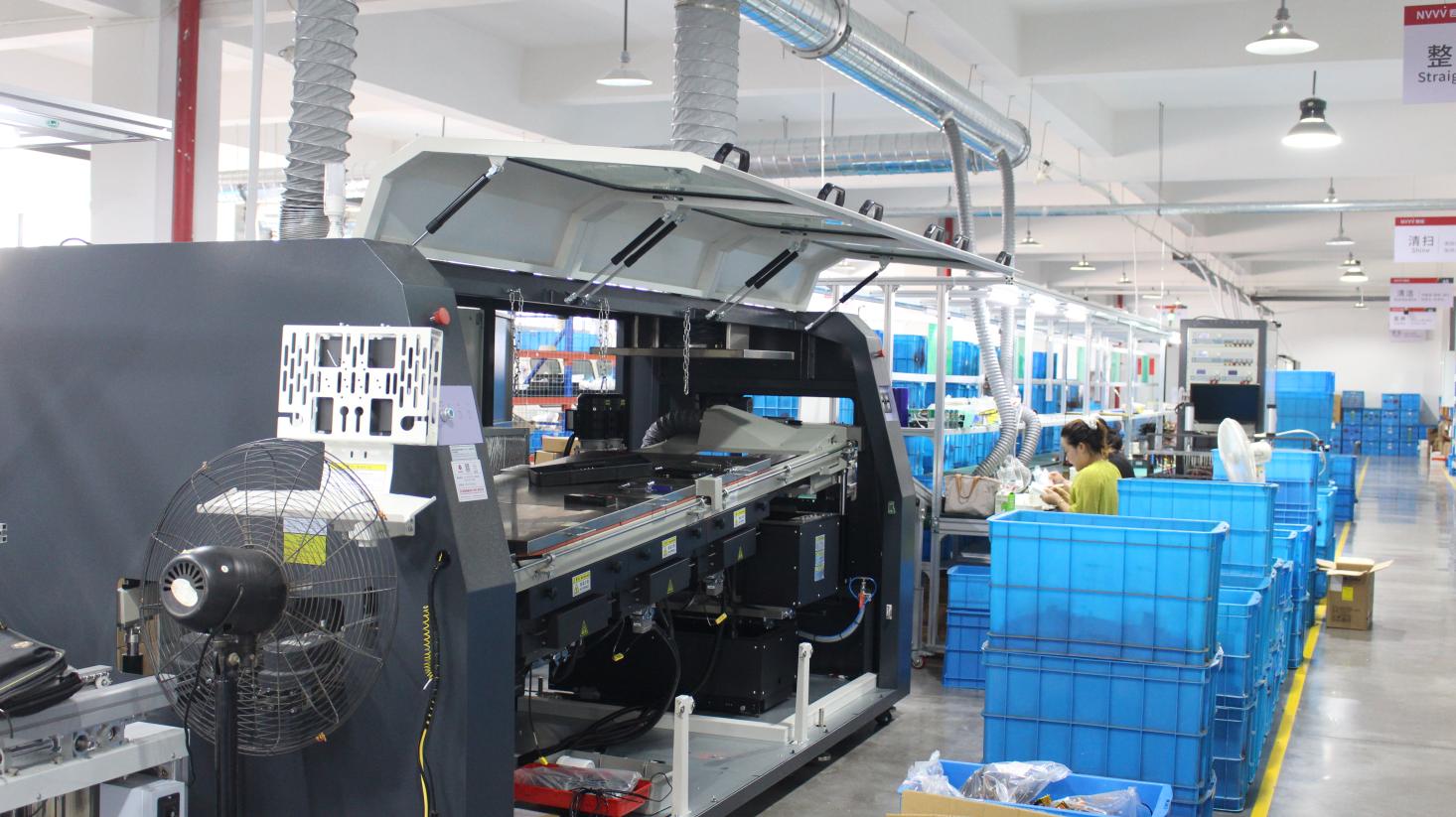 Wave soldering
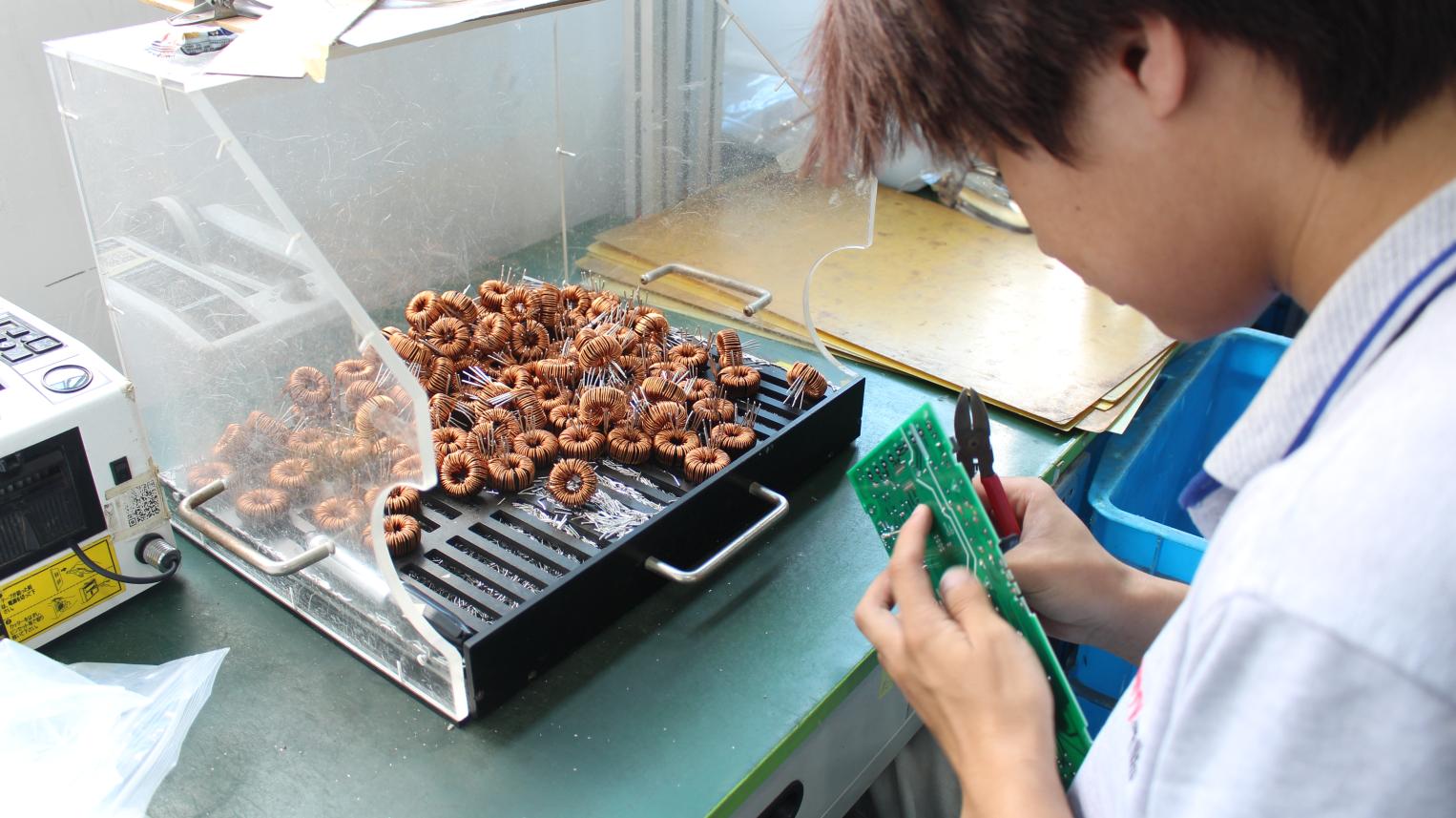 Assembling
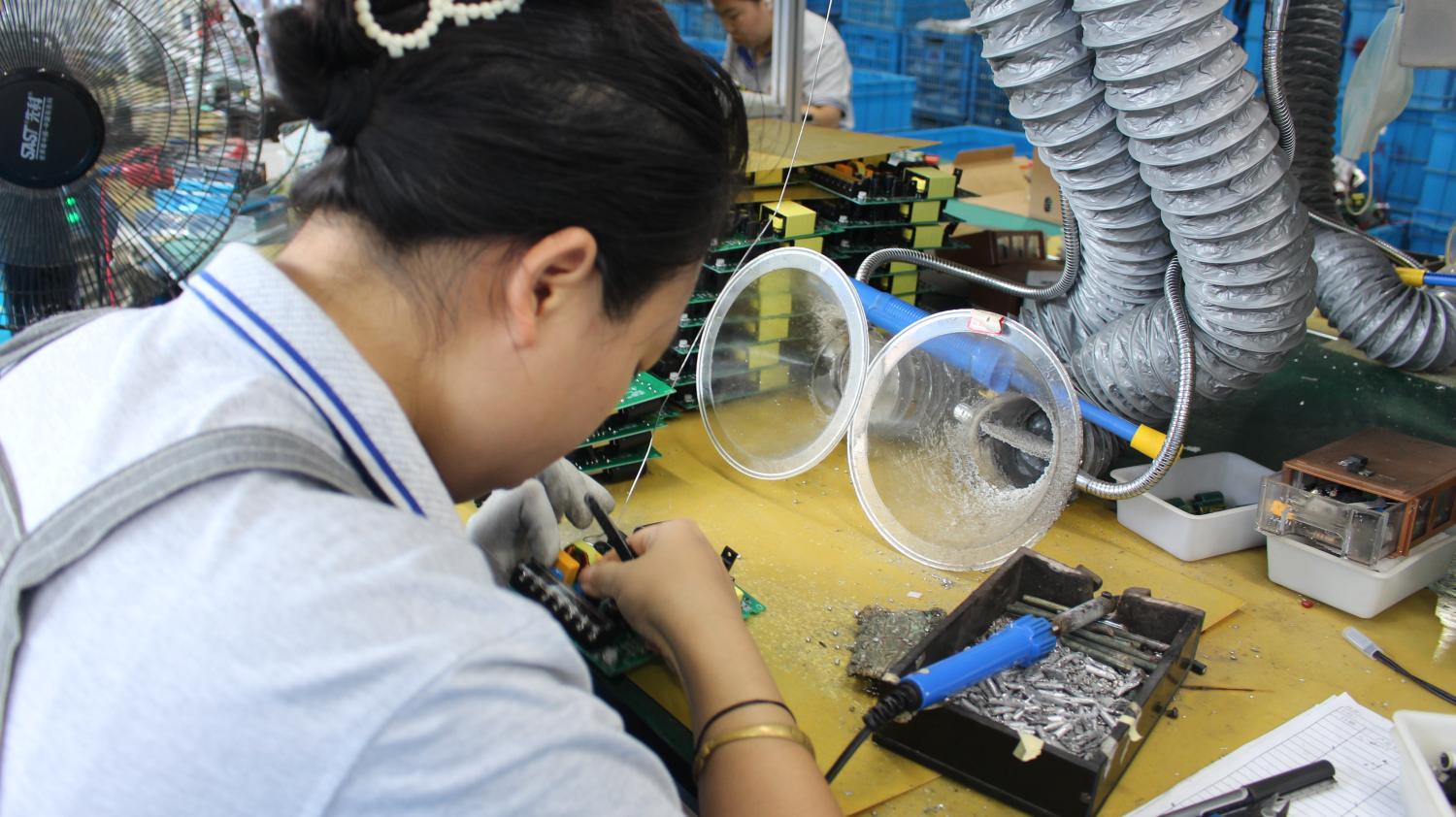 Assembling
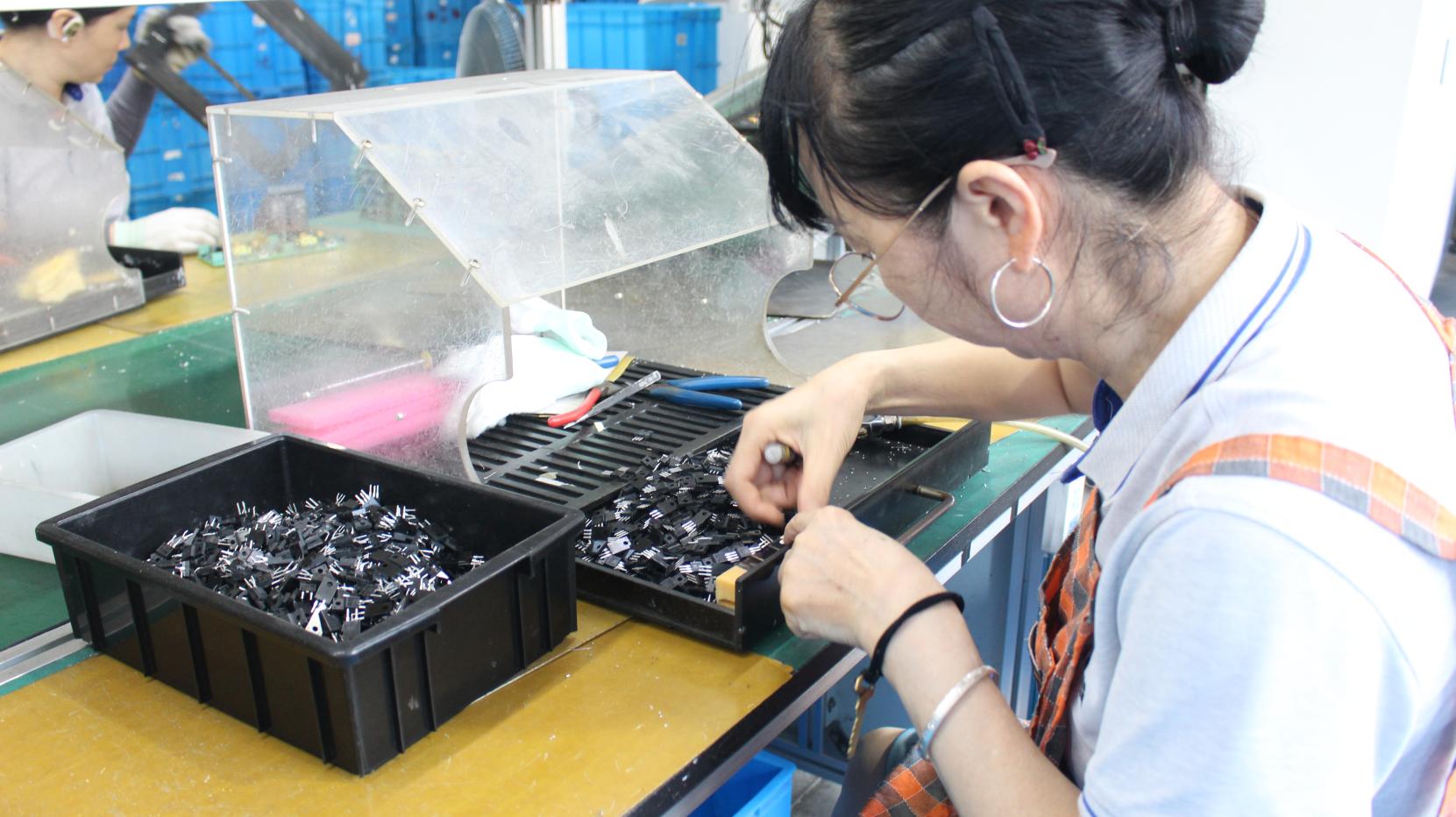 Assembling
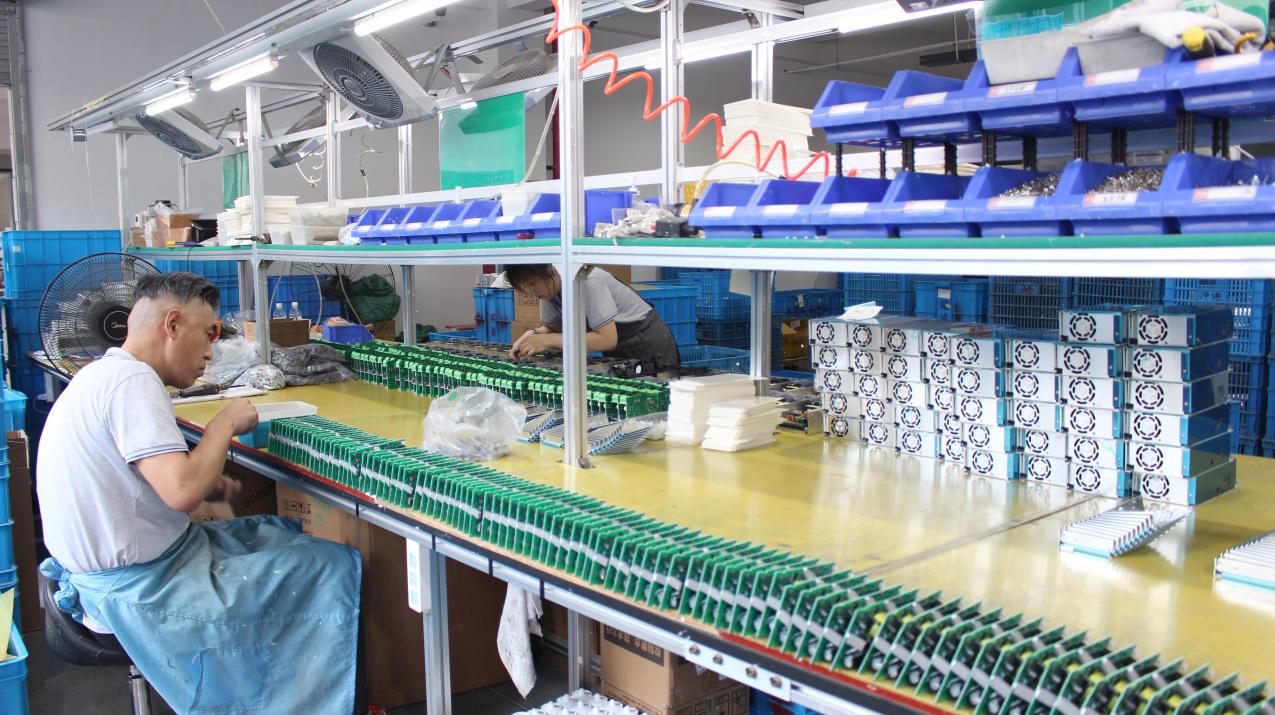 Assembling
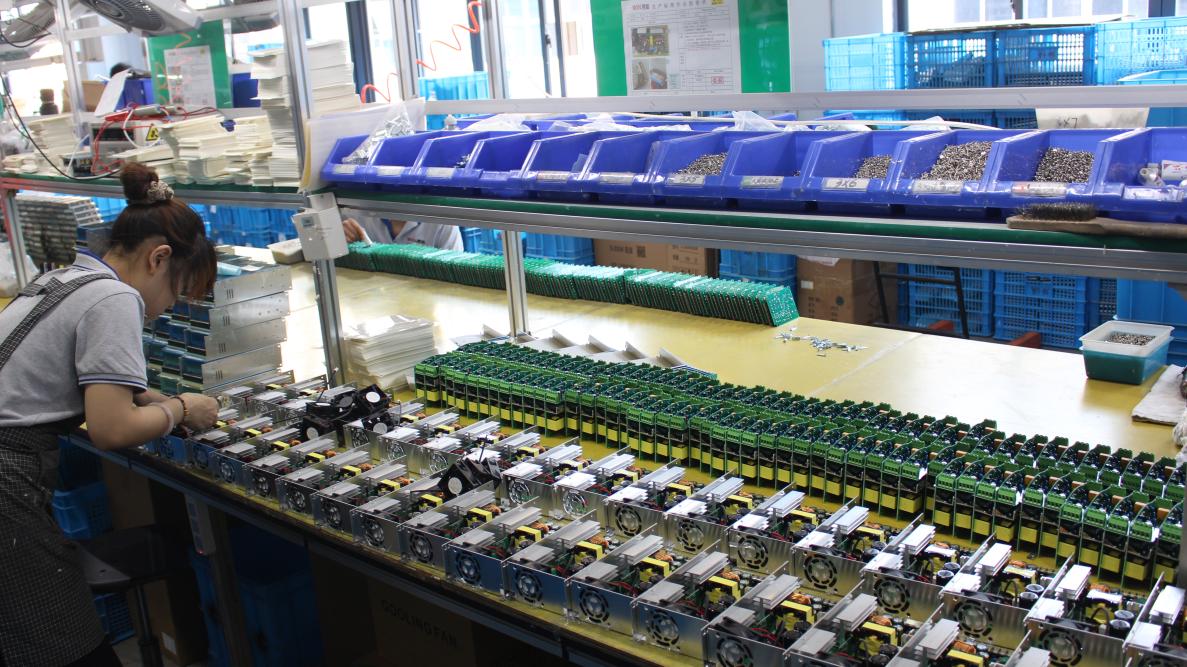 Assembling
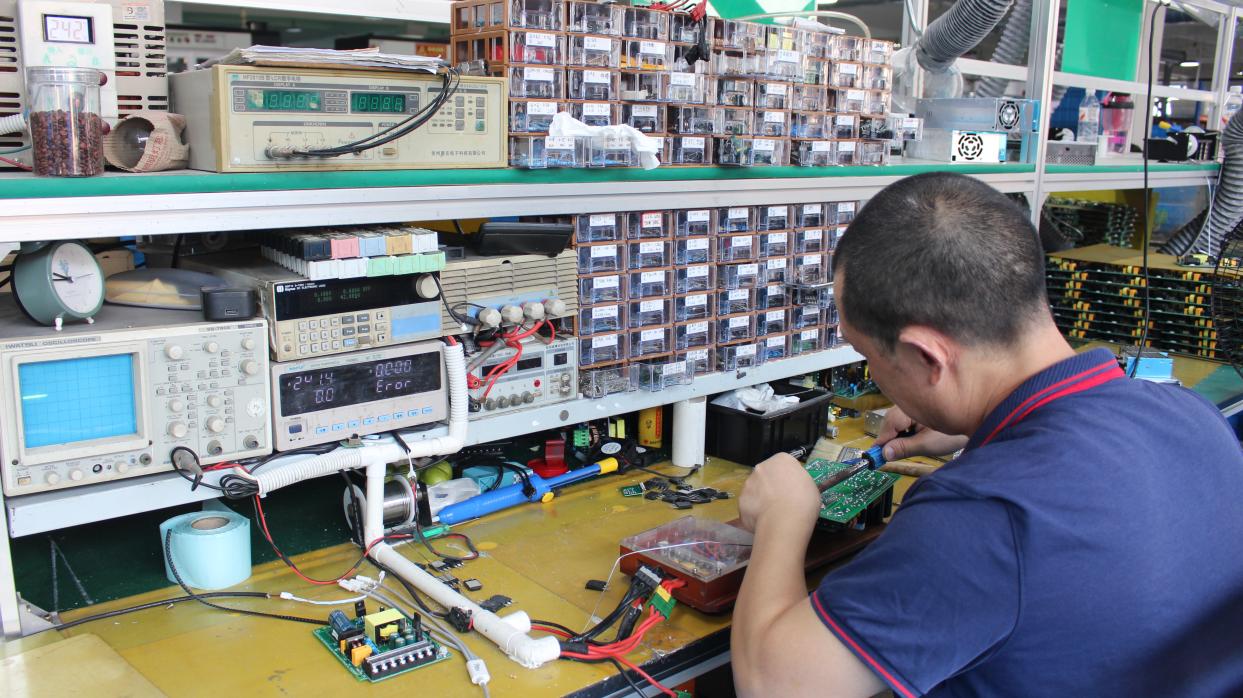 Assembling
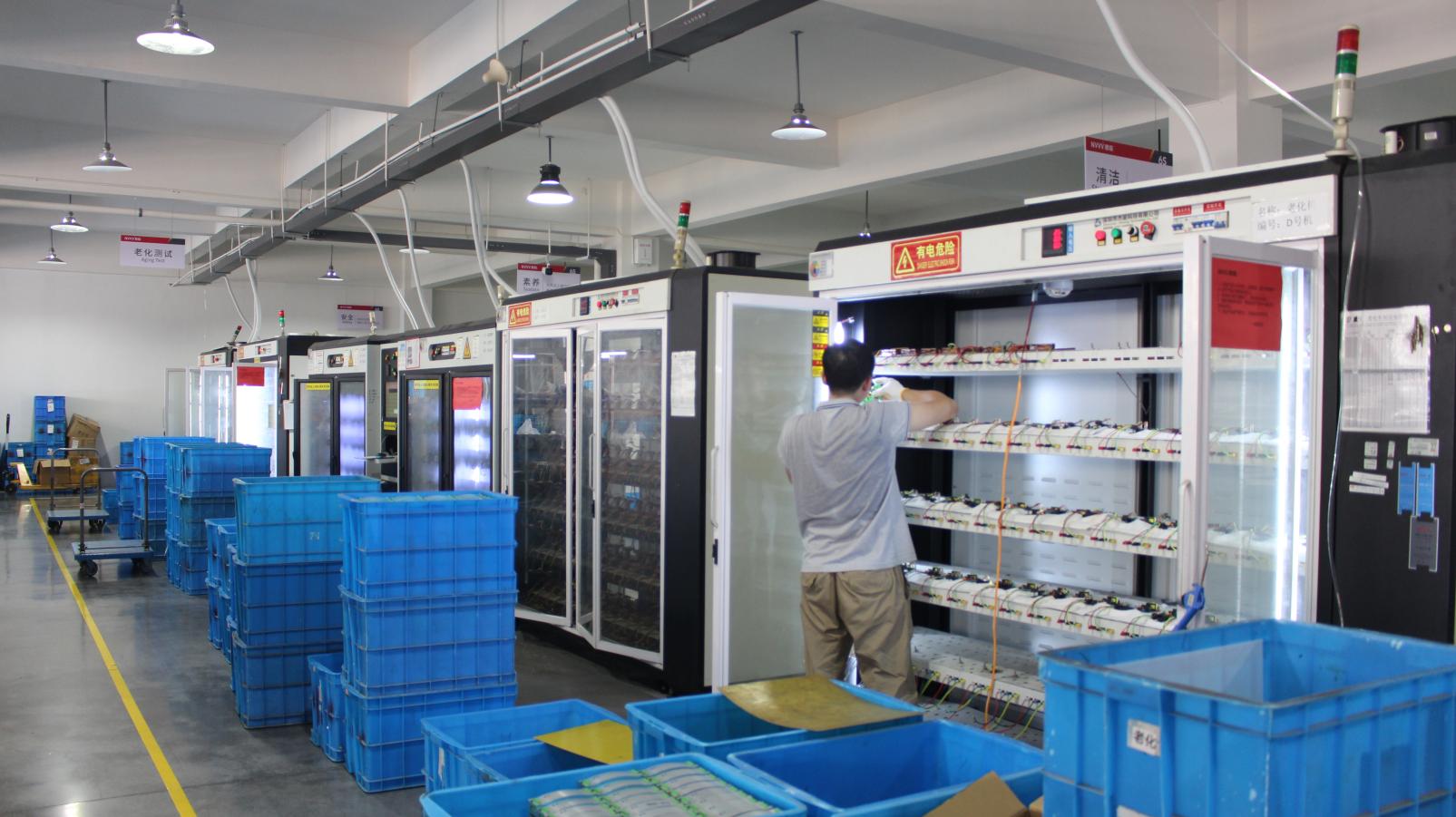 Testing
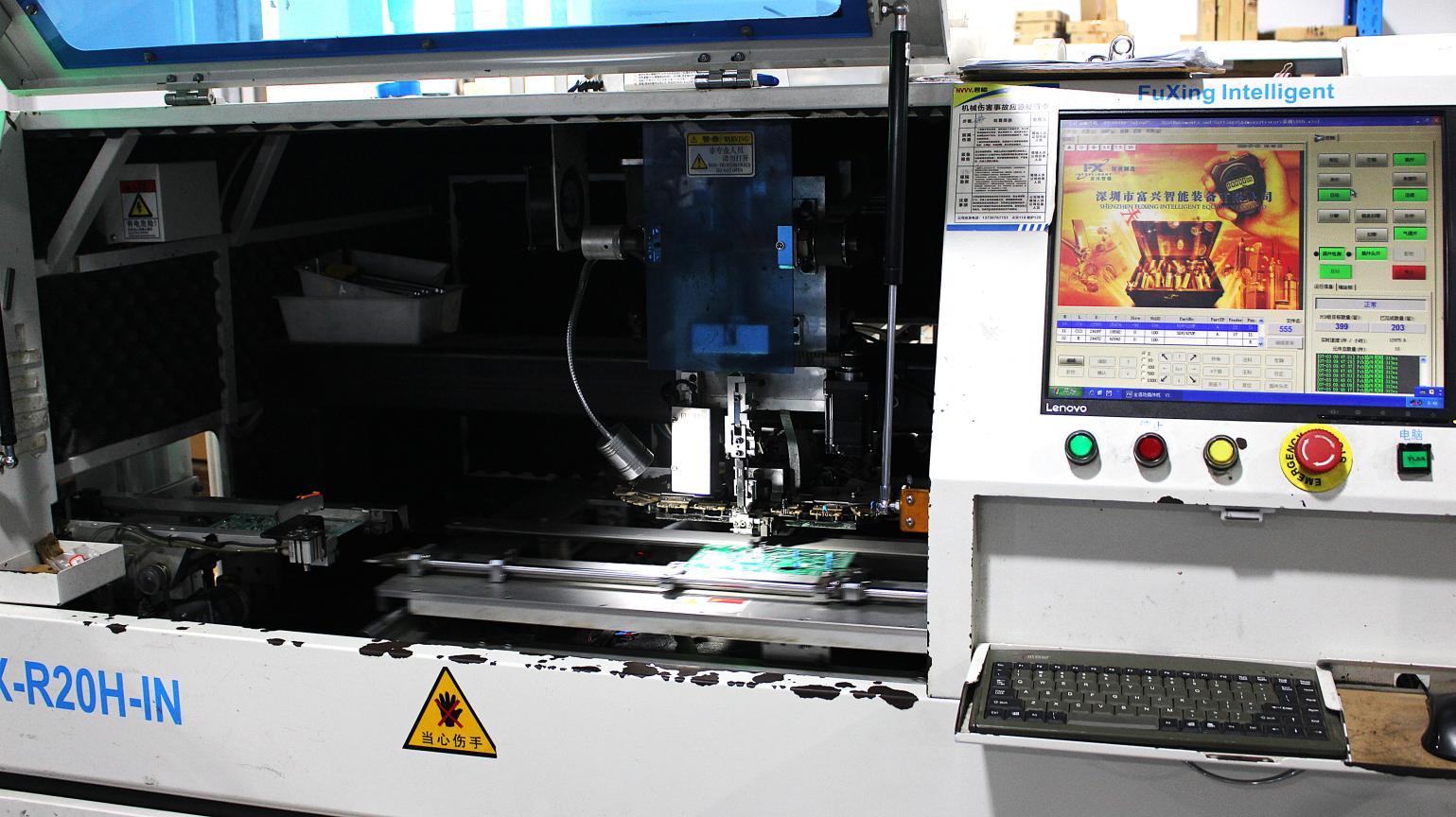 Component plug-in machine
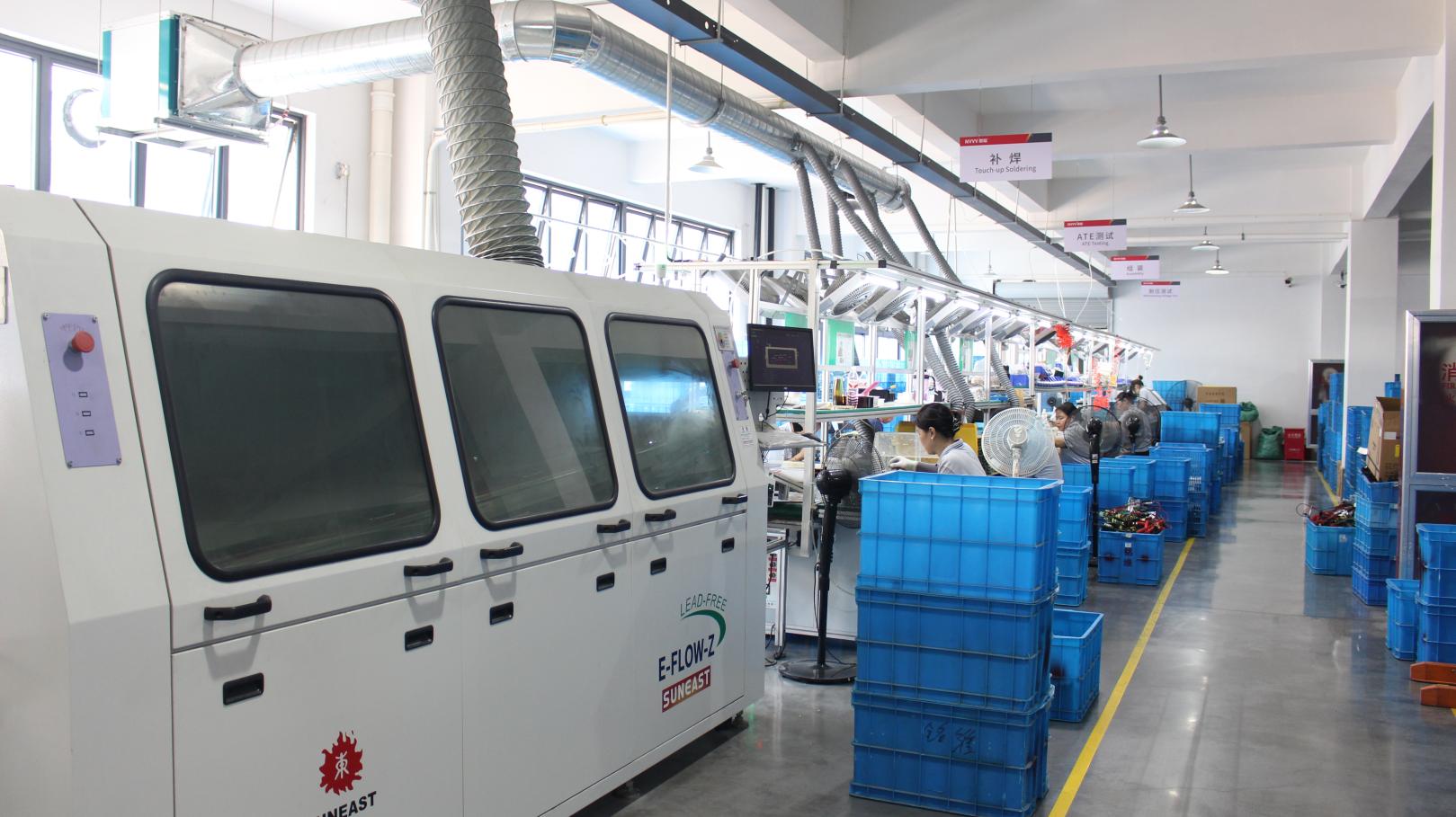 Wave soldering machine
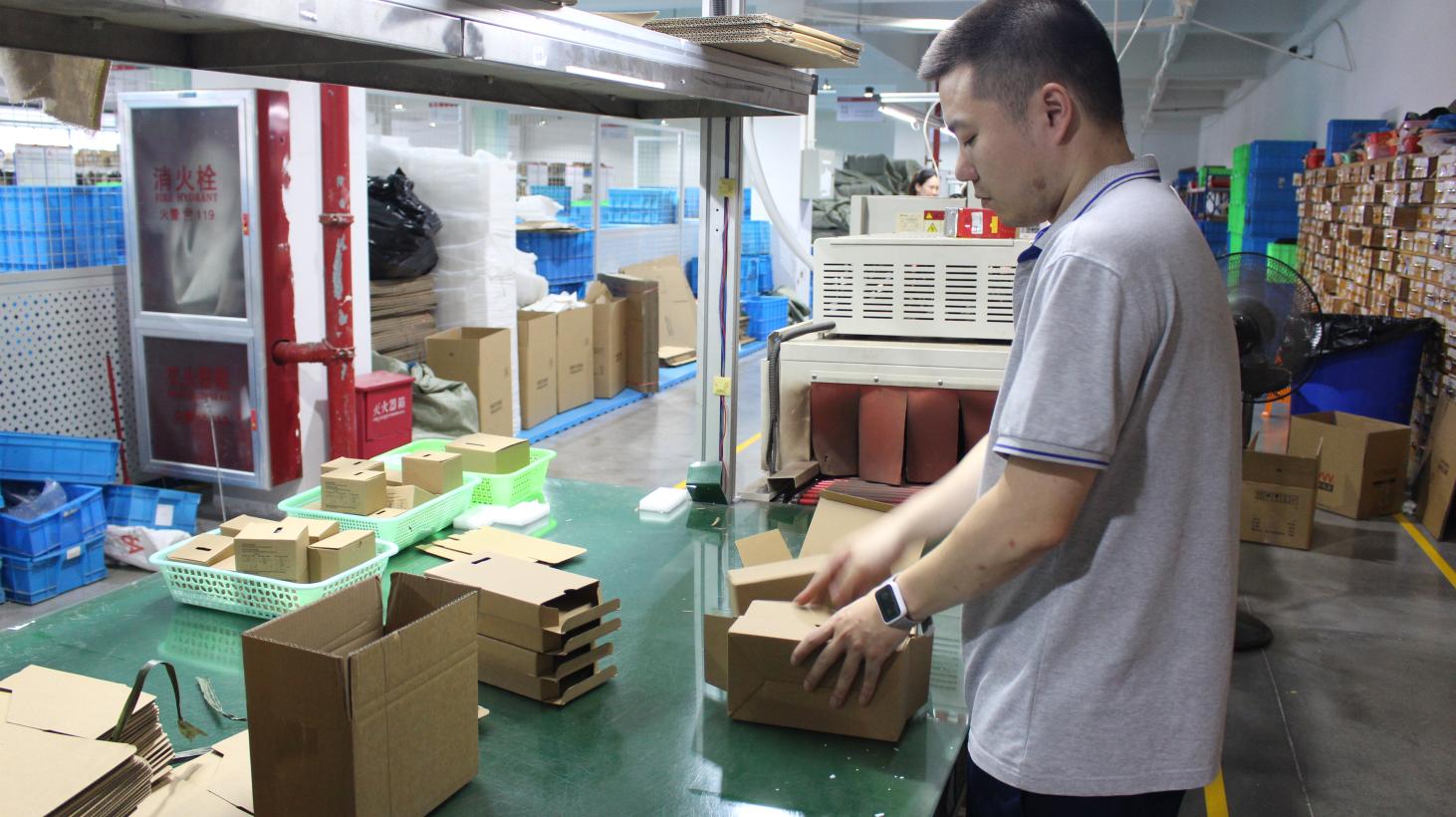 Automatic packing machine
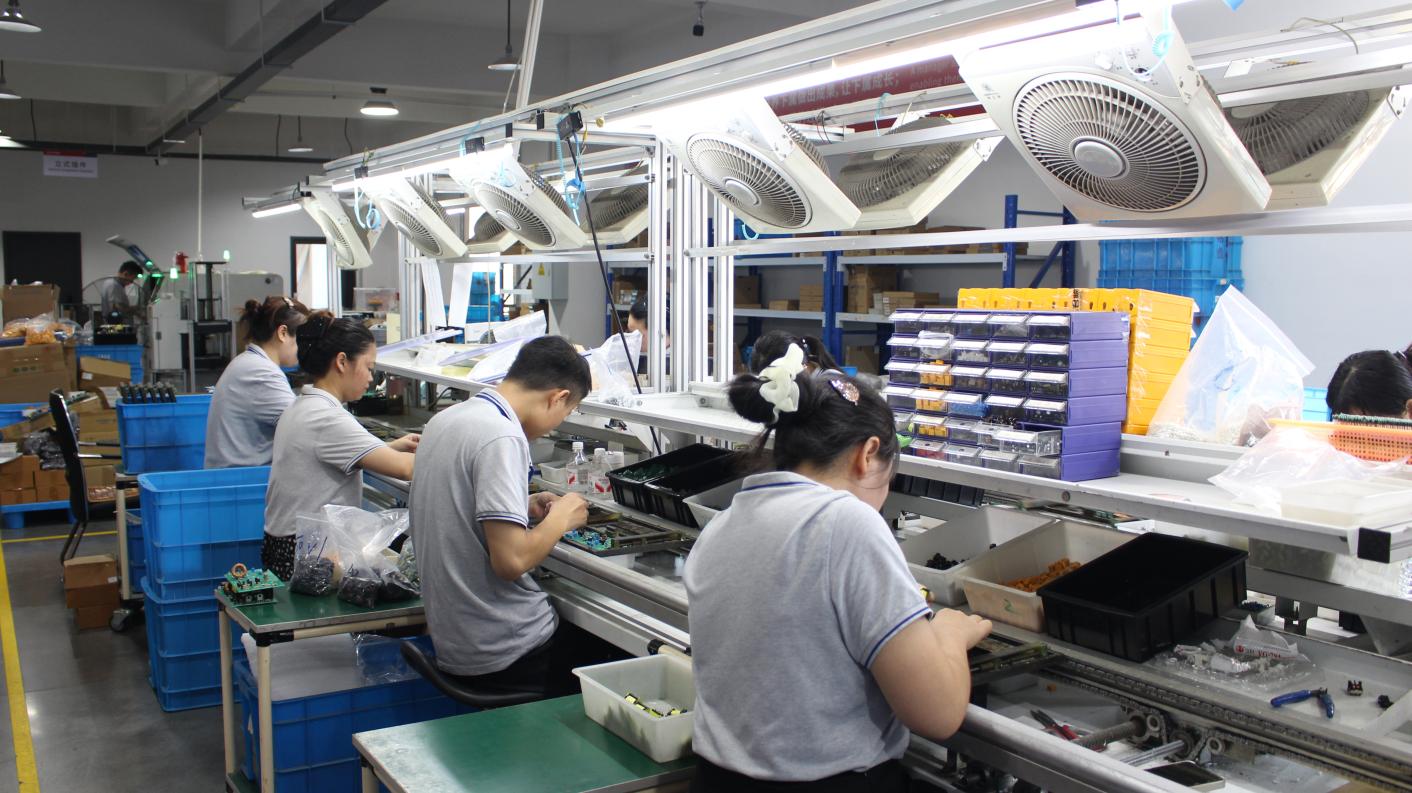 Assembly line
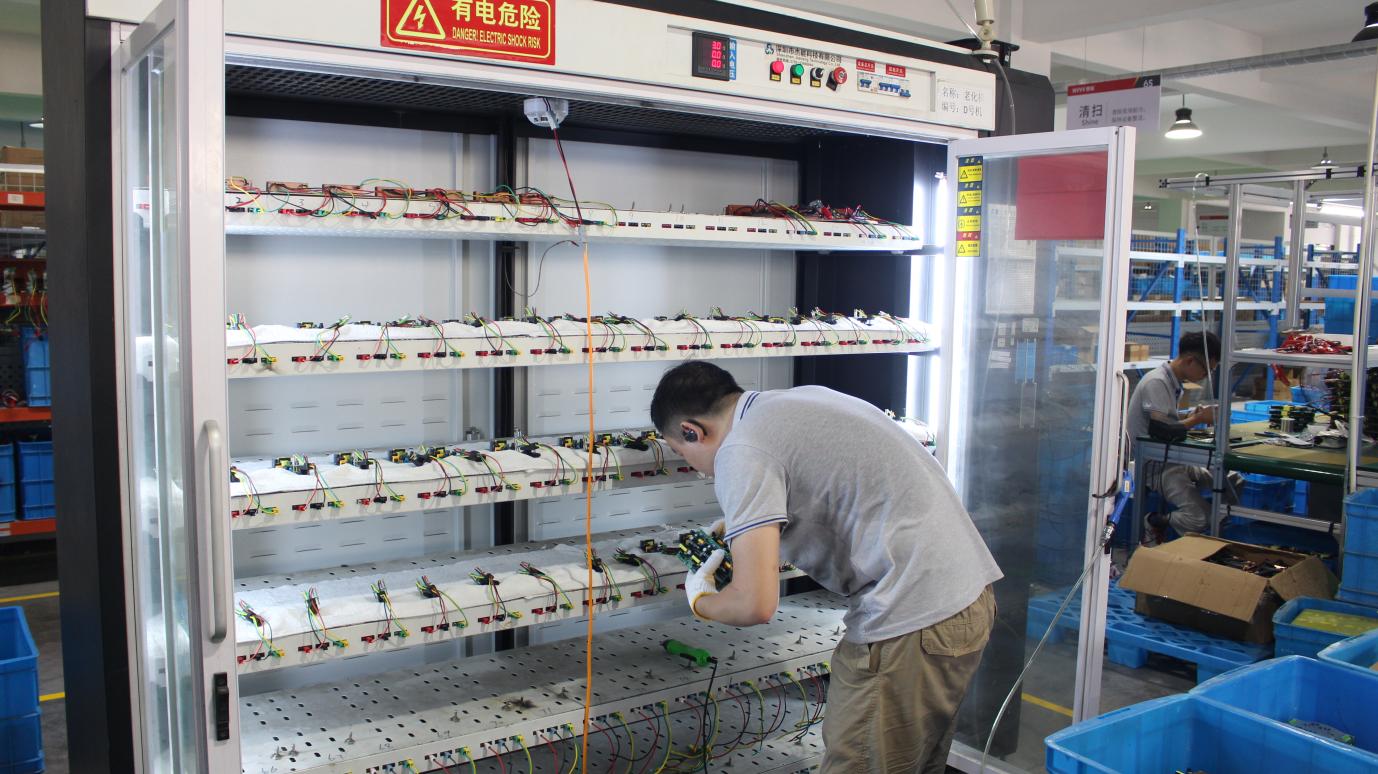 Testing
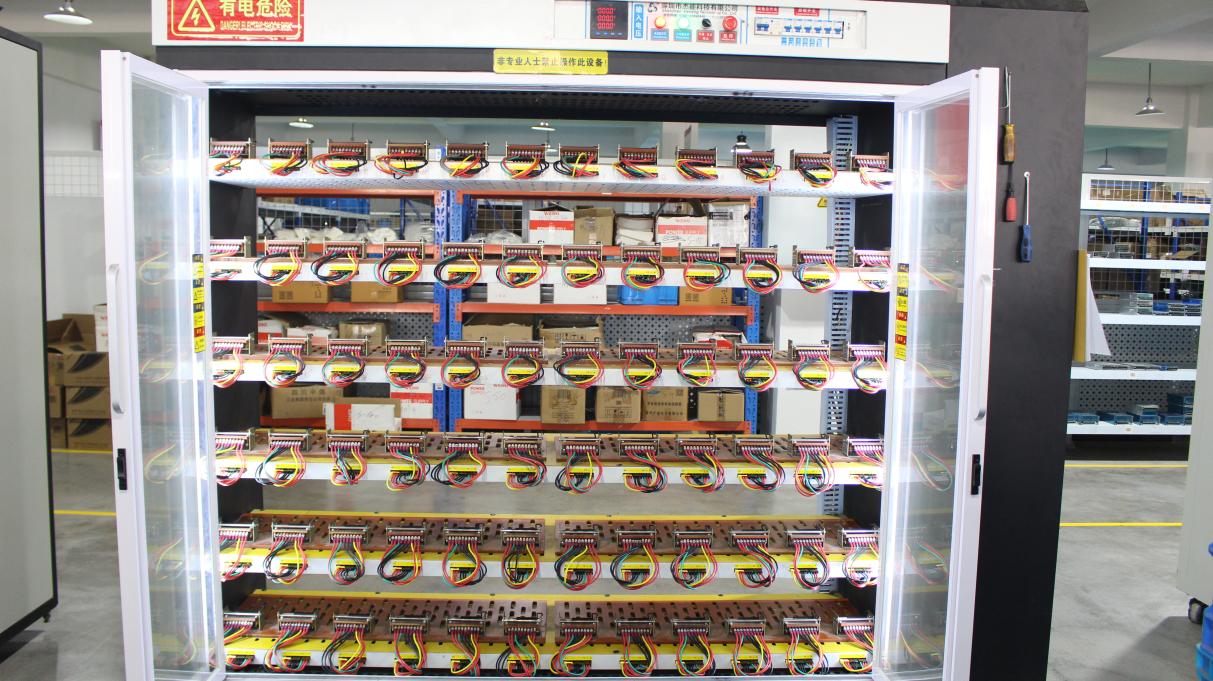 Aging test bench
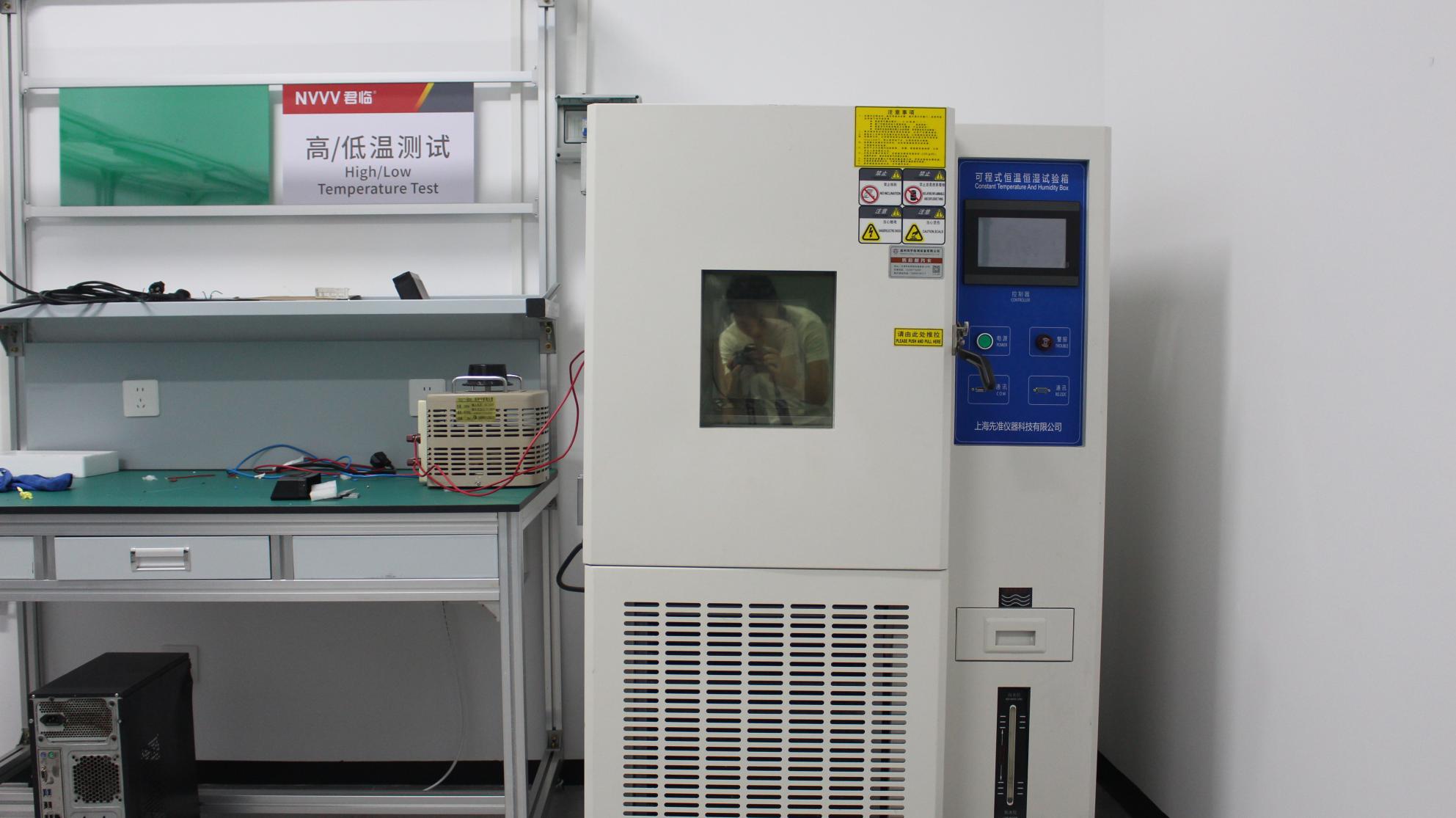 High/Low Temp Test
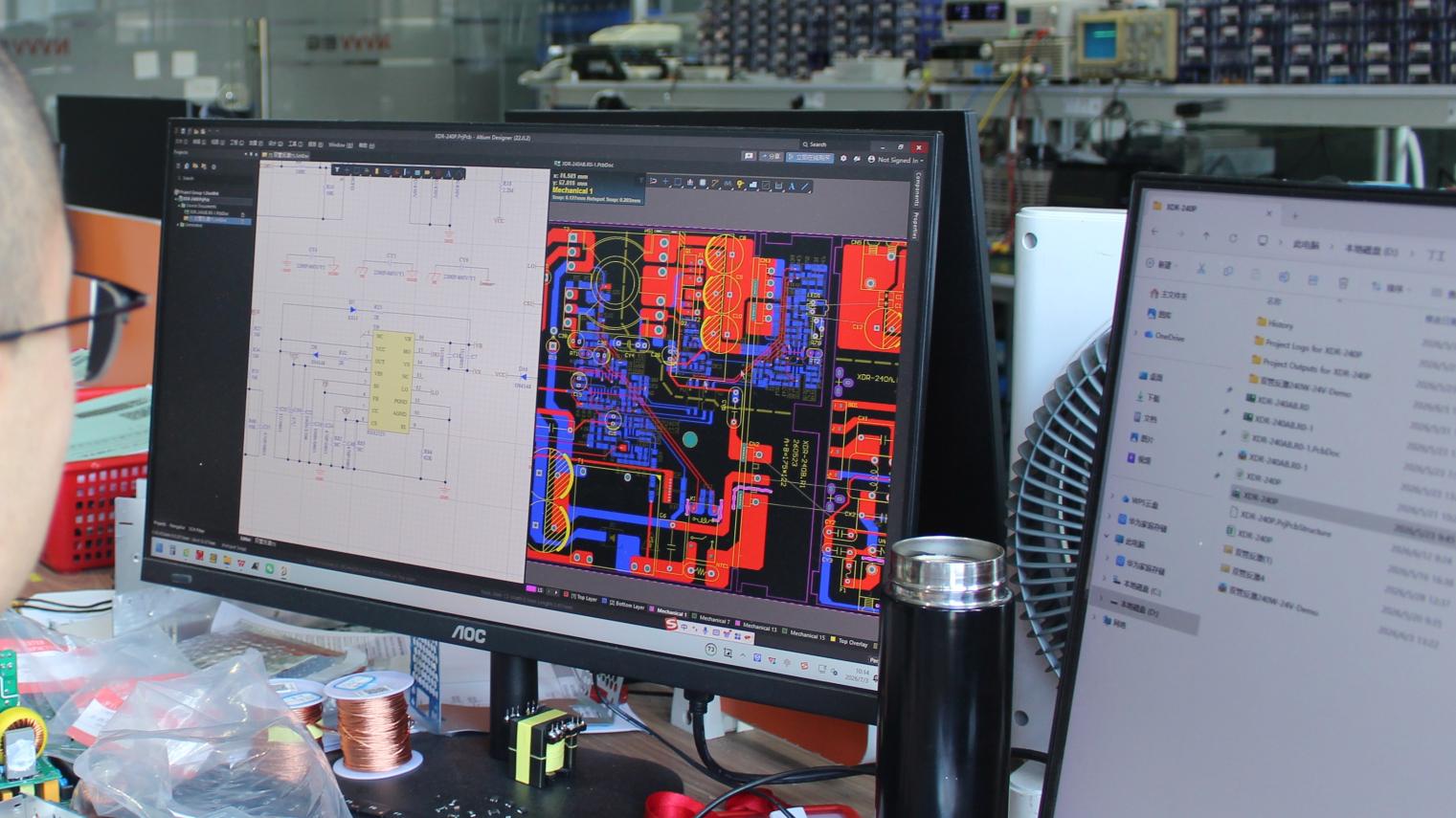 Design
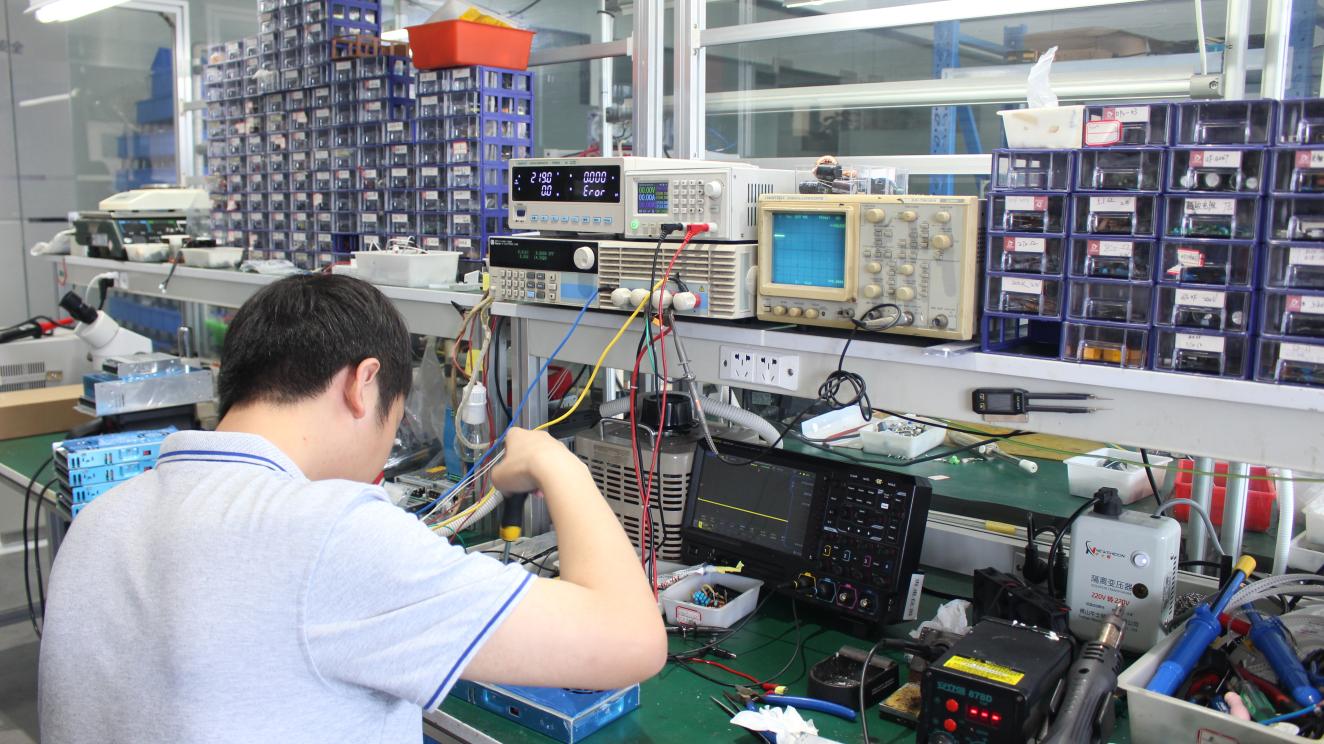 Test Equipment A
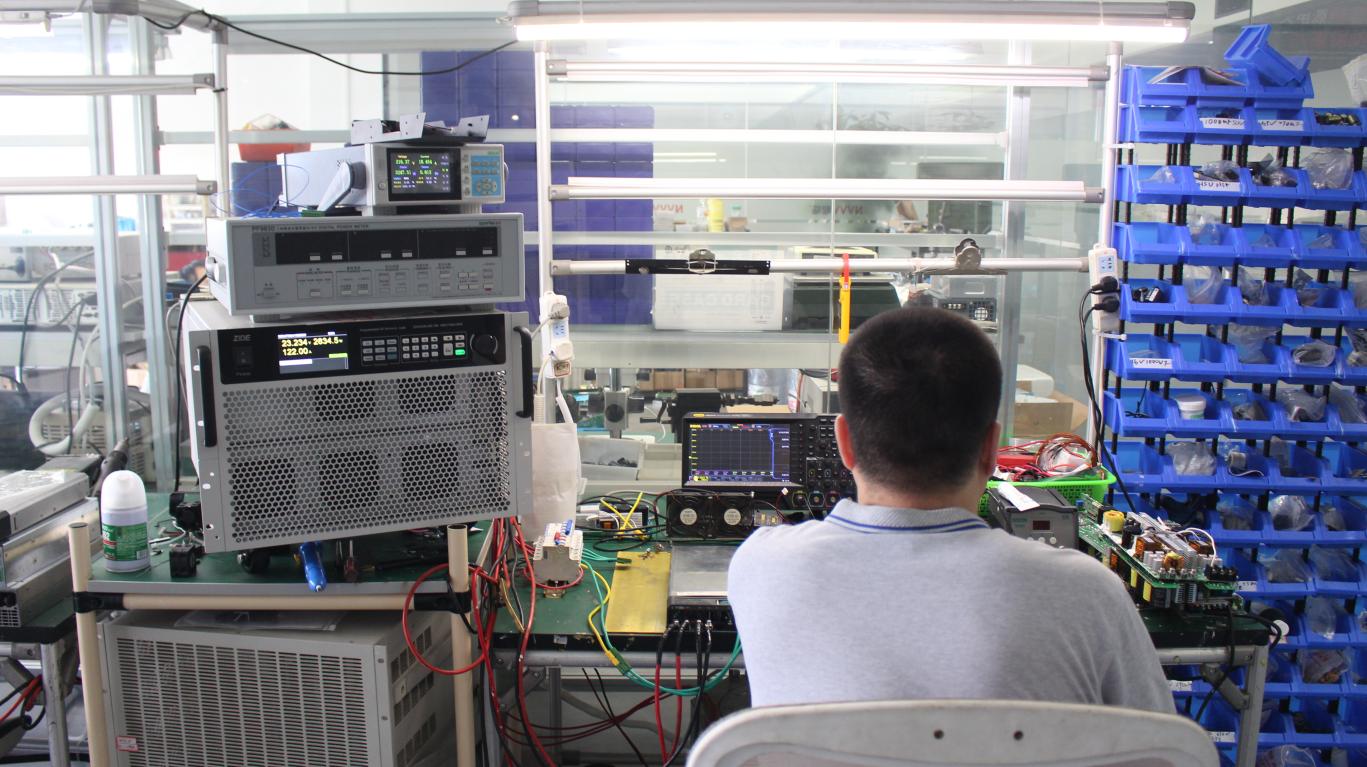 Test Equipment B
Wenzhou, Zhejiang Province, functions as an active cluster for low-voltage electric systems, power transmission, and switching technologies. This industrial concentration creates a competitive environment for component procurement, raw sheet metals, transformer winders, and copper terminals. Sourcing from NVVV in Wenzhou offers major structural advantages:
International commercial networks present varied technical specifications and grid environments. An exporter must adapt to local regulatory systems and physical power requirements to ensure smooth distribution. NVVV supports full OEM and ODM services to adapt to these regional needs:
For example, North American markets utilize 110V/120V AC systems at 60Hz. These environments require NEMA plug structures and FCC Part 15 compliance to minimize electromagnetic interference on local communications equipment. European and commonwealth regions operate on 220V/230V AC at 50Hz, demanding Schuko, UK, or universal output sockets, along with CE, UKCA, and RoHS certification. In East Asia and India, Bureau of Indian Standards (BIS) compliance is essential for safety. Our R&D department handles customization, prototype creation, silk-screen brand printing, and packaging redesign.
Supports 110V/120V configurations, FCC Class B compliance, NEMA sockets, and high-frequency modifications tailored for standard RV and residential backup needs.
Delivers 230V solutions featuring CE/UKCA marking, Low Voltage Directive (LVD) alignment, and specialized safety ground networks.
Includes BIS-compliant designs for India and CCC certifications for China, engineered to perform reliably under wide voltage inputs and challenging thermal conditions.
Modern power electronics development focuses on three primary shifts: digital signal processor (DSP) integration, wide-bandgap semiconductors, and IoT connectivity. Newer hybrid systems integrate MPPT solar charging controllers with inverter modules, allowing off-grid systems to balance solar, battery storage, and utility/generator power inputs automatically.
Furthermore, adopting Gallium Nitride (GaN) and Silicon Carbide (SiC) MOSFETs allows manufacturers to double operational switching frequencies. This change reduces the size of passive components like inductors and transformers while keeping heat generation to a minimum. NVVV's R&D team works to integrate these advanced materials into our switching power topologies, helping to reduce weight and footprint for next-generation installations.
Key technical answers to assist engineering departments and global purchasing managers.
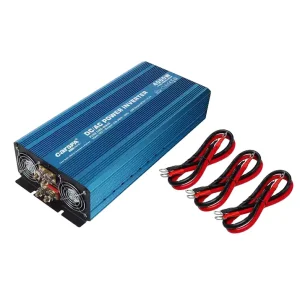
High-capacity converters and hybrid MPPT-charging integrated inverters designed for heavy machinery, emergency services, and complex grid integrations.
 NVVV Electric