Choosing a Low Voltage Power Supply manufacturer is not just a price comparison. The right unit must deliver stable output, manage heat, and fit the real conditions inside its enclosure. A compact 24-volt supply may look suitable on a specification sheet, yet struggle beside hot drives or during repeated peak loads. Small details matter.
Power electronics specialist Dr. Ray Ridley is known for practical work on converter design and testing. Rather than inventing a quotation, this introduction puts the selection principle in plain words: “Judge a power supply by measured performance under real operating conditions, not by its label alone.” This is an editorial summary, not a verbatim quotation. It points to useful evidence: output regulation, ripple, efficiency, thermal behavior, protection features, and test documentation. Buyers should also ask how manufacturers verify consistency across production batches. A polished datasheet is helpful, but it cannot answer every question.
This guide examines China’s Low Voltage Power Supply manufacturers through those practical checks. It considers product range, engineering support, quality controls, customization, and communication during sampling. Look closely. Ask for test records and clarify operating conditions before comparing offers. No single supplier will suit every project. And a low price can hide a costly mismatch. Even these checks have limits: supplier claims need independent review, and this outline cannot replace application-specific testing.
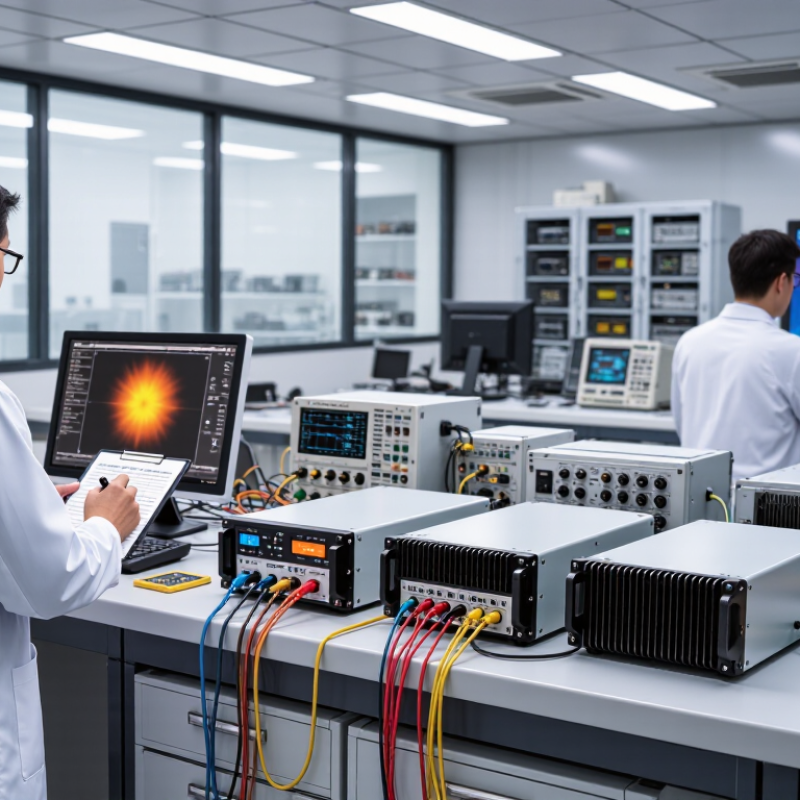
What Defines a Leading Low Voltage Power Supply Manufacturer in China
China’s leading low voltage power supply manufacturers are defined by more than factory size. They combine electrical expertise, stable production, and clear quality evidence. Experienced engineers should understand voltage regulation, thermal control, overload protection, and electromagnetic compatibility. They also need practical testing experience. A reliable manufacturer can explain how each unit performs under heat, vibration, and changing loads. Look for documented inspection records, traceable components, and testing equipment that is regularly calibrated. Clear technical communication matters too. Confusing specifications often create expensive installation problems.
Tips: Ask for sample test reports before placing a large order. Check efficiency, ripple, protection response, and operating temperature. Request a small sample batch. Observe packaging, labels, wiring, and response time. A factory visit can reveal more than polished brochures. Still, no supplier is perfect. Even a capable manufacturer may have occasional delivery delays or documentation gaps. The important question is how openly the team identifies and corrects them.
A professional manufacturer should support customization without weakening safety controls. It may adjust connectors, enclosure dimensions, input ranges, or cooling methods. However, every change should receive engineering review and renewed testing. Ask who approves design changes and how production workers follow updated drawings. Reliable suppliers also provide installation guidance, maintenance instructions, and responsive after-sales support. In my experience, practical answers are stronger than impressive claims. A manufacturer that admits a limitation can be more trustworthy than one promising everything.
China Best Low Voltage Power Supply Manufacturers? What Defines a Leading Manufacturer
A leading low-voltage power supply manufacturer should support widely used industrial DC output levels, comply with applicable IEC safety and EMC requirements, and provide dependable solutions for automation, control, instrumentation, and communication equipment. The chart shows common nominal DC output voltage levels used in industrial power supply applications.
The 5 V, 12 V, 24 V, and 48 V levels are established nominal DC voltage classes widely used in electronic, control, industrial automation, and telecommunications equipment. Product selection should also verify efficiency, protection functions, temperature range, certifications, and lifecycle support.
Key Product Types and Technical Specifications to Compare
Choosing among China’s low voltage power supply manufacturers requires more than comparing price and wattage. Product type sets the installation strategy. Enclosed AC-DC supplies suit control cabinets, while DIN-rail models support compact industrial panels. Open-frame units reduce cost but need protected housings. DC-DC converters fit vehicles, telecom systems, and battery-backed equipment.
Mordor Intelligence’s 2025 Power Supply Market report estimates the global market at about USD 37.9 billion in 2025, reaching USD 48.3 billion by 2030. This growth increases the need for measurable specifications. Compare input range, output voltage tolerance, rated power, efficiency, ripple, and hold-up time. A 24 V, 240 W supply may not deliver 240 W continuously at 60°C. Check the derating curve.
Small details matter.
The IEC 62477-1 safety framework supports evaluation of power electronic converter systems, while IEC 61000-3-2 addresses harmonic current limits. Buyers should also verify overload, short-circuit, overvoltage, and overtemperature protection. For factory environments, review operating temperature, vibration resistance, terminal construction, and documented test procedures. UL, CE, and other markings should match the target market, not merely appear on a datasheet. Some specifications look impressive until tested under heat, unstable input voltage, or sustained load. Independent sample testing is still worth the time.
How to Evaluate Quality, Safety, and Manufacturing Capabilities
Choosing a low voltage power supply manufacturer in China requires more than comparing unit prices. Start with the product’s electrical design, documented test methods, and traceable components. Ask for efficiency curves at 25%, 50%, and 100% load. Review insulation, grounding, short-circuit, surge, and overheating protection. Real evidence matters. Request current reports against applicable IEC safety and EMC requirements, plus material declarations for restricted substances. A certificate alone cannot prove production consistency.
During evaluation, inspect samples under cold start, full load, and repeated on-off cycles. Measure output ripple with calibrated equipment, not a casual multimeter. Check whether the enclosure stays touch-safe after several hours. Manufacturing capability appears in the details: automated solder inspection, controlled assembly areas, aging racks, calibration records, and batch-level serial tracking. Ask how failed units are quarantined and repaired. A clear answer shows process ownership. Vague promises do not.
A factory audit should include engineering and quality staff, not only a sales representative. Review change-control procedures for transformers, capacitors, firmware, and suppliers. Confirm production capacity using recent records rather than impressive floor space. Smaller factories may offer closer communication, but limited testing can increase risk. Even strong suppliers have weak points. I would record open findings, agree on corrective deadlines, and retest a later batch before approval. Reliability is earned repeatedly.
Major Industries Served by Chinese Low Voltage Power Supply Makers
Chinese low voltage power supply manufacturers serve a wide range of industries, from factory automation to commercial buildings. In industrial plants, their DIN rail and enclosed power supplies support PLCs, sensors, control panels, and robotic equipment. Engineers often check output stability, overload protection, cooling methods, and service access before approval.
Telecommunications and data centers require compact supplies with high efficiency and dependable backup operation. A small voltage drop can interrupt network equipment, so testing under peak load matters. Chinese suppliers also produce units for access control, video surveillance, elevators, and building management systems. These applications usually demand quiet operation and stable performance over long working hours.
Healthcare equipment, railway systems, solar installations, and electric vehicle infrastructure create stricter demands. Medical environments need careful insulation and leakage control. Rail projects may require wider temperature tolerance and resistance to vibration. Renewable energy systems often use power supplies inside inverter cabinets and monitoring equipment. In factory audits, documentation quality can be as important as electrical performance. Certificates, test reports, and traceable components reduce procurement risk.
Specifications can still be misunderstood. A supply rated for indoor use may fail in a humid cabinet without proper protection. Some buyers focus only on price and overlook heat dissipation, wiring distance, or replacement time. Practical evaluation should include sample testing, thermal checks, and communication with technical staff. That process is not perfect, but it exposes weaknesses before installation.
Steps for Selecting and Purchasing the Right Supplier
Choosing a low voltage power supply manufacturer in China requires more than comparing online prices. Define voltage, current, efficiency, operating temperature, enclosure size, and protection functions before contacting suppliers. Ask for datasheets, circuit diagrams, test reports, and production photos. Details matter.
Request samples from at least two qualified manufacturers. Test output stability, ripple, heat buildup, overload protection, and performance after continuous operation. Measure it yourself. A polished website proves little without traceable records. Check whether the supplier can provide material certificates, inspection procedures, calibration records, and compliance documents for your target market. Confirm that documents match the exact model, not a similar product.
Audit the purchasing terms carefully. Review minimum order quantities, sample charges, lead times, packaging, warranty coverage, spare parts, and payment stages. Ask how defective units are isolated and replaced. Reliable suppliers explain these steps clearly. Factory visits or independent inspections can reveal storage problems, weak soldering, or inconsistent labeling. The lowest quotation may hide testing gaps or unstable components. That risk deserves a written cost comparison. I would also leave room for doubt: even a successful sample cannot guarantee every future batch. Require a signed specification, agreed acceptance criteria, and pre-shipment inspection before scaling the order.
FAQS
Enclosed AC-DC supplies suit protected control cabinets. DIN-rail models fit compact industrial panels. Open-frame units need a separate protected housing.
Choose a DC-DC converter for vehicles, telecom equipment, or battery-backed systems. Check input variation and output stability carefully.
Compare input range, output tolerance, rated power, efficiency, ripple, and hold-up time. Review the derating curve at higher temperatures.
Not always. A 240-watt unit may deliver less at 60°C. Heat can reduce available power significantly.
Request samples, test reports, efficiency curves, and traceable component records. Test cold starts, full load, ripple, and repeated switching.
Check overload, short-circuit, overvoltage, and overtemperature protection. Confirm insulation, grounding, surge handling, and touch-safe enclosure performance.
Review solder inspection, assembly controls, aging racks, calibration records, and serial tracking. Ask how failed units are isolated and repaired.
No. Certificates support evaluation, but they cannot prove every batch is consistent. Match documents to the exact model and target market.
Confirm minimum order quantities, sample fees, lead times, packaging, warranty coverage, spare parts, and payment stages. Put acceptance criteria in writing.
No sample can guarantee every future batch. Require pre-shipment inspection and retesting. I would still leave room for doubt.
Conclusion
Choosing the right Low Voltage Power Supply manufacturer in China requires more than comparing prices. A leading supplier should demonstrate strong engineering expertise, stable production capacity, reliable quality control, and the ability to customize products for different voltage, current, power, efficiency, and protection requirements. Buyers should compare key product types, including enclosed, DIN-rail, open-frame, waterproof, and desktop power supplies, while reviewing safety features such as overload, short-circuit, overvoltage, overheating, and surge protection.
It is also important to evaluate certifications, testing procedures, component quality, factory equipment, delivery consistency, and after-sales support. Chinese manufacturers serve a wide range of industries, including industrial automation, telecommunications, security systems, LED lighting, medical equipment, transportation, and smart devices. Before purchasing, define technical requirements, verify product documentation and samples, assess production and inspection capabilities, clarify minimum order quantities and lead times, and confirm warranty and communication processes. A careful, fact-based supplier evaluation can help ensure dependable performance, long-term value, and a stable purchasing relationship.

 NVVV Electric