China Top Portable Power Supply Manufacturers Guide

Time:2026-09-09 Author:Aria
0%

China’s portable power industry has grown from small emergency units into a diverse manufacturing sector. Today, buyers can find compact models for camping, home backup, field work, and professional equipment. However, supplier quality differs widely. A polished product page does not prove dependable engineering.

This guide examines China’s leading Portable Power Supply manufacturers through practical purchasing criteria. It considers battery chemistry, capacity accuracy, inverter performance, charging speed, cooling design, and battery management systems. It also reviews factory experience, production scale, quality-control procedures, and after-sales support. Real details matter. A reliable unit should deliver stable power beside a tent, inside a workshop, or during a short outage. Its screen should remain readable, and its ports should match actual user needs.

Supplier verification receives equal attention. Factory audits, sample testing, traceable components, and clear documentation can reveal weaknesses before bulk orders begin. Relevant safety certifications and test reports should be checked independently whenever possible. Marketing language can be vague. Numbers need evidence.

No manufacturer is perfect. Even established companies may face inconsistent batches, delayed communication, or firmware limitations. This guide acknowledges those risks rather than hiding them. It compares strengths, trade-offs, and areas requiring further questions. Readers will gain a clearer framework for selecting partners, negotiating specifications, and building a dependable Portable Power Supply sourcing plan from China. Some conclusions may change as technologies and standards develop. That is worth remembering.
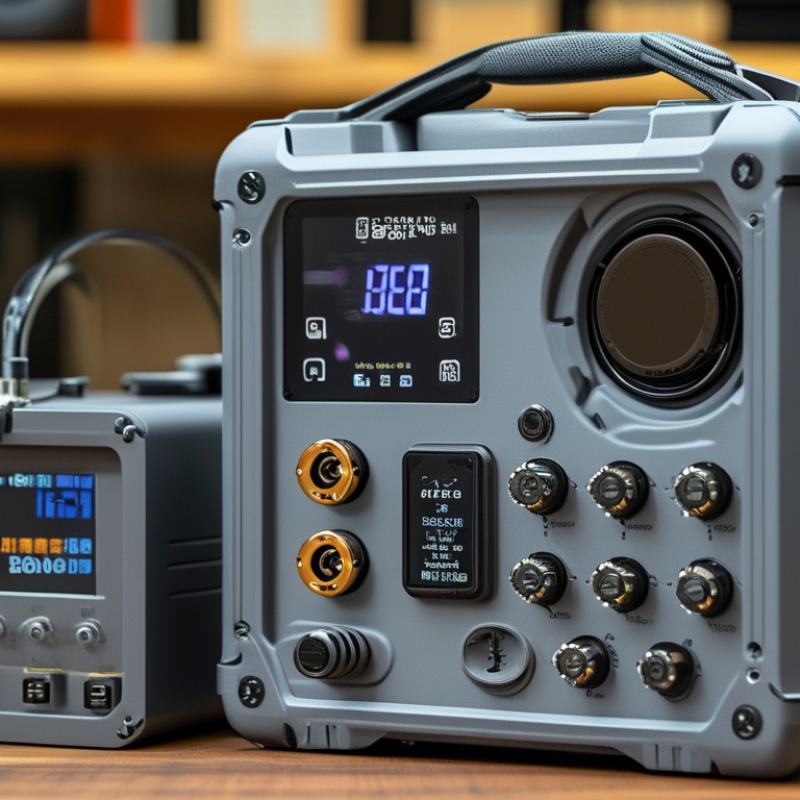
China Top Portable Power Supply Manufacturers Guide

What Defines a Portable Power Supply Manufacturer in China

A portable power supply manufacturer in China is more than a factory assembling battery packs. It should control key stages, including cell selection, battery management, inverter integration, casing design, and final testing. During a factory audit, buyers should ask to see production records, calibration labels, and sample test reports. These details reveal whether quality control is consistent or only prepared for visitors.

Technical experience matters. A capable manufacturer can explain capacity, output limits, charging cycles, thermal protection, and overload response in clear language. It should also support recognized safety and transport requirements for target markets. Reliable suppliers provide traceable components, stable production schedules, inspection data, and responsive after-sales service. Still, no factory gets everything perfect. Design changes may cause delays, and early samples sometimes expose weak cooling or unclear user instructions. Honest communication is a stronger sign than exaggerated promises.

Tips: Request a working sample before placing a large order. Test it with common loads, such as a laptop, lamp, or small refrigerator. Check charging time, noise, heat, display accuracy, and shutdown behavior. Ask for written warranty terms and replacement procedures. A factory that welcomes practical questions usually understands real customer needs. Don’t judge by appearance alone. A polished shell cannot compensate for poor cell matching or incomplete testing.

How China’s Portable Power Supply Manufacturing Industry Operates

China’s portable power supply industry operates through a dense battery and electronics ecosystem. The International Energy Agency reported that China produced about 75% of global lithium-ion battery cells in 2022. This upstream advantage supports faster sourcing of cells, battery management systems, inverters, and casings. Many factories still follow an OEM model. Buyers provide voltage, capacity, interface, and safety requirements. Engineers then adjust the circuit, cooling path, firmware, and enclosure.

Production usually begins with cell grading. Workers test voltage, internal resistance, and capacity before assembling battery packs. Automated welding improves consistency, but manual inspection remains important. A single loose connection can create heat, noise, or early failure. Factories test charging, discharging, overload protection, temperature rise, and transport vibration. They also perform aging tests, although testing time is often shortened to meet delivery schedules. That trade-off deserves more attention.

The China Energy Storage Alliance reported that China’s new energy storage capacity reached 31.39 GW by the end of 2023, showing strong domestic demand for battery engineering and safety systems. Portable products use smaller packs, yet they benefit from the same supply chain. Export factories must also prepare documentation, traceability records, and market-specific compliance tests. Quality is not guaranteed by a modern workshop alone. Supplier audits, random sampling, and field feedback remain essential. Some manufacturers still rely too heavily on appearance and rated capacity. Real performance may differ under cold weather, high loads, or repeated cycling. Testing should reflect those conditions.

Key Product Types and Technologies Offered by Chinese Manufacturers

China Top Portable Power Supply Manufacturers Guide

Chinese manufacturers now offer several portable power categories, including power banks, compact power stations, solar generators, and emergency UPS units. Each serves a different load profile. Power banks suit phones and tablets, while larger stations support refrigerators, medical equipment, and field tools.

The International Energy Agency reported that China held about 75% of global battery cell manufacturing capacity in 2023. That scale supports competitive sourcing, but capacity alone does not prove product quality.

Battery chemistry remains a major purchasing decision. Lithium iron phosphate batteries provide strong cycle life and improved thermal stability. Nickel-manganese-cobalt cells usually deliver higher energy density and lighter designs.

BloombergNEF reported that average lithium-ion battery pack prices fell 20% in 2024, reaching 115 US dollars per kilowatt-hour.

Buyers should still check battery certification, cycle testing, and warranty terms. Paper specifications can look impressive.

Chinese suppliers also integrate MPPT solar controllers, pure sine-wave inverters, USB-C Power Delivery, and smart battery-management systems. These technologies improve charging efficiency and protect against overcurrent, overheating, and deep discharge.

In practical inspections, examine cooling vents, connector strength, display accuracy, and transfer time during backup operation. Test it outdoors.

A 2024 Grand View Research report projects continued double-digit growth for the portable power station market through 2030. However, real-world performance may vary with temperature, cable length, and aging batteries.

That uncertainty deserves more attention.

How to Evaluate Quality, Safety, and Certification Standards

When evaluating portable power supply manufacturers, begin with battery evidence, not attractive casing. Ask for cell specifications, capacity test conditions, and production traceability. A reliable supplier should explain how its battery management system handles overcharge, overheating, short circuits, and deep discharge. Request sample test records from recent production batches. One certificate is not enough.

Safety documents must match the actual model and destination market. Check UN 38.3 transport testing, IEC 62133-2 battery safety, and relevant EMC reports. Larger lithium systems may also require testing under IEC 62619 or IEC 62368-1, depending on their design. CE, UKCA, or other marks should link to a valid declaration and technical file. Look closely. Expired reports, mismatched model numbers, or copied laboratory templates are warning signs.

Quality also appears during physical inspection. Examine connector alignment, cable strain relief, ventilation gaps, warning labels, and the enclosure’s resistance to impact. Run a controlled load test and record output stability, fan behavior, and shutdown temperature. Ask whether the manufacturer performs aging tests before shipment. In practical evaluations, I have found that published cycle figures can change with load, temperature, and charging speed. My own checklist can be too rigid, too. Real use includes dusty rooms, cold mornings, and rushed charging. A trustworthy manufacturer admits these limits and provides clear corrective procedures instead of promising perfect performance.

Factors for Selecting the Right Chinese Portable Power Supply Manufacturer

China Top Portable Power Supply Manufacturers Guide

Selecting the Right Chinese Portable Power Supply Manufacturer

A reliable manufacturer should prove its experience, not merely display attractive product photos. Ask for factory records, production capacity, and recent export experience. During a factory visit, inspect battery assembly, welding quality, cable routing, and final inspection areas. Pictures are not enough.

Request test reports for battery safety, temperature control, overload protection, and electromagnetic compatibility. Verify whether testing comes from an accredited laboratory. Check the battery management system, inverter efficiency, charging speed, and expected cycle life. A sample should run real equipment, such as a refrigerator or power tool, under measured loads. Test the details.

Documentation also reveals professional discipline. Confirm traceable serial numbers, inspection records, clear user manuals, and transport-related compliance documents. Ask how the manufacturer handles damaged units, software faults, and warranty claims. A written response is more useful than a confident sales promise. Records matter.

I once focused too heavily on unit price. That decision created delays, inconsistent packaging, and expensive rework. A lower quotation may hide weaker cells, limited testing, or unstable component supply. Compare total ownership costs, including sampling, tooling, spare parts, and after-sales support. Communication should be practical and responsive, especially when specifications change. Some suppliers perform well but explain technical limits poorly. That gap matters. Choose a team willing to admit production risks and correct them before shipment.

China Portable Power Supply Manufacturer Guide

Estimated AC runtime by battery capacity is a practical benchmark when comparing Chinese manufacturers. The calculation assumes a constant 500 W load and 85% usable AC energy after conversion losses.

Formula: estimated runtime = battery capacity × 0.85 ÷ 500 W. During supplier evaluation, verify rated watt-hours, inverter efficiency, continuous output, battery safety documentation, quality control, and sample-test results.

FAQS

: What battery information should a manufacturer provide?

: Request cell specifications, capacity conditions, and production traceability. Ask for recent batch test records. One certificate is not enough.

How can I evaluate the battery management system?

Ask how it handles overcharging, overheating, short circuits, and deep discharge. The explanation should match the tested product model.

Which safety documents should I check?

Review UN 38.3 transport testing and IEC 62133-2 battery safety reports. Larger systems may also need IEC 62619 or IEC 62368-1 testing. Check carefully.

How can I confirm that certificates are valid?

Match every report with the actual model number and destination market. Check the issuing laboratory, report date, declaration, and technical file. Expired documents deserve further questions.

What should I inspect during a factory visit?

Examine battery assembly, welding, cable routing, ventilation, and final inspections. Check connector alignment and cable strain relief. Pictures are not enough.

How should I test a sample unit?

Run a controlled load test with equipment such as a refrigerator or power tool. Record output stability, fan behavior, charging speed, and shutdown temperature. Test real conditions.

What production and after-sales records matter?

Request serial-number traceability, inspection records, clear manuals, and transport documents. Ask how damaged units, software faults, and warranty claims are handled. Written answers matter more than confident promises.

Is the lowest quotation usually the best choice?

Not always. Lower prices may hide weaker cells, limited testing, or unstable components. Compare sampling, tooling, spare parts, packaging, and support costs. My judgment can be too price-focused.

Conclusion

China’s Portable Power Supply manufacturing industry combines product design, battery integration, power management, enclosure production, testing, and large-scale assembly. Manufacturers typically offer compact emergency power stations, outdoor energy units, backup systems, and customized solutions for different capacity, output, and portability requirements. Their technologies may include lithium battery systems, pure sine-wave inverters, fast charging, solar input, multiple output ports, intelligent monitoring, and thermal protection. Understanding how suppliers manage research, component sourcing, production, quality control, and export support is essential for making an informed decision.

When evaluating a Chinese manufacturer, buyers should examine battery safety, electrical performance, durability, factory testing procedures, traceability, and applicable international certifications. It is also important to compare production capacity, customization capabilities, minimum order quantities, communication efficiency, lead times, warranty policies, and after-sales service. The right supplier should demonstrate consistent quality, transparent documentation, reliable technical support, and the ability to meet the intended market’s regulatory and performance requirements.

Aria

Aria

Aria is a dedicated marketing professional with a deep passion for innovative strategies and a keen understanding of our company's product offerings. With a wealth of experience in the industry, Aria excels at crafting engaging content that highlights the unique features and benefits of our......