How to Choose the Right AC DC Converter for Your Needs?

Time:2026-07-23 Author:Amelia
0%

Choosing the right AC/DC converter is crucial for ensuring efficient power management in various applications. With the wide variety of converters available, selecting the best option can be challenging. Each type has distinct features, and understanding your specific needs is vital.

AC/DC converters are essential for transforming alternating current into direct current. They serve critical roles in electronics, renewable energy systems, and more. Features such as output voltage, current capacity, and efficiency ratings must align with your project requirements.

Many users overlook the importance of compatibility with existing systems. Inadequate consideration of these factors can lead to underperformance or even damage. Therefore, thorough research and expert advice are invaluable. Balancing these considerations will lead to a more effective power solution tailored to your needs.
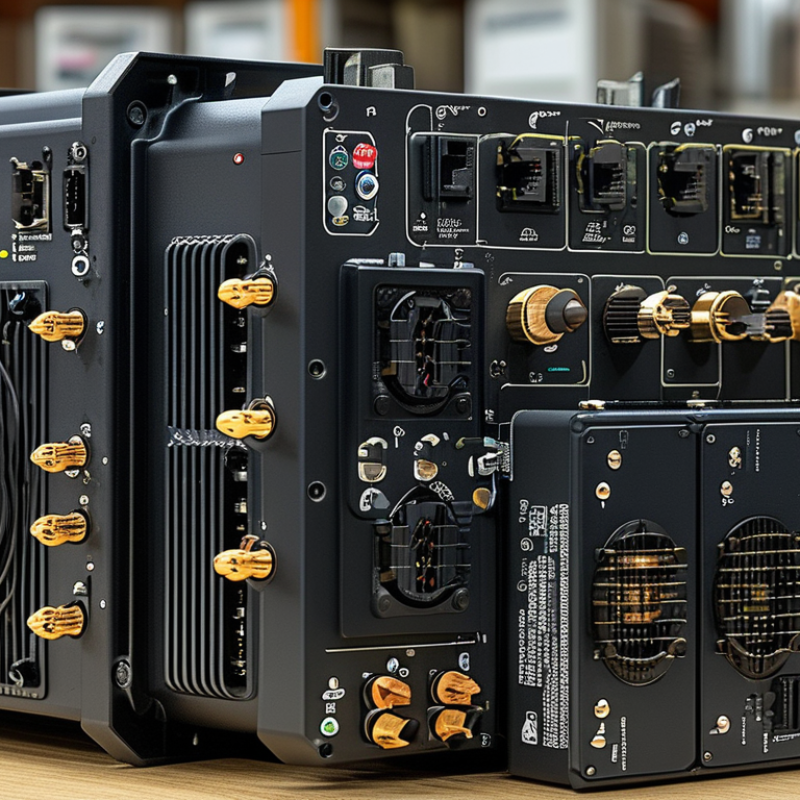
How to Choose the Right AC DC Converter for Your Needs?

Understanding the Basics of AC DC Converters

AC DC converters play a crucial role in electronic devices today. They convert alternating current (AC) into direct current (DC). This conversion is essential for devices like smartphones, laptops, and industrial equipment. According to a recent industry report by MarketsandMarkets, the global AC DC converter market is projected to reach $30.6 billion by 2025, growing at a CAGR of 5.4%. This growth highlights the increasing dependence on reliable power sources.

Understanding the basics of AC DC converters is vital. There are different types, such as switch mode and linear converters. Switch mode converters are more efficient but can introduce noise. Linear converters are simpler and generate less noise but are not as energy-efficient. The right choice depends on your application requirements. For instance, in high-frequency applications, switch mode converters are preferable due to their efficiency.

Customization is another factor. Some devices may require specific output voltages and currents. A mismatch can lead to performance issues. Research shows that about 20% of users struggle to choose the right specifications for their converters. Thus, it is essential to analyze your needs thoroughly. Don't overlook factors like size, heat dissipation, and load requirements. These details impact the overall efficiency and durability of your device.

AC DC Converter Efficiency Comparison

Types of AC DC Converters and Their Applications

When selecting an AC DC converter, understanding the types available is crucial.
There are multiple types, each serving distinct purposes across various industries. For example, switching converters are efficient and compact. They convert power with minimal loss, making them ideal for small devices. Linear converters, while less efficient, offer less noise interference. These are often used in audio applications or sensitive equipment.

Another form is the isolated converter, known for its safety features. It separates input and output, which protects against voltage spikes. This feature is essential in medical equipment where patient safety is paramount. Non-isolated converters are simpler and often used in less critical applications.

The choice of converter can depend heavily on the specific application and environmental factors. Consider the load requirements and efficiency ratings. Each type comes with trade-offs. Evaluating these factors helps in making a more informed decision. Understand your needs clearly before proceeding.

Key Specifications to Consider When Choosing a Converter

When selecting an AC DC converter, understanding key specifications is crucial. Power rating is one of the primary factors. It determines how much power your devices can receive. For instance, converters rated between 75W and 200W are common for consumer applications. Reports indicate that a mismatch can lead to underperformance or device failure.

Another significant specification is efficiency. Converters can range from 70% to over 95% efficiency. Higher efficiencies mean less energy waste, which translates to lower electricity bills. The global market for high-efficiency converters is expected to grow by over 20% annually. This trend underscores the industry's move towards greener technologies.

Input voltage also plays a pivotal role. Ensuring the converter matches your power source is essential. For example, a 240V input converter will not function properly with a 120V input and vice versa. This can lead to frustrating situations when devices fail to operate. Sometimes, users overlook these basic specifications, leading to significant operational challenges.

Assessing Your Power Requirements for Proper Selection

Choosing the right AC DC converter starts with understanding your specific power requirements. Power needs can vary significantly, depending on your project's scale and complexity. Assessing these needs involves knowing the voltage and current ratings of your devices. Overestimating your requirements can lead to unnecessary costs, while underestimating them can cause equipment failure.

Tips: Make a list of your devices. Include their voltage and current specifications. This helps clear confusion. Break down your needs into categories, like home use or industrial use. This can streamline your selection process.

Consider the operating environment as well. Temperature and humidity levels affect performance. For example, high temperatures can reduce efficiency. If equipment runs on batteries, ensure the converter is compatible with your battery type. It's important to balance efficiency and cost. Sometimes, a cheaper model may not provide the longevity needed for frequent use.

Tips: Look for converter models with a good reputation for durability. User reviews can provide insight. Don’t rush this process; a little research goes a long way.

Tips for Ensuring Compatibility with Existing Systems

When selecting an AC DC converter, compatibility with existing systems is crucial. You need to consider several factors that will ensure a seamless integration. First, check the voltage and current ratings of your current system. Mismatched parameters can lead to failures or inefficiencies. Make sure to look up these specifications carefully. A slight oversight can be costly in the long run.

Another essential aspect is the converter’s efficiency. Higher efficiency is not just a buzzword; it translates to lower operational costs. Look for converters with a good efficiency rating to boost your overall energy usage. Avoid the temptation to opt for low-cost items that might lack proper efficiency measures. Instead, prioritize quality and reliability.

Also, consider the physical dimensions of the converter. Space constraints can be an important issue. Measure your installation area accurately before making a choice. Many people underestimate this step, leading to installation headaches. Ensure that you allow for proper ventilation around the converter as well. Adequate cooling space is often overlooked but critical for performance.

FAQS

: What types of

C DC converters are available?

What is a switching converter?

A switching converter is efficient and compact. It has minimal power loss, making it suitable for small devices.

What is a linear converter's advantage?

Linear converters are less efficient but produce less noise. They are ideal for audio equipment or sensitive applications.

Why are isolated converters important?

Isolated converters offer safety features. They protect against voltage spikes, which is vital in medical equipment.

What should I consider for compatibility?

Check voltage and current ratings carefully. Mismatches can lead to inefficient operations or failures.

How important is the efficiency of a converter?

Efficiency directly impacts operational costs. Higher efficiency means better energy usage and lower bills.

Why measure the physical dimensions of a converter?

Space constraints can cause installation issues. Accurate measurements prevent headaches later on.

What about ventilation for the converter?

Adequate cooling space is often overlooked. Proper ventilation is critical for maintaining performance.

Are low-cost converters a good choice?

Avoid low-cost options that may lack efficiency. Prioritize quality and reliability for better long-term performance.

What trade-offs exist when choosing a converter?

Each converter type has advantages and disadvantages. Evaluate your specific needs carefully to make an informed choice.

Conclusion

When selecting the right AC/DC converter for your needs, it is crucial to understand the basics, including how these devices work and their different applications. There are various types of AC/DC converters available, each designed to meet specific power requirements and operational environments. When choosing a converter, key specifications such as input voltage, output voltage, efficiency, and load regulation should be evaluated. It is also essential to assess your own power requirements to ensure proper selection and functionality.

Additionally, compatibility with existing systems plays a significant role in the selection process. To avoid potential issues, ensure that the chosen AC/DC converter integrates seamlessly with your current setup. By taking these considerations into account, you will be better equipped to make an informed decision that meets your power conversion needs effectively.

Amelia

Amelia

Amelia is a seasoned marketing professional with a wealth of expertise in our company’s core offerings. With an unwavering passion for driving growth and innovation, she plays a pivotal role in shaping our marketing strategies and enhancing brand visibility. A key aspect of her responsibilities......