In the world of modern lighting solutions, the importance of choosing the right LED Power Driver cannot be overstated. These drivers play a crucial role in ensuring LED lights operate efficiently and effectively. With the rapid expansion of the LED market, global buyers now have a wealth of options at their disposal. However, navigating this landscape can be challenging.
Understanding the features and specifications of LED Power Drivers is essential for selecting the ideal product. Factors such as voltage compatibility, thermal management, and energy efficiency must be considered carefully. Each option has its strengths and weaknesses, which can significantly impact overall performance. A thoughtful approach to choosing the right driver is necessary for maximizing light quality and longevity.
While the choices may seem overwhelming, being informed empowers buyers. Practical insights can lead to better decisions. Whether for commercial or residential applications, a solid understanding of LED Power Drivers will enhance satisfaction and reliability. Even seasoned professionals must remain vigilant about new developments in LED technology, as the market is constantly evolving.
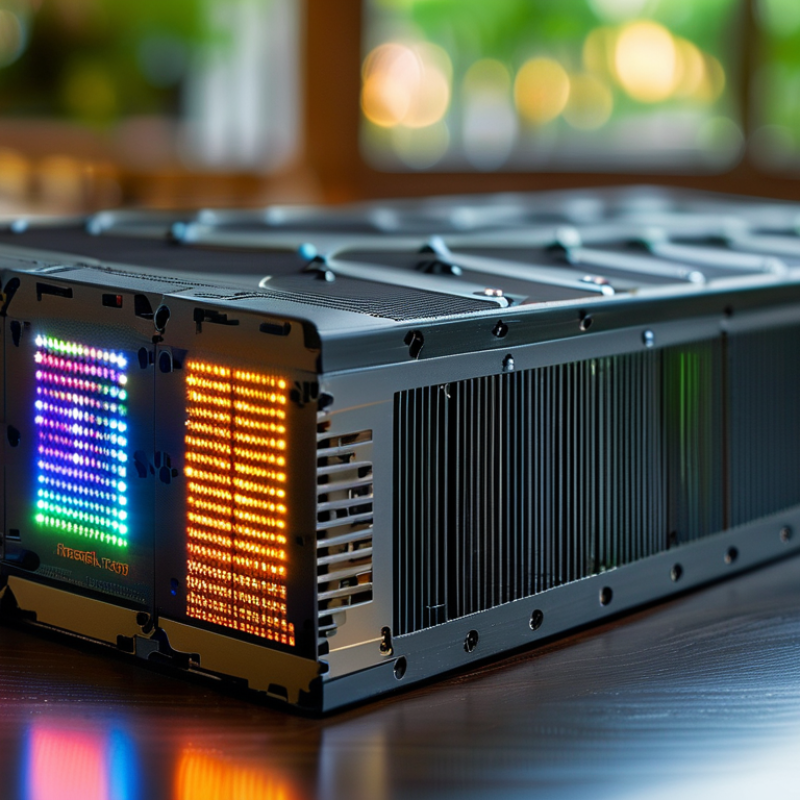
The LED power driver market in 2023 shows significant trends. With growing demand for energy-efficient solutions, manufacturers focus on innovative designs. There's an increasing penetration of smart technology. Connectivity features enhance efficiency and user experience.
The shift towards sustainable practices is evident. More companies are adopting eco-friendly materials in production. This change reflects a broader industry commitment to reducing carbon footprints. However, challenges remain. Not all technologies are accessible. The cost of integration can be a barrier for smaller businesses.
Consumer awareness is rising. Buyers now seek products that offer transparency in energy savings. Detailed specs and certifications become critical in decision-making. While product options expand, navigating the market can still be daunting. Companies must address these complexities to build trust with their customers.
When selecting LED power drivers, several key specifications demand your attention. Output voltage and current ratings must align with your LED requirements. Consider the efficiency ratings as well. Higher efficiency reduces energy waste and heat generation.
Heat management is often overlooked. Excess heat can shorten lifespan. Look for drivers with thermal protection features. This can prevent potential failures. Surge protection is also crucial; it safeguards LEDs from power spikes.
Tips: Always verify the driver’s compatibility with your LED modules. Use a multimeter to check voltage outputs. This can ensure optimal performance.
Additionally, think about dimming capabilities. Not all drivers support dimming. Selecting one that does gives you flexibility in lighting design. Check for controllability features as well. This adds versatility to your lighting solutions.
The LED power driver market is evolving rapidly, with efficiency being a key factor for buyers. The efficiency ratings of these devices can greatly impact energy consumption. Data from the International Energy Agency (IEA) indicates that LED drivers can improve overall lighting system efficiency by 20-30% compared to traditional systems. This reduction is pivotal for long-term cost savings and energy sustainability.
Several leading models in the market claim high efficiency ratings, often exceeding 90%. However, not all products meet these claims in real-world applications. A report by the Department of Energy (DOE) revealed that approximately 15% of LED drivers do not achieve their stated efficiency levels when subjected to varied loads. This gap highlights the need for buyers to evaluate performance metrics beyond specifications.
Experts in the field recommend looking for detailed efficiency curves and load tests before making purchasing decisions. Buyers should prioritize models that have been rigorously tested under real-life conditions. This approach ensures that the products deliver promised savings and reliability over their operational lifetime. A deeper understanding of efficiency ratings can lead to wiser choices in this competitive market.
| Model | Efficiency Rating (%) | Input Voltage (V) | Output Current (A) | Max Output Power (W) |
|---|---|---|---|---|
| Model A | 92 | 100-240 | 1.2 | 25 |
| Model B | 90 | 85-265 | 1.0 | 20 |
| Model C | 88 | 90-240 | 1.5 | 30 |
| Model D | 94 | 100-240 | 1.0 | 25 |
| Model E | 91 | 90-276 | 1.3 | 28 |
| Model F | 89 | 85-265 | 1.2 | 22 |
| Model G | 93 | 100-240 | 1.1 | 24 |
| Model H | 87 | 90-230 | 1.4 | 29 |
| Model I | 90 | 100-240 | 1.0 | 20 |
| Model J | 92 | 85-265 | 1.2 | 26 |
The integration of smart technology into LED power drivers is transforming lighting systems worldwide. These devices not only improve energy efficiency but also enhance user control. Innovations such as IoT connectivity allow users to manage lighting remotely. This connectivity contributes to a more sustainable approach to energy consumption. Users can utilize applications to monitor usage patterns and adjust settings in real time.
Consider investing in LED power drivers that offer compatibility with smart home ecosystems. This feature can provide users with greater flexibility and automation. Customizable profiles for different lighting needs can also be beneficial. Make sure to look for features like dimming capabilities and scheduling options to maximize efficiency.
As technology continues to evolve, manufacturers are constantly refining driver designs. Some options still lack user-friendly interfaces. A complicated setup can lead to frustration. Choose products that have straightforward installation instructions and intuitive controls. This can help streamline the integration of smart technology, making the transition smoother.
In today's complex market, global supply chain dynamics greatly influence LED driver procurement strategies. Rapid changes in shipping costs and tariffs can disrupt even the best-planned sourcing initiatives. Companies must adapt quickly to these fluctuations. For instance, sourcing components from multiple regions can mitigate risks. However, managing such a diverse supply chain adds layers of complexity.
Trade policies also play a critical role. Tariffs may increase prices, impacting the total cost of ownership for LED drivers. This reality forces buyers to reassess their partnerships and sourcing locations. Localizing some production can provide a buffer against international disruptions. Yet, it raises questions about quality control and cost efficiency that companies must address.
Sustainability considerations are another emerging factor. As buyers become more environmentally conscious, they are seeking suppliers who prioritize eco-friendly practices. This shift may narrow the pool of potential suppliers. Buyers may need to conduct extensive research to ensure compliance with sustainability criteria. Balancing cost, quality, and eco-friendliness remains a challenging task that requires ongoing reflection and adjustment.
: Check output voltage and current ratings. Ensure they match your LED requirements.
Higher efficiency reduces energy waste and minimizes heat generation significantly.
Excess heat can shorten lifespan. Look for drivers with thermal protection features.
Surge protection safeguards LEDs from power spikes, preventing potential failures.
Always verify compatibility. Use a multimeter to check voltage outputs for optimal performance.
Yes, not all drivers support dimming. Choose one that allows flexibility in lighting design.
Global supply chain dynamics, like shipping costs and tariffs, greatly influence procurement.
Tariffs can increase prices, affecting the total cost of ownership for LED drivers.
Eco-conscious buyers seek suppliers with sustainable practices, narrowing supplier options.
Local production can buffer against disruptions but raises questions about quality and cost efficiency.
The article titled "Top 10 LED Power Driver Options for Global Buyers" delves into the latest trends and insights in the LED Power Driver market for 2023. It highlights key specifications that are critical for consumers when selecting the right LED Power Driver, such as efficiency ratings and compatibility with smart technology integrations. Additionally, the article examines the evolving global supply chain dynamics that impact procurement strategies, emphasizing the importance of adaptability for buyers in a competitive market.
As innovations continue to shape the landscape of LED Power Drivers, the article offers a comprehensive comparison of efficiency ratings among leading models, helping buyers make informed decisions. Overall, it serves as a valuable resource for those looking to navigate the complexities of LED Power Driver selection and procurement in the current market environment.

NVVV Electric