NVVV Electric
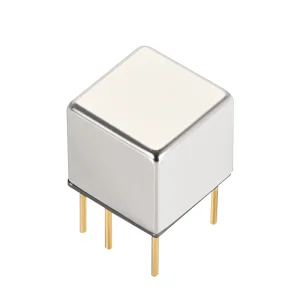
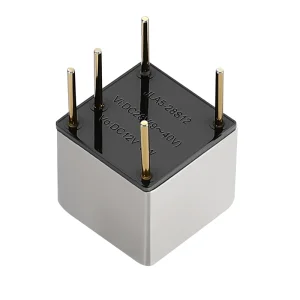
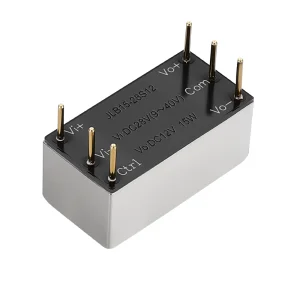
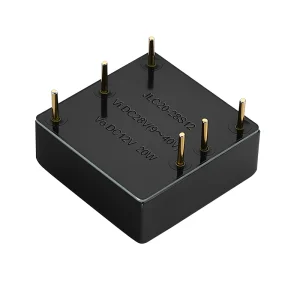
The Evolution of Industrial Power Modules: Navigating Detroit's Transition to Electric Vehicles and Industry 4.0
The industrial fabric of the Detroit metropolitan area—encompassing Oakland, Macomb, and Wayne counties—is currently undergoing its most significant technological shift since the introduction of the assembly line. As global automotive manufacturers (OEMs) and tier-1 parts suppliers rapidly scale up their electric vehicle (EV) battery Gigafactories, assembly plants, and automated sub-assembly lines, the requirement for highly specialized electrical distribution systems becomes paramount.
In these state-of-the-art facilities, old electromagnetic control schemes are being replaced by high-speed programmable logic controllers (PLCs), distributed I/O blocks, industrial networks (EtherNet/IP, PROFINET), and precision robotic actuators. All of these components rely on stable, low-noise, and isolated DC power. A fluctuation of only a few hundred millivolts or minor high-frequency electrical feedback from inductive motor starts can cause network packet dropouts, sensor malfunctions, or machine-vision misreads, resulting in costly assembly line stoppages that cost thousands of dollars per minute.
Detroit's Localized Industrial Climate & Power Supply Requirements
Unlike typical electronics environments, power supplies deployed in Michigan's industrial heartland must withstand exceptionally harsh environmental factors:
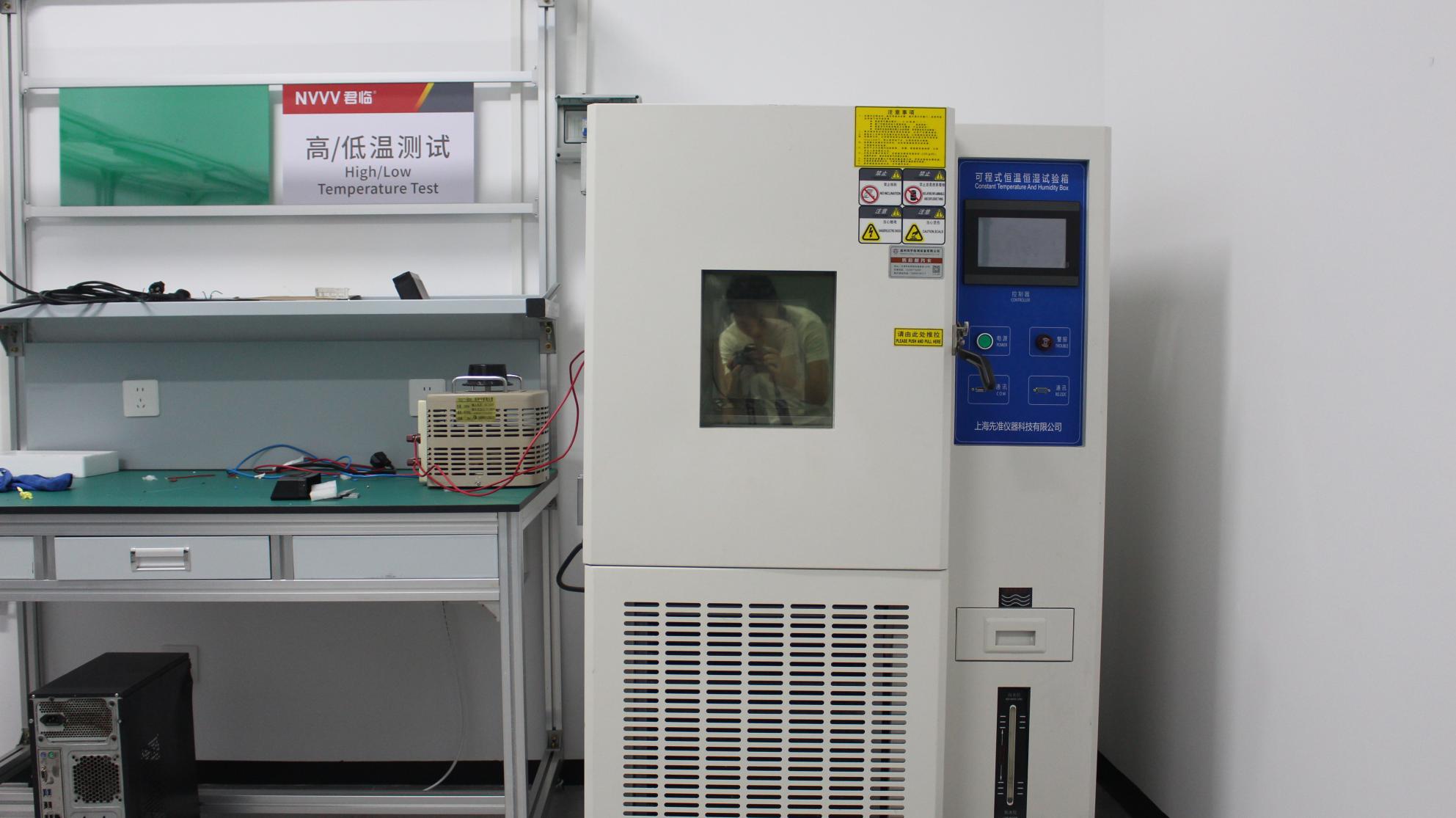
- Thermal Fluctuations: Enclosed electronic cabinets located near stamping presses, paint-baking ovens, or outdoor EV charging bays experience temperatures ranging from sub-zero winter chills to summer cabinet interiors exceeding 60°C.
- Electromagnetic Noise (EMI): Heavy resistance welding systems, CNC machining centers, and high-frequency induction furnaces generate severe transient voltage spikes, line voltage sags, and high-frequency radiated noise across the plant floor.
- Particulate Contamination: Airborne metallic dust, oil mists, and industrial lubricants inside machining facilities require modules to have high insulation resistance, potting coatings, or robust dust-proof chassis designs.
To address these challenges, modern engineers specify switching power supplies and DIN-rail systems that incorporate active Power Factor Correction (PFC), galvanic isolation of 3kVAC or higher, and dynamic overcurrent protection profiles that can handle the initial capacitive inrush current of modern industrial circuits without shutting down.
Global Trends & Industry Regulatory Landscapes
Globally, energy codes and efficiency initiatives (such as ErP Lot 6 in Europe, Title 24 in California, and Department of Energy Level VI standards) are pushing manufacturers to optimize standby power loss and operational efficiency profiles. Modern power module designs are shifting from traditional silicon MOSFETs to wide-bandgap semiconductors, namely Gallium Nitride (GaN) and Silicon Carbide (SiC). These materials allow power supplies to operate at higher switching frequencies with minimal heat generation, enabling design engineers to halve the physical envelope size of modules while maintaining or increasing output wattages.
Furthermore, global compliance frameworks require universal supply configurations. A supplier to Detroit must provide power systems carrying CE, FCC, CCC, UKCA, and BIS certifications. This regulatory alignment ensures that a sub-assembly manufactured in Zhejiang, integrated into an automated station in Michigan, and eventually shipped to a factory in Mexico or the UK meets all local electrical safety and electromagnetic compatibility standards without modification.
Engineering Comparison Matrix: NVVV Module Power Standards
| Series Type | Input Voltage Range | Typical Efficiency | Cooling Method | Detroit Industry Application |
|---|---|---|---|---|
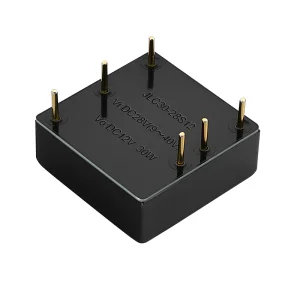
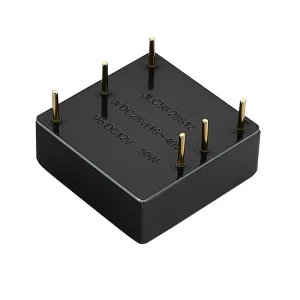
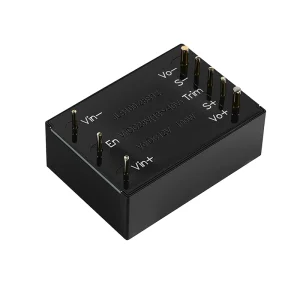
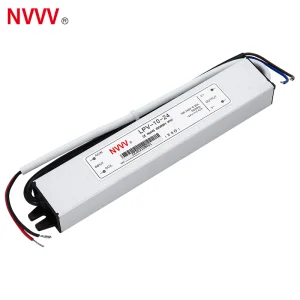
| JLA DC-DC (5W-100W) | 12V - 48V DC | 85% - 89% | Convection Cooled | Automated AGV systems, sensor array power, distributed control blocks. |
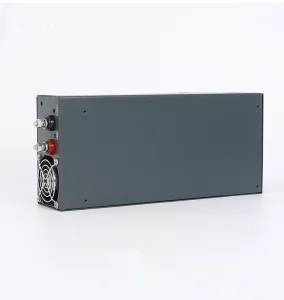
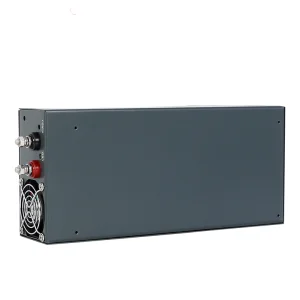
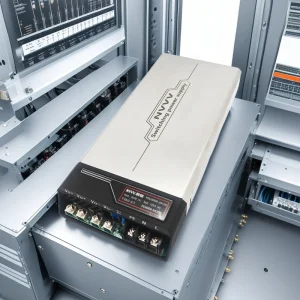
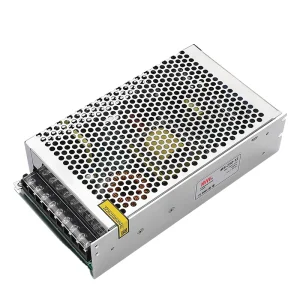
| Industrial SMPS (1000W) | 110V / 220V AC (Selectable) | 88% - 92% | Forced Air Fan | Heavy-duty PLC power chassis, robotic arm logic, actuator drive arrays. |
| High-Power PFC (3000W) | 180V - 264V AC | 91% - 94% | Smart Fan / 1U Chassis | EV Battery testing, high-density server rack automation, motor controllers. |
| DALI / Waterproof (350W) | 90V - 305V AC | 90% - 93% | IP67 Enclosed Metal | Outdoor assembly yard lighting, wet wash-down manufacturing chambers. |
Technical Application Roadmaps & Field Deployments
When deploying switching power systems within automated assembly plants, engineering teams use structured architectures to ensure maximum reliability and maintainability.
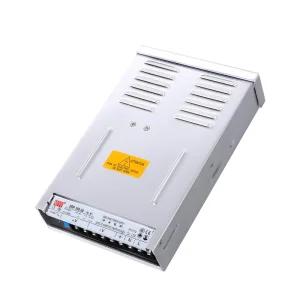
For instance, in automotive paint shops where equipment is exposed to chemical vapors and high ambient humidity, sealed metal-cased waterproof power modules (e.g., ERP-350-24 series) are utilized. These units are configured in decentralized topologies directly mounted on machine frames, reducing the length of DC cabling runs and significantly cutting down line resistance losses.
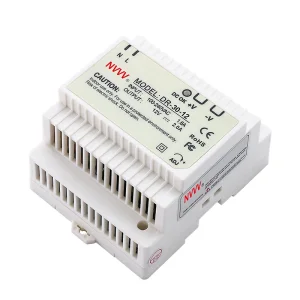
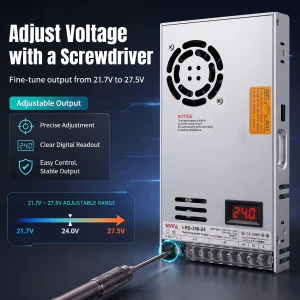
Conversely, inside main control enclosures, DIN-rail mounted slim-profile power supplies with integrated diagnostic LED displays (e.g., LRS-350 series and dedicated DIN Rail products) are preferred. This permits maintenance technicians to monitor output voltage stability in real-time, drastically reducing the Mean Time to Repair (MTTR) when debugging network communication drops or actuator faults.
Industrial Power Engineering FAQ
Q1: How do NVVV power modules mitigate electromagnetic interference (EMI) inside noisy automotive weld cells?
Our industrial power units incorporate multi-stage electromagnetic compatibility (EMC) filters on the AC input stage, utilizing high-quality common-mode chokes and X/Y safety capacitors. This design suppresses high-voltage line spikes and conforms to FCC Part 15 Class B and CE EMC standards, ensuring clean DC output even in close proximity to robotic welders.
Q2: What protection topologies are implemented to prevent thermal runaway in sealed control cabinets?
Each unit features an integrated over-temperature protection (OTP) circuit. When internal component temperatures exceed safe design limits, the supply enters a "Hiccup" mode or shuts down safely, resuming normal operation automatically once temperatures decrease to nominal thresholds. High-wattage models use temperature-controlled active cooling fans.
Q3: Can these module power supplies be connected in parallel configurations for redundant setups?
Yes. Many of our high-capacity switching power supplies, including units equipped with PFC and RS485 communication protocols, support ORing diodes or active current-sharing schemes to enable N+1 redundancy architectures, ensuring continuous operation even in the event of a single supply failure.
Q4: How does NVVV maintain high reliability (MTBF) under demanding continuous production runs?
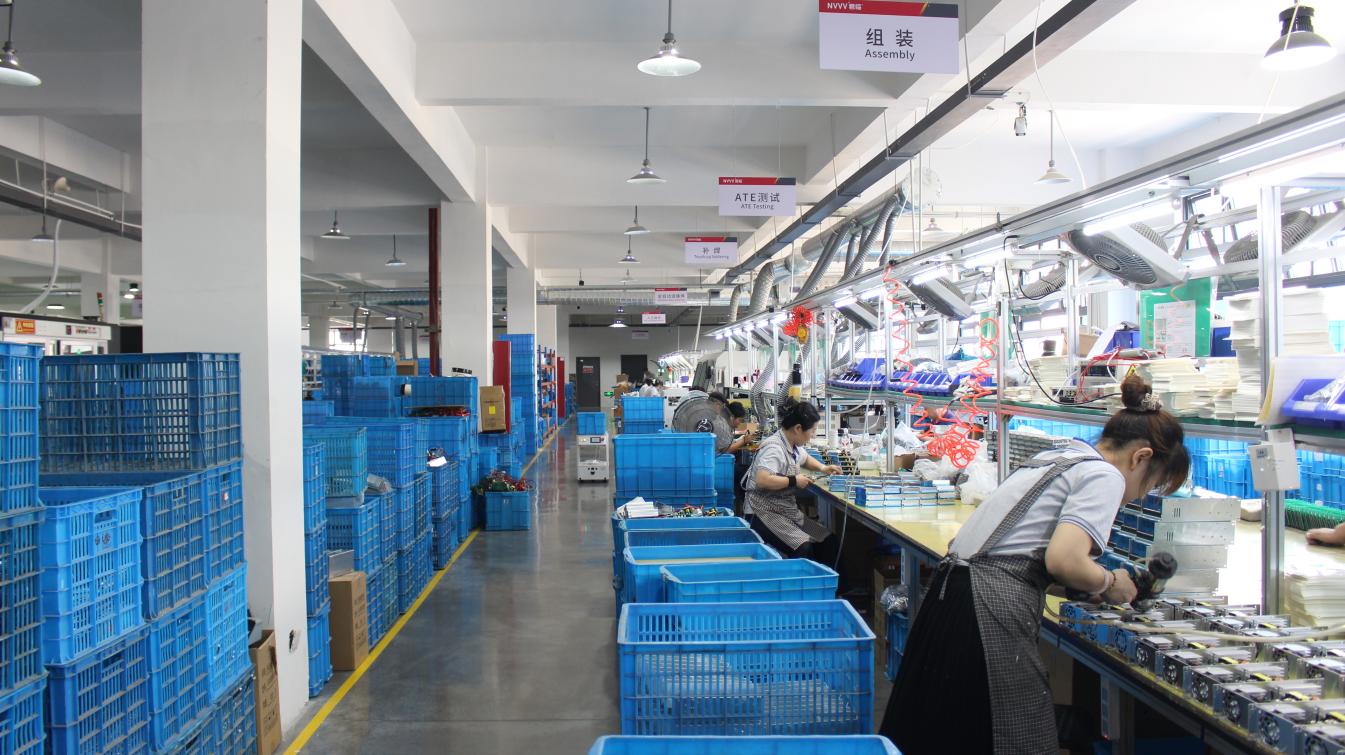
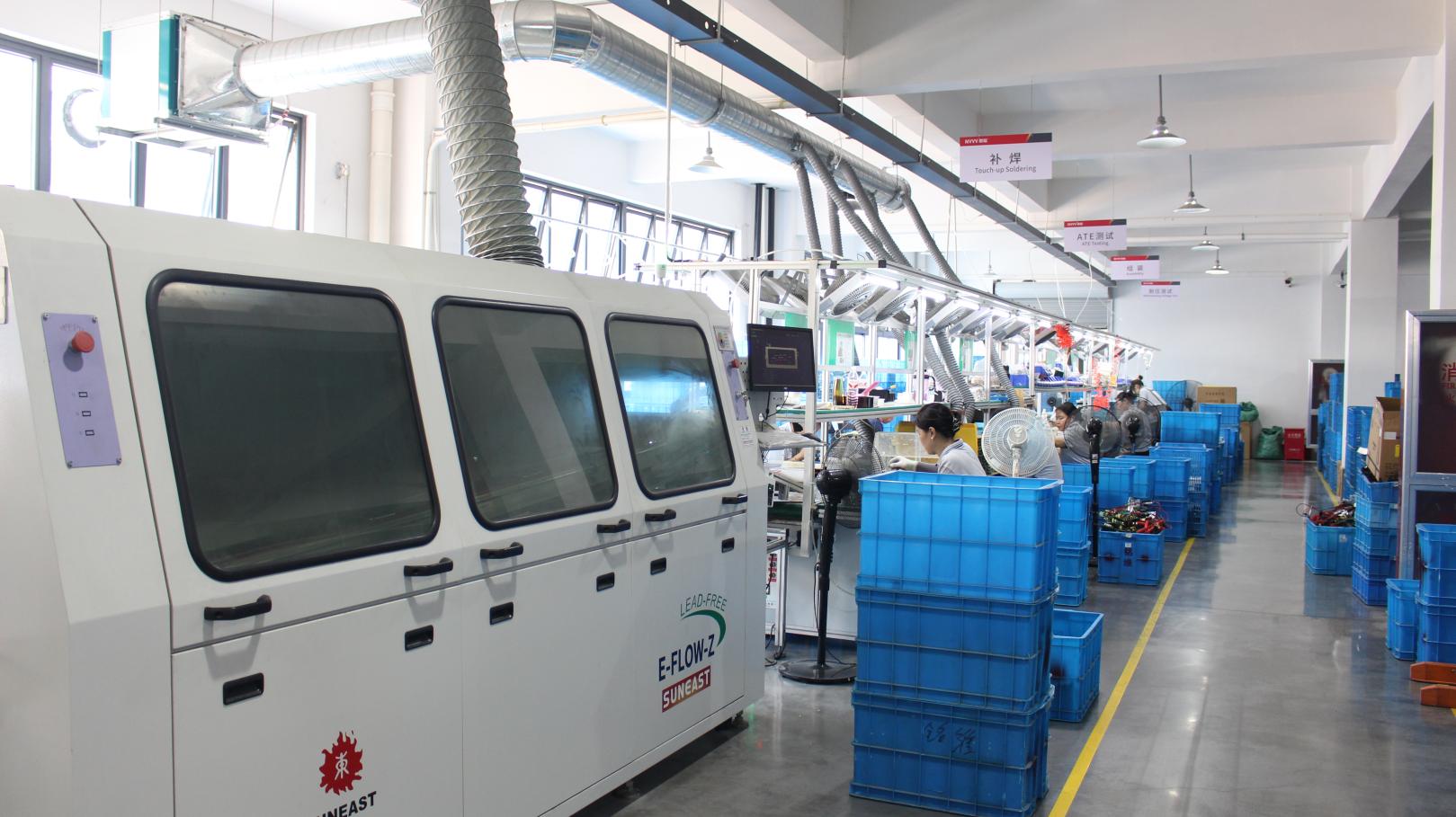
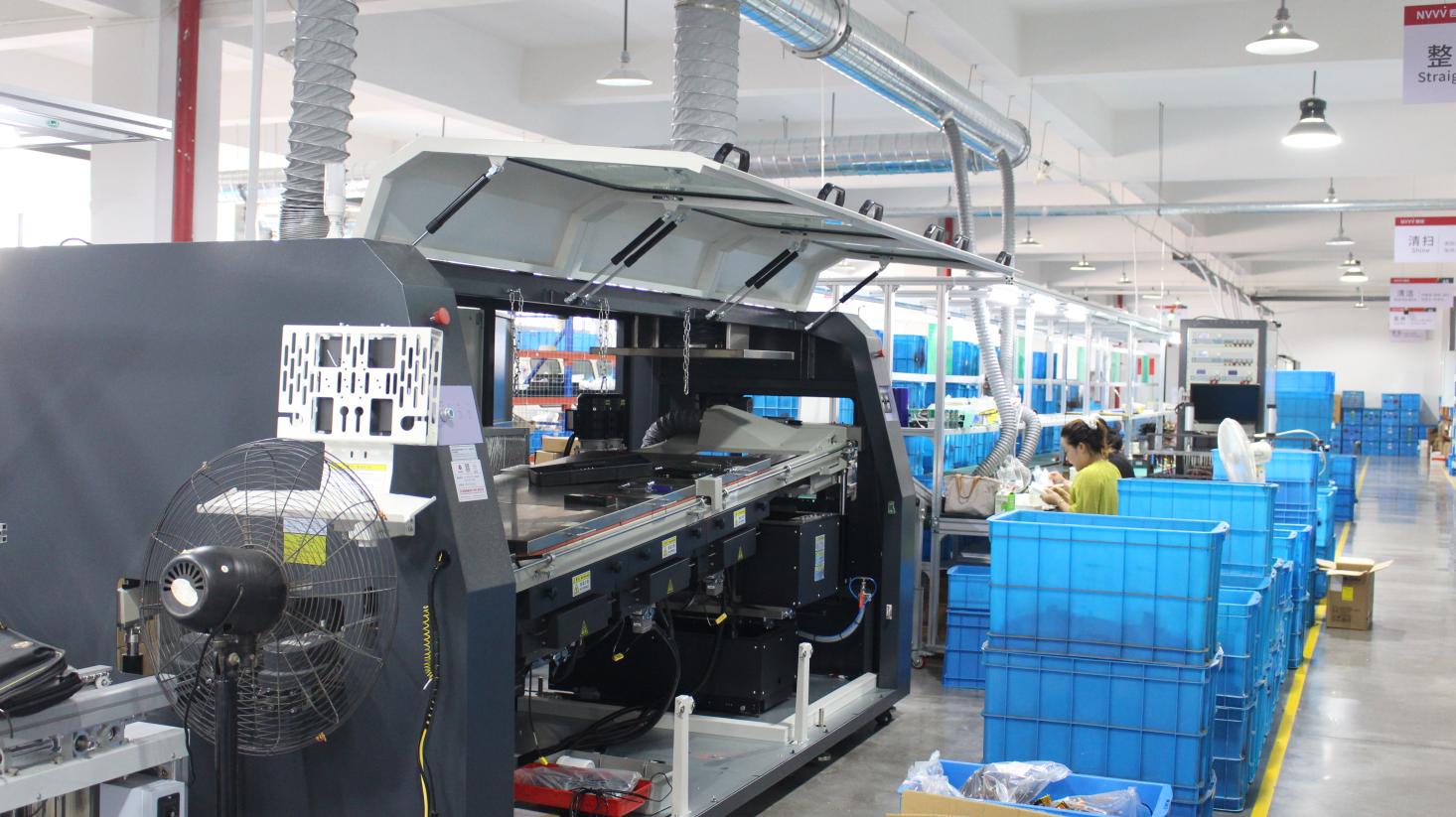
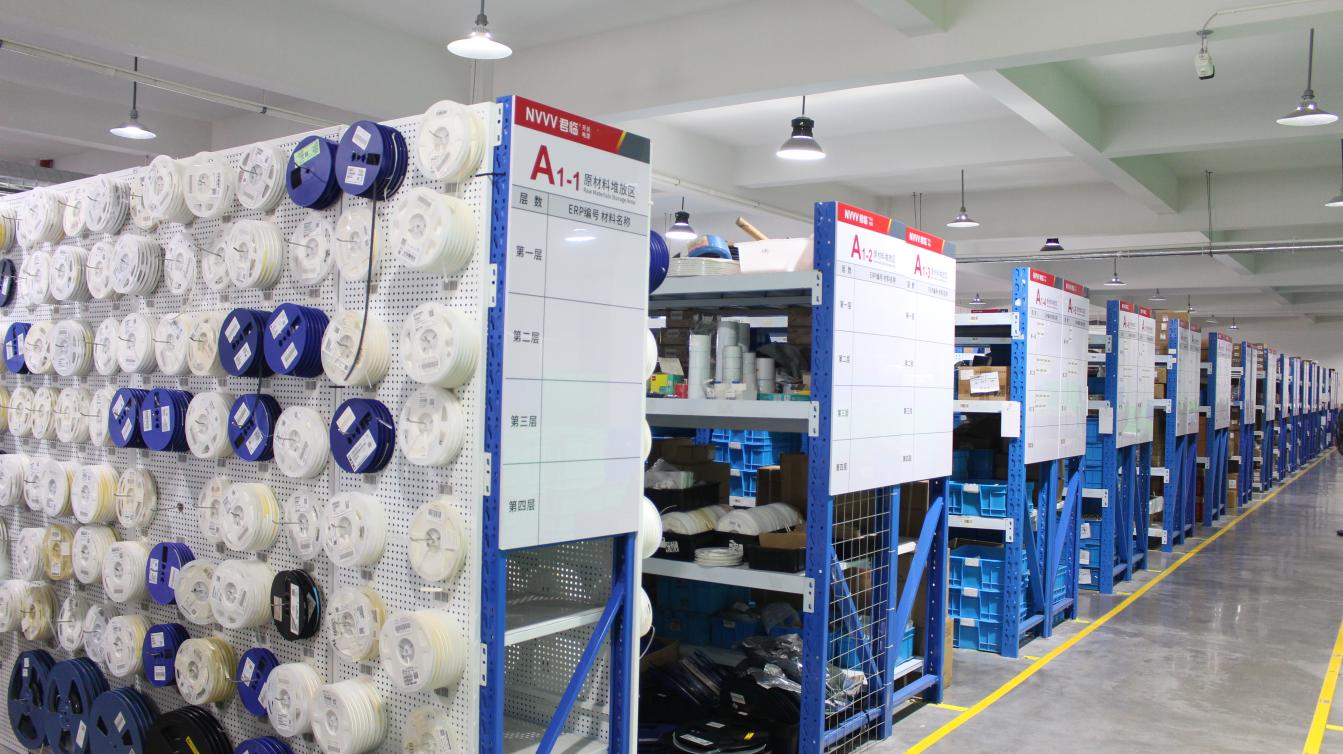
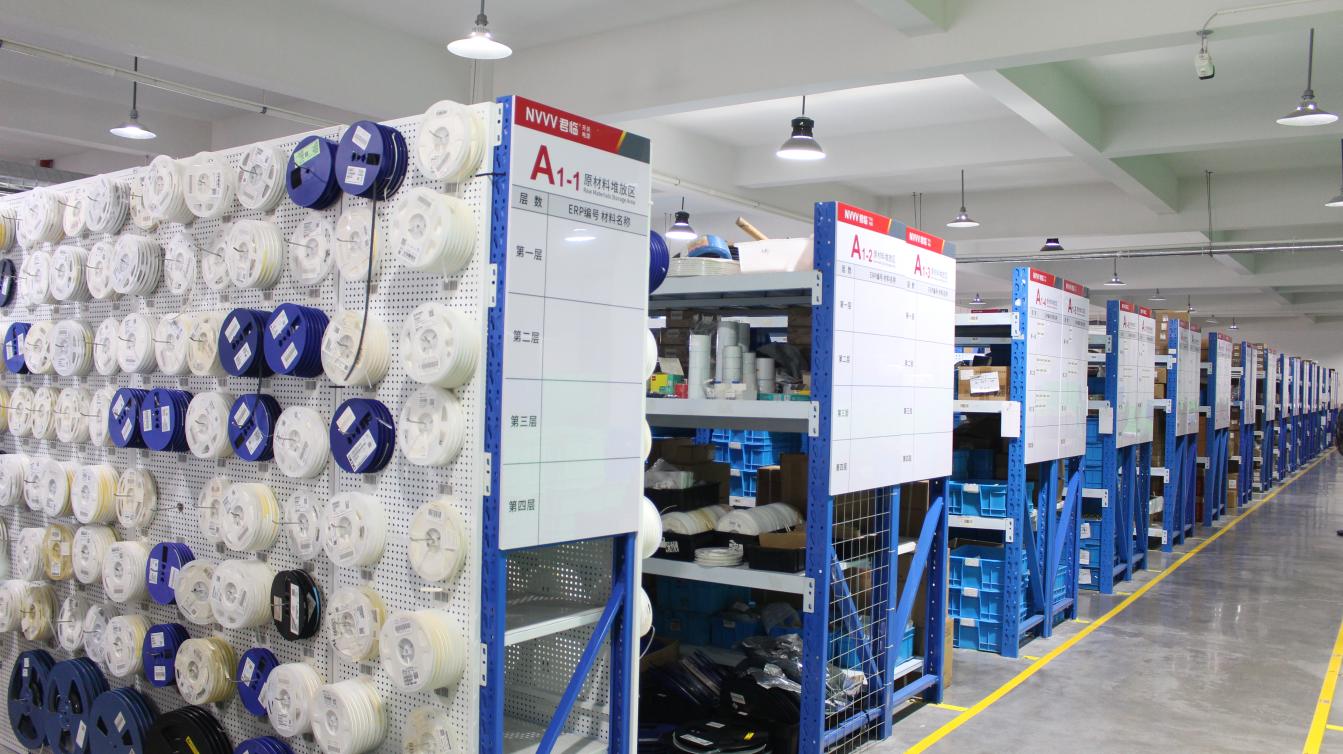
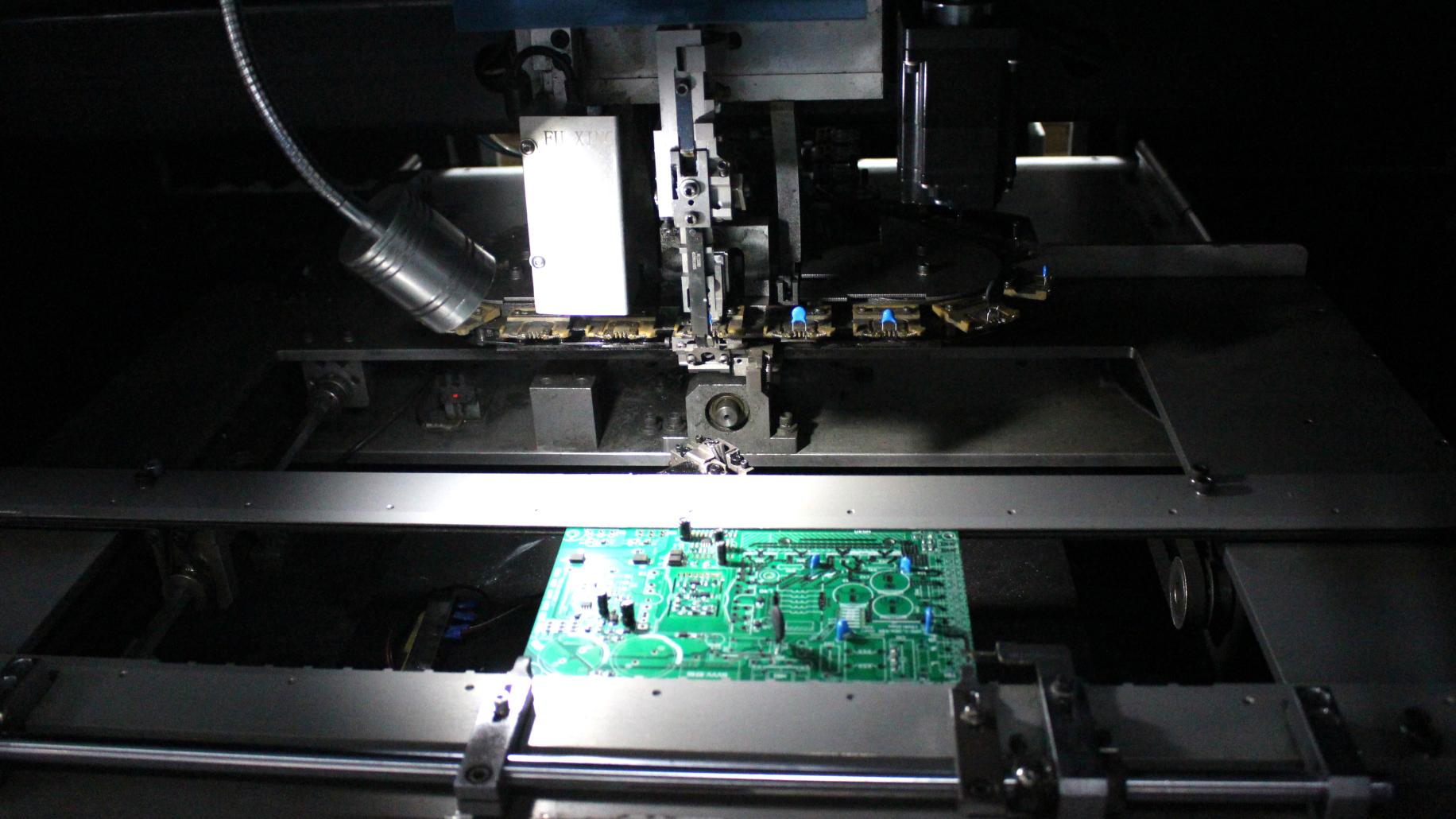
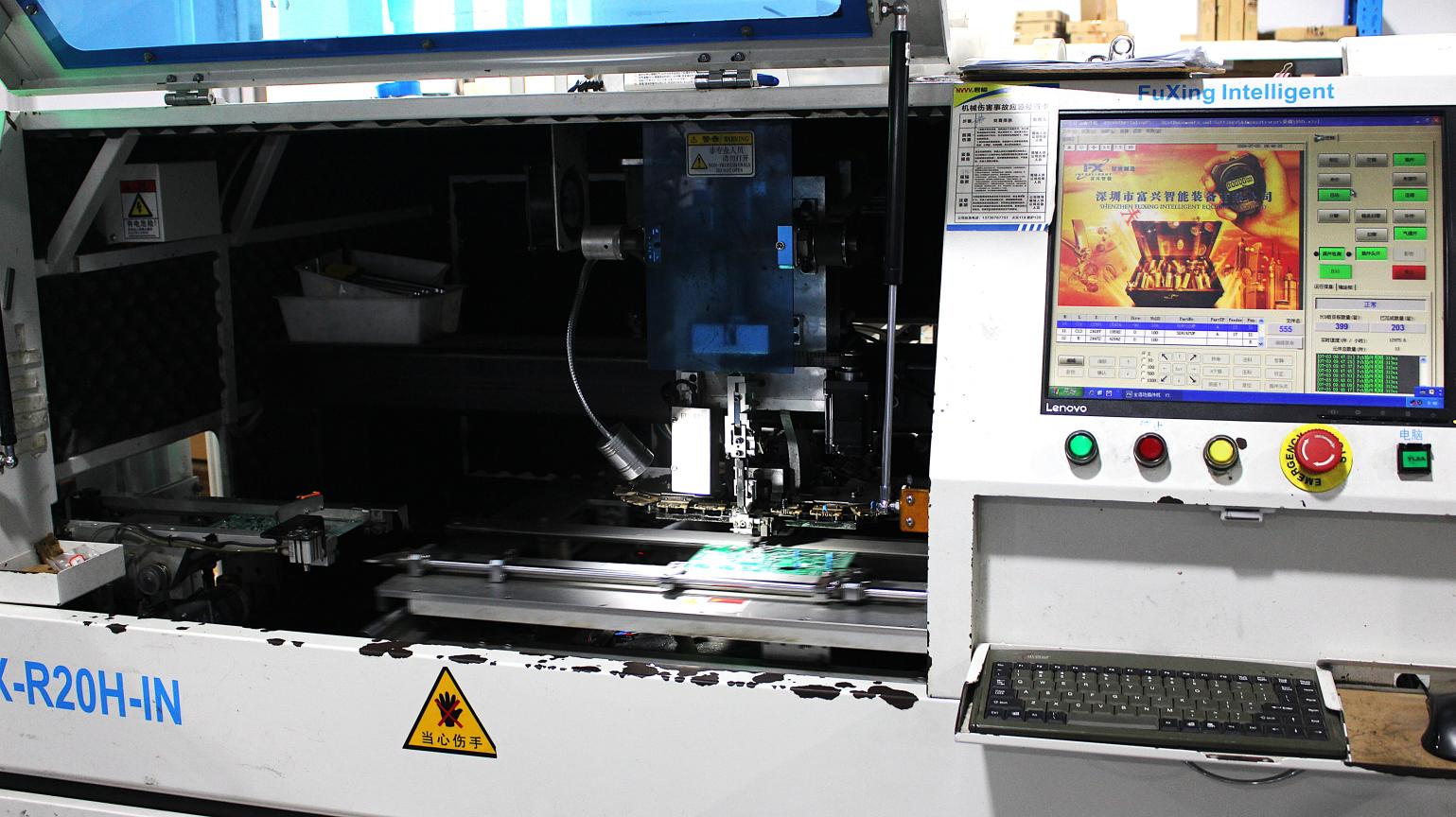
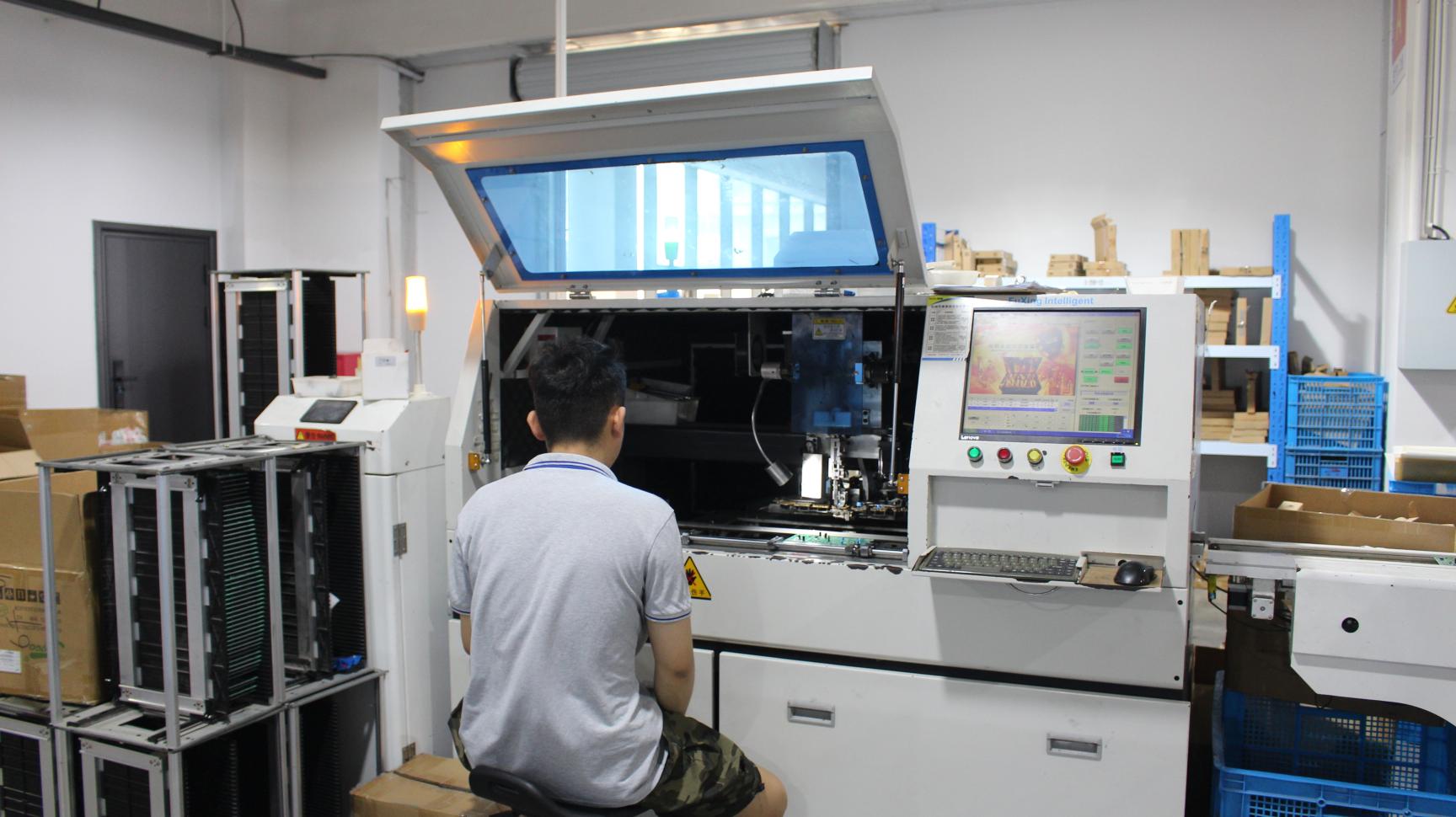
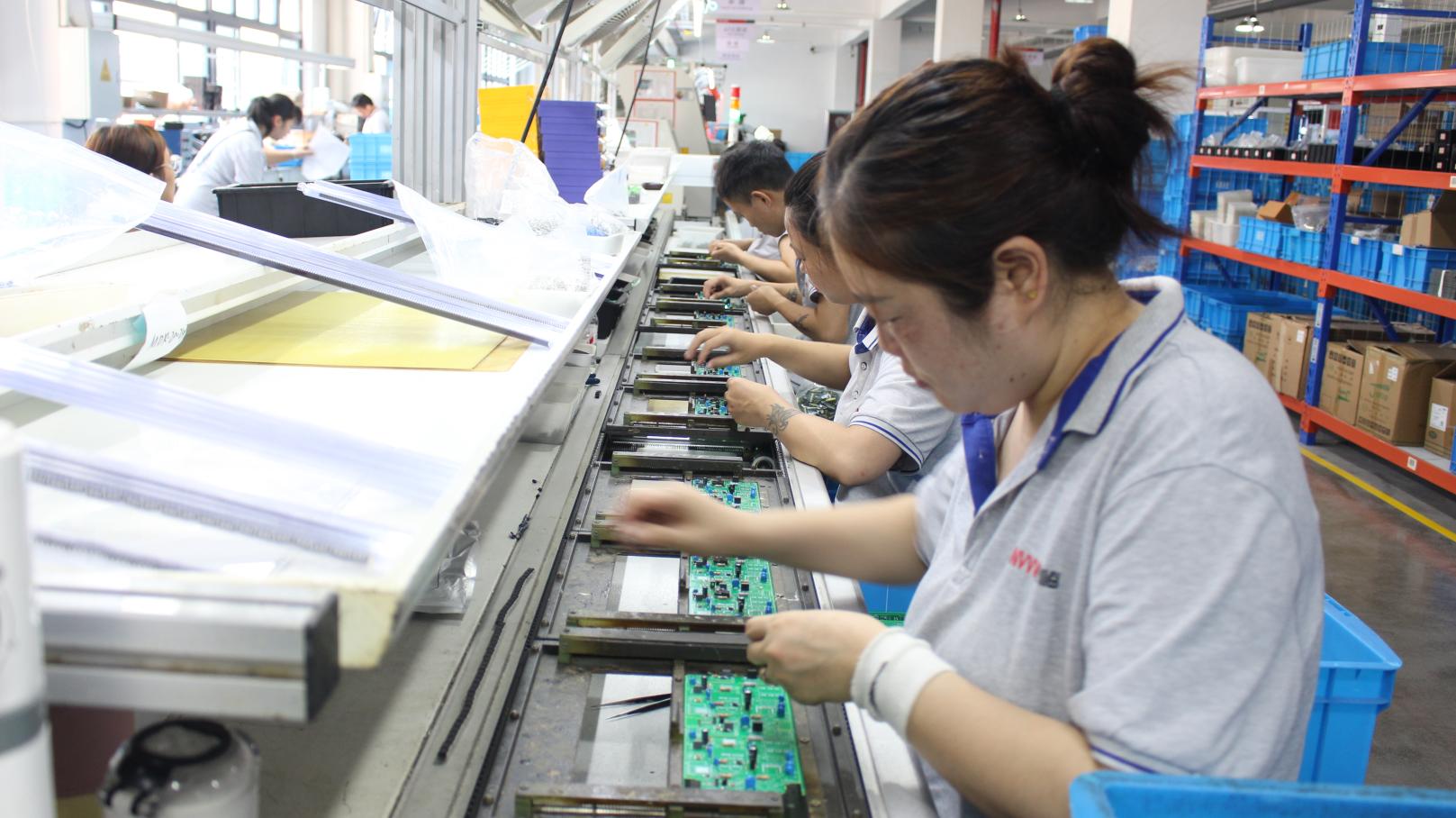
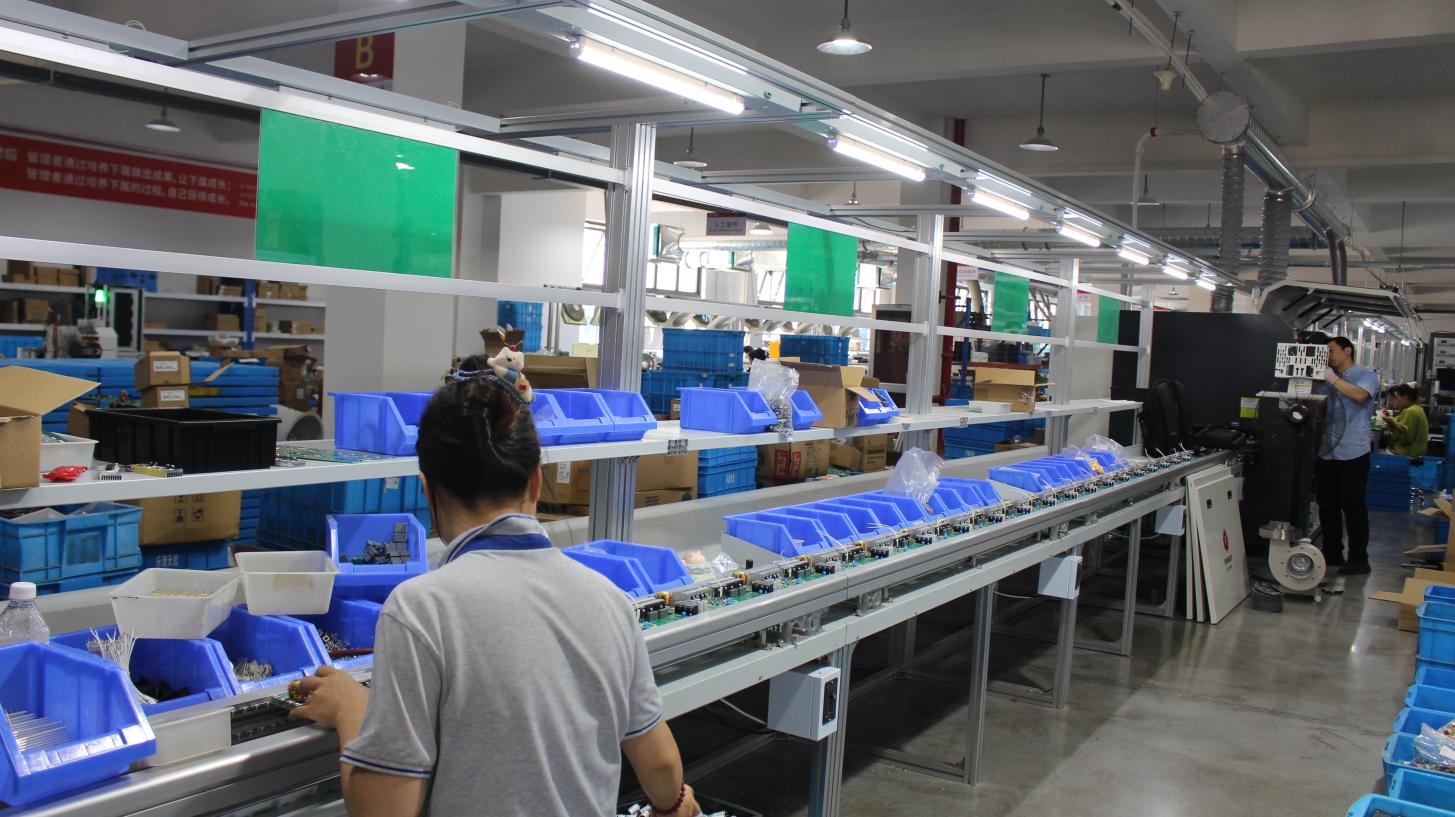
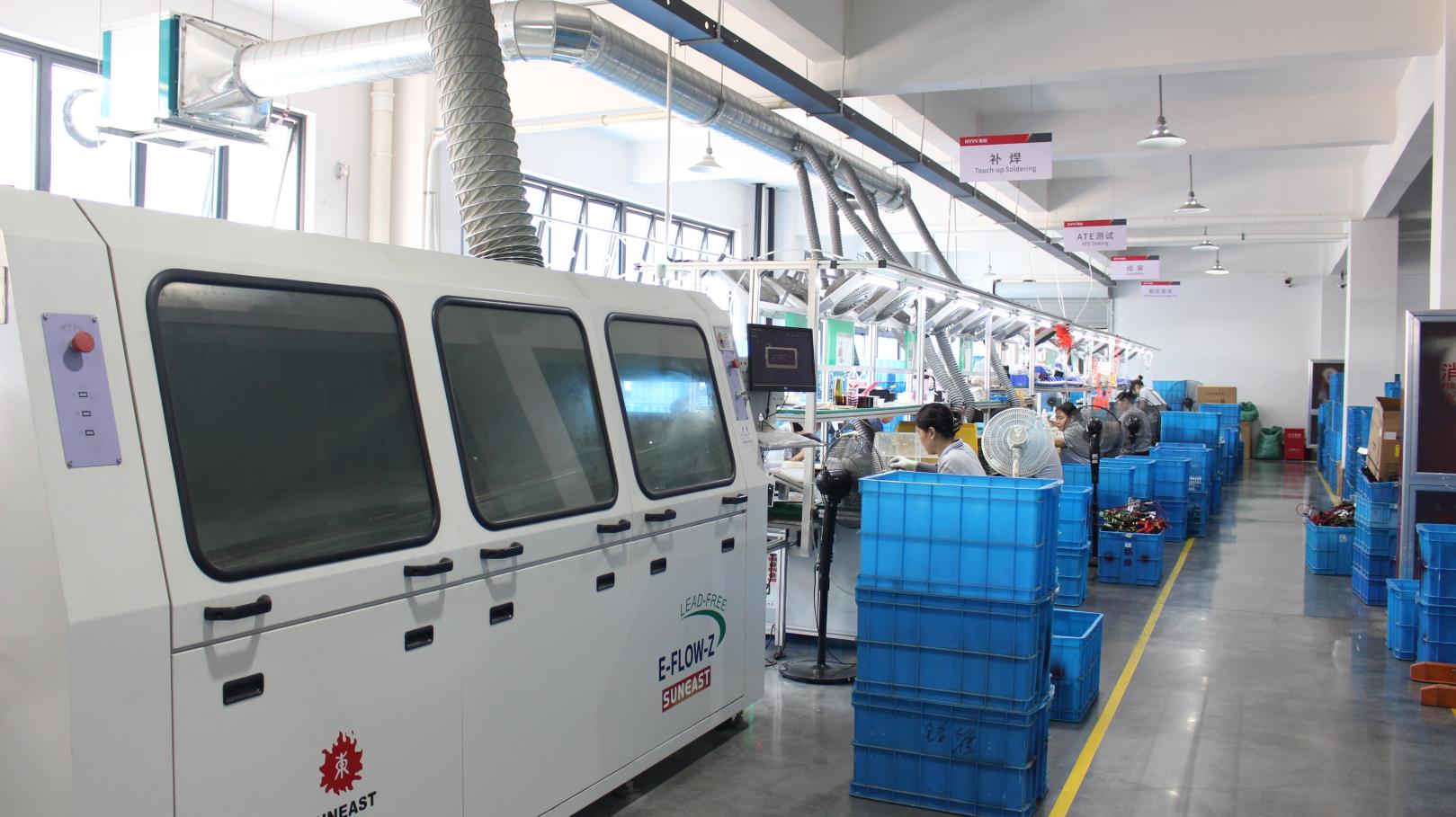
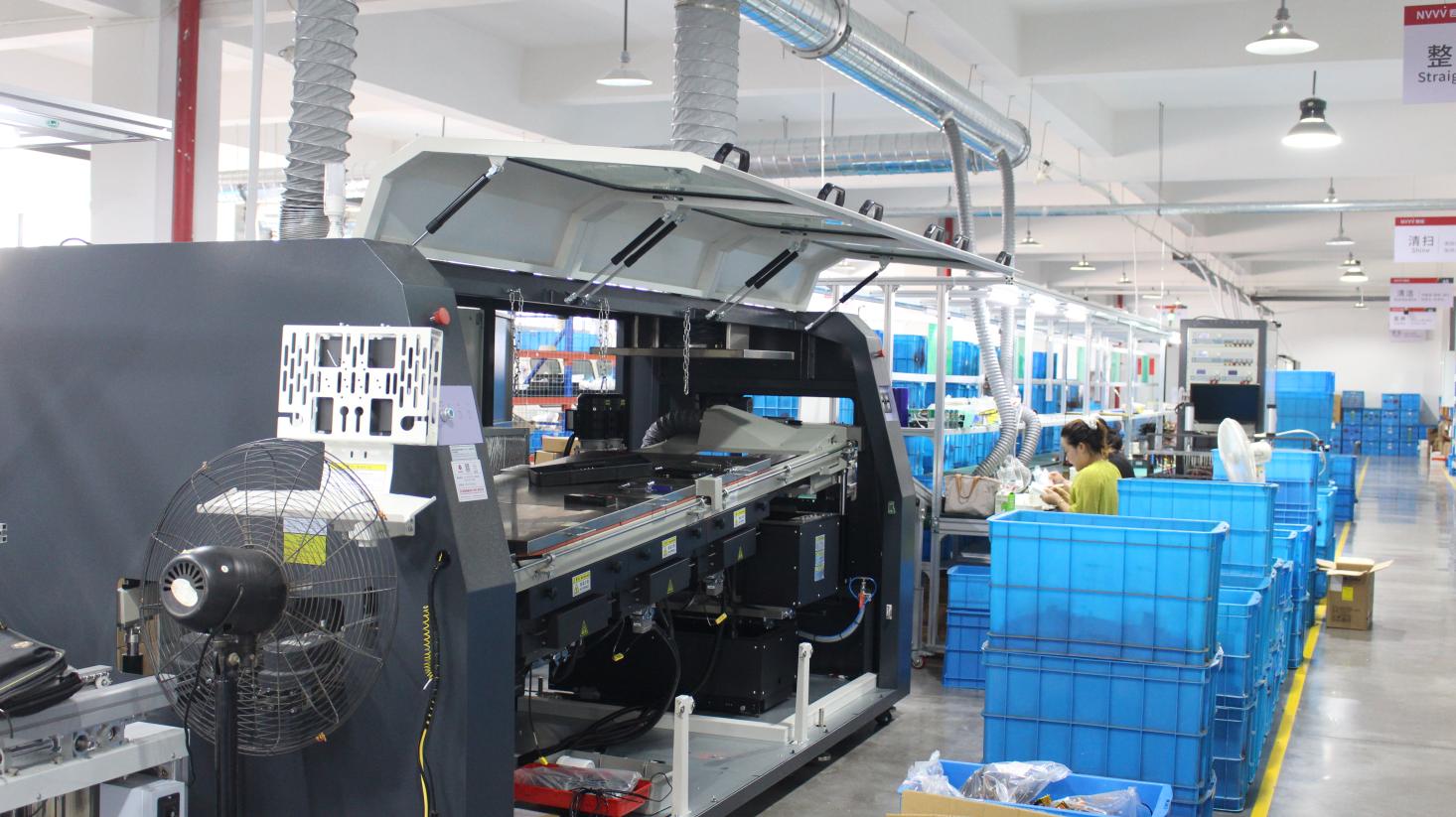
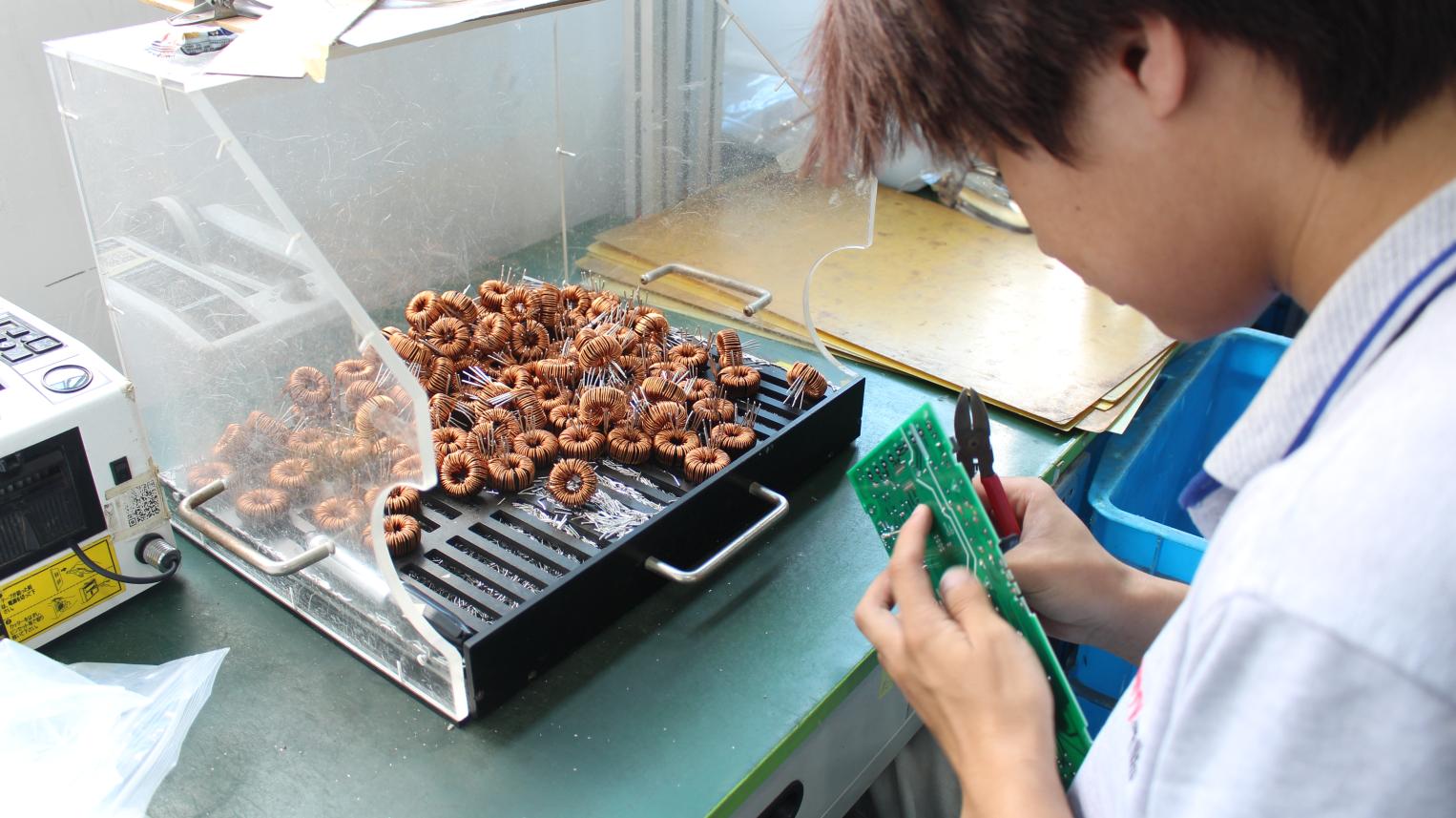
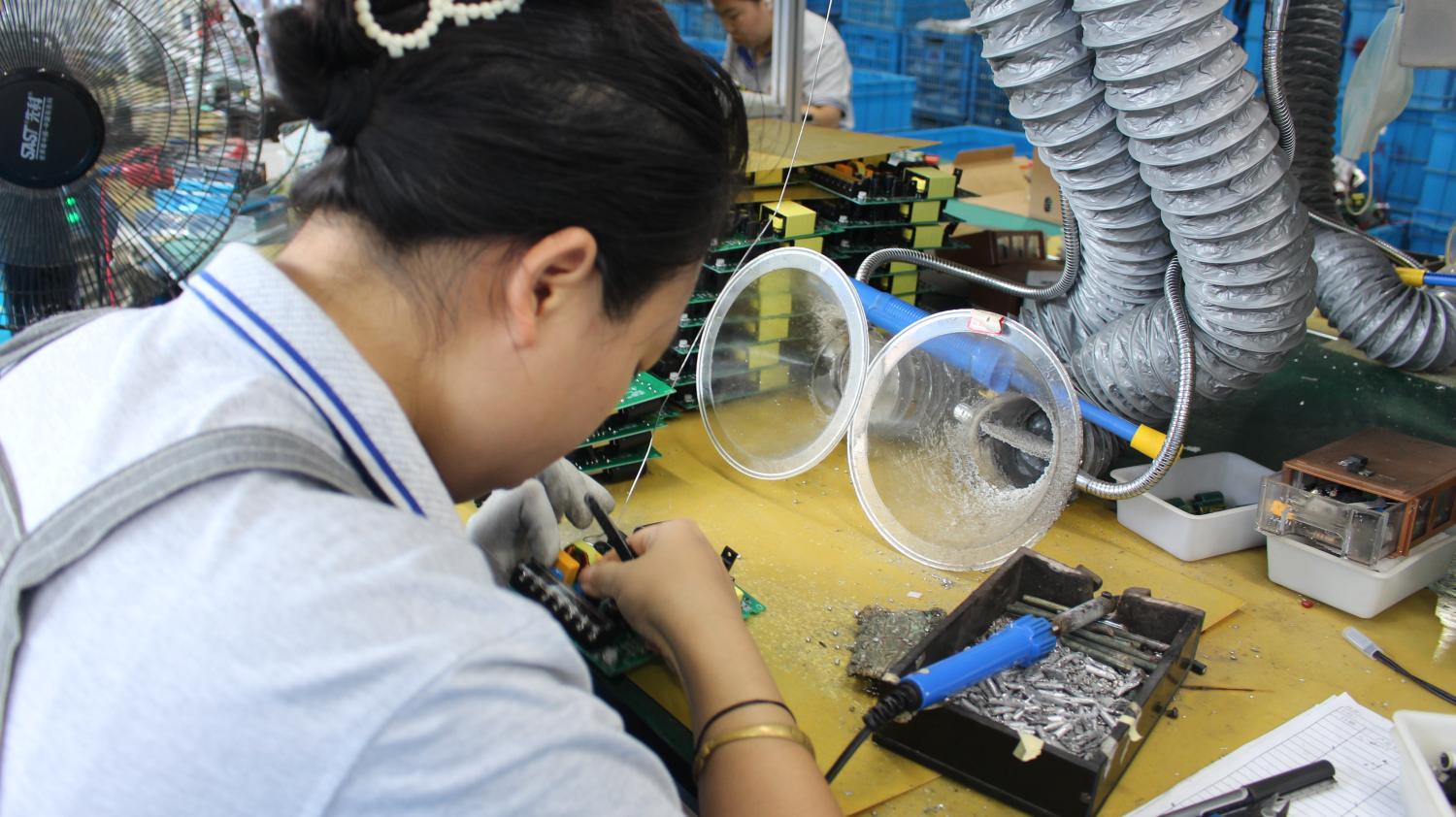
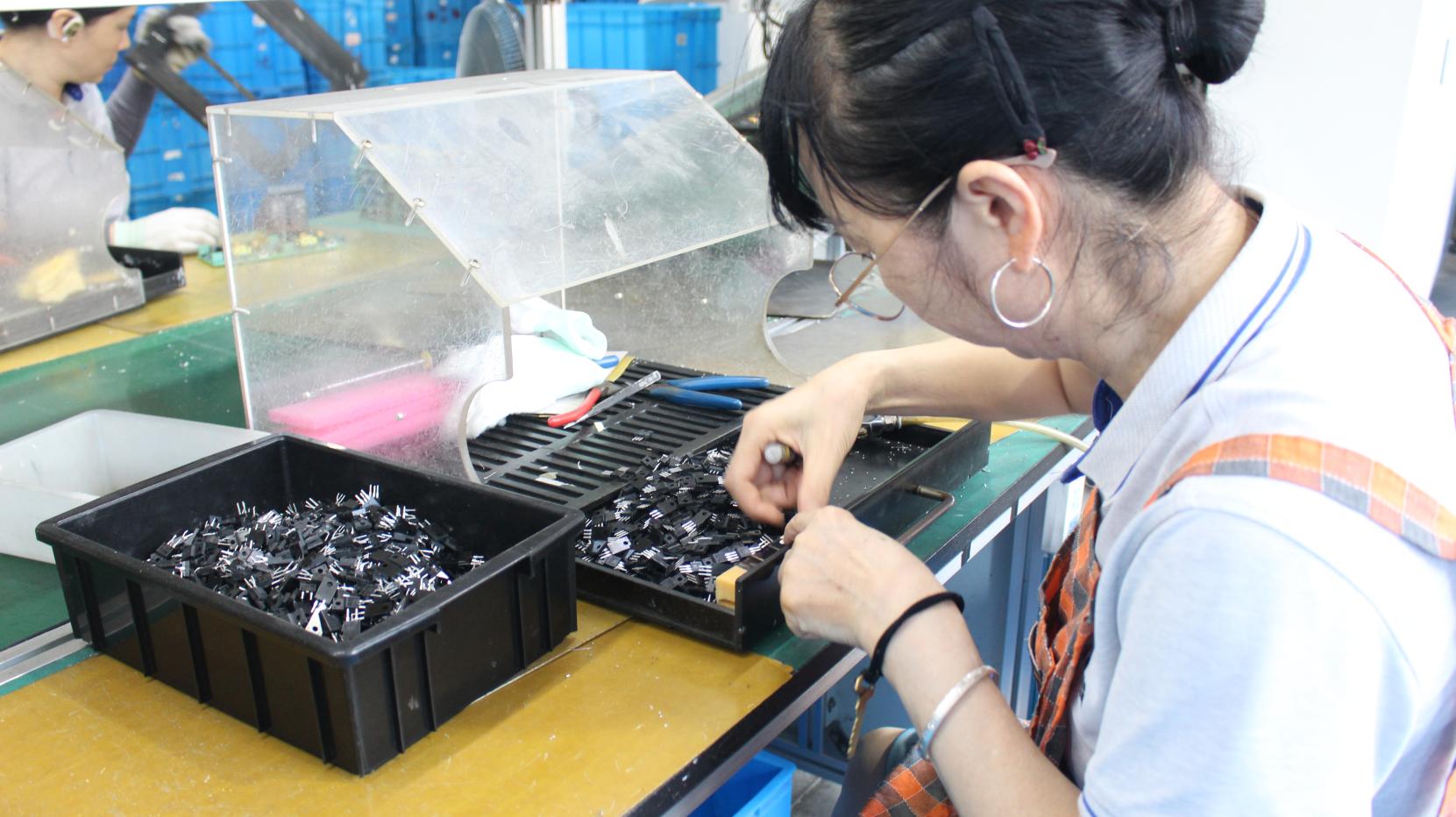
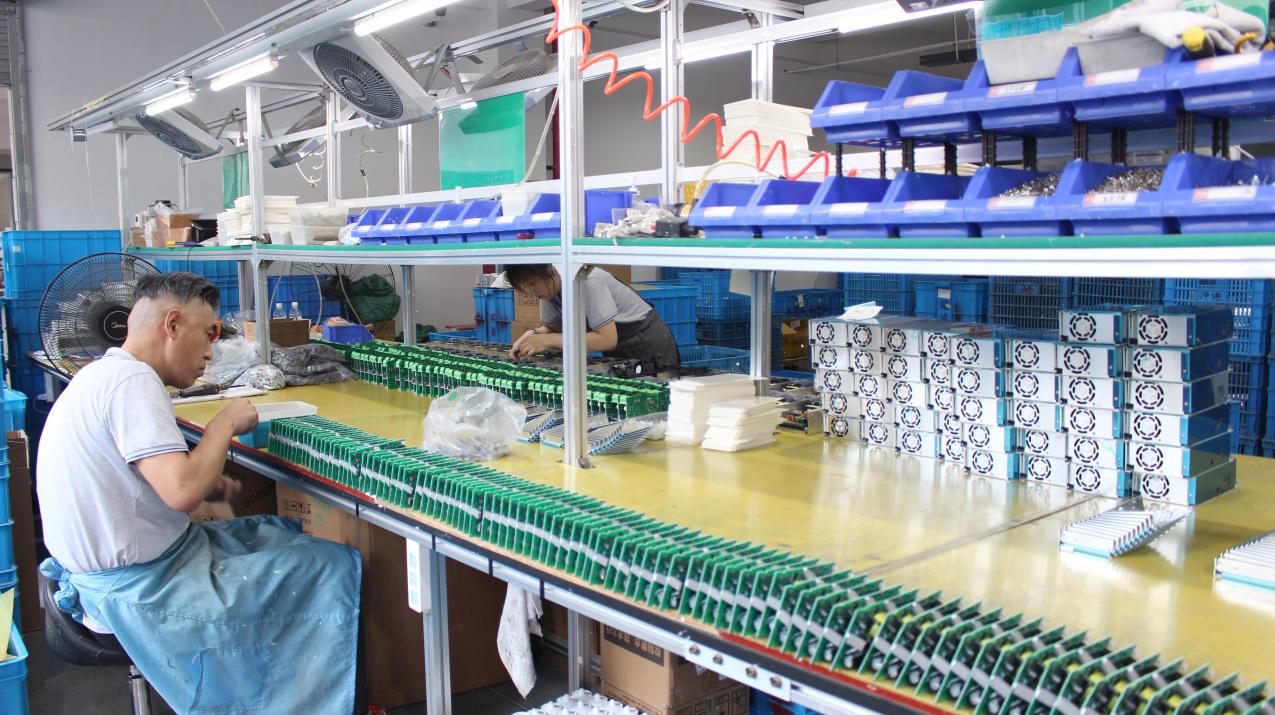
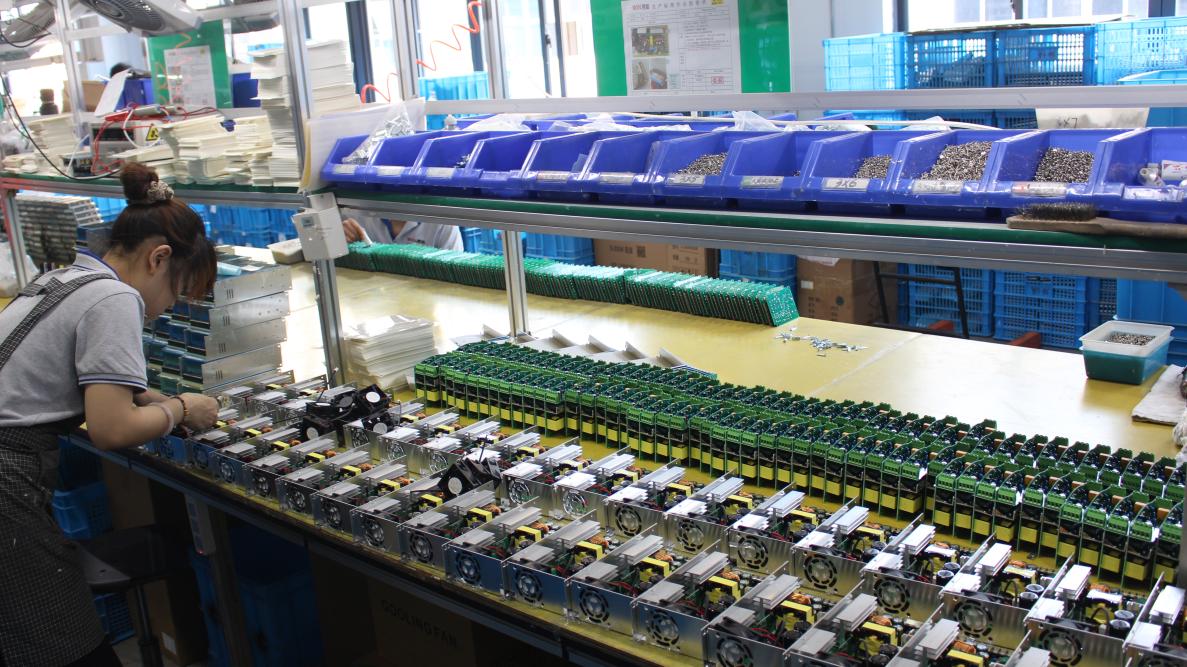
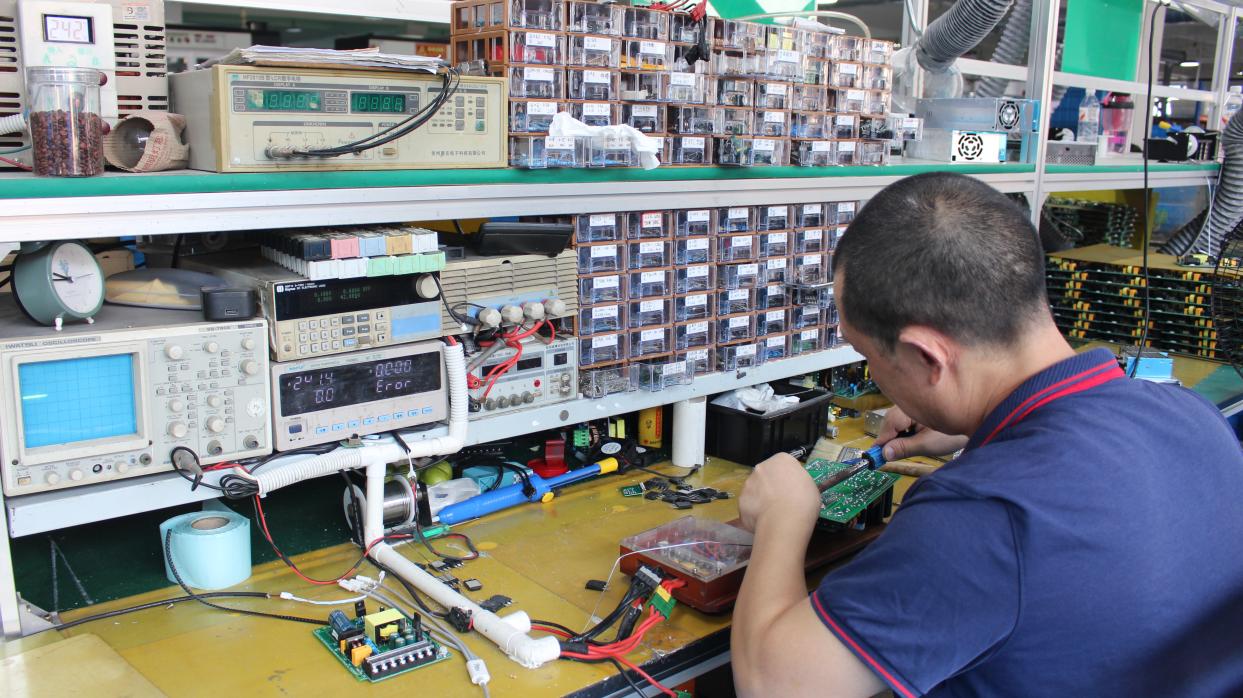
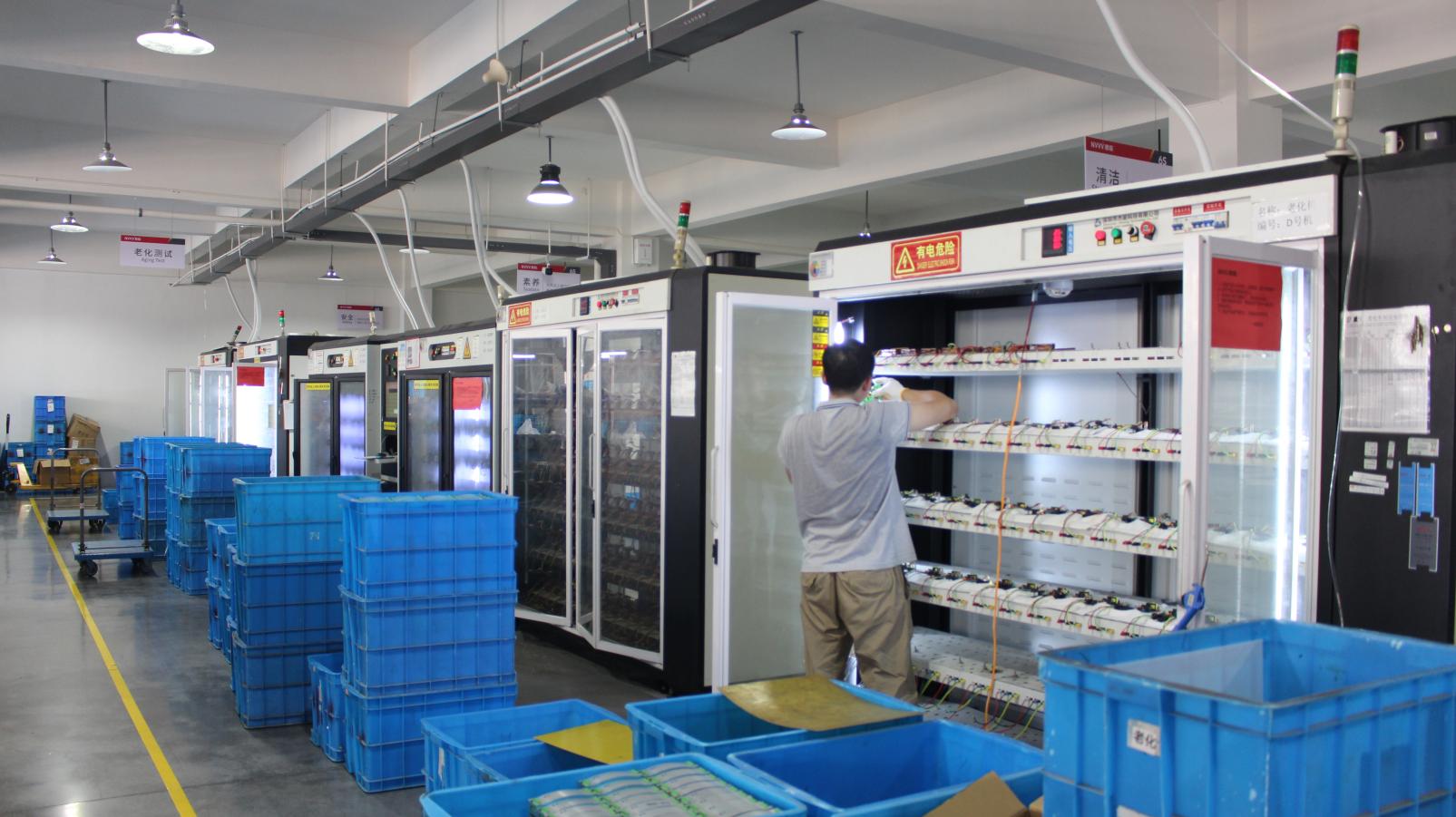
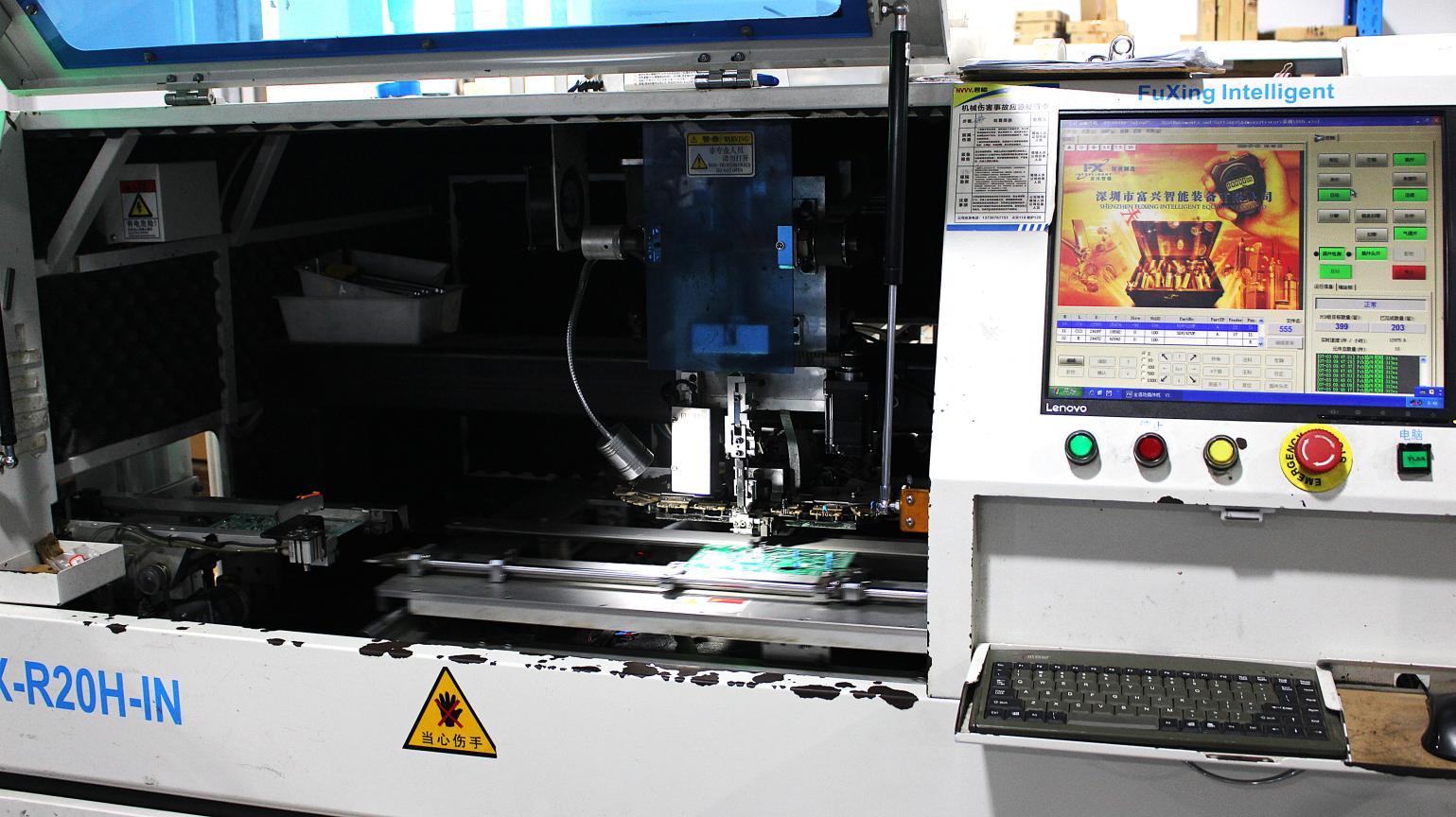
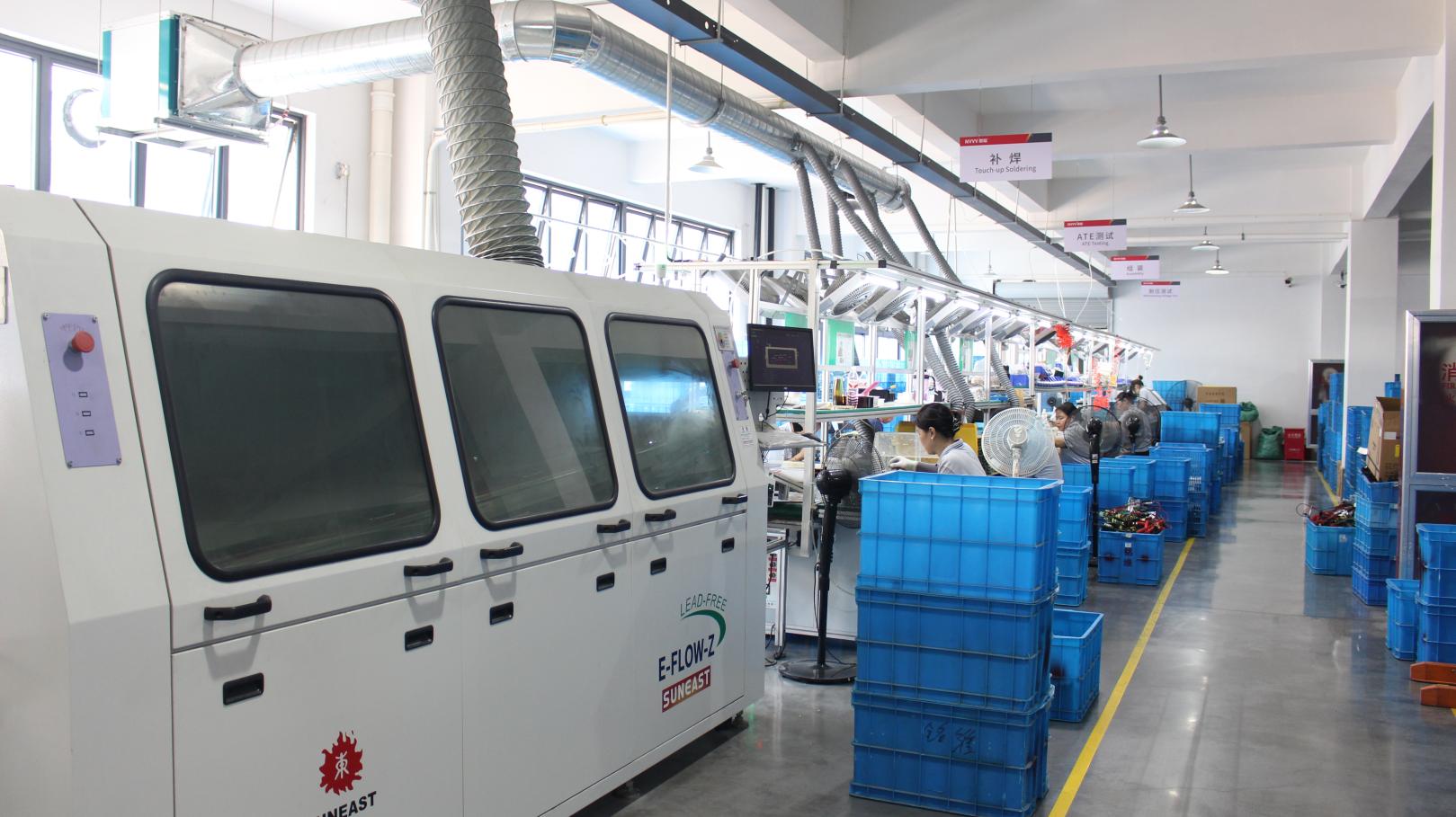
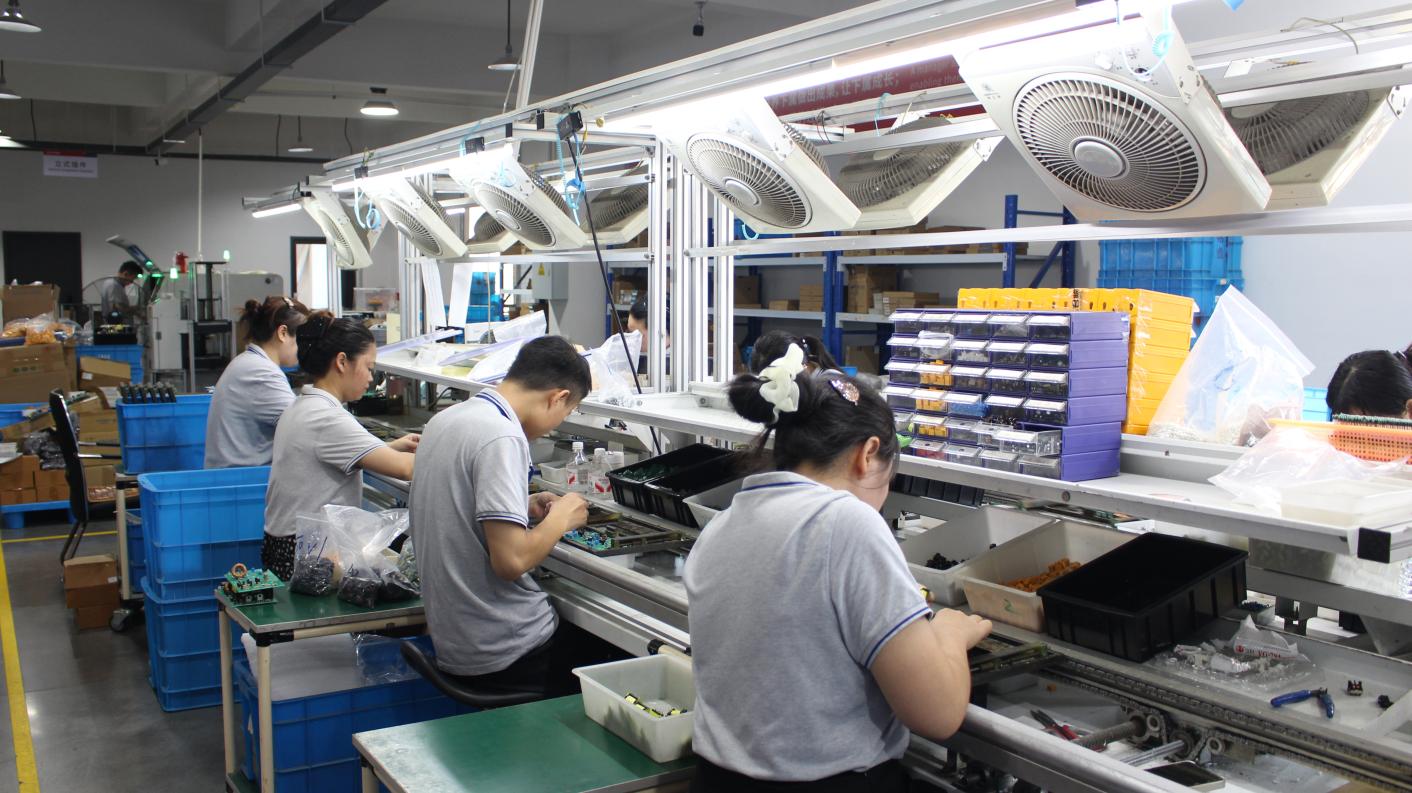
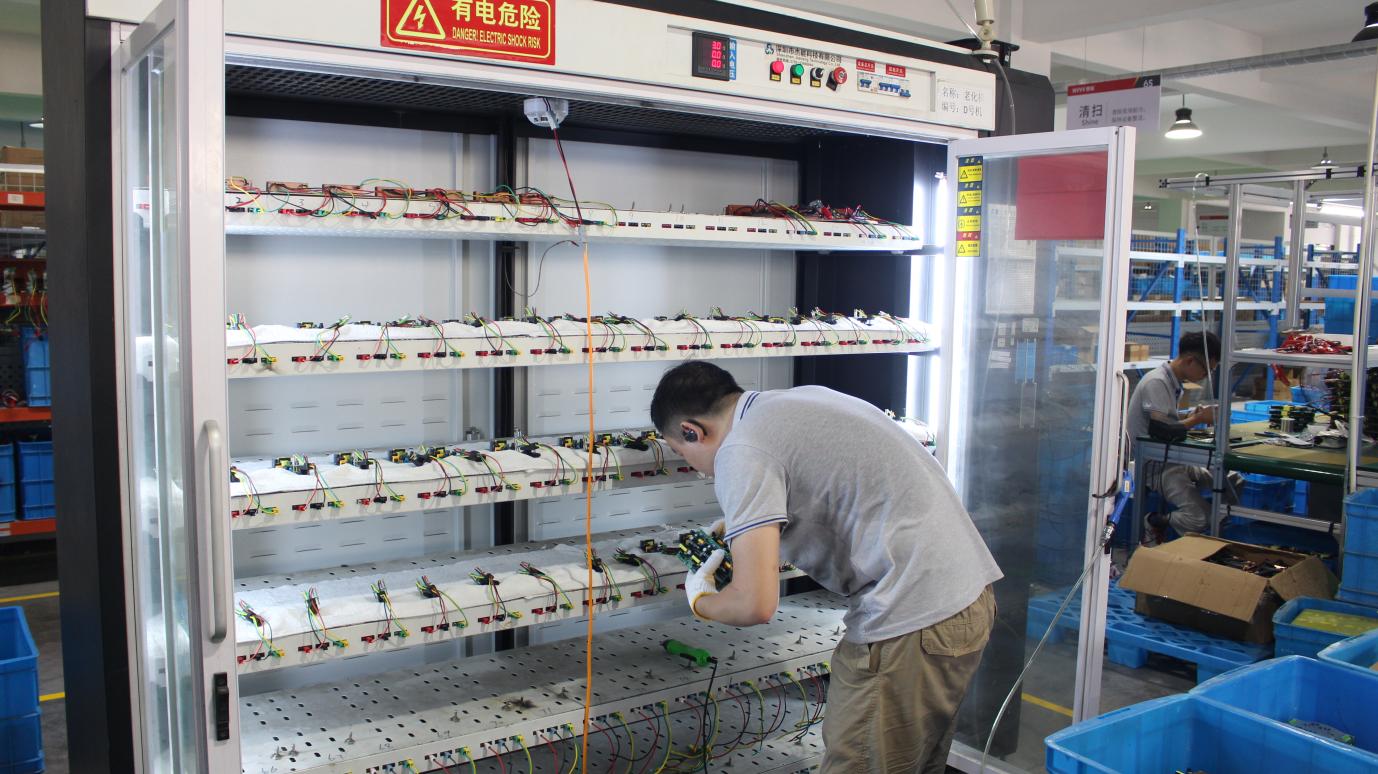
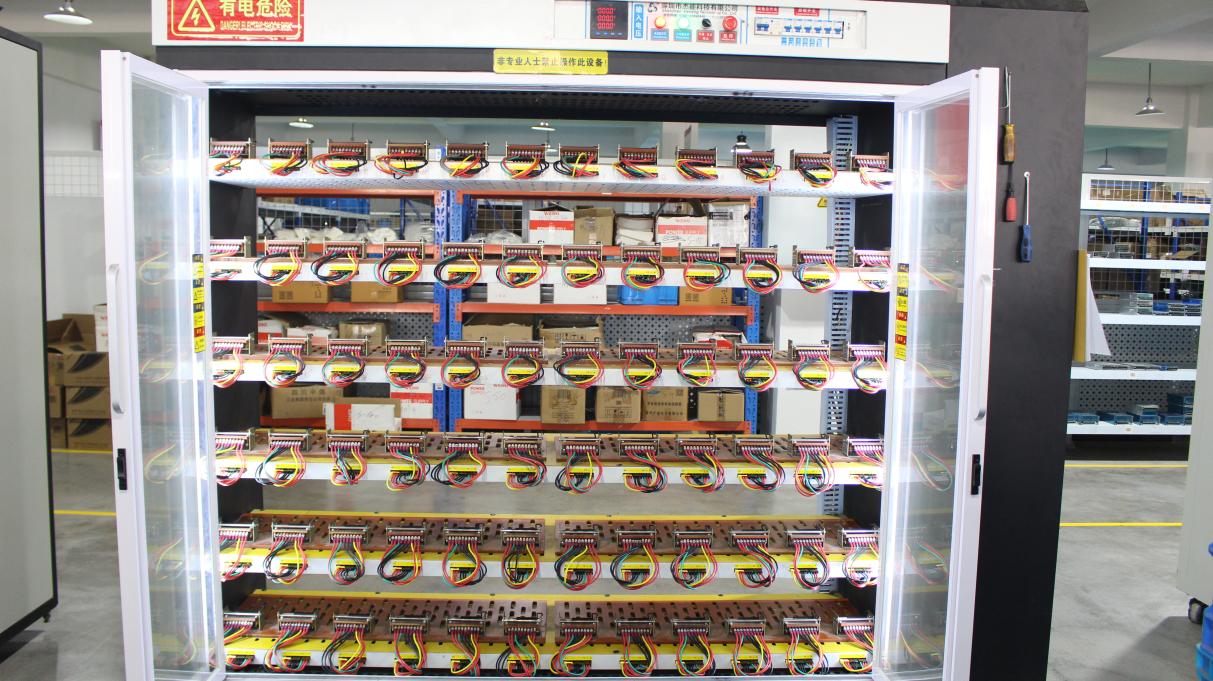
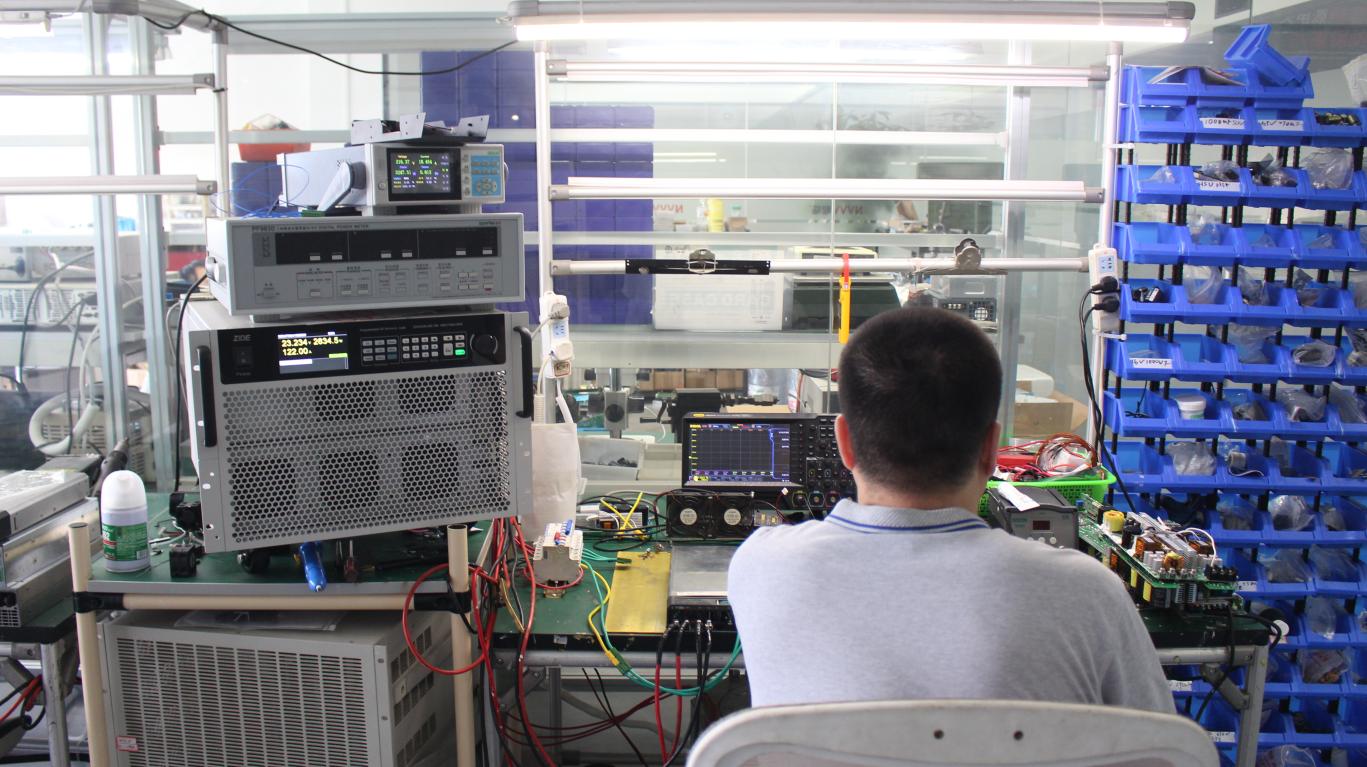
Our production facilities utilize automatic pick-and-place component machines, precision wave-soldering lines, and rigorous 100% full-load burn-in aging tests. We select premium grade electrolytic capacitors rated for high temperatures (up to 105°C) to extend the service life of our switching adapters in 24/7 industrial plants.