Engineered for absolute reliability, optimized power factors, and international compliance
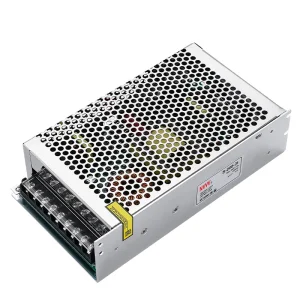
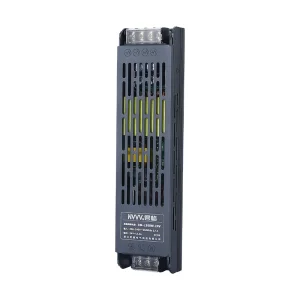
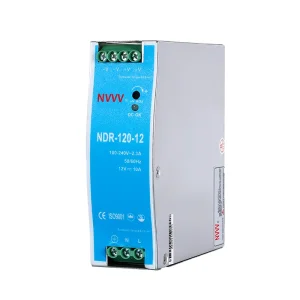
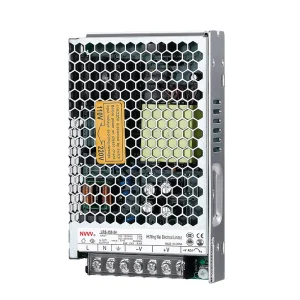
In the era of smart grids, automated logistics, and strict environmental mandates, the reliability of switching power supply systems operates as the quiet backbone of modern industrial advancement. As industrial systems increasingly migrate toward IoT integration and high-performance computing, the energy lost during power conversion translates directly to operating cost inflation and excessive carbon footprints.
The global transition towards high-frequency switching technology demands compliance with standards such as the European Union’s Ecodesign Directive (ErP) and the US Energy Star rating framework. These metrics prioritize low standby power loss, active power factor correction (PFC), and minimal electromagnetic interference (EMI). NVVV Electric Technology Co., Ltd. addresses these macro-industry transitions by offering CE, FCC, UKCA, and BIS certified green power supplies designed to bridge the gap between heavy industrial power demands and green sustainability requirements.
Developing green power architectures requires balancing topological efficiency, manufacturing consistency, and thermal management. The integration of advanced magnetic component geometries and low-loss semiconductors allows modern power converter topologies to reach efficiency parameters exceeding 90%. As a primary green power supply exporter, NVVV operates in specialized logistics and heavy manufacturing sectors to implement systems that deliver sustained reliability under extreme thermal fluctuations, fluctuating input currents, and rigorous operating parameters.
The difference between legacy linear regulators and modern SMPS (Switched-Mode Power Supplies) lies in operational efficiency. Switched-mode topologies minimize heat loss by operating the power transistor in saturated state switching modes rather than a linear resistive configuration.
NVVV's product family implements optimized half-bridge, push-pull, and flyback converter topologies to handle high input-to-output voltage conversion ratios while maintaining small form factors. Below are key technological specifications integrated into our green power systems:
"True green power engineering is defined not just by conversion rates at peak loads, but by the efficiency curves across light-load and standby modes where systems spend the majority of their operating lifespan."
— NVVV Engineering Council
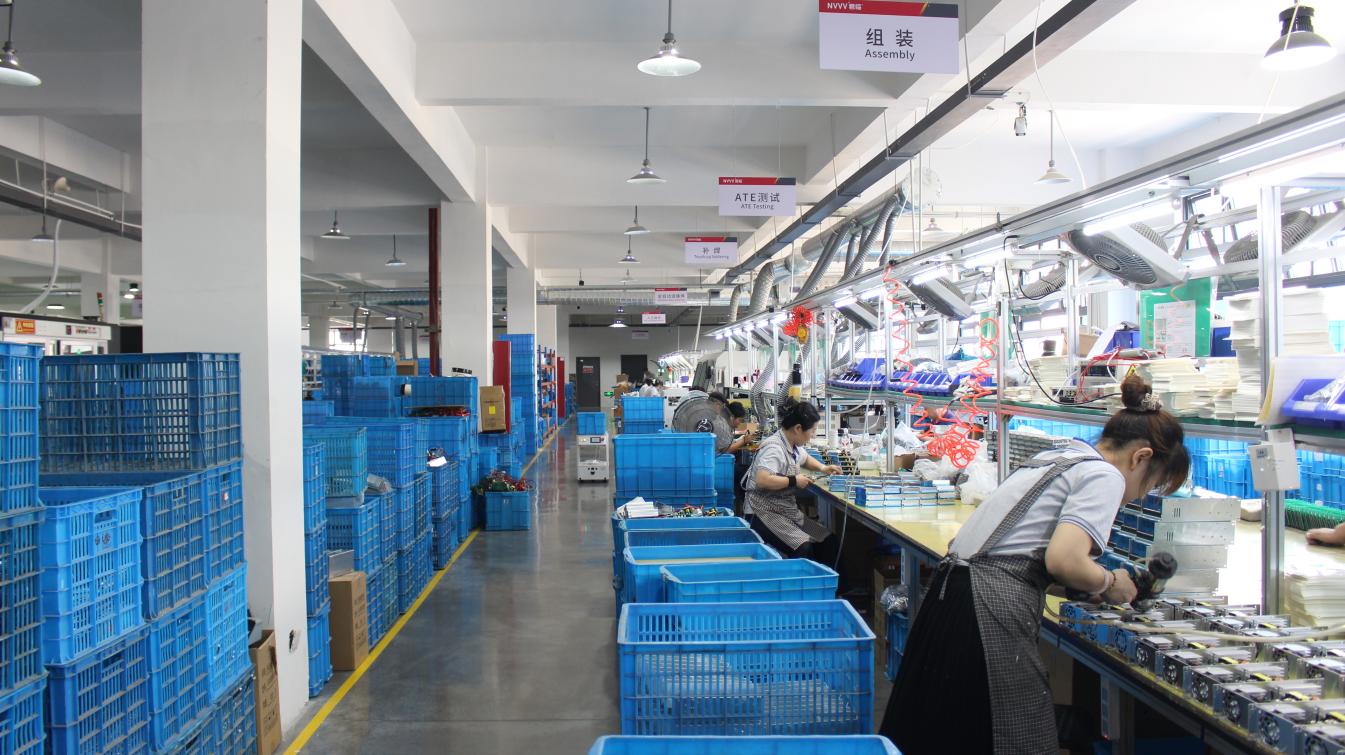
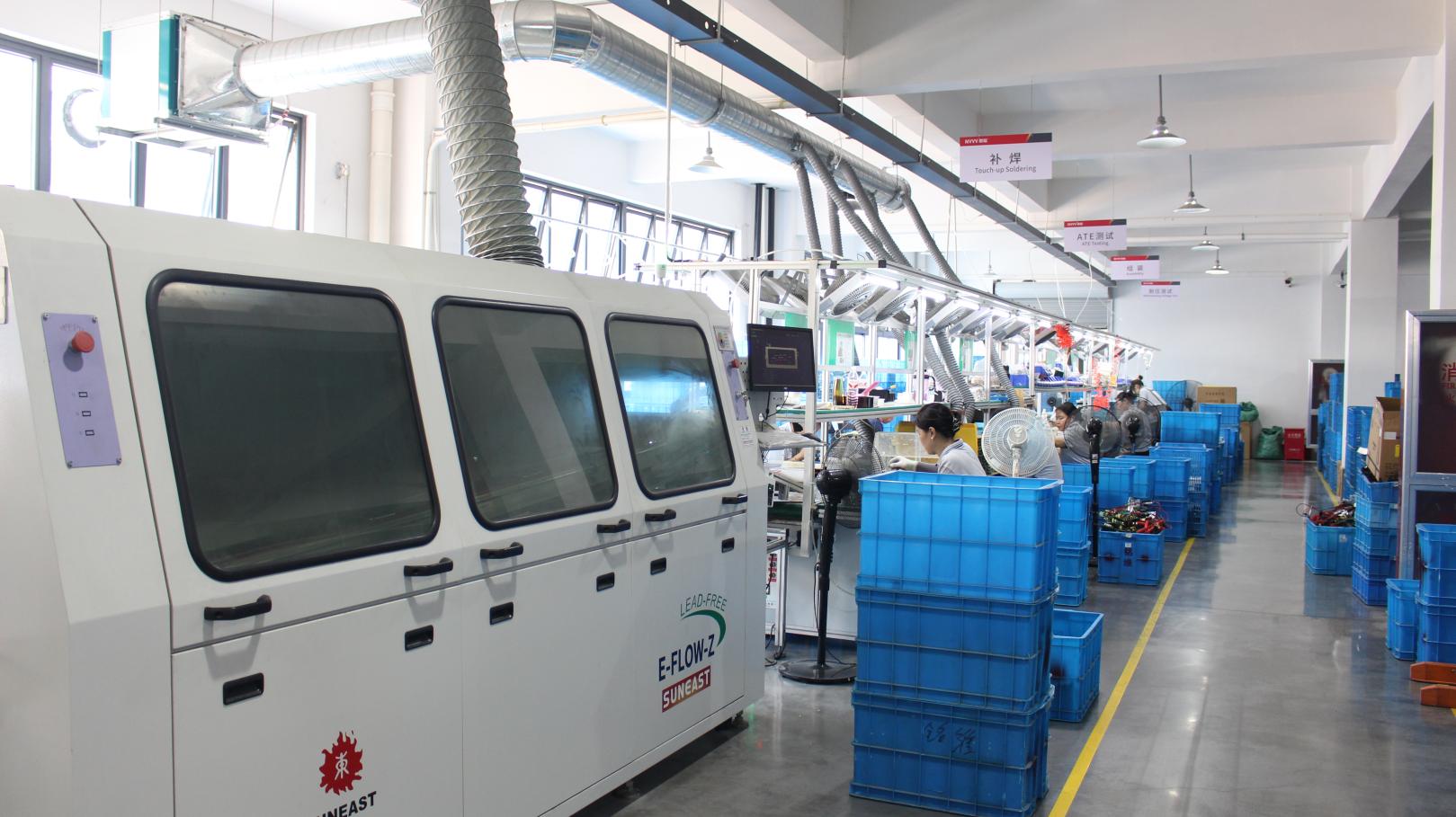
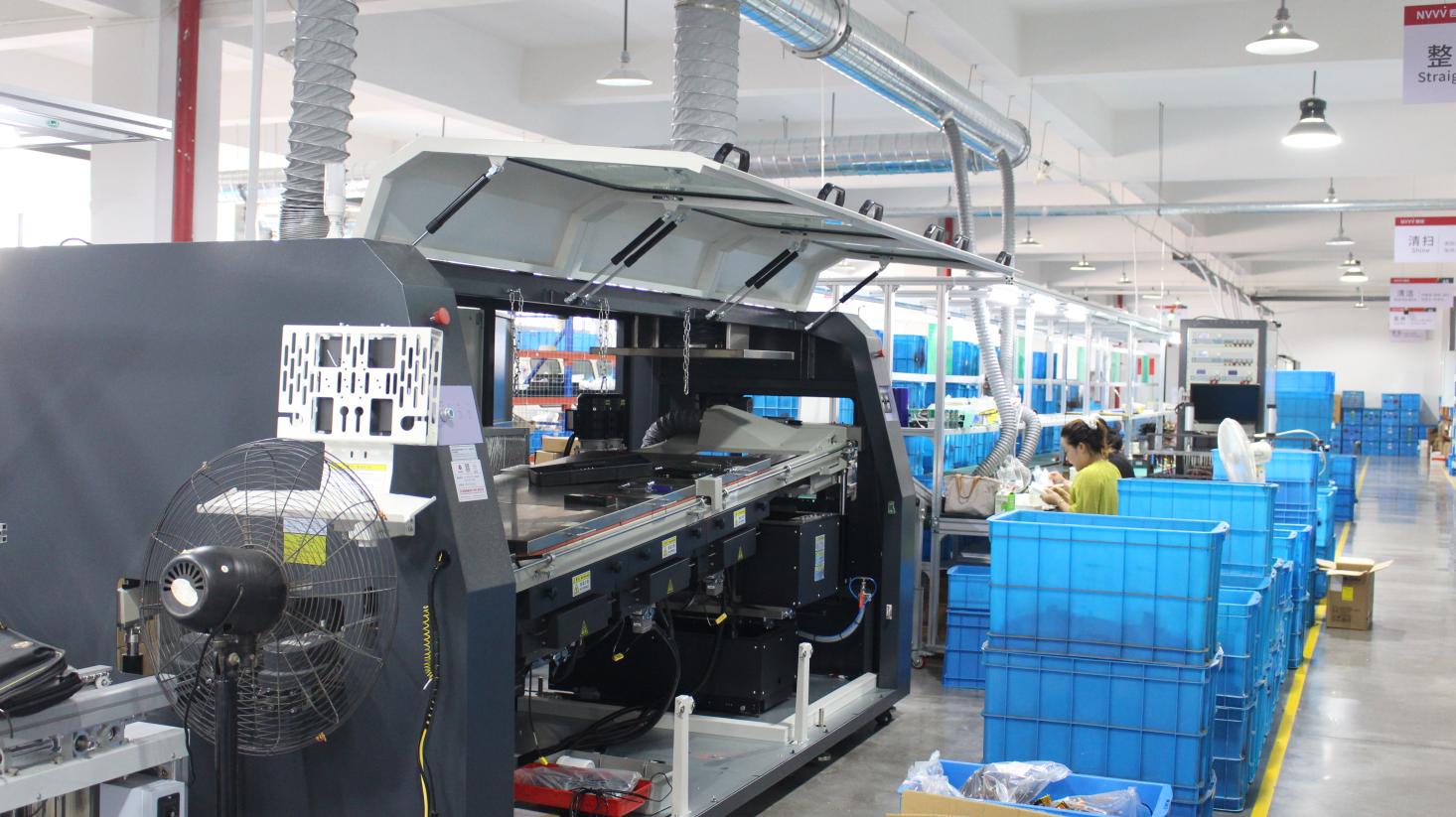
Operating 5 automated lines and 46 production machines in Wenzhou, China

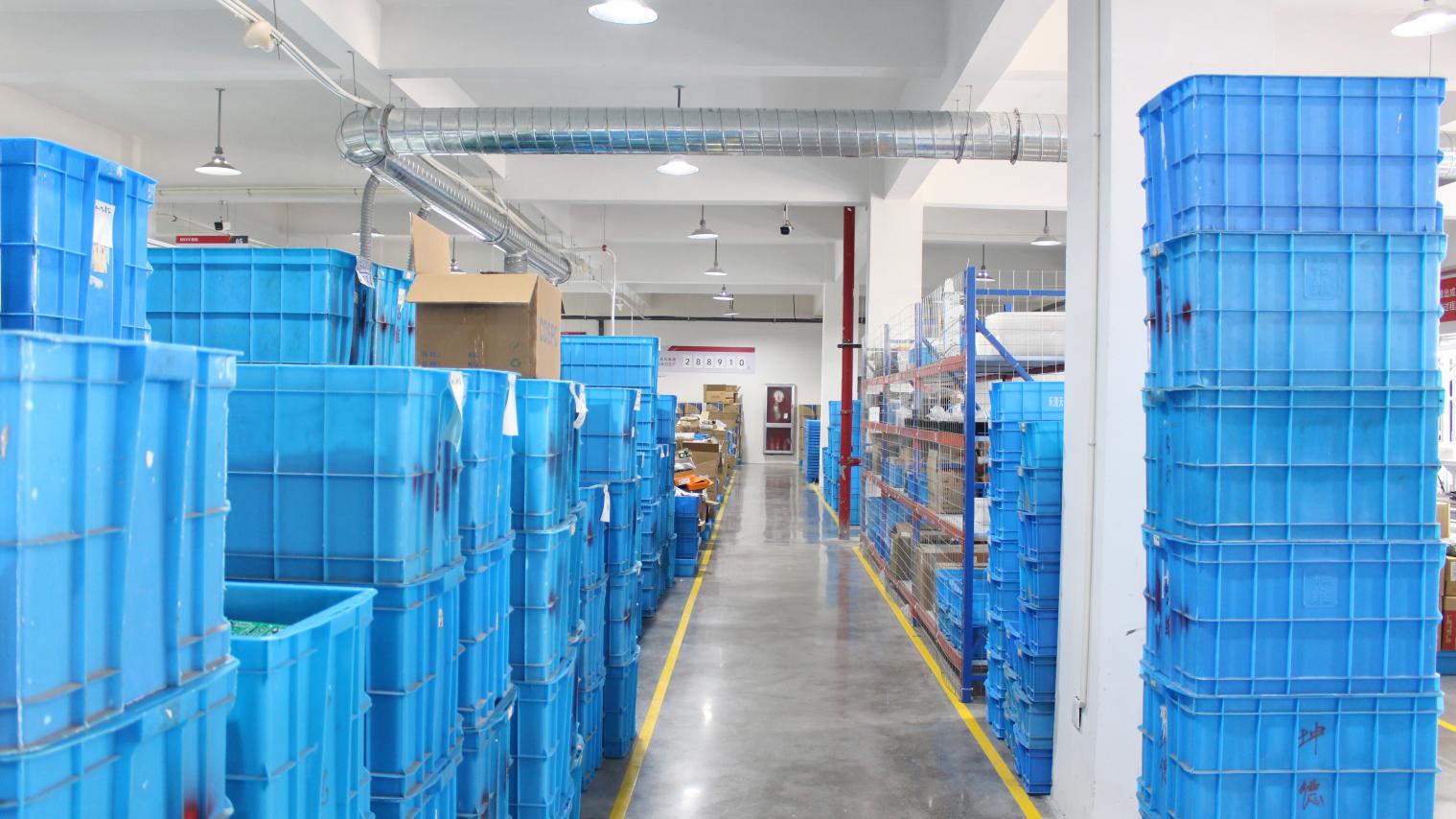
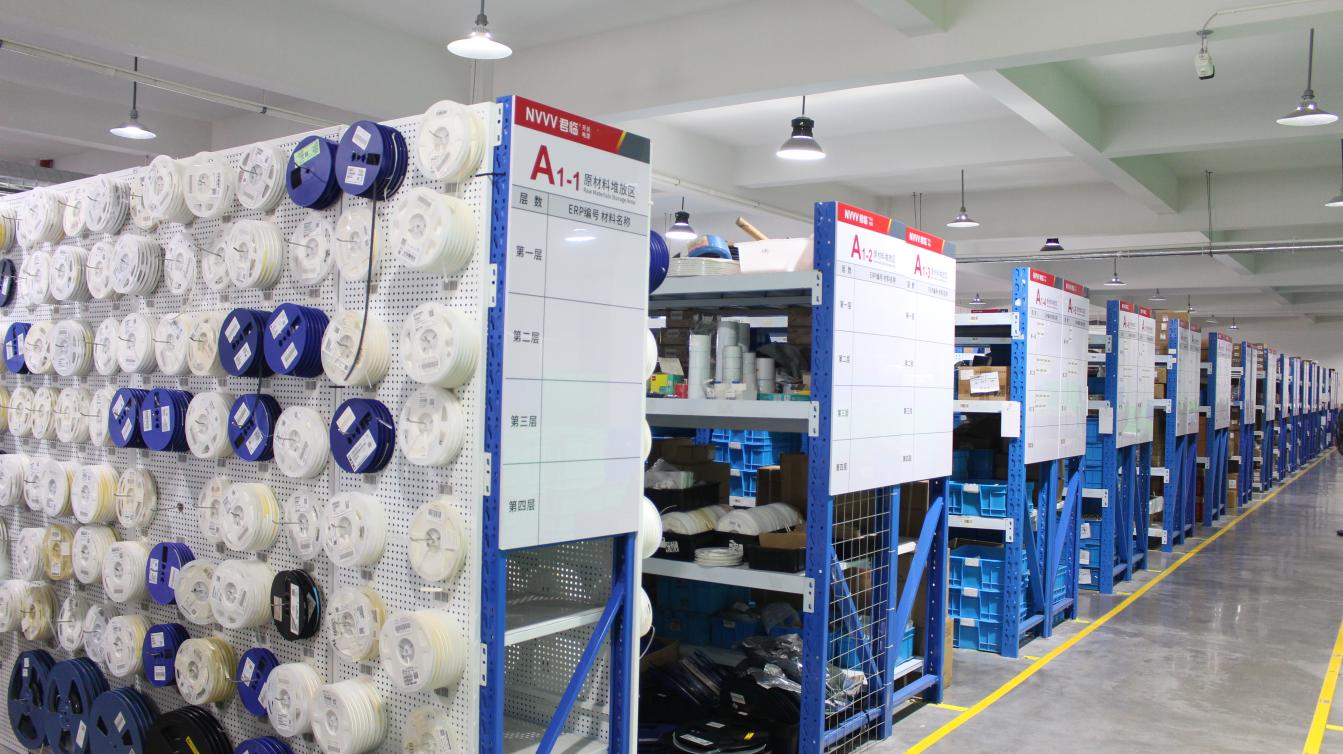
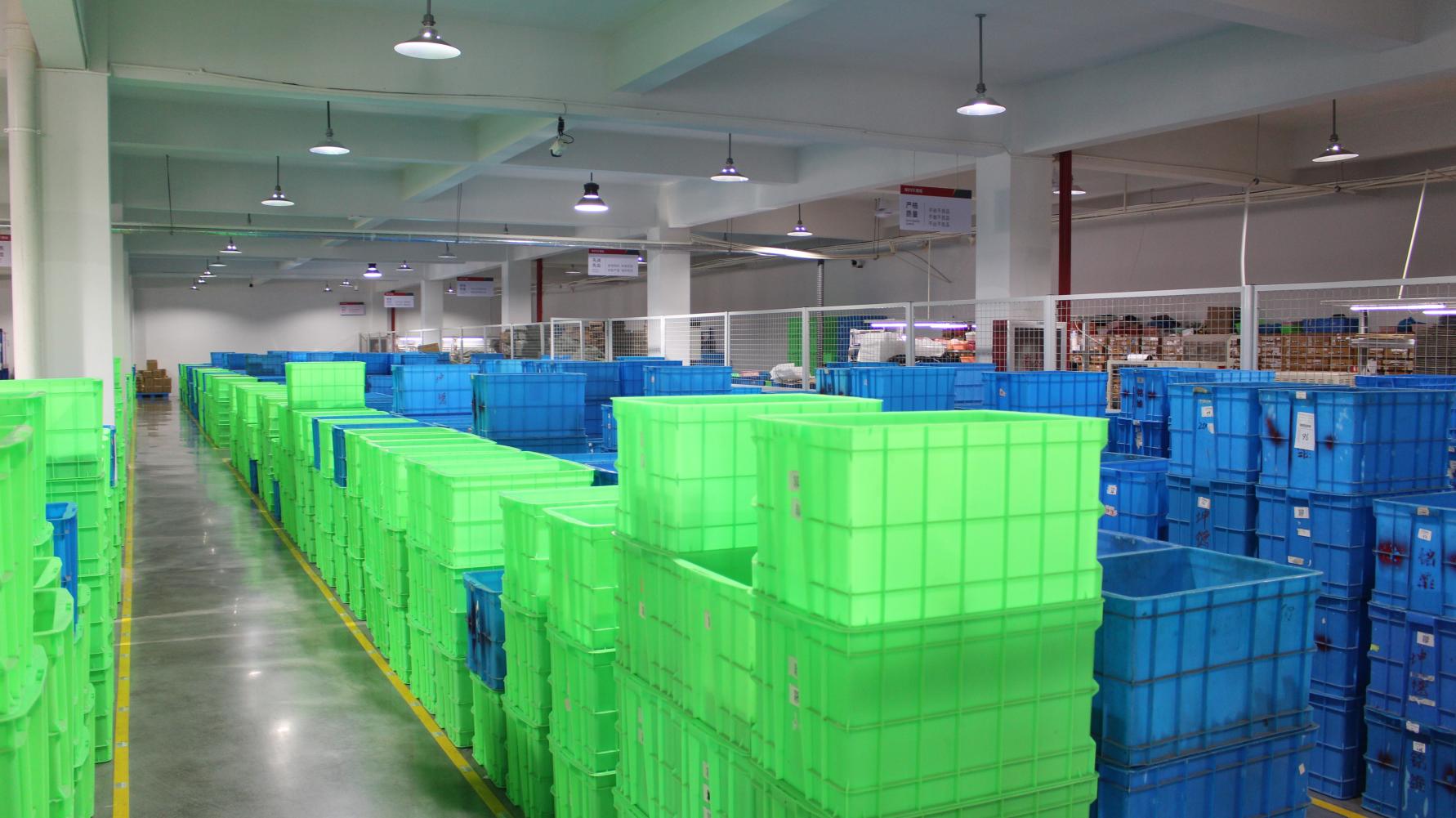
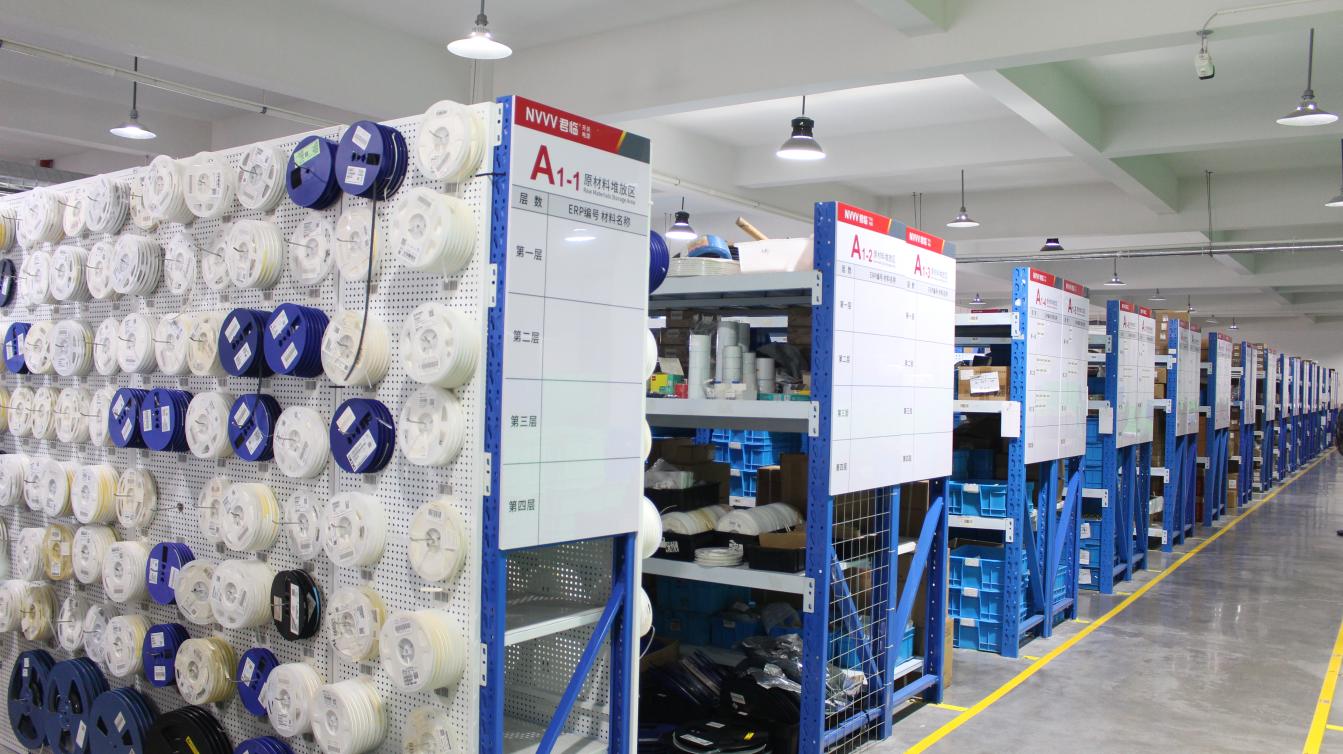 Raw material
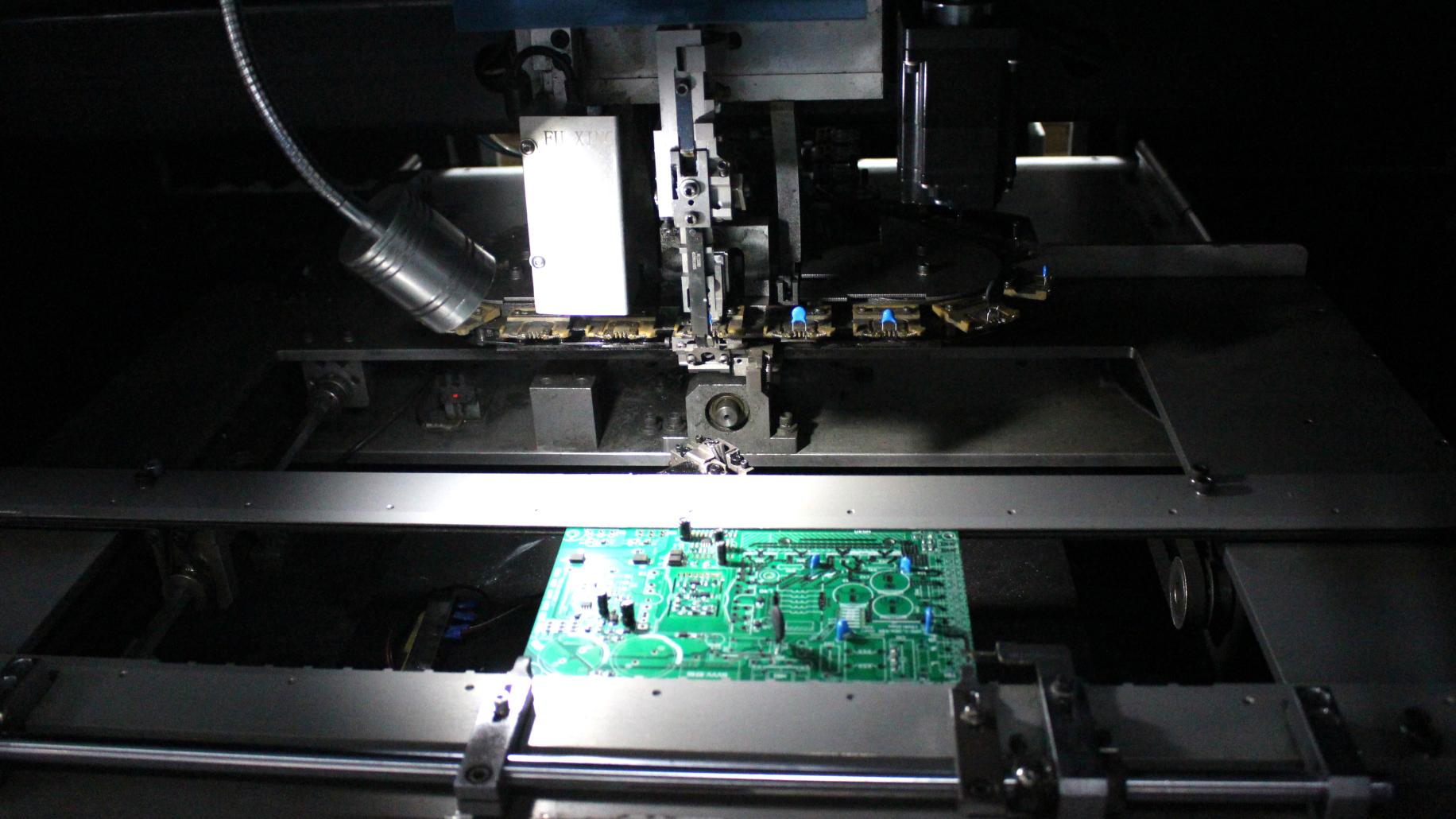 Component plug-in
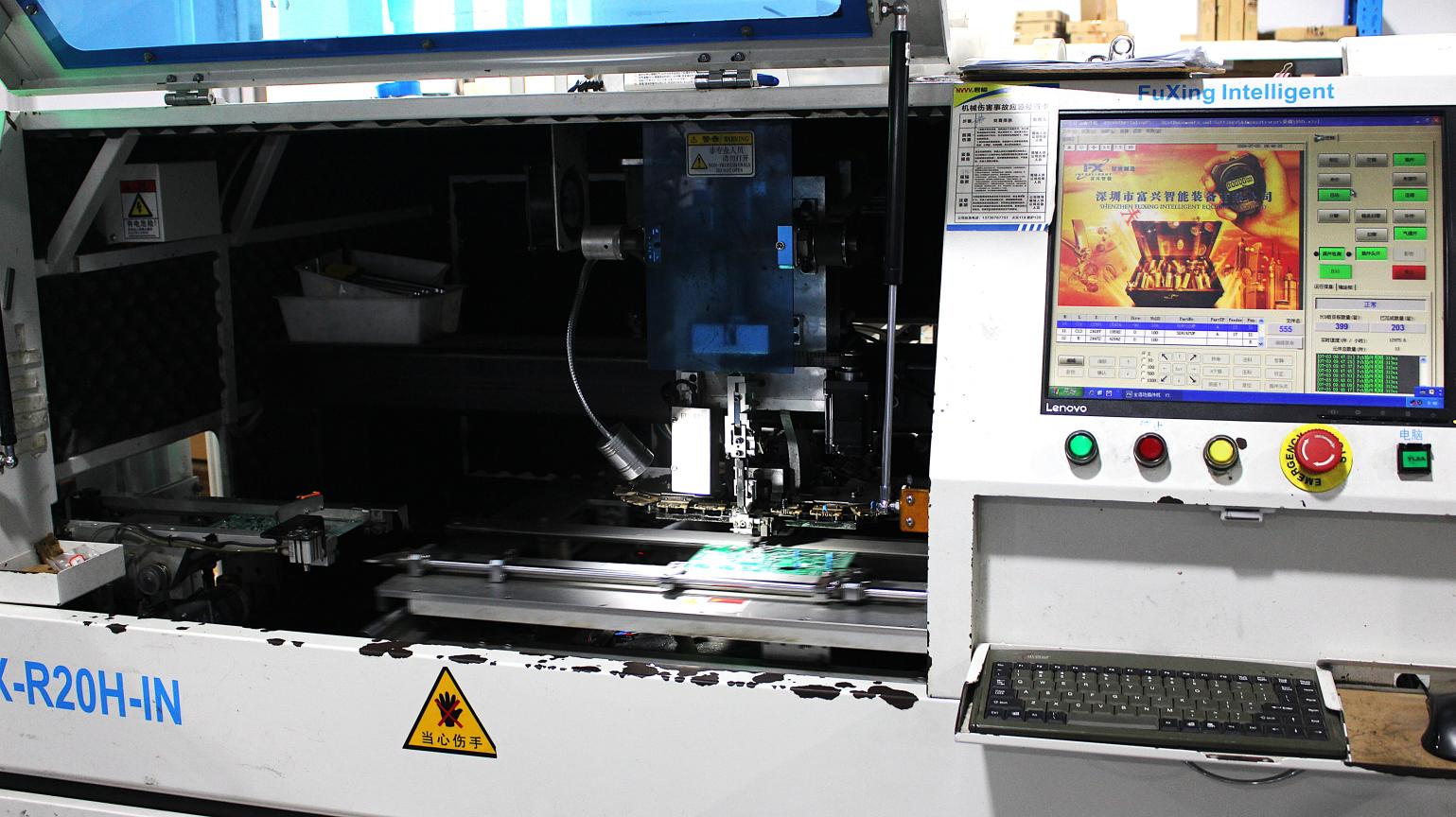 Component plug-in
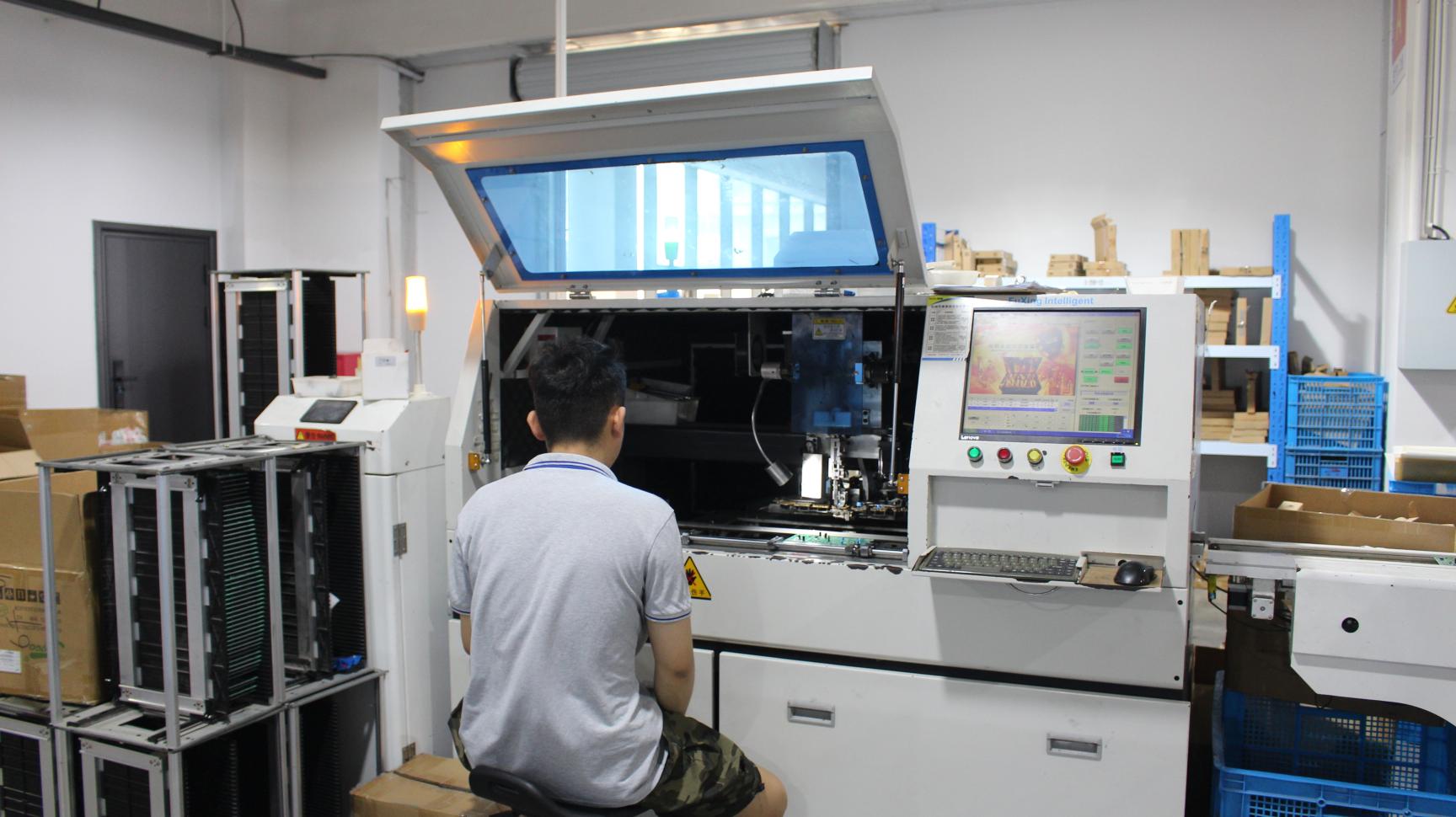 Component plug-in
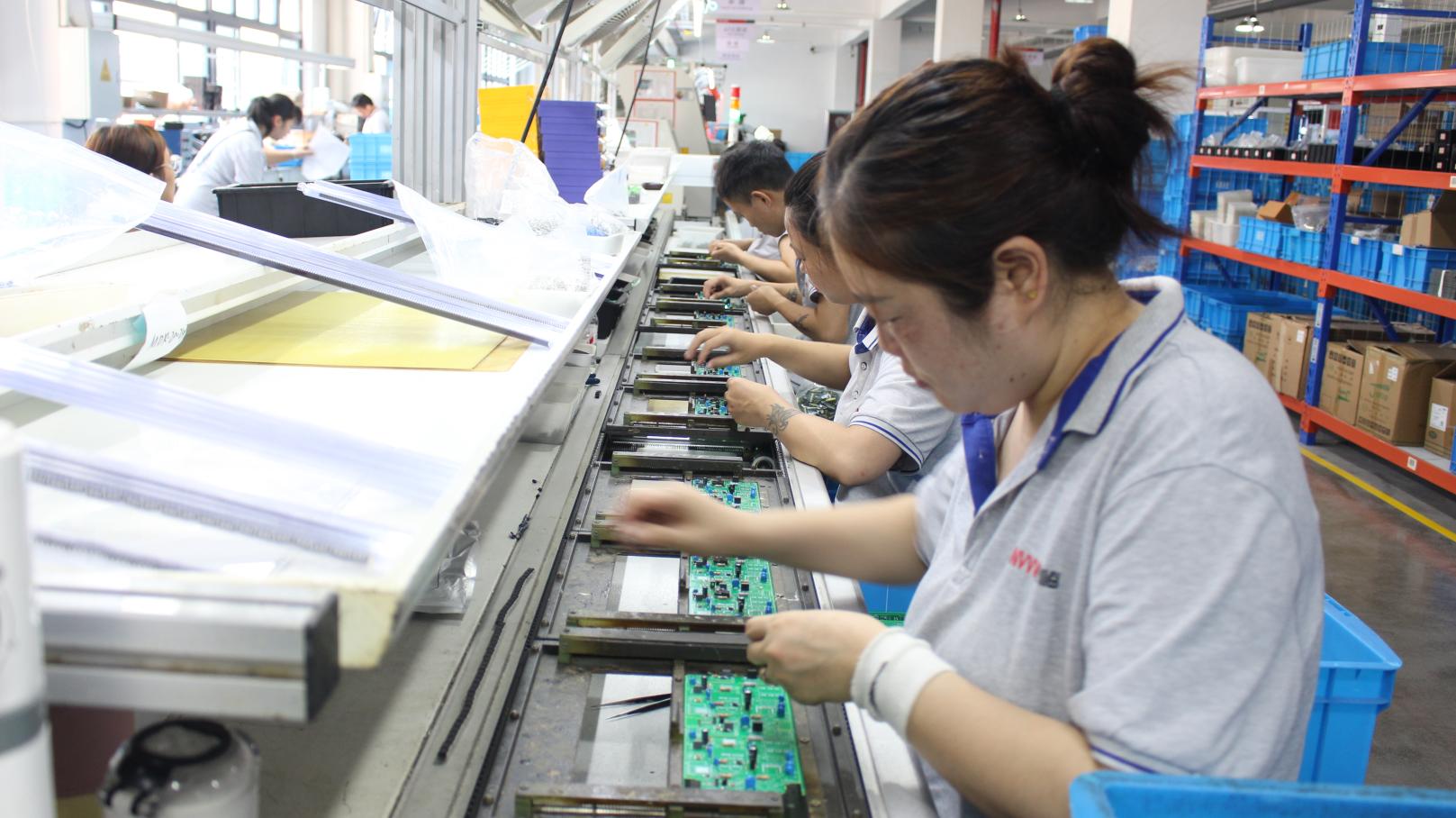 Plug-in
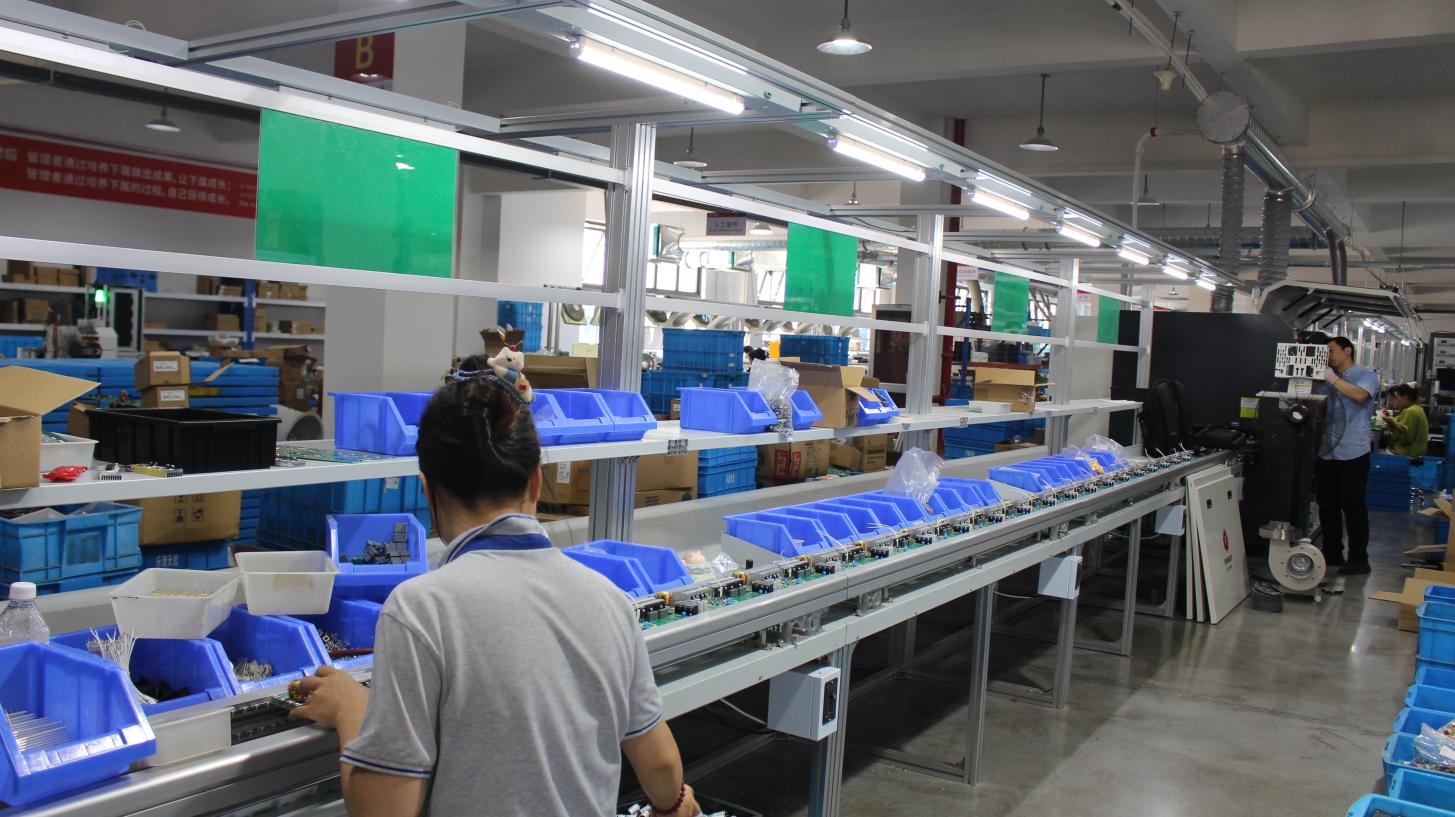 Plug-in
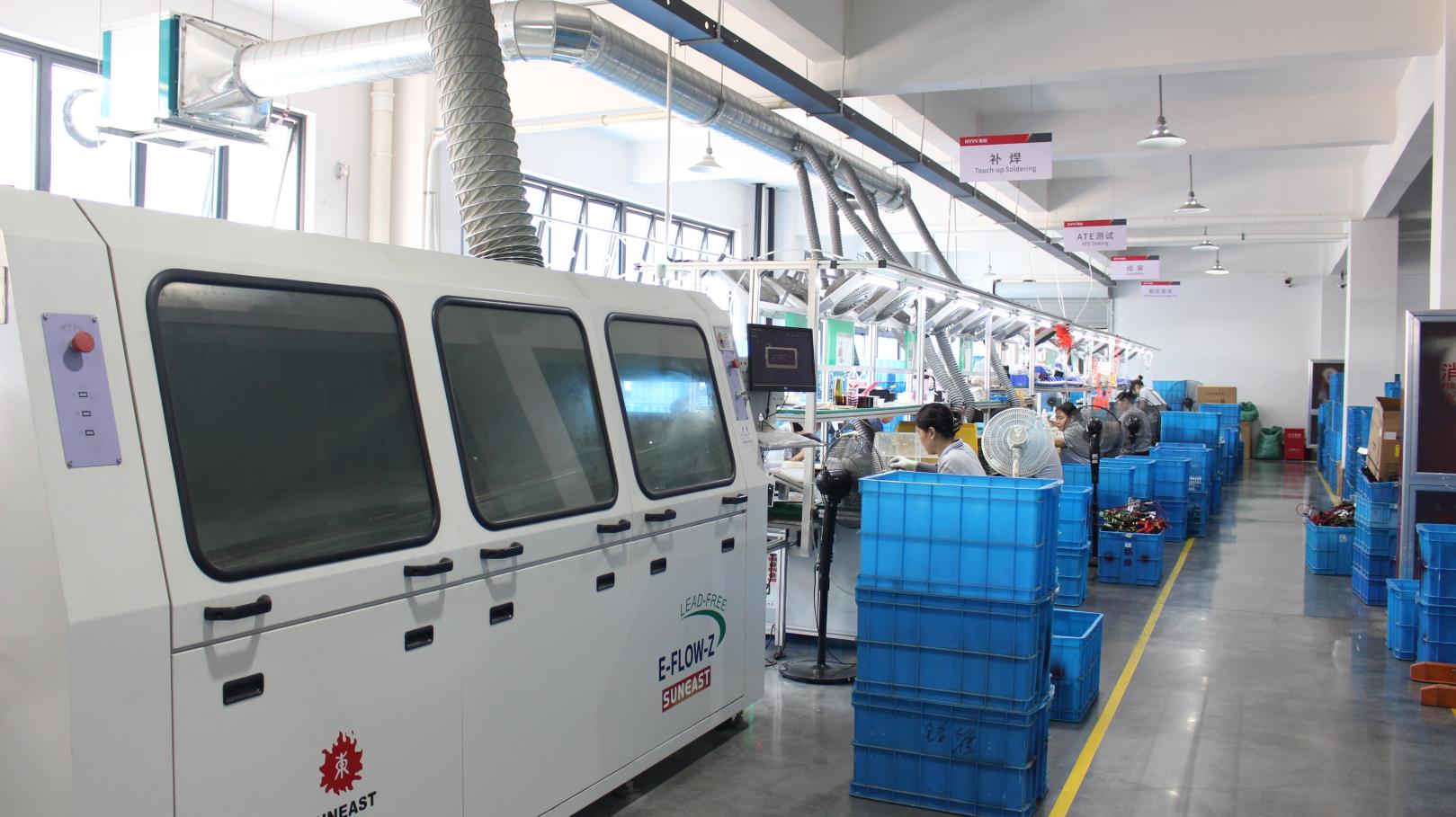 Wave soldering
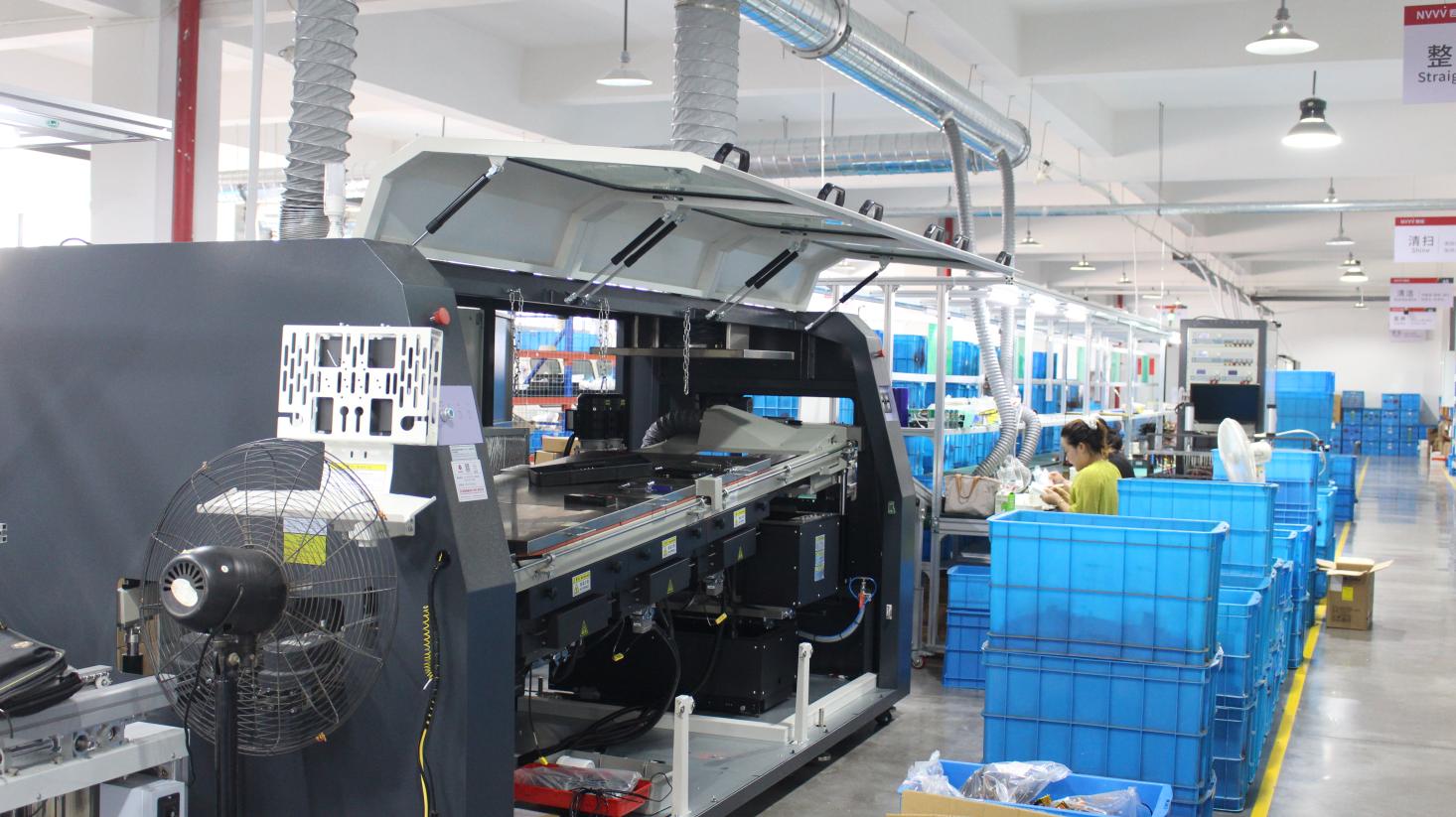 Wave soldering
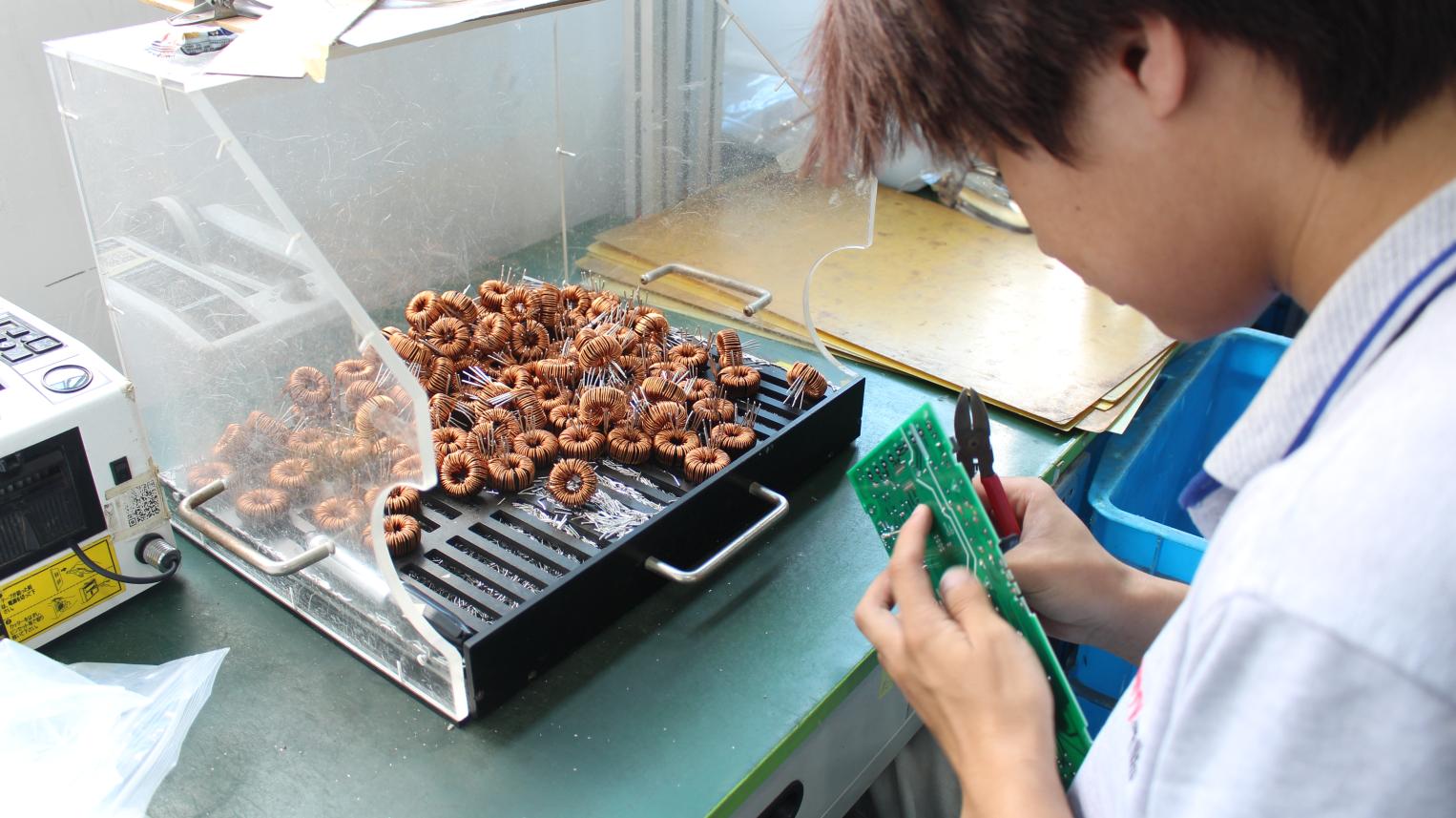 Assembling
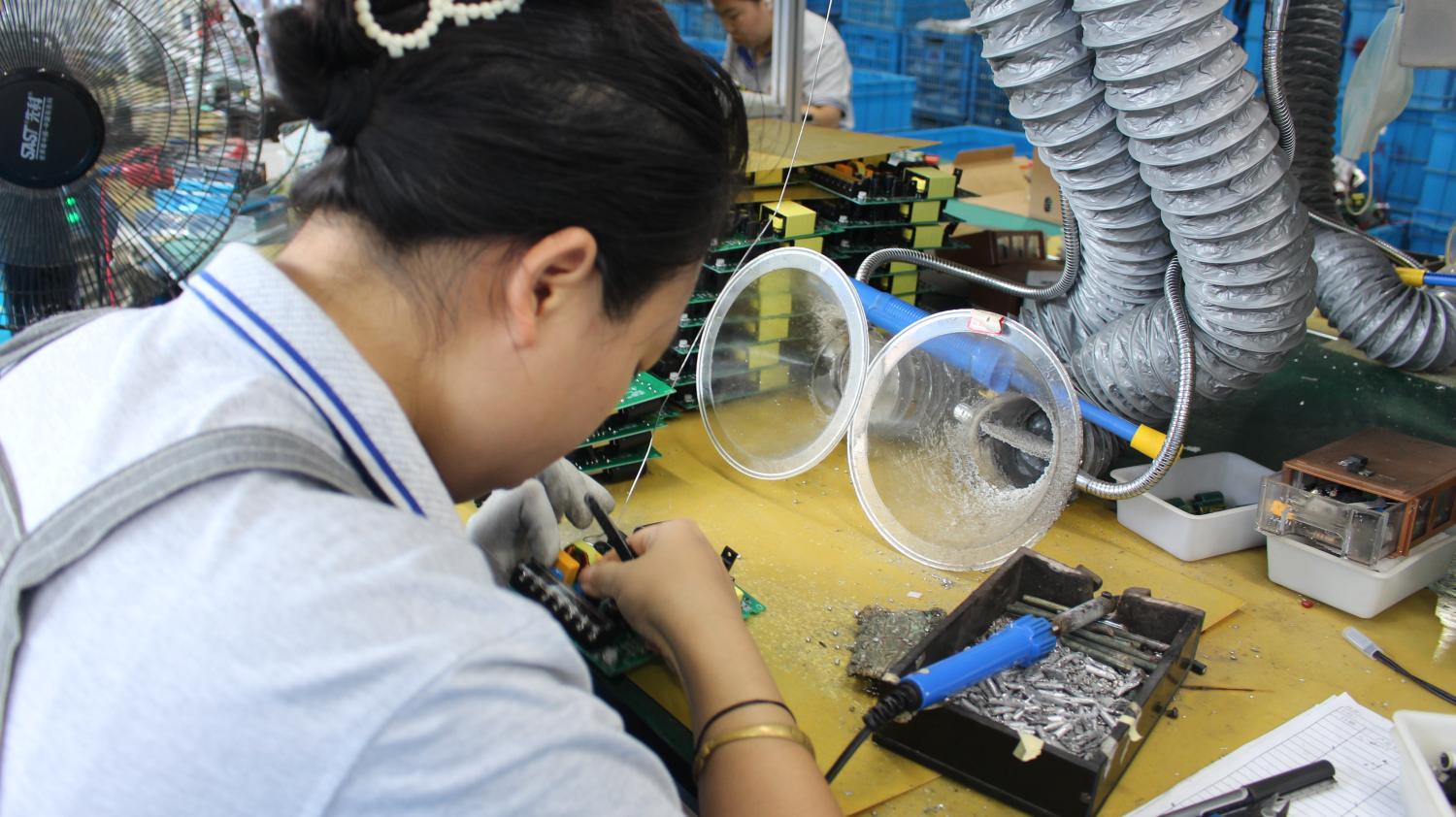 Assembling
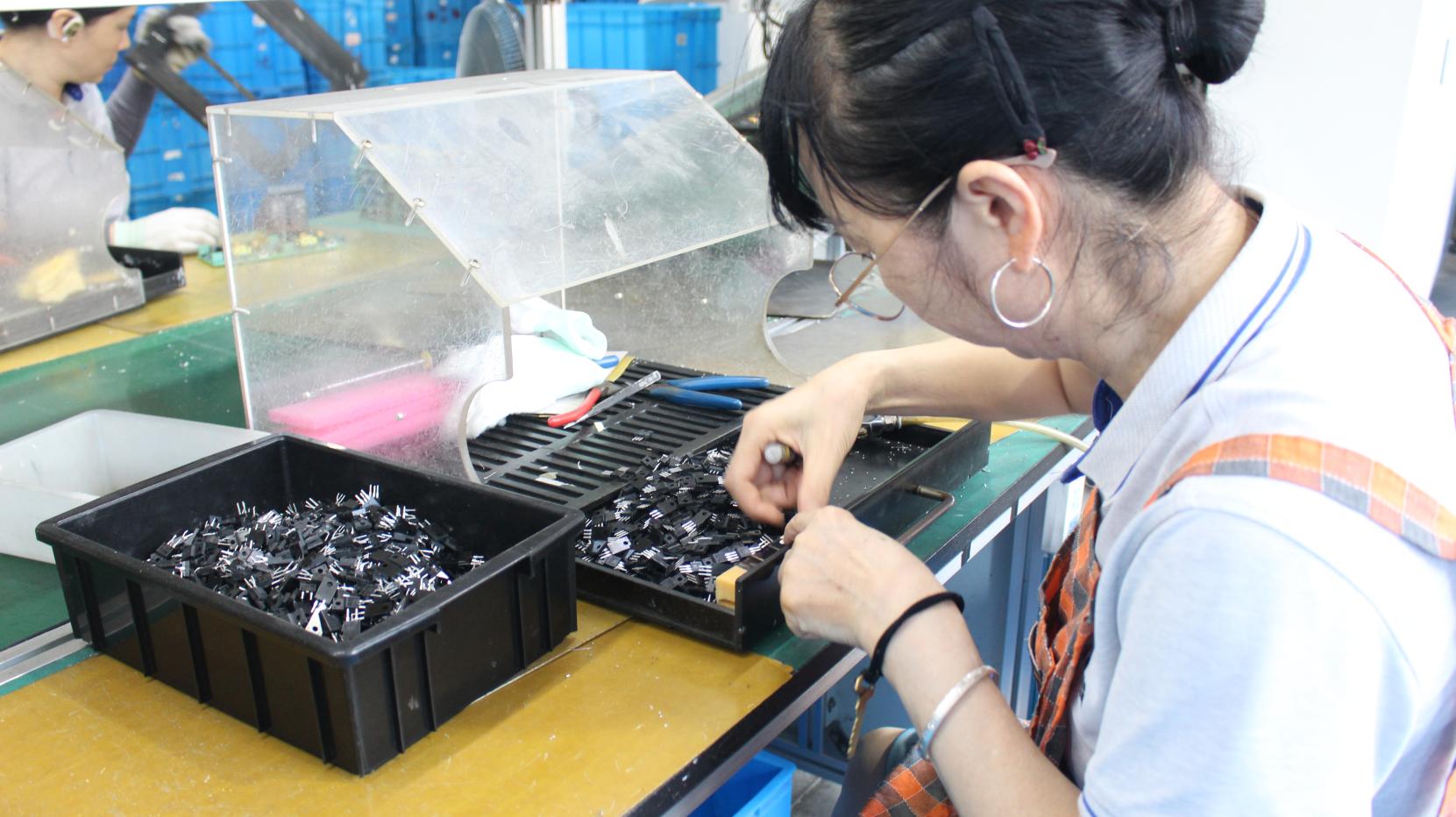 Assembling
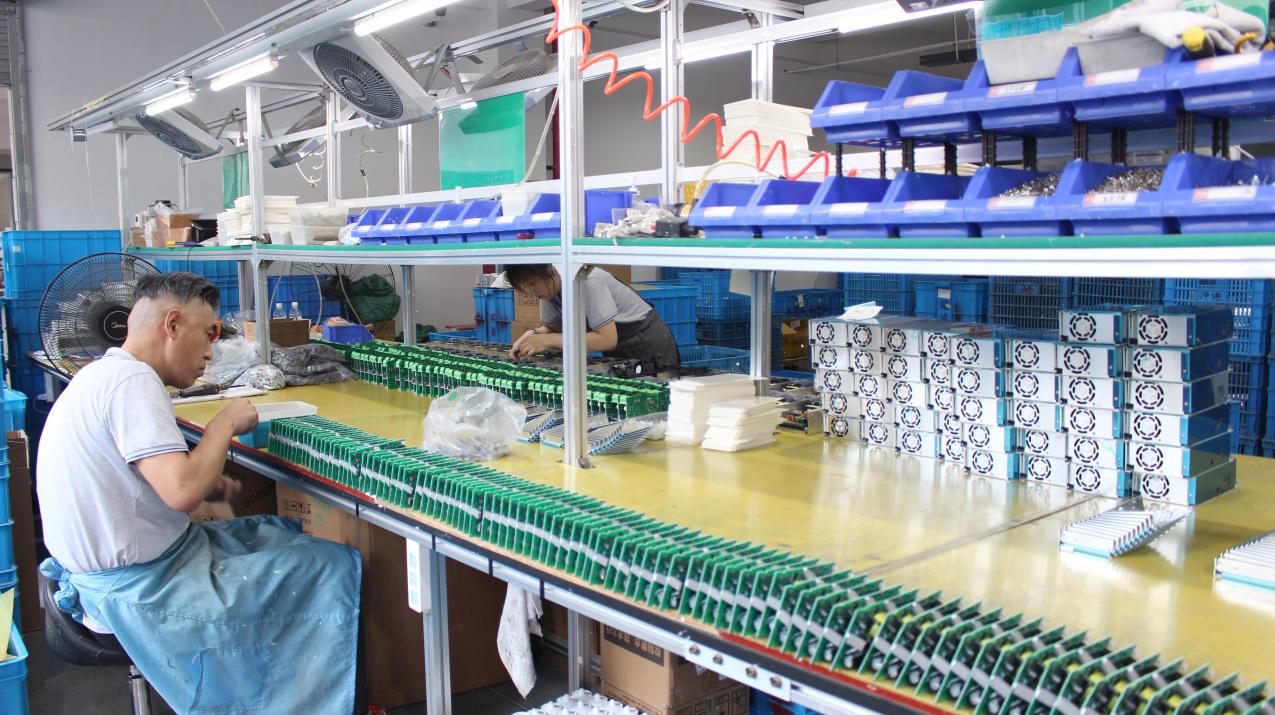 Assembling
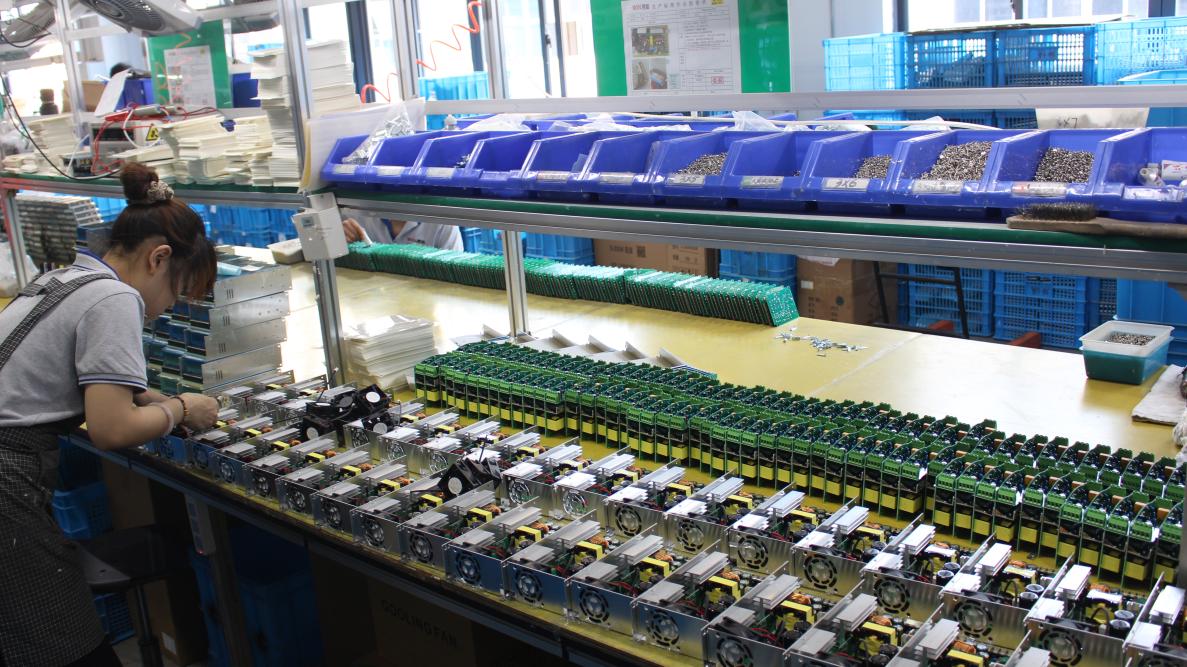 Assembling
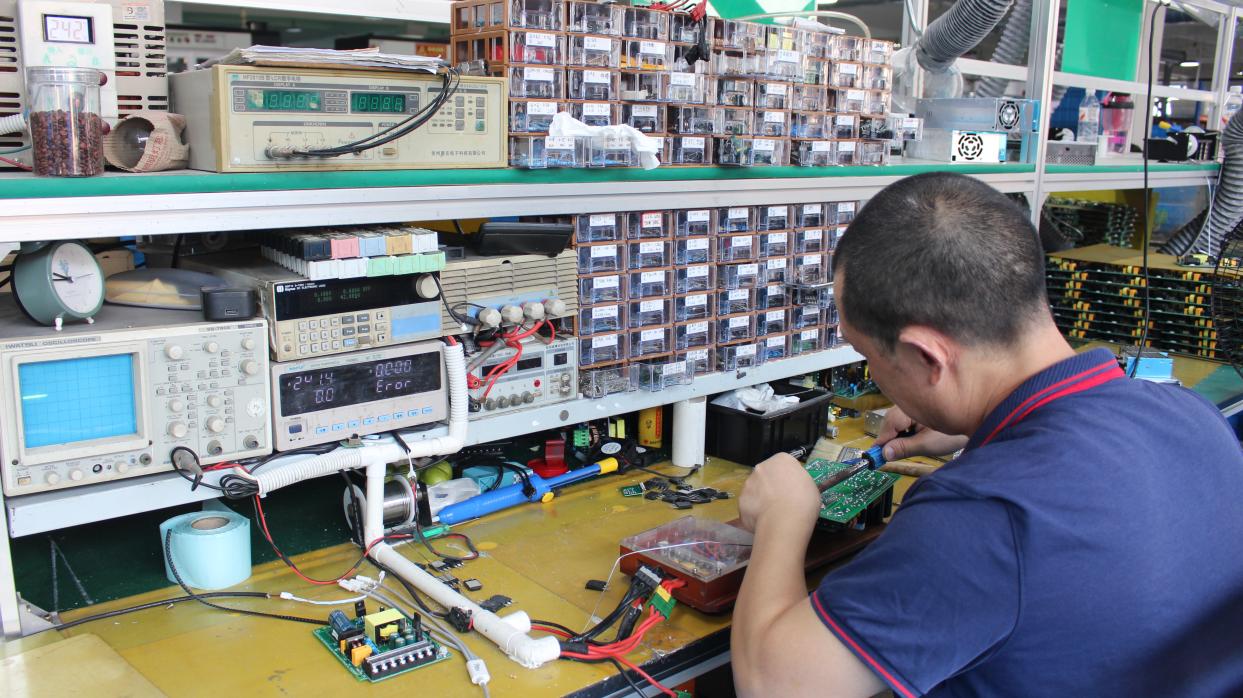 Assembling
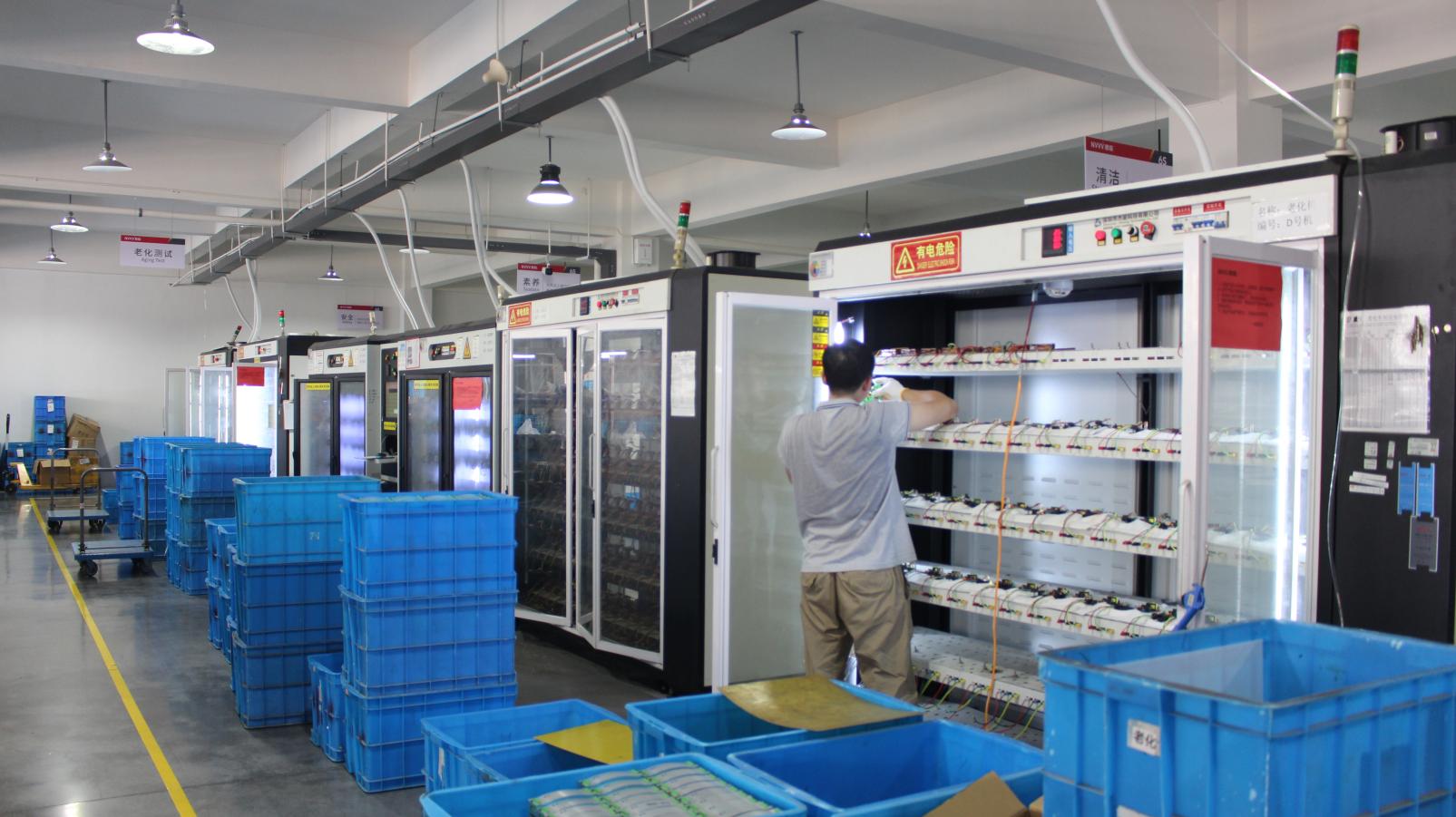 Testing
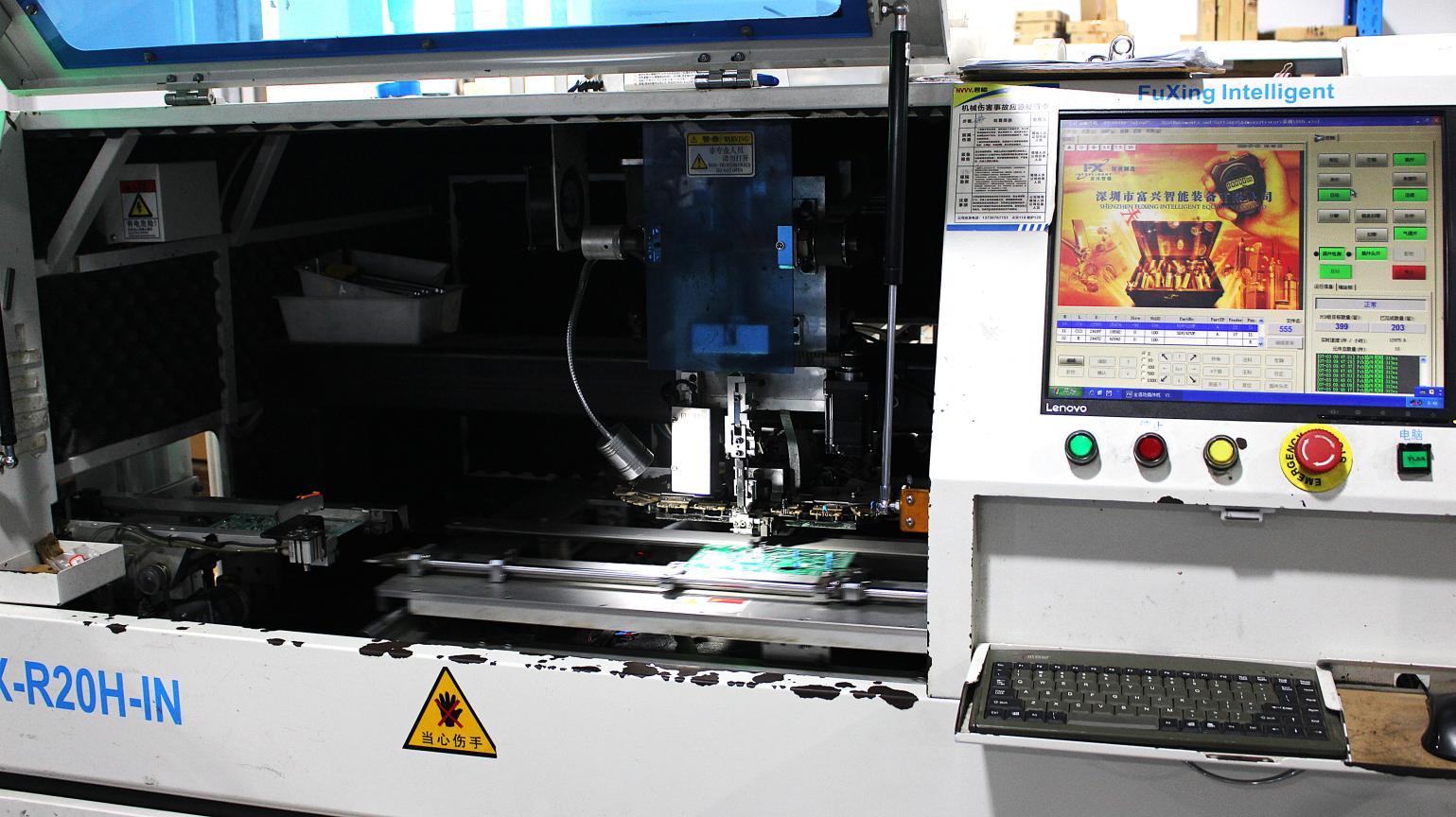 Component plug-in machine
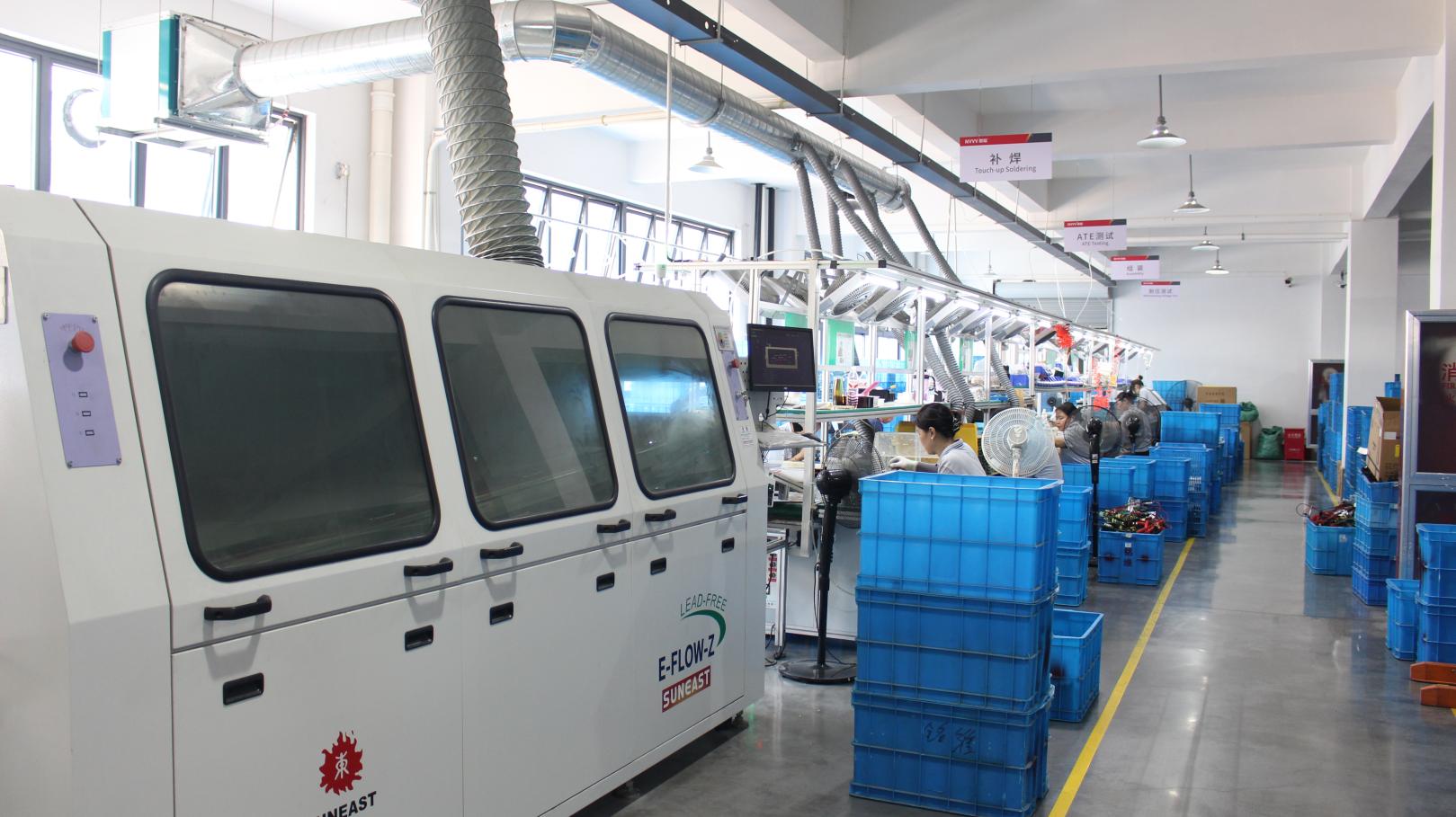 Wave soldering machine
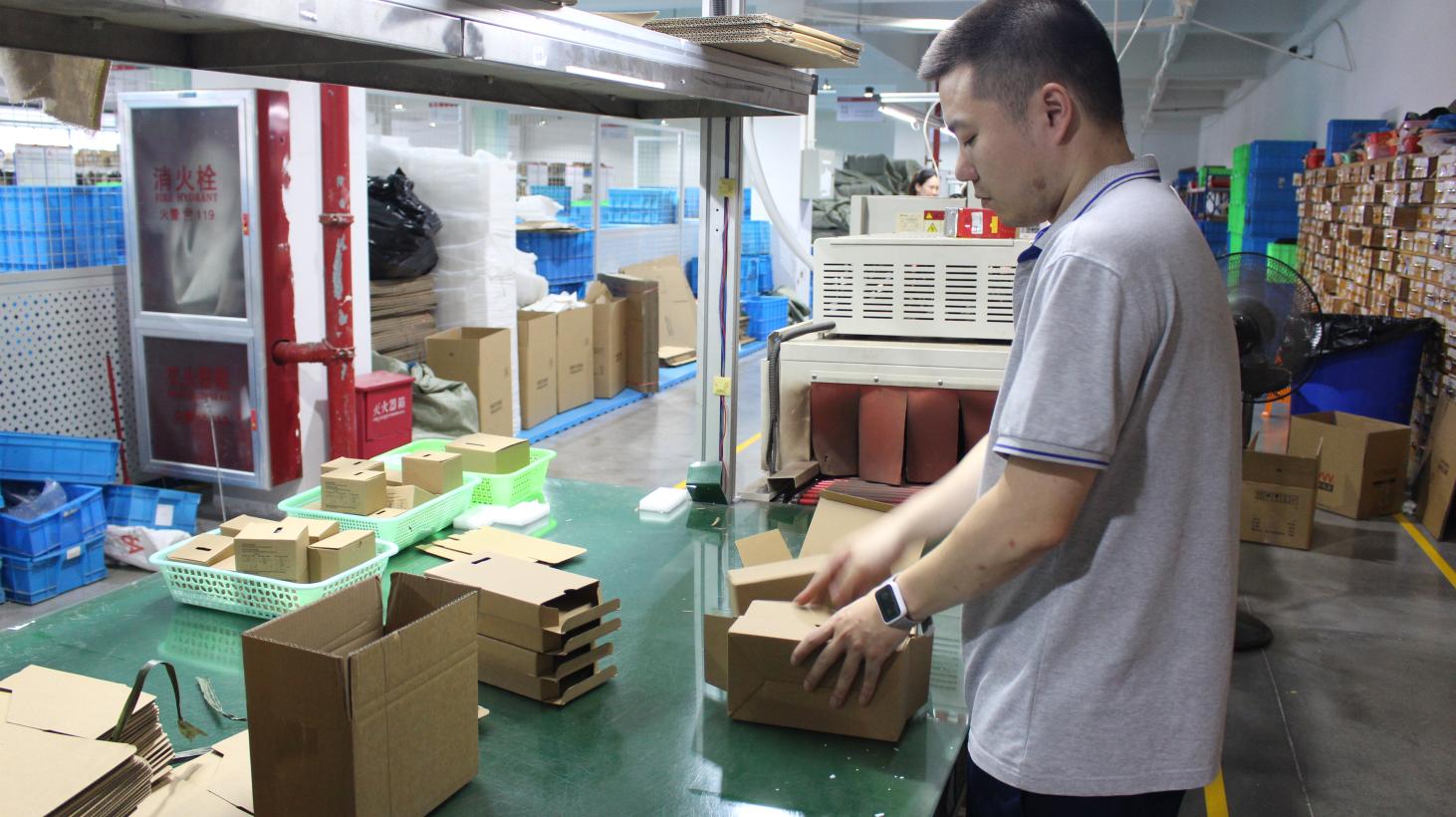 Automatic packing machine
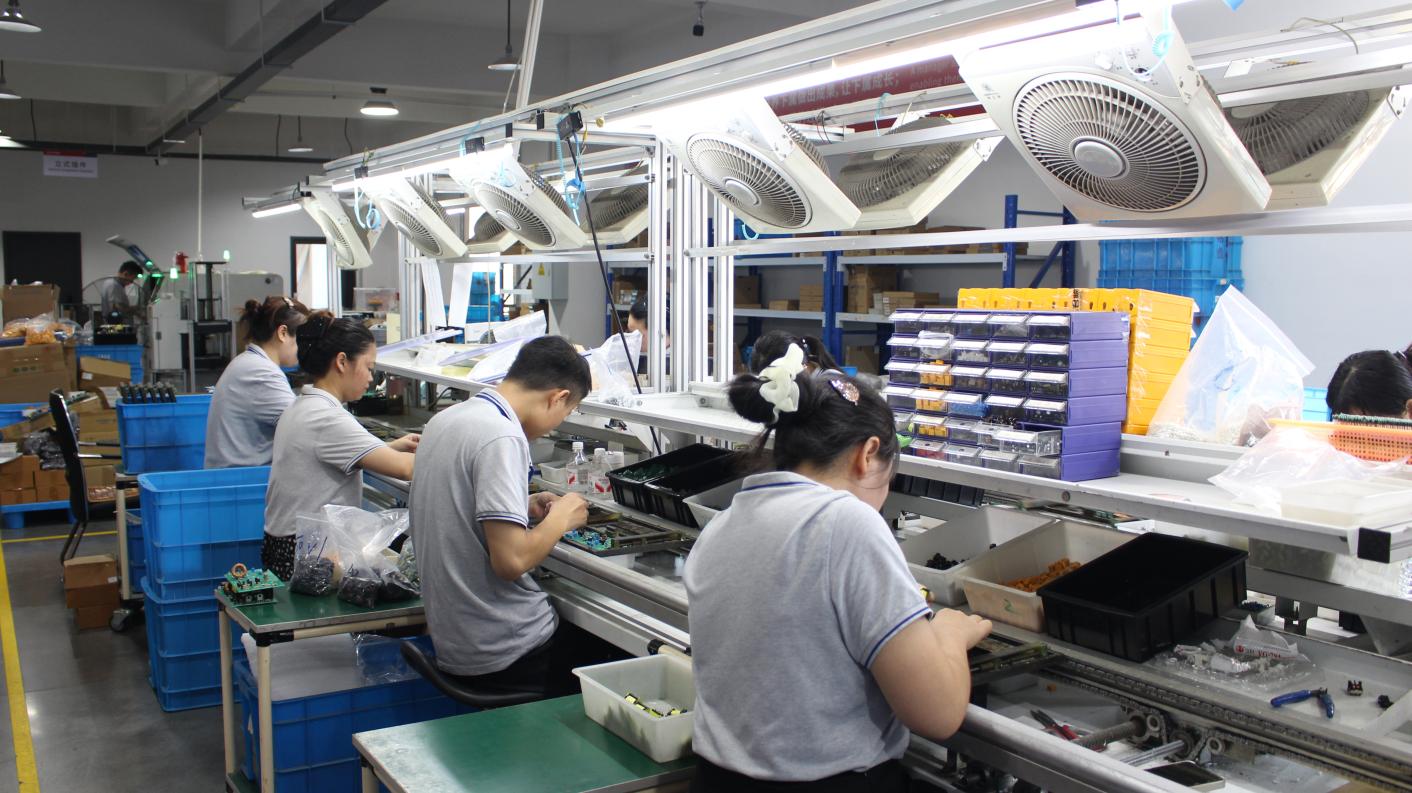 Assembly line
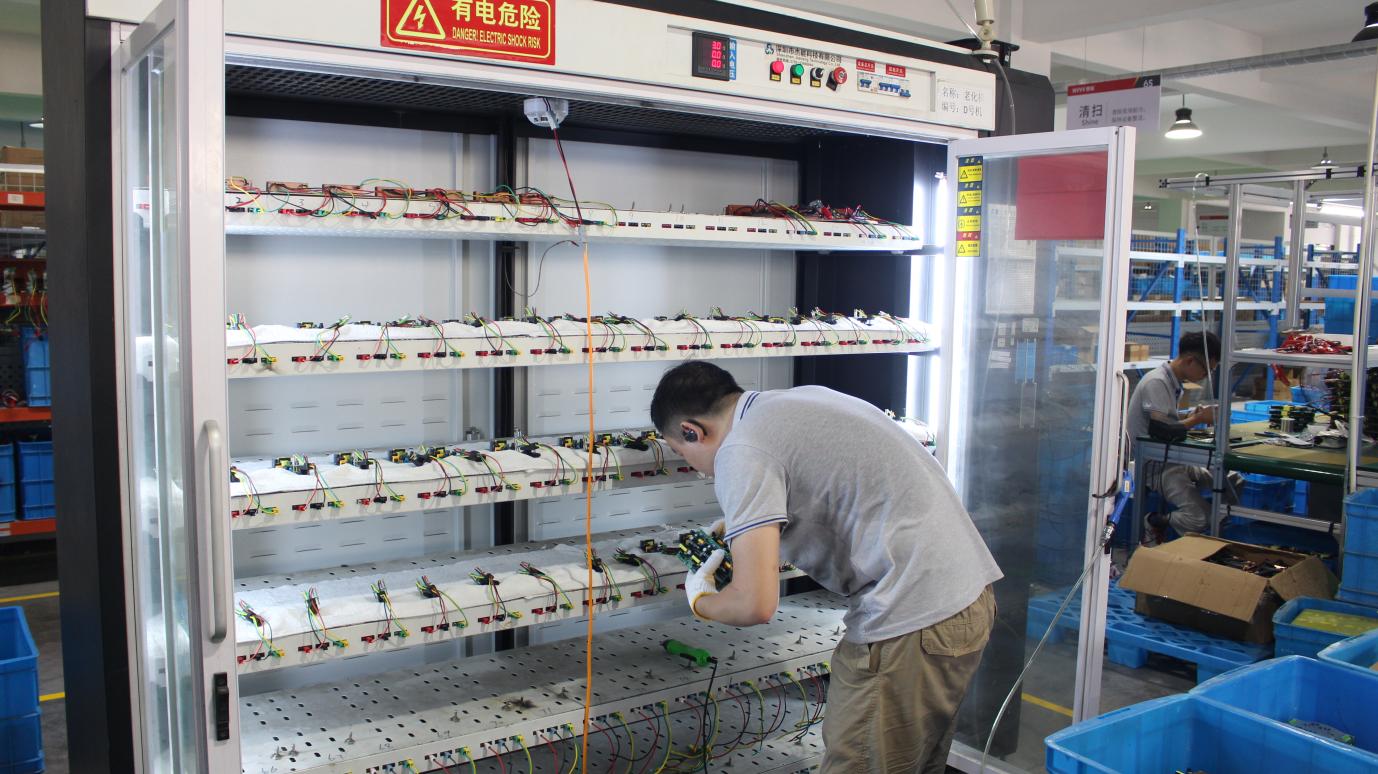 Testing
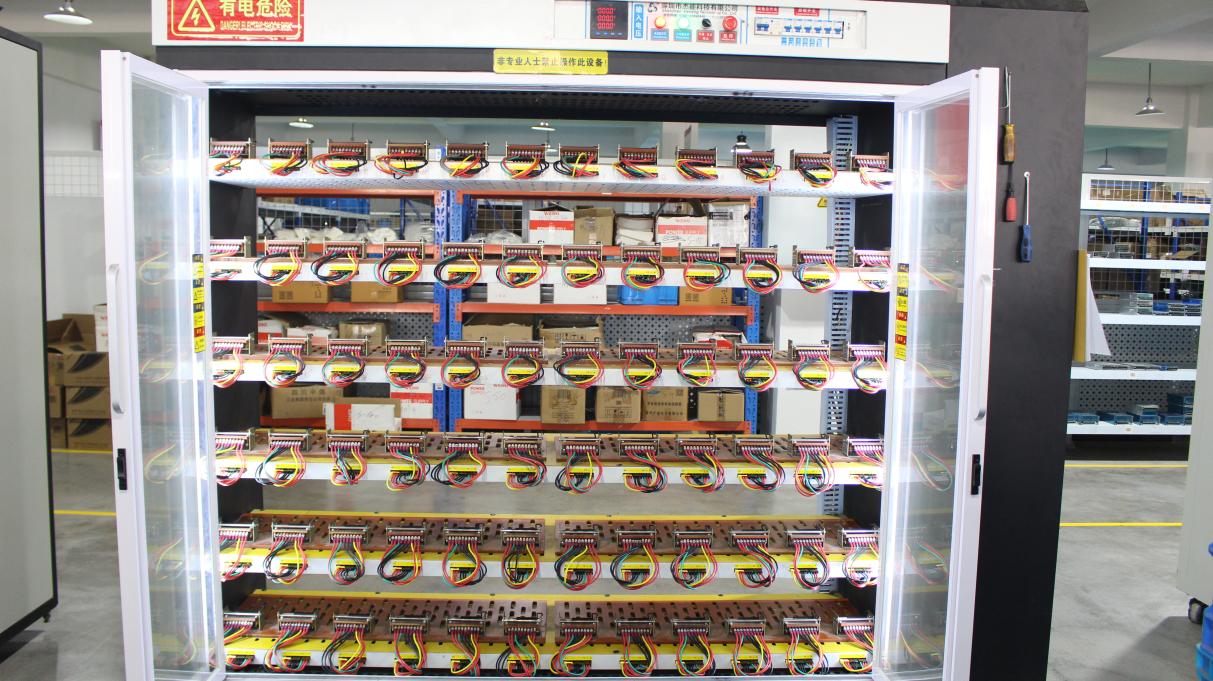 Aging test bench
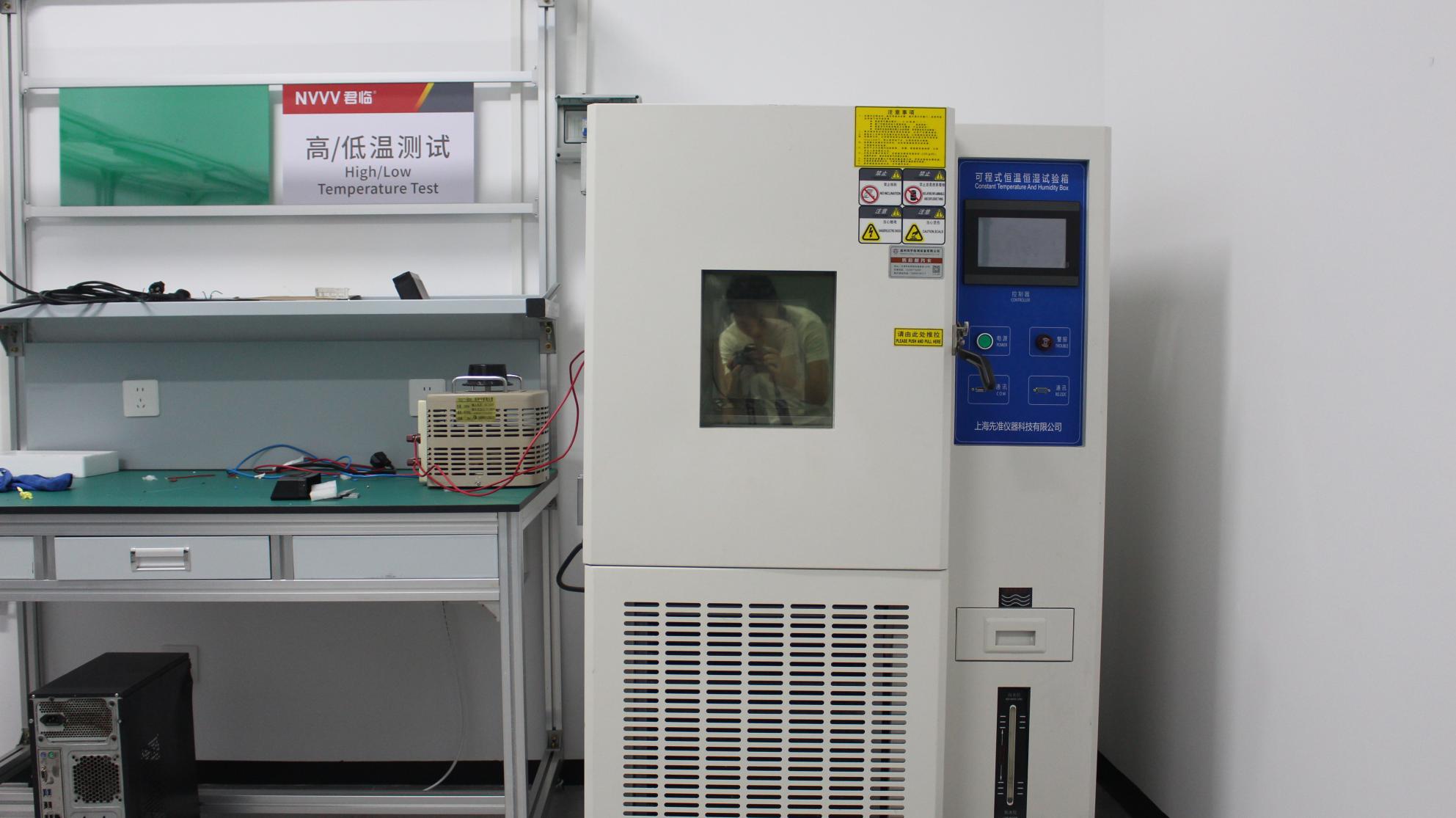 High and low temperature test machine
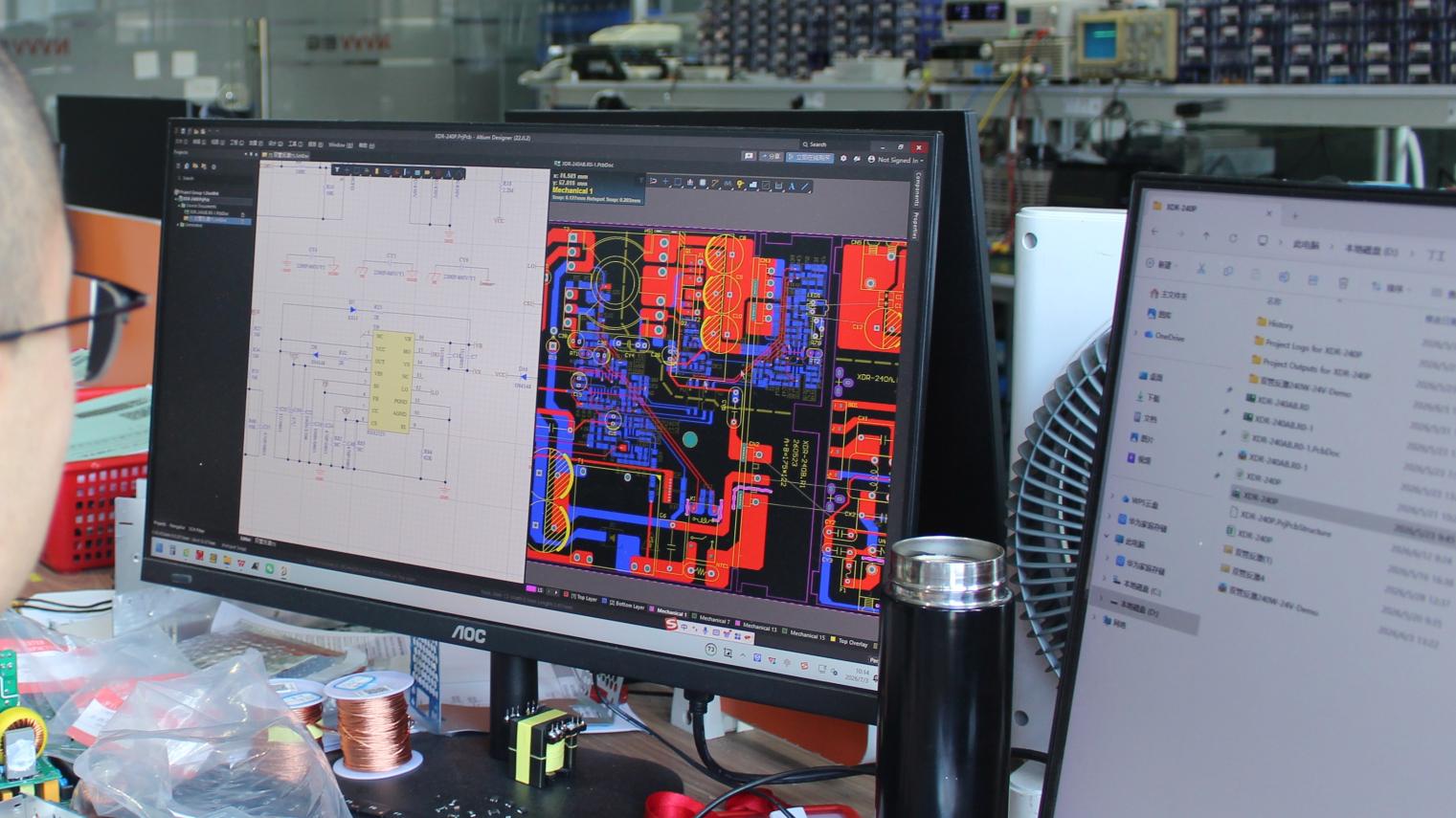 Design
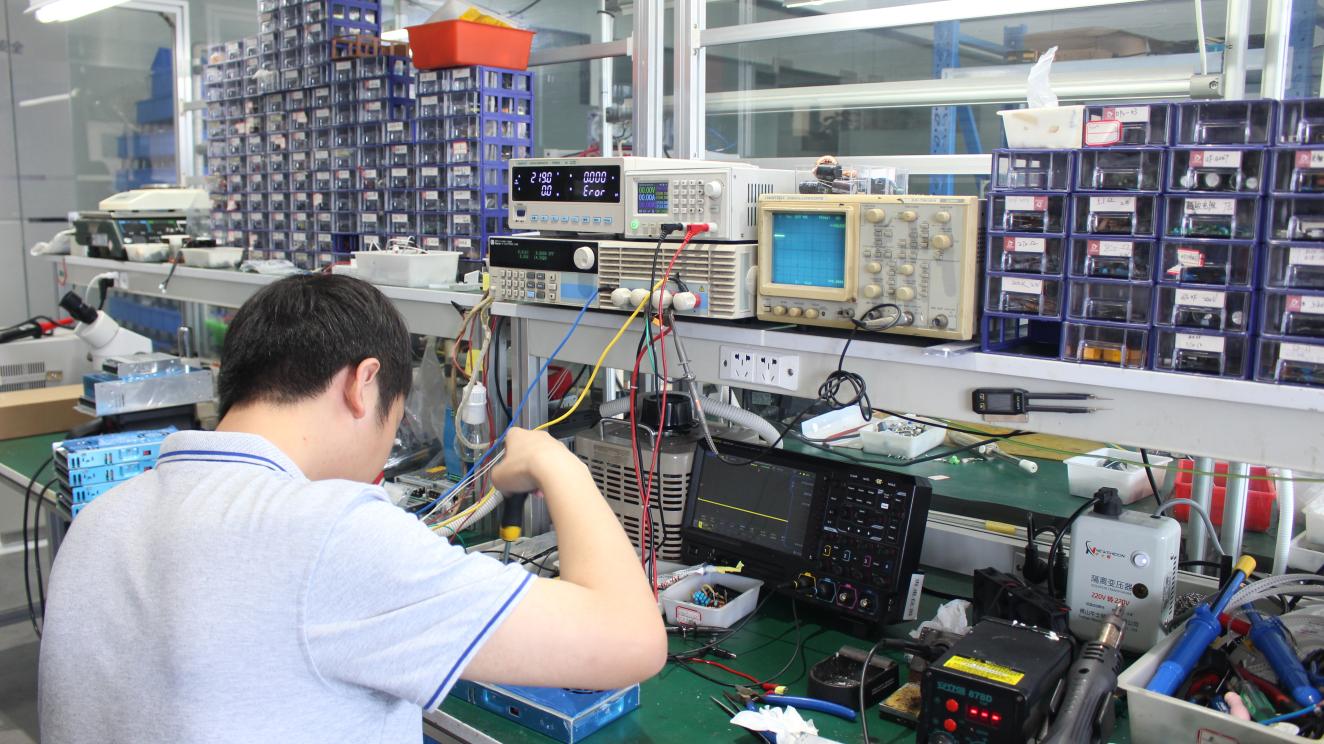 Electronic engineering test equipment
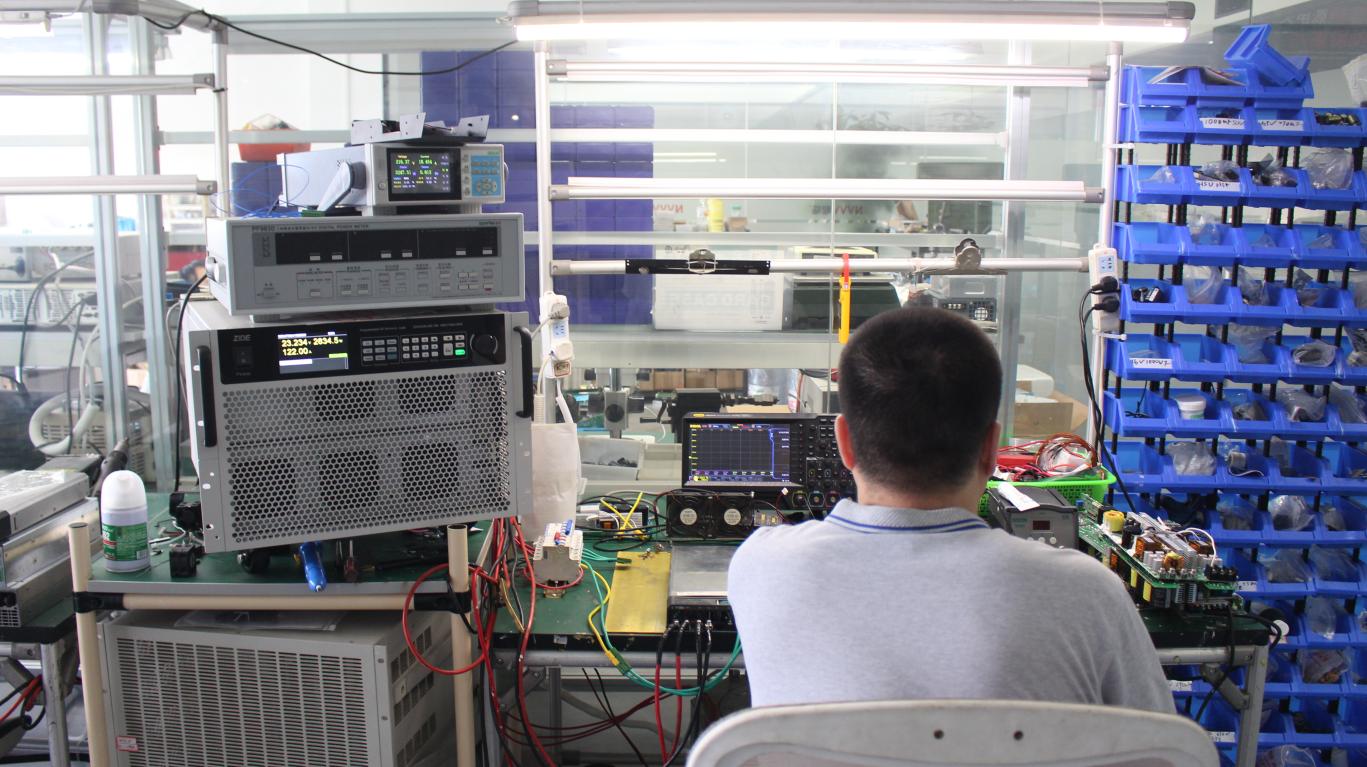 Electronic engineering test equipment
Power supplies are not stand-alone hardware; they must fit the dynamic electrical configurations of the machinery they run. Understanding localized environmental hazards, grid qualities, and enclosure constraints helps avoid premature component wear in downstream devices.
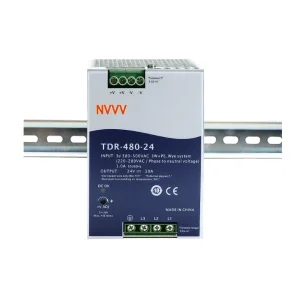
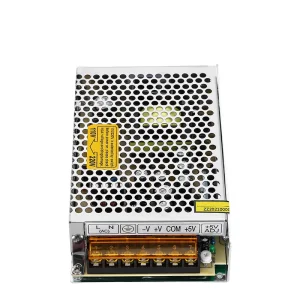
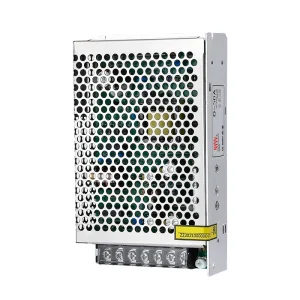
In modern manufacturing plants, space optimization within control cabinets is a primary design goal. DIN Rail Switch Mode Power Supplies, such as the NDR-120-12 or TDR-240, mount onto standard TS-35 rails. This form factor minimizes wiring configurations and simplifies installation. Designed with an ultra-slim metal chassis, these systems optimize heat convection without the need for active fans, which can fail in dust-prone environments.
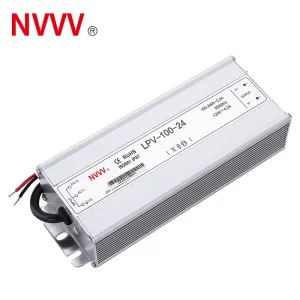
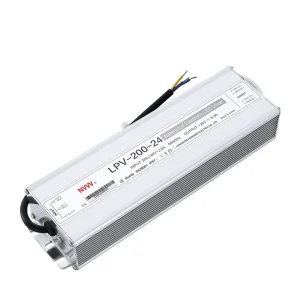
Outdoor lighting grids face extreme weather, transient surge currents from lightning, and high thermal spikes. Under these conditions, typical plastic-housed components degrade. NVVV’s waterproof LED drivers, including the LPV-100W-24V, feature an IP67-rated encapsulation layout. Fully sealed with thermally conductive silicone compound, these units withstand heavy moisture while dispersing internal thermal stress directly through their exterior casing.
High-frequency environments demand isolated switching systems that minimize radio frequency interference (RFI). Using multi-stage EMI filtration circuits, NVVV's custom SMPS units prevent unwanted harmonic feedback from affecting delicate signal relays and control processors. Our designs allow systems like CCTV monitor grids and fiber hubs to operate continuously without signal degradation.
For international distributors, importers, and original equipment manufacturers (OEMs), compliance verification is key to risk mitigation. Non-certified power solutions run the risk of customs seizure, regulatory fines, and fire hazards. NVVV products are certified to meet major international performance and safety standards:
CE certification ensures compliance with the Low Voltage Directive (2014/35/EU) and the Electromagnetic Compatibility Directive (2014/30/EU). This certification guarantees that our power systems operate safely under rated voltages and do not emit electromagnetic waves that interfere with neighboring electronics.
With the UK transitioning out of the EU framework, the UKCA marking ensures compliance within England, Wales, and Scotland. Concurrently, FCC Class A and B ratings certify that our switching power units restrict radiated and conducted electromagnetic emission levels within North American FCC regulations.
| Certification | Target Territory | Primary Focus |
|---|---|---|
| CE (LVD/EMC) | European Union | Electrical Safety & Low EMI |
| UKCA | United Kingdom | Post-Brexit Market Safety |
| FCC | North America | Radio Frequency Emission |
| BIS | India | Grid Compatibility & Safety |
| CCC | China | Standardized Product Safety |
Modern switching power supply design continues to move toward higher switching frequencies. As Silicon-based MOSFETs approach their physical limits, the industry is transitioning to Wide Bandgap (WBG) semiconductors, such as Gallium Nitride (GaN) and Silicon Carbide (SiC).
These new materials allow switching frequencies to increase from the standard 60kHz-150kHz range up into the megahertz spectrum. This shift enables engineers to design smaller magnetic components, reducing the footprint of transformer cores while raising conversion efficiencies beyond 95%. NVVV’s R&D department is integrating GaN components into our next-generation miniature SMPS product lines. This transition will yield higher power densities, reduced operating temperatures, and longer overall component life.
Additionally, the rise of industrial automation requires power supplies to act as smart nodes on a network. The integration of IoT monitoring microcontrollers allows future power supplies to transmit real-time telemetry, including temperature, ripple current levels, and internal component wear. This data enables predictive maintenance, reducing unplanned downtime in critical manufacturing systems.
Answers to key engineering questions on green power solutions
Customized output specifications, multi-tap configurations, and harsh-environment enclosures
 NVVV Electric