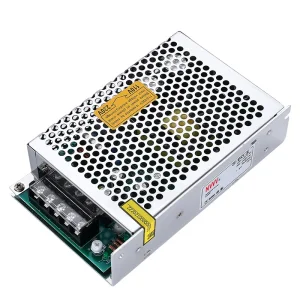
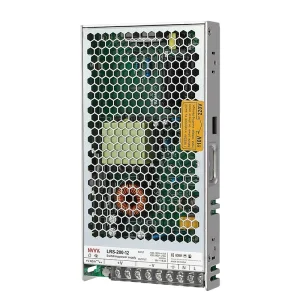
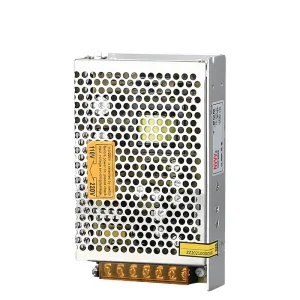
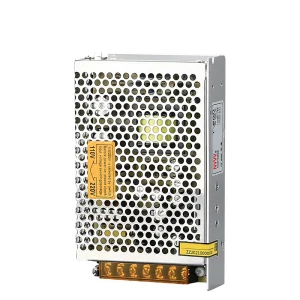
China Wholesale Power Amplifier & Switching Power Suppliers

High-Performance Industrial Switching Power Supplies, Pure Sine Wave Inverters, and Custom OEM/ODM Power Transformation Solutions for Global Enterprises.

Industrial Power Amplifiers & SMPS Global Ecosystem

A comprehensive study on current supply chains, topological engineering, and manufacturing benchmarks in power conversion.

1. Global Commercial and Industrial Landscape

The global industrial automation and energy landscape is shifting rapidly. Today, power amplification and switching regulation systems must perform under increasingly tight operational tolerances. In fields like industrial telecommunications, IoT edge nodes, municipal smart grids, and heavy-duty automation machinery, power supplies act as the critical frontline defense against line transients, voltage sags, and thermal runaways. High-efficiency SMPS systems (Switch Mode Power Supplies) have effectively replaced legacy linear designs due to their superior power-to-density ratio, thermal dissipation efficiency, and input range versatility.

Internationally, purchasing entities prioritize Mean Time Between Failures (MTBF), electromagnetic compliance (EMC), and active Power Factor Correction (PFC). Industrial power systems must meet strict regulatory thresholds such as EN 61000-3-2 to restrict line harmonics. As global operations digitize, power systems are expected to deliver cleaner waves, high-efficiency regulation, and small physical footprints, leading to a surge in demand for DIN-Rail mounted supplies and intelligent pure sine wave switching devices.

"By integrating state-of-the-art semiconductor architectures, modern switching systems optimize switching frequencies (typically between 50kHz to 200kHz) to minimize inductor and capacitor sizes, allowing for compact, reliable packages that thrive in harsh environments."

2. The Chinese Manufacturing Synergy & Efficiency Advantages

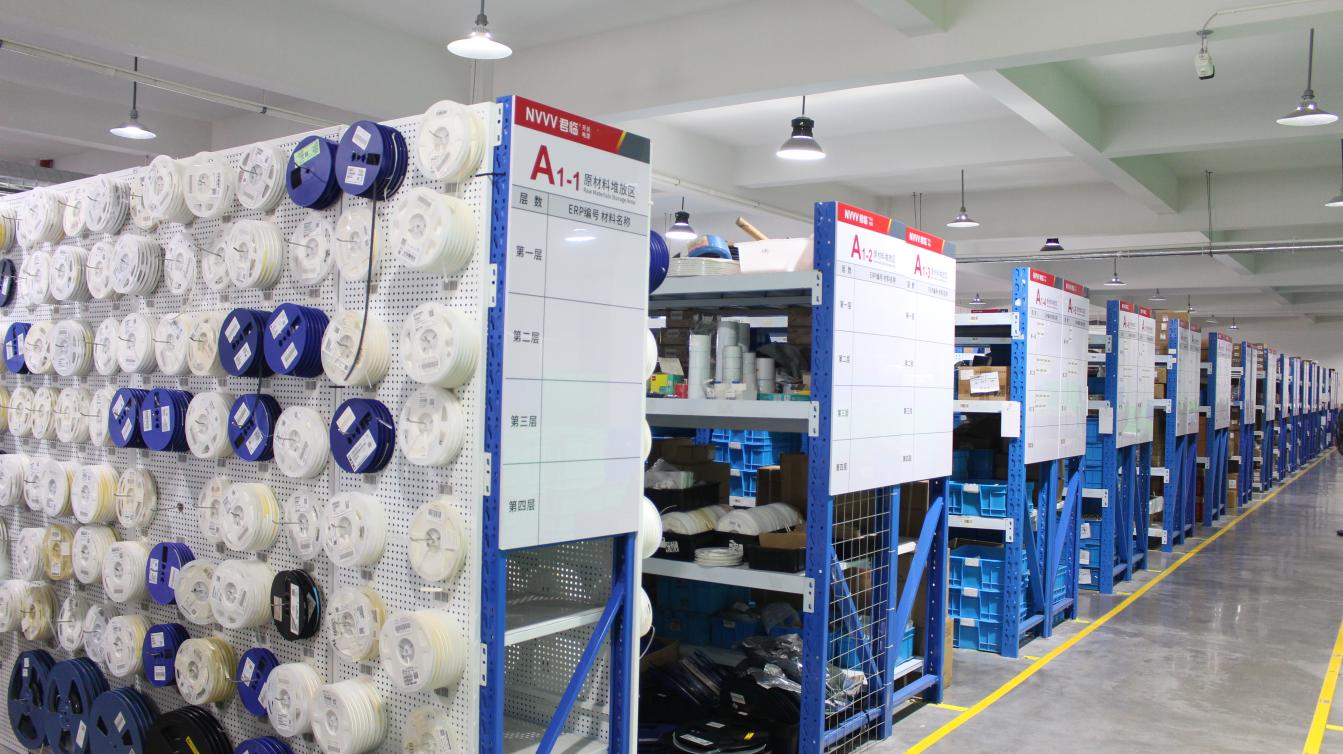
Chinese manufacturing has evolved past simple assembly into a highly integrated, technology-driven ecosystem. Wenzhou, situated in Zhejiang Province, represents a prime cluster of electric technology expertise. This geographical hub creates a robust supply chain where raw components, specialized PCBs, magnetic cores, and high-temperature capacitors are sourced locally. This localized density significantly reduces lead times and logistics costs.

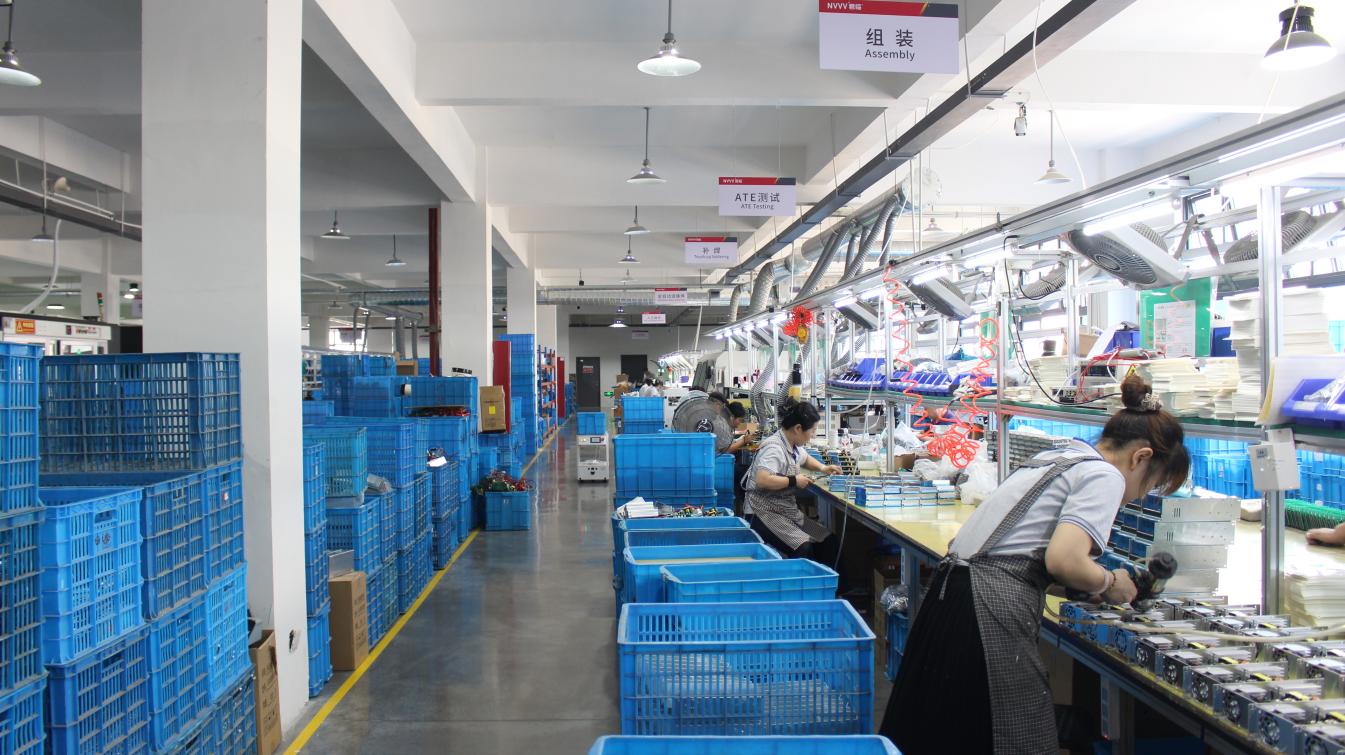
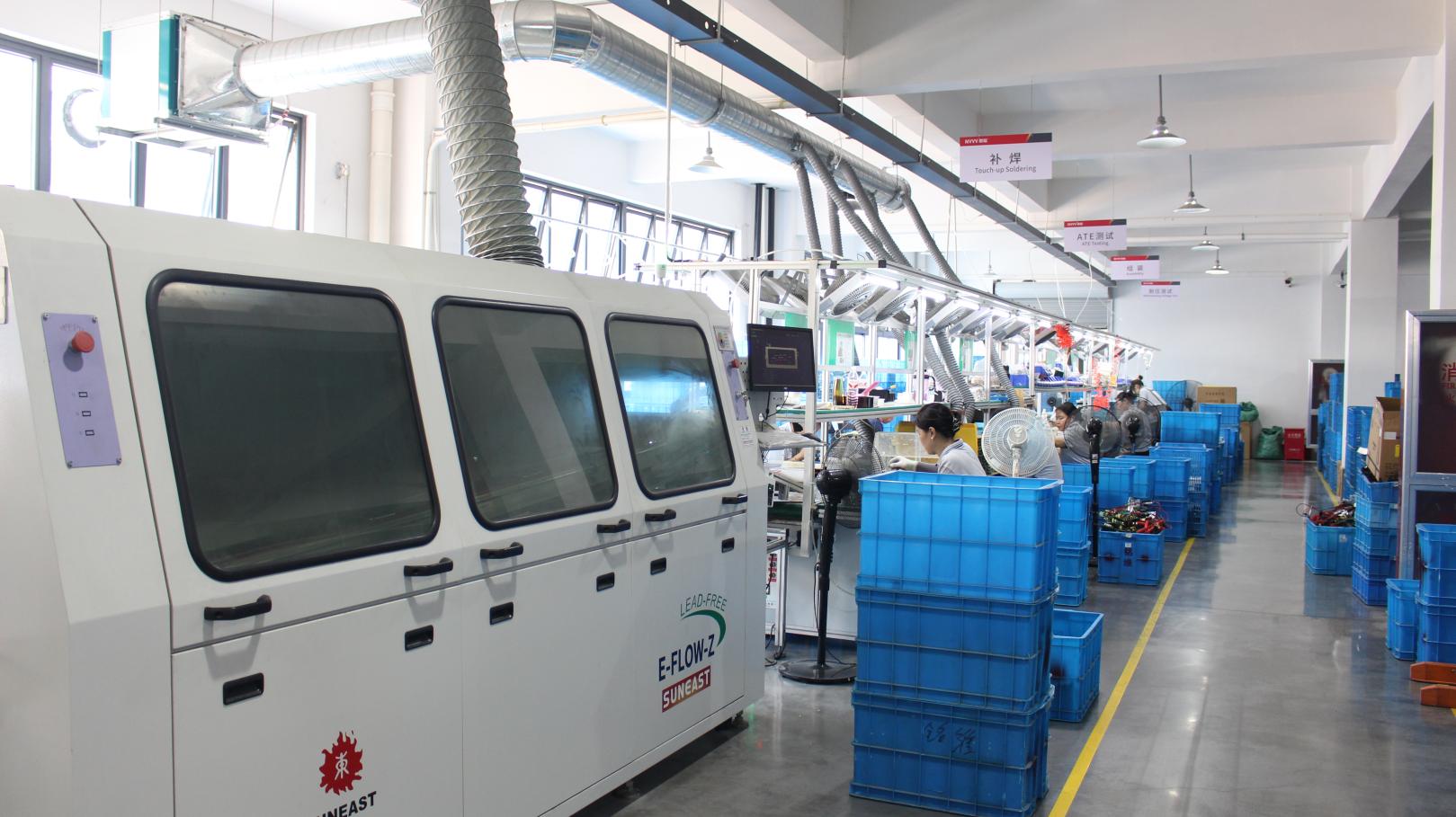
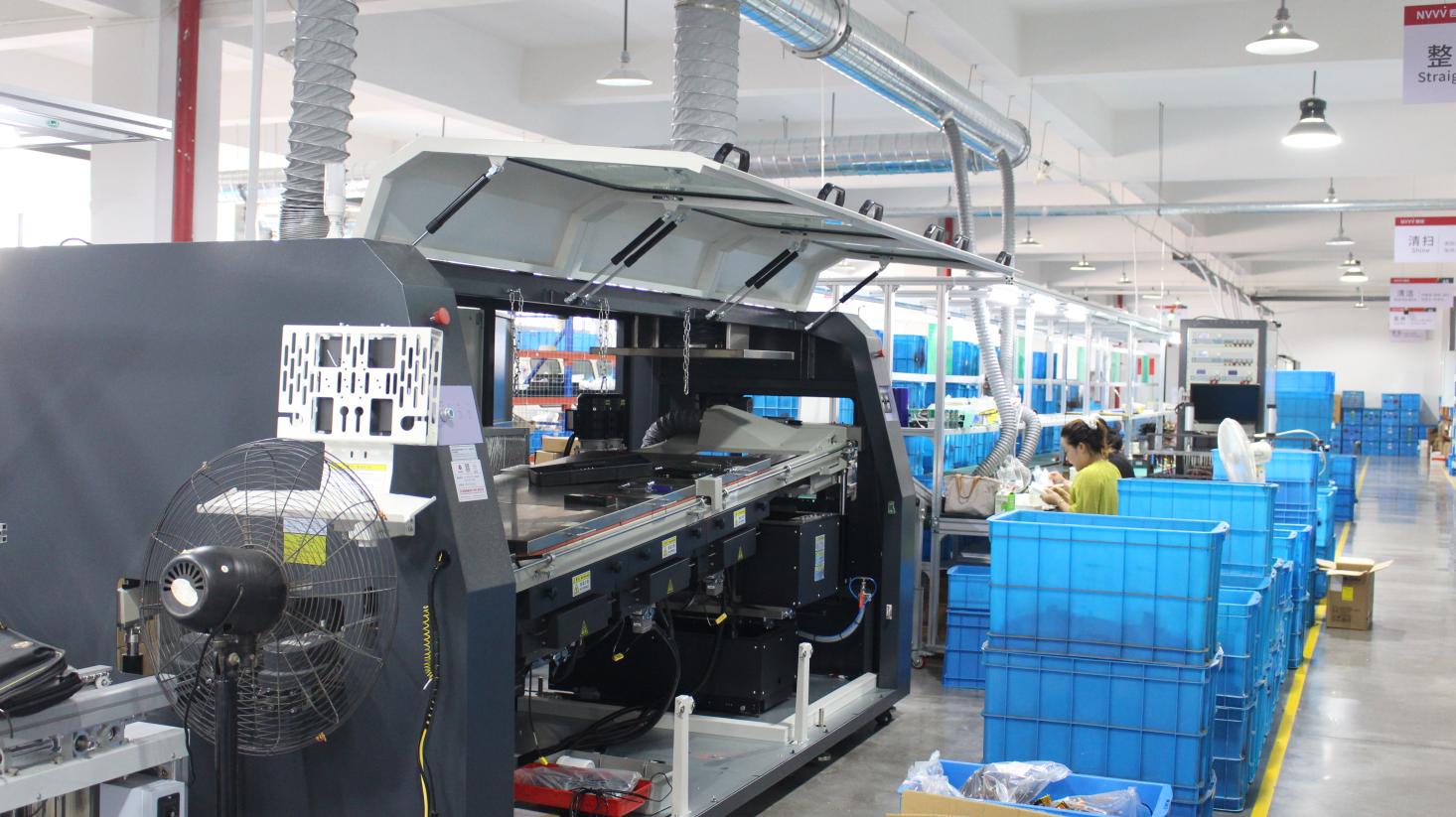
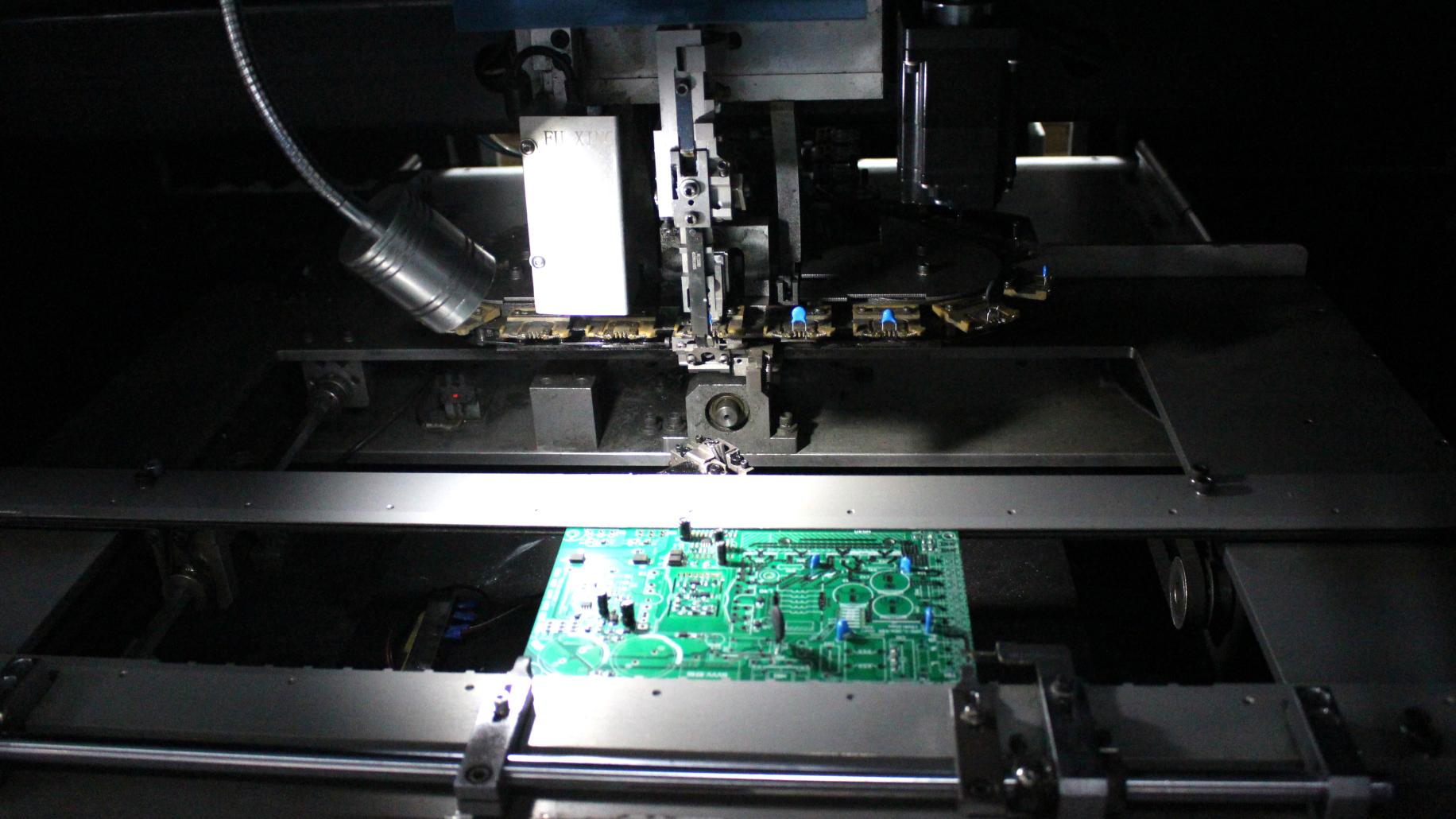
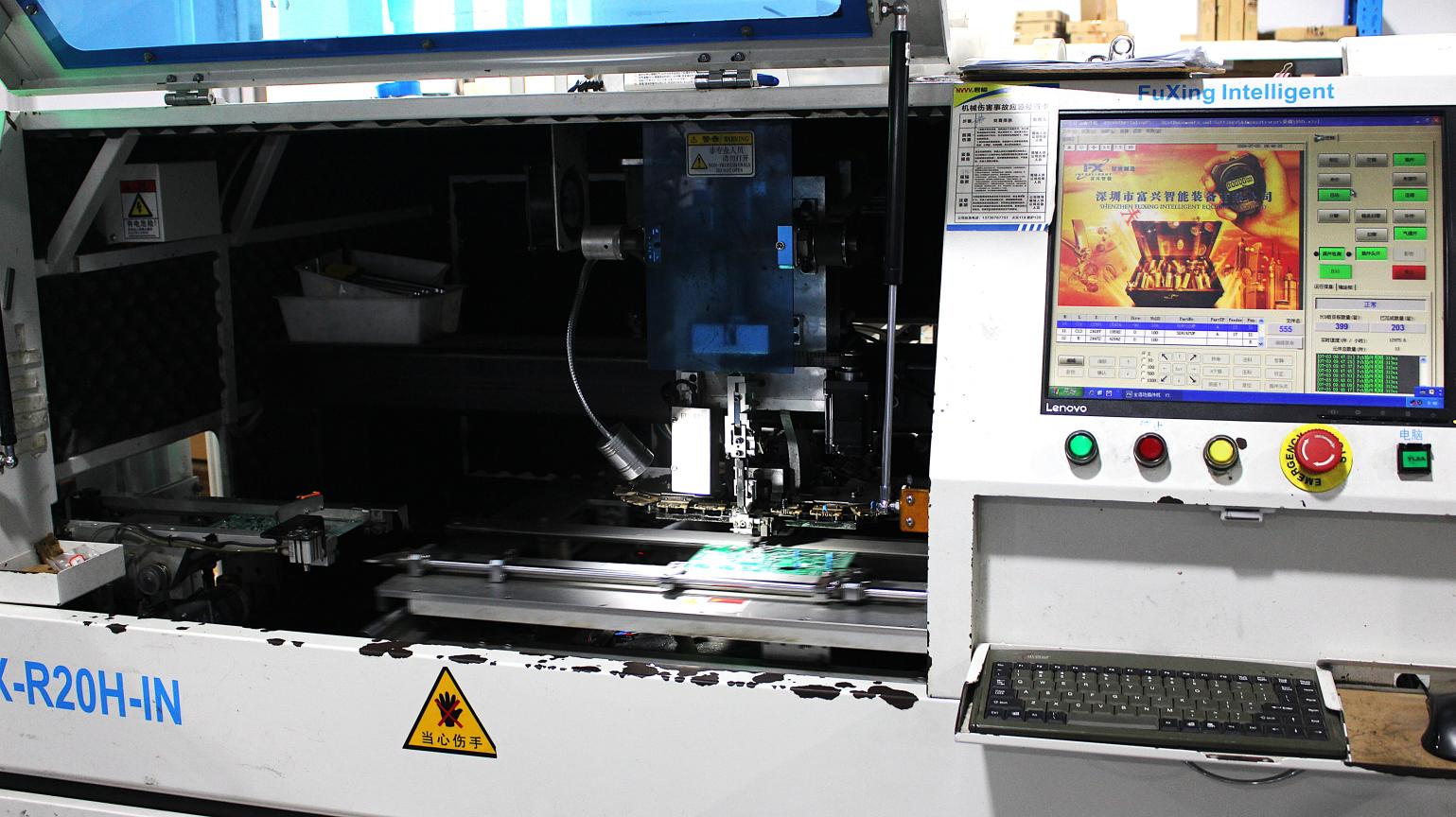
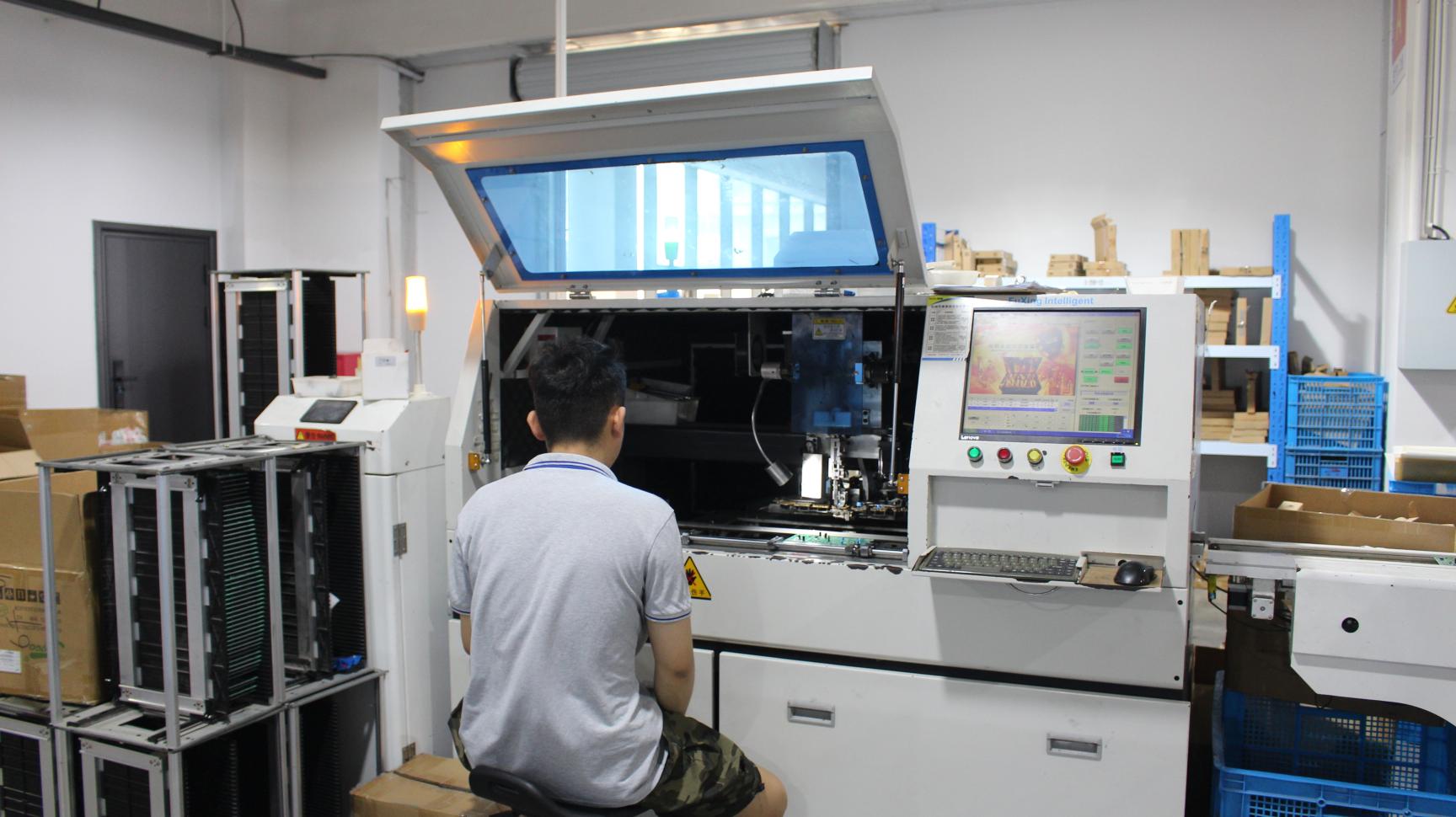
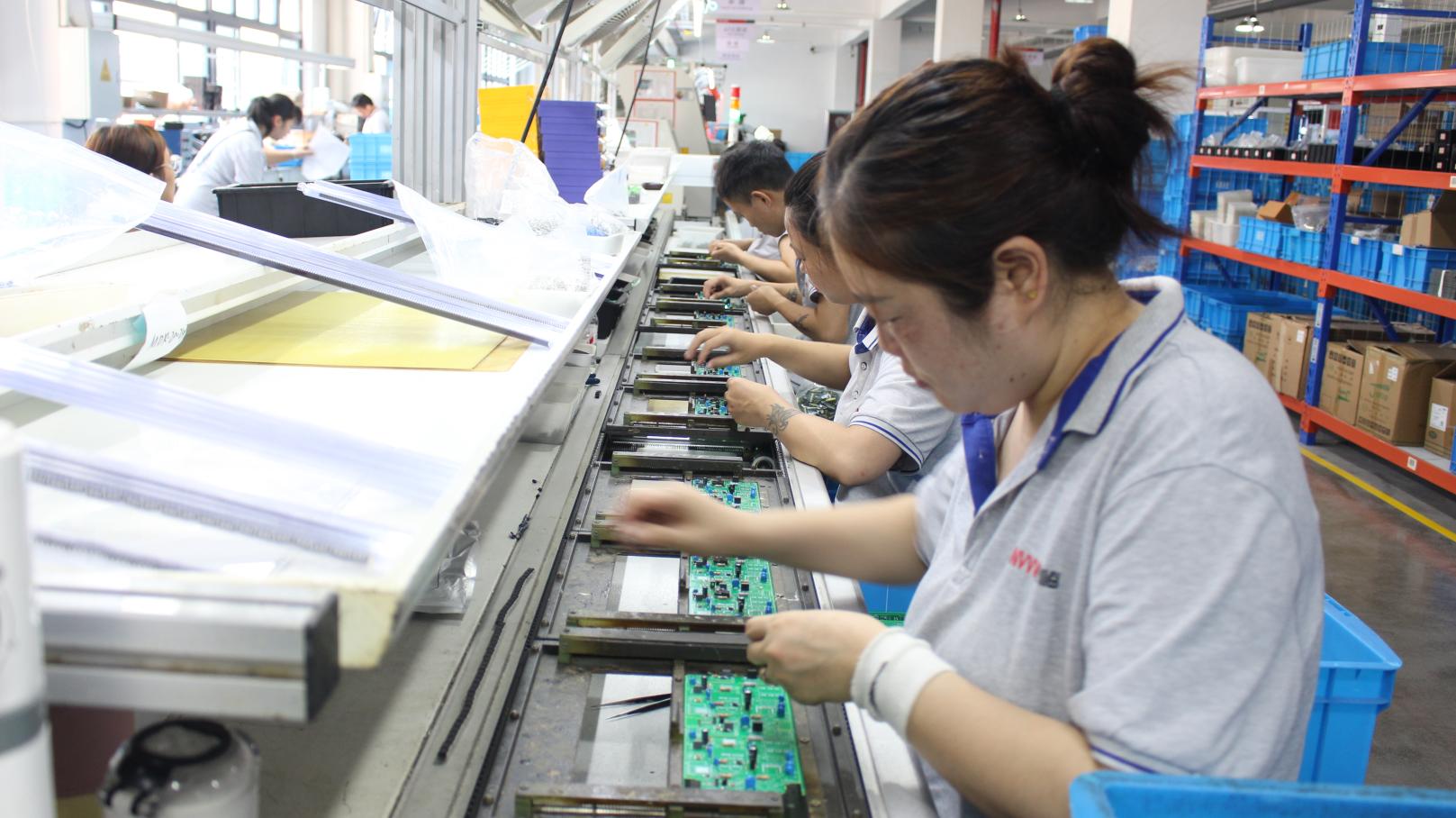
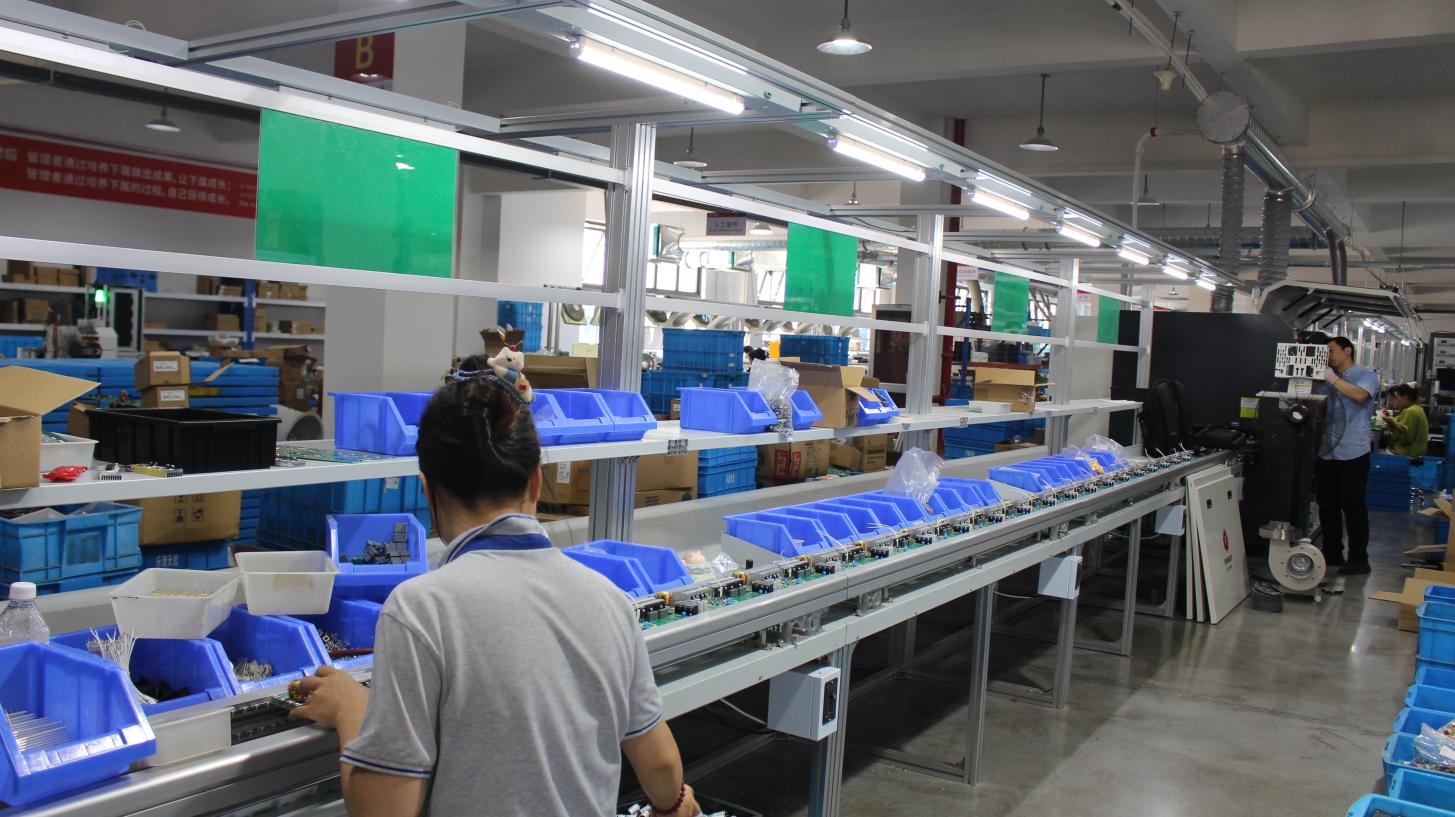
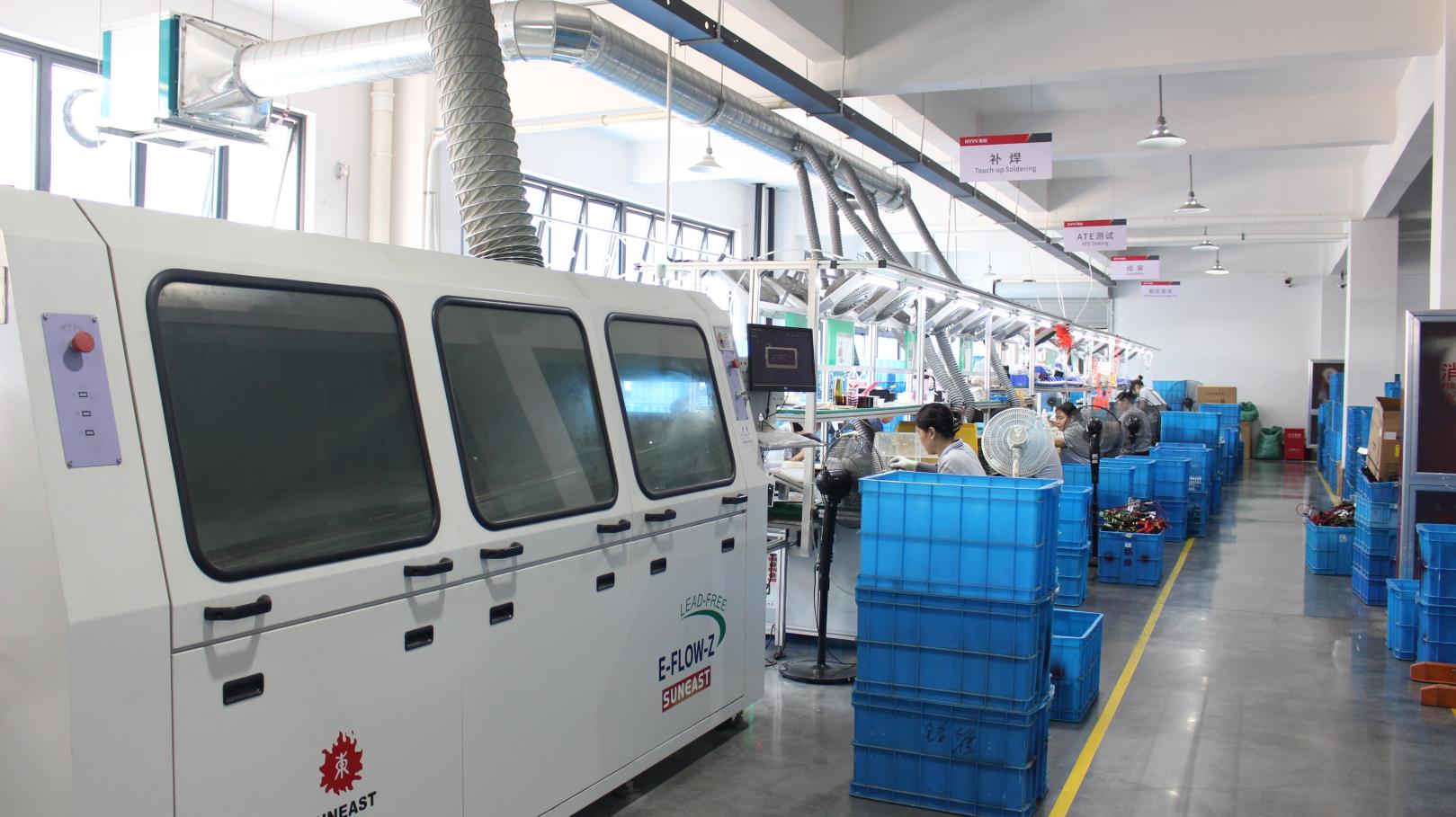
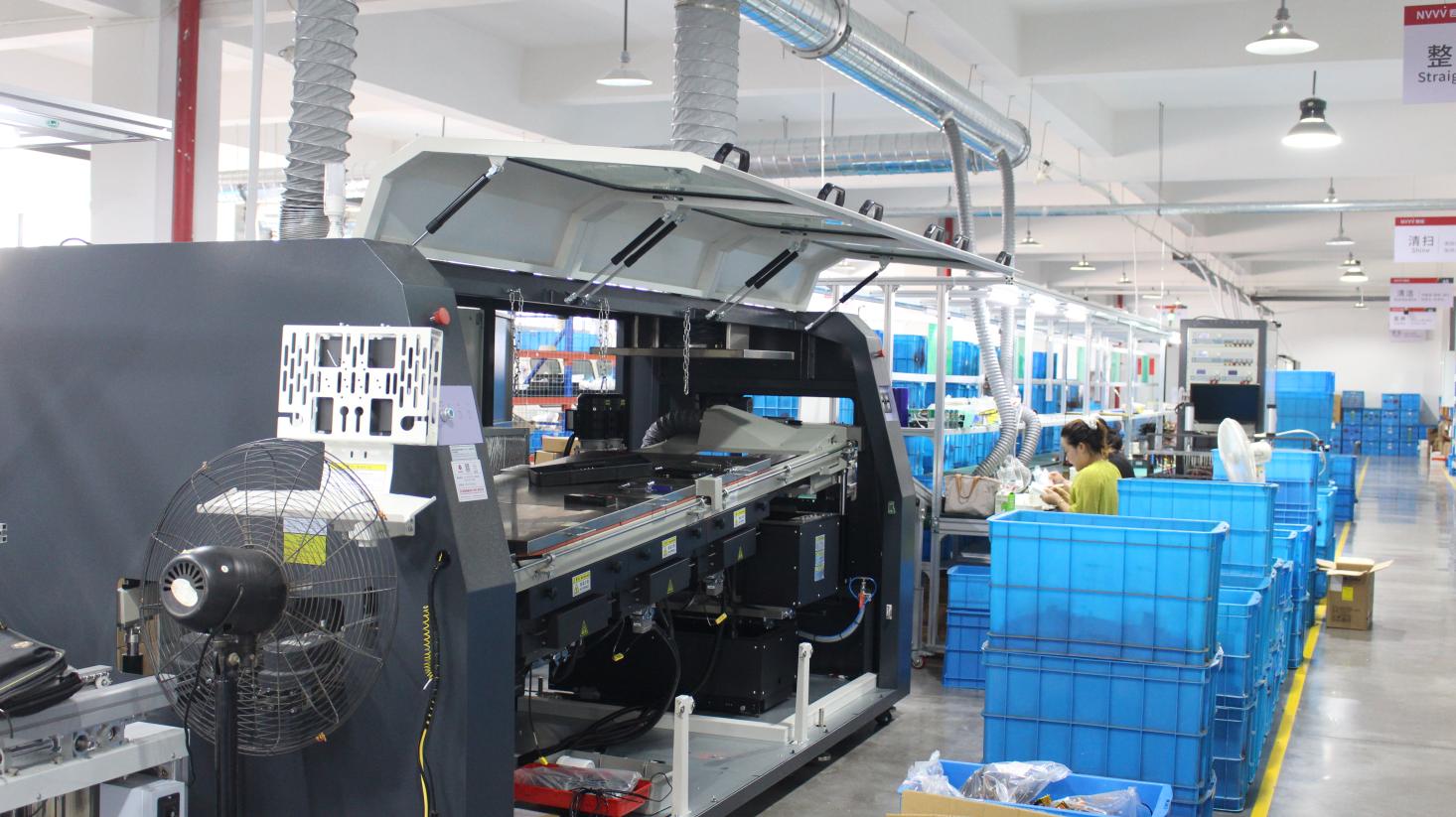
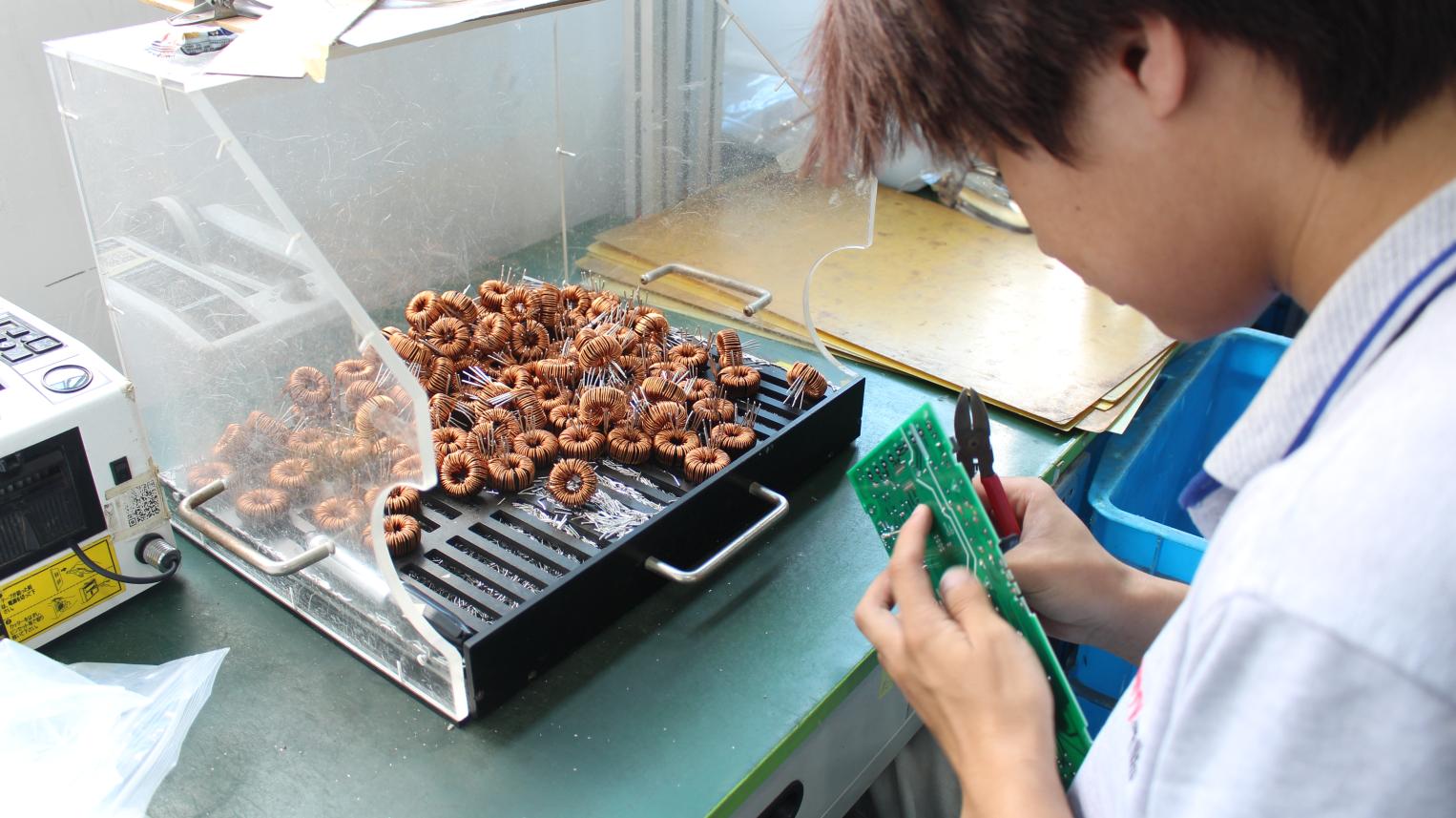
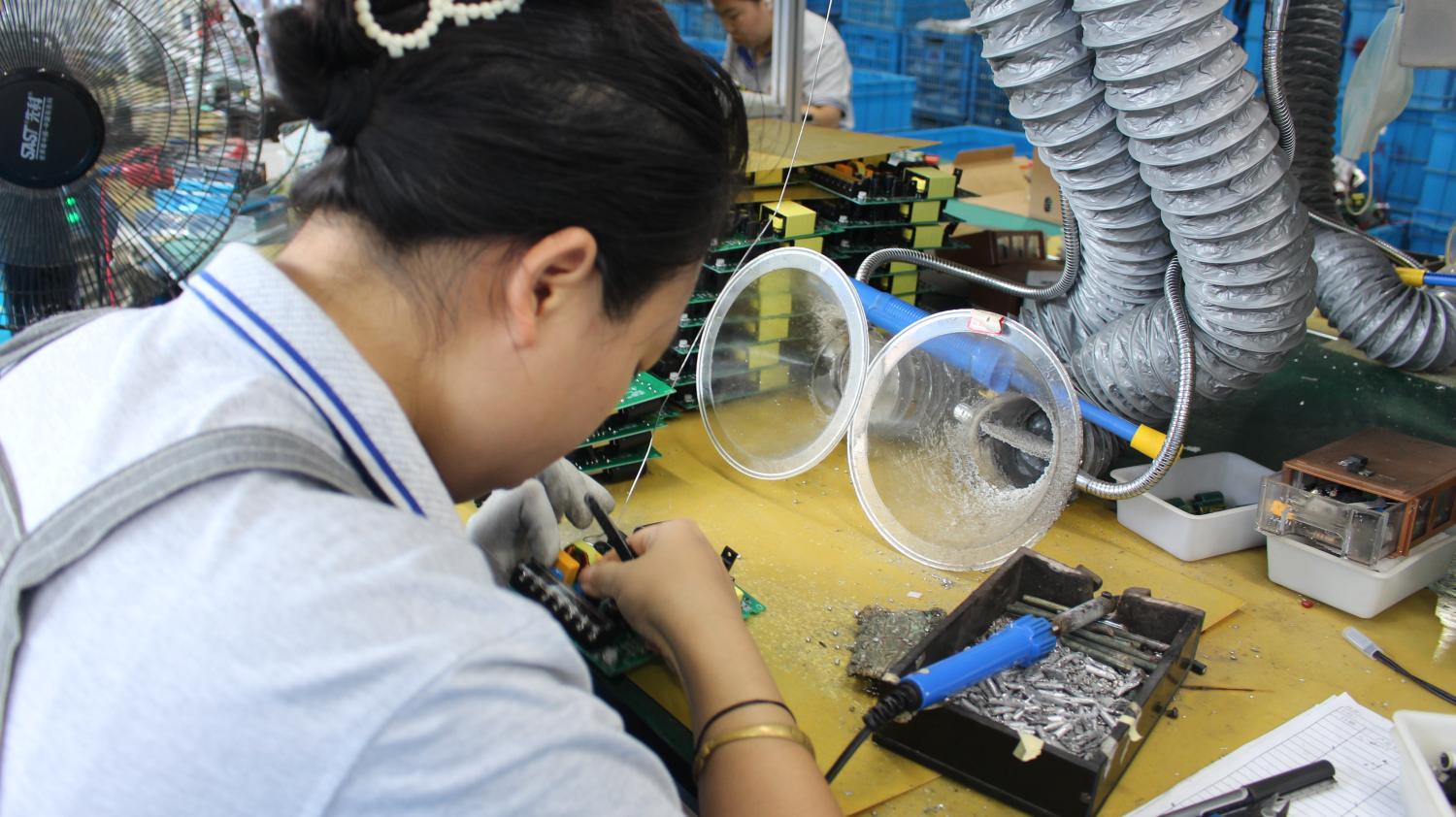
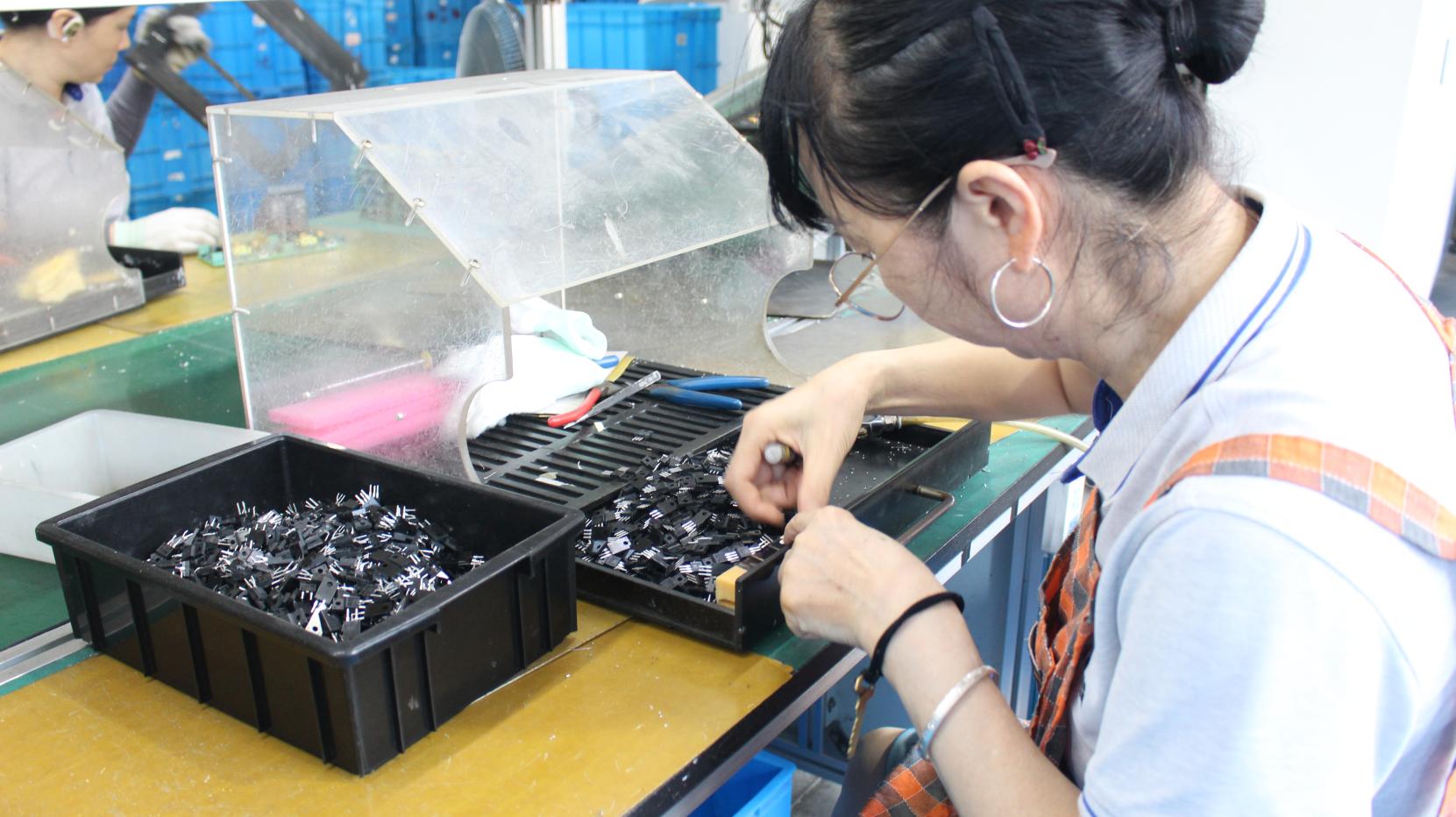
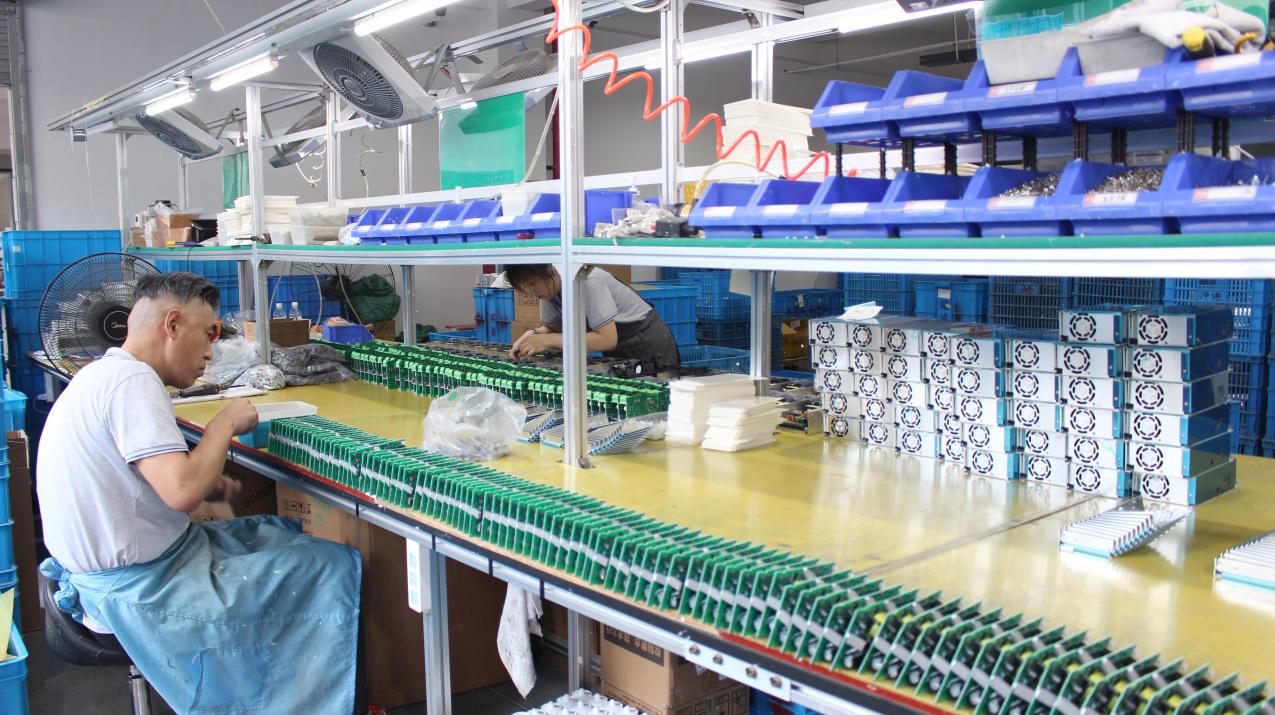
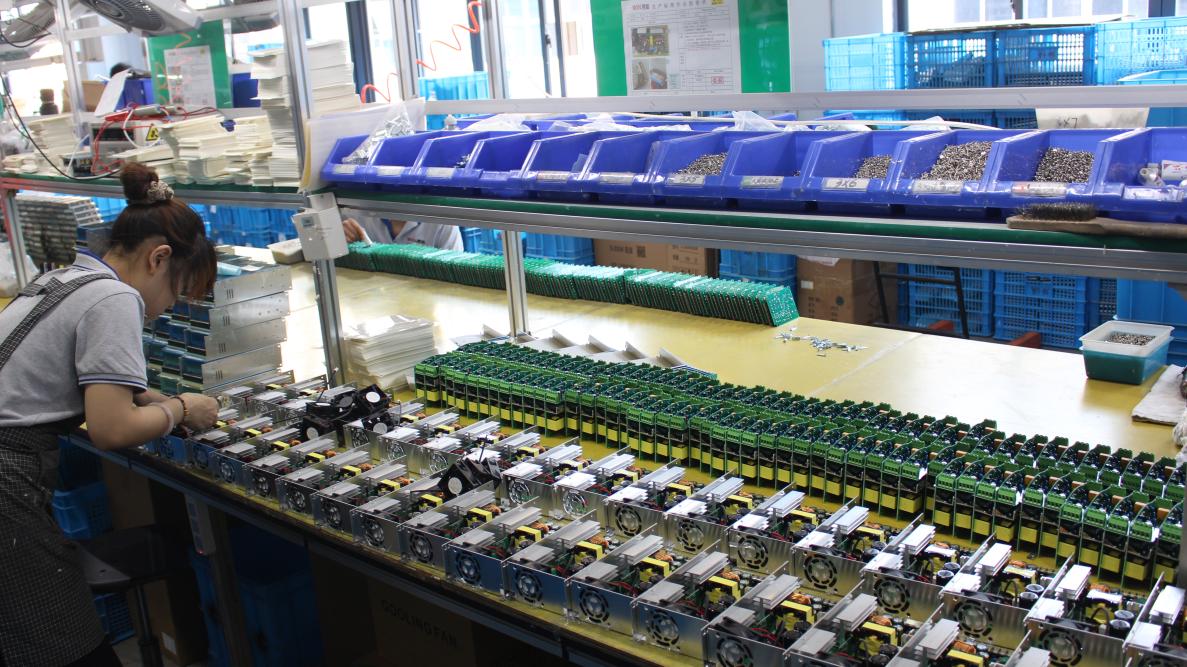
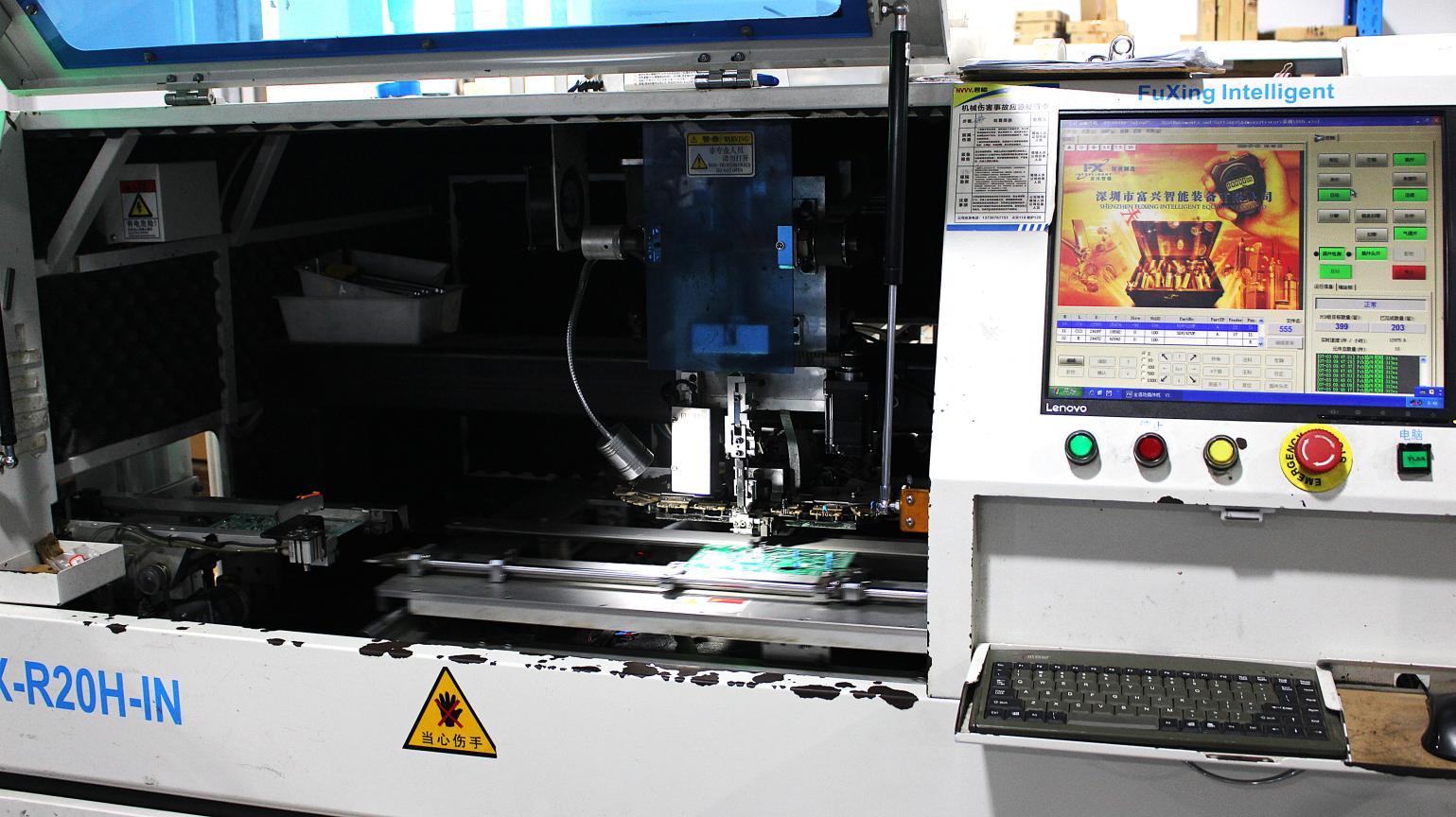
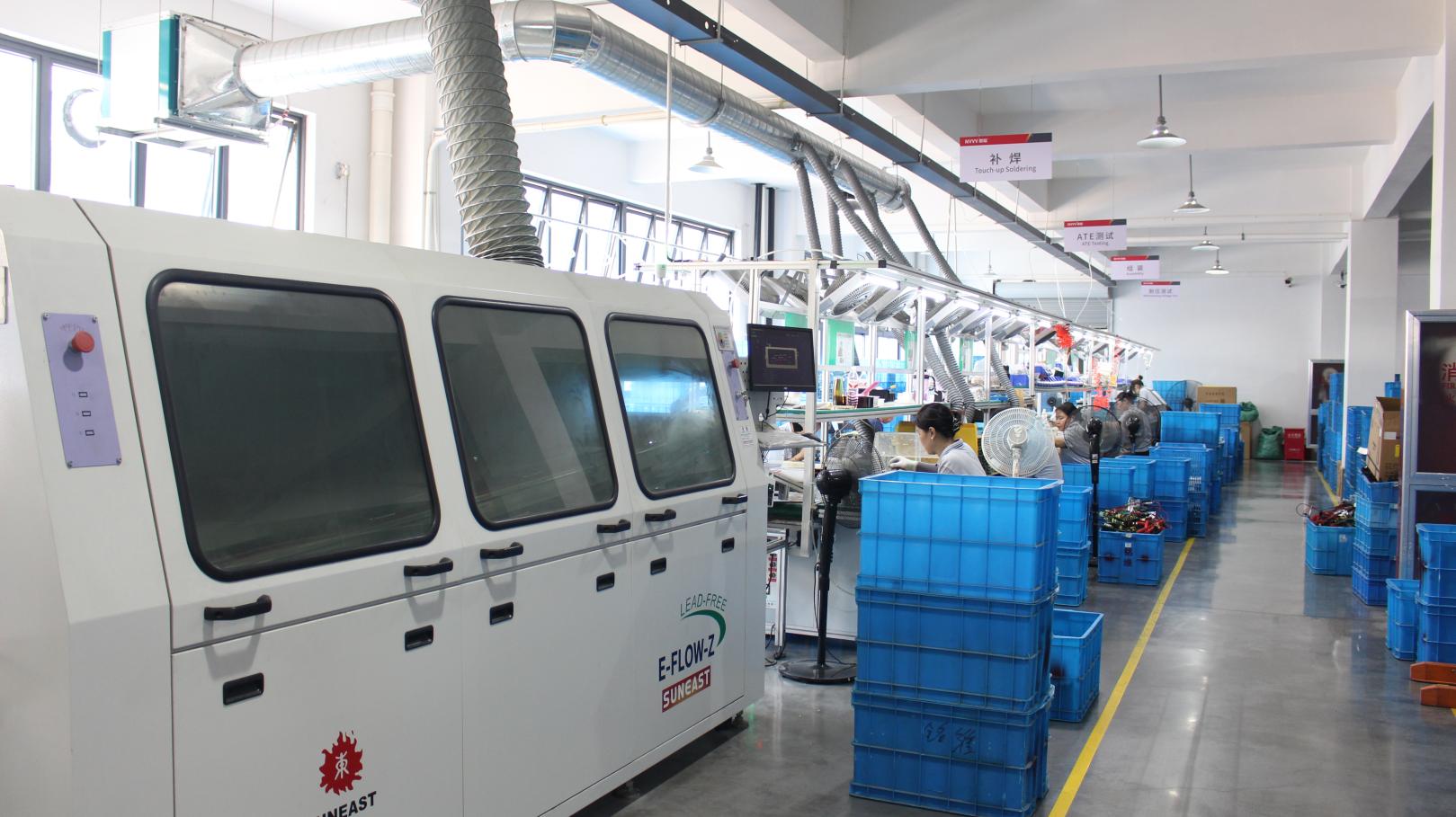
Additionally, factories like NVVV leverage advanced automation systems to maintain consistency across large volume production. Utilizing automated component insertion (SMT/AI), high-precision wave soldering machines, and computerized testing bays, Chinese factories minimize human-error risk. The resulting economic efficiencies mean global buyers benefit from cost-effective sourcing without compromising on strict international certifications like CE, FCC, UKCA, or BIS.

3. Localized Applications and Industrial Use Cases

Understanding the precise environments where switching power supplies and inverters operate is vital for proper component selection:

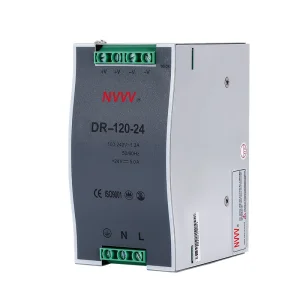
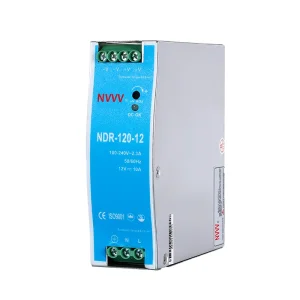
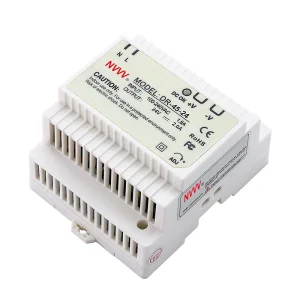
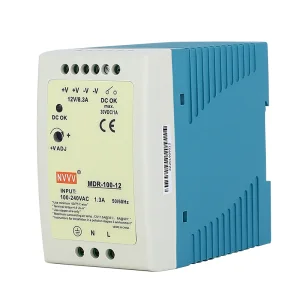
  • Industrial Automation (DIN-Rail NDR/MDR Series): Mounted directly onto standard TS-35 rails within control cabinets to supply stable DC voltage to Programmable Logic Controllers (PLCs), Human-Machine Interfaces (HMIs), and low-voltage actuators.
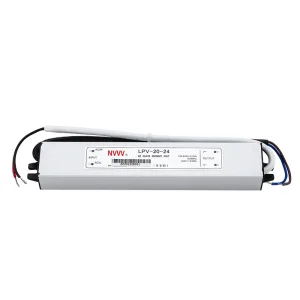
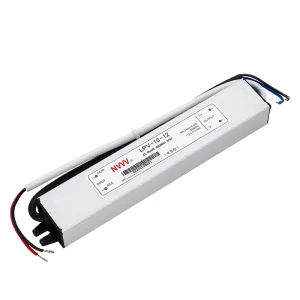
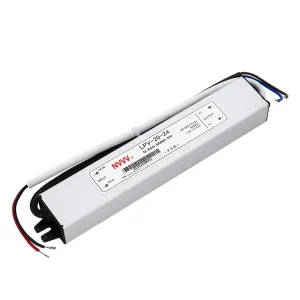
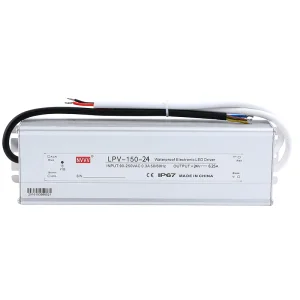
  • LED Lighting Infrastructure (LPV Series): Constant-voltage waterproof power units drive large-scale outdoor displays, architectural illumination, and streetlights, protecting sensitive LED arrays from fluctuating source currents.
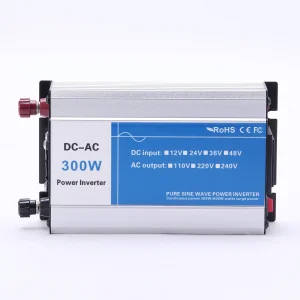
  • Backup Power & Off-grid Systems (Pure Sine Wave Inverters): Critical for converting DC battery banks (12V/24V/48V) into stable AC (110V/220V) for remote monitoring stations, mobile telecoms, and field diagnostic tools.
  • Multi-rail Systems (Triple & Dual Output SMPS): Specially suited for laboratory devices and legacy industrial machinery requiring distinct positive, negative, and common ground voltages simultaneously.

4. Future Trends in Power Engineering

Looking ahead, the power conversion industry is prioritizing green efficiency standards, intelligent telemetry, and advanced Wide Bandgap (WBG) semiconductors like Gallium Nitride (GaN) and Silicon Carbide (SiC). These materials allow power supplies to operate at higher thermal thresholds and switching speeds with lower switching losses, pushing efficiencies beyond 94%.

Furthermore, the integration of IoT telemetry interfaces (such as PMBus protocols) enables real-time reporting of operational metrics like voltage drops, temperature spikes, and output currents. This transforms static power components into active elements of predictive maintenance programs.

Corporate Profile

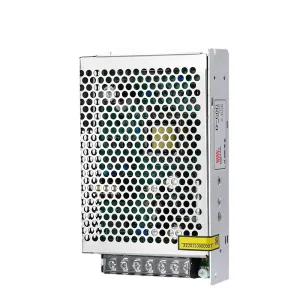
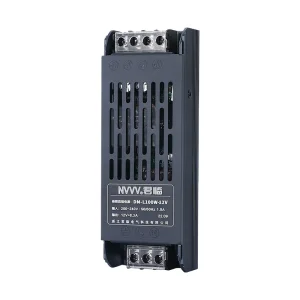
NVVV Electric Technology Co., Ltd. is a leading manufacturer specializing in the research, development, production, and distribution of premium industrial DIN rail power units, enclosed switching modules, and utility inverters.

LocationWenzhou, Zhejiang, China
Registered CapitalUSD 1.4 Million
Annual ExportsExceeding USD 1.27 Million
Facility Footprint2,644 sq. meters
Active Production lines5 Automated Lines
Total Equipment46 Machinery Units
Dedicated Team50 Specialized Personnel
R&D Team7 Expert Engineers
Annual Innovation~120 New Designs/Year
On-Time Delivery98.6%
Customer Reorder Rate31%

Global Market Share

North America
20%
Eastern Europe
15%
East Asia
10%
Middle East
6%
2,644㎡
Production Facility
98.6%
On-Time Delivery
120+
New Products Annually
31%
Partner Reorder Rate

Manufacturing Infrastructure & Rigorous Quality Control

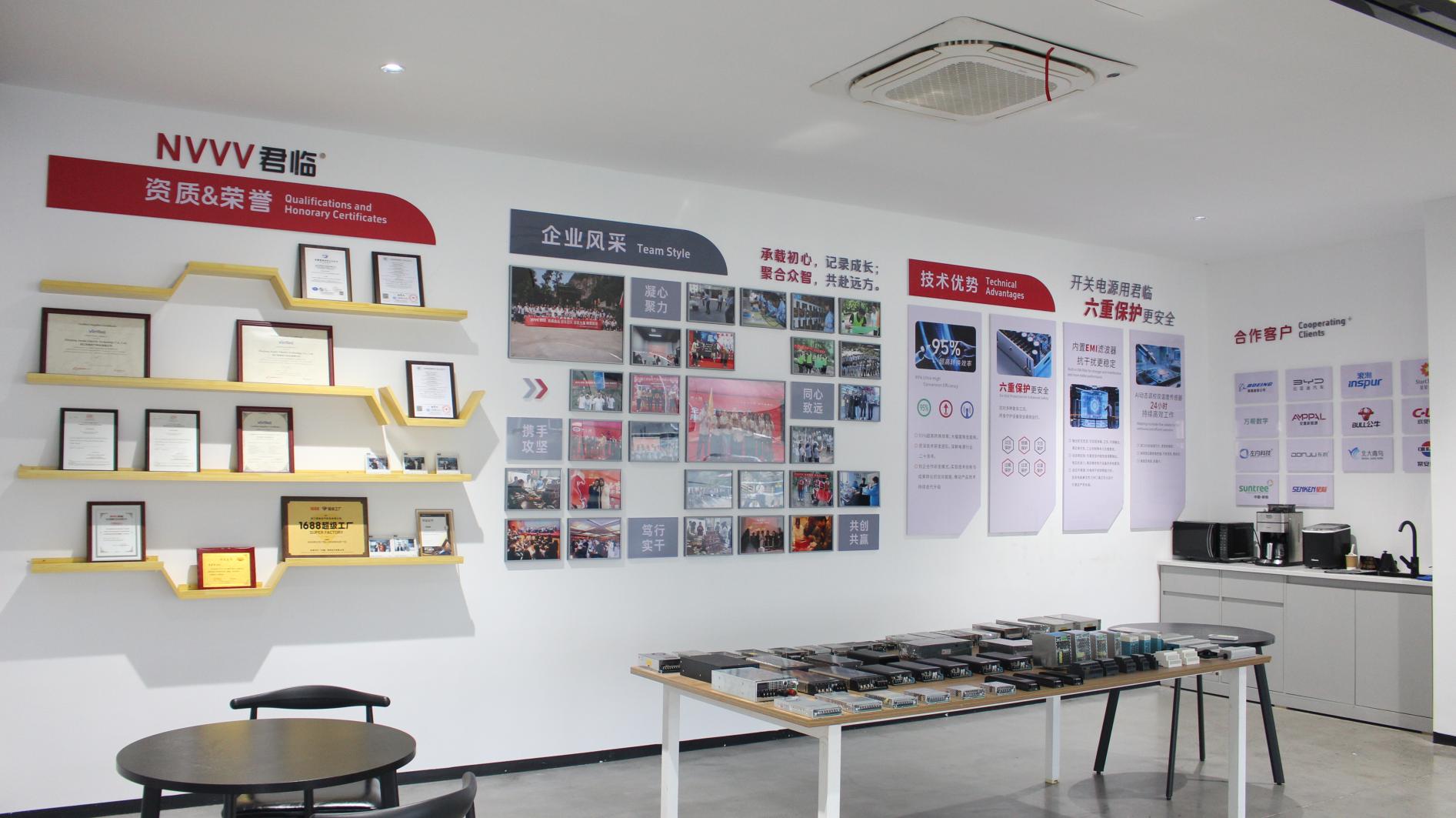
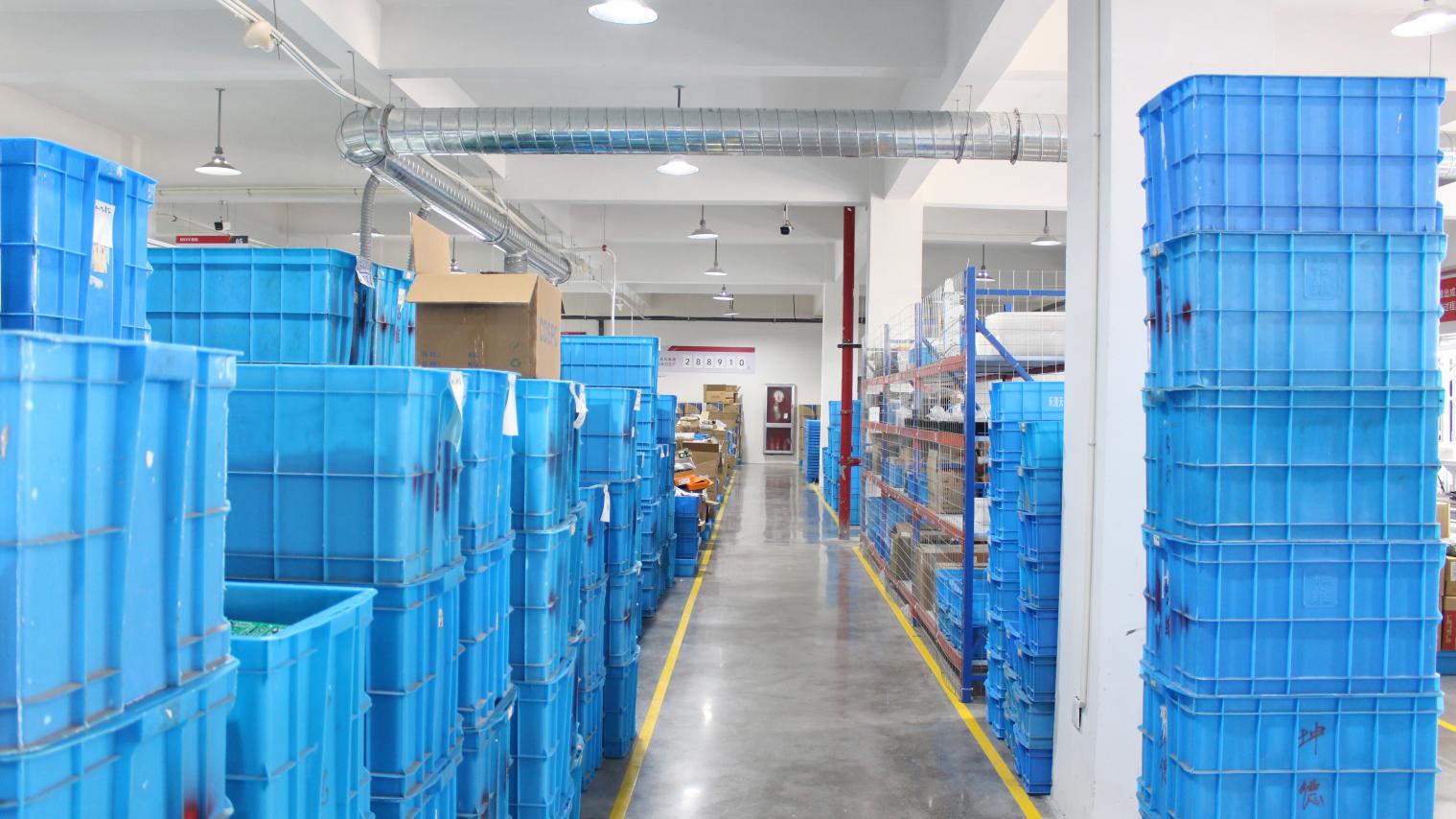
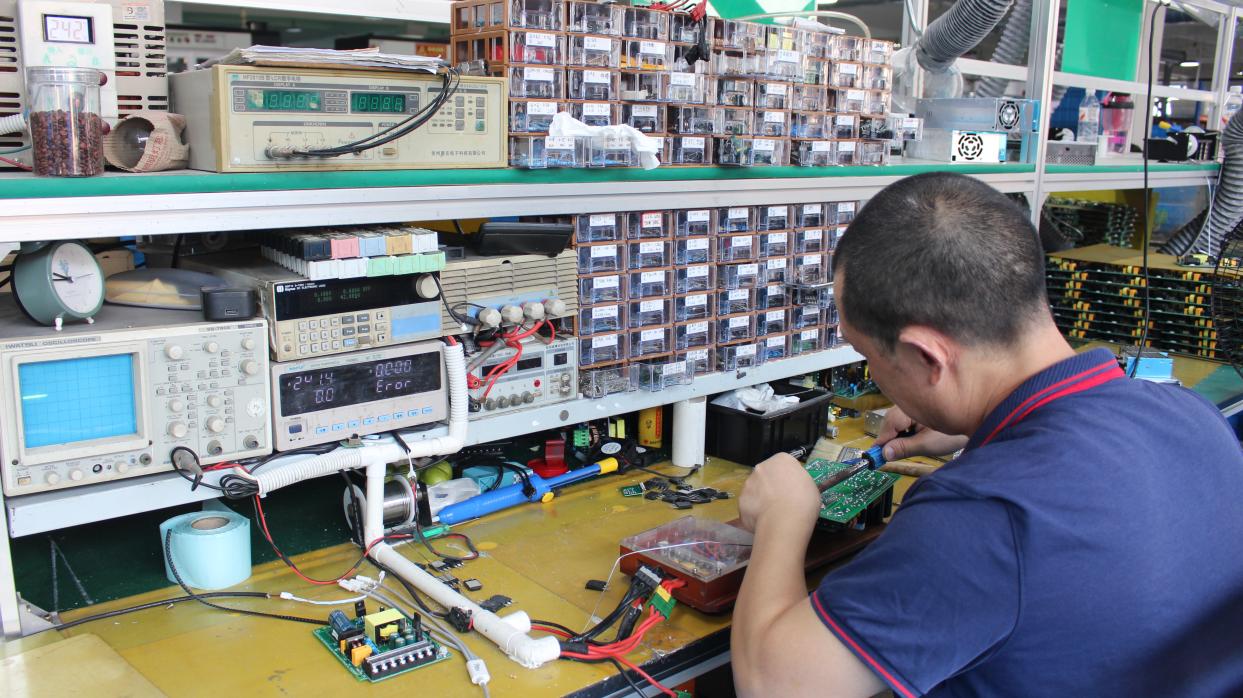
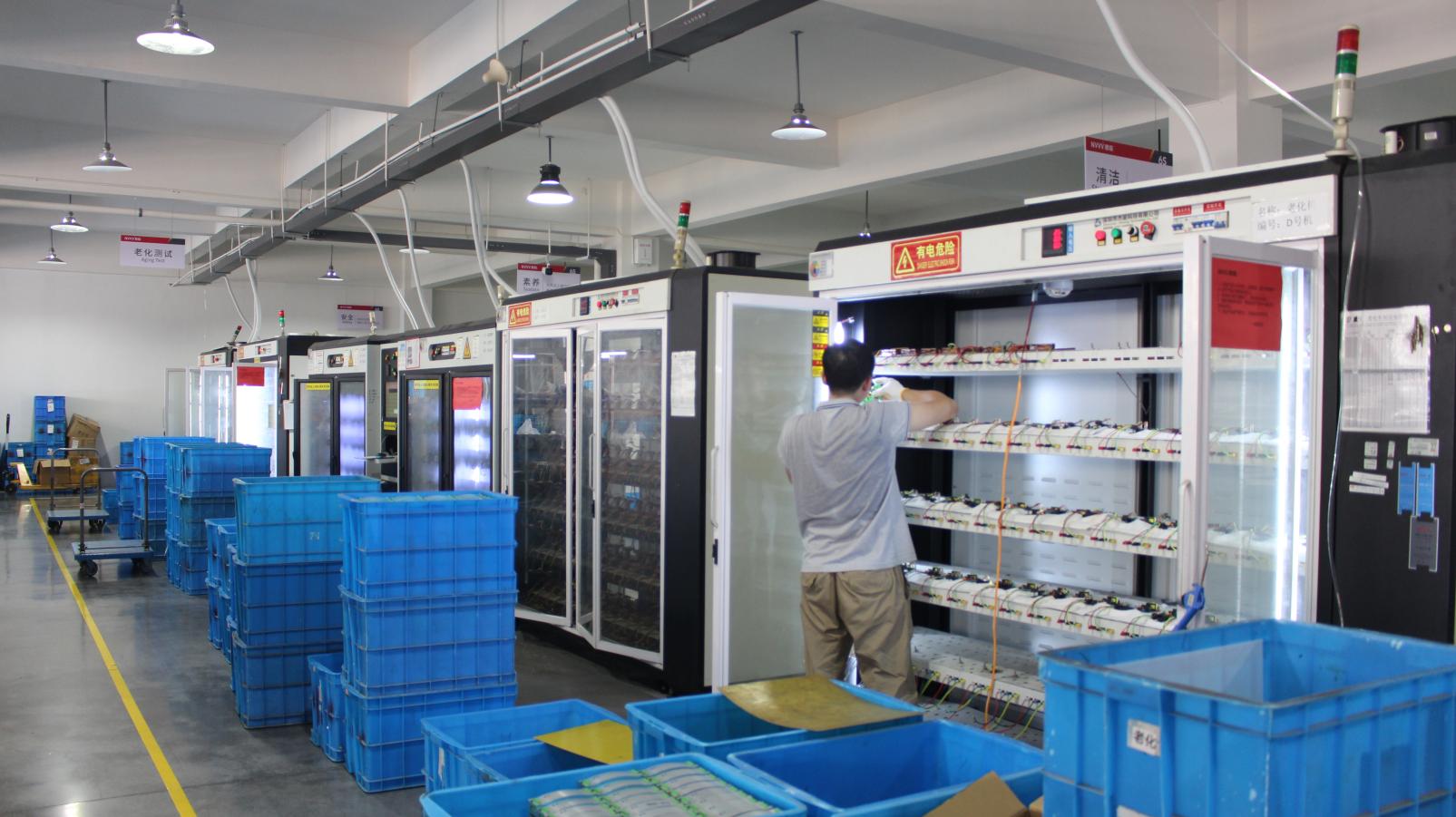
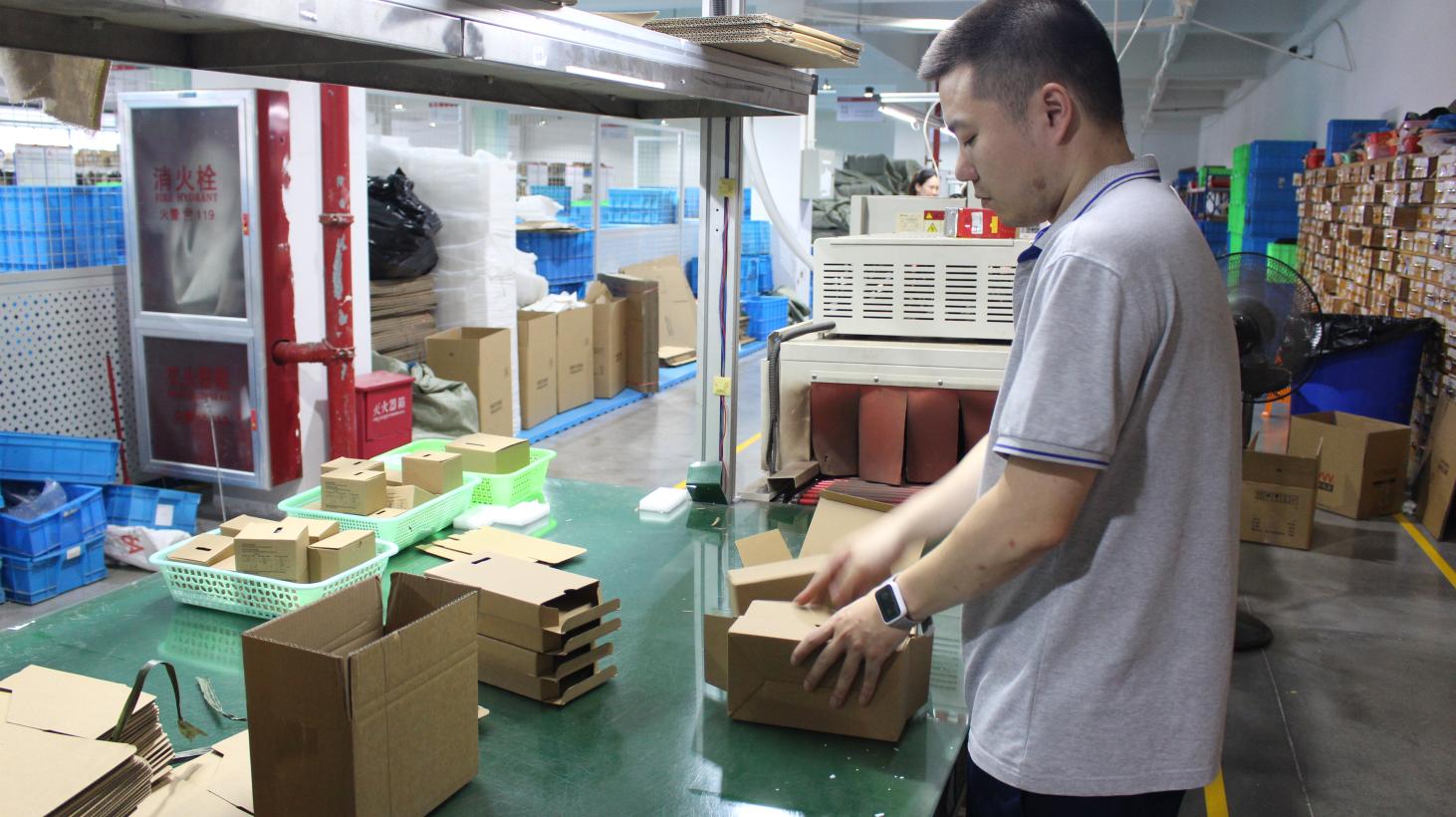
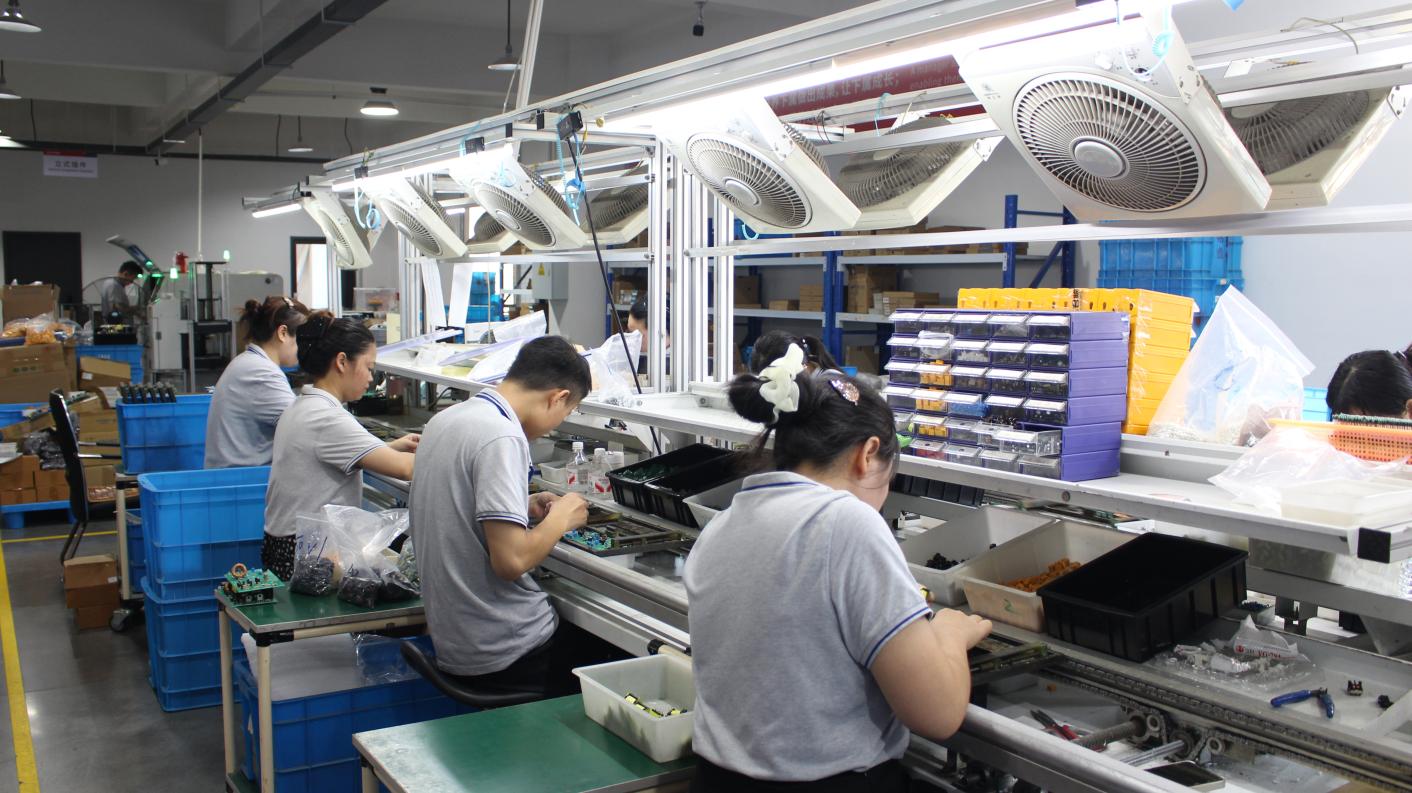
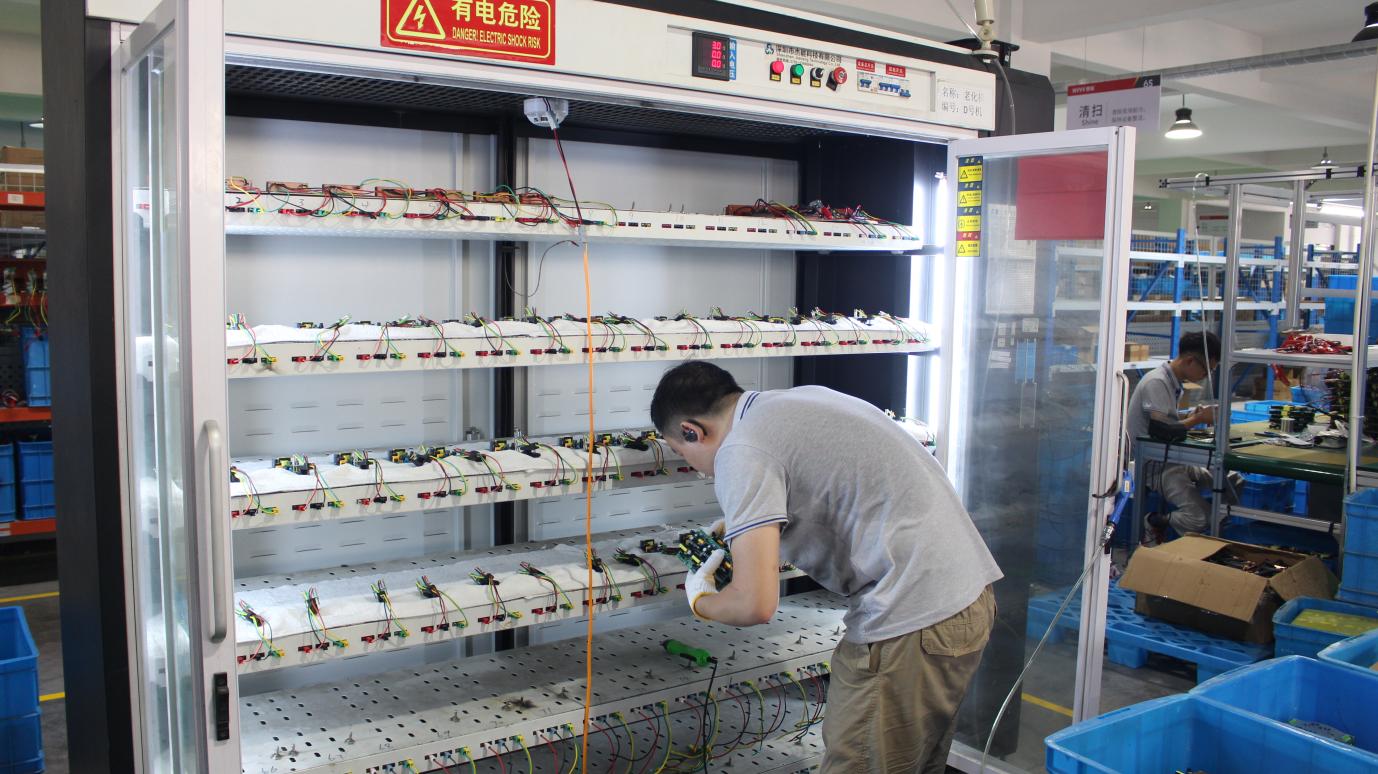
Inside our modern facility: where automated precision and thorough testing standards yield robust power supplies.
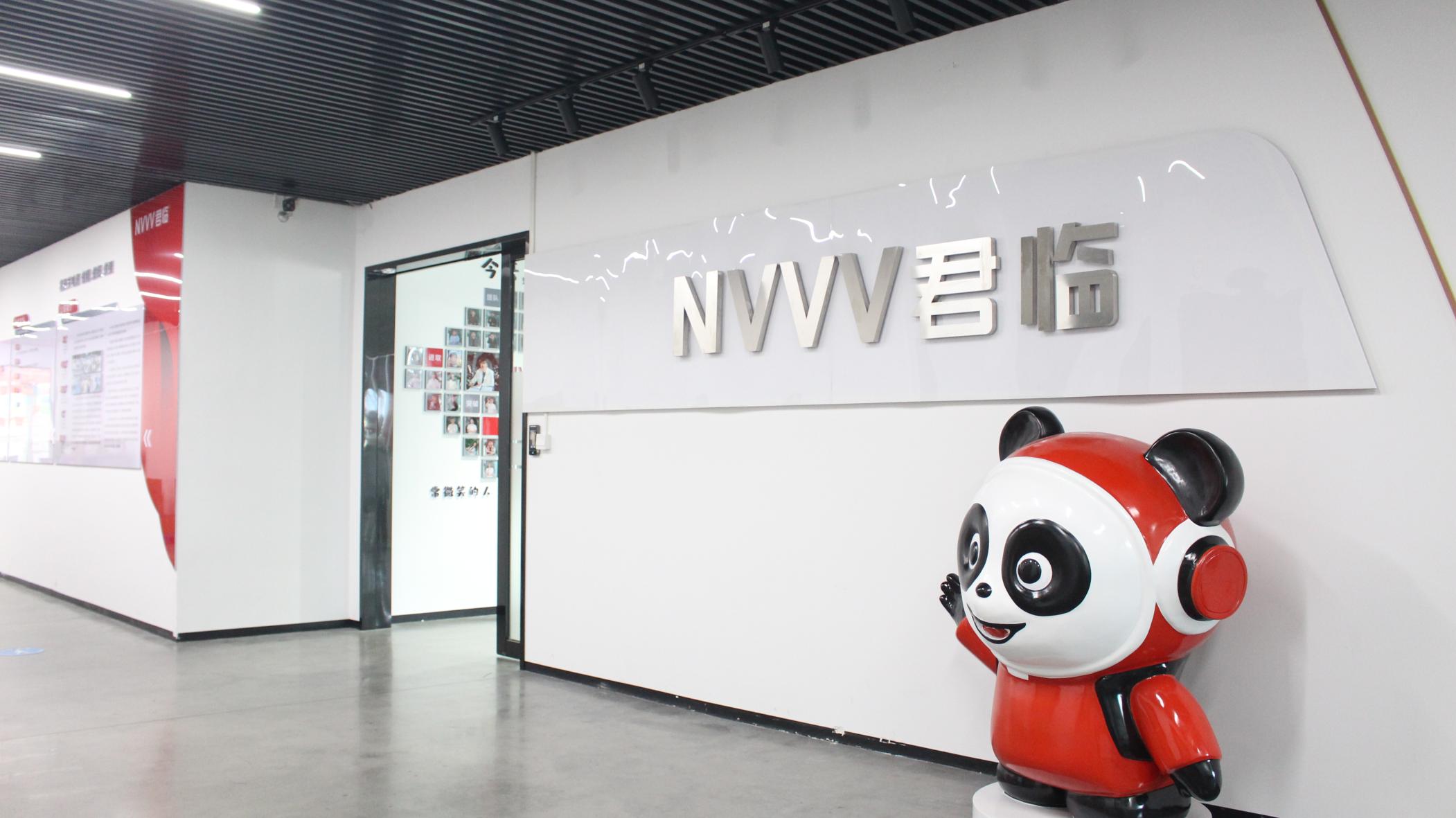
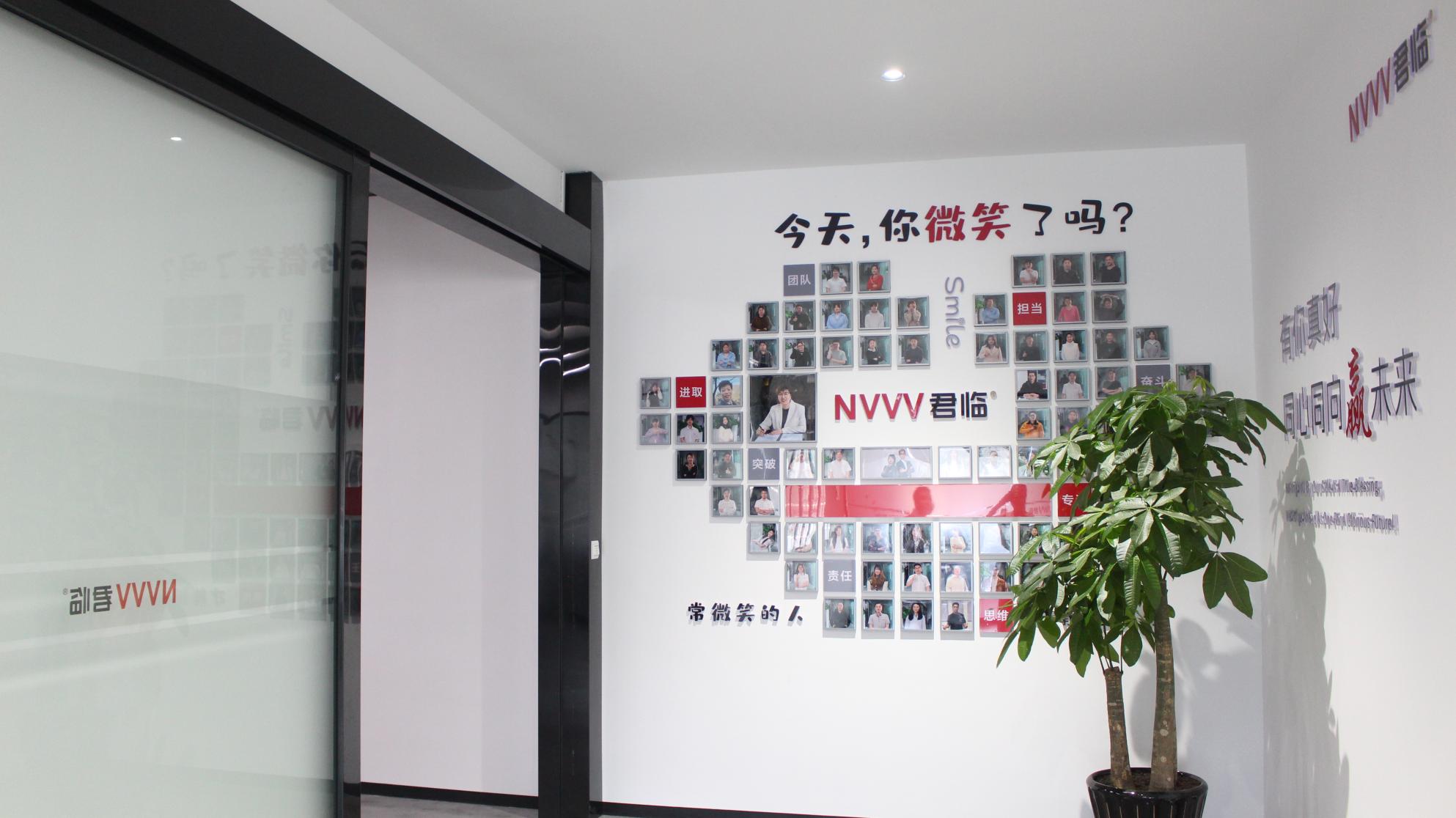
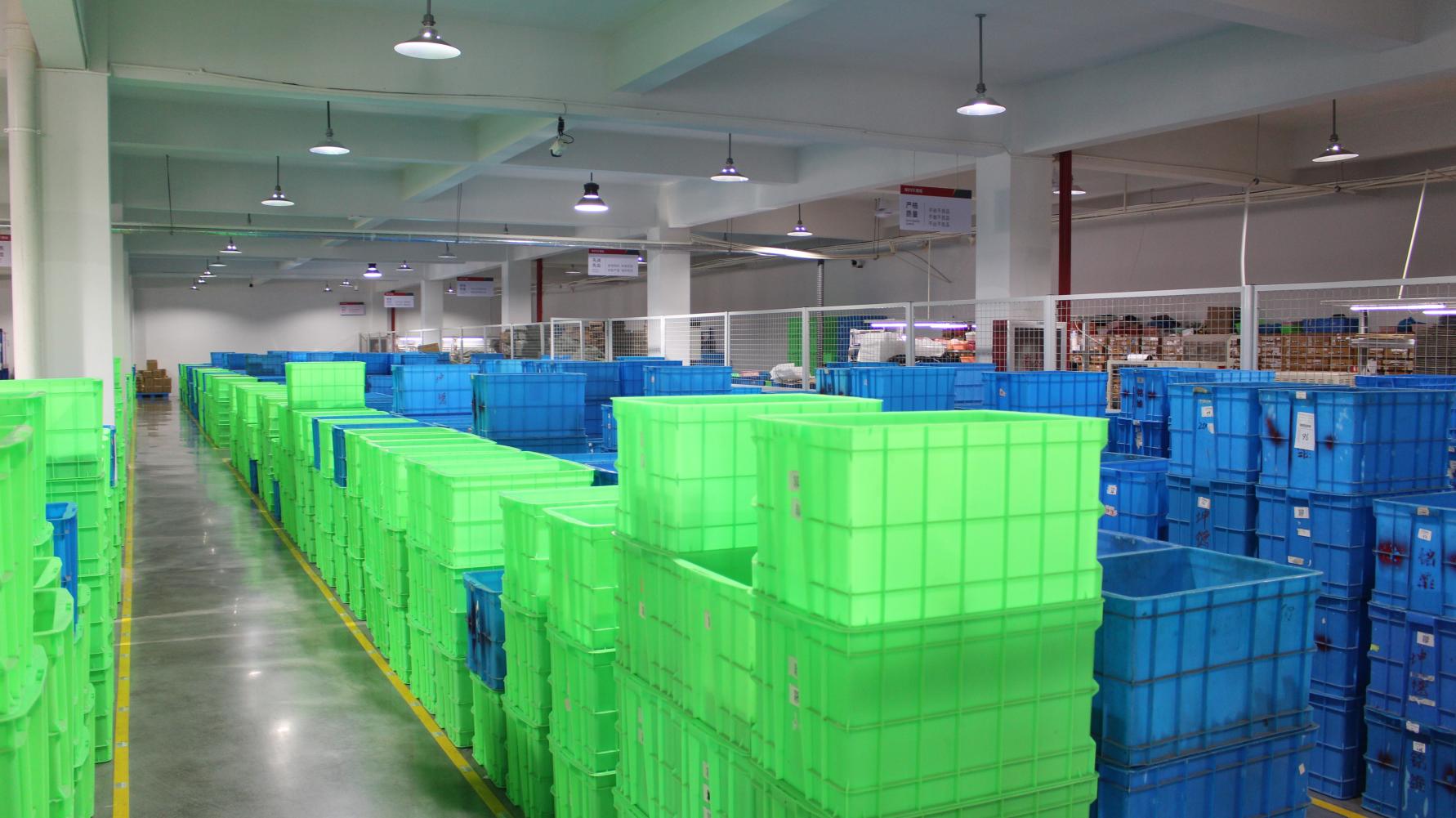
NVVV Factory Floor Profile 1
NVVV Production Line Profile 2
NVVV Assembly Unit Profile 3
NVVV Automated Processing Profile 4
NVVV System Calibration Profile 5
NVVV Precision Testing Area Profile 6
NVVV Technical Analysis Hub Profile 7
NVVV Design Center Profile 8
NVVV Manufacturing Station Profile 9
NVVV Quality Audit Section Profile 10
NVVV Storage Facility Profile 11
NVVV Shipment Yard Profile 12

Step-by-Step Operations Flow

A breakdown of our manufacturing stages, ensuring raw components are transformed into reliable, ready-to-deploy power solutions.
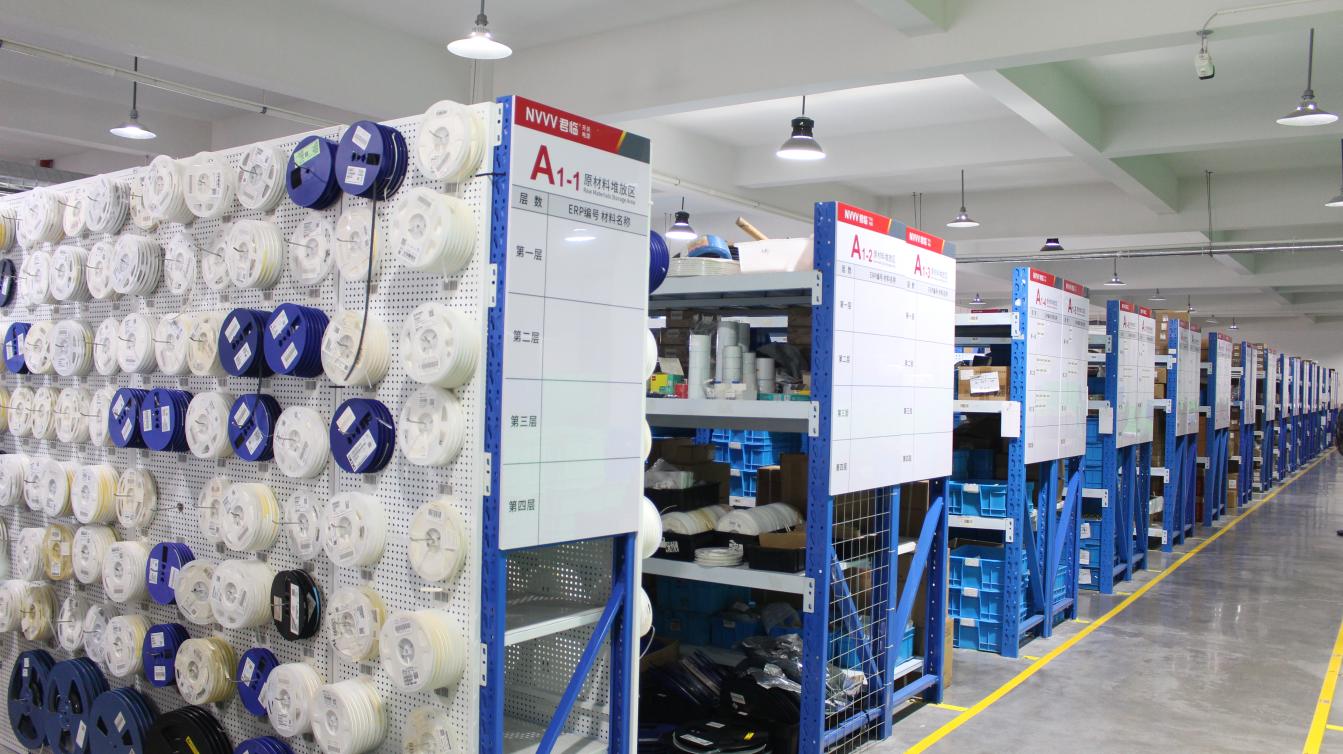
Raw material inspection stage Raw material
Component plug-in stage 1 Component plug-in
Component plug-in stage 2 Component plug-in
Component plug-in stage 3 Component plug-in
Plug-in inspection stage 1 Plug-in
Plug-in inspection stage 2 Plug-in
Wave soldering system 1 Wave soldering
Wave soldering system 2 Wave soldering
Enclosure Assembly 1 Assembling
Enclosure Assembly 2 Assembling
Enclosure Assembly 3 Assembling
Enclosure Assembly 4 Assembling
Enclosure Assembly 5 Assembling
Enclosure Assembly 6 Assembling
Testing stage Testing
Component plug-in machine detail Component plug-in machine
Wave soldering machine detail Wave soldering machine
Automatic packing machine detail Automatic packing machine
Assembly line flow Assembly line
Electrical parametric testing Testing
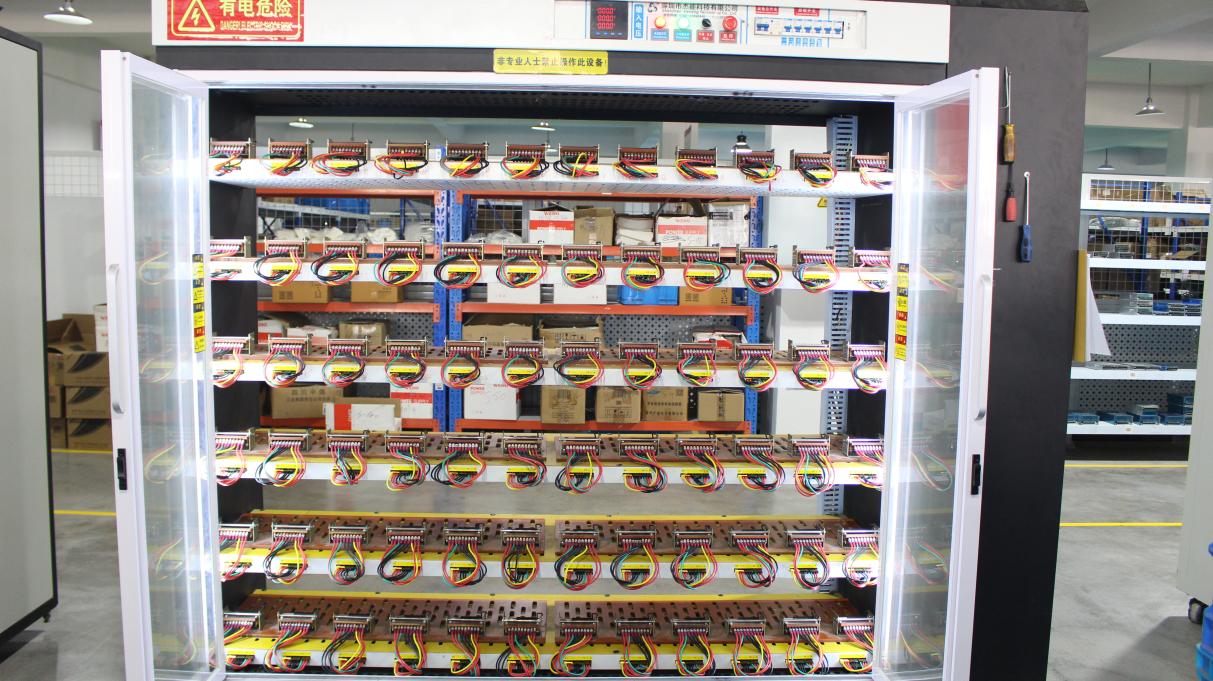
Aging test bench chamber Aging test bench
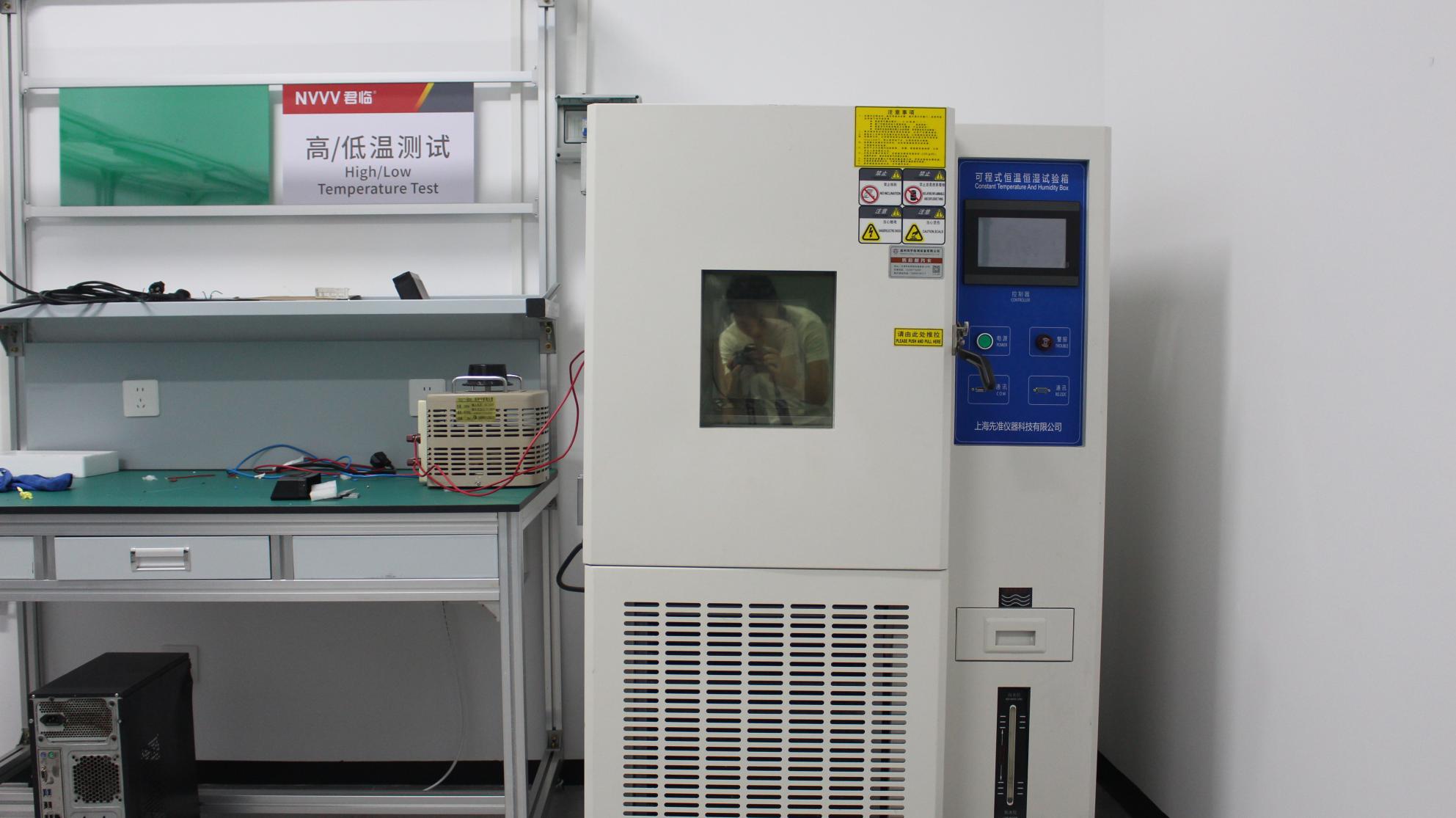
High and low temperature test machine High & low temp test
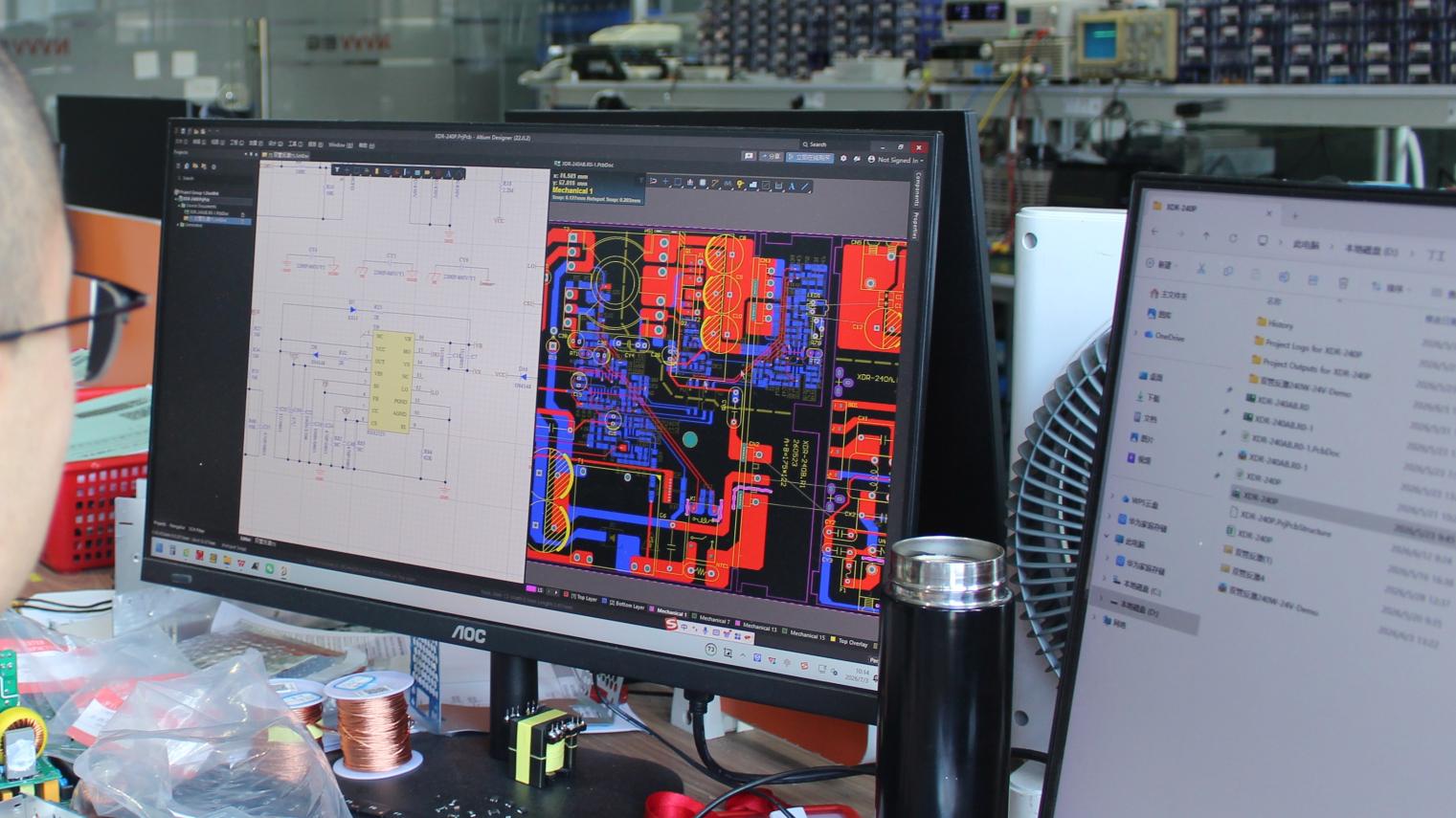
Engineering design station Design
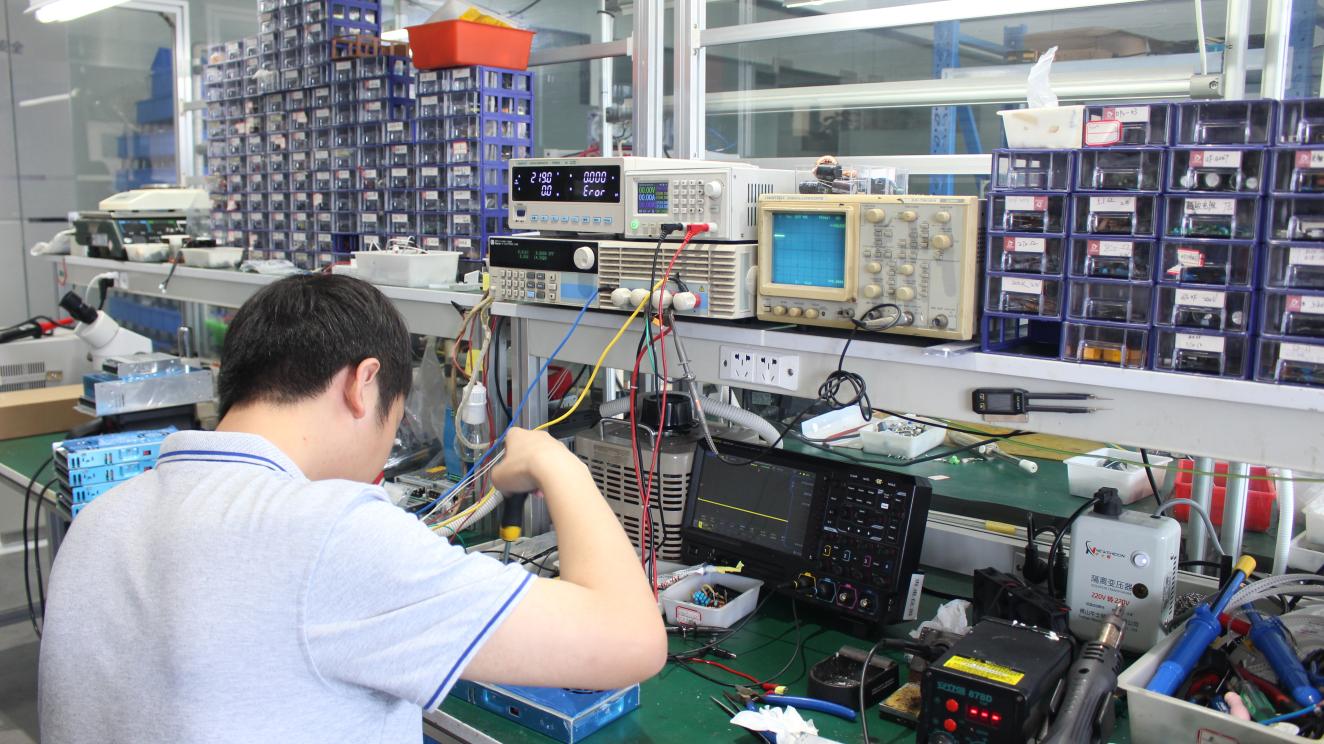
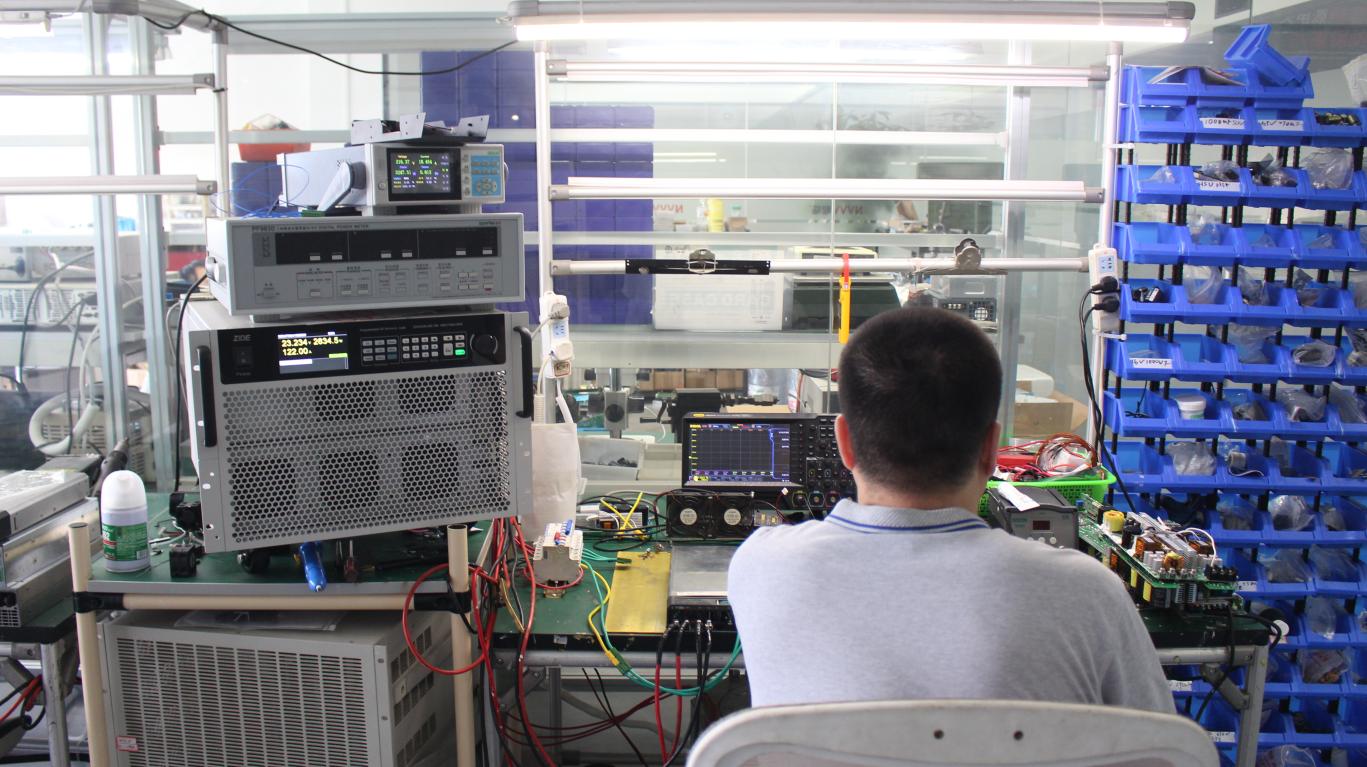
Electronic engineering test equipment 1 Electronic engineering test
Electronic engineering test equipment 2 Electronic engineering test
Procurement Framework for B2B Sourcing Directors

A technical guide on verifying certifications, electrical safety, and logistics requirements when sourcing from Chinese manufacturers.

Required Quality Certifications

When importing industrial power systems, ensuring compliance with local target market safety boards protects against regulatory delays. Industrial components should bear international marks:

  • CE Mark (European Union): Assures conformance with health, safety, and environmental protection standards.
  • FCC (United States): Limits electromagnetic interference generated by electronic circuits.
  • UKCA (United Kingdom): Ensures post-Brexit conformity for products placed on the British market.
  • BIS (India): Confirms conformance to Indian safety standards for consumer and industrial electronics.
  • CCC (China): The compulsory safety certificate required for both domestic use and components entering automated assemblies.

Customization Matrix (OEM & ODM)

Standard shelf models do not always meet specialized design parameters. Sourcing directors should look for manufacturers with dedicated engineering teams capable of:

  • Graphic & Brand Integration: Custom chassis finishes, logos, and specific terminal naming conventions.
  • Thermal Re-engineering: Upgrading base heatsinks or specifying smart fans for high-temperature deployments.
  • Input/Output Variations: Custom transformer windings for uncommon voltage levels (e.g., 15V, 36V, 48V, or multi-rail designs).
  • Waterproofing Levels: Selecting LPV-grade potted enclosures for high-humidity or chemical-heavy applications.

Expert Q&A: Industrial Power Sourcing & Engineering

Addressing the common technical inquiries regarding design options, installation practices, and system stability.

1 What is the difference between a switching power supply (SMPS) and a linear power supply?
Linear power supplies drop voltage by dissipating excess energy as heat, offering low efficiency (often 40-50%) but minimal electrical noise. Switching power supplies (SMPS) rapidly switch semiconductors between fully-on and fully-off states, yielding much higher efficiency (typically 80-95%) and allowing for a smaller, lighter package.
2 Why are Pure Sine Wave Inverters preferred over Modified Sine Wave alternatives?
Pure Sine Wave inverters deliver a clean, smooth, sinusoidal AC output matching grid utility power. This is essential for inductive loads (motors, pumps, compressors) and sensitive electronic systems (servers, medical instruments). Modified Sine Wave inverters output blocky, stepped waves that can generate electrical noise and cause equipment to run hot or fail prematurely.
3 How does an IP67 waterproof rating protect an outdoor LED driver?
An IP67 enclosure is fully dust-tight and can withstand temporary immersion in water up to 1 meter for 30 minutes. This level of ingress protection is achieved by potting the inner circuitry with a thermal compound that seals out dust and moisture while dissipating heat through the external aluminum housing.
4 What parameters should be monitored when configuring DIN Rail power supplies?
Primary points of check include the input voltage range (single-phase vs. three-phase), active output current limits, thermal derating curves (operating temperature boundaries), and physical clearance constraints inside the cabinet to allow natural convection cooling.
5 How do Triple Output switching supplies manage cross-regulation?
Triple output systems share a transformer core. Primary regulation is typically closed around the dominant output rail (usually 5V), while the secondary outputs (e.g., +12V and -12V) rely on coupling and secondary regulators. High-quality systems use separate feedback loops or linear regulators on auxiliary lines to prevent voltage drops when one rail experiences a sudden load change.