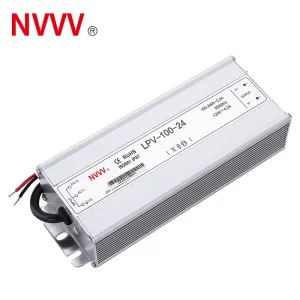
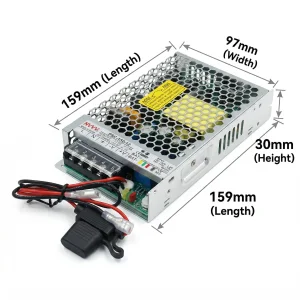
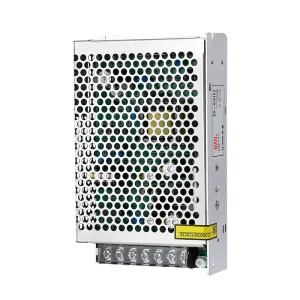
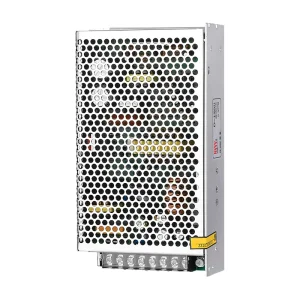
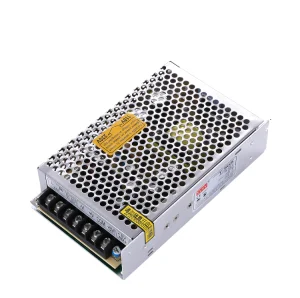
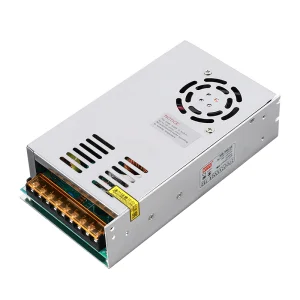
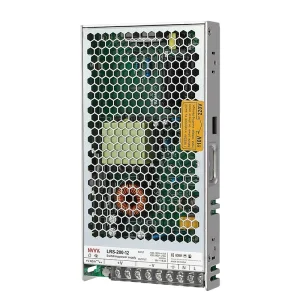
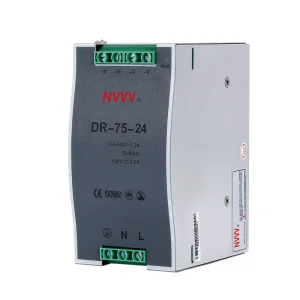
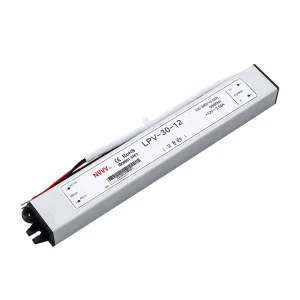
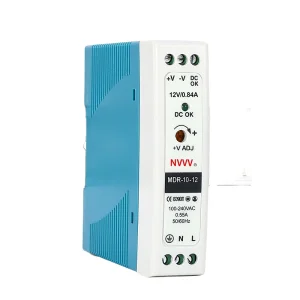
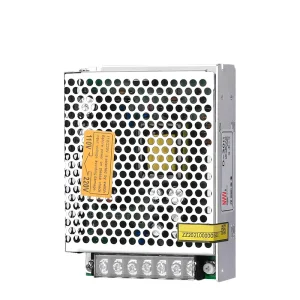
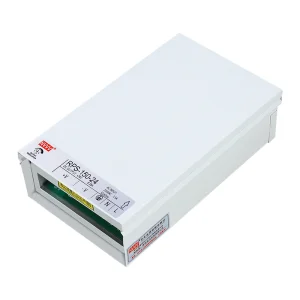
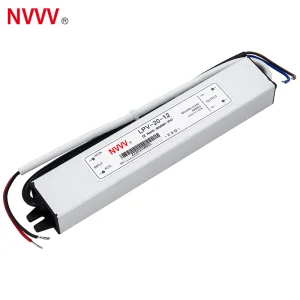
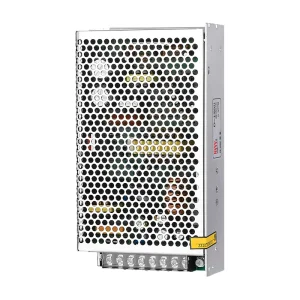
OEM/ODM Rugged Power Supply Suppliers & Exporters

Custom High-Reliability Power Solutions, DIN-Rail Systems, & Industrial AC/DC Power Conversion for Harsh Environments Worldwide

USD 1.4M
Registered Capital
98.6%
On-time Delivery Rate
120+
New Products Annually
31%
Global Reorder Rate

Technological Trajectories in Ruggedized Power Conversion

How evolving mission-critical infrastructure demands smarter, more resilient switching power topologies.

Modern industrial architectures operate under harsh electrical and environmental stress. The global push toward Smart Manufacturing, Edge Computing, and IIoT has exposed vulnerable infrastructure elements. Chief among these is the electrical power delivery network. Standard commercial-grade power supplies quickly fail when subjected to grid transients, high relative humidity, mechanical vibrations, or extreme thermal variations.

To withstand these conditions, modern Rugged Power Supplies utilize advanced topologies, such as active power factor correction (PFC), LLC resonant converters, and synchronous rectification. These architectures improve efficiency—often exceeding 92%—and minimize thermal waste, which is the primary cause of component degradation. Furthermore, wide-bandgap (WBG) semiconductors, such as Gallium Nitride (GaN) and Silicon Carbide (SiC), are replacing traditional silicon transistors. This allows for higher switching frequencies, smaller footprints, and improved thermal performance.

Information Gain Insight: Ruggedization goes beyond potting. True industrial-grade resilience requires conformal coatings on printed circuit boards (PCBs), components rated for wide operating temperatures (-40°C to +70°C), and magnetic components designed to resist vibration. These specifications ensure long-term stability in unpredictable operating environments.

Additionally, the integration of smart diagnostic interfaces (like PMBus or Modbus RTU) allows for real-time telemetry tracking. Remote monitors can detect voltage drops, current fluctuations, and temperature anomalies. Sourcing teams prioritize systems that support predictive maintenance, minimizing unplanned downtime and reducing the total cost of ownership (TCO).

Engineering Excellence: NVVV Electric Technology

Decade-long expertise in high-reliability power design and volume manufacturing.

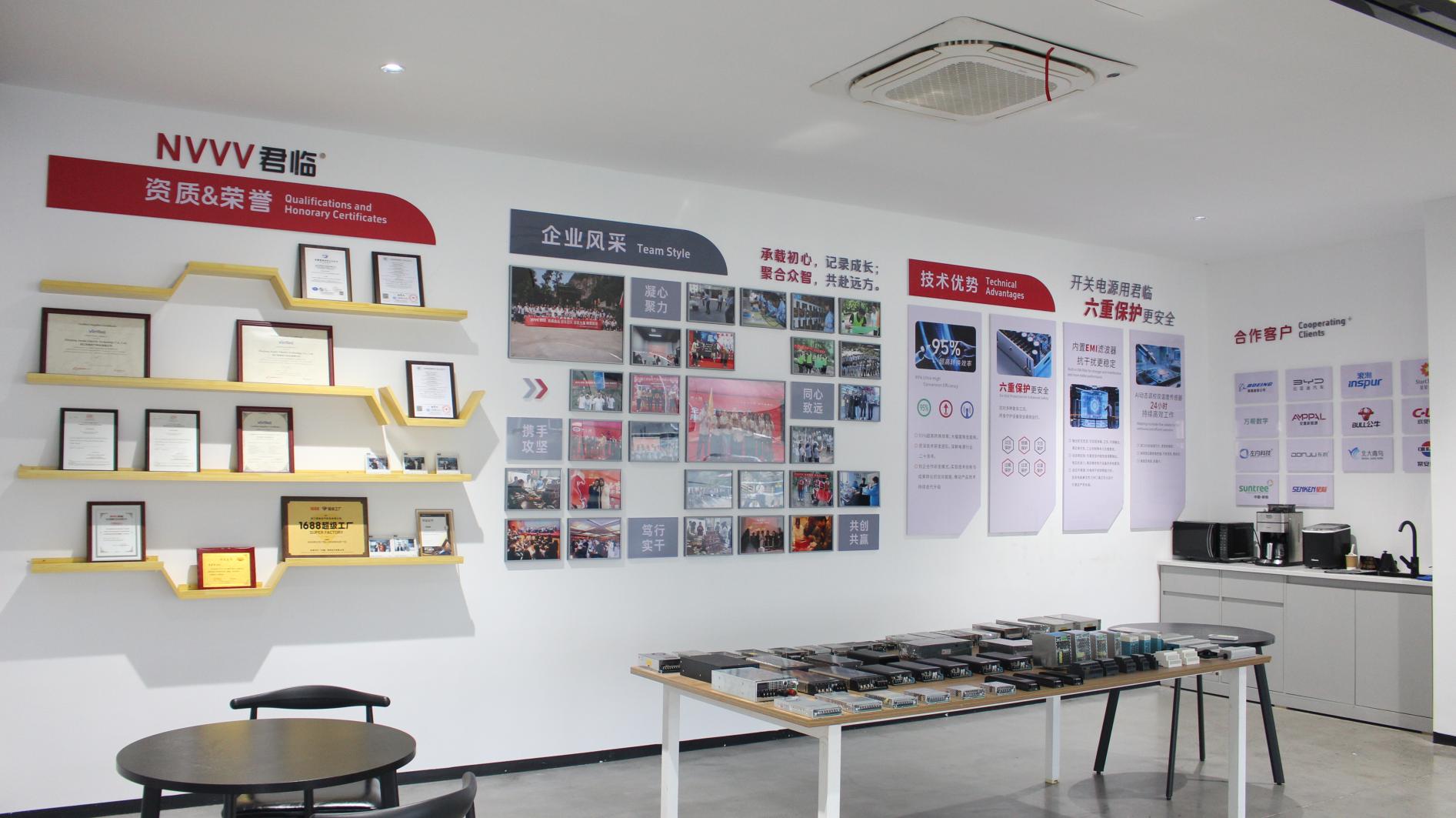
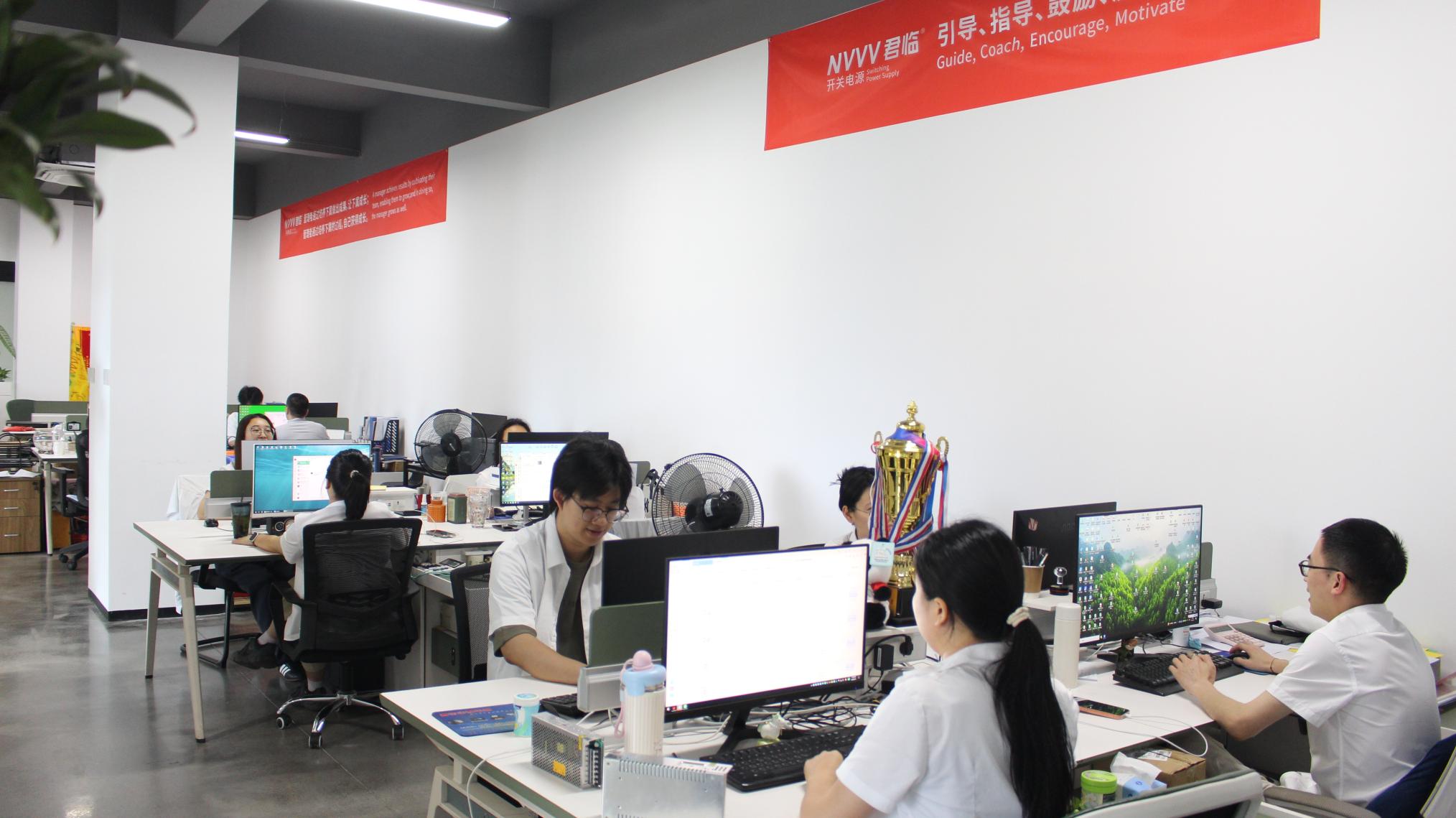
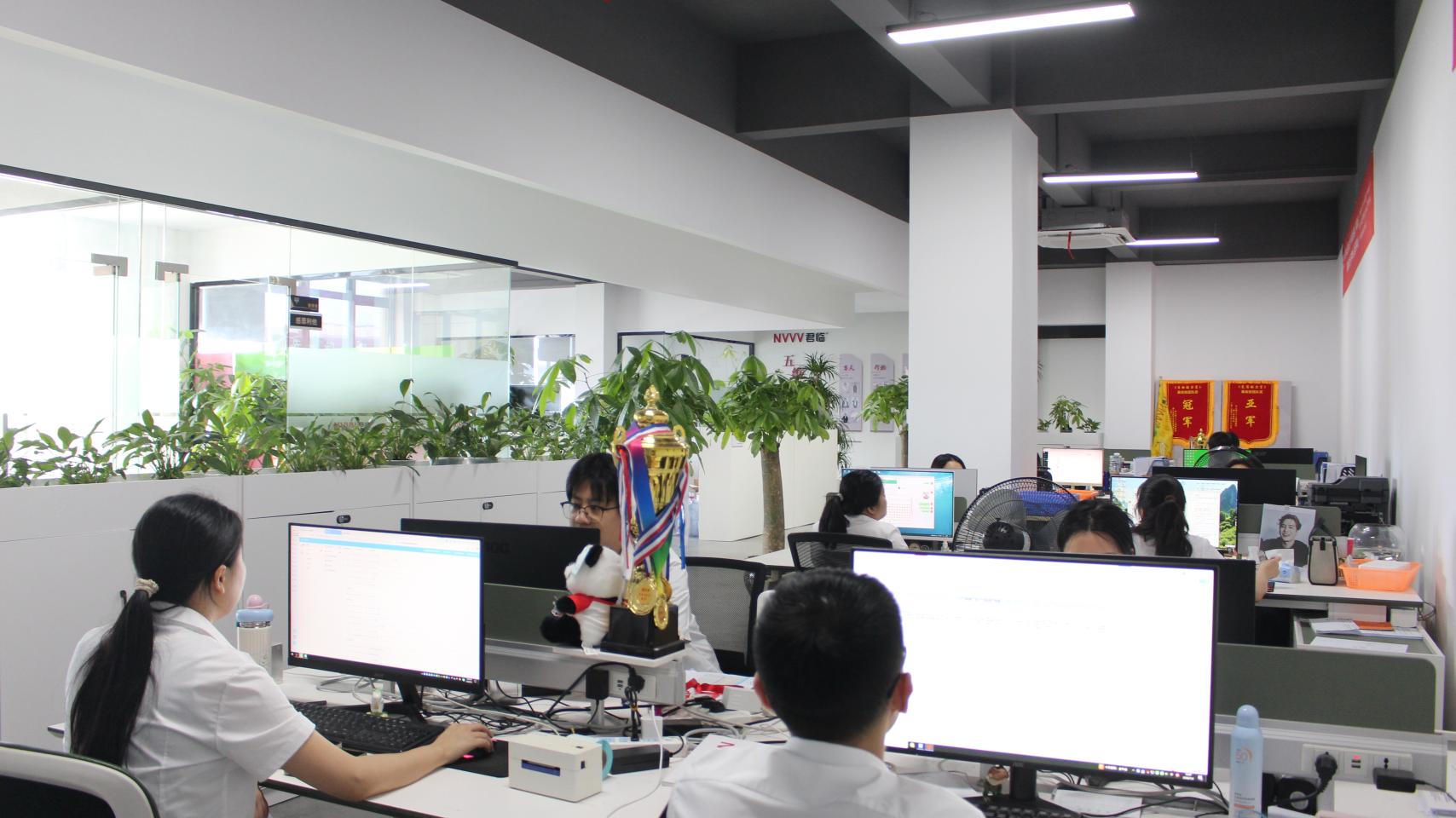
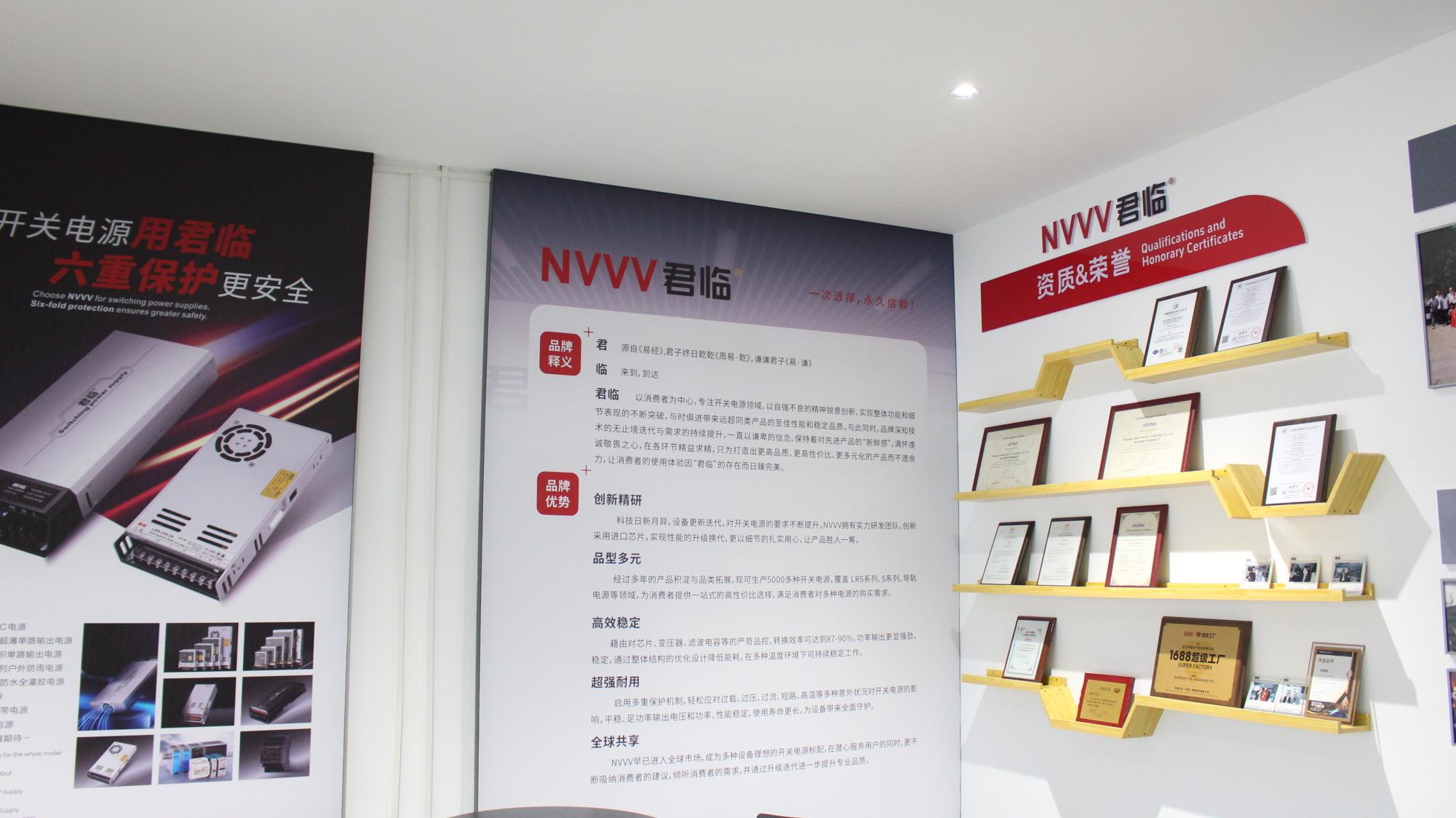
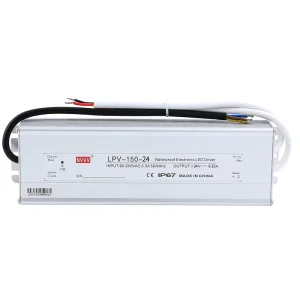
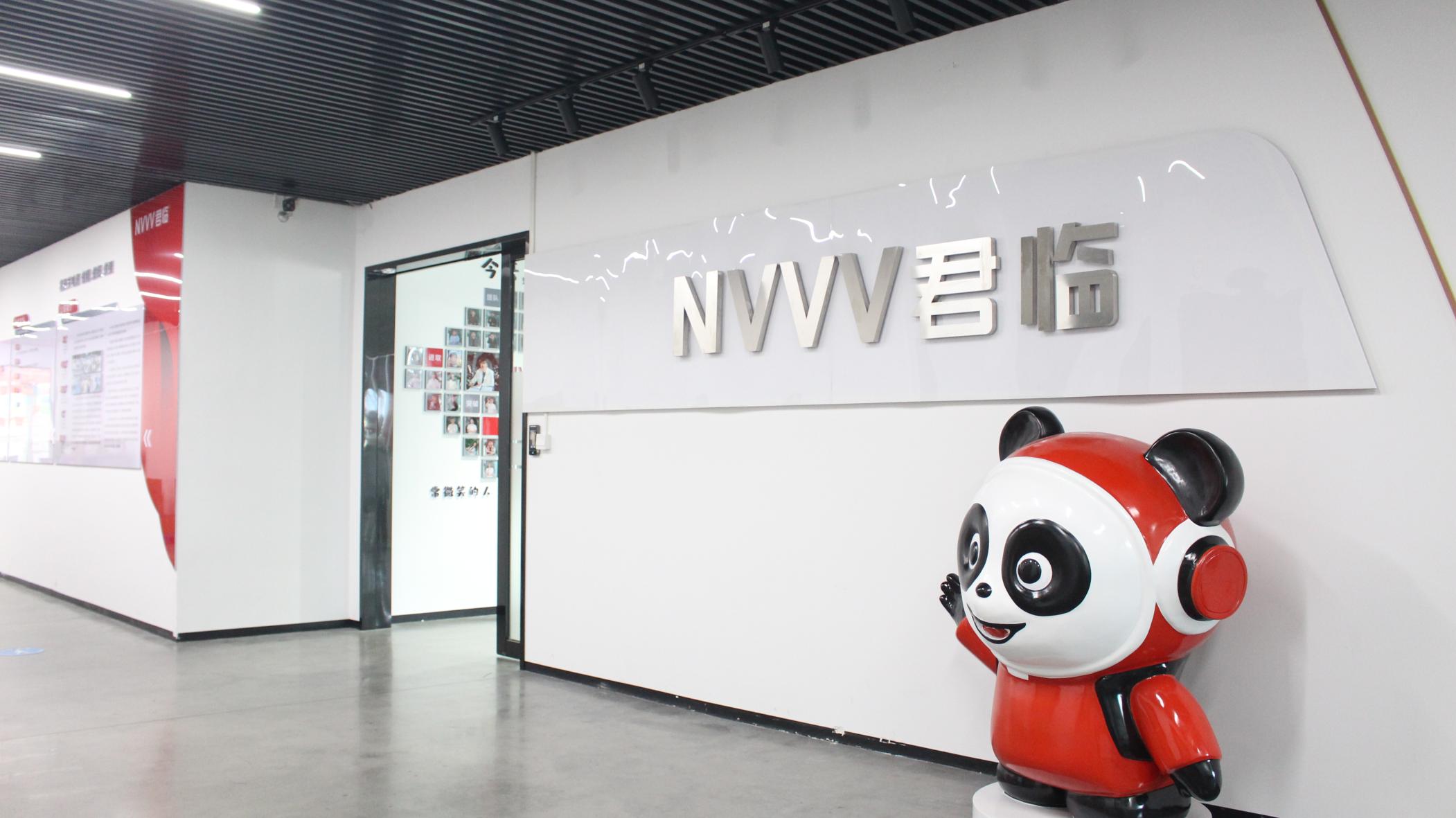
NVVV Electric Technology Co., Ltd. is a dedicated manufacturer specializing in the research, development, production, and distribution of industrial DIN rail power supplies, waterproof drivers, and switching power systems. Operating from our manufacturing base in Wenzhou, Zhejiang Province—the heart of China's electrical engineering sector—we serve industrial, commercial, and renewable energy markets globally.

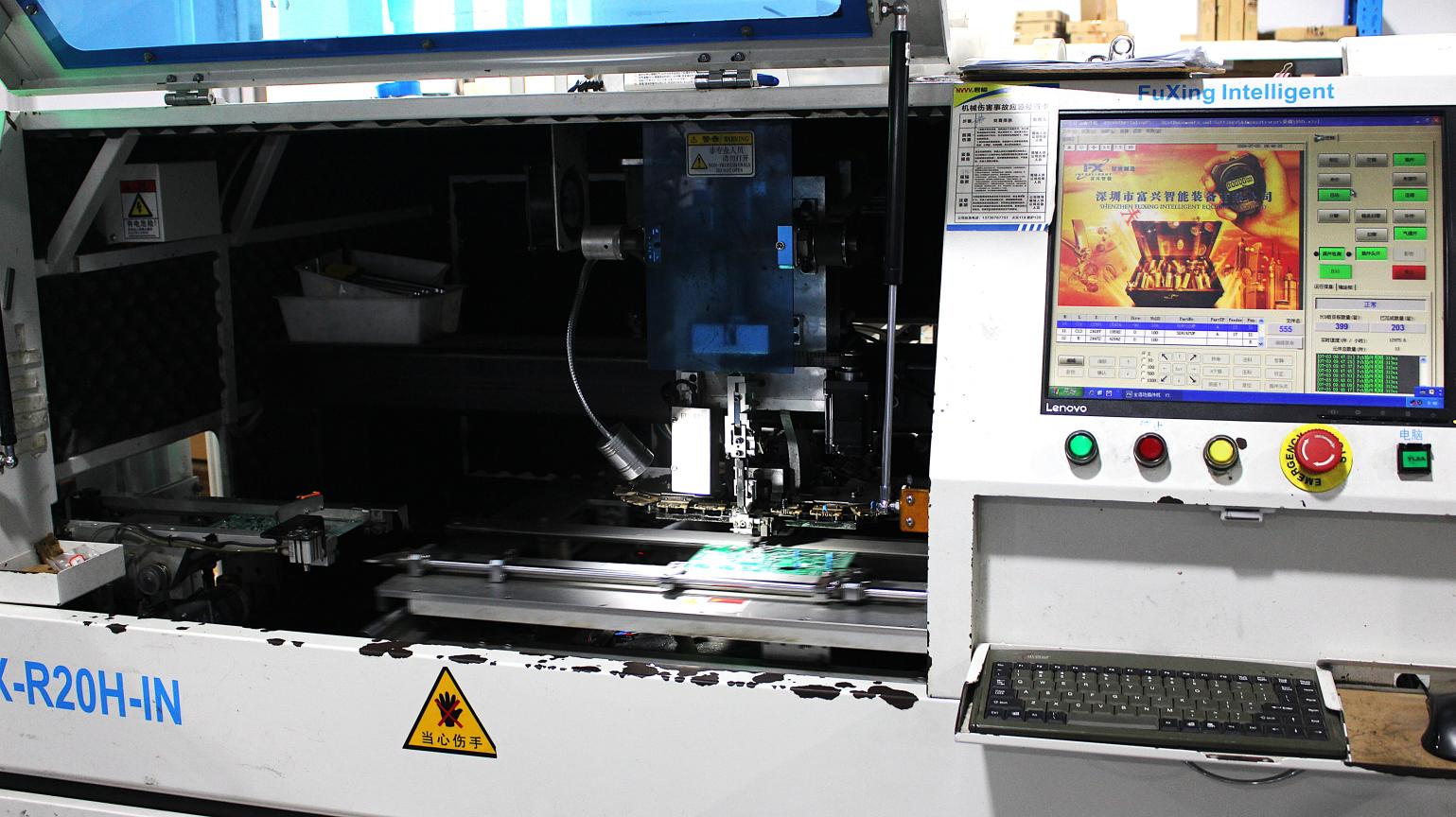
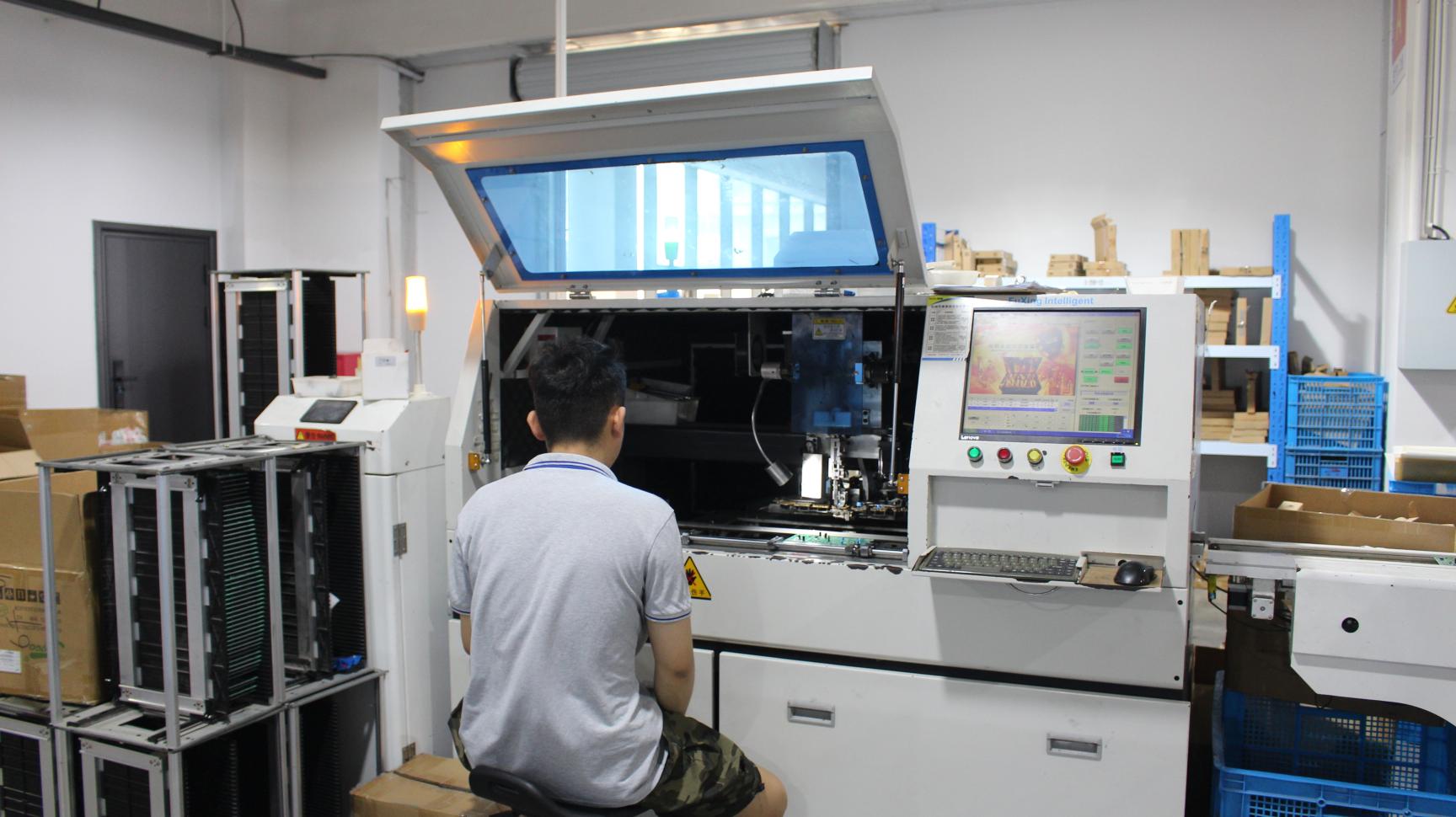
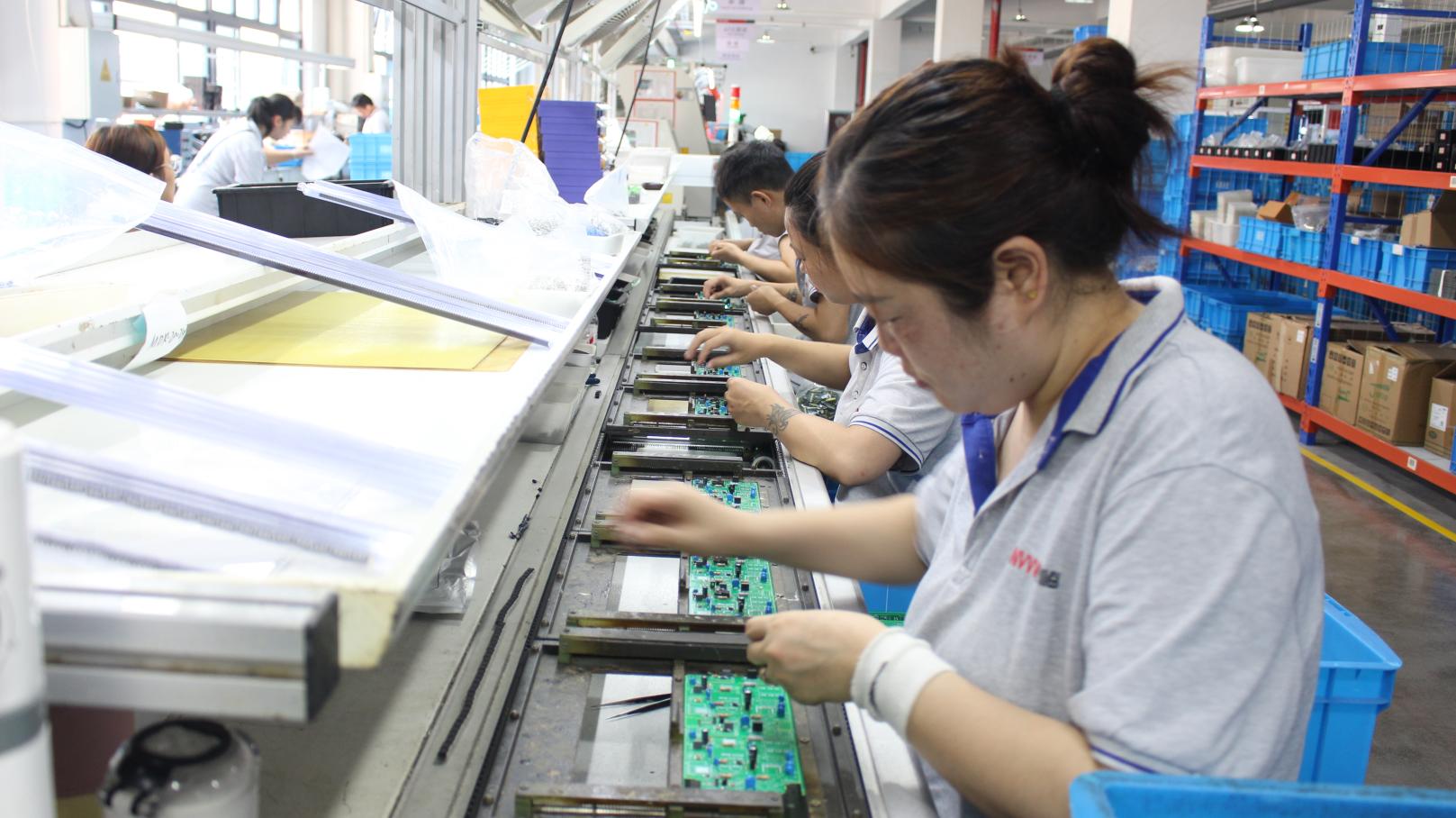
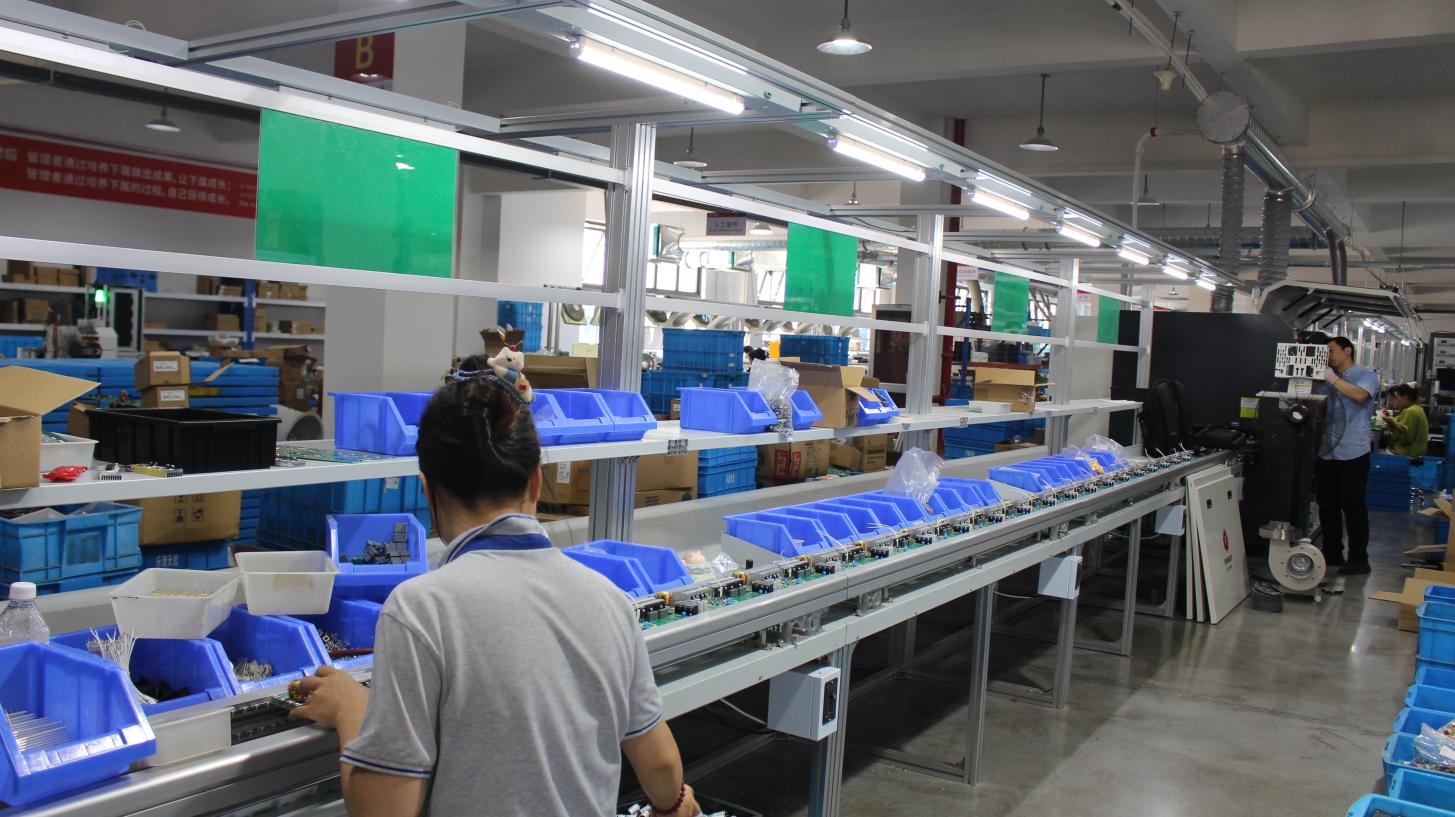
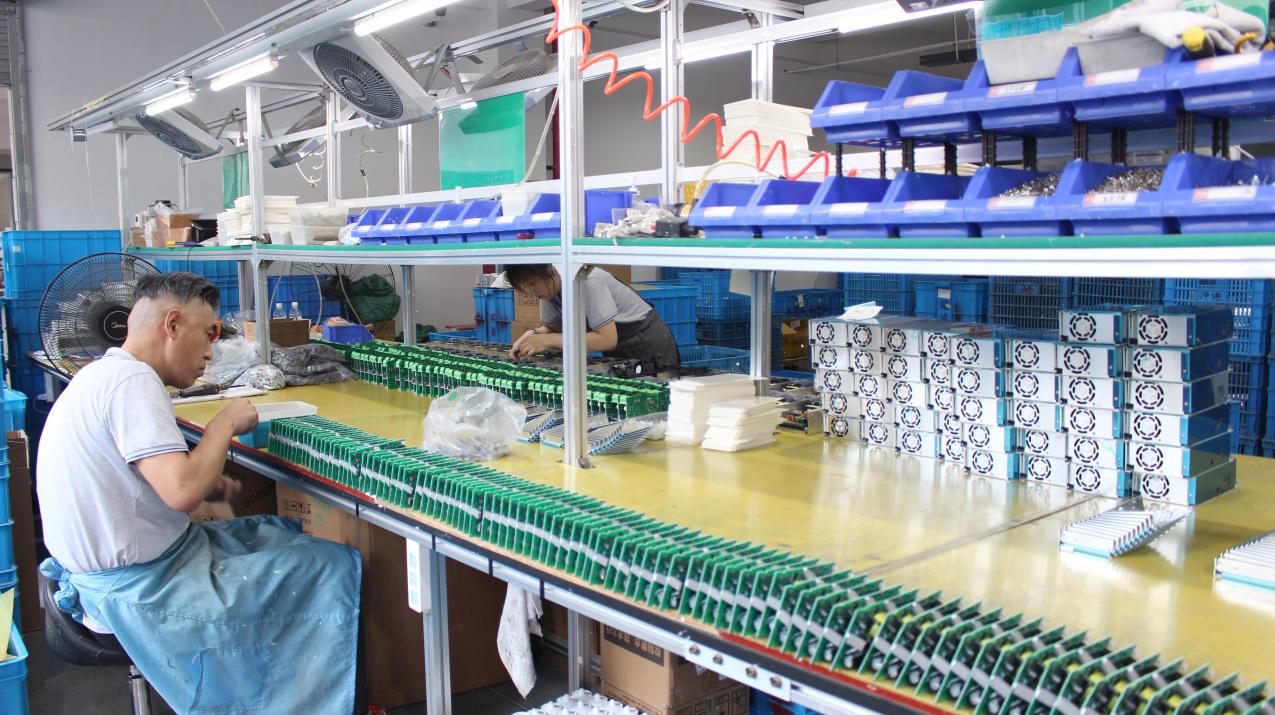
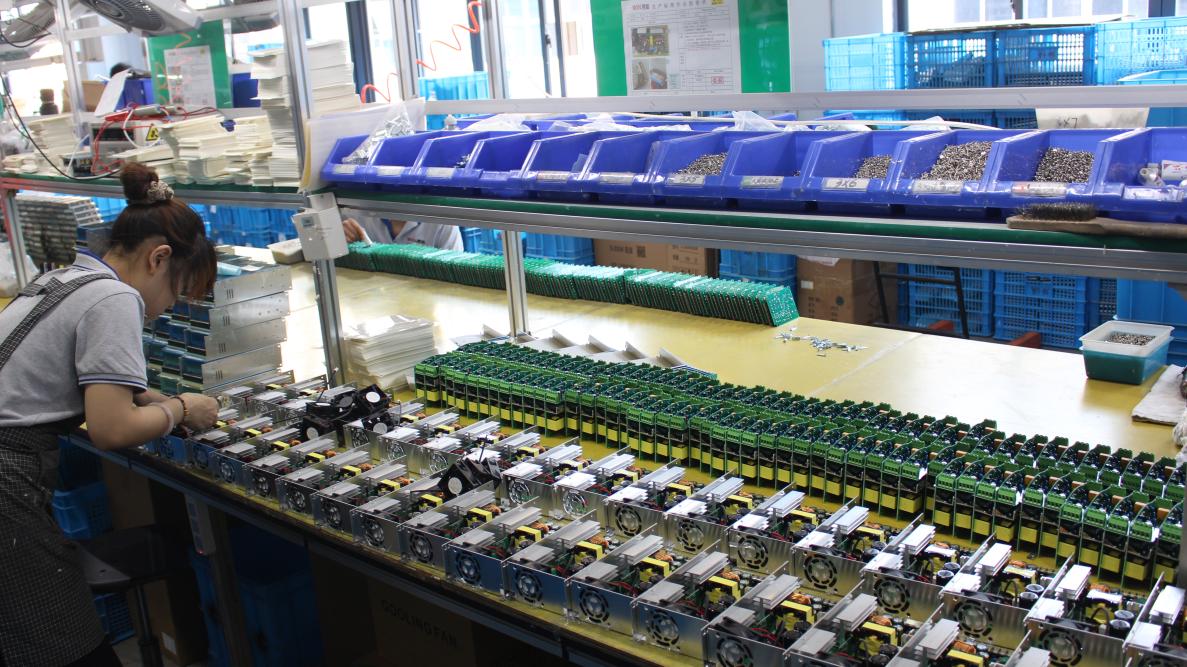
Backed by a registered capital of USD 1.4 million and maintaining steady annual export revenues exceeding USD 1.27 million, NVVV is built on financial health and structural stability. Our production facility spans 2,644 square meters and features 5 automated production lines equipped with 46 high-precision manufacturing systems. This infrastructure allows us to consistently meet large-scale demand while maintaining rigorous quality control across all production runs.

Focused R&D Division
Our engineering team includes 7 R&D specialists who design and release approximately 120 new products each year. This focus on innovation ensures our product portfolio aligns with evolving global power standards and custom client requests.
Certified Global Safety Compliance
NVVV products comply with multiple international standards. Our systems carry CE, FCC, CCC, UKCA, BIS, and EMC certifications, easing the regulatory compliance path for global distribution.
Rigorous Testing Protocol
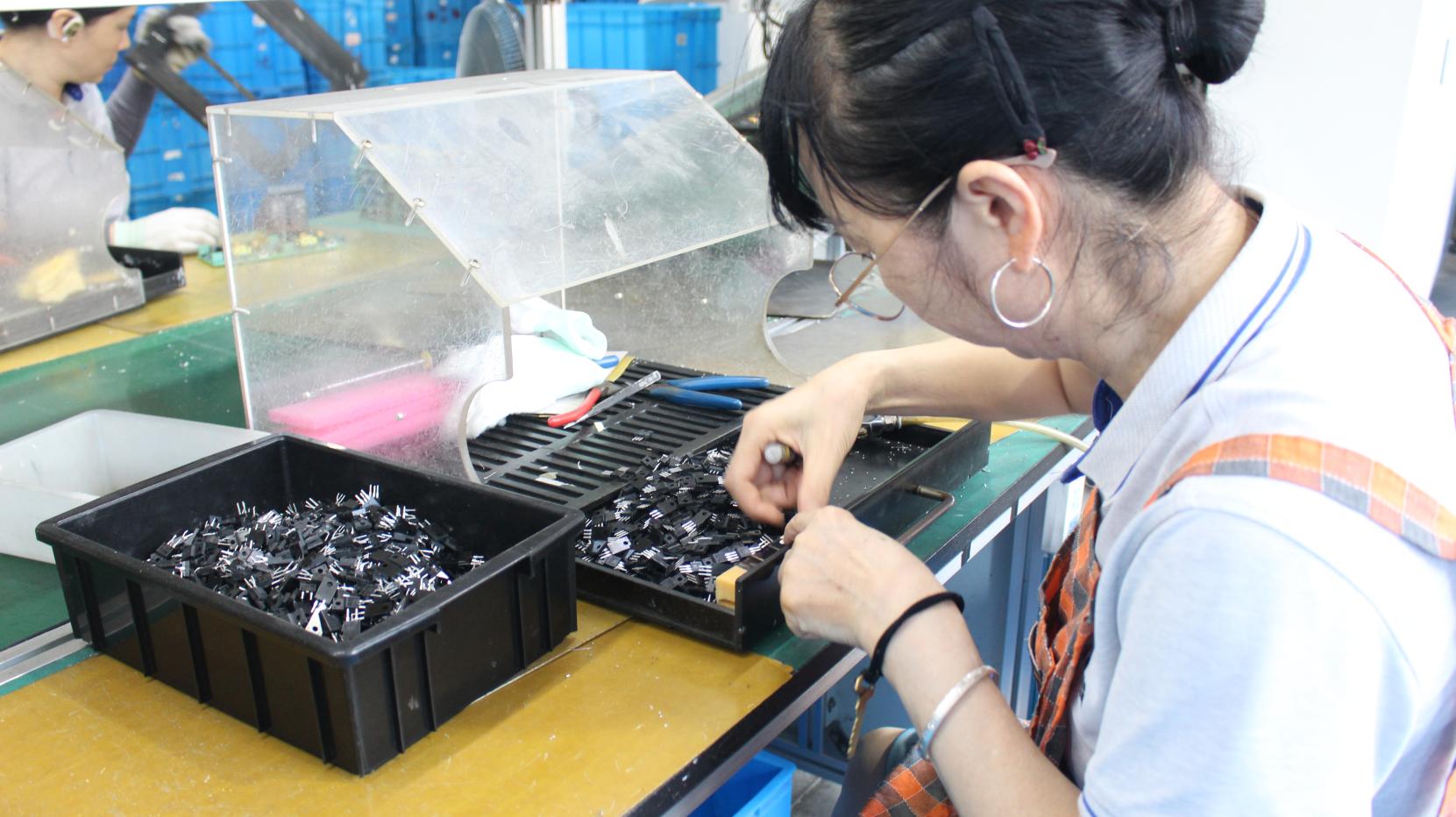
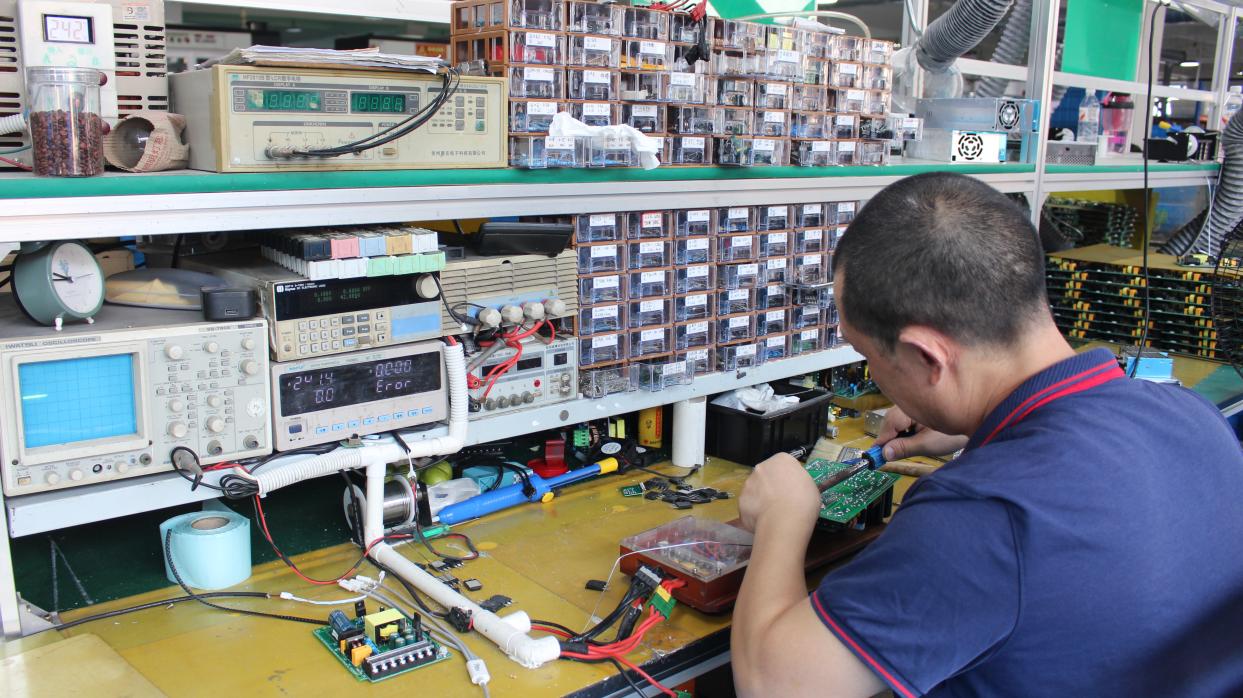
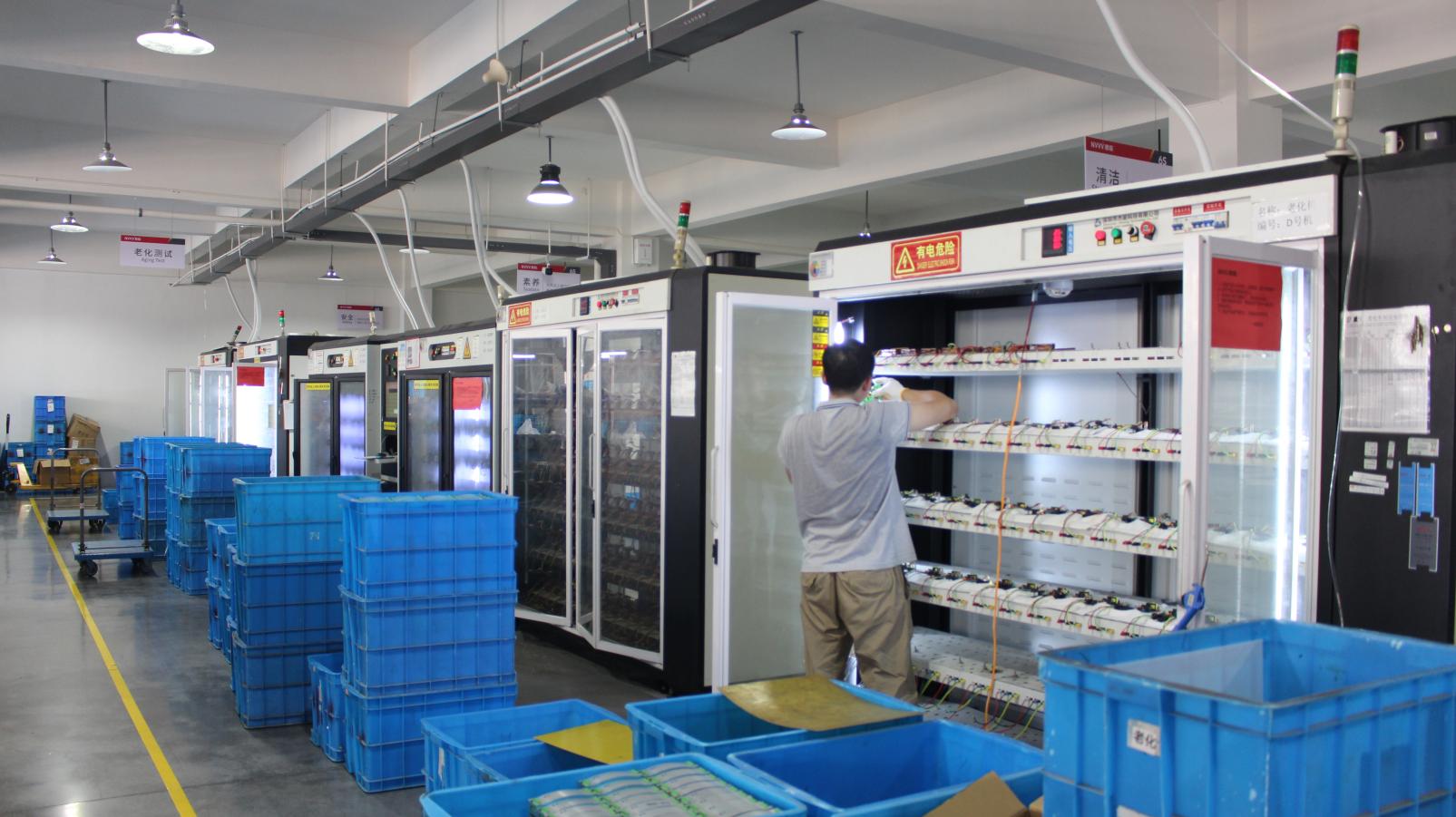
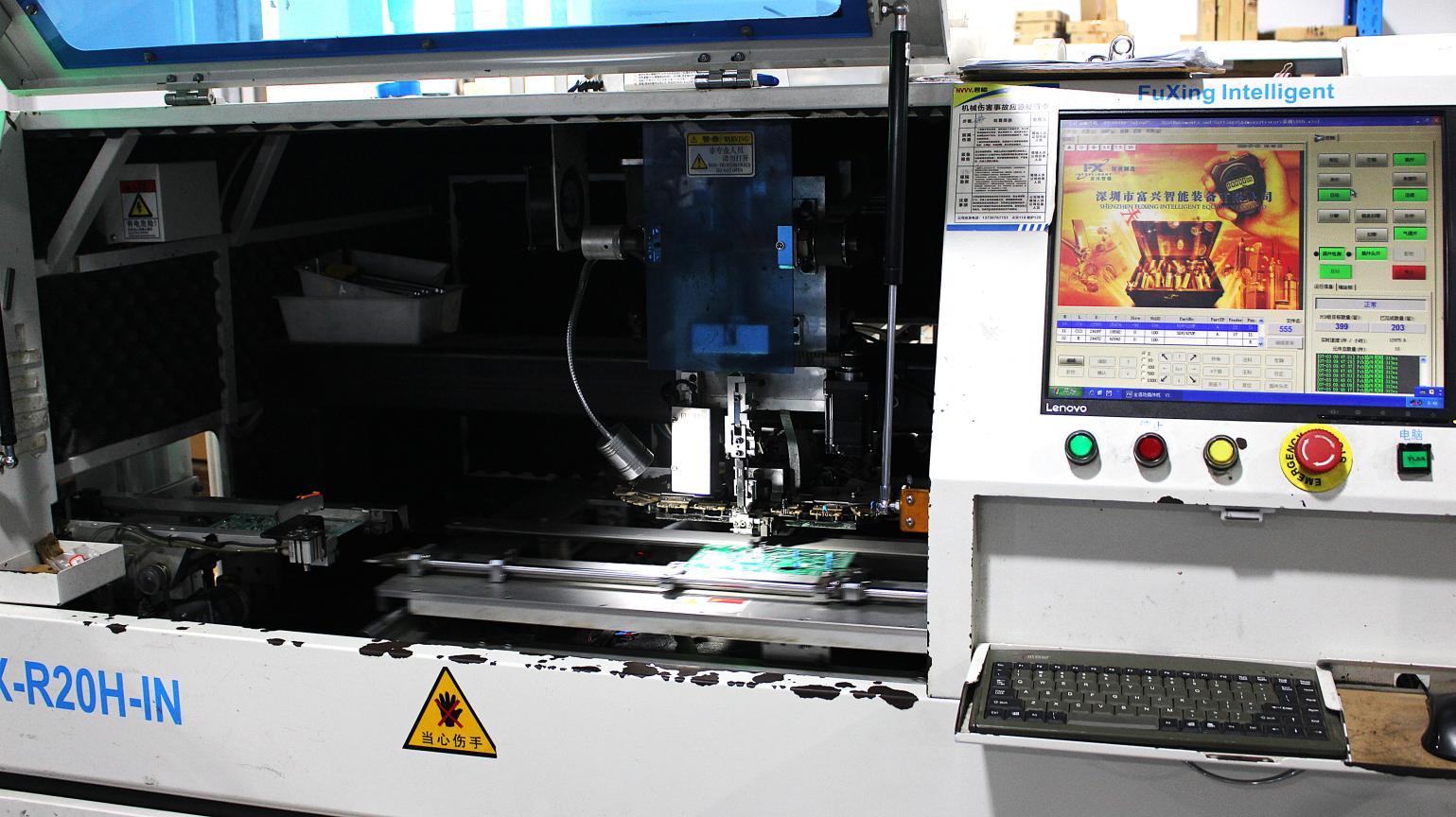
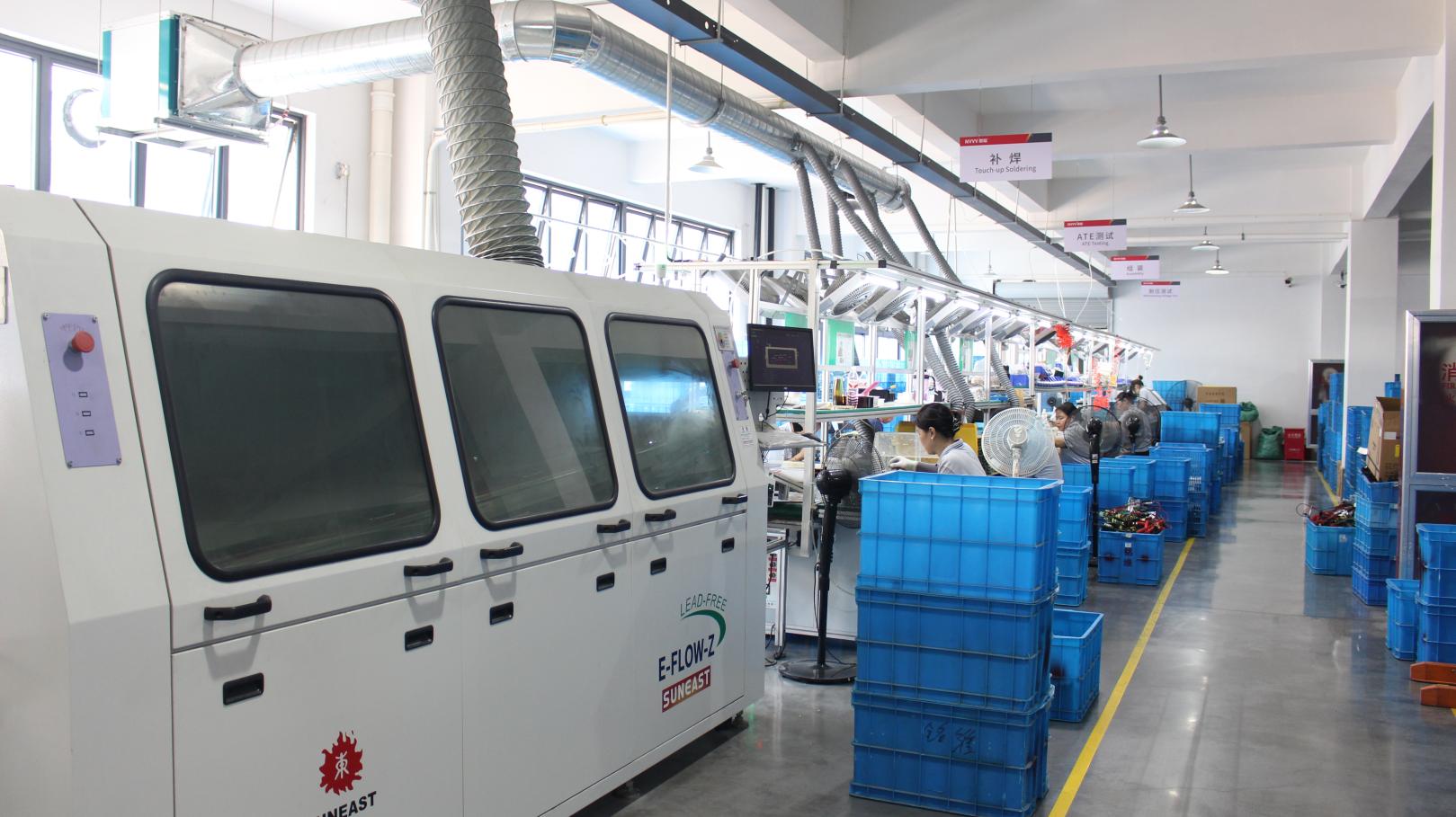
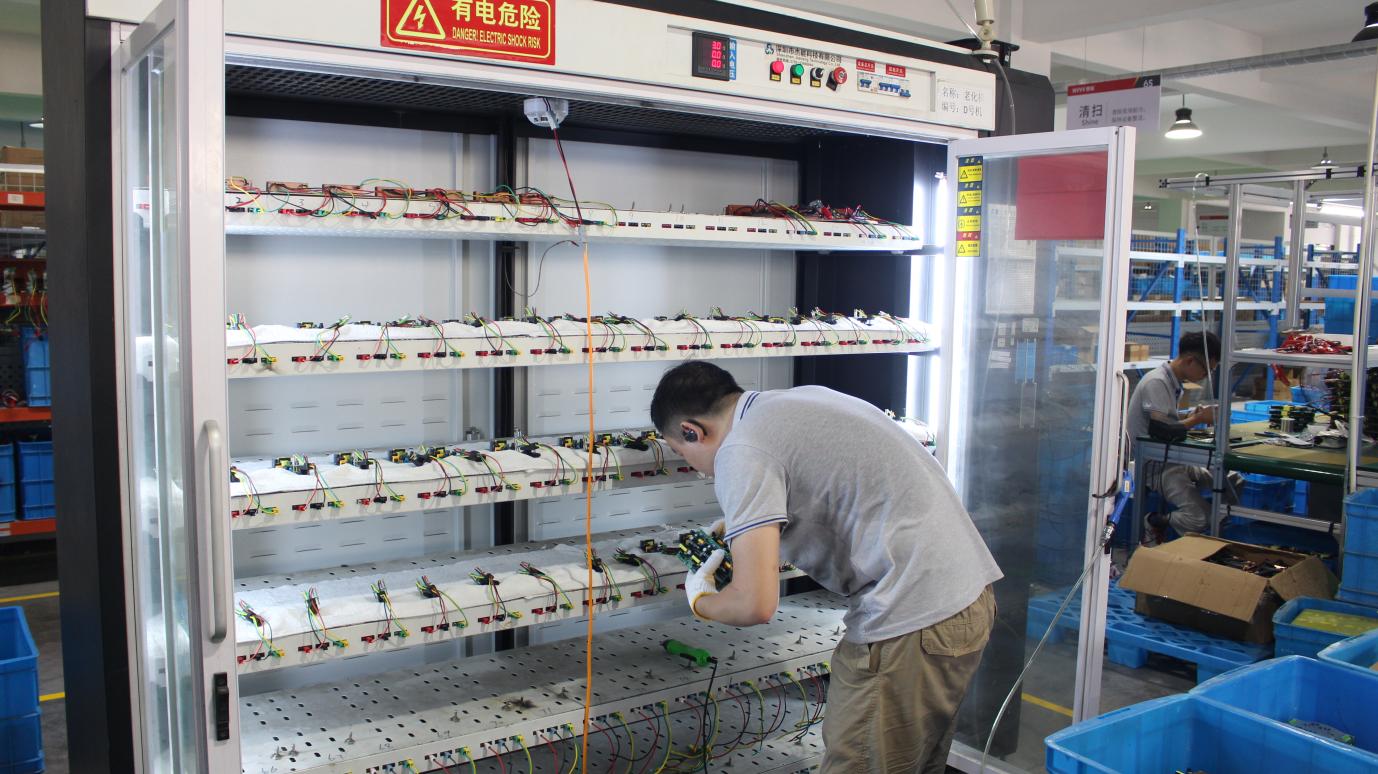
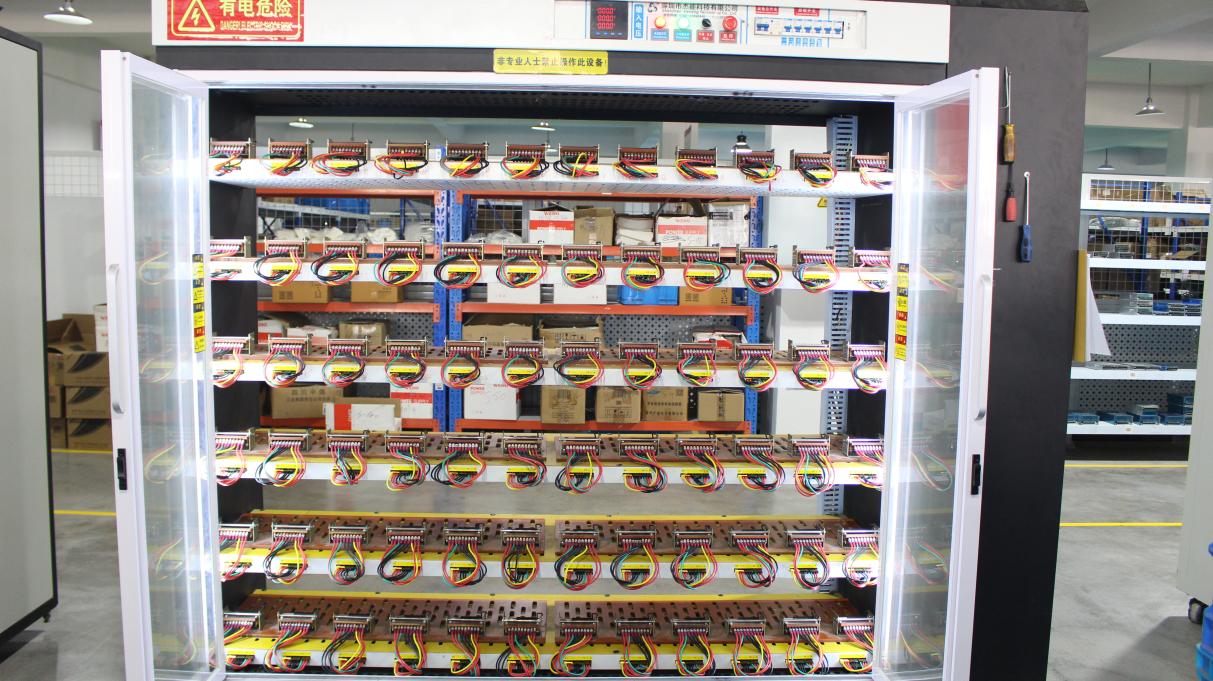
Every design undergoes full testing throughout production, including raw material inspection, automated component placement, wave soldering checks, and 100% full-load thermal burn-in. This process helps us maintain a 31% reorder rate.

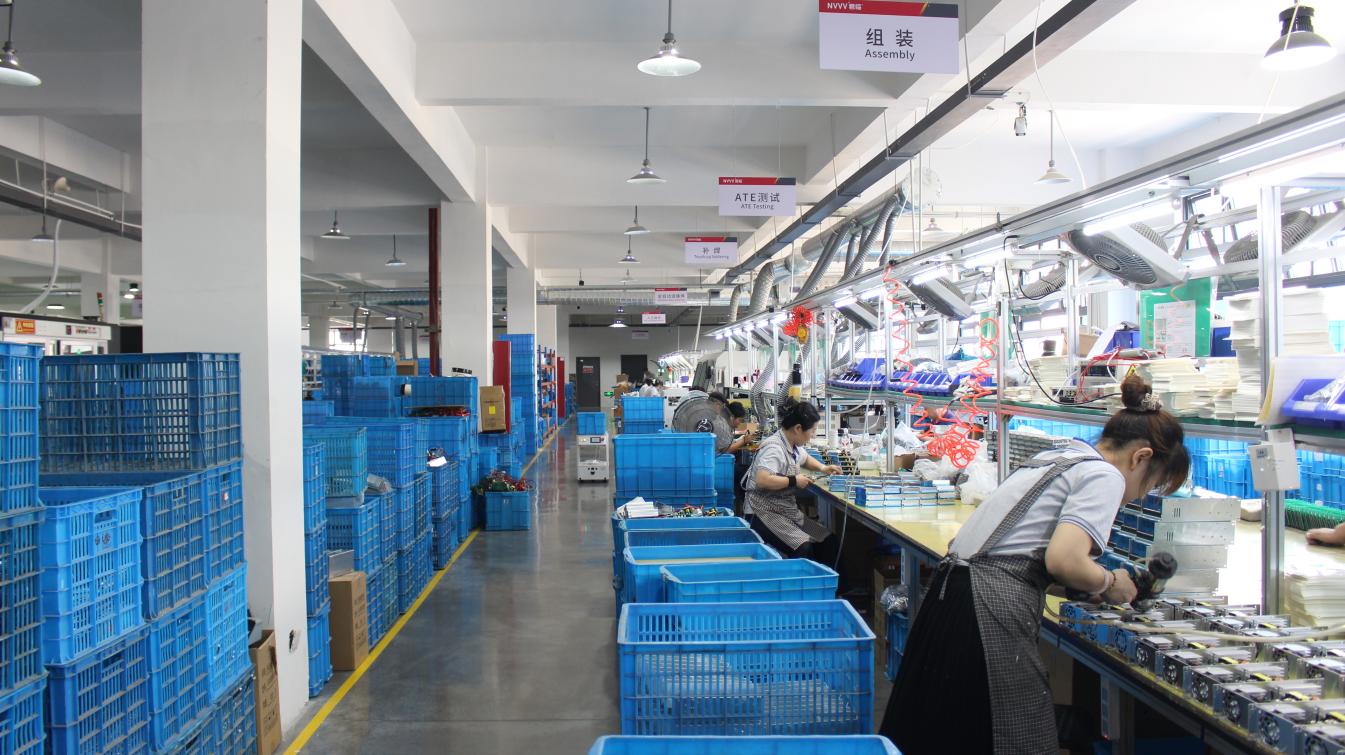
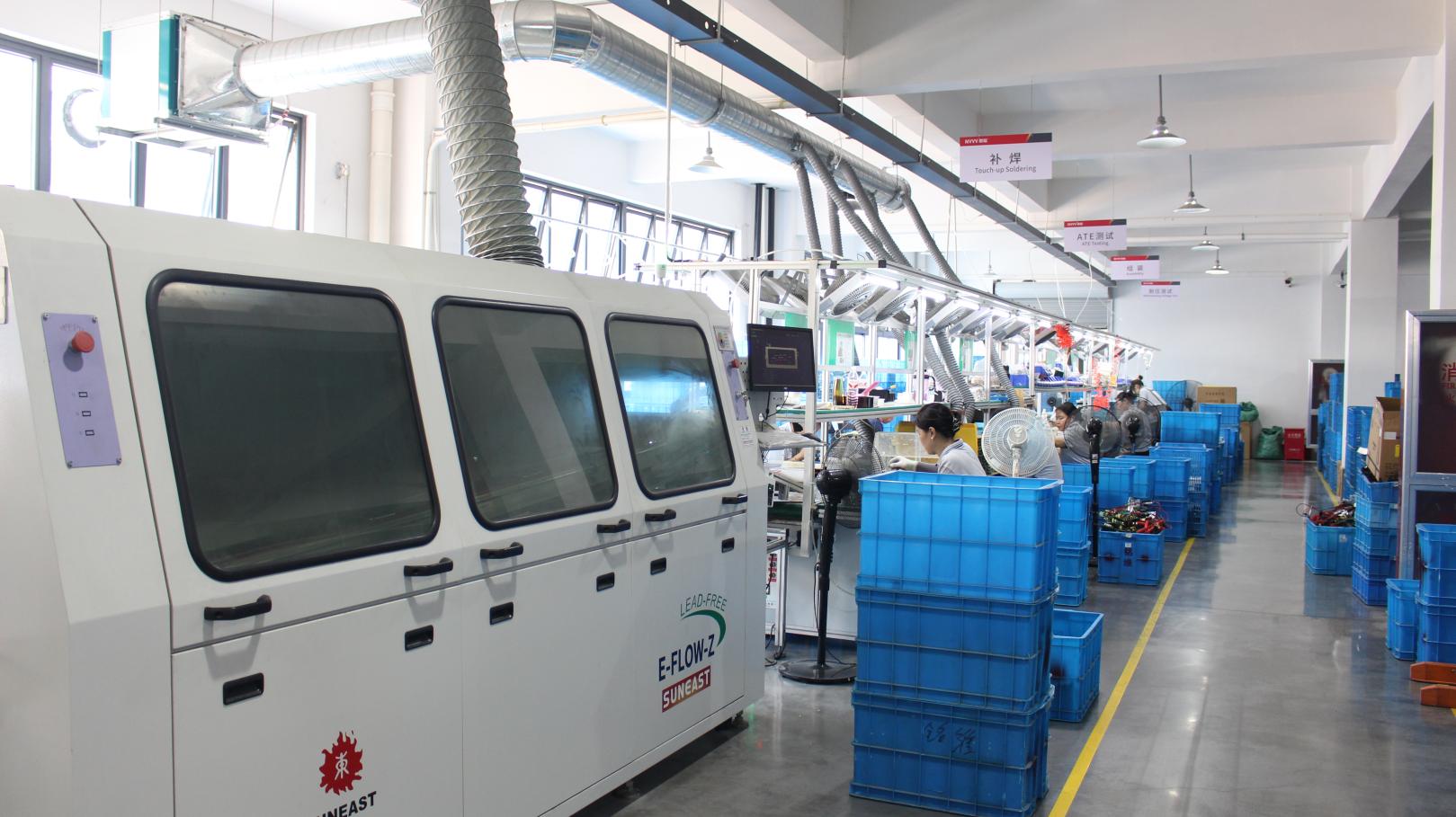
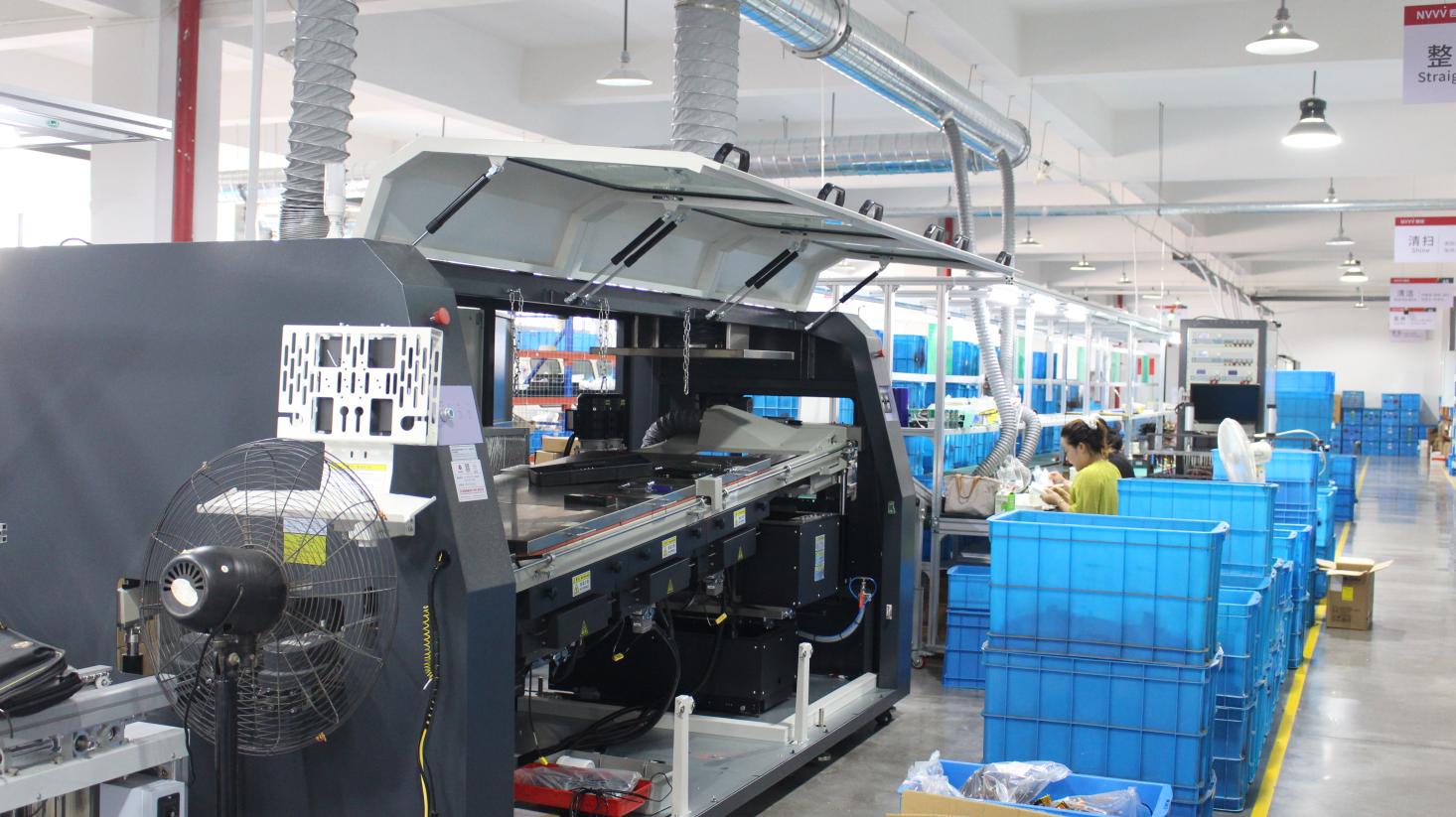
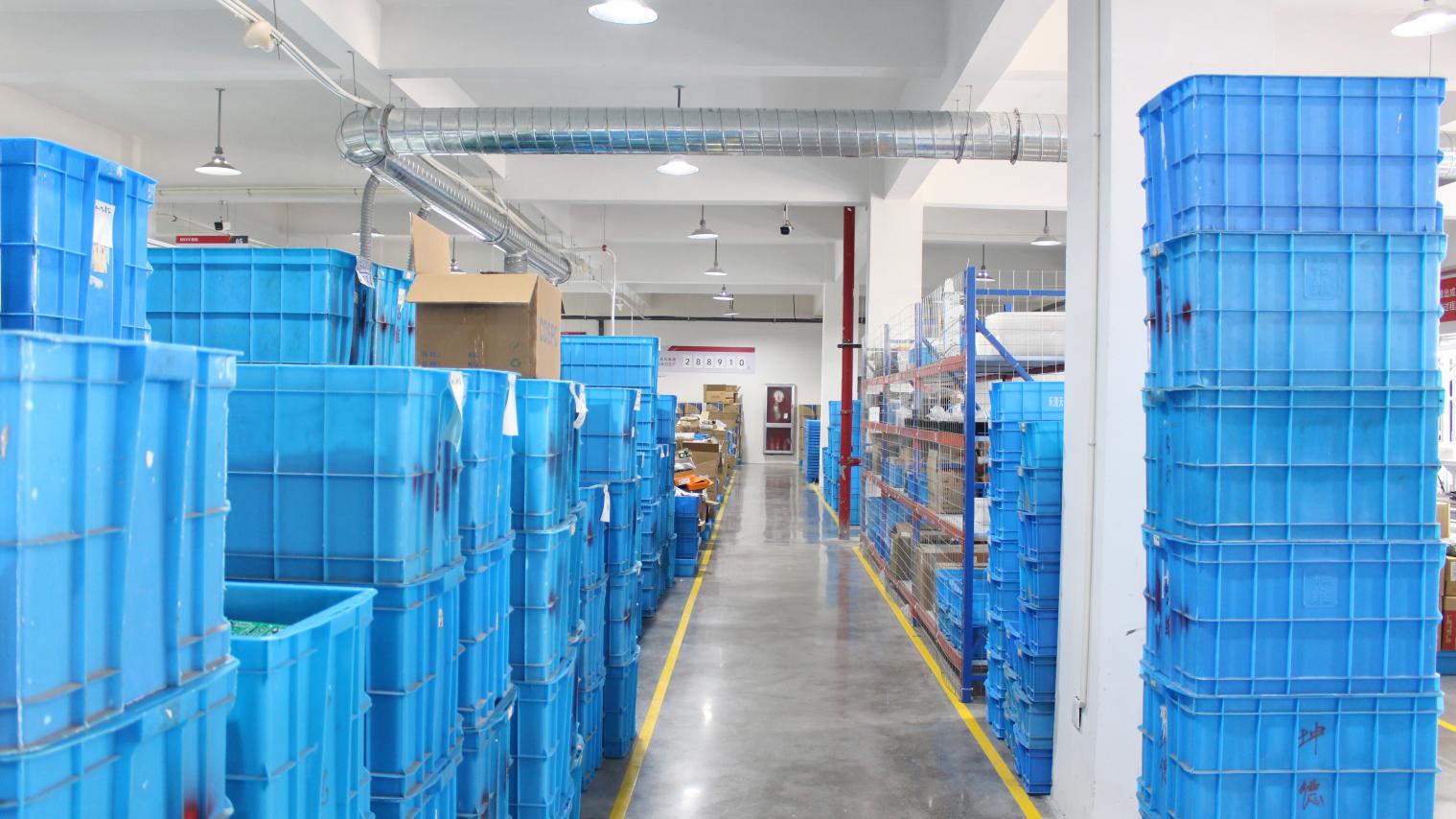
Quality-Controlled Manufacturing Walkthrough

Our 2,644 sqm facility operates under ISO-aligned workflows to produce reliable, high-performance power modules.
Production Line Facility
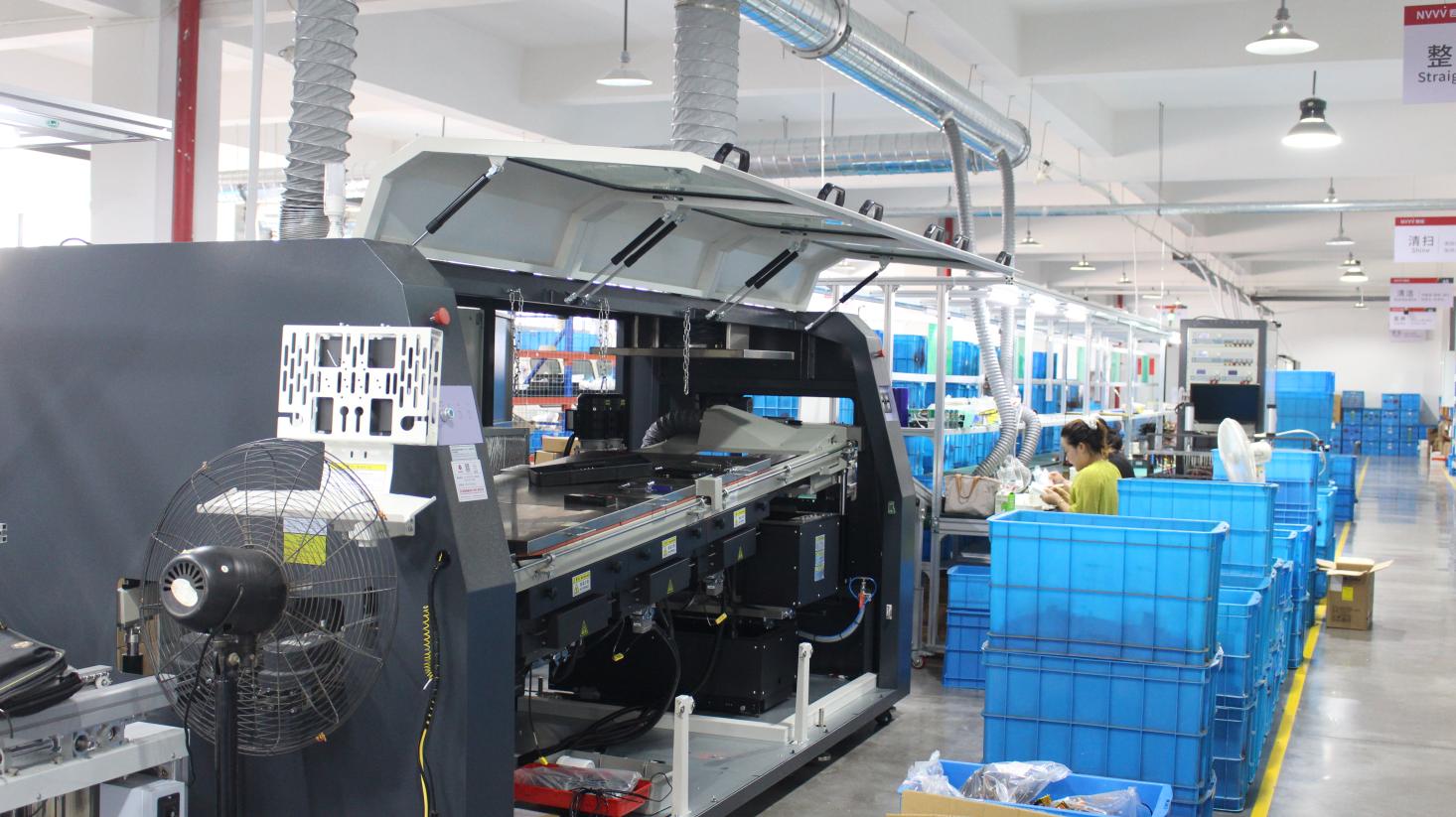
SMT Production Floor
Factory CNC Equipment
High-Speed Assembly Line
Automated Testing Area
Automatic Testing Terminals
QC Calibration
Quality Assurance Bench
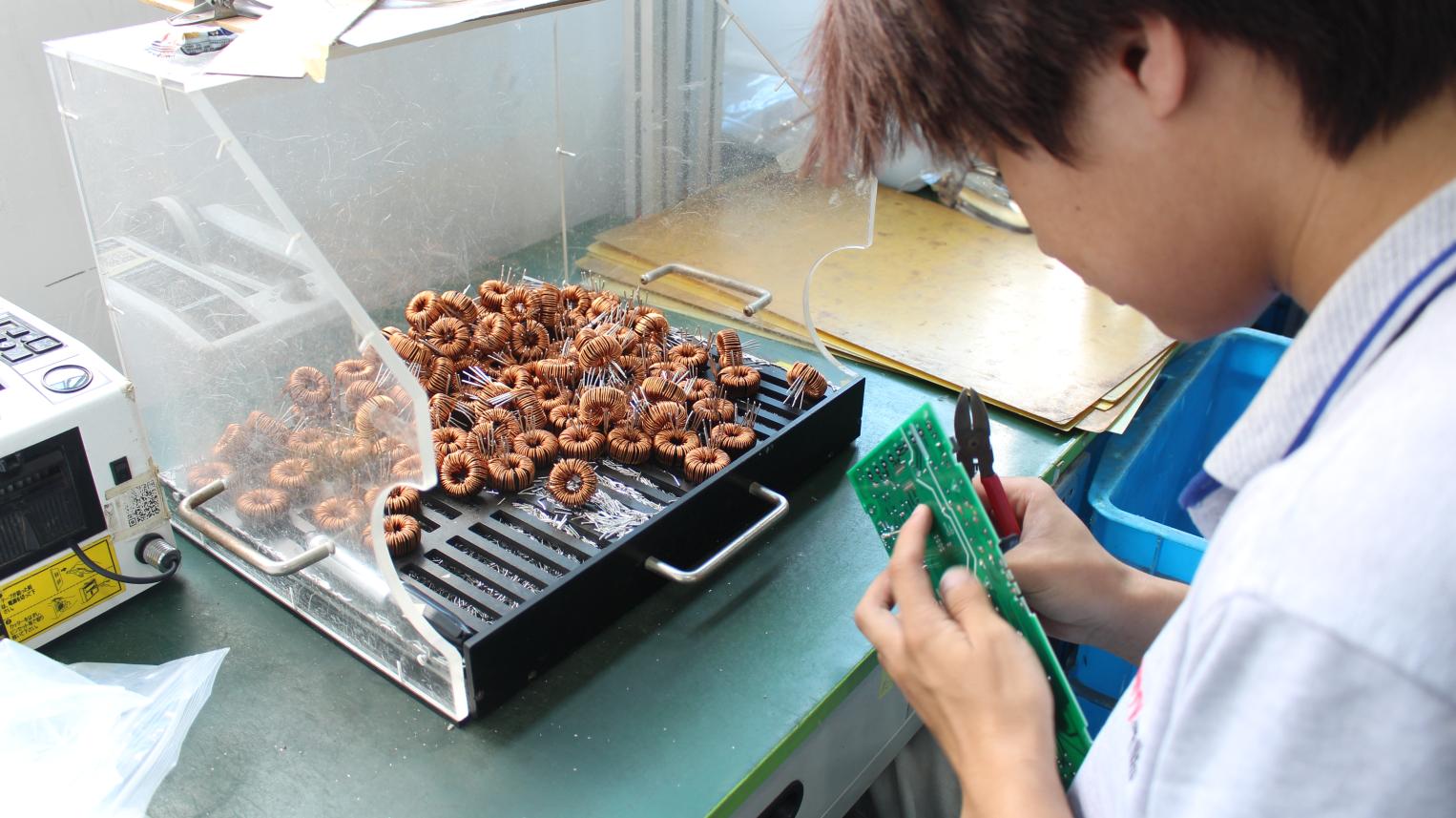
Automated Winding Machine
Transformer Manufacturing
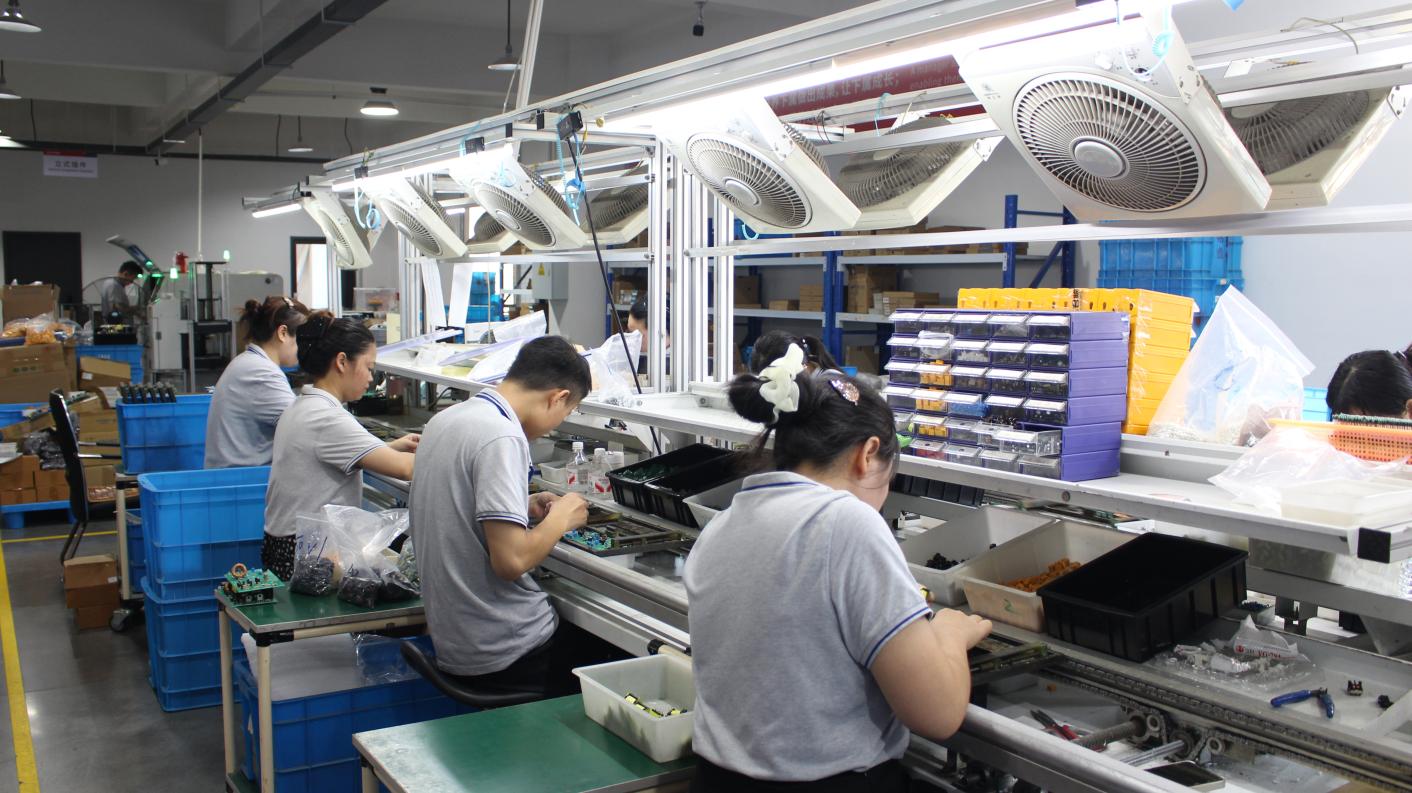
Assembly Workstations
Component Insert Stations
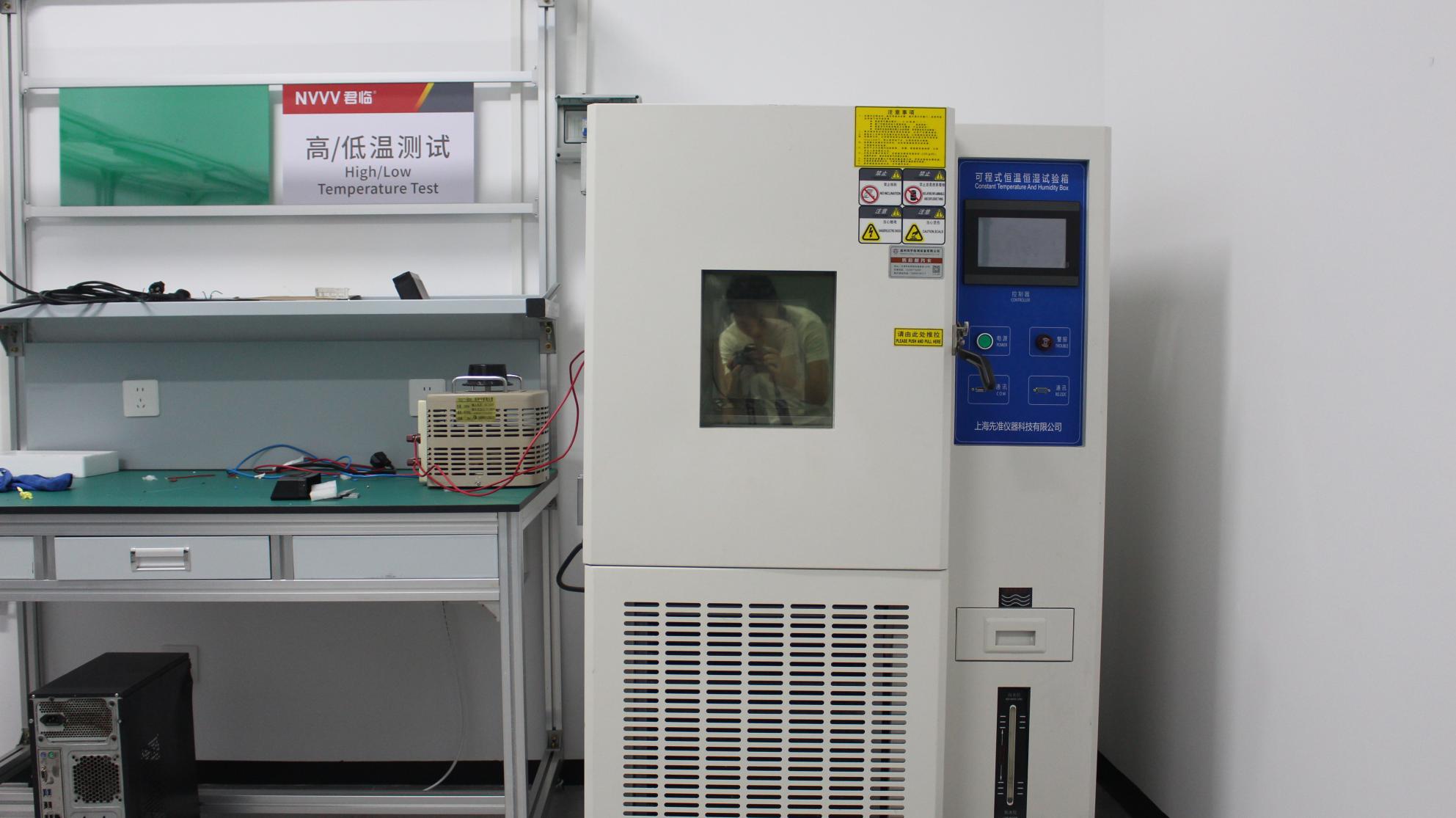
Testing Chamber
Environmental Isolation Chamber
Power Supply Test System
Load Calibration Rack
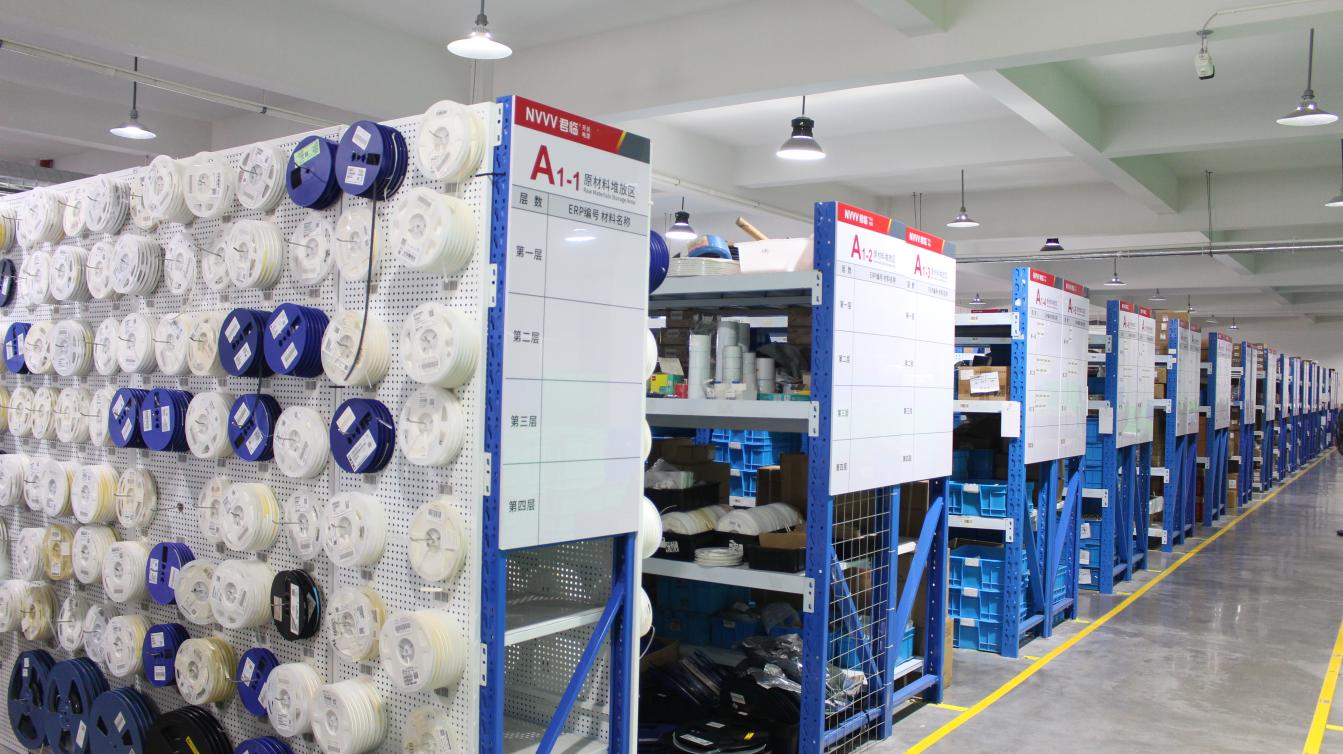
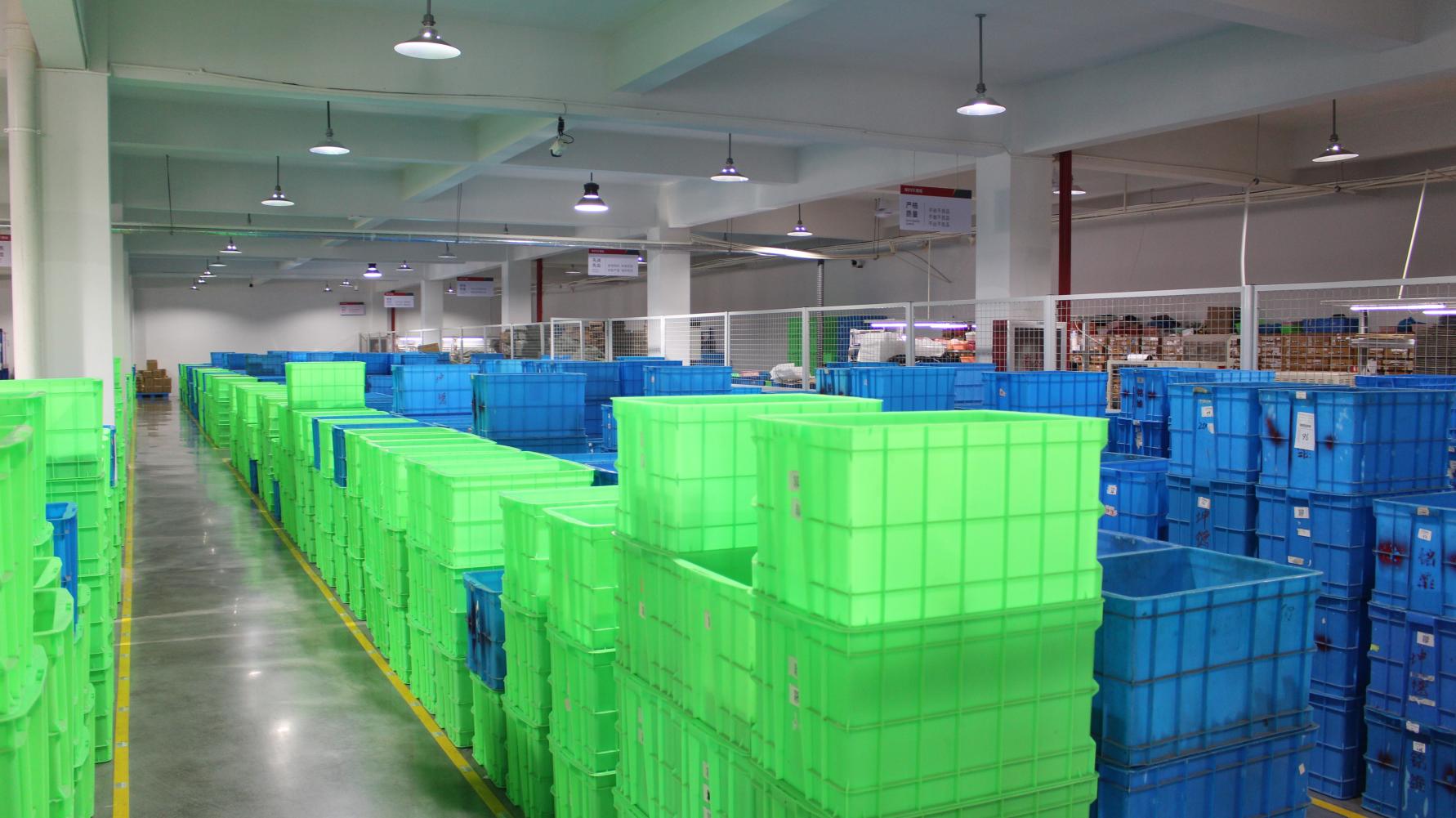
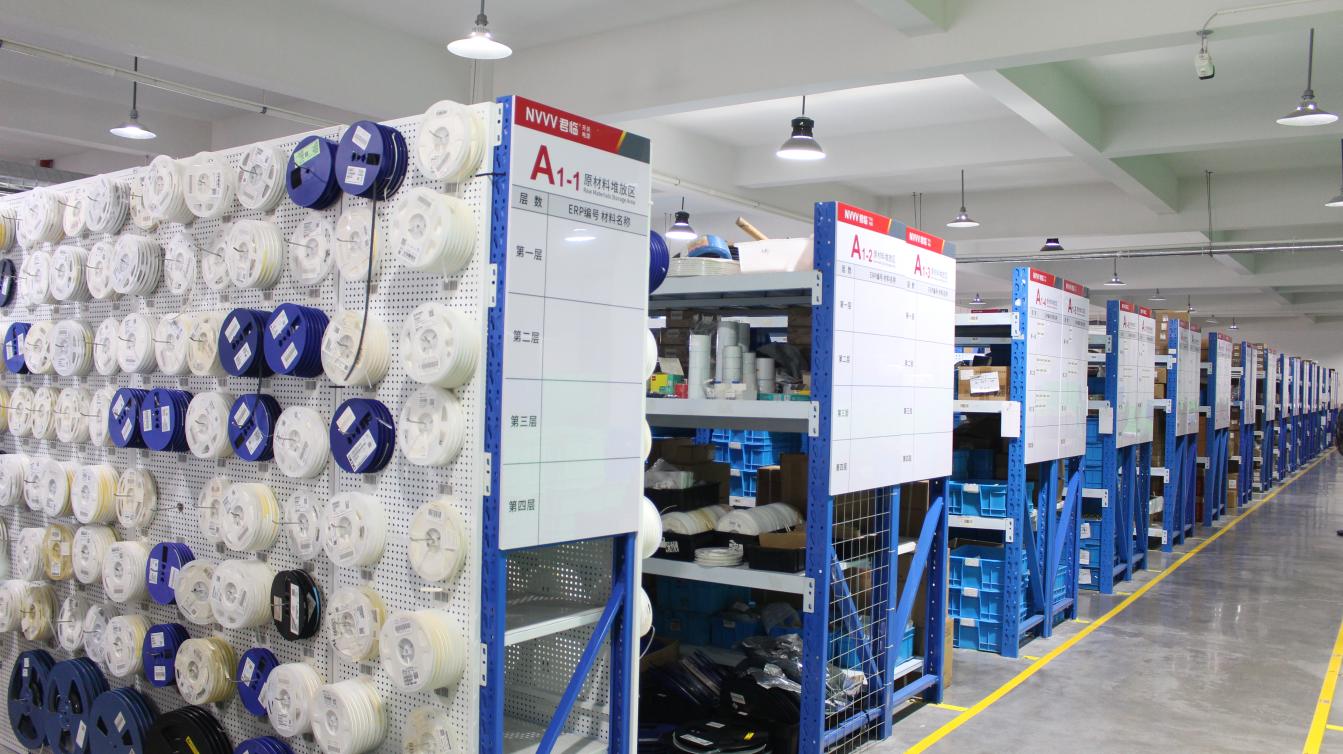
Raw Inventory Area
Component Storage Area
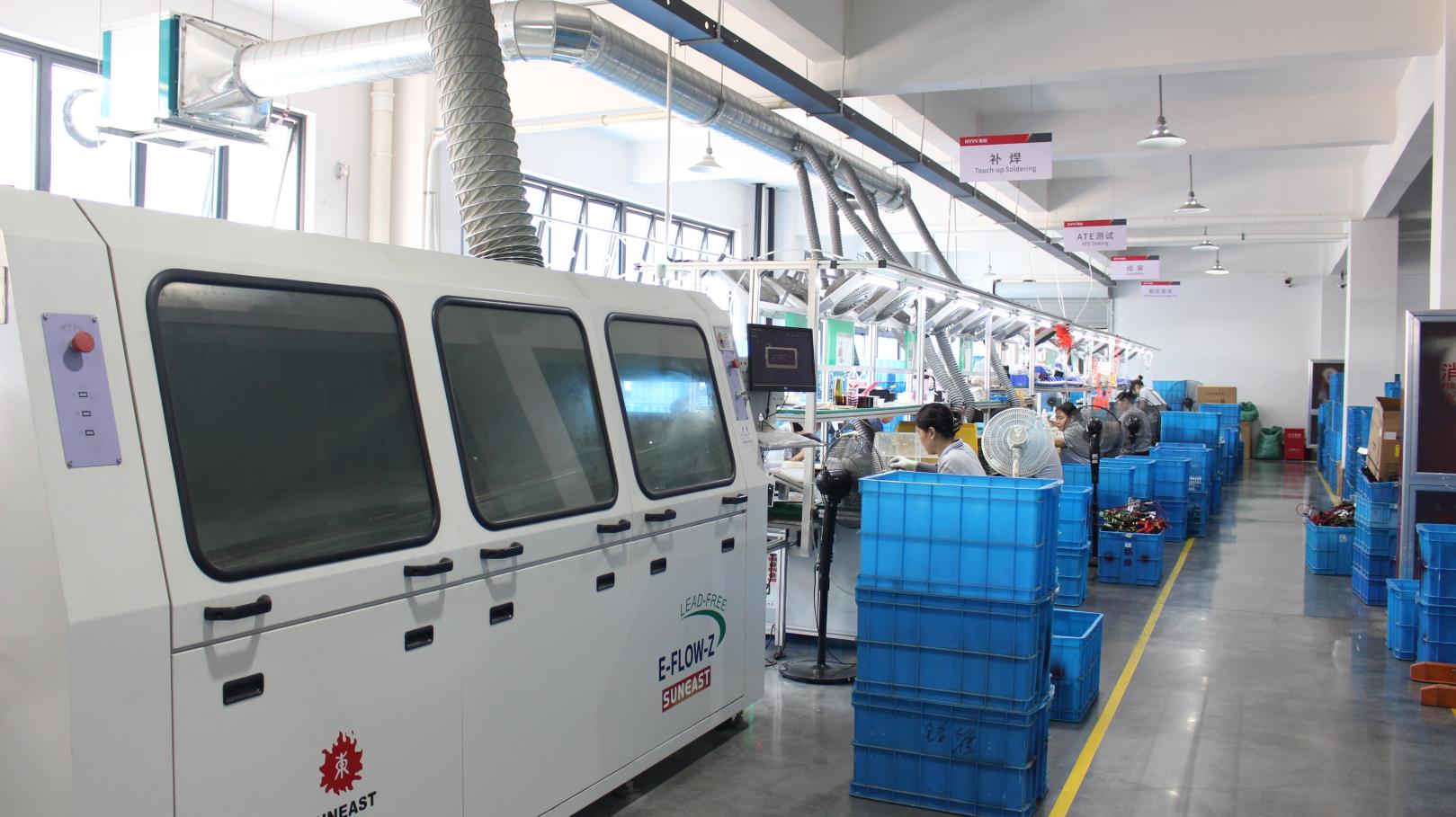
Wave Soldering Area
Wave Soldering Line
Verification Benches
Calibration and In-line Verification
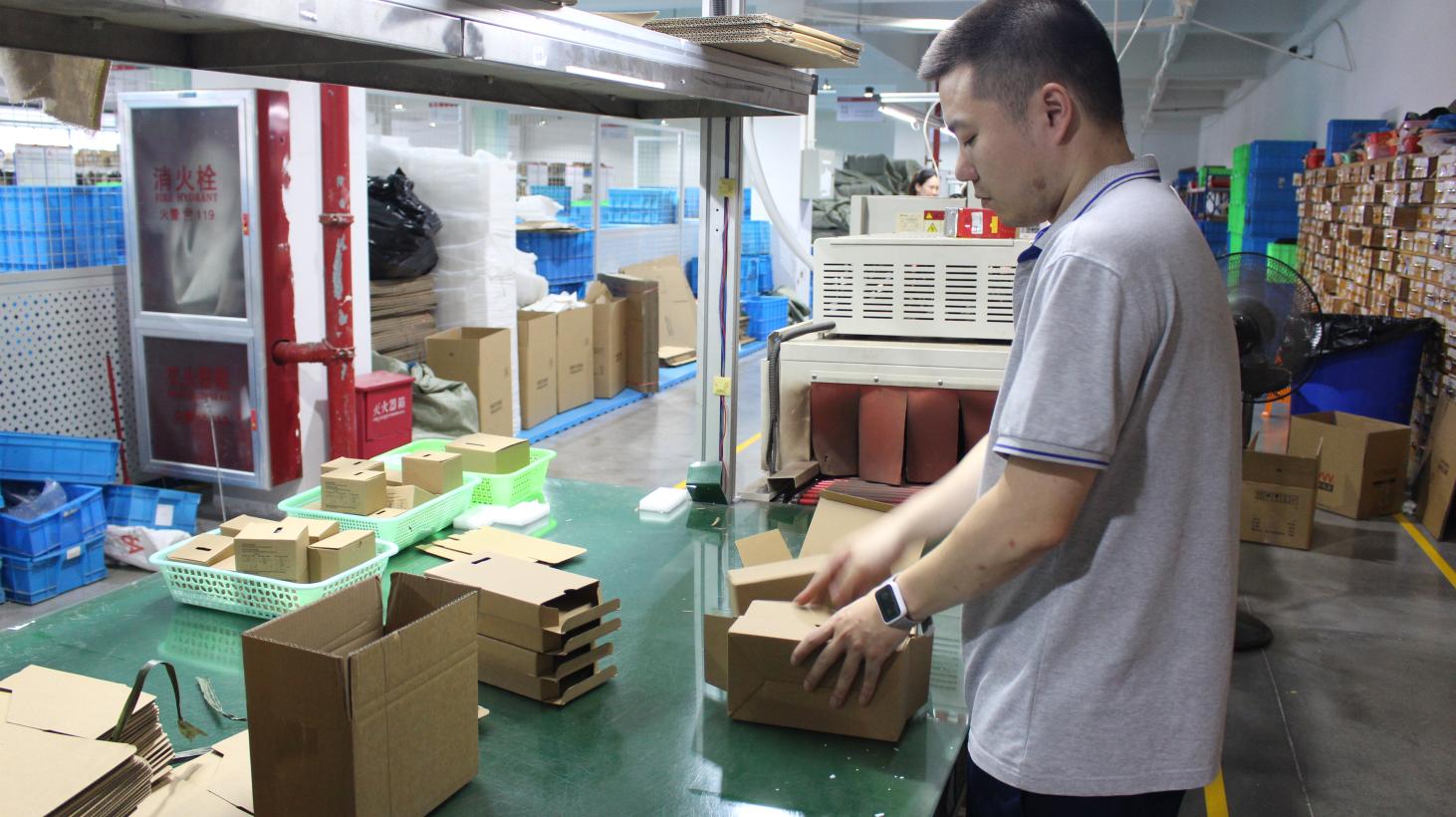
Package Testing
Final Package Quality Control

Step-by-Step Production Process

Raw material inspection
Raw material
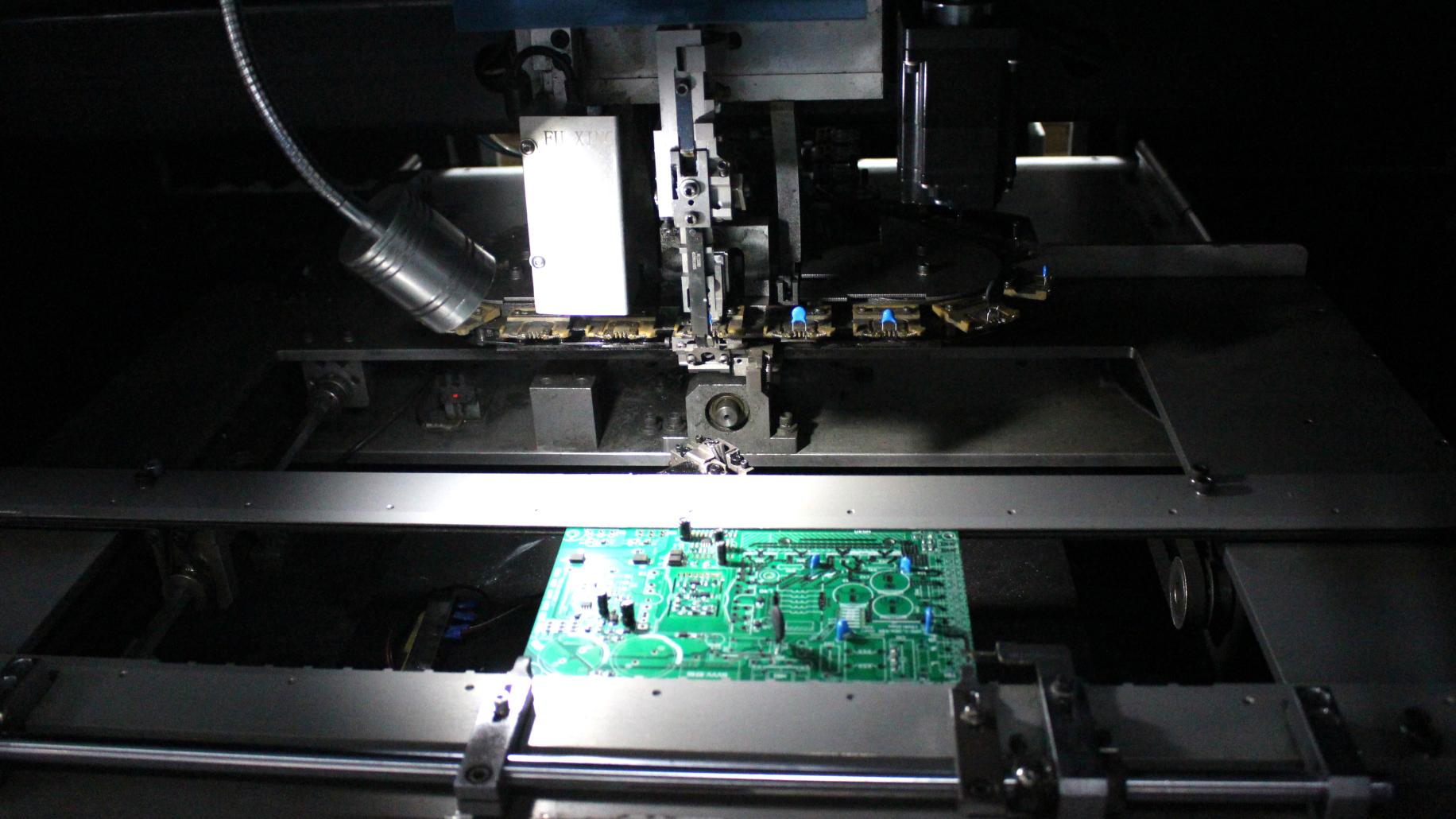
Component plug-in
Component plug-in
Component plug-in assembly
Component plug-in
Plug-in line verification
Component plug-in
Plug-in process
Plug-in
Manual plug-in phase
Plug-in
Wave soldering machine inline
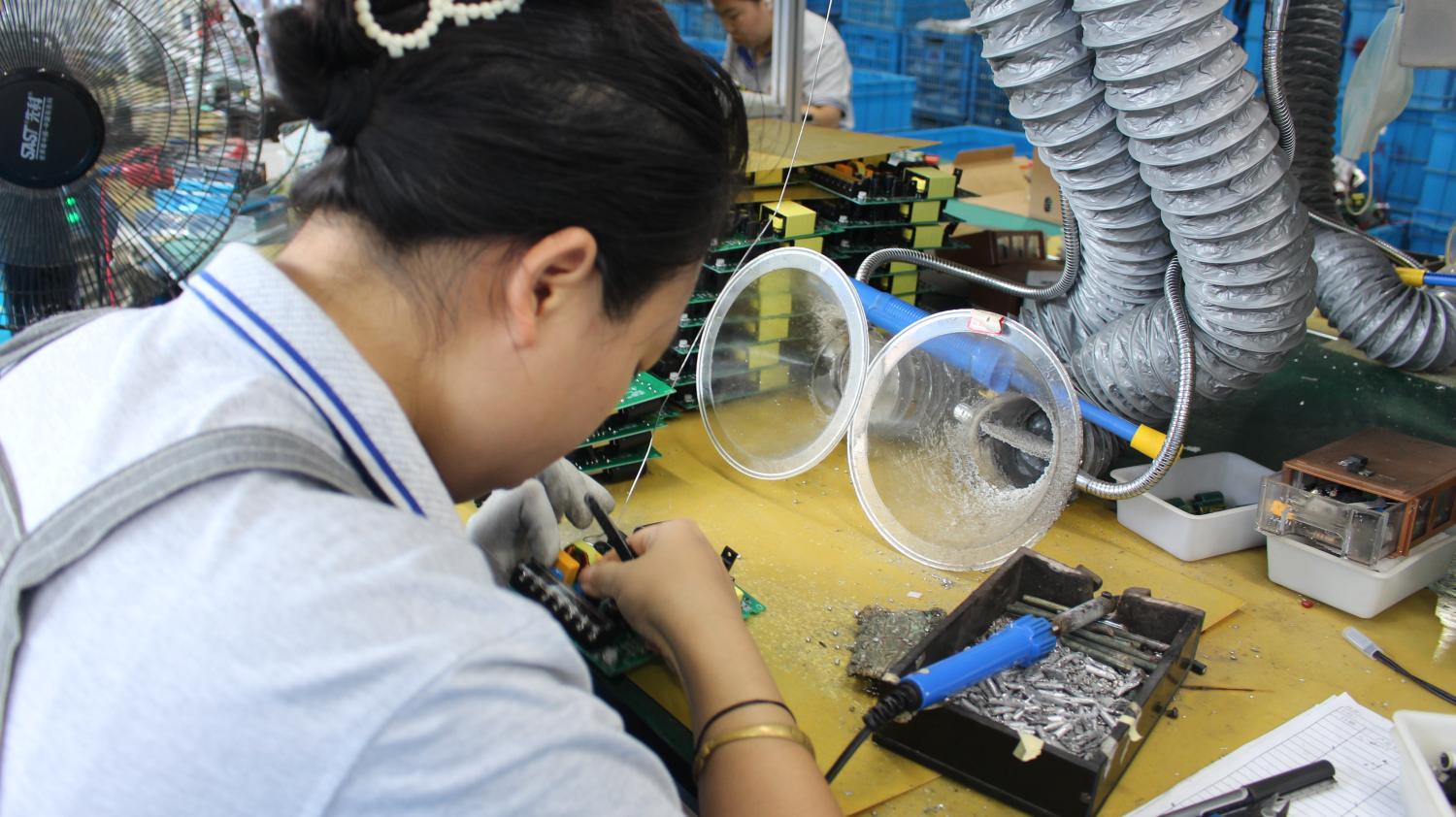
Wave soldering
Wave soldering quality inspection
Wave soldering
Chassis assembling
Assembling
Internal wiring assembly
Assembling
Fastening assembly
Assembling
Module integration assembly
Assembling
Thermal pads assembly
Assembling
Product casing closure
Assembling
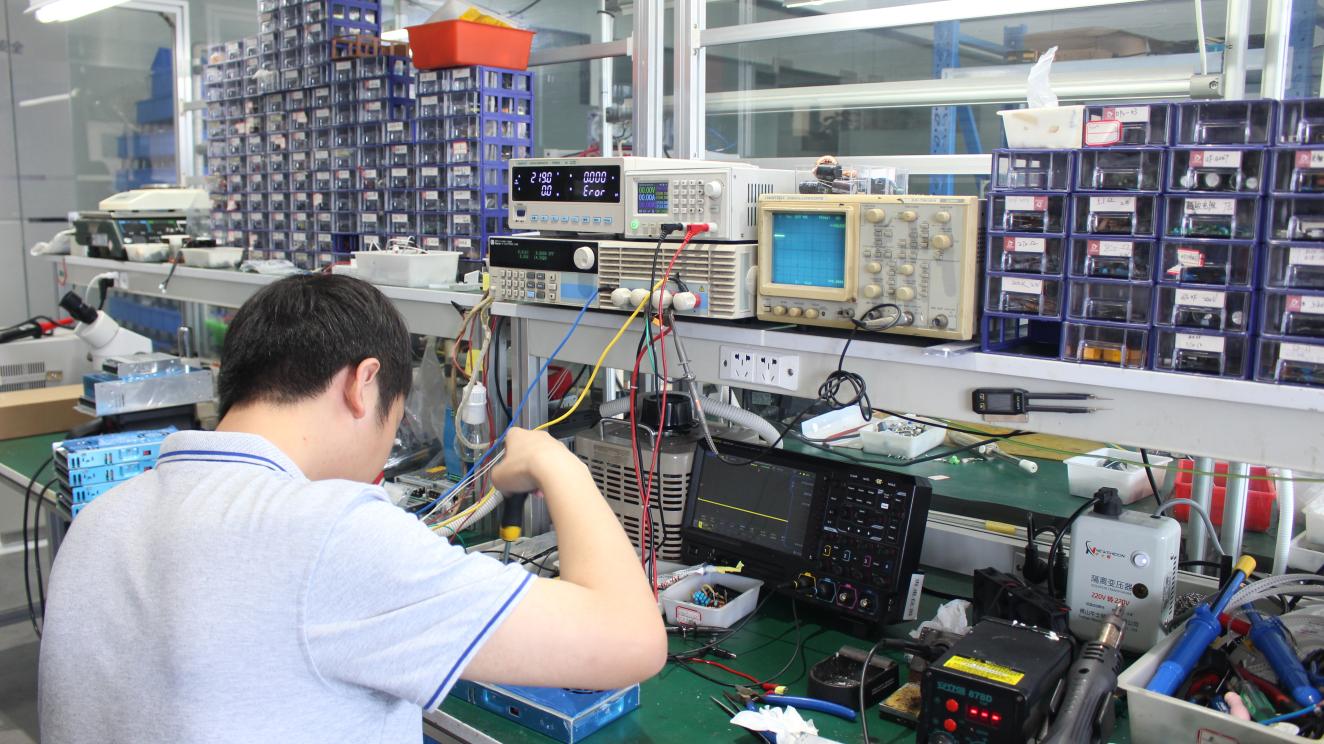
Electrical testing and parameters verification
Testing
Component plug-in machine
Wave soldering machine
Automatic packing machine line
Automatic packing machine
Assembly line overview
Assembly line
Testing and diagnostic tools
Testing
Aging test bench
Aging test bench
High and low temperature test machine
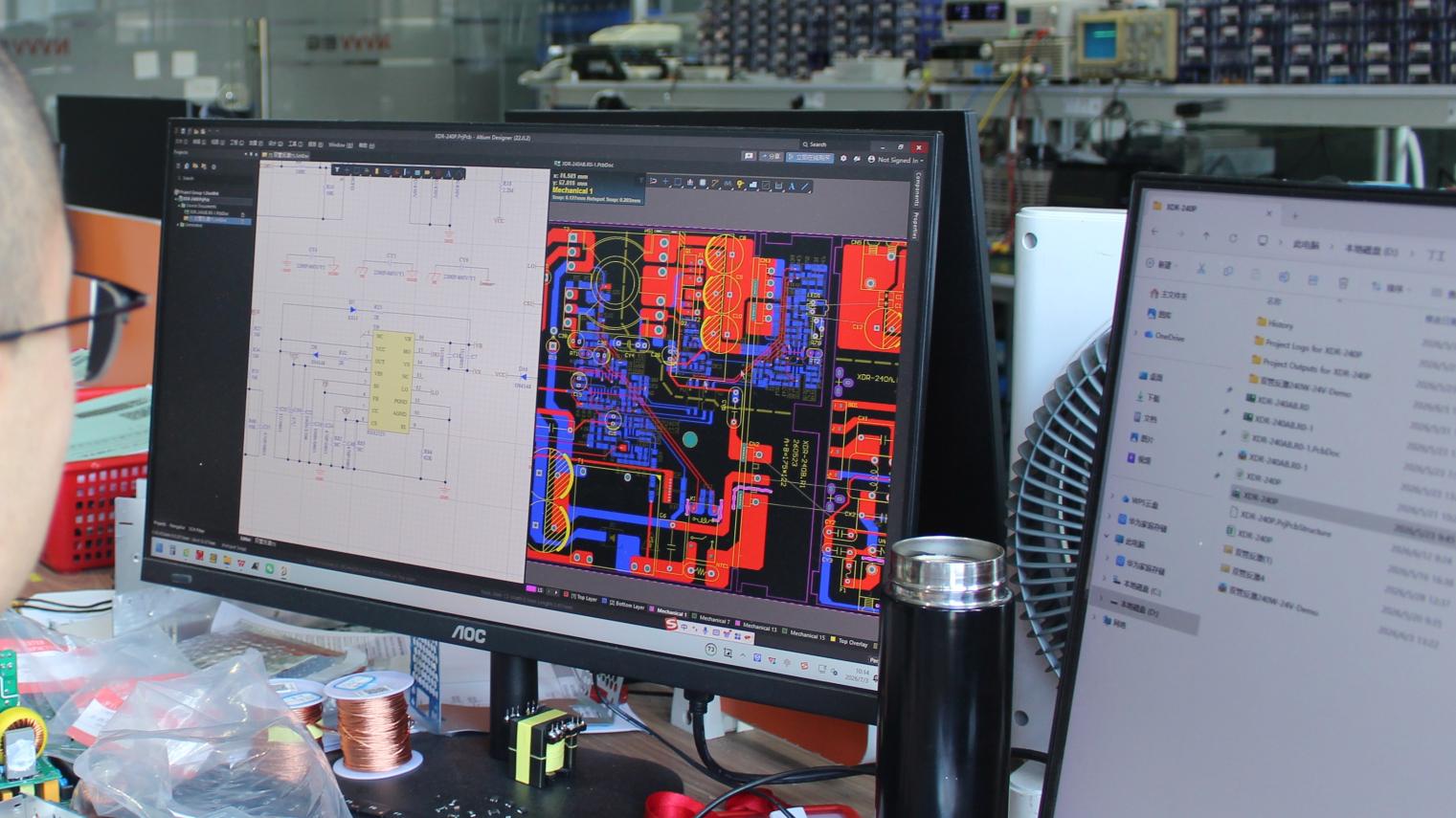
Design engineering and layout
Design
Electronic engineering test equipment
Advanced engineering analytics equipment
Electronic engineering test equipment

Procurement Criteria & High-Reliability Design for OEM/ODM Buyers

Key technical parameters for supply chain managers sourcing electrical power components.

Sourcing power conversion systems for heavy industry, outdoor telecom, or marine installations requires careful evaluation of technical specifications. Standard datasheets often emphasize peak performance under nominal conditions, but field failures typically occur at performance limits. OEM/ODM procurement managers should evaluate the following criteria:

1. MTBF and Reliability Indexes

Mean Time Between Failures (MTBF) indicates long-term reliability. A high MTBF is achieved through circuit designs that reduce component stress and limit thermal loading on internal capacitors. In NVVV systems, electrolytic capacitors are specified for high-temperature lifetimes (typically 105°C rated), which extends operational life in sealed chassis or non-ventilated enclosures.
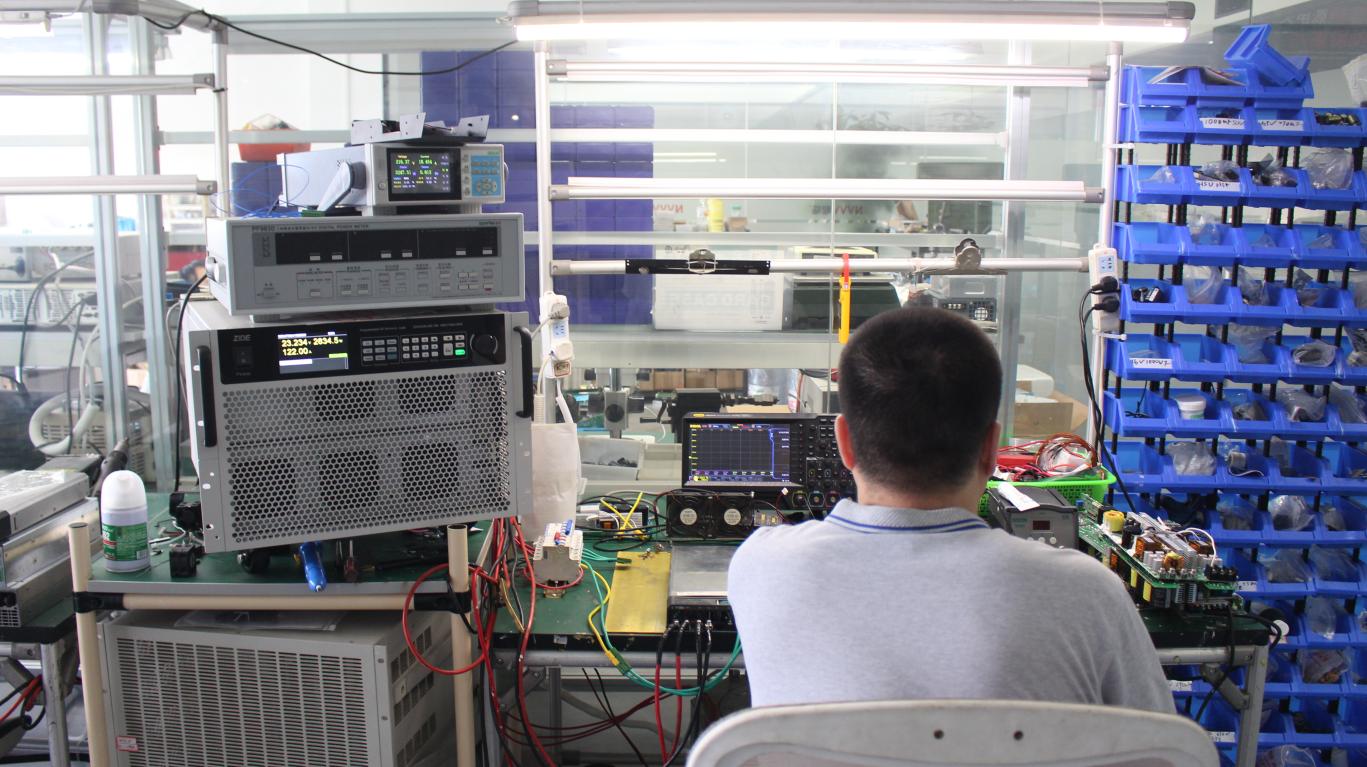
2. Advanced Thermal Mitigation Strategies

Conduction and convection cooling are preferred in sealed enclosures. Fan-cooled units introduce a mechanical point of failure. Designing for fanless operation requires efficient internal layouts, optimized heatsinks, and potting materials with high thermal conductivity. These design elements help transfer heat away from critical power switches to the external chassis.

3. Electromagnetic Compatibility (EMC) & Safety Compliance

Industrial environments feature significant electrical noise from motors, switchgear, and actuator switching. Power systems must include built-in EMI filtering to prevent line noise propagation and withstand high-voltage surges. NVVV products are certified to EMC standards to ensure clean power delivery in noisy industrial environments.

Technical Insight: Waterproof power modules require balanced potting. Using polyurethane or silicone-based compounds helps shield components from moisture, vibration, and thermal shock while maintaining low stress on surface-mount components during thermal cycling.

Global Sourcing, Custom Design, and Engineering Integration

OEM/ODM workflow from requirements gathering through pilot testing to high-volume manufacturing.

NVVV supports global engineering and sourcing teams through a structured product development cycle. We handle modification requests, brand labeling, and custom electrical configurations. Our process includes:

⚙️
Electrical & Mechanical Customization
We modify output voltages, multi-rail options, current limits, and form factors to fit existing packaging, ensuring compatibility with legacy hardware.
🛡️
Conformal Coatings & Ruggedization
We apply custom acrylic, polyurethane, or silicone coatings to protect circuits from humidity, dust, and corrosive chemicals in harsh operating environments.
📦
Brand Integration & Private Labeling
We handle custom packaging, logo printing, serial numbering, and documentation to support seamless integration into your final product line.
🌍
Global Logistics & Compliance
We ship to major hubs in North America (20%), Eastern Europe (15%), and East Asia (10%), backed by a 98.6% on-time delivery rate.

Frequently Asked Questions

Technical answers to help buyers evaluate rugged and industrial switching power supplies.

What distinguishes a "rugged" power supply from a standard industrial model?
Rugged power supplies are designed to withstand mechanical stress, thermal shocks, moisture, and electrical fluctuations. They feature conformal coatings, ruggedized mechanical mounts, high-durability capacitors, and protective enclosures (up to IP67/IP68). This makes them suitable for high-vibration applications, outdoor environments, and places with unstable grid conditions.
How does NVVV handle quality control during mass manufacturing?
Quality control is integrated throughout our production process. We test raw materials, perform automated optical inspection (AOI) during SMT placement, use in-line wave soldering checks, conduct manual assembly testing, and run a 100% full-load burn-in test. These steps help prevent early-stage product failures.
Can we request custom output voltages or unique form factors?
Yes. NVVV provides comprehensive OEM/ODM services. We can adjust electrical profiles (such as output voltage, current limits, and multi-rail outputs) and modify physical housings or brackets to fit specific mechanical systems.
What compliance certifications do your power systems hold?
Our products hold multiple international certifications, including CE, FCC, CCC, UKCA, BIS, and EMC. This helps simplify the import process and safety approvals in major global markets.
What is the typical lead time for custom OEM samples?
Lead times depend on the complexity of the customization. Basic modifications to existing models can be completed within 1 to 2 weeks, while full custom electrical or mechanical designs typically require 4 to 6 weeks for prototyping and validation.