NVVV Electric
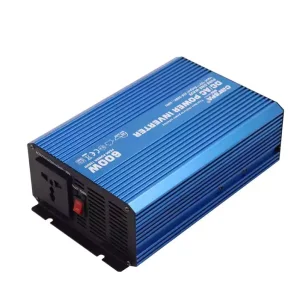
The Evolving Landscape of Industrial Rechargeable & Switching Power Supplies
The modern industrial ecosystem is demanding unprecedented reliability, efficiency, and intelligence from energy management components. High-precision rechargeable power supplies, switching modes (SMPS), and intelligent DIN rail interfaces form the backbone of clean-tech grids, automation platforms, telecom towers, and smart security frameworks. As global supply chains migrate toward energy independence and smart grid integration, industrial buyers must evaluate components not only by basic wattage ratings but by thermal endurance, transient load handling, and long-term compliance protocols.
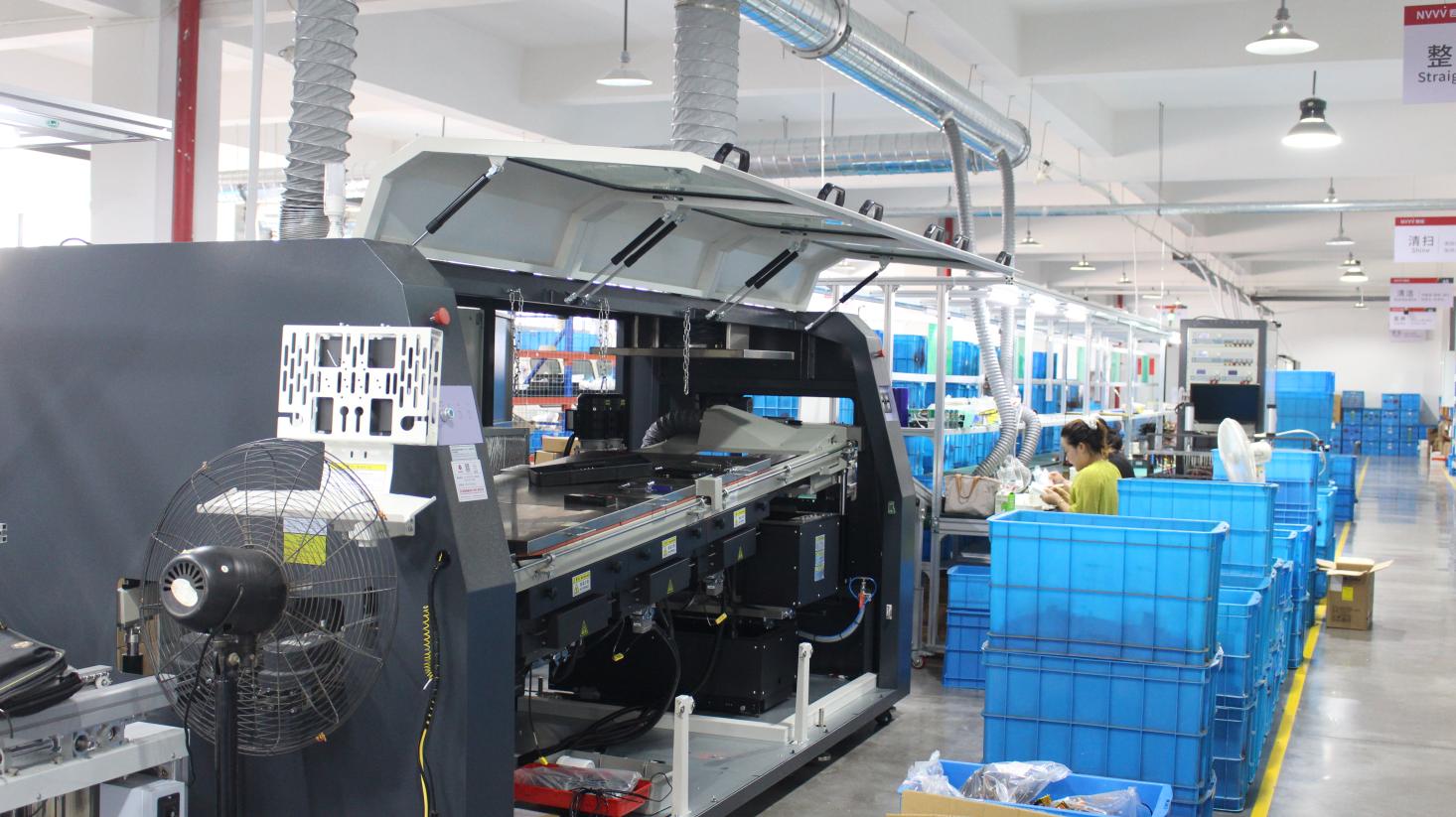
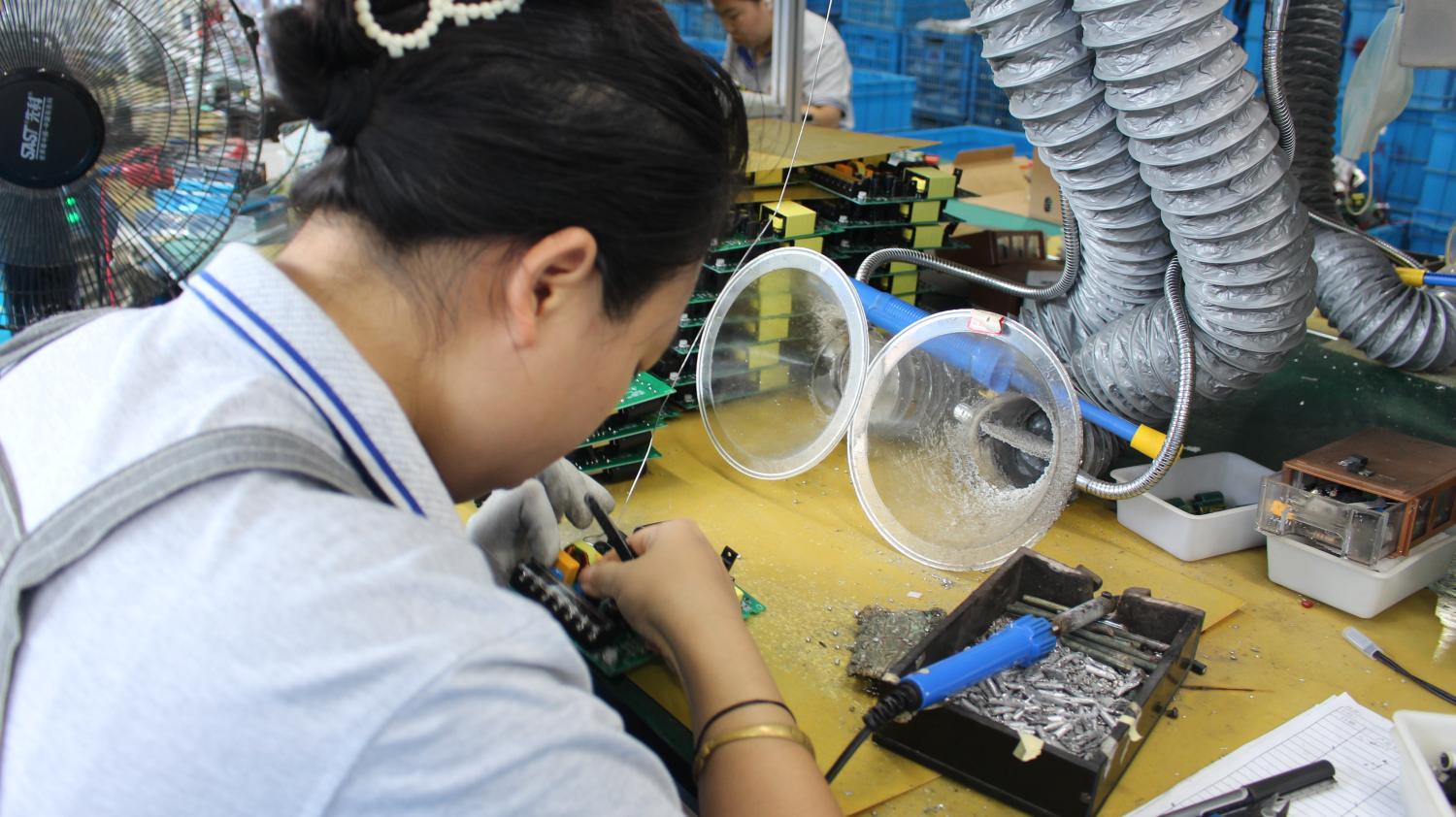
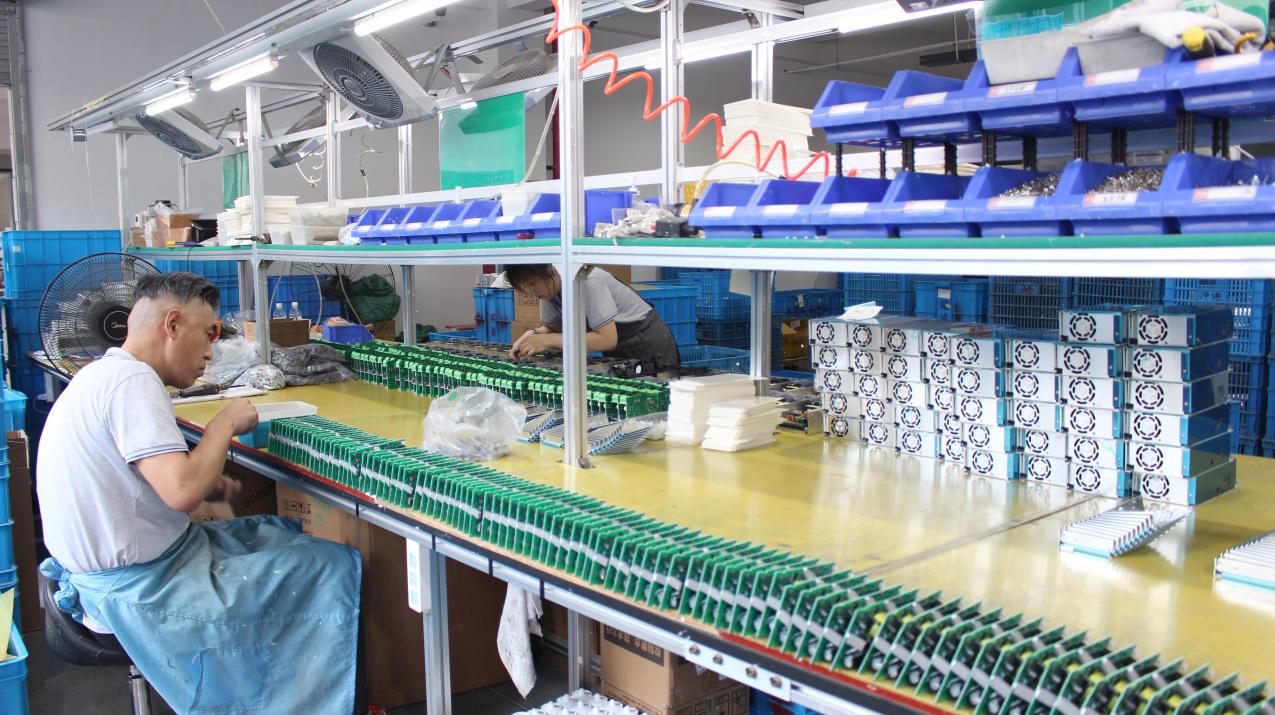
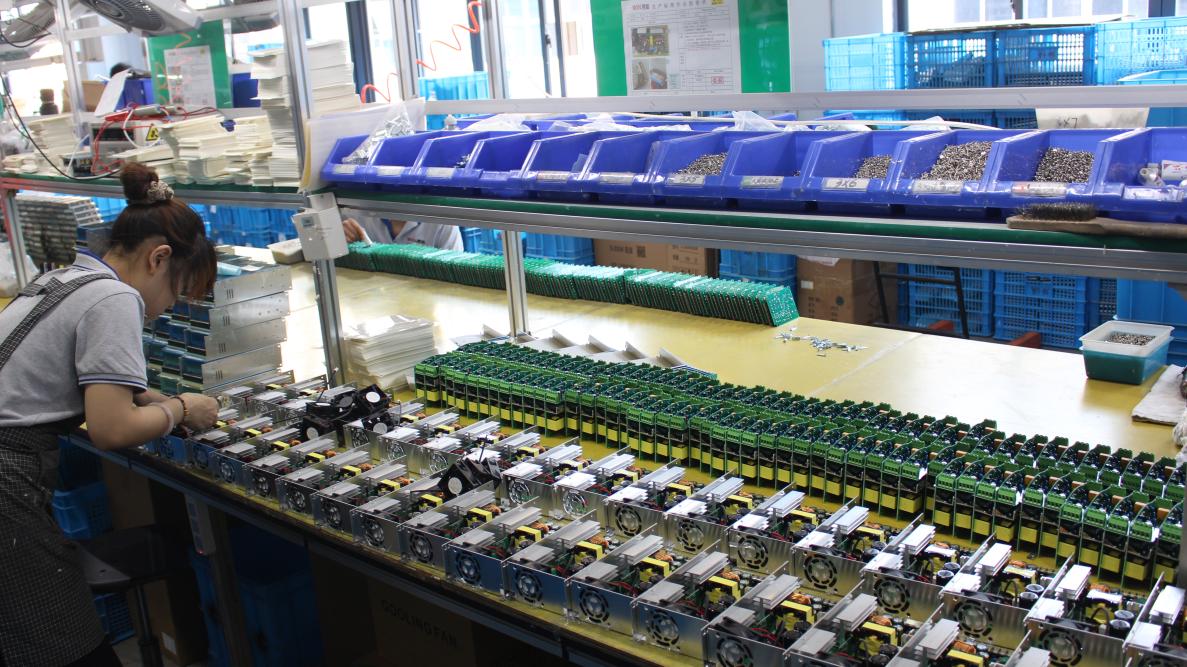
At NVVV Electric Technology Co., Ltd., based in Wenzhou, China, we address these technical vectors by manufacturing solutions designed to solve severe industrial power conversion and backup challenges. By delivering robust mechanical isolation, high conversion efficiency, and integrated protection loops, we ensure that modern operations remain unaffected by supply line sags, spikes, or total power failures.
Technical Roadmap & Future Outlook of Rechargeable & Switching Power Supply Technology
The future of industrial power regulation is shaped by several structural transitions in electrical engineering. We continuously incorporate these technological advances into our R&D roadmap to guarantee long-term asset security:
- Wide-Bandgap Semiconductor Integration: Silicon (Si) is progressively reaching its thermal and switching frequency limits. We are pioneering the deployment of Gallium Nitride (GaN) and Silicon Carbide (SiC) in our high-power converters to minimize switching losses, shrink inductors, and deliver over 94% system efficiency.
- Active Power Factor Correction (PFC): To prevent harmonic distortion back into utility lines, our advanced units feature active PFC circuits. This ensures compliance with EN 61000-3-2 standards, reducing energy bills and optimizing conductor sizes for the end-user.
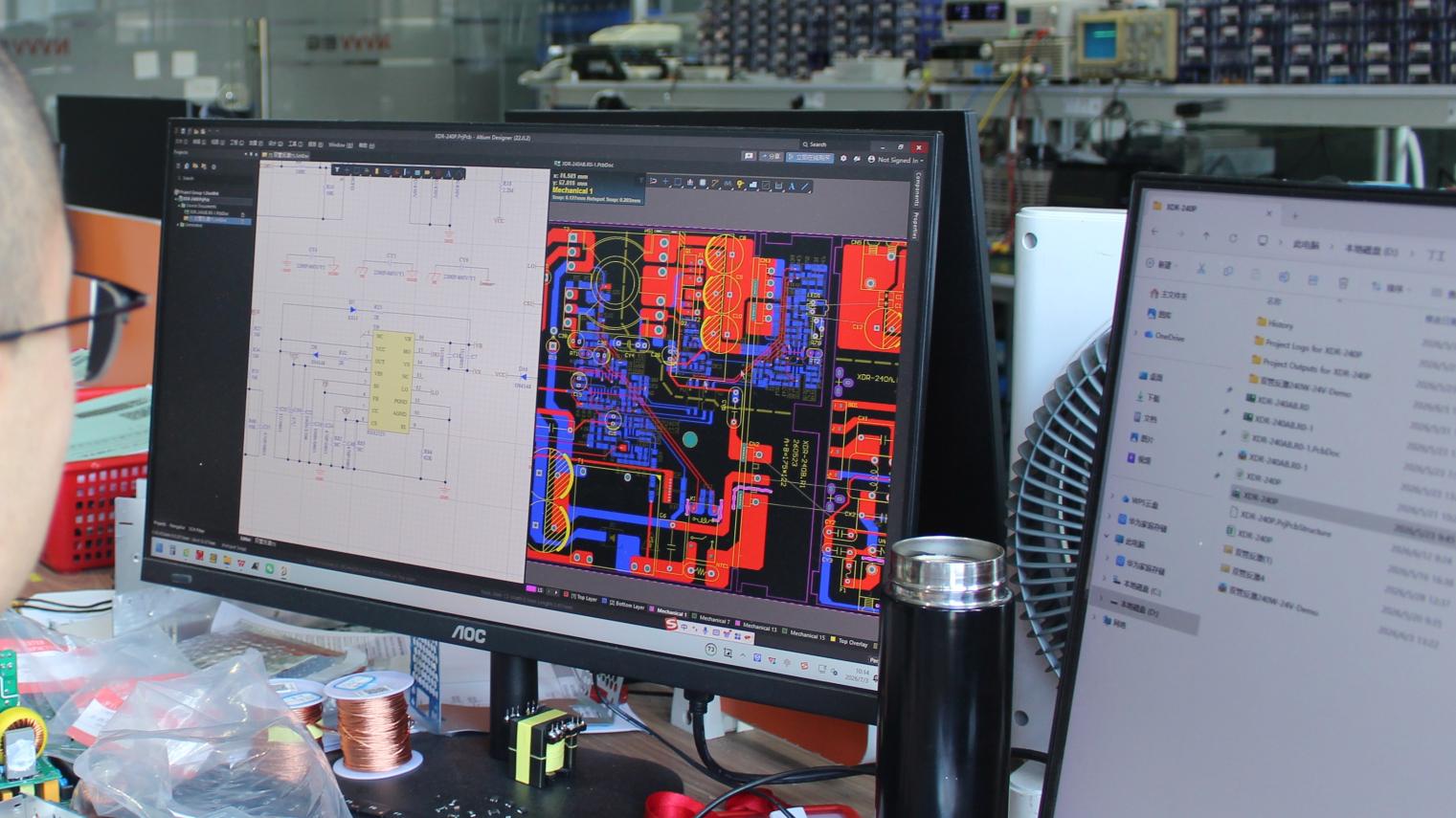
- Digital Loop Control: Transitioning from legacy analog feedback loops to micro-controlled digital power loops allows real-time diagnostics, soft-start calibration, and programmable current limiting via Modbus or CAN bus communications.
- Intelligent Energy Buffering: Smart DIN rail units now double as DC-UPS nodes, communicating directly with lithium iron phosphate (LiFePO4) battery packs. They balance battery lifecycle parameters through precise temperature-compensated charging algorithms.
Macro-Industry Solutions: Grid Automation, CCTV, and Municipal Infrastructure
Power requirements diverge drastically across operational environments. Our engineering division creates specialized variants optimized for specific macroeconomic applications:
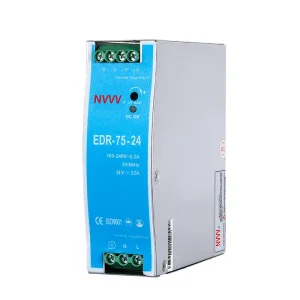
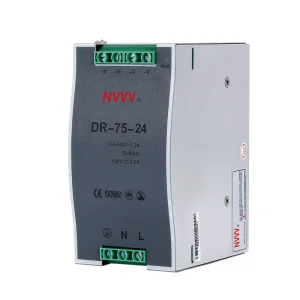
Industrial Automation & Robotic Grids: Modern manufacturing setups utilize our DIN rail converters (such as the DR-75-24 or EDR-75W-24V) to supply stabilized 24VDC control circuits. These models resist heavy vibrational loads, high electromagnetic fields, and volatile thermal environments common to factory shopfloors.
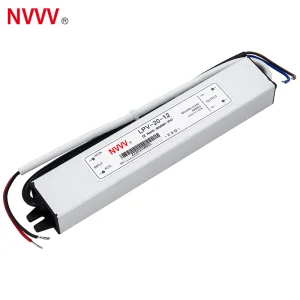
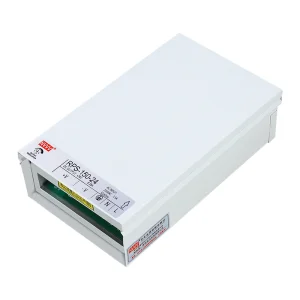
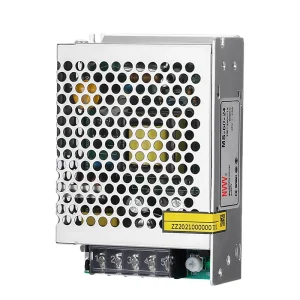
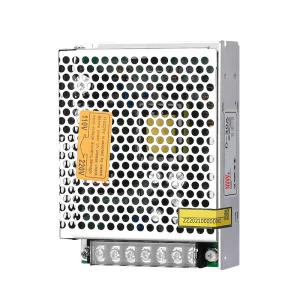
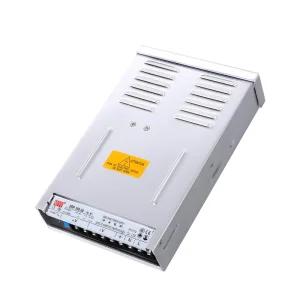
Surveillance Networks & High-Density CCTV: Video telemetry demands low ripple and noise output to avoid image interference. Our MS-series and waterproof RPS units provide high galvanic isolation, securing optical equipment from outdoor lightning surges and grid instability.
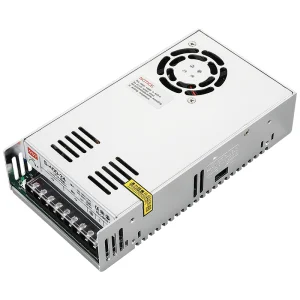
Municipal Lighting and Infrastructure: Delivering street lighting power demands extended warranties and high IP ratings. With models like the ERP-350-24, featuring advanced DALI control interfaces and high-grade metal encapsulation, municipalities achieve reliable operations for up to six years under extreme climatic stress.
Global Enterprise Sourcing Strategy: Navigating the Critical Specs
For procurement officers and systems integrators, selecting the ideal supplier involves translating product datasheets into operational longevity. Key parameters to monitor during supply chain evaluation include:
- Mean Time Between Failures (MTBF): Ensure the manufacturer provides verified MTBF figures (under MIL-HDBK-217F guidelines) exceeding 200,000 operational hours.
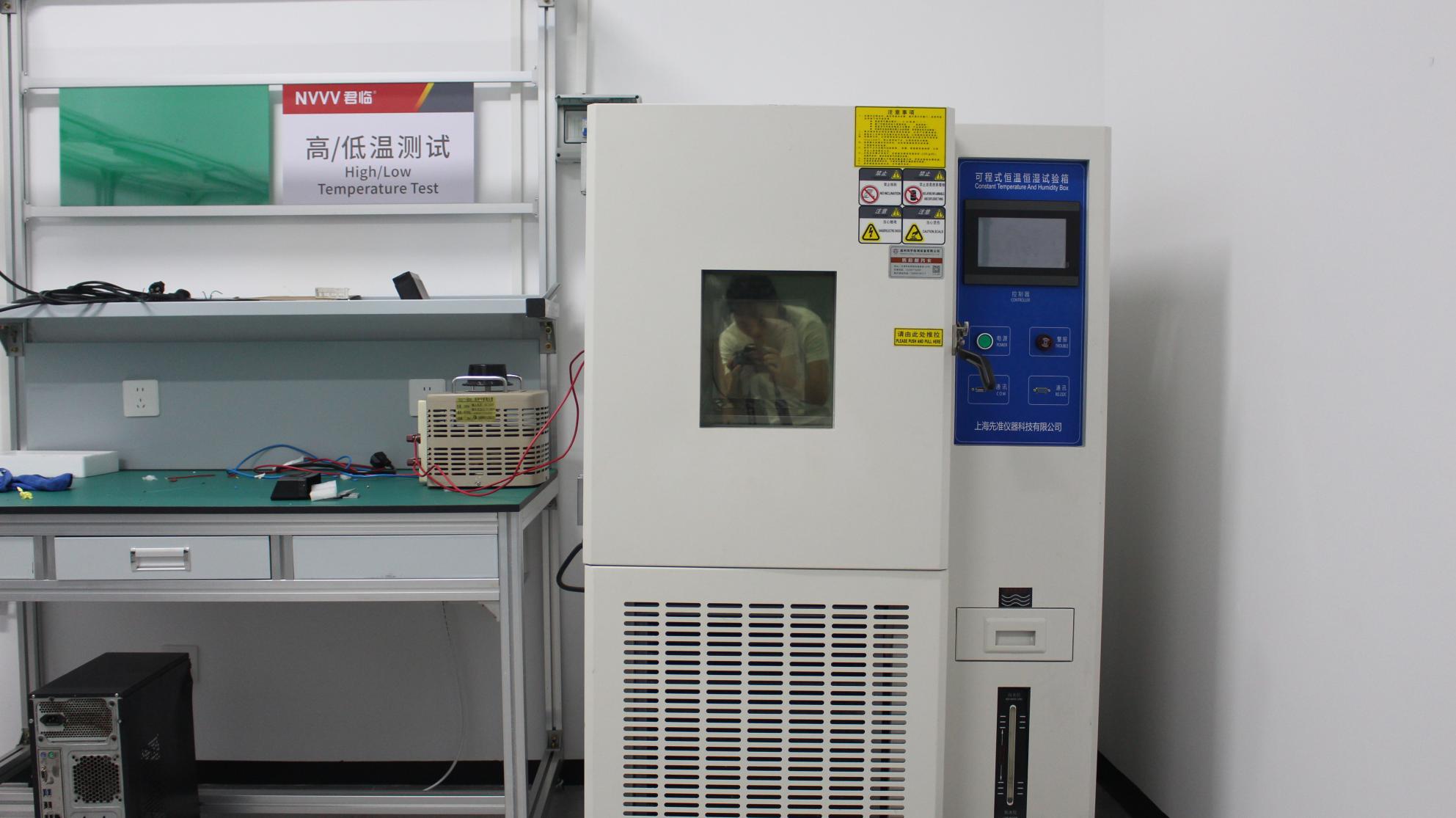
- Thermal Derating Curve: Assess how the power unit performs beyond 50°C. Quality engineering minimizes derating slopes, maintaining up to 70% load capacity at 70°C without runaway failure risk.
- Inrush Current Mitigation: High capacitive loads can trigger false breaker trips during system startup. Look for integrated NTC thermistors or active bypass relays that clamp startup inrush currents below safety thresholds.