Engineered for superior reliability, high energy density, and strict international compliance standards.
An authoritative look into modern switched-mode topologies, efficiency benchmarks, regulatory systems, and supply-chain dynamics.
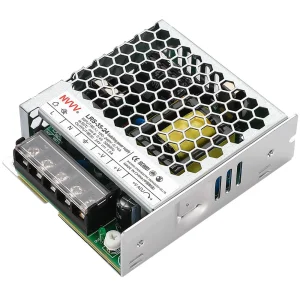
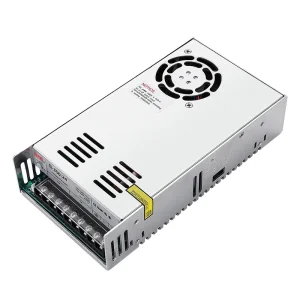
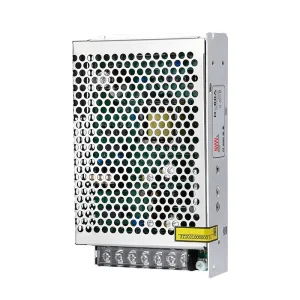
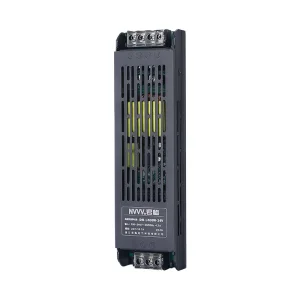
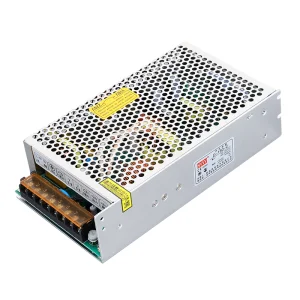
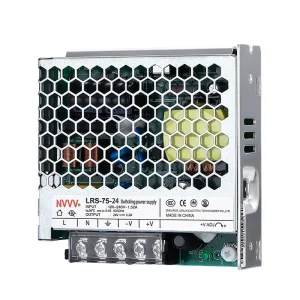
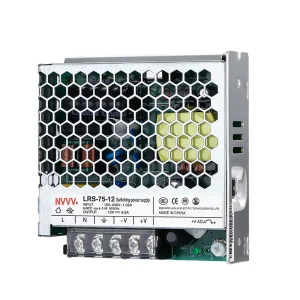
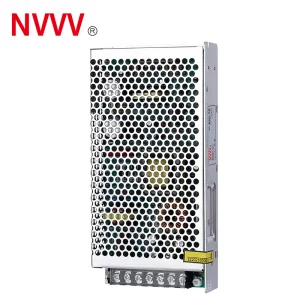
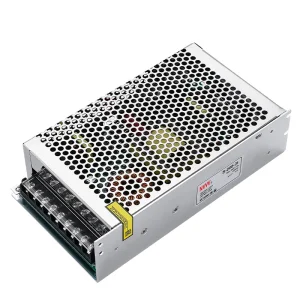
As the industrial world accelerates toward automation, cyber-physical systems, and decentralized IoT monitoring, the structural demand for highly reliable, space-saving power distribution devices has reached unprecedented levels. The global switched-mode power supply (SMPS) market is no longer driven simply by basic electrical conversion; it is now defined by the pursuit of ultra-high power density, minimum thermal emission, and seamless integration into tight control cabinets. Modern systems require the utilization of a Compact Power Supply to ensure that modern DIN rail enclosures and compact machinery are not burdened with oversized, hot-running linear components.
In highly automated environments—ranging from automotive assembly lines to pharmaceutical packaging units—cabinet real estate is treated as premium space. Compact power supplies designed with high switching frequencies drastically reduce the footprint of passive components (like transformers and filter inductors), allowing design engineers to stack more control modules per linear meter. This space minimization is vital for lowering structural infrastructure costs and improving the diagnostic layout of large-scale systems. Concurrently, international markets demand adherence to multi-layered safety directives. The European Union's CE markings, along with UKCA and FCC certifications, represent non-negotiable baselines. They ensure that power distribution blocks do not cause critical electromagnetic disturbances or trigger high-voltage safety hazards under transient conditions.
The practical application of switched-mode technology is highly localized and varied across sectors. Understanding these configurations is key to choosing the correct equipment:
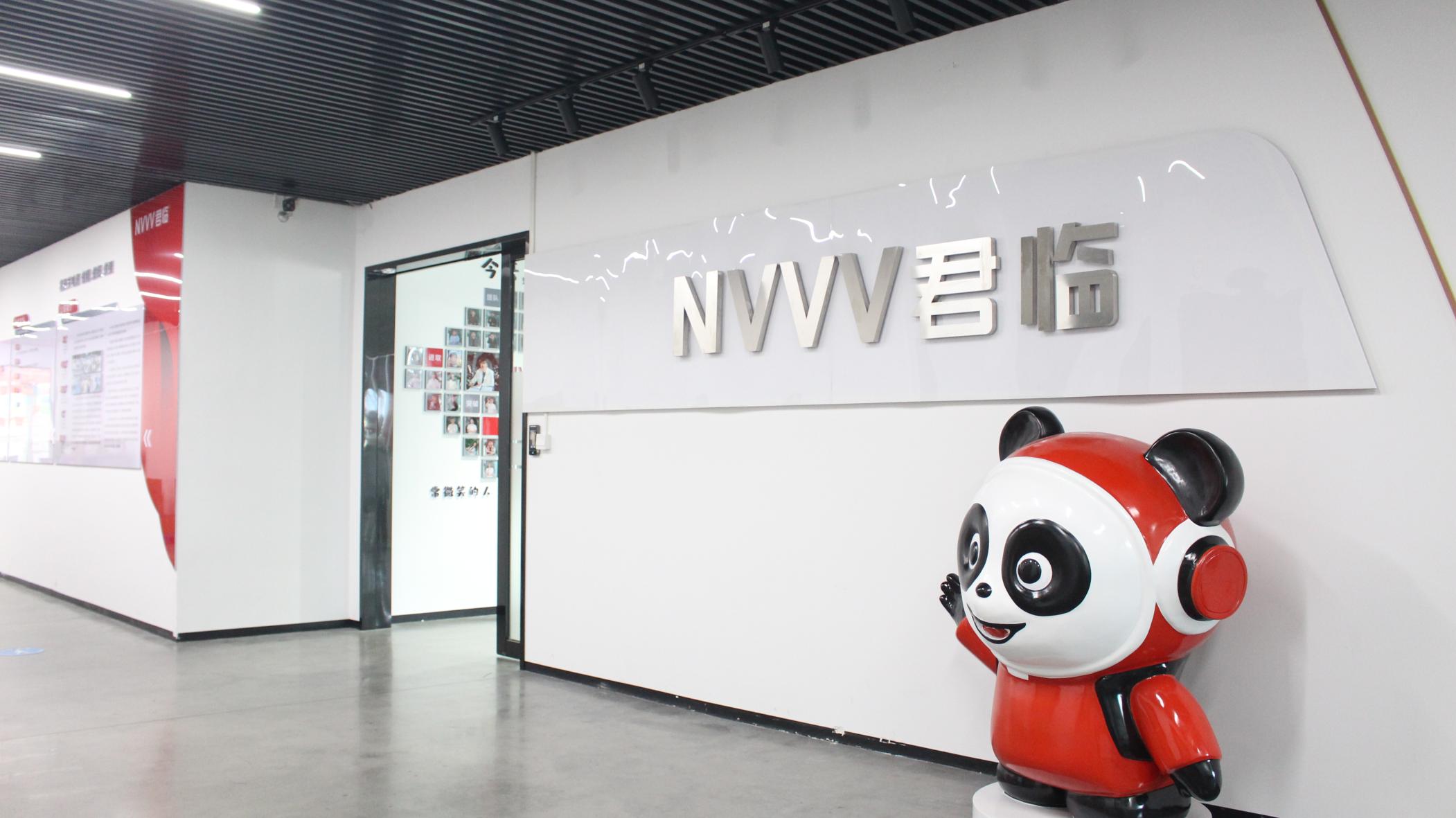
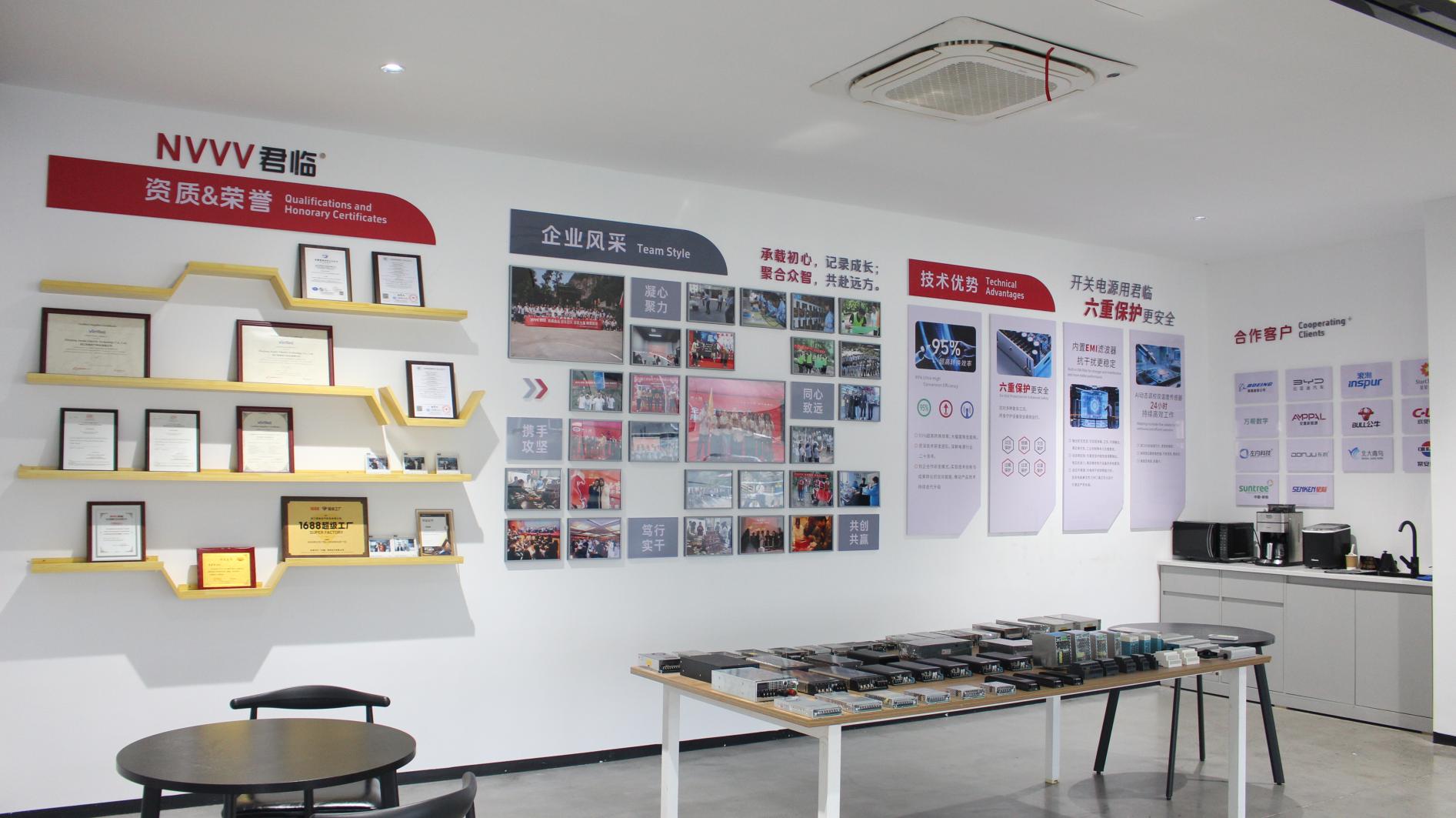
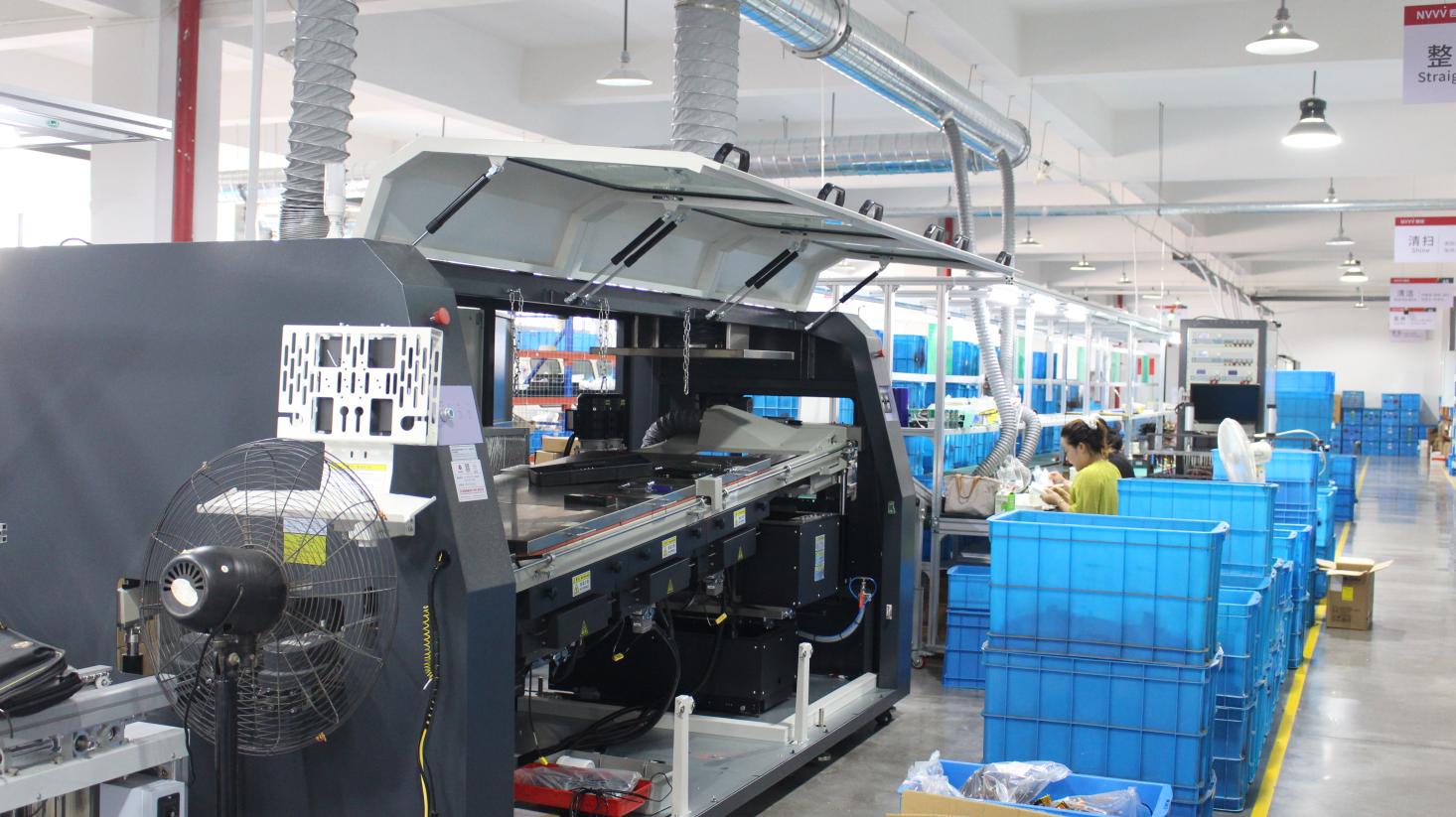
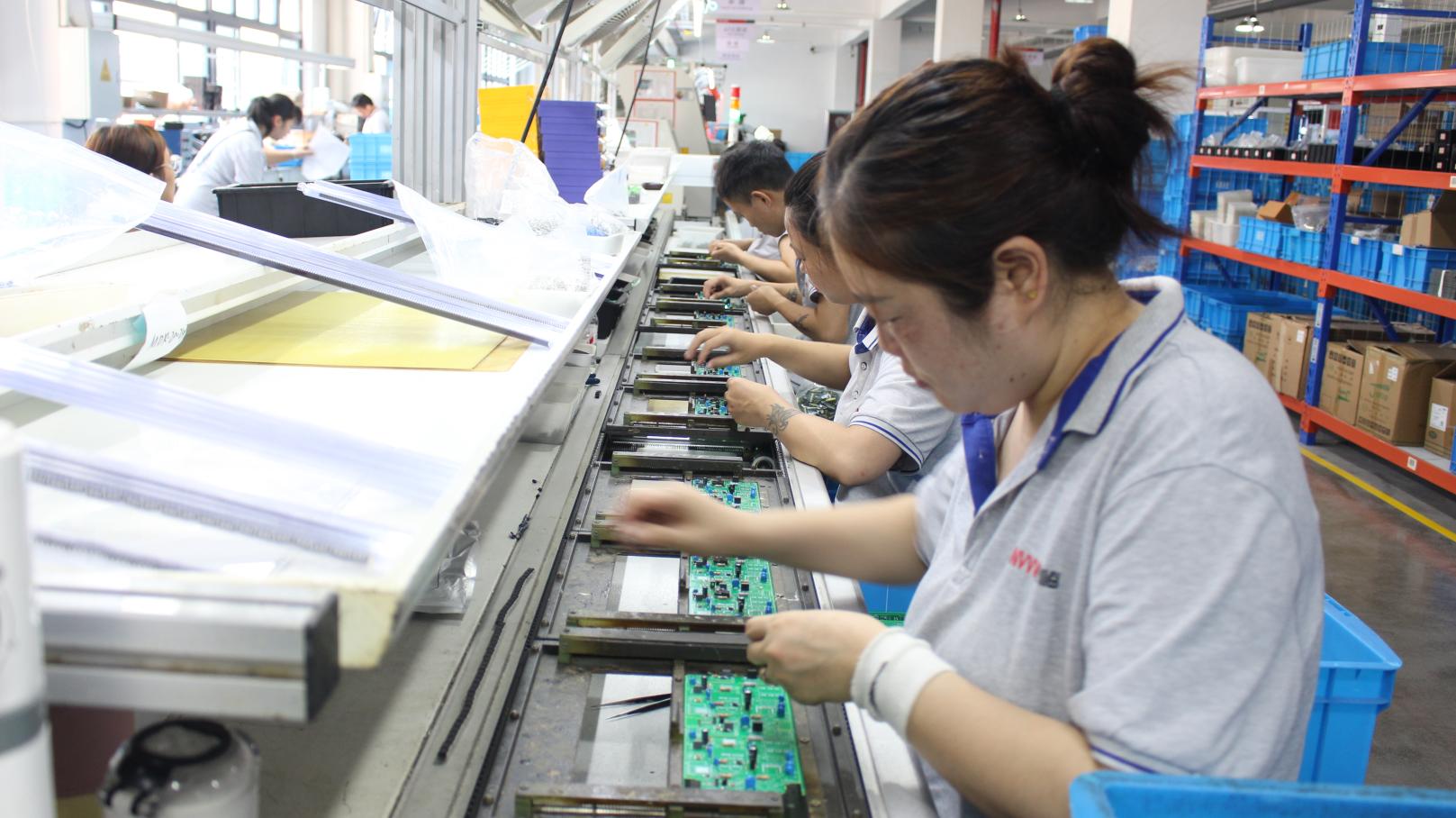
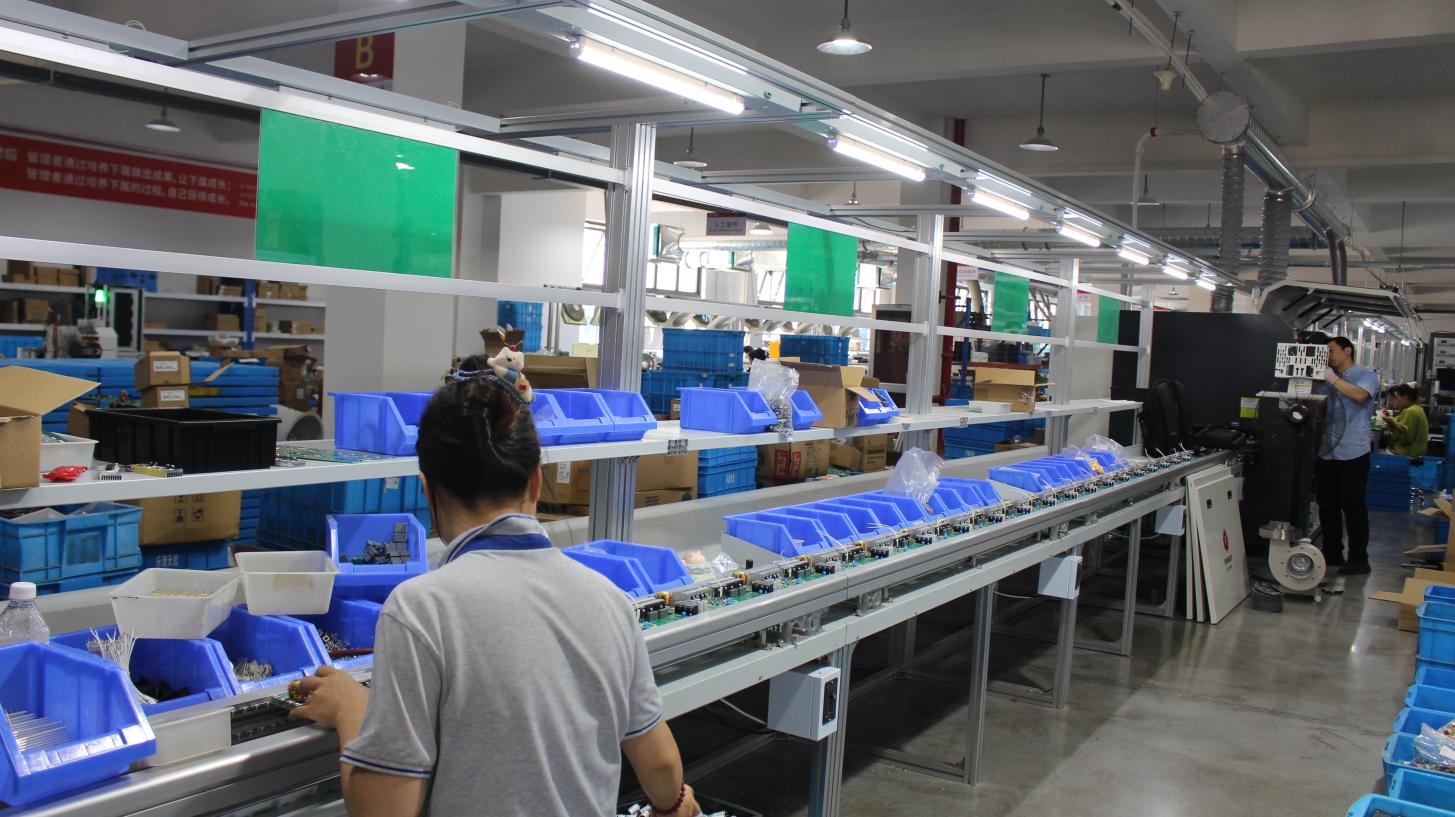
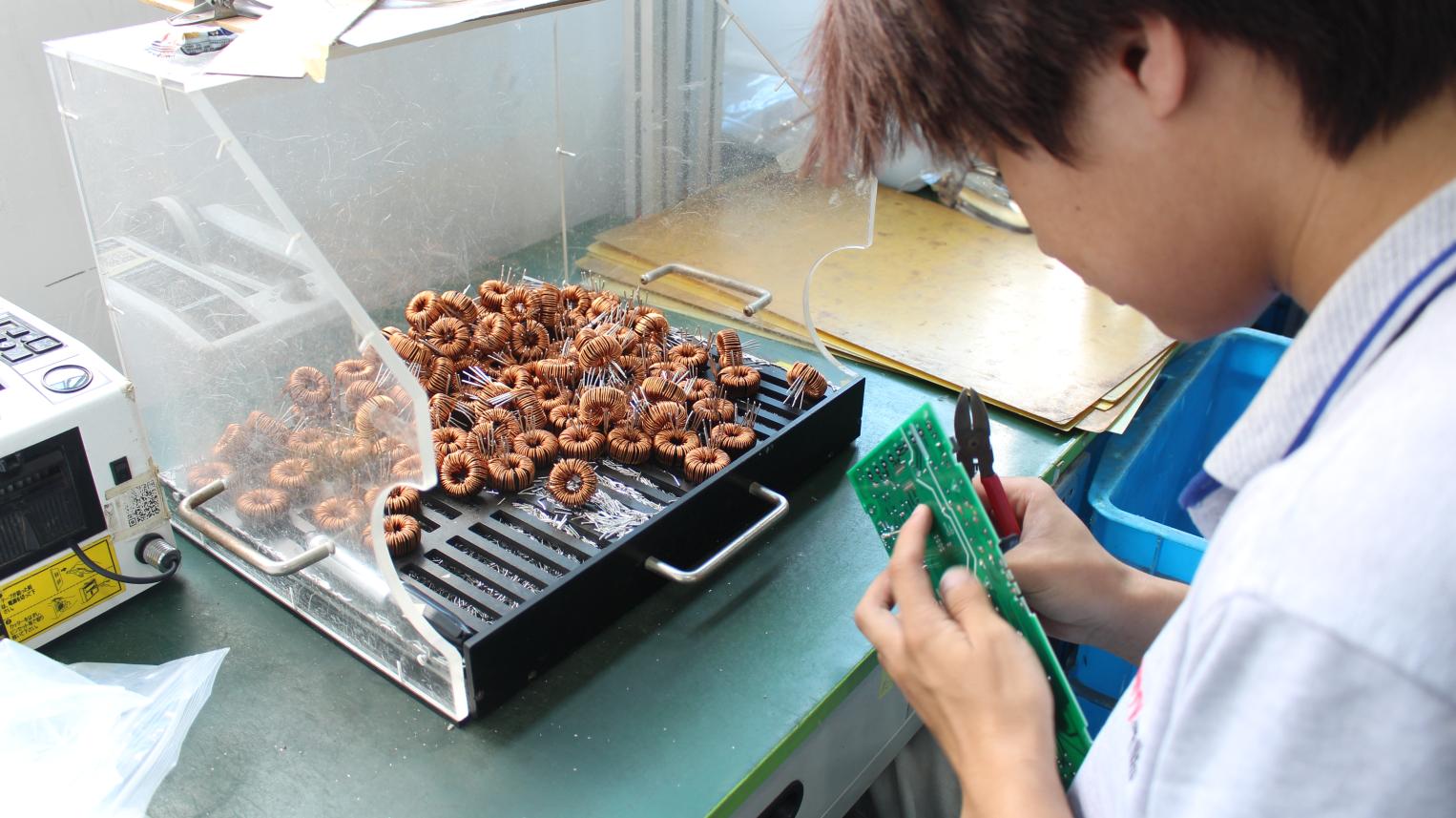
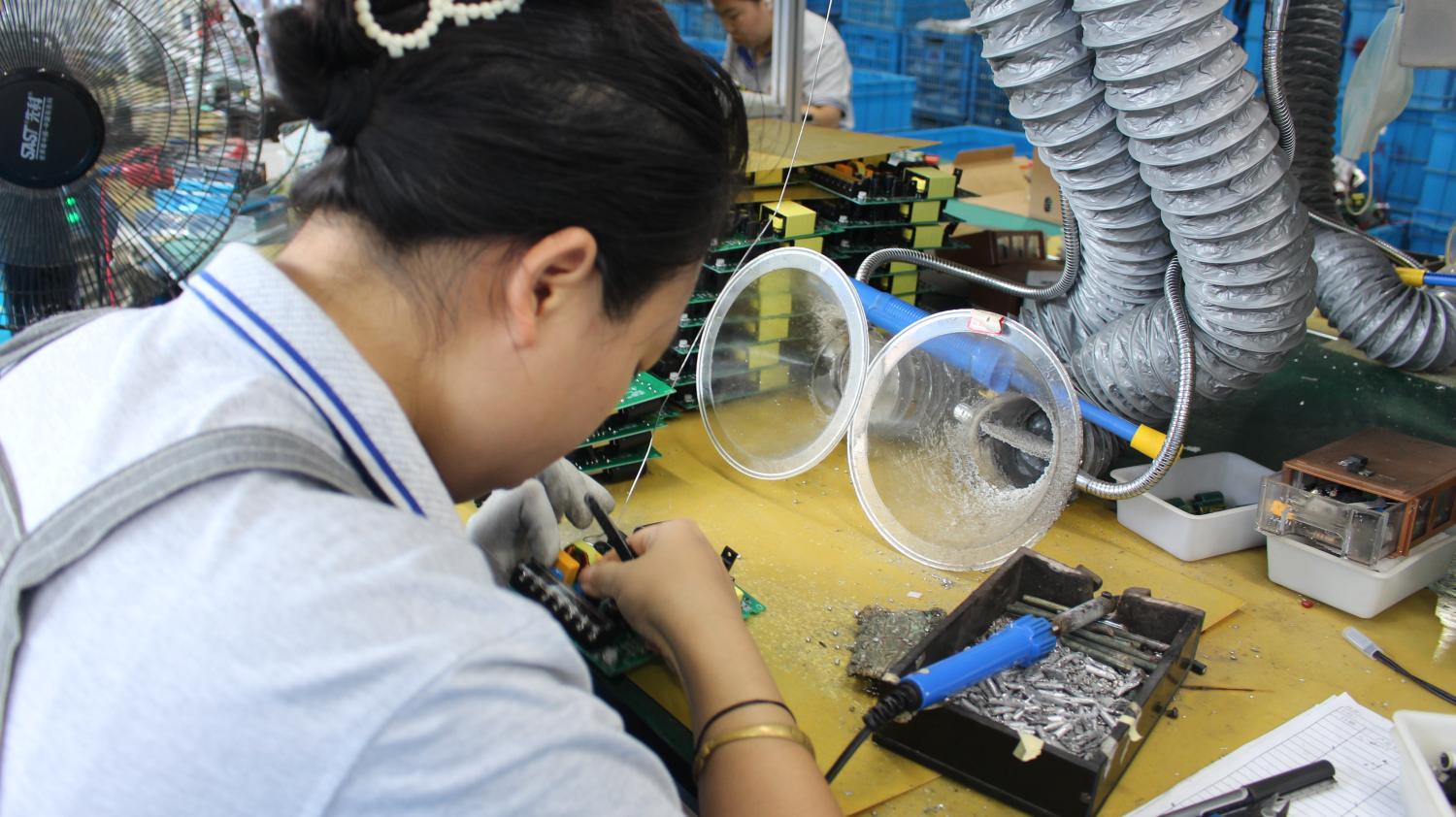
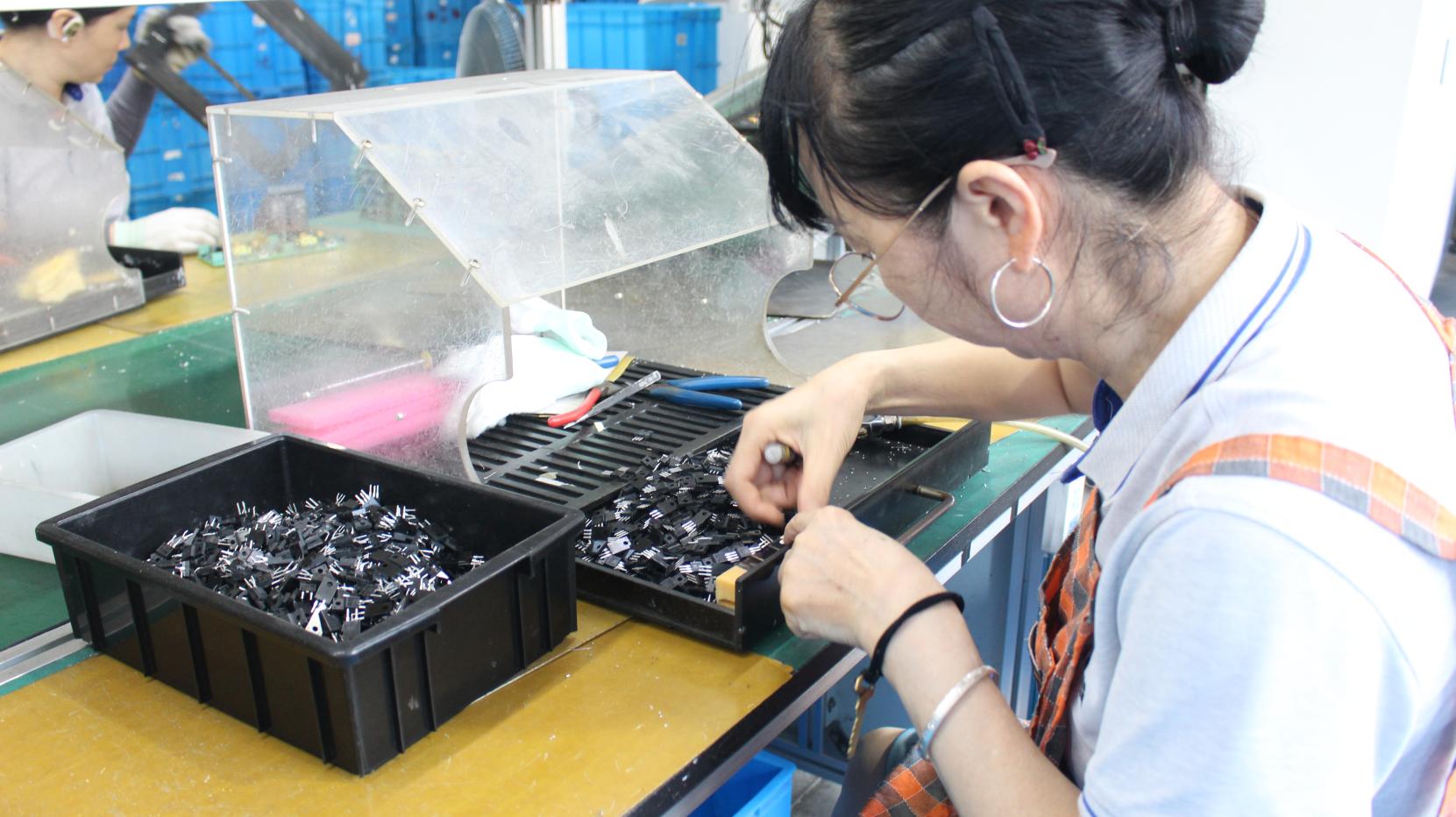
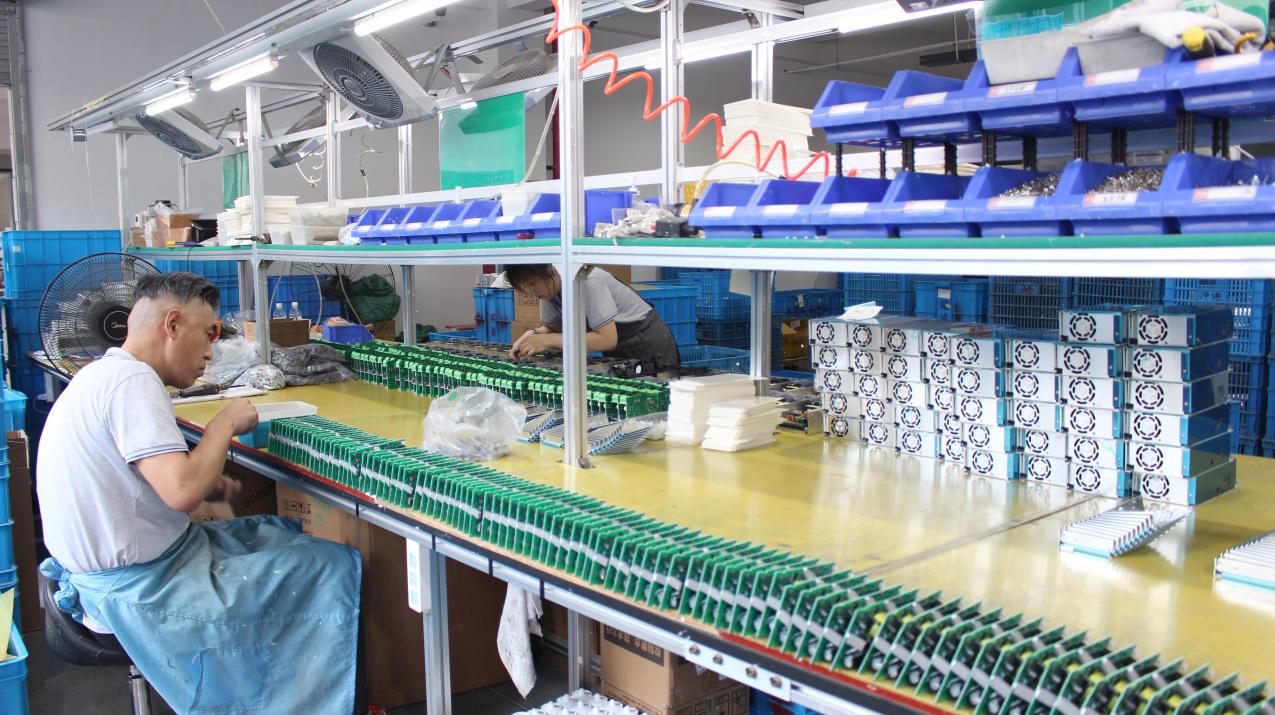
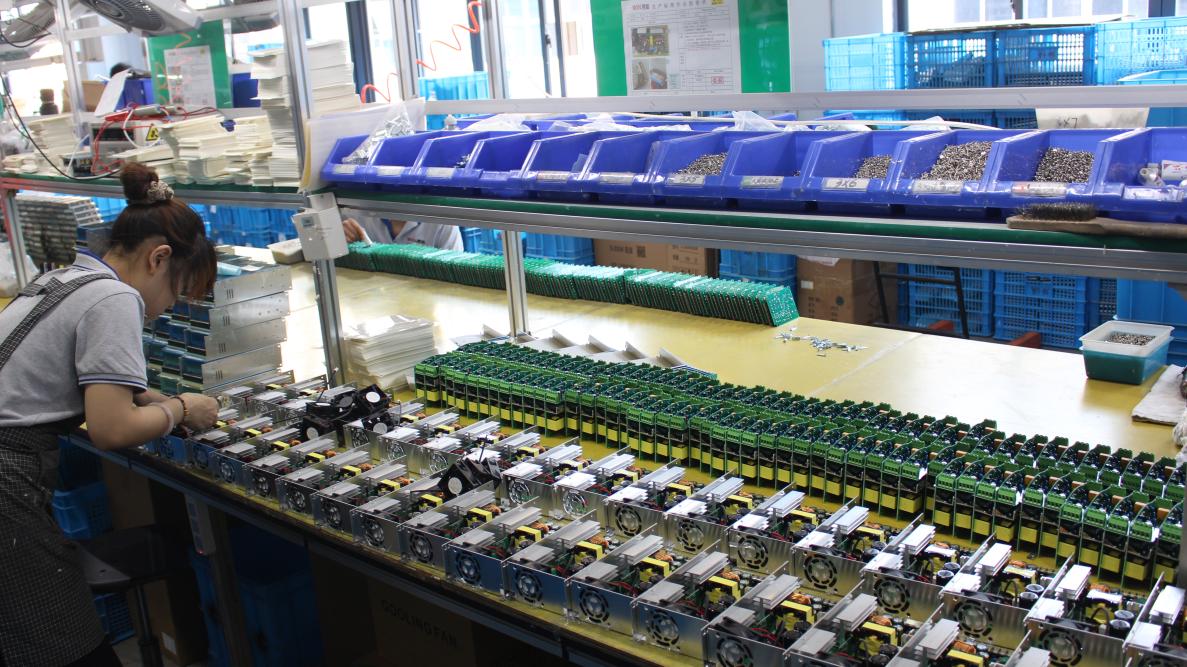
China's industrial clusters, particularly in Wenzhou, Zhejiang Province, have redefined power supply manufacturing through a combination of close raw material access, skilled engineering, and highly streamlined logistics. Companies like NVVV Electric Technology Co., Ltd. utilize this localized ecosystem to combine raw material sourcing, transformer winding, PCB assembly, and final validation within a highly organized regional boundary.
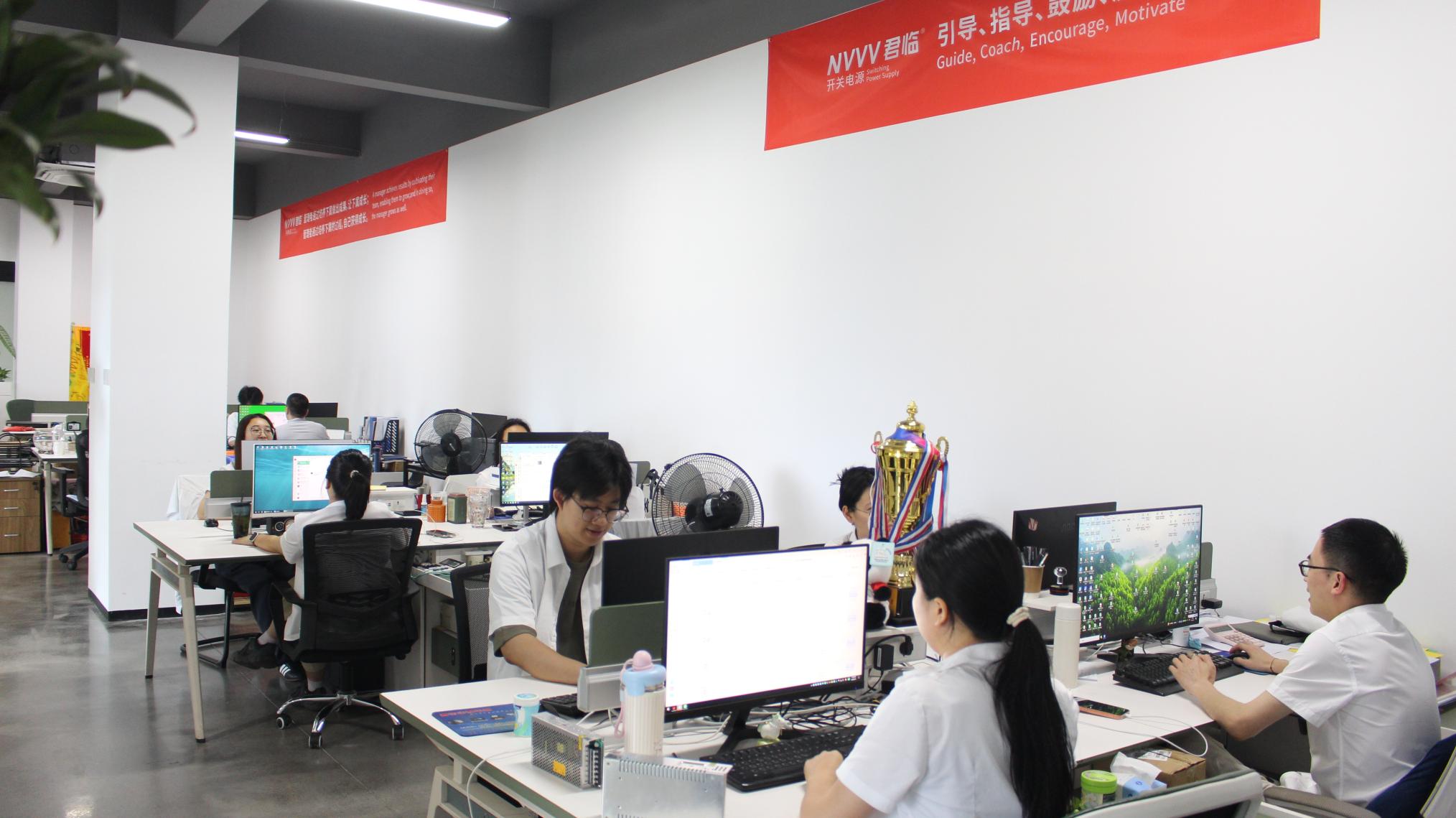
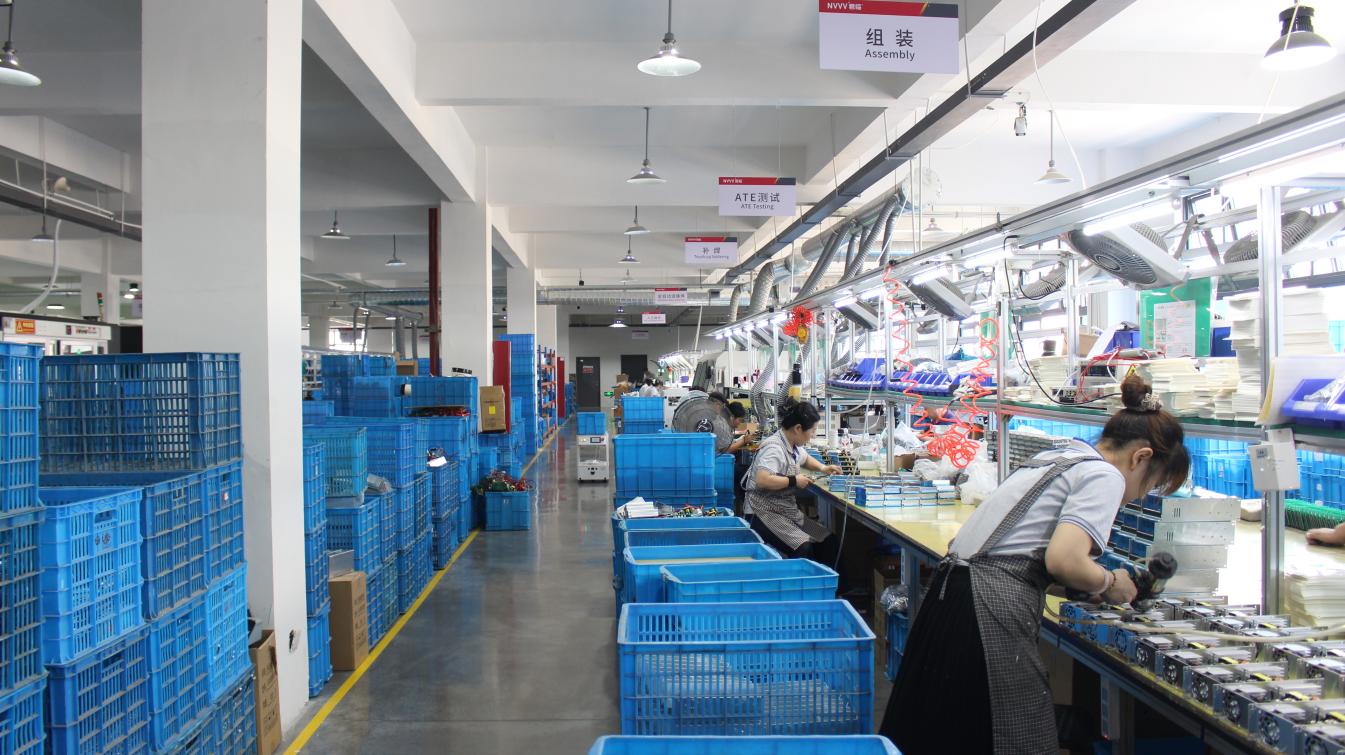
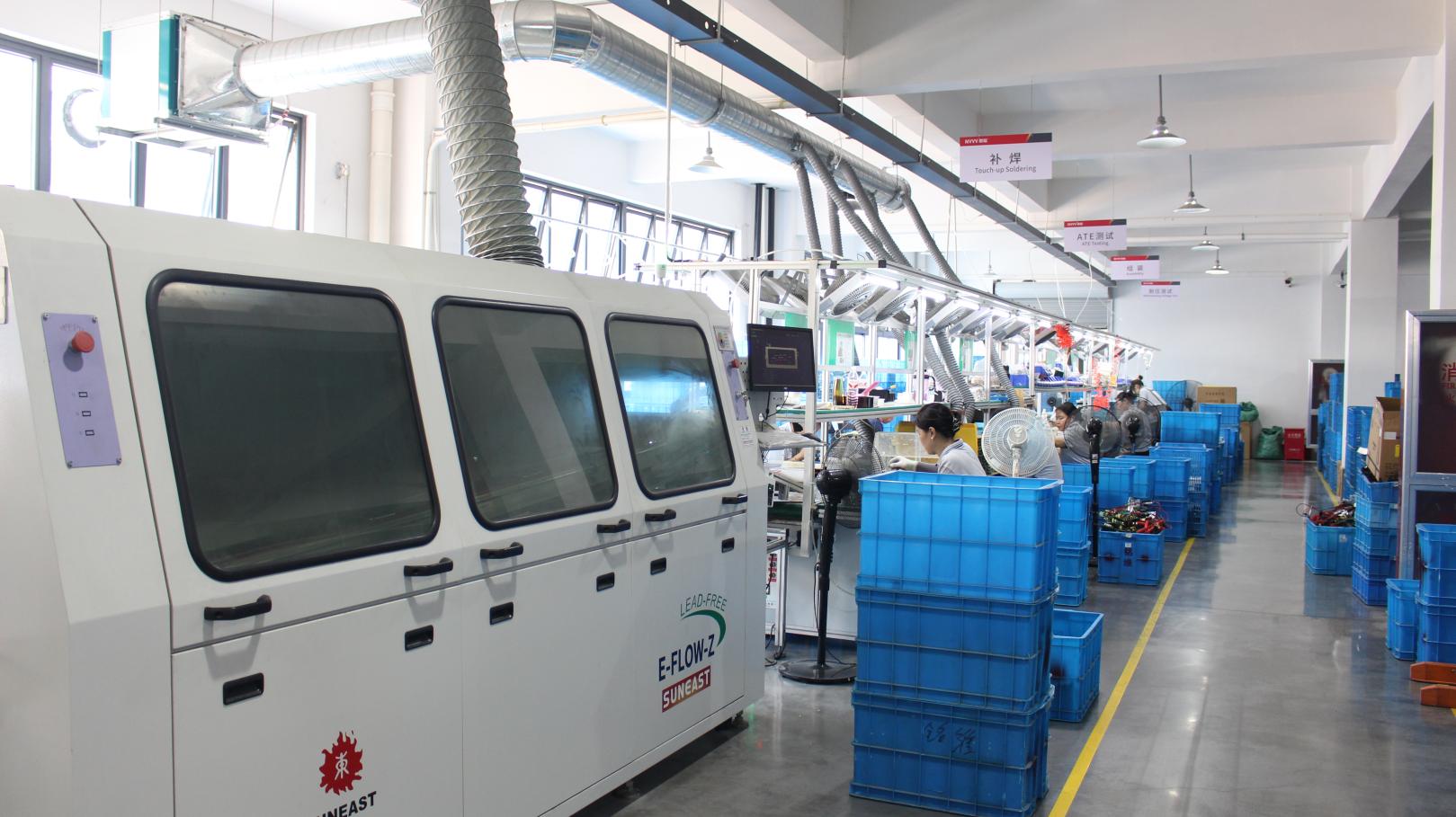
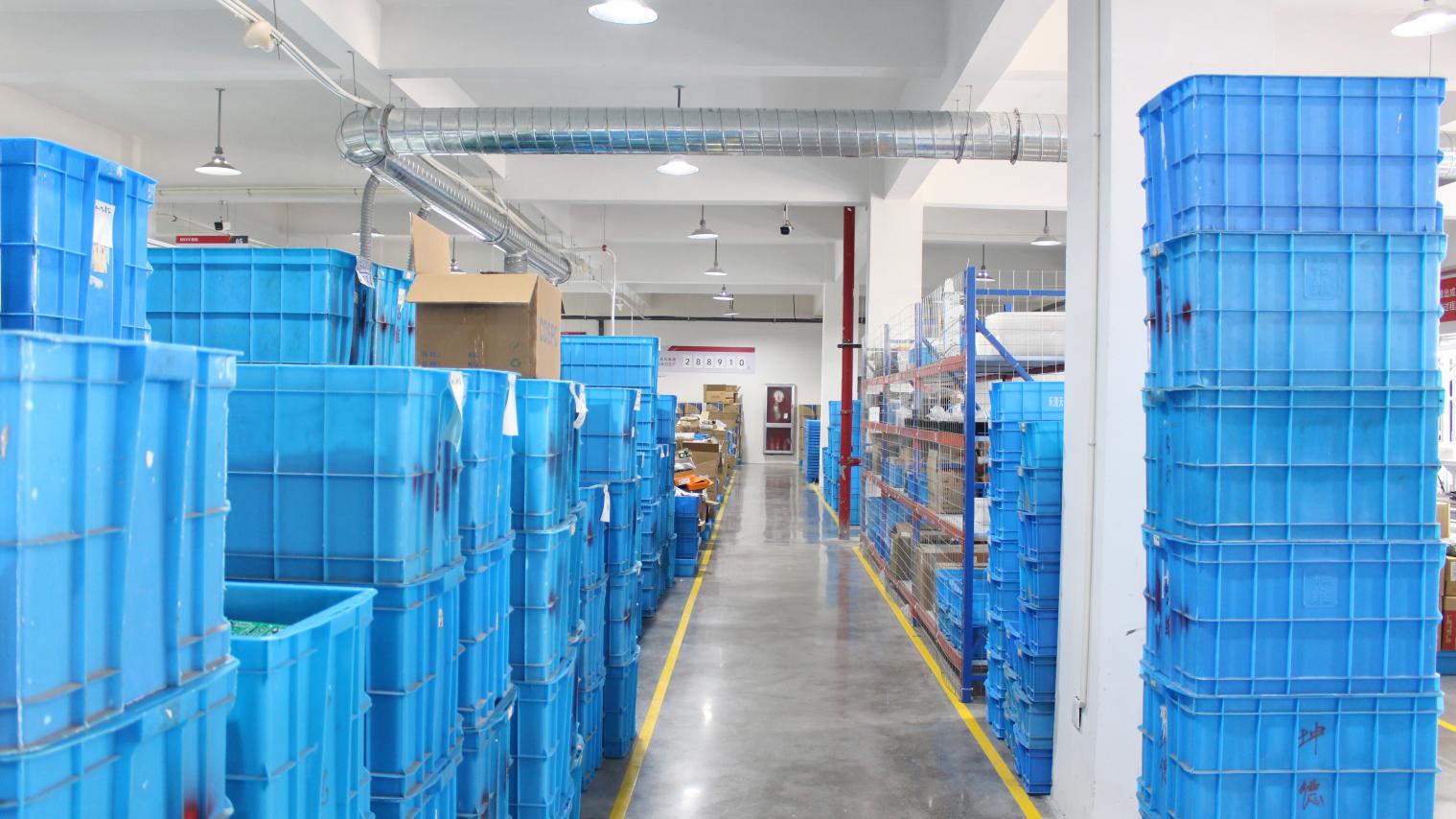
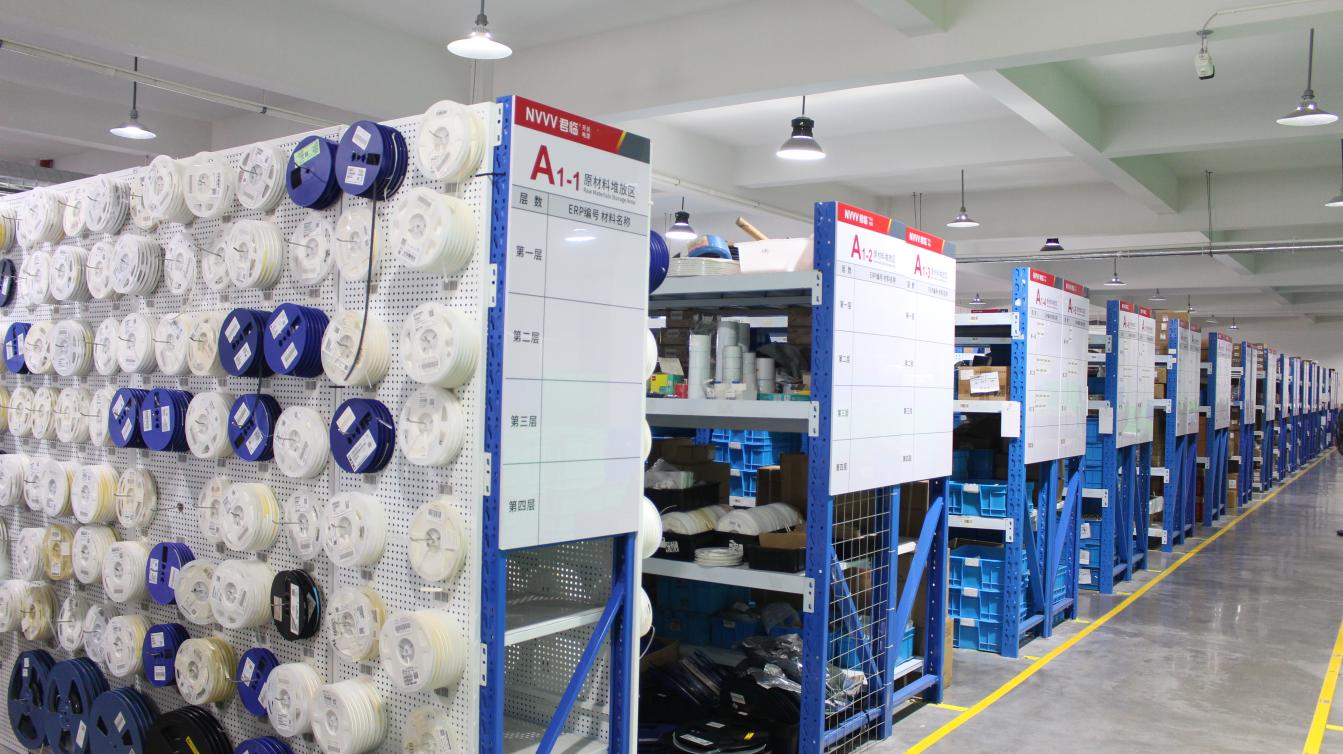
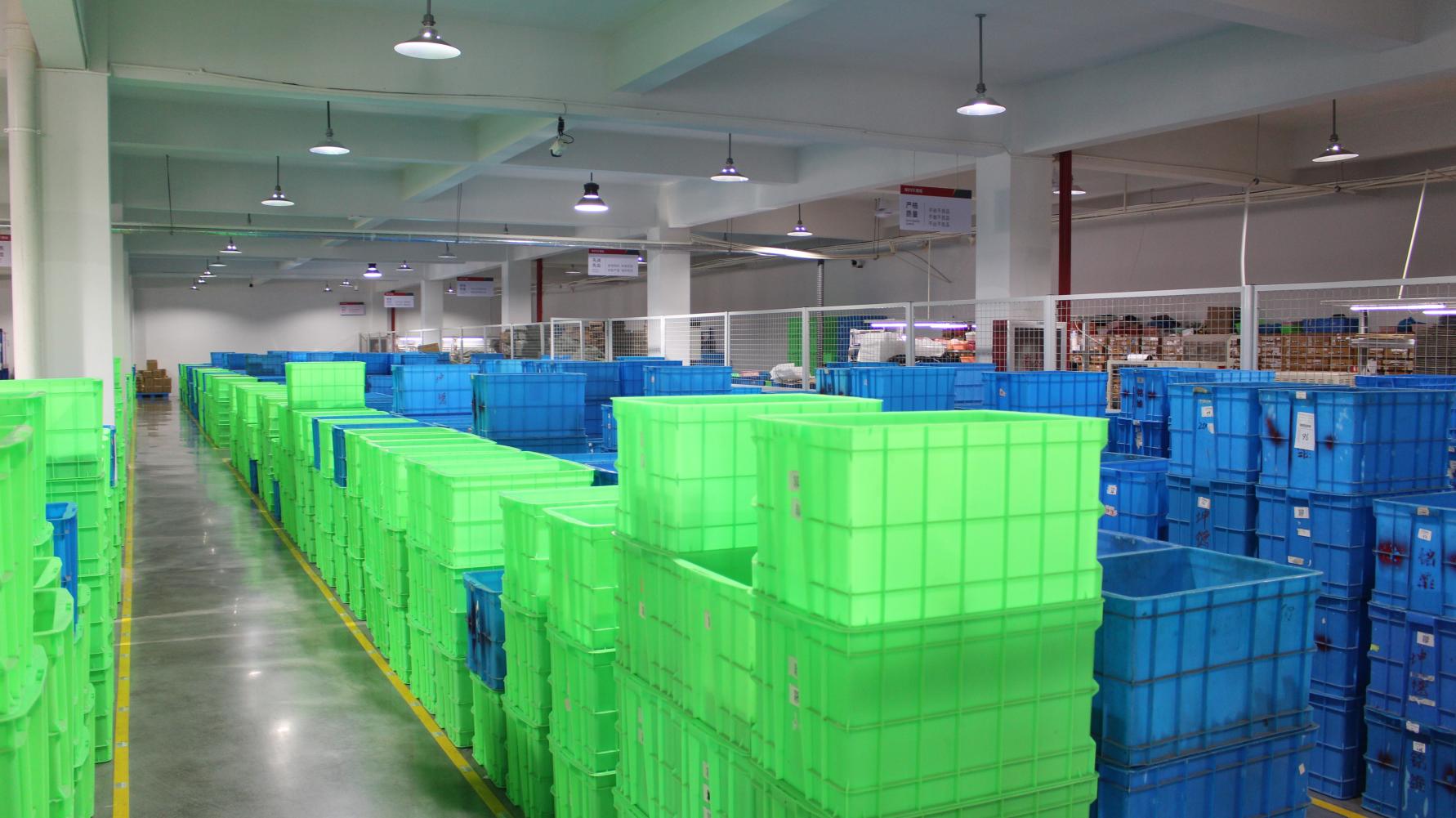
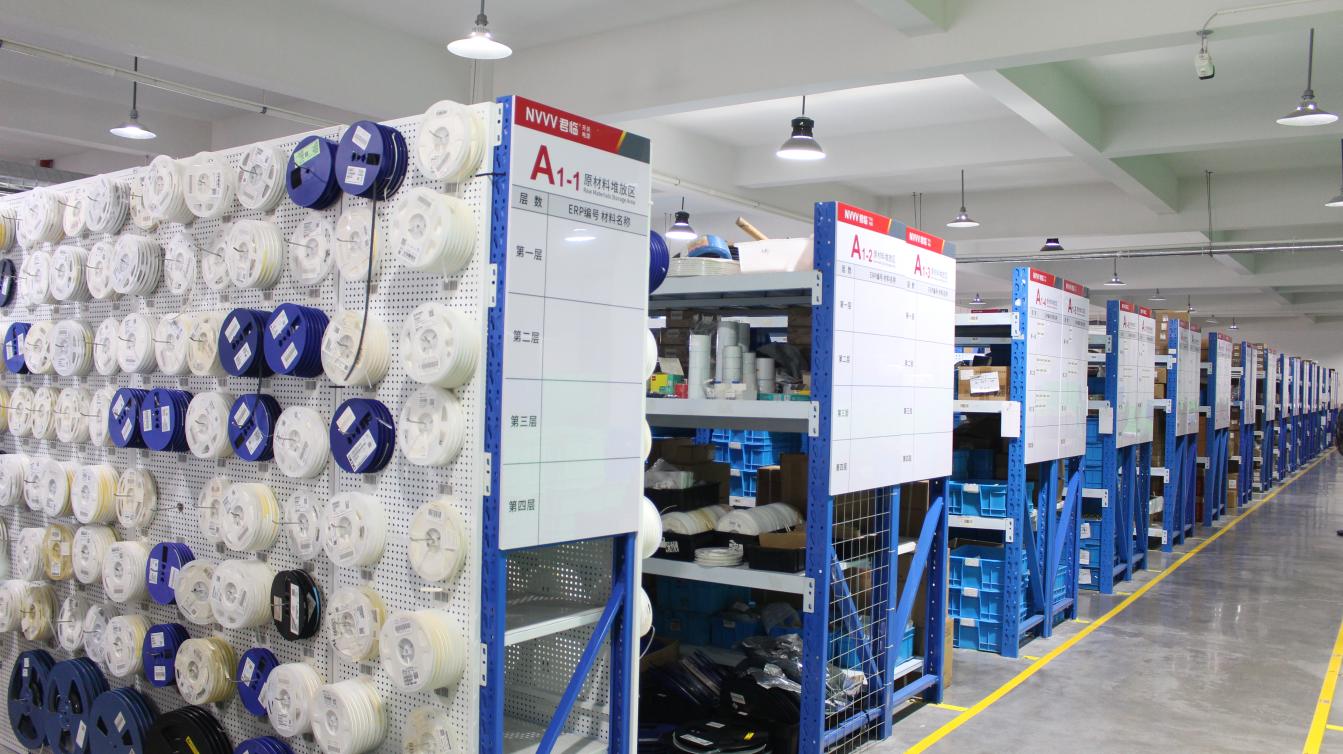
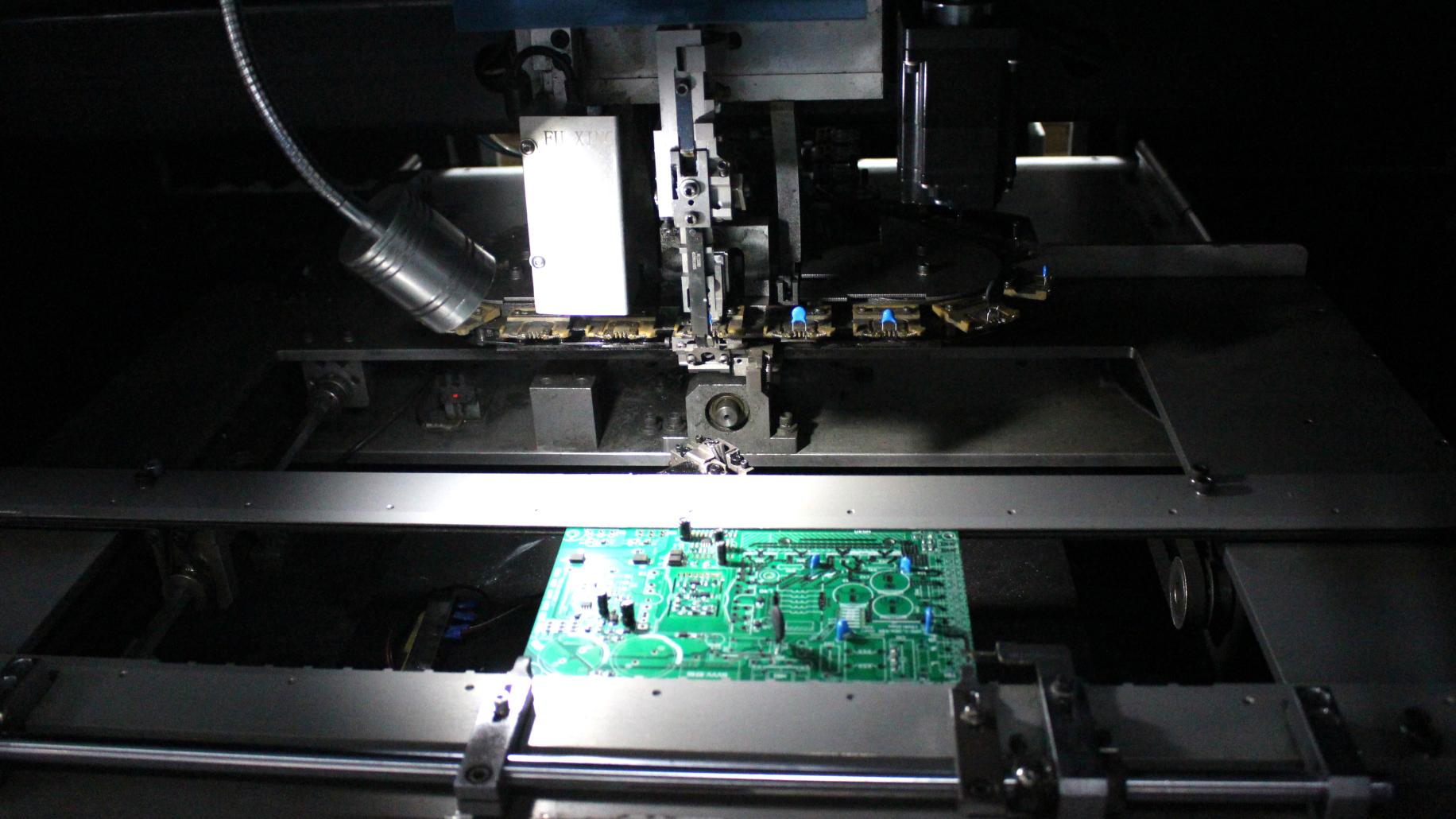
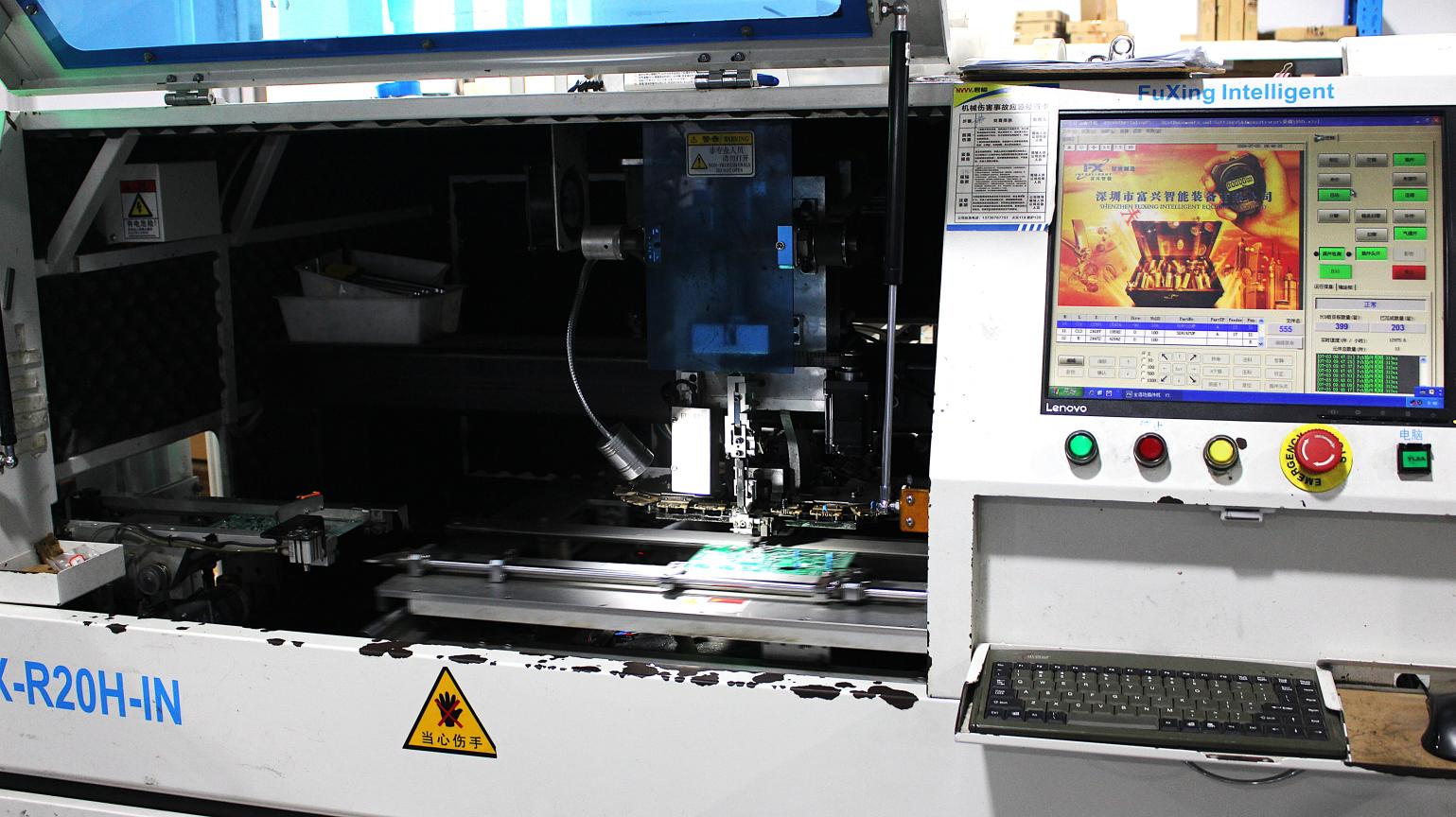
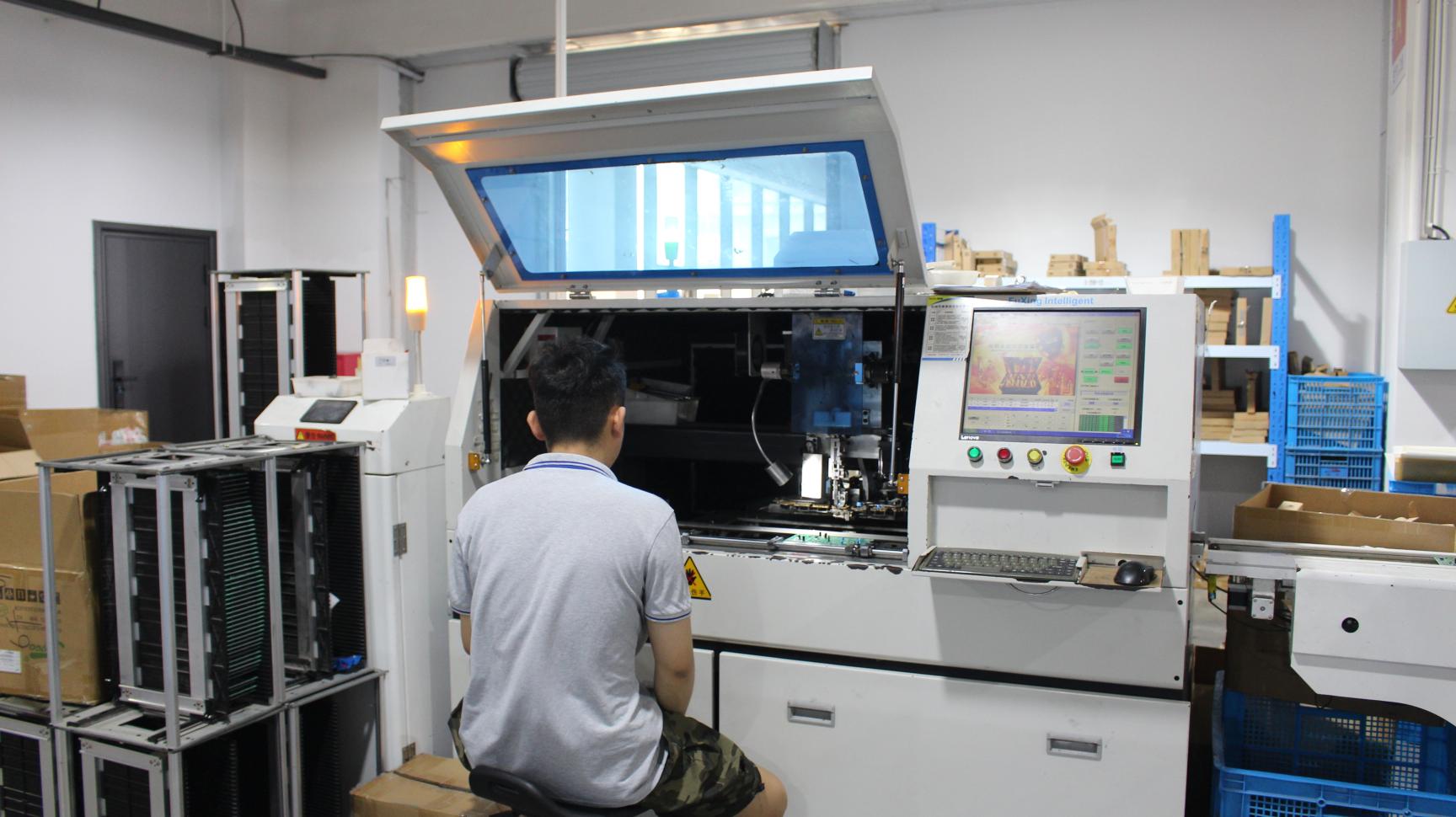
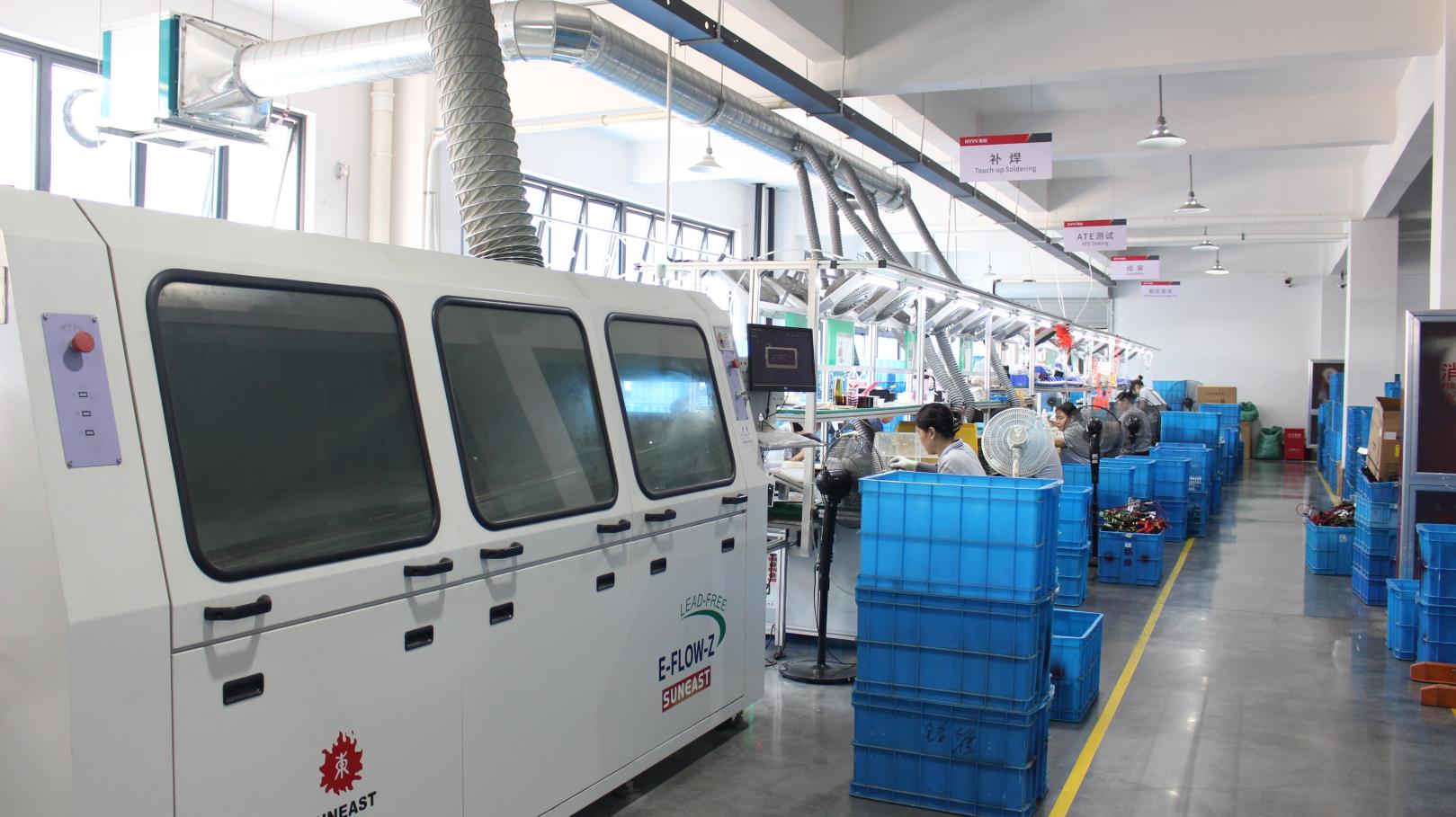
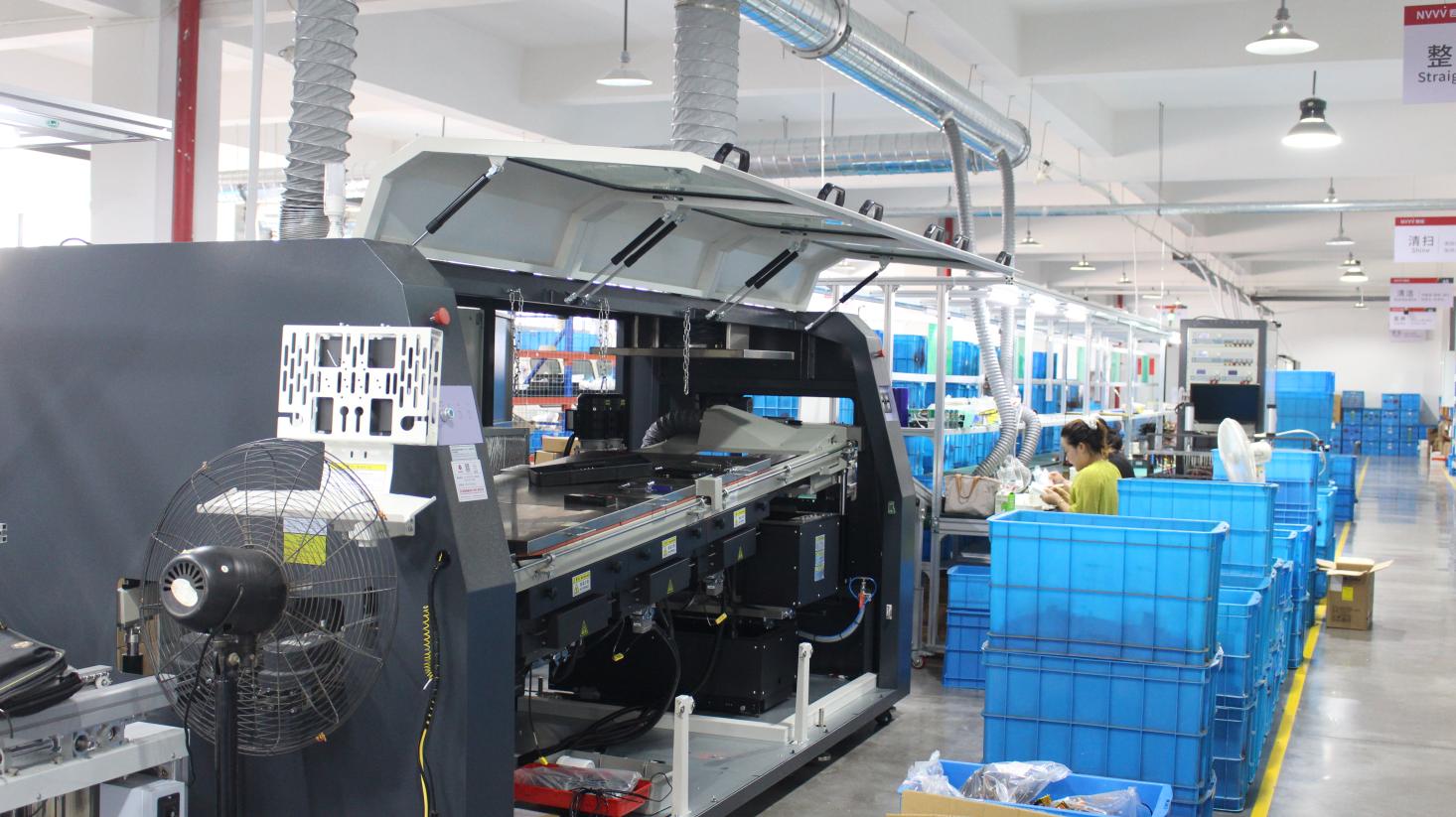
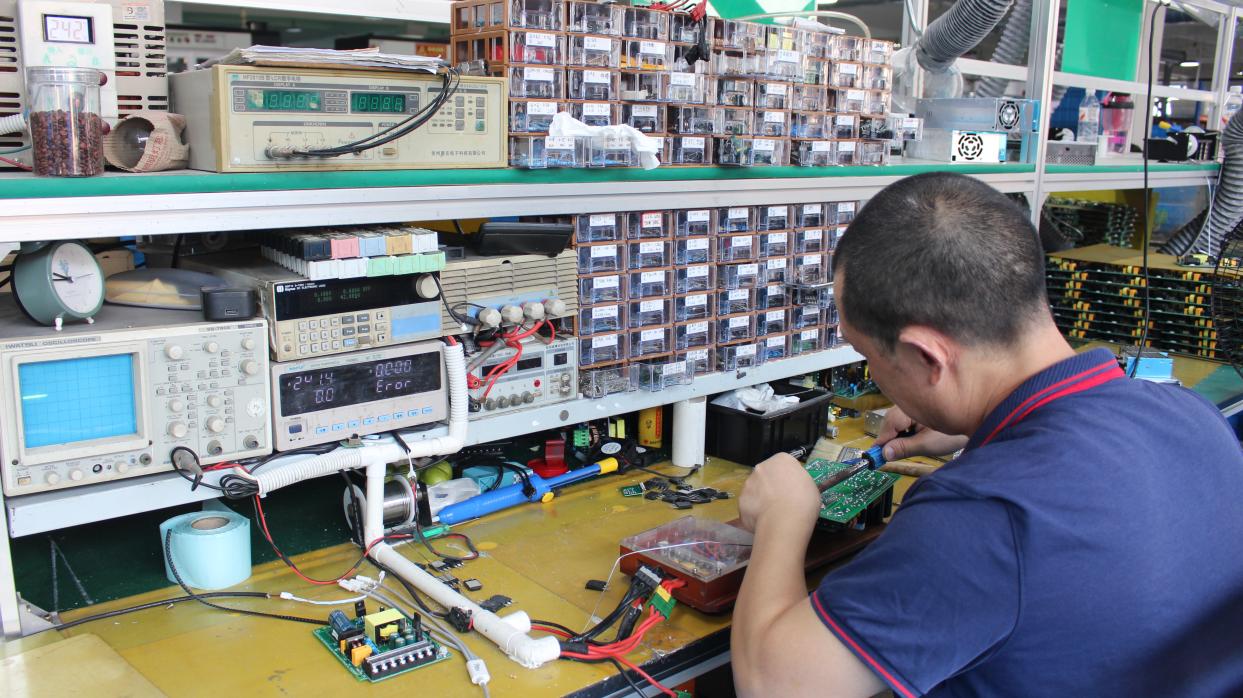
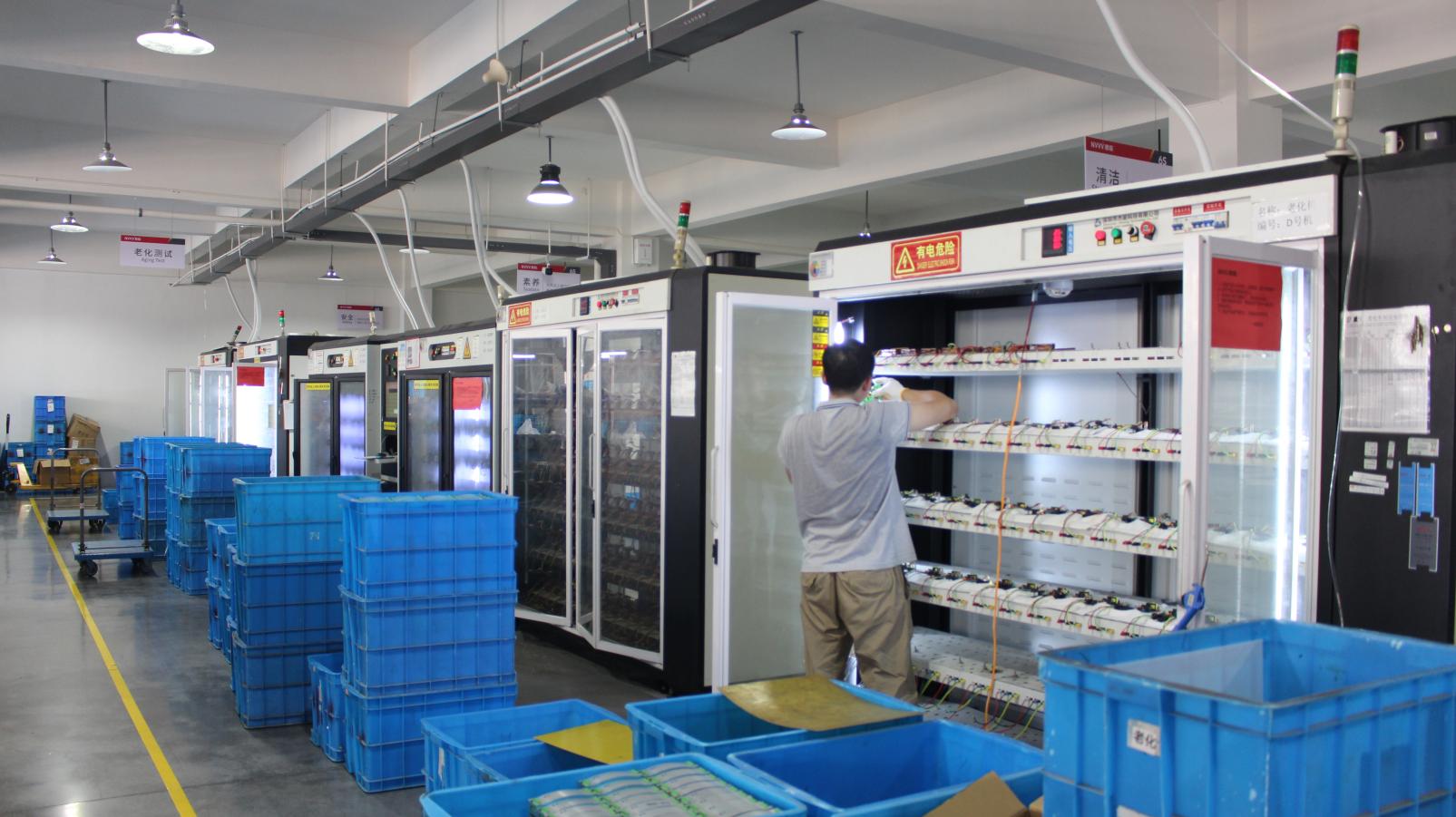
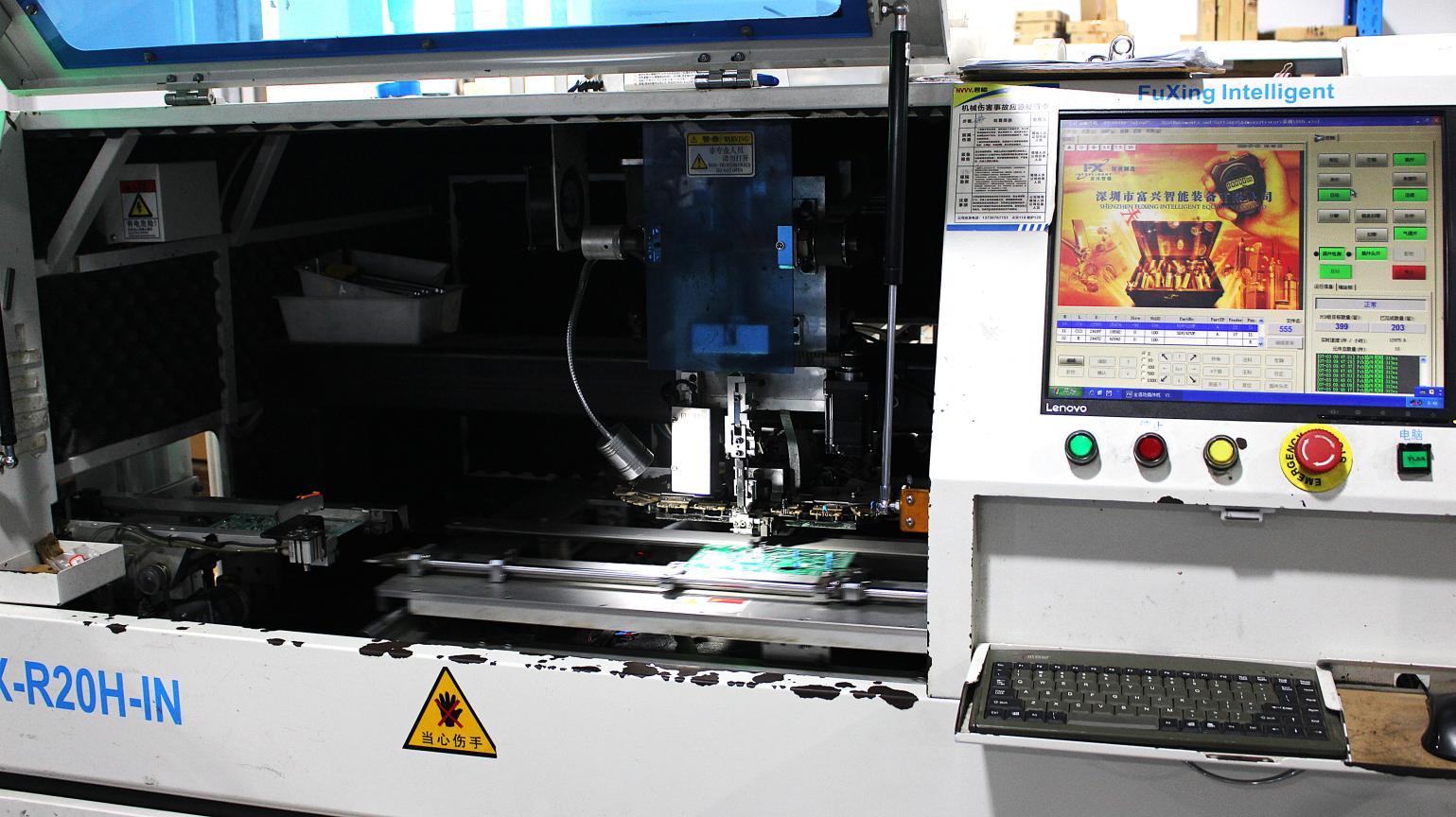
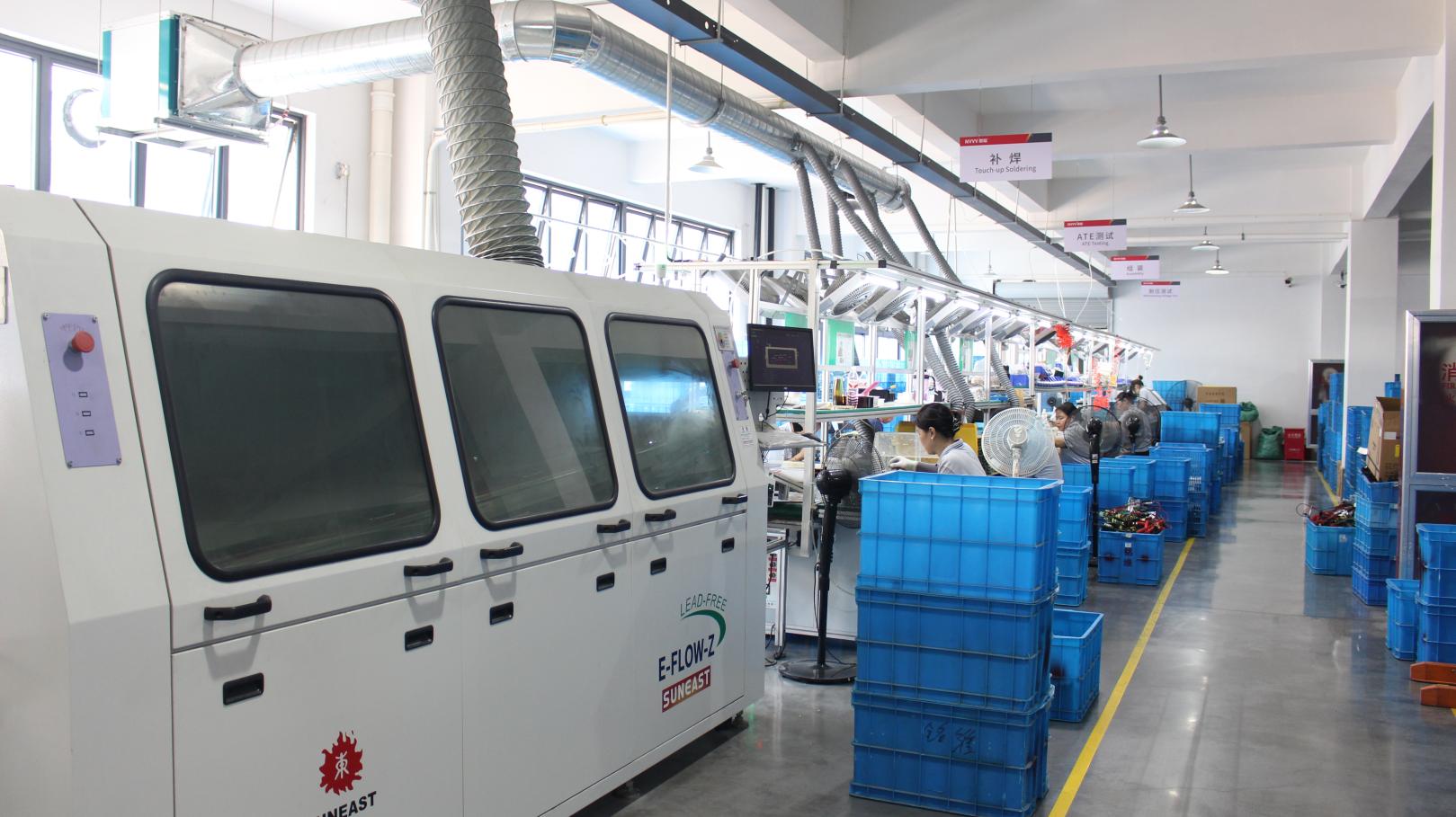
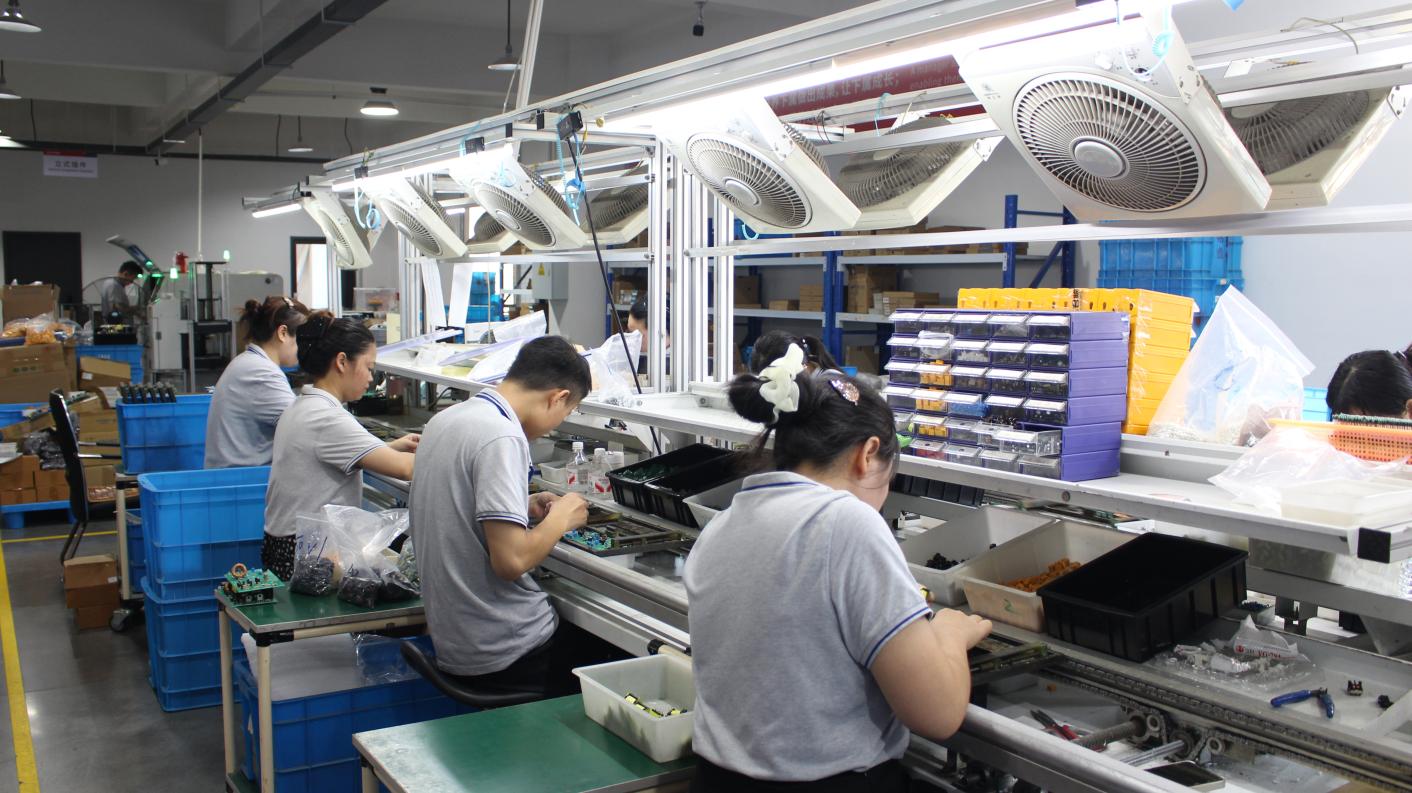
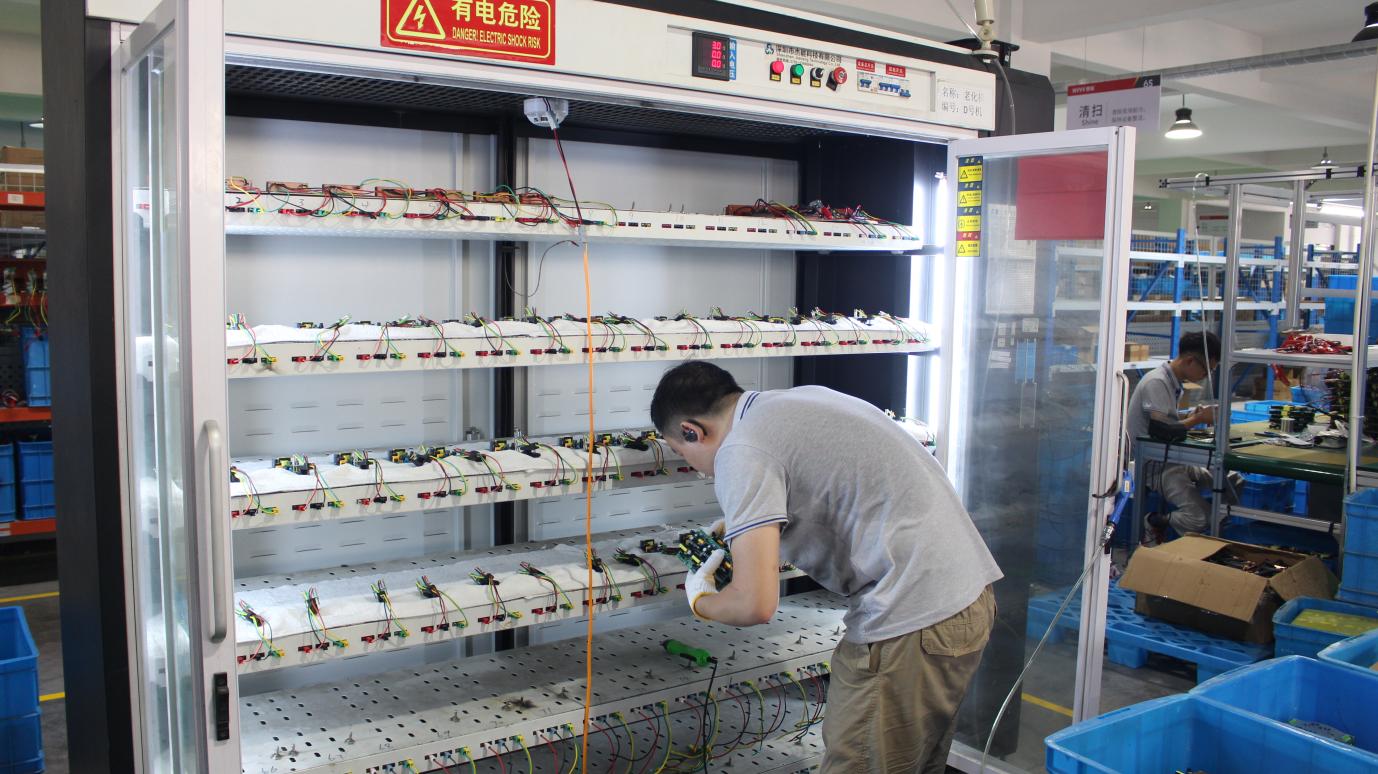
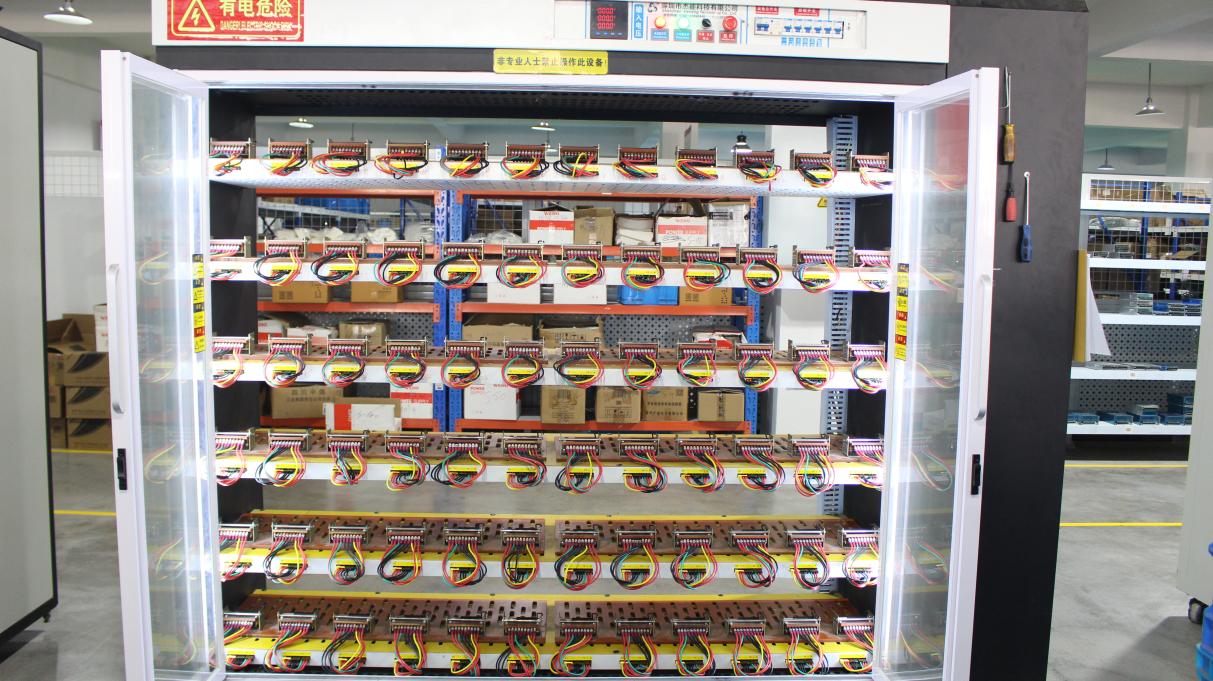
At NVVV's 2,644-square-meter facility, automation is key. Integrating 46 advanced manufacturing machines across 5 automated production lines allows for high precision and consistent component assembly. Unlike traditional manufacturing structures with disjointed supply steps, NVVV's integrated workflow covers the entire process: SMT component placement, automated wave soldering, precision manual assembly, multi-stage electrical testing, and high-temperature aging chambers. This close control over production steps enables NVVV to maintain a 98.6% on-time delivery rate while offering custom OEM/ODM solutions, logo printing, and tailored chassis styling at scale.
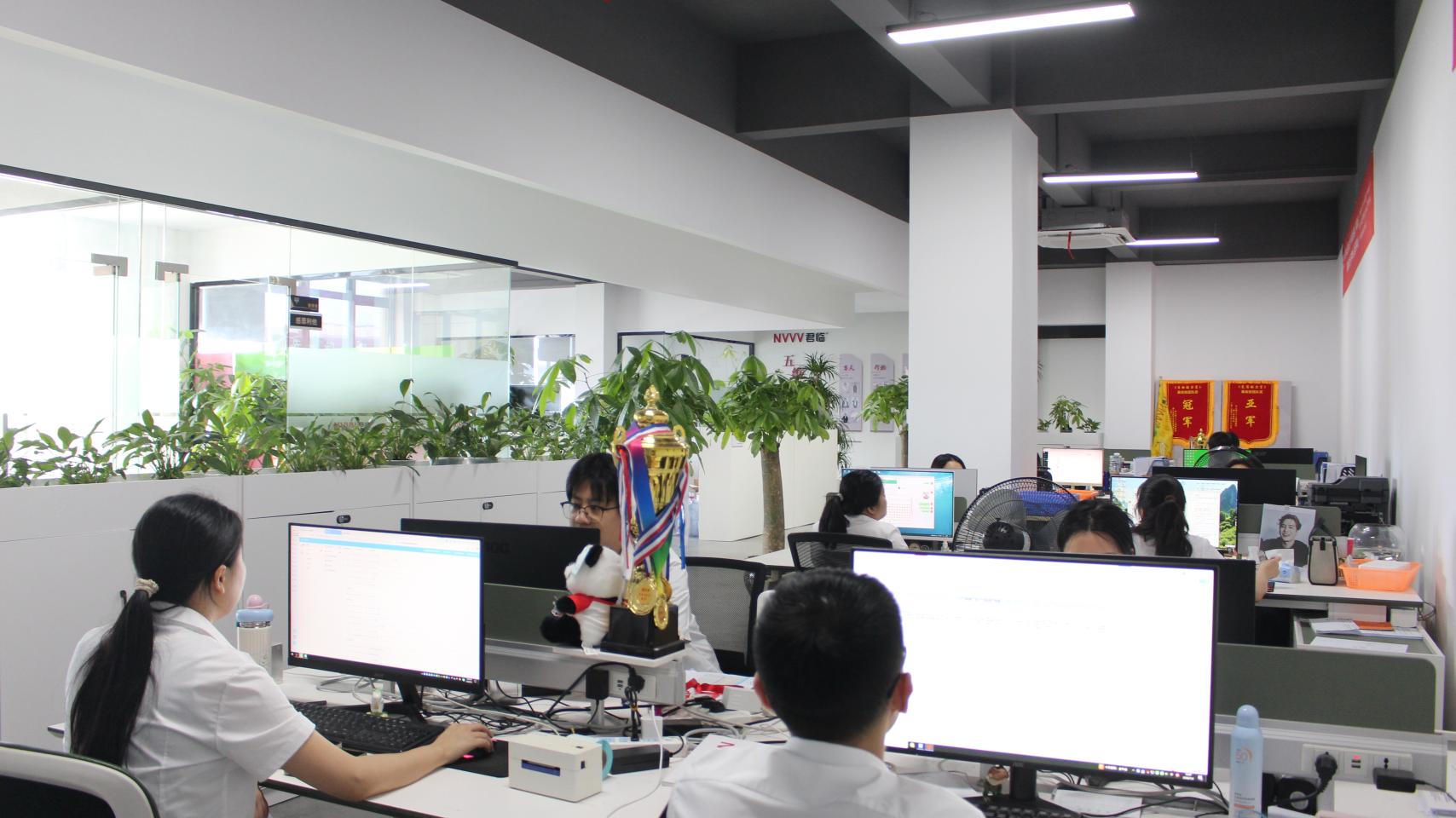
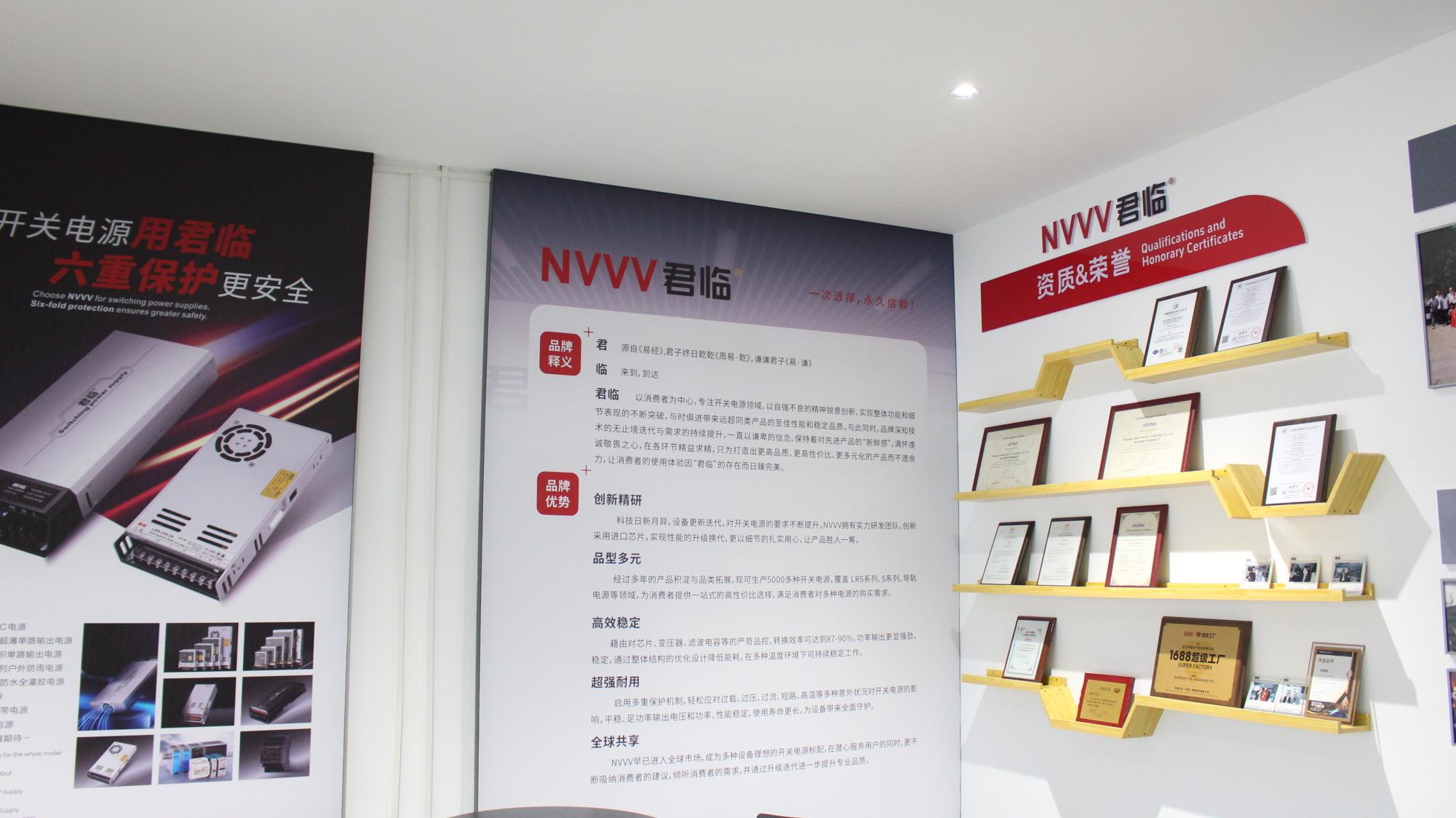
Explore our state-of-the-art production workflow in Wenzhou, showcasing step-by-step quality checking from raw components to final product shipping.

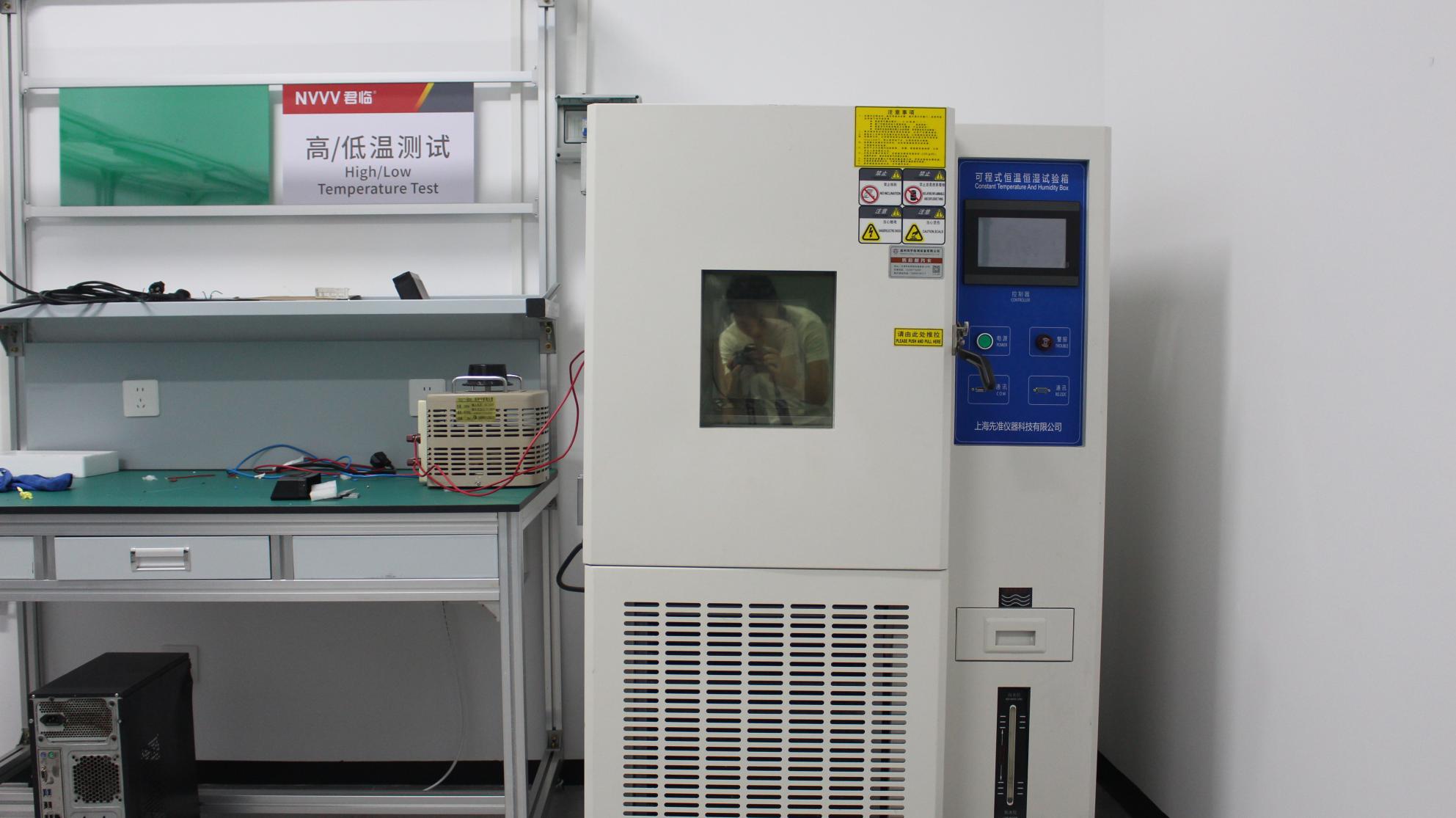
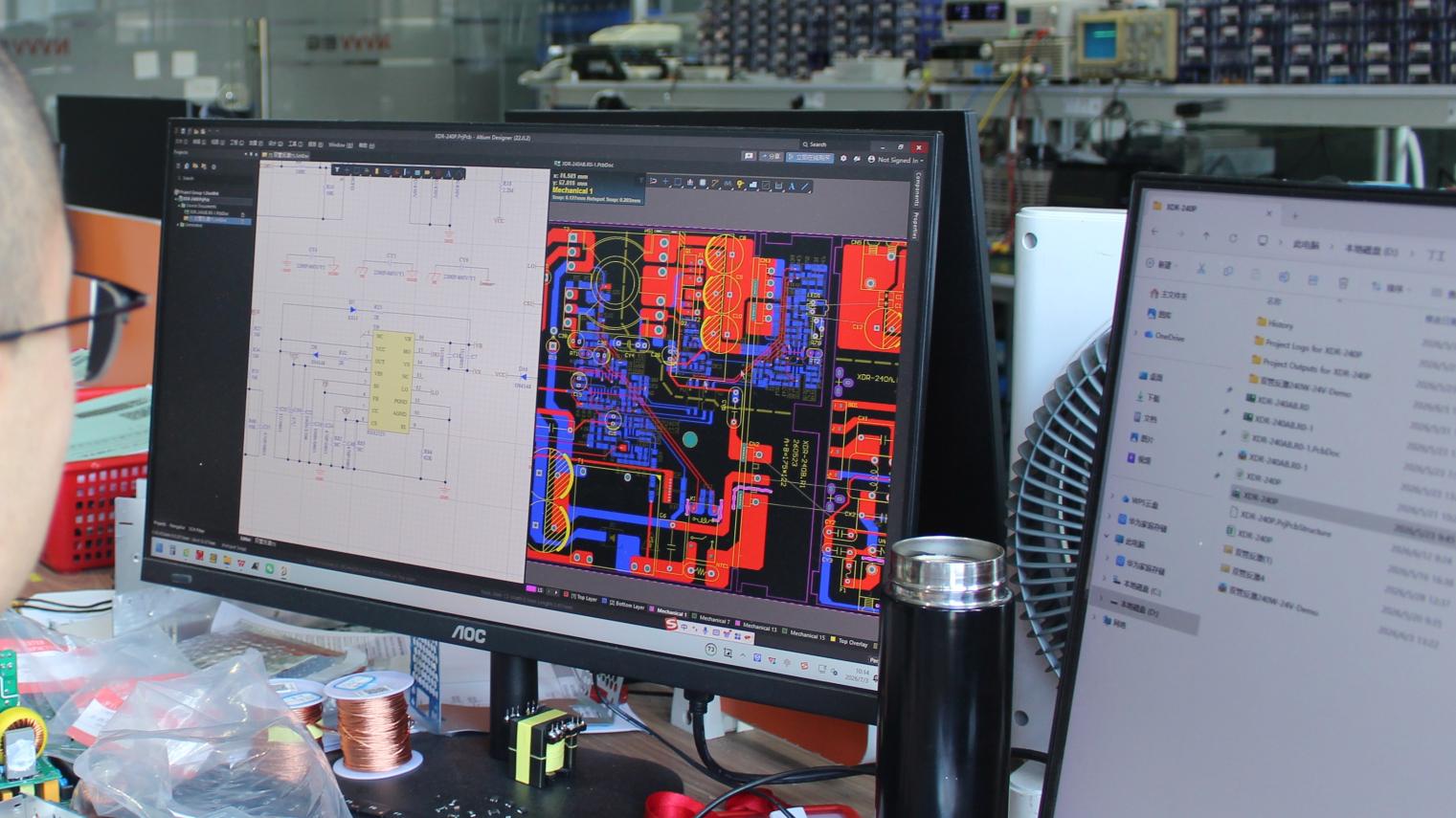
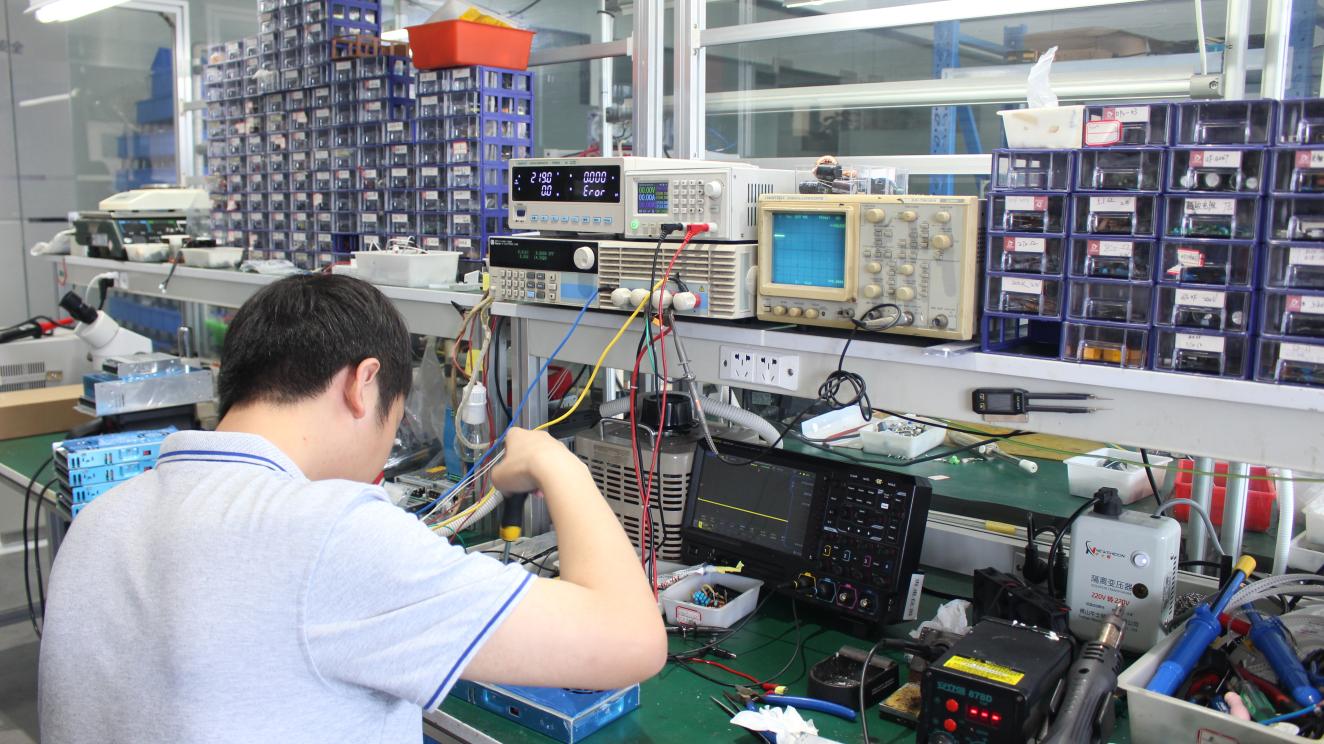
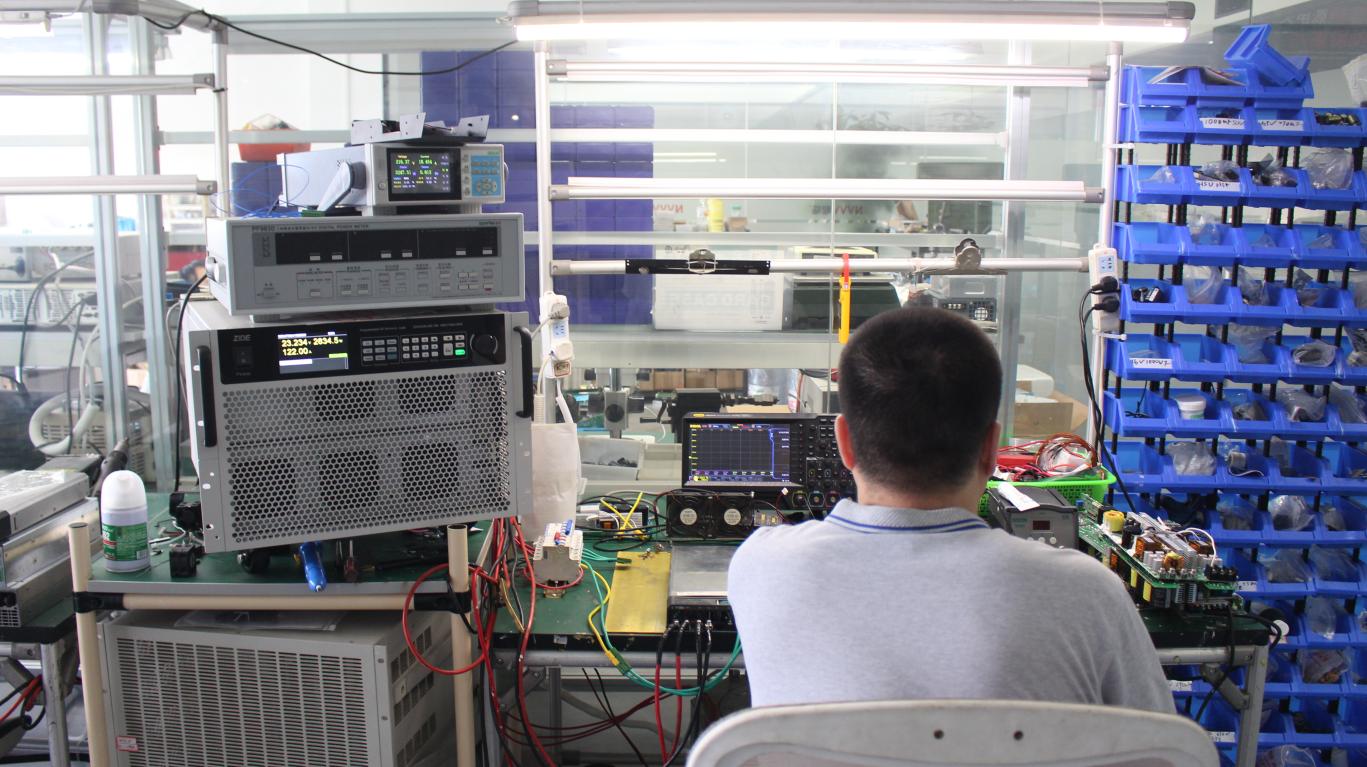
The power electronics industry is undergoing rapid technological transitions, focused on three major pillars: material innovation, intelligence, and thermal optimization.
For procurement managers and system integrators, selecting a power supply supplier is a long-term strategic decision. The following criteria help ensure stability and system compatibility:
Get answers to critical technical questions regarding selection, thermal derating, certifications, and system integration.
CE certification confirms that a power supply complies with European safety, health, and environmental standards, particularly the Low Voltage Directive (LVD 2014/35/EU) and the Electromagnetic Compatibility Directive (EMC 2014/30/EU). Without proper CE marking, electrical equipment cannot be legally imported or integrated into machines operated within the European Economic Area.
Single output supplies provide a single voltage line (e.g., 24V DC for automation). Dual or triple output systems (like the D-60A and D-180C) deliver multiple distinct voltages (like 5V and 12V DC) from a single unit. This allows a single device to power both digital processing boards (5V) and mechanical relays (12V/24V) simultaneously.
Thermal derating defines how much output load a power supply can safely handle as the ambient temperature rises. In enclosed, high-density cabinets, temperatures can exceed 50°C. High-quality power supplies specify a derating curve (e.g., losing 2.5% load capacity per degree above 50°C) to prevent thermal shutdown or damage to internal components.
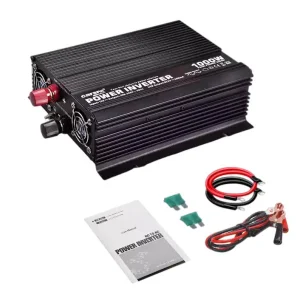
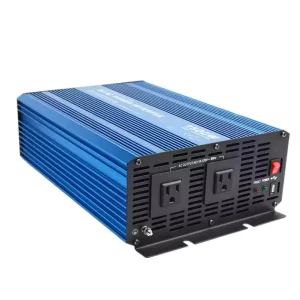
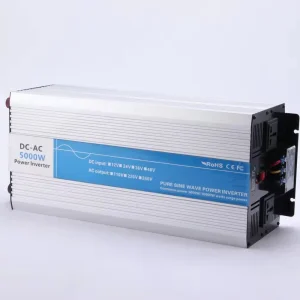
Pure sine wave inverters replicate the standard grid AC utility waveform, making them ideal for sensitive electronics like medical devices, measurement instruments, and variable-speed motors. Modified sine wave units are simpler and more cost-effective but can cause performance issues or damage to sensitive inductive loads.
High-efficiency DC-DC step-down converters, DIN Rail controllers, and off-grid power inverters for demanding applications.
 NVVV Electric