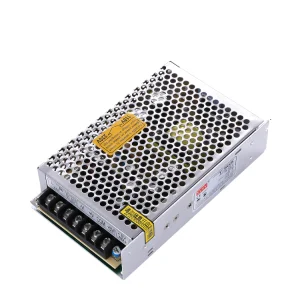
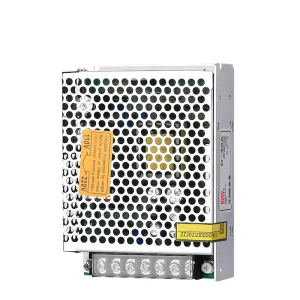
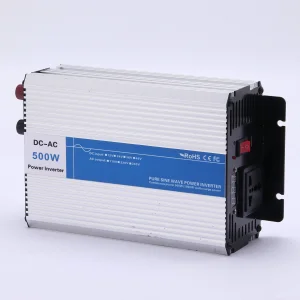
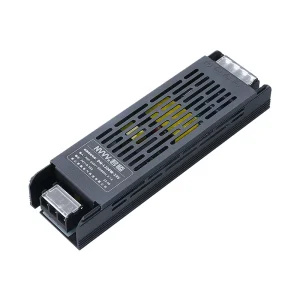
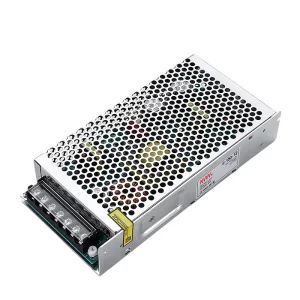
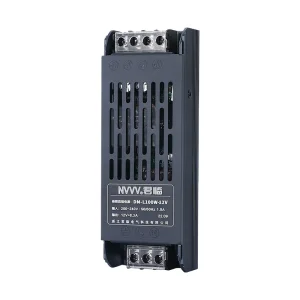
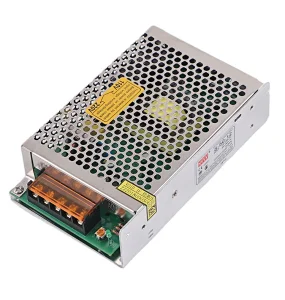
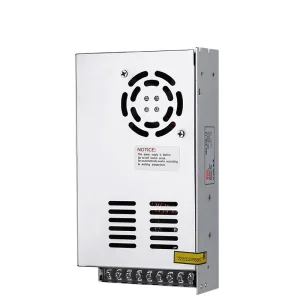
Explore our premium line of high-efficiency AC-DC converters, industrial switching power supplies, and pure sine wave inverters.
A comprehensive analysis of technical architectures, supply chain dynamics, and regulatory compliance standards guiding modern industrial switching power supplies.
In the modern era of industrial automation, telecommunications, and smart grids, the demand for highly efficient electrical conversion systems has reached unprecedented heights. Traditional linear power supplies have long been phased out due to their massive thermal losses and bulkiness. Today's Switch Mode Power Supplies (SMPS) leverage advanced topologies to maximize energy throughput while minimizing physical footprint.
Efficiency in power supplies is not merely a marketing metric; it directly correlates with system longevity, reliability, and operating costs. By reducing waste heat, high-efficiency power units limit the thermal stress on internal electrolytic capacitors, semiconductor junctions, and magnetic components. This thermal management strategy directly extends the Mean Time Between Failures (MTBF) of the entire system.
*Standard certification guidelines dictate that high-efficiency class units maintain at least 88% conversion efficiency under full loading parameters.
Across Europe, North America, and East Asia, stringent carbon reduction targets and energy conservation acts (such as the EU's ErP Ecodesign Directive and the US Department of Energy's Level VI standards) have mandated the implementation of high-efficiency equipment. Businesses are transitioning to systems that reduce standby power consumption (no-load losses) to less than 0.3W.
Industrial plants utilizing hundreds of DIN Rail power supplies on their manufacturing lines experience significant cumulative energy savings by upgrading from 80% to 92% efficient units. This reduction in power dissipation not only lowers utility bills but also decreases the necessity for active cabinet cooling systems (fans and air conditioning), thereby reducing secondary energy draw.
Designing power supplies that satisfy Class B EN55032 radiation standards, preventing harmful noise interference with sensitive sensor clusters and communications protocols.
Implementing active PFC circuits (Power Factor > 0.95) to ensure minimal phase displacement and harmonic currents on the AC distribution line.
Mitigating system downtimes. Our advanced protective features (Overload, Overvoltage, Overtemperature, Short-circuit protection) guard your critical loads.
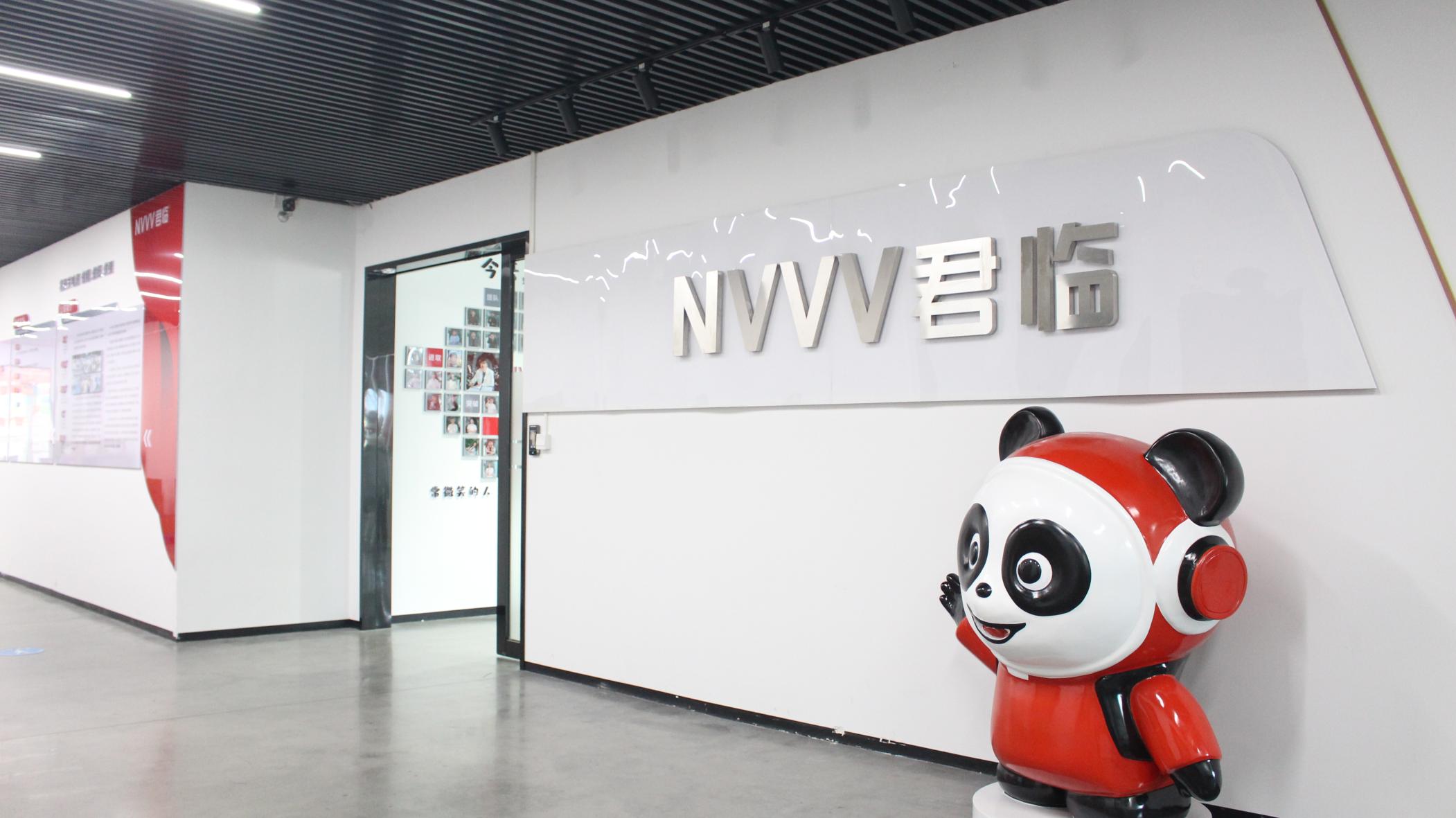
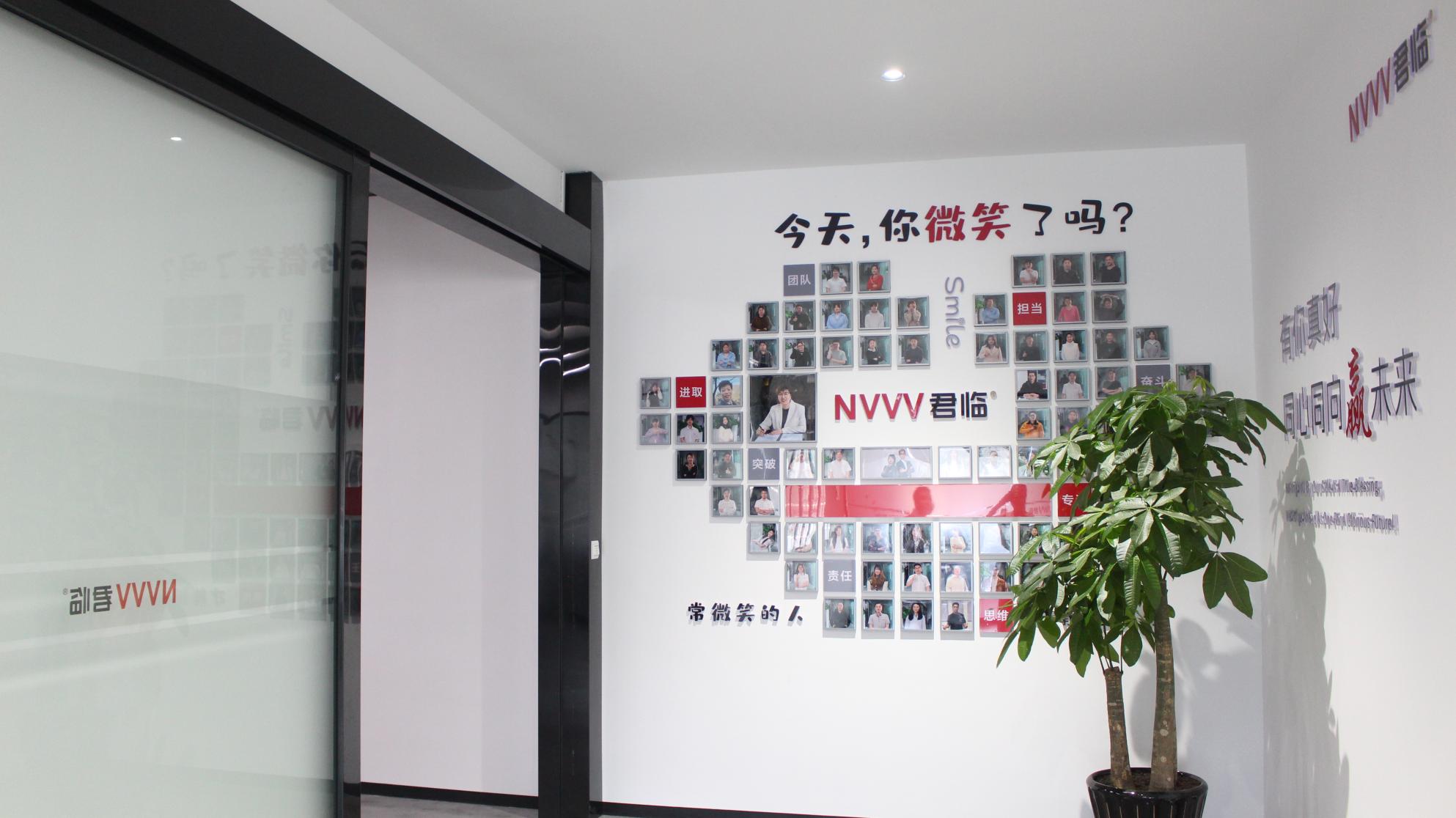
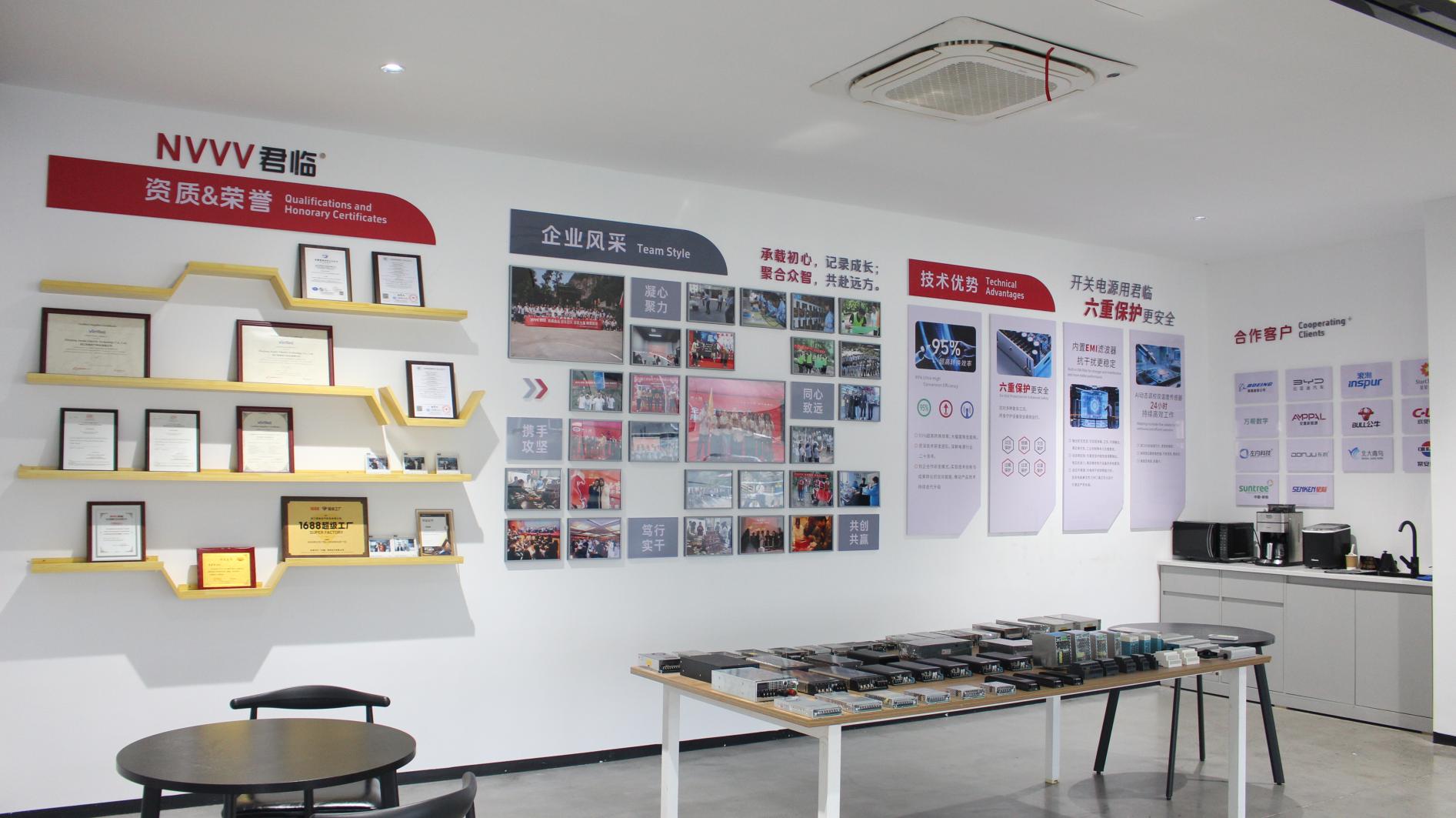
Established in the global industrial hub of Wenzhou, Zhejiang Province, China, NVVV Electric Technology Co., Ltd. has developed into a premier manufacturer specializing in the research, development, production, and sales of high-efficiency switching power supplies and DIN rail systems.
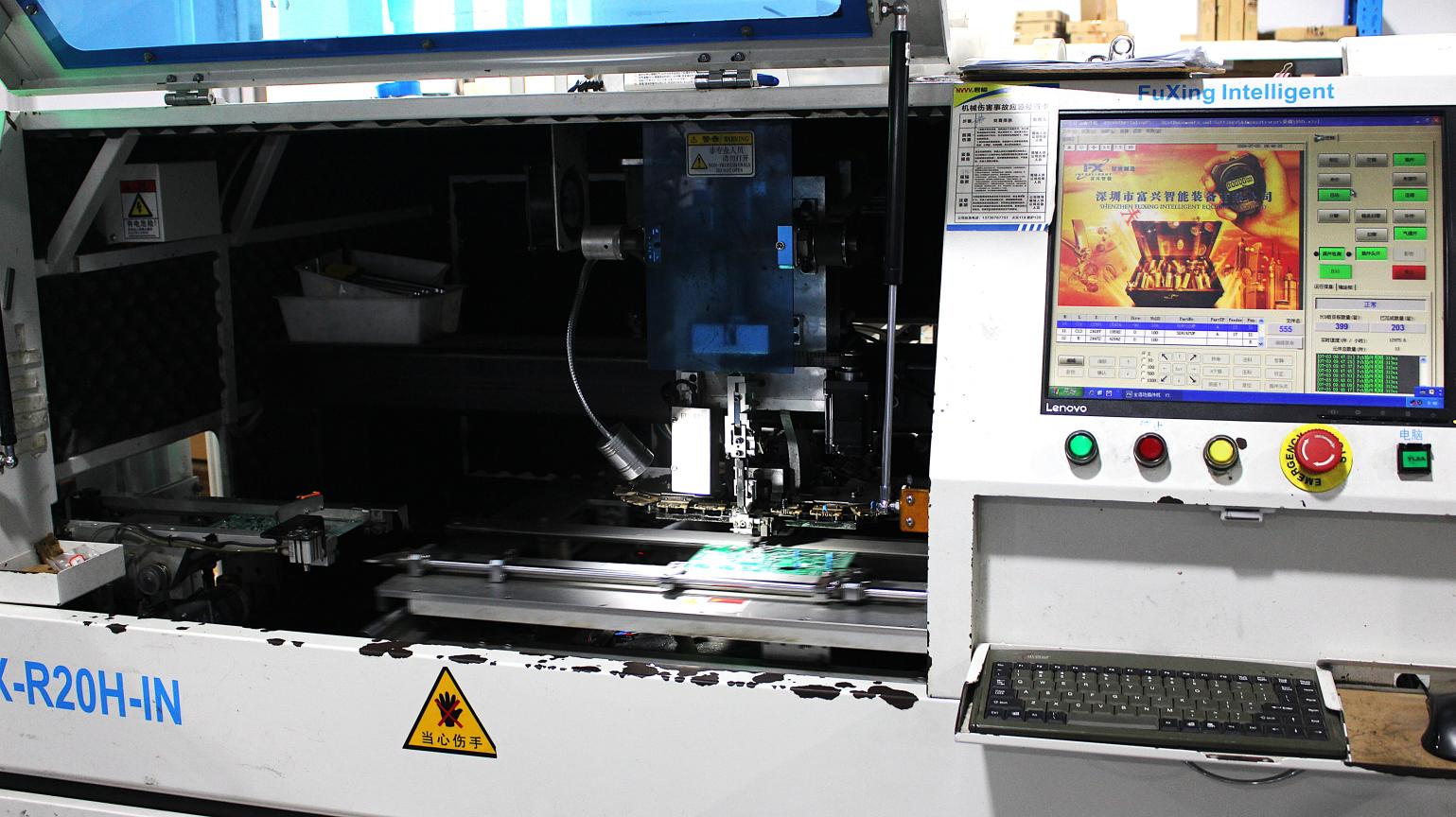
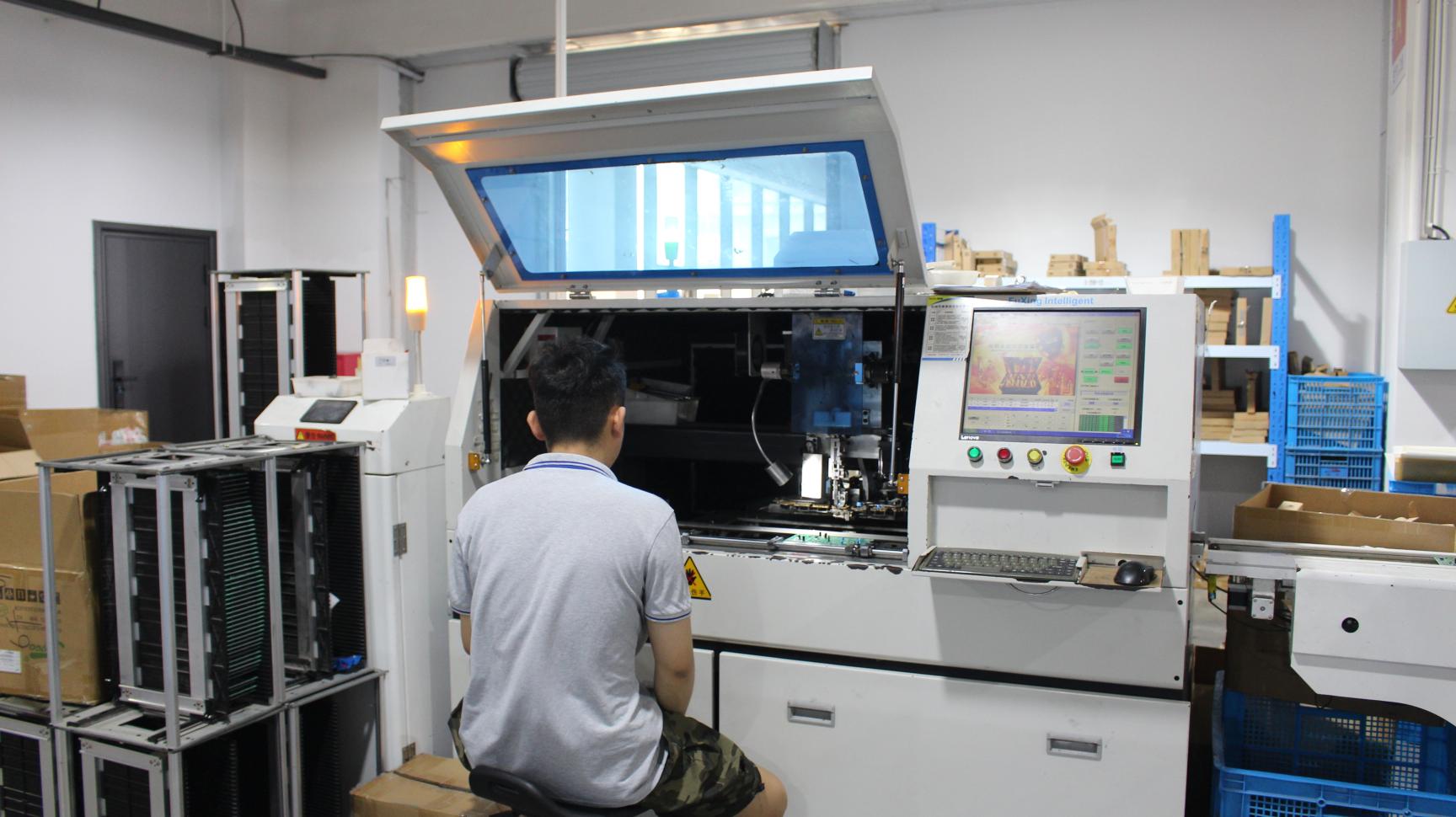
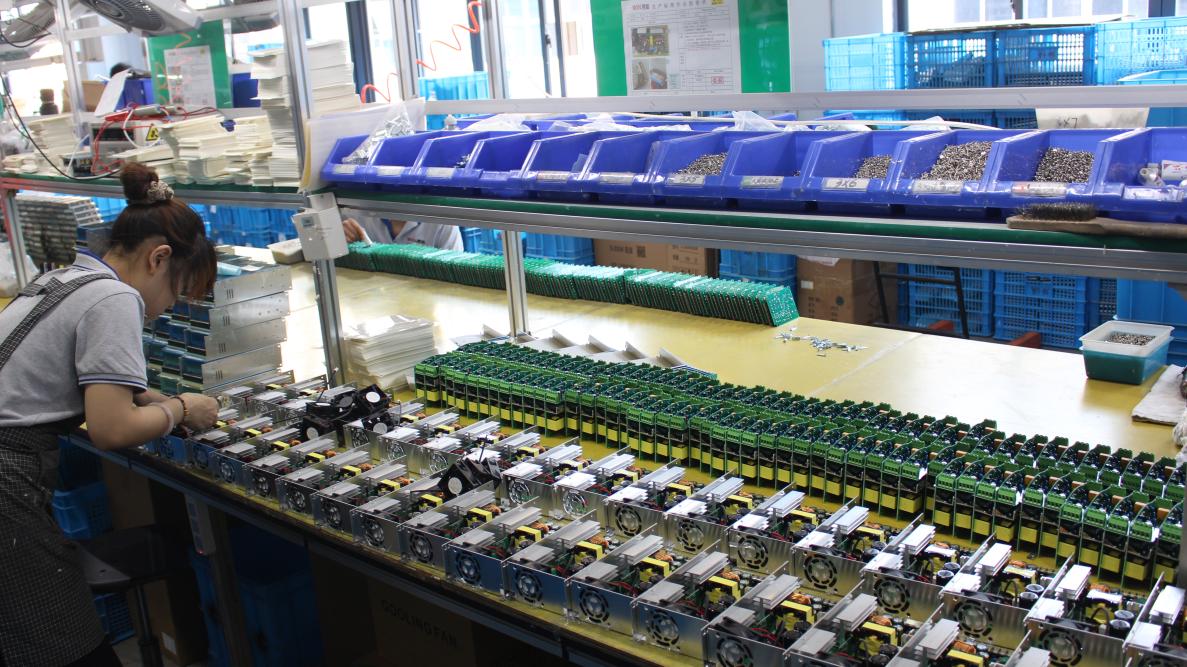
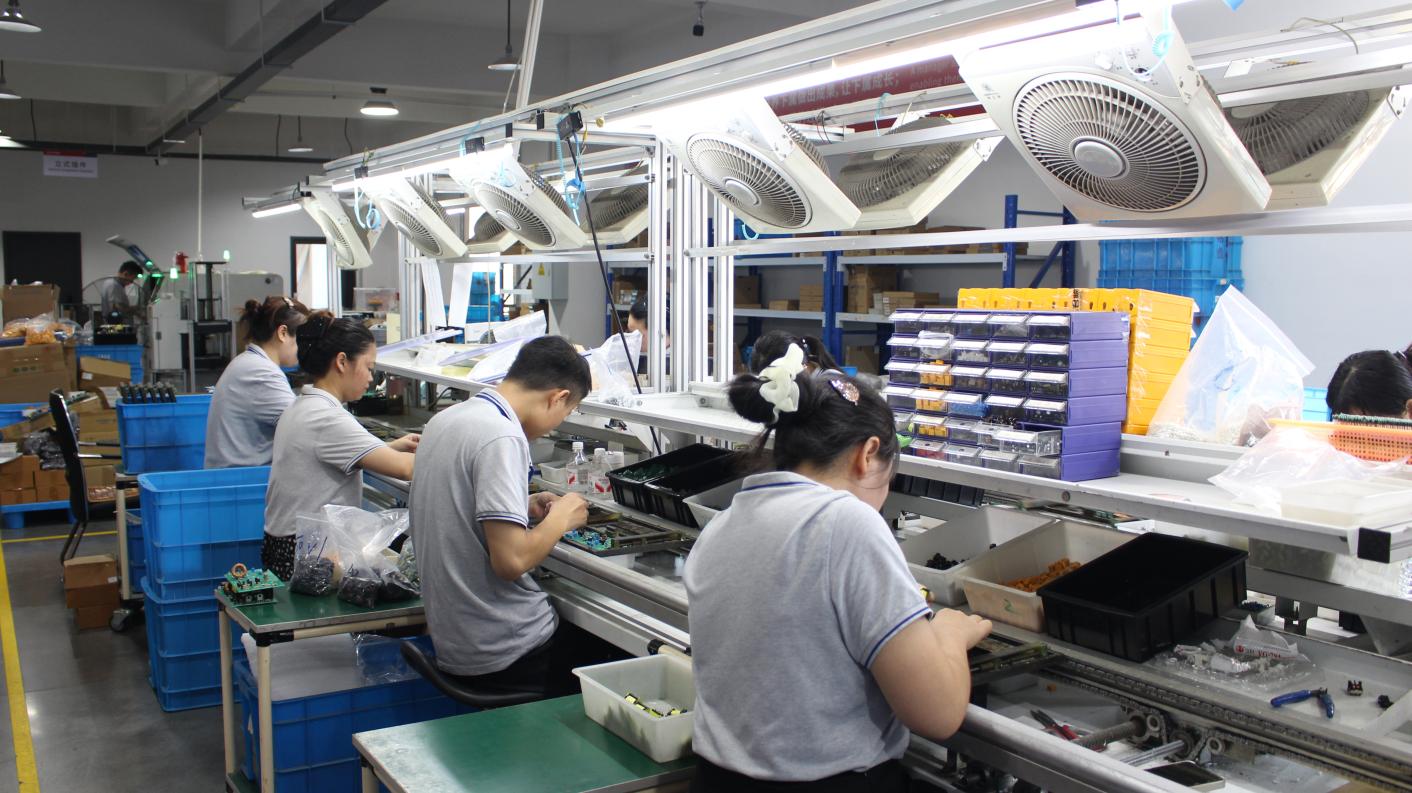
With a registered capital of USD 1.4 million and an annual export revenue surpassing USD 1.27 million, we provide robust, high-performance power conversion devices to clients globally. Spanning a modern manufacturing footprint of 2,644 square meters, our facility is optimized for lean production, containing 5 automated assembly lines and 46 state-of-the-art production machines.
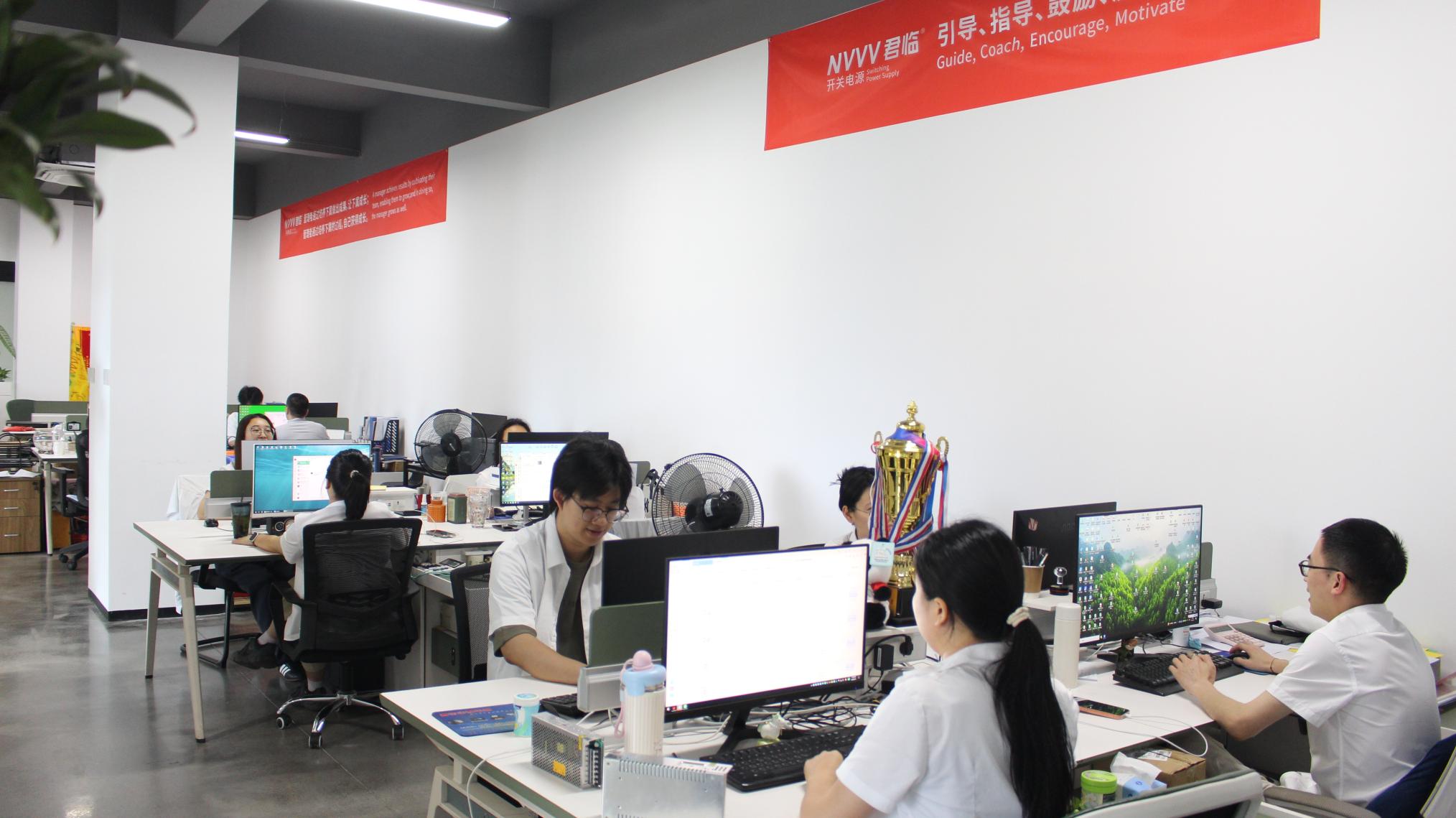
Led by a team of 50 dedicated production specialists, including 7 professional R&D engineers, we release approximately 120 new models annually. This guarantees our distribution partners and OEM clients immediate access to cutting-edge electronic topologies. Our robust supply chain enables us to maintain a 98.6% on-time delivery rate alongside a 31% reorder rate, demonstrating long-term customer satisfaction and brand trust.
Pioneering advancements in semiconductor materials, digital power conversion, and smart grid communications.
The implementation of Gallium Nitride (GaN) and Silicon Carbide (SiC) switches represents the next major leap in SMPS efficiency. These materials allow higher switching frequencies (exceeding 500 kHz) with drastically reduced switching losses, facilitating compact designs with power densities up to 30W/in³.
Transitioning from analog PWM controllers to advanced Digital Signal Processors (DSPs) enables adaptive control loops. These DSPs optimize conversion efficiency dynamically across different load profiles and supply voltages, communicating status metrics via PMBus or CAN bus interfaces.
Future iterations prioritize passive convection-cooled structures to eliminate electromechanical failure points (fans). Highly conductive thermal interface materials (TIMs) combined with finite element analysis (FEA) designed enclosures optimize heat dissipation pathways.
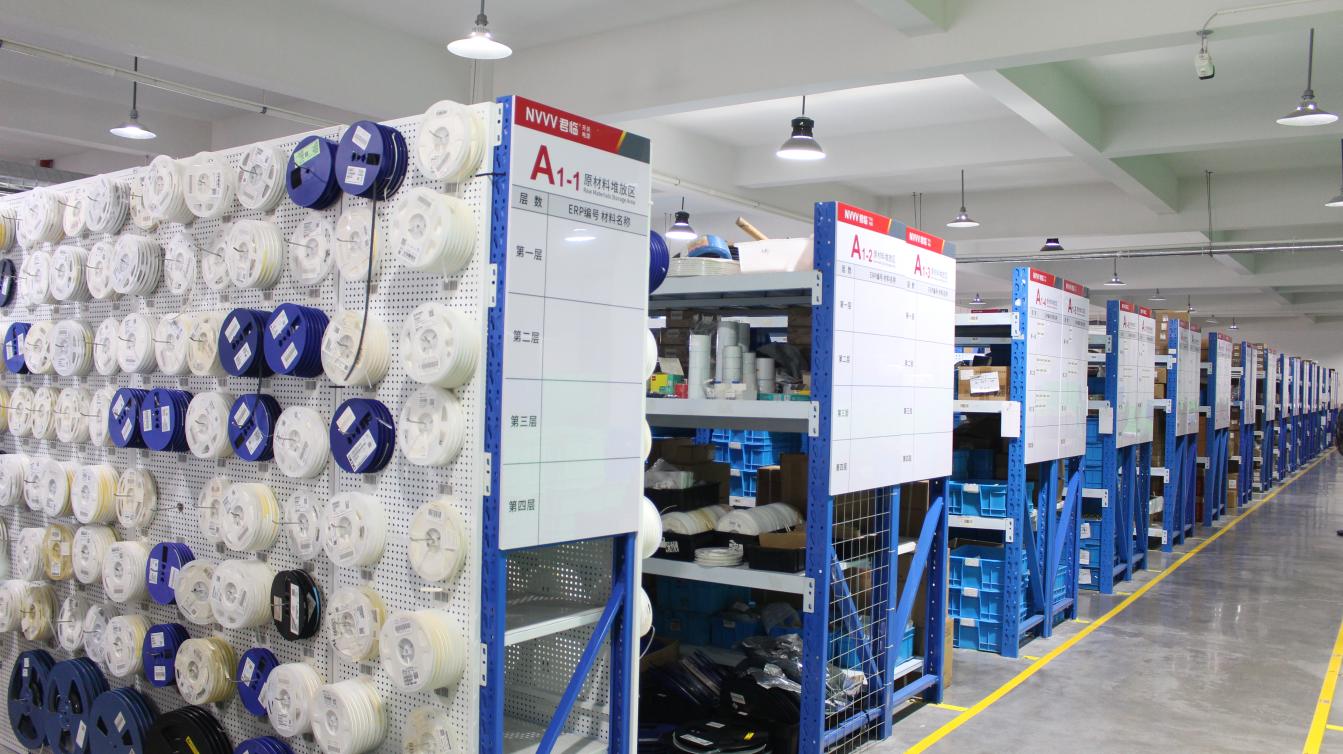
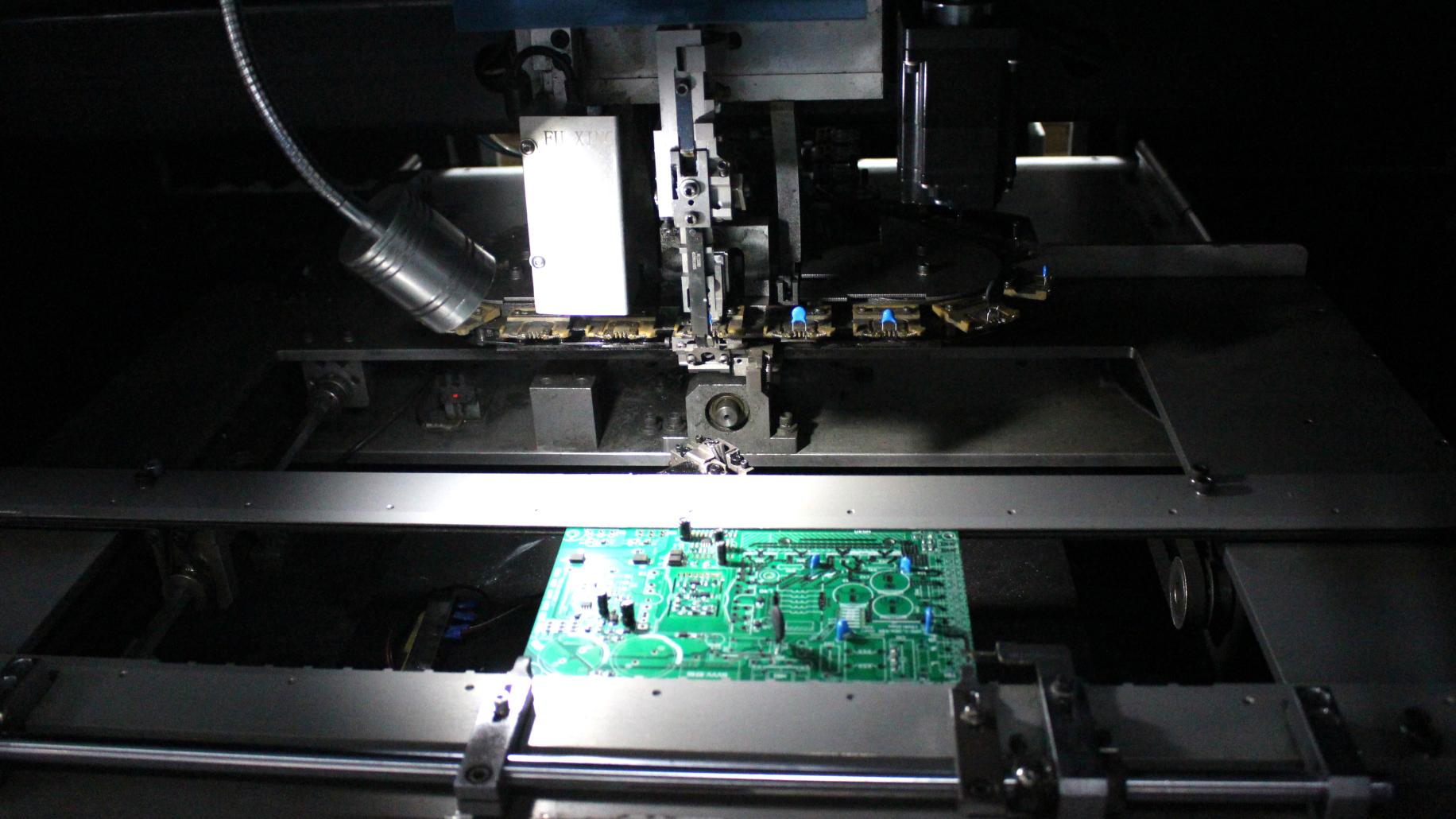
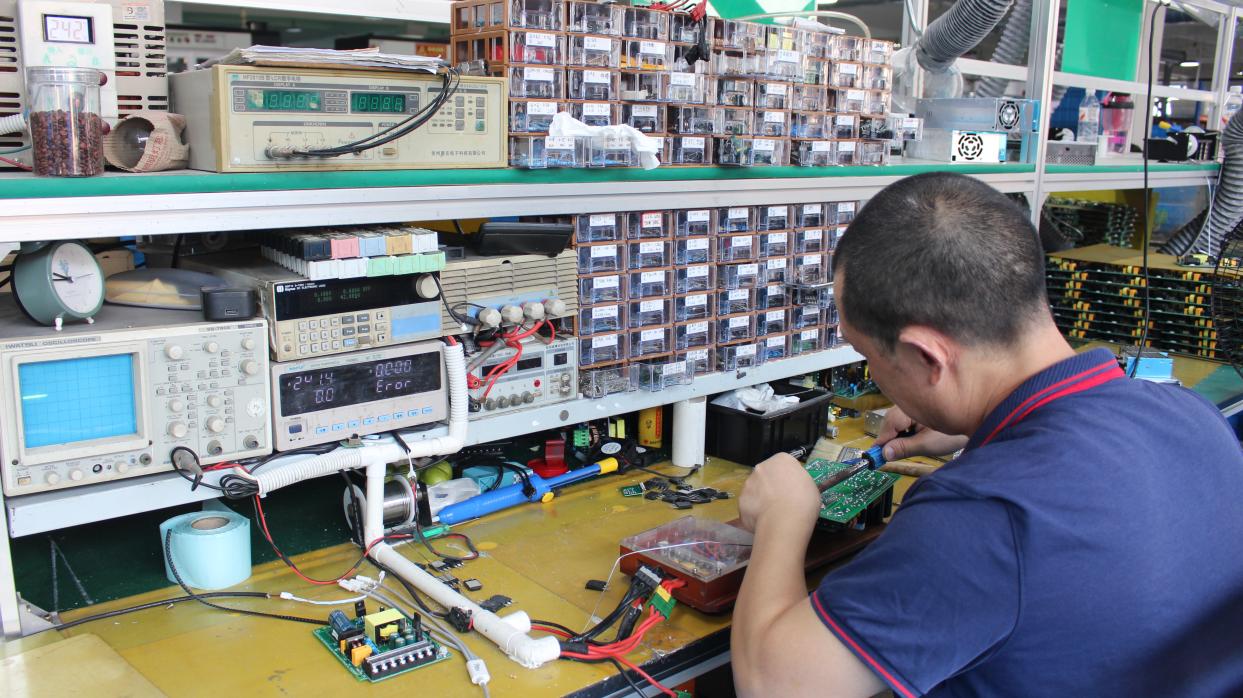
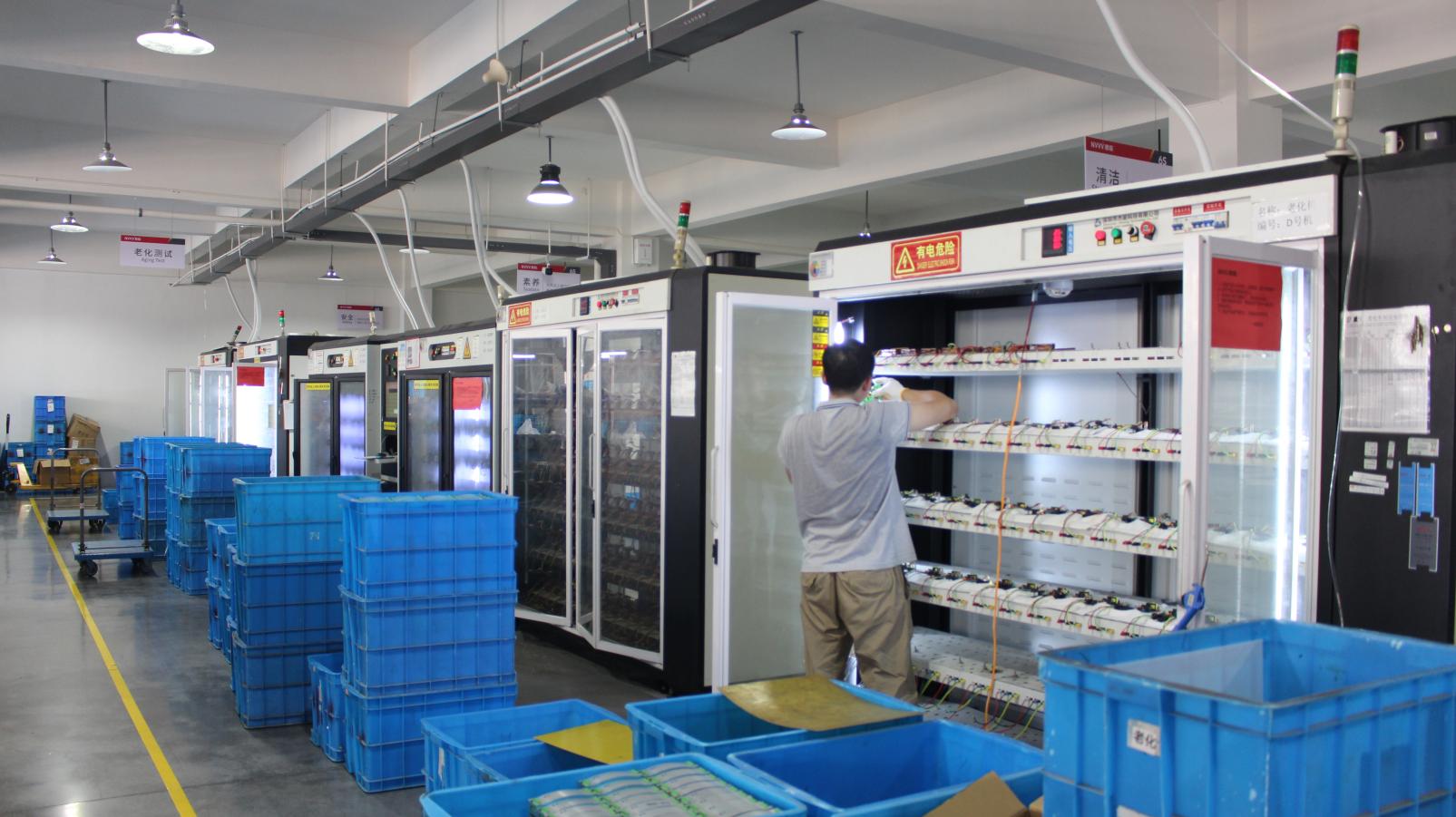
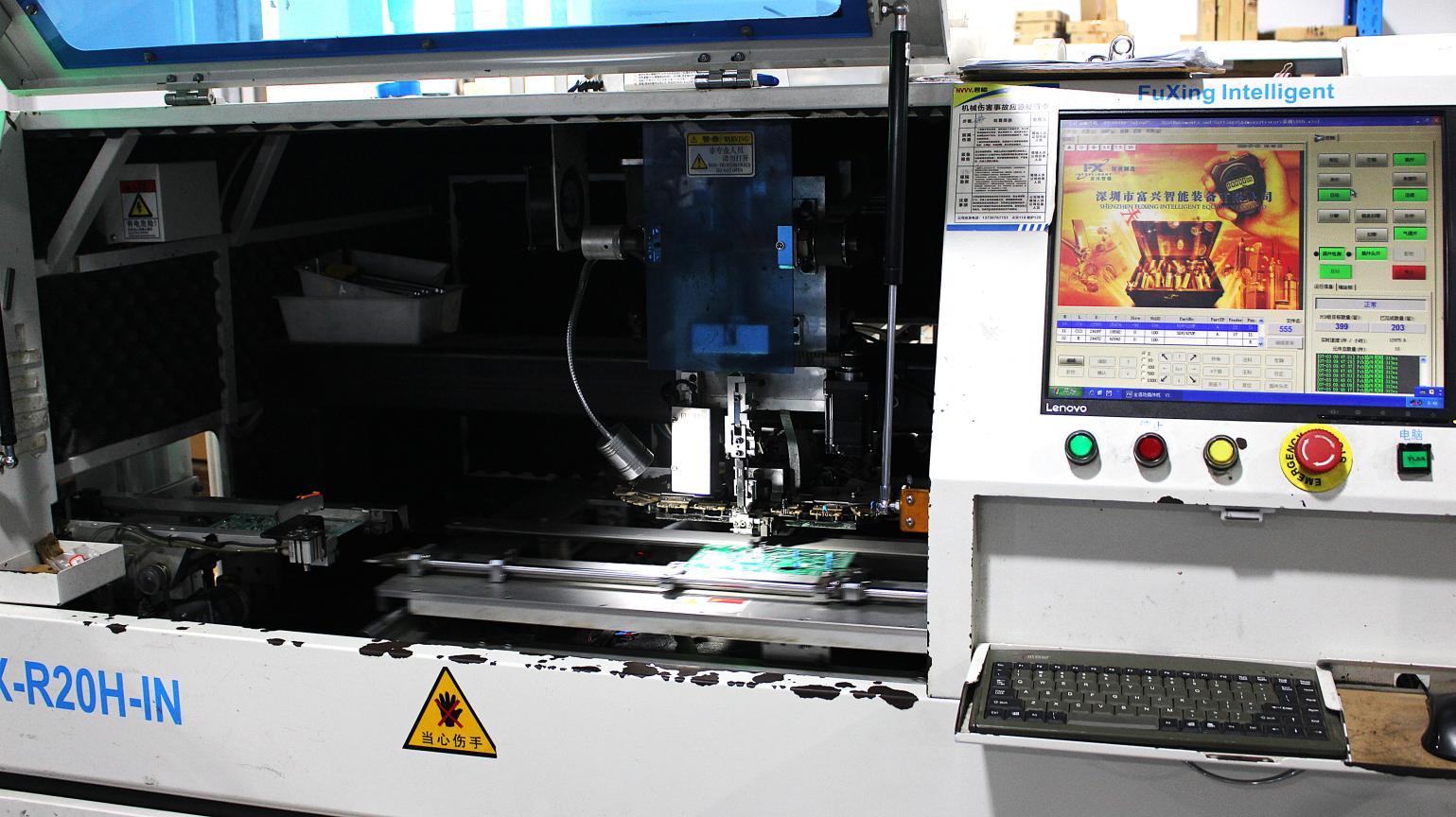
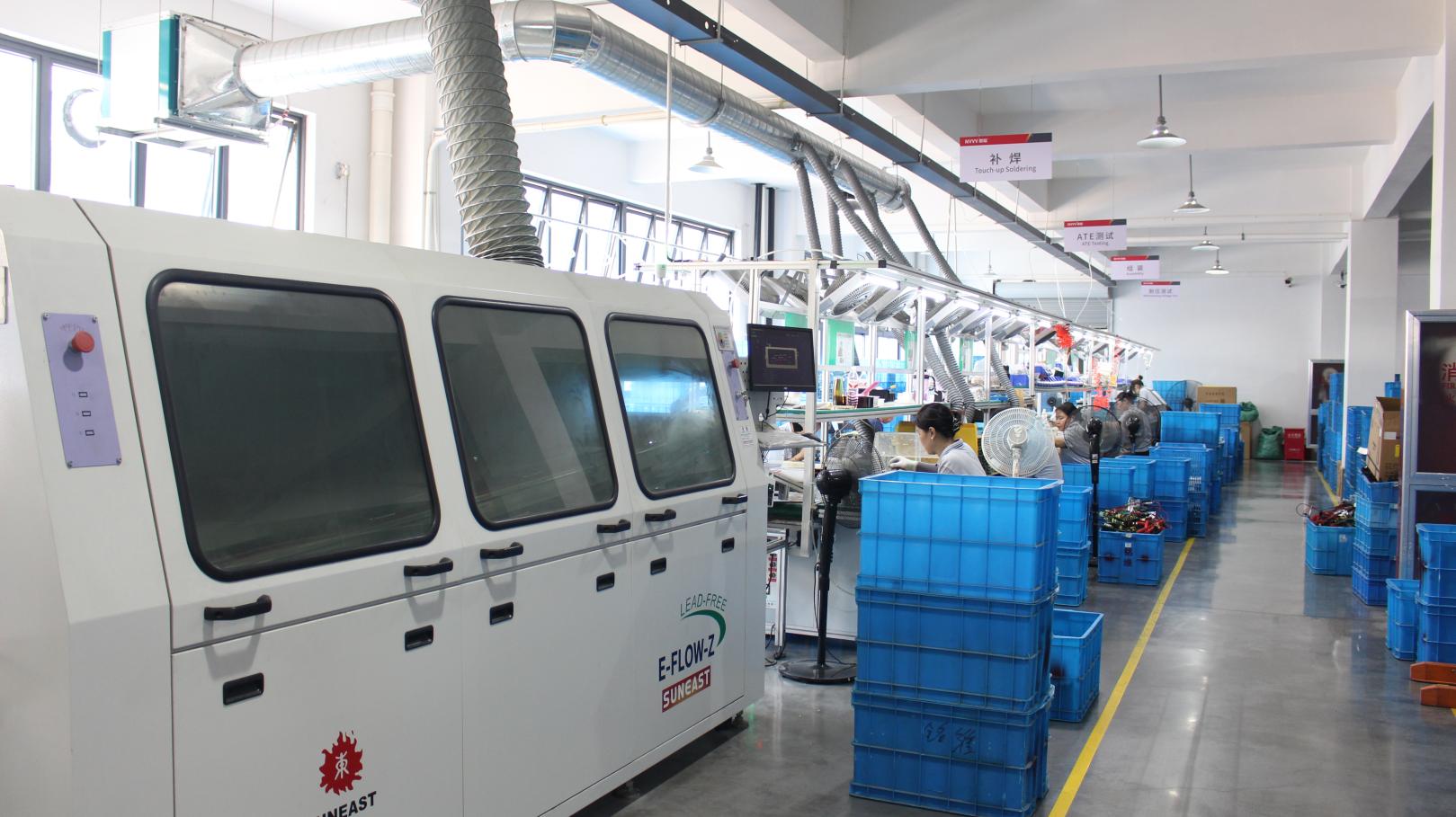
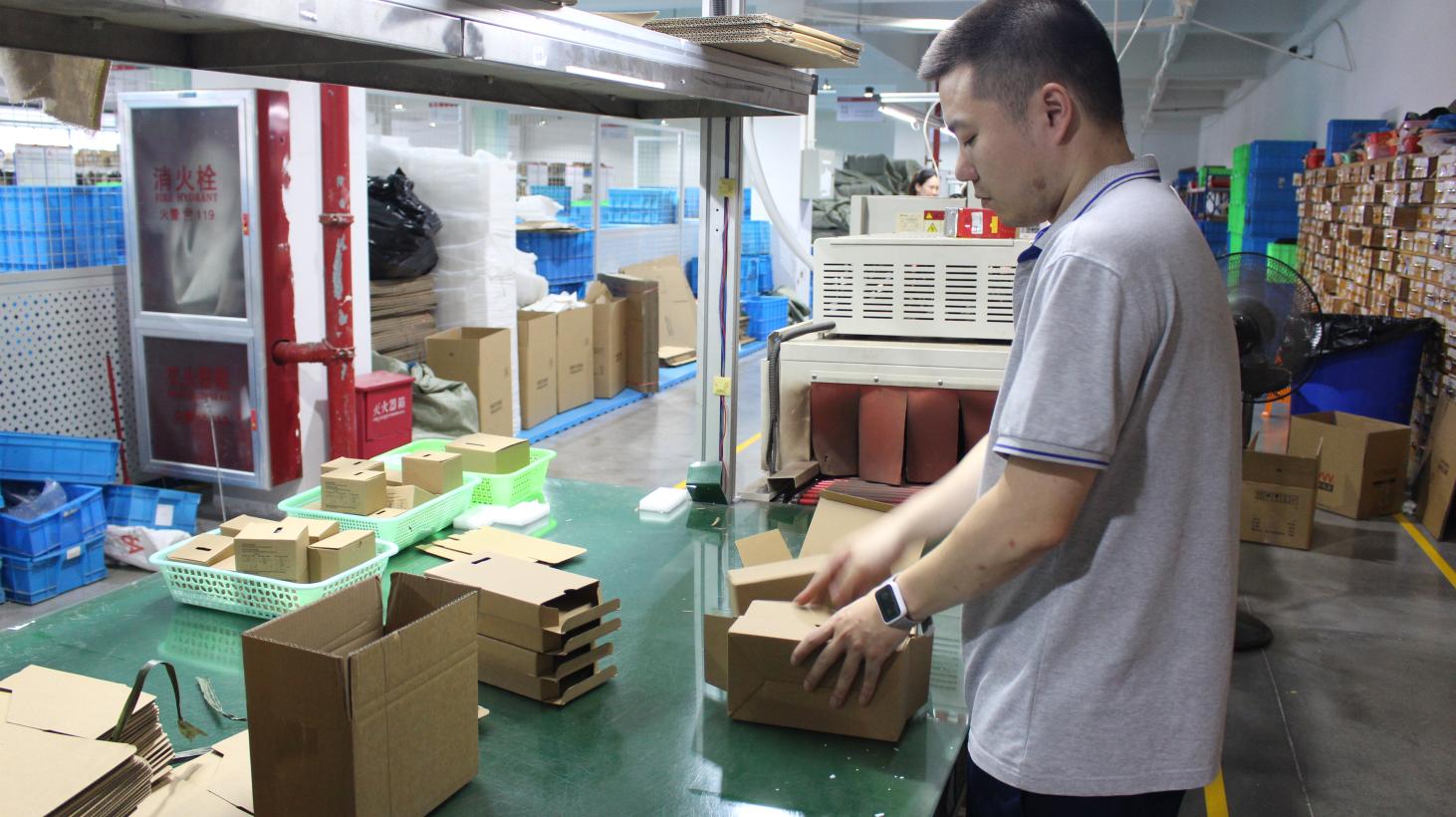
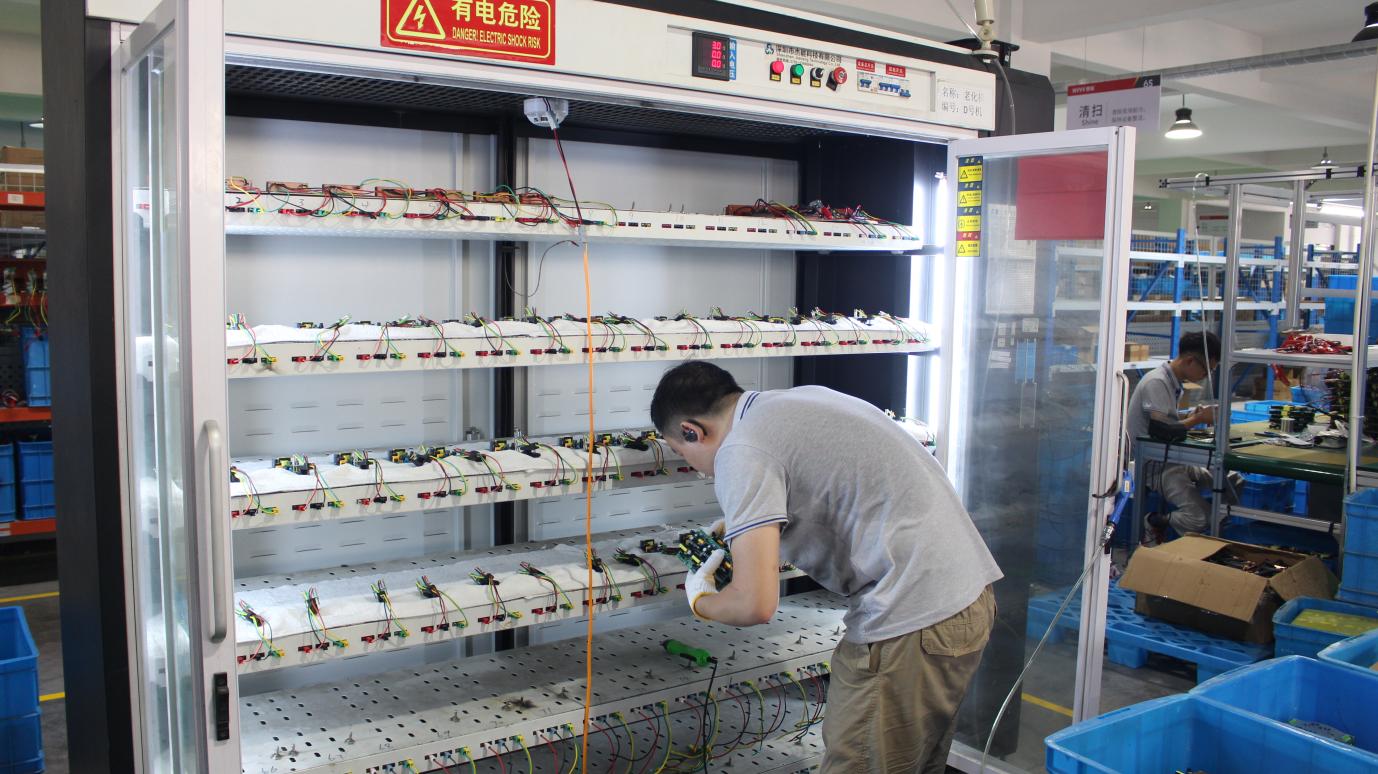
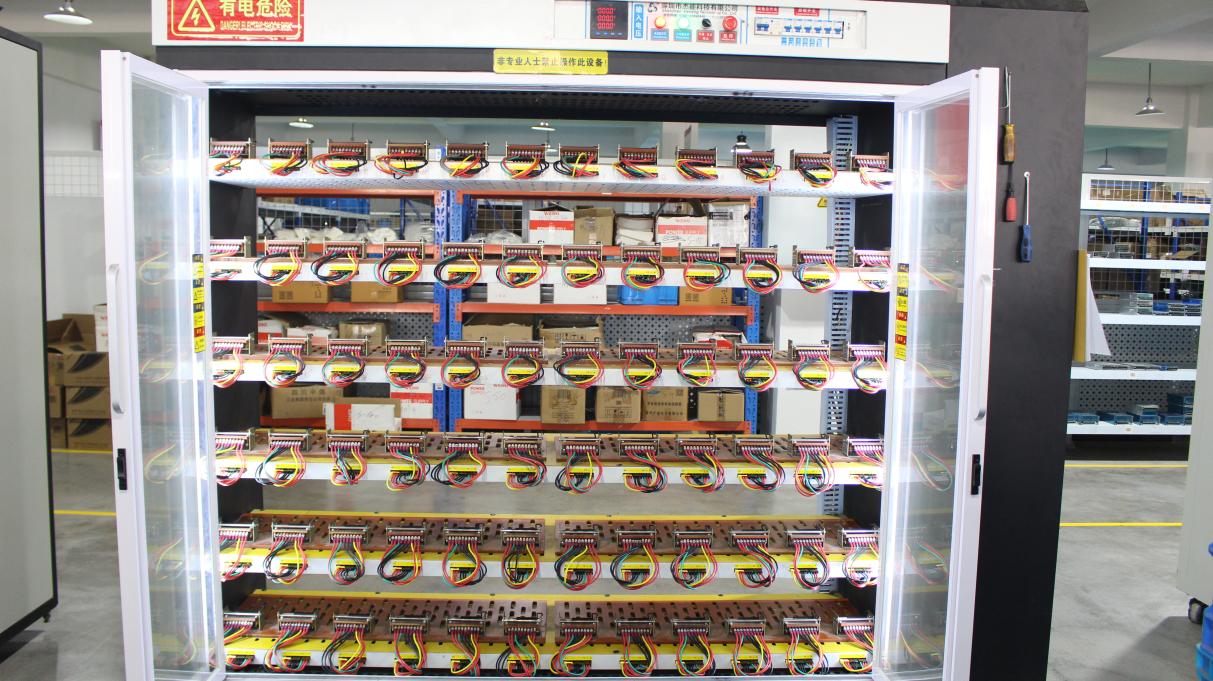
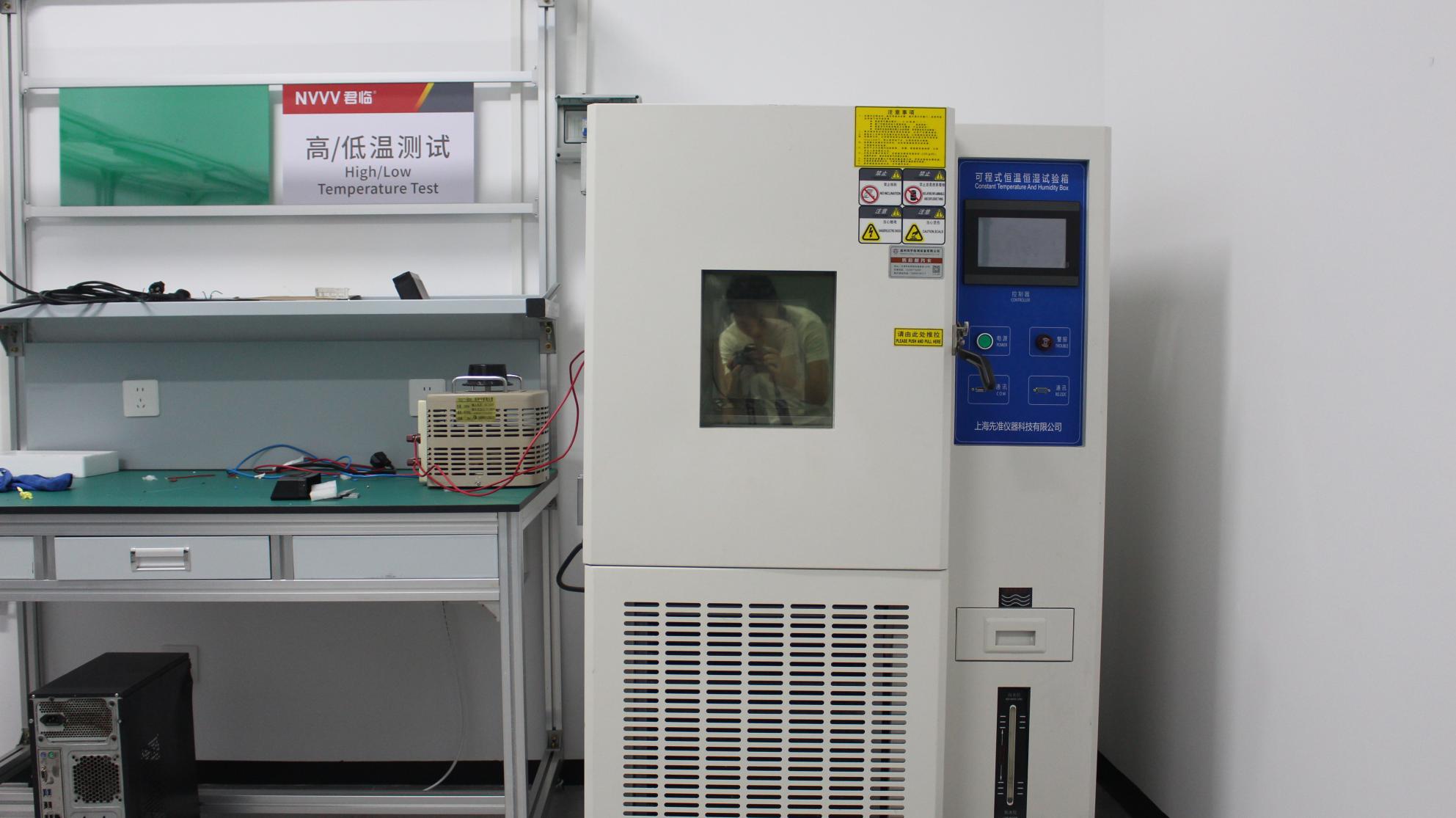
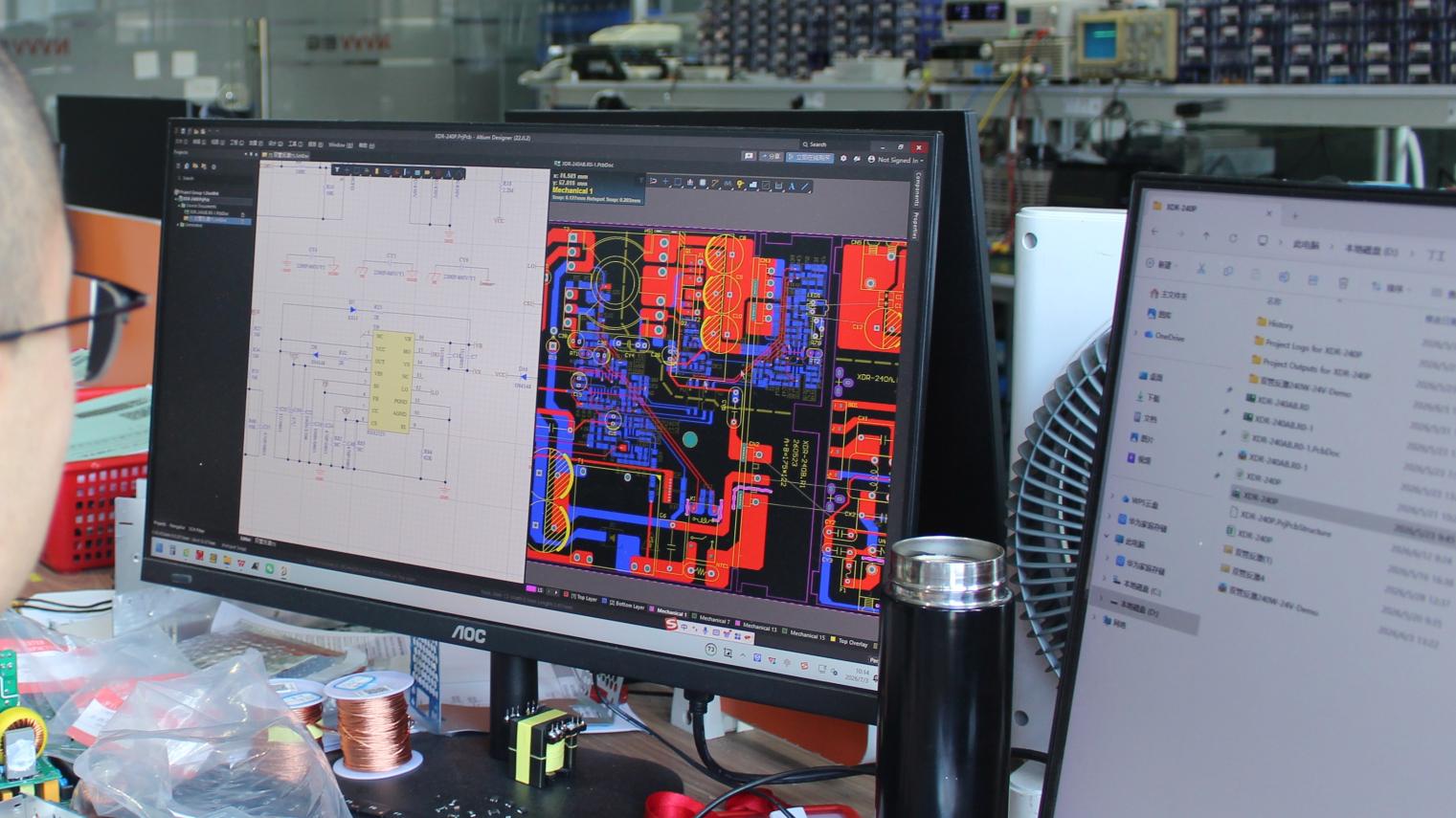
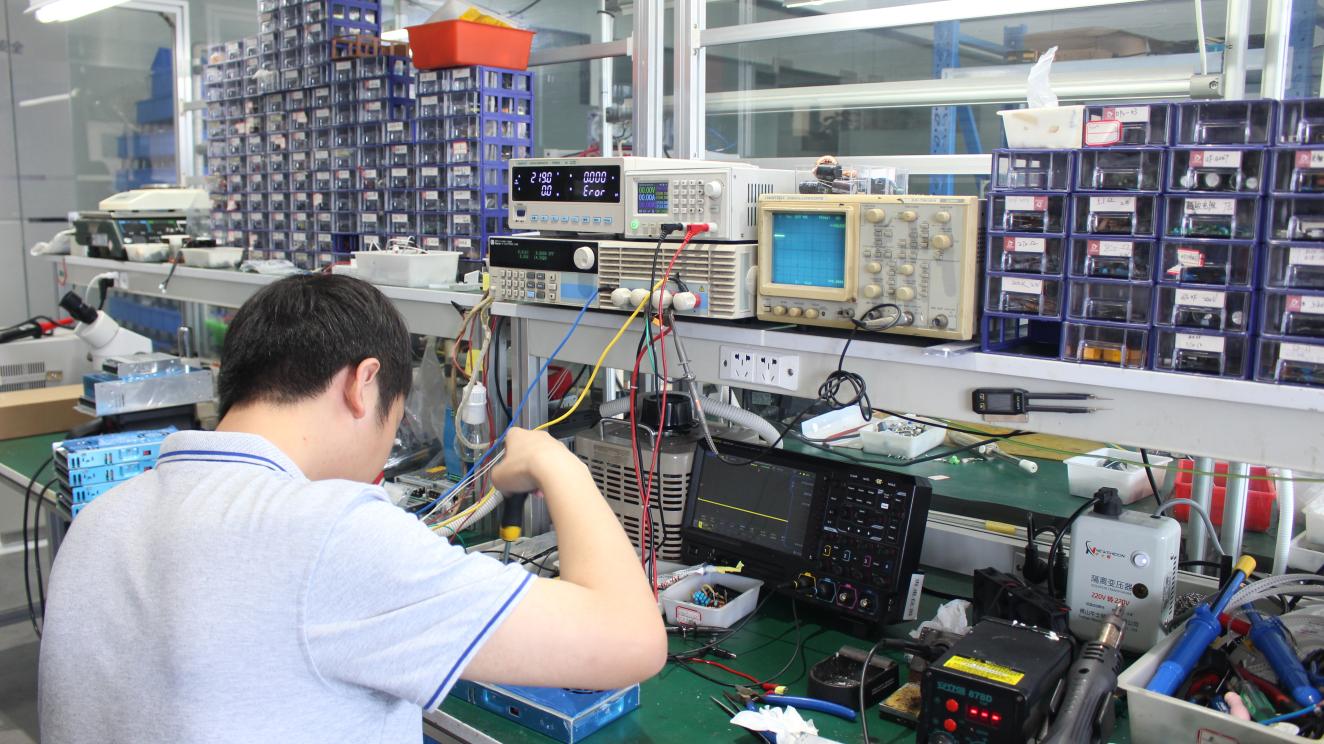
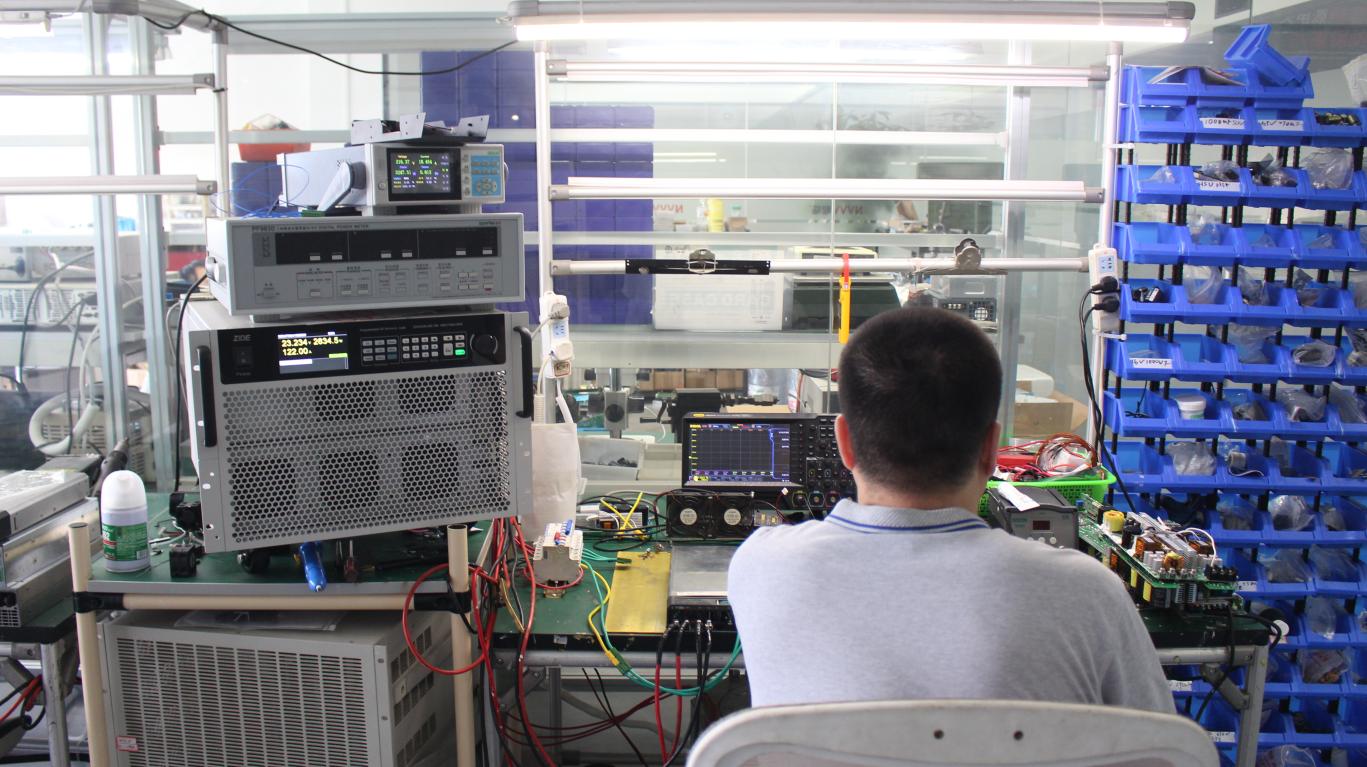
A transparent look inside our manufacturing processes, testing chambers, and precision assembly lines.
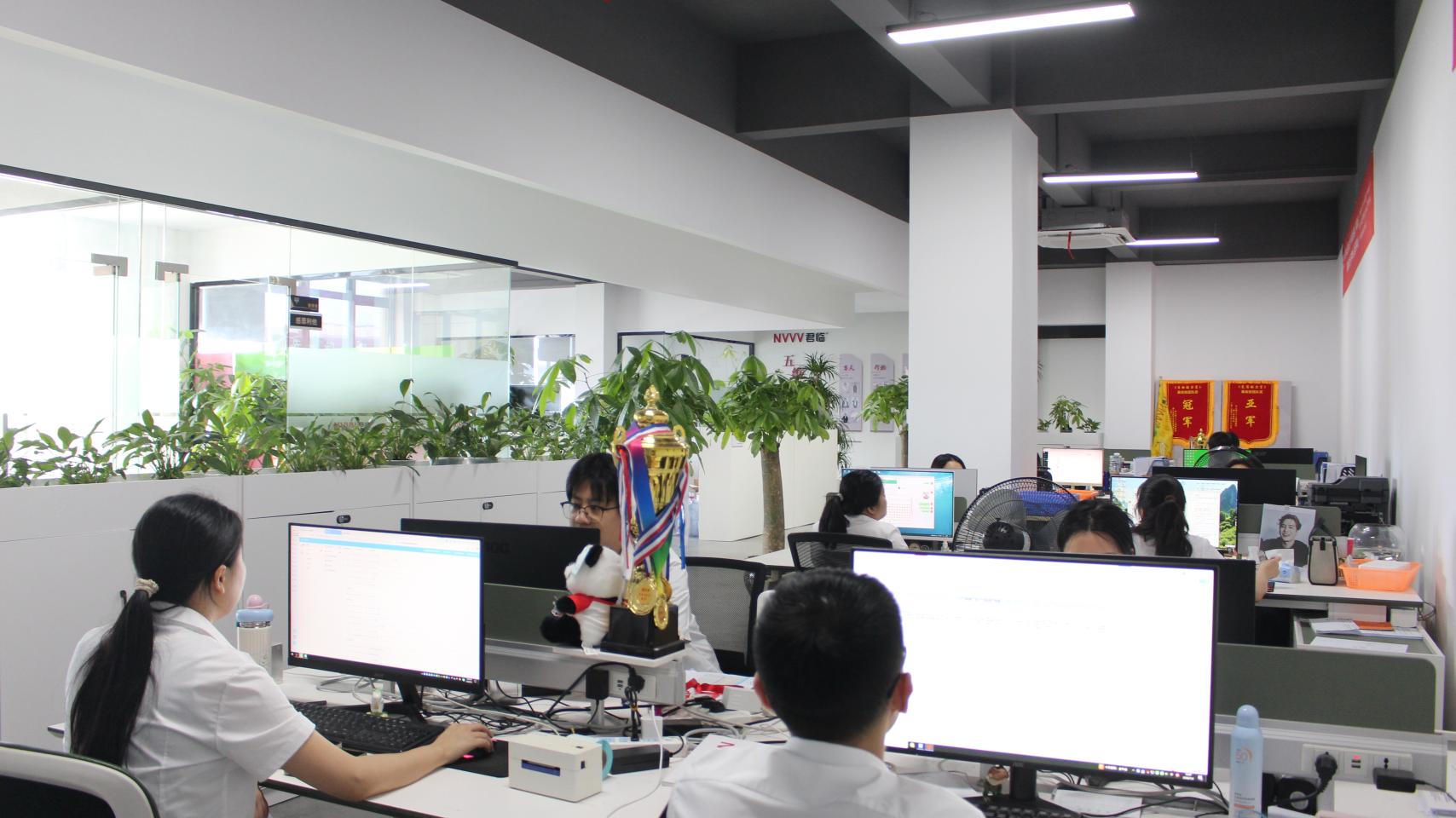
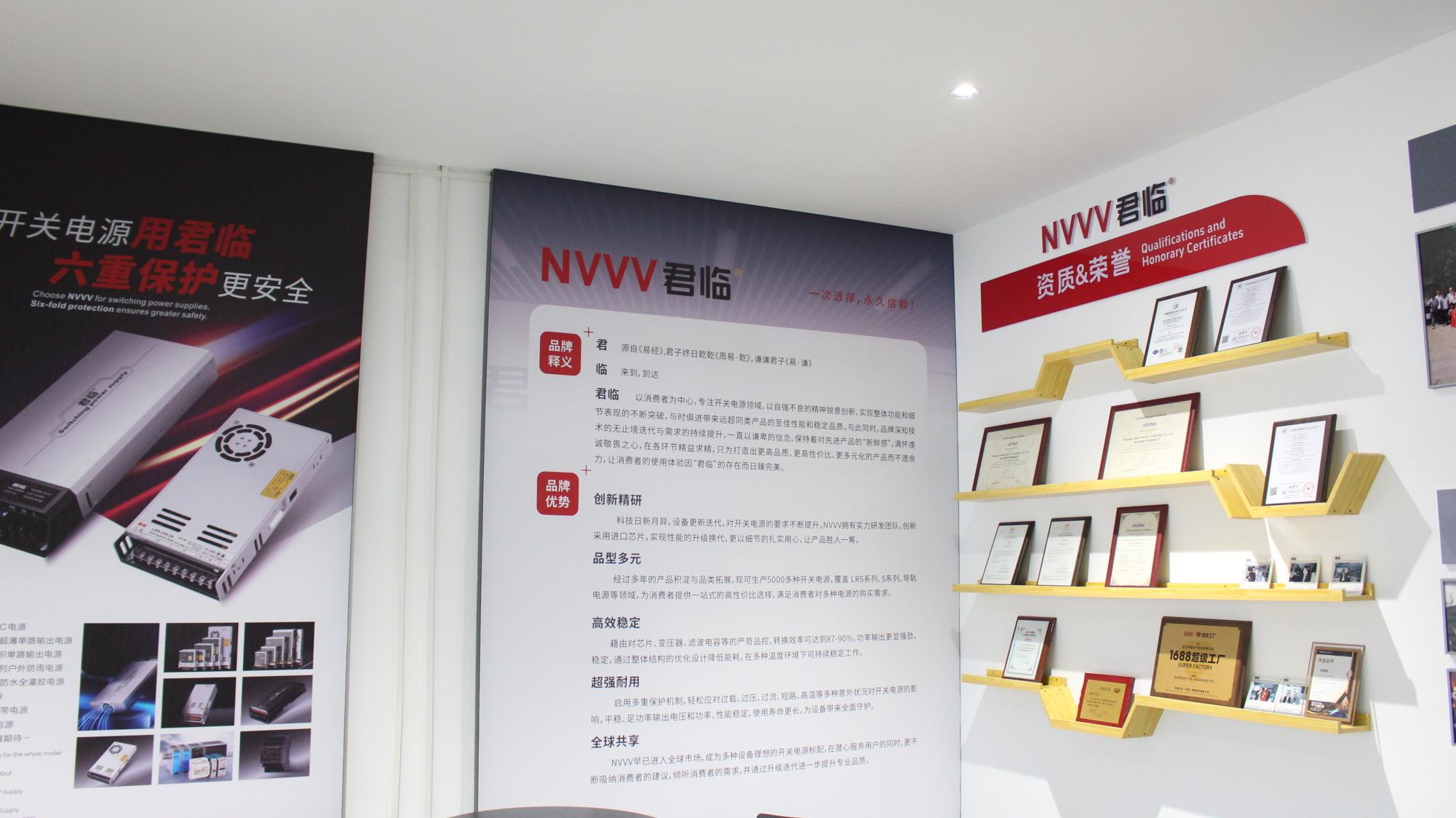
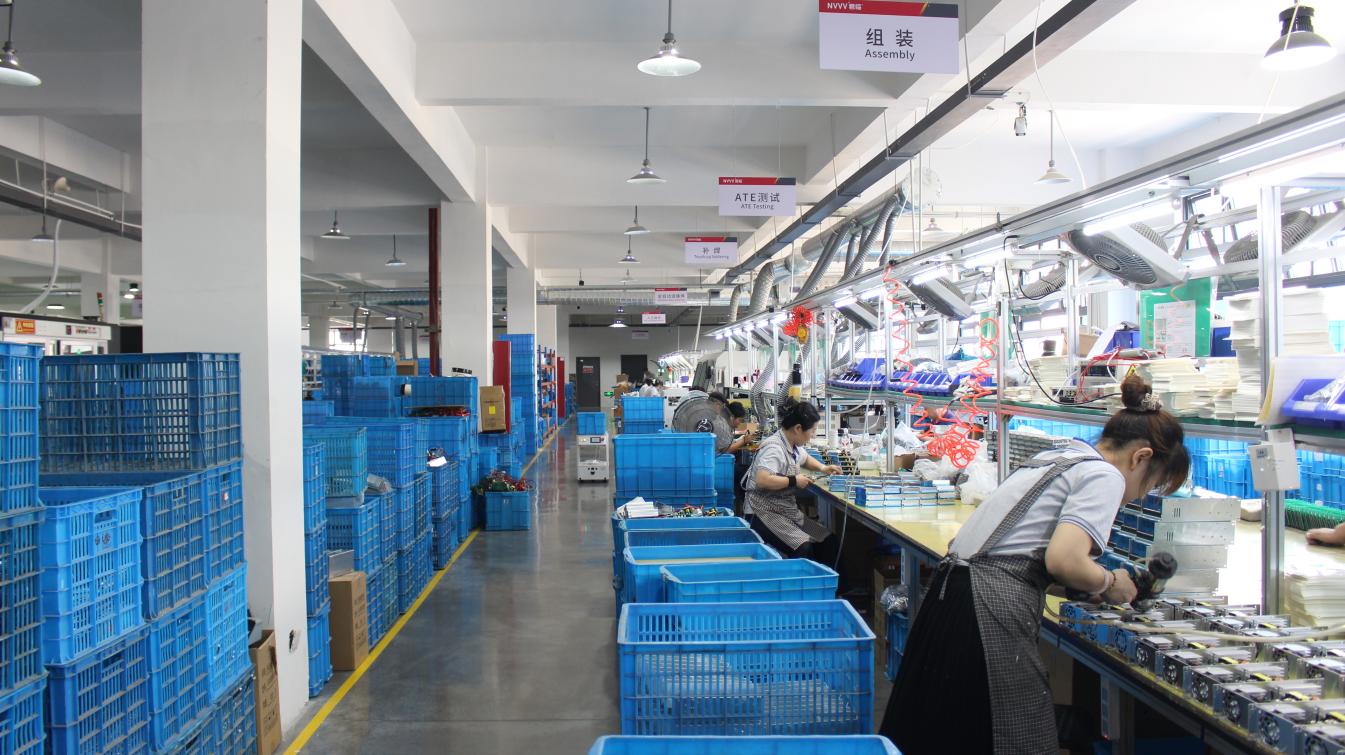
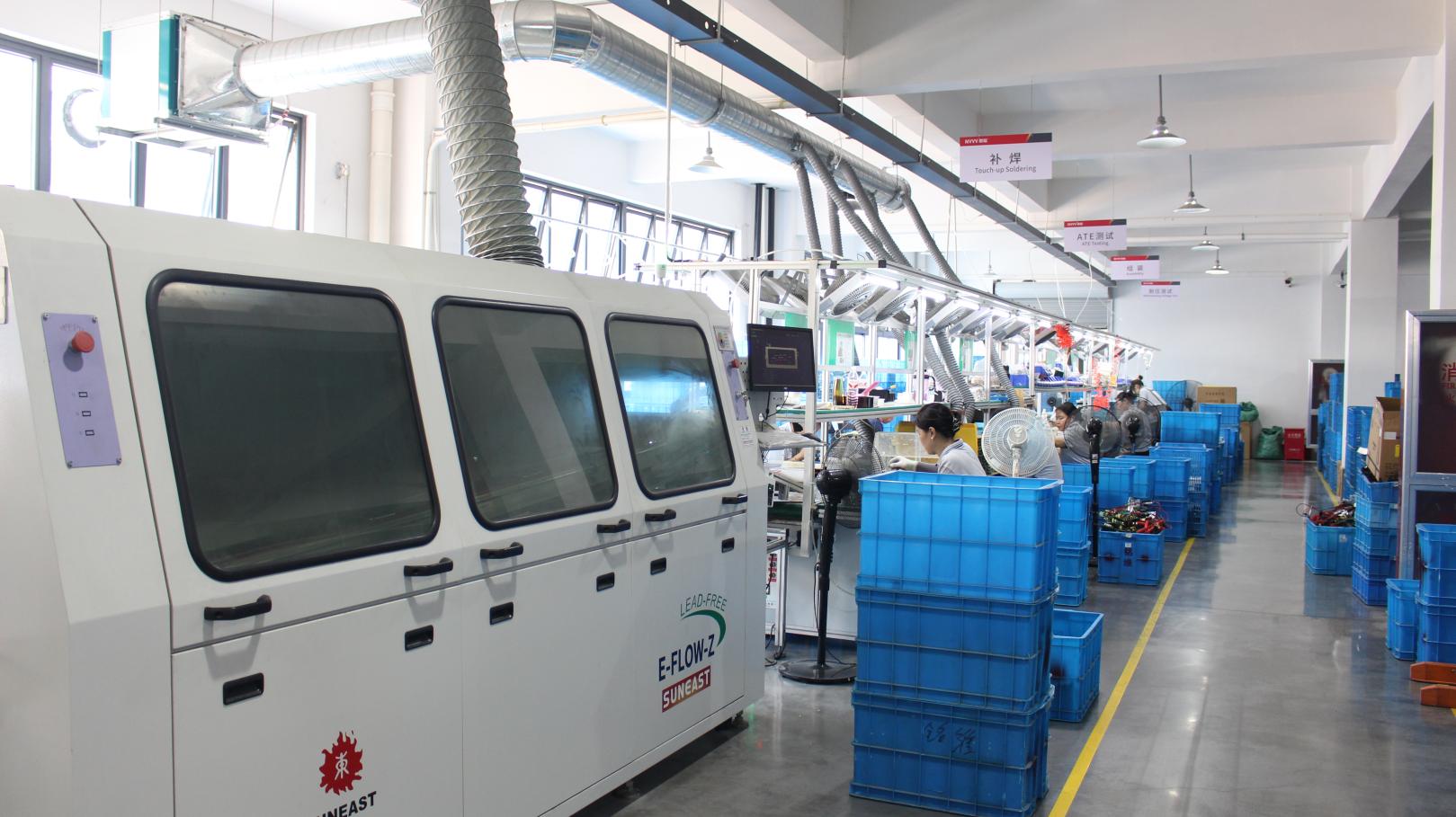
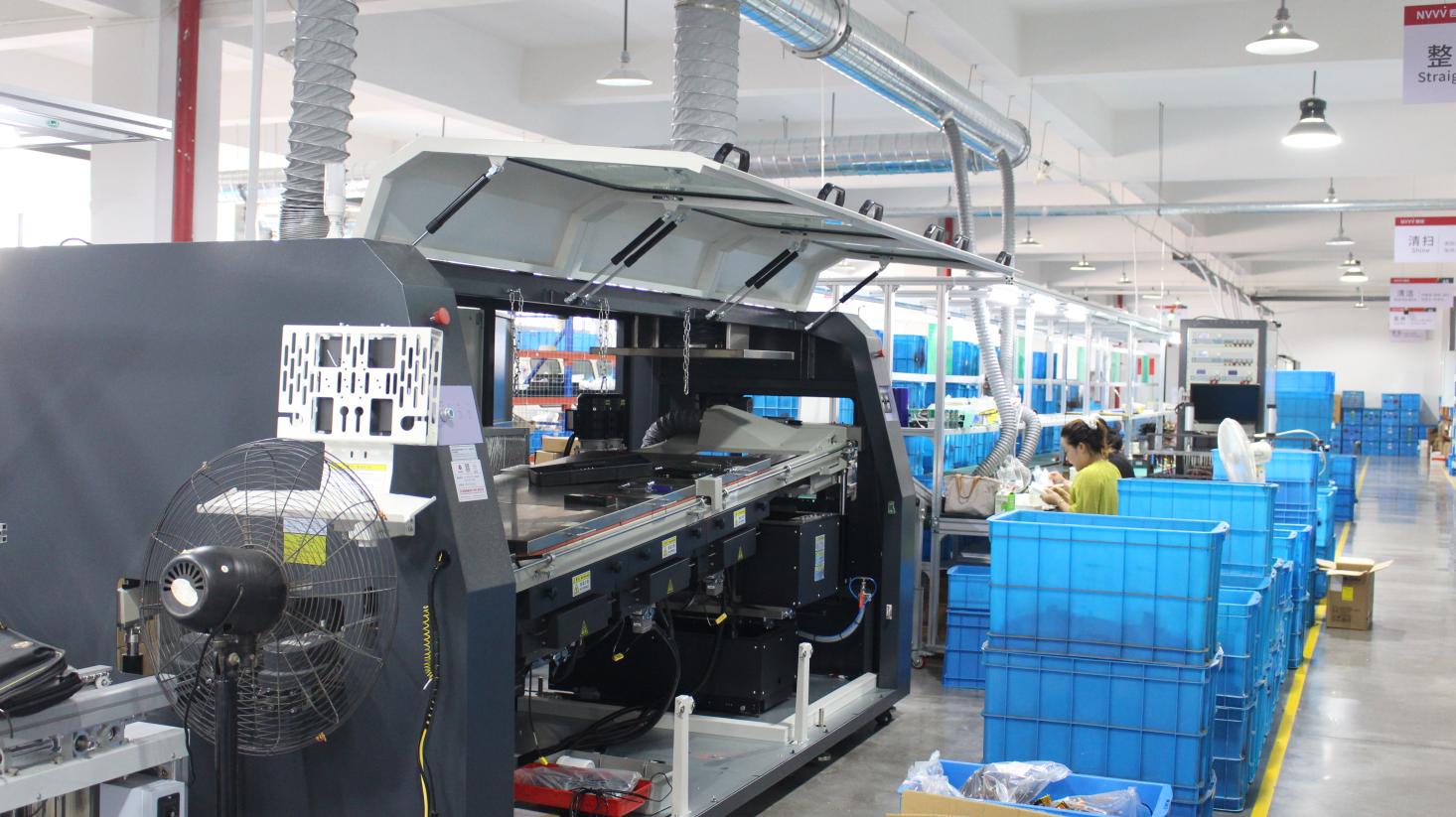
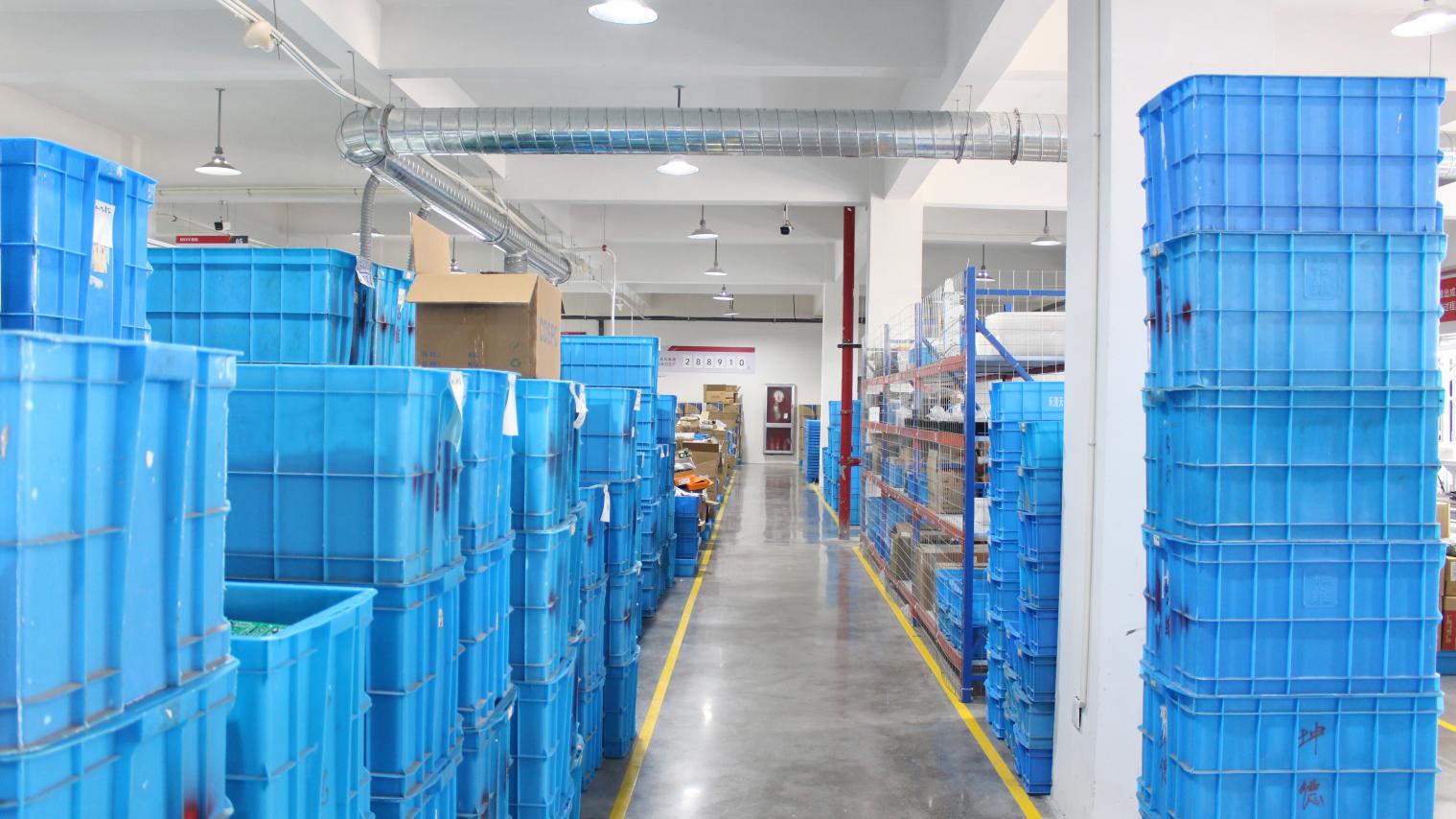
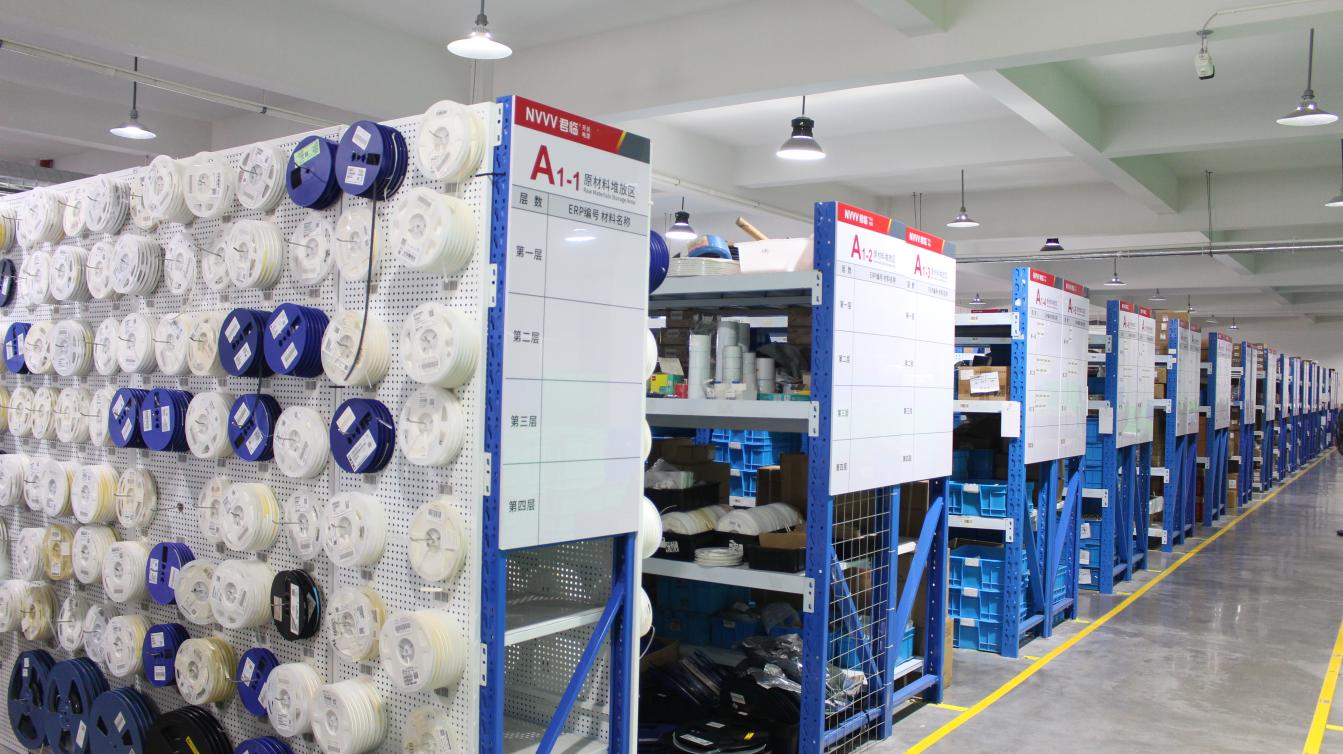
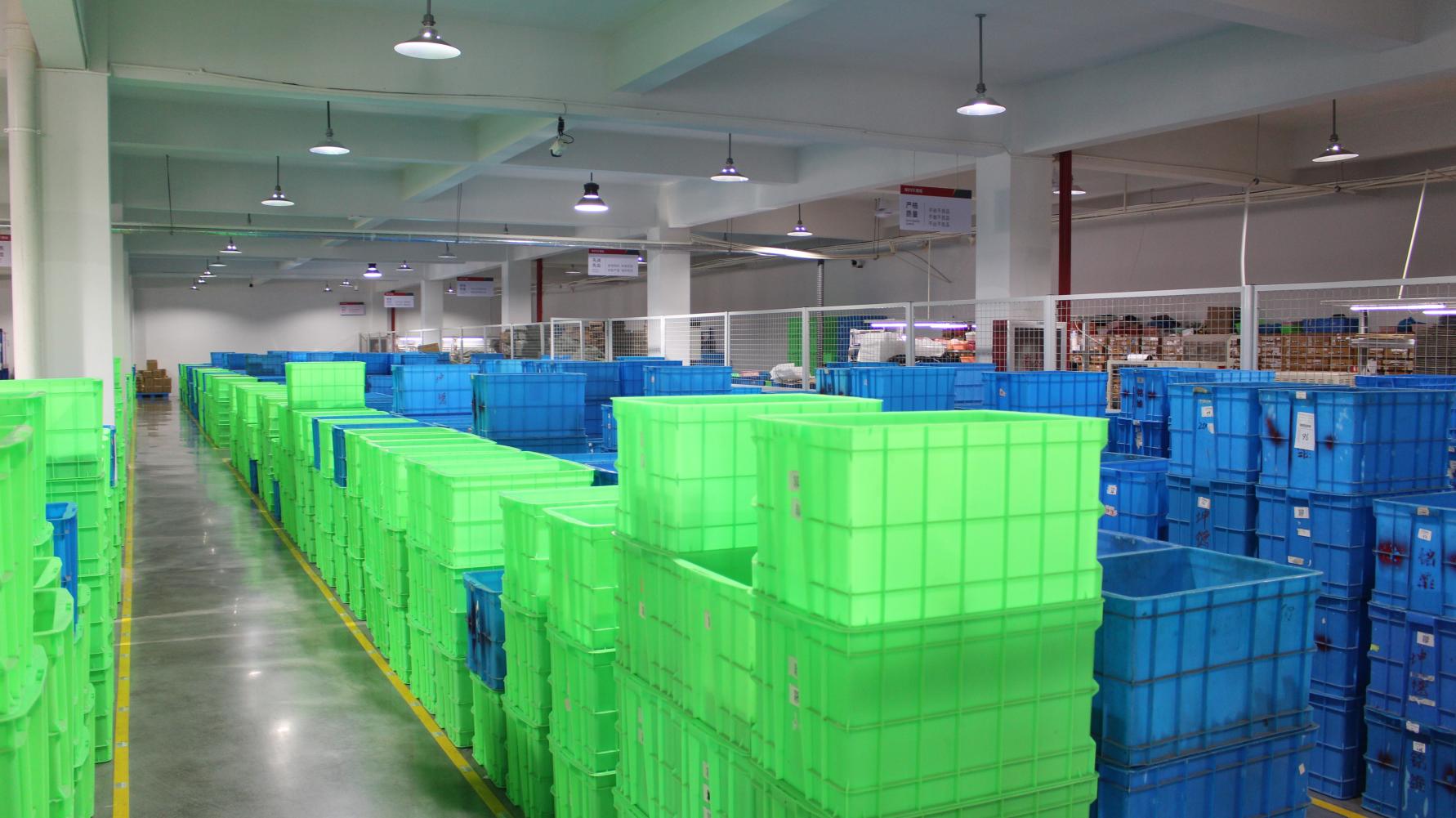
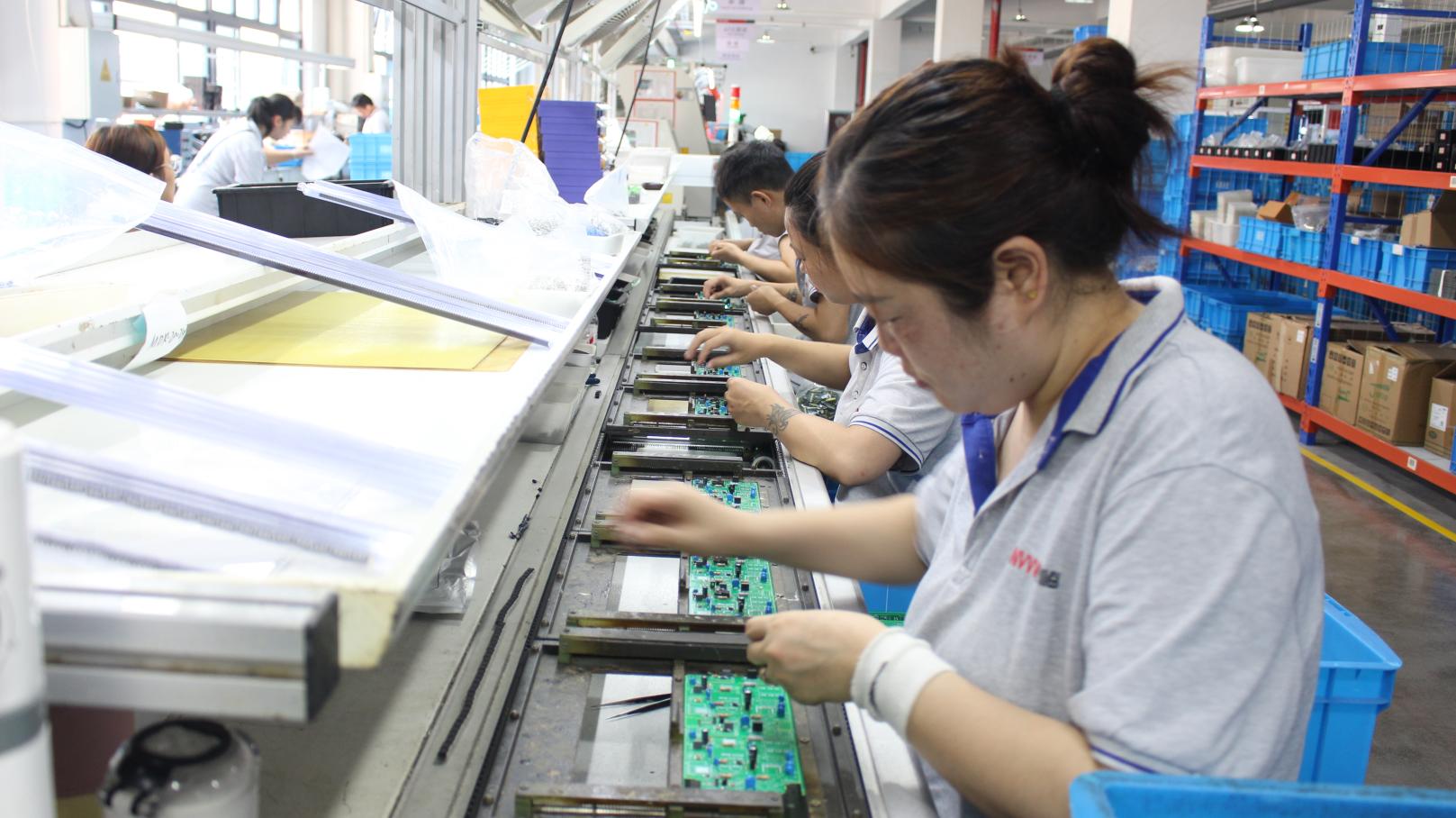
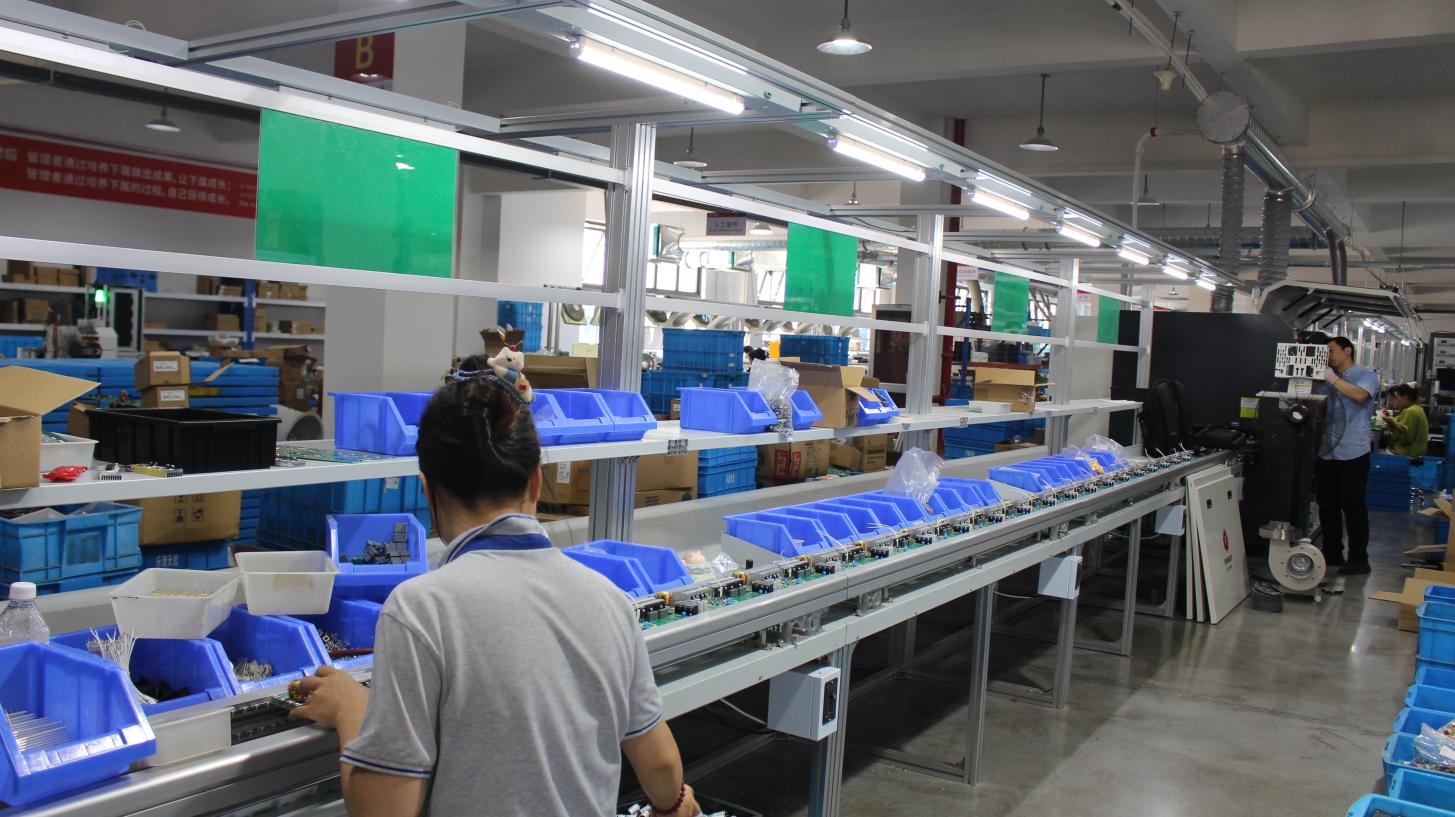
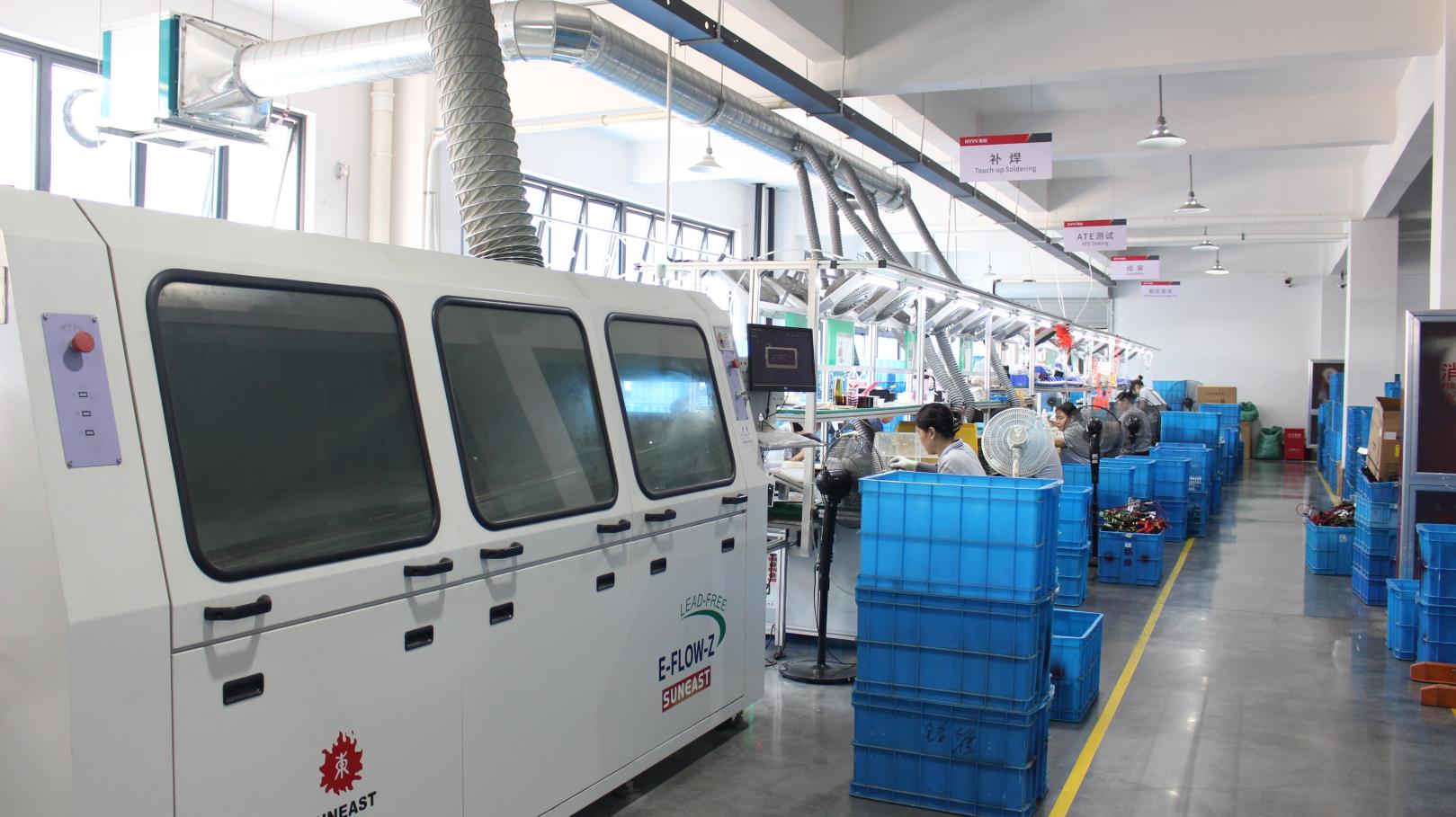
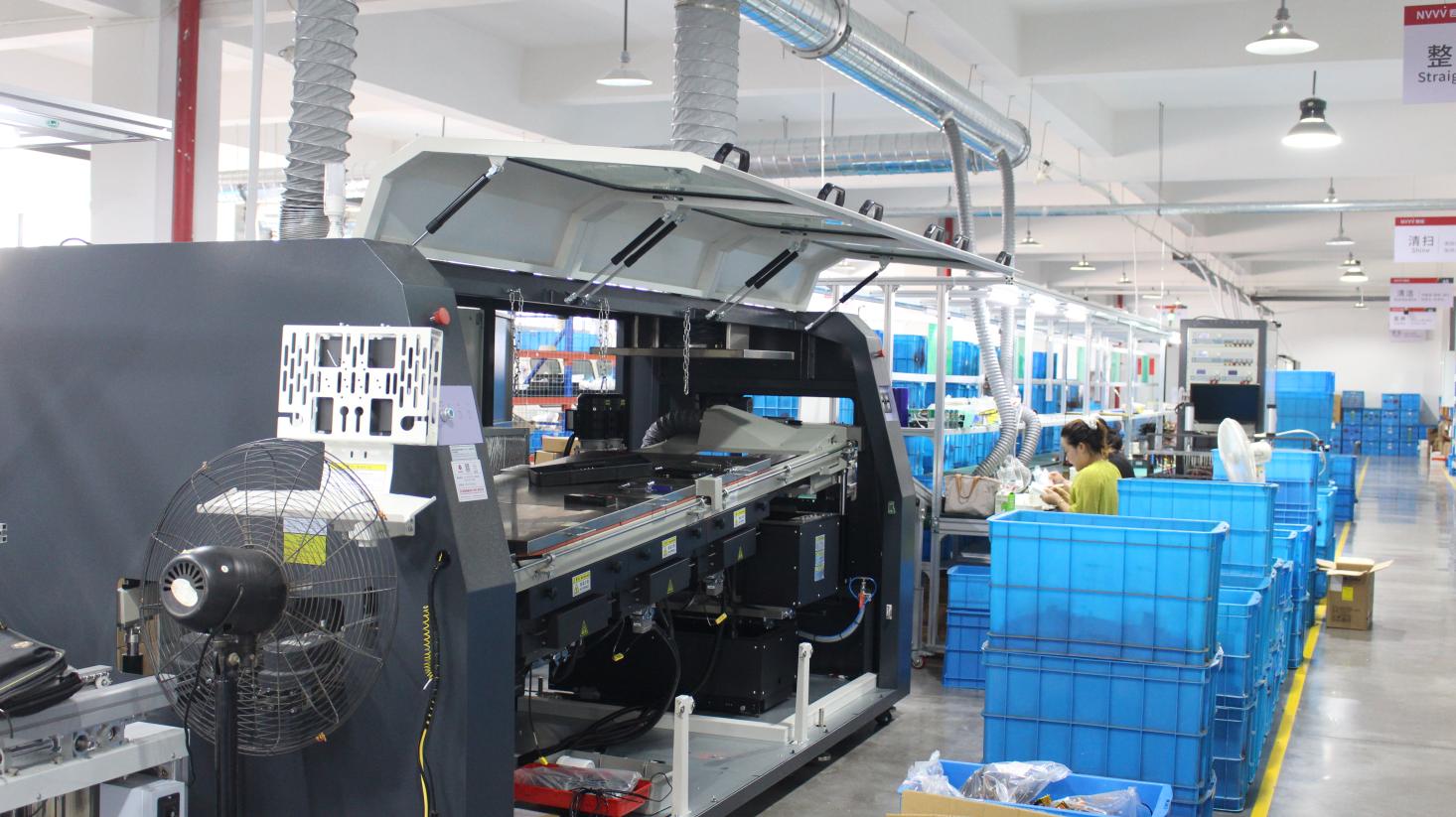
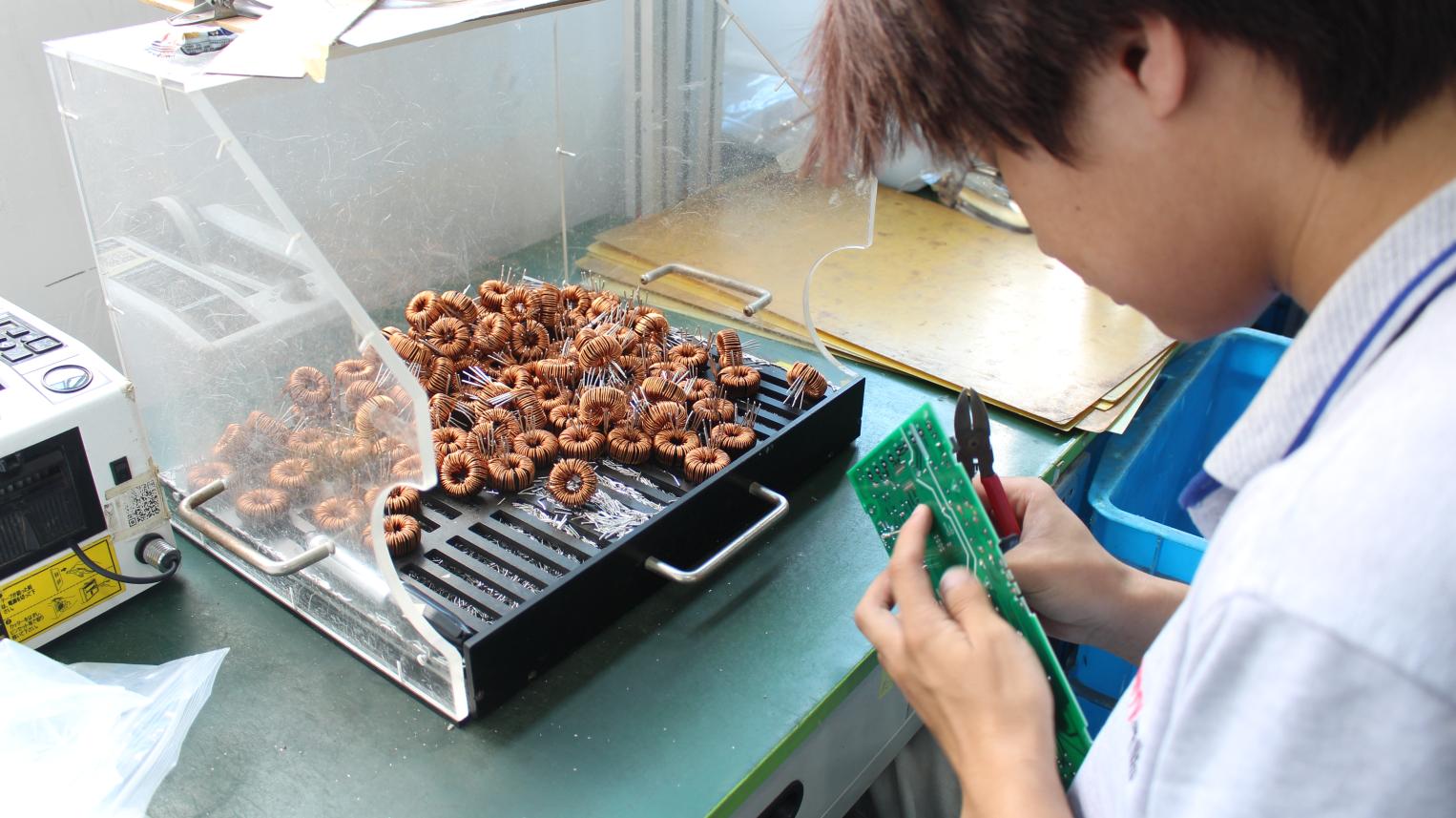
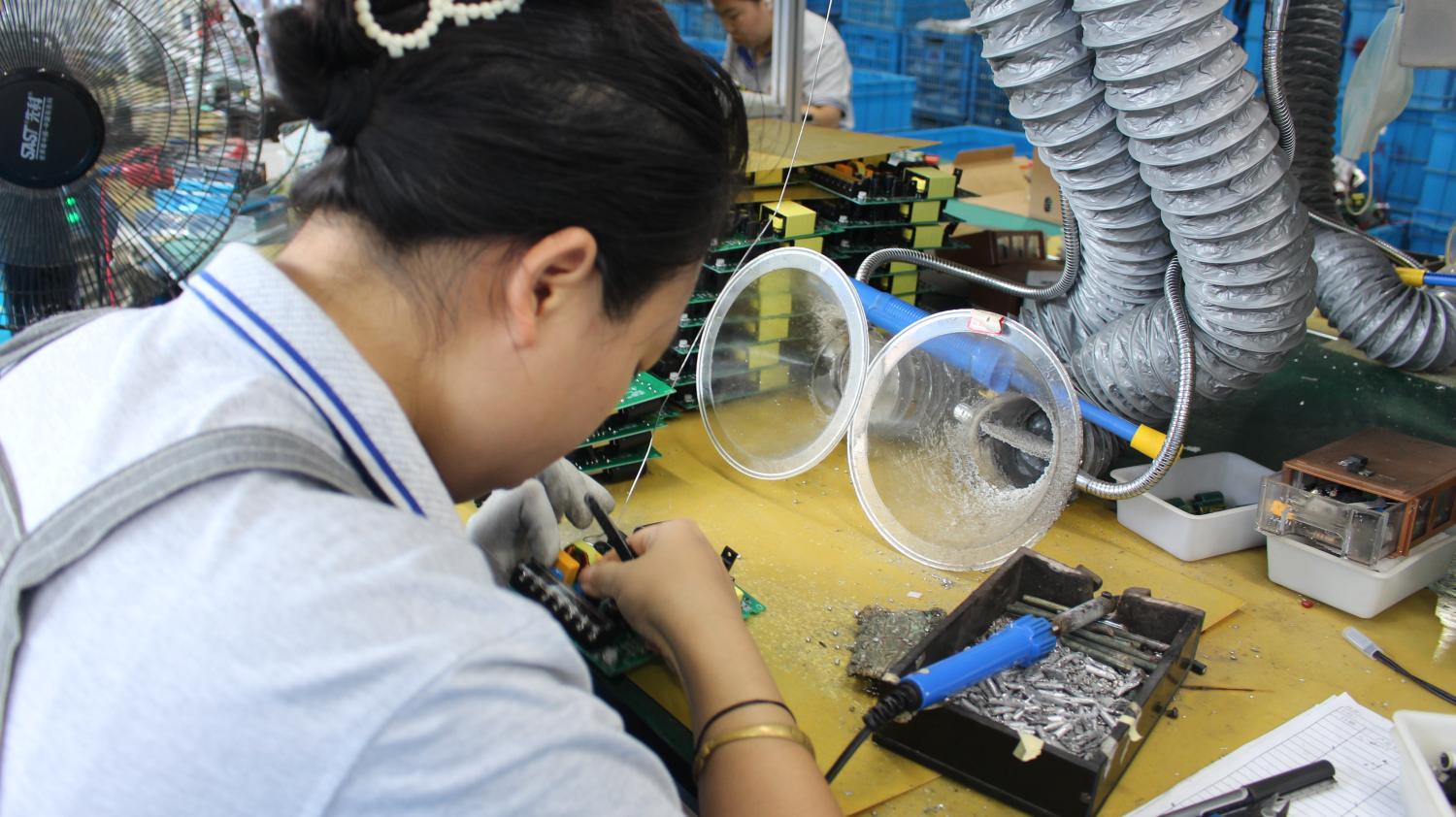
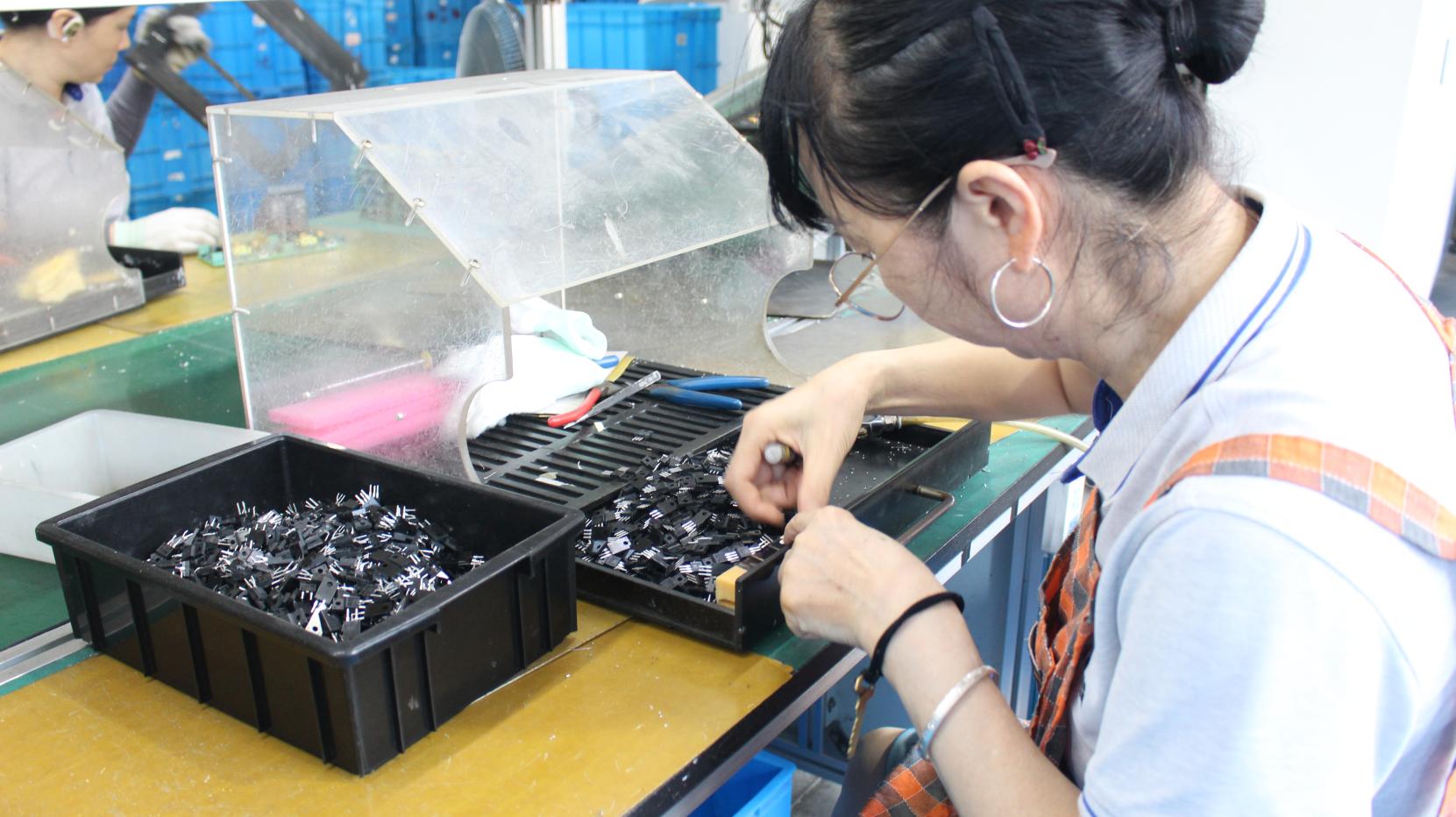
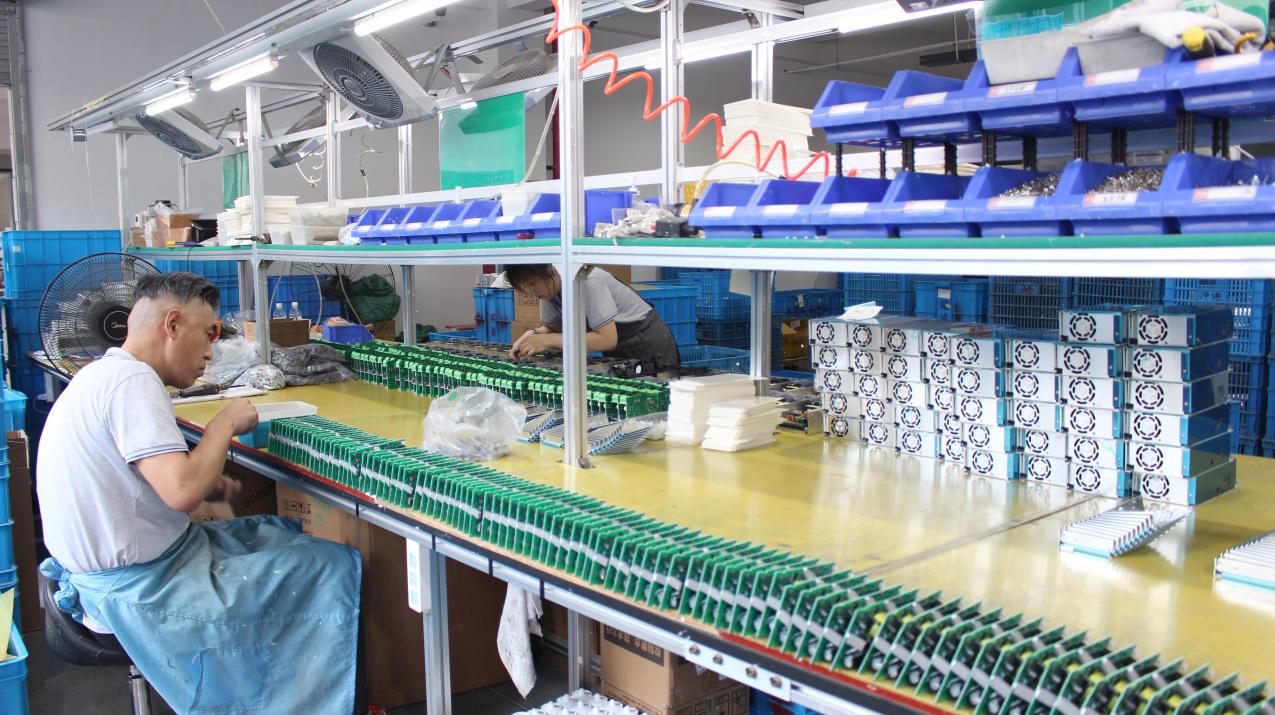
Analyzing how the industrial concentration in Zhejiang guarantees raw material access, rapid deployment, and manufacturing flexibility.
Operating in Wenzhou grants us direct access to an established cluster of electrical component suppliers. From high-grade magnetic cores and specialized copper transformers to high-frequency capacitors and precision aluminum casings, all raw materials are sourced within a 50-kilometer radius. This proximity drastically reduces lead times for raw material procurement, allowing us to rapidly ramp up manufacturing output to accommodate volume spikes.
Furthermore, the local infrastructure supports specialized logistics networks that accelerate global shipments. Close connections to major ports (such as Shanghai and Ningbo) allow us to optimize freight times, resulting in our 98.6% on-time delivery metric.
For global distributors and engineering firms, standardization is not always viable. Systems frequently require customized voltage rails, non-standard mechanical footprints, or enhanced ingress protection (IP) ratings. We provide a full-service custom design path:
From architectural lighting and factory automation grids to off-grid solar systems, reliable power supplies are critical.
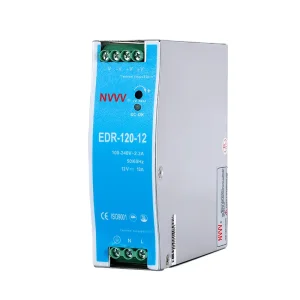
DIN Rail switching power supplies (like the EDR-120W series) provide power to PLC racks, HMIs, and actuator systems within industrial control enclosures. Their narrow profiles optimize space on DIN rails, while active thermal management prevents overheating in dense cabinet setups.
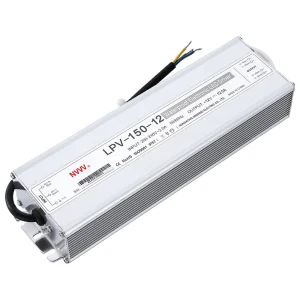
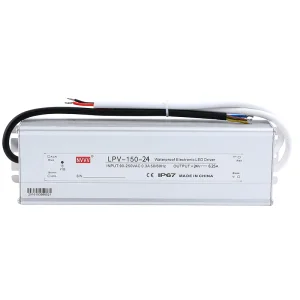
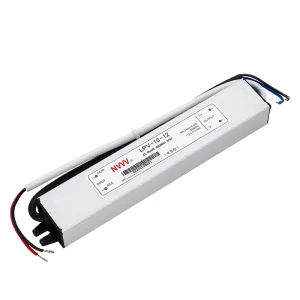
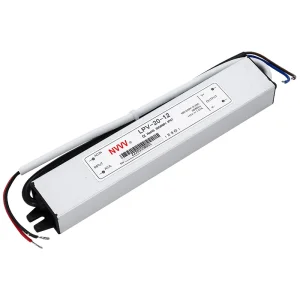
Constant-voltage and constant-current LED drivers (e.g., LPV waterproof series) protect delicate LED junctions from current surges. Enclosed in IP67-rated aluminum housings, they operate reliably in harsh outdoor settings, resisting rain, dust, and temperature swings.
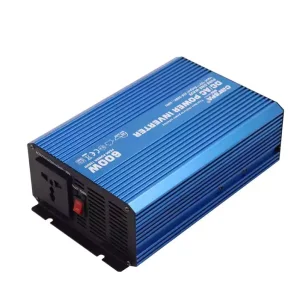
Pure sine wave inverters convert low-voltage DC batteries (12V/24V/48V) into stable AC voltages (110V/220V). Supplying clean energy with less than 3% total harmonic distortion (THD), they run sensitive electronics like telecommunication repeaters and emergency medical gear.
Ensuring absolute compliance with municipal codes, electromagnetic interference thresholds, and consumer safety laws.
To supply markets across Europe, North America, and South Asia, certifications are mandatory. Our products hold:
Our QC framework begins at the component sourcing phase. Every batch of semiconductors and transformers undergoes incoming quality control (IQC) testing. Once assembled via wave soldering, units are inspected via automated optical inspection (AOI) systems.
The critical stage in our testing protocol is the 100% full-load burn-in testing. Every power supply runs at full capacity within high-temperature aging chambers at 50°C for 4 to 8 hours. This process helps identify and eliminate infant mortality failures before shipment, keeping our field-failure rates under 0.2%.
Get professional answers regarding specifications, OEM customizations, and compliance standards for switching power supplies.
Explore our specialized range of IP67 waterproof drivers, DIN rail converters, and heavy-duty industrial switching units.
 NVVV Electric