Highly optimized AC-DC converters, DIN Rail architectures, and heavy-duty industrial SMPS built to sustain dynamic loads.
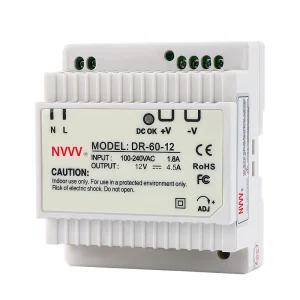
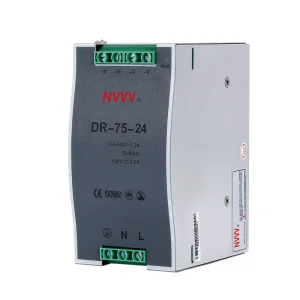
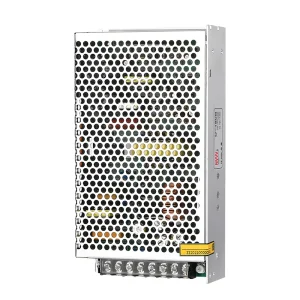
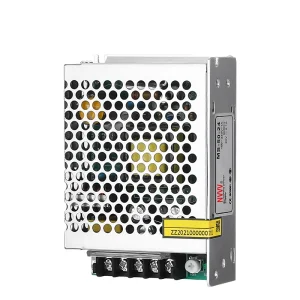
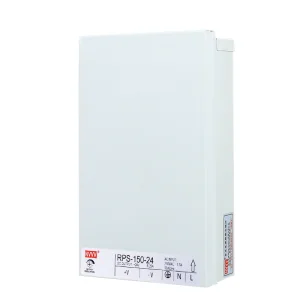
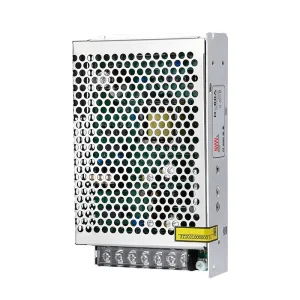
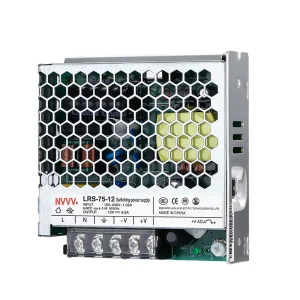
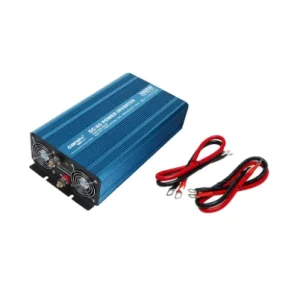
Modern industrial architectures demand highly efficient, small-footprint power electronics to drive complex processes in automation, telecommunication networks, robotics, and advanced LED infrastructures. High-frequency switching topology remains at the center of this technological paradigm. Standard power supply architectures often struggle with thermal management, transient load recovery, and electromagnetic interference (EMI). NVVV Electric Technology Co., Ltd. resolves these bottlenecks through engineered high-frequency solutions, utilizing advanced magnetic components, optimized switching topologies, and strict quality verification protocols.
“Sustaining clean, high-efficiency electrical conversion under fluctuating thermal and mechanical conditions requires more than high-grade components—it demands dynamic circuit topologies engineered for minimal power loss during state changes.”
The industrial power landscape is experiencing structural changes driven by energy conservation mandates and hardware miniaturization demands. Three key innovations lead this shift:
Integrating Gallium Nitride (GaN) and Silicon Carbide (SiC) switches has reshaped modern SMPS engineering. Traditional silicon-based MOSFETs exhibit physical boundaries in switching frequency limits due to higher parasitic capacitances. GaN devices turn on and off faster, reducing switching losses by up to 60%. This shift allows our R&D engineering division to scale switching frequencies past 500 kHz, shrinking magnetic cores and delivering high-density configurations like the NVVV 3000W Slim Series.
As components shrink, dissipating thermal energy becomes critical. Modern systems utilize high-conductivity metal clad PCBs, phase-change thermal interface materials (TIMs), and direct-contact baseplate cooling designs. These enhancements eliminate mechanical fan dependencies in demanding environments, protecting units against particulate contamination and physical wear.
Analog controllers are increasingly being replaced by digital signal processors (DSPs) and microcontroller units (MCUs) running high-speed feedback algorithms. Digital control loops support real-time adjustments for load variations, programmable soft-start curves, and communication protocols (like PMBus or CAN bus) to report voltage, current, and internal temperatures to host PLCs.
Utilizing active clamp forward and LLC resonant half-bridge topologies to minimize switching losses and operating costs.
Designed for compact DIN rail enclosures and slimline brackets, saving valuable control cabinet space.
Over-voltage, short-circuit, over-current, and over-temperature safety safeguards configured at the hardware layer.
Industrial procurement teams face challenges balancing performance, cost, and lead times. When purchasing high-frequency switching units or specialized OEM converters, technical buyers prioritize the following variables:
Advanced high-frequency switching supplies serve as vital sub-assemblies in major modern markets:
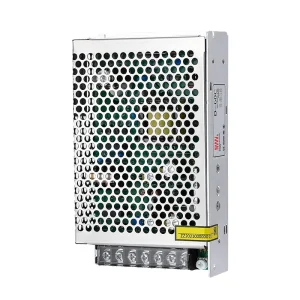
DIN Rail units (such as the DR-75-24 and 60W Din Rail models) mount directly onto standard TS-35 rails to power programmable logic controllers (PLCs), human-machine interfaces (HMIs), and small actuator networks. Excellent electrical isolation prevents high-voltage spikes from damaging delicate silicon boards.
Precision stepper and servo motors experience sudden current spikes during acceleration. Power units like the NVVV 3000W Slim Series feature integrated power factor correction (PFC) and large bulk capacitor reserves, enabling them to handle transient loads without voltage drops.
CCTV cameras and remote sensing nodes rely on continuous power. Multi-channel SMPS units with built-in battery charging systems (UPS configurations) ensure continuous operation, bridging system downtime during main grid failures.
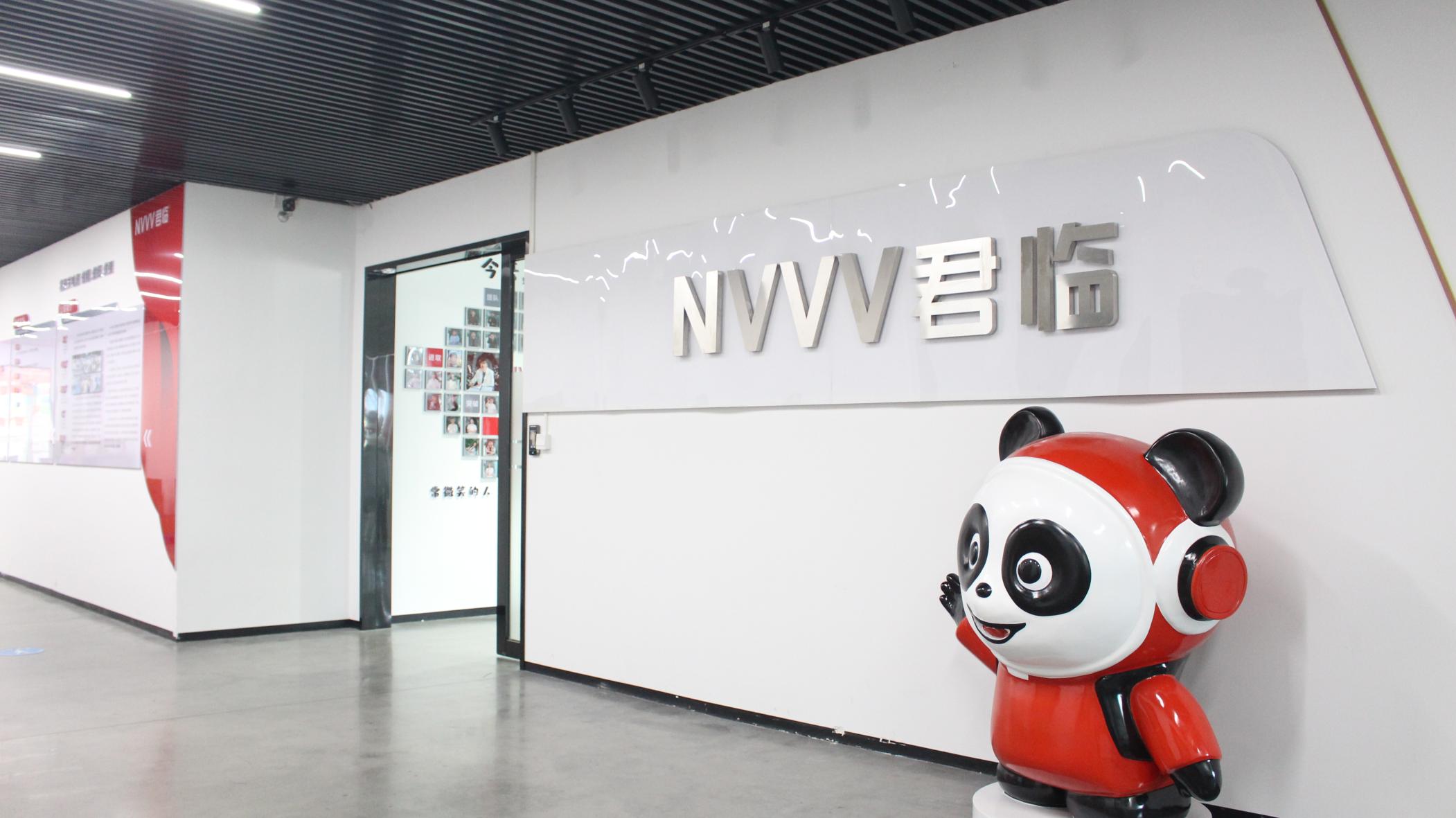
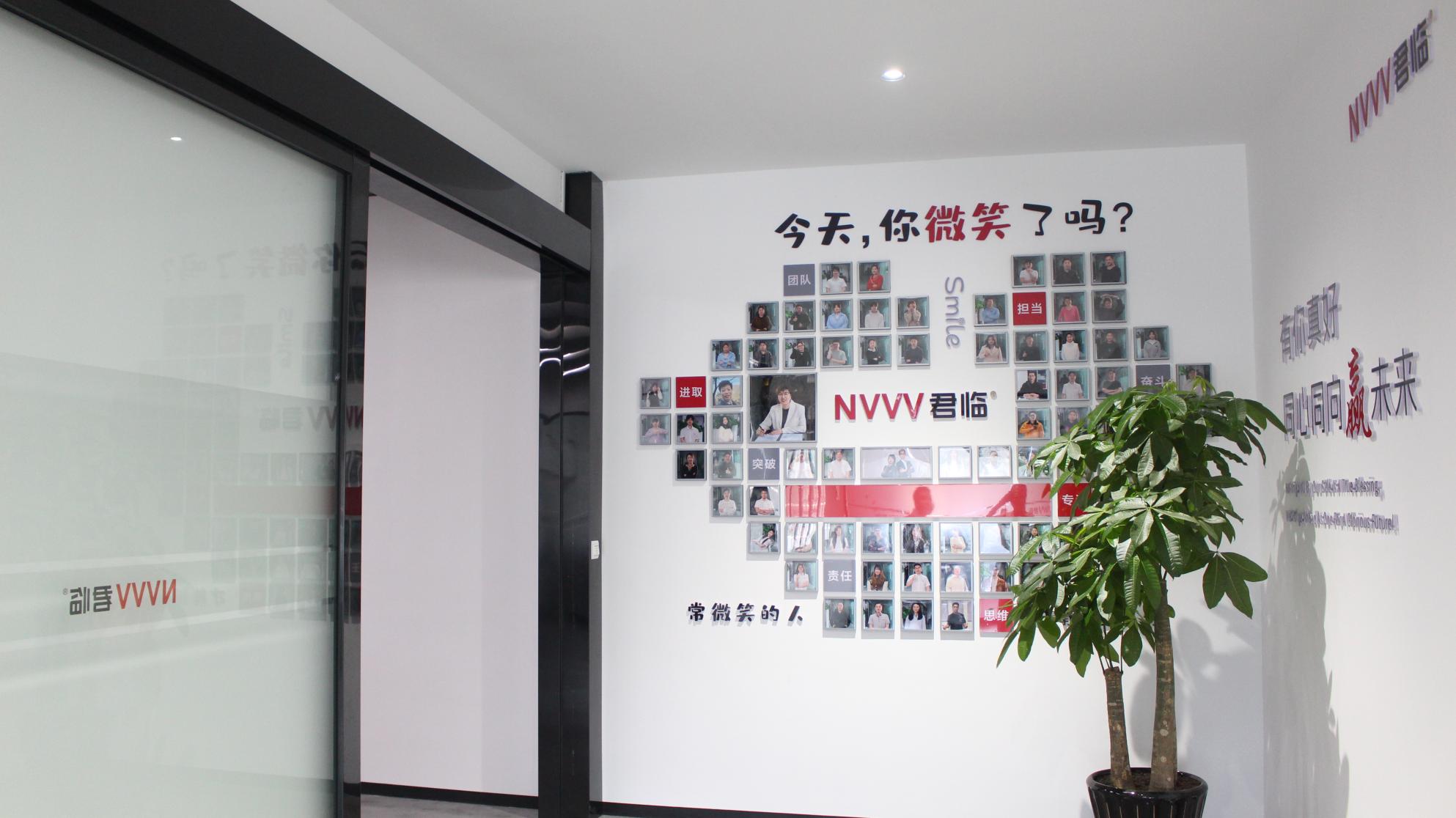
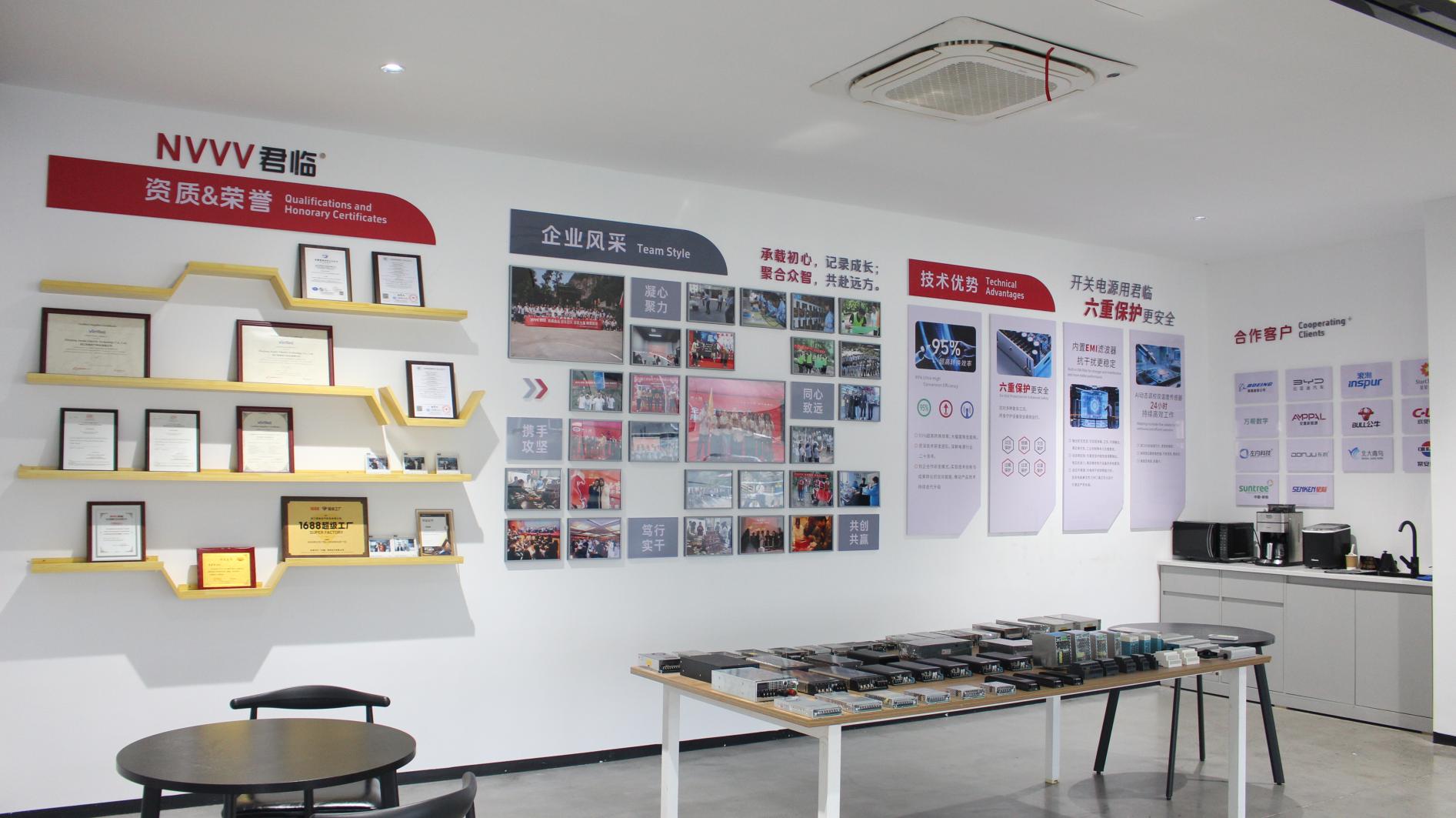
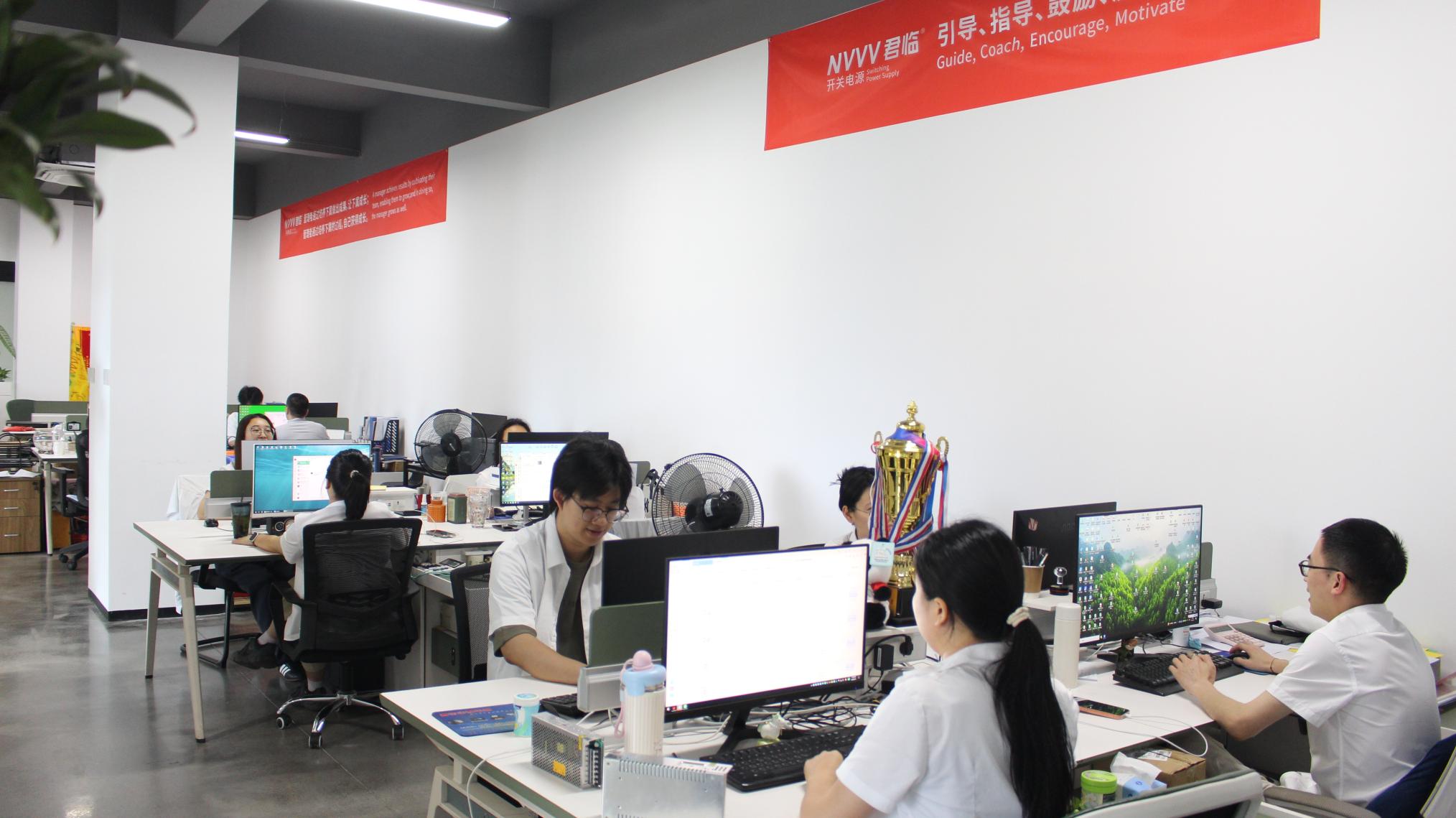
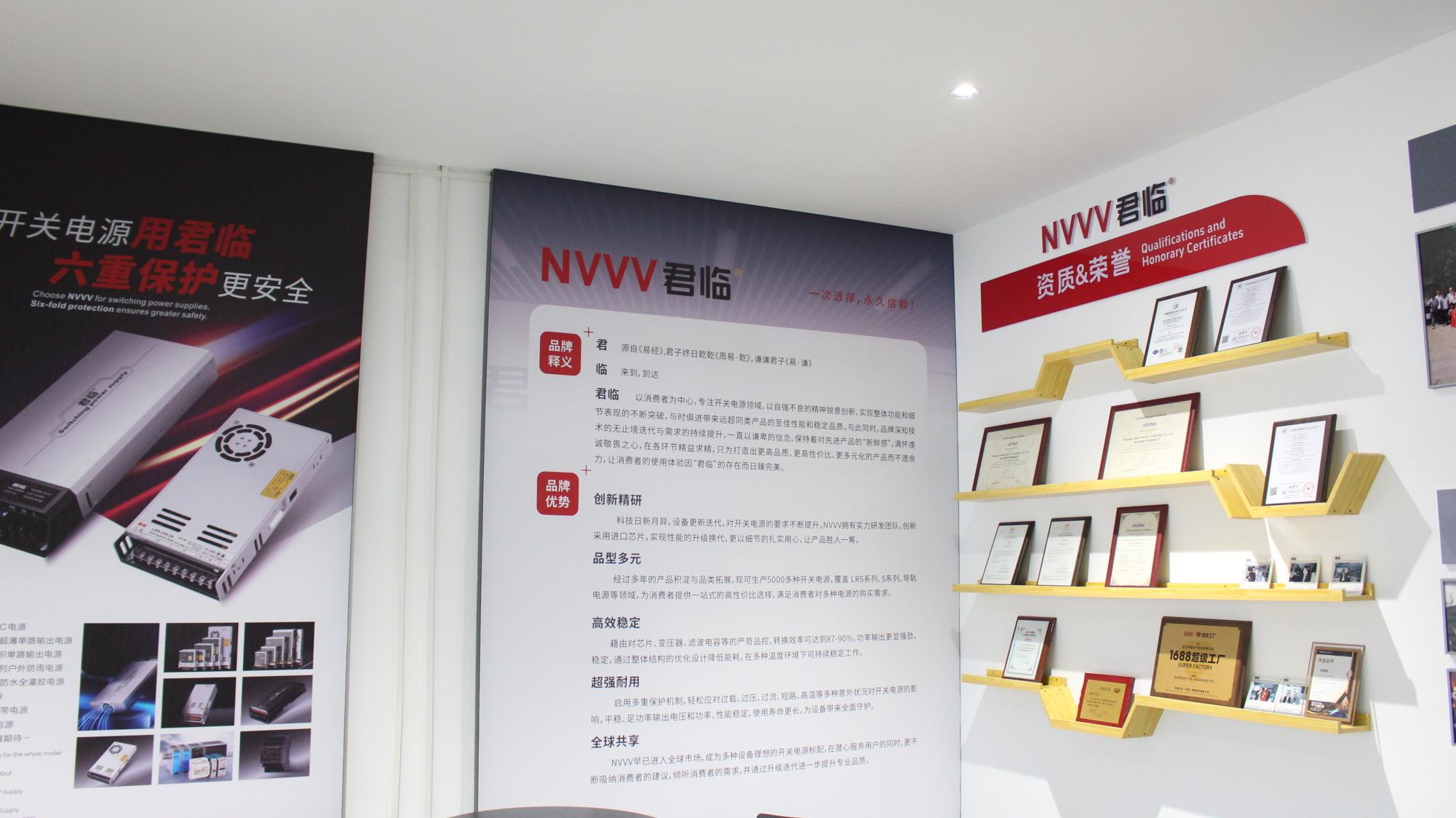
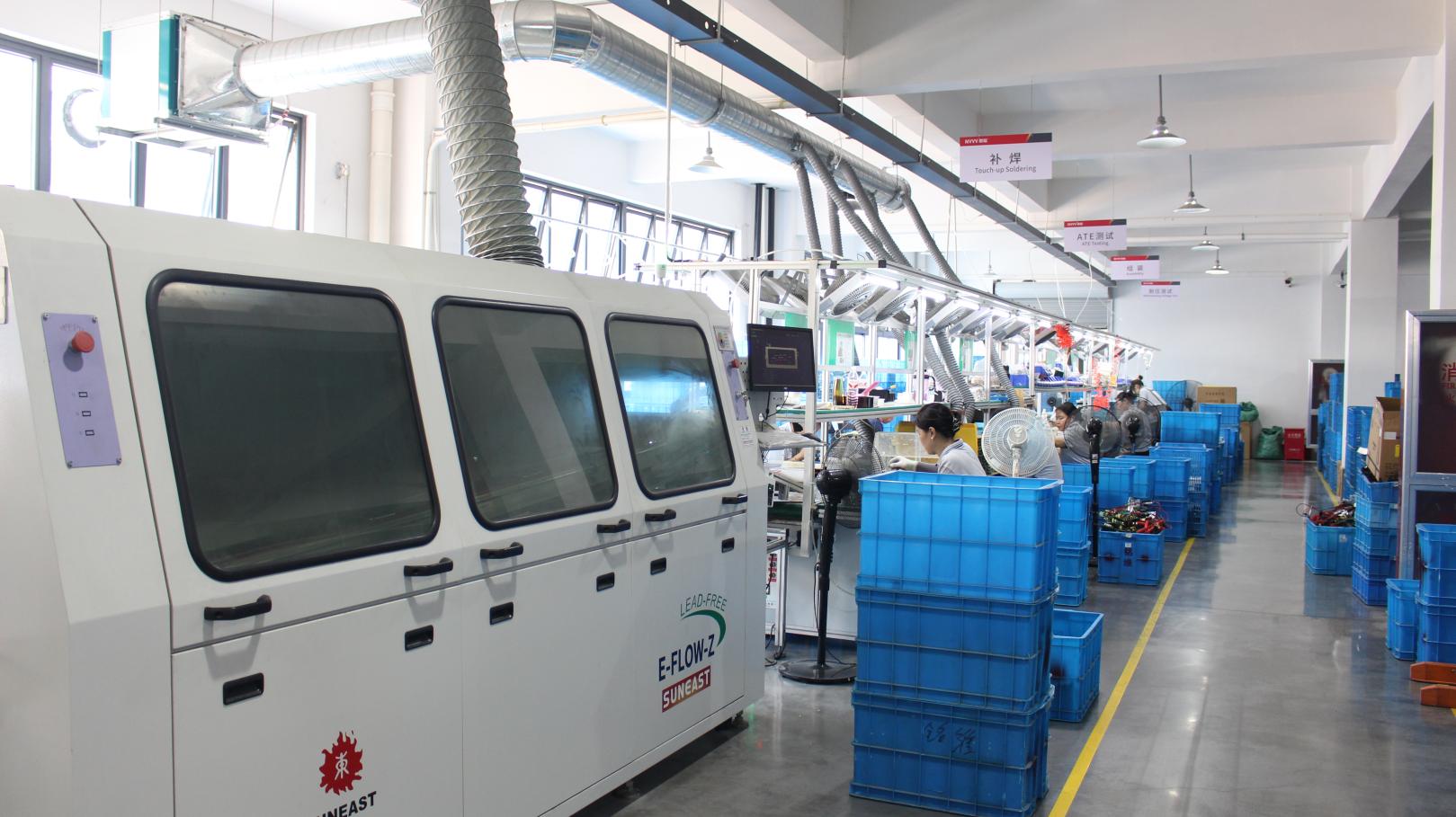
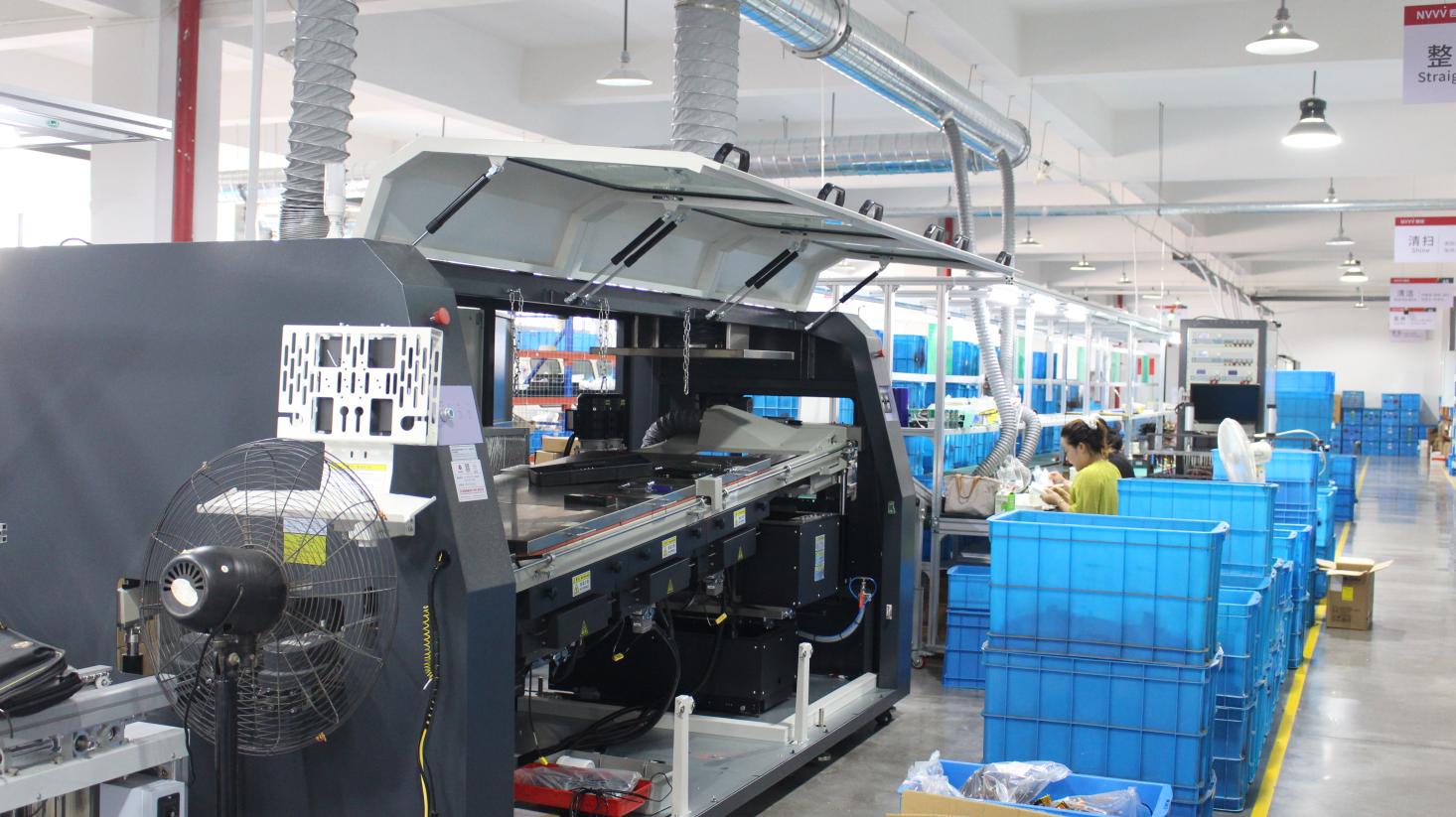
Underpinned by a 2,644 m² facility, 5 automated lines, and 46 advanced production machines operating under strict ISO standards.


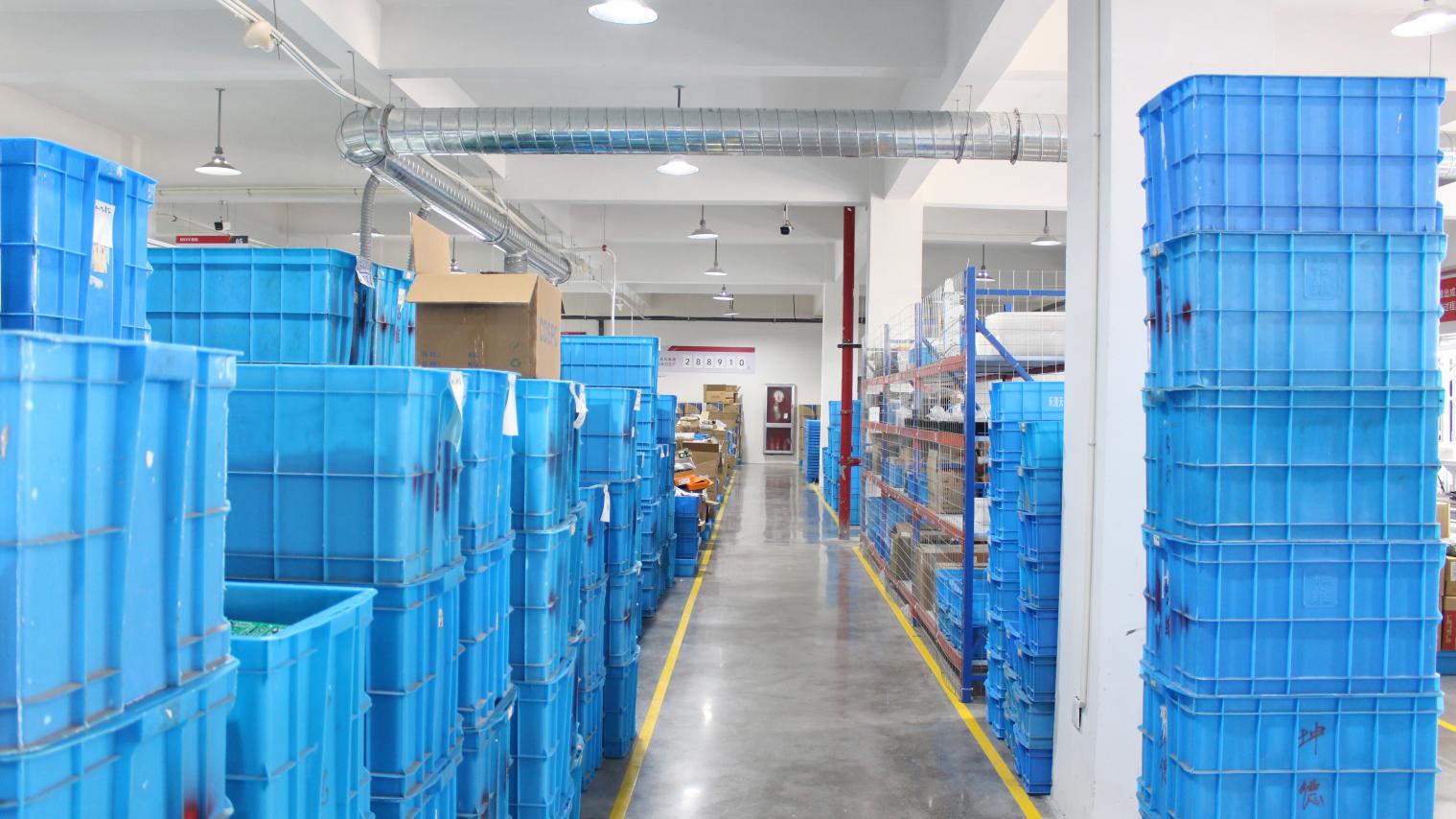
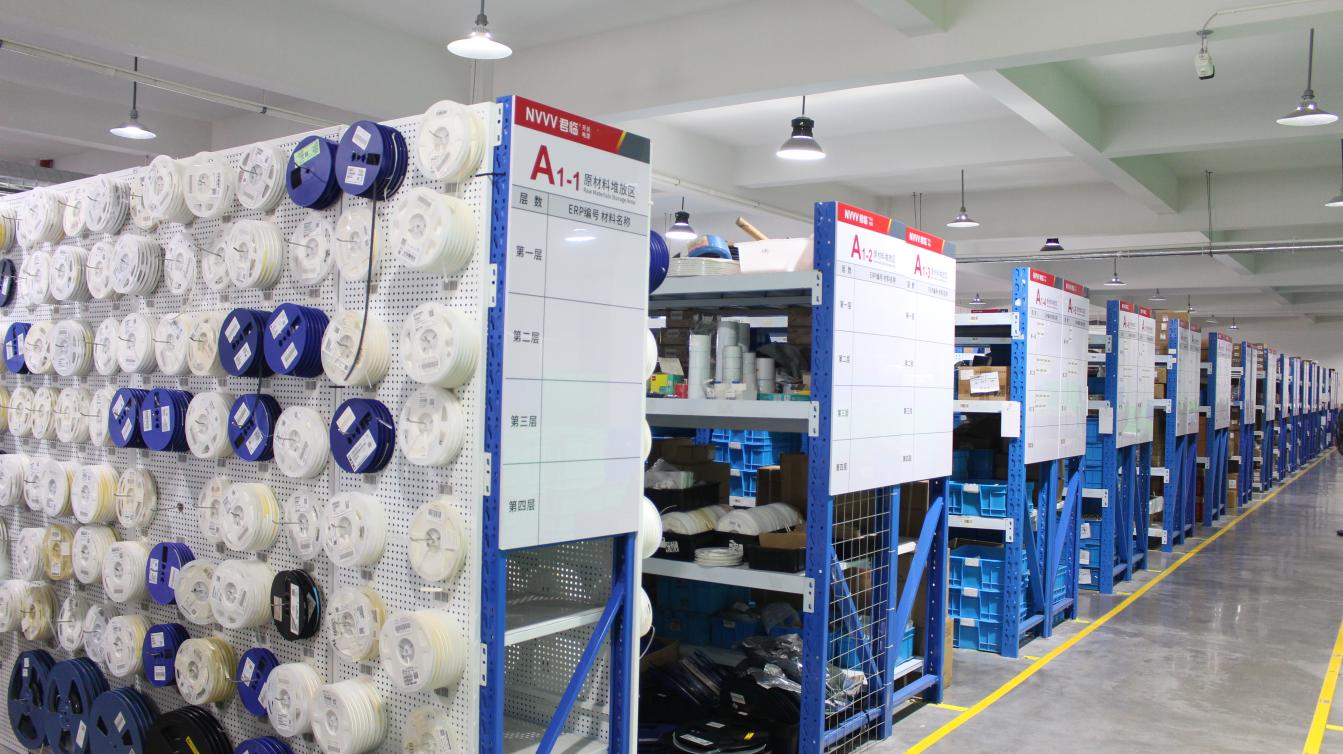

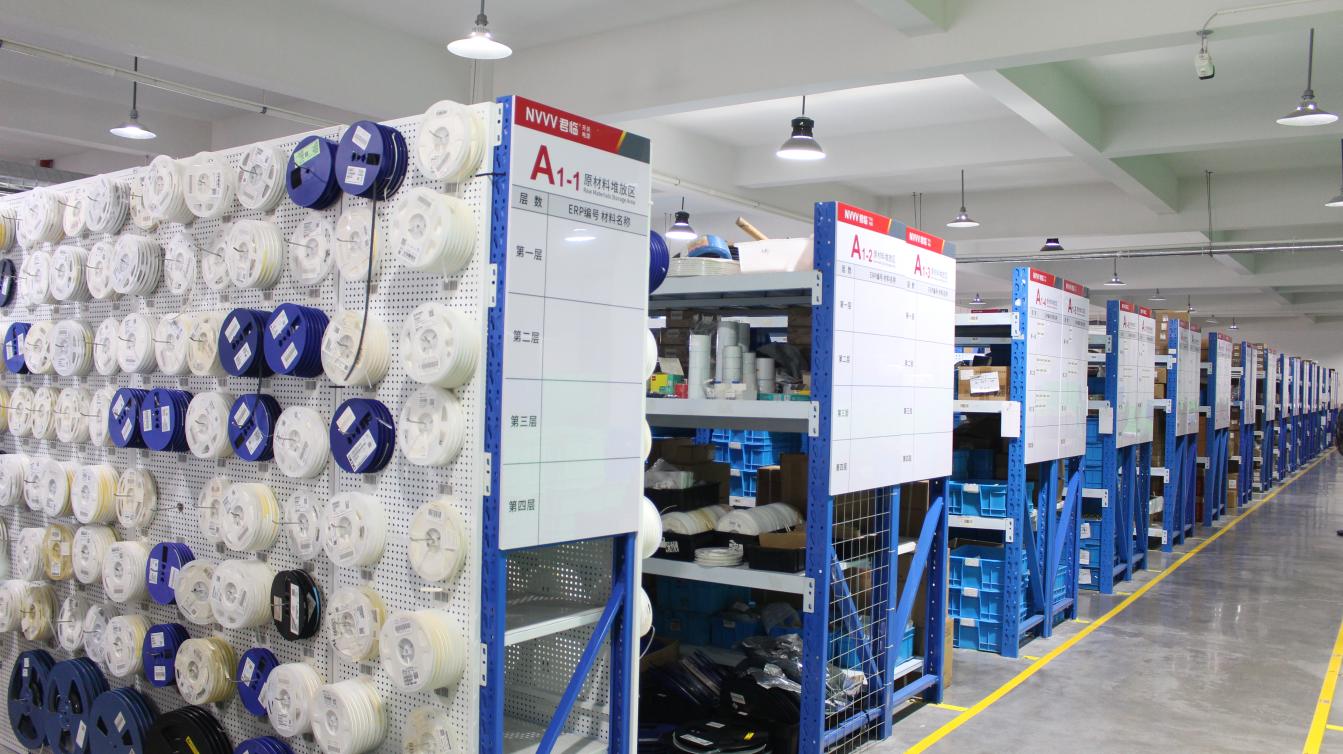
Raw material
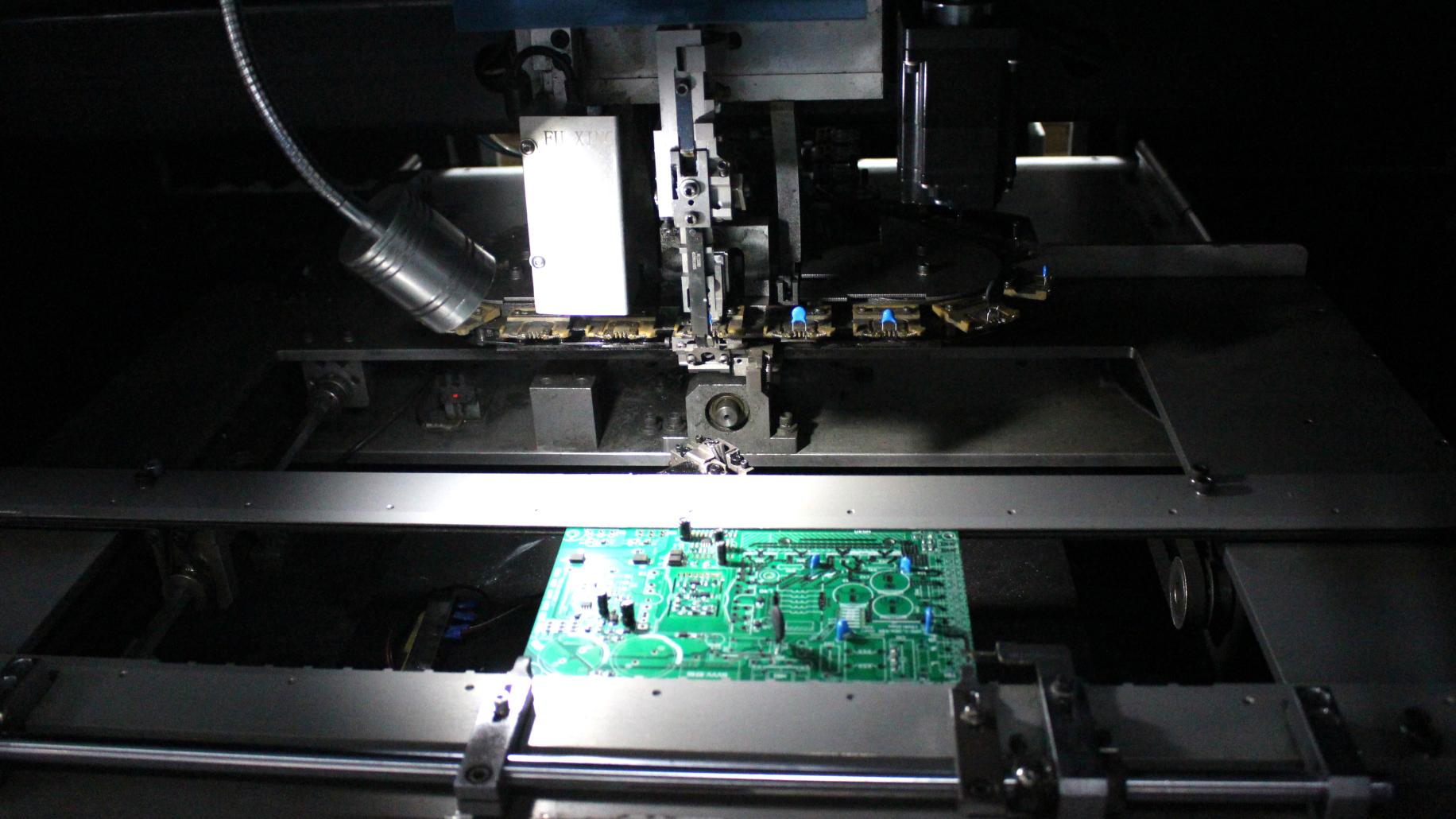
Component plug-in
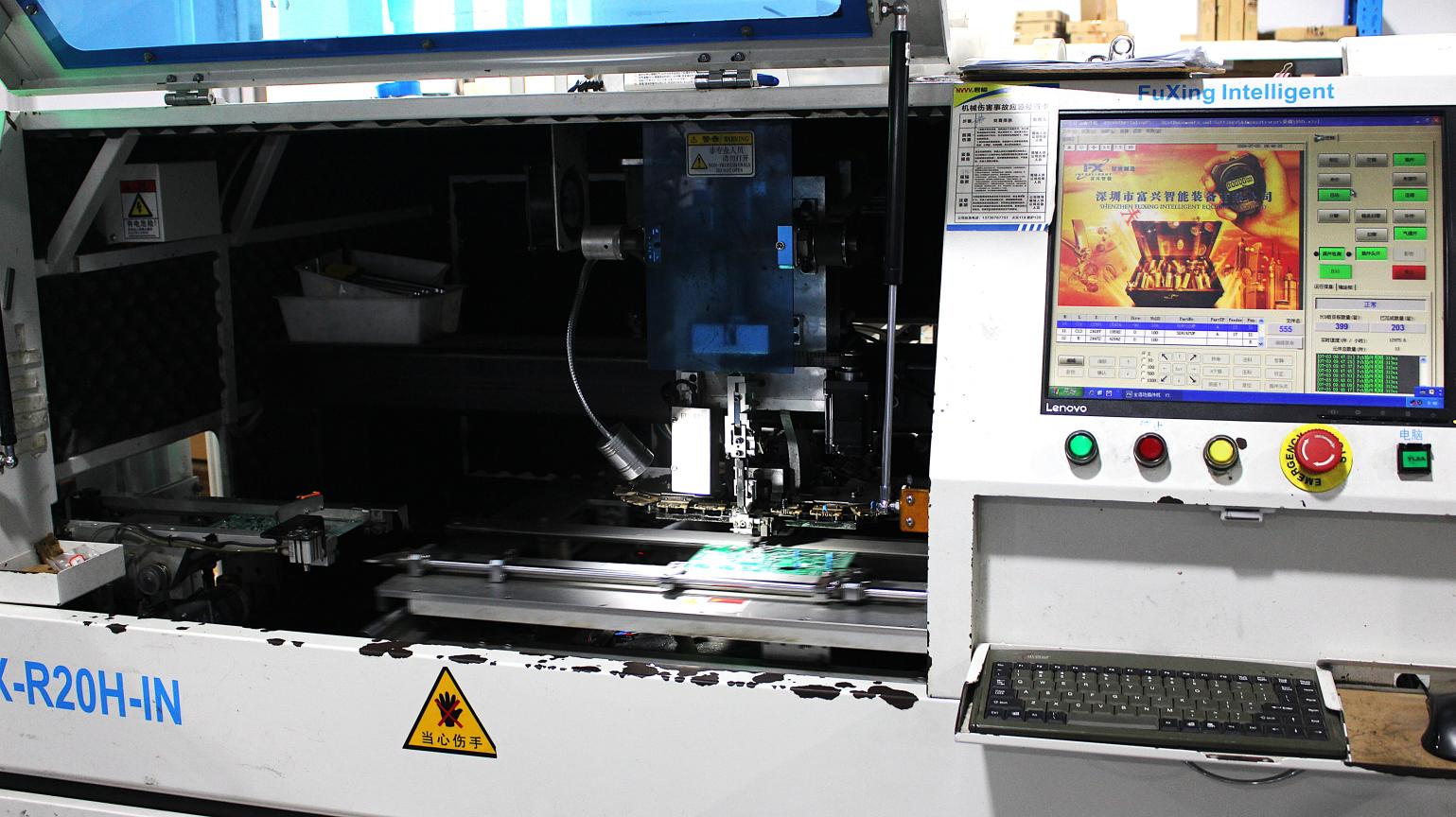
Component plug-in
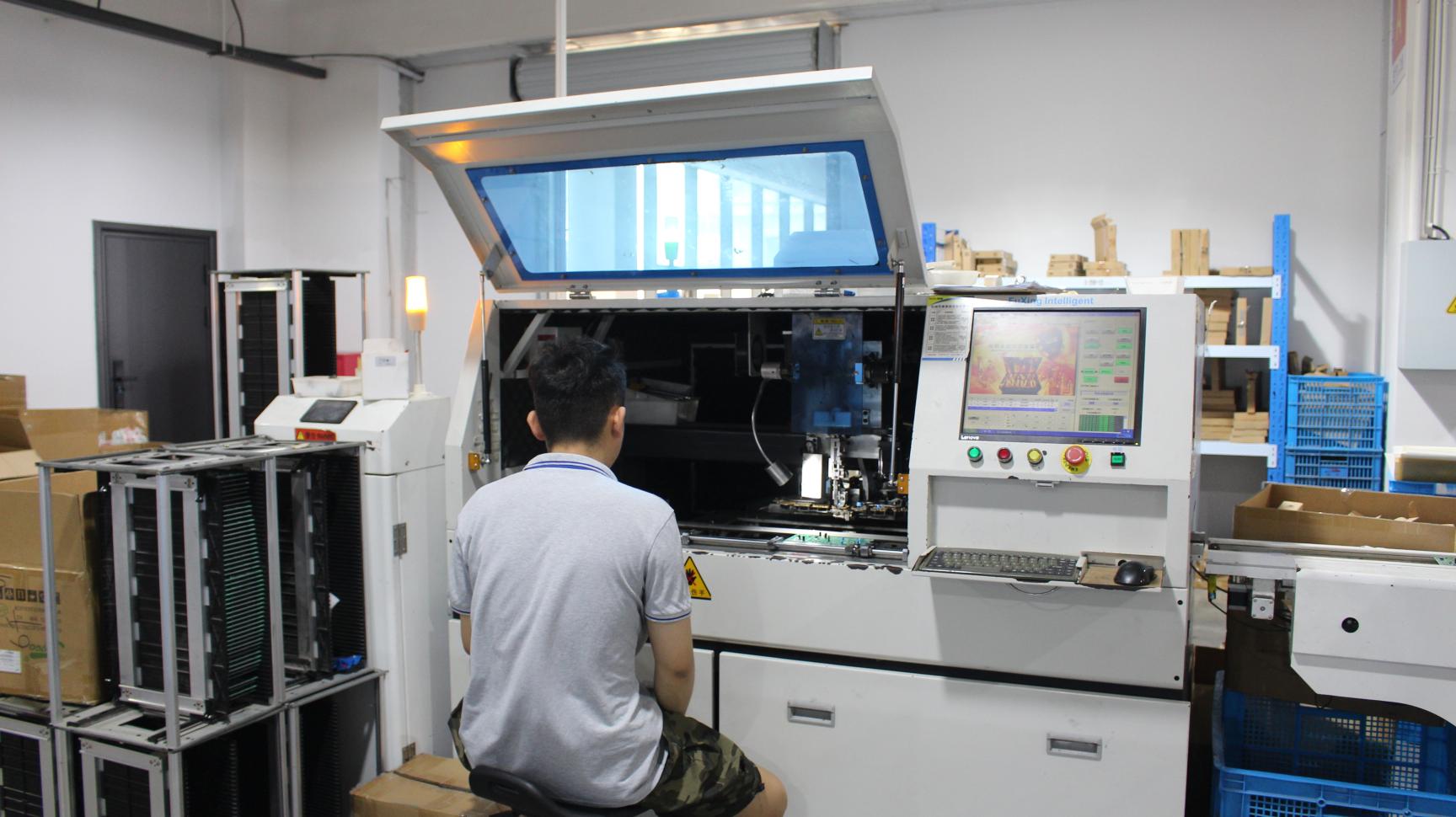
Component plug-in
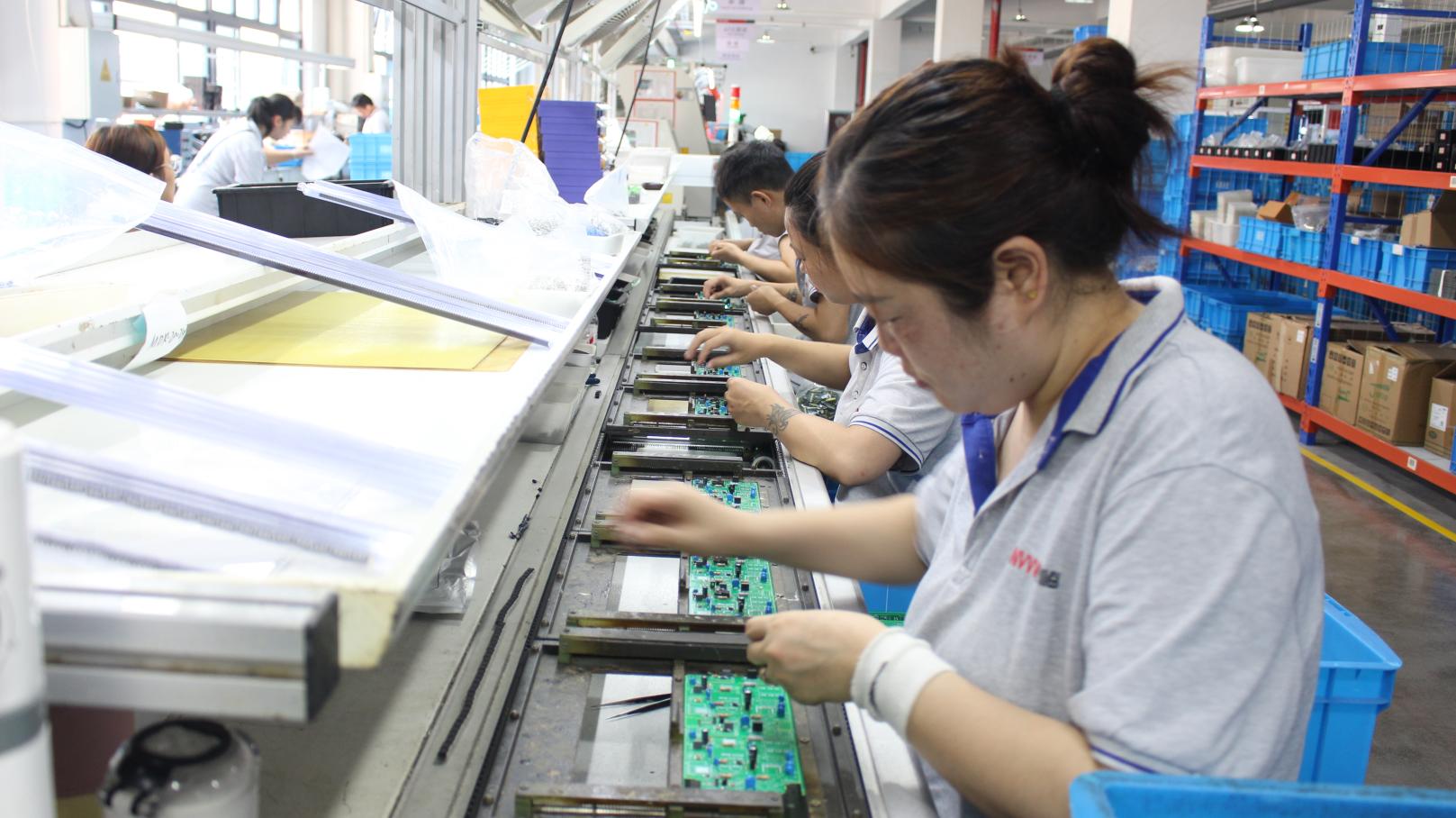
Plug-in
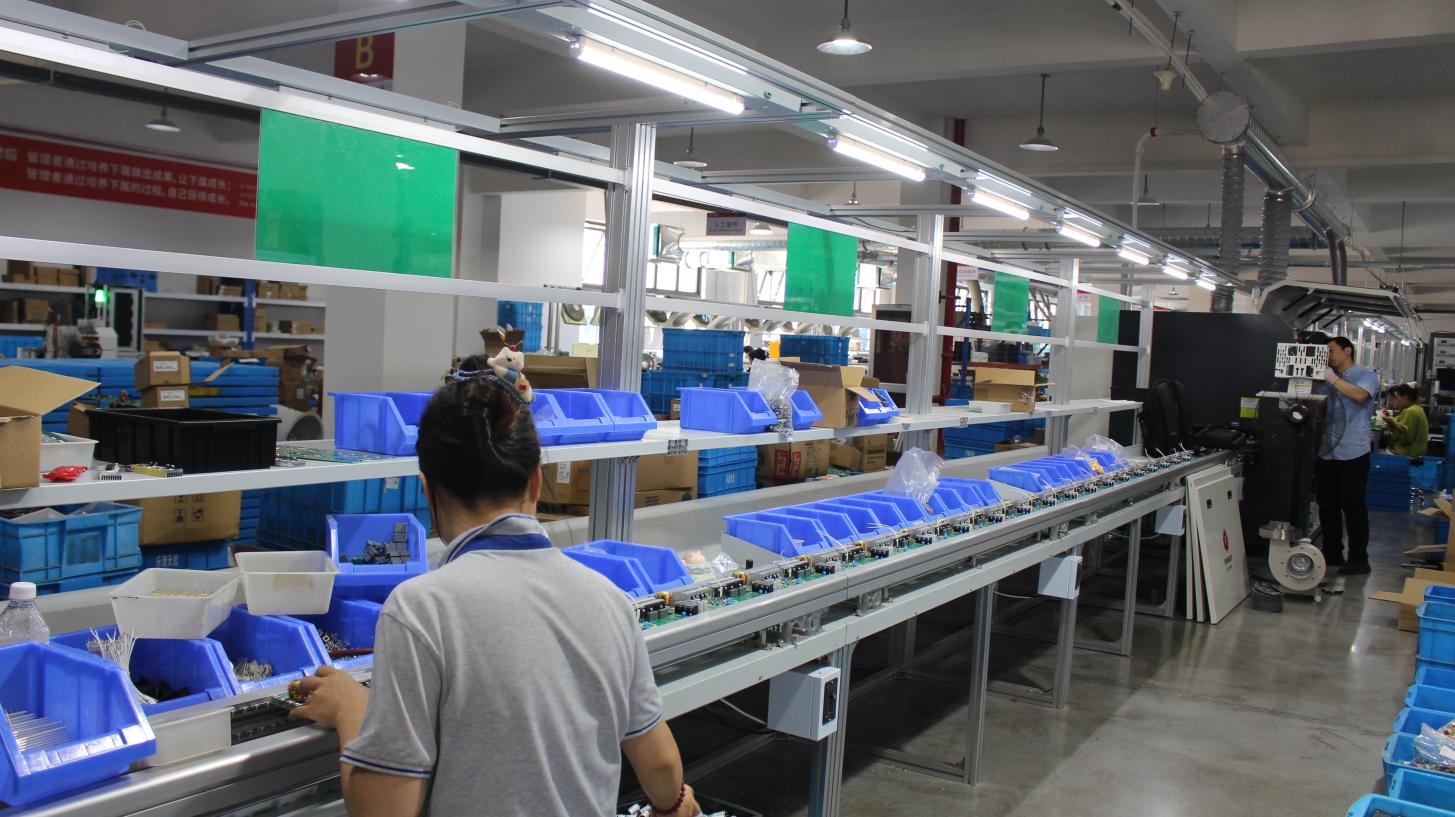
Plug-in
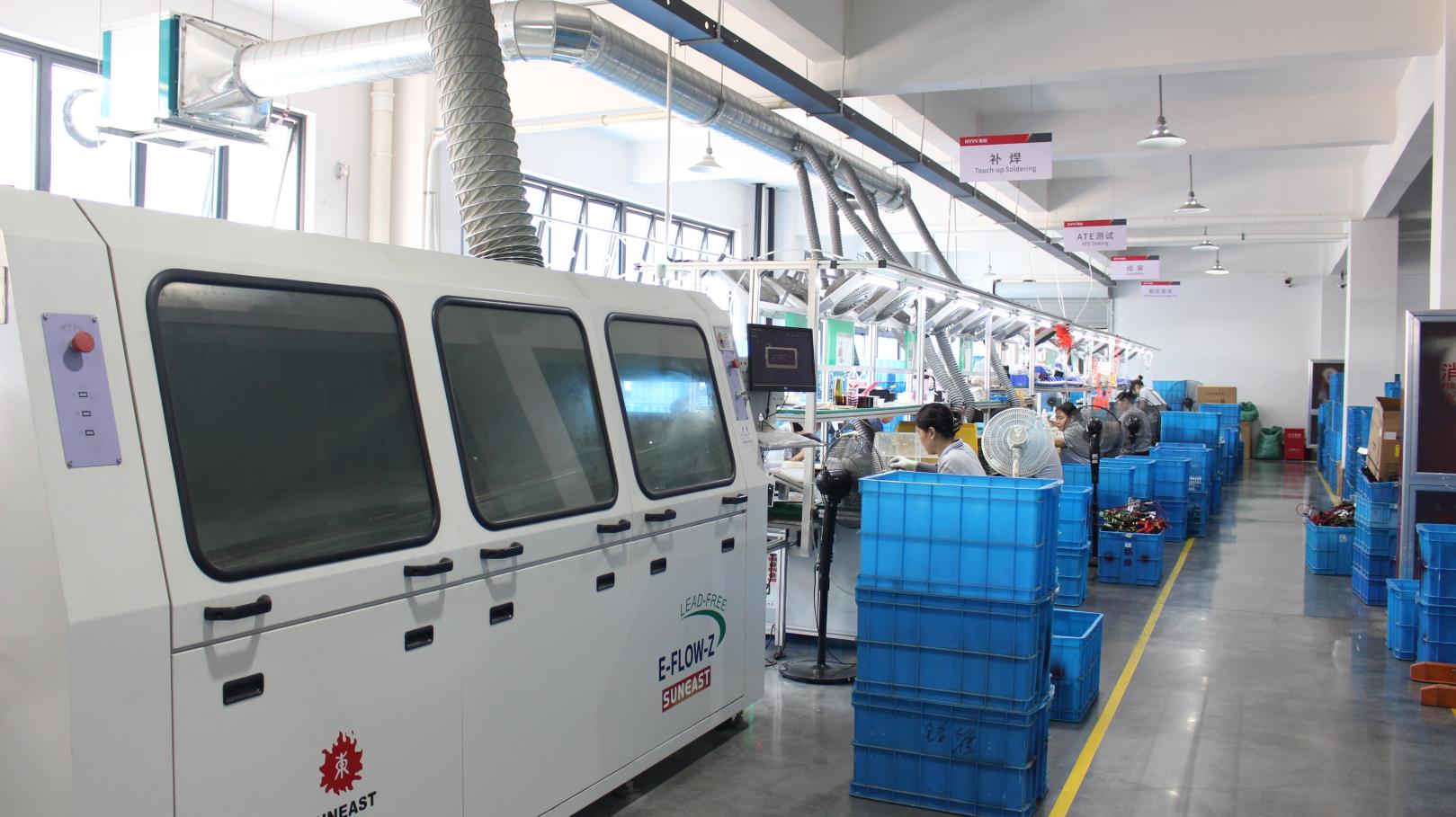
Wave soldering
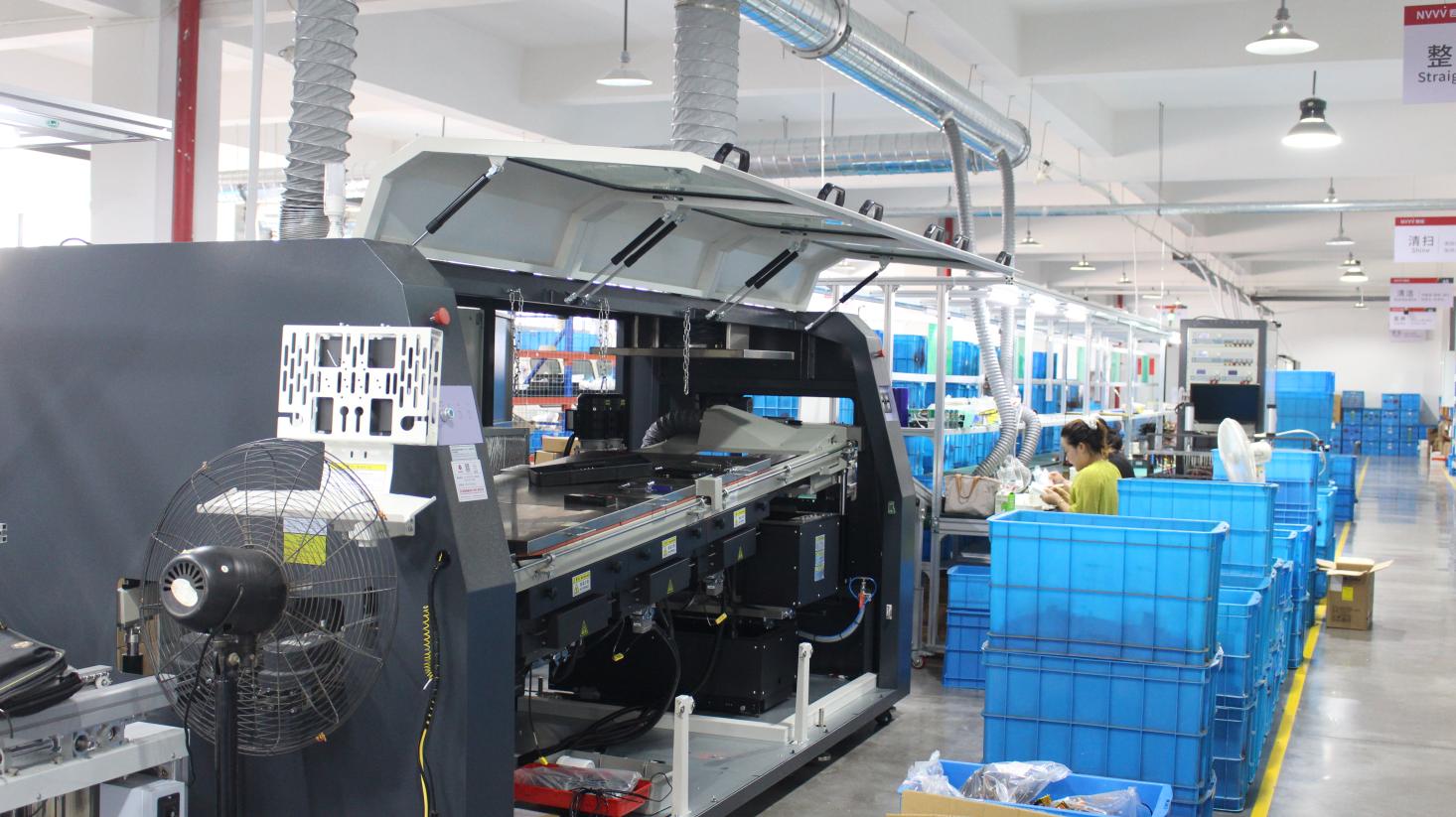
Wave soldering
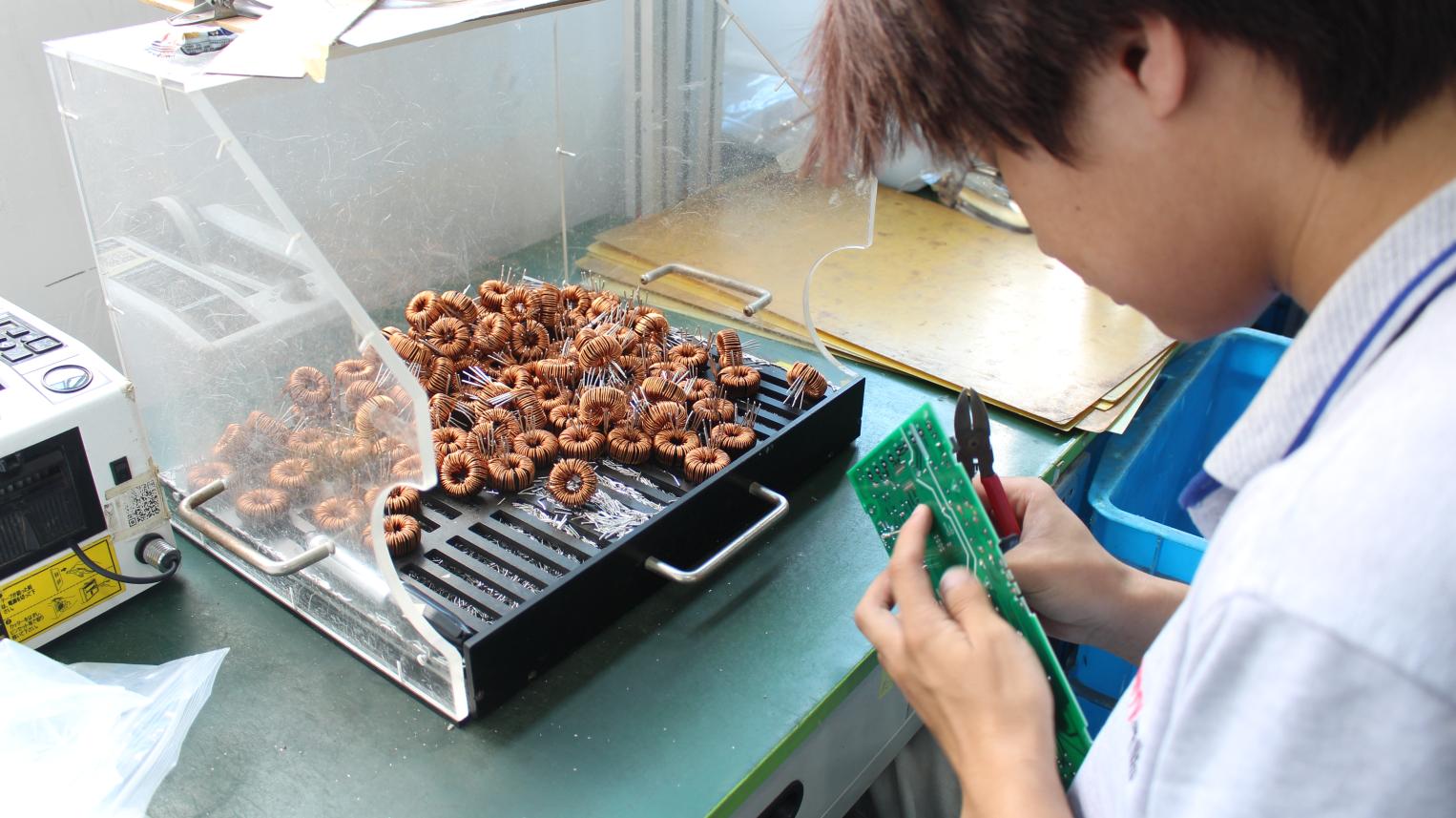
Assembling
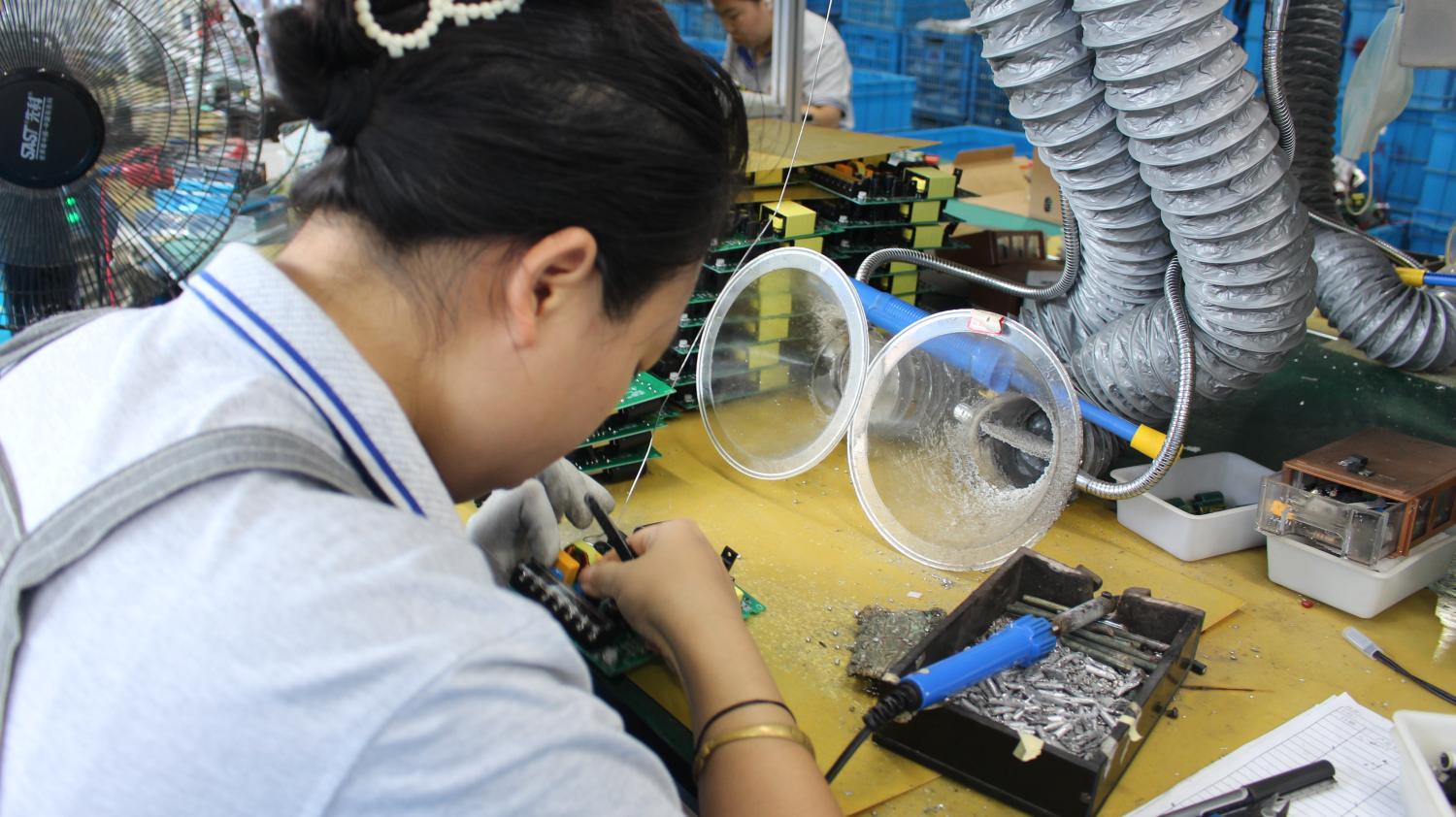
Assembling
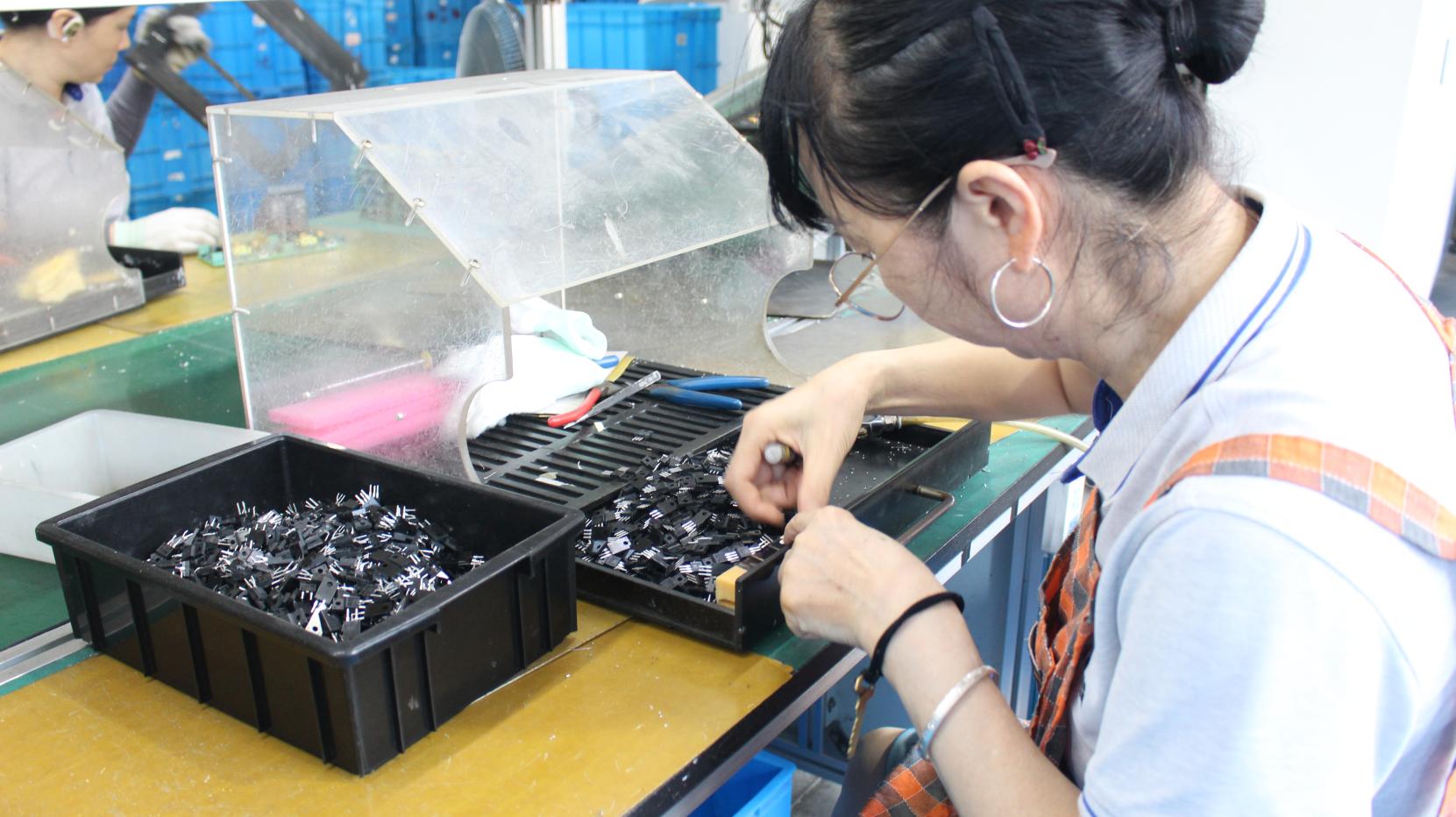
Assembling
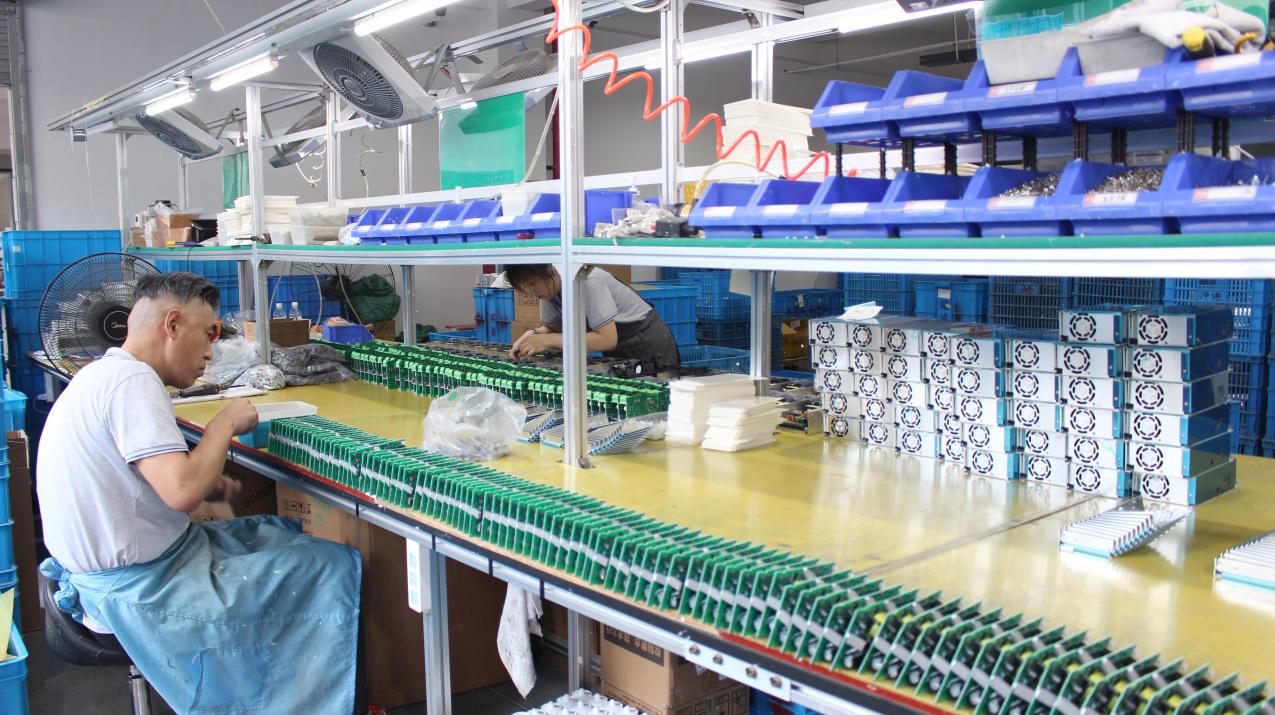
Assembling
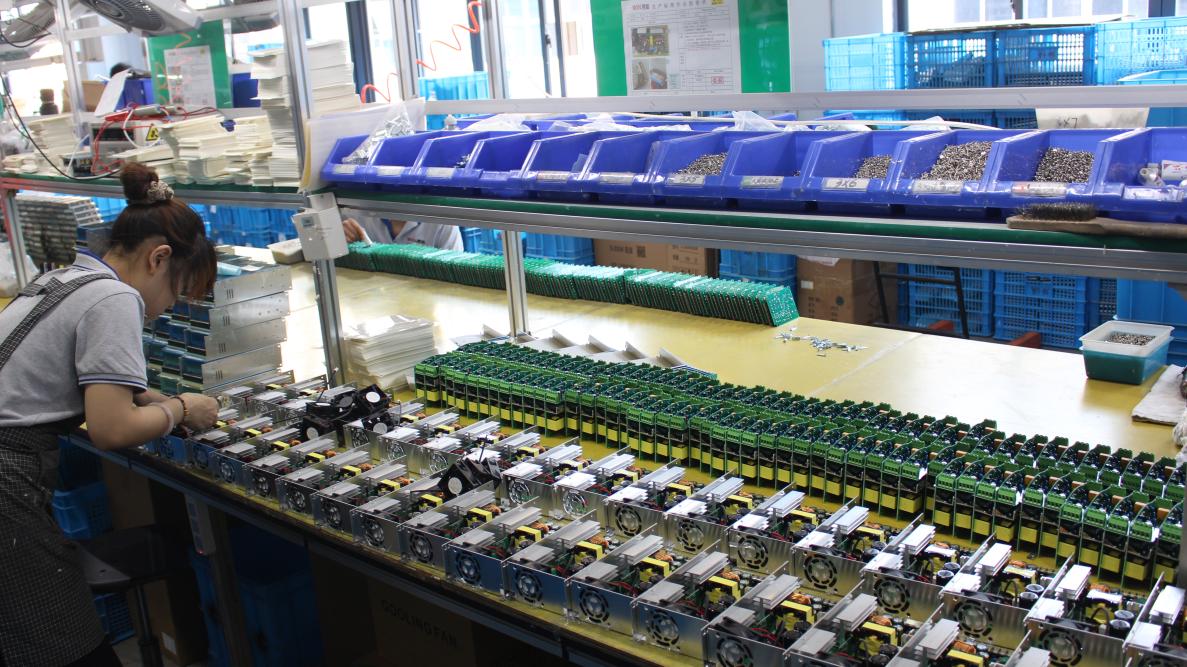
Assembling
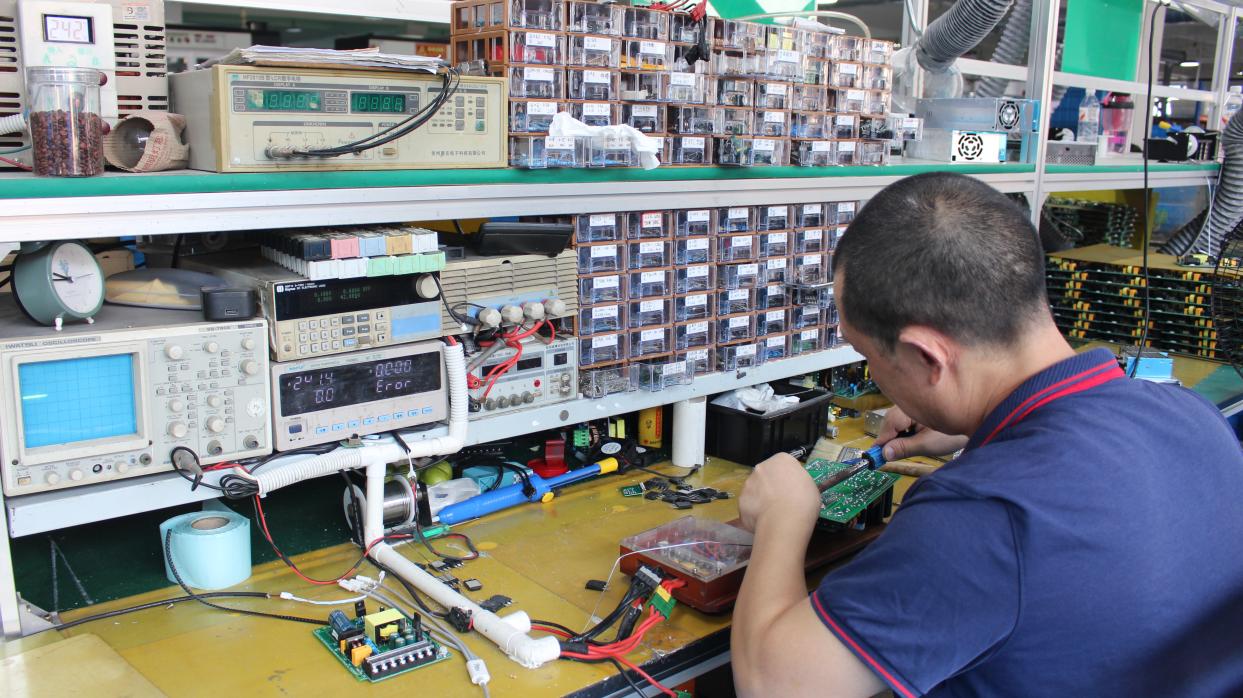
Assembling
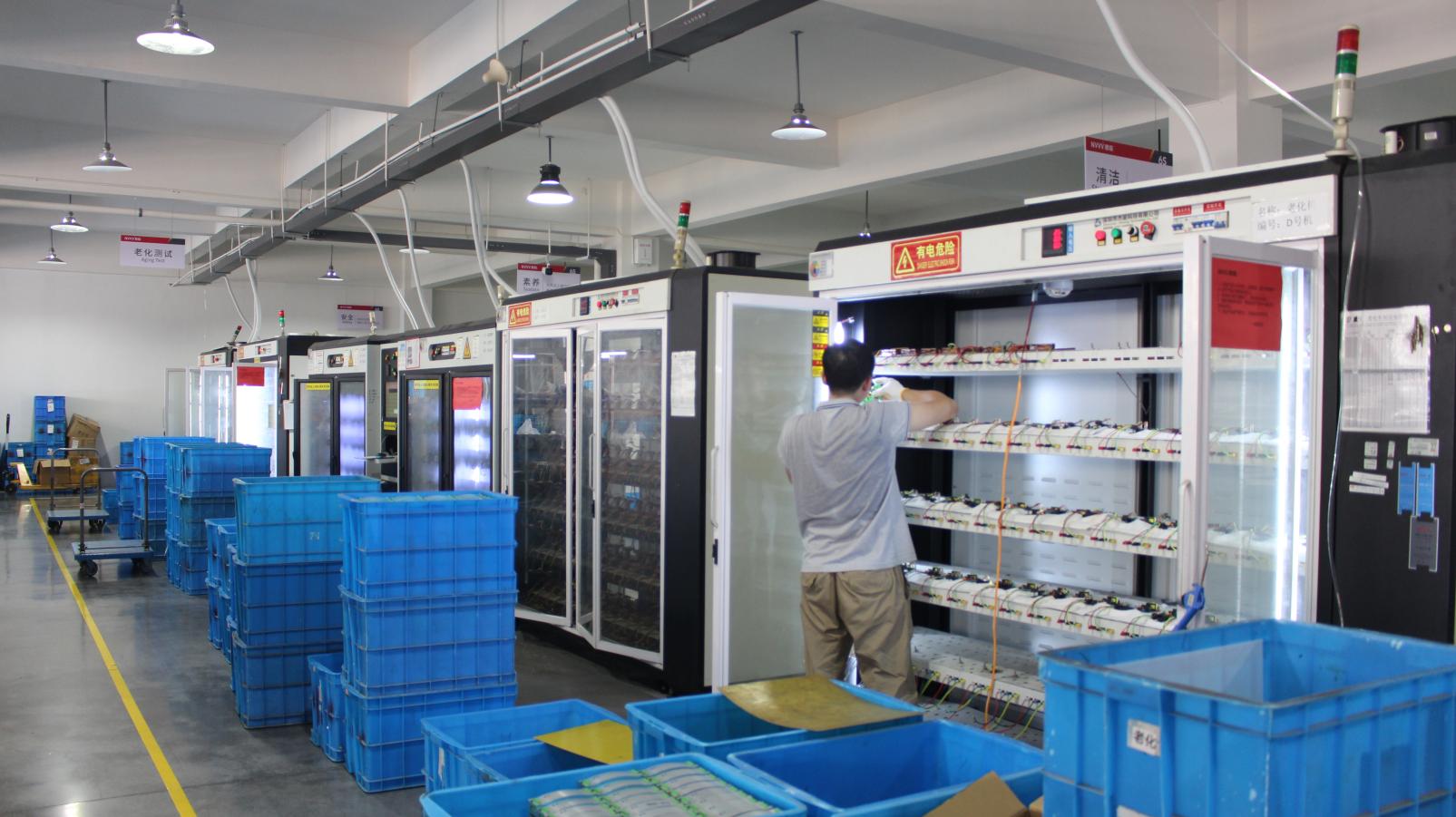
Testing
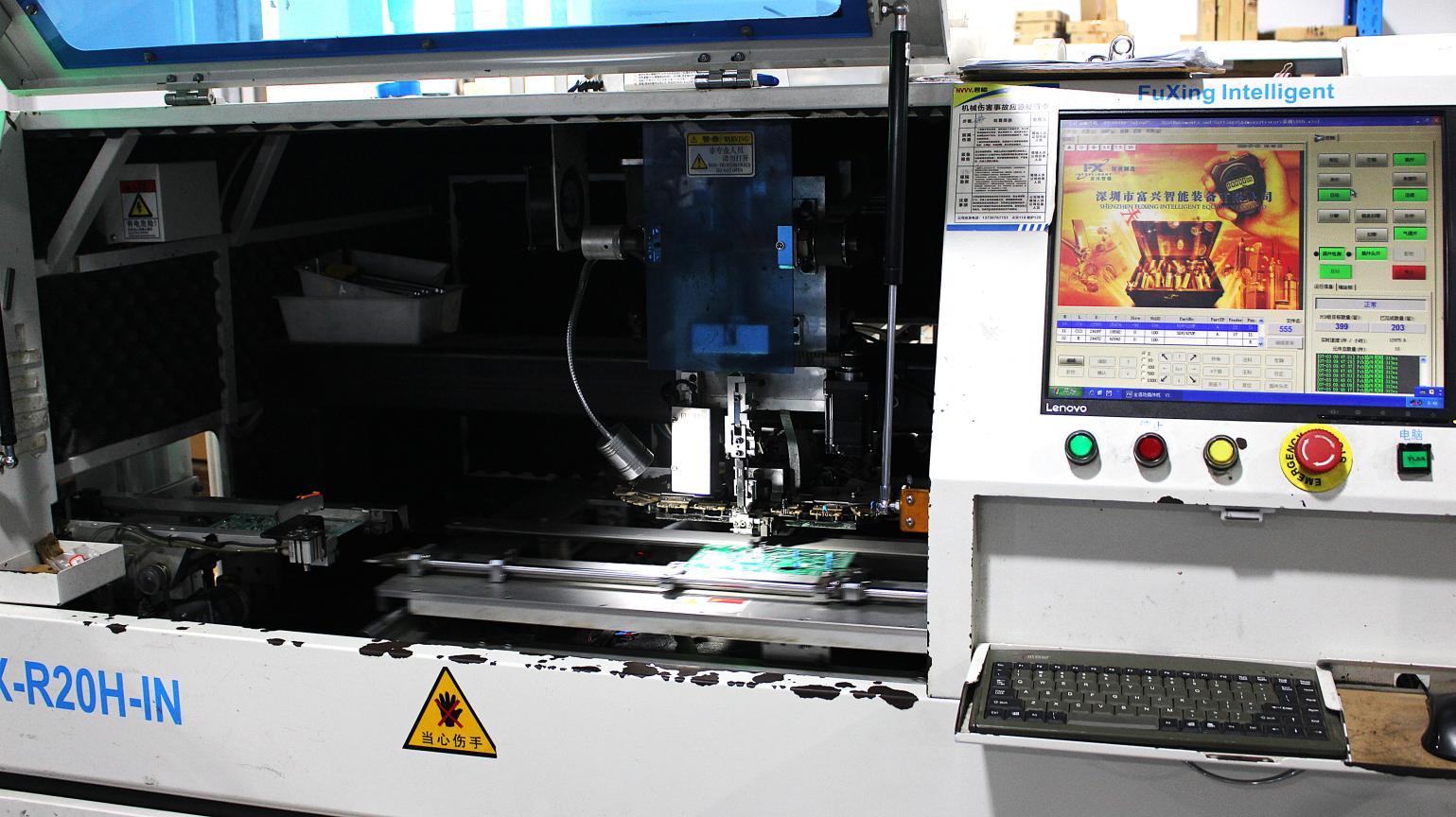
Component plug-in machine
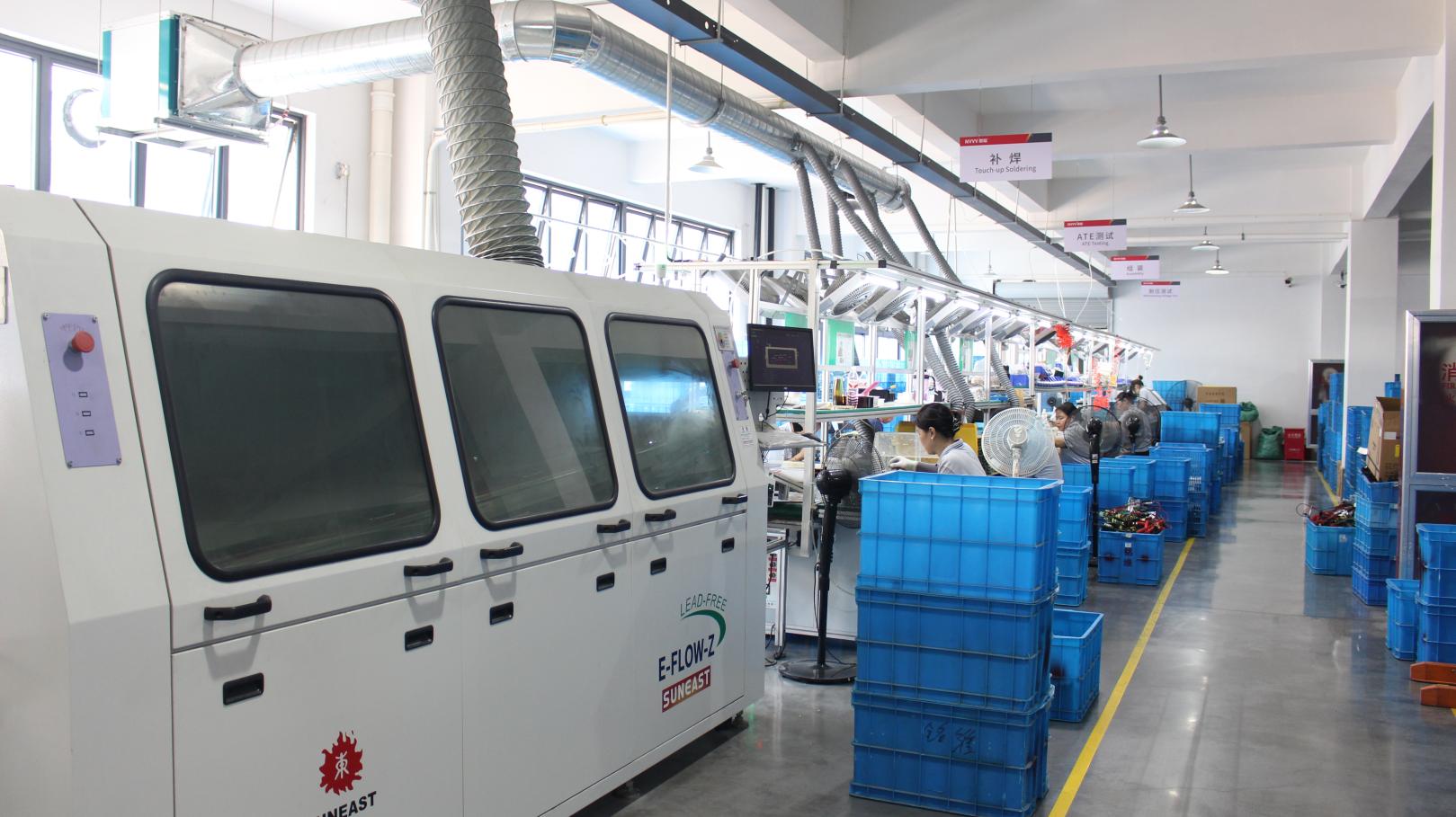
Wave soldering machine

Automatic packing machine
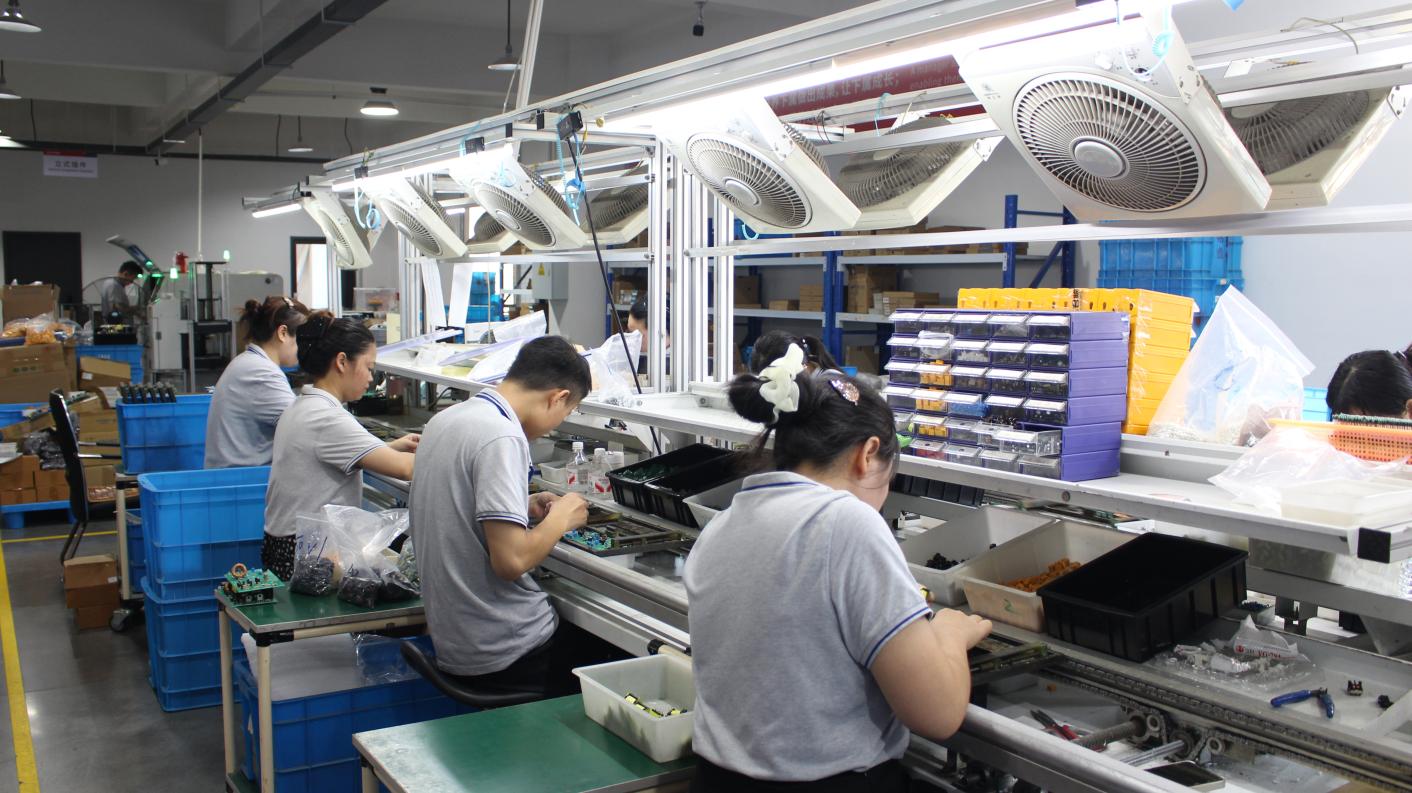
Assembly line
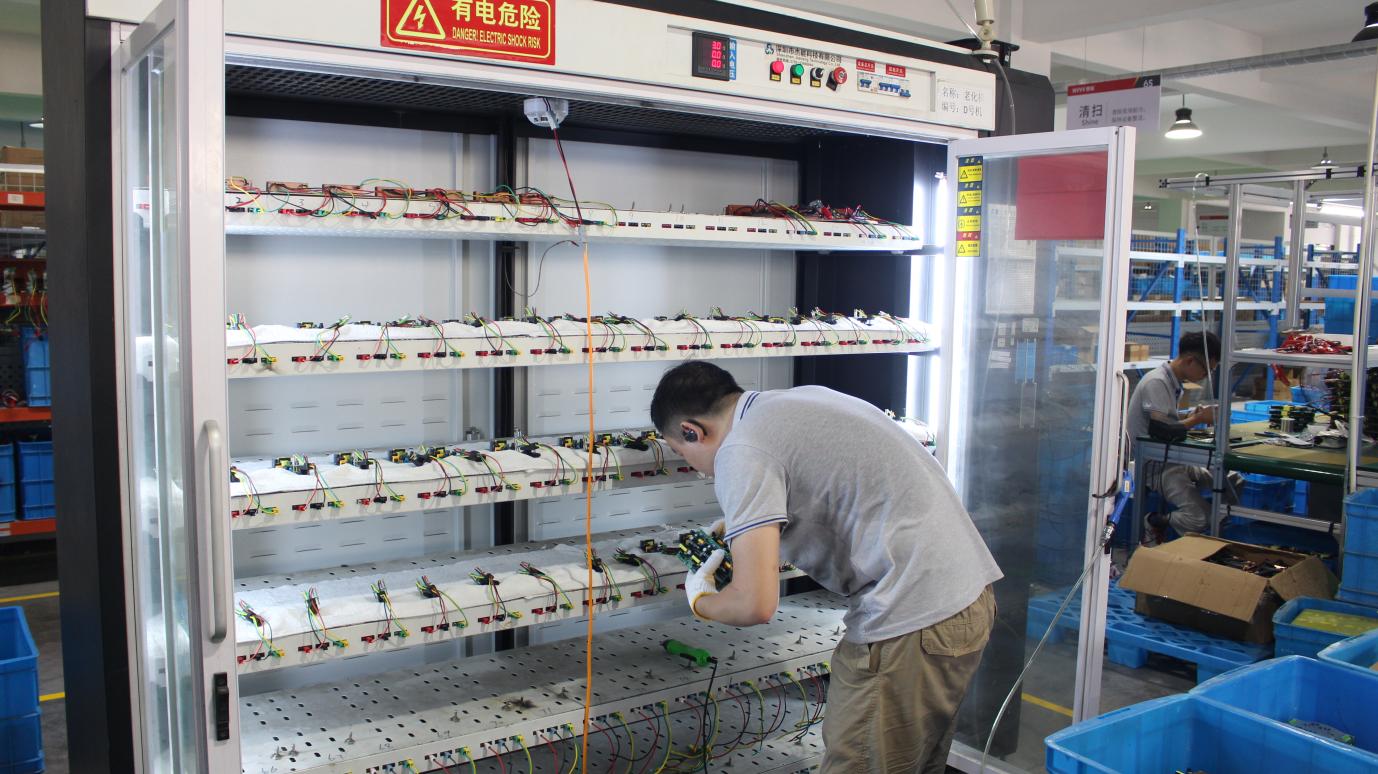
Testing
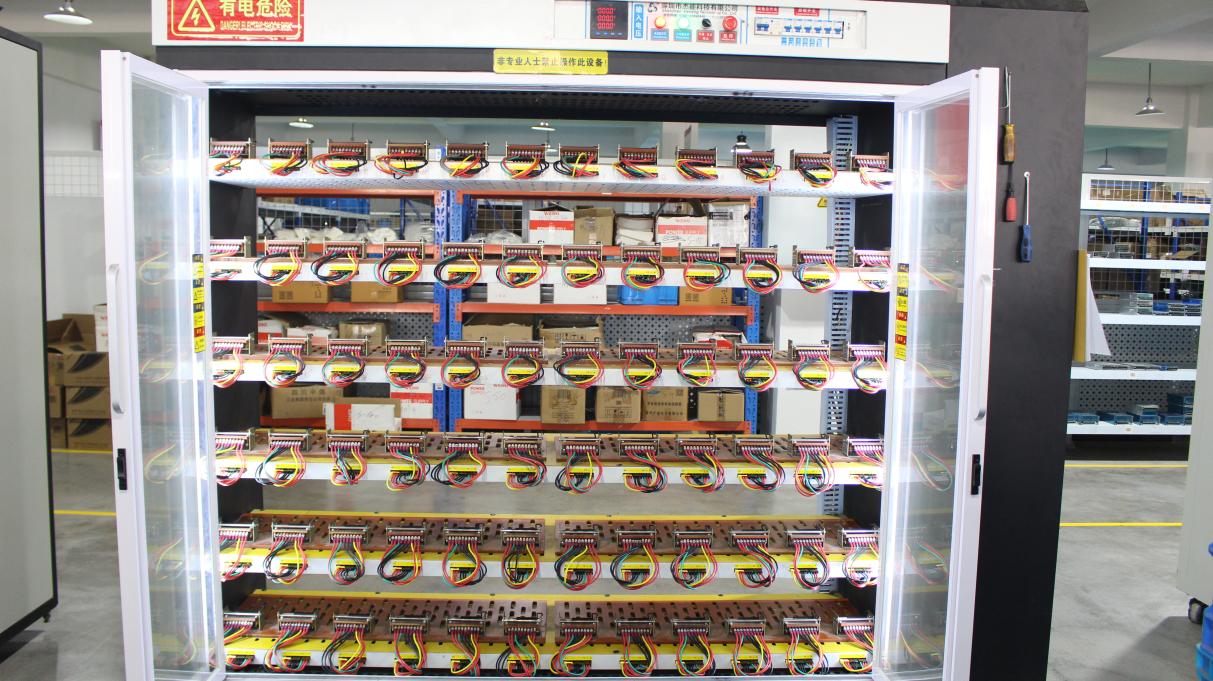
Aging test bench
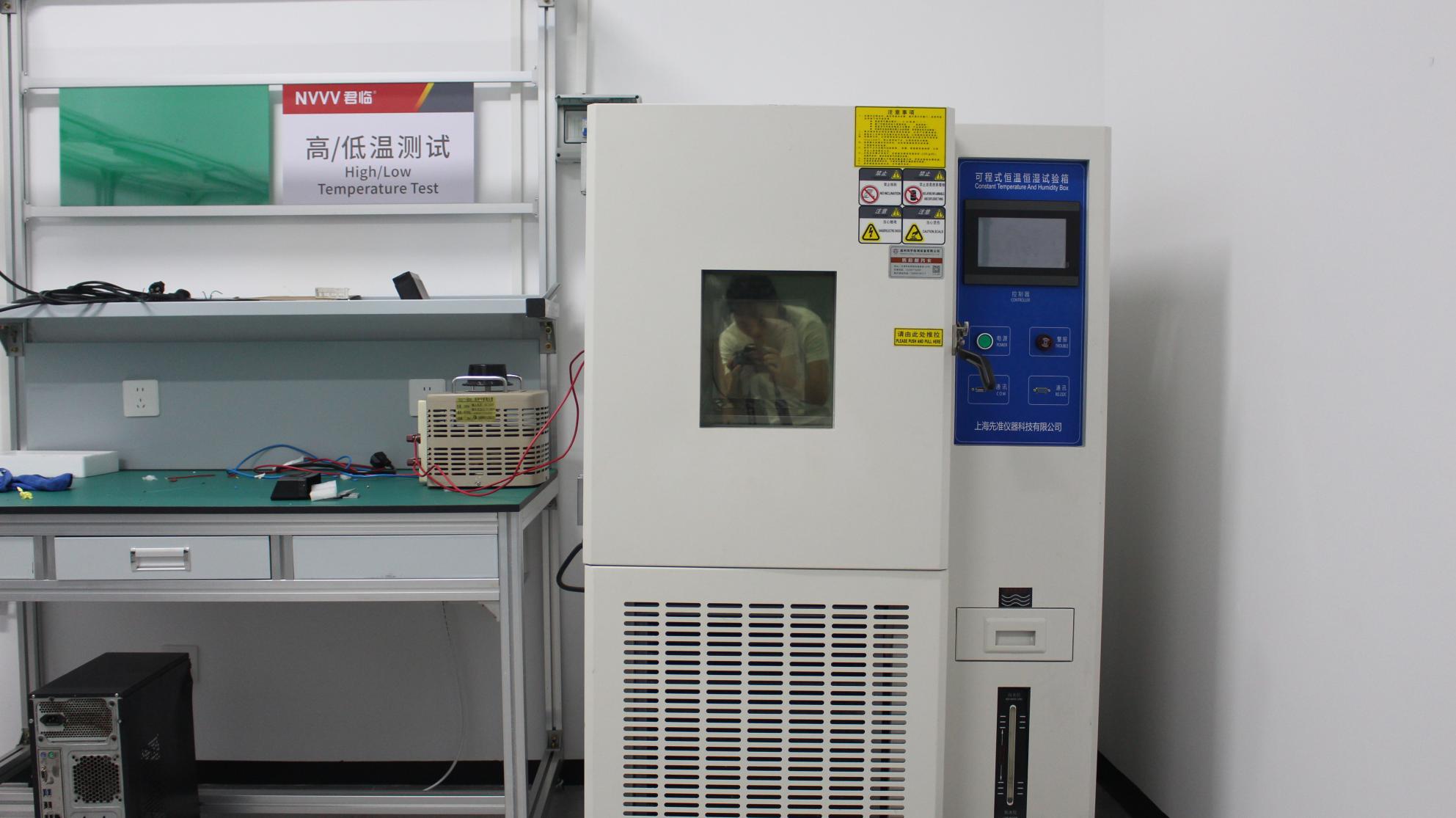
High and low temperature test machine
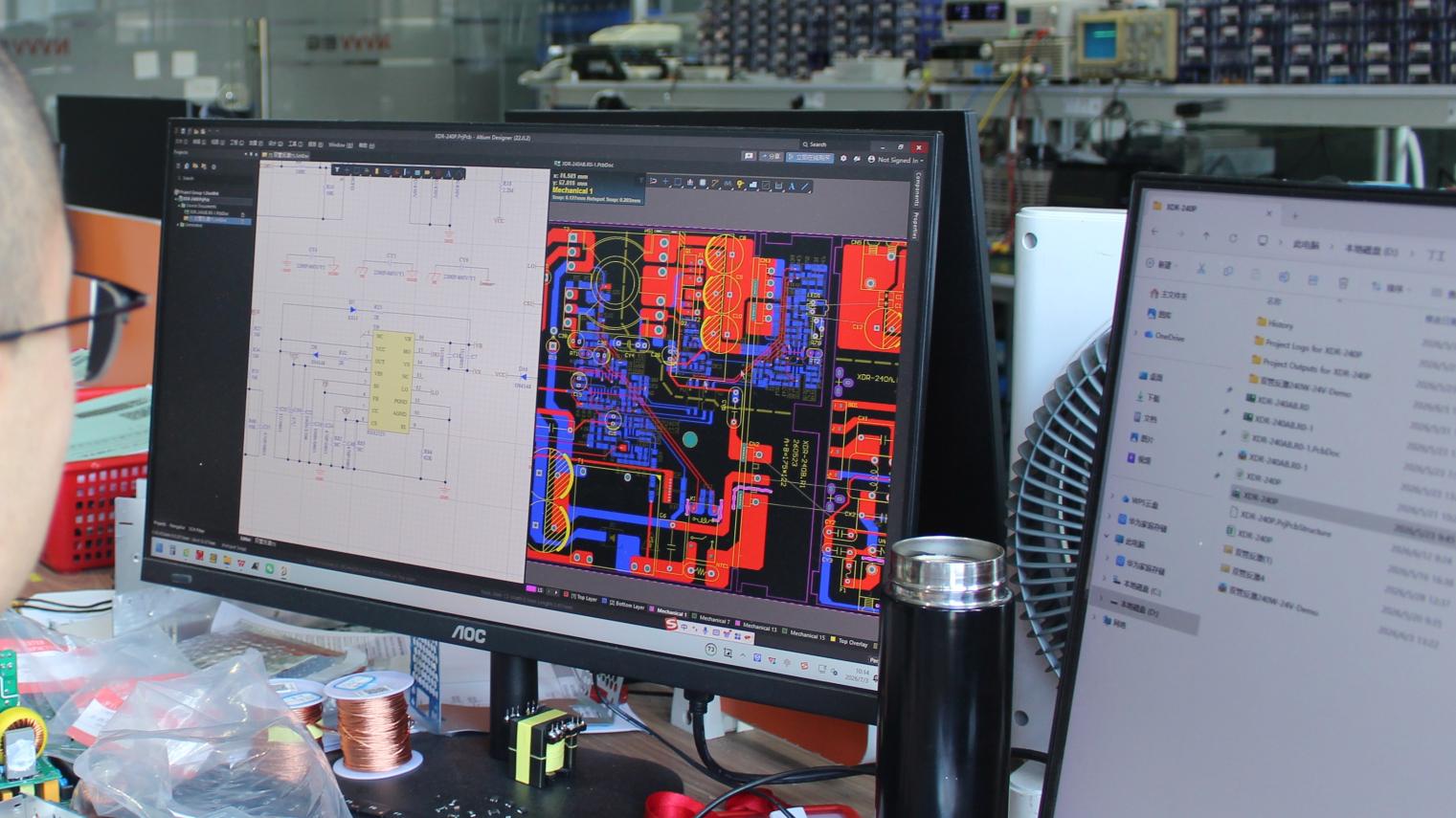
Design
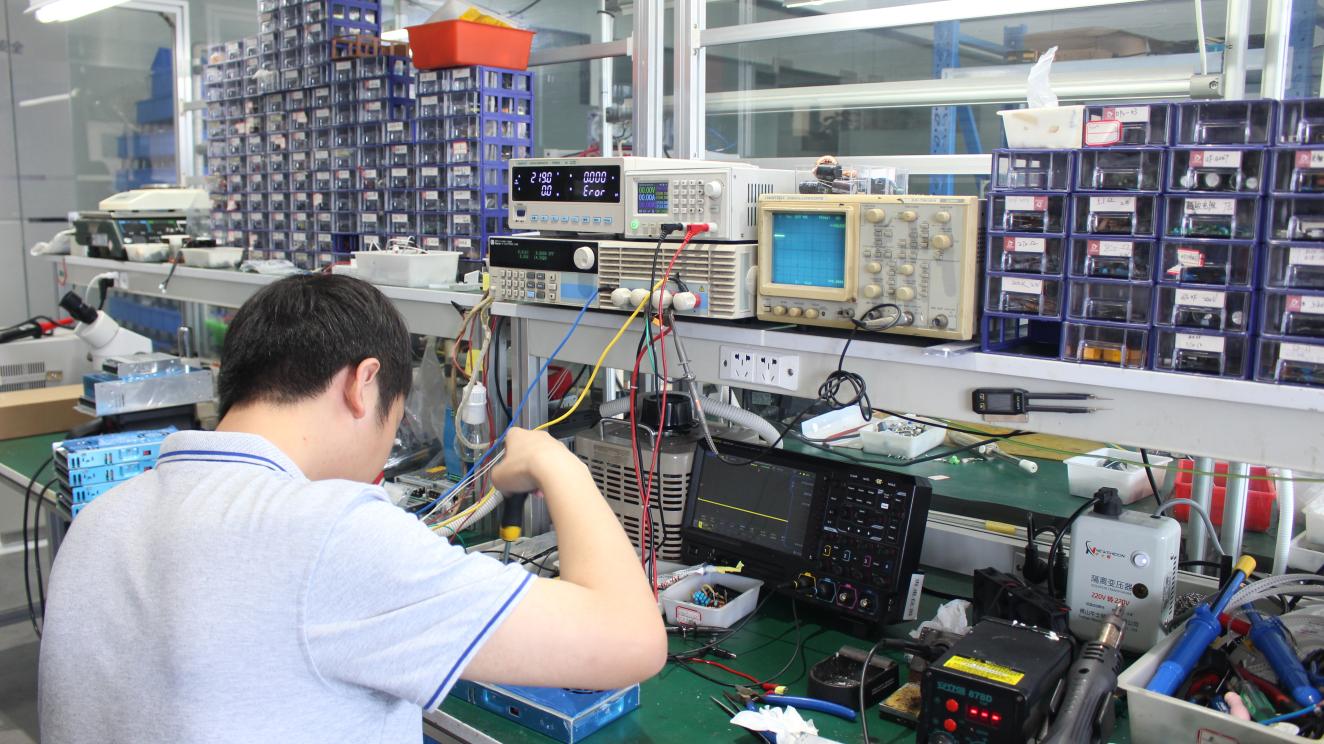
Electronic engineering test equipment
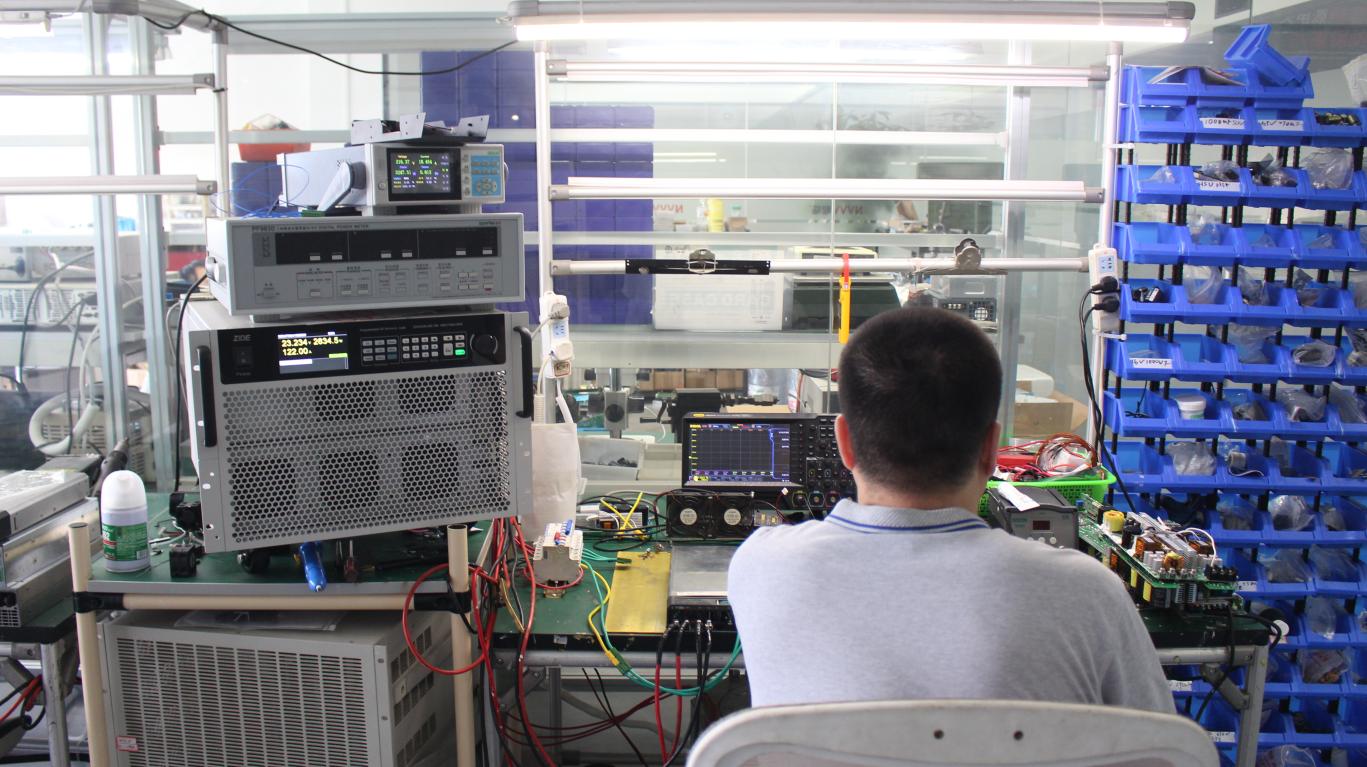
Electronic engineering test equipment
Operating in international markets like North America (20%), Eastern Europe (15%), East Asia (10%), and the Middle East (6%) requires strict compliance with diverse regulatory frameworks. Every market features specific operating requirements:
In the United States and Canadian markets, our equipment undergoes electromagnetic testing to verify compliance with FCC Part 15 Subpart B limits, preventing interference with communication devices. Our power solutions are built to align with UL 61010-1 and UL 508 standards for industrial machinery installations.
European installations require compliance with Low Voltage Directive (LVD) 2014/35/EU and EMC Directive 2014/30/EU. NVVV products are built to CE and UKCA standards. We use lead-free assembly processes to comply with RoHS regulations, ensuring safe disposal and environmental compatibility.
The Bureau of Indian Standards (BIS) requires mandatory registration for external power adapters and IT equipment. To simplify import procedures for Indian OEMs, our registered product categories undergo testing at certified domestic labs, ensuring fast customs clearance.
NVVV's research blueprint: driving towards greener footprint limits and smart interfaces.
Replacing high-power silicon MOSFETs with Gallium Nitride devices to reduce switching losses by 40% and scale conversion efficiency past 94%.
Integrating Modbus/RTU and CANopen communication protocols into standard DIN rail units for real-time telemetry and predictive maintenance.
Re-engineering case structures with high-transmittance thermal pathways to allow fanless cooling on units up to 1500W.
Designing switching systems capable of blending inputs from solar DC grids and conventional AC utility lines simultaneously.
Explore our dual-channel output configurations, high-voltage modules, and high-wattage robotics drivers.
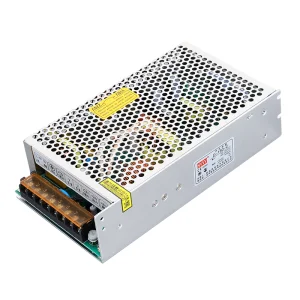
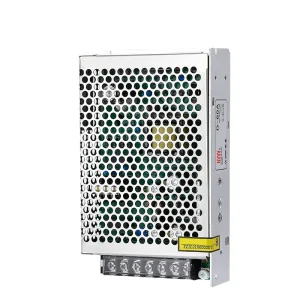
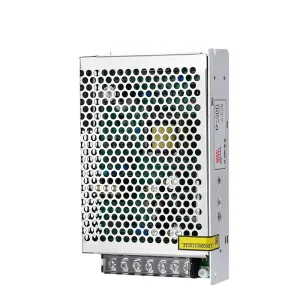
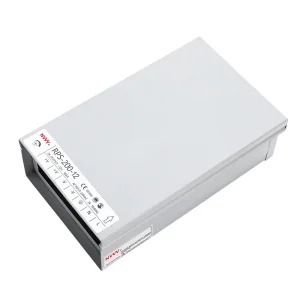
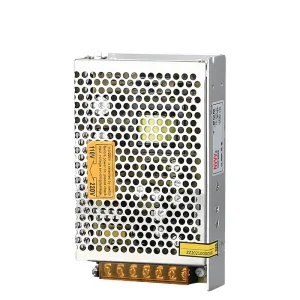
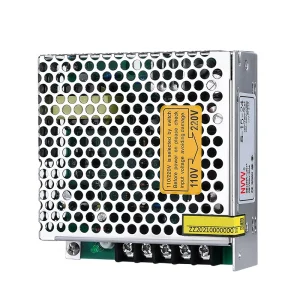
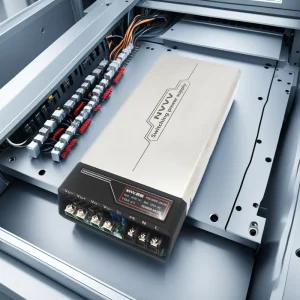
Direct answers from our senior engineering team regarding specifications, integration, and OEM configurations.
Our high-frequency switching power supplies utilize advanced PWM/PFM control chips and high-grade ferrites to cycle incoming power at frequencies typically ranging from 50 kHz to several hundred kHz. Compared to linear models, this design reduces the size of magnetics, achieves higher efficiency (often >88% to 92%), reduces heat generation, and supports wider input voltage ranges (universal 85-264VAC inputs).
Yes. Our engineering department can customize our power supplies to meet your requirements. We configure single, dual, triple, and quad output rails (such as our 5V/12V dual models or multi-channel LED configurations) with custom current ratios, connector styles, and mounting options. We also provide customized metal frames or DIN rail brackets to match your layout requirements.
All NVVV switching power supplies feature integrated multi-stage EMI filters to suppress conducted and radiated emissions, complying with EN 55032 Class B standards. For surge protection, we integrate metal oxide varistors (MOVs) and gas discharge tubes to absorb high-voltage transients, protecting downstream components like PLCs and microcontrollers.
Our Quality Assurance system includes incoming material inspections (IQC), in-process inspections (IPQC) at automated wave soldering and SMT stations, and final functional checks. Completed units undergo a 100% full-load aging burn-in test inside heated chambers. We also perform insulation resistance and high-potential (Hi-Pot) safety checks to ensure structural reliability.
Yes. Our power supplies carry international safety certifications, including CE, FCC, UKCA, CCC, and BIS. We also verify that our assemblies comply with the EU RoHS directive, limiting toxic heavy metals like lead and cadmium in all electronic components.
For standard catalog configurations or modifications, delivery is typically within 10 to 15 business days. Custom OEM orders requiring new PCB layouts, plastic injection tools, or certification updates generally ship in 25 to 40 days, depending on engineering complexity. We maintain a 98.6% on-time delivery rate to support customer assembly schedules.
 NVVV Electric