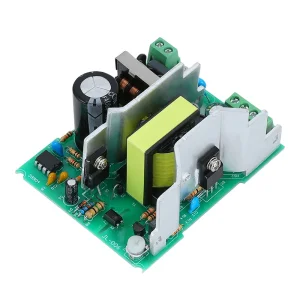
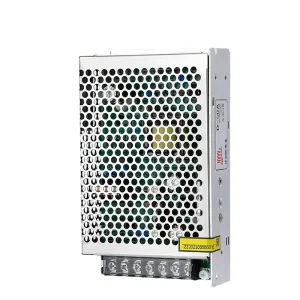
China Best Remote Power Unit Factories & Exporters

Global Benchmark in High-Performance Switching Power Supplies, DIN Rail Transformers, and Pure Sine Wave Inverters

2,644㎡
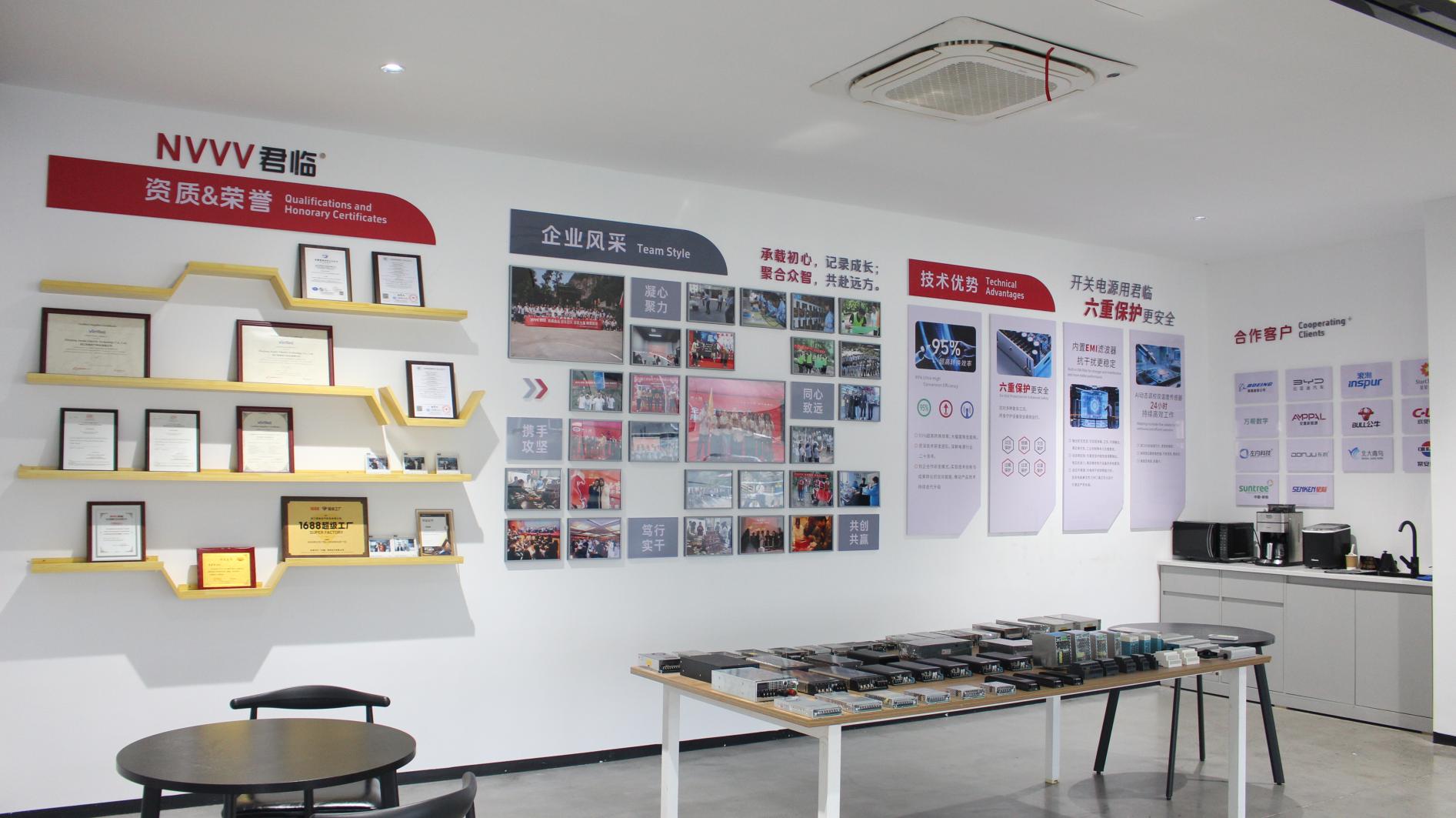
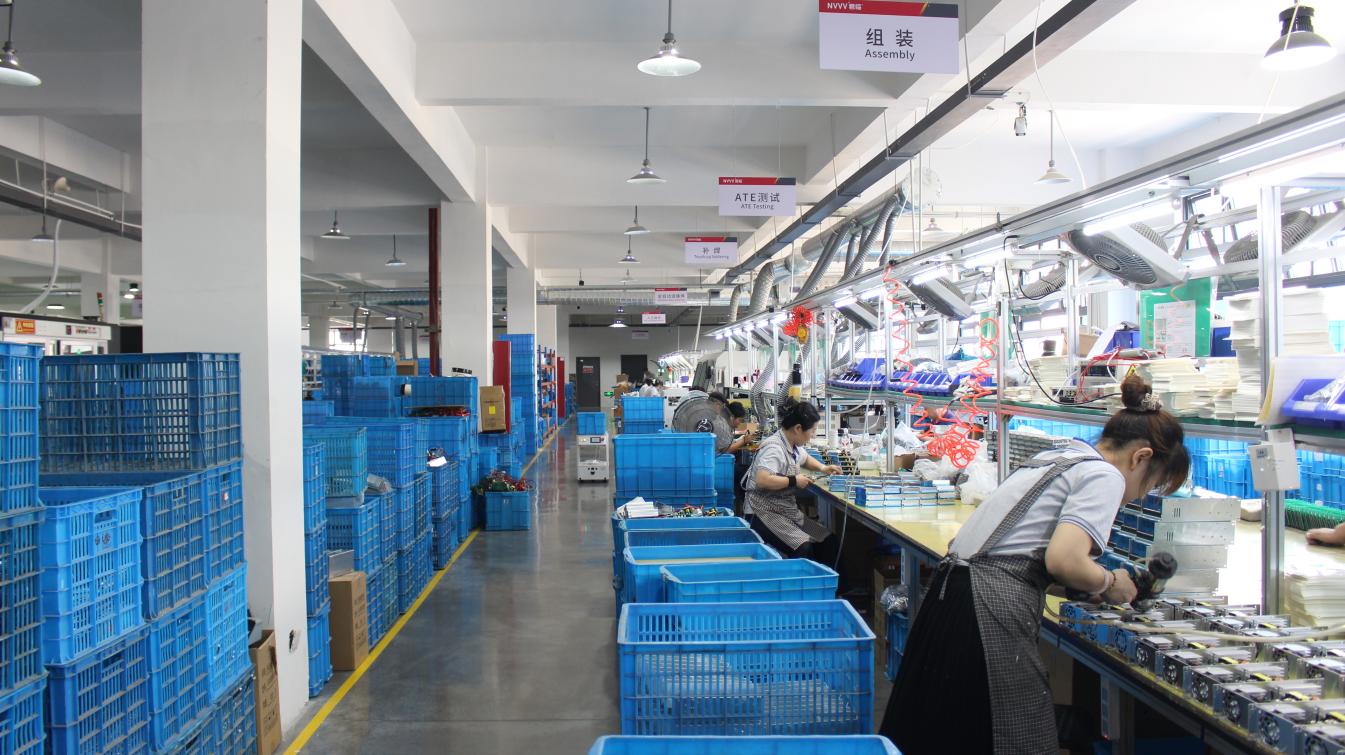
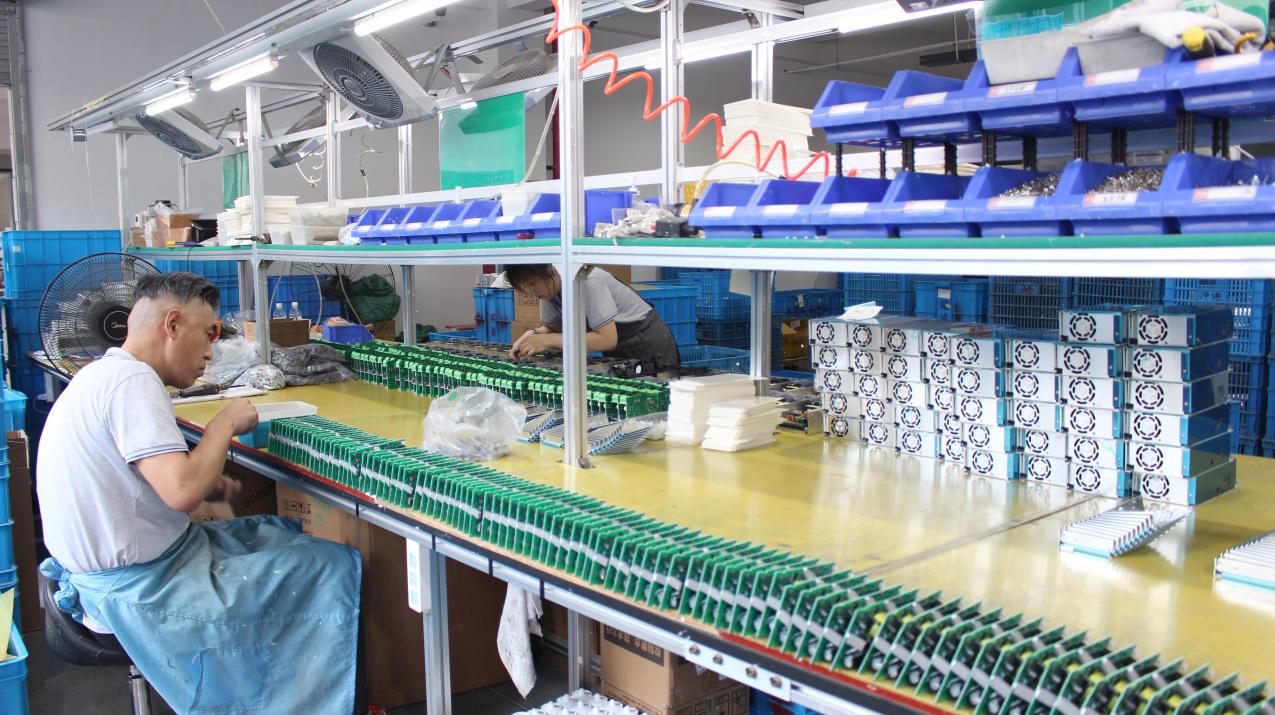
Modern Manufacturing Facility
$1.4M
Registered Capital
120+
New Products Developed Yearly
98.6%
On-Time Delivery Rate

Executive Summary: China's Dominance in Remote Power Unit (RPU) Manufacturing

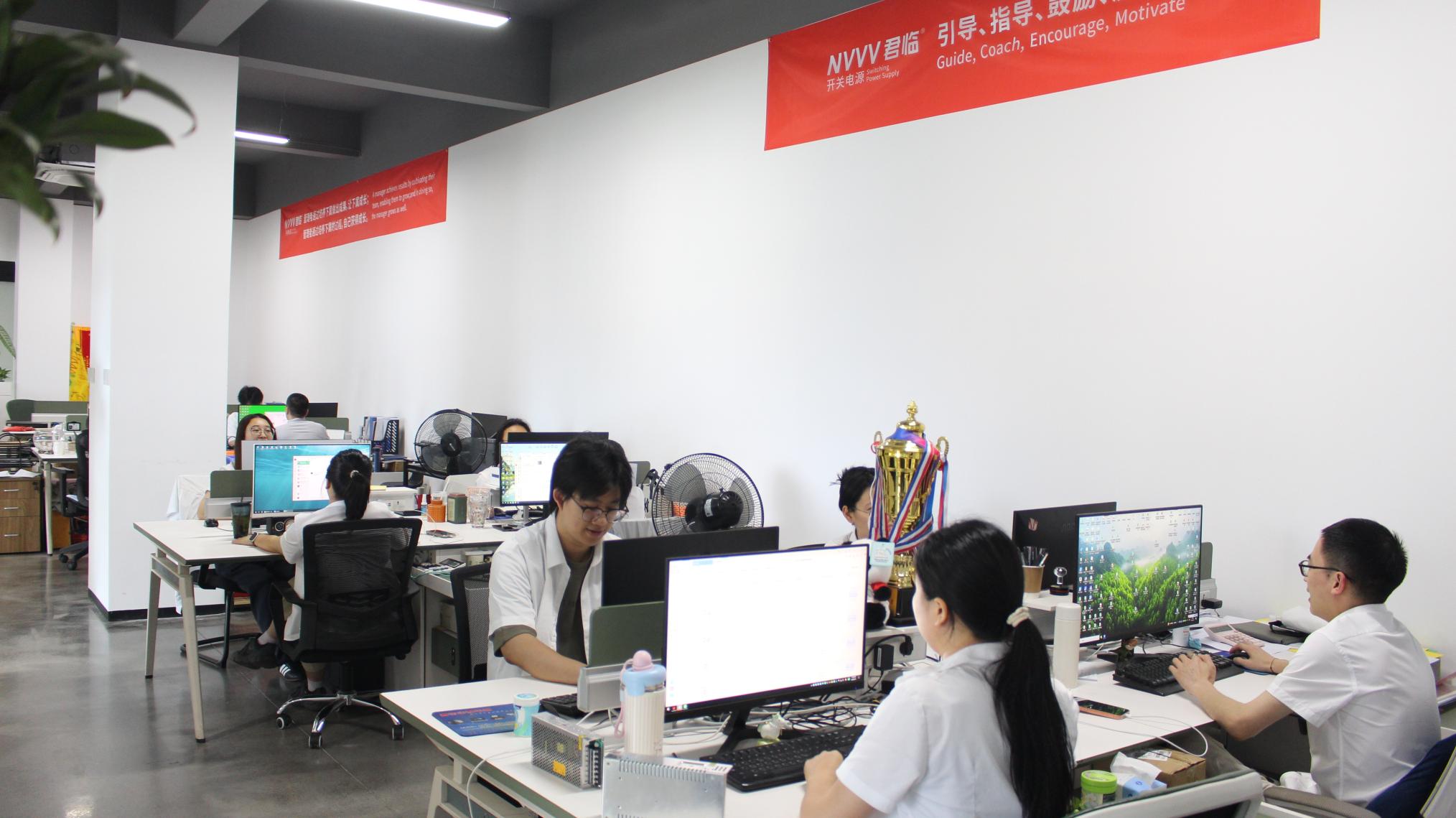
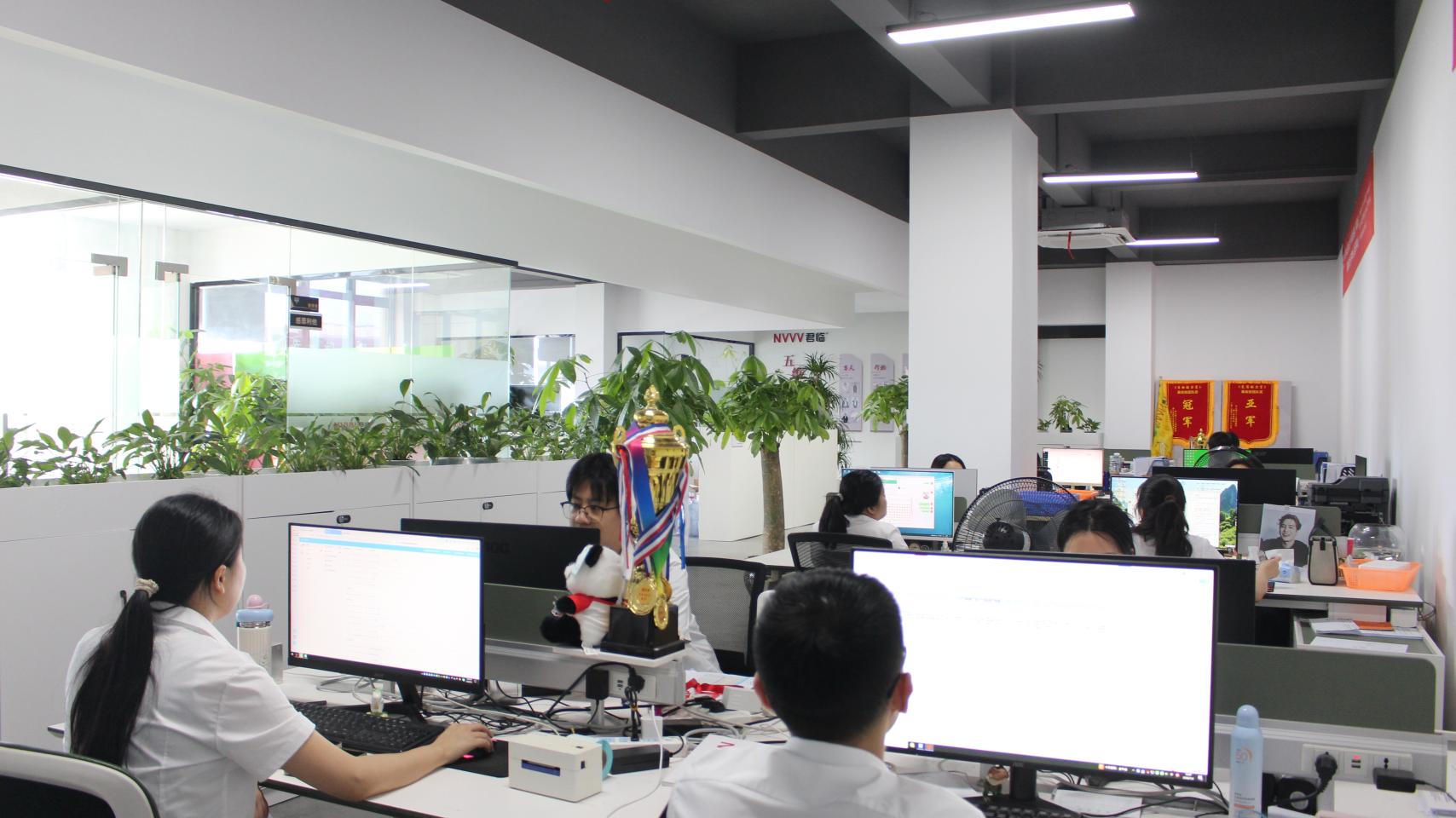
In the modern era of industrial automation, smart infrastructure, and renewable energy grids, the stability of electrical systems rests entirely on the reliability of switching power systems. As a leading specialized manufacturer based in the premier industrial core of Wenzhou, Zhejiang Province, NVVV Electric Technology Co., Ltd. represents the technological synthesis that makes China the primary hub for global Remote Power Units (RPUs) and switching power supply manufacturing.

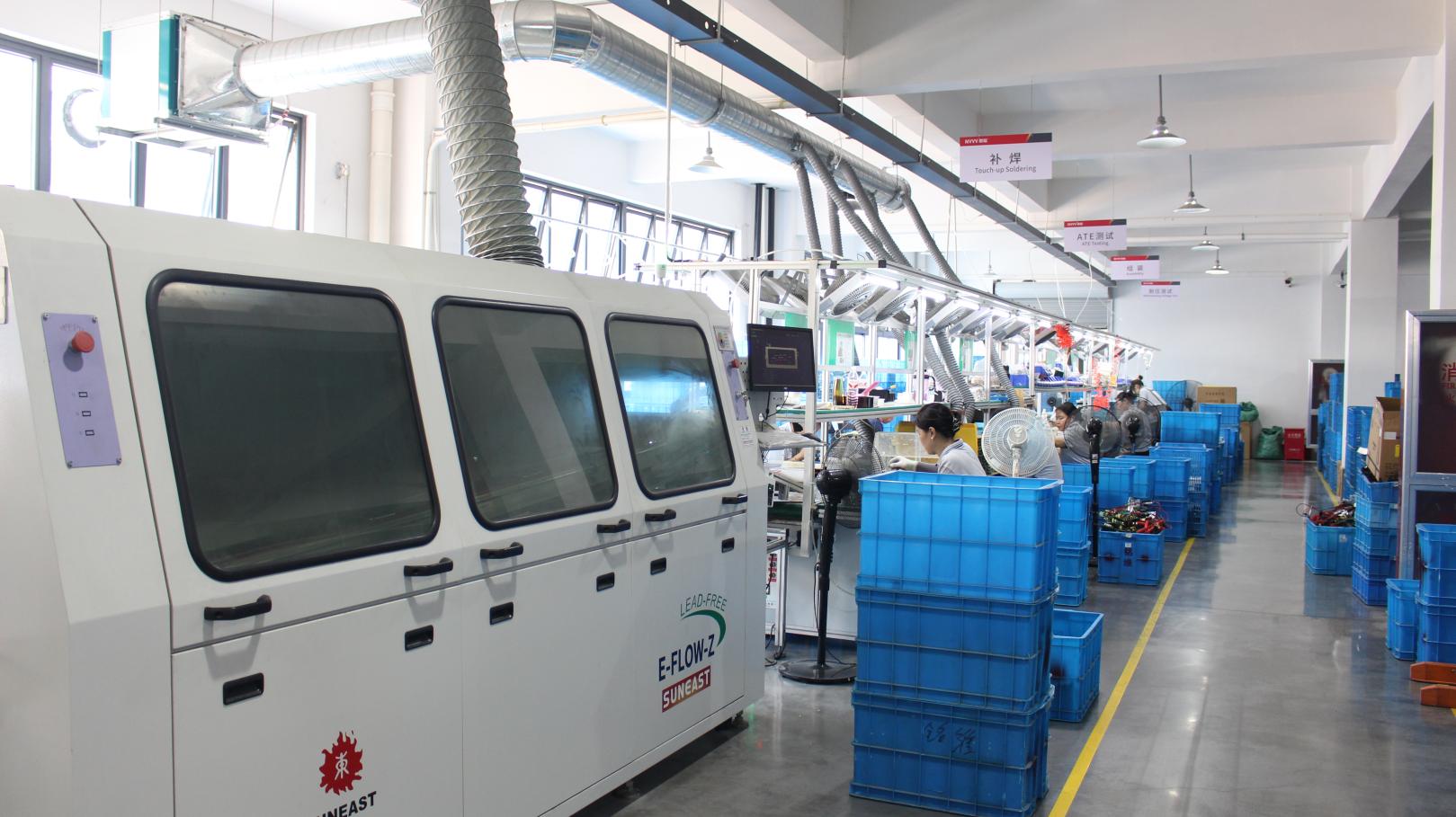
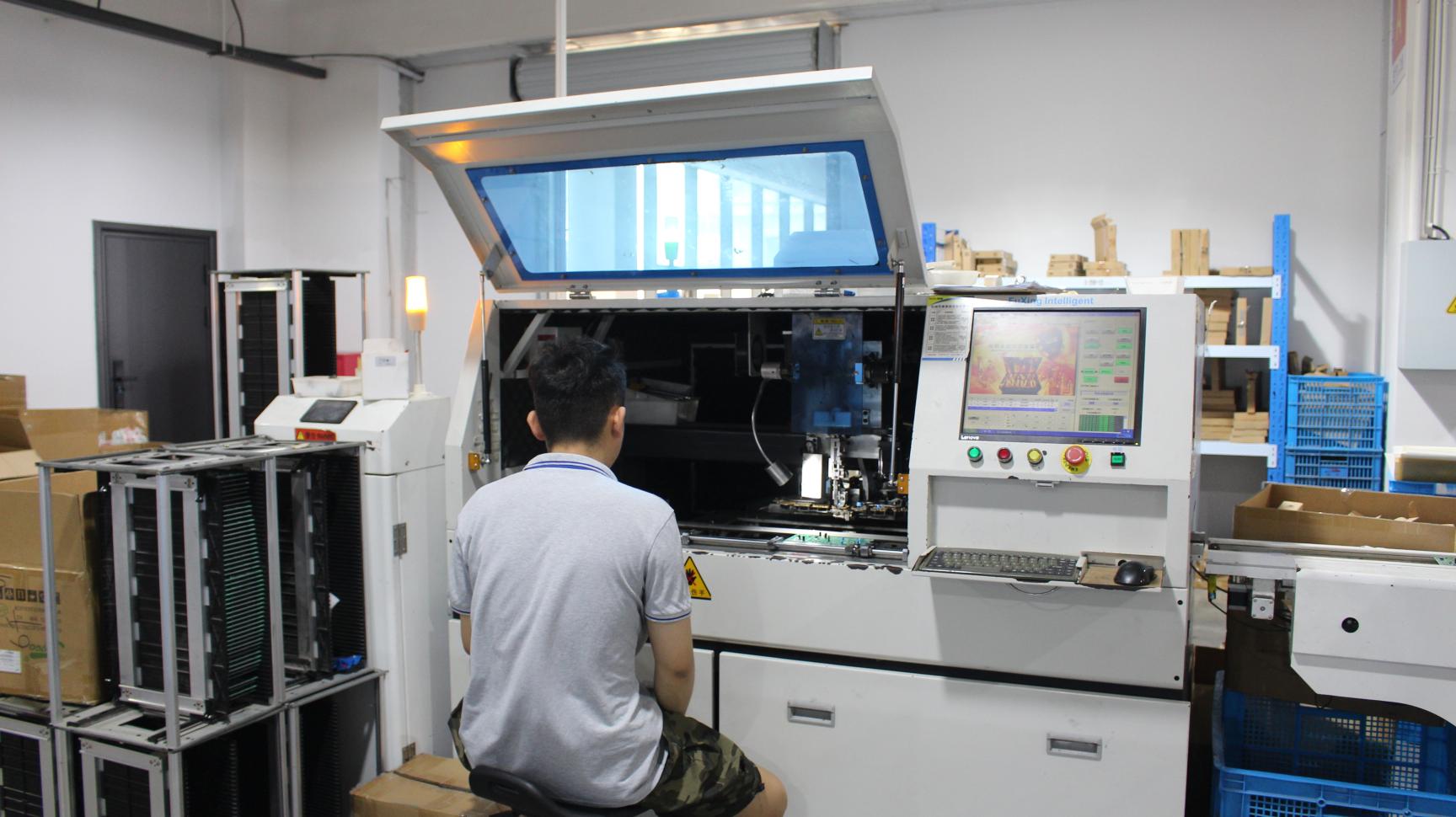
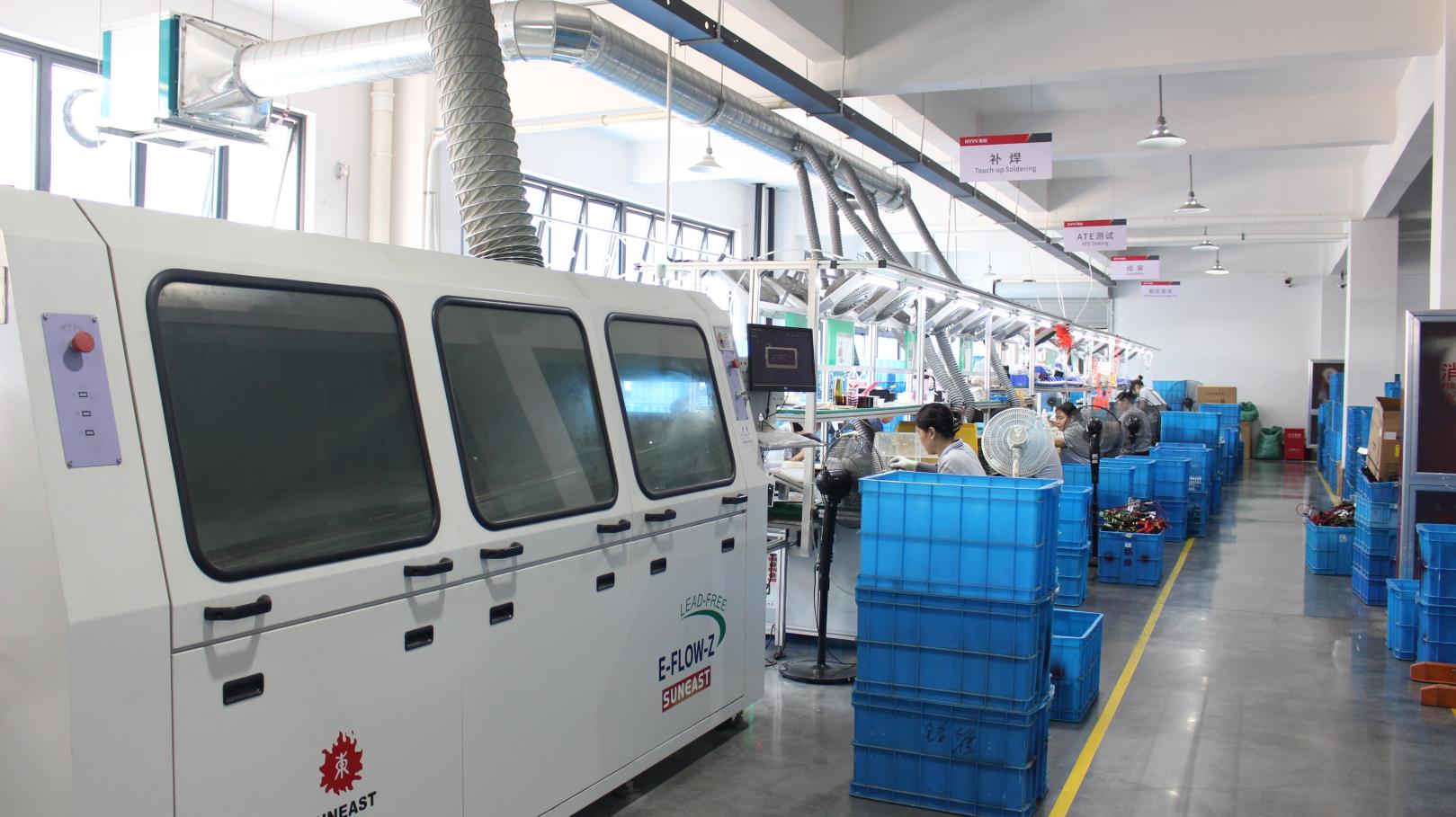
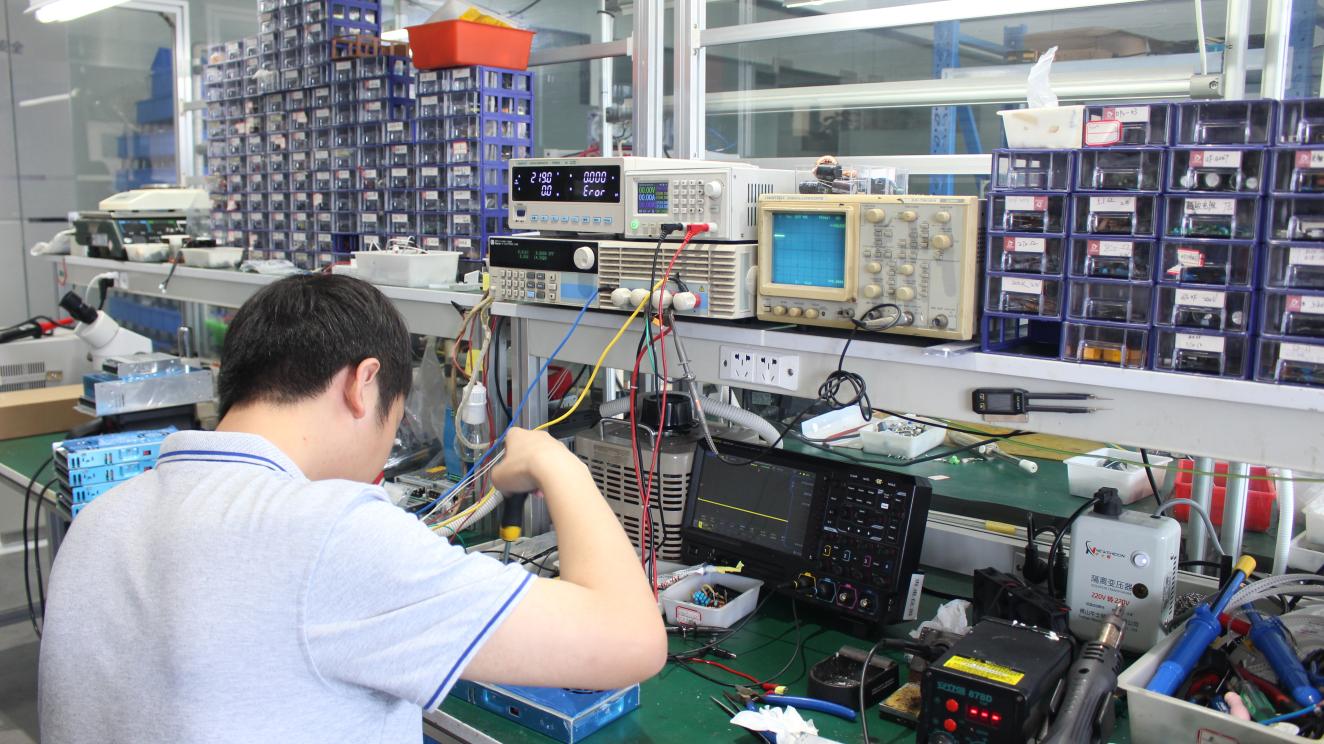
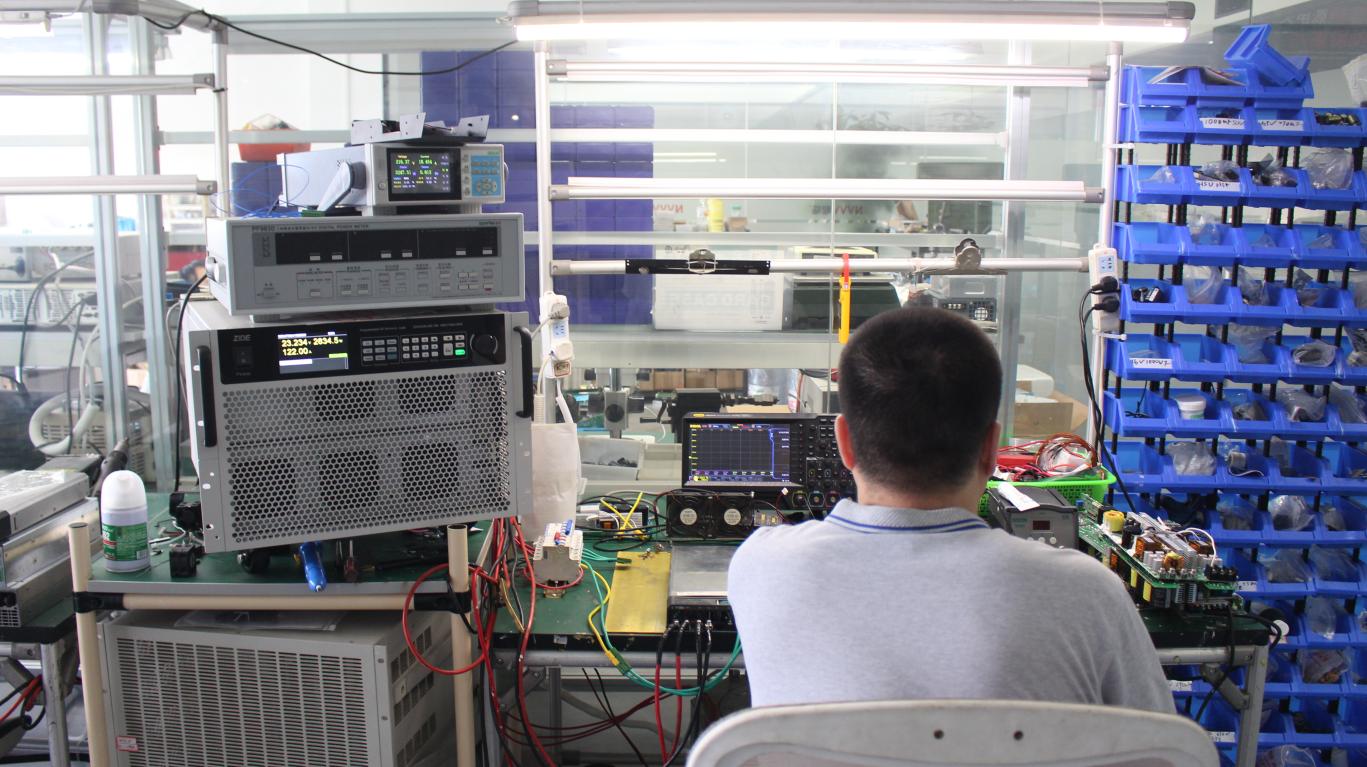
Our specialized R&D division focuses on solving the critical challenges of conversion efficiency, thermal dissipation, and long-term reliability under severe environmental conditions. By leveraging advanced raw-material testing, robotic wave soldering, and environmental test chambers, NVVV engineers custom-fit switching components that maintain consistent voltage regulation across various international grids.

Key Capabilities Matrix

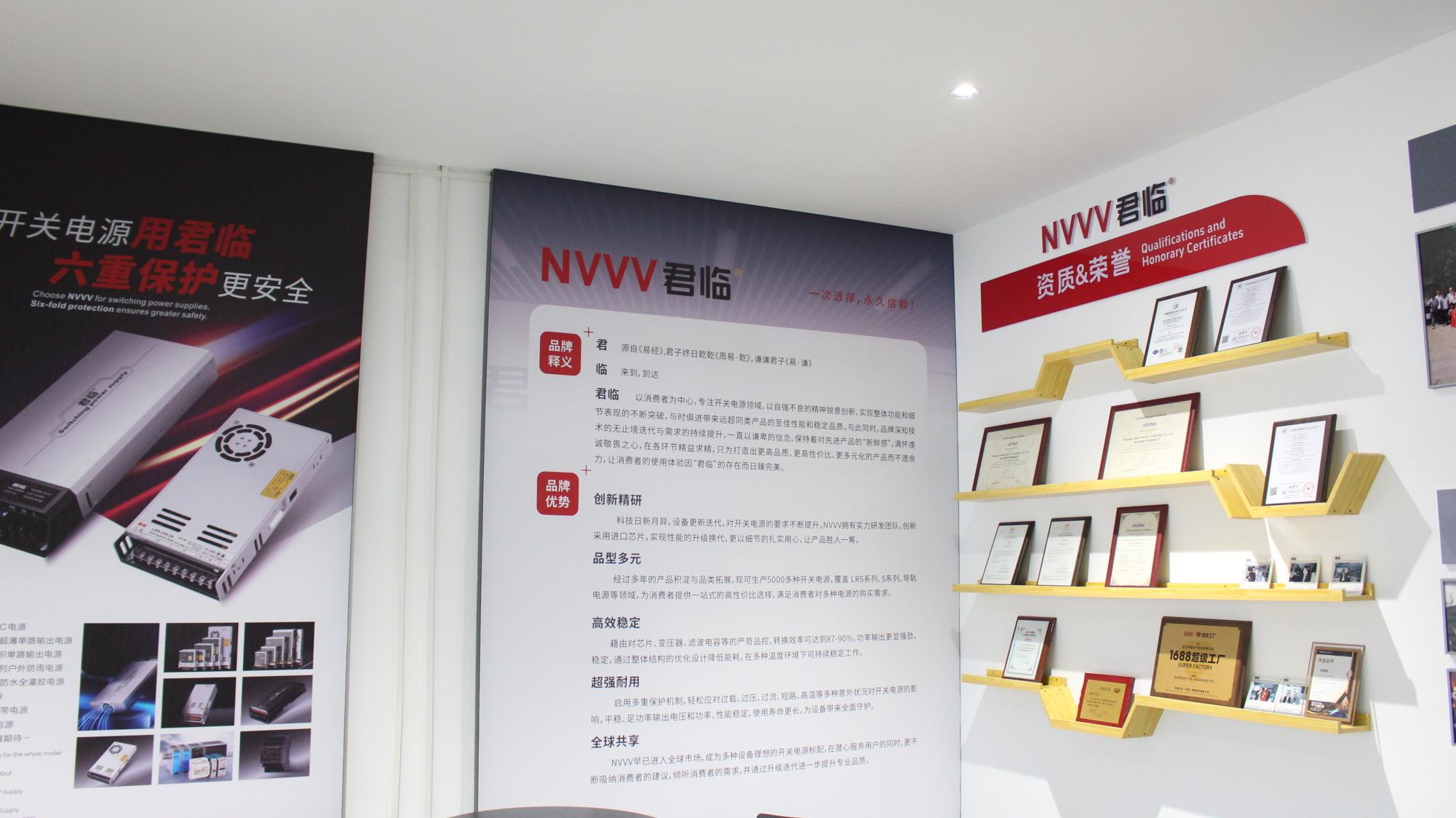
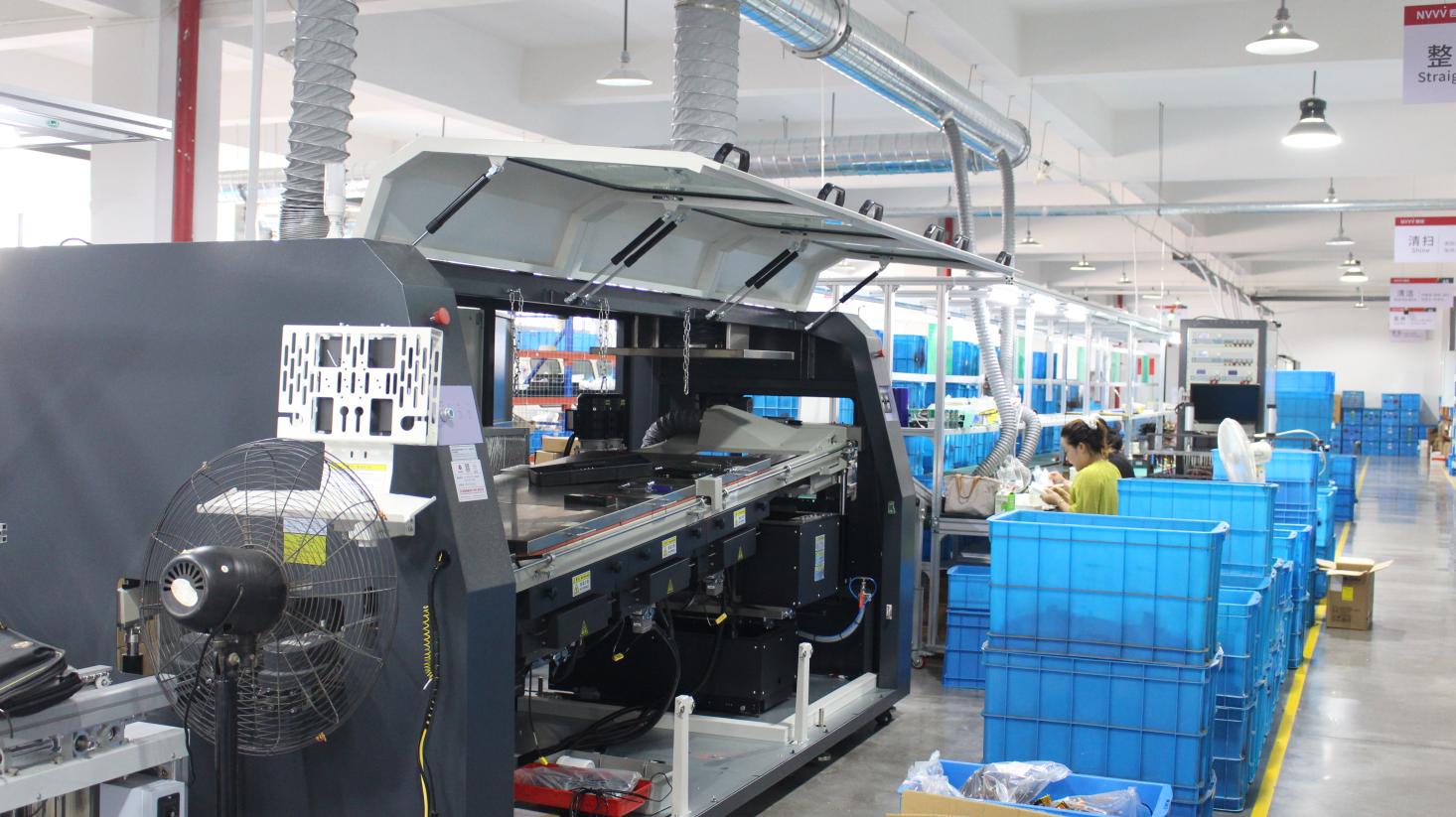
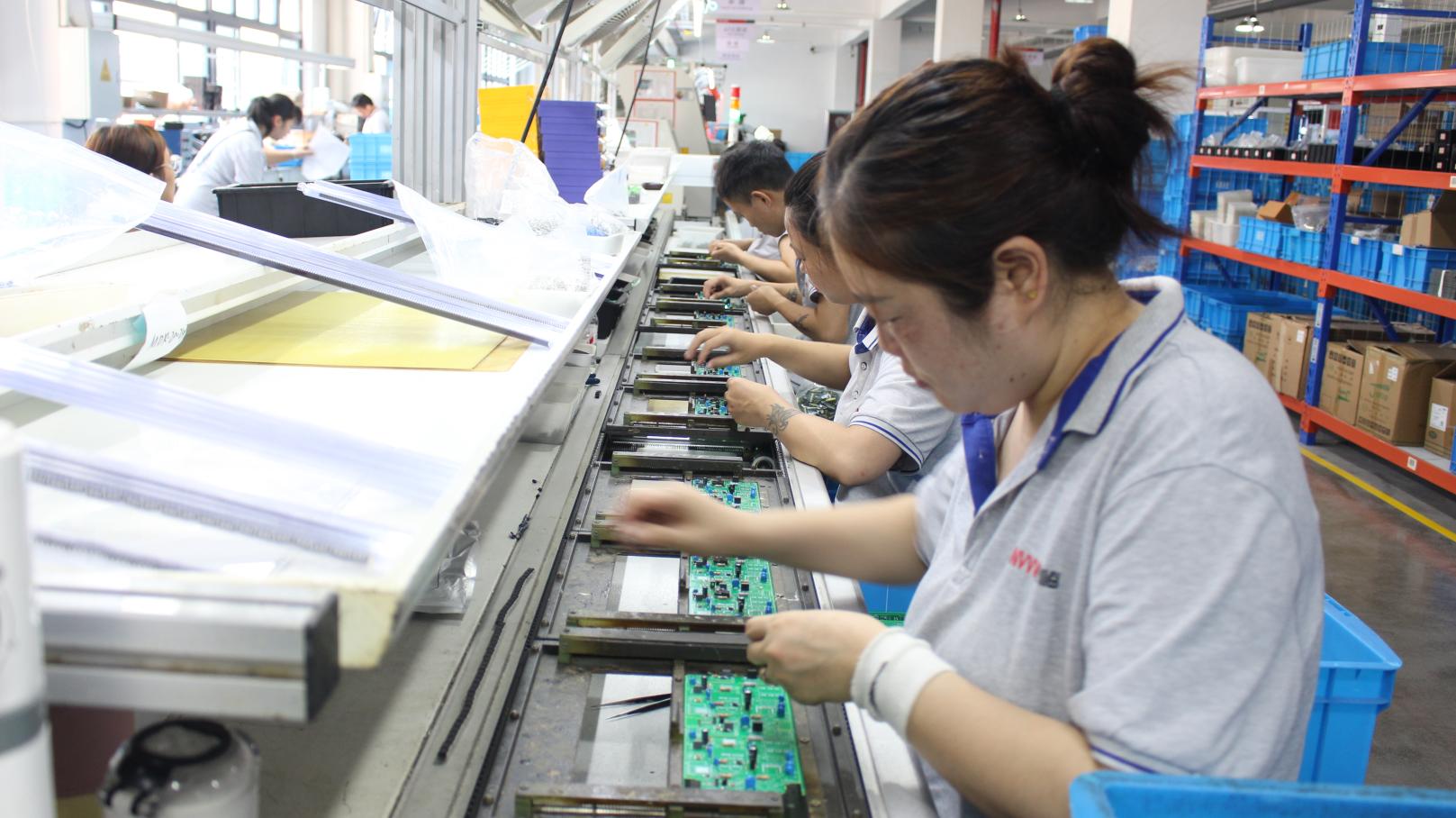
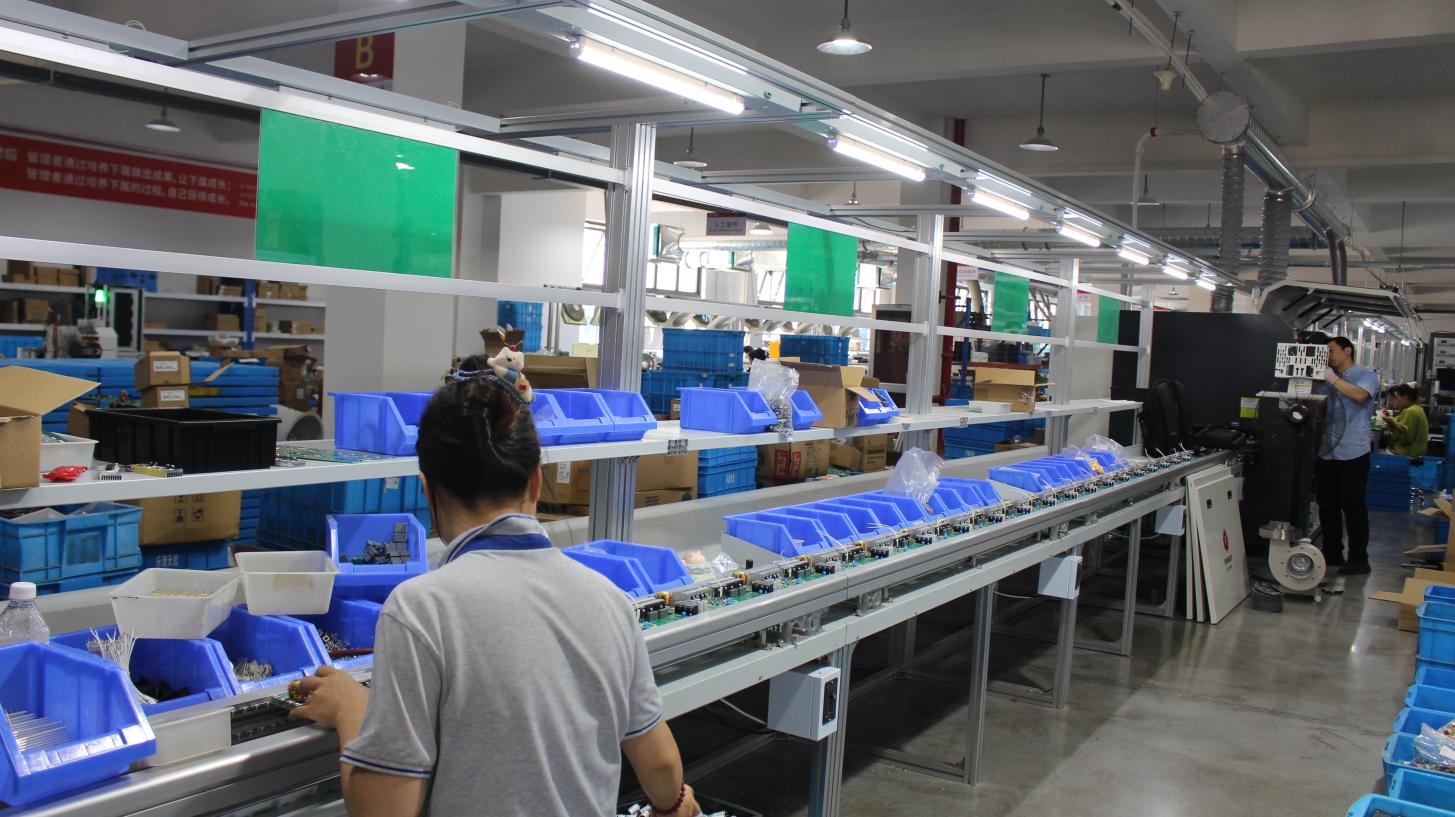
With a comprehensive production line featuring 46 high-accuracy assembly machines, NVVV supports global buyers through OEM/ODM partnerships, ensuring certified safety configurations (CE, FCC, CCC, UKCA, BIS) for markets spanning North America, Eastern Europe, and the Middle East.

Advantages of China's Remote Power Unit Factories

Why international buyers prioritize Chinese manufacturing clusters for industrial power system procurement.

Unparalleled Supply Chain Integration

Chinese manufacturers have immediate access to high-grade silicon components, heavy-duty transformers, copper coils, and aluminum enclosures within a 50km radius. This localized supply chain reduces raw material cycle times by over 60% compared to Western competitors.

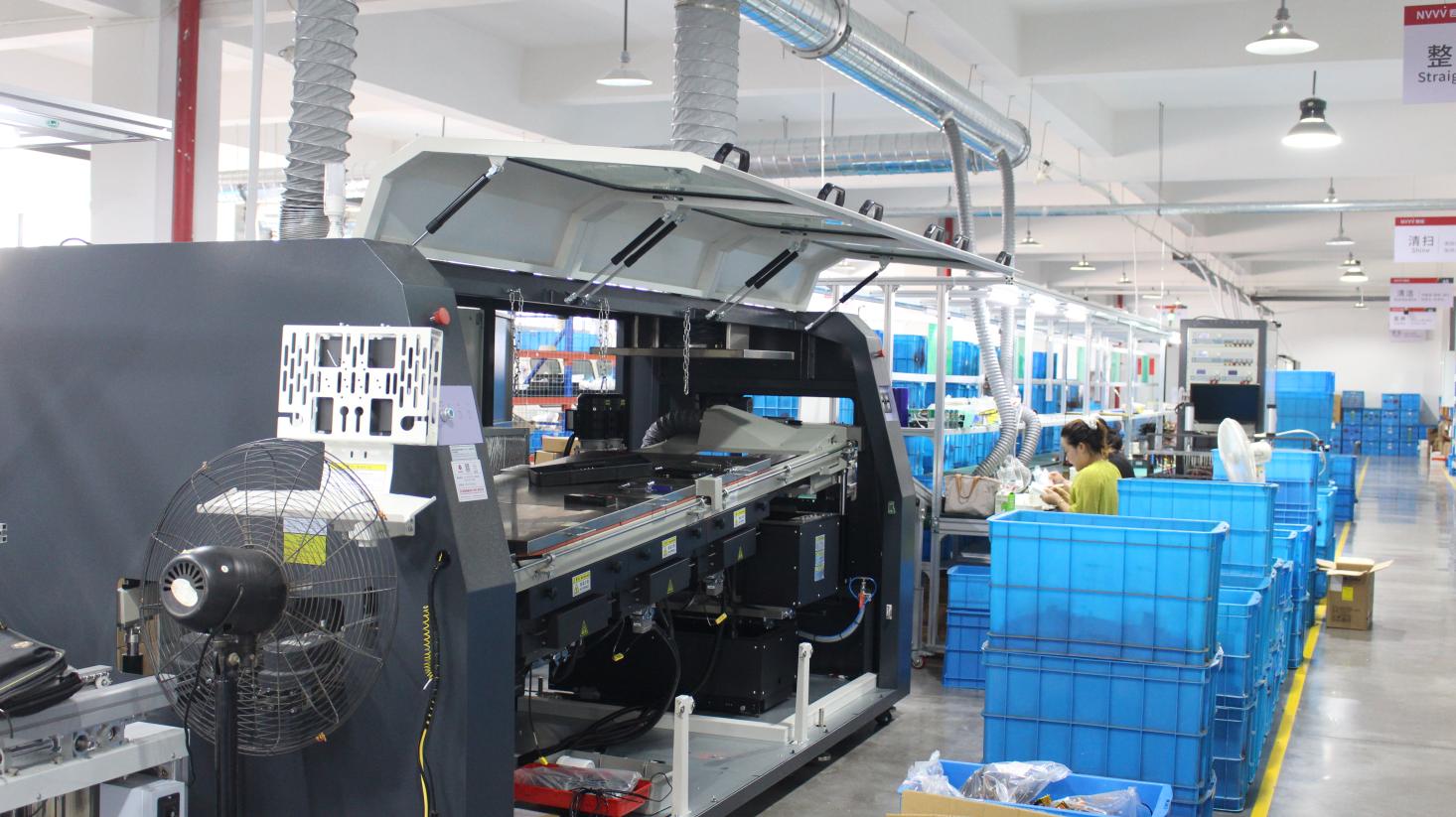
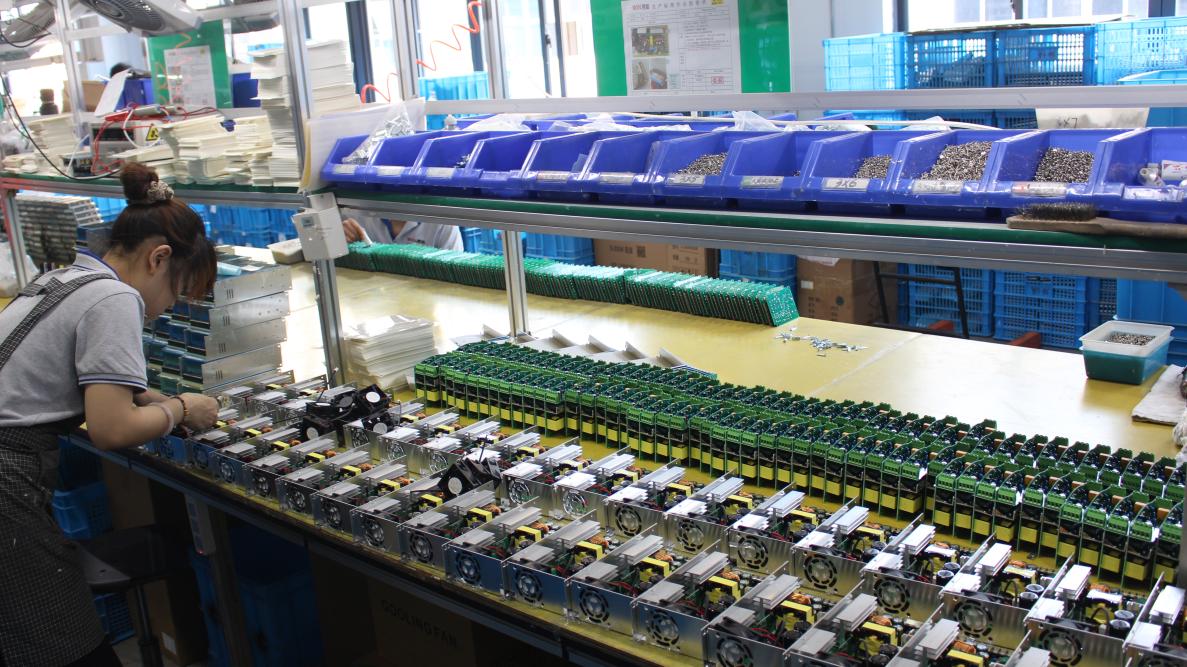
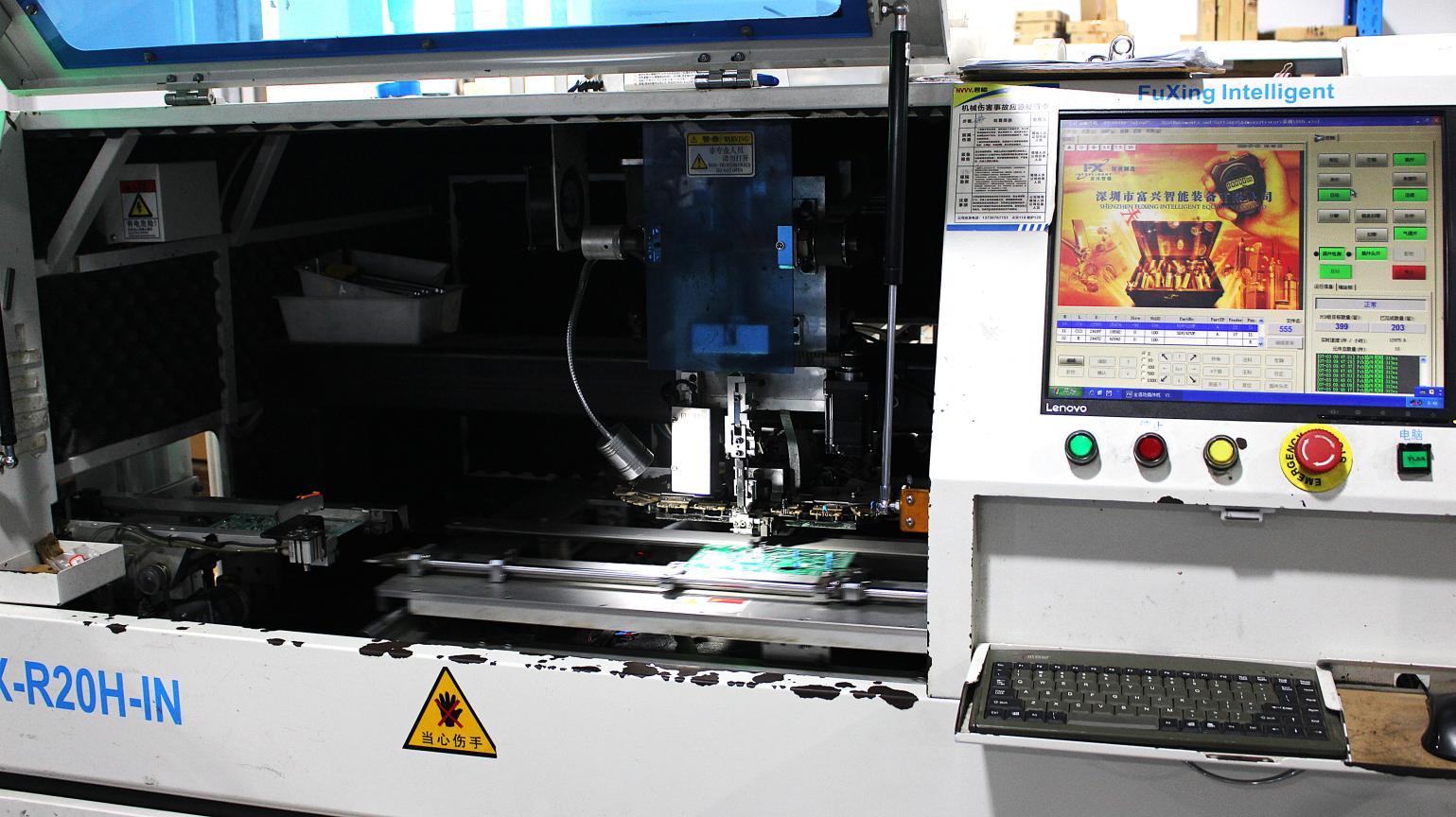
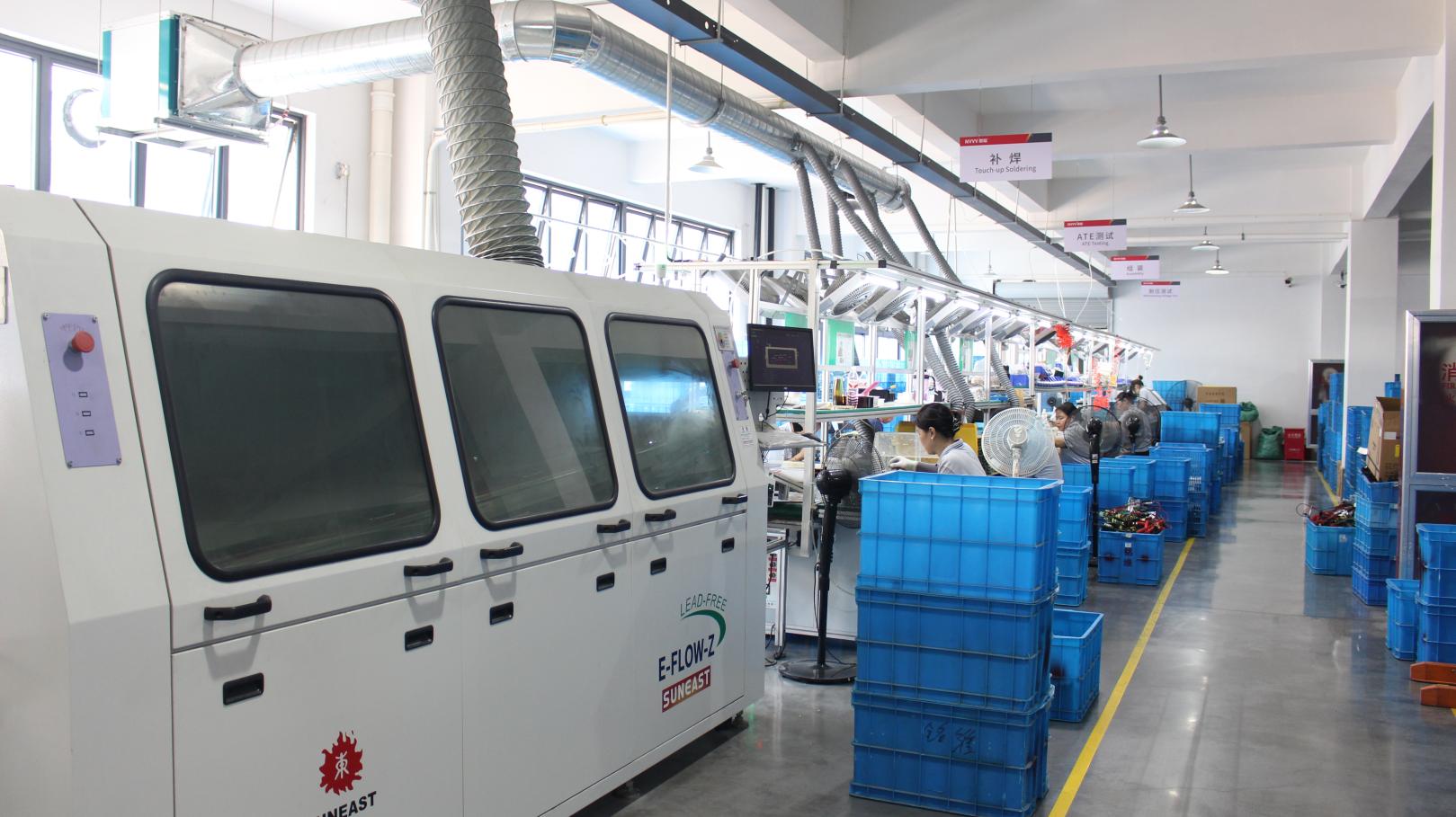
Advanced Automated Wave Soldering

High-precision SMT and automatic wave soldering machines ensure consistent circuit board solder joint quality, eliminating human error. This precise calibration drastically reduces the risk of field failures under high vibration and high temperature.

Stringent Multi-Stage Quality Assurance

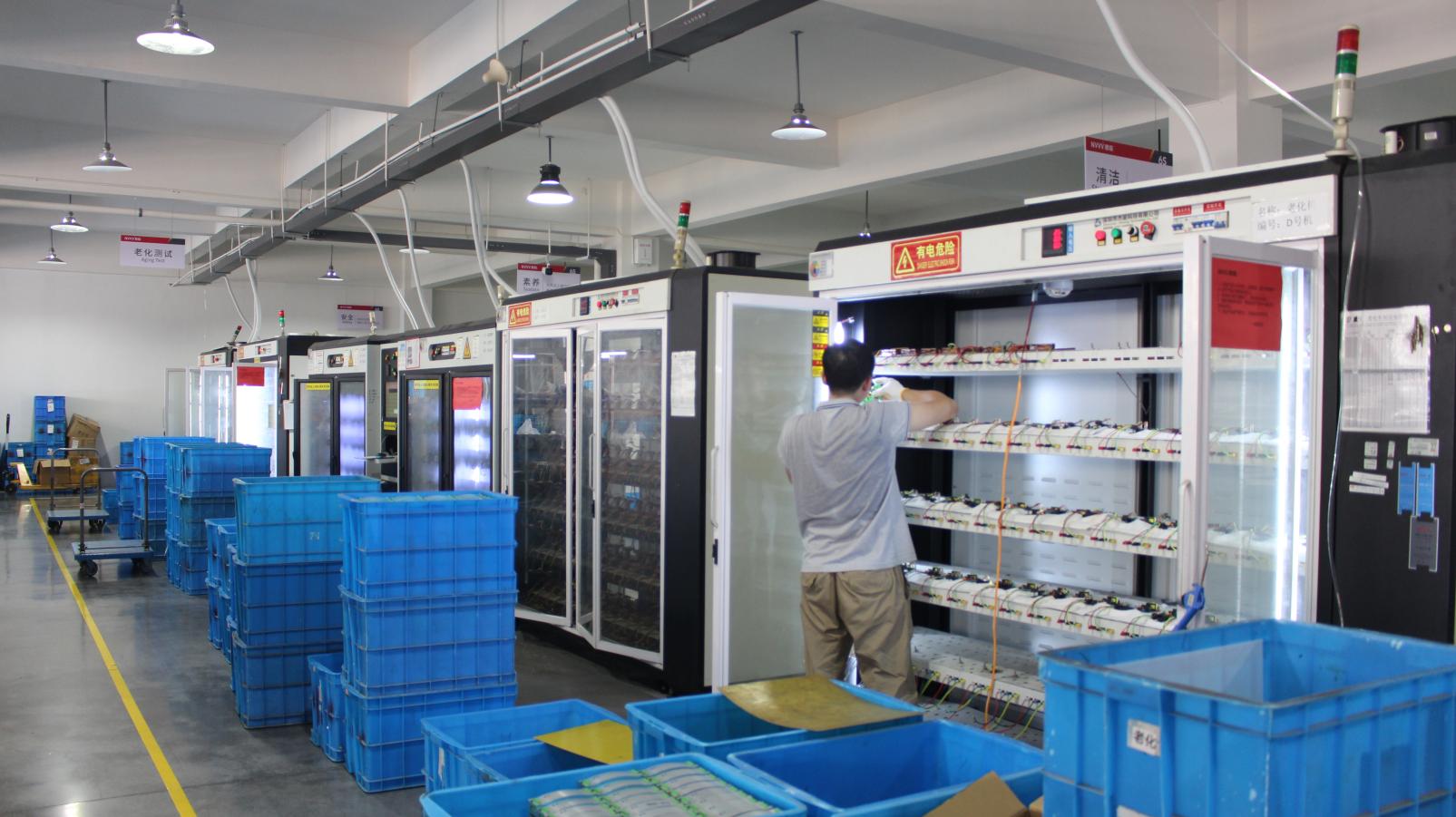
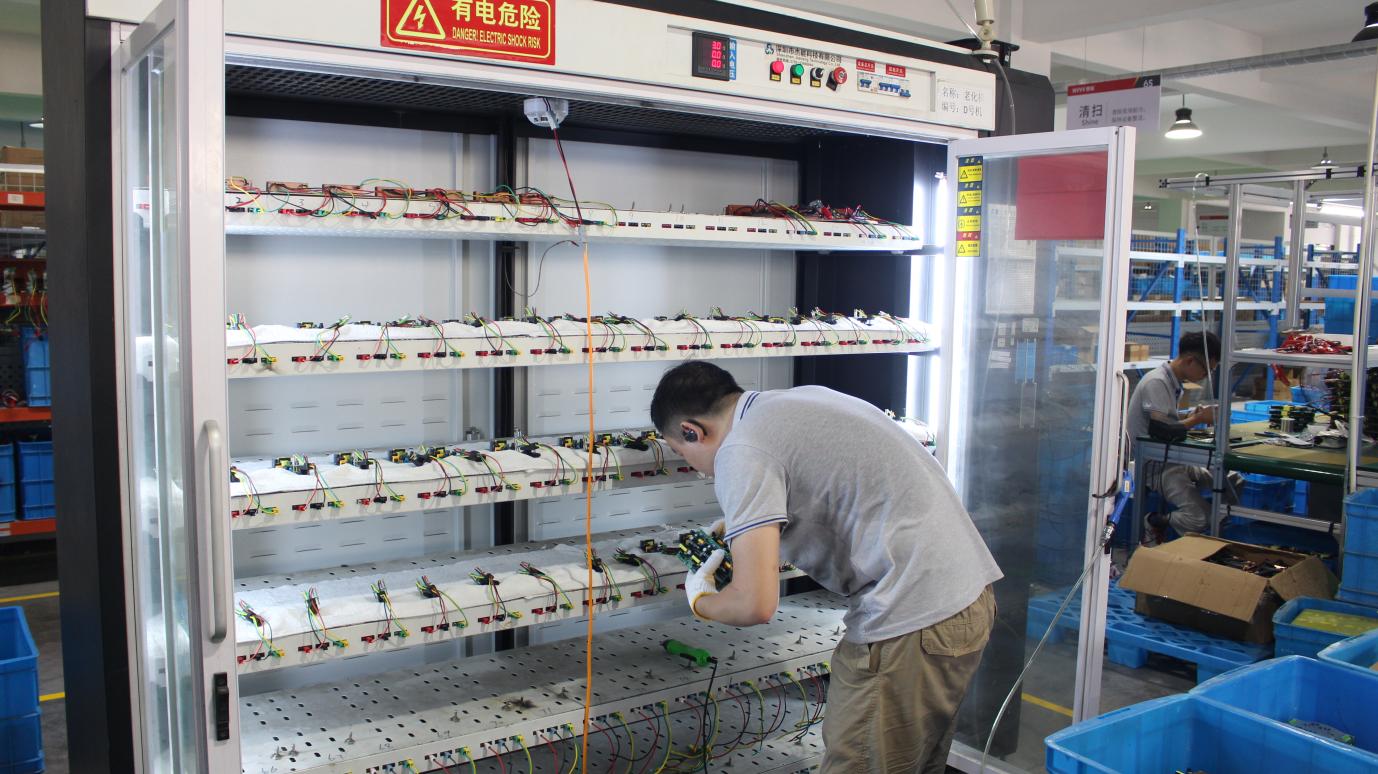
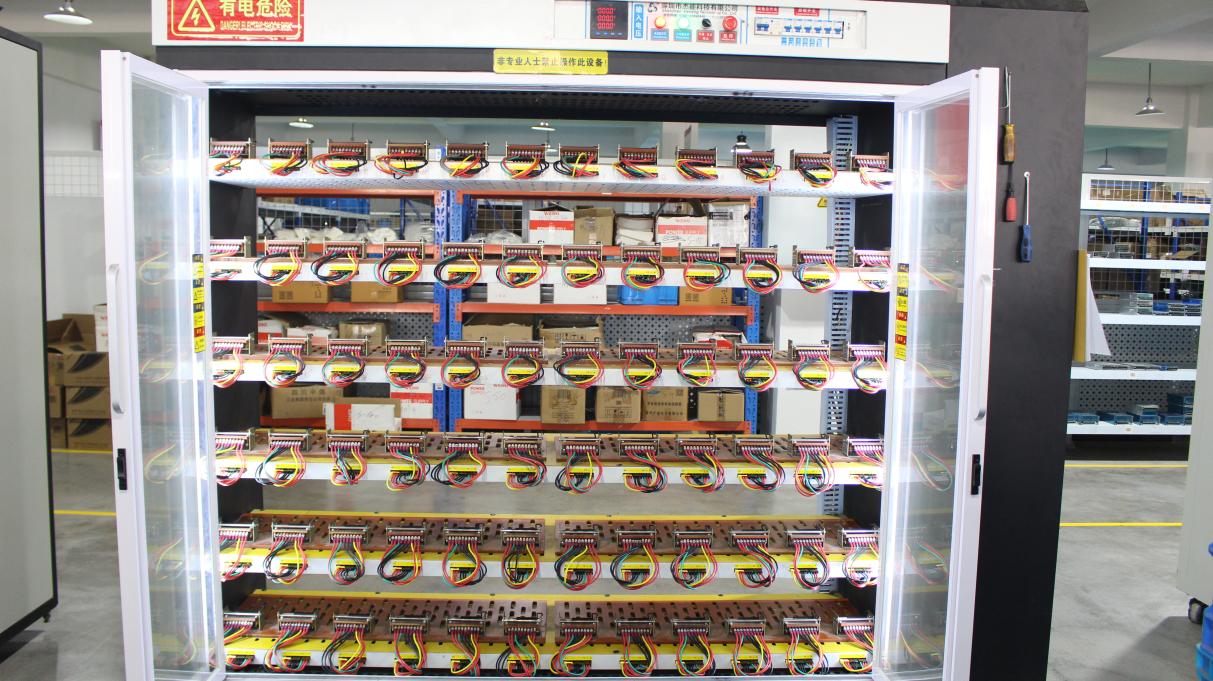
From ICT in-circuit tests to 100% full-load burn-in (aging tests) under high-temperature conditions, Chinese exporters subject units to harsh stresses before packing. This guarantees that units operating in remote conditions function flawlessly from day one.

Inside the NVVV State-of-the-Art Factory

Take a transparent look at our physical plant infrastructure, advanced testing setups, and manufacturing process lines.
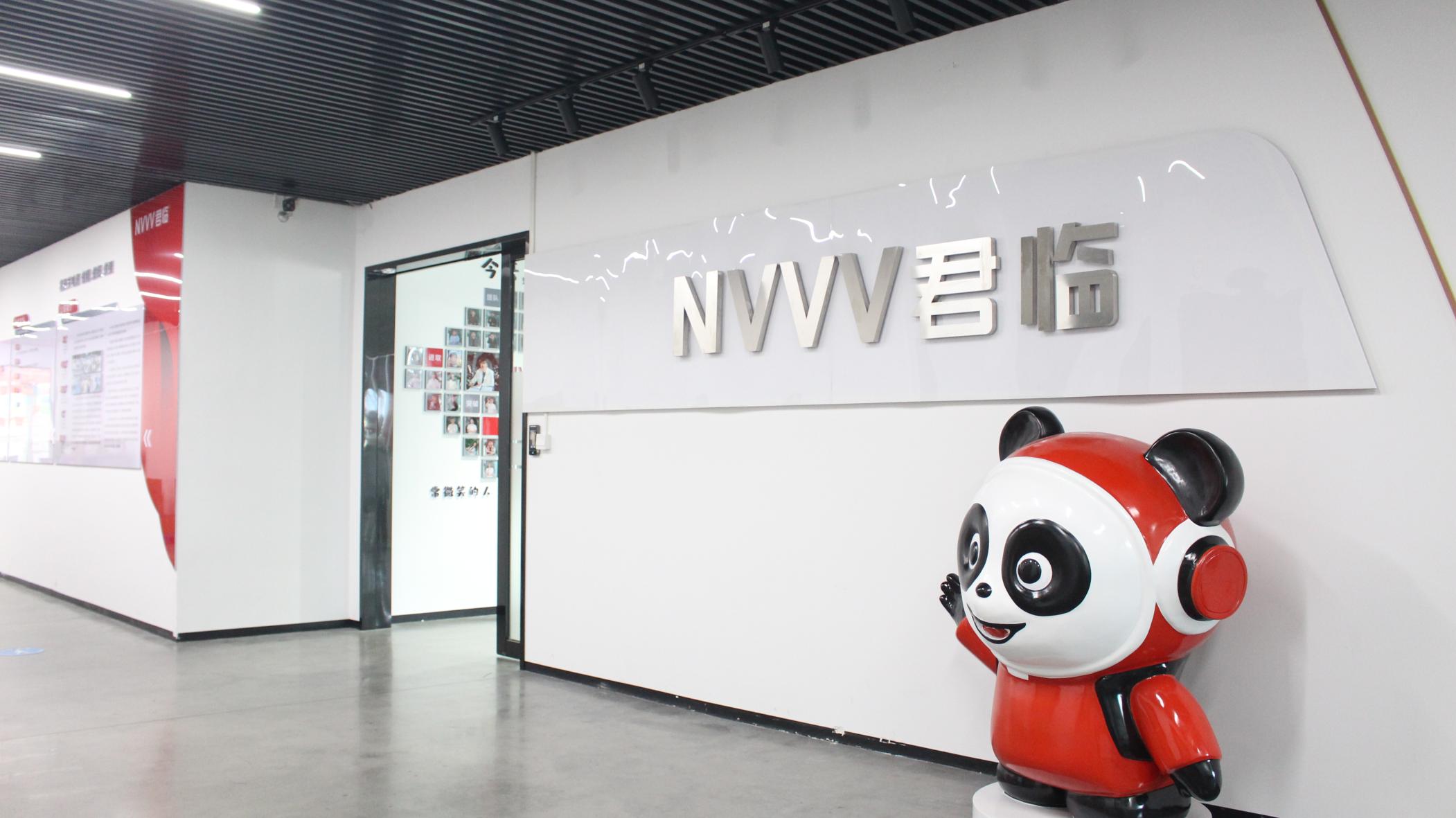
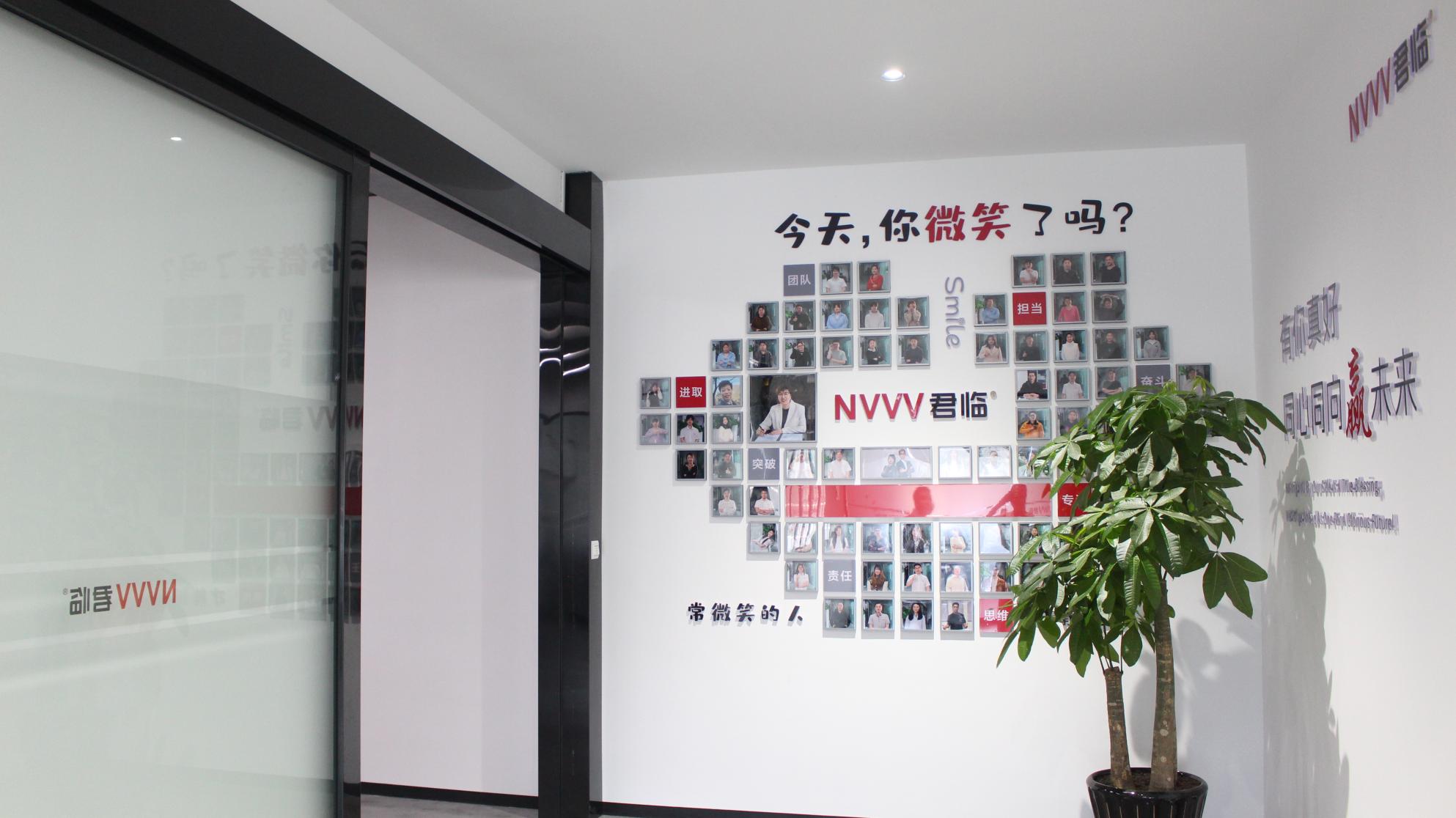
NVVV Factory Facilities
Production Workshop
Advanced Equipment
Testing Department
Manufacturing Control
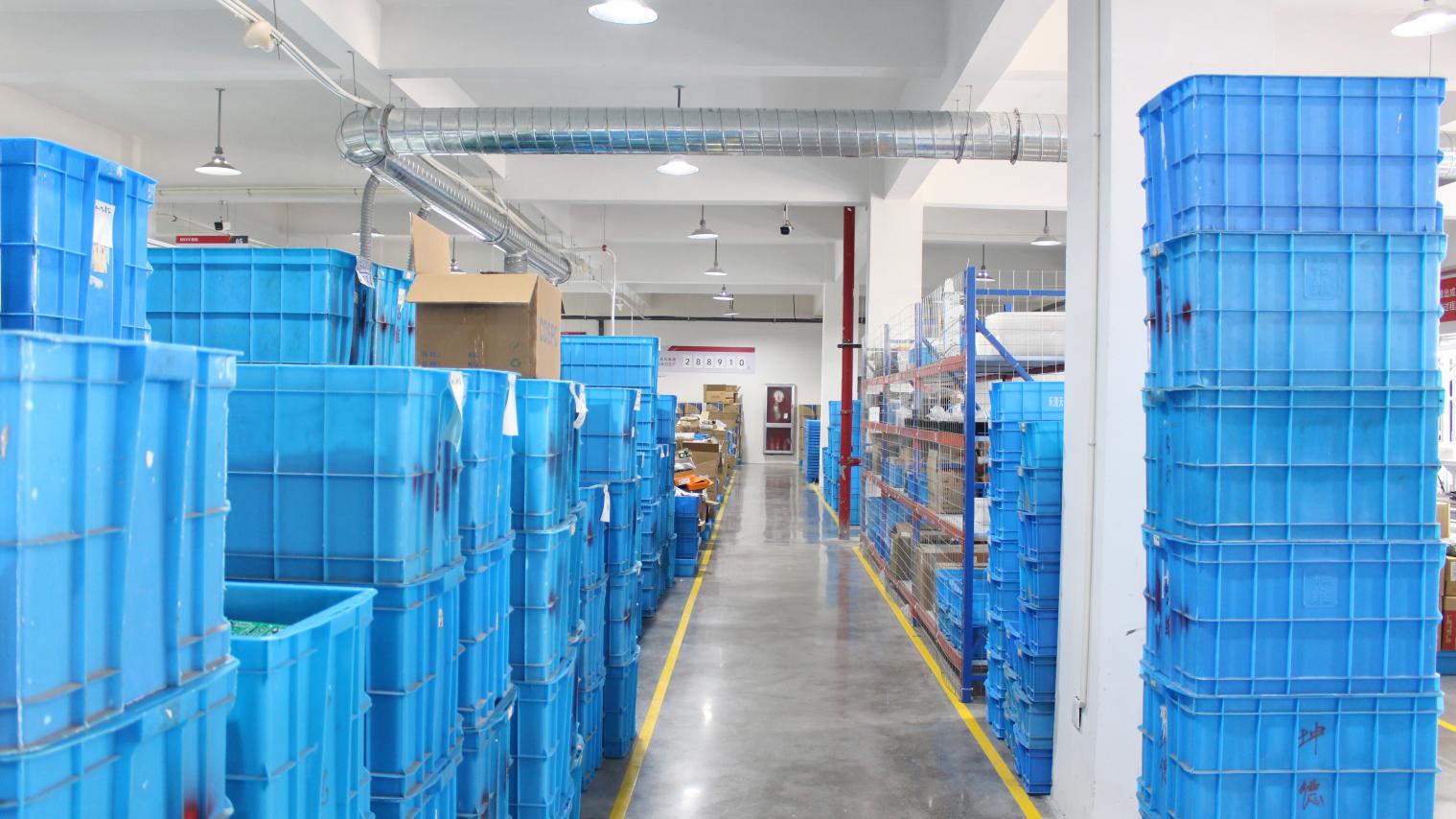
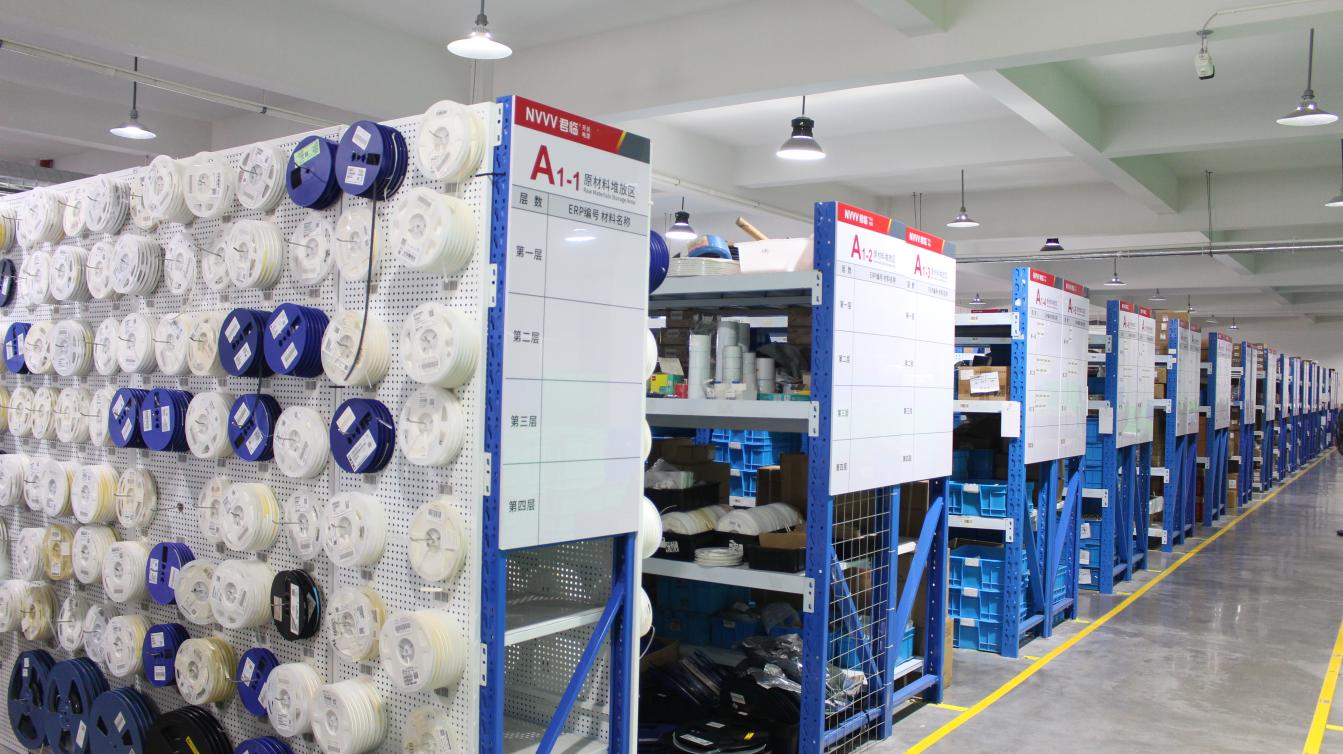
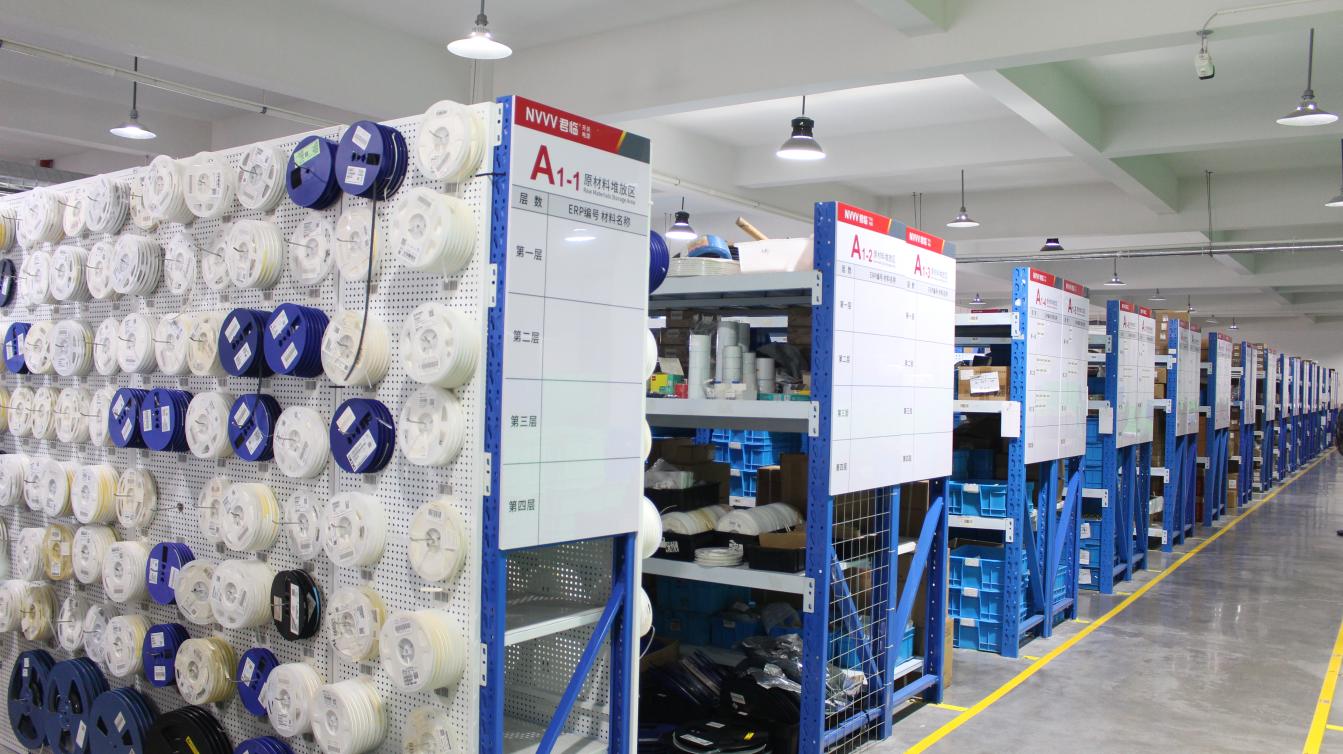
Raw Materials Warehouse
OEM Assembly Area
Quality Inspection Desk
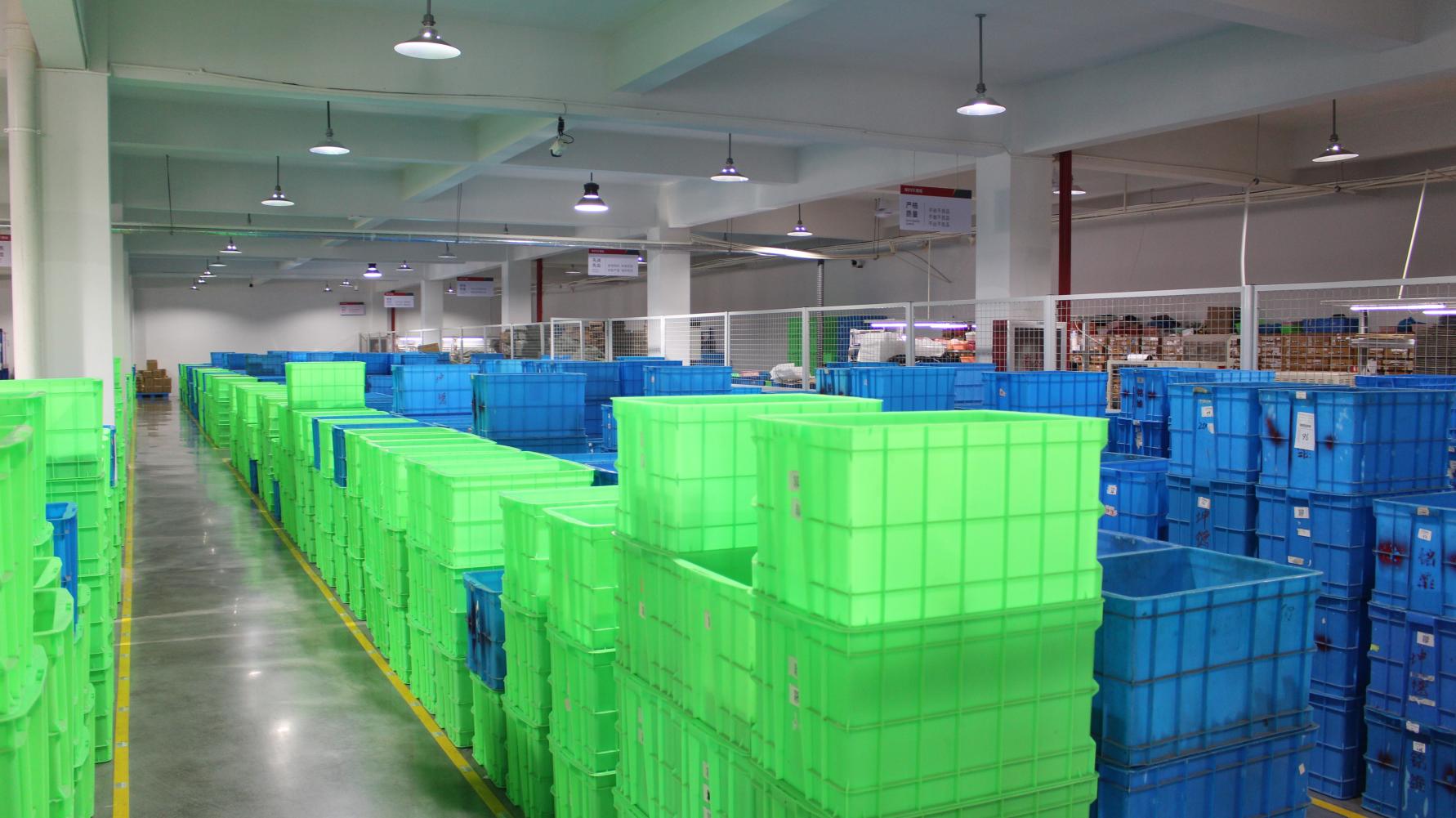
Packaged Inventory ready for Export
Heavy Duty Product Line
Transformer Core Assembly
Research & Development Labs

Step-by-Step Quality-Controlled Production Flow

From raw elements to tested systems, discover how we build reliability into every trace.
Raw material inspection
Raw material Incoming Quality Control
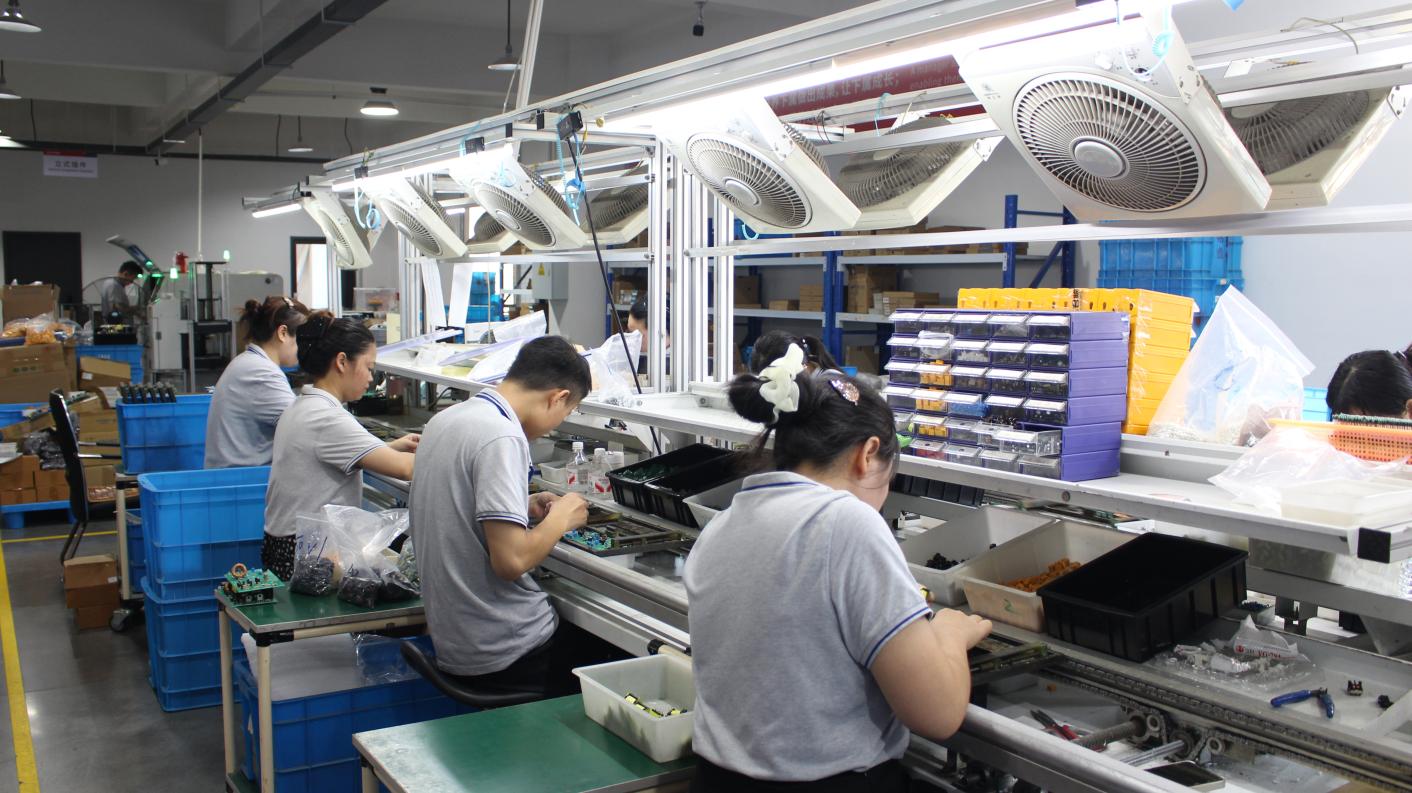
Component plug-in
Component plug-in Station
Component plug-in
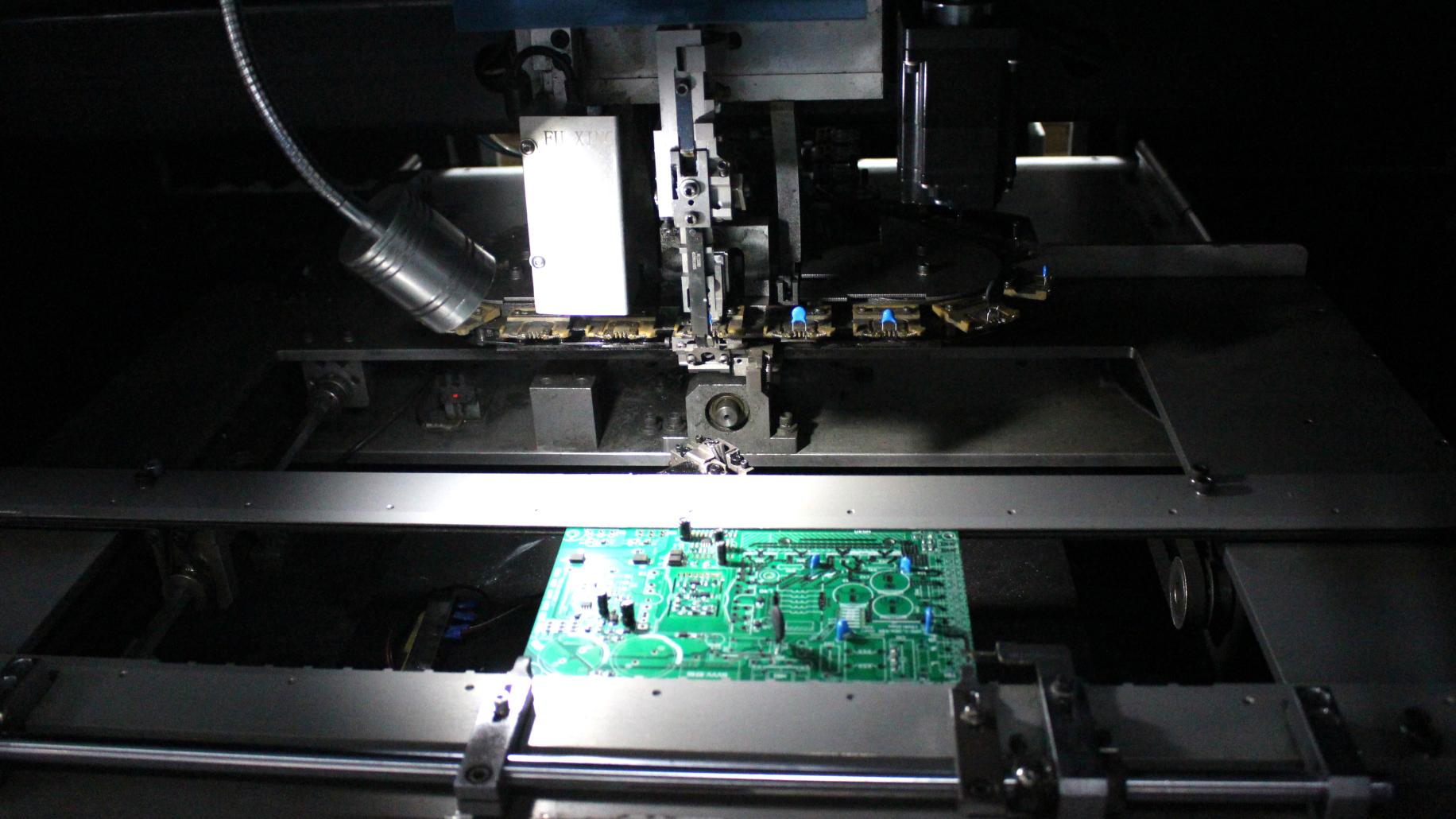
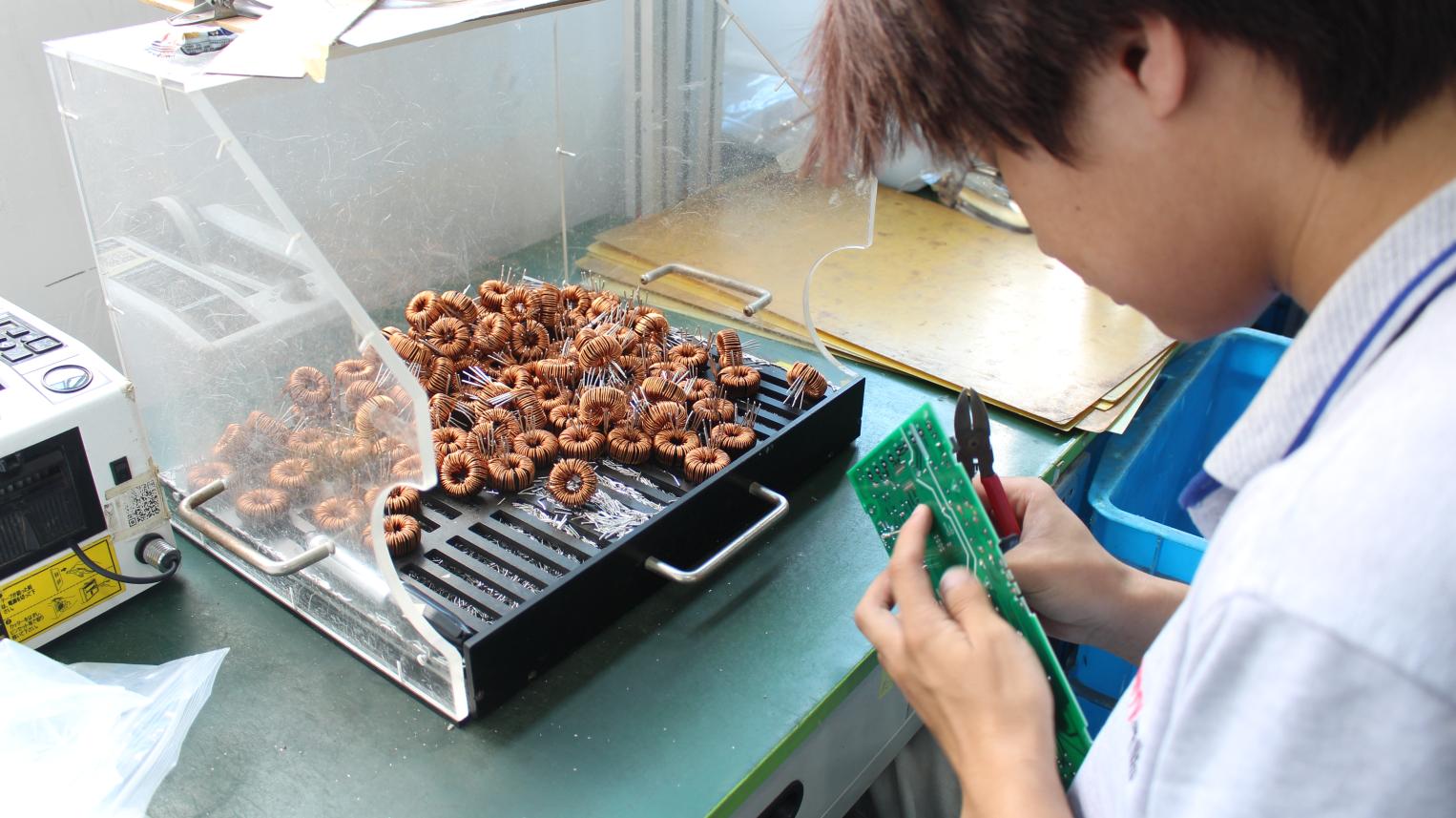
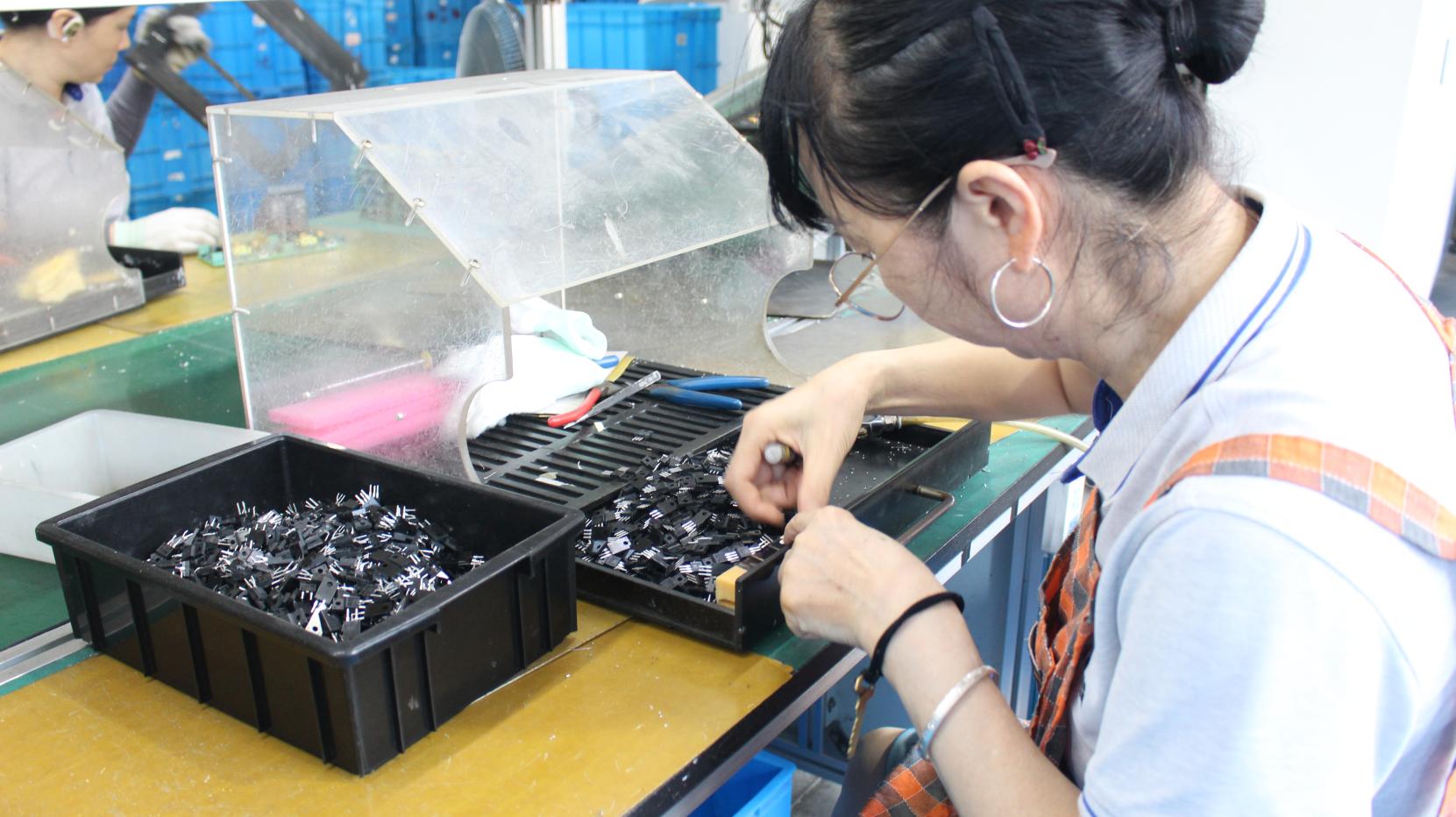
Precision Component insertion
Component plug-in
High-Speed PCB component loader
Plug-in
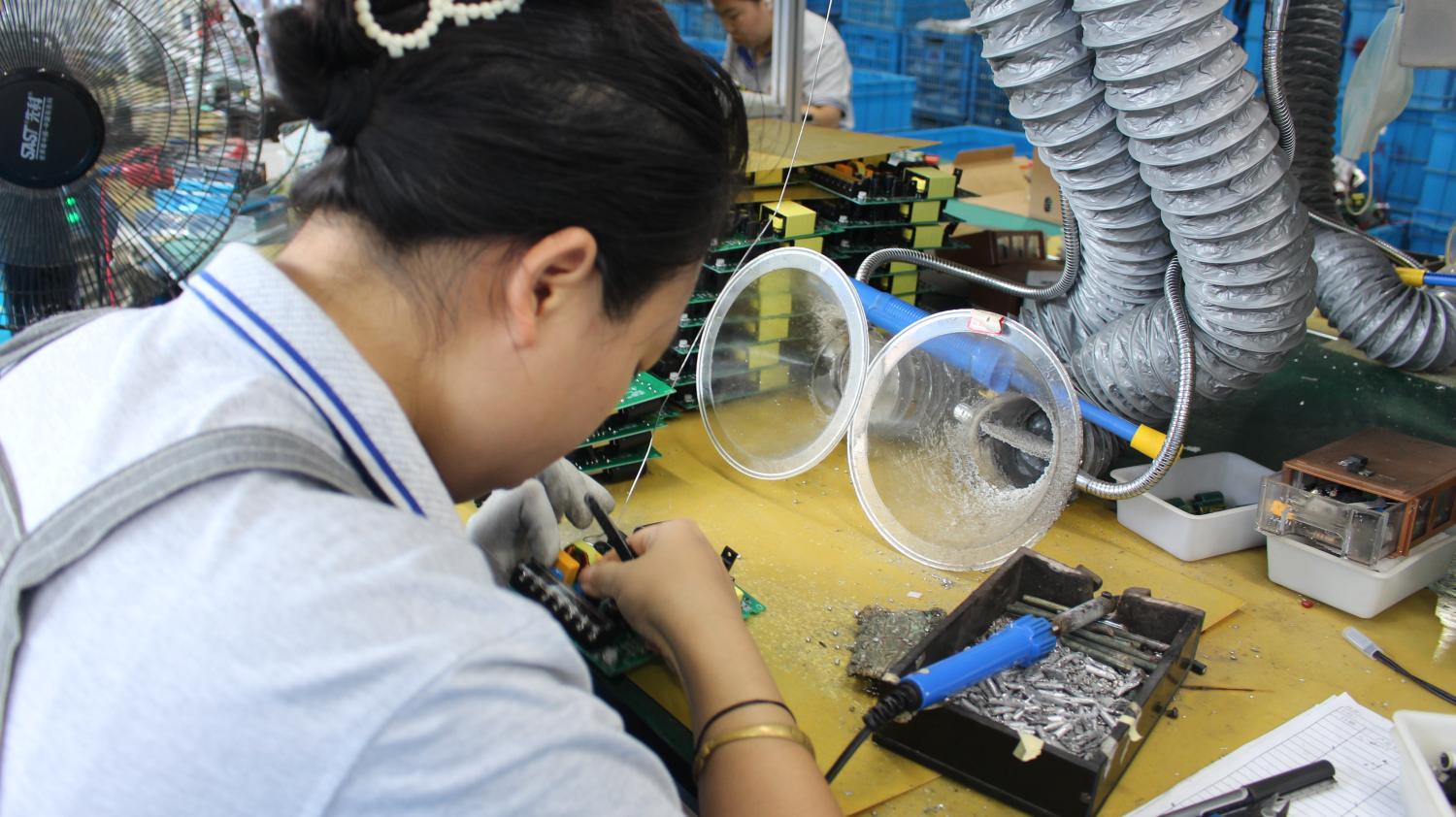
Manual Plug-in detailing
Plug-in
Manual Inspection plug-in line
Wave soldering
Automated Wave soldering bath
Wave soldering
Thermal profile wave soldering
Assembling
Enclosure & heat sink assembly
Assembling
Structure assembly & wiring
Assembling
Terminal block assembly
Assembling
Integrated chassis alignment
Assembling
Final enclosure fastening
Assembling
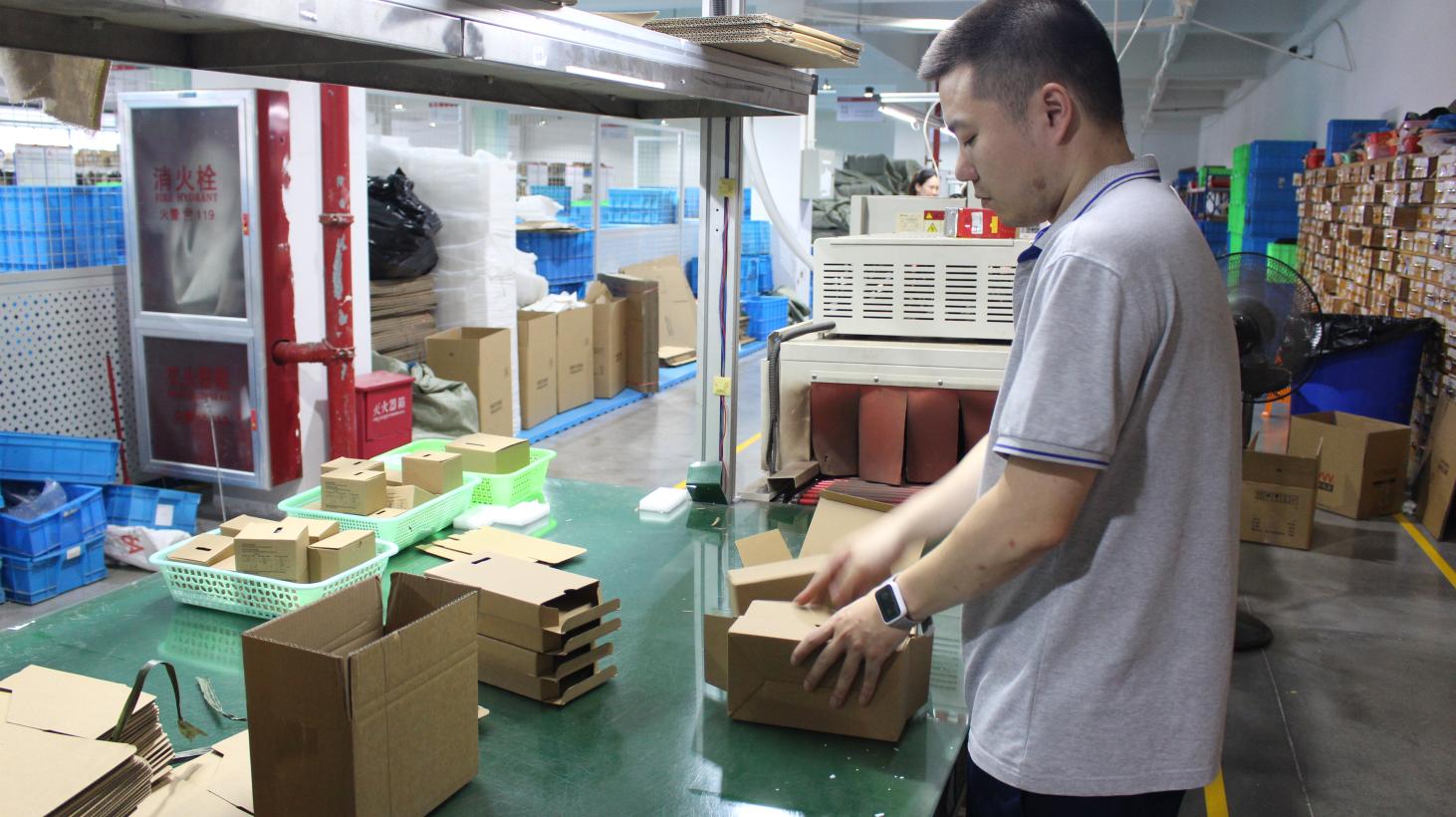
Automated casing packaging
Testing
Rigorous Functional Electrical Testing
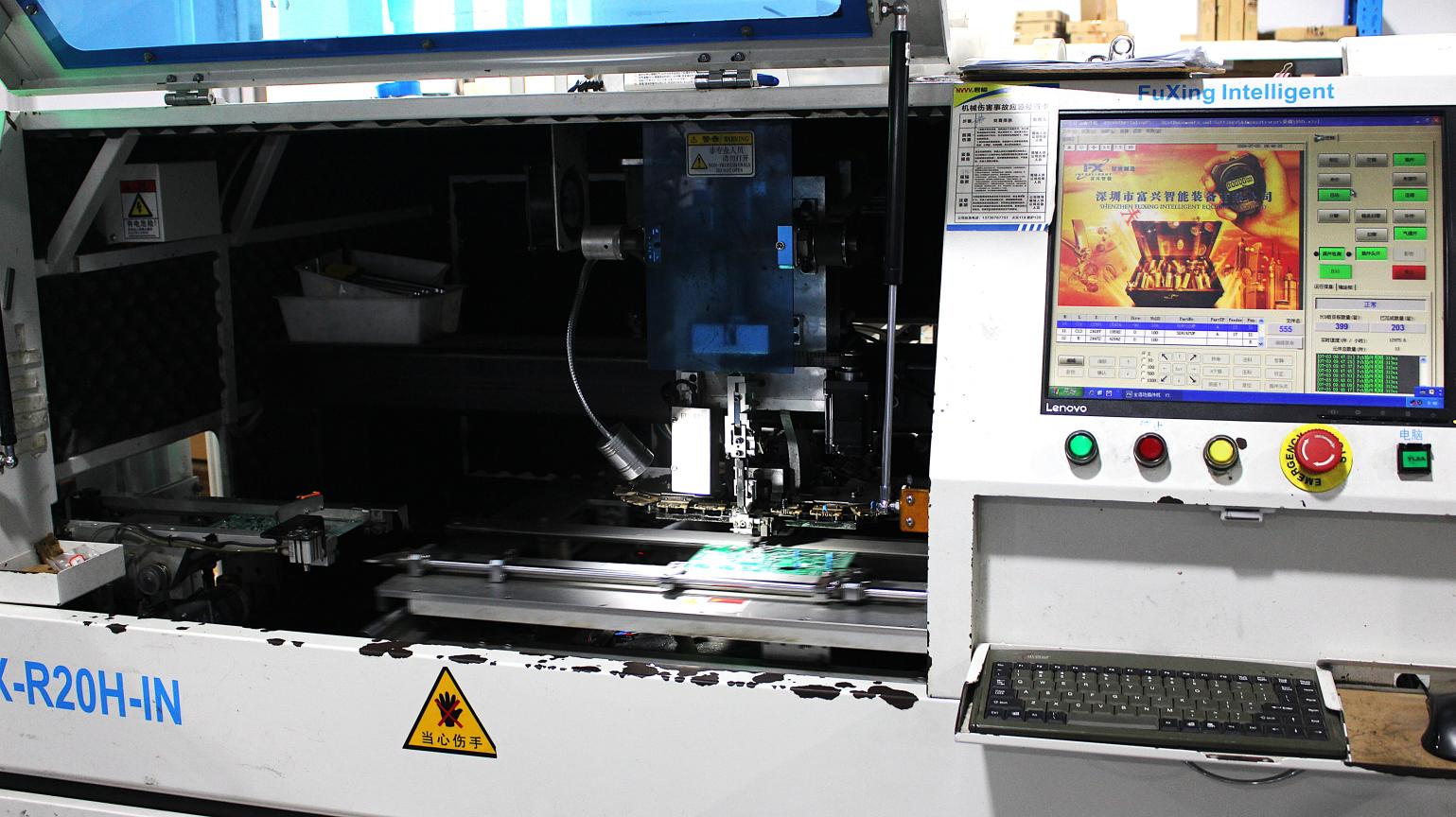
Component plug-in machine
Automatic component insertion unit
Wave soldering machine
Wave soldering thermal profiling unit
Automatic packing machine
Self-healing wrapping & packing line
Assembly line
Synchronized continuous assembly line
Testing
Load-limit stability testing
Aging test bench
High-Load Aging Test Chamber
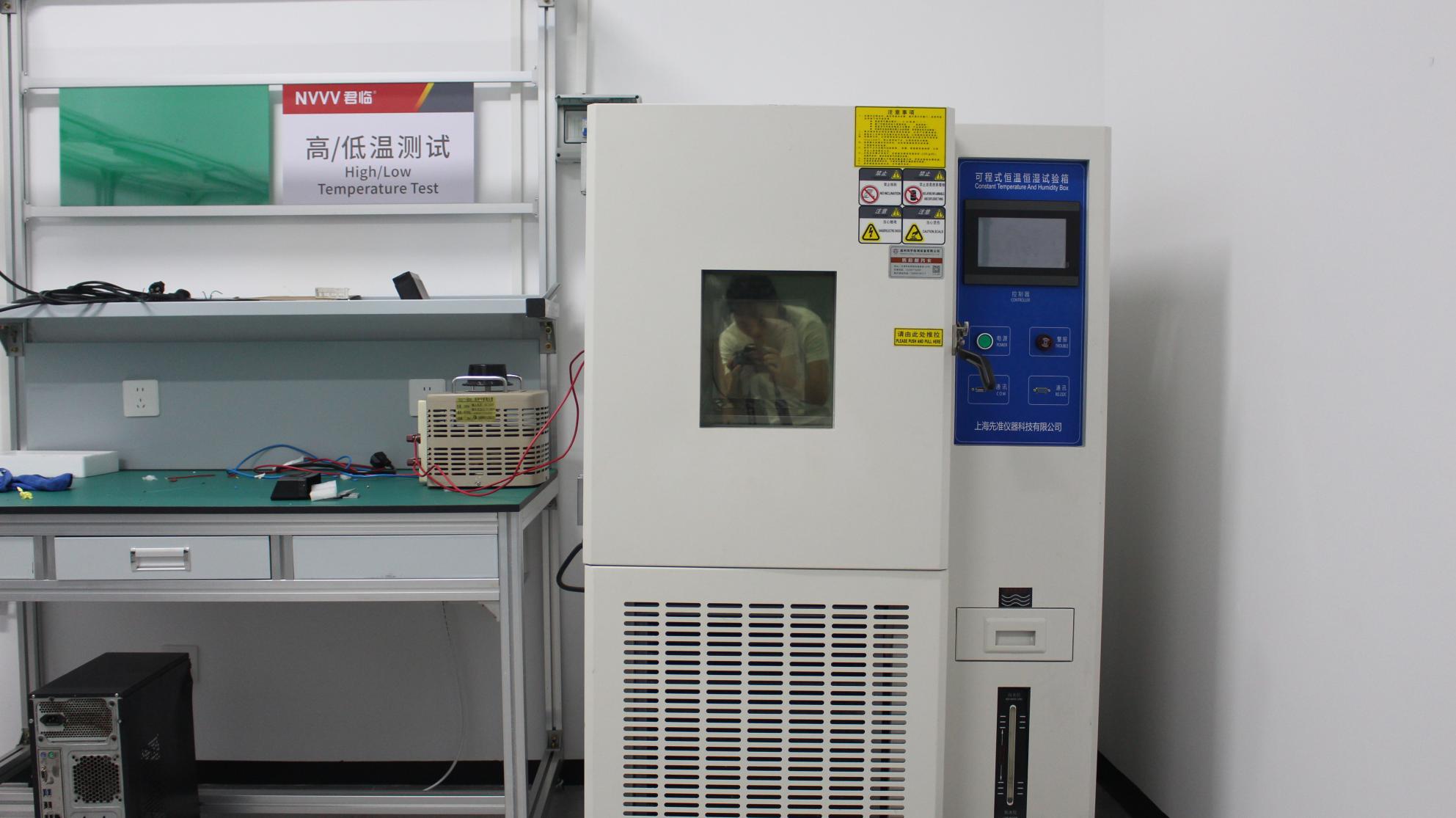
High and low temperature test machine
High/Low Temperature Stress Chambers
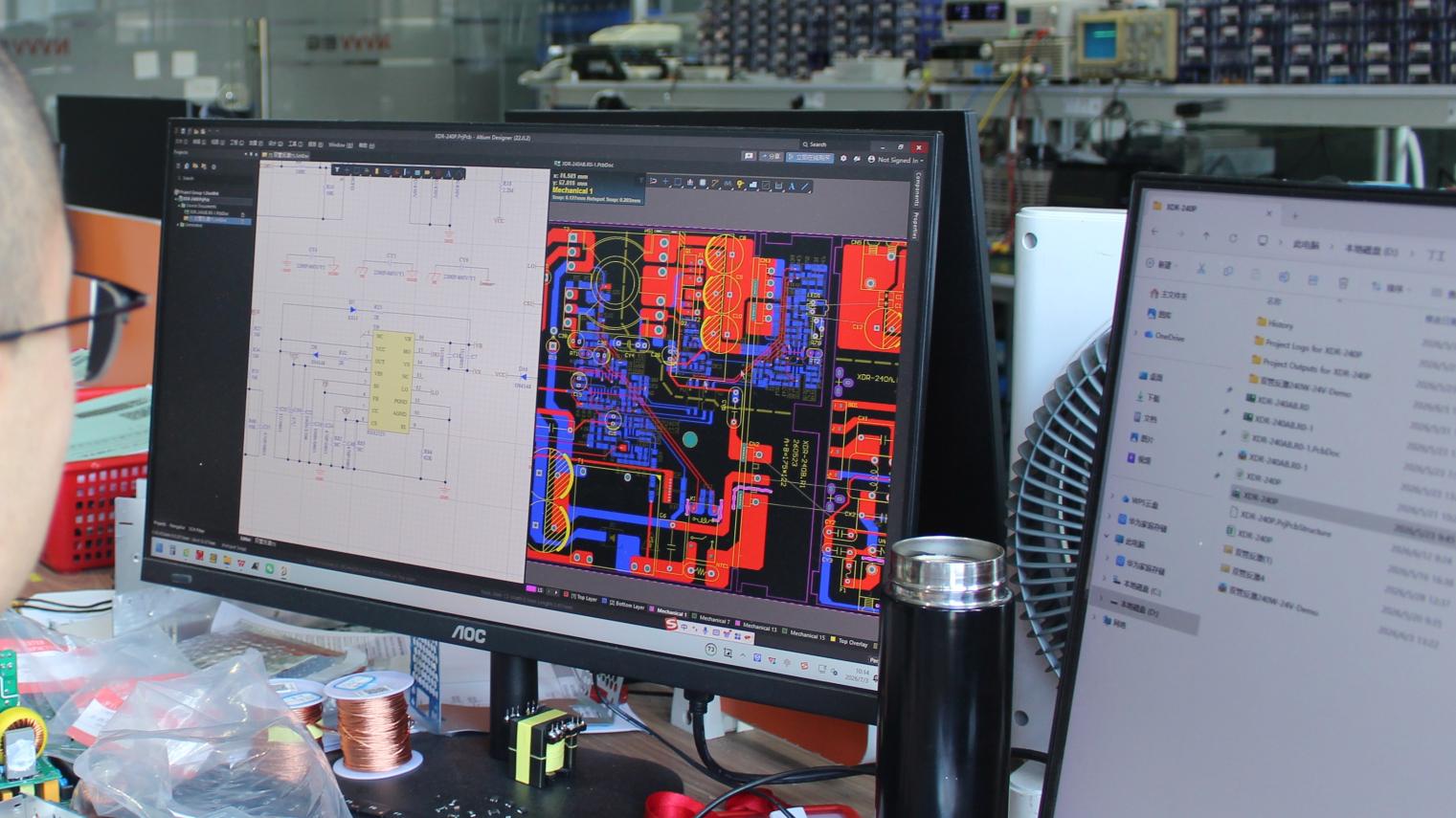
Design
CAD Circuit Design & Prototyping
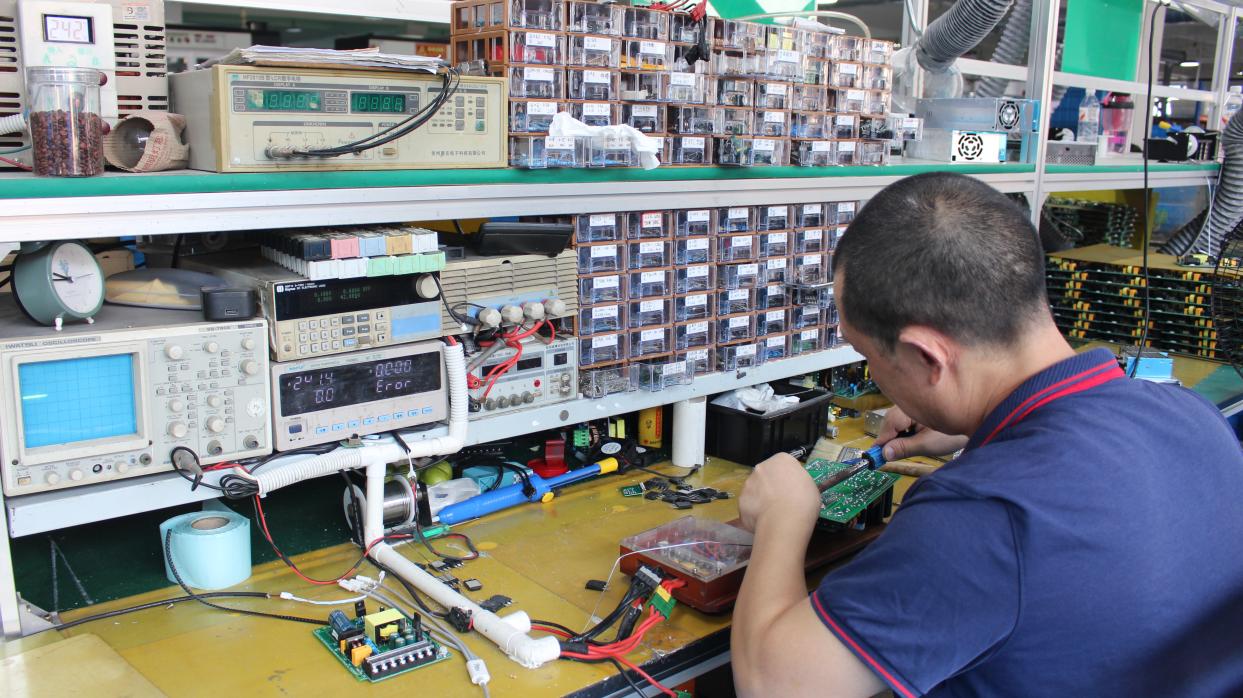
Electronic engineering test equipment
Electronic Oscilloscope Testing
Electronic engineering test equipment
Precision Signal calibration setups

Development Trends in Remote Power Systems

The trajectory of global power transmission and electrical architecture is undergoing massive changes.

Smart Power Integration (IoT & AI)

Modern industrial environments require power setups that report performance data in real-time. Smart integration utilizes onboard algorithms to predict filter degradation and monitor thermal anomalies before a system failure occurs.

Gallium Nitride (GaN) Semiconductors

Using GaN components enables power supplies to work at much higher switching frequencies. This drastically reduces the size of transformers and copper coils, increasing overall power density while minimizing enclosure profiles.

Ultra-High Efficiency Green Design

With global regulatory mandates focusing on reducing standby energy usage, new designs target a minimum conversion efficiency of 94% (equivalent to 80 Plus Platinum standard), dropping carbon footprints and thermal load levels.

Macro-Level Industrial Power Solutions

From smart factory automation grids to off-grid solar farms, explore how remote power units keep critical systems active.

1. Factory Automation (DIN Rail Systems)

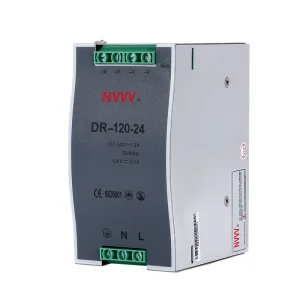
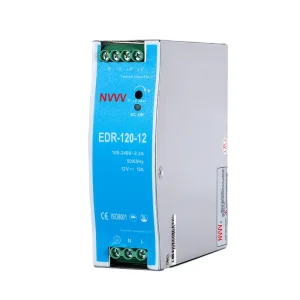
Industrial controller components (PLCs, HMIs, and actuator relays) require clean, isolated DC voltage. DIN Rail power units (like our DR and EDR models) install directly inside control cabinets, withstanding line transients and harmonic feedback from heavy-duty motors.

2. Telecom & Remote Infrastructure

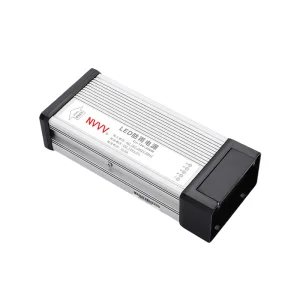
Field telecom towers and roadside monitoring cameras run 24/7 in harsh weather. Outdoor installations utilize IP67/IP68 rated rainproof and waterproof switching power supplies to block moisture ingress, dust buildup, and extreme temperature cycling.

3. Clean Energy Microgrids

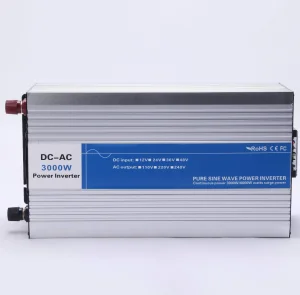
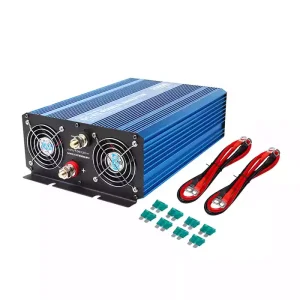
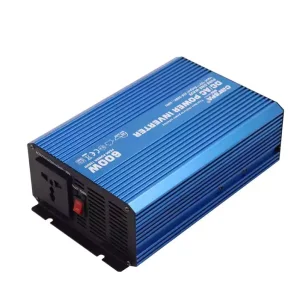
Combining battery arrays, solar panels, and main grids requires flexible converting technologies. Pure sine wave inverters convert DC battery power into high-quality AC utility power, ensuring sensitive scientific instruments and medical setups run smoothly.

Global Corporate Procurement Specifications

Crucial criteria that engineering procurement directors use when evaluating and auditing power supply exporters.

Electromagnetic Compatibility (EMC) Compliance

Remote power components must not introduce electrical noise into the AC grid, nor should they be vulnerable to electrostatic discharge (ESD) or voltage surges. High-quality exporters configure their input filters with premium metal oxide varistors (MOVs) and common mode chokes to pass FCC Class B and CE EMC standards.

Thermal Management & MTBF Calculations

A power supply's lifespan is directly linked to its internal capacitor temperature. High-end builds use capacitors rated for 105°C and optimize airflows within metal casing systems, achieving an MTBF (Mean Time Between Failures) exceeding 100,000 operational hours.

Safety Isolation Barriers

To protect workers and low-voltage control circuits, units must feature high dielectric isolation voltages (often 3kVAC primary-to-secondary). Integrated protection loops must quickly trip during over-load, over-voltage, short-circuit, and over-temperature conditions.

Frequently Asked Questions

Technical insights, procurement protocols, and engineering answers regarding industrial power conversions.

Q1: What are the main differences between DIN Rail and standard enclosed switching power supplies?
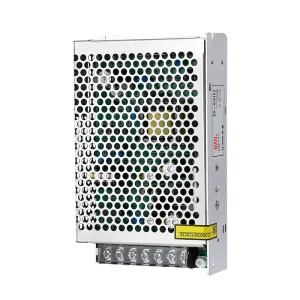
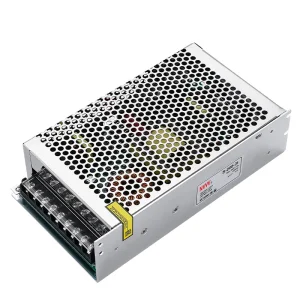
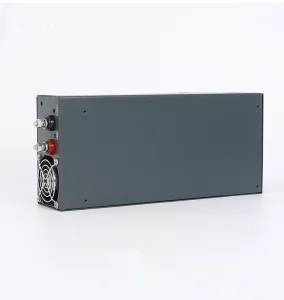
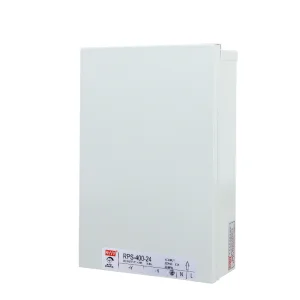
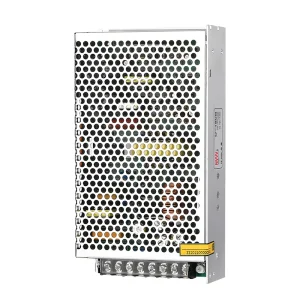
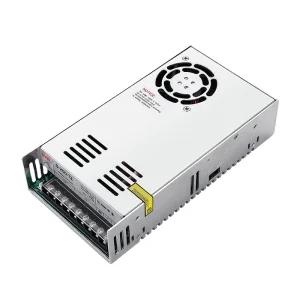
DIN Rail units are specifically designed to snap directly onto standard 35mm metal mounting tracks, which are the standard layout in industrial control cabinets. This simplifies installation, organization, and maintenance. Standard enclosed switching power supplies, on the other hand, are mounted using screws and are typically integrated inside machinery enclosures or system racks.
Q2: Why is a pure sine wave inverter preferred over a modified sine wave model?
A pure sine wave inverter produces clean AC output voltage that is virtually identical to (or better than) the power supplied by the commercial utility grid. This is crucial for inductive loads, high-precision equipment, computers, medical equipment, and motors, which can overheat or fail when running on the stepped waves of modified sine wave units.
Q3: How do NVVV waterproof power supplies handle environmental sealing?
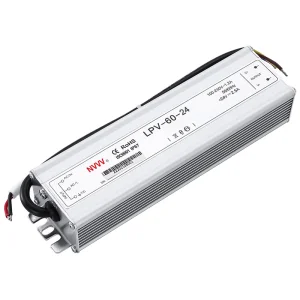
Our waterproof models (such as the LPV series) feature aluminum or sealed plastic enclosures filled with thermal silicone compound (potting). This completely seals off the internal PCB and active components from dust, rain, and moisture, while still effectively dissipating heat through the outer shell.
Q4: Does NVVV support custom OEM and ODM requirements?
Yes. Supported by our team of 7 experienced R&D engineers, we provide complete custom designs. This includes adjusting input/output voltages, modifying chassis layouts, adding custom connectors, optimizing thermal designs, and printing logos or labels to match your brand specifications.
Q5: Which international safety certifications do your products carry?
Our products hold a wide range of international certifications, including CE, FCC, CCC, UKCA, and BIS. These certifications demonstrate compliance with global safety, electromagnetic interference, and environmental guidelines, ensuring smooth clearance through international customs.
Q6: What is the typical lead time and manufacturing capacity at the Wenzhou facility?
Spanning 2,644 square meters with 5 automated production lines, our facility maintains a 98.6% on-time delivery rate. Standard order lead times range from 7 to 20 days depending on order size. We also carry a rolling stock of raw materials to expedite emergency production demands.
Q7: How do you verify components to ensure high quality?
All active components (IC chips, MOSFETs, and diodes) and passive parts (capacitors and transformers) are sourced from audited tier-1 suppliers. We perform incoming quality checks, verify performance during in-circuit testing, and subject every finished unit to 100% full-load aging tests before packaging.
Q8: Can your industrial power supplies run continuously at full rated capacity?
While our products can handle full-load operations, industrial design standards suggest designing with a 20% safety margin (running at 80% of maximum rated load). This headroom helps protect against voltage surges, reduces thermal stress, and extends the operational lifetime of the power supply.