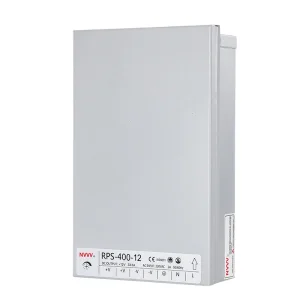
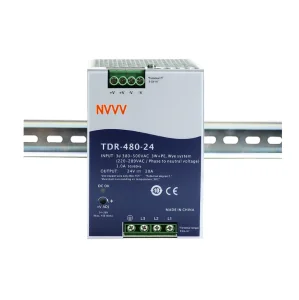
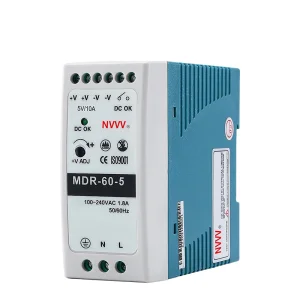
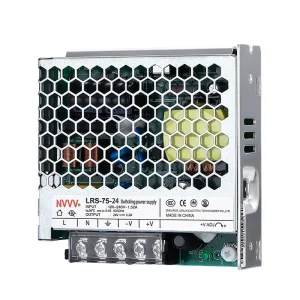
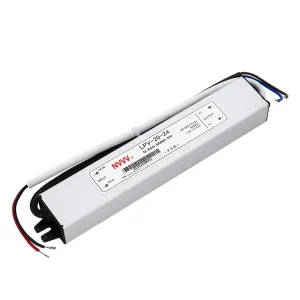
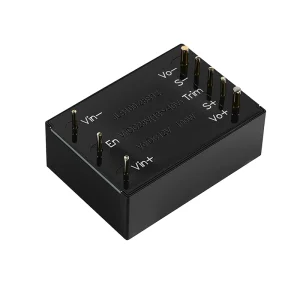
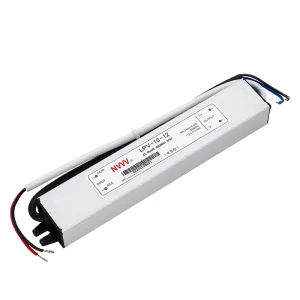
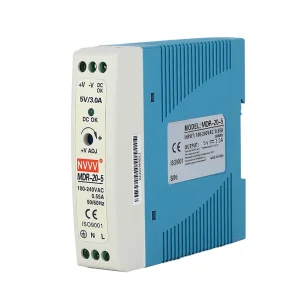
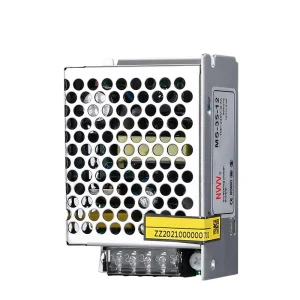
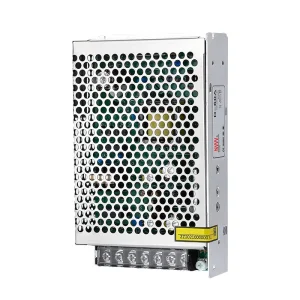
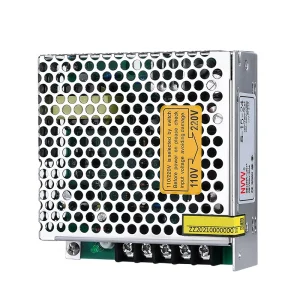
In the era of smart grids, electric vehicle infrastructure, automated manufacturing lines, and distributed energy resources (DERs), the Power Conversion System (PCS) acts as the fundamental bridge managing the bidirectional or unidirectional flow of electrical energy. Modern systems are no longer just basic step-down transformers; they are highly integrated, digitally managed systems designed to optimize energy efficiency, ensure grid compliance, and protect sensitive downstream components.
For global procurement managers, identifying a reliable partner from a China Wholesale Power Conversion System Factory requires looking past simple price-per-watt metrics. Global enterprises need custom solutions that maintain stable performance under extreme thermal conditions, feature robust Electromagnetic Compatibility (EMC) compliance, and offer modular installation configurations such as standard DIN rail and slimline enclosed chassis profiles. Achieving maximum reliability requires a deep understanding of energy conversion topologies, switching configurations, and component selection.
Ensuring compliance with EN 61000-3-2 standards, our active PFC designs optimize electrical infrastructure usage by pulling near-sinusoidal currents and minimizing harmonic backflow.
Utilizing high-performance aluminum extrusions, optimized air-flow channels, and specialized thermal interfaces to maintain safe junction temperatures without requiring active cooling.
Built with robust input-to-output isolation (exceeding 3000VAC for industrial applications and 4000VAC for medical lines) to safeguard operator control loops and diagnostic equipment.
When engineering teams search for industrial switching supplies and high-efficiency converters, they look for specific engineering features to solve common integration pain points:
The Yangtze River Delta region, particularly Wenzhou in Zhejiang Province, serves as a major global hub for low-voltage electrical engineering and power electronics components. Locating a facility in this ecosystem provides several key manufacturing benefits:
1. Integrated Supply Chain Ecosystem: A dense concentration of magnetics manufacturers, semiconductor distributors, high-frequency transformer winders, and sheet metal fabricators is located within a 50km radius. This localized supply chain minimizes shipping lead times and lowers raw material costs.
2. Agility in Prototyping: Access to regional stamping dies, plastic injection molding shops, and PCB fabrication lines allows for rapid iterations. R&D teams can transition from initial design sketches to functional pre-compliance prototypes in as little as 10 to 15 working days.
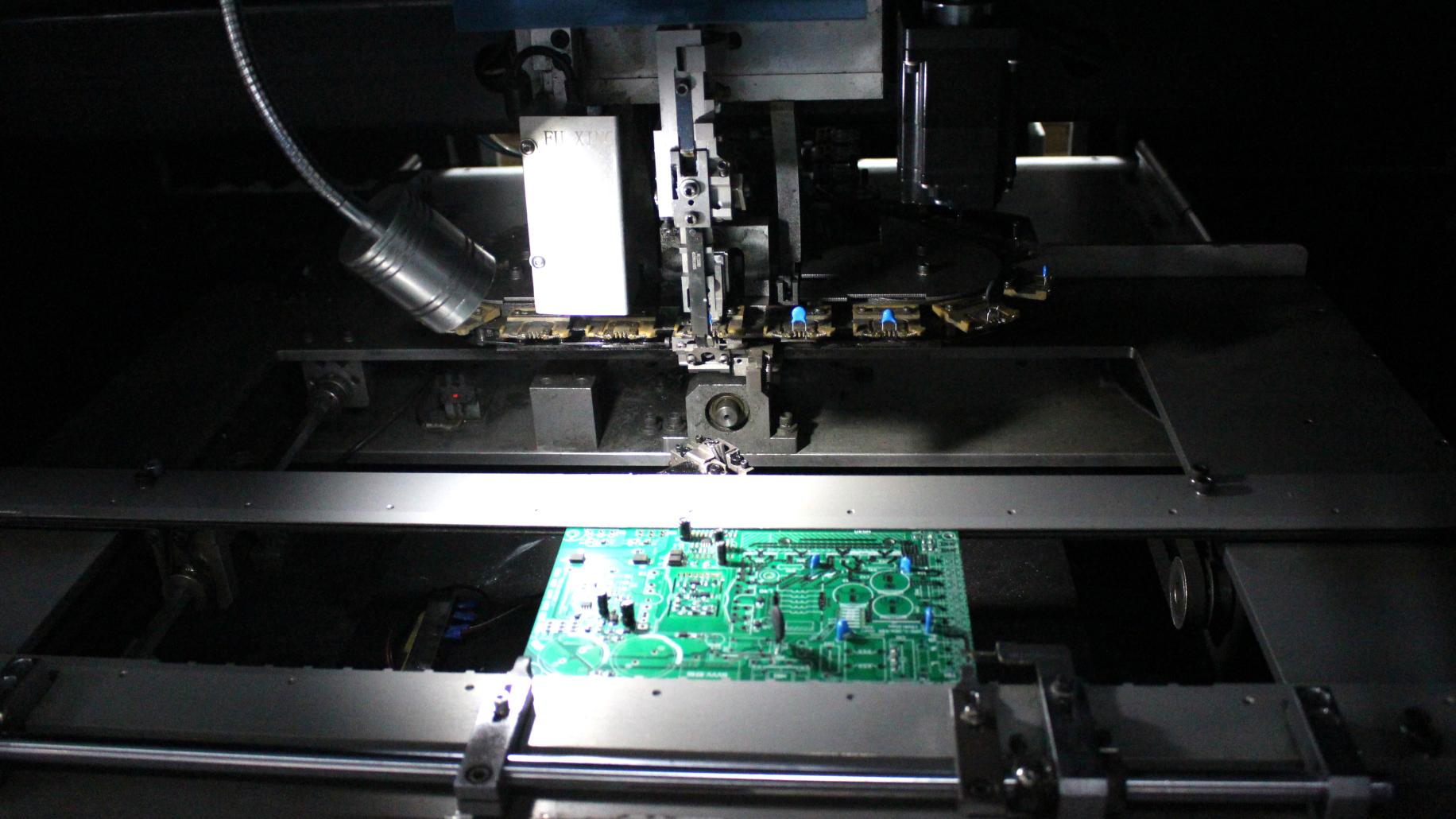
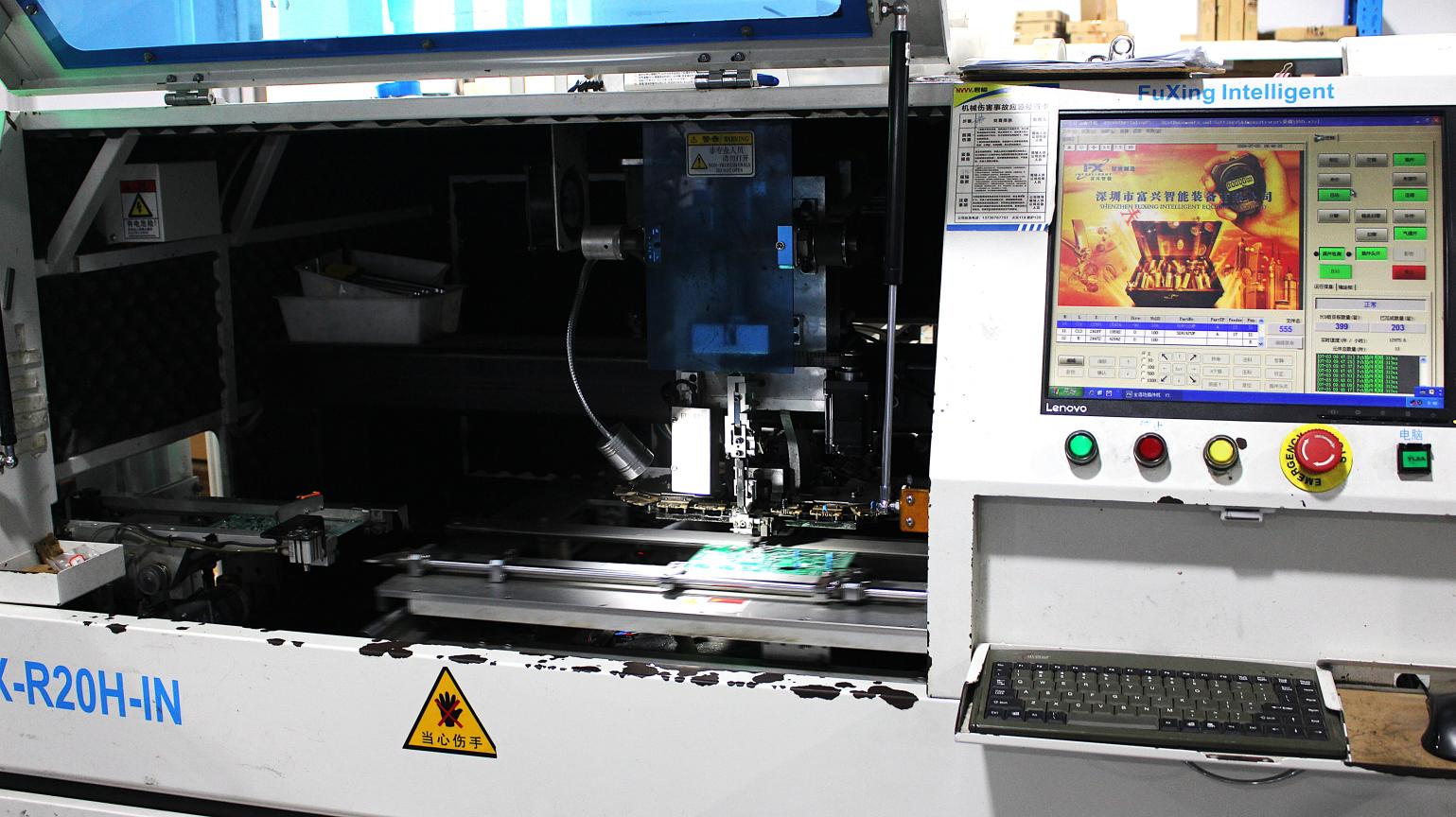
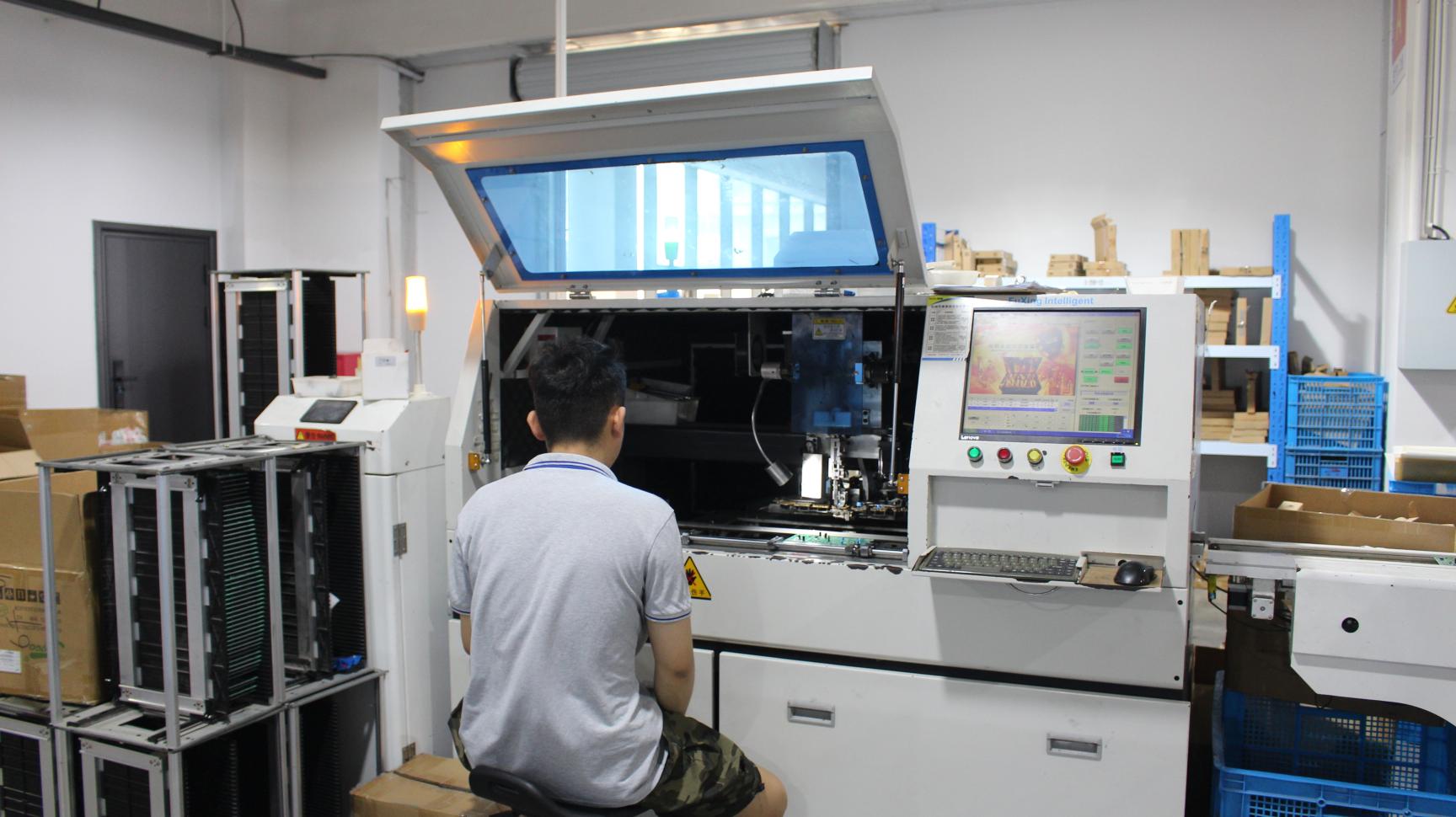
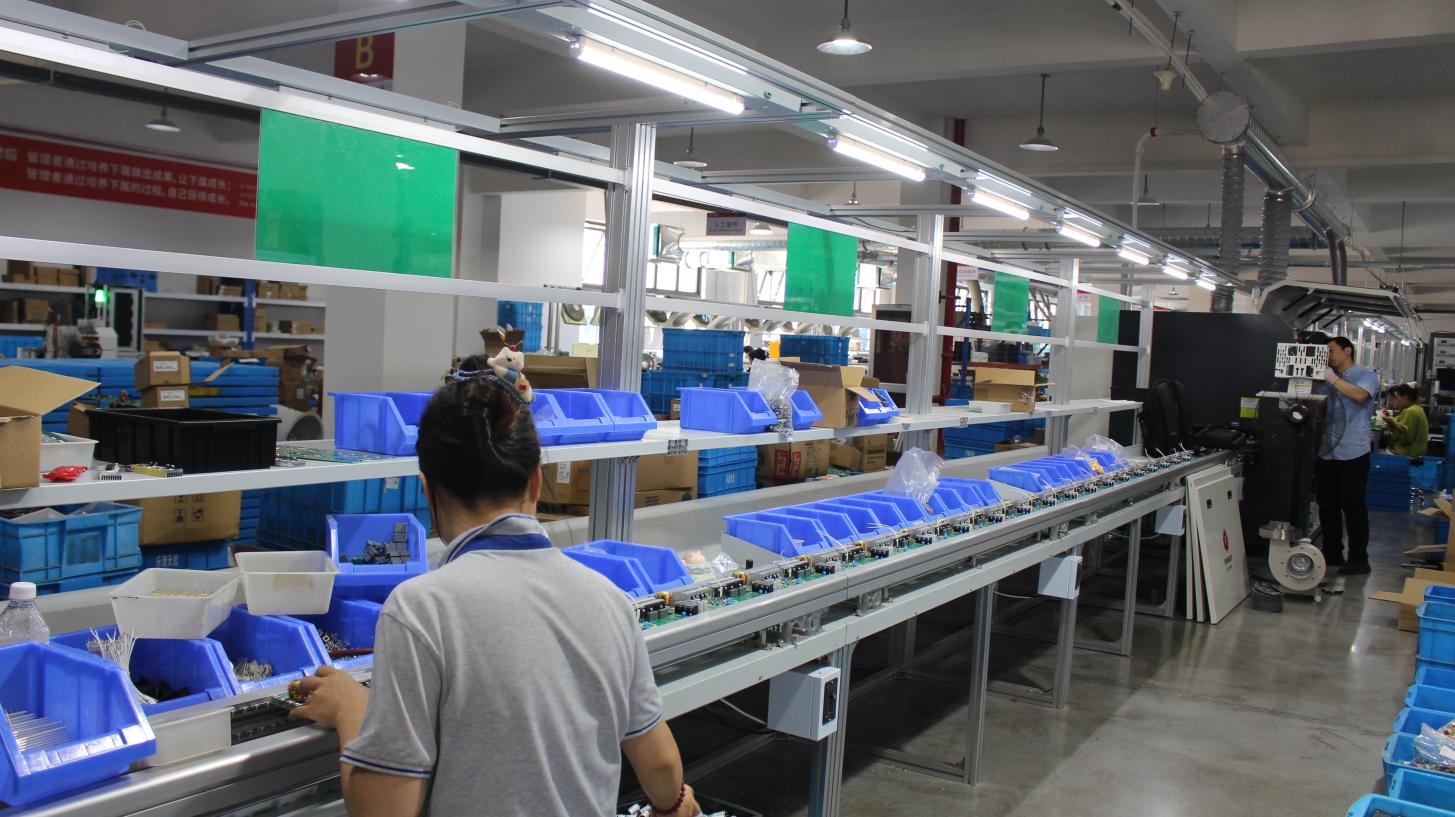
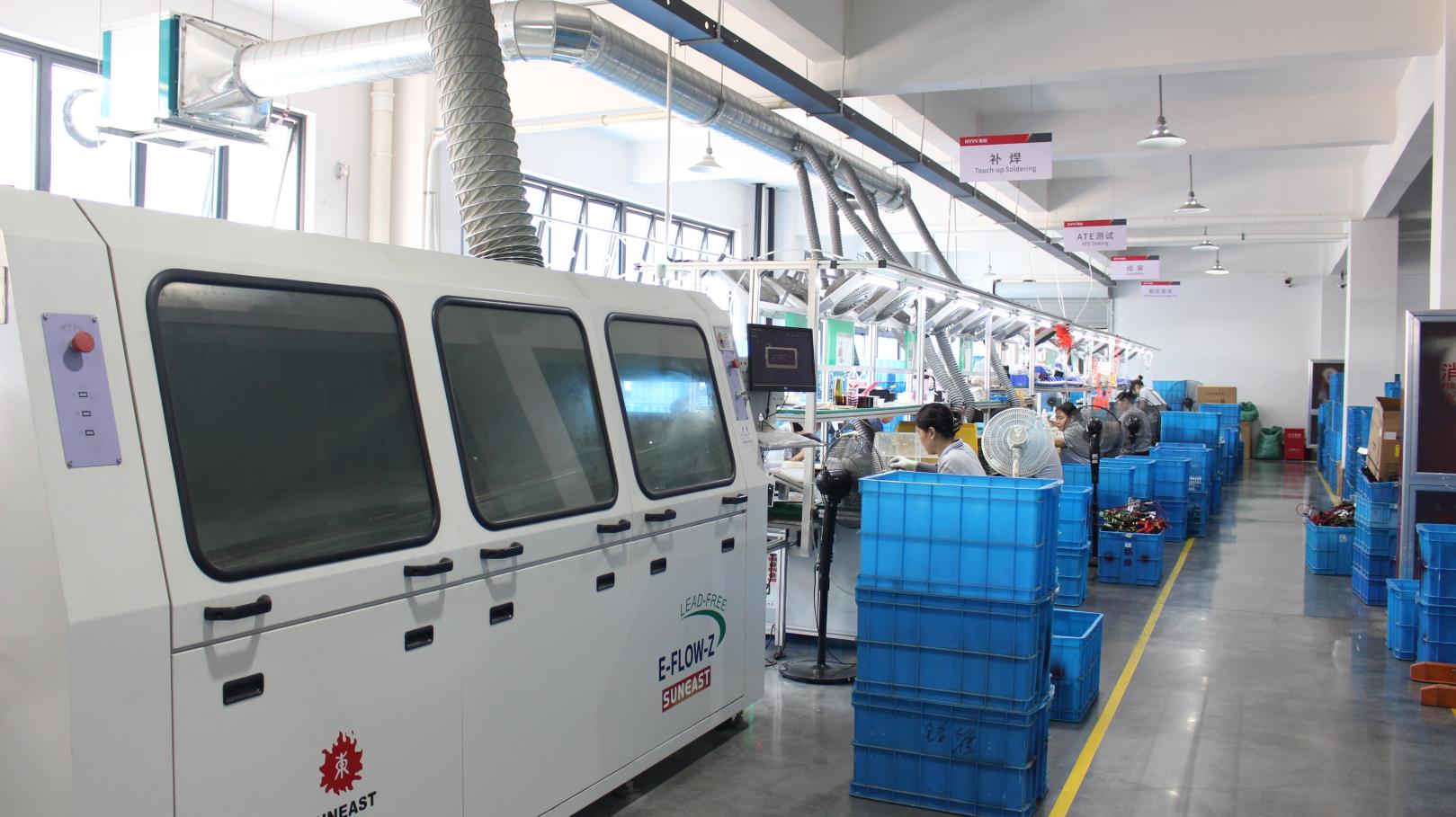
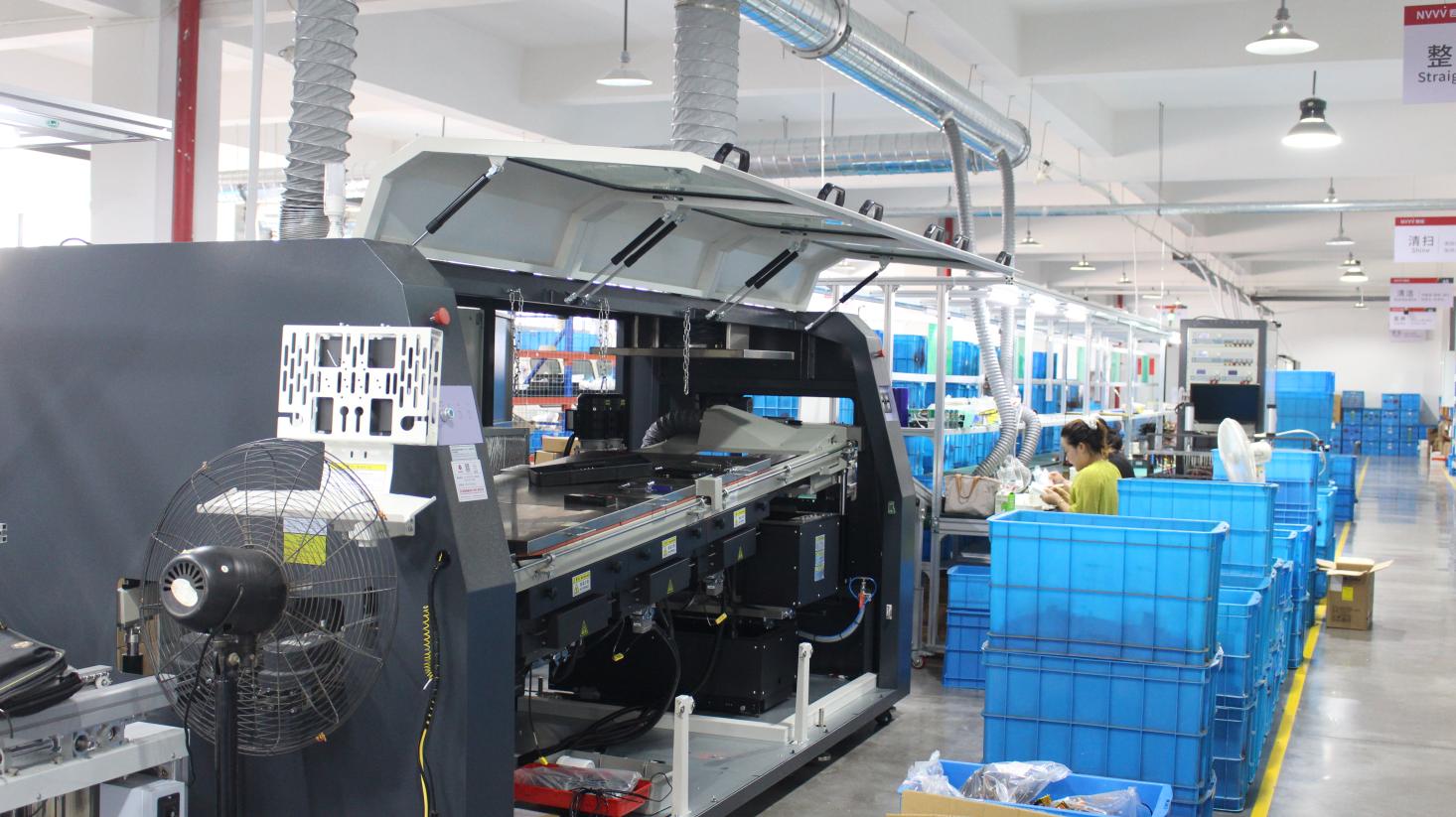
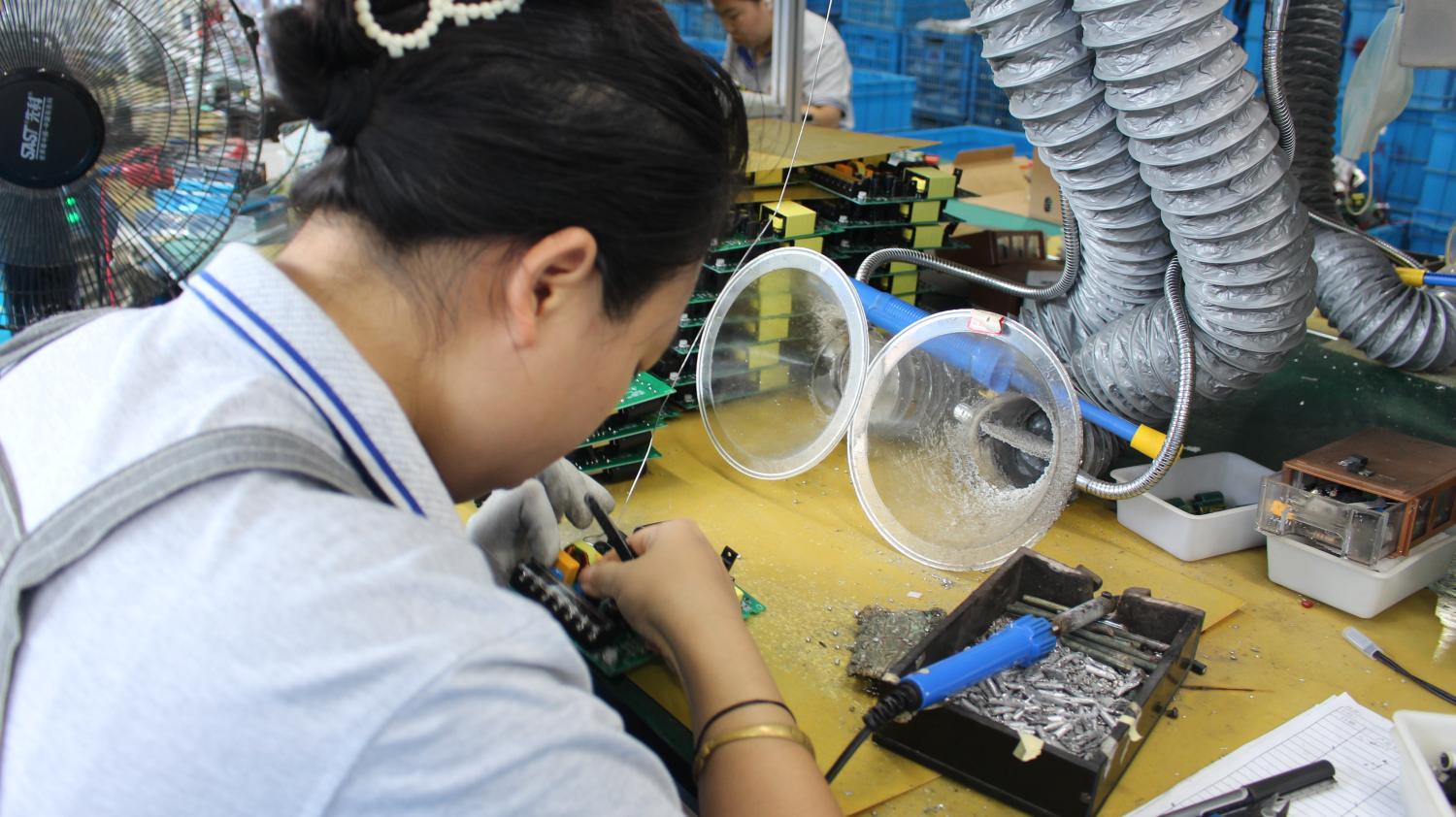
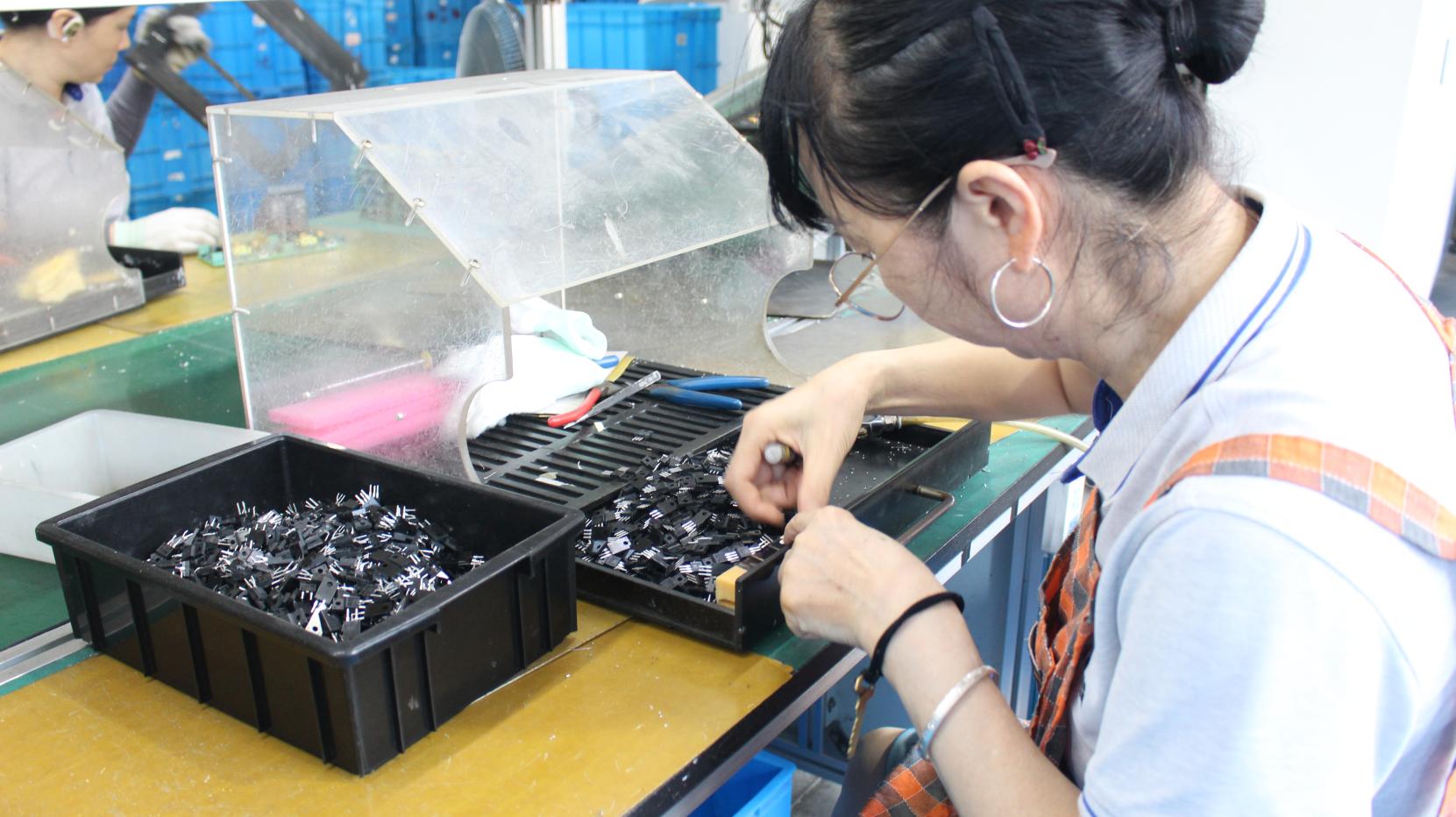
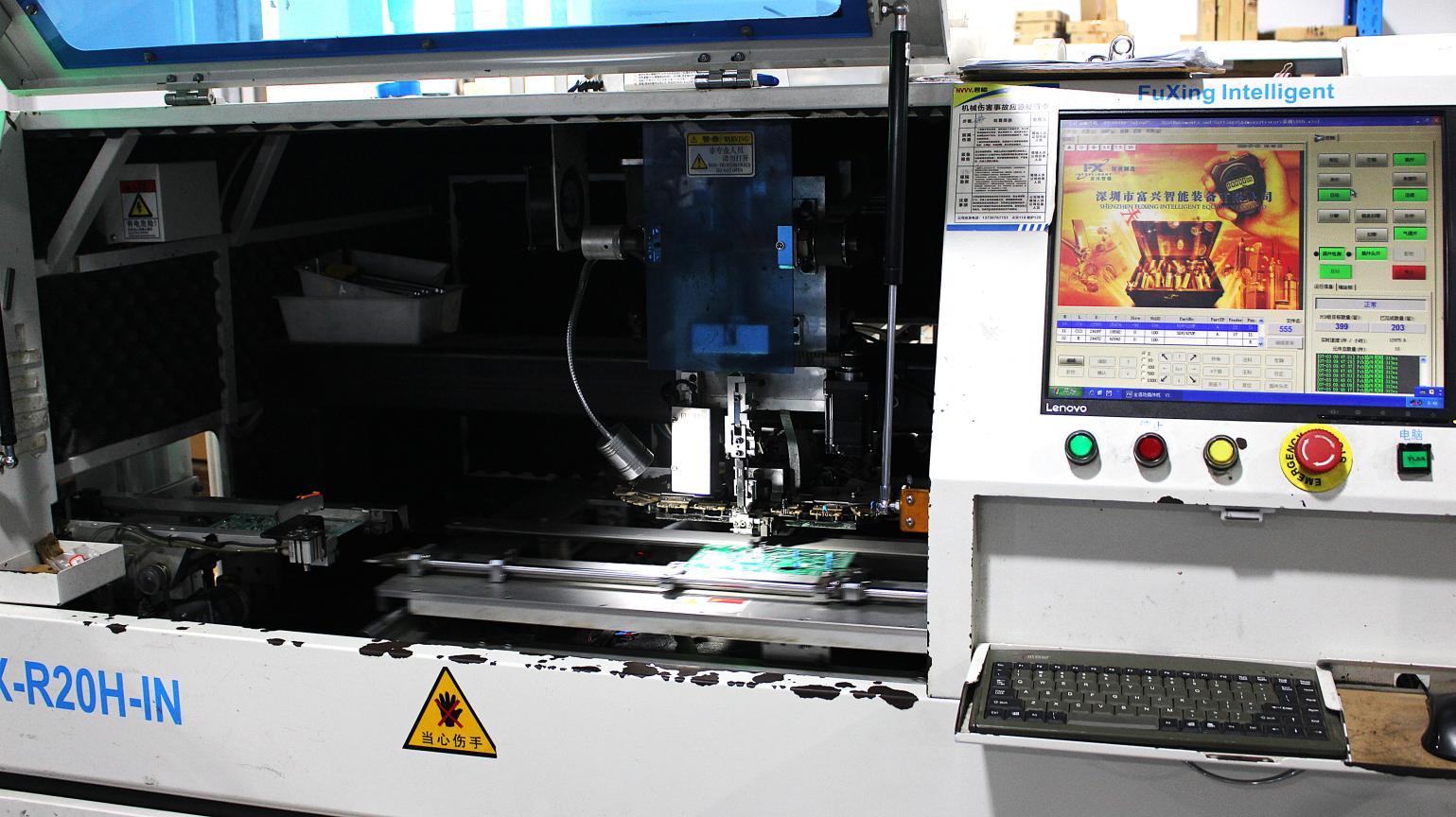
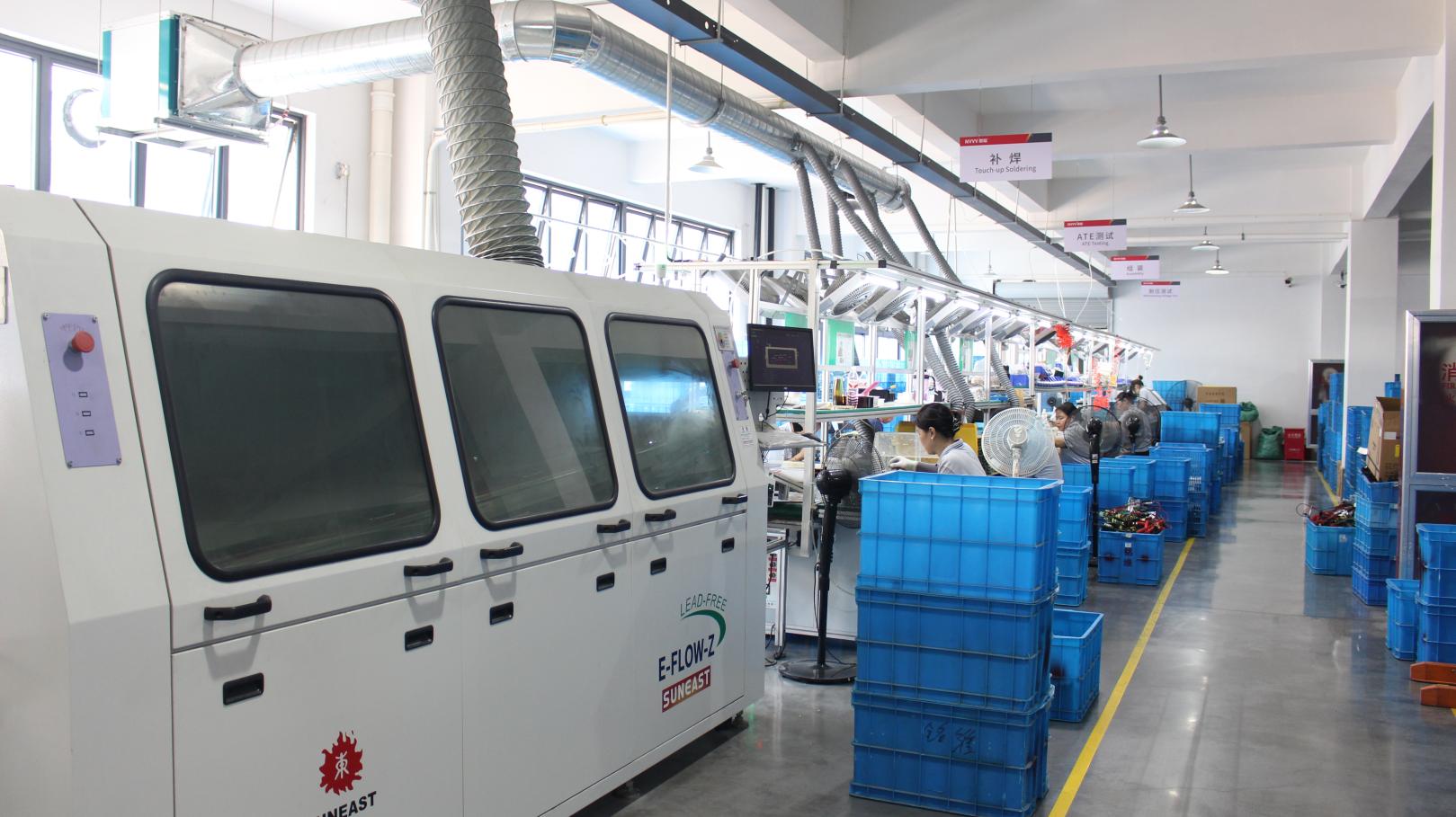
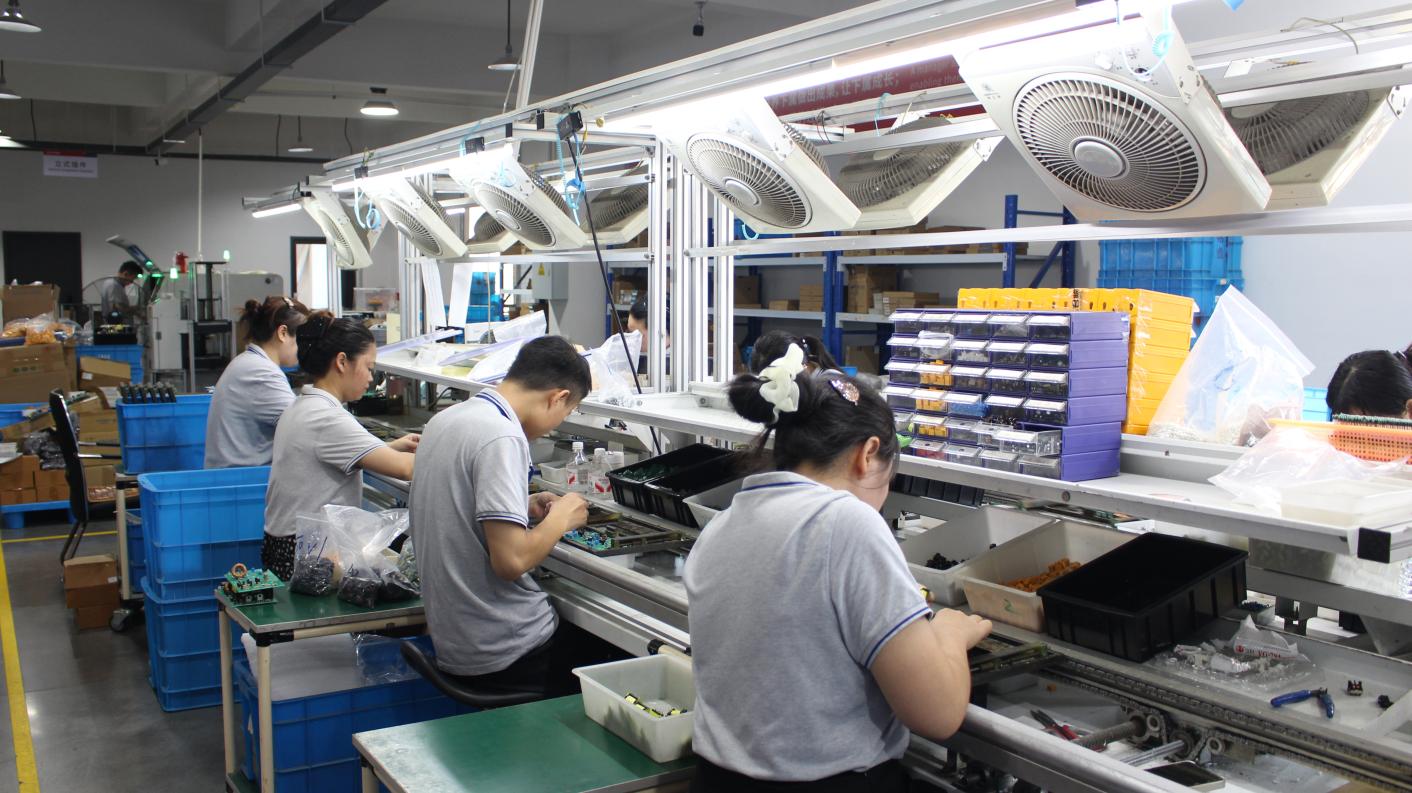
3. Advanced Automation: Standardized operations like SMT placement, high-density wave soldering, and automated optical inspections (AOI) minimize human assembly errors. This helps maintain consistent quality across large manufacturing runs.
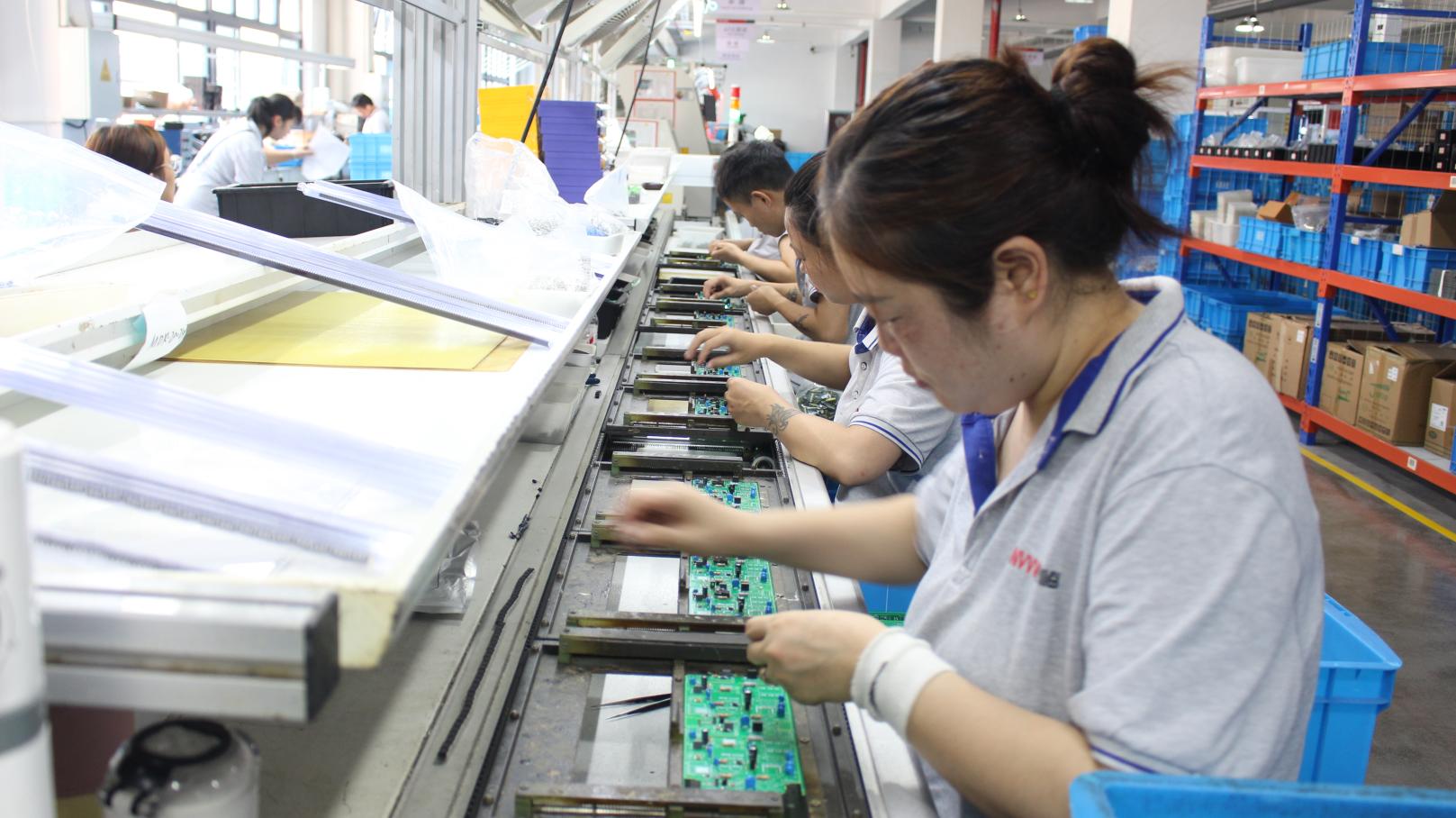
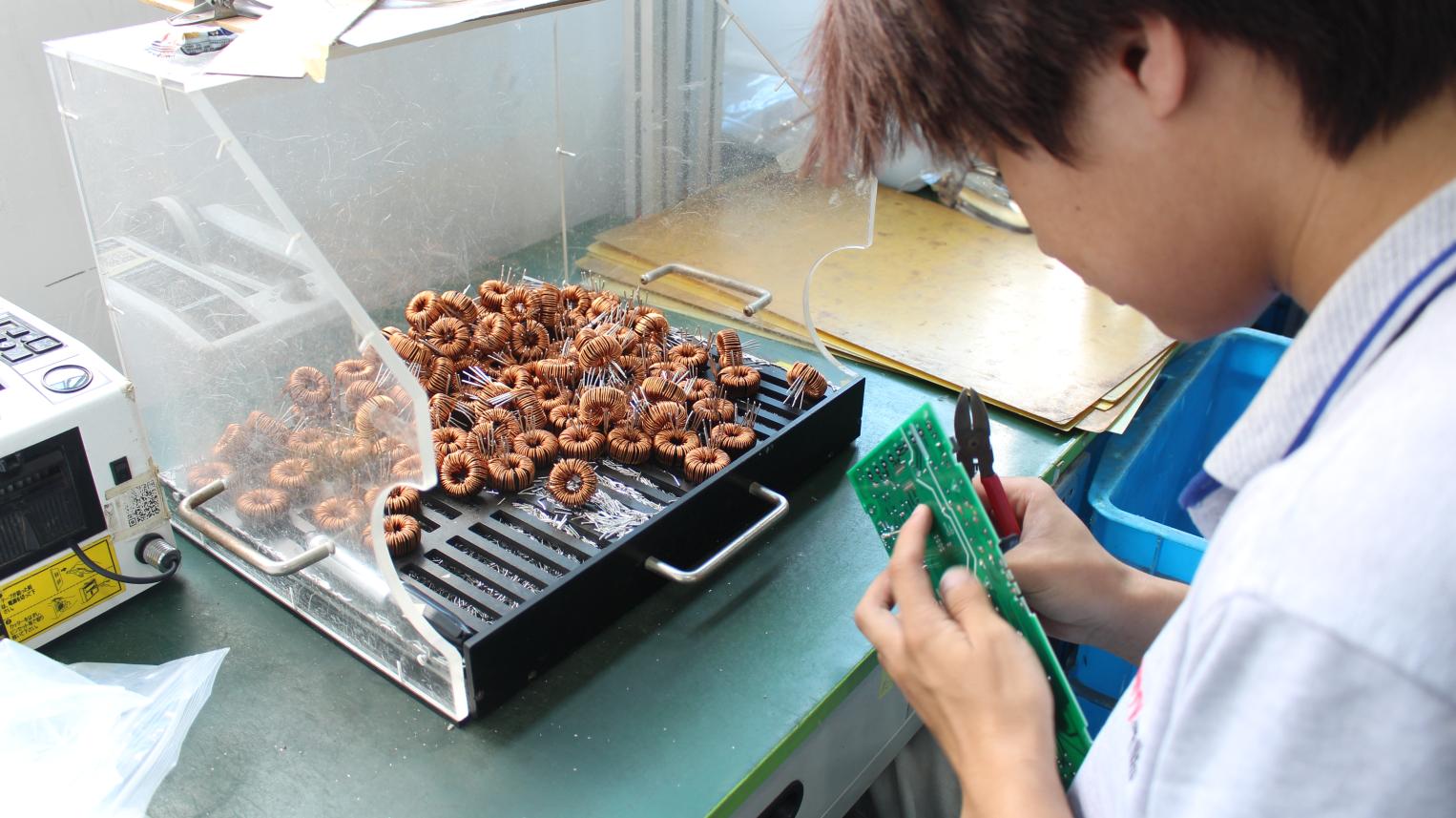
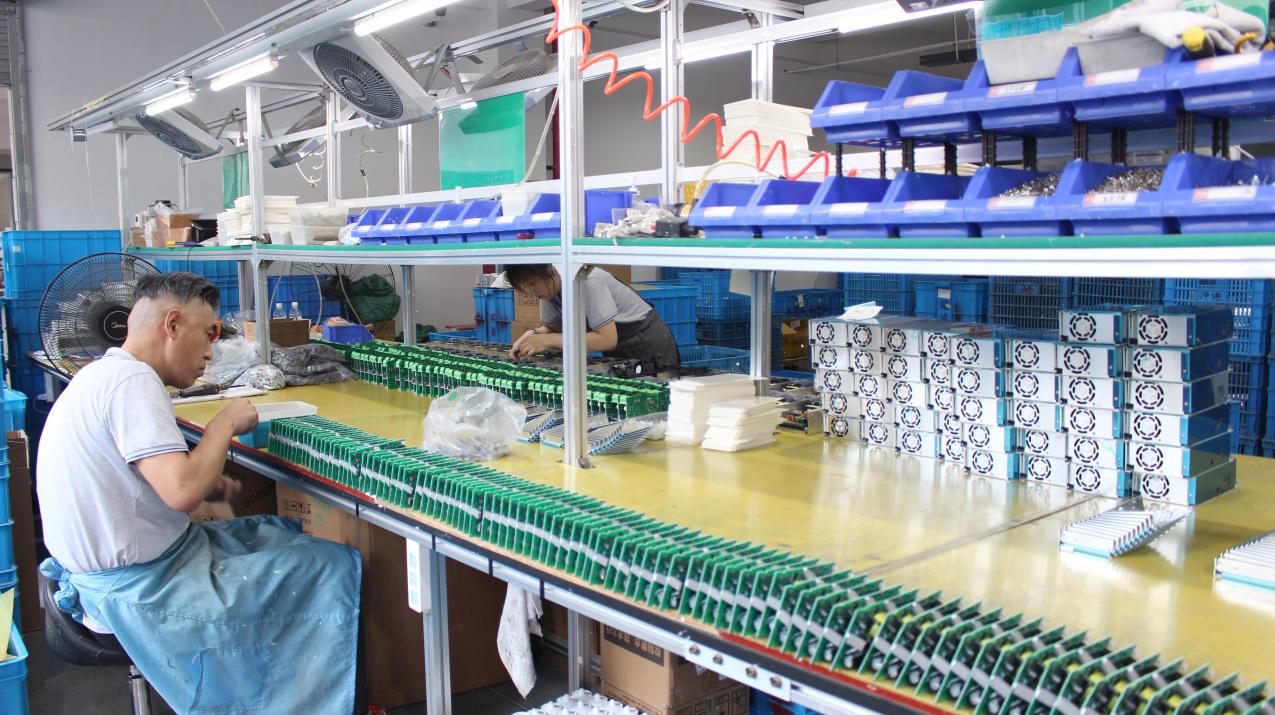
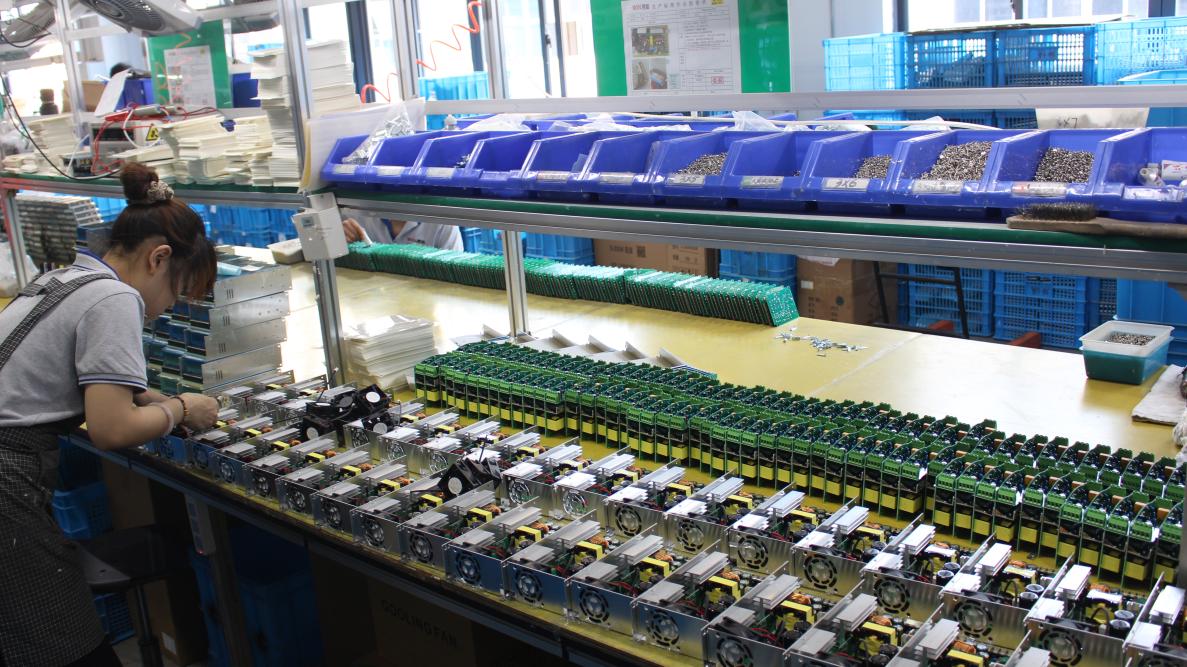
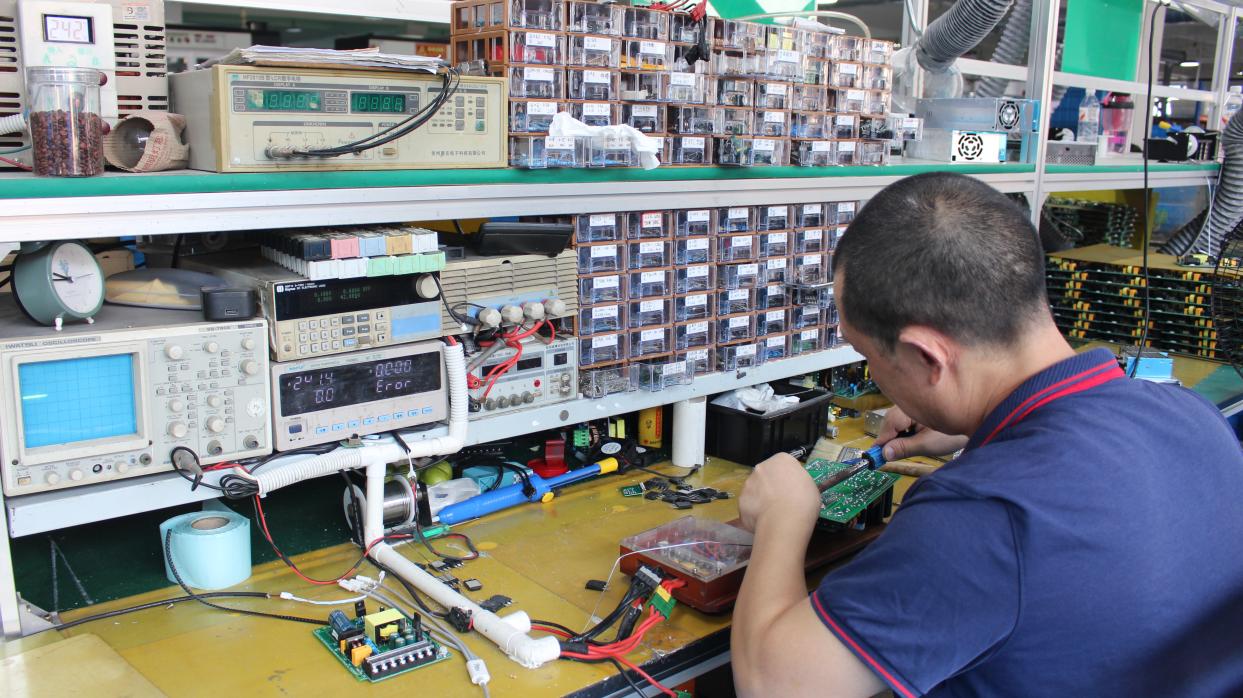
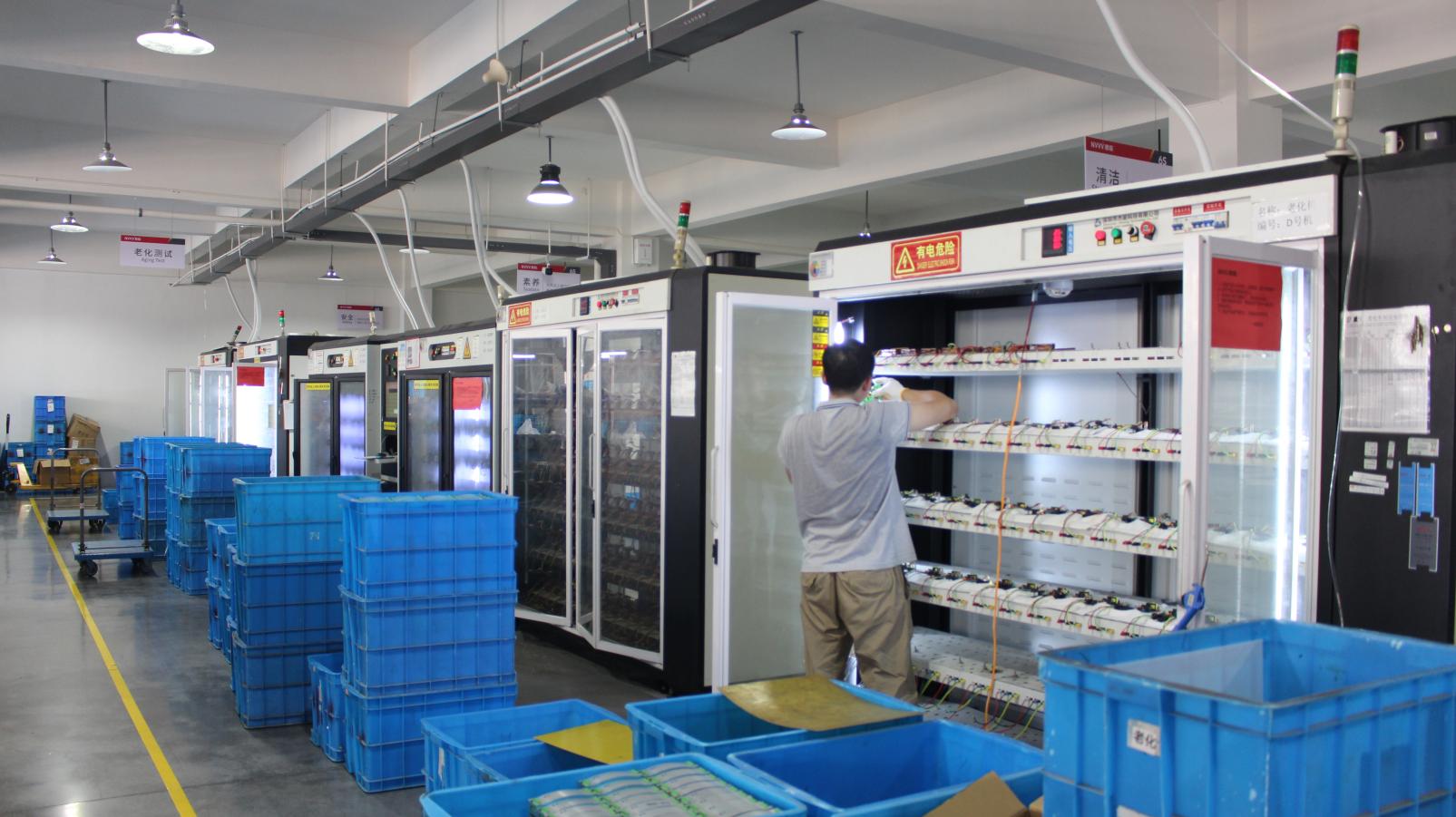
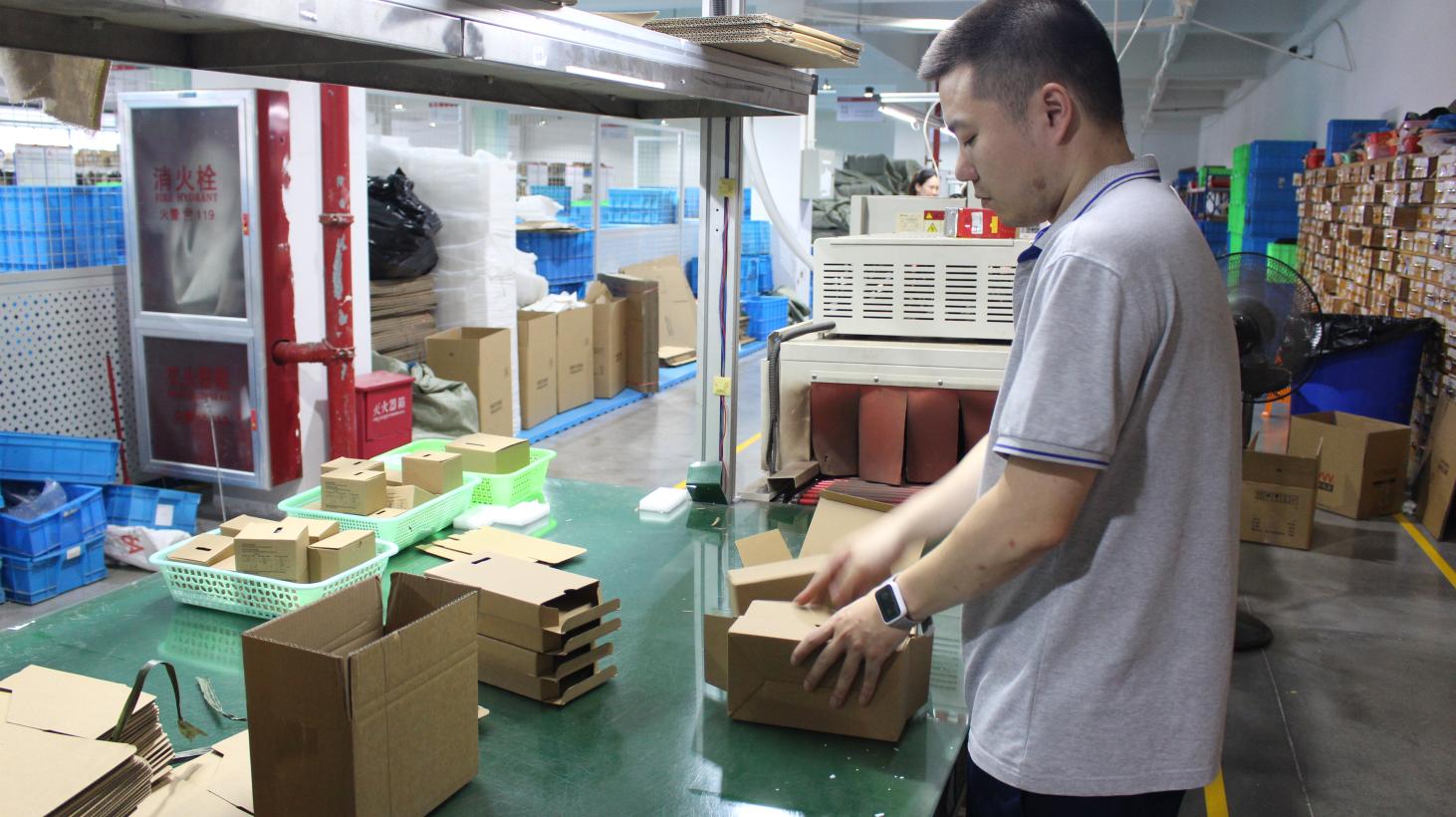
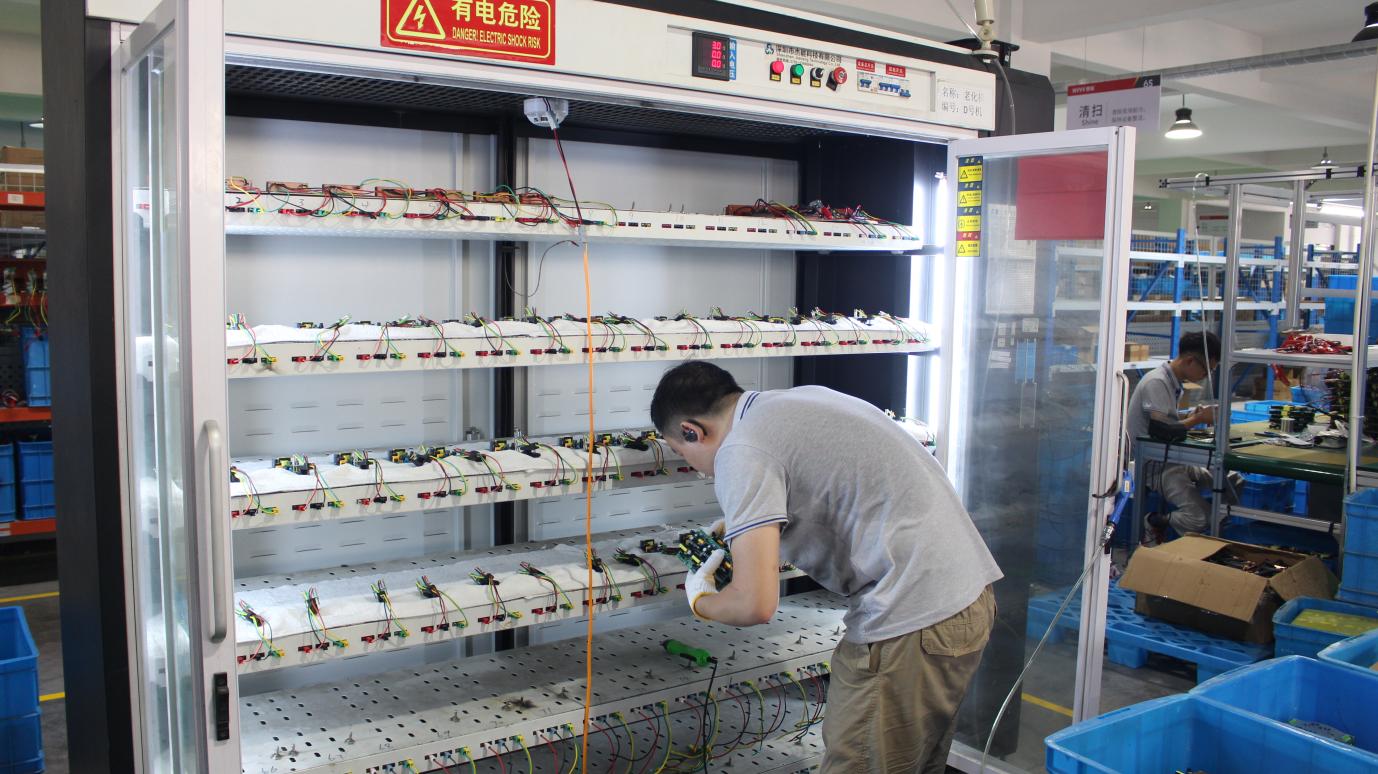
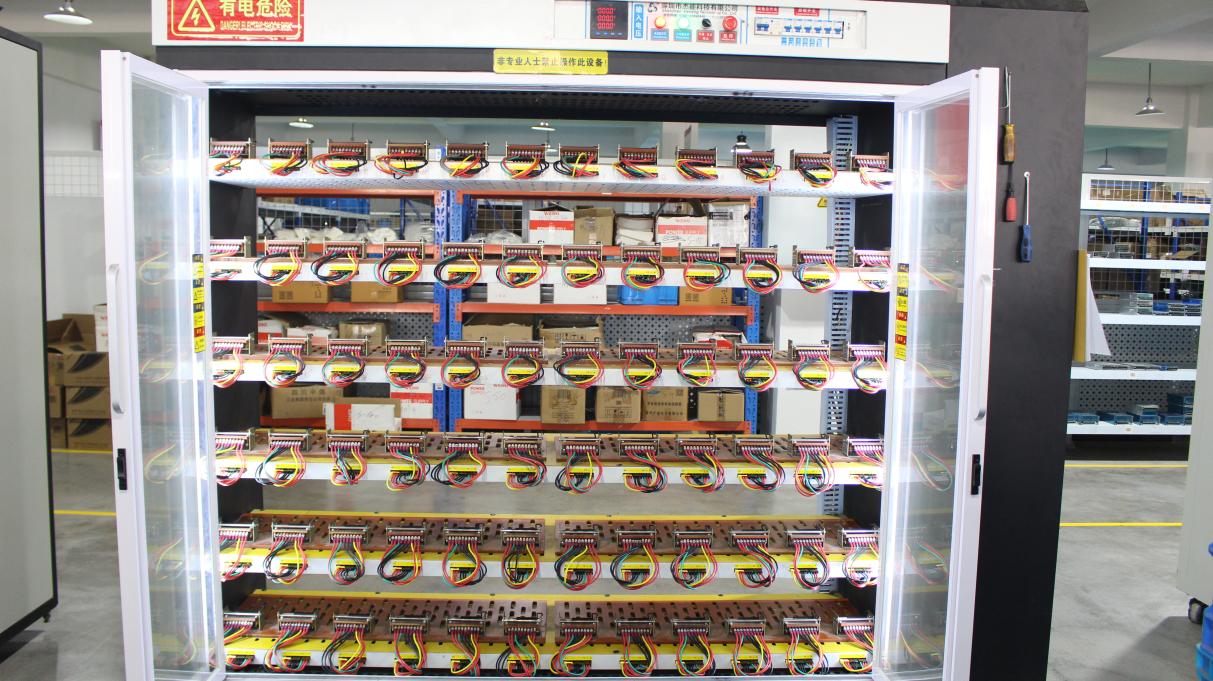
Based in Wenzhou, Zhejiang, NVVV Electric Technology Co., Ltd. operates a 2,644 square meter modern production facility. Featuring 5 automated production lines and 46 advanced machines, our factory is optimized for consistent quality and high output.
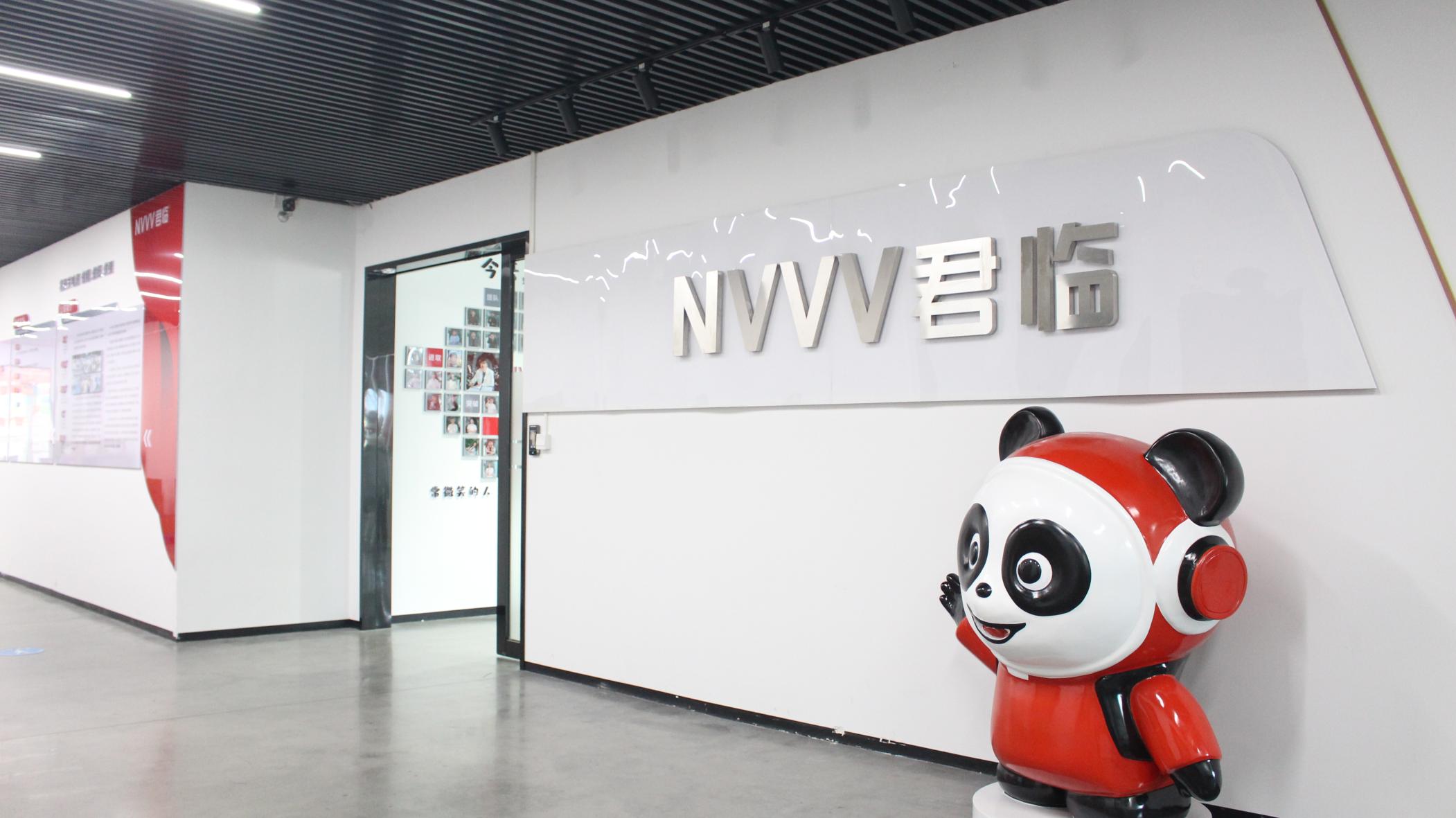
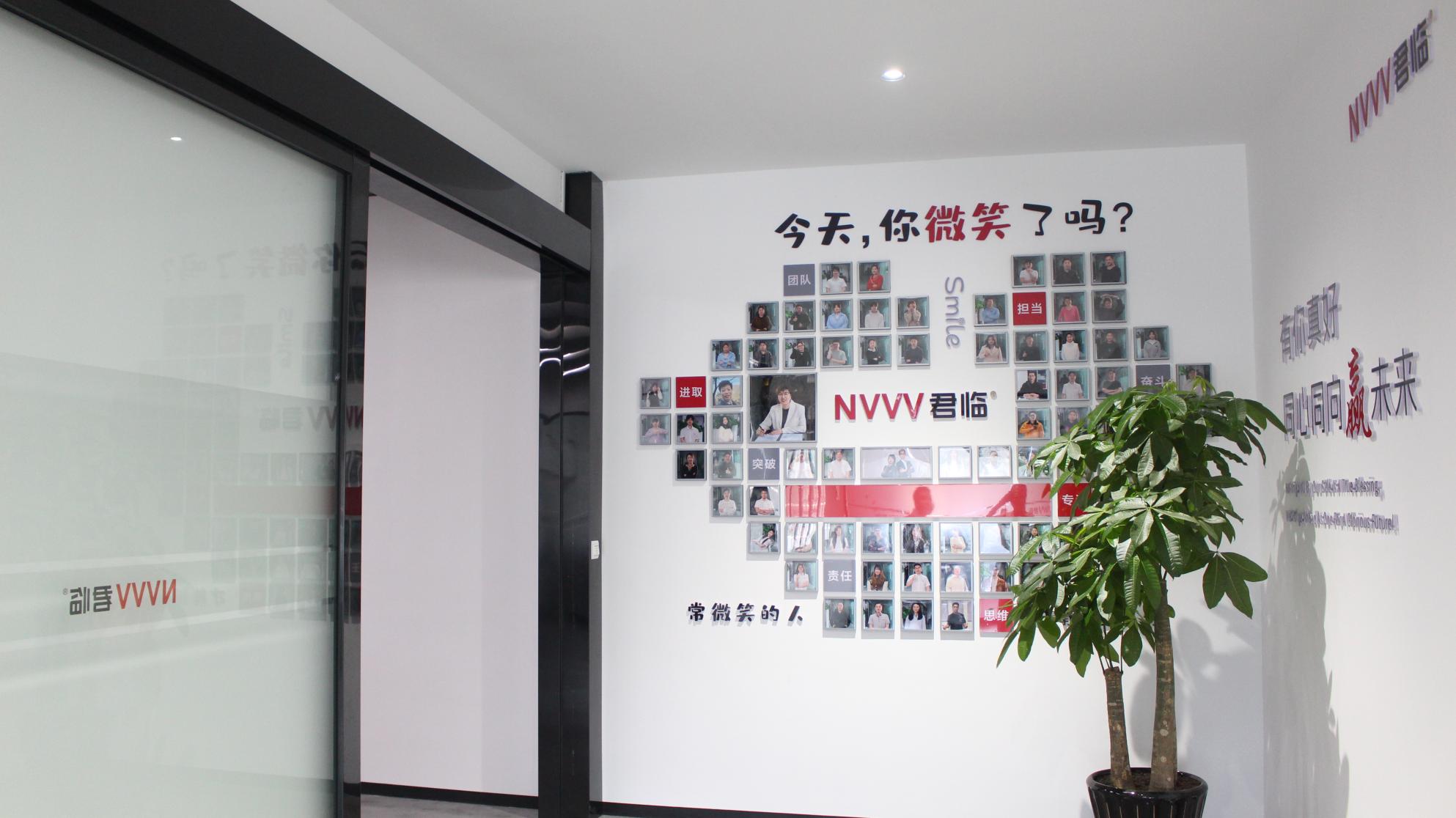
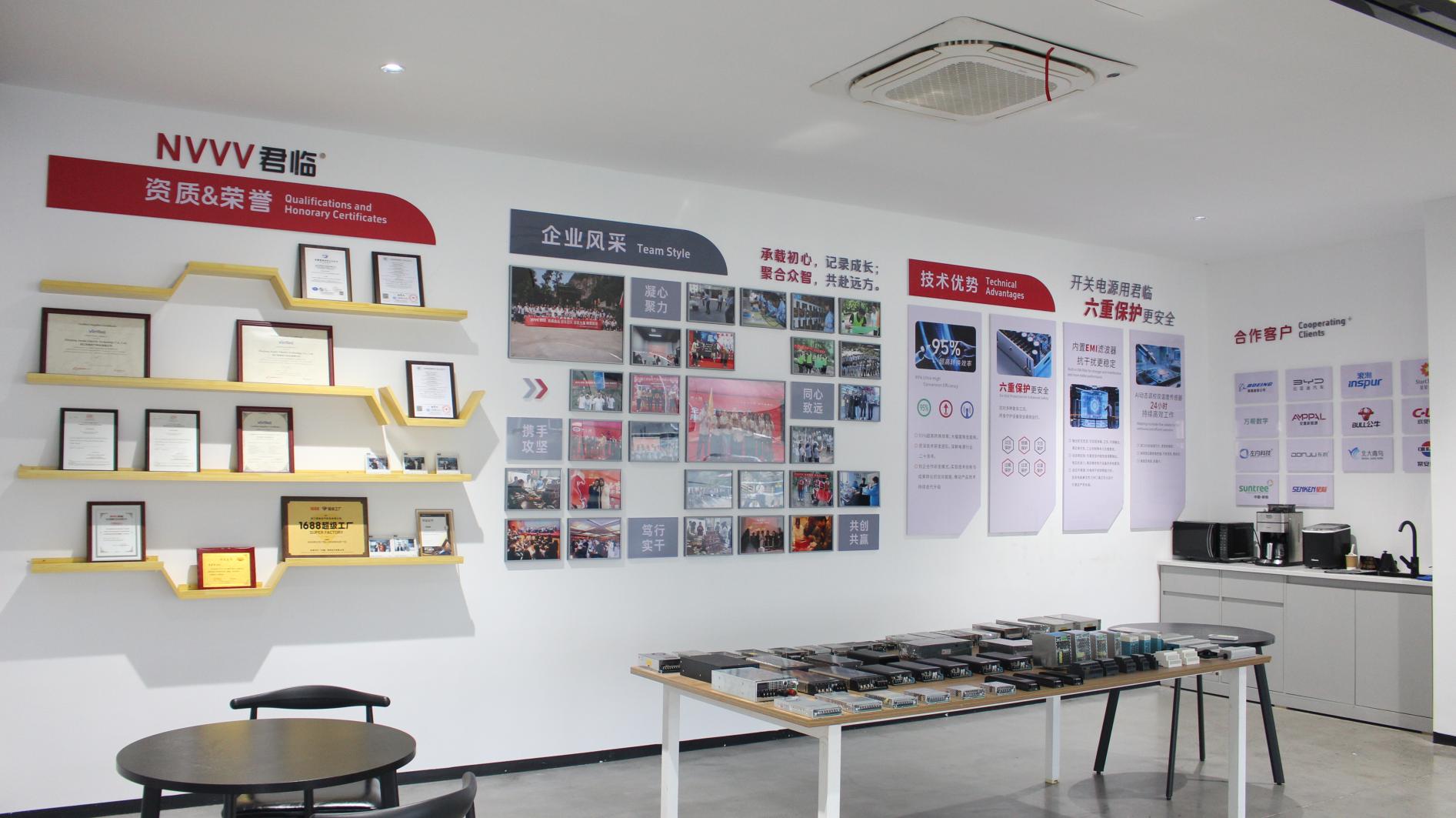
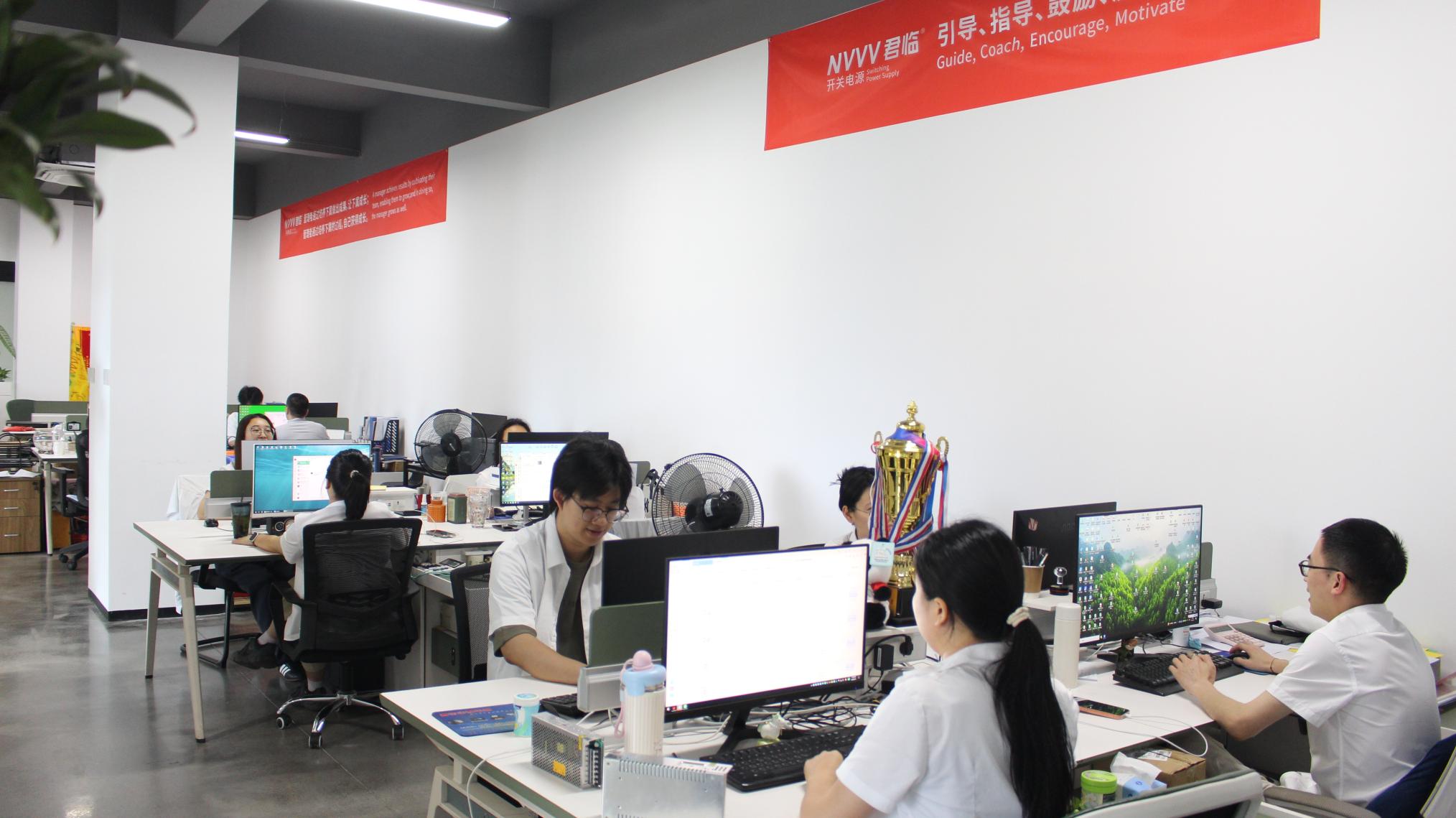
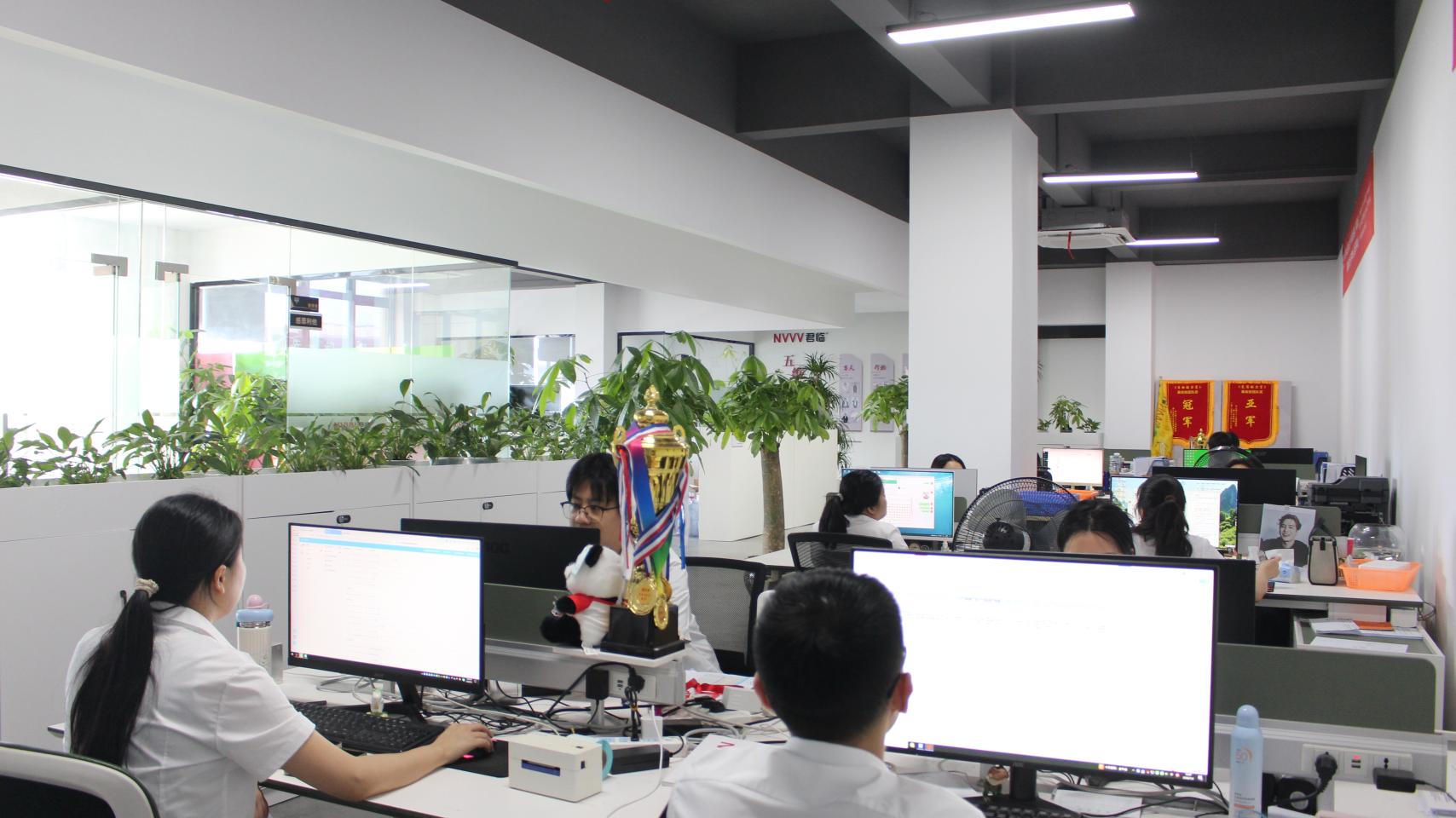
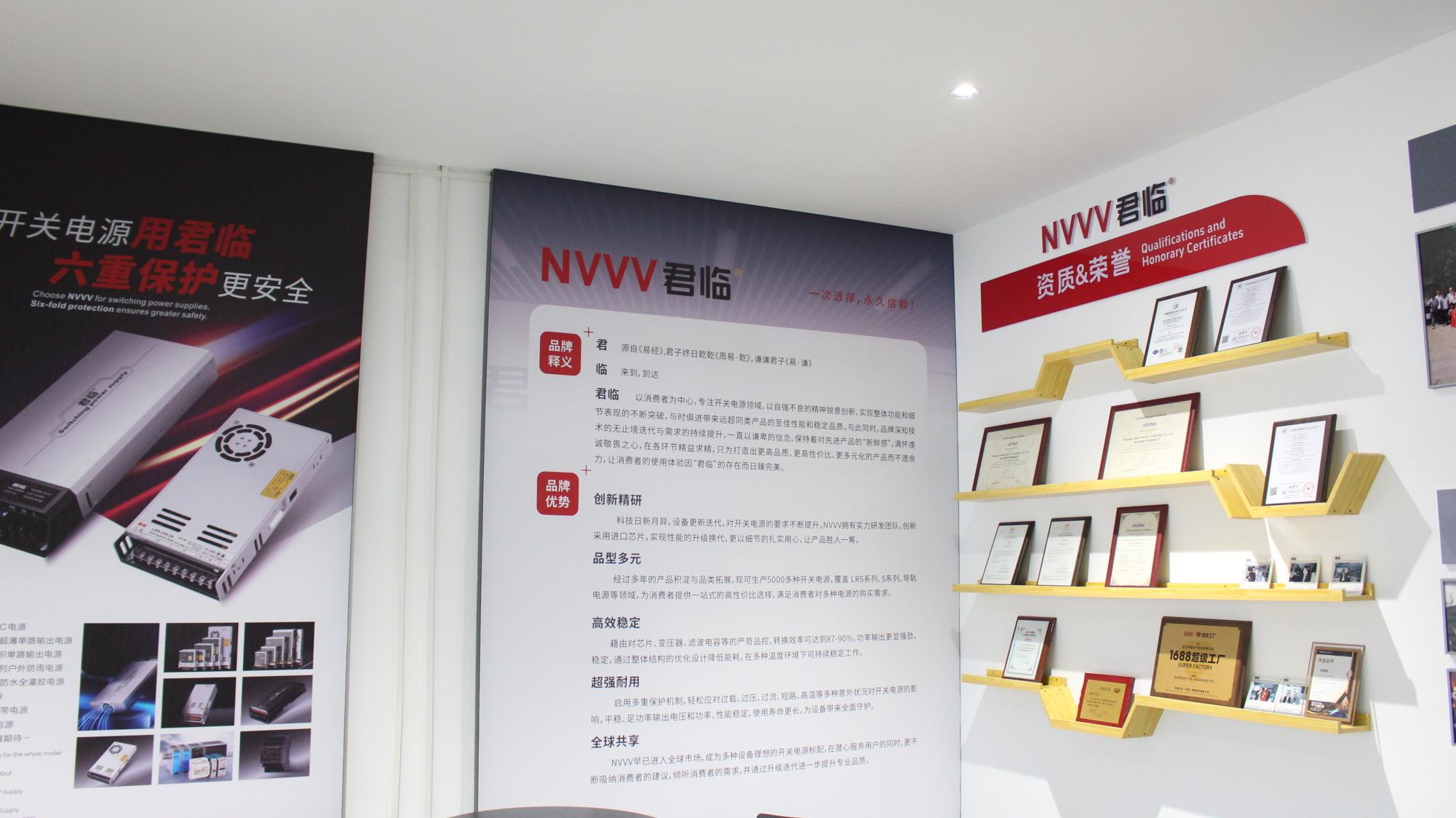
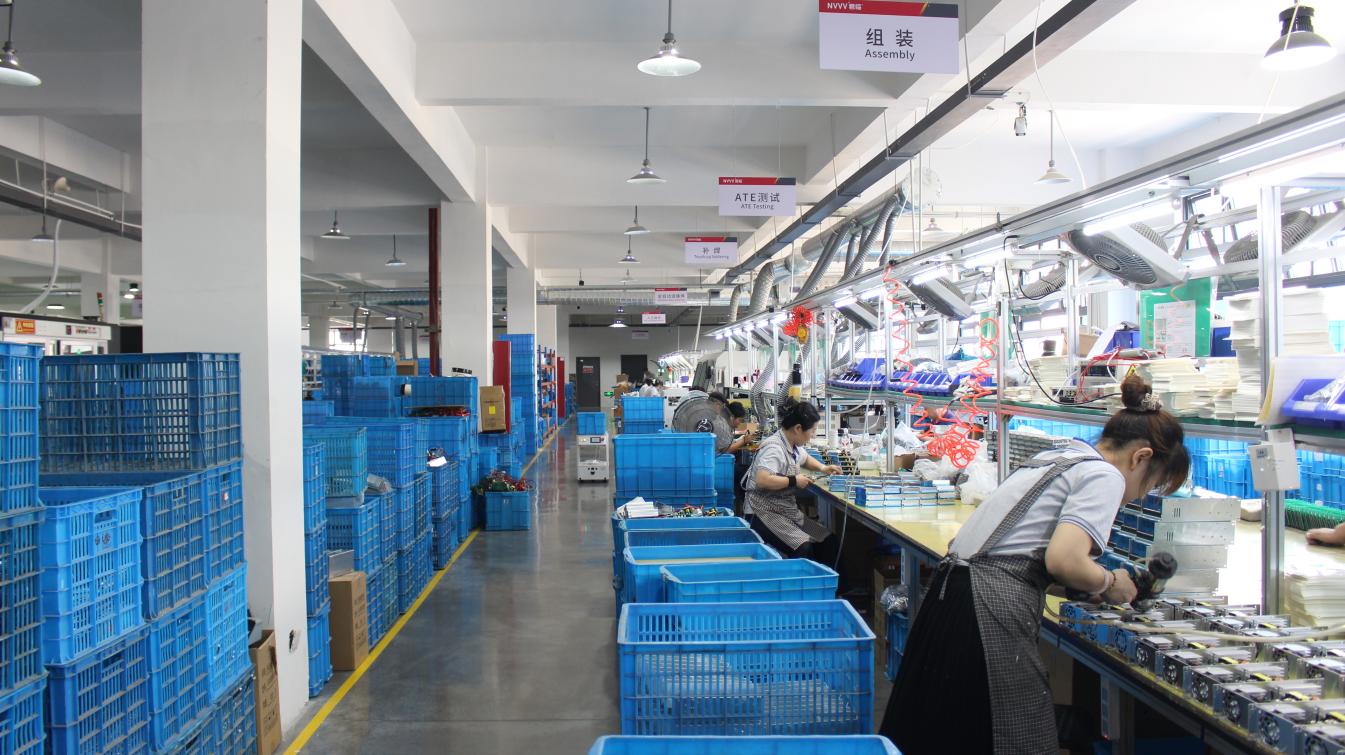
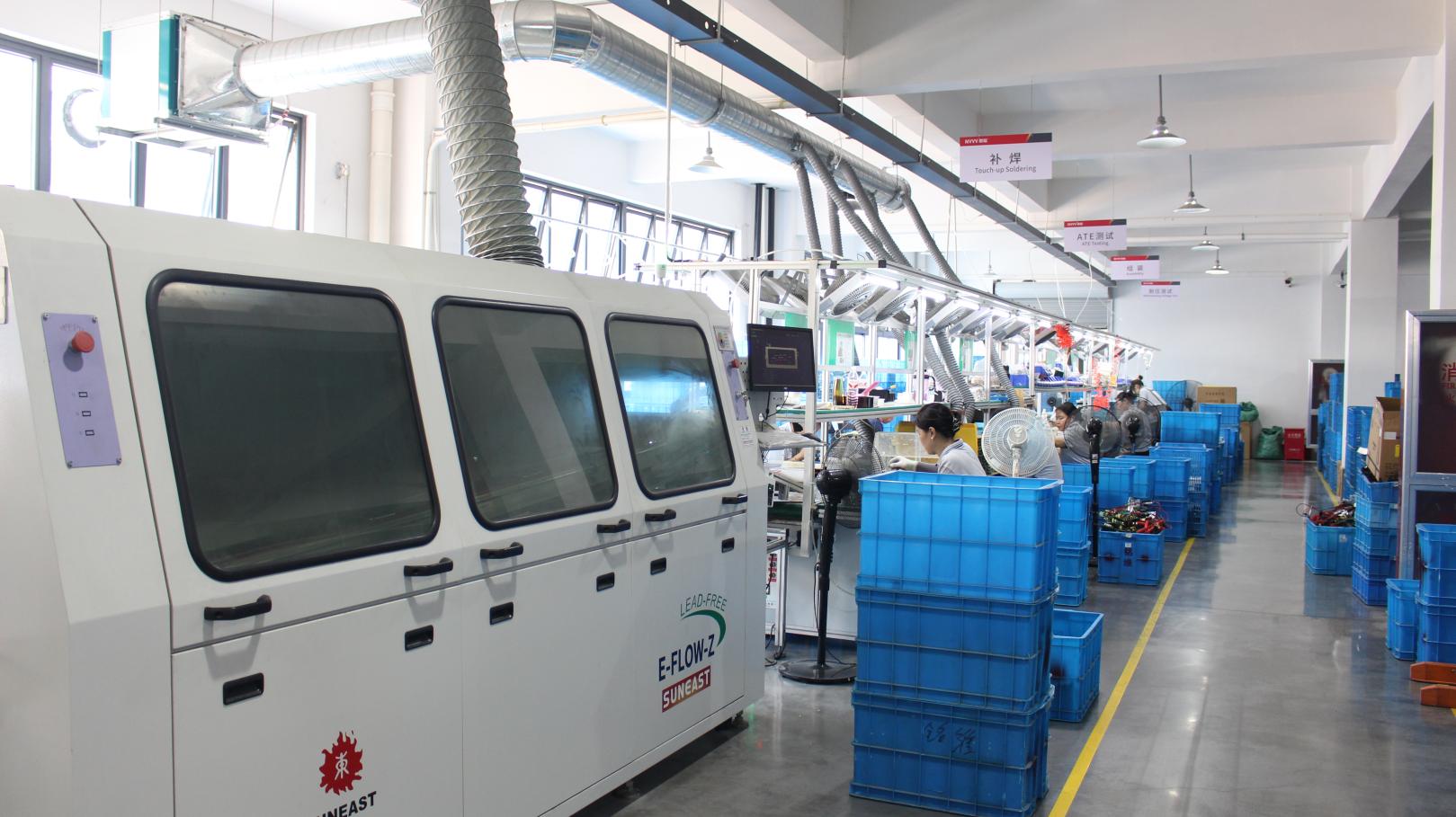
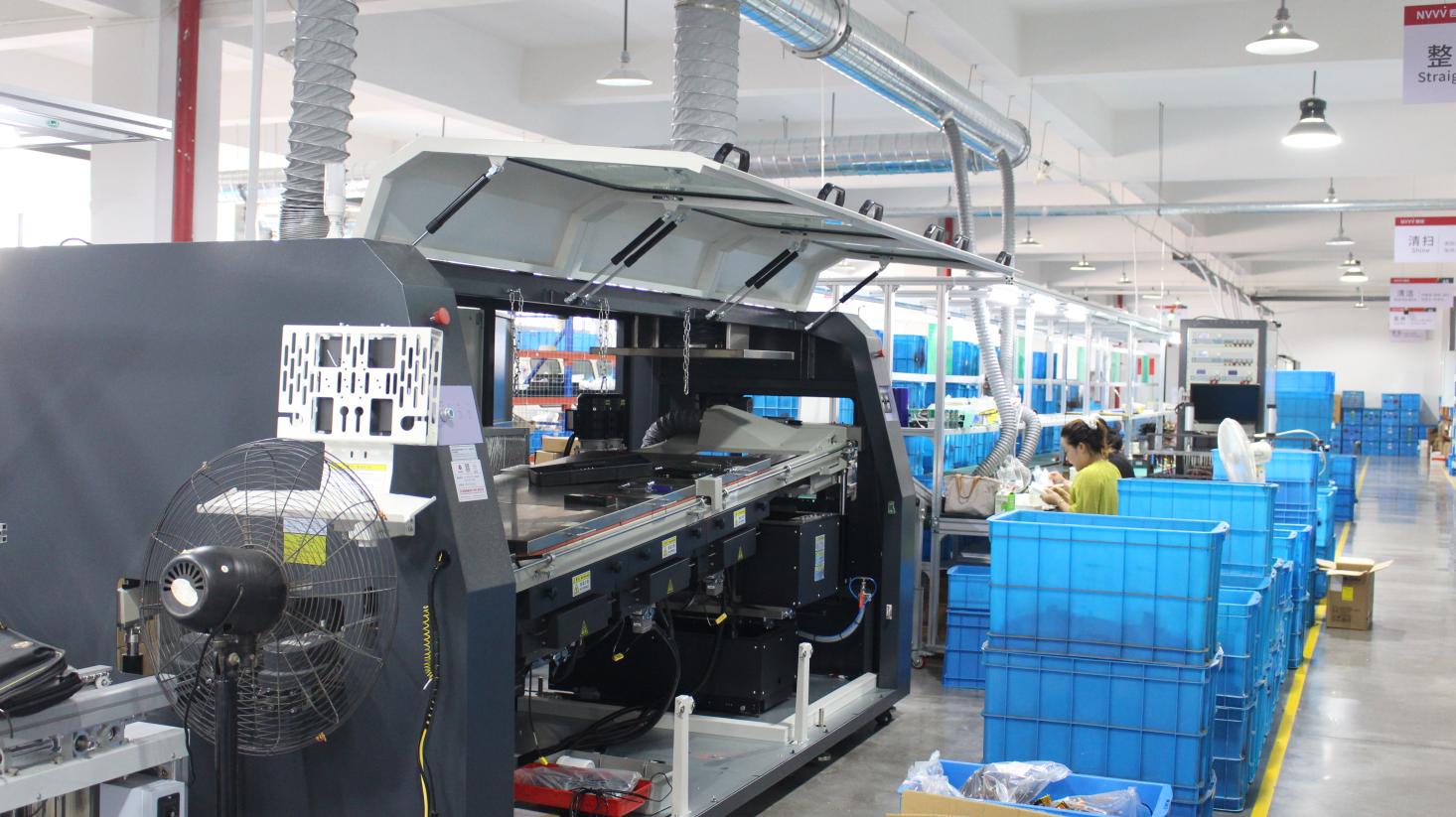
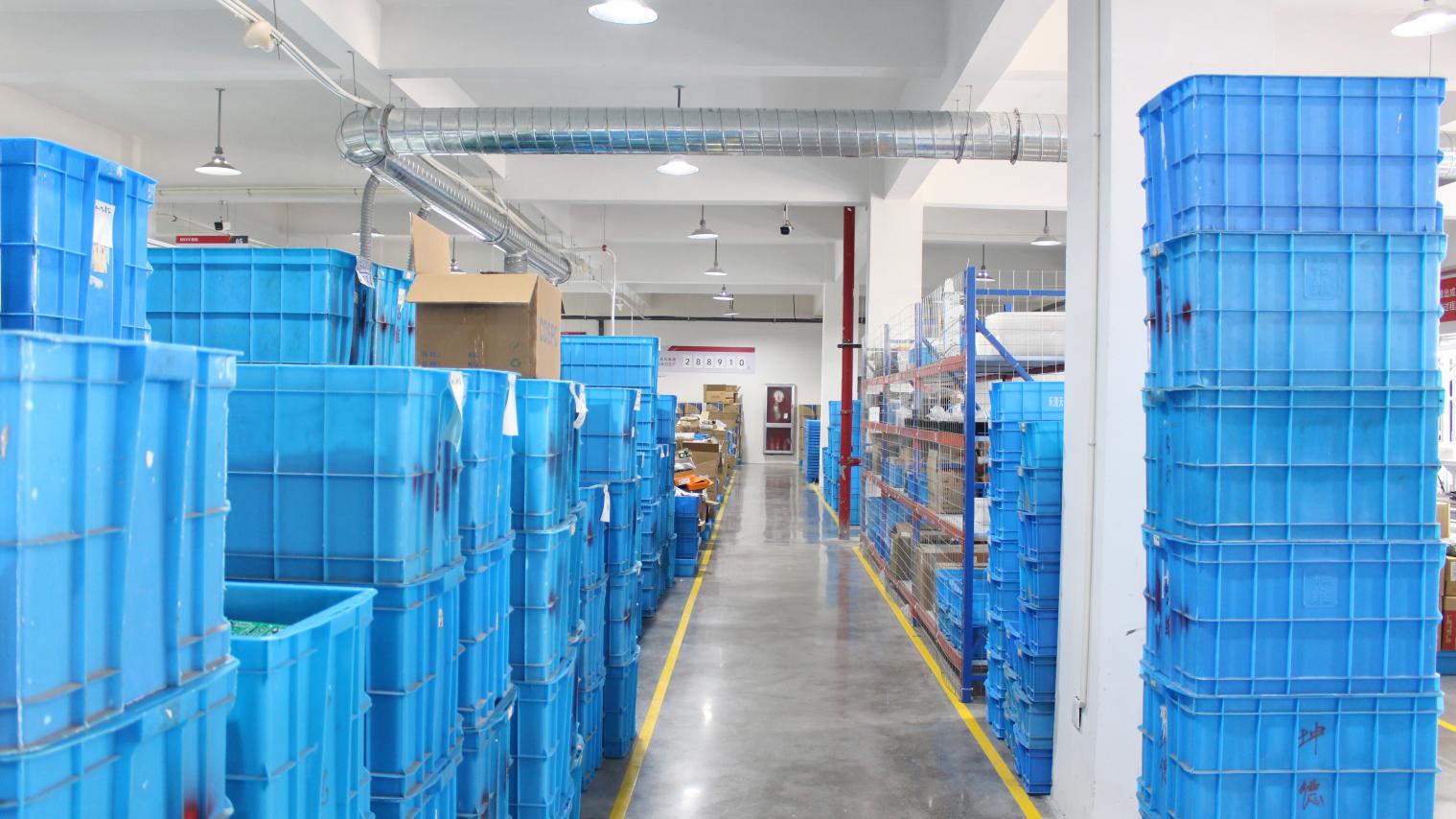
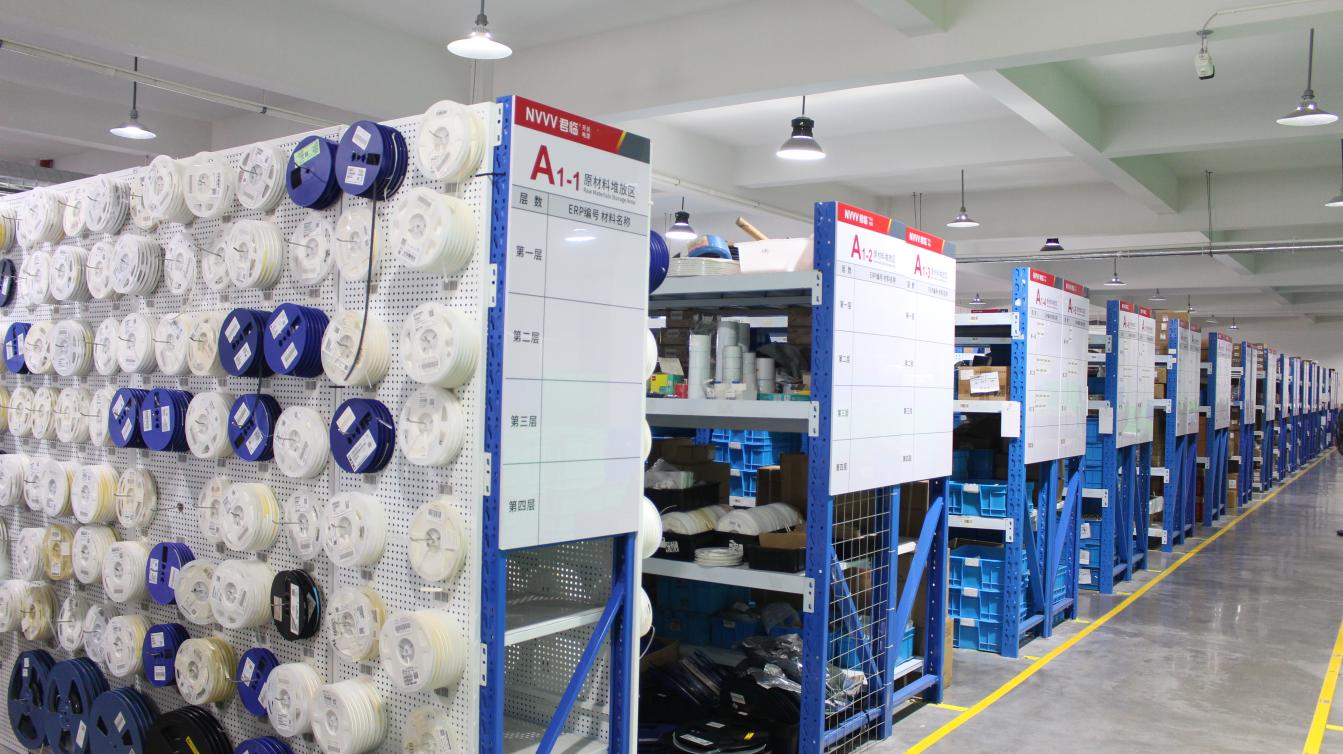
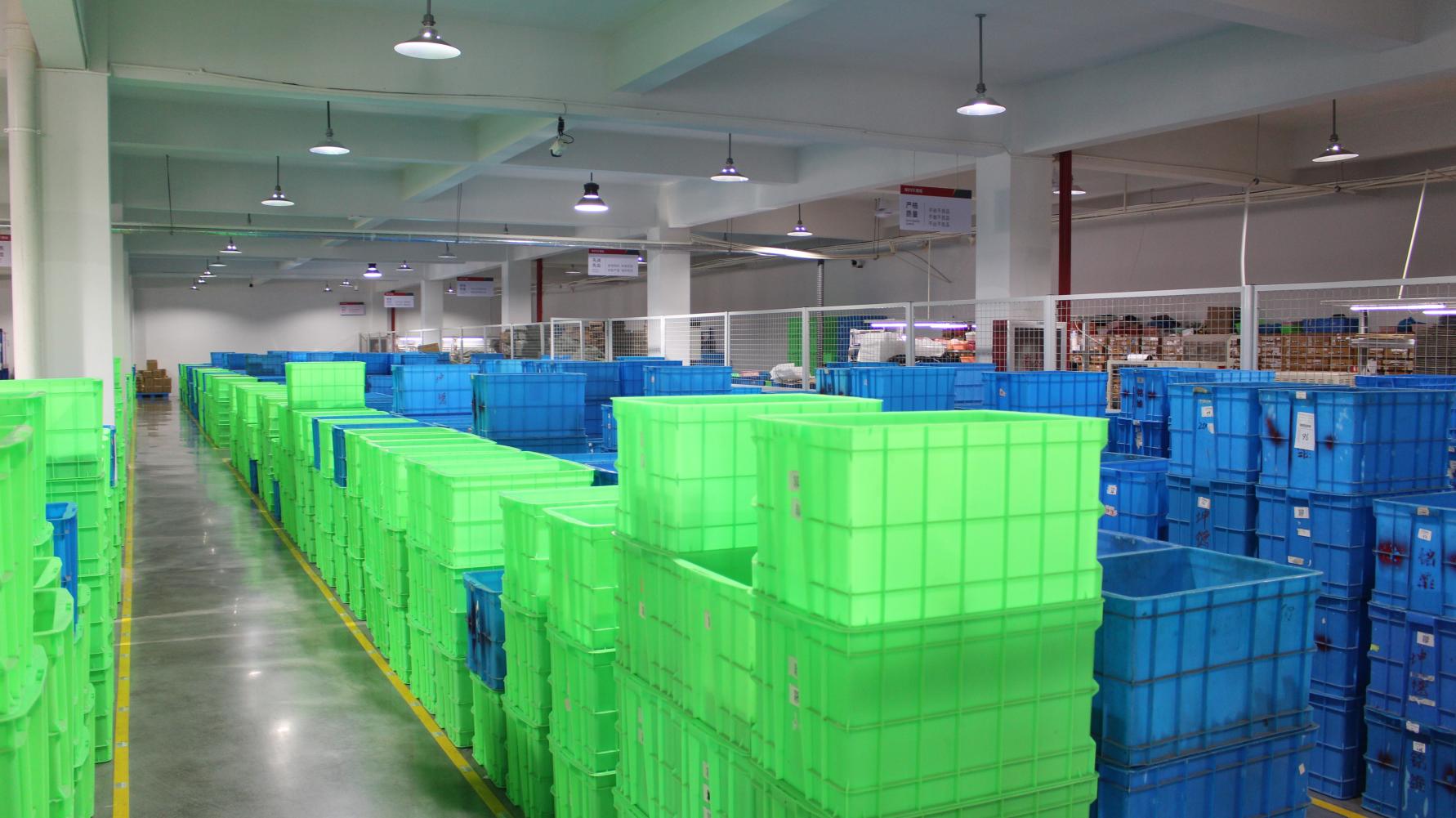
NVVV Electric Technology Co., Ltd. has established itself as an authoritative manufacturer in the power supply industry through a decade of consistent execution and technical expertise. We back our capabilities with transparent operational statistics and rigorous certifications:
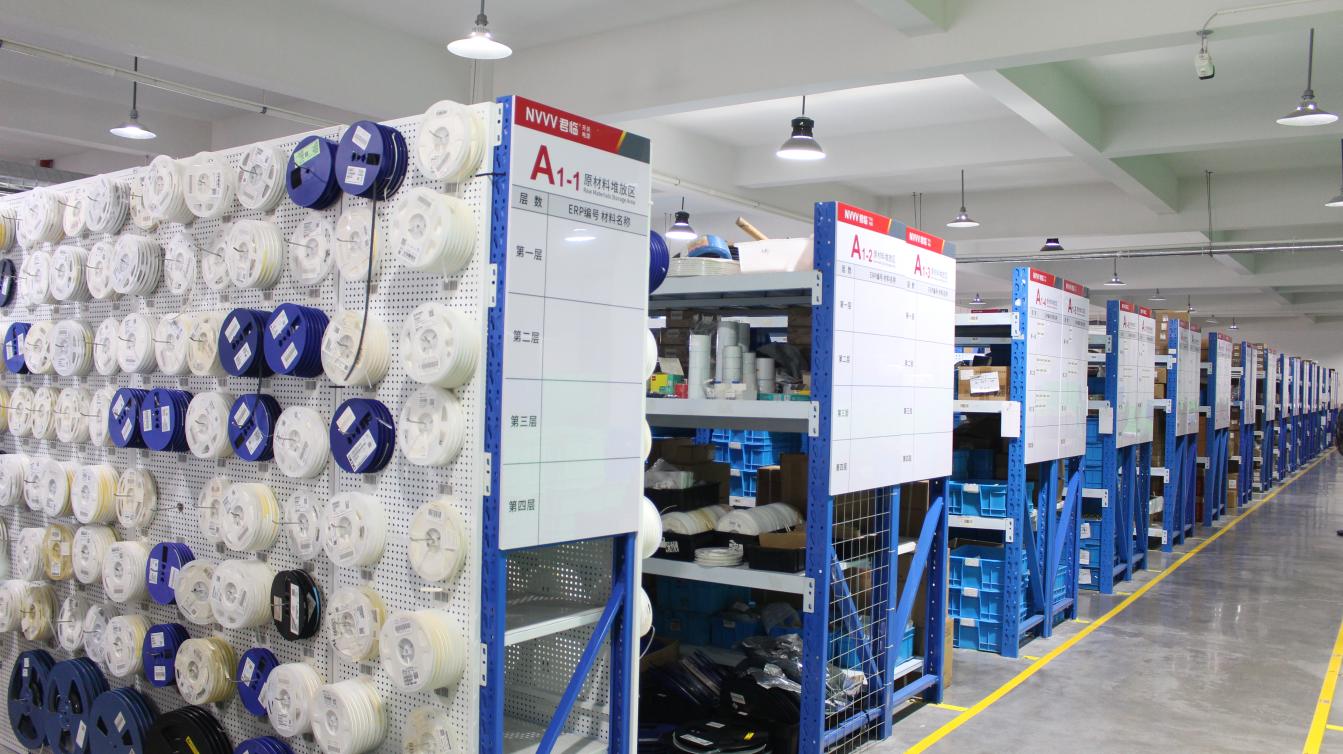
To ensure high performance and minimize defect rates (maintaining a target warranty return rate below 0.3%), NVVV monitors every stage of the assembly process. Below is the step-by-step path from raw components to a finished, certified unit:
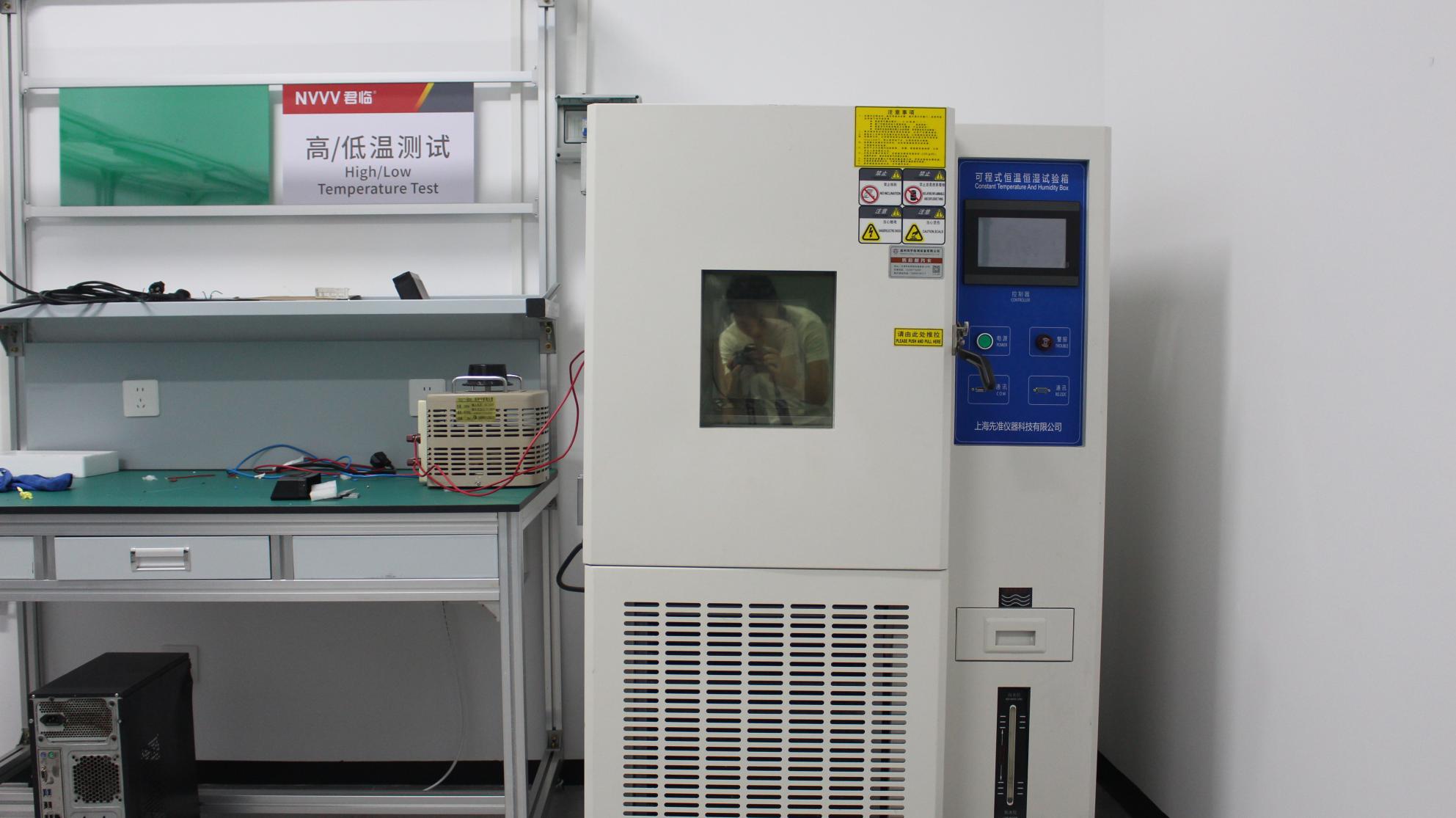
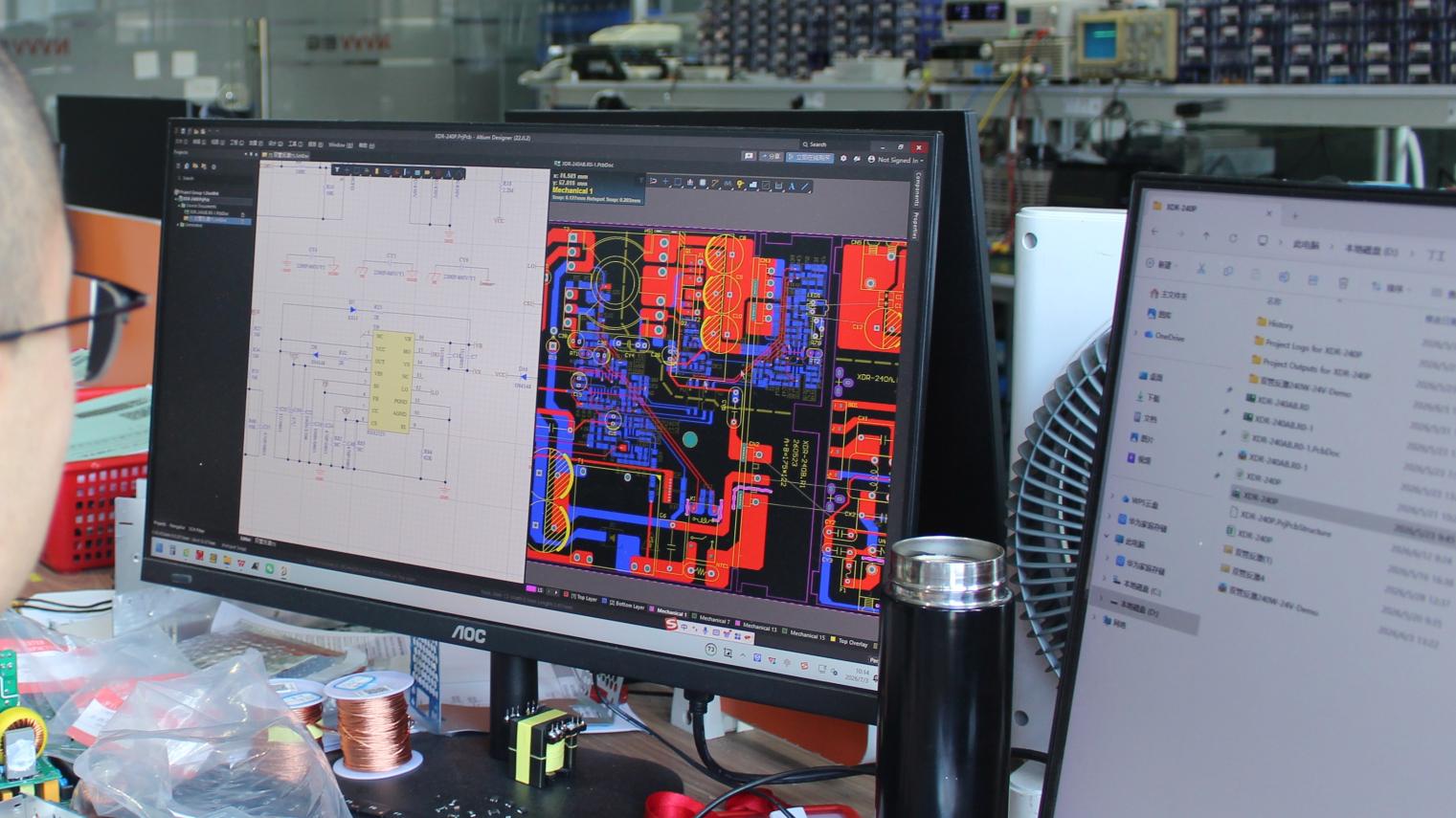
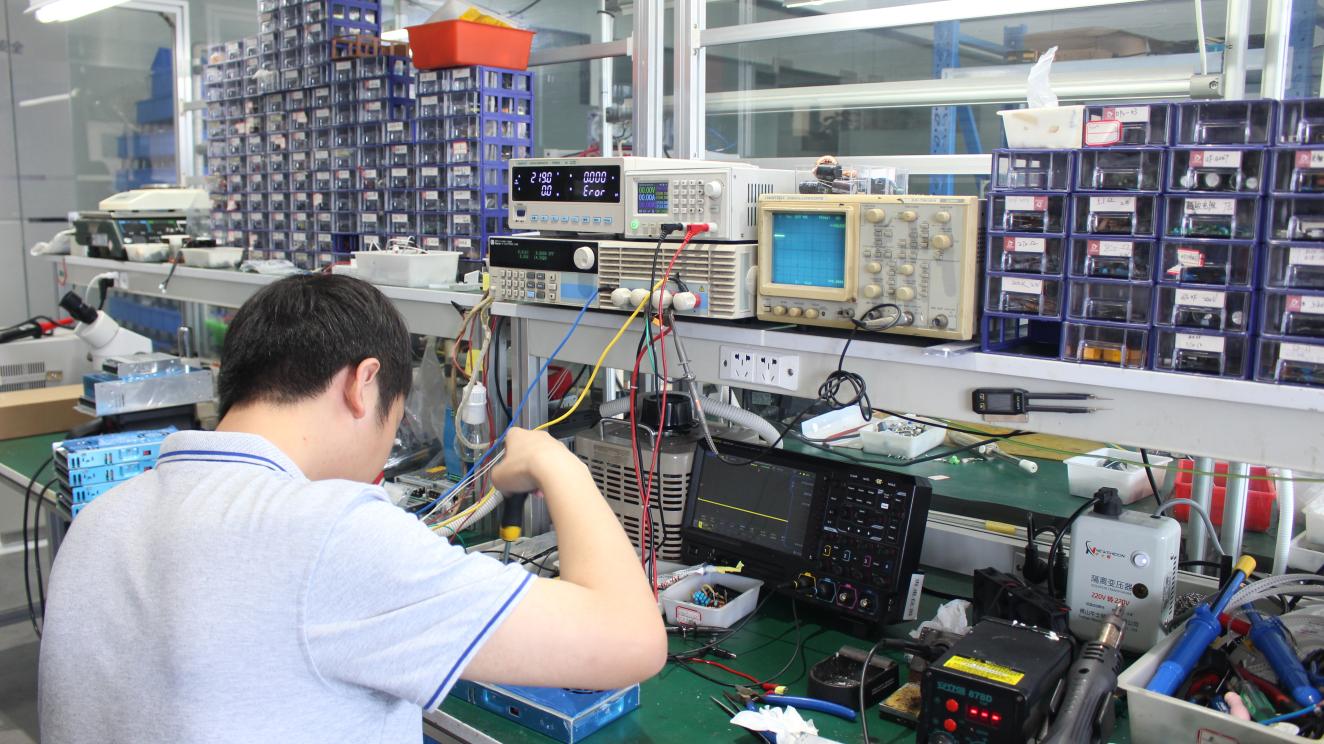
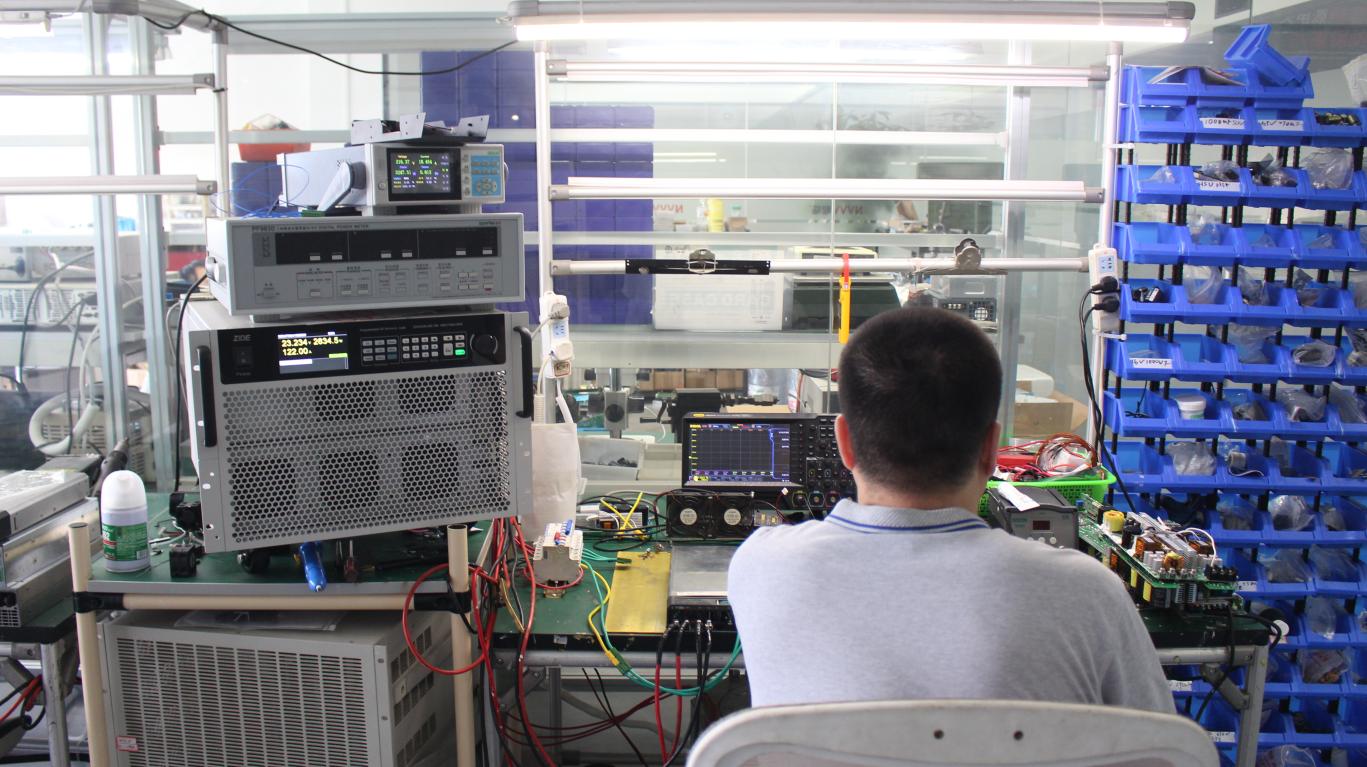
Sourcing power electronics globally requires meeting strict compliance criteria. Grid parameters, utility regulations, and safety codes vary significantly across international markets:
Systems entering North America must meet UL 508 / UL 62368 standards for industrial machinery controls and IT equipment. These standards require strict clearance/creepage distances and flame-retardant enclosures (UL 94 V-0 plastic). Additionally, equipment must comply with FCC Part 15 Class B limits to prevent EMI interference with communication lines.
Compliance with the CE Mark and UKCA is mandatory, covering safety directives, electromagnetic compatibility, and RoHS environmental requirements. Demanding applications often require compliance with the EN 61000-3-2 harmonic distortion standard and CE LVD electrical isolation rules.
Requirements include BIS registration under IS 13252 for India, and mandatory CCC certification for electrical safety in China. Working with a factory like NVVV, which has pre-certified products, reduces testing friction and speeds up market entry for OEM equipment.
Industrial power supplies operate in a variety of environments, each with unique performance demands:
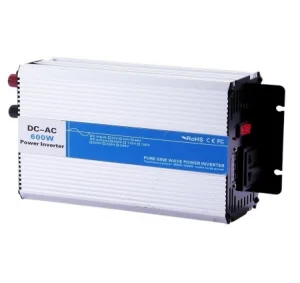
 NVVV Electric