Discover our premium range of industrial-grade SMPS, drivers, and inverters engineered for continuous operation.
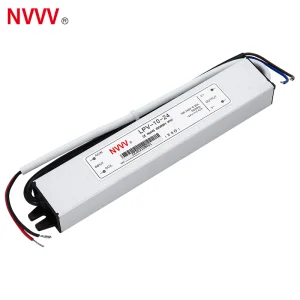
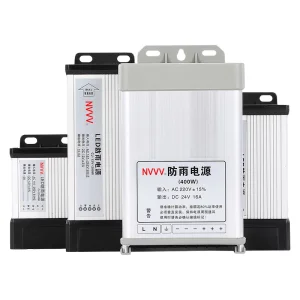
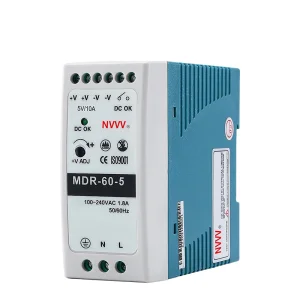
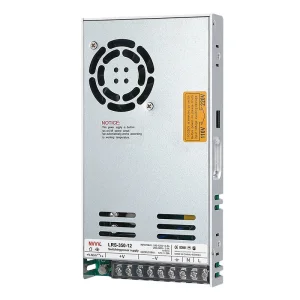
An authoritative analysis for system designers, procurement officers, and OEMs.
Modern electrical engineering demands a precise equilibrium between energy efficiency, thermal management, electromagnetic compatibility (EMC), and physical footprint. When looking to specify a custom linear voltage regulator manufacturer, engineering teams must evaluate the underlying topologies to ensure alignment with their application constraints. Historically, linear voltage regulators have stood as the gold standard for clean, low-noise power conversion, contrasting with switching power supplies (SMPS) which prioritize high conversion efficiency across broad voltage differentials.
A linear voltage regulator operates by modulating an internal active pass element (such as a BJT or MOSFET) controlled via a high-gain feedback loop. By continuously adjusting its resistance in response to load fluctuations, it drops the excess input voltage ($V_{in} - V_{out}$) as thermal dissipation. Consequently, the operational efficiency ($\eta$) of a classic linear regulator is directly proportional to the output-to-input voltage ratio:
$\eta \approx \frac{V_{out}}{V_{in}}$ (neglecting quiescent ground current)
When the voltage differential is substantial, the dissipated power ($P_d = (V_{in} - V_{out}) \times I_{load}$) generates immense heat. This necessitates heavy heatsinks or active cooling, which increases assembly weight and bill of materials (BOM) costs. However, where linear voltage regulators excel is in their transient response time, near-zero high-frequency switching noise, and exceptional Power Supply Ripple Rejection (PSRR), often exceeding 70dB at 1kHz. This makes them indispensable for sensitive analog circuitry, precision instrumentation, RF transceiver modules, and high-fidelity audio paths.
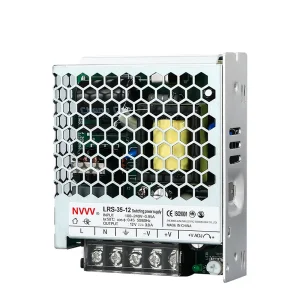
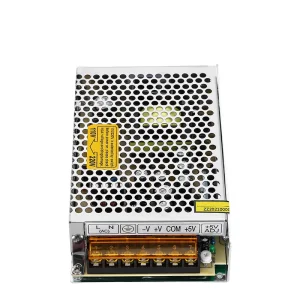
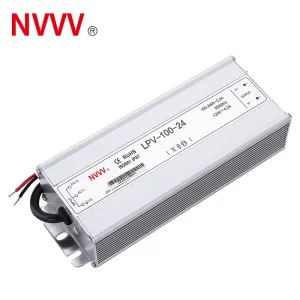
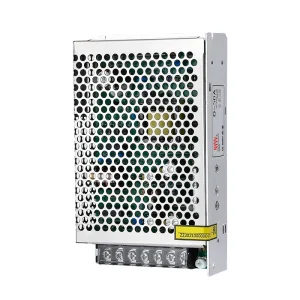
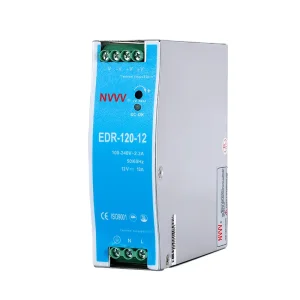
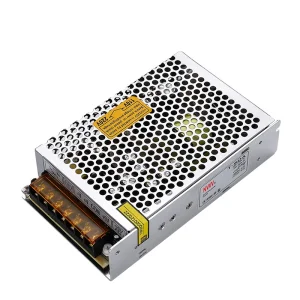
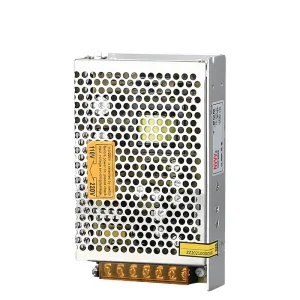
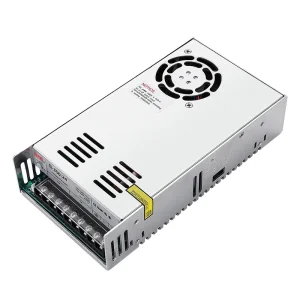
Conversely, Switching Power Supplies (SMPS) operate by rapidly switching a low-loss semiconductor switch between fully-on and fully-off states. Energy is stored temporarily in reactive components (inductors and capacitors) and delivered to the output node. The minimal power loss across the switching elements allows SMPS to achieve efficiency ratings typically ranging from 85% to 96%, even under substantial step-down transitions (e.g., converting 220VAC to 12VDC). This is the core technology underlying NVVV Electric Technology's robust DIN rail power supplies, enclosed switching models, and waterproof drivers. The trade-off is the generation of high-frequency ripple and EMI, which requires meticulous filter network design and EMI shielding—a service NVVV specializes in during custom OEM design cycles.
| Parameter | Linear Regulator Technology | Switching Power Supply (SMPS) | NVVV Hybrid Engineering Solutions |
|---|---|---|---|
| Efficiency | Low to Moderate (Typically 30% - 60%) | Very High (85% - 97%) | Optimized custom designs combining both paths |
| Output Ripple & Noise | Extremely Low (<100 µV RMS) | Moderate to High (10 mV - 100 mV Peak-to-Peak) | Dual-stage filtering to mitigate ripple under load |
| Transient Recovery Time | Fast (Microseconds) | Slow (Hundreds of microseconds) | Enhanced dynamic response via custom capacitance banks |
| Physical Size & Weight | Heavy (requires heat sinking for high load) | Light and Compact | Sleek industrial enclosures (DIN rail & waterproof profiles) |
| Electromagnetic Interference | None (No switching transitions) | Requires shielding and active filter networks | Certified compliance with FCC, CE, UKCA, and EMC norms |
Quantifiable capabilities that anchor NVVV Electric Technology Co., Ltd. as a reliable global partner.
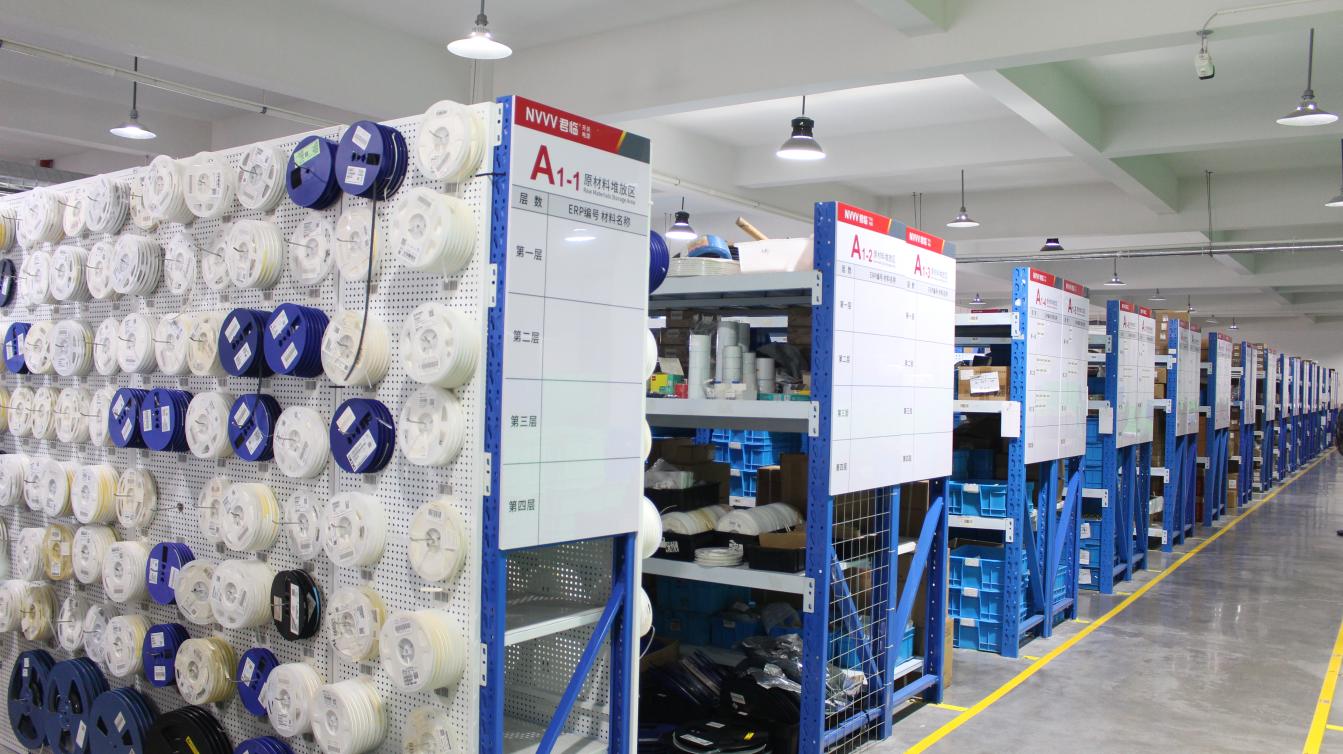
Located in the vibrant industrial cluster of Wenzhou, Zhejiang Province, China, NVVV Electric Technology Co., Ltd. has established over a decade of leadership in the research, development, production, and sales of DIN rail power supplies, switching units, and specialized linear regulation solutions. With our annual export revenues exceeding USD 1.27 million, we actively cater to global market sectors requiring uncompromising power stability.
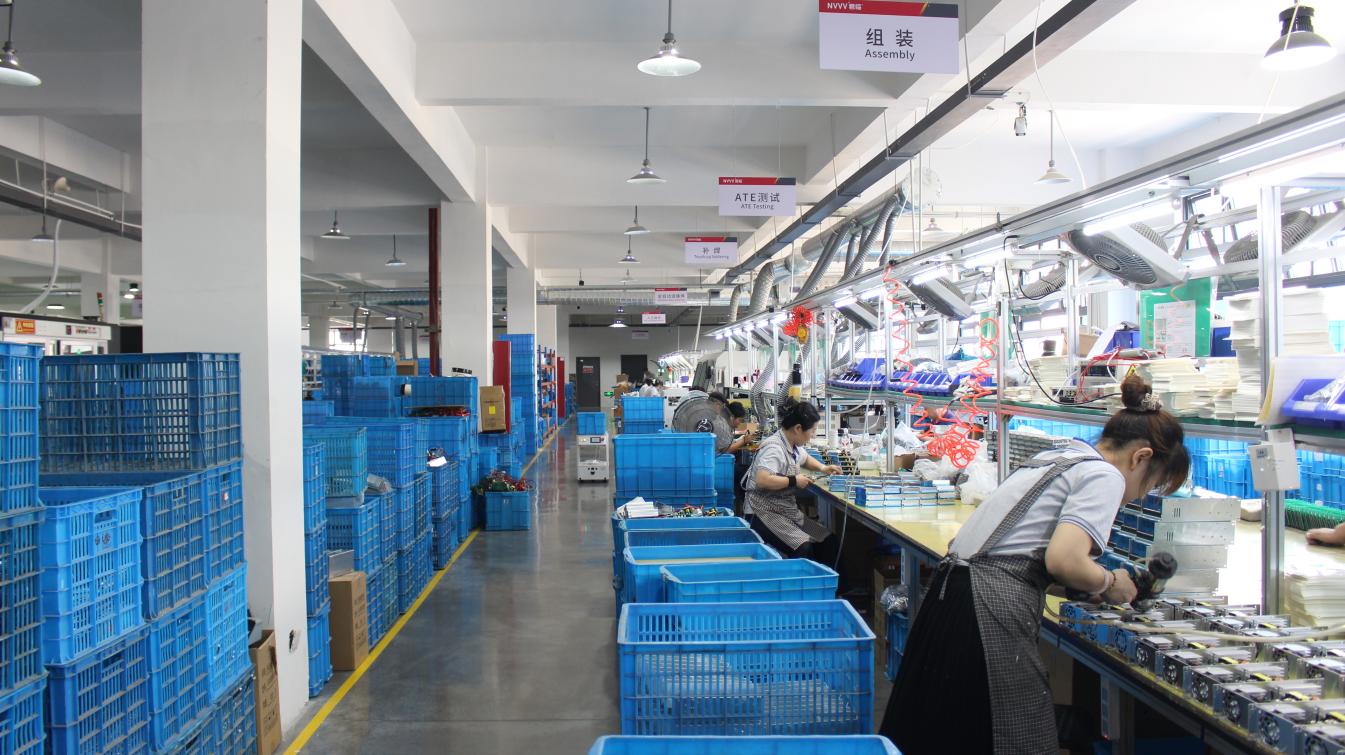
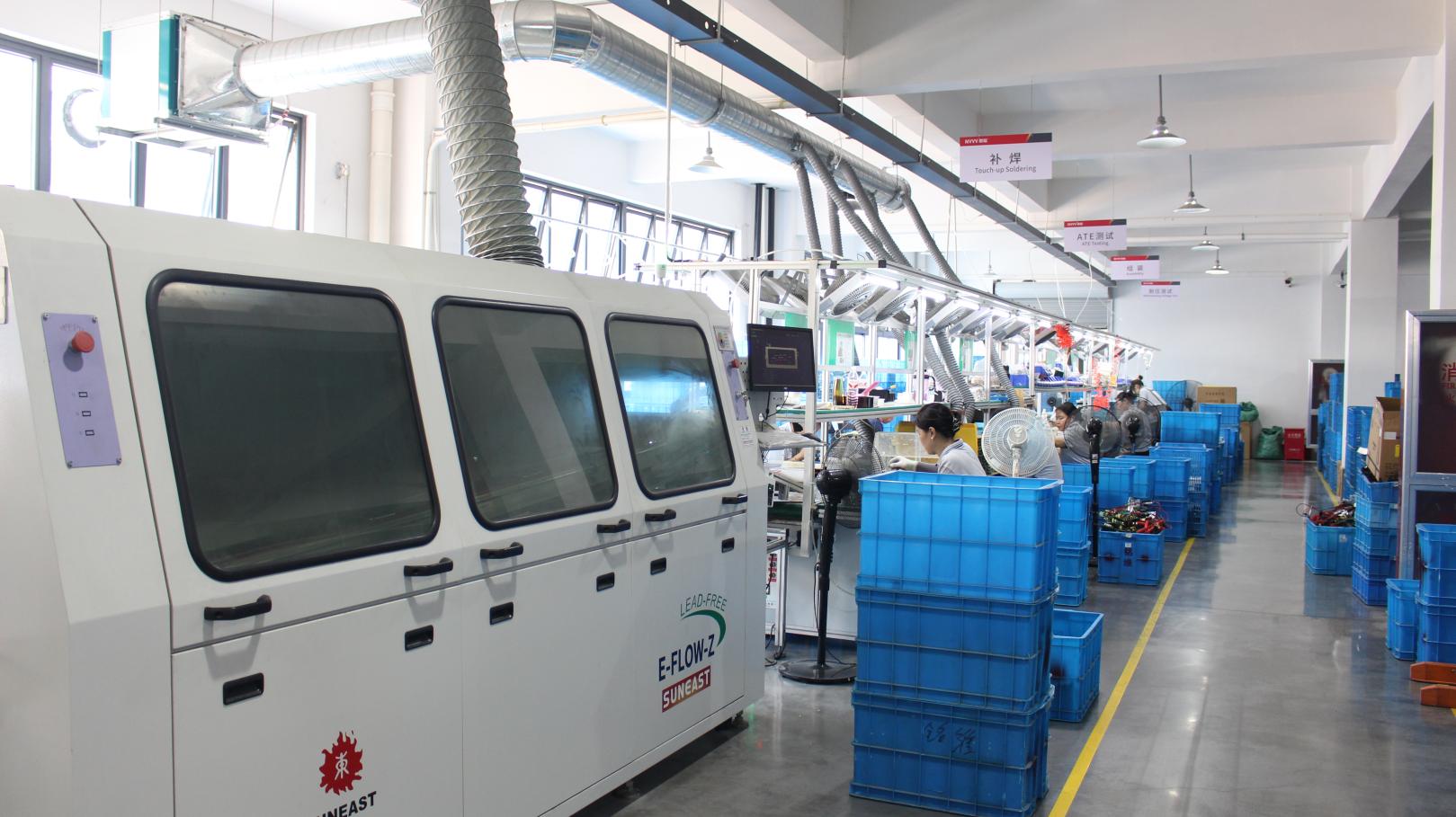
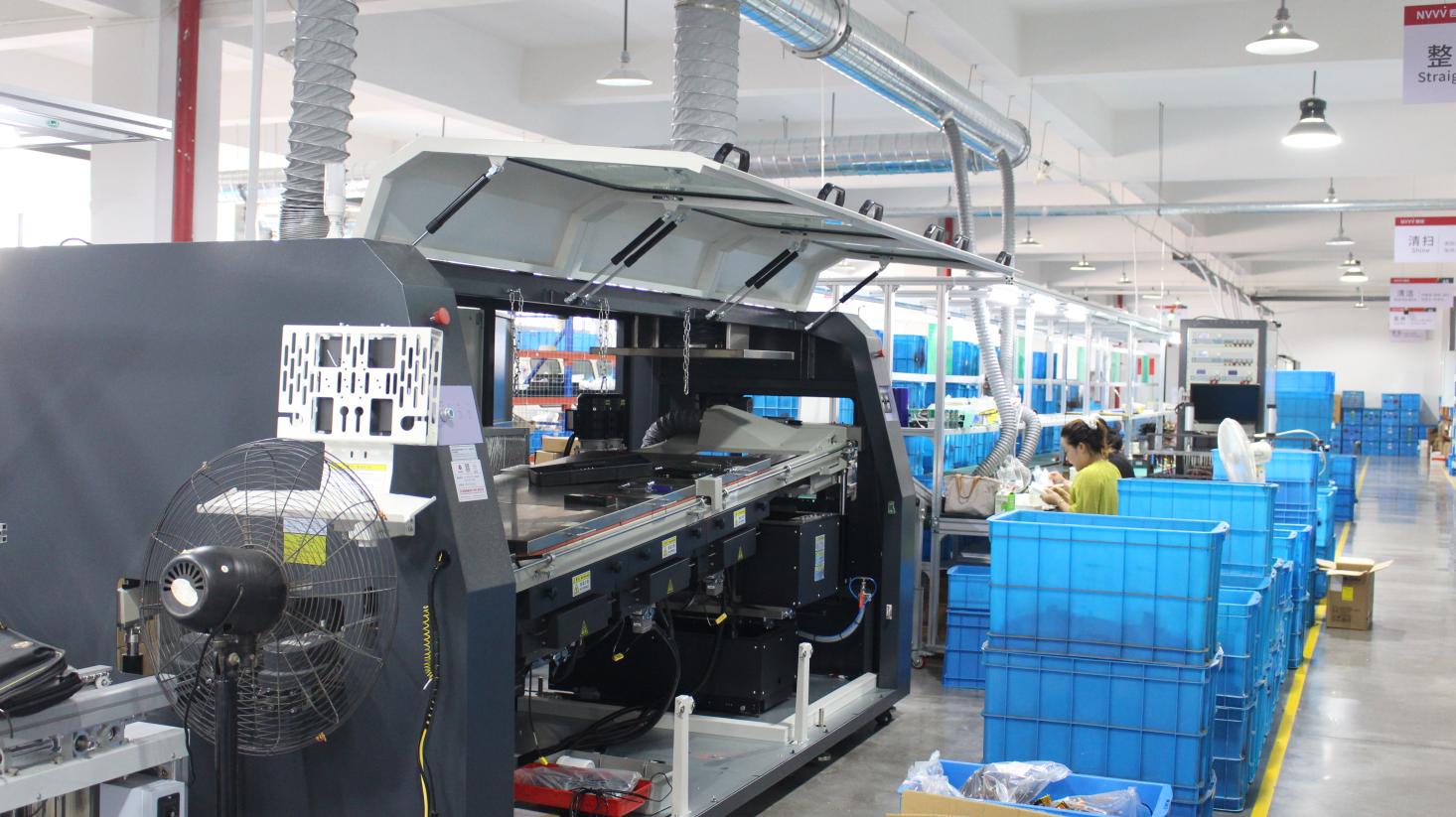
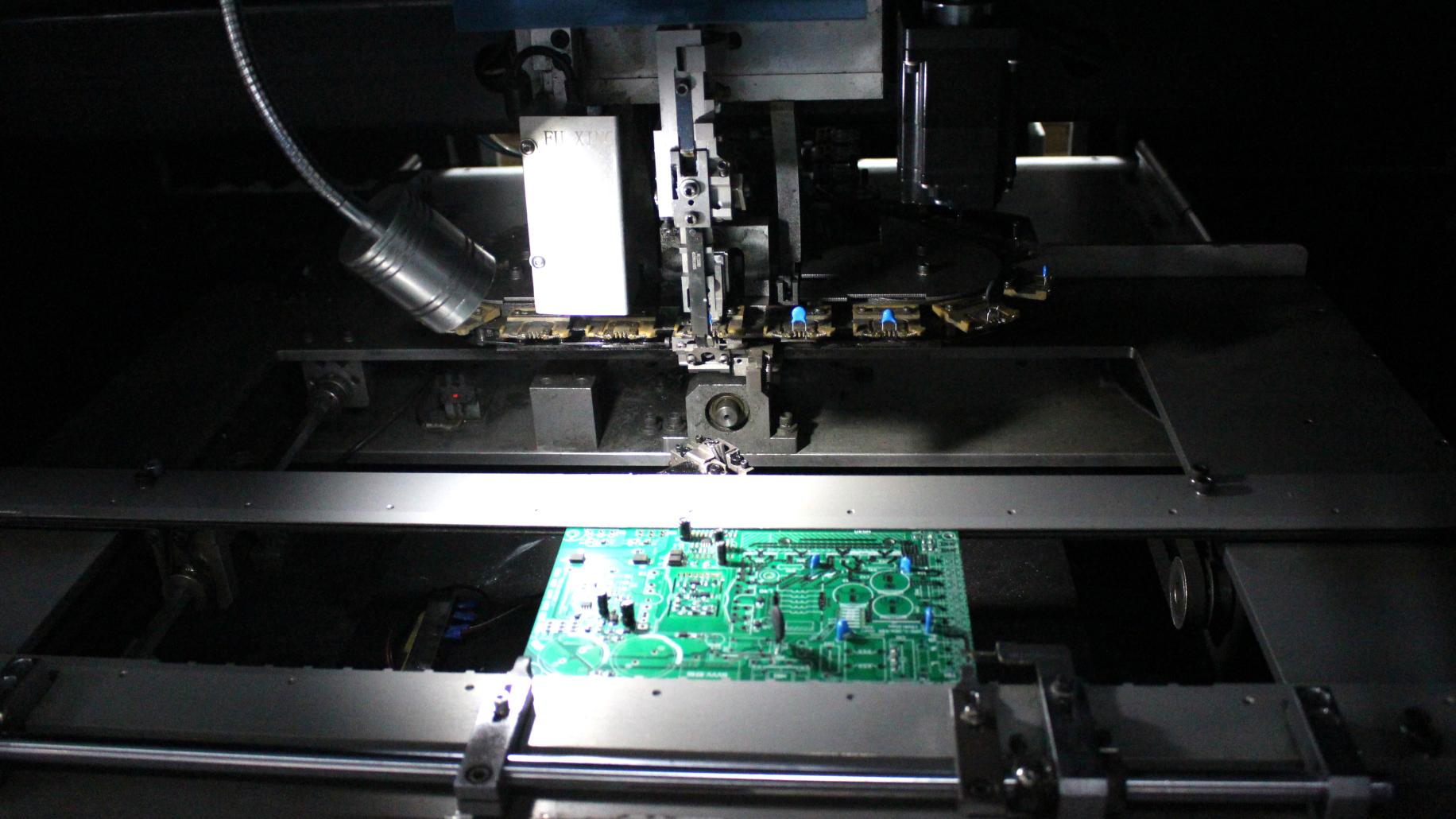
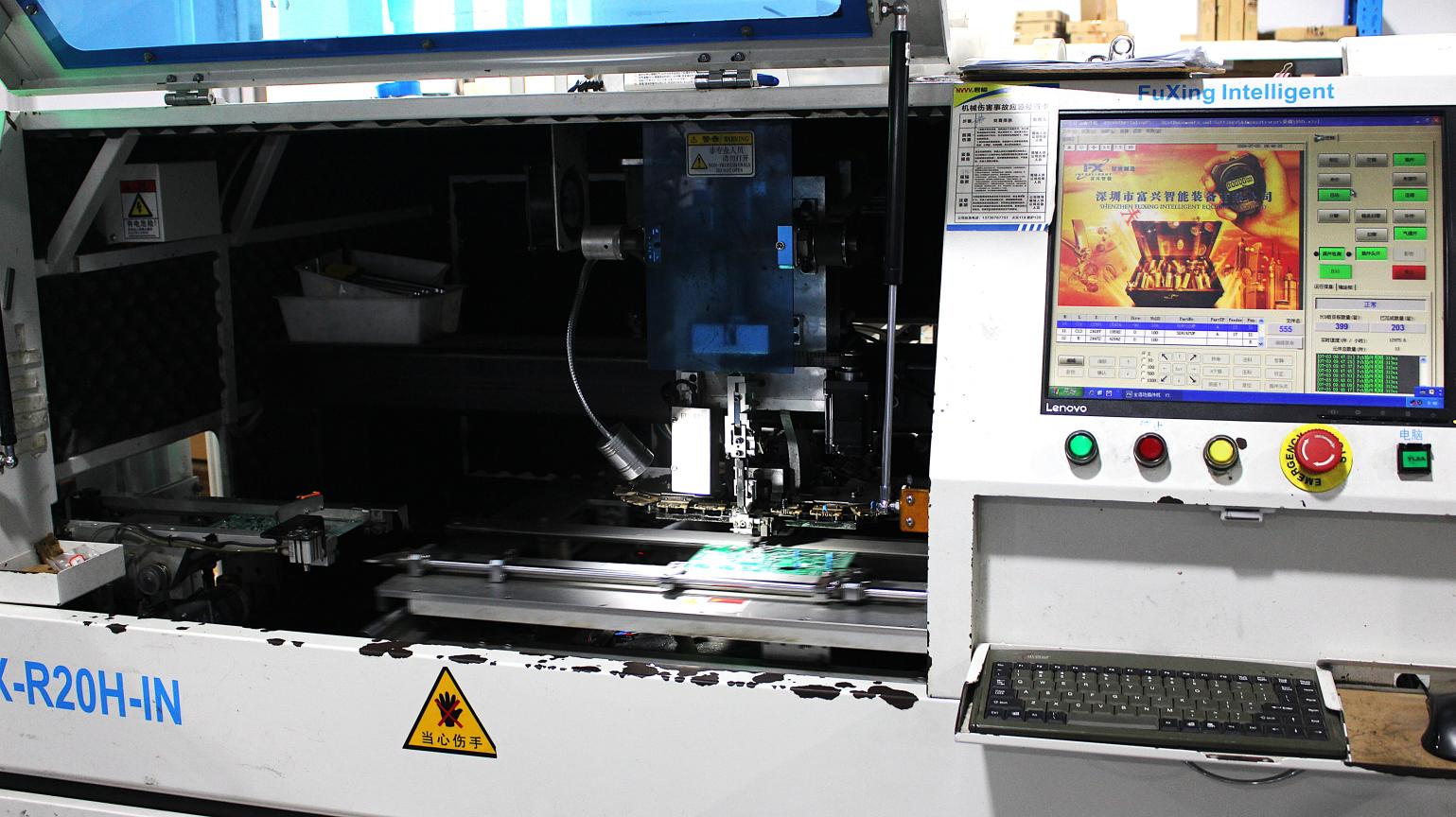
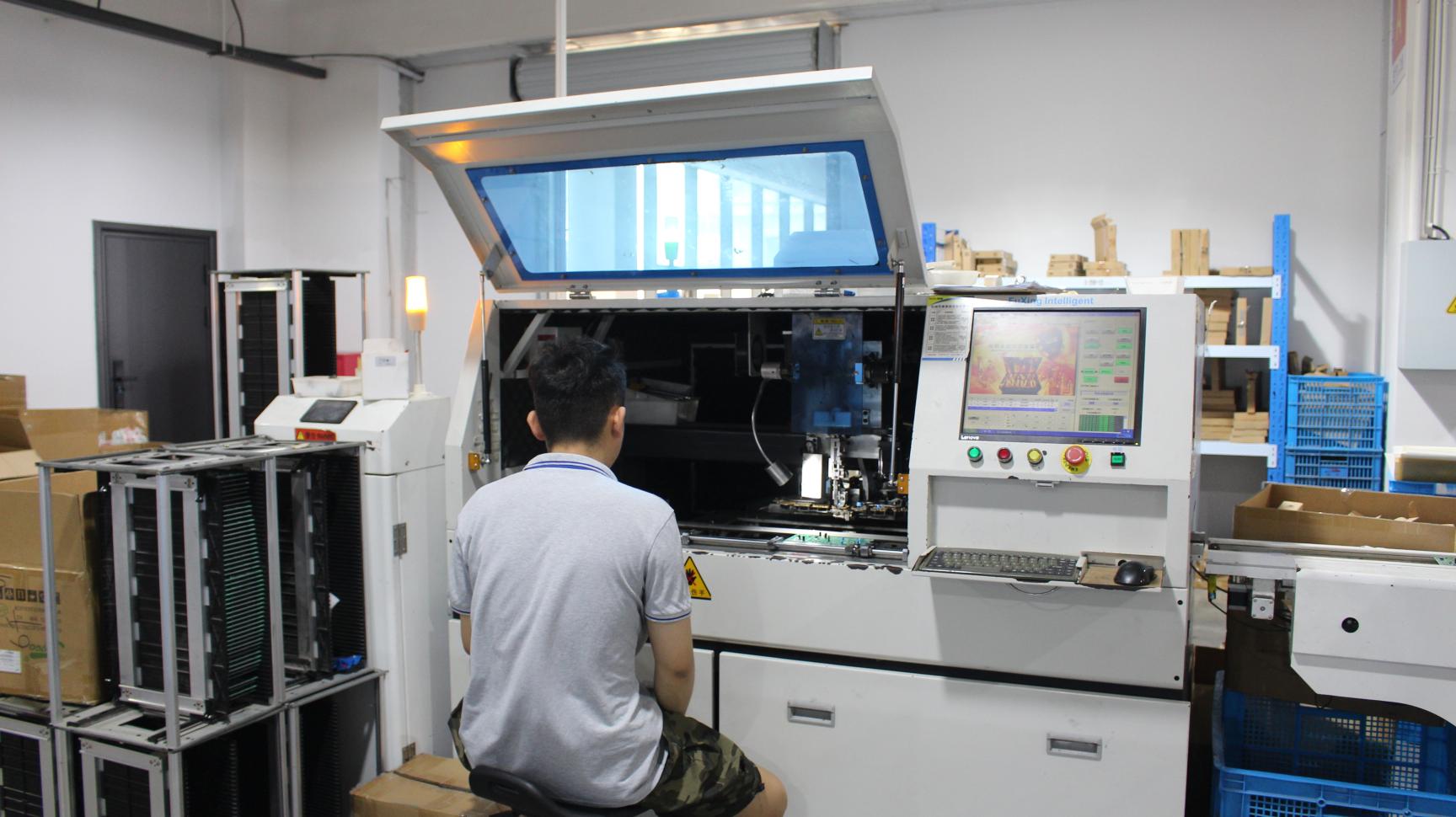
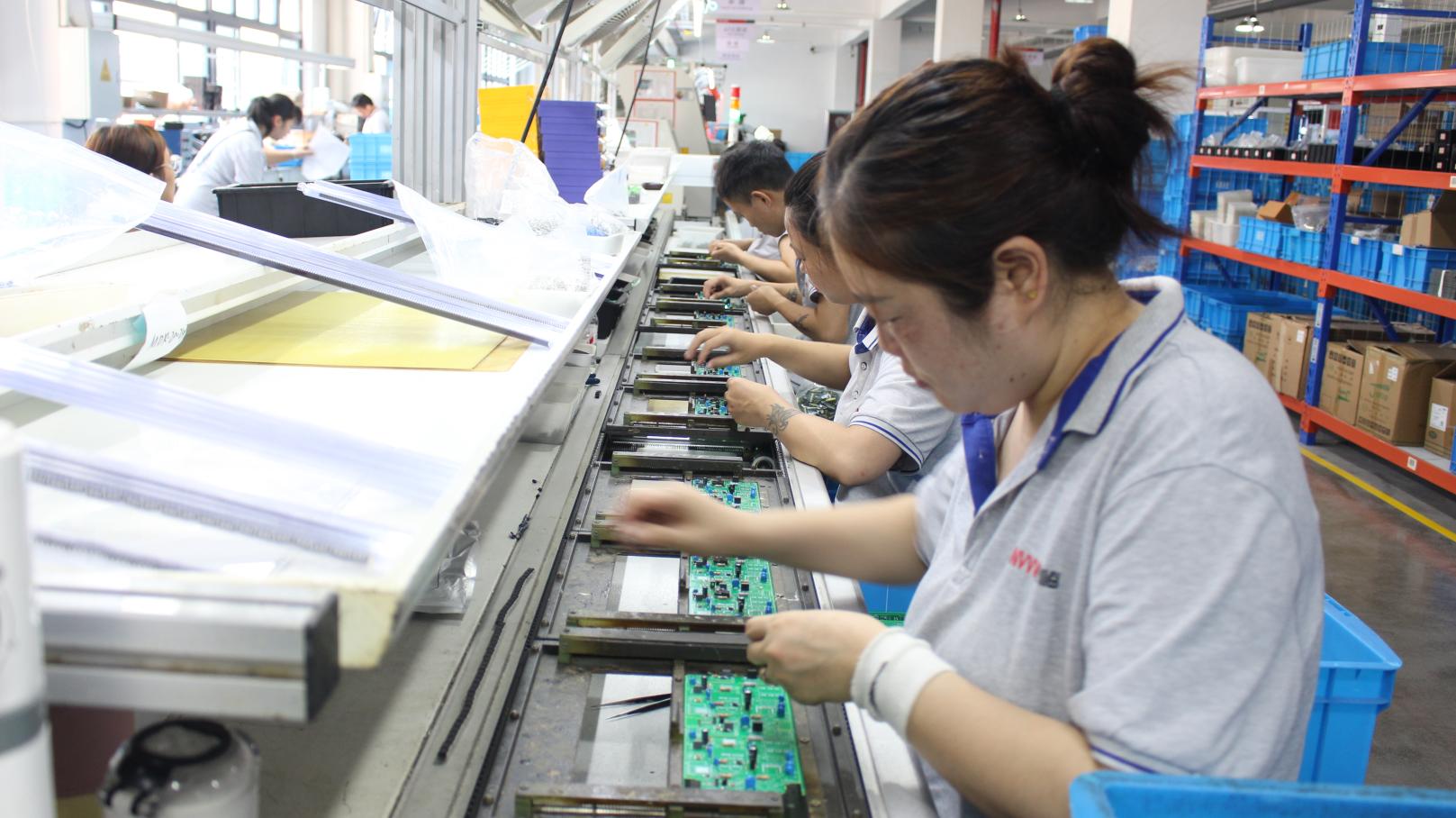
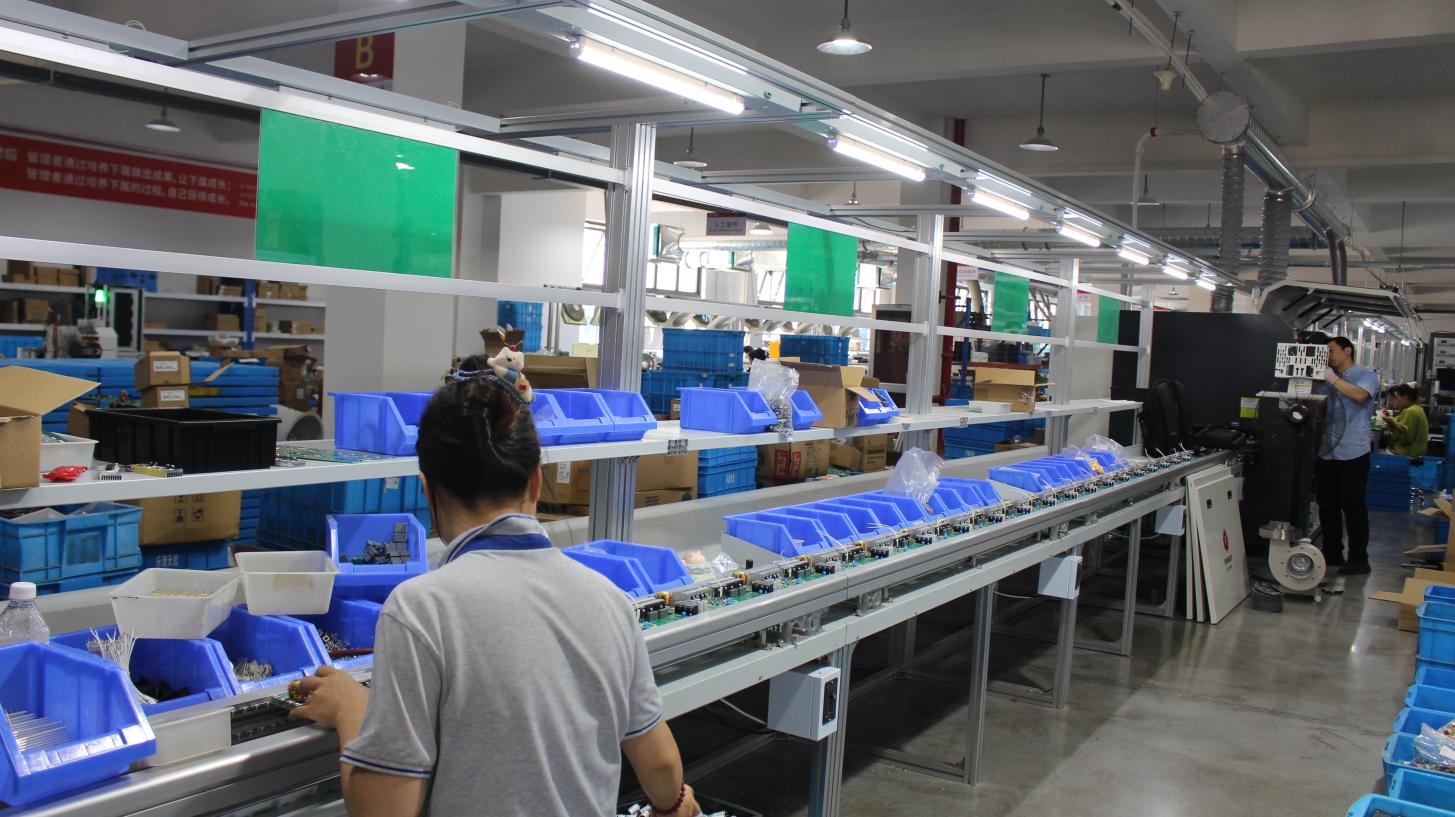
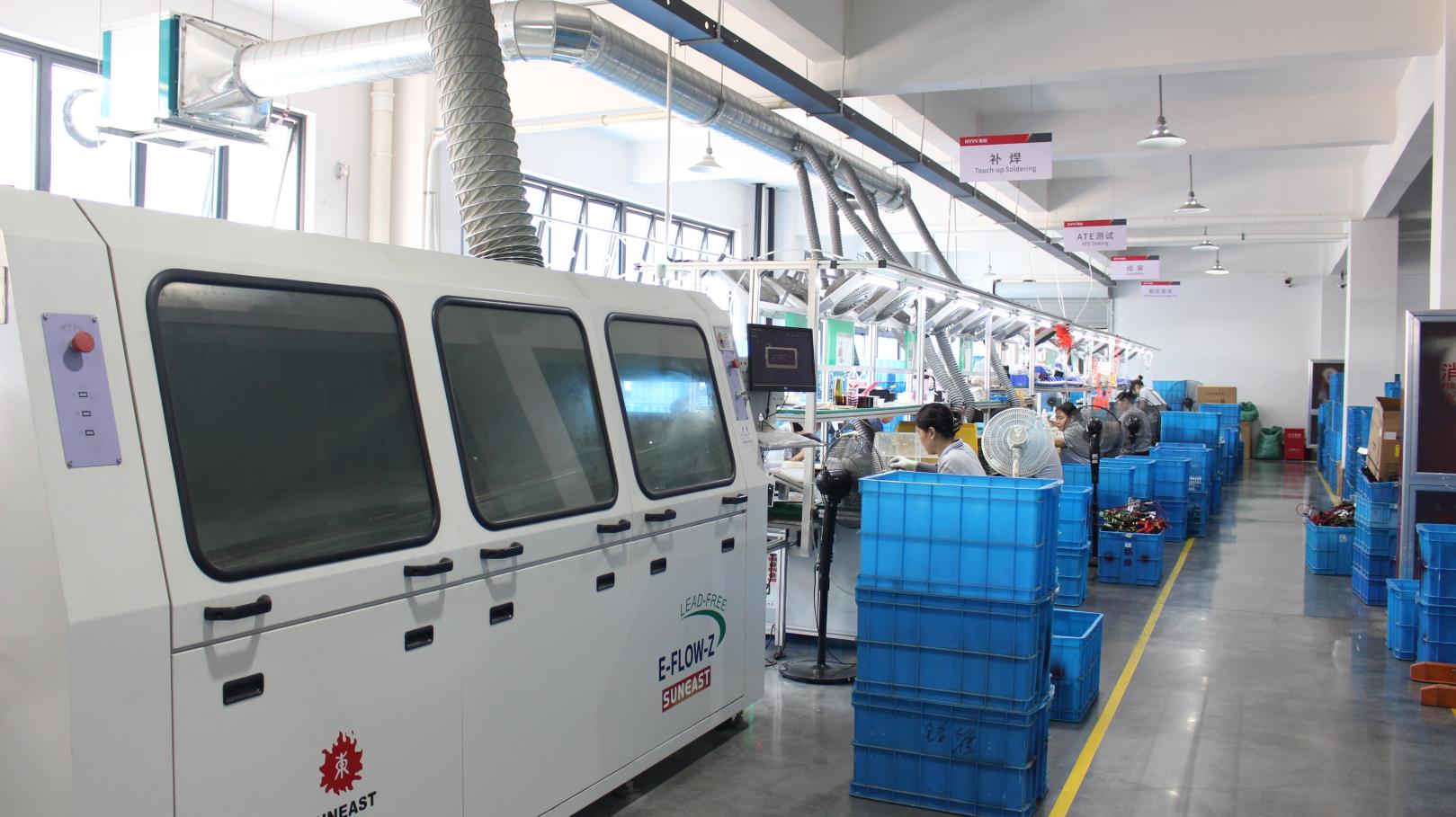
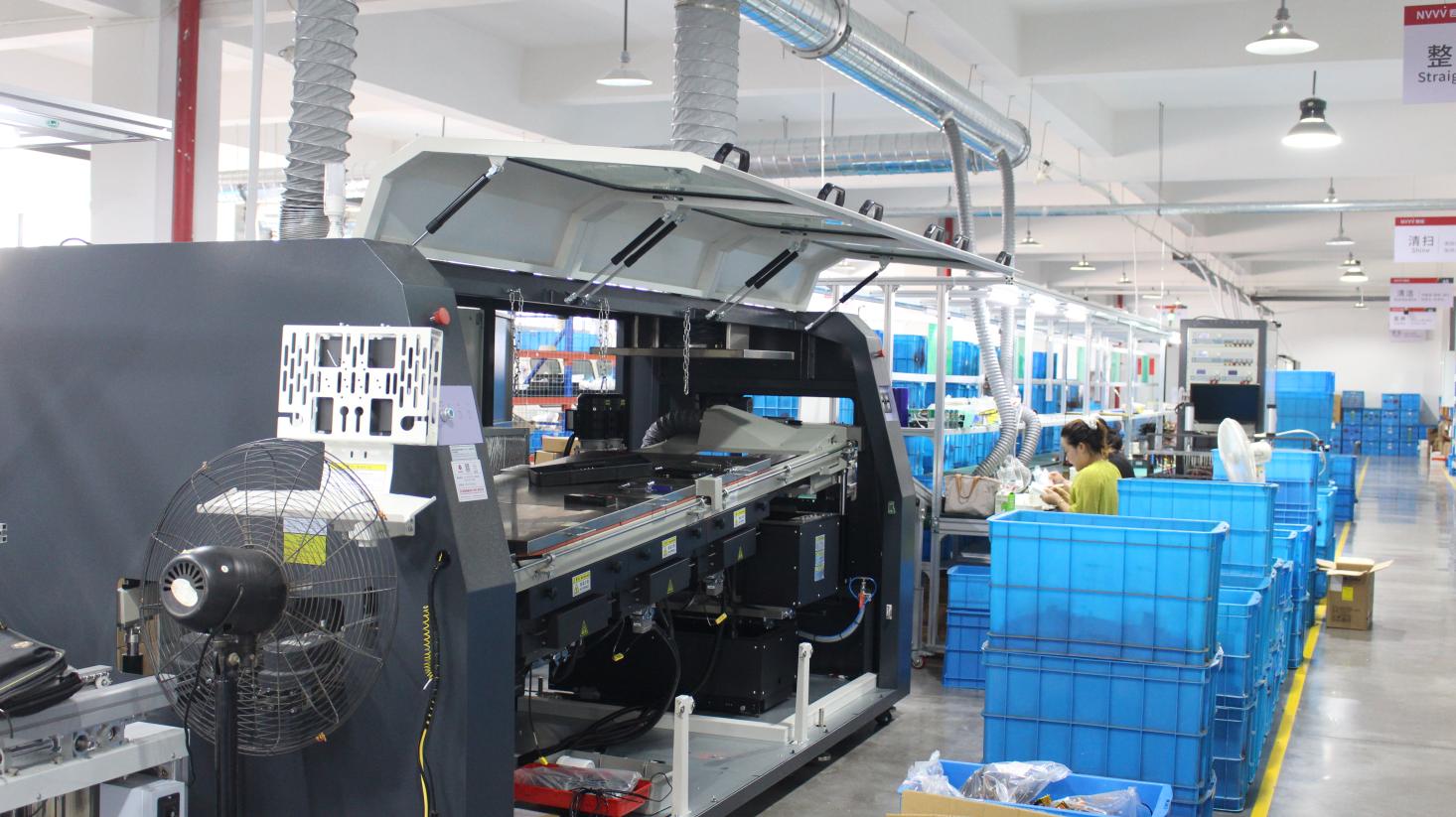
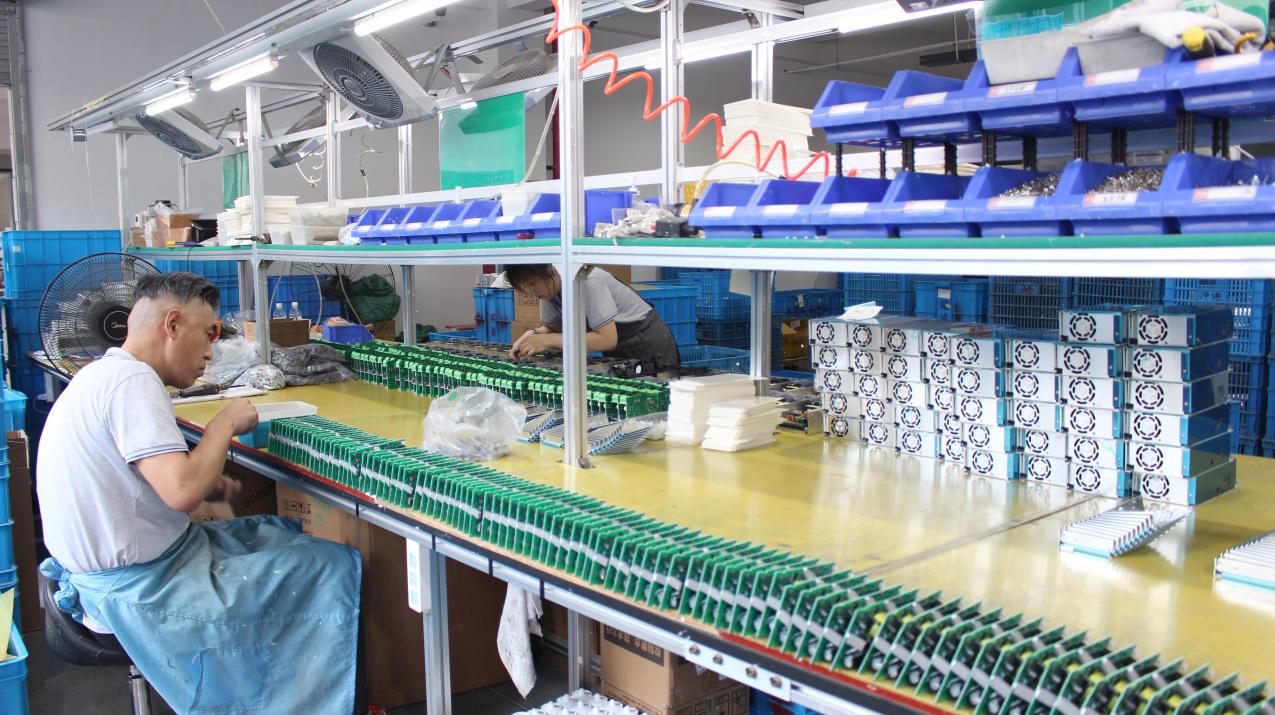
Our infrastructure operates 5 automated production lines equipped with 46 advanced manufacturing machines. This setup is operated by a highly specialized workforce of 50 dedicated employees, including a core team of 7 veteran R&D engineers. This technical foundation allows us to output roughly 120 new products annually, ensuring our clients can readily source cutting-edge power topologies to fit evolving system designs.
How our localized ecosystem in Wenzhou translates to competitive advantages for global buyers.
Being based in Wenzhou grants us direct access to high-grade silicon suppliers, magnetic core manufacturers, and copper refineries. By eliminating intermediate distributors, we secure high-reliability components at optimized rates, passing the cost efficiency directly to global buyers.
With our 7 dedicated R&D engineers, we provide rapid turnarounds on custom voltage parameters, custom dimensions, and tailored thermal envelopes. We can deliver physical samples for evaluation in a fraction of the time required by Western manufacturers.
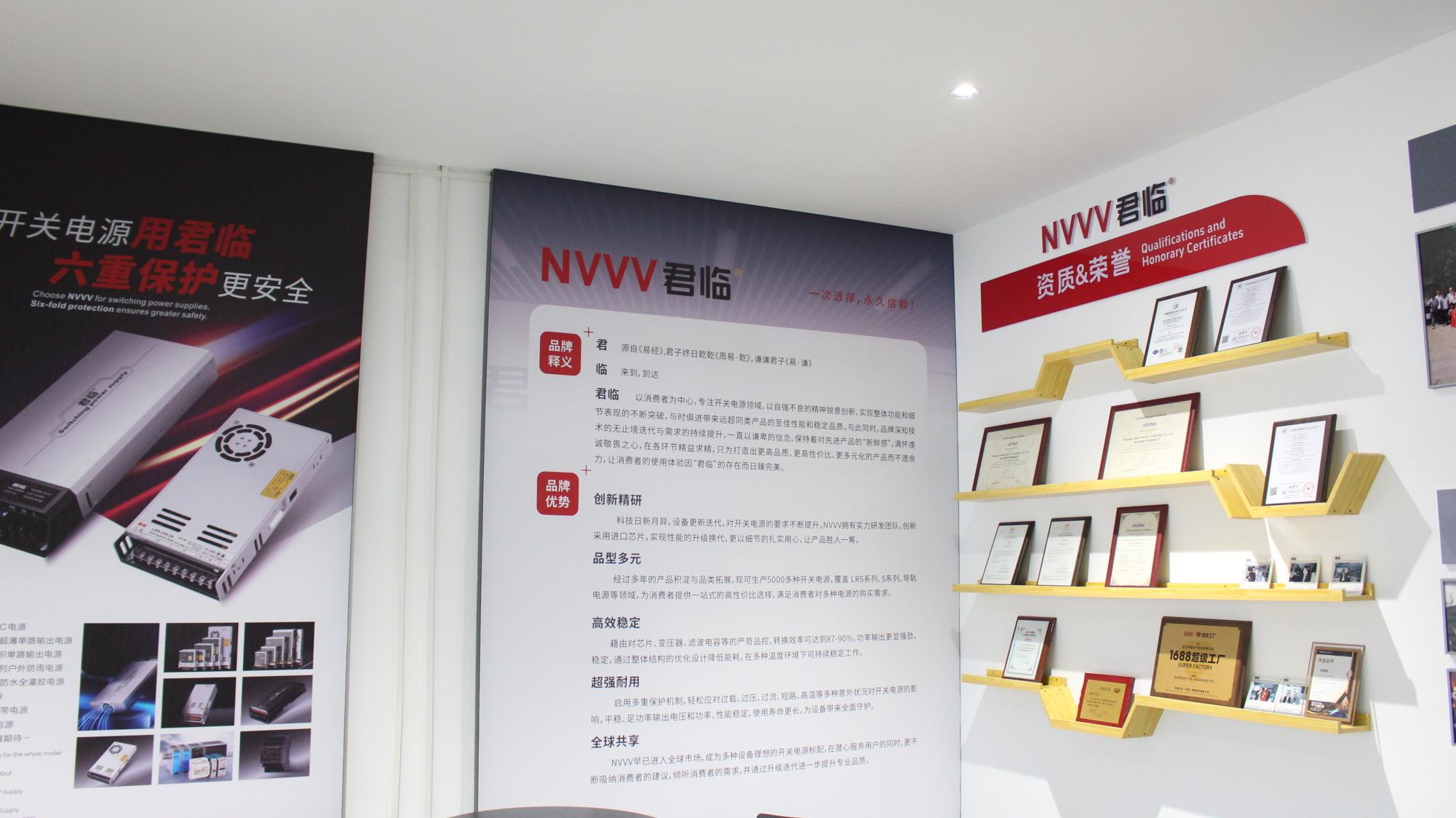
Our manufacturing and testing workflows are aligned with international standards. We actively hold certificates for CE, FCC, CCC, UKCA, BIS, and EMC, allowing our power systems to integrate seamlessly into North American, European, and Asian grids without regulatory hurdles.
Providing technical peace of mind through structured quality testing and global regulatory alignments.
Deploying electronic hardware in multiple international jurisdictions requires navigating complex compliance terrain. For global enterprise clients, a power supply unit is not merely a utility component but the primary safeguard against grid irregularities and safety liability. At NVVV Electric Technology, we have meticulously mapped our design protocols to key international standards to streamline our client's localized system certification processes.
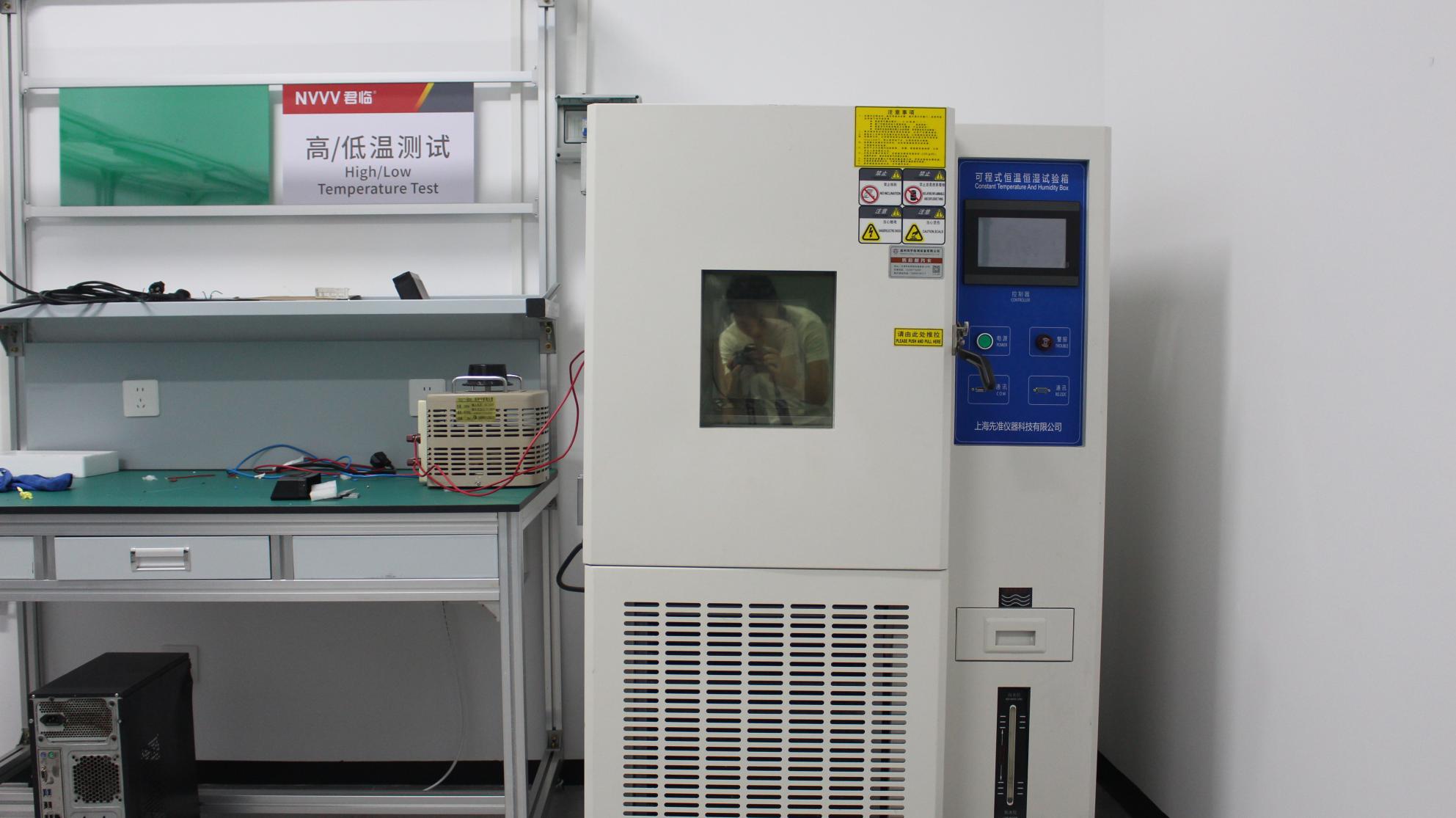
Our custom OEM design options account for local environment variations. For instance, in regions with high humidity and heat, we offer protective conformal coatings that prevent corrosion and tracking faults. For cold-climate setups, we utilize premium low-temperature capacitors designed to start reliably down to -40°C. In high-vibration heavy industrial machinery applications, our DIN Rail power supply enclosures employ heavy-duty metal clips and vibration-resistant terminals to guarantee continuous circuit integrity.
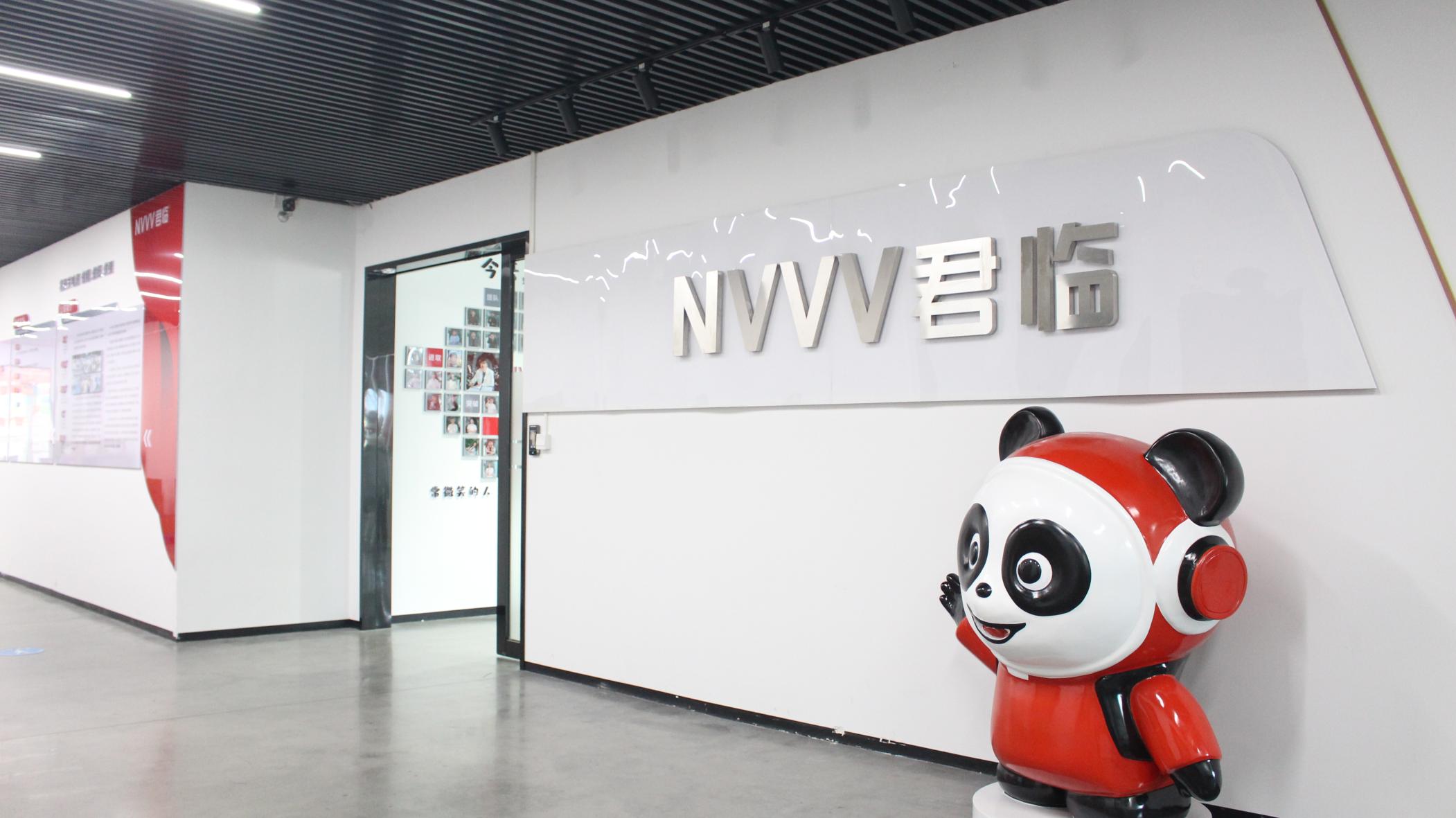
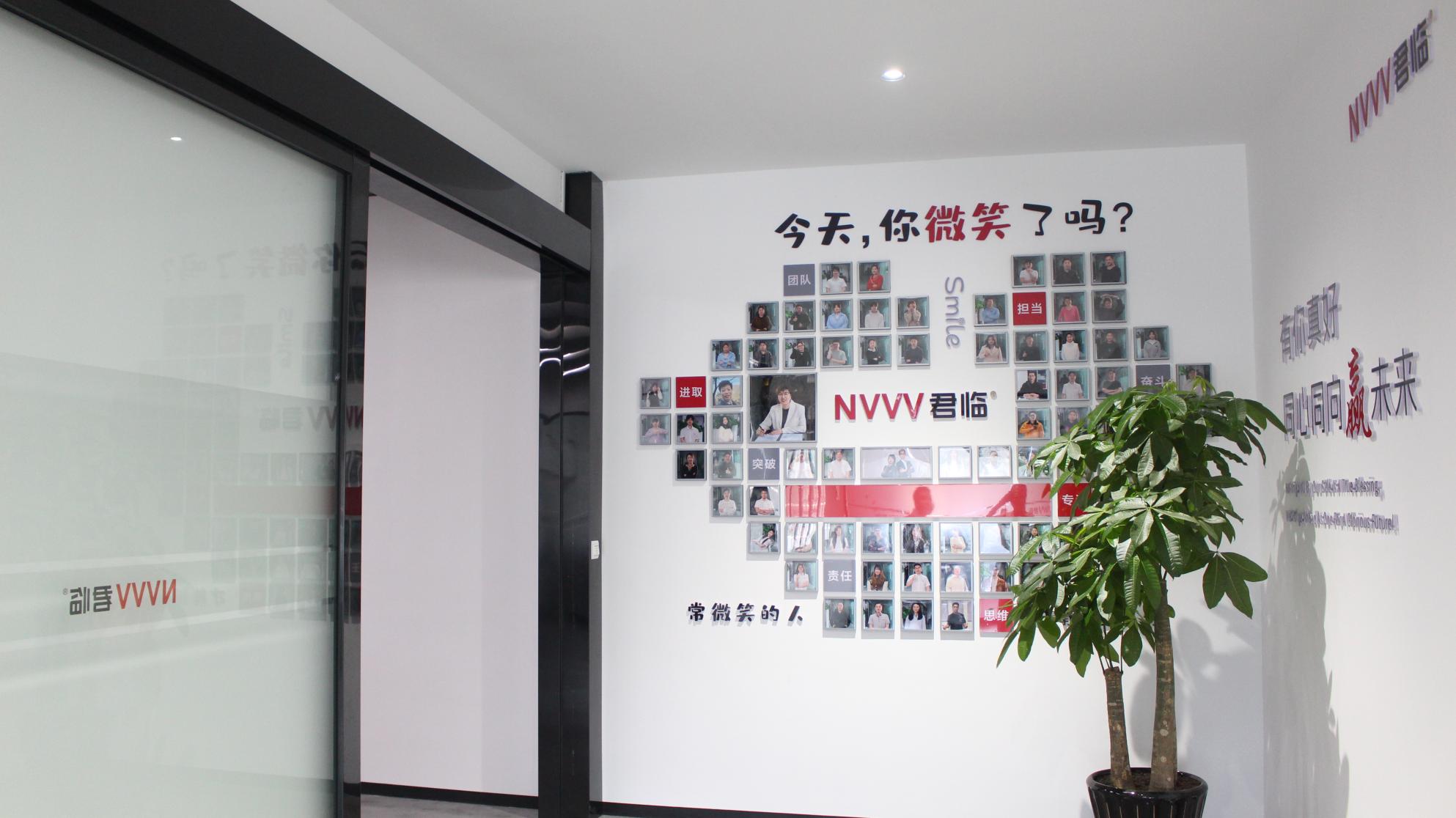
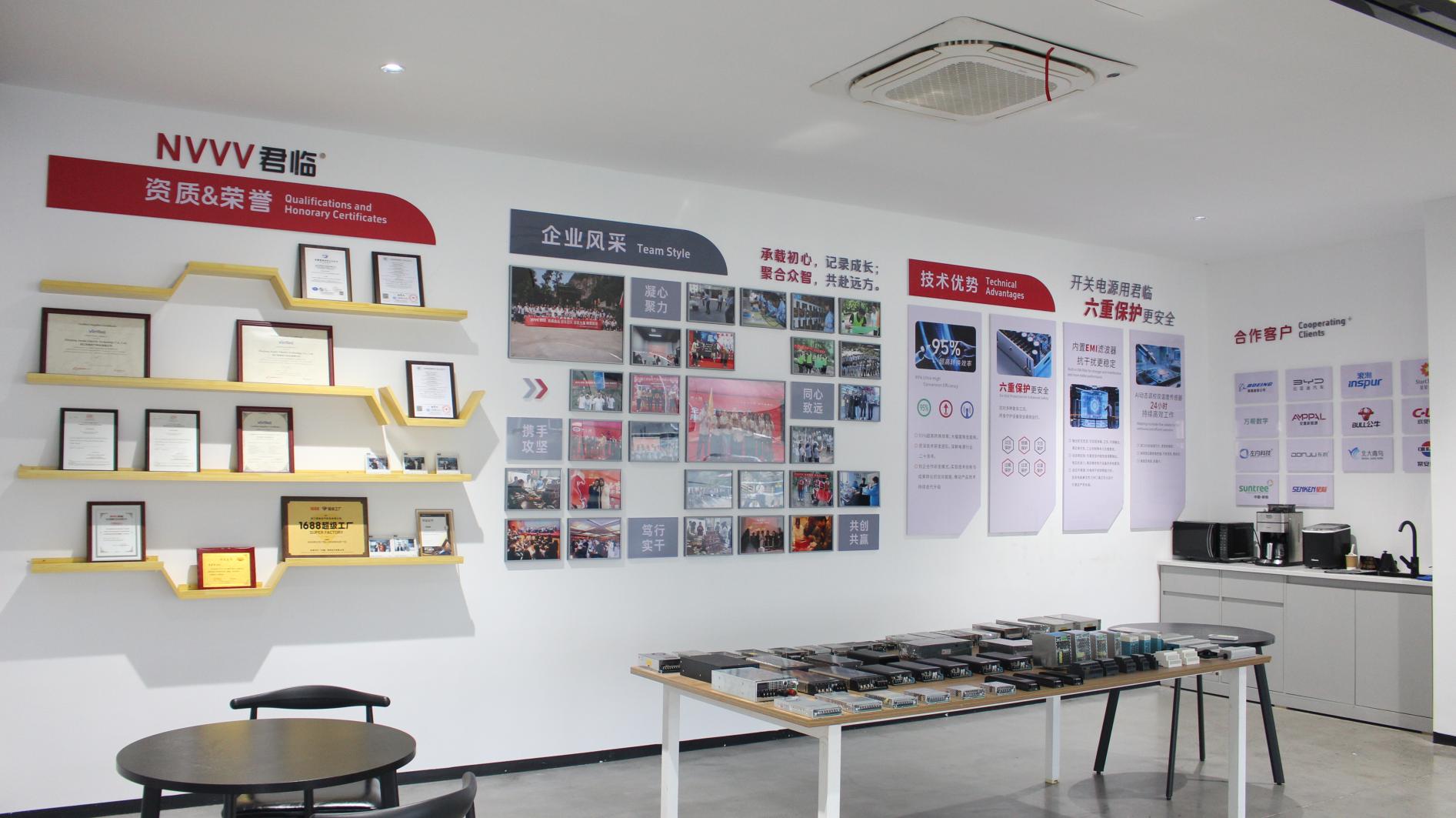
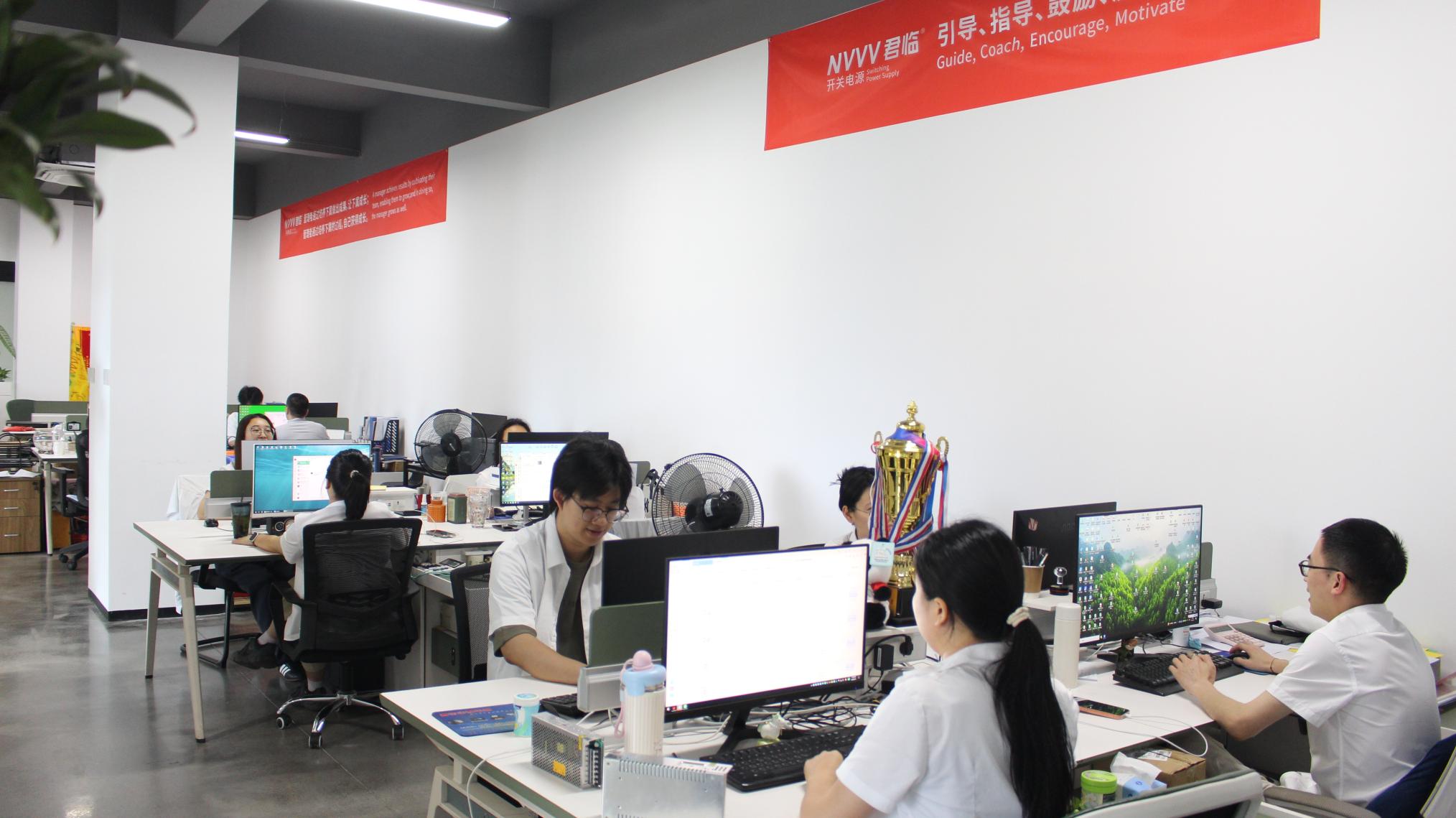
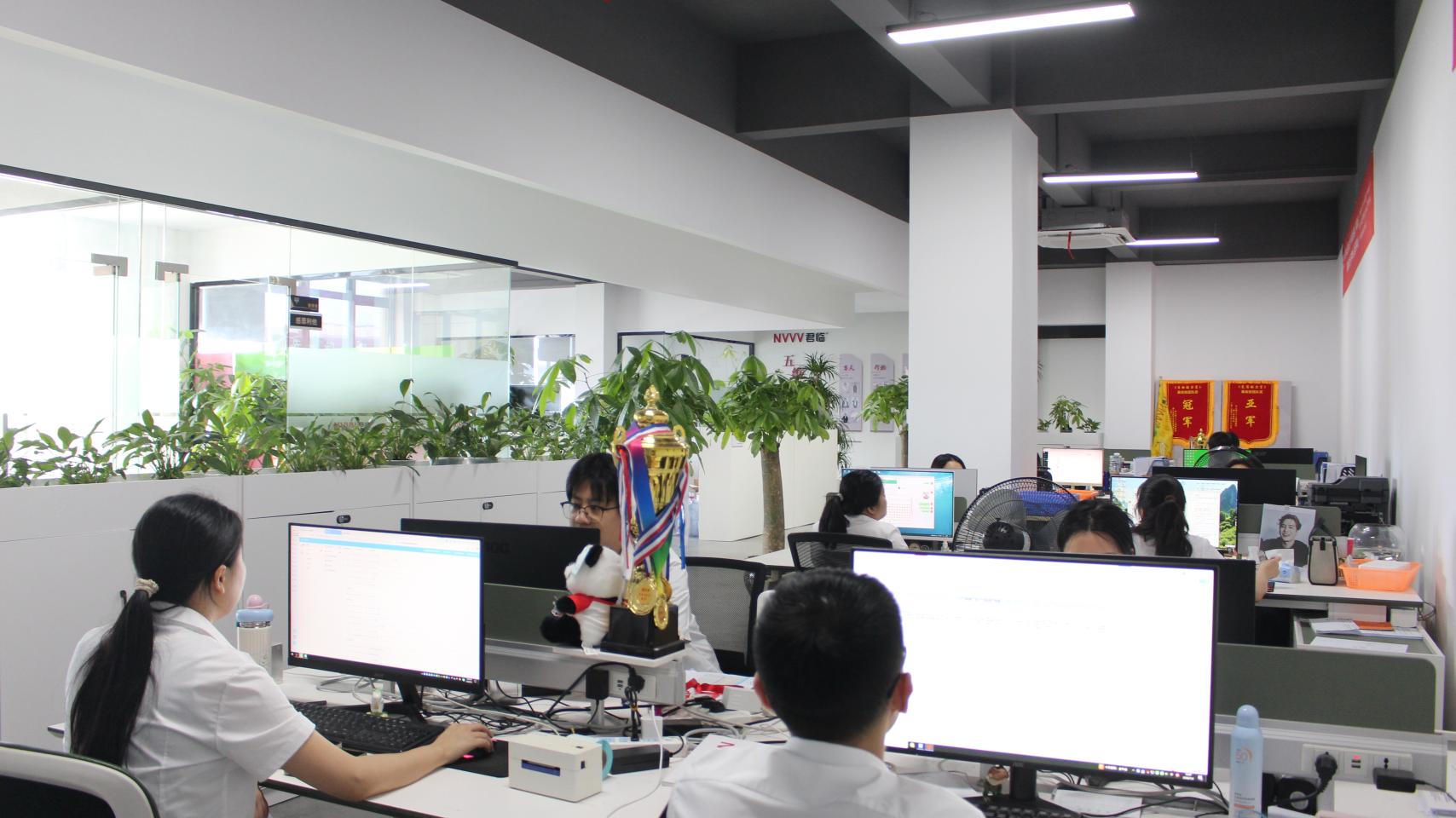
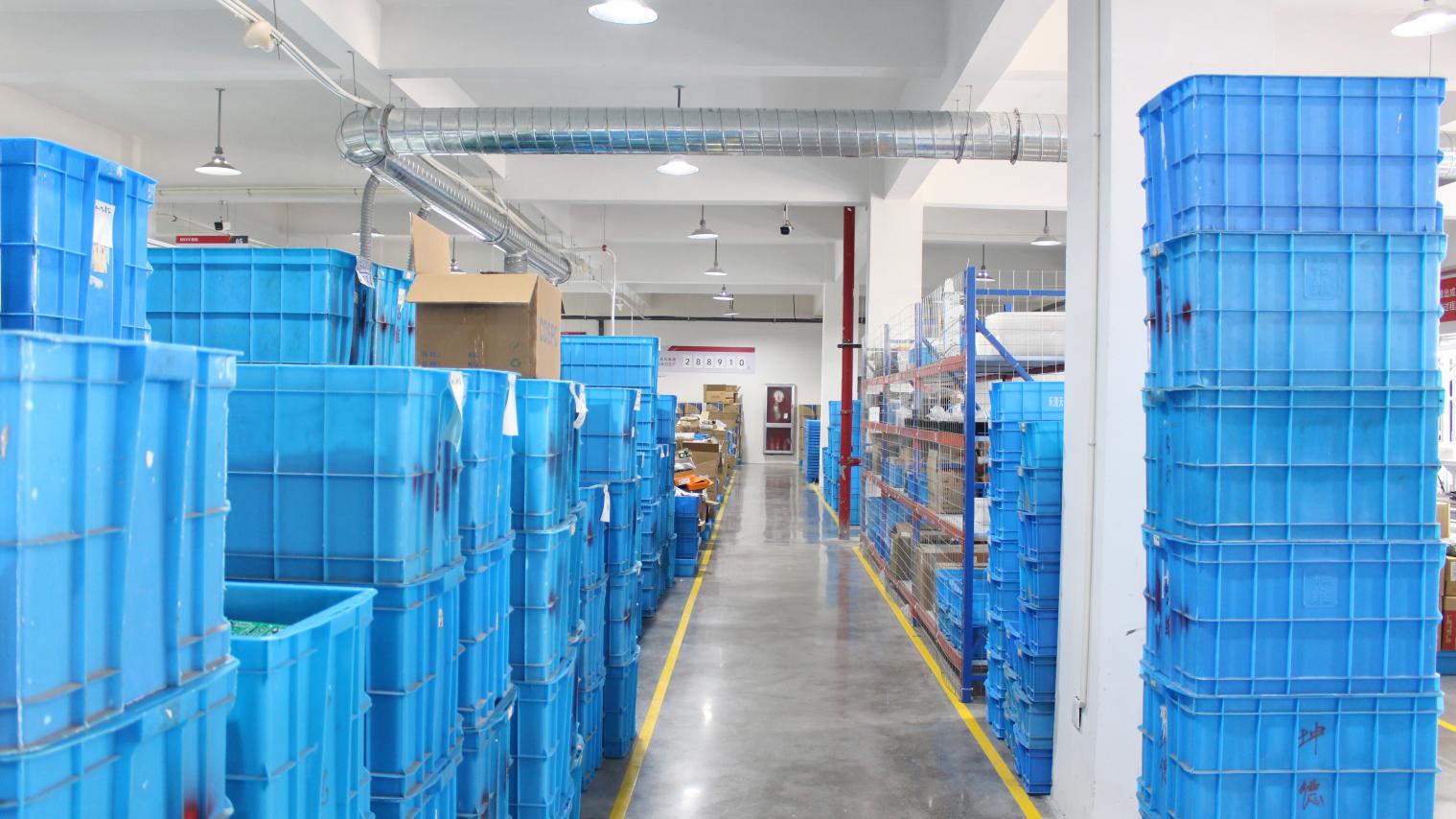
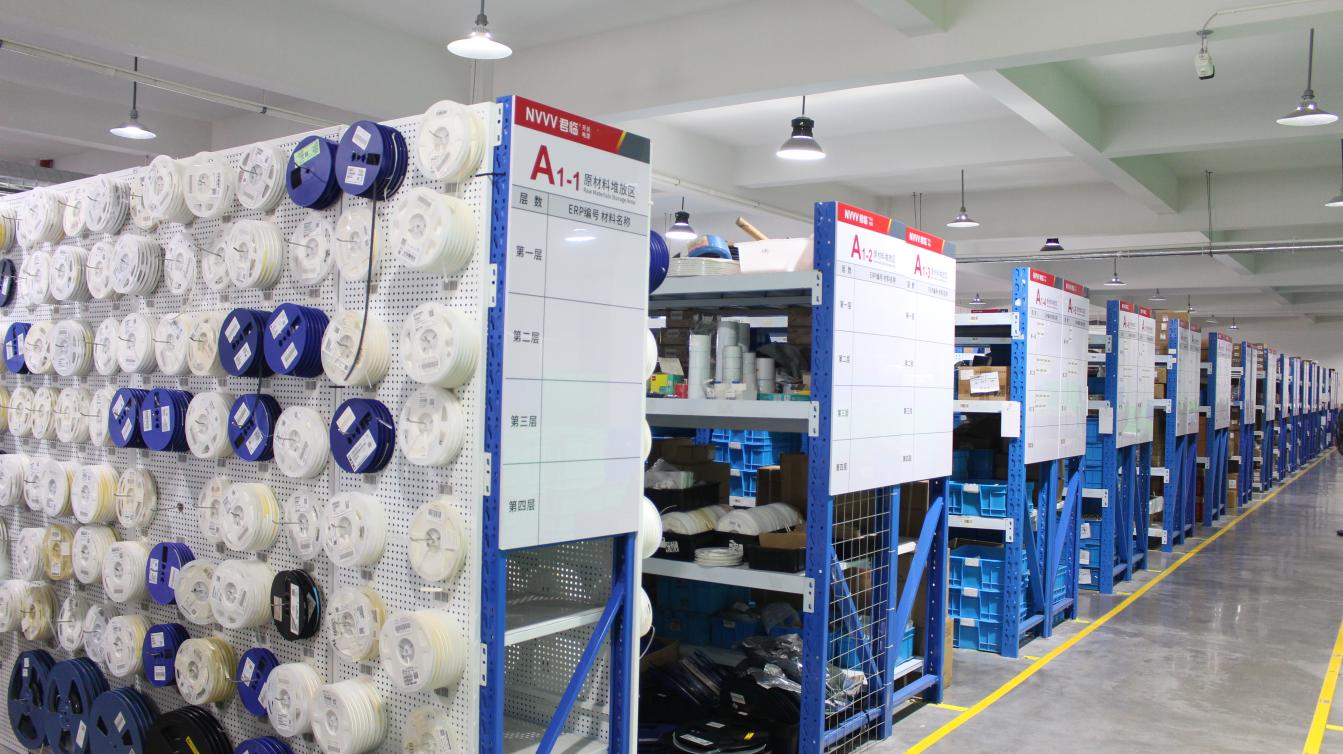
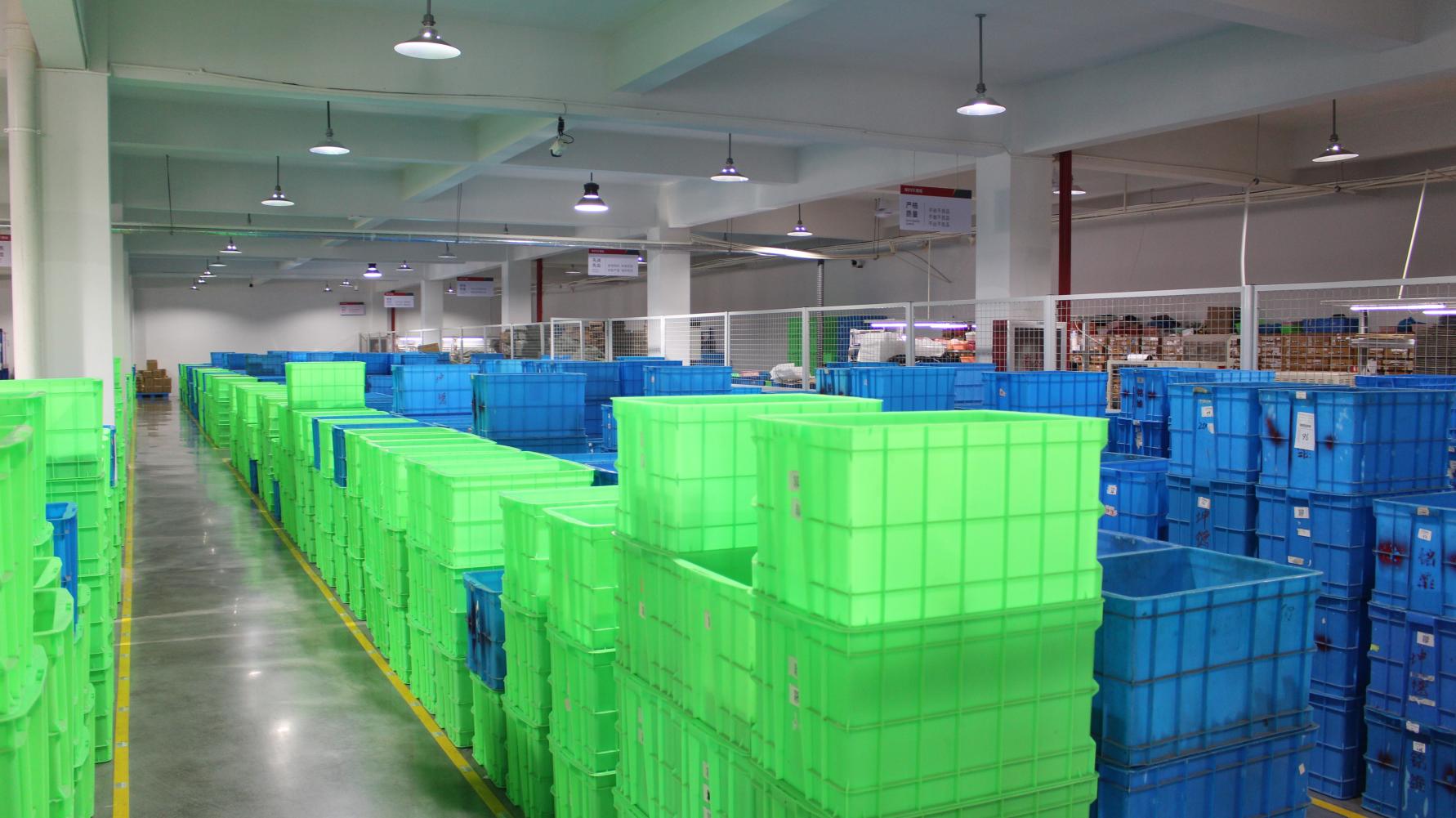
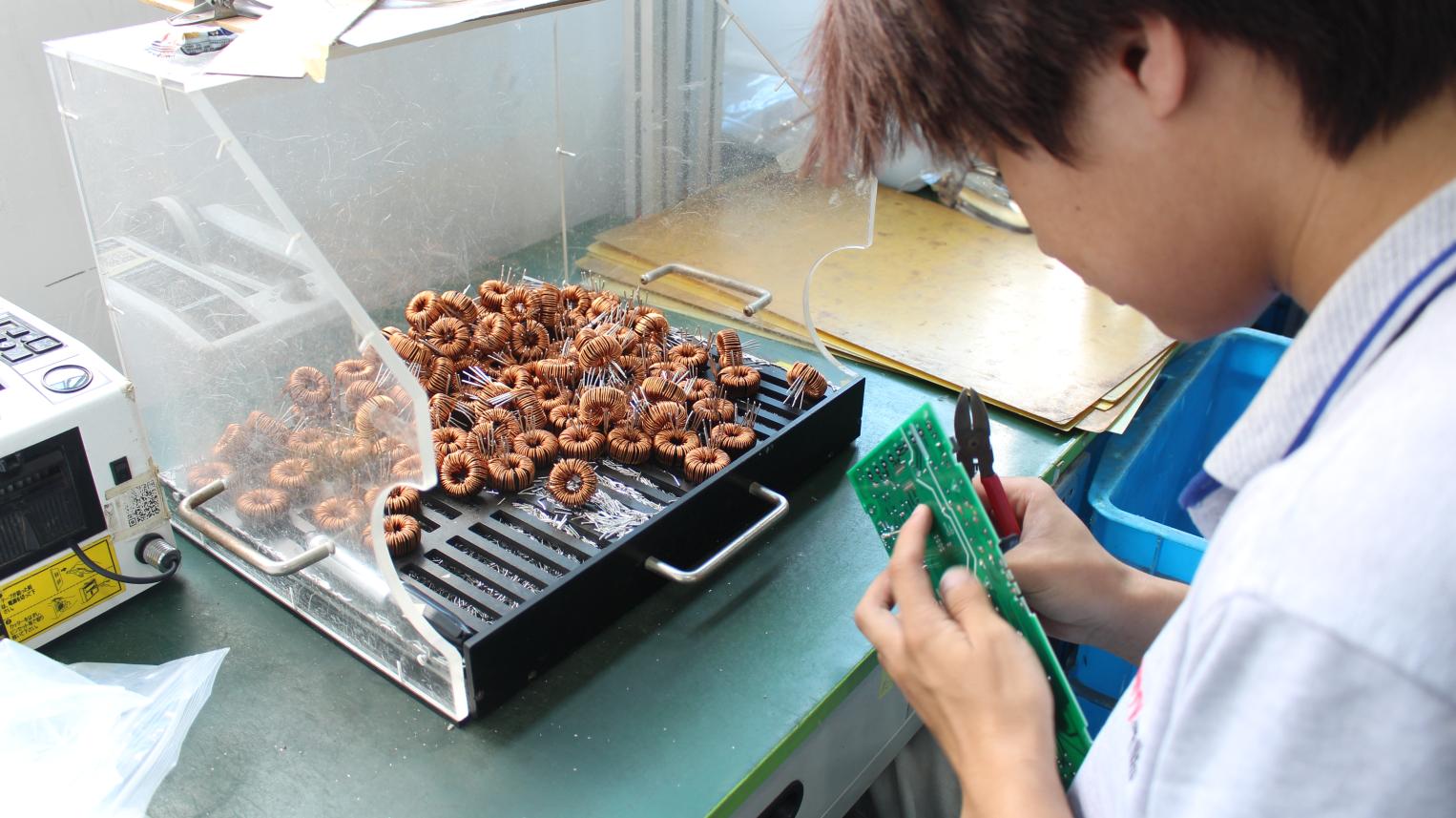
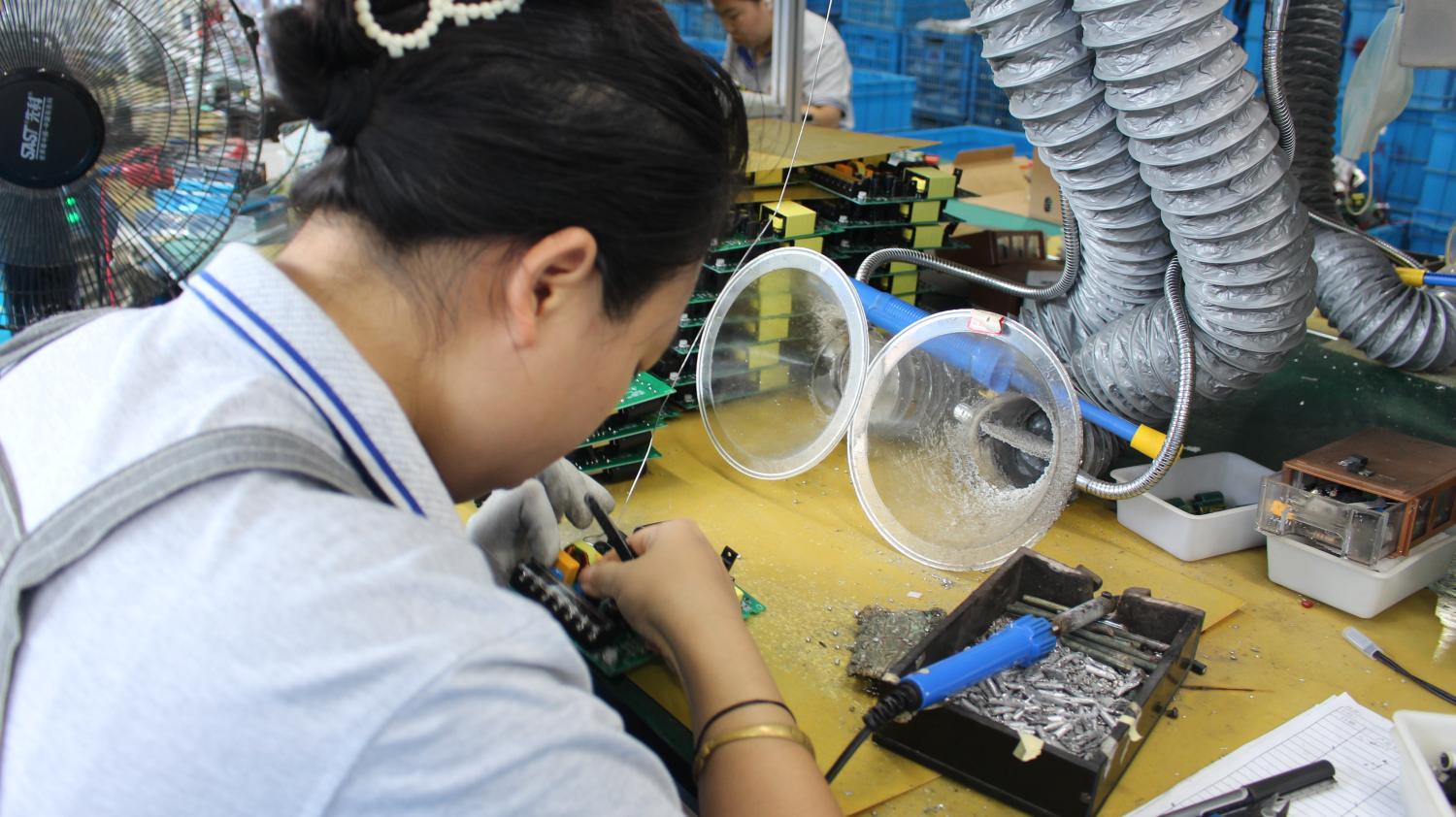
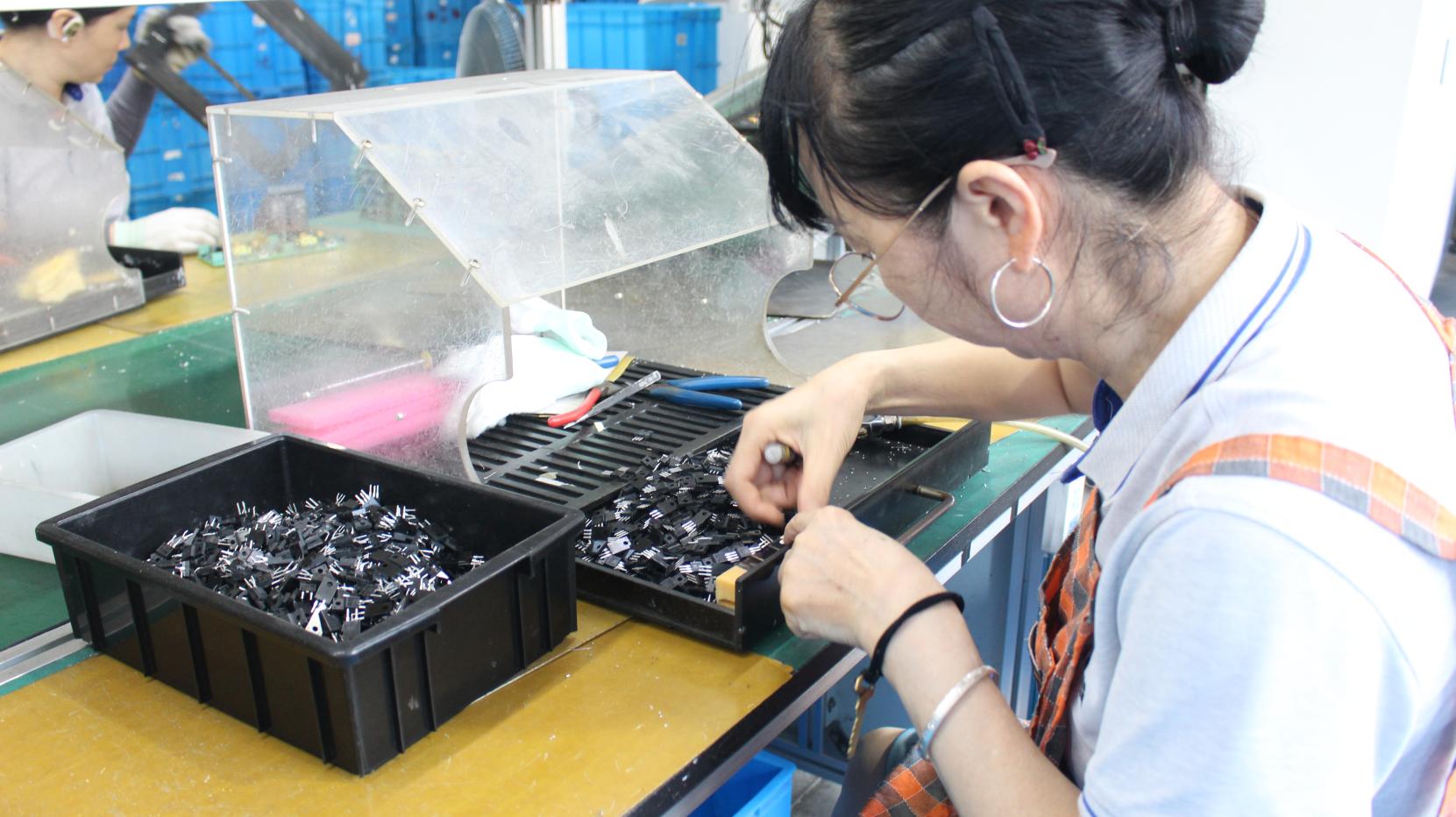
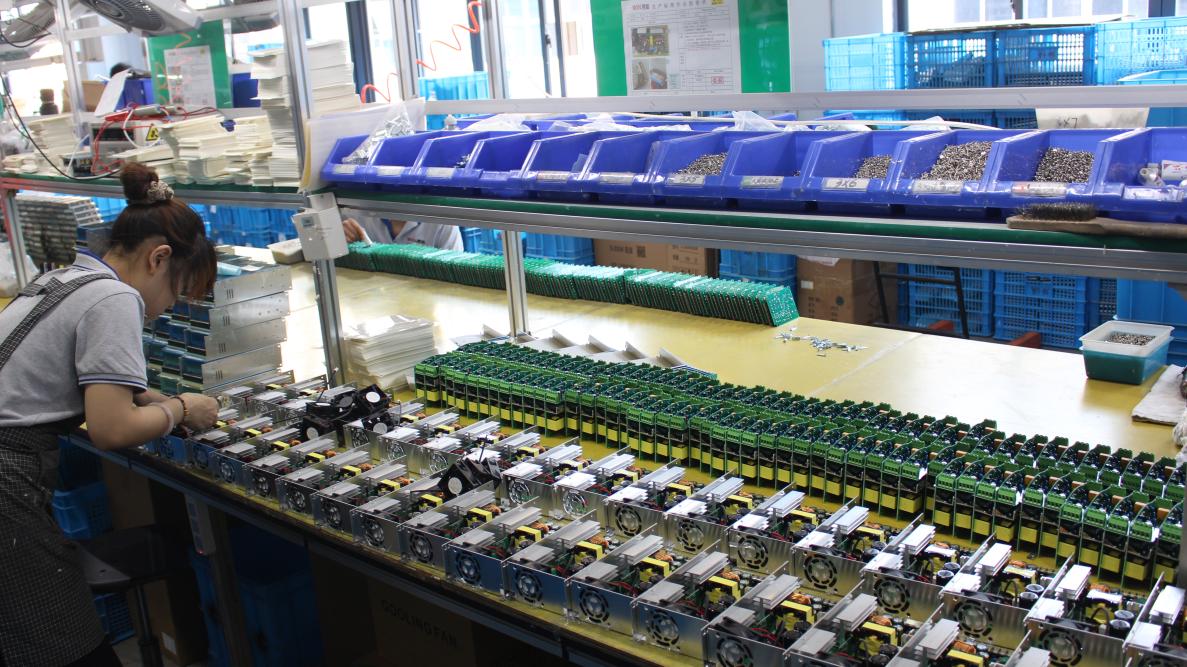
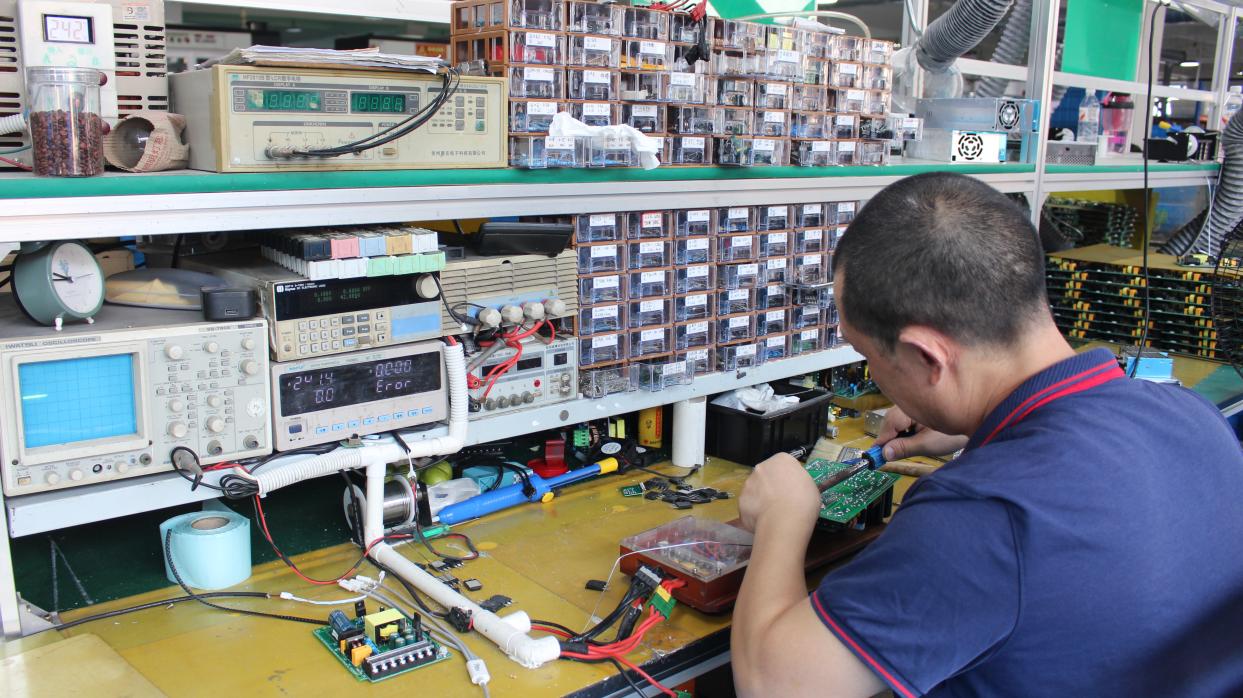
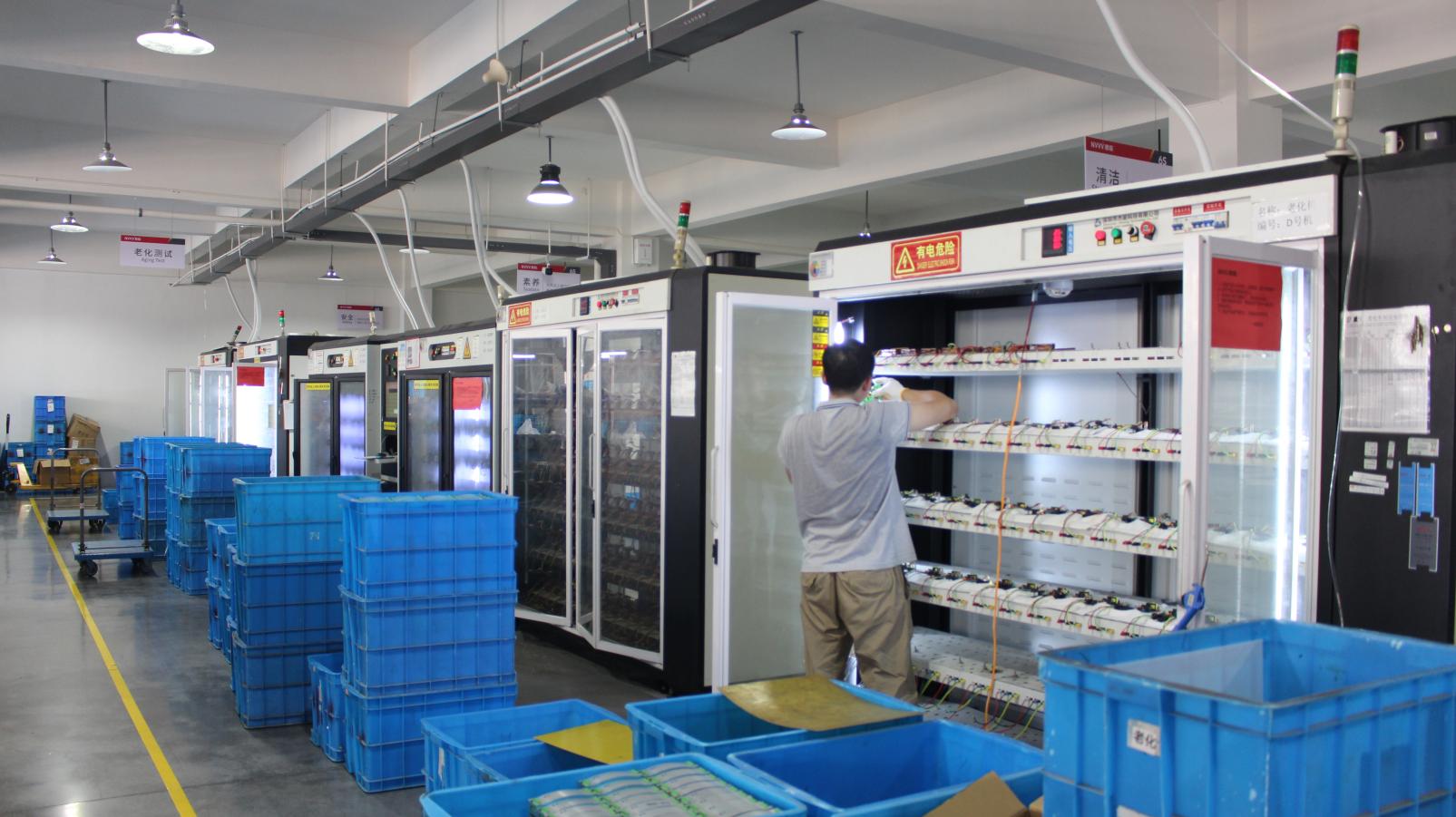
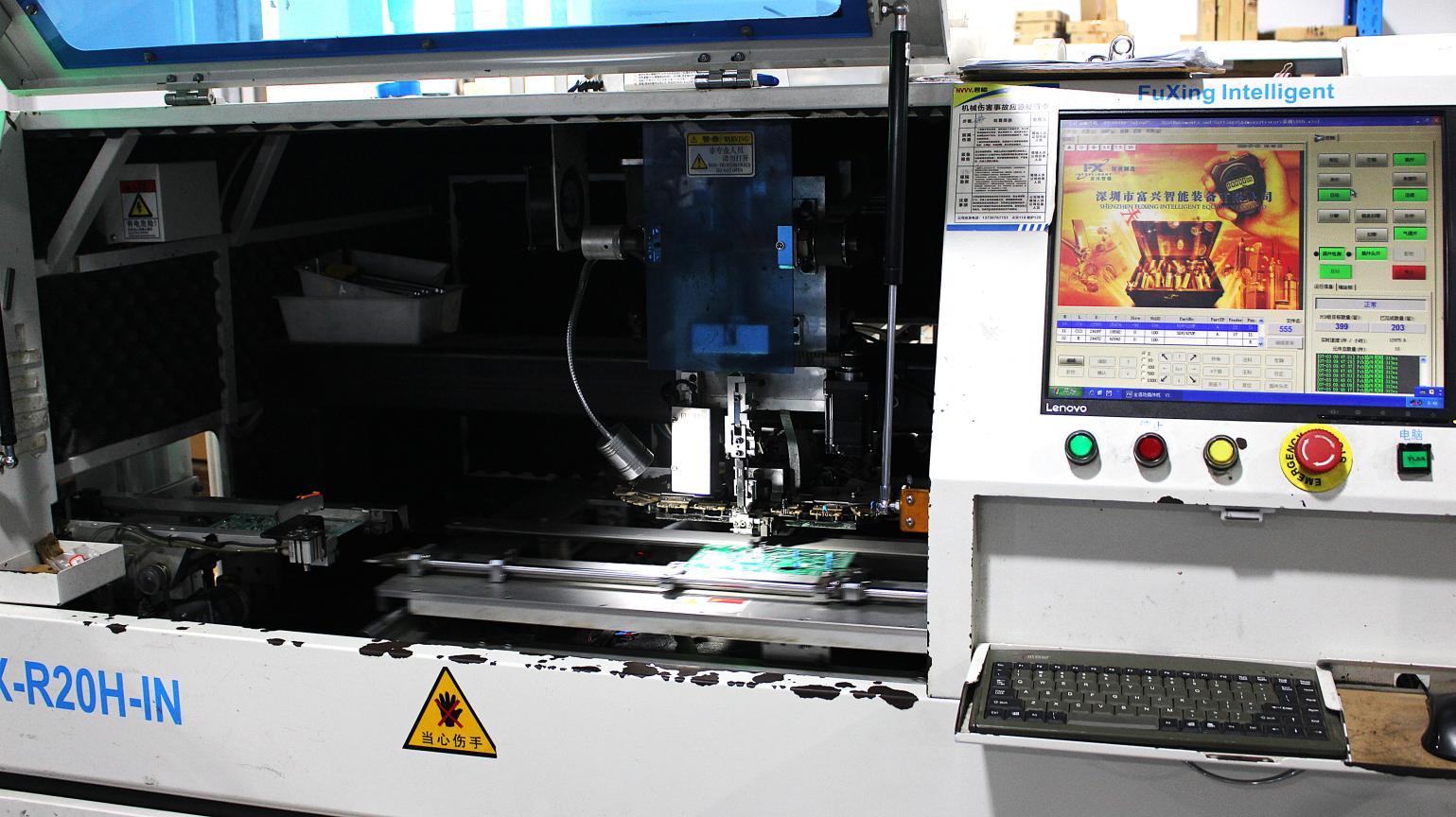
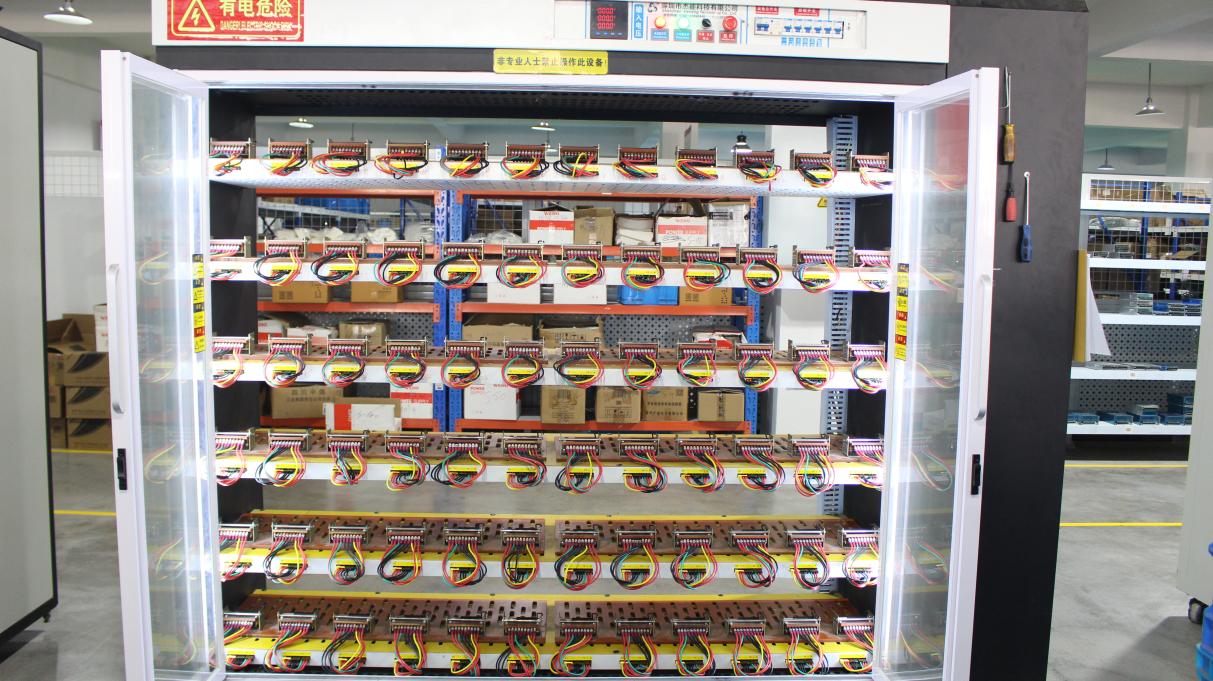
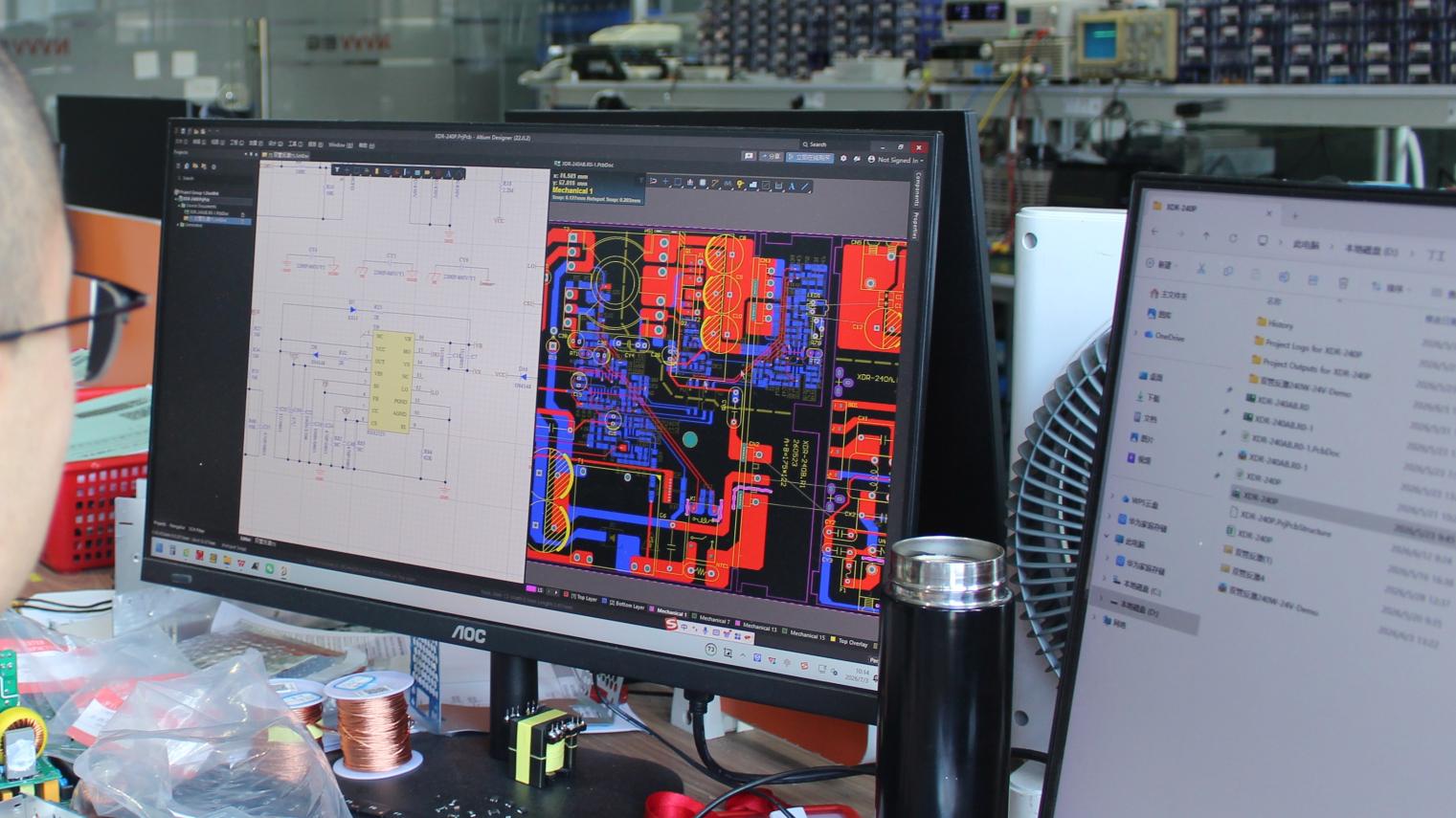
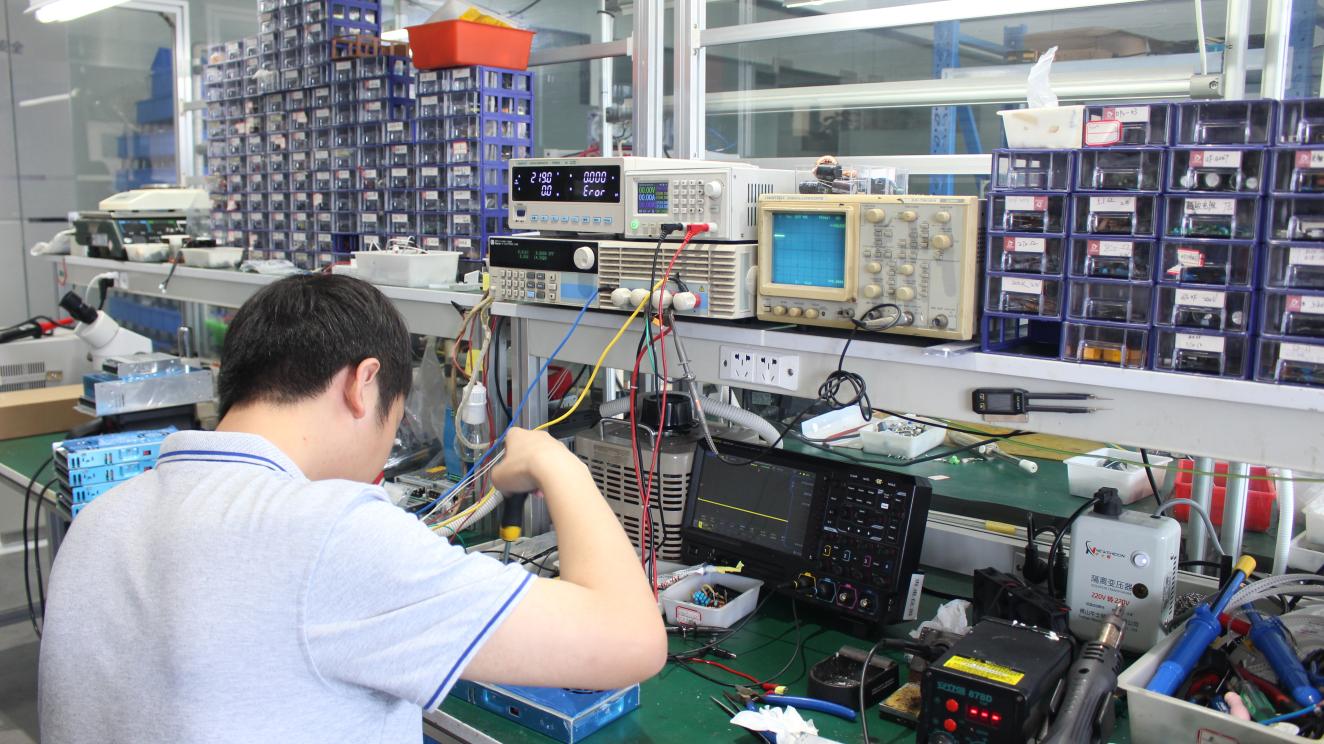
A transparent look inside our production lines, testing facilities, and assembly workflows.
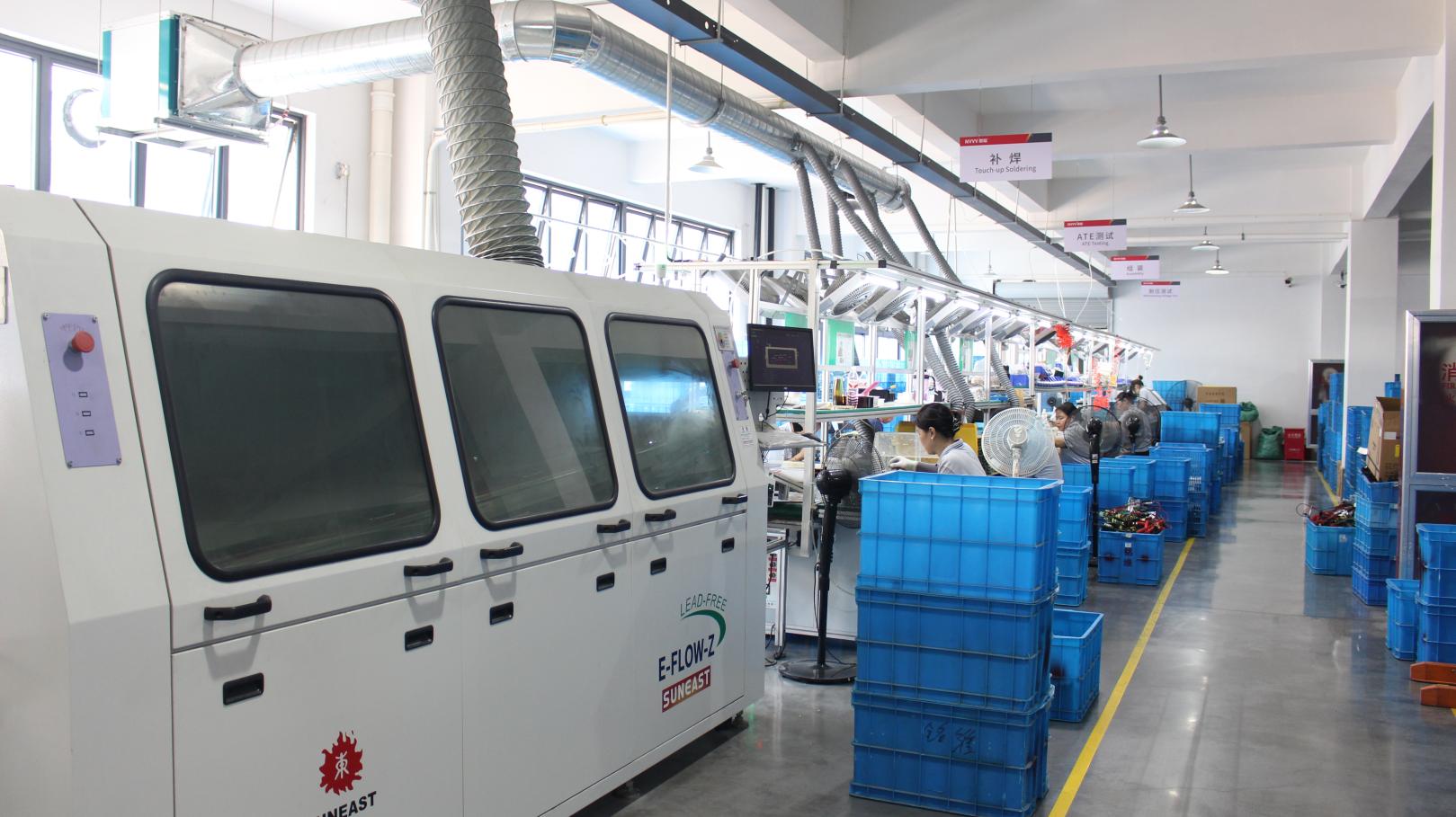
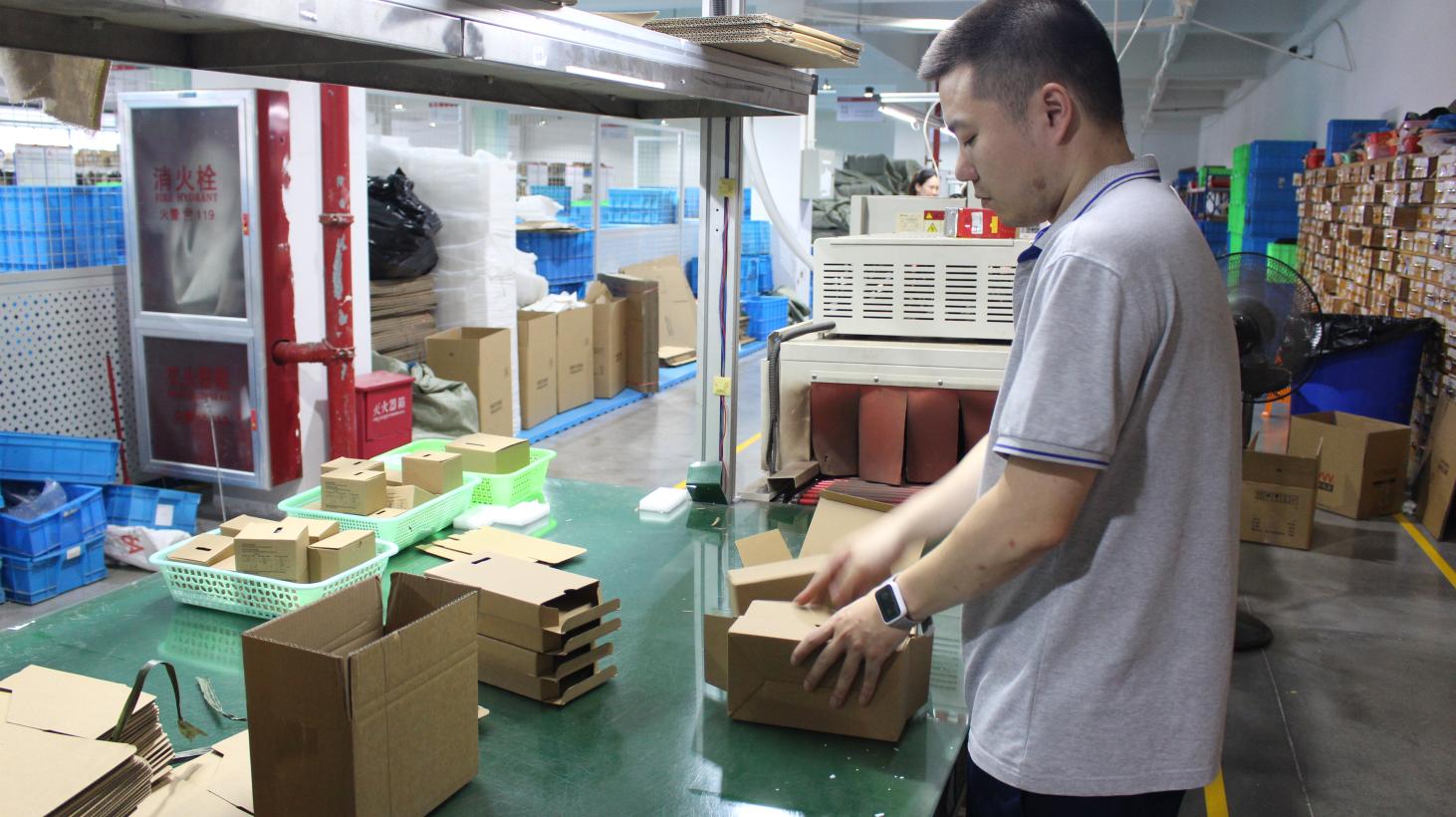
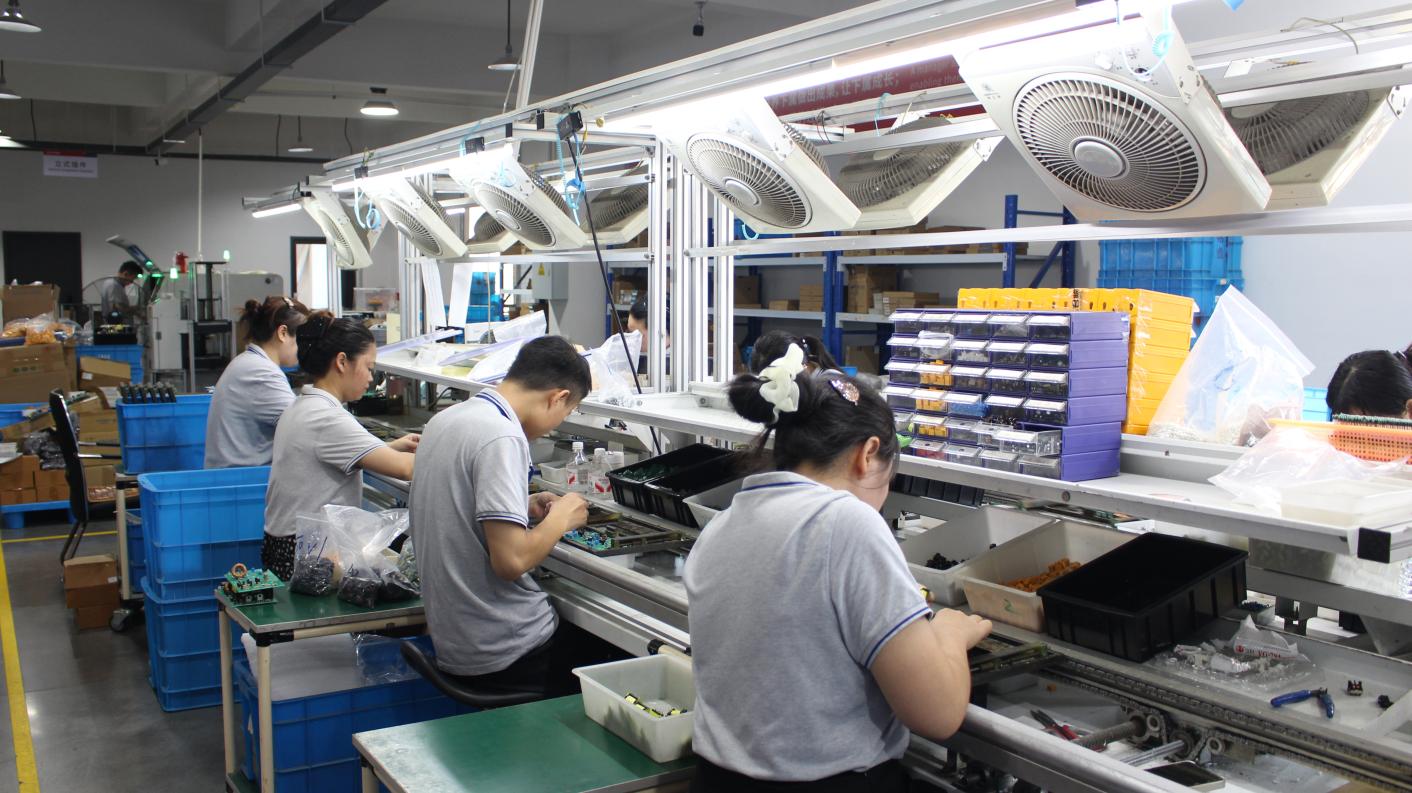
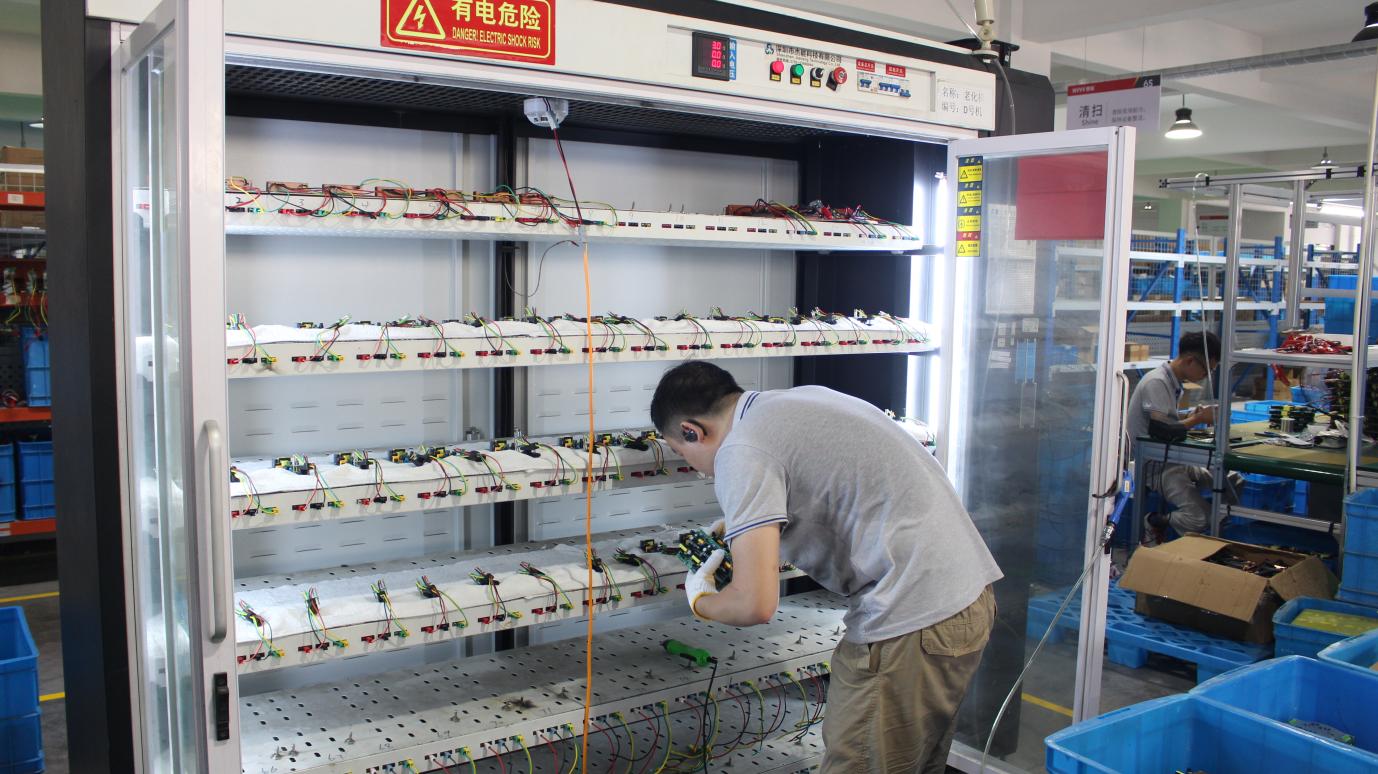
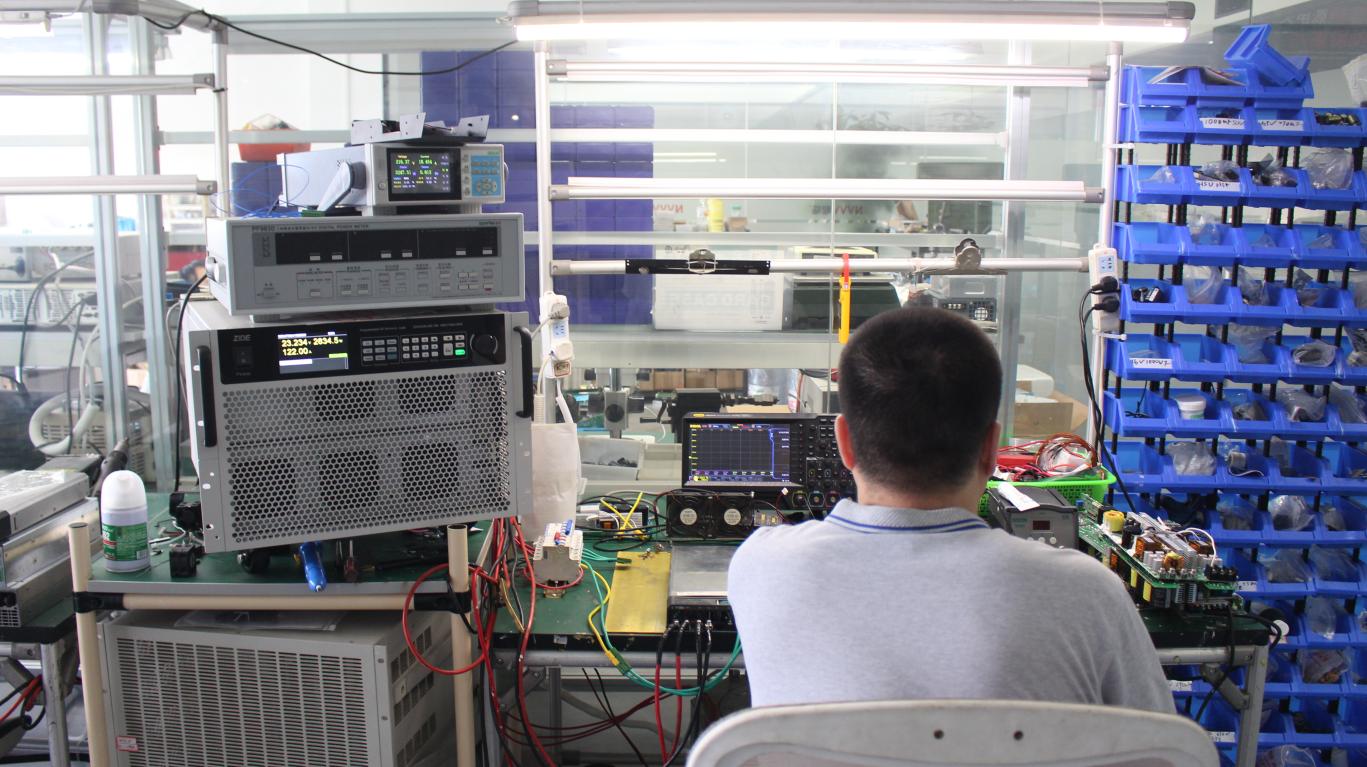
Technical considerations for deploying modern voltage regulation hardware.
Industrial power requirements are changing as digital control systems require faster performance and lower supply voltages. Legacy devices often utilized centralized power systems, driving up line impedance and susceptibility to noise. Today, modern industrial architectures favor Distributed Power Architectures (DPA) or point-of-load (POL) topologies. In a DPA setup, AC input is stepped down to an intermediate DC distribution rail (e.g., 24VDC or 12VDC) by highly efficient switching DIN rail converters, then dropped to local board levels where linear regulators provide ultra-quiet, precise voltage control directly beside noise-sensitive ICs, microcontrollers, and wireless modules.
At the board level, a linear voltage regulator acts as an effective low-pass filter, suppressing the high-frequency switching harmonics generated by upstream SMPS. The low dropout voltage (LDO) variant allows efficient regulation even when the input voltage is only slightly higher than the target output (e.g., regulating 3.3V out from a 3.6V input), minimizing wasted energy and mitigating thermal issues.
Custom OEM requests often hinge on thermal management. A regulator’s safe operating area (SOA) is defined by its maximum junction temperature ($T_j$), thermal resistance ($\theta_{JA}$), and current limits. NVVV's engineering team calculates custom power supply designs using thermal simulation, determining if natural convection is sufficient or if thermal vias, metal cladding, or forced-air cooling are required. This scientific approach ensures long term stability and maintains high MTBF (Mean Time Between Failures) ratings.
Answers to crucial engineering and logistics questions from professional procurement officers and system designers.
Our industrial DIN rail power solutions, triple output modules, and high-efficiency transformers.
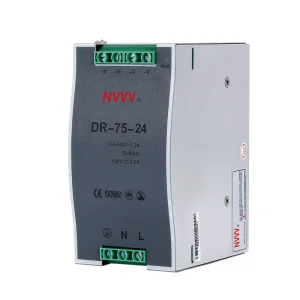
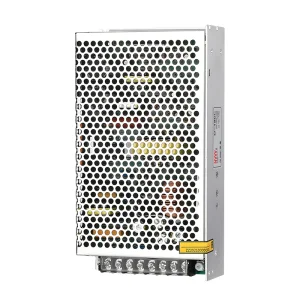
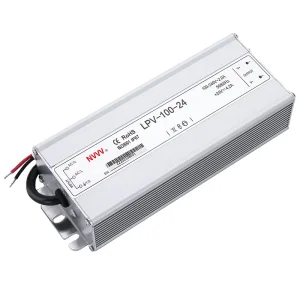
 NVVV Electric