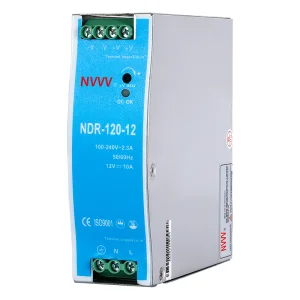
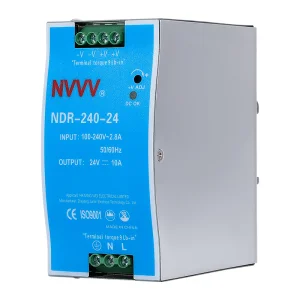
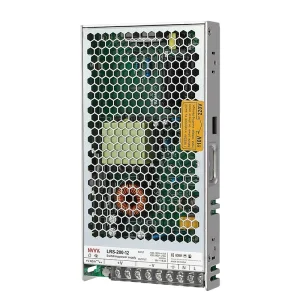
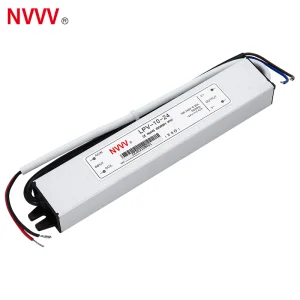
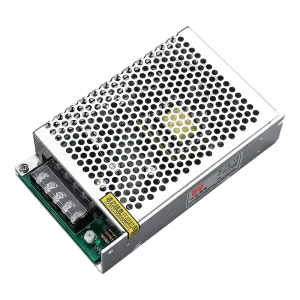
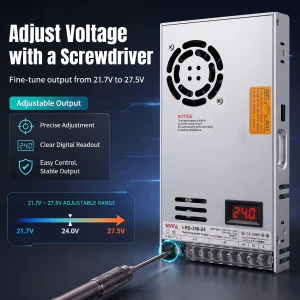
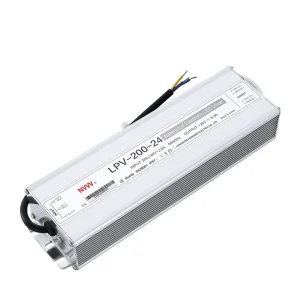
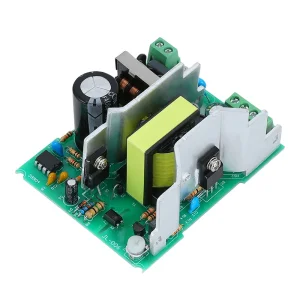
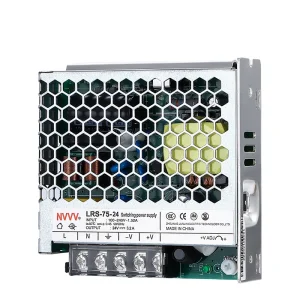
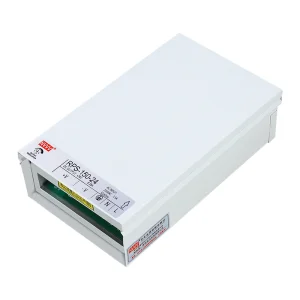
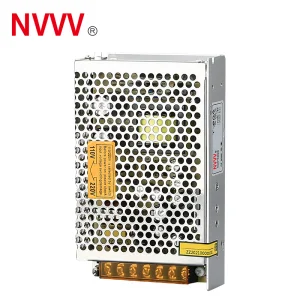
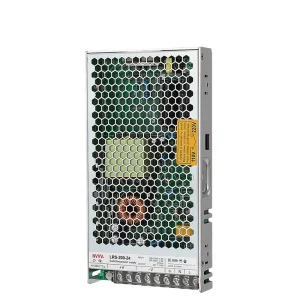
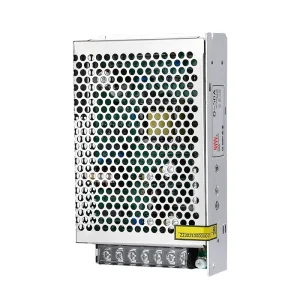
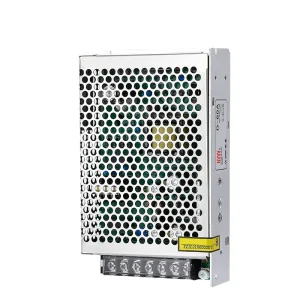
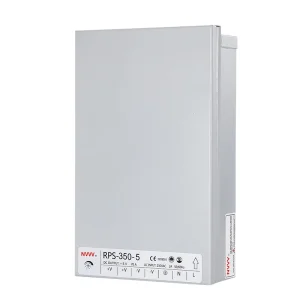
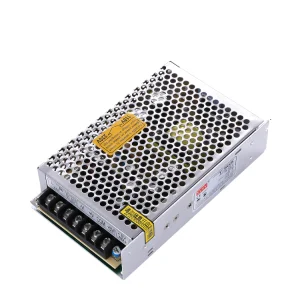
Explore our premium industrial power converters and drivers. Hover over each card to check configuration parameters and proceed to standard documentation.
A technical treatise on efficiency optimization, digital telemetry, and compliance paradigms within global industrial power supply grids.
Modern industrial infrastructure requires far more than passive AC-to-DC conversion. As the Industrial Internet of Things (IIoT), automated fabrication plants, and edge computing nodes expand globally, power architectures must act as the first line of defense and data collection. An Intelligent Power Supply (IPS) acts as a cyber-physical system, offering real-time monitoring of output voltage stability, thermal dissipation parameters, and dynamic current loads.
By integrating advanced Microcontroller Units (MCUs) and protocol interfaces such as PMBus, CAN bus, or Modbus, modern industrial installations can anticipate failure modes before they result in catastrophic line shutdowns. This predictive maintenance capability decreases overall operational expenditure (OpEx) and drives system-wide Mean Time Between Failures (MTBF) past the industry-standard 300,000-hour threshold.
Designing intelligent switches for DIN rail and enclosed mounting options forces R&D engineers to challenge thermodynamic limitations. NVVV's engineers utilize advanced topologies such as LLc resonant converters and active power factor correction (PFC) circuitry. Our active PFC stages regularly achieve power factor indices higher than 0.95 under variable loading conditions, minimizing reactive power losses.
Furthermore, thermal design dictates lifespan. By employing high-grade aluminum enclosures, thermal interface materials with high conductivity coefficients, and optimized ventilation slots, NVVV enclosed and DIN rail power supplies dissipate thermal energy efficiently via natural convection, mitigating the need for failure-prone mechanical cooling fans in standard deployments.
A transparent breakdown of our Zhejiang-based manufacturing operation, demonstrating our ability to handle complex global OEM/ODM contracts.
Headquartered in Wenzhou, Zhejiang Province—China's electrical engineering capital—NVVV Electric Technology Co., Ltd. represents a decades-long commitment to industrial power engineering. With a registered capital of USD 1.4 million and robust financial structures, we provide global B2B clients with the stability needed for long-term contract fulfillment.
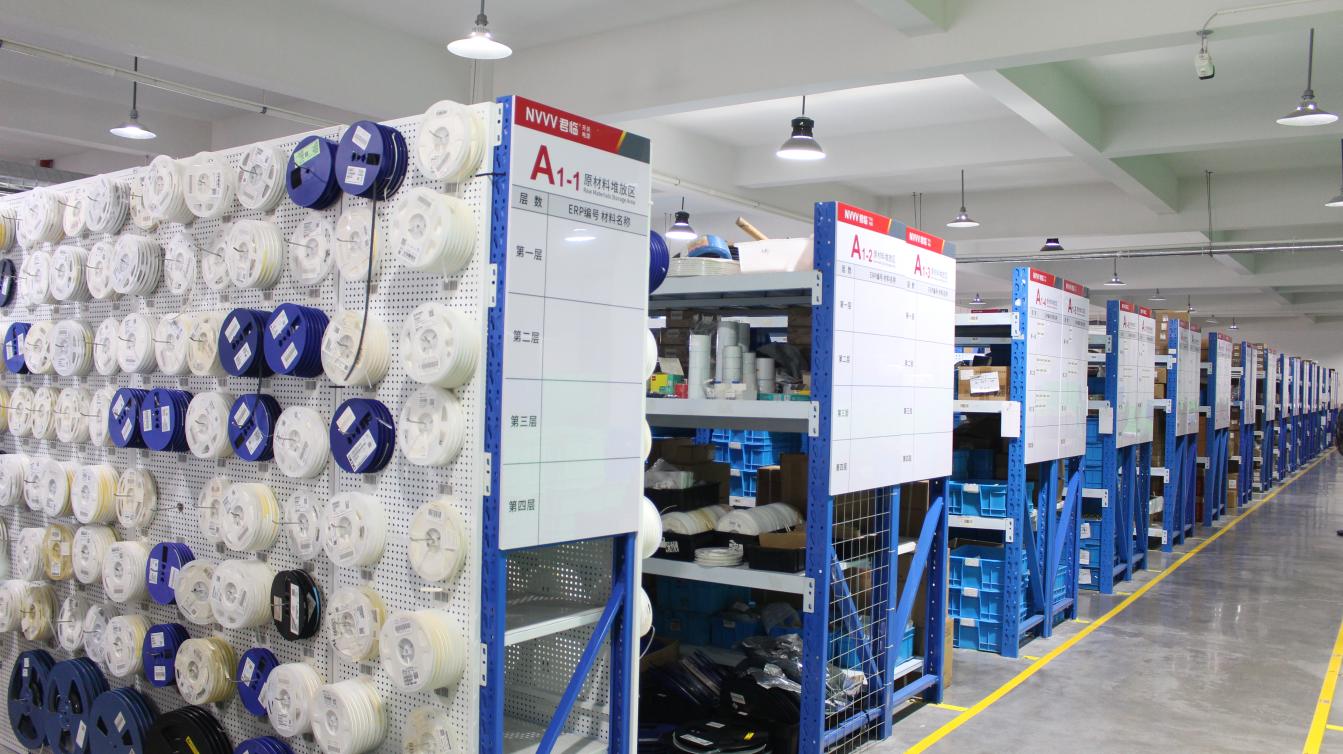
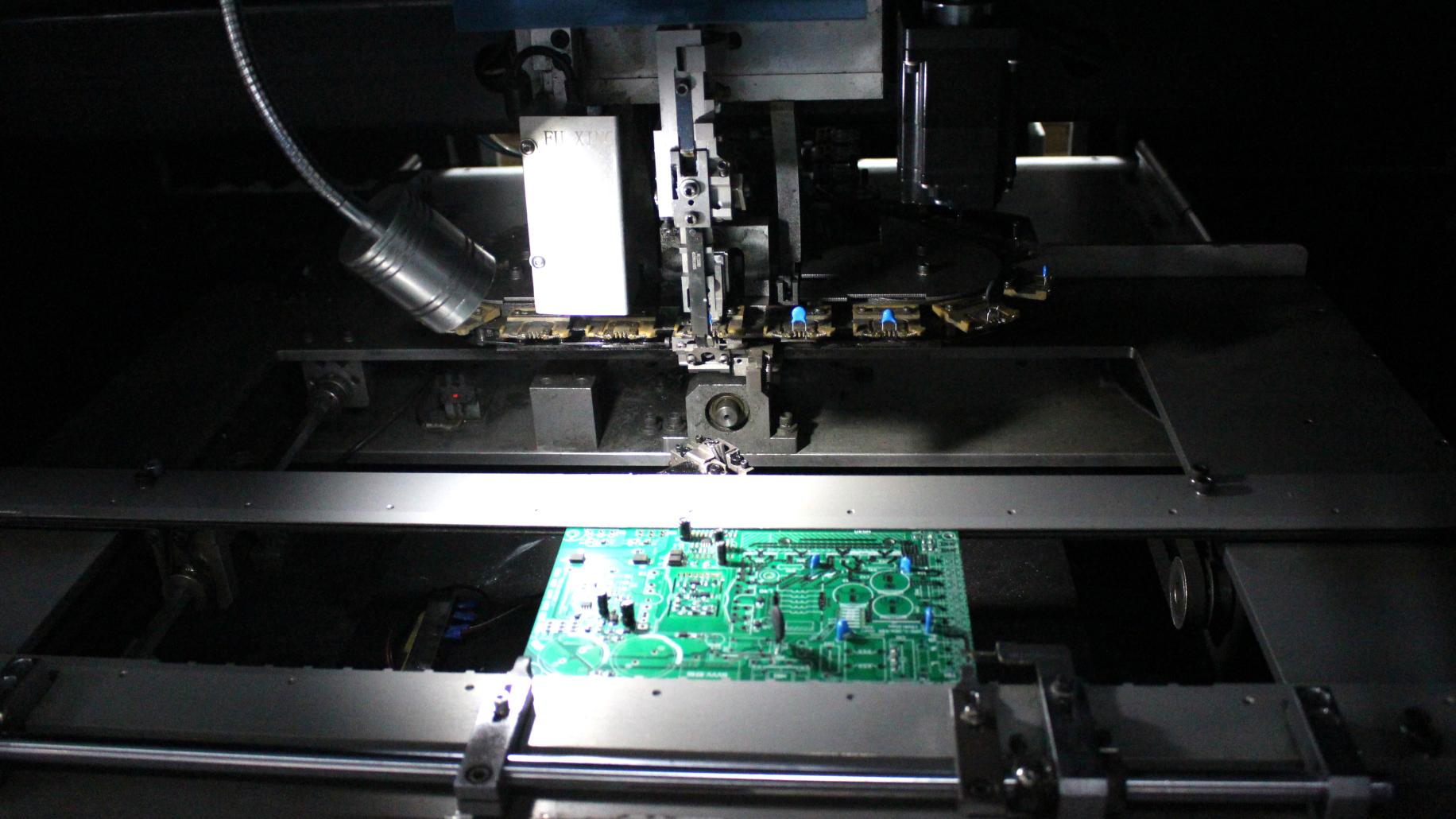
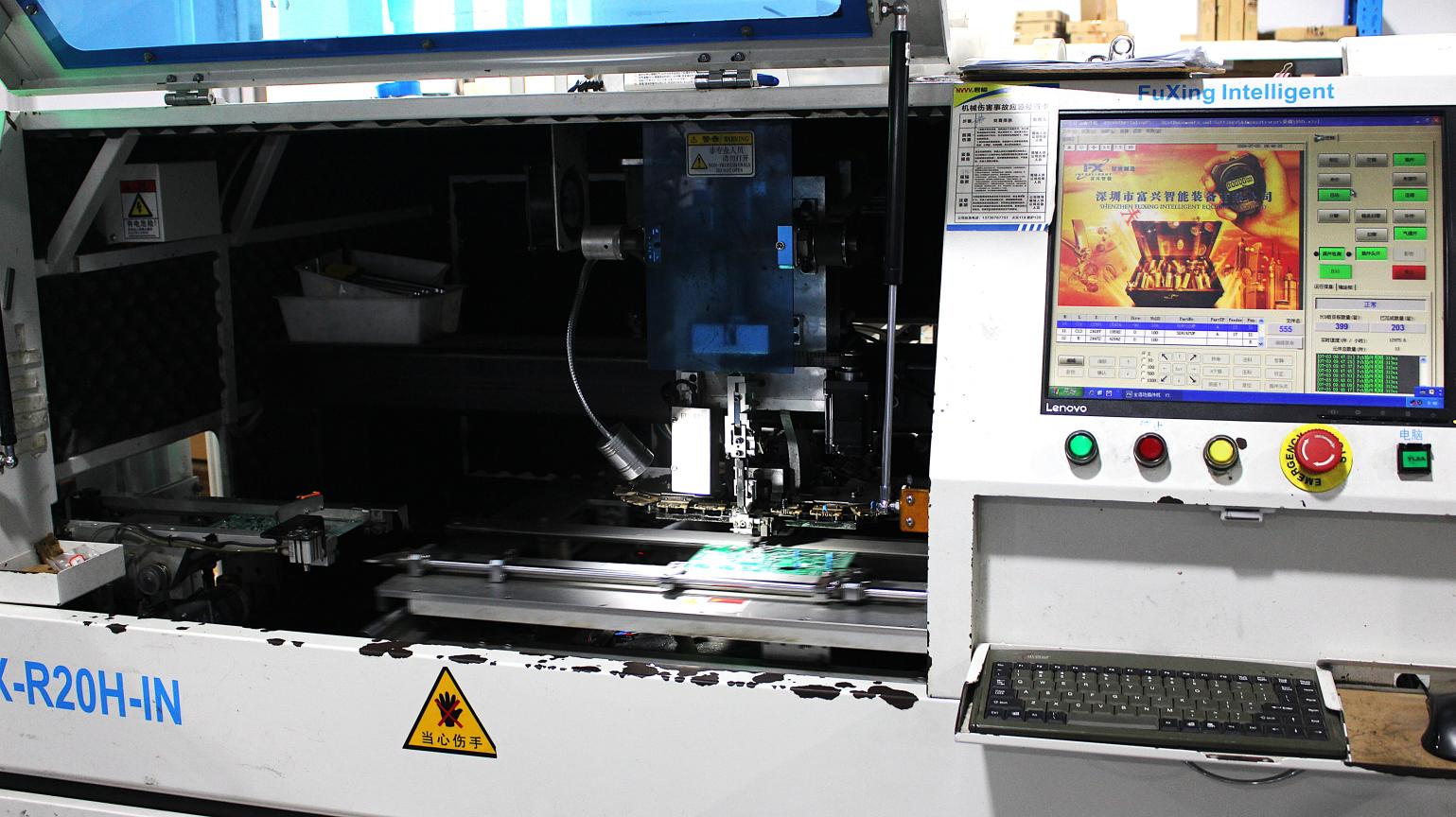
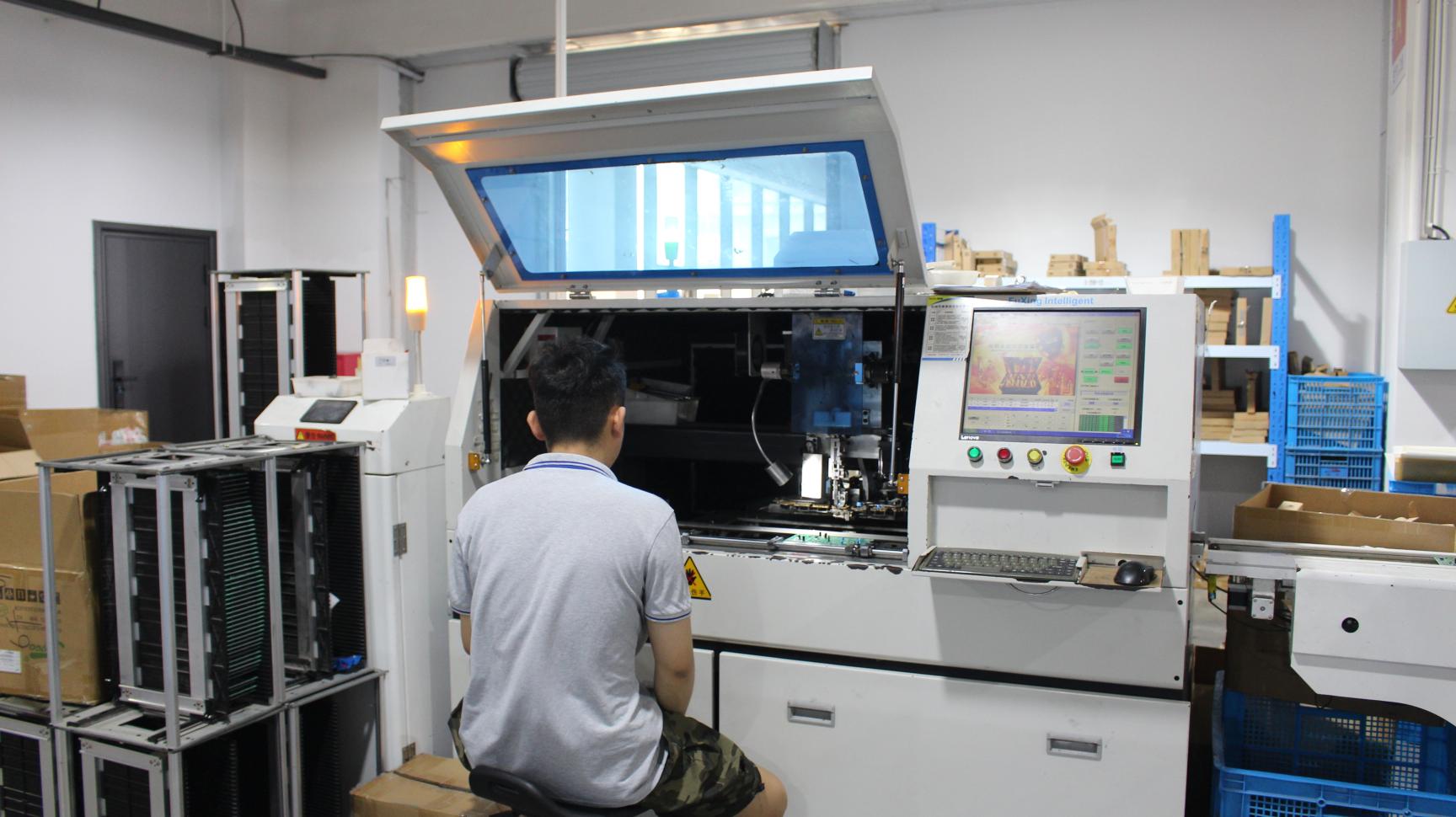
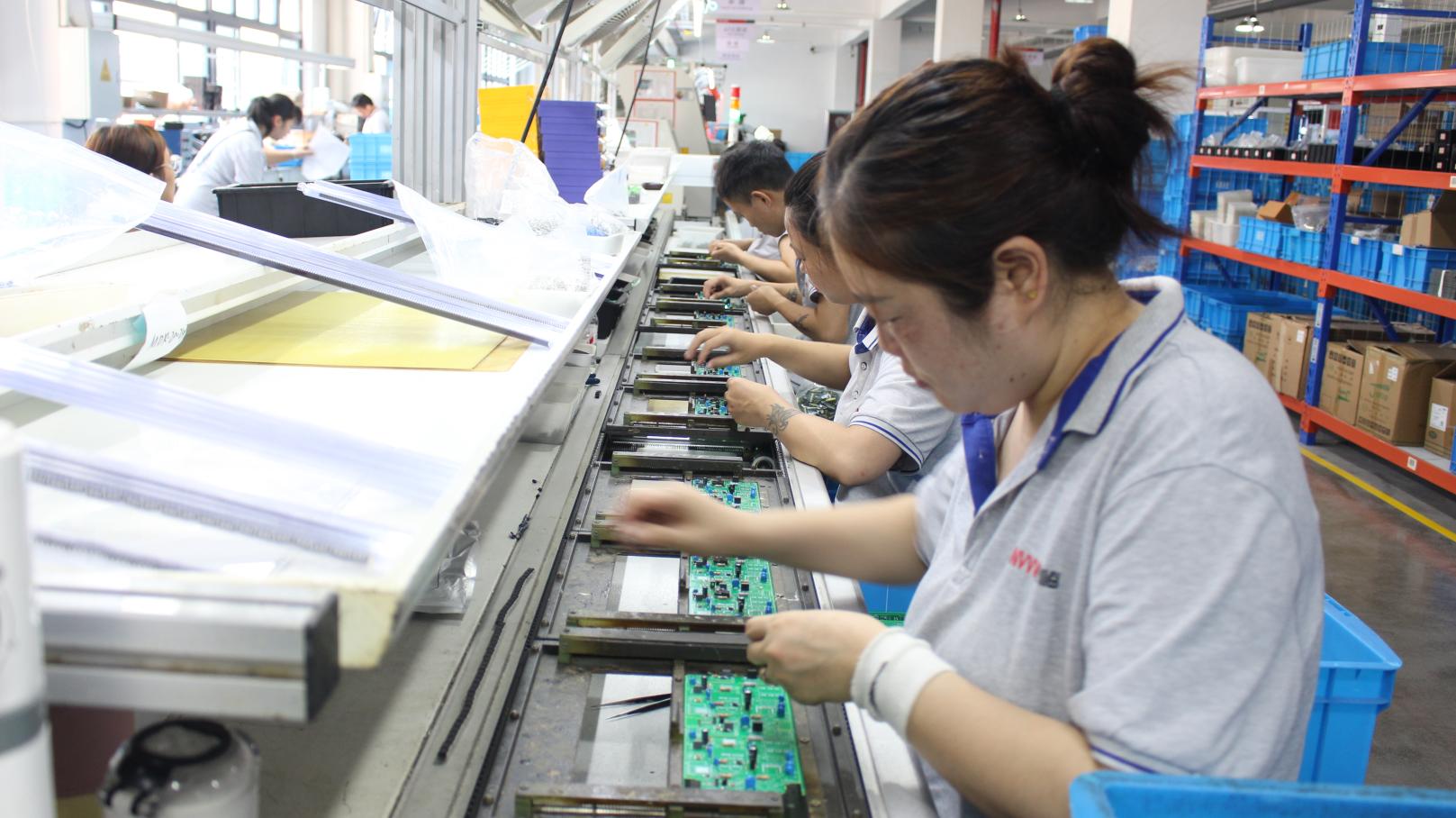
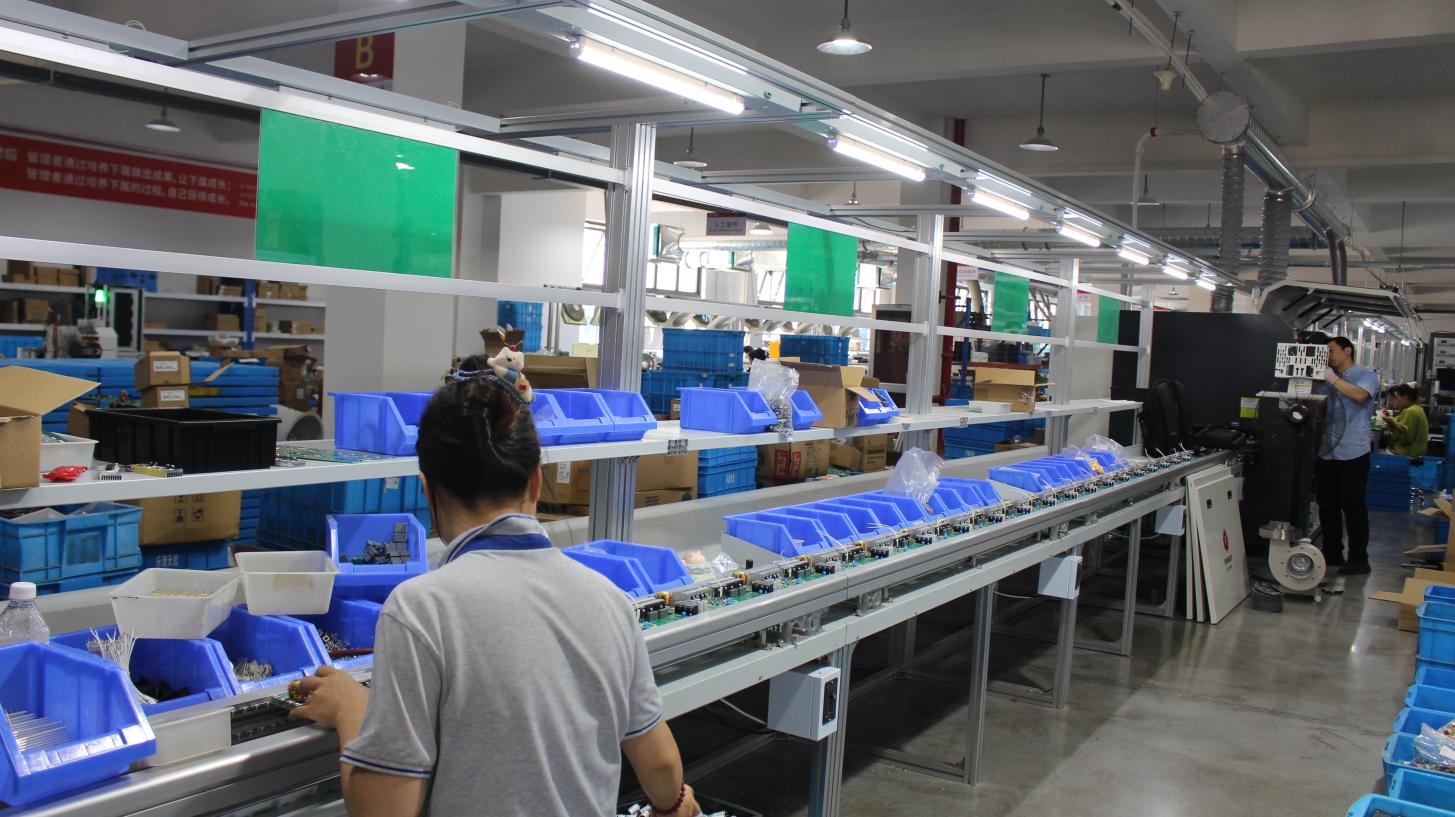
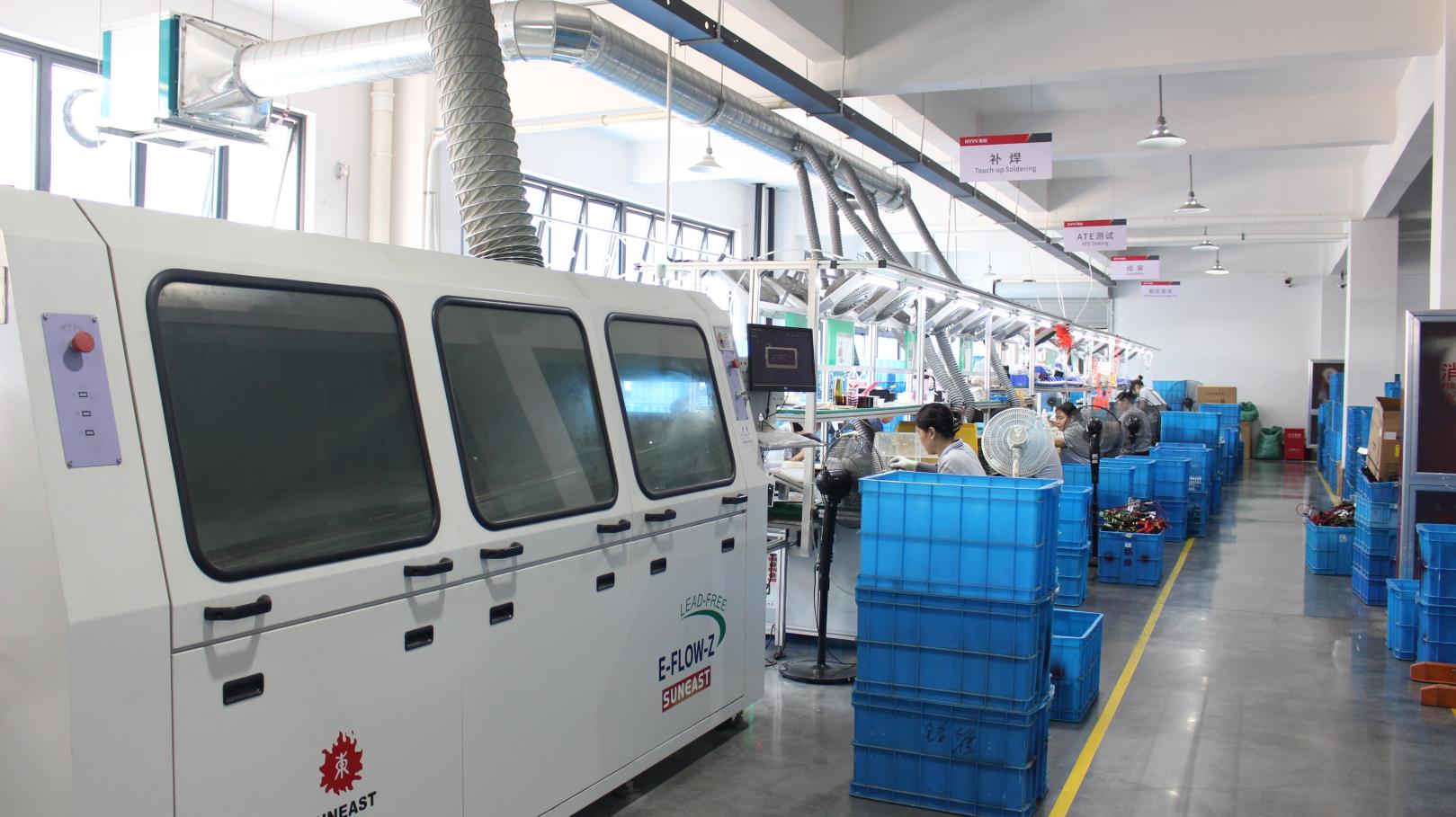
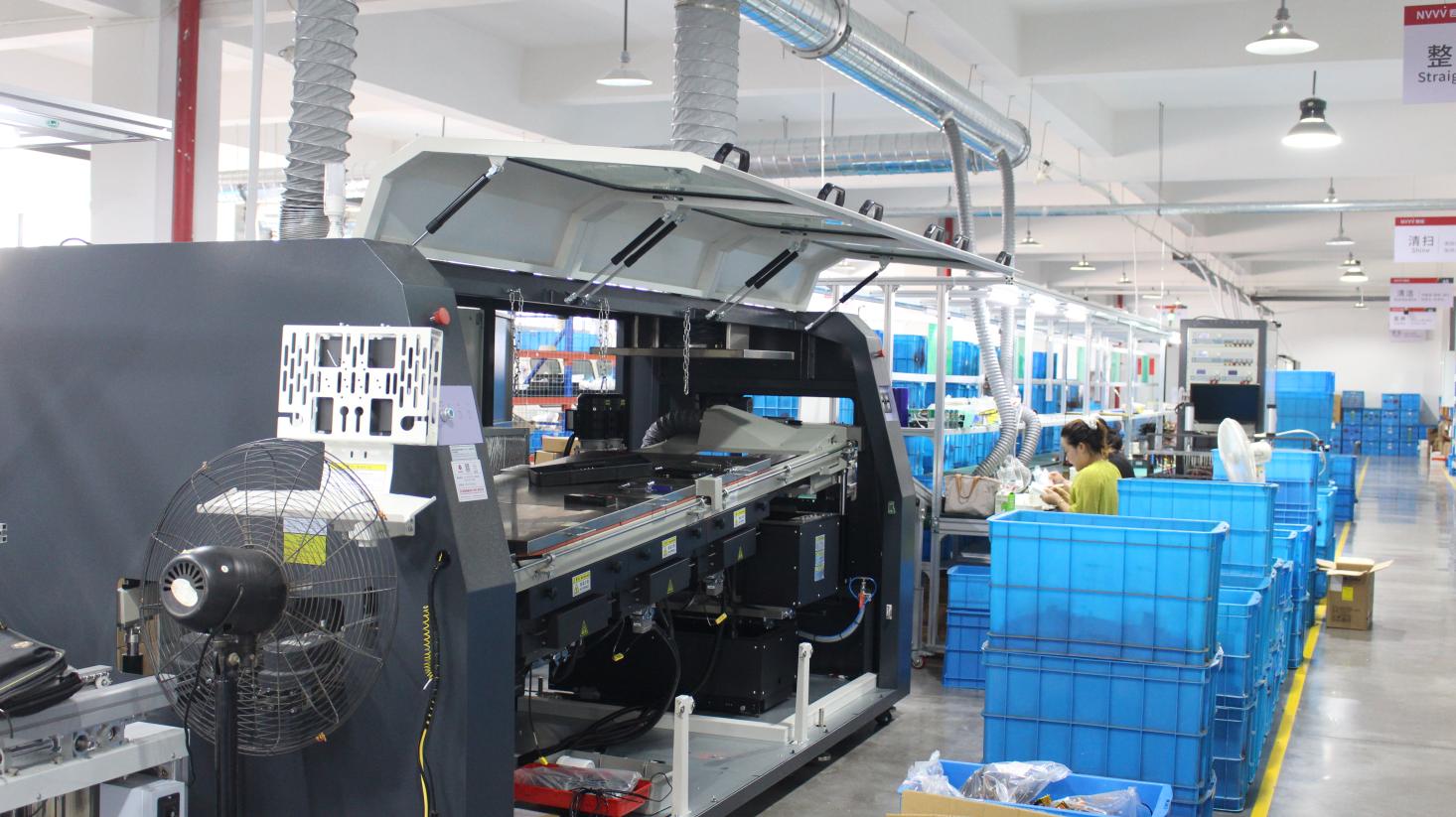
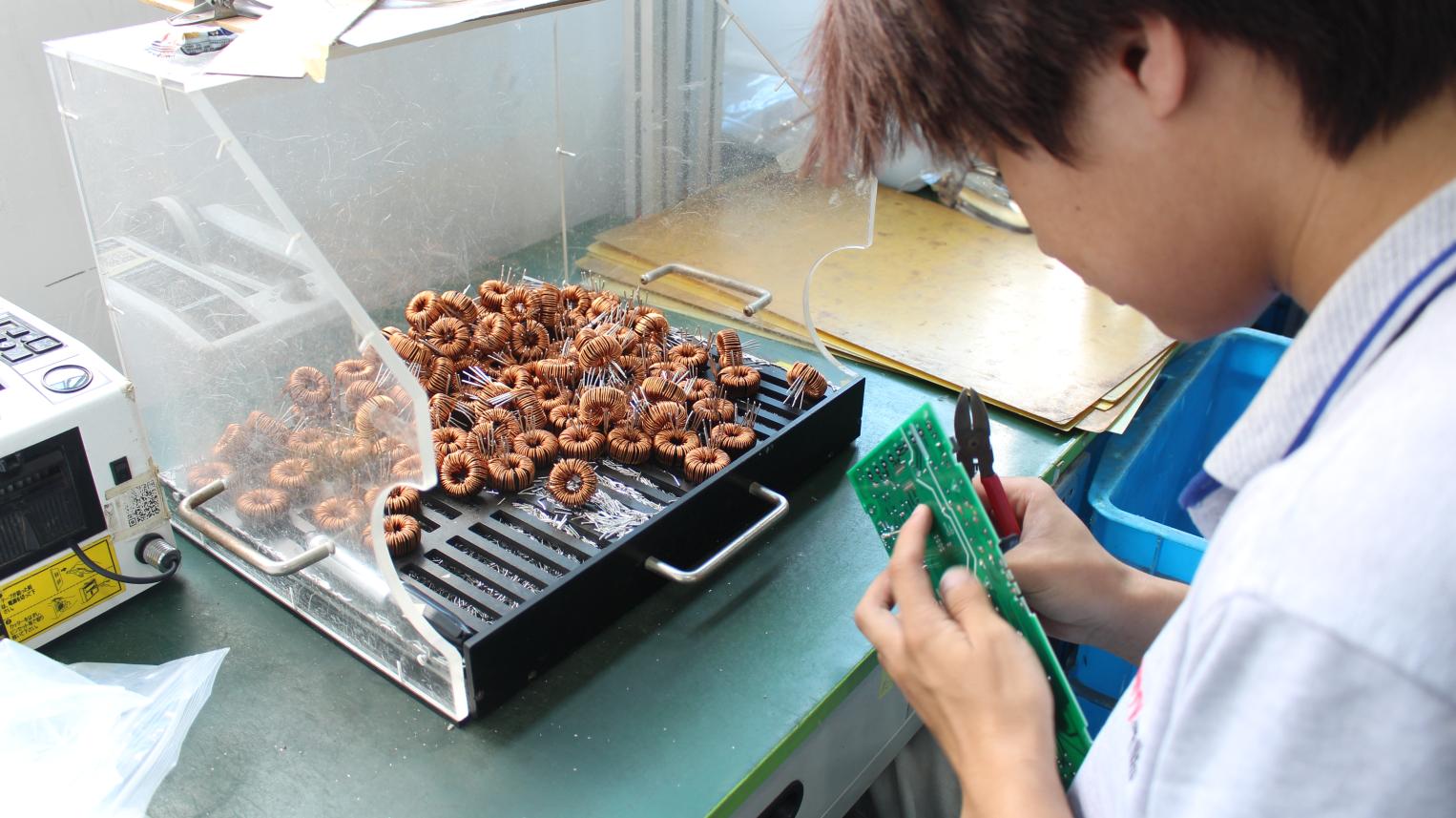
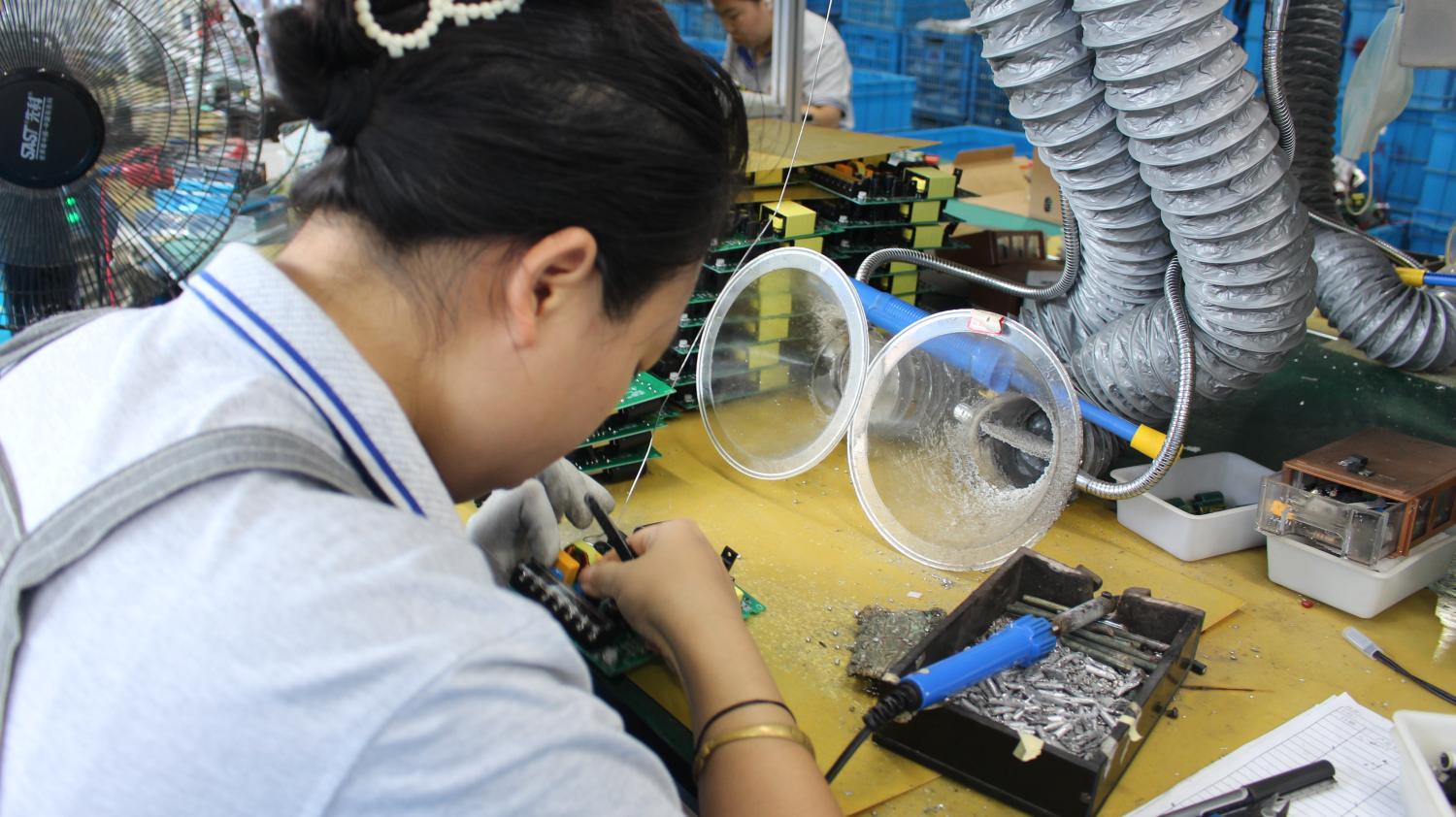
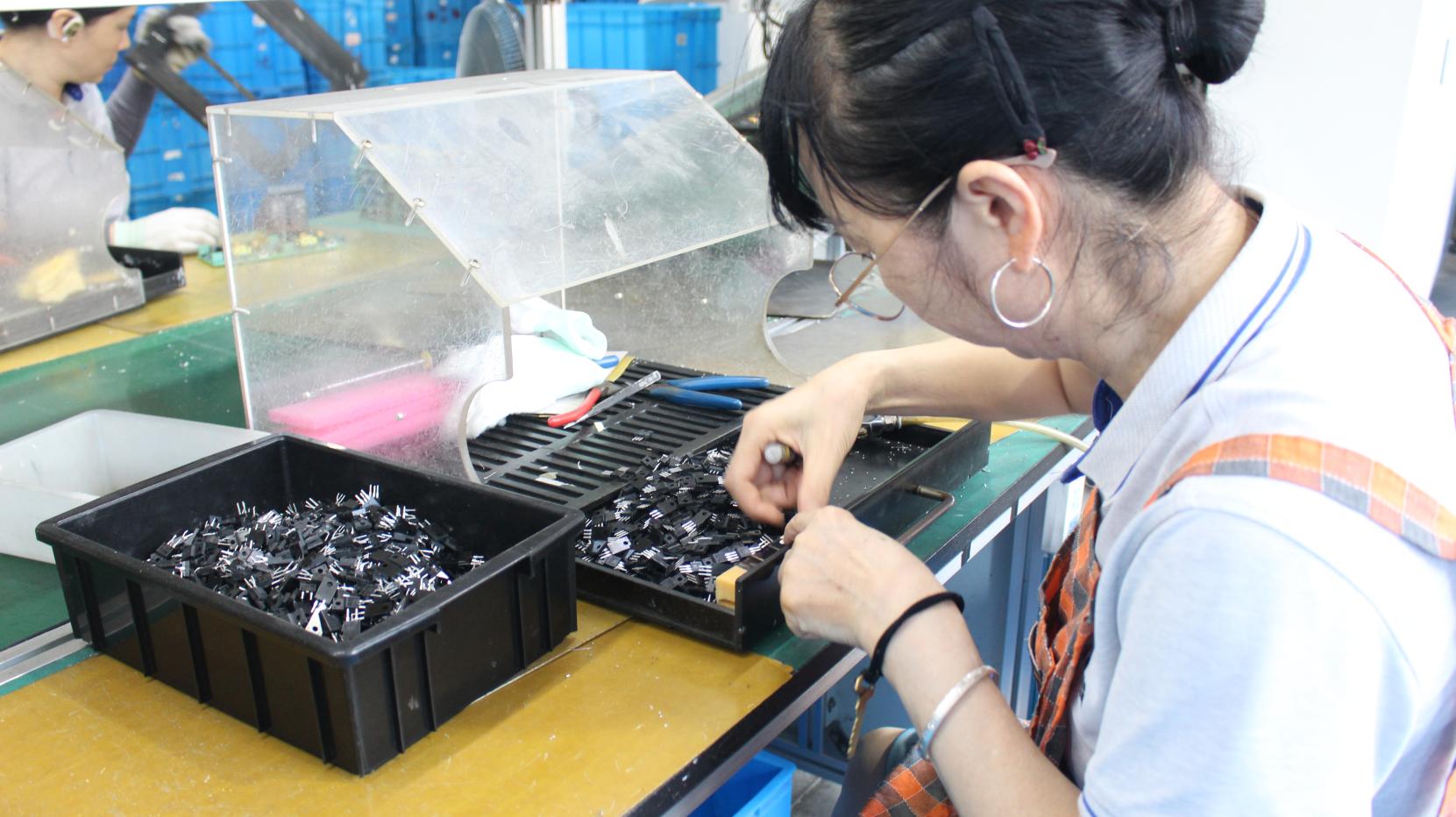
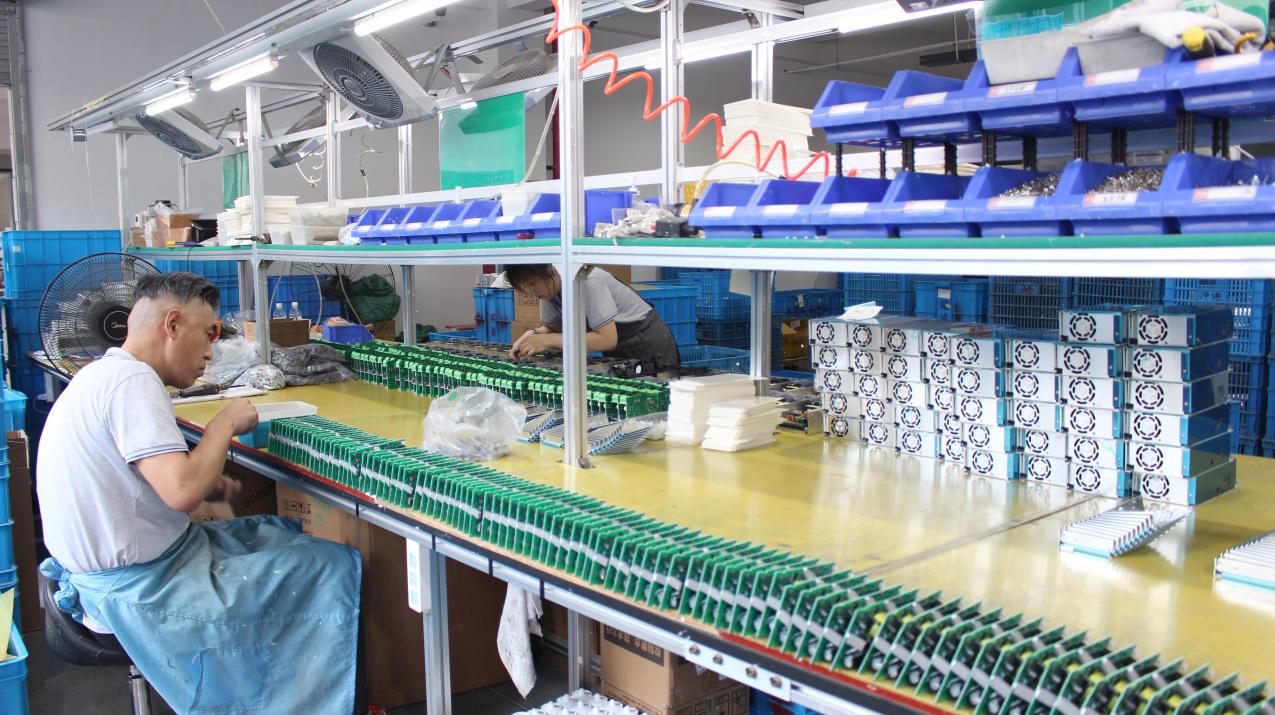
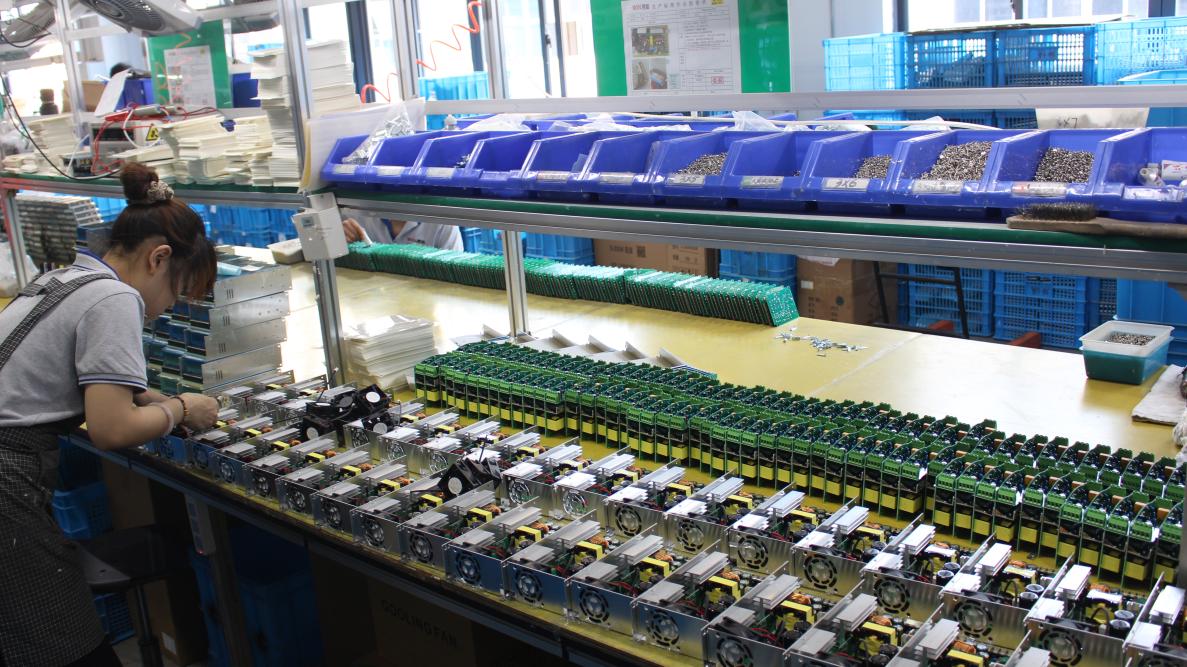
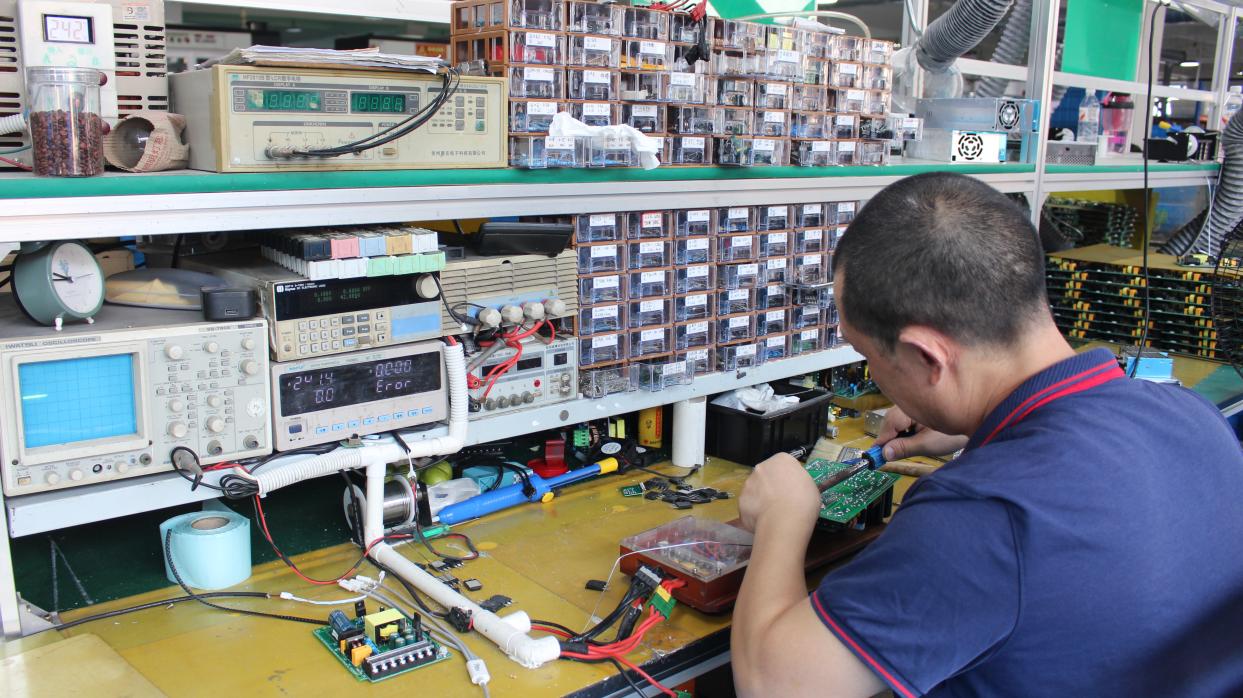
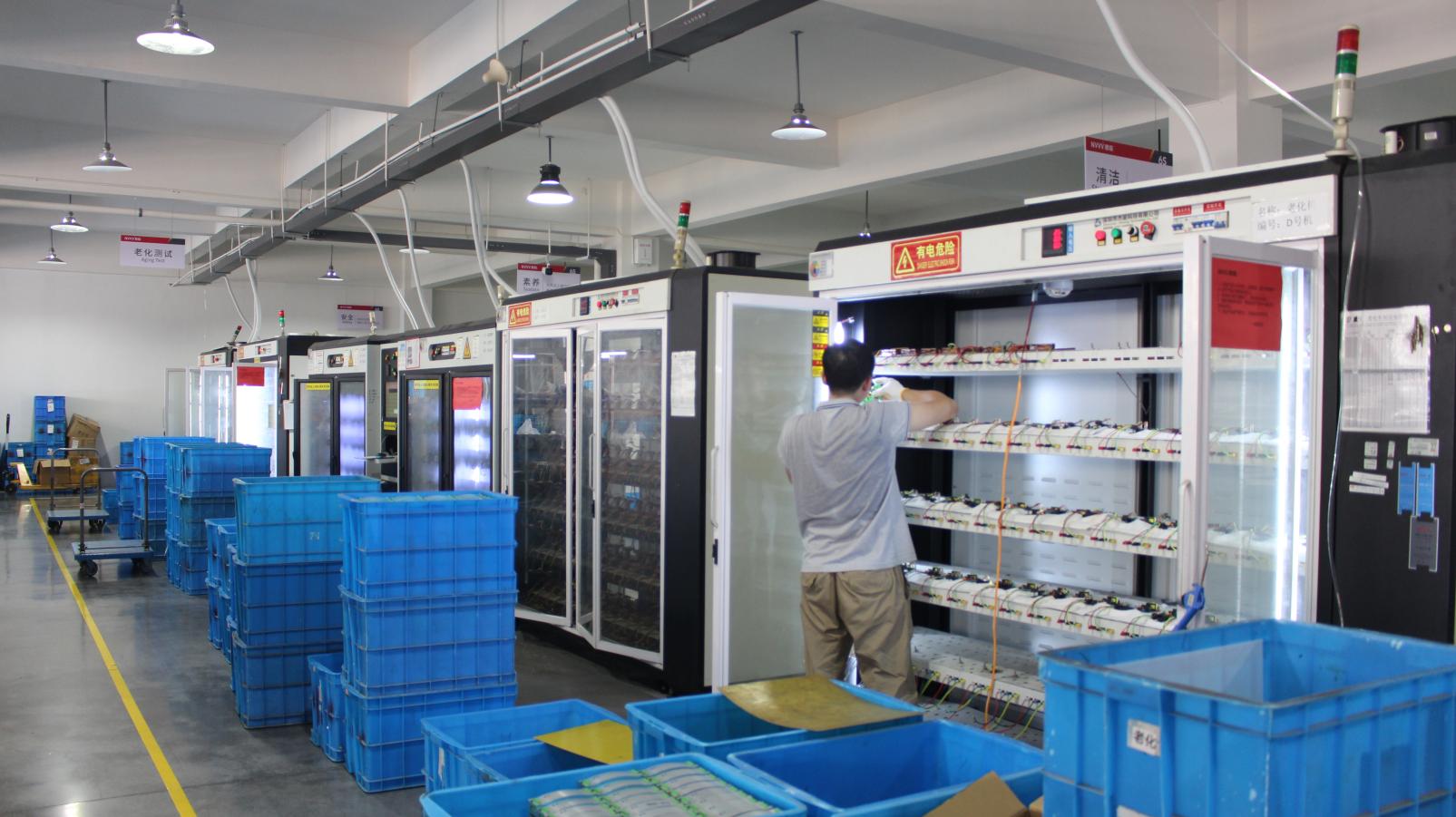
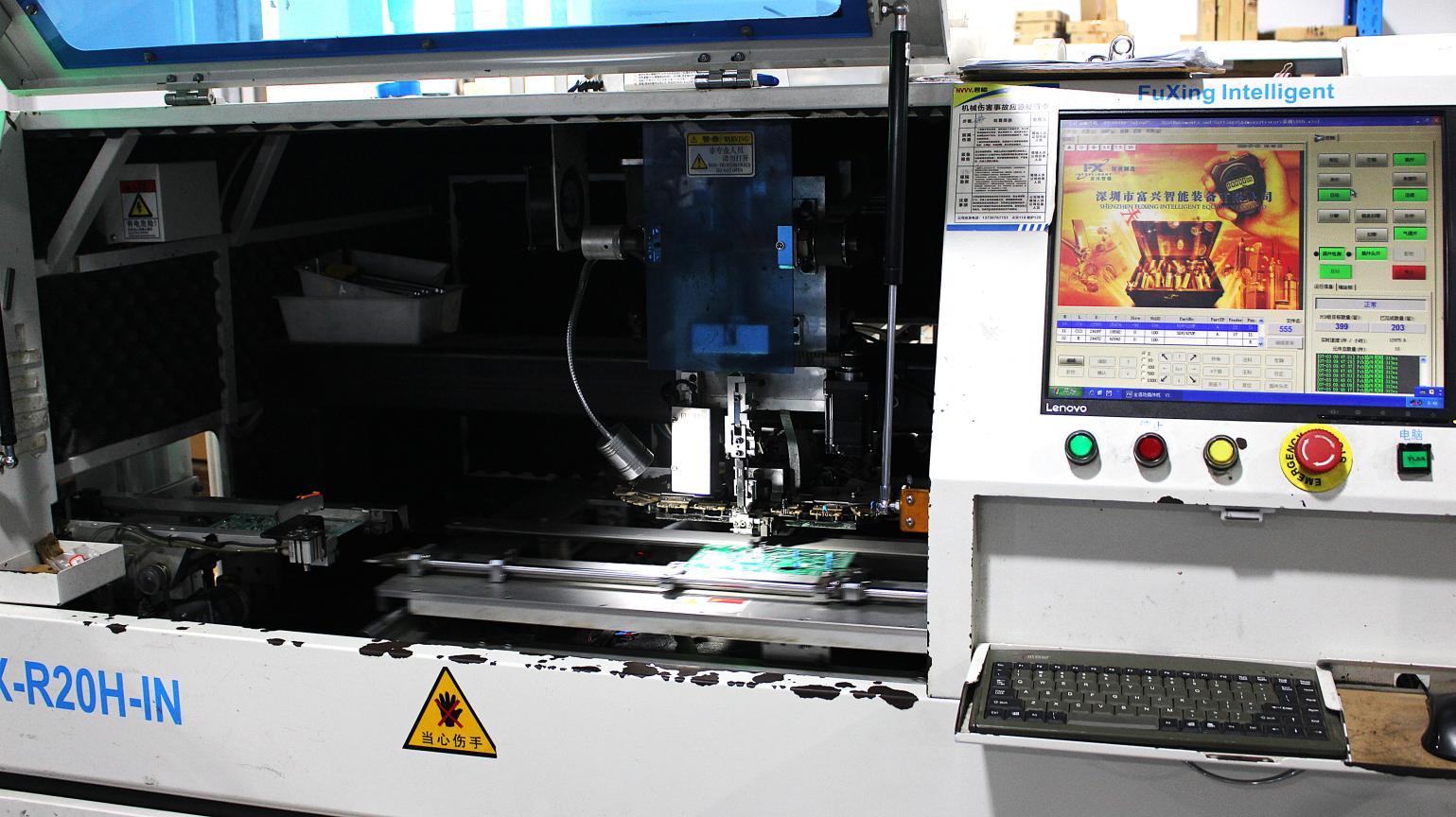
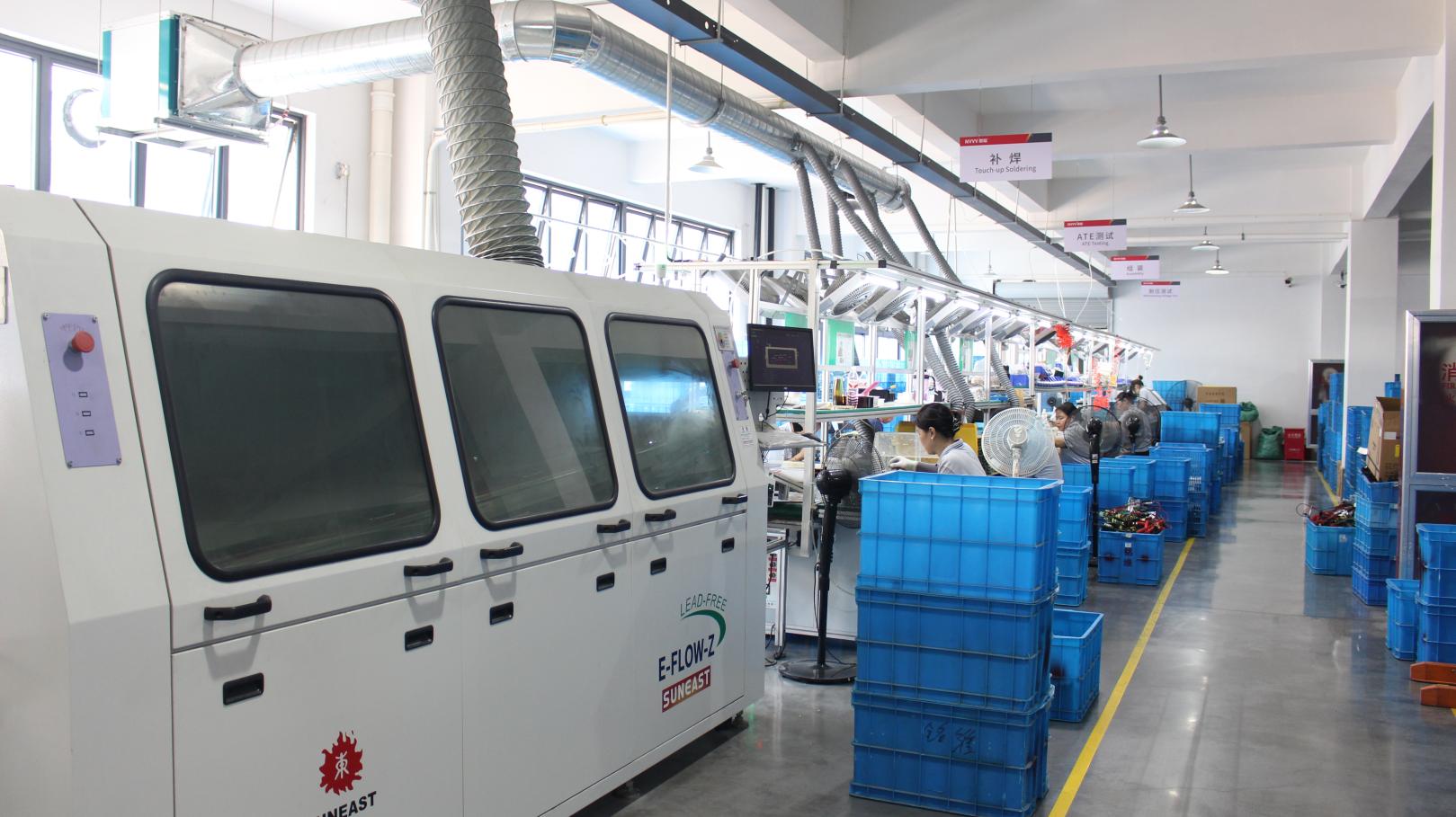
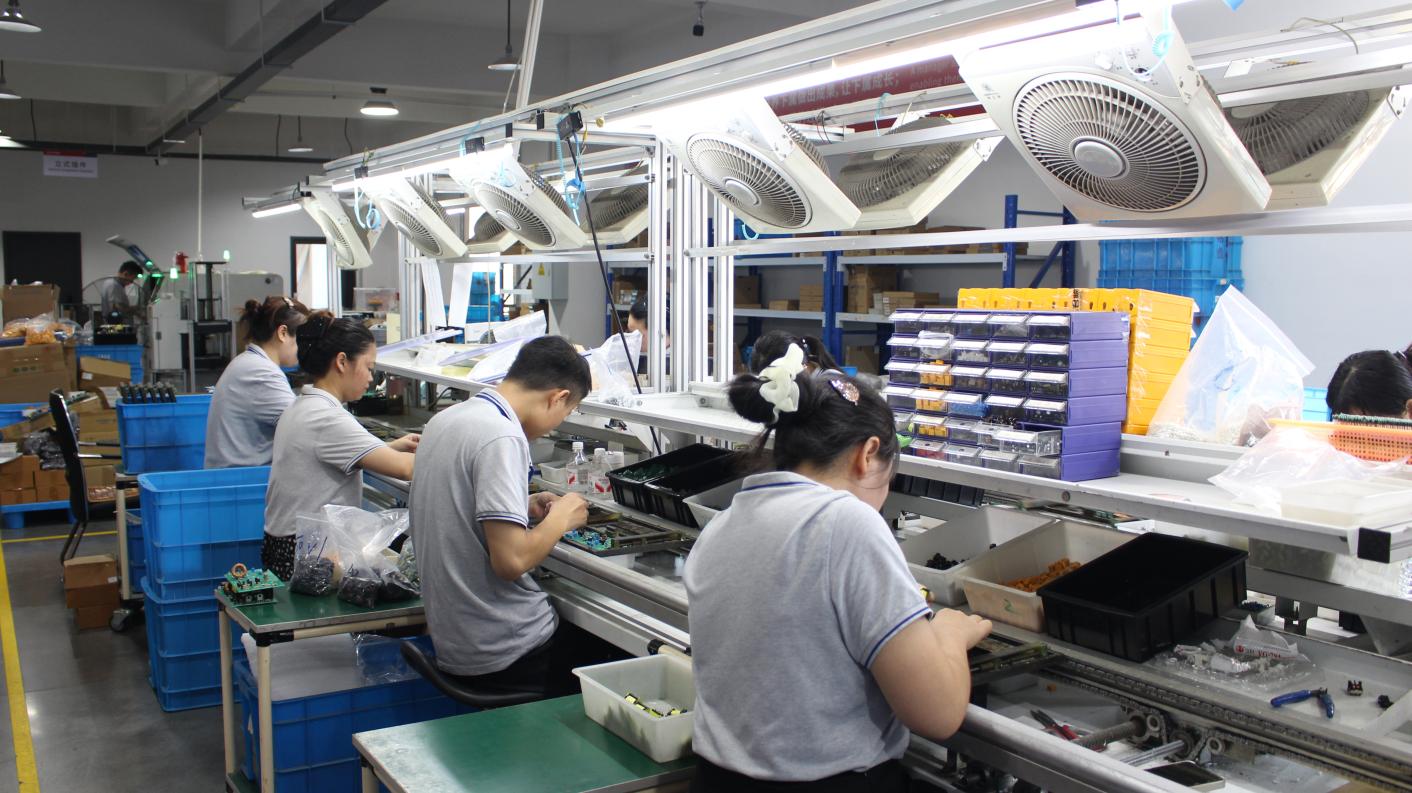
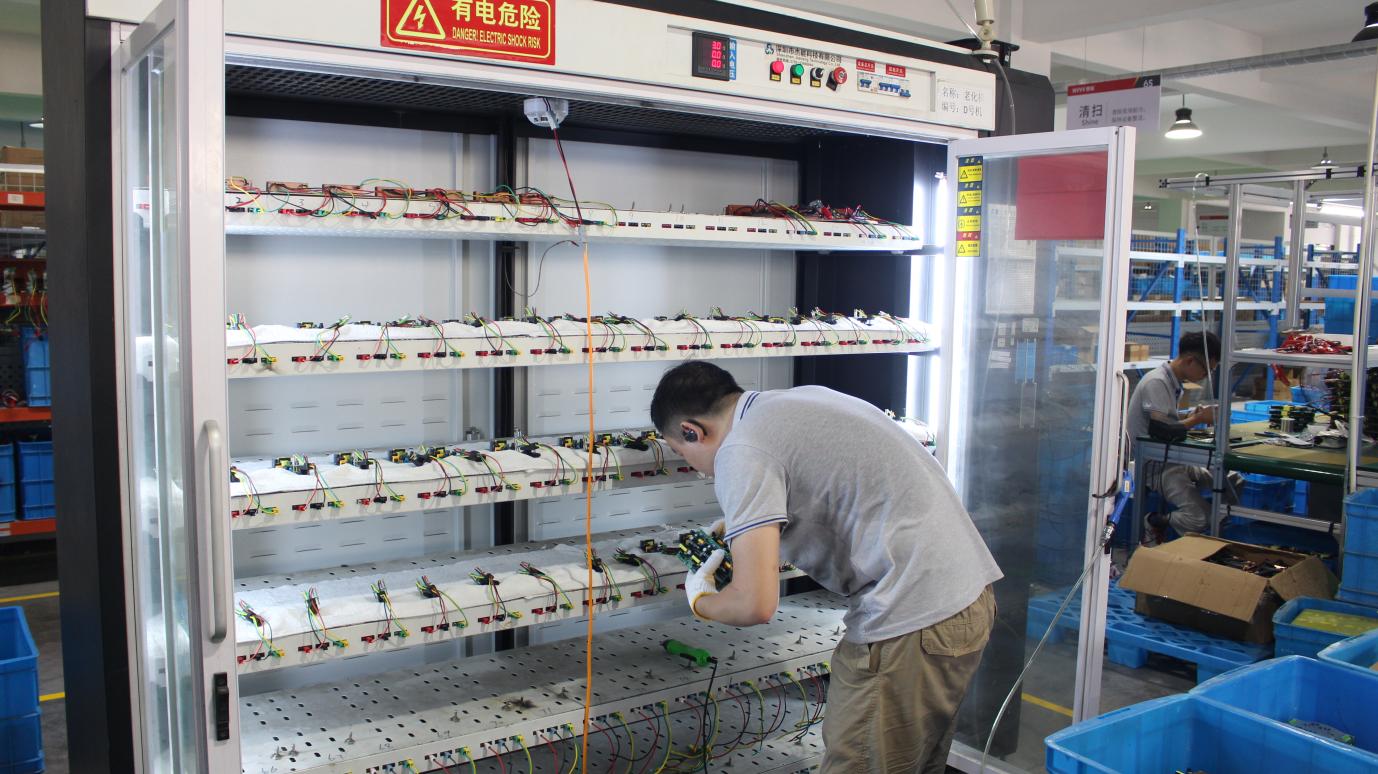
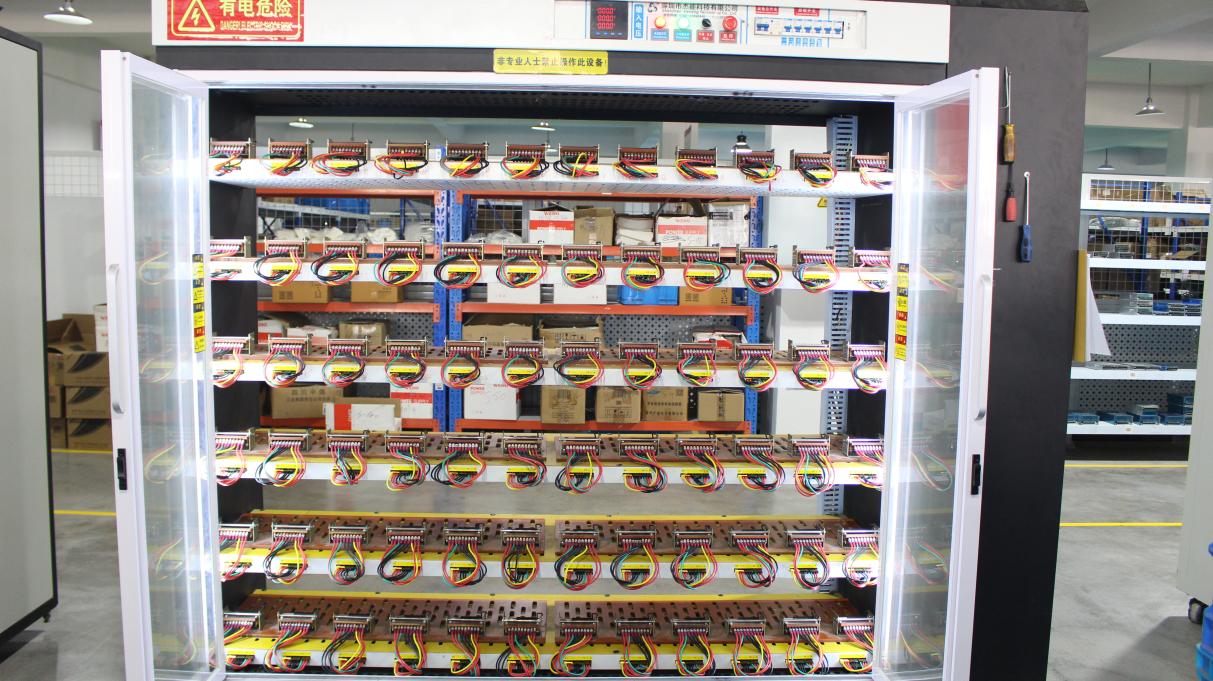
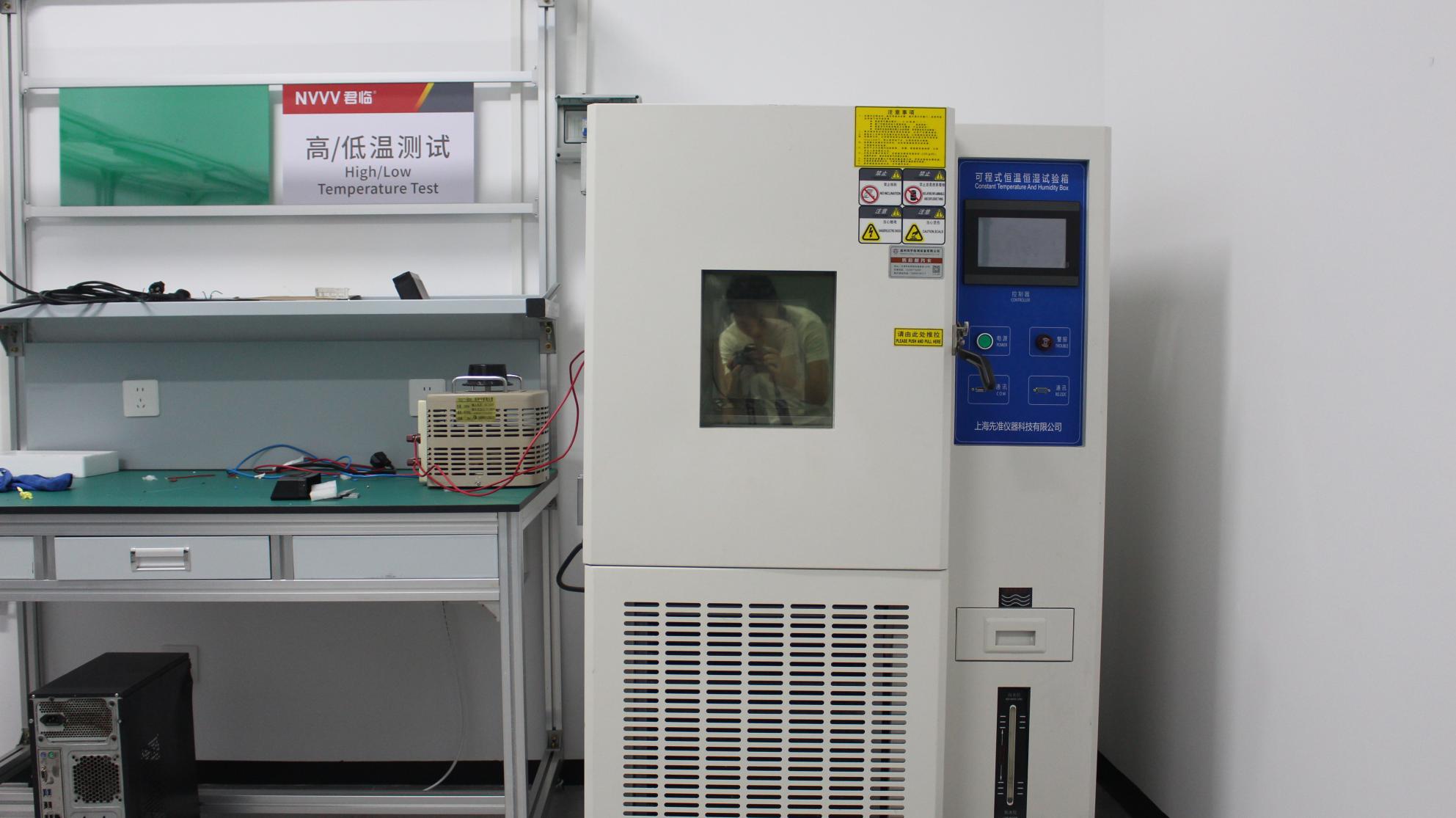
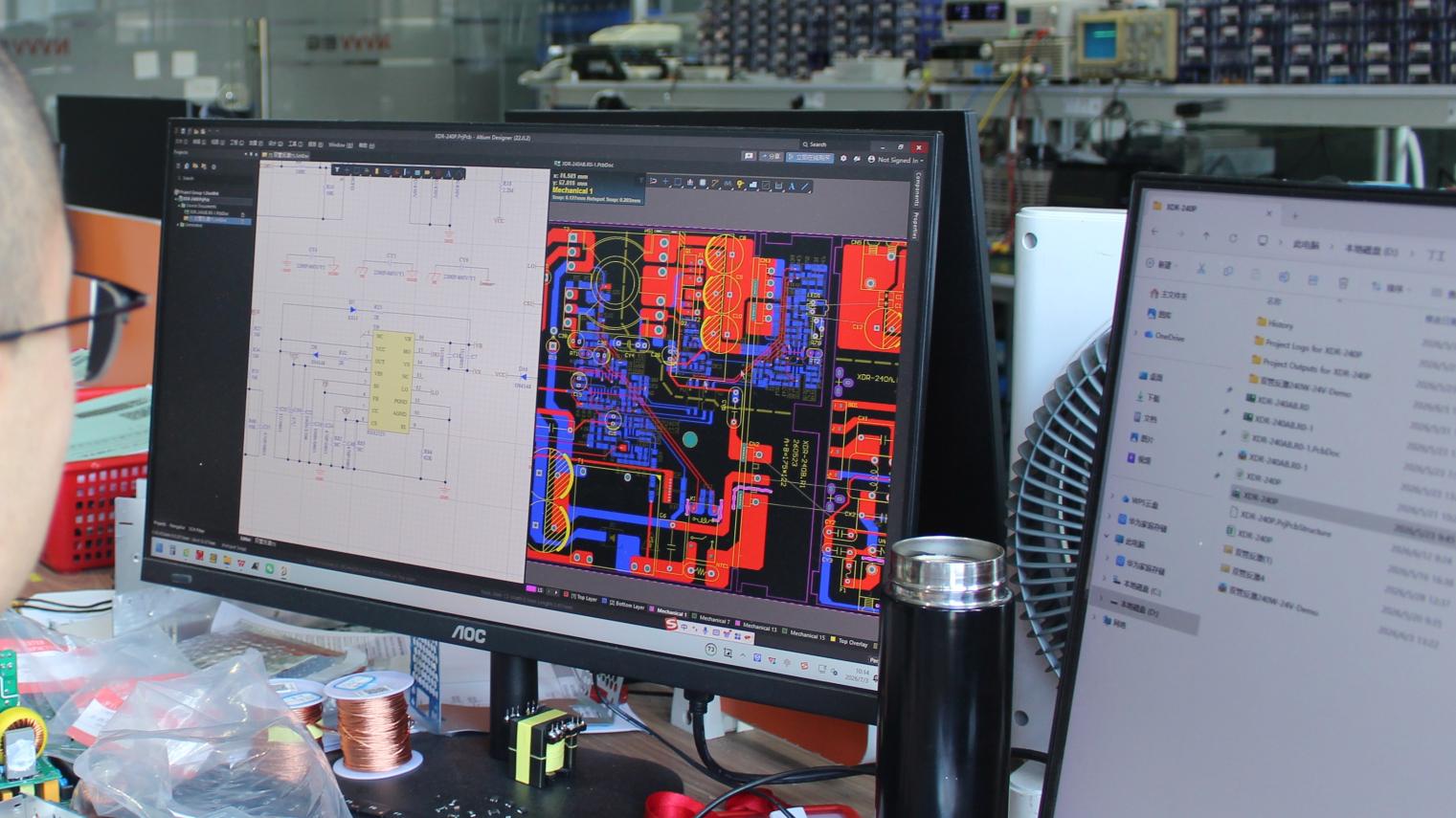
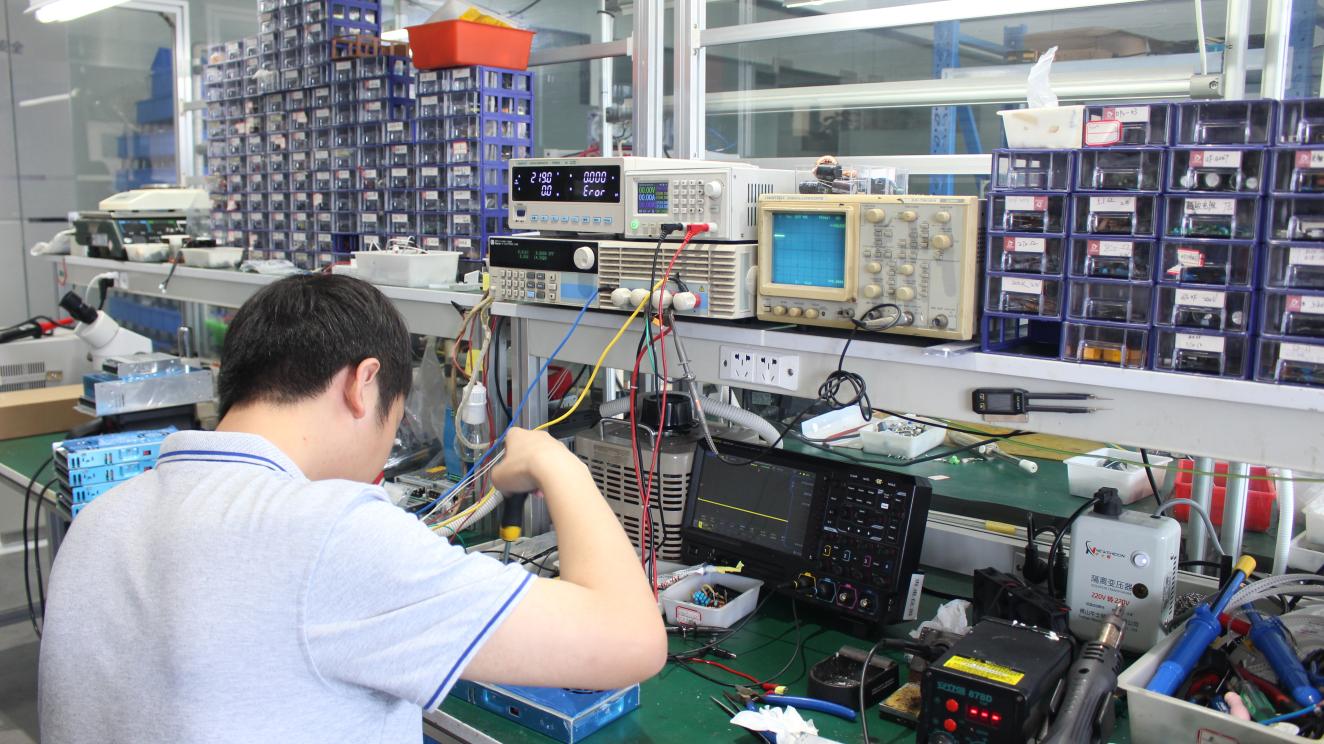
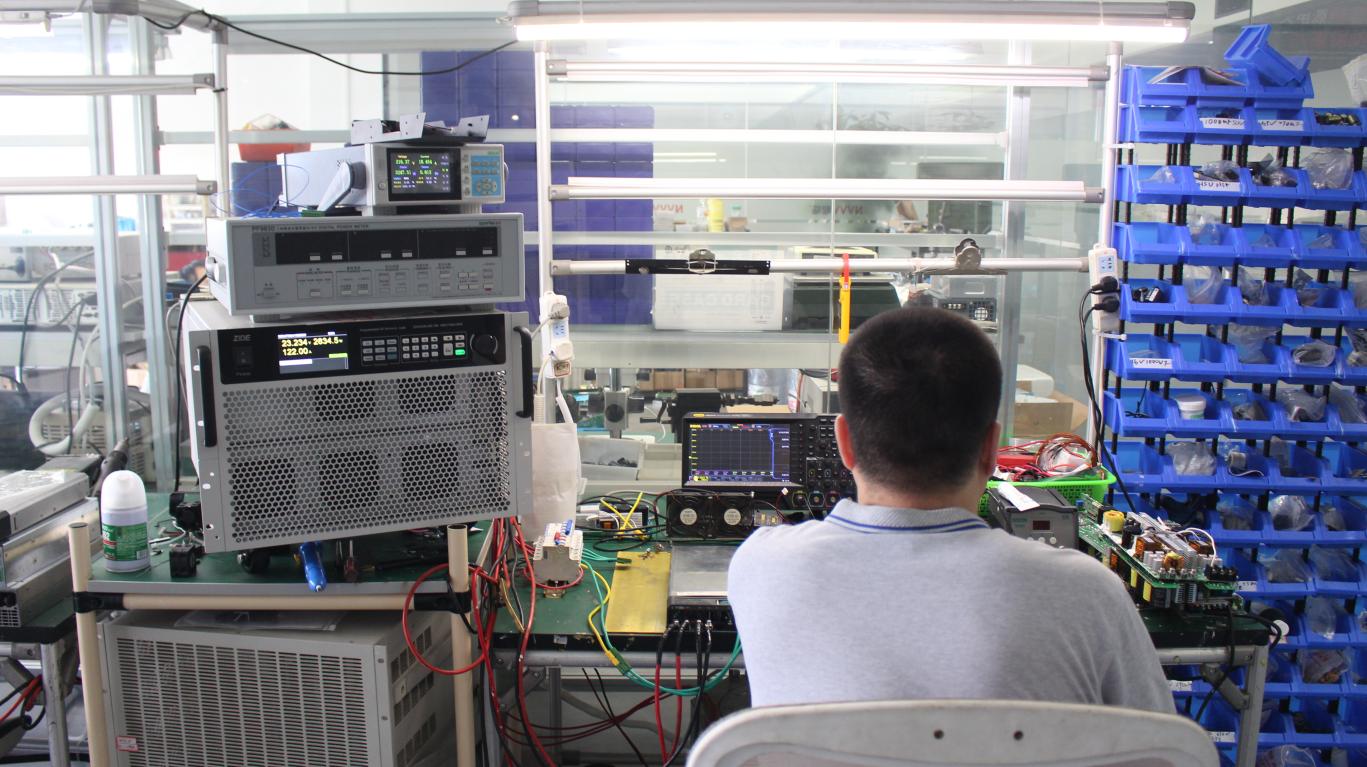
Our facility houses 5 automated high-speed production lines managed by 50 specialized technicians, including 7 senior R&D and QA engineers. From initial schematic drafting to automated wave soldering and thermal environmental chambers, NVVV guarantees that every power converter shipped conforms to the highest levels of quality and safety.
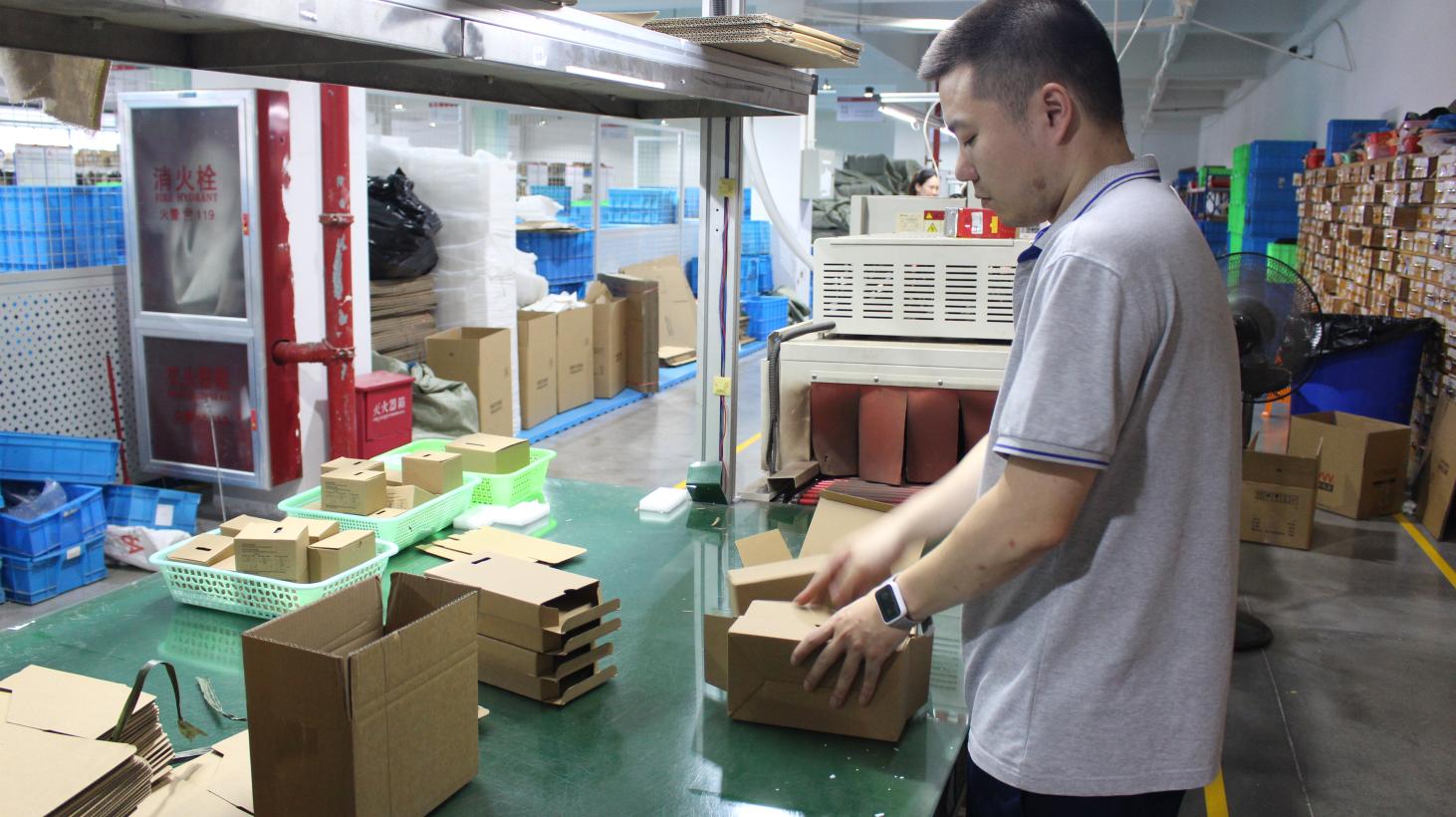
Direct view into our ISO9001-certified workshops, machinery inventory, and engineering test laboratories.
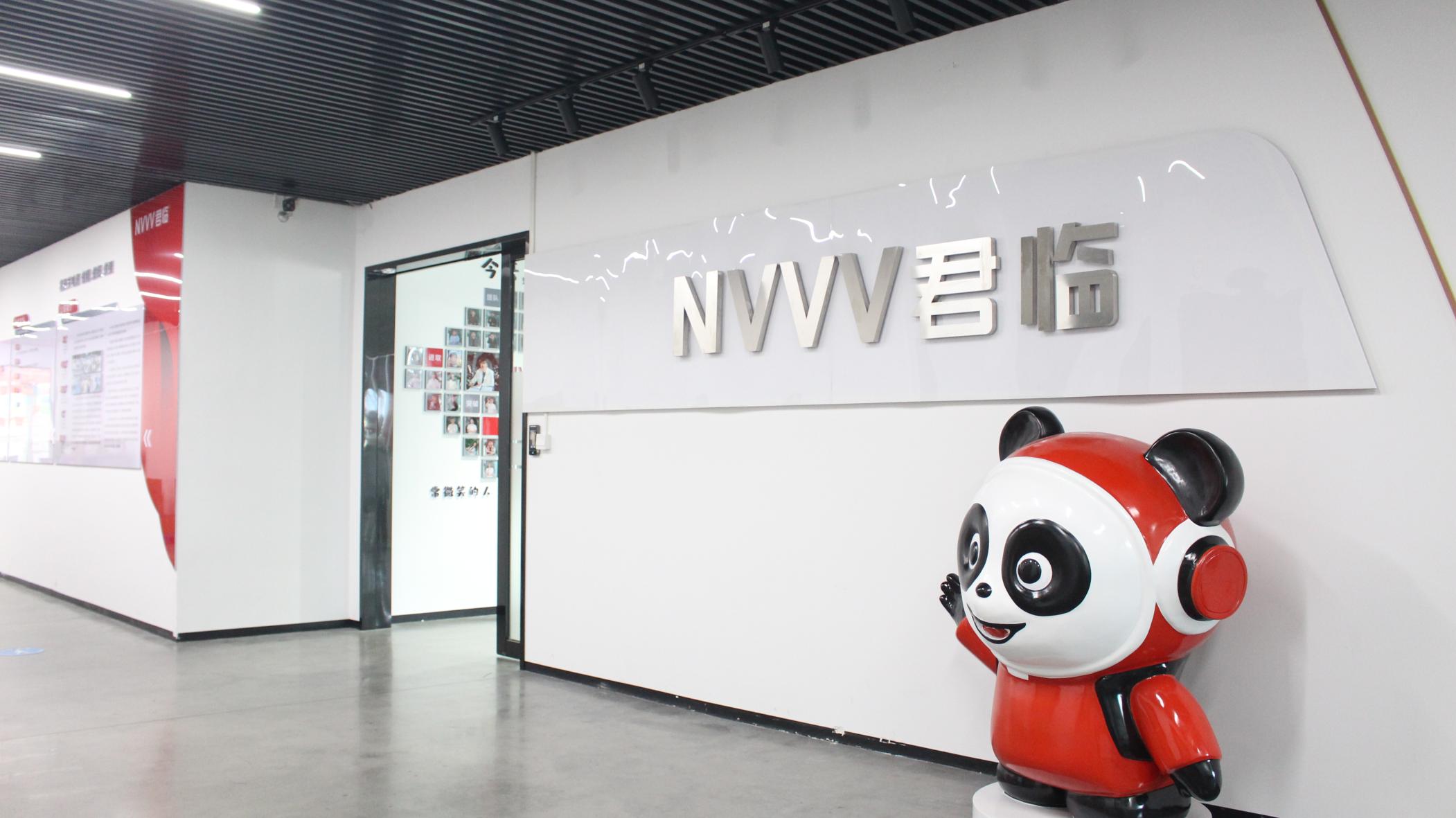
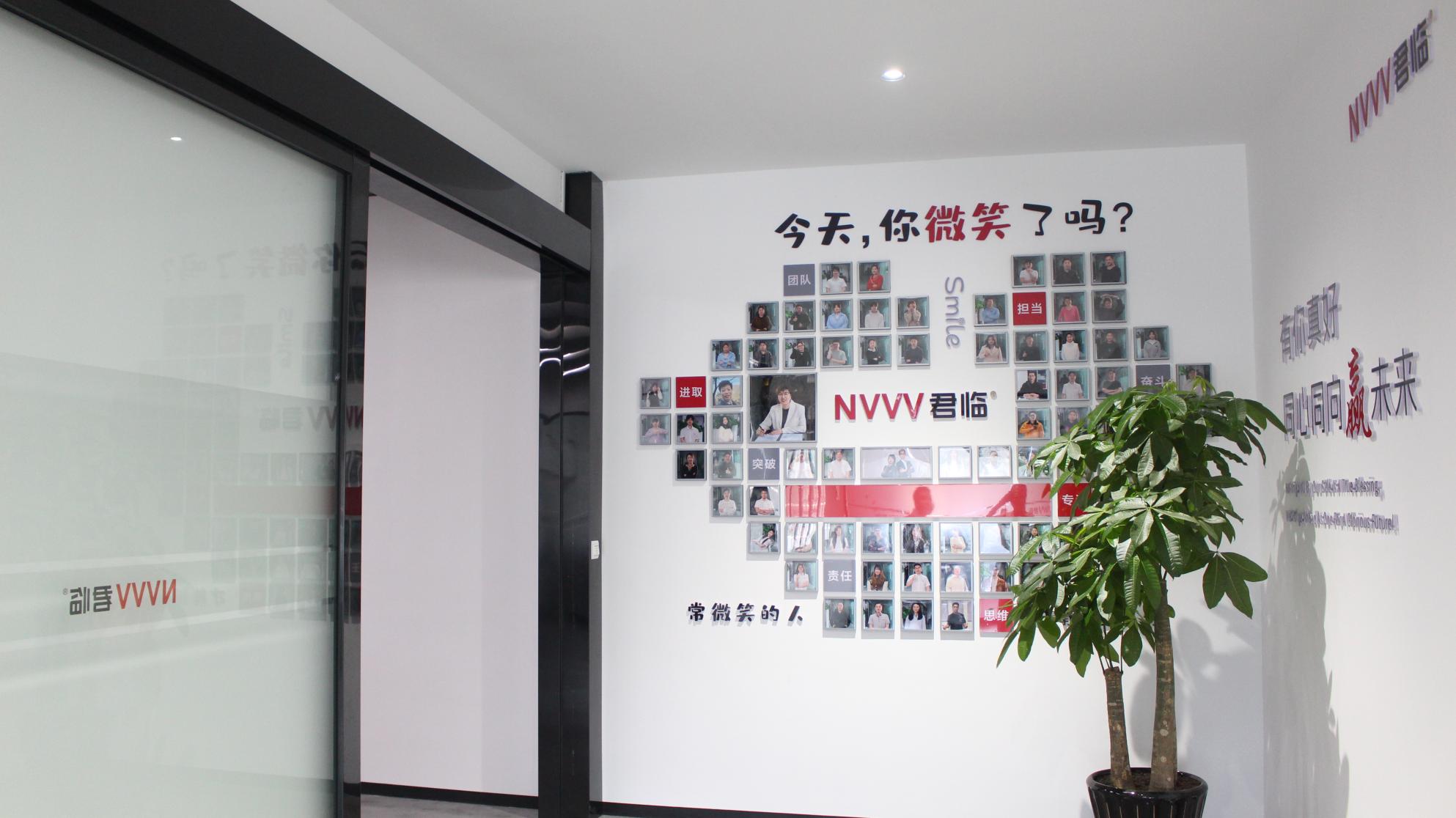
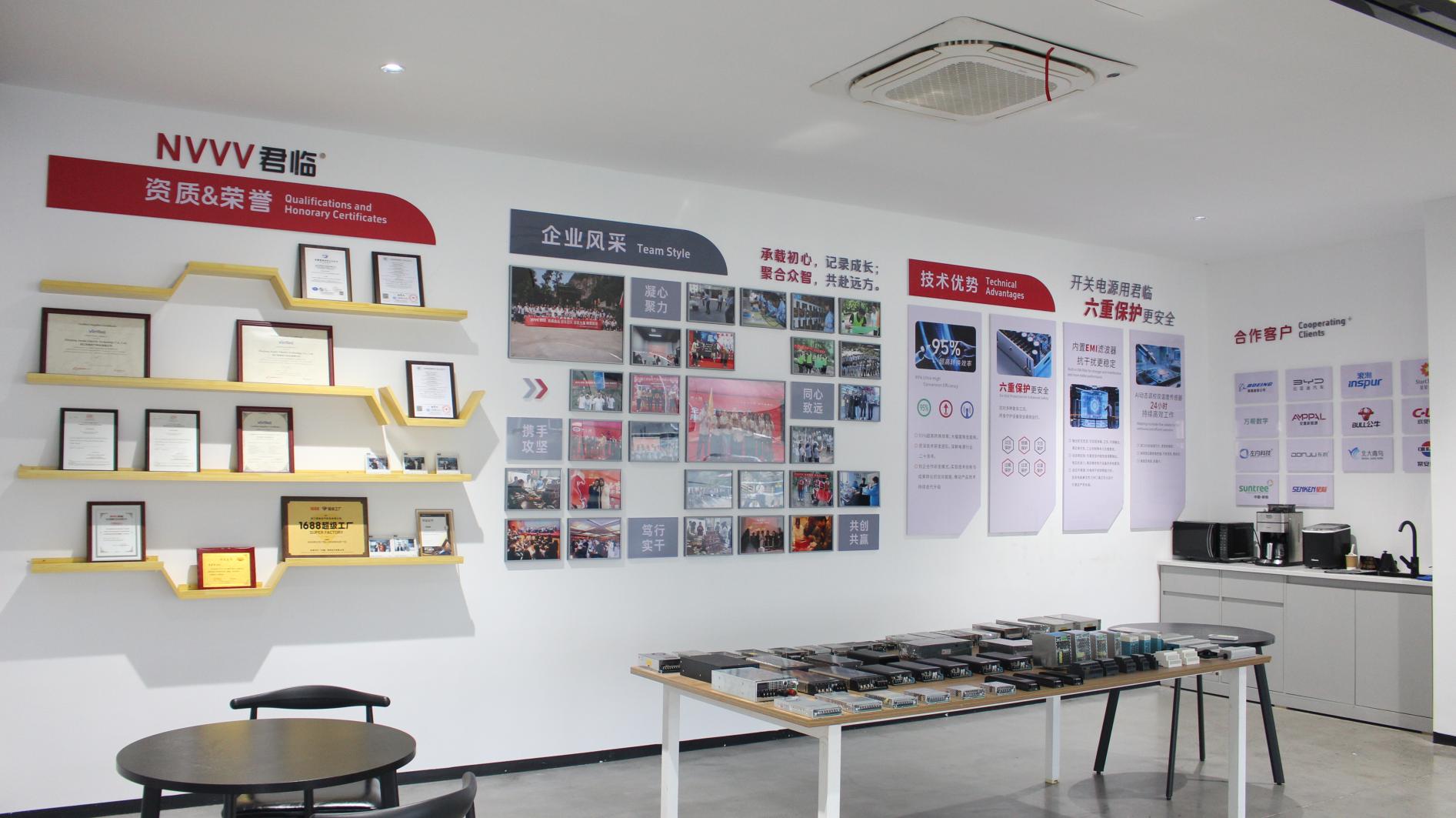
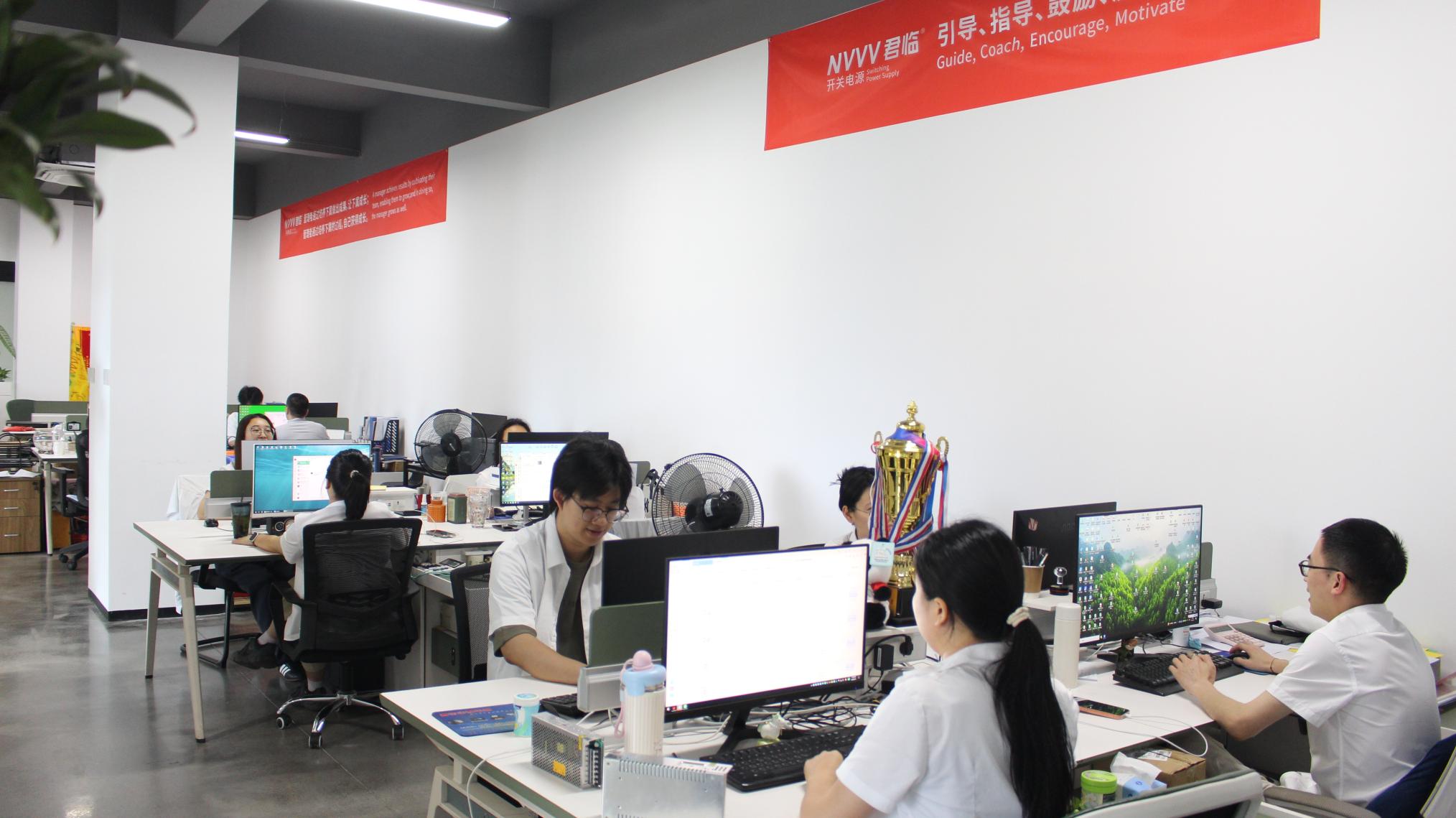
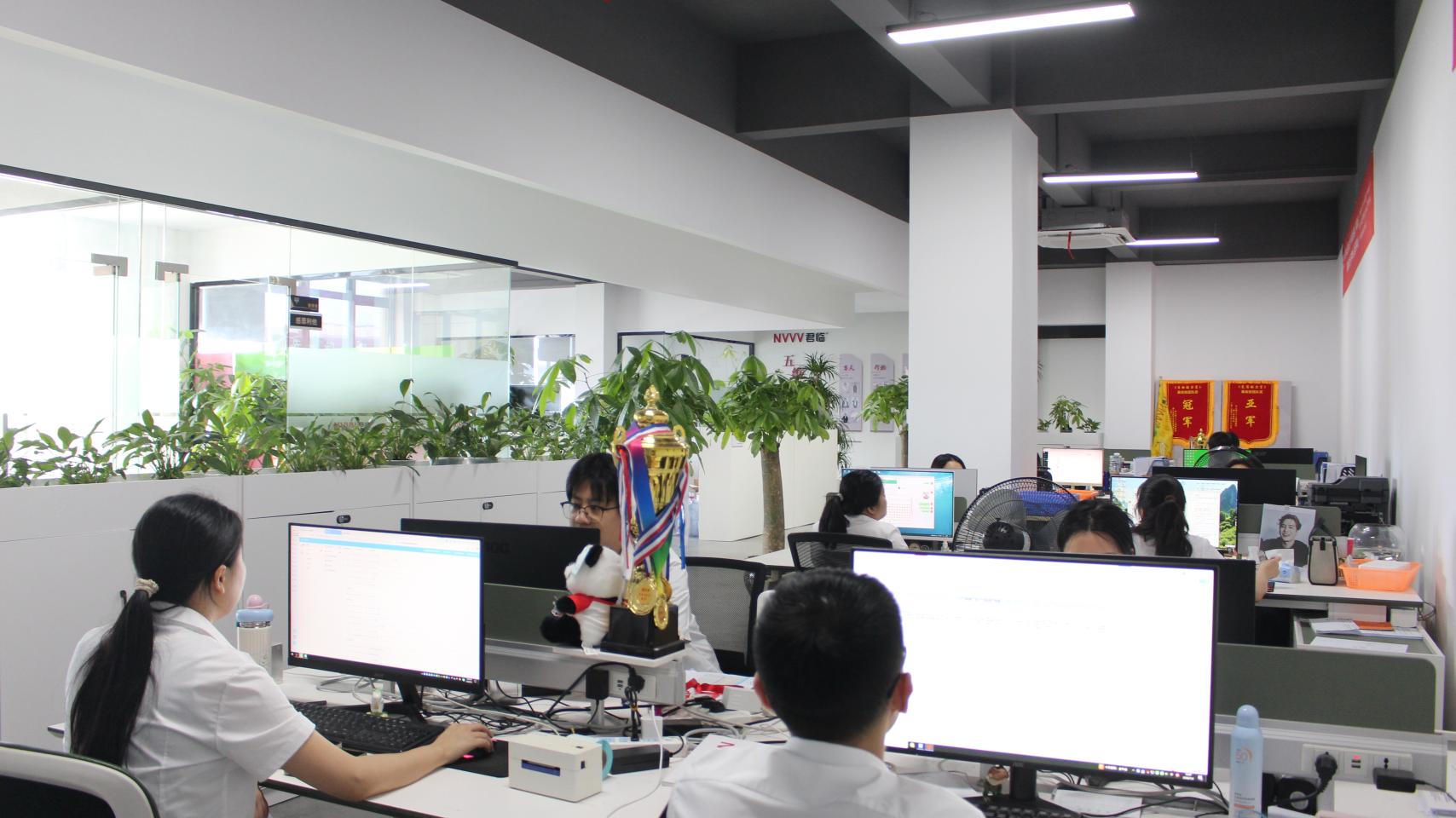
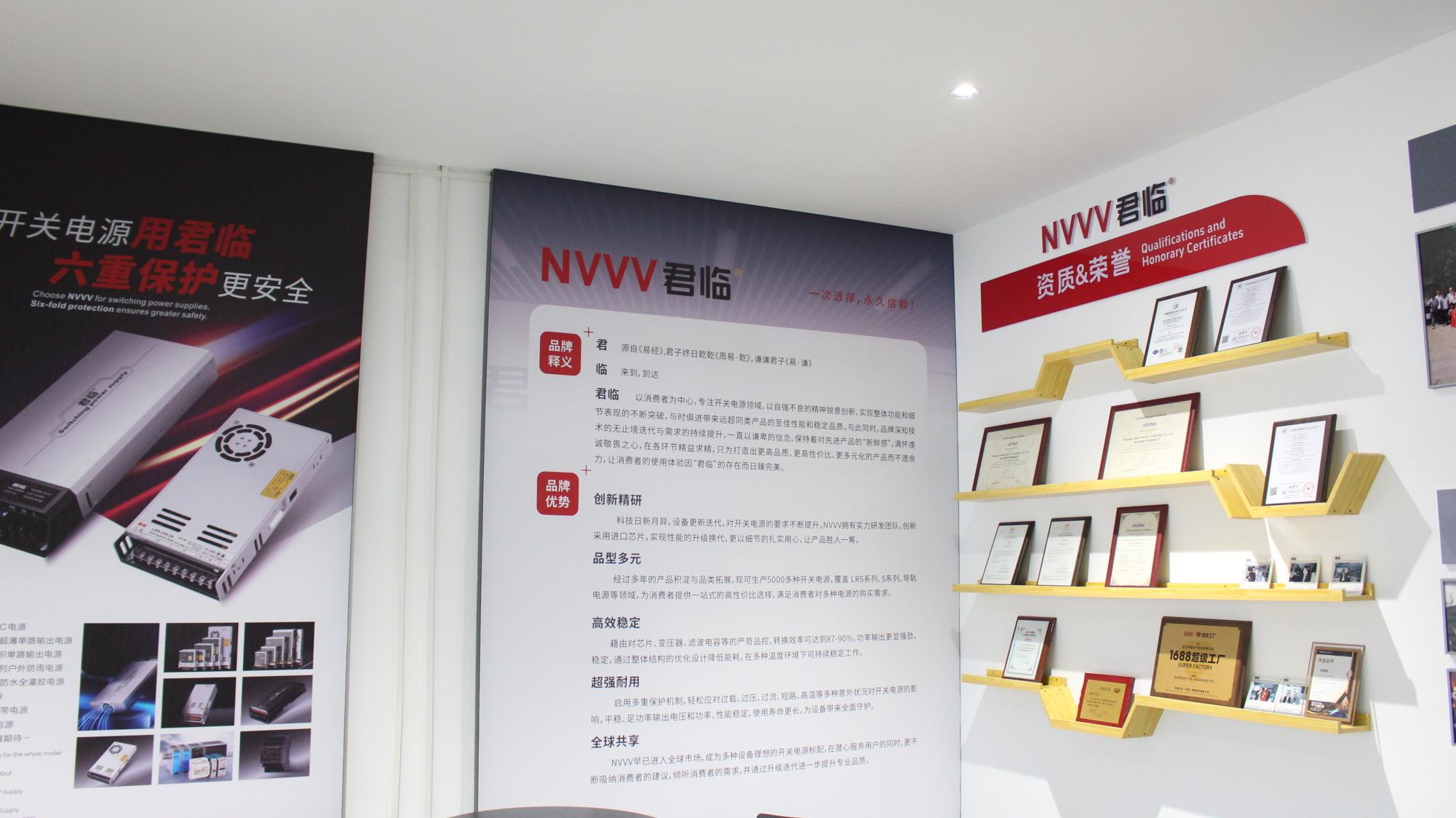
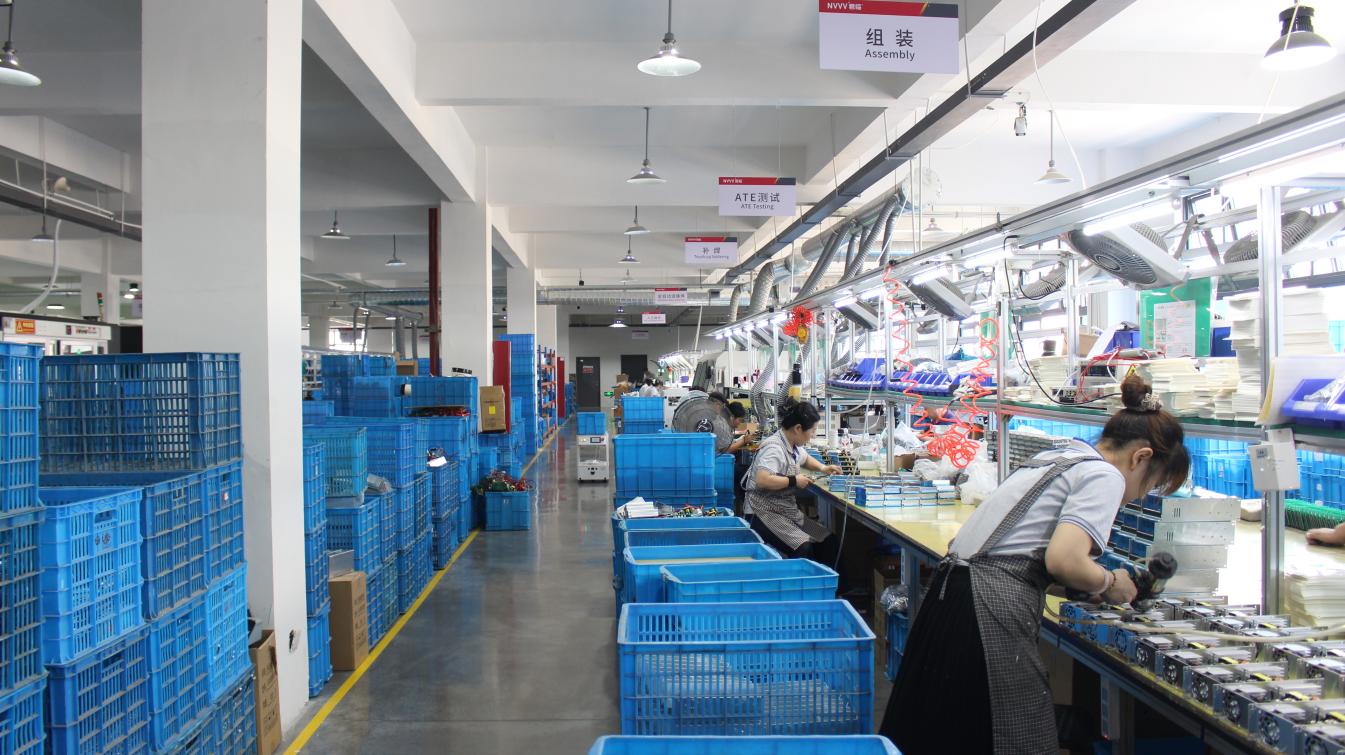
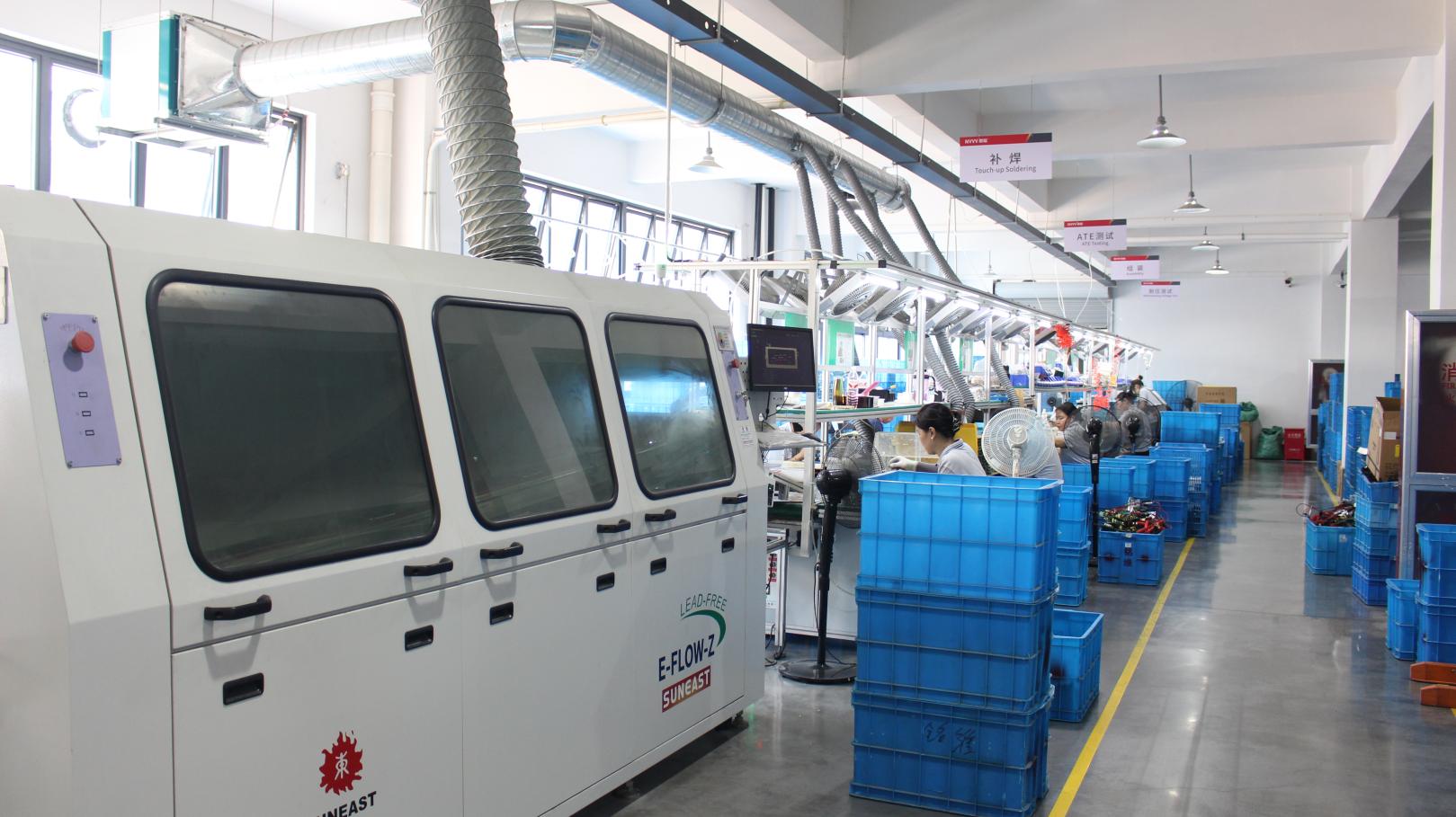
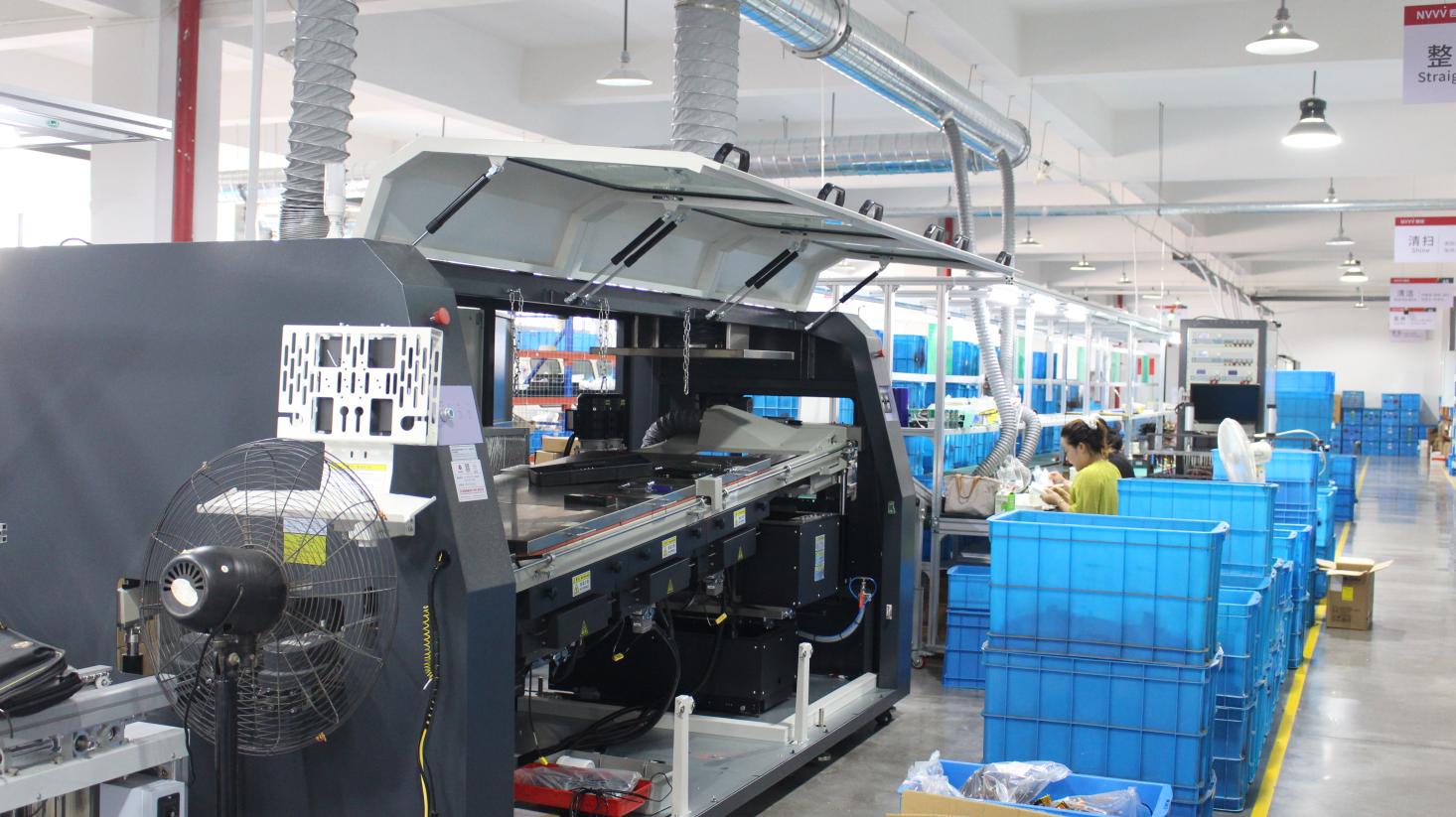
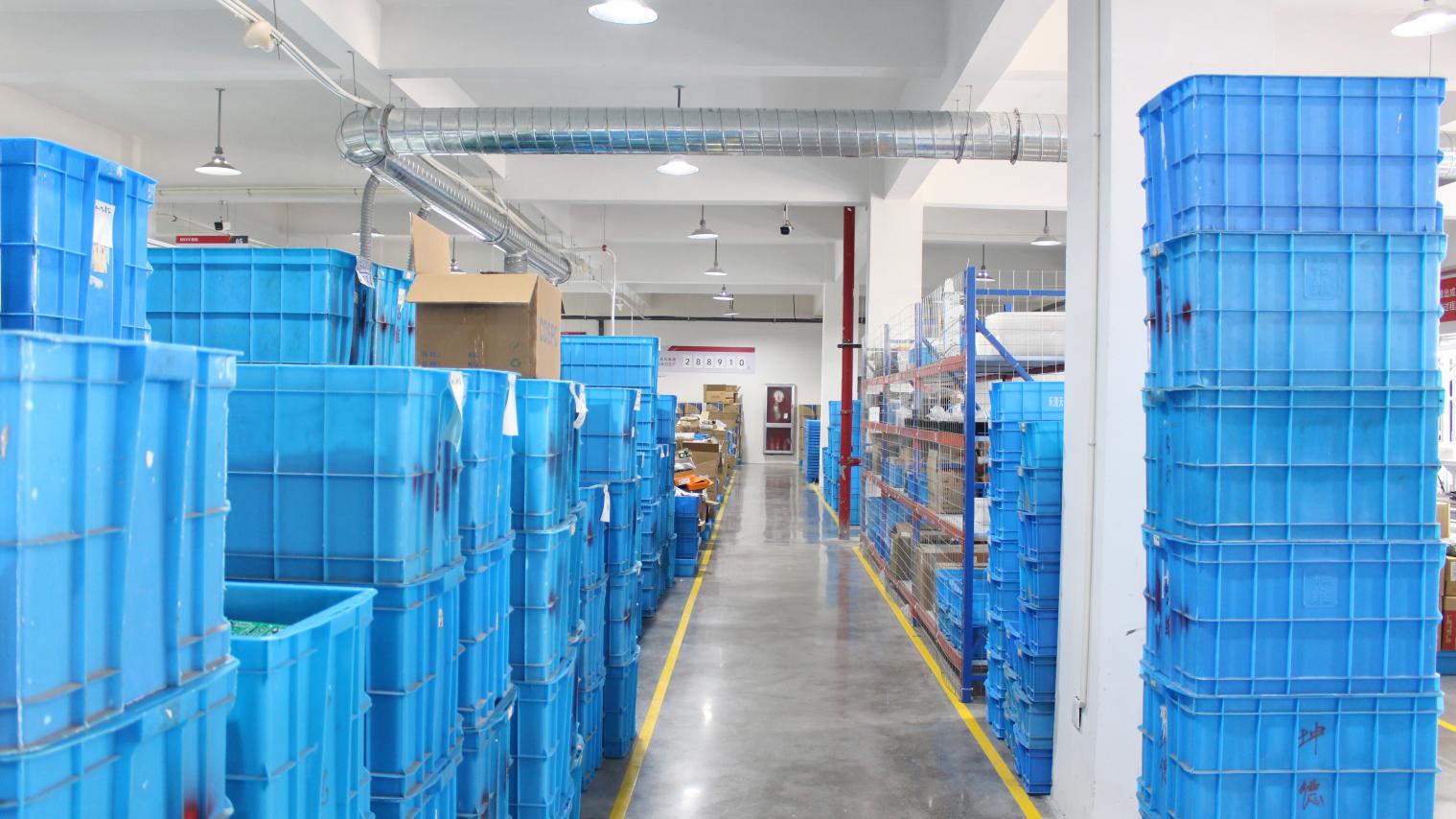
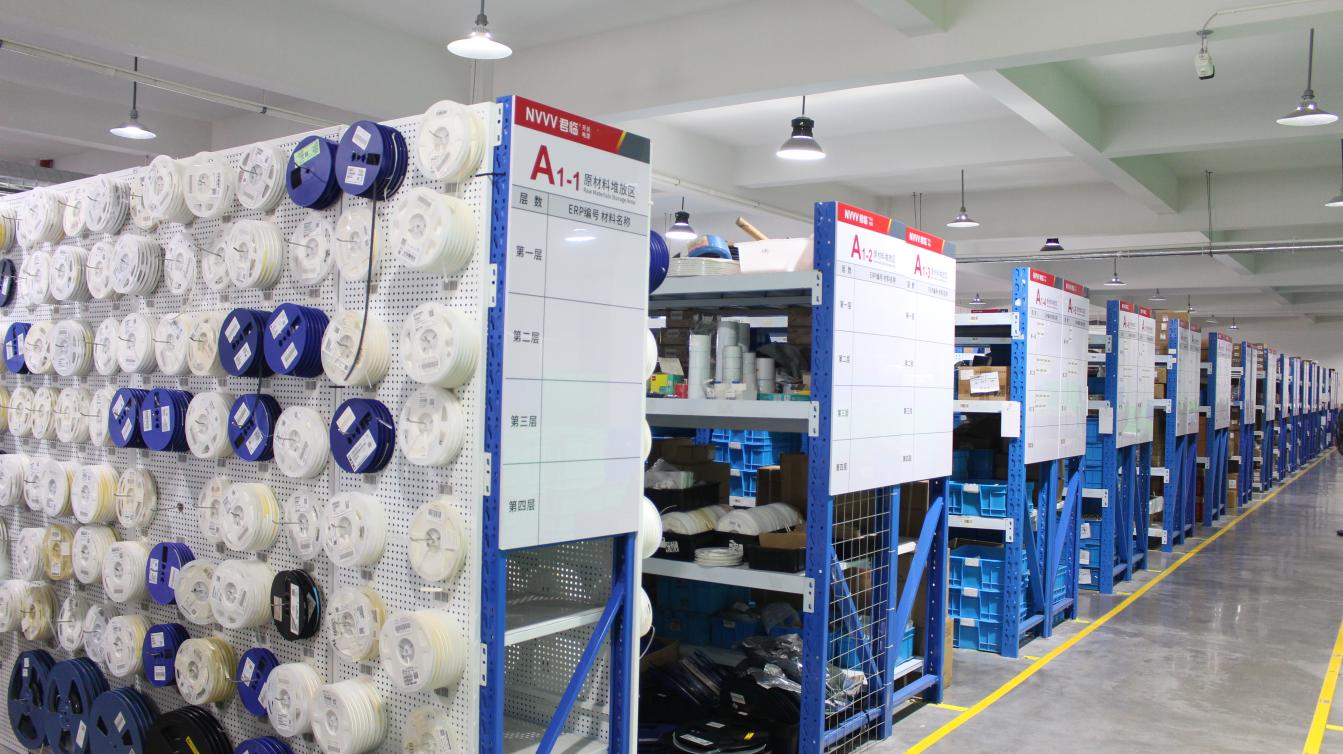
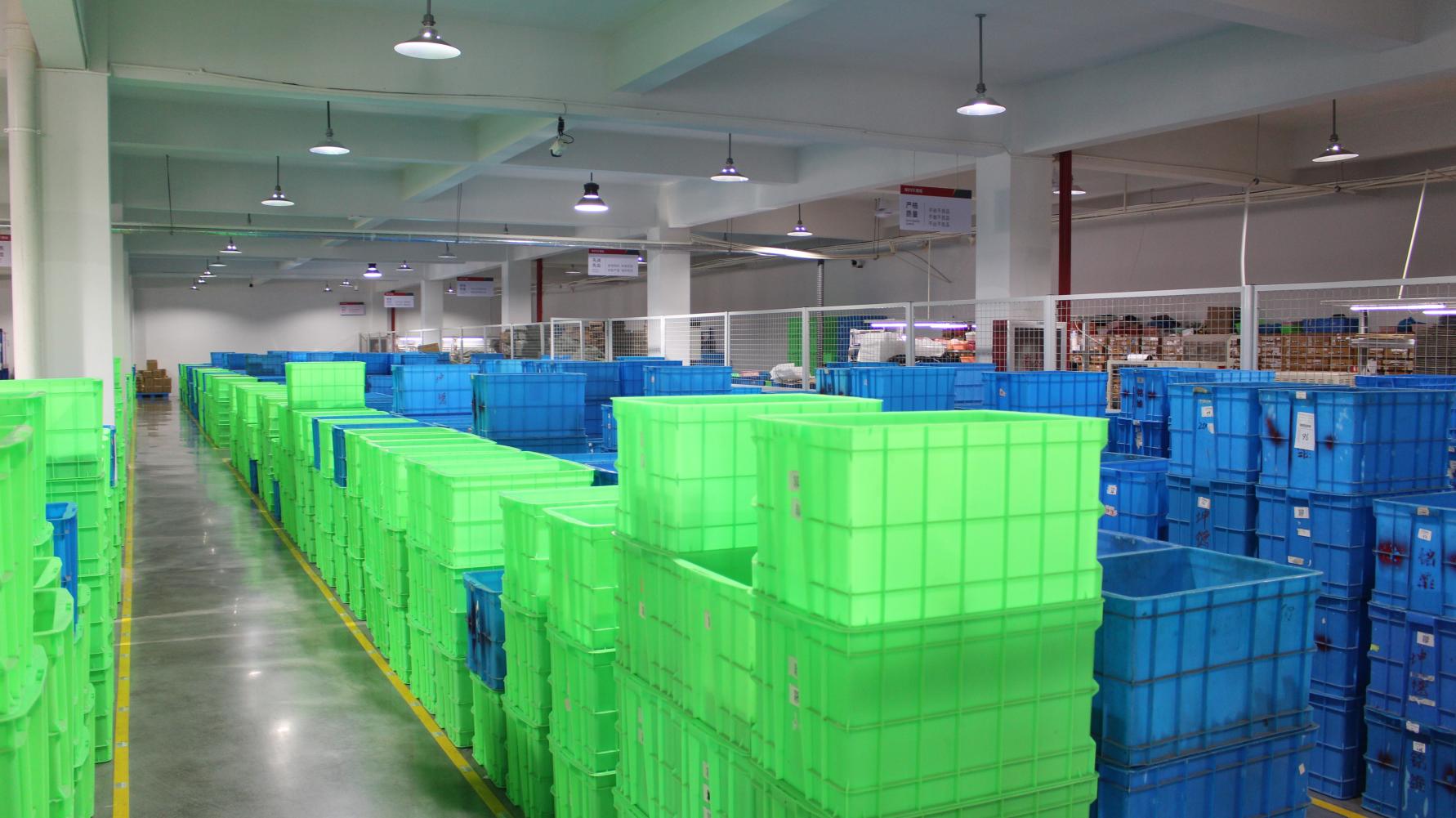
A systematic overview of our QA-centric processing line. Traceability is guaranteed from the receipt of raw material to packaged delivery.
A strategic breakdown of manufacturing logistics, pricing advantages, and design customizations for global procurement officers.
Operating out of Wenzhou, Zhejiang allows NVVV to tap into a highly dense supply network. Passive electronic devices, high-frequency magnetic cores, PCB substrates, and metallic structural stampings are sourced within a 50km radius. This localized infrastructure translates directly to reduced raw material transit costs and accelerated turnaround for customized production runs.
Global sourcing agents prioritize risk reduction. Fluctuating component costs, long lead times, and regulatory discrepancies present persistent challenges. NVVV resolves these through long-term stocking contracts for key semiconductor components and custom OEM/ODM packaging services that ensure units arrive fully pre-labeled and configured for immediate deployment.
A power supply unit cannot ship internationally without extensive regulatory alignment. Our engineering department develops base layouts specifically designed to pass certifications like CE, FCC, CCC, UKCA, and BIS. This design approach guarantees that our OEM/ODM products integrate seamlessly into machinery bound for North America, Europe, or Asia.
A detailed engineering overview analyzing localized implementation strategies, international safety standards, and emerging technology trends.
Industrial installations present unique operational challenges. In North American factory automation markets, power architectures must fit into standardized NEMA enclosures and run continuously under 480V three-phase sub-panels. Our NDR series DIN rail modules are optimized to fit standard TS-35 mounting systems, offering compact widths to maximize enclosure rail space.
Conversely, in high-humidity municipal projects throughout Southeast Asia or coastal infrastructure in Eastern Europe, exposure to moisture and atmospheric corrosion requires IP67 or IP68 waterproof ratings. NVVV's LPV series LED drivers and enclosed waterproof units employ high-purity silicon potting compound to isolate internal components from ambient moisture, protecting circuitry from oxidation and thermal fatigue.
Compliance is not merely a legal requirement; it is a key element of hardware design. NVVV products undergo extensive pre-compliance scans in our in-house testing labs prior to external validation. Under the EN 55032 standard, our SMPS circuits incorporate multi-stage EMI filters to suppress conducted and radiated emissions.
For safety compliance, our units feature galvanic isolation barriers tested to 3000VAC, meeting safety standards like CE, UKCA, and CCC. In the Indian market, where input voltages can fluctuate significantly, our BIS-certified power units are designed to withstand sustained overvoltage inputs, preventing field failures in unstable municipal grids.
The power supply industry is shifting toward higher power density and integrated communication interfaces. By replacing traditional silicon switches with Wide Bandgap (WBG) materials like Gallium Nitride (GaN), power systems can operate at significantly higher switching frequencies. This change reduces the size of bulky passive components (inductors and capacitors), paving the way for ultra-slim DIN rail converters.
Simultaneously, integration with IIoT frameworks is driving the adoption of intelligent telemetry. Modern smart factories utilize centralized PLCs to communicate with individual power nodes. These nodes monitor real-time metrics including operational temperature, load current, and capacitor health, helping maintenance teams schedule service before a failure occurs. NVVV is actively integrating these telemetry interfaces into our custom OEM/ODM solutions to keep pace with these industry developments.
Expert answers to common engineering, customization, and supply chain questions from global B2B buyers.
Explore our additional power solutions, including multiple-output switches, high-efficiency LED drivers, and compact DIN rail power units.
 NVVV Electric