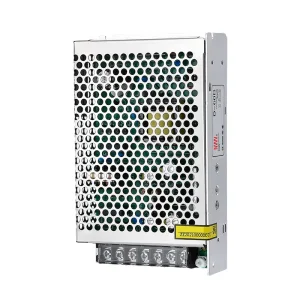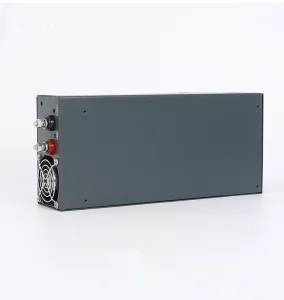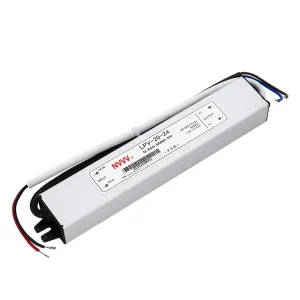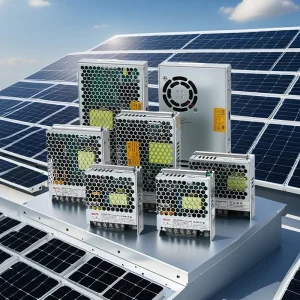
In modern industrial setups, power quality directly impacts operational longevity and safety. An isolation transformer acts as a primary barrier of protection, utilizing galvanic isolation to decouple input and output electrical currents. This system ensures that sensitive electronic assemblies remain insulated from line noise, voltage fluctuations, and hazardous ground loops.
Unlike standard autotransformers, which share a common winding, isolation transformers feature separate primary and secondary windings. This physical division blocks the transmission of DC components and high-frequency common-mode noise. For critical systems—such as industrial automation grids, medical devices, and precision laboratory instruments—this level of isolation is essential for continuous performance.
Complete physical disconnection of primary and secondary electrical paths, preventing high-voltage surges from damaging low-voltage controls.
Eliminates electrical disturbances relative to ground, shielding microprocessor-controlled devices from logic errors and data loss.
Eliminates circulating currents between different system grounds, resolving issues with audio/video feedback and control signal variance.
Procuring industrial-grade isolation solutions requires evaluating manufacturers on R&D capacity, compliance certifications, and manufacturing consistency. Organizations in North America and Europe prioritize safety and energy efficiency. Below is an overview of the global supply criteria used by procurement officers:
| Evaluation Parameter | Standard Criteria | NVVV Electric Benchmarks | Procurement Advantage |
|---|---|---|---|
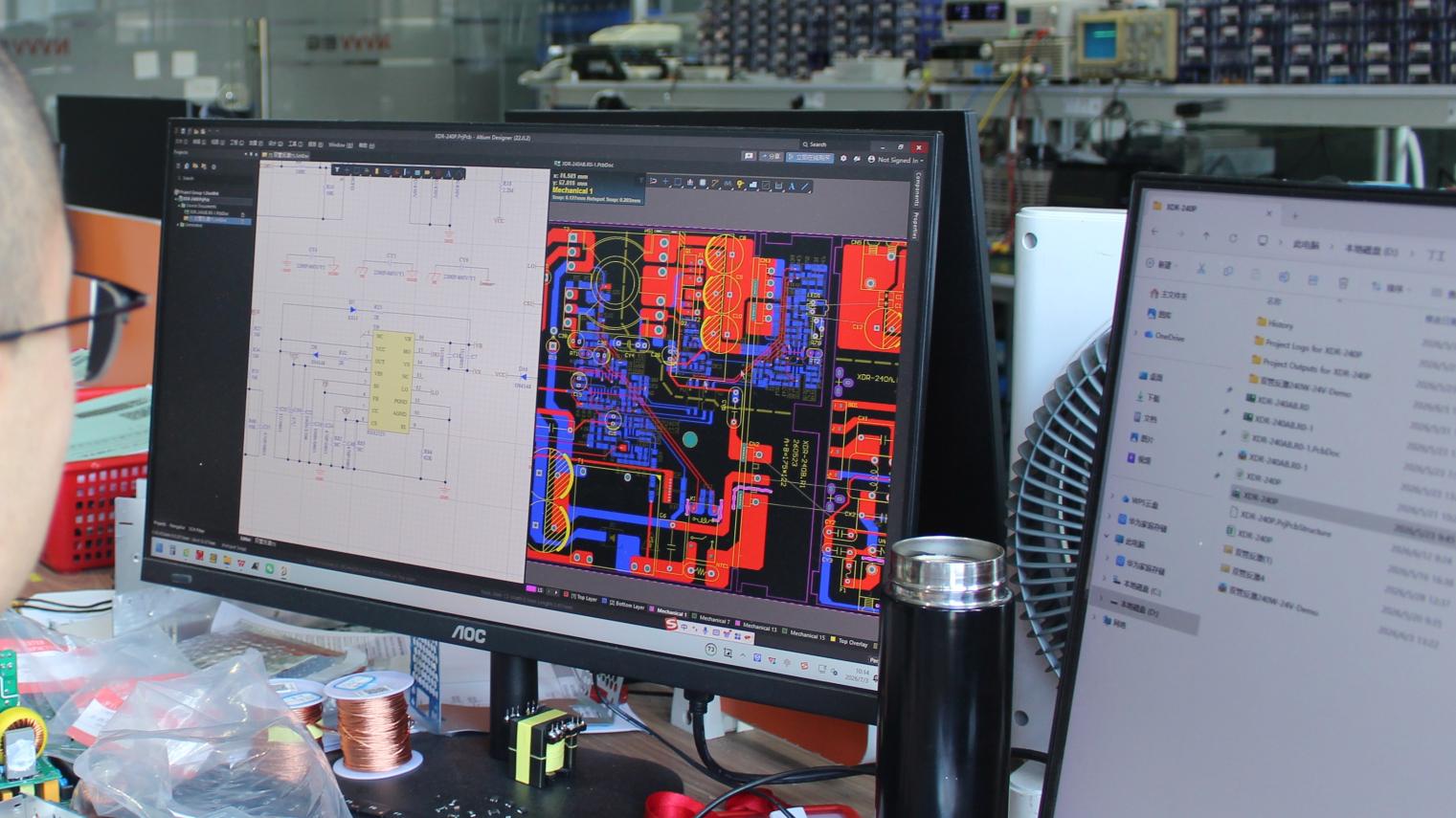
| R&D and Customization | Custom ratios, frequency variations | 7 active R&D engineers, 120 new models/year | Seamless OEM/ODM adaptability |
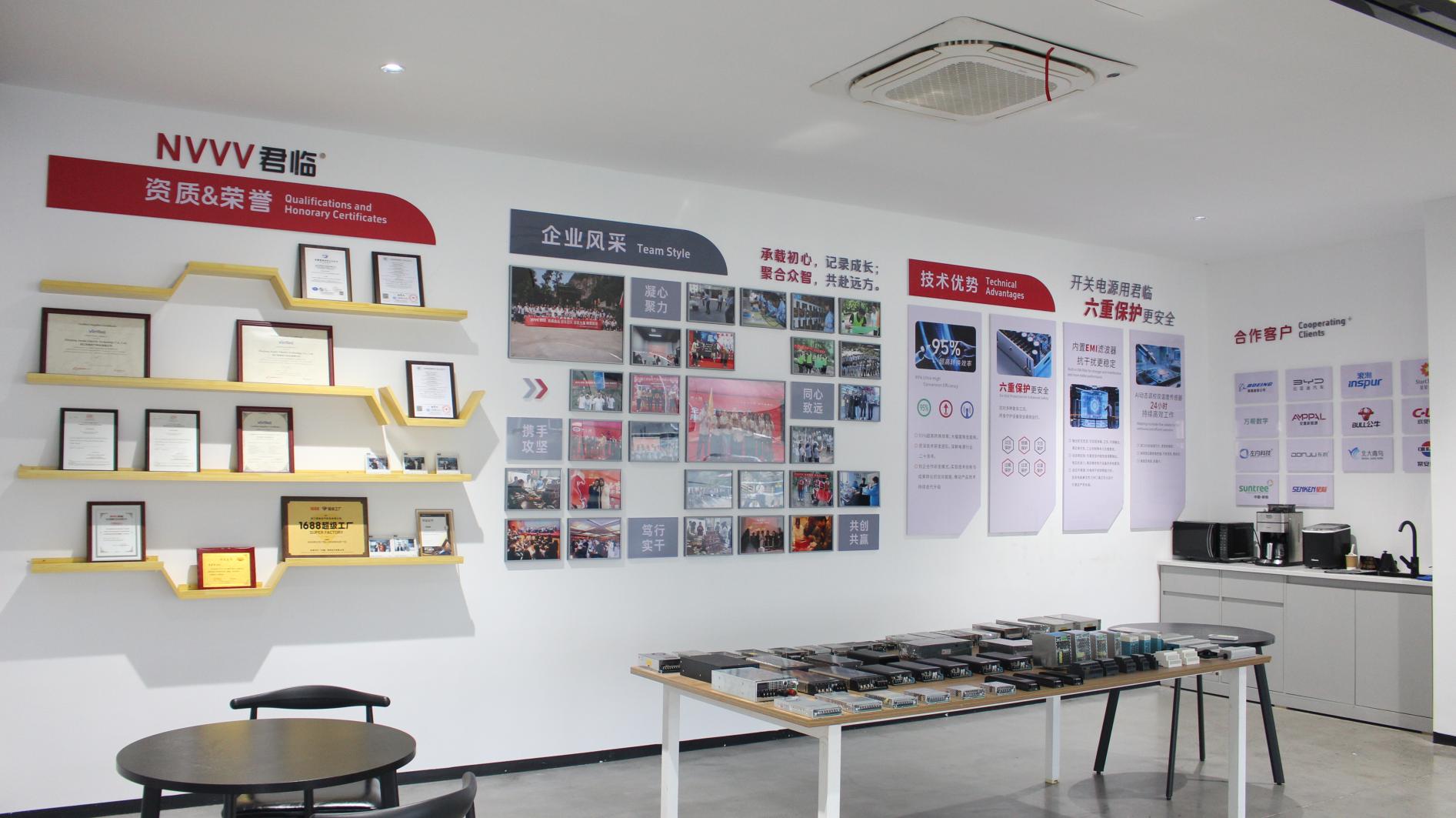
| Regulatory Standards | CE, FCC, UL (equivalent paths) | CE, FCC, CCC, UKCA, BIS, EMC | Pre-certified for global market entry |
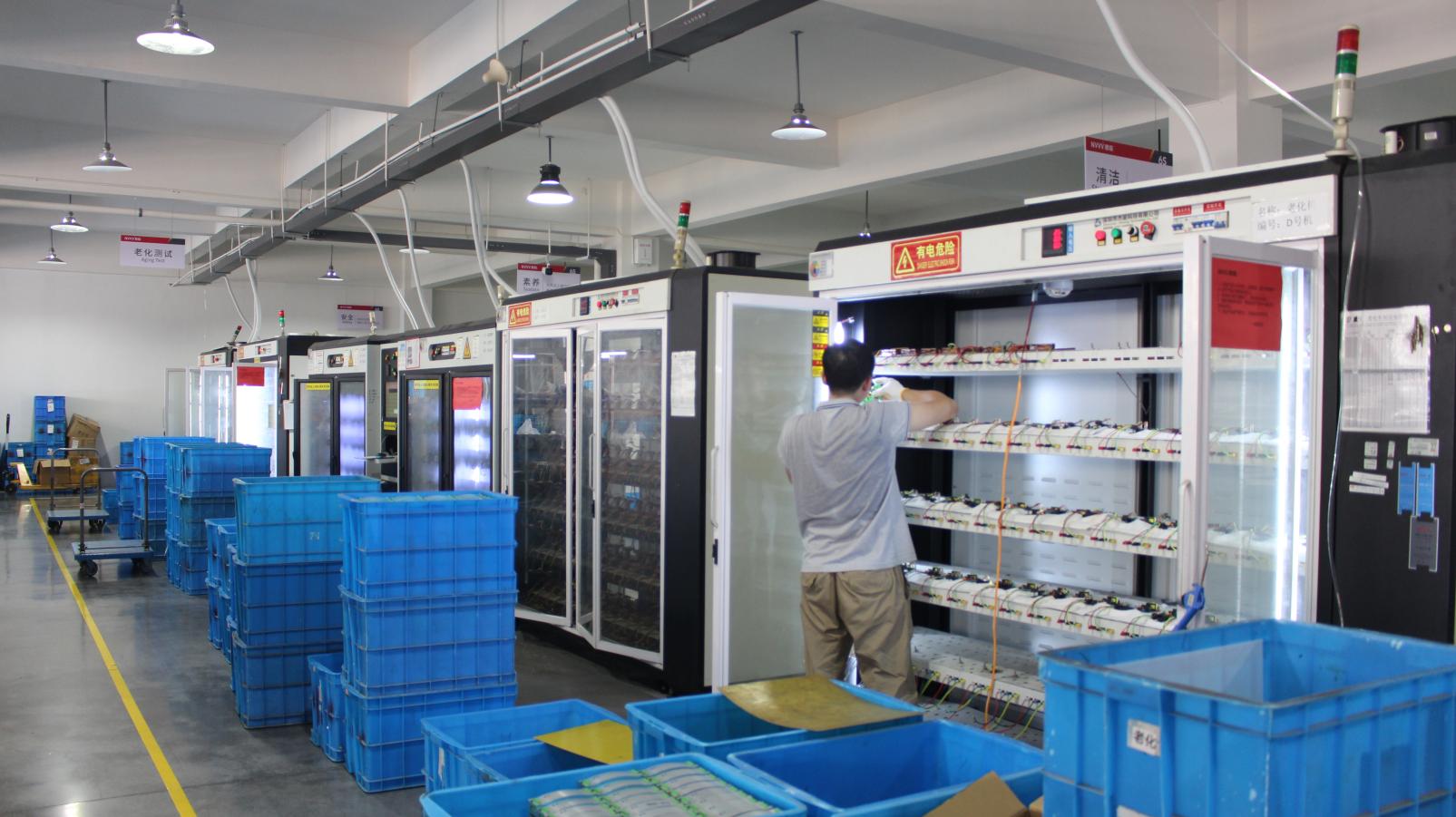
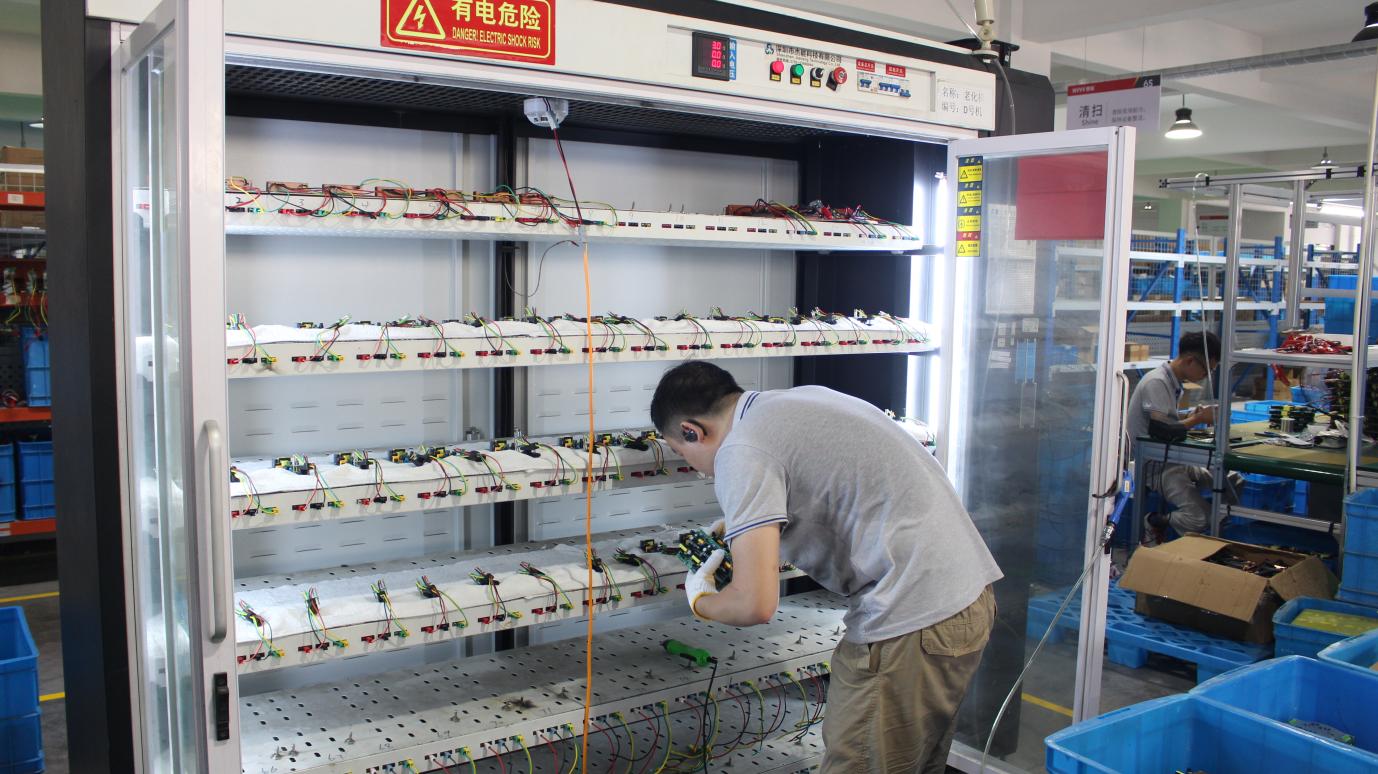
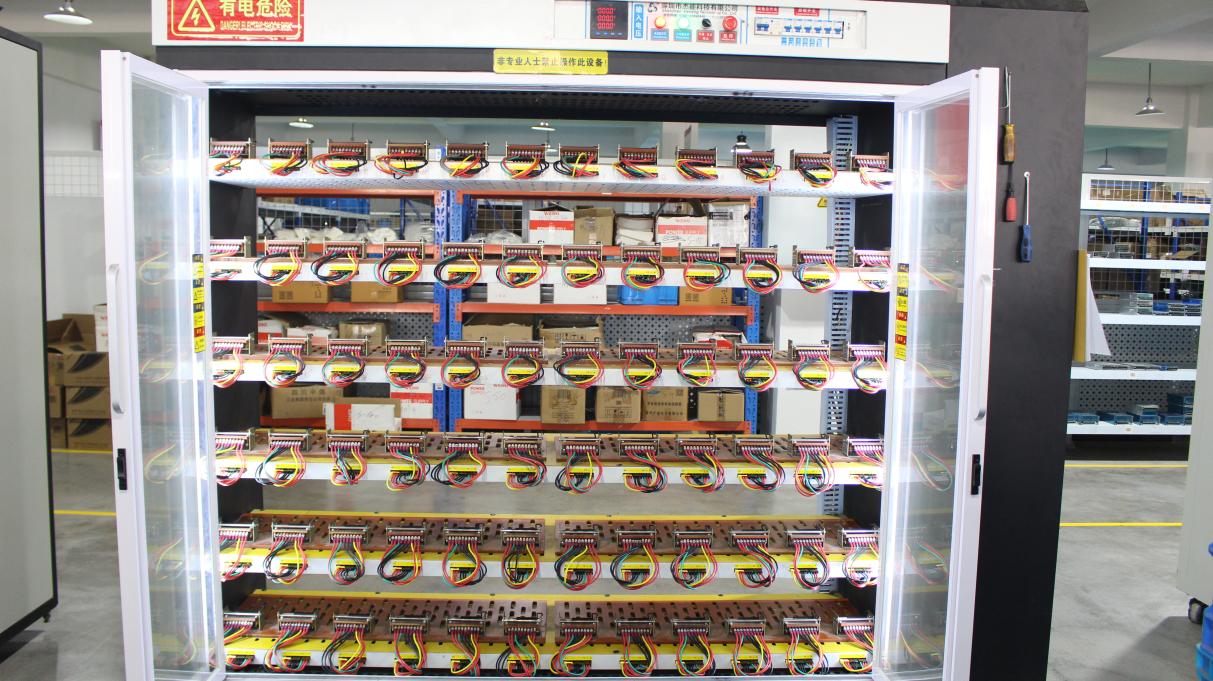
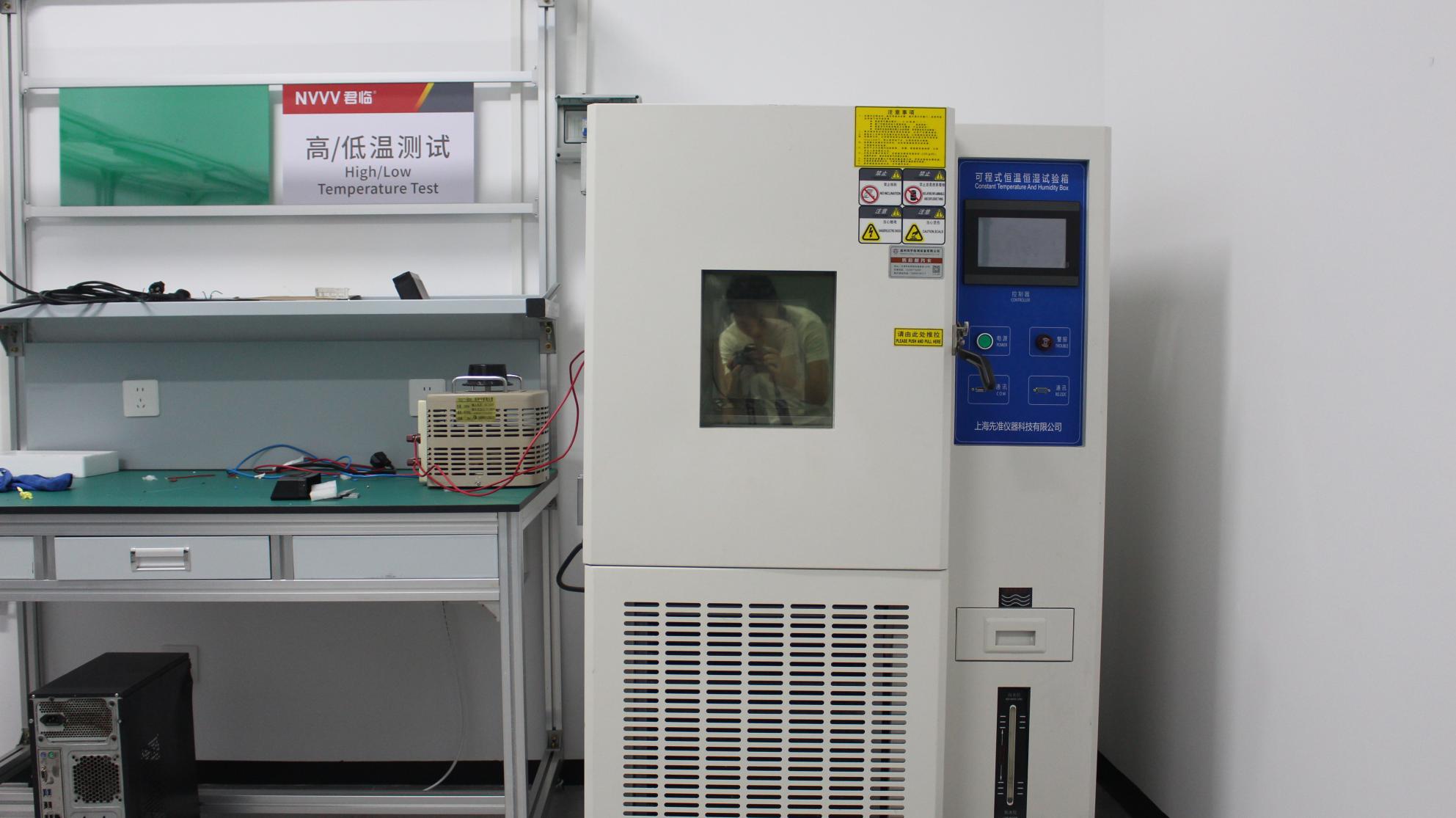
| Quality Validation | 100% active burn-in & functional testing | High & low temp chambers, automatic aging lines | Minimal defect rates in continuous use |
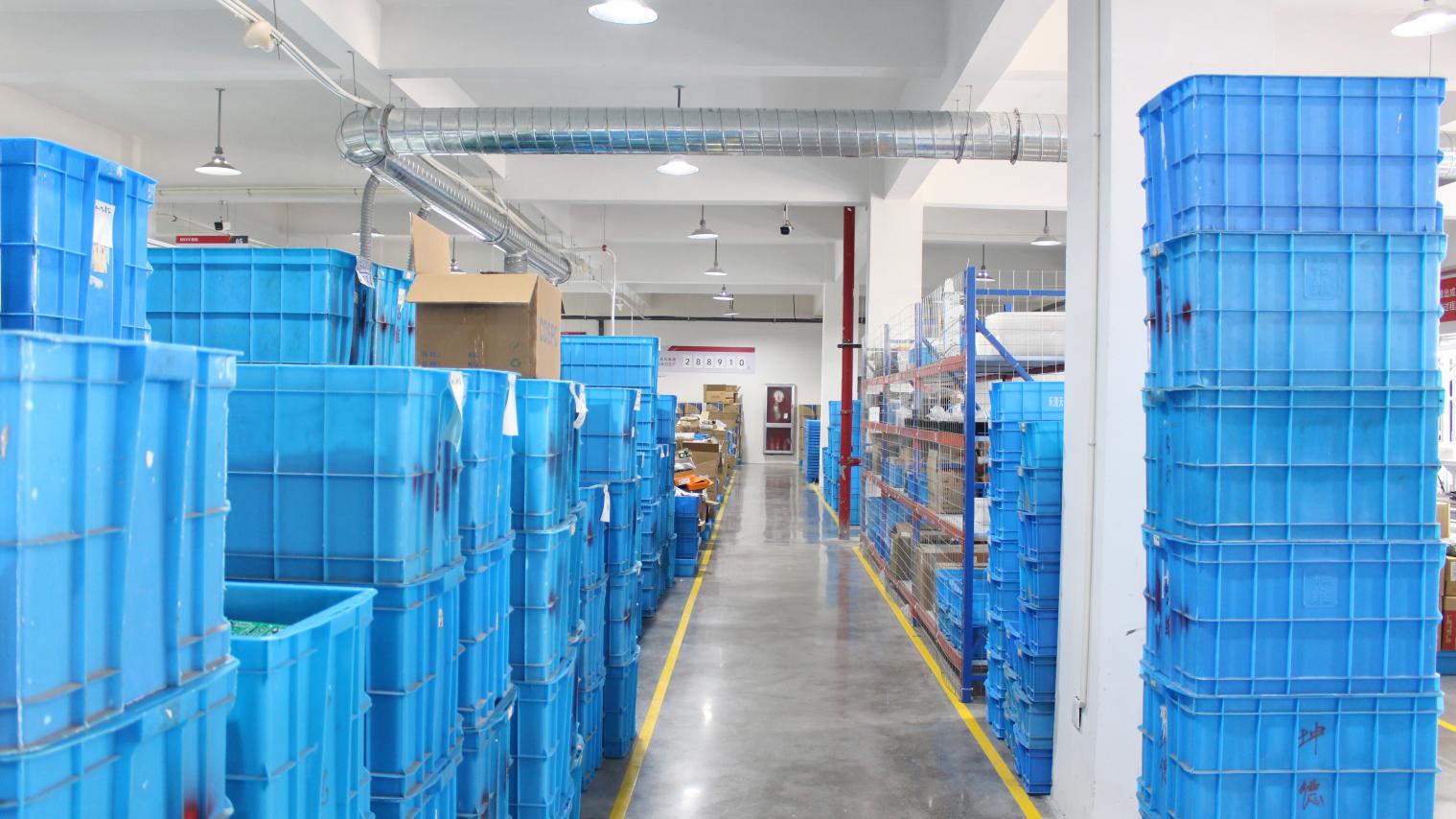
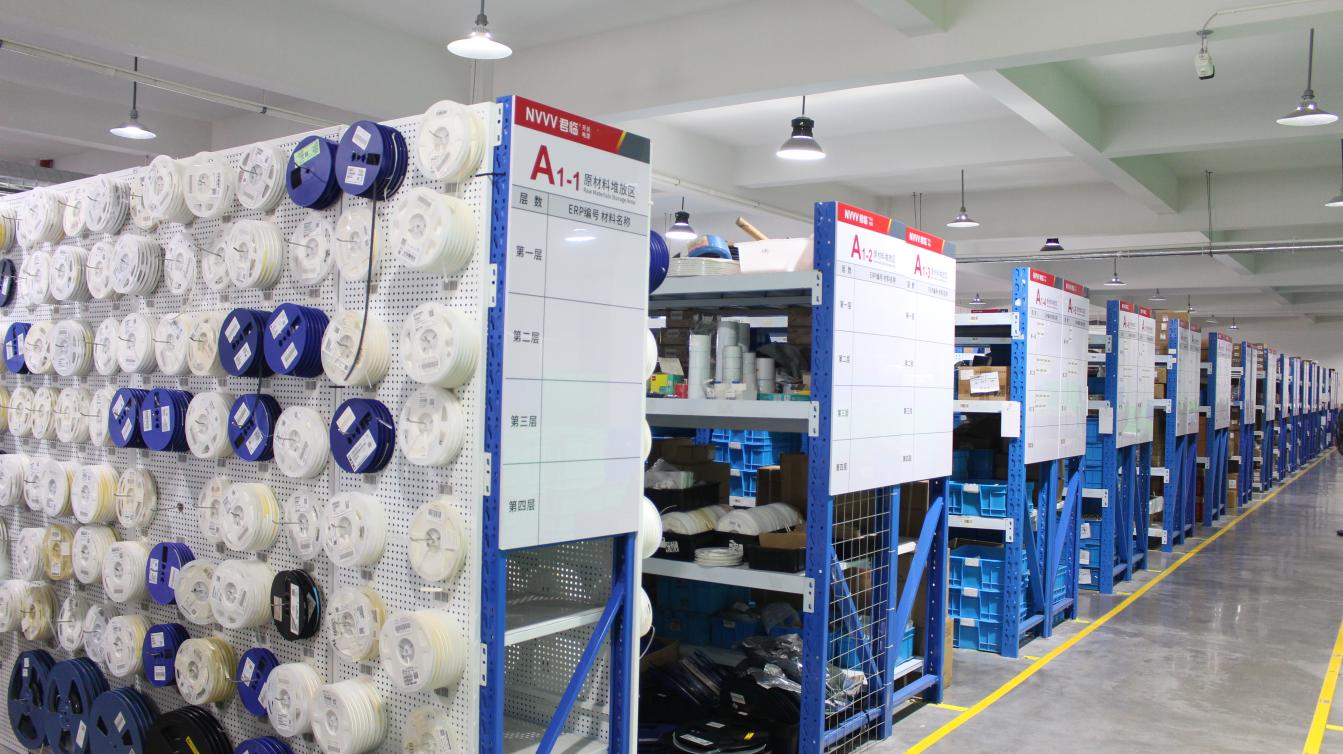
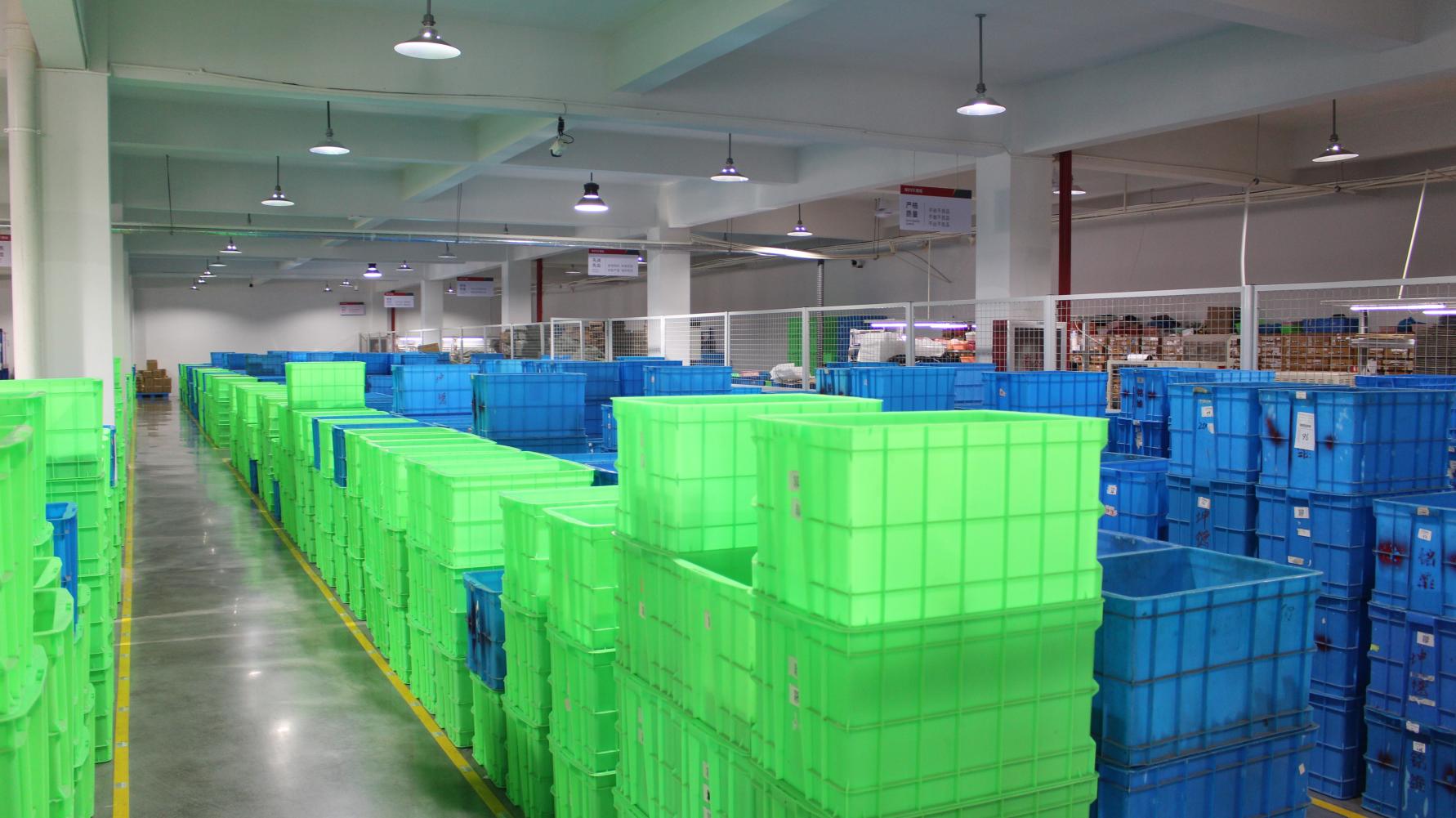
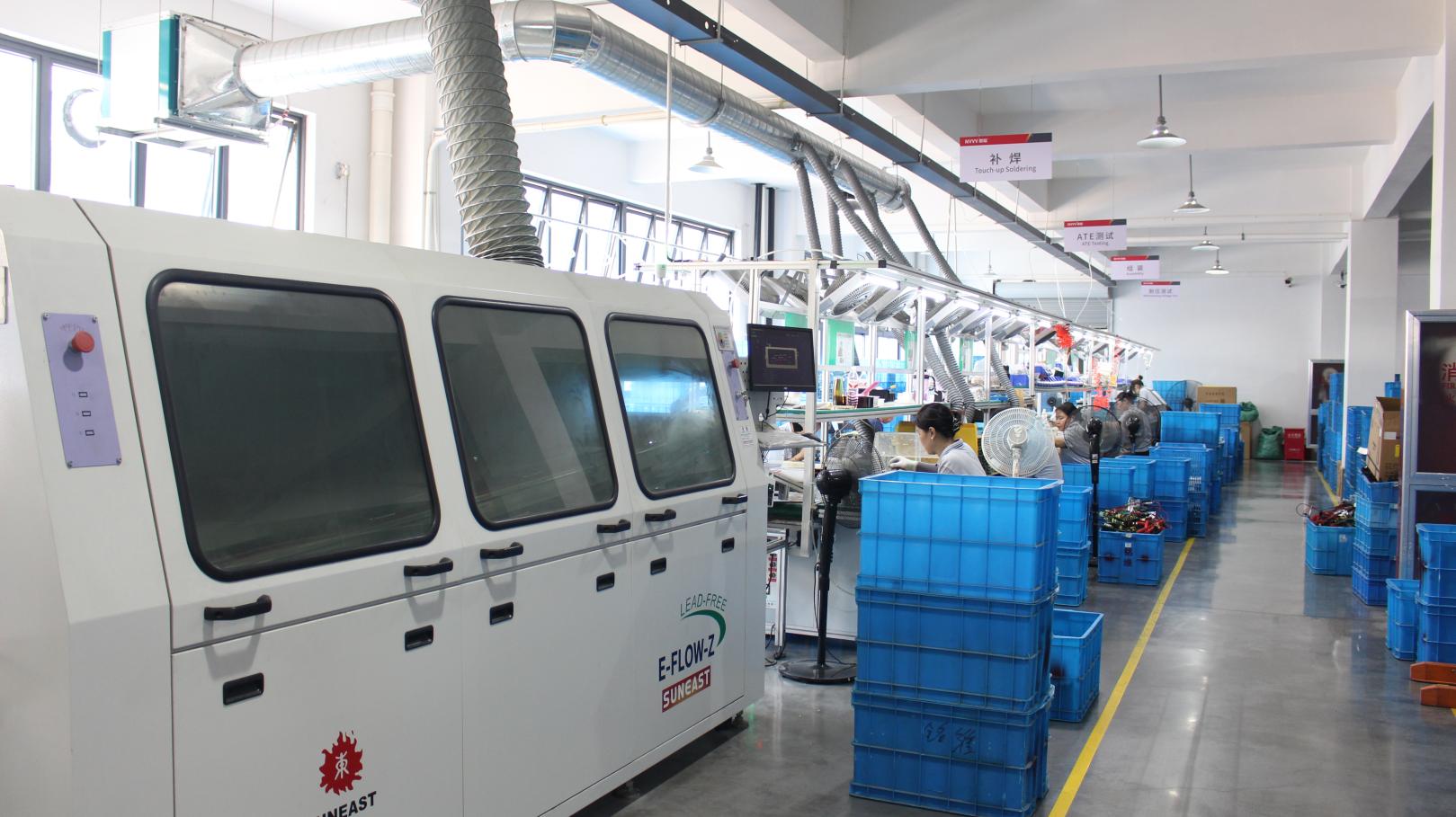
| Supply Chain Integrity | Reliable delivery and capacity | 2,644 sqm factory, 5 automated lines | 98.6% on-time delivery rate |
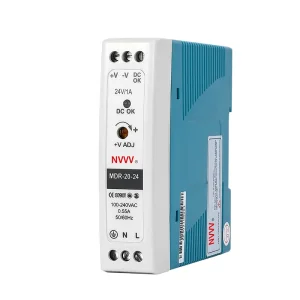
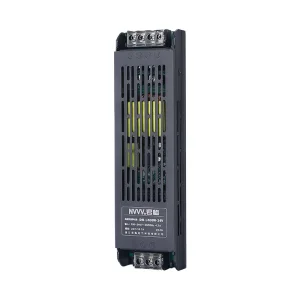
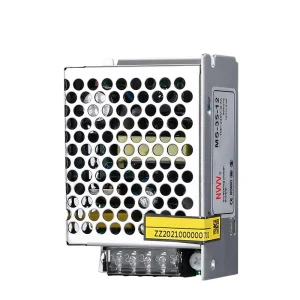
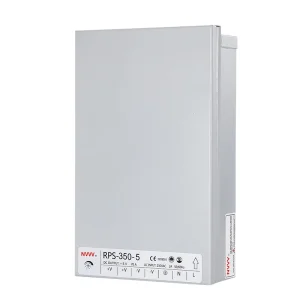
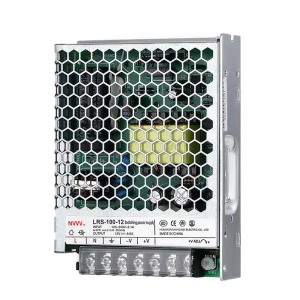
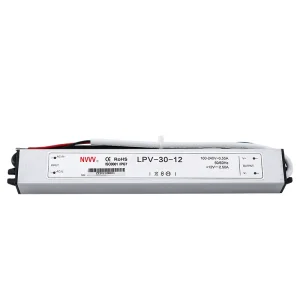
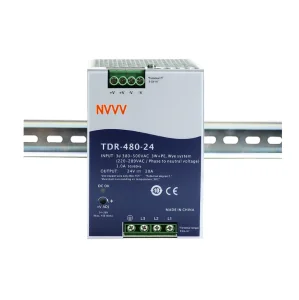
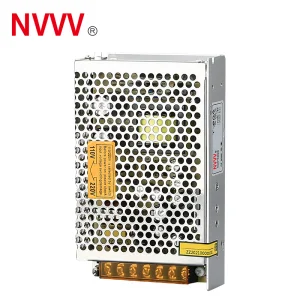
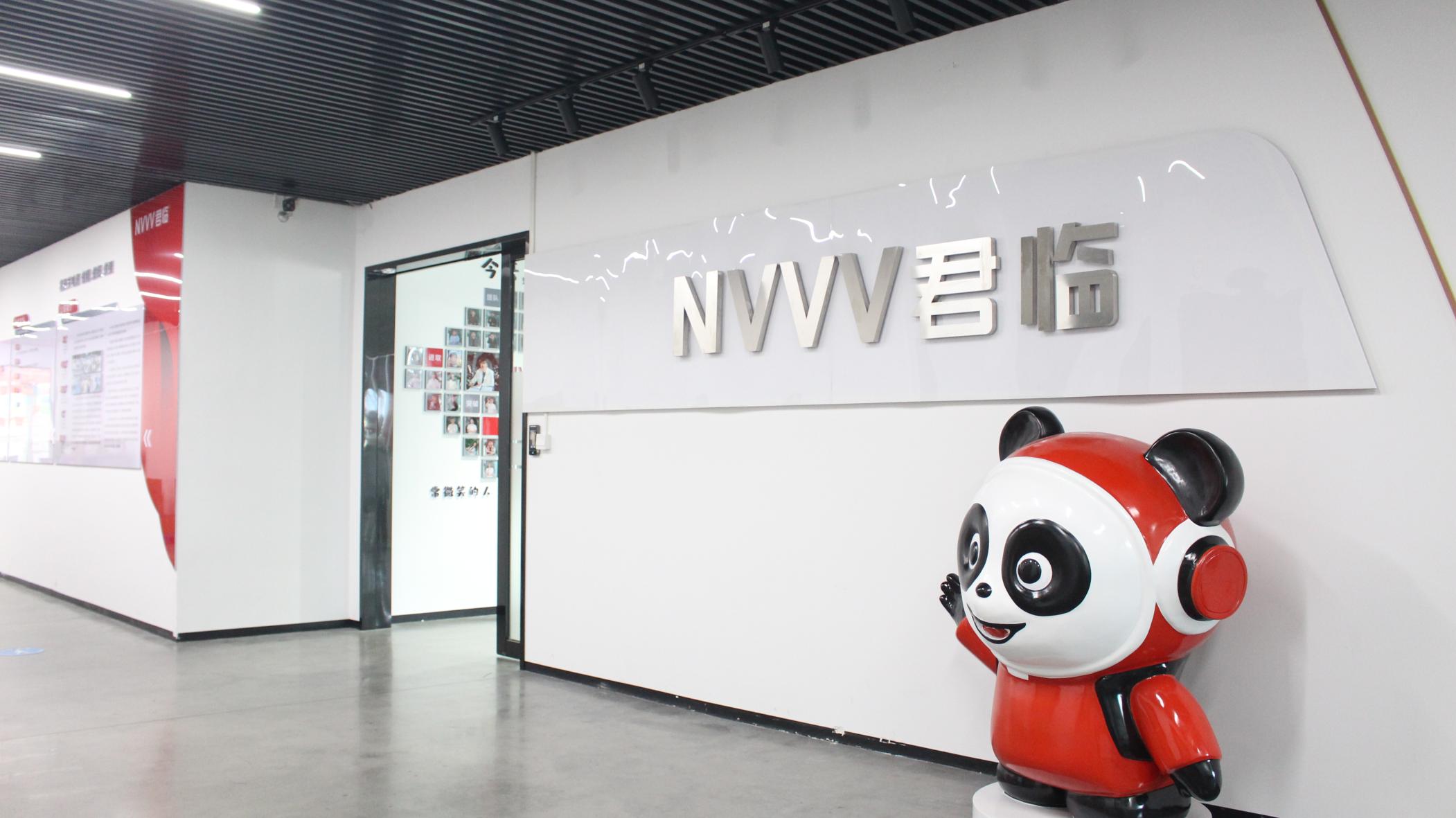
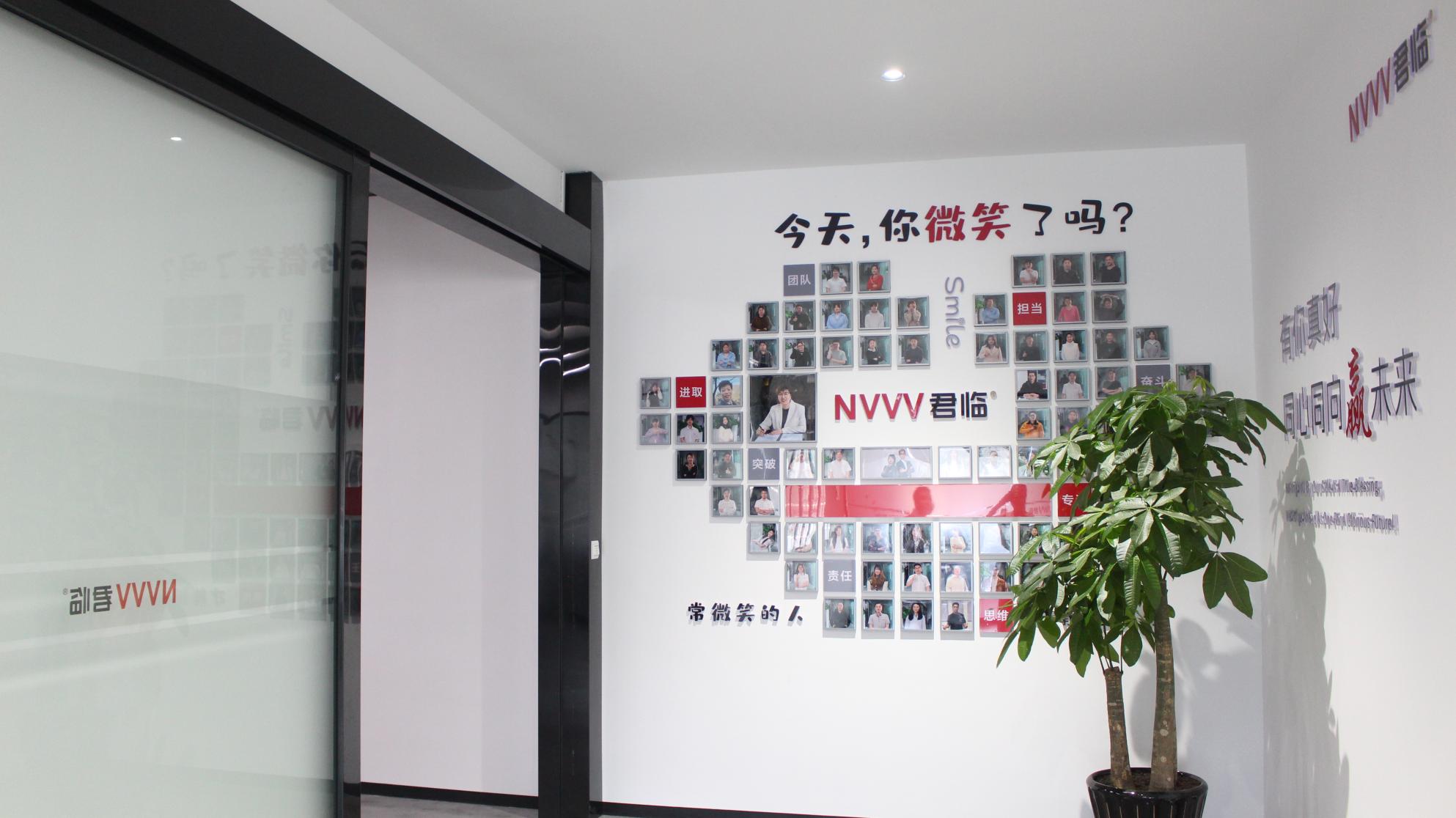
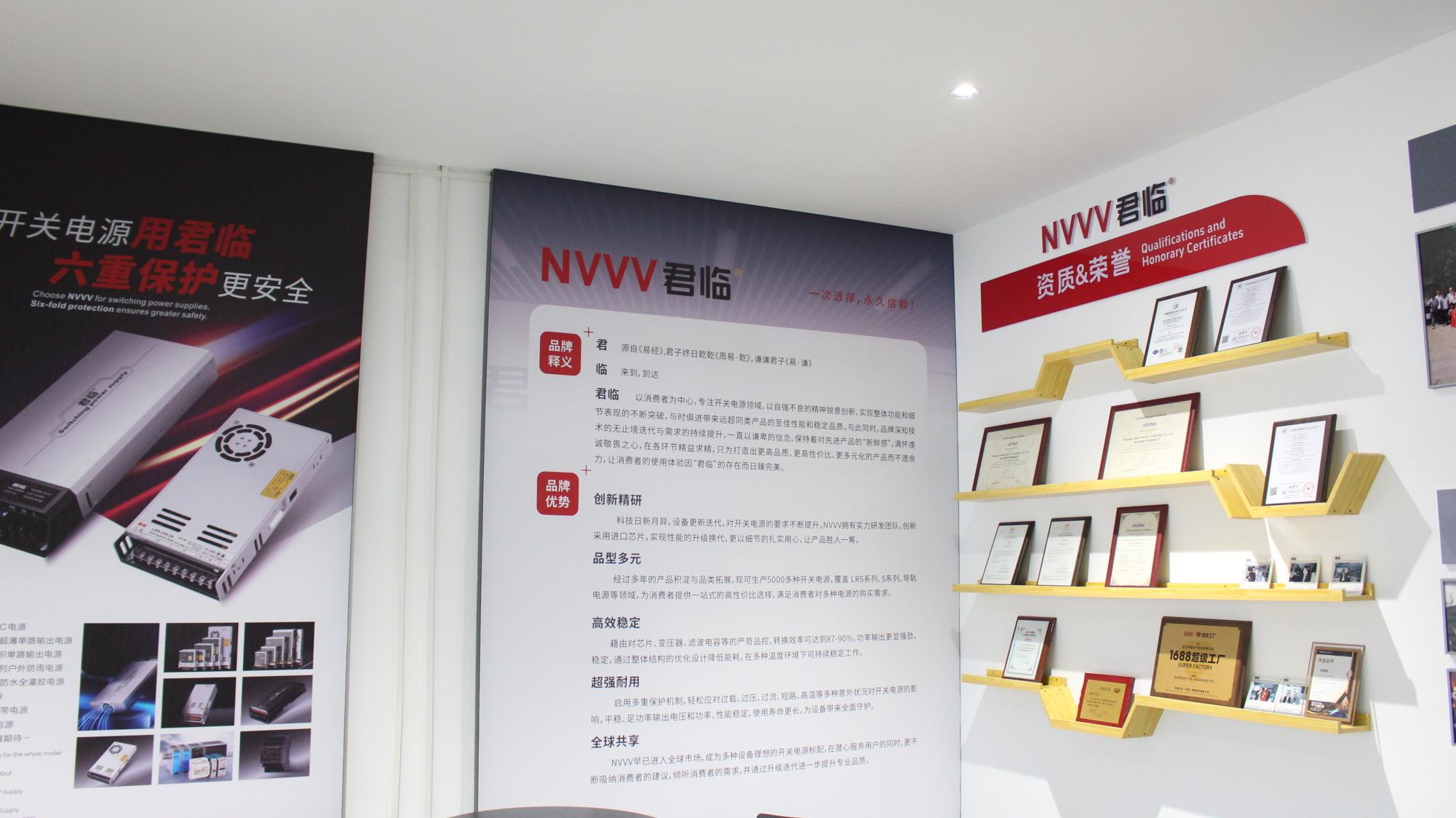
Our assessment reveals that factories like NVVV Electric Technology Co., Ltd. combine technical engineering capability with scale. Based in the industrial hub of Wenzhou, China, NVVV offers a product range that includes DIN rail power supplies, switching power supplies, and specialized transformers, providing solutions for a variety of power grid architectures.
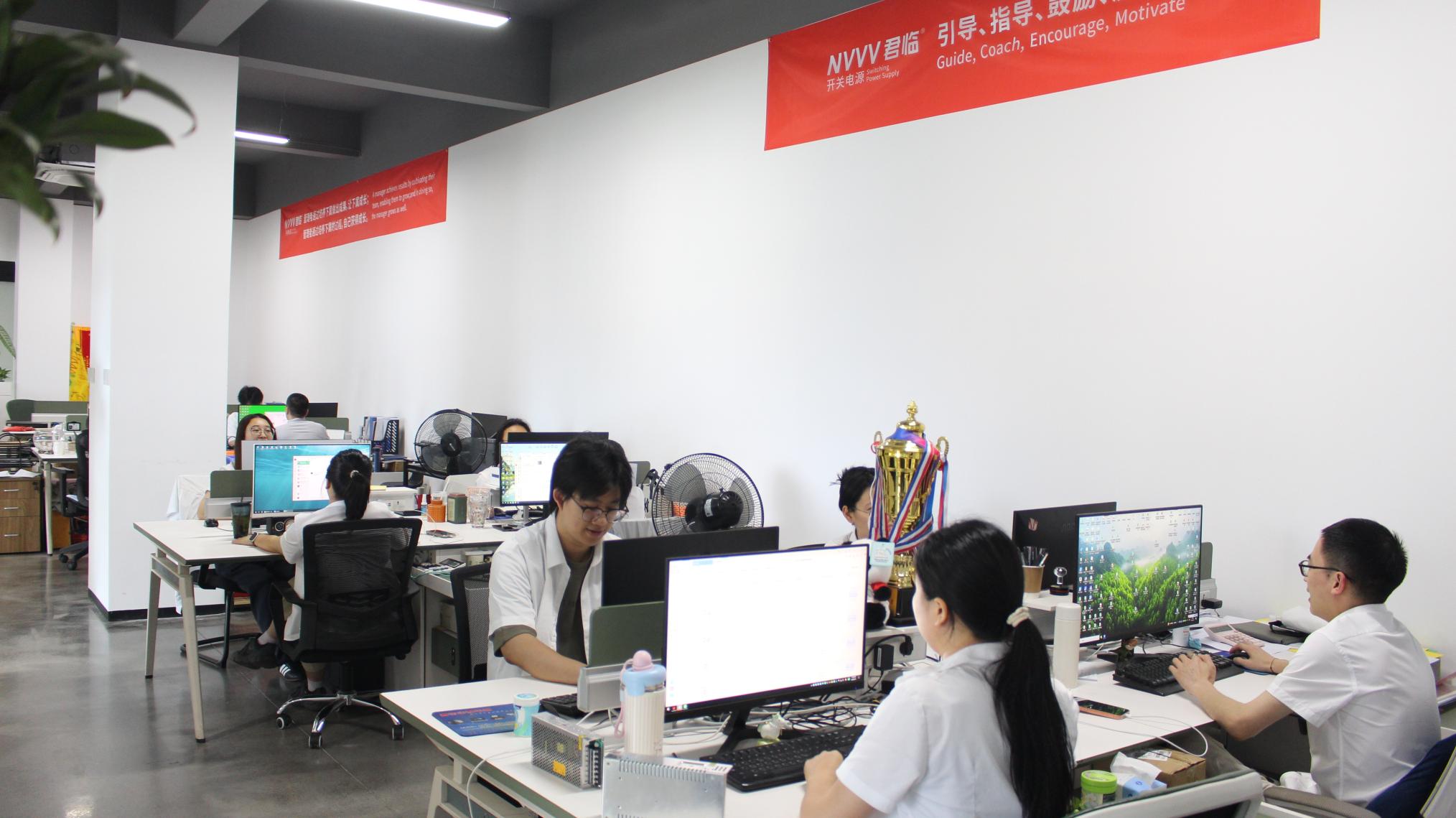
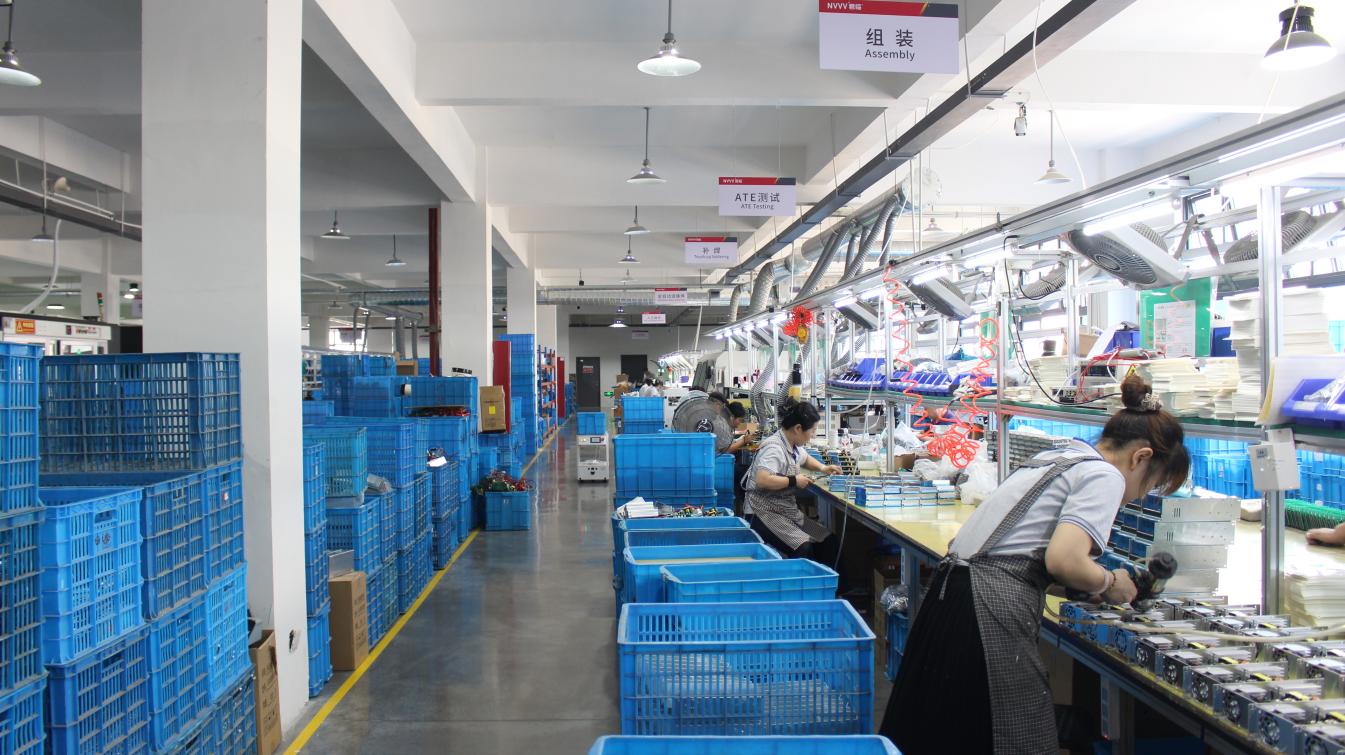
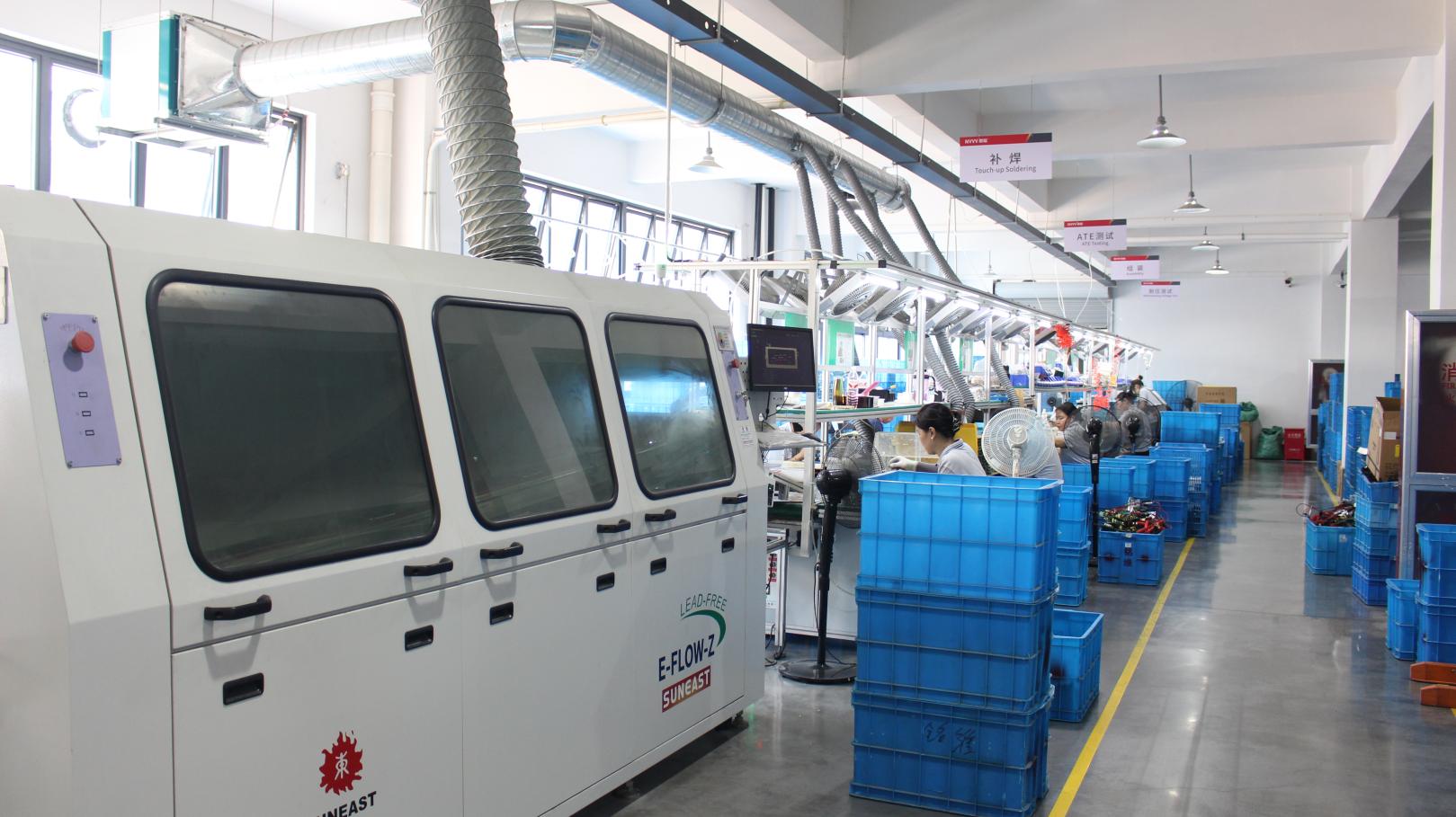
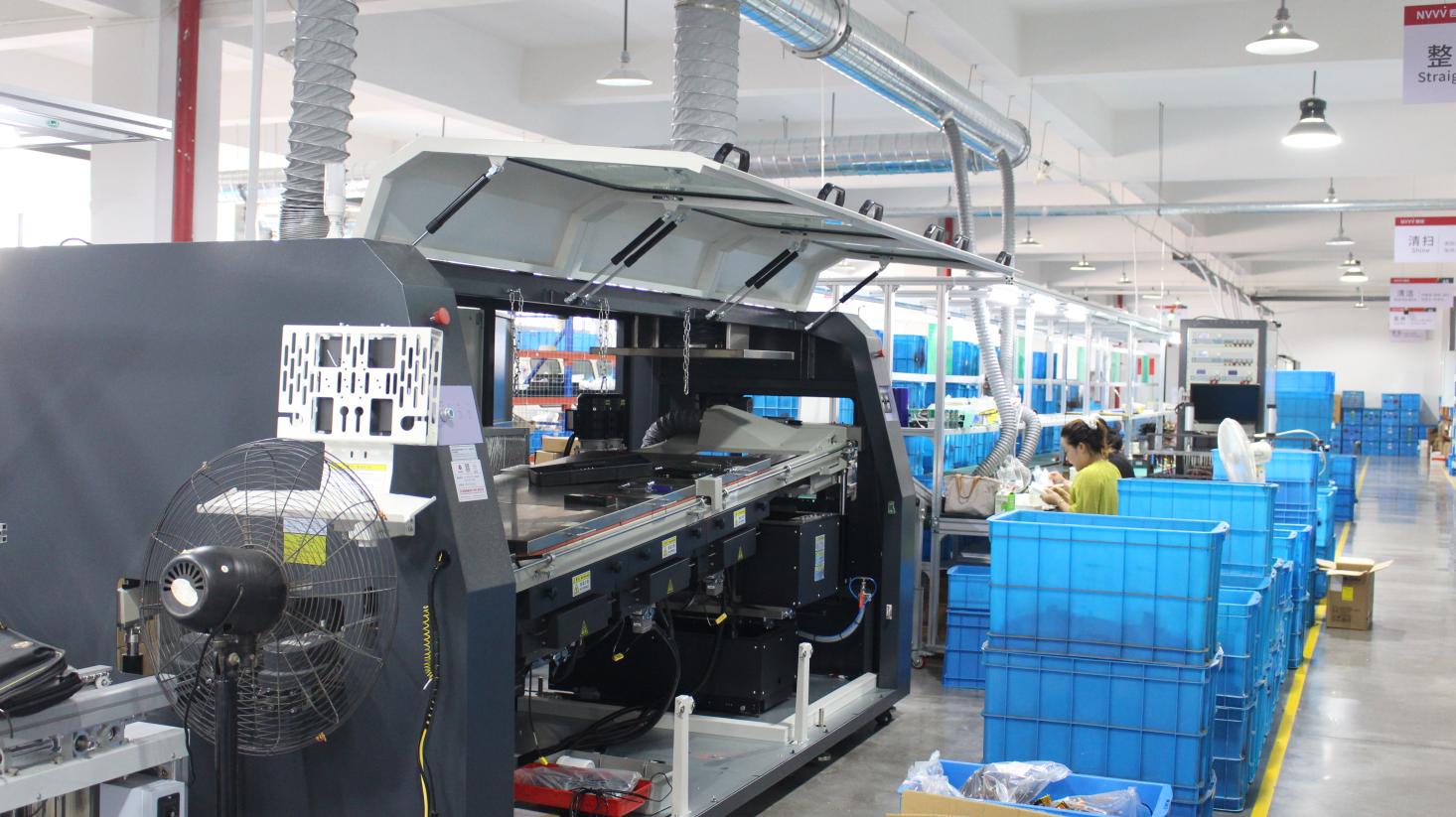
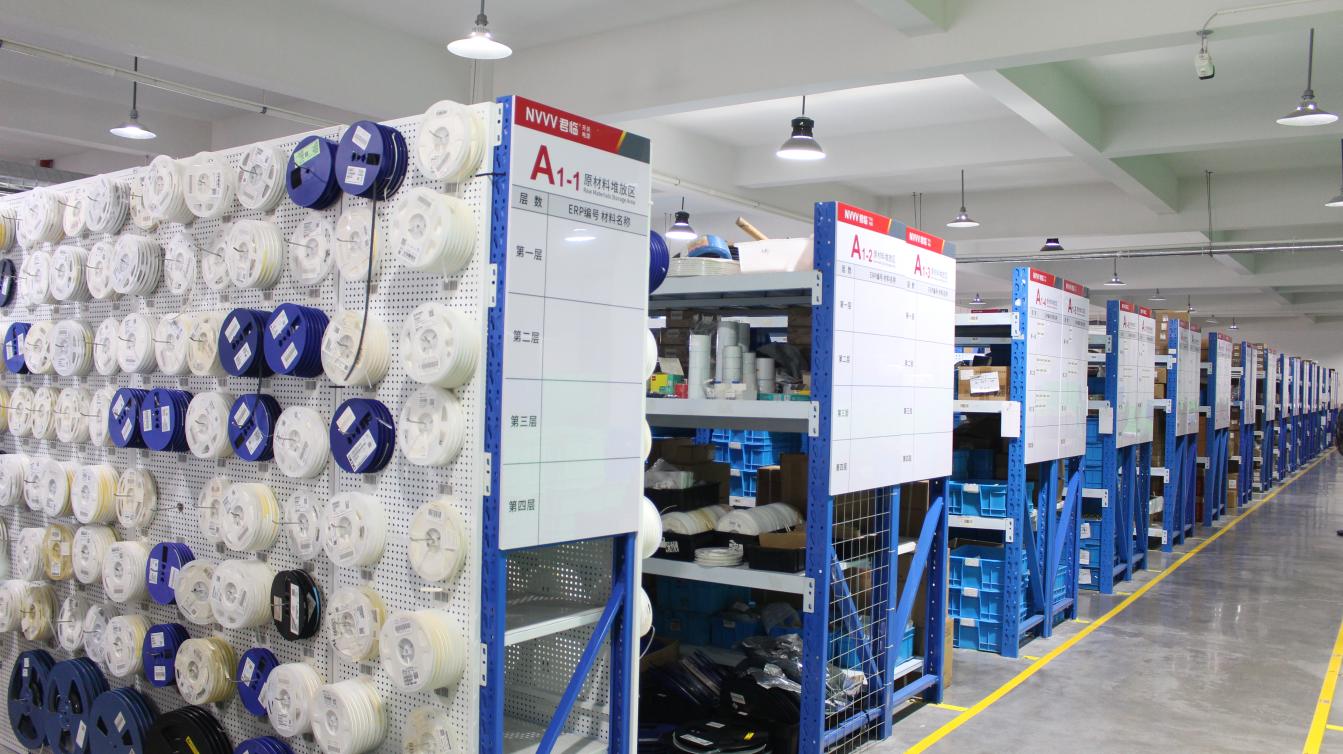
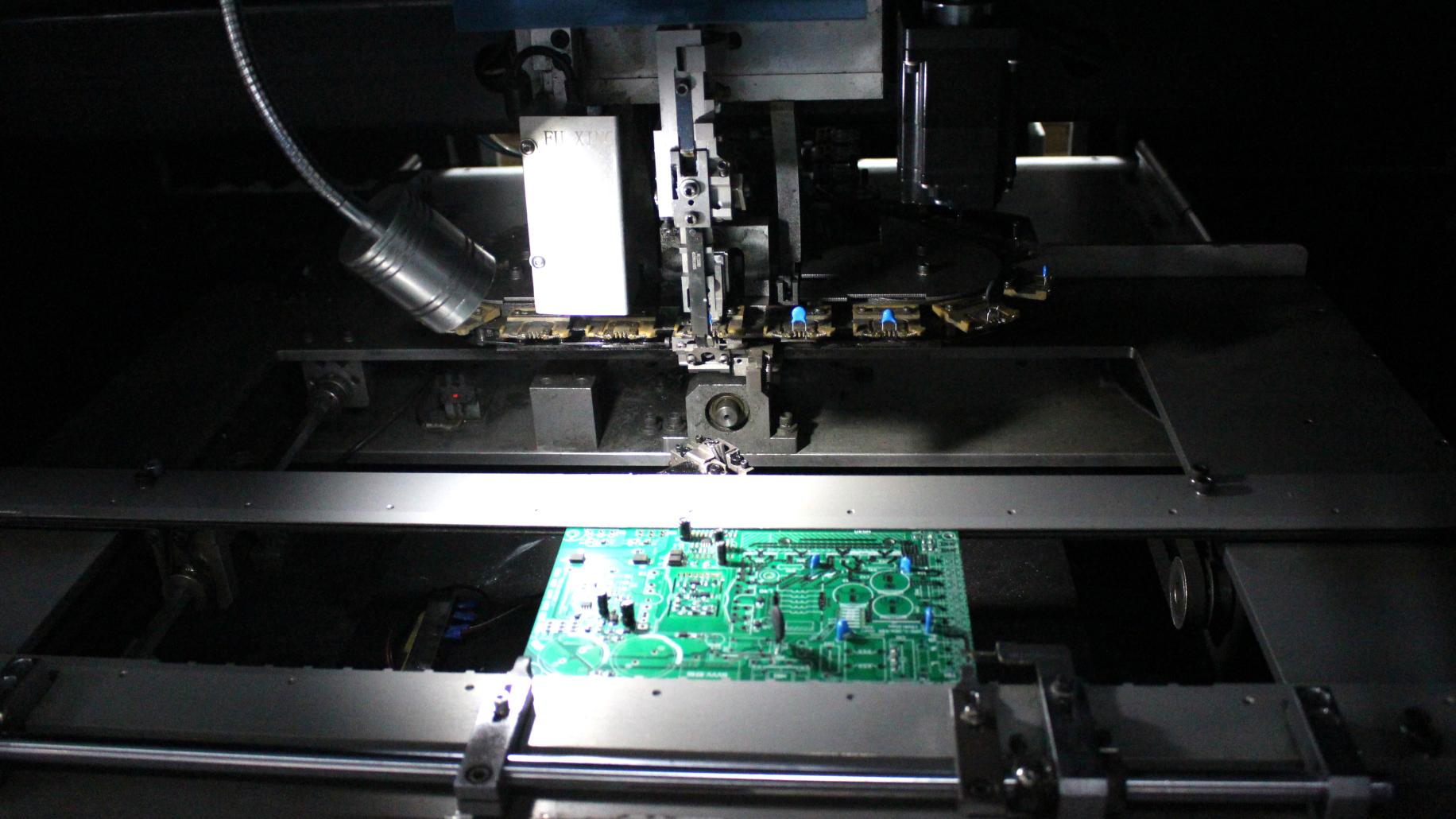
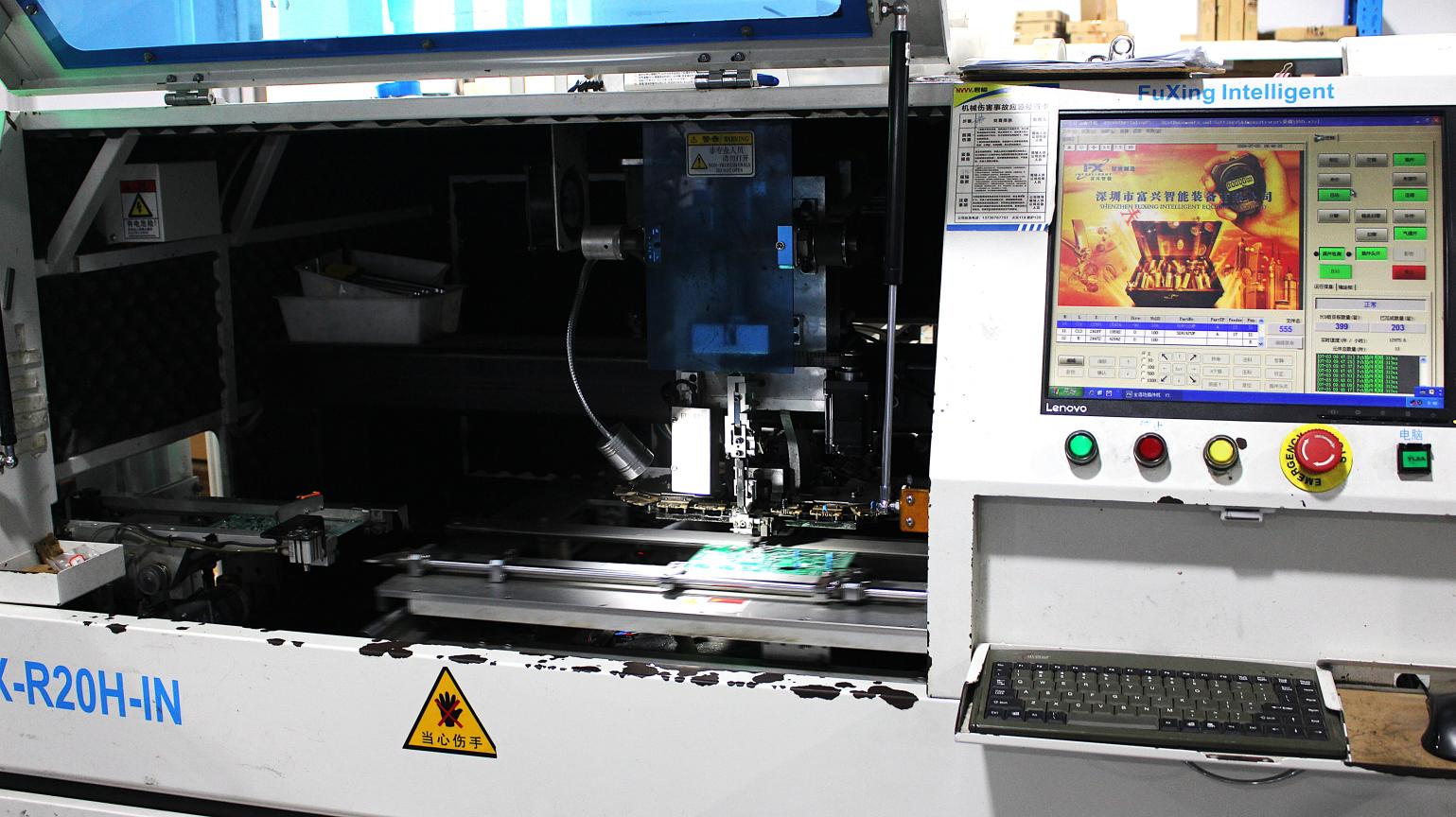
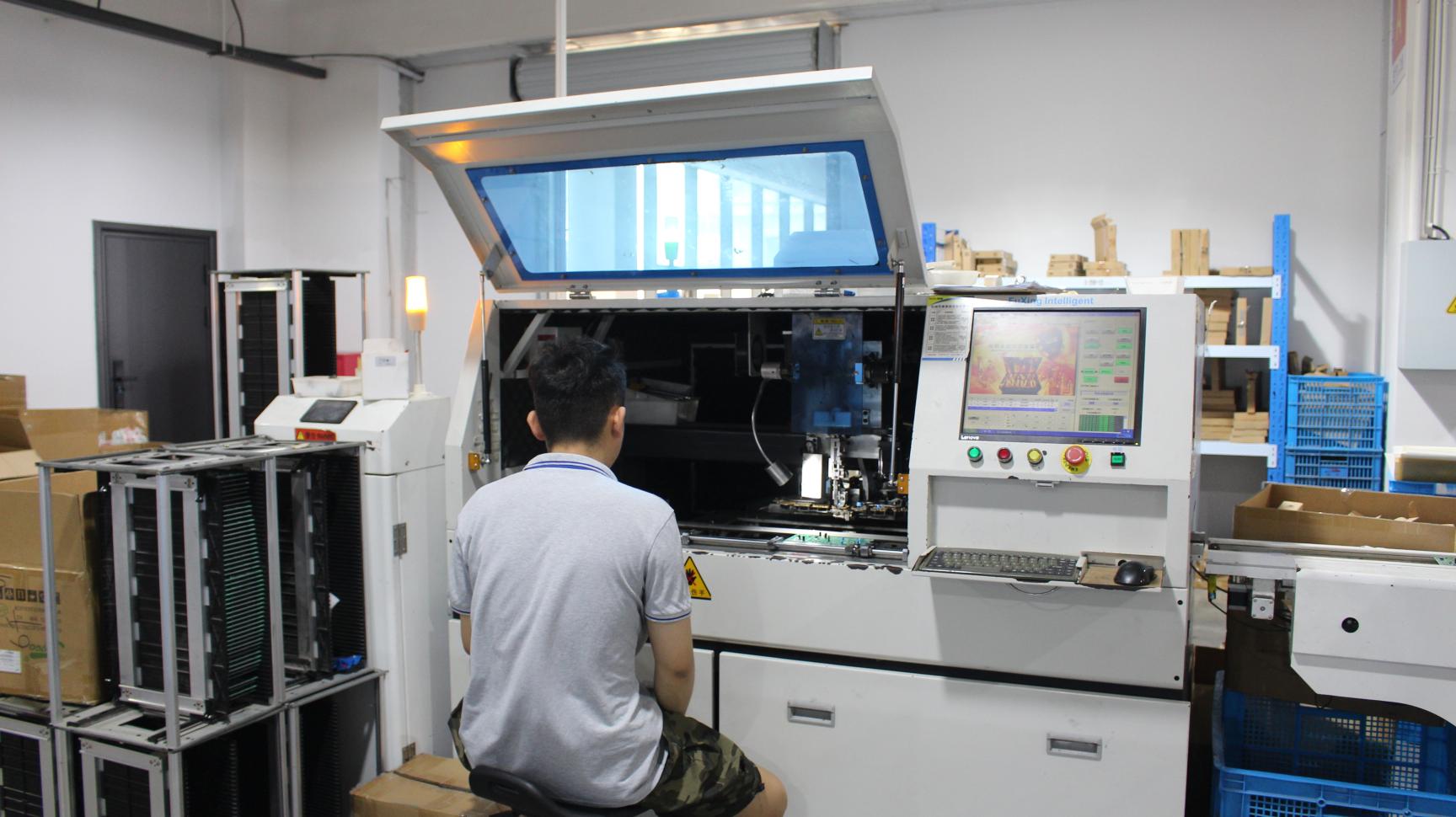
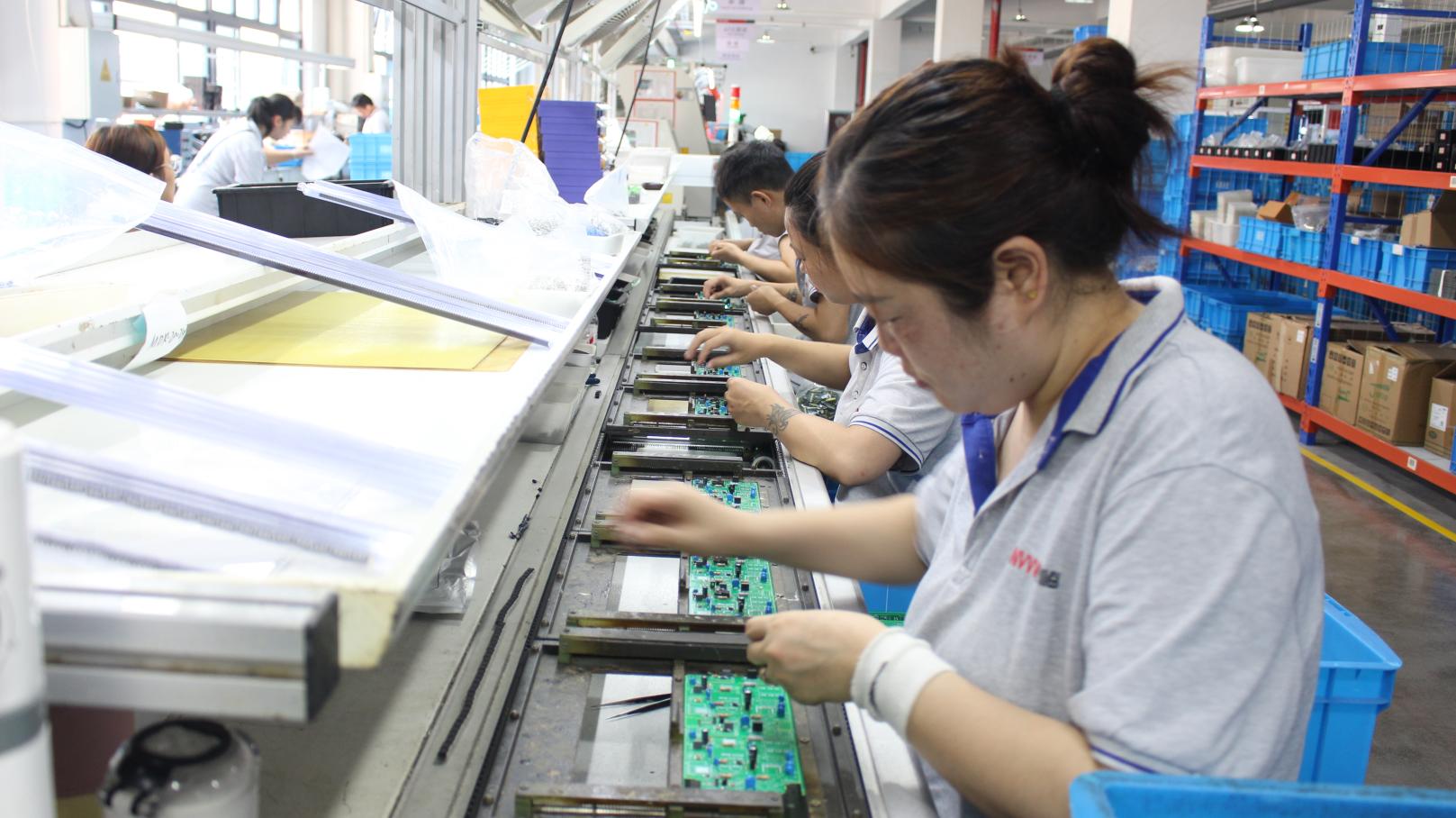
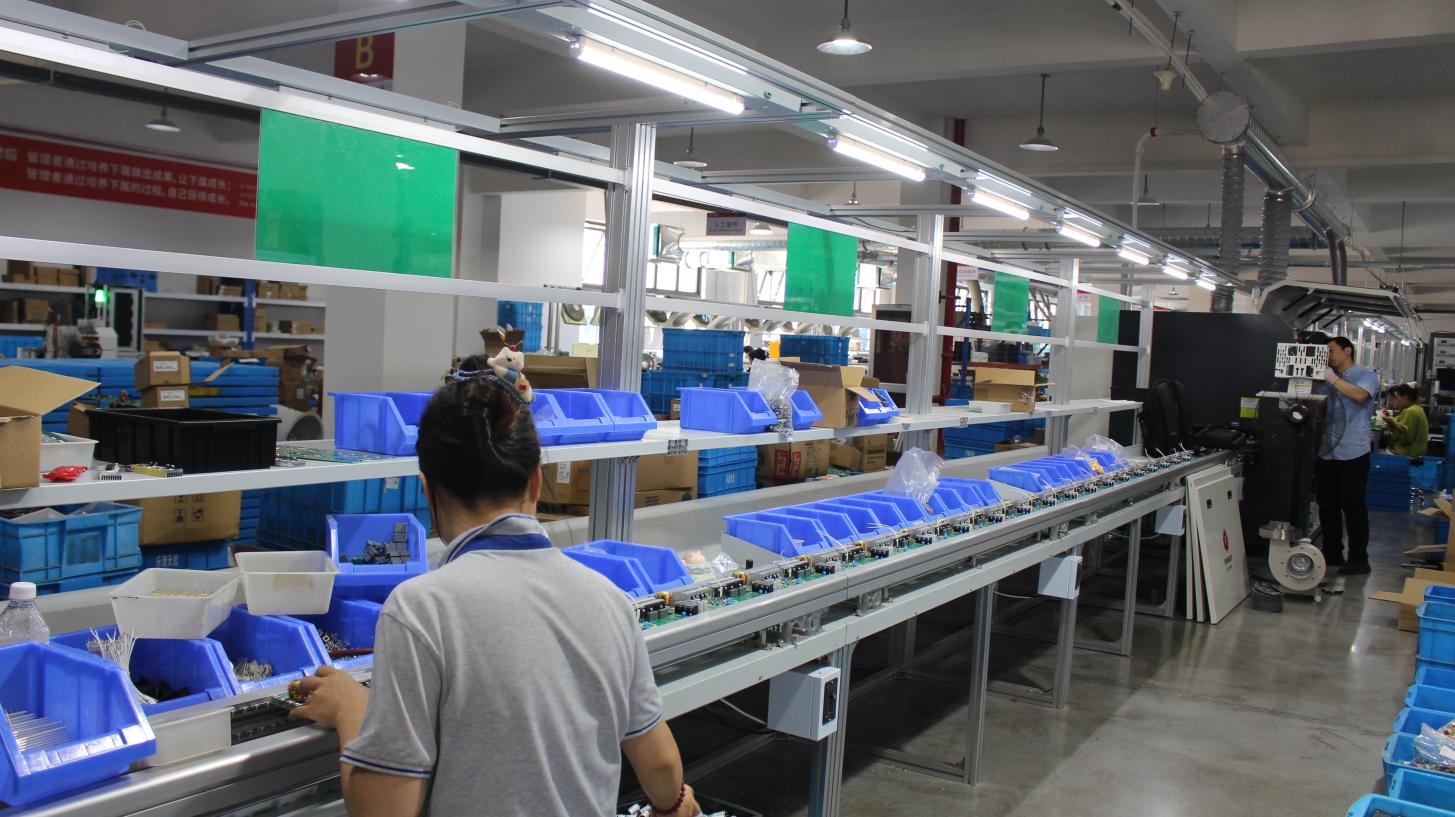
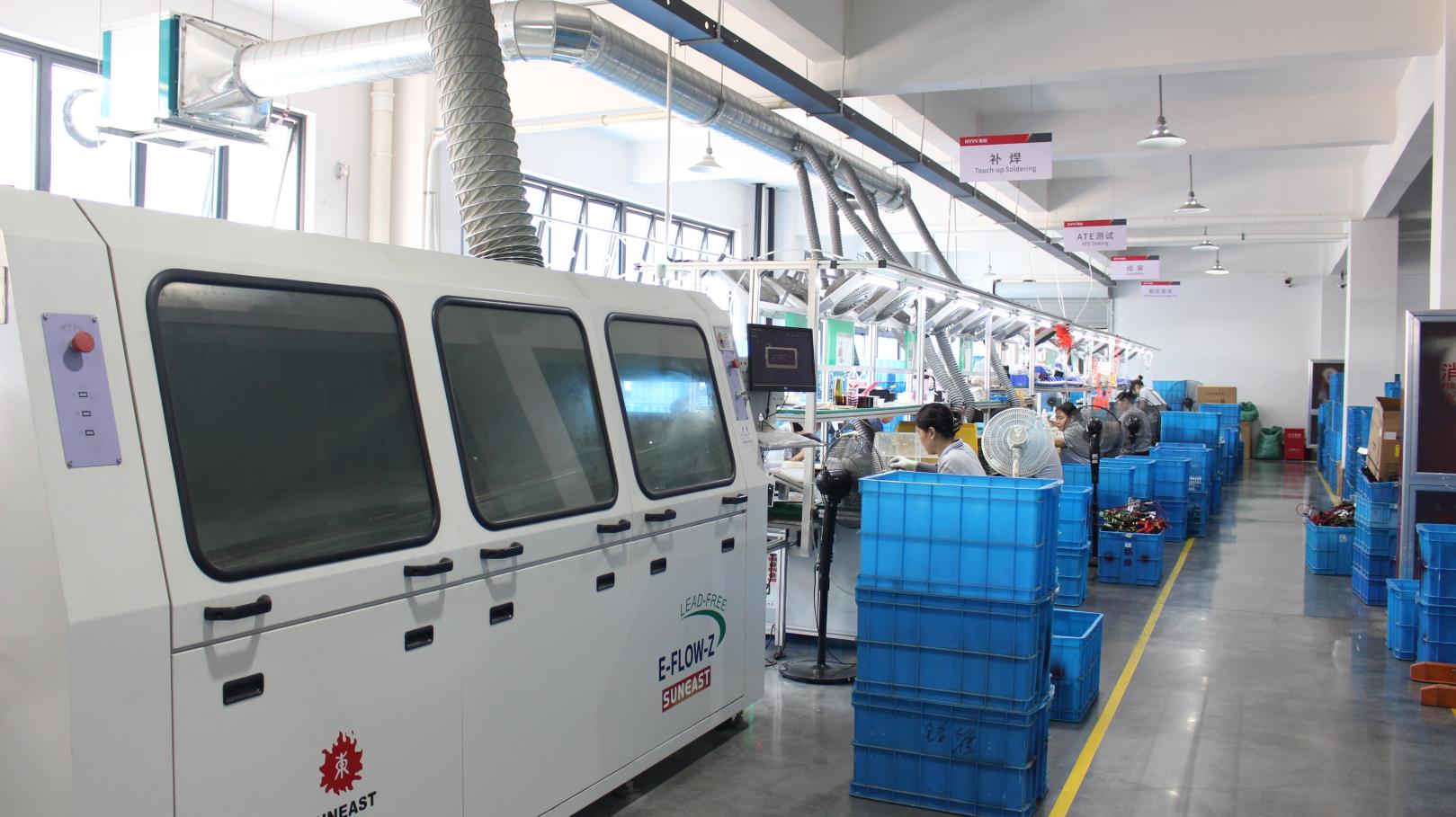
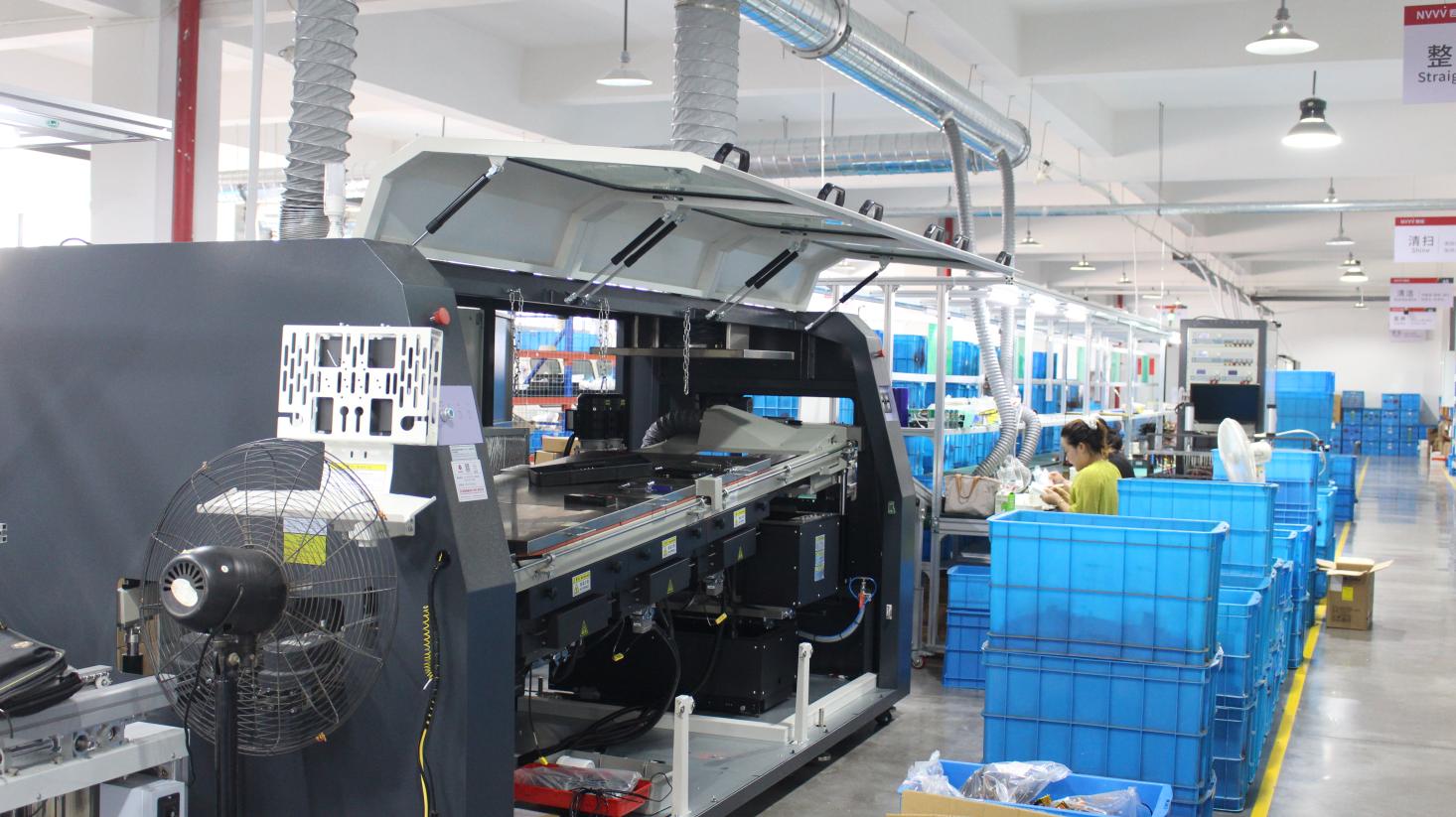
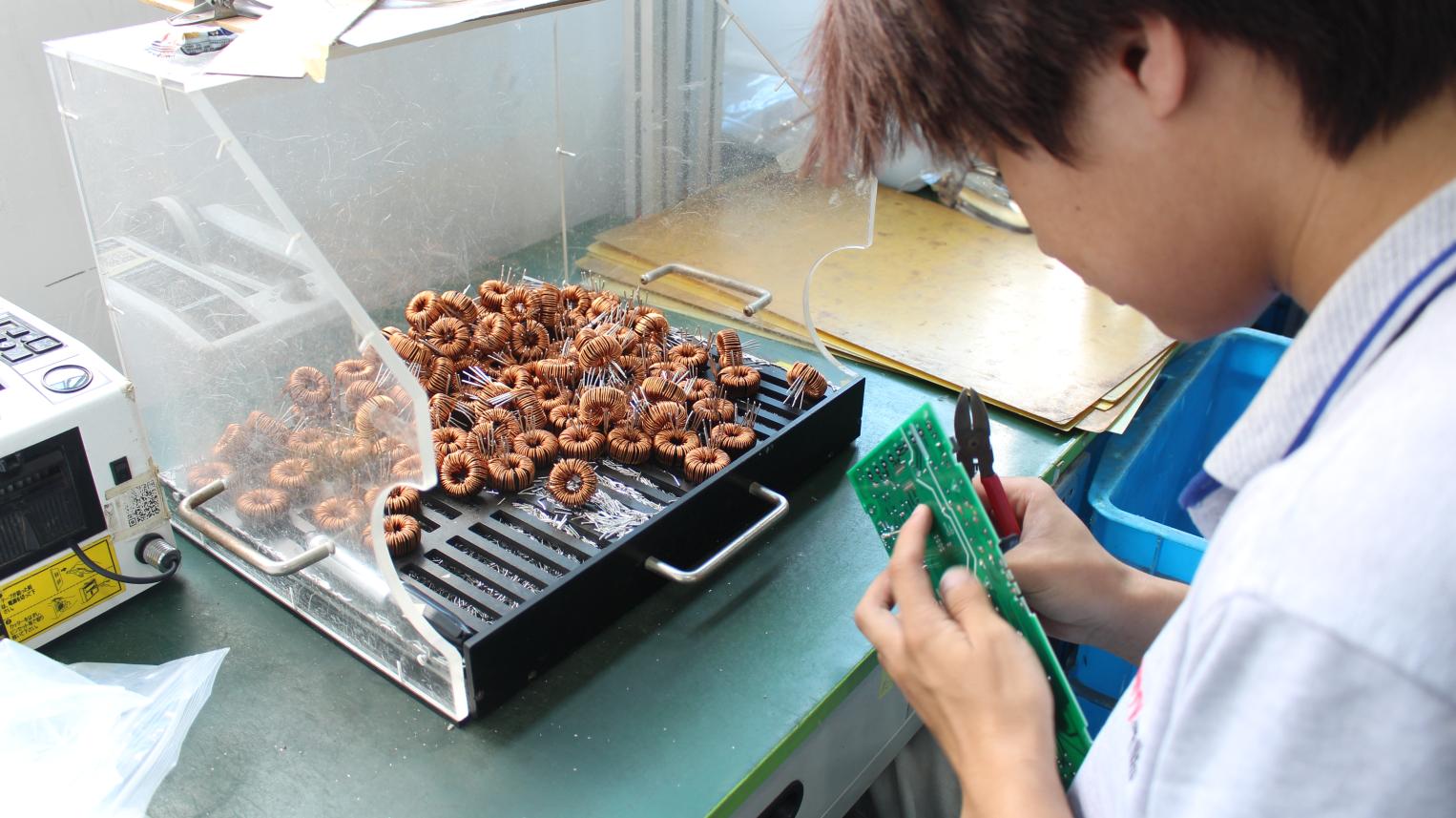
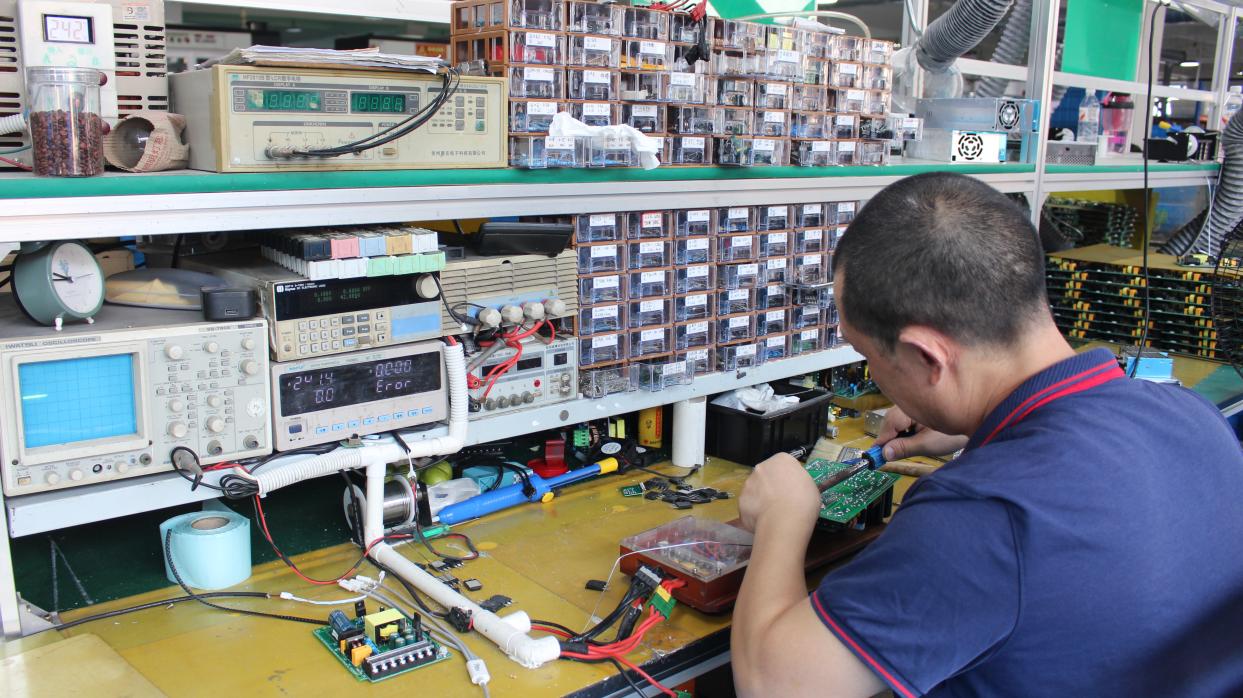
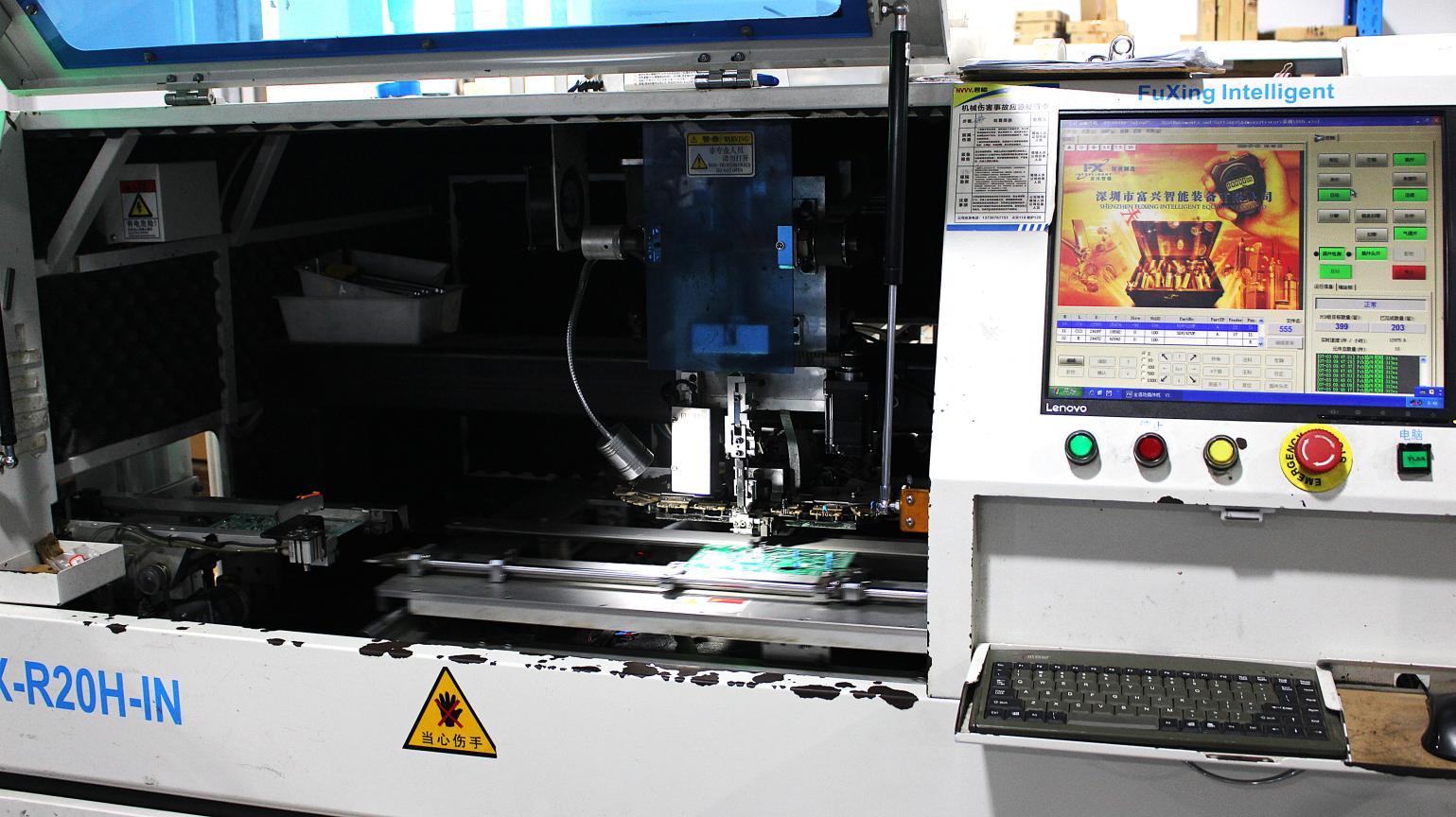
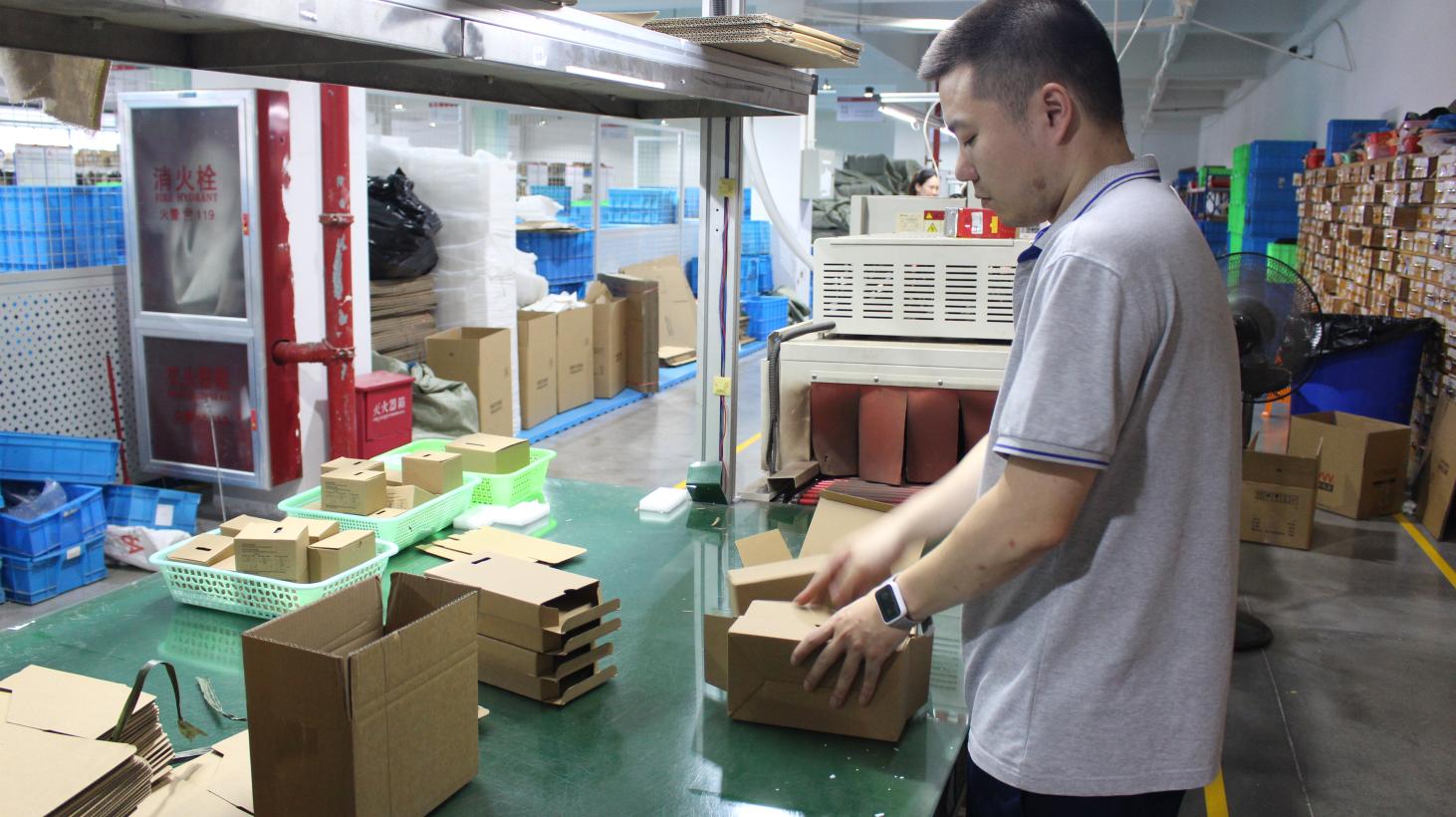
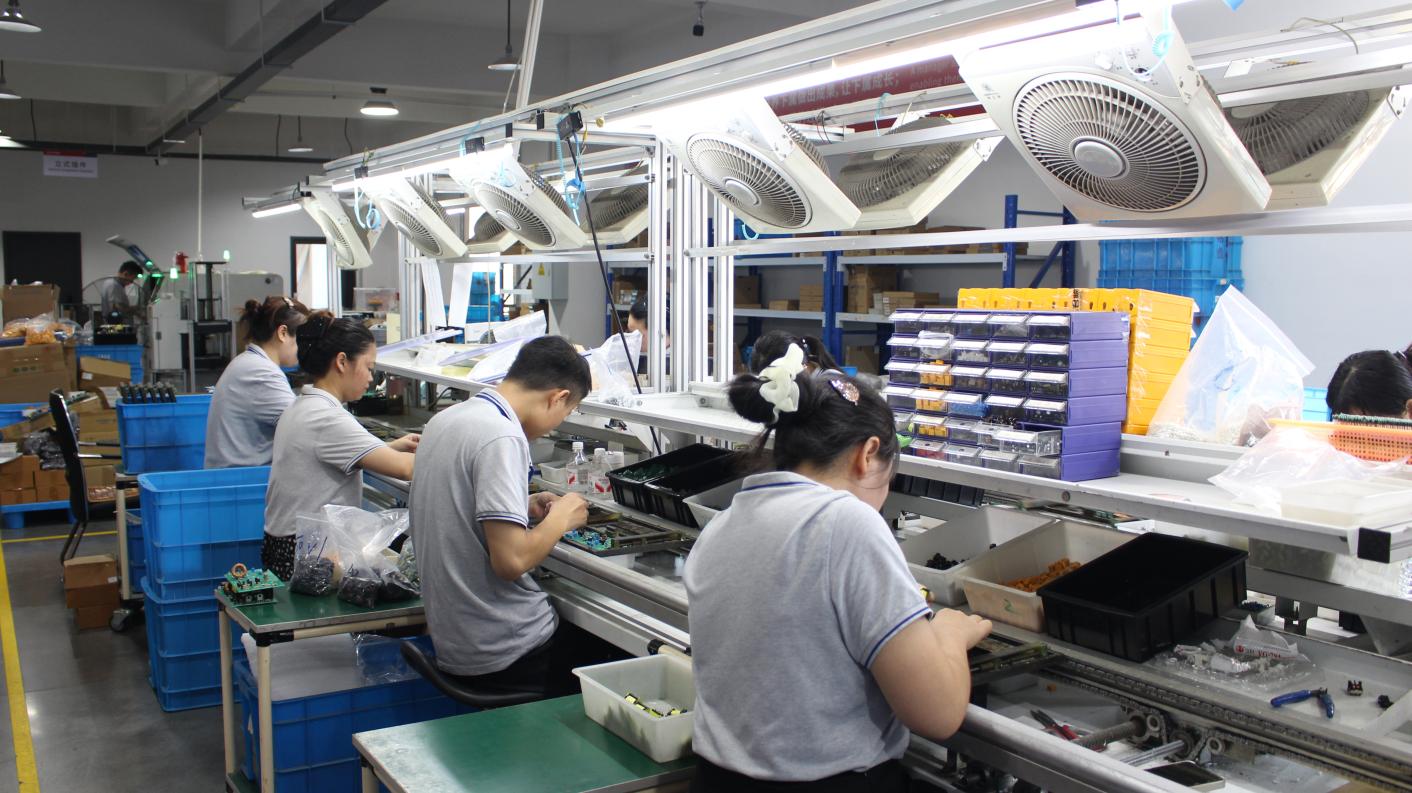
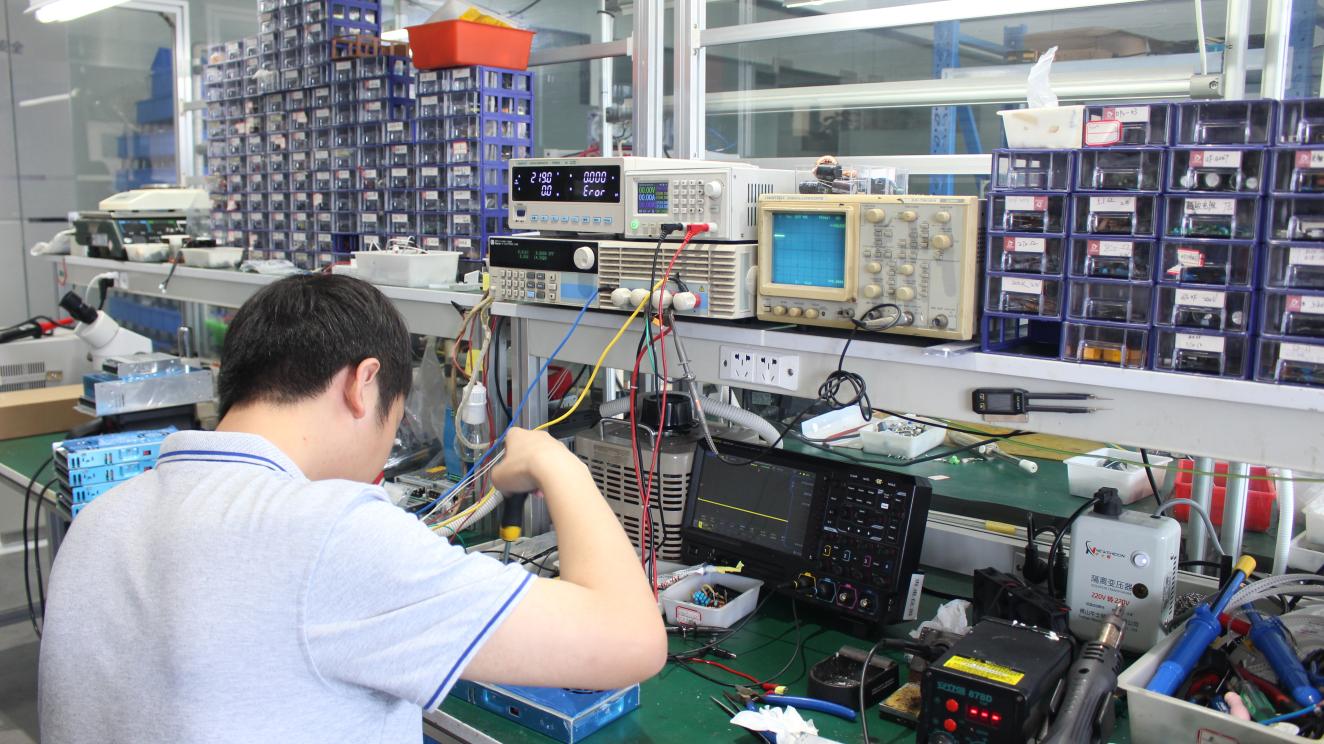
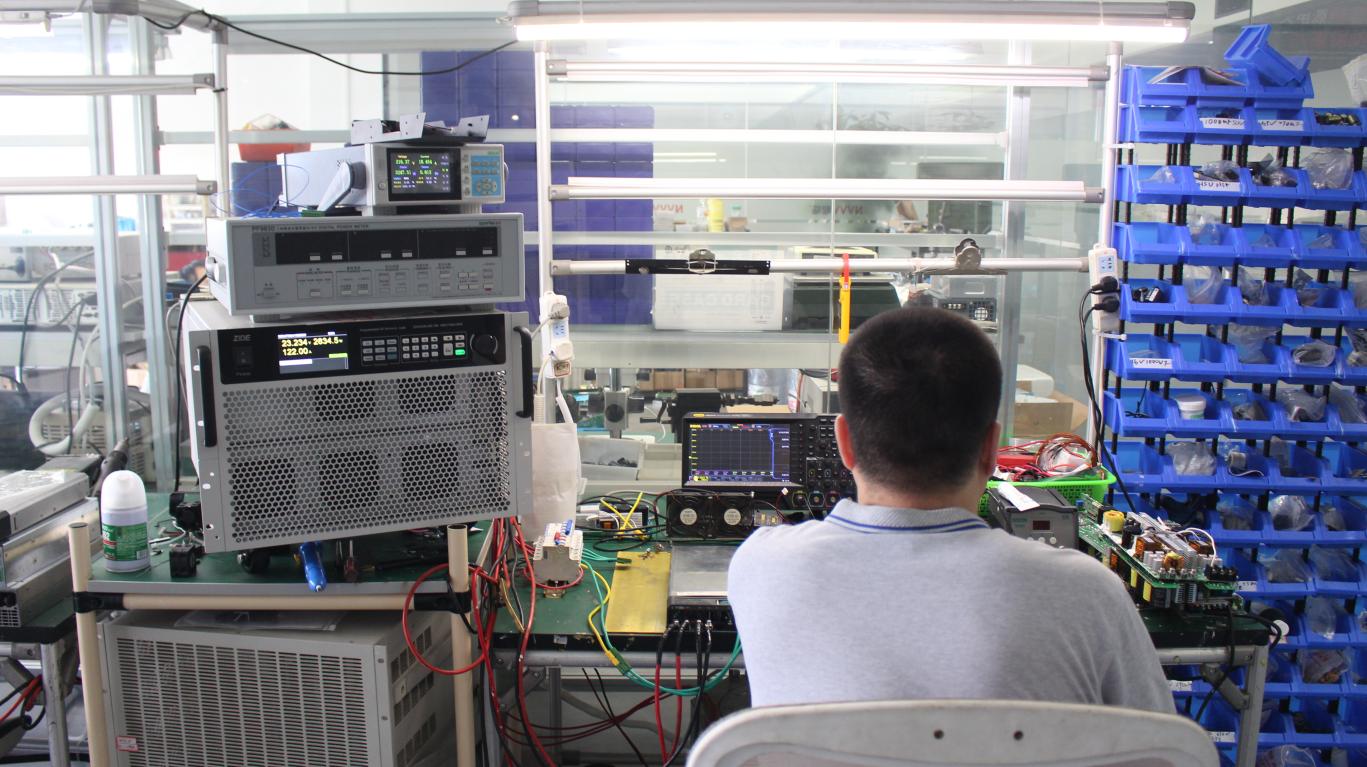
The reliability of electrical equipment starts on the factory floor. The assembly line must be controlled and verified at each step, from material receipt to final functional checks.

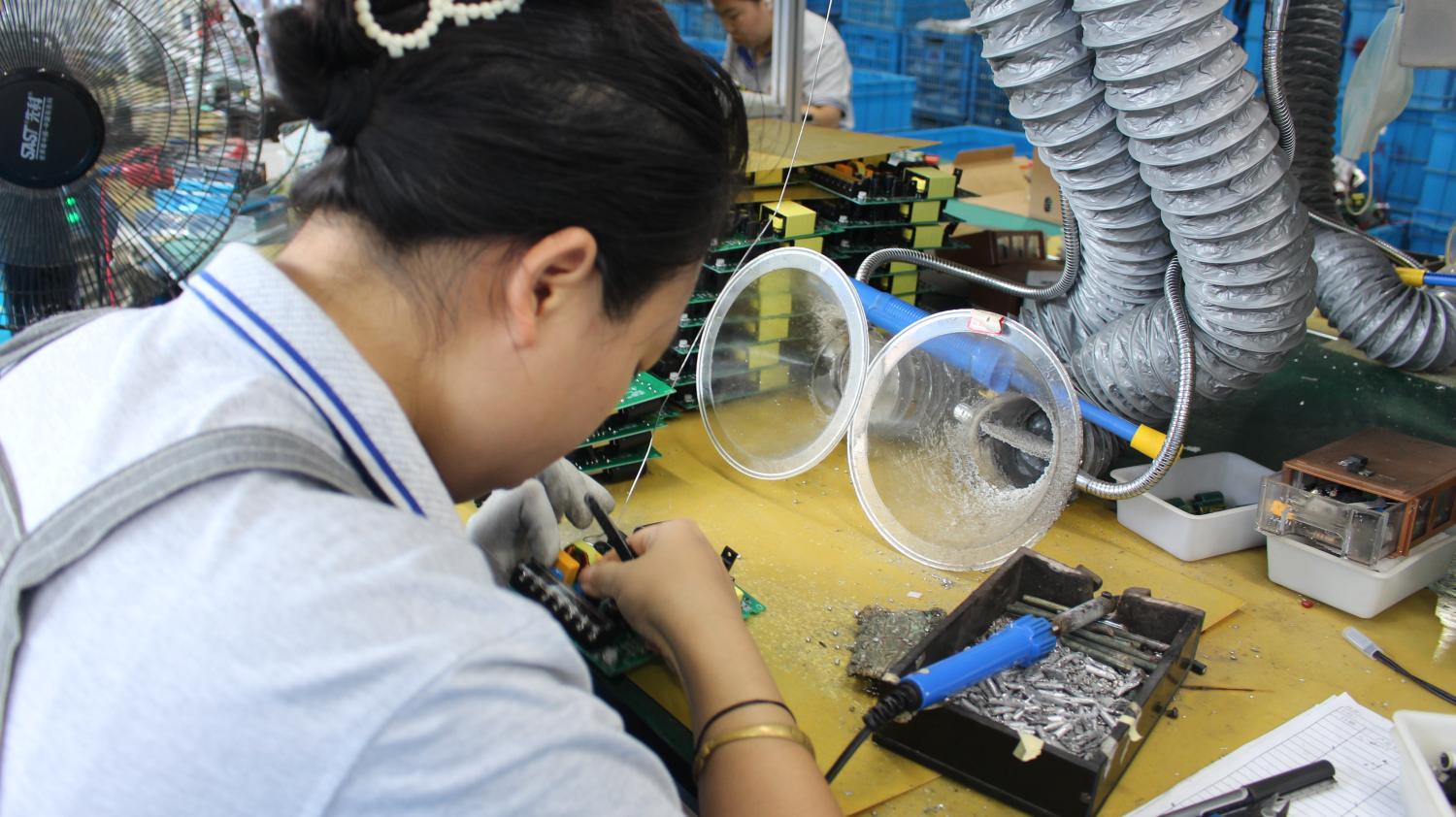
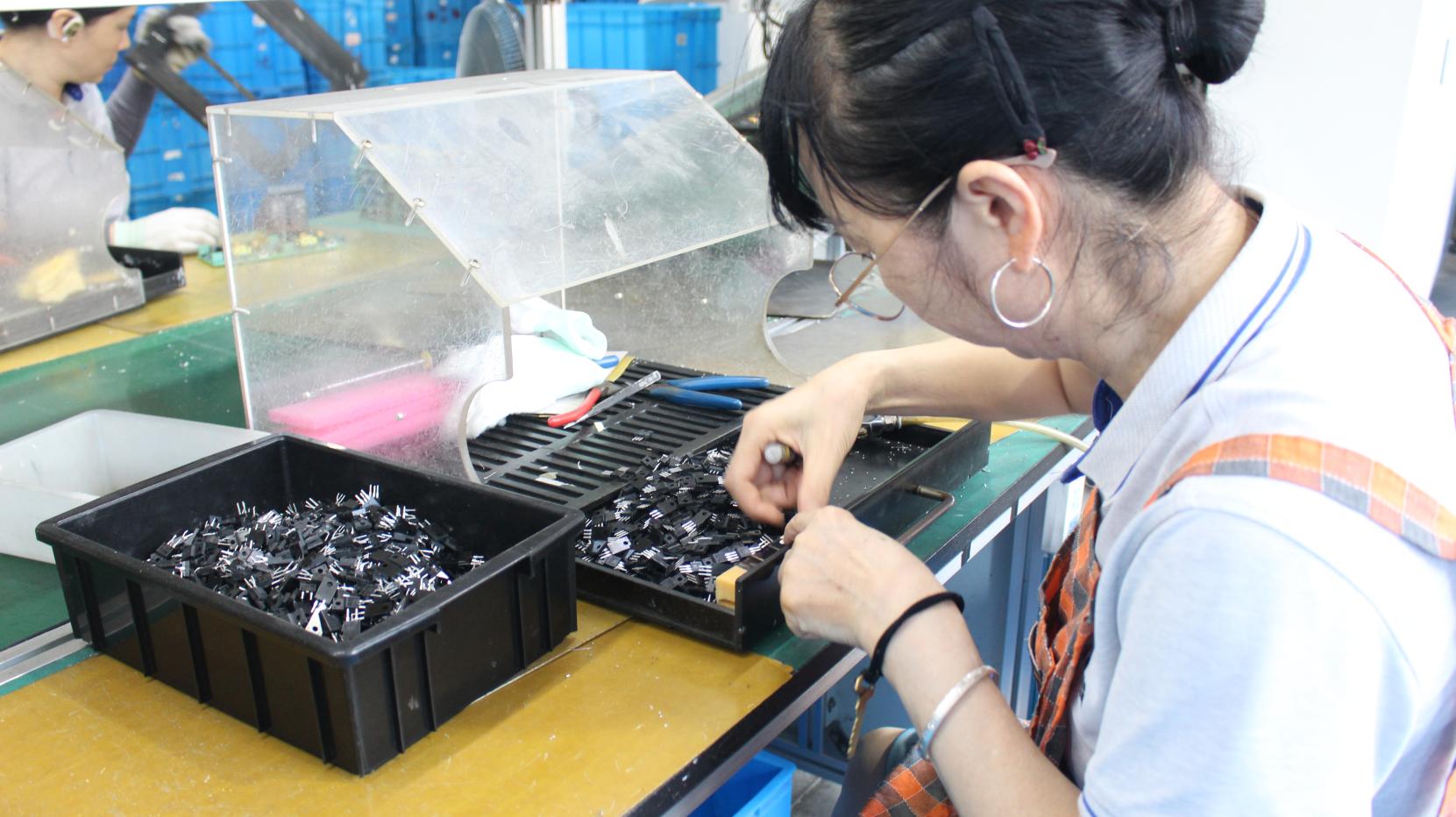
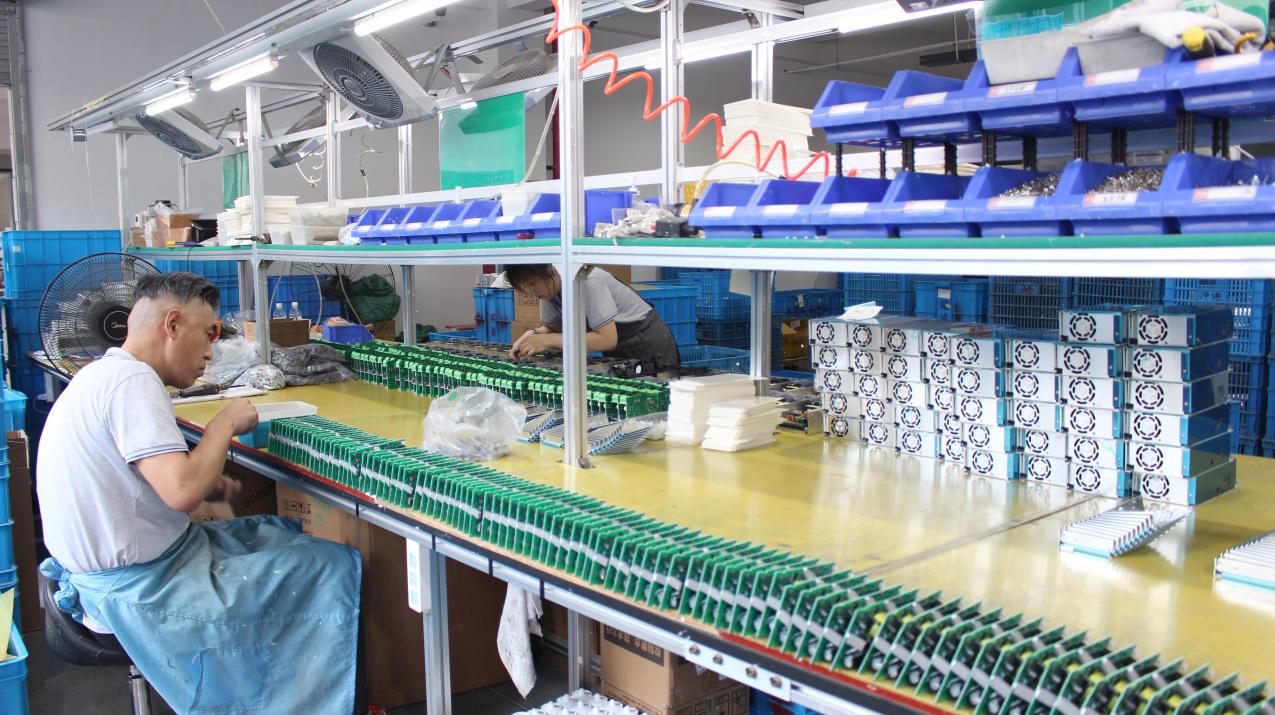
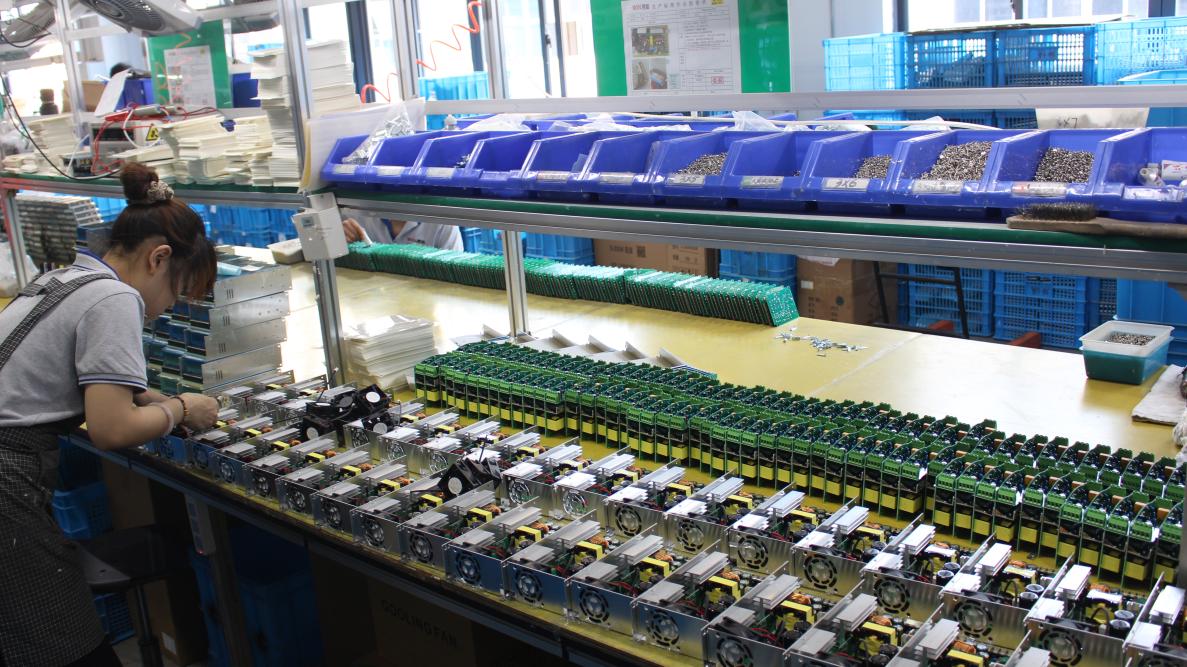
Isolation transformers are applied across diverse operational environments to resolve specific power issues:
Automated lines rely on precise, low-voltage control signals. SFI (Switching Frequency Interference) and motor feedback loops can corrupt command inputs, leading to unscheduled downtime. Utilizing an isolated power supply or DIN rail transformer shields PLC racks from line voltage transients.
Medical locations enforce strict leakage current thresholds to prevent micro-shocks. Isolation units provide a local IT (isolated) power system where leakage is monitored and minimized, maintaining patient safety and instrument accuracy during surgical or diagnostic procedures.
High-frequency switching power supplies are susceptible to common-mode surges from lightning strikes or grid utility switching. Installing step-down isolation units isolates core servers, keeping data networks online.
Modern power systems are shifting toward higher power density and integrated diagnostics. Key developments shaping the industry include:
As energy costs rise, manufacturers focus on reducing idle losses. NVVV's active product development targets high-efficiency designs to meet strict international standby-power regulations.
Exporting power equipment internationally requires compliance with localized safety standards. These certifications verify that the product's creepage distances, dielectric insulation, and thermal tolerances meet local grid codes:
Mandatory for entry into the EU and UK markets, verifying alignment with low-voltage directives and electrical safety protocols.
Regulates electromagnetic interference, ensuring power electronics do not disrupt surrounding communication networks.
Required for access to the Chinese and Indian markets, ensuring components meet national safety benchmarks.
NVVV Electric maintains CE, FCC, CCC, UKCA, and BIS certifications. Testing equipment, such as high-low temperature chambers and active burn-in benches, validates performance against these global guidelines.
The core difference lies in the electrical connection between input and output. An autotransformer shares a single winding across primary and secondary stages, which offers no galvanic isolation or protection against electrical shock. An isolation transformer features physically separated primary and secondary windings, creating a magnetic coupling barrier that blocks physical electrical transmission.
Galvanic isolation breaks the direct current conduction path. If a high-voltage surge or utility fault occurs on the primary grid side, the electromagnetic barrier prevents the fault current from travelling directly to low-voltage PLC cards or communication controllers, containing the potential damage to the primary interface.
Insulation resistance tests and dielectric withstand tests (hipot) are critical. These processes apply a high potential voltage across the primary-to-secondary boundaries to check for leakage current or dielectric breakdown. Reliable manufacturers verify these parameters using automated test benches and environmental chambers before shipment.
 NVVV Electric