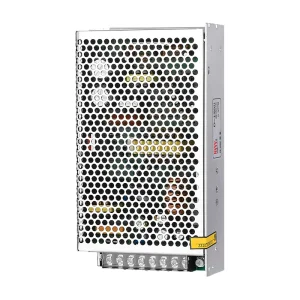
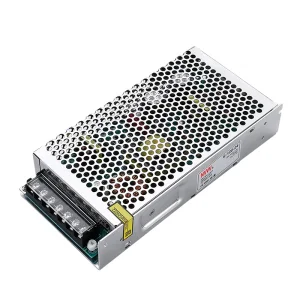
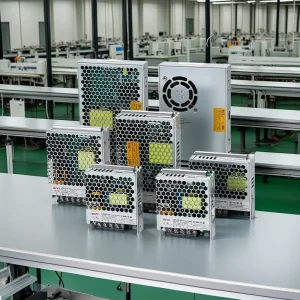
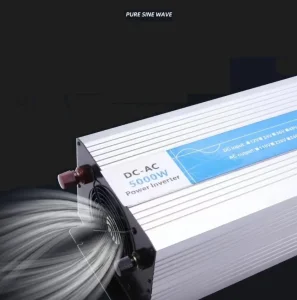
Explore industrial-grade topologies, pure sine wave power inverters, and high-efficiency LED drivers designed for modern enterprise infrastructures.
In the era of Industrial Internet of Things (IIoT), automation, smart grid integration, and next-generation LED infrastructure, the Switched Mode Power Supply (SMPS) serves as the critical heartbeat of electronic systems. Delivering stable, low-noise, and highly efficient electrical transformation, modern switched power supplies have completely phased out traditional linear regulators due to their superior thermal dynamics, compact form factor, and dynamic input range voltage capabilities.
Global sourcing directors are facing highly challenging market environments. Identifying top-tier factories is no longer just about searching for the lowest Unit Cost. True value relies on finding manufacturers with the capability to offer substantial information gain, high compliance certification density, R&D agility, and robust supply chain resilience.
China produces more than 70% of the world's power supply units, driven by mature raw material clusters, component design ecosystems, and logistical advantages. The electrical hub of Wenzhou, Zhejiang Province, stands out as a prime epicenter for precision power conversion components.
Immediate proximity to ferrite magnetic core manufacturers, high-grade copper coil winders, and semiconductor packaging centers minimizes procurement lead time for critical SMPS parts.
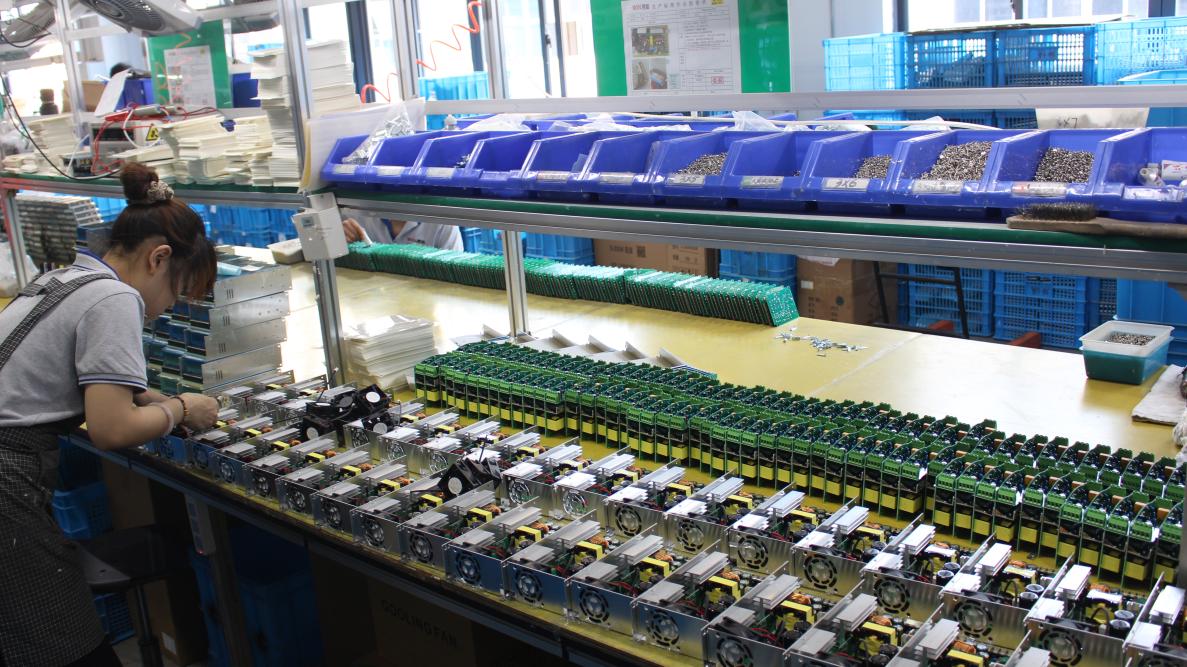
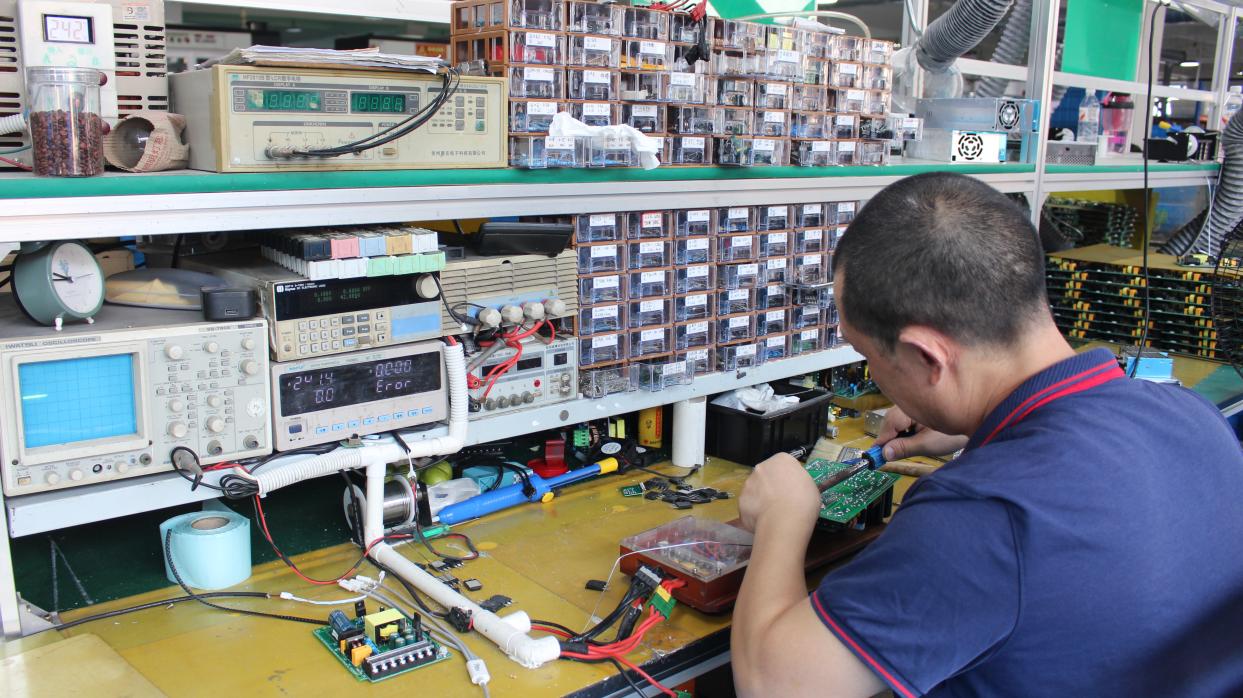
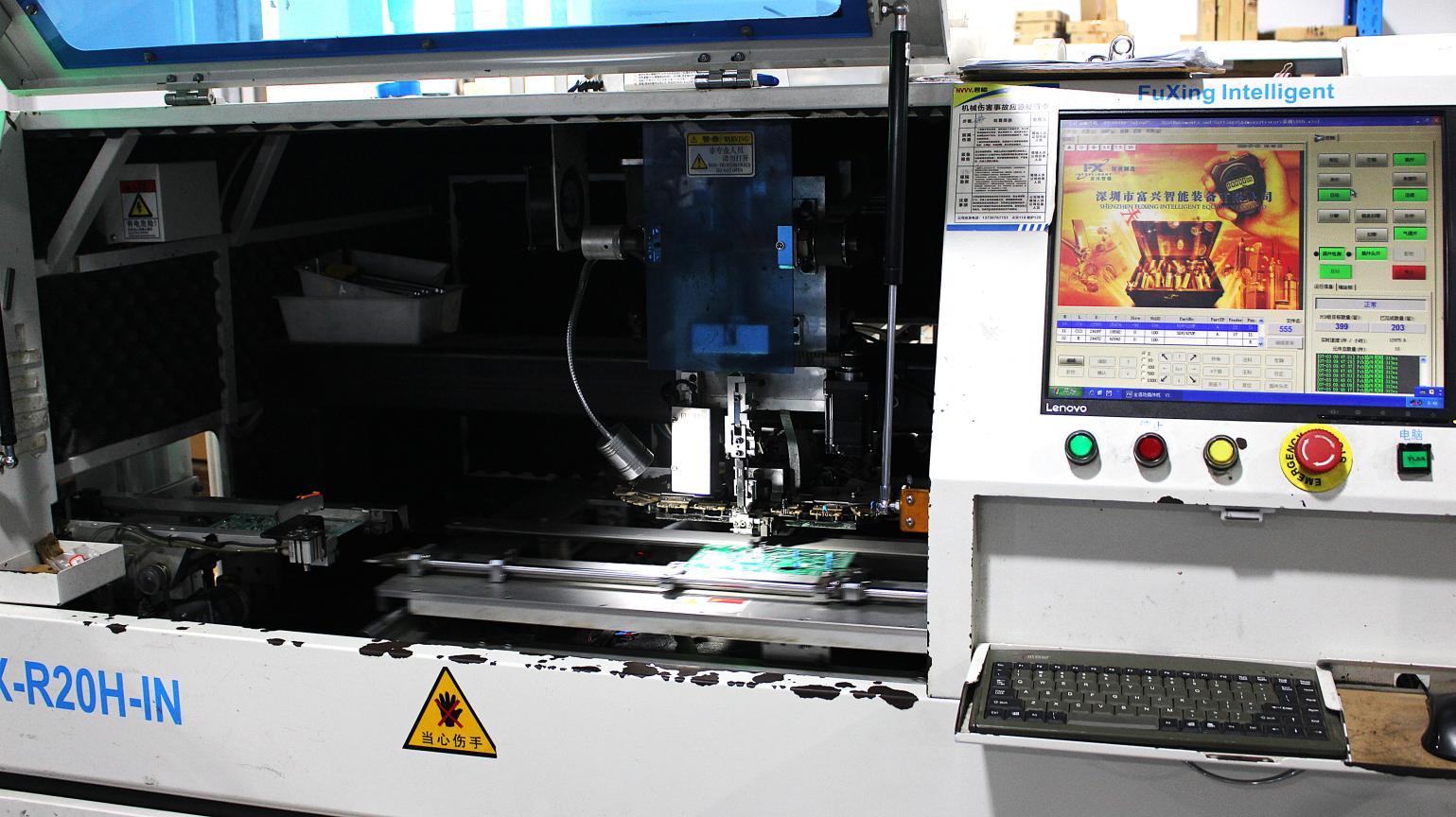
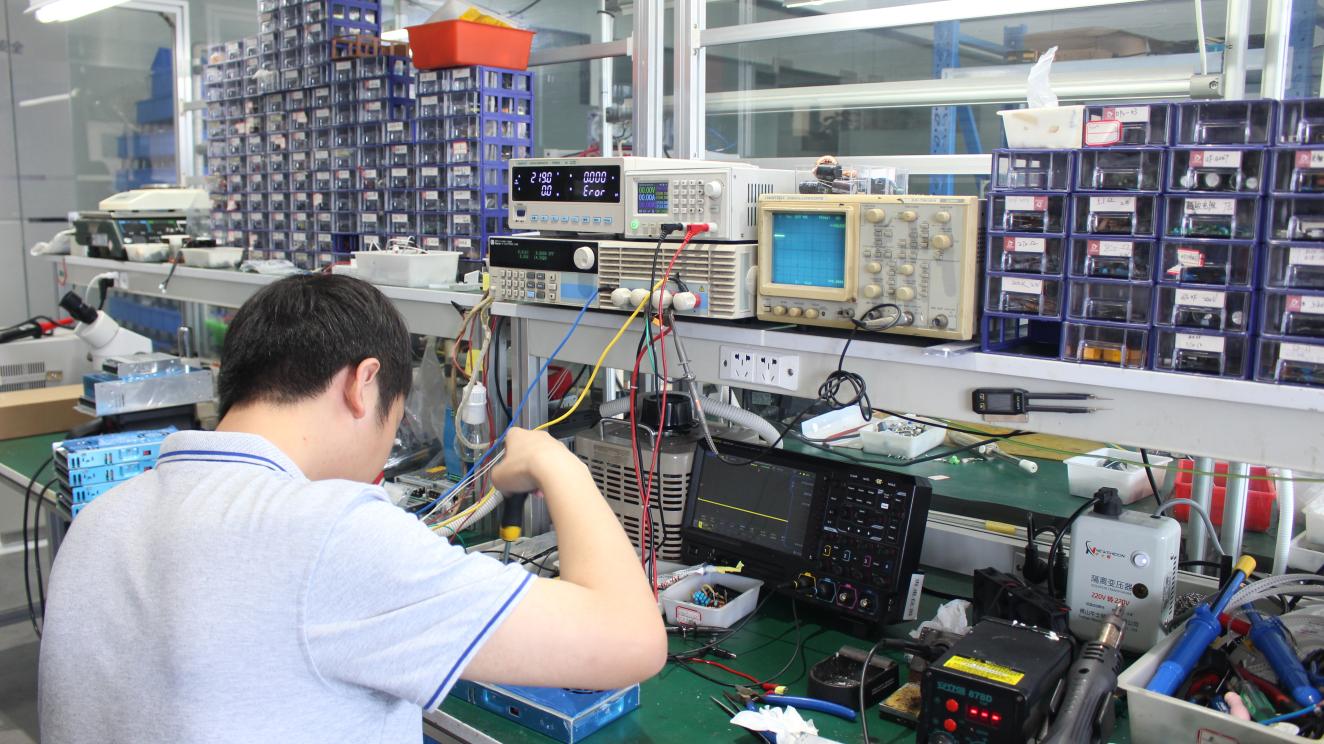
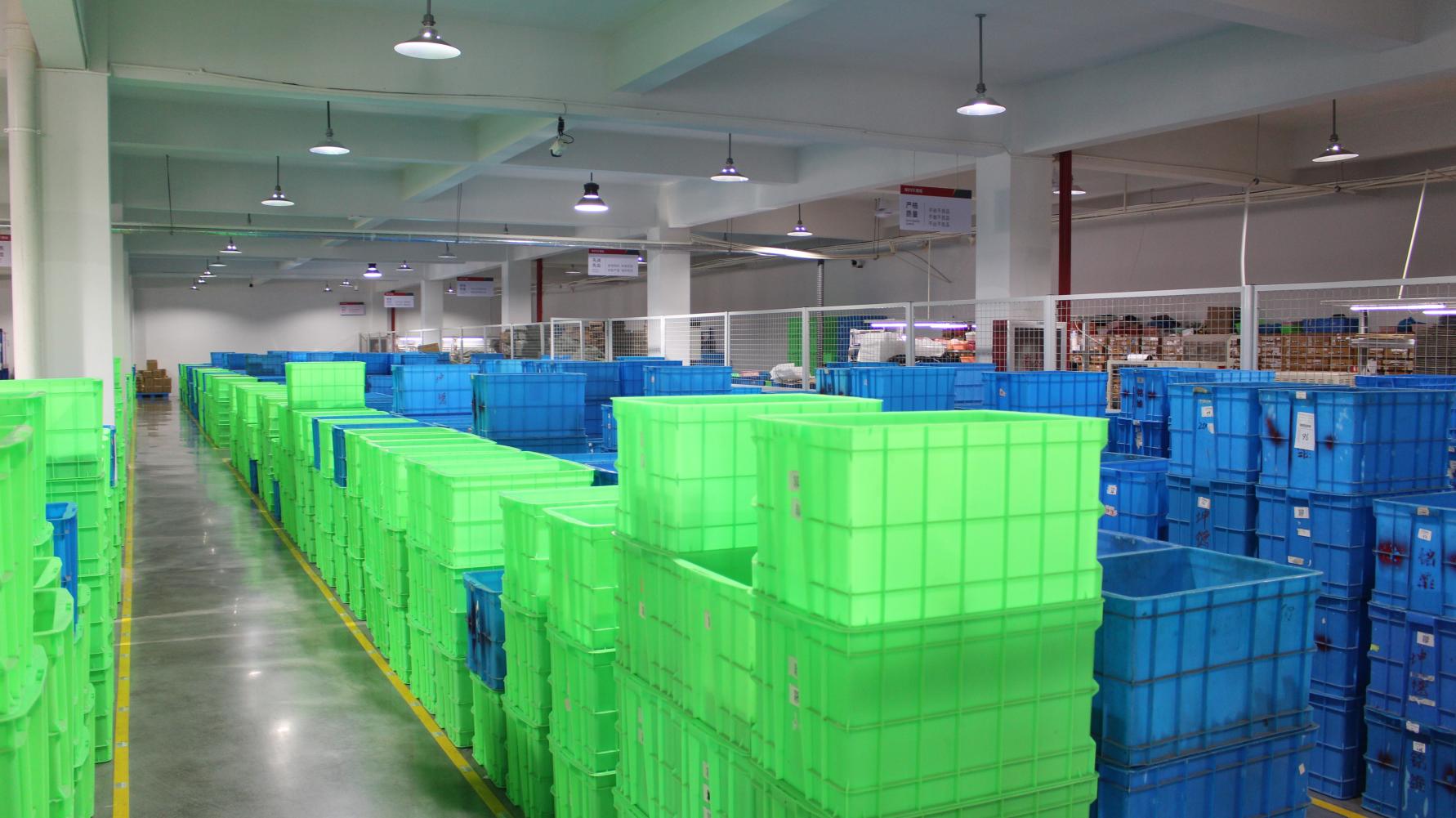
Integration of advanced wave soldering lines, high-speed component plug-in automation, and digital testing benches enables high-yield runs while maintaining stable technical specs.
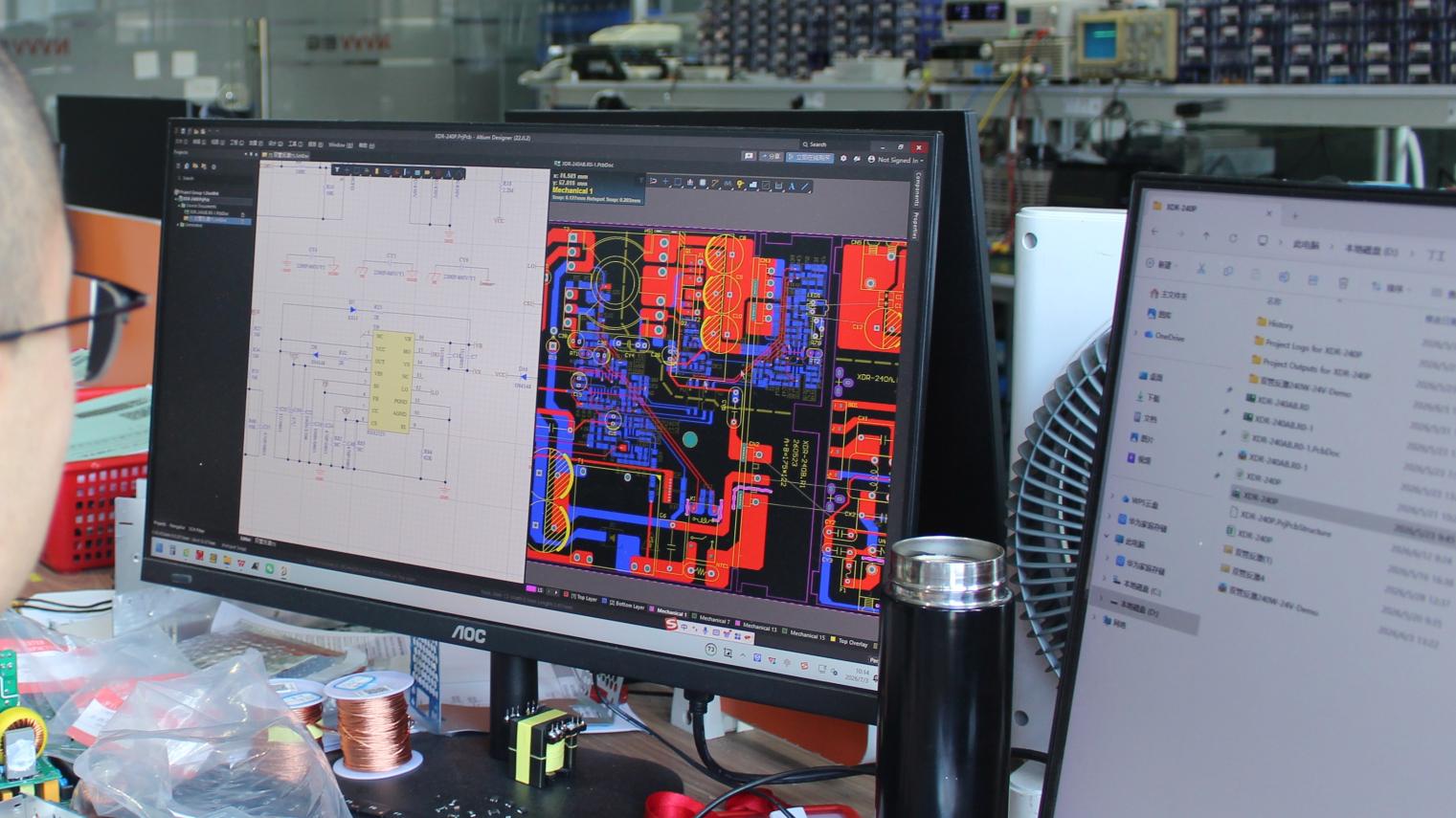
Engineering teams can design, test, and release customized topologies (e.g., custom voltage tracks, special form factors, specific IP ratings) within competitive lead times.
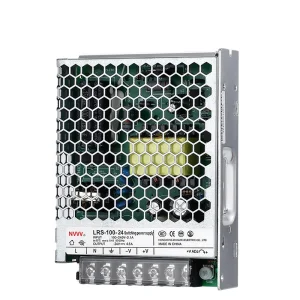
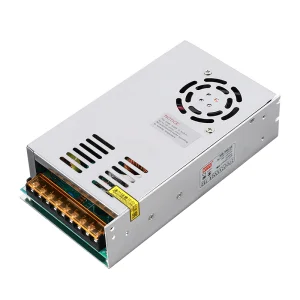
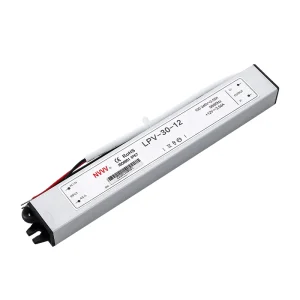
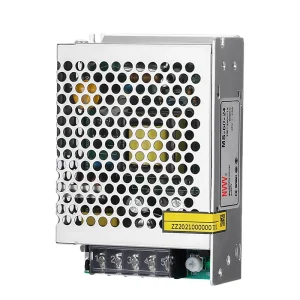
As a benchmark player in the industry, NVVV Electric Technology Co., Ltd. exemplifies the operational standard of a top-tier Chinese power supply exporter. Specialized in the research, development, and engineering of premium DIN rail power supplies, waterproof drivers, and switching converters, NVVV has established a formidable global footprint.
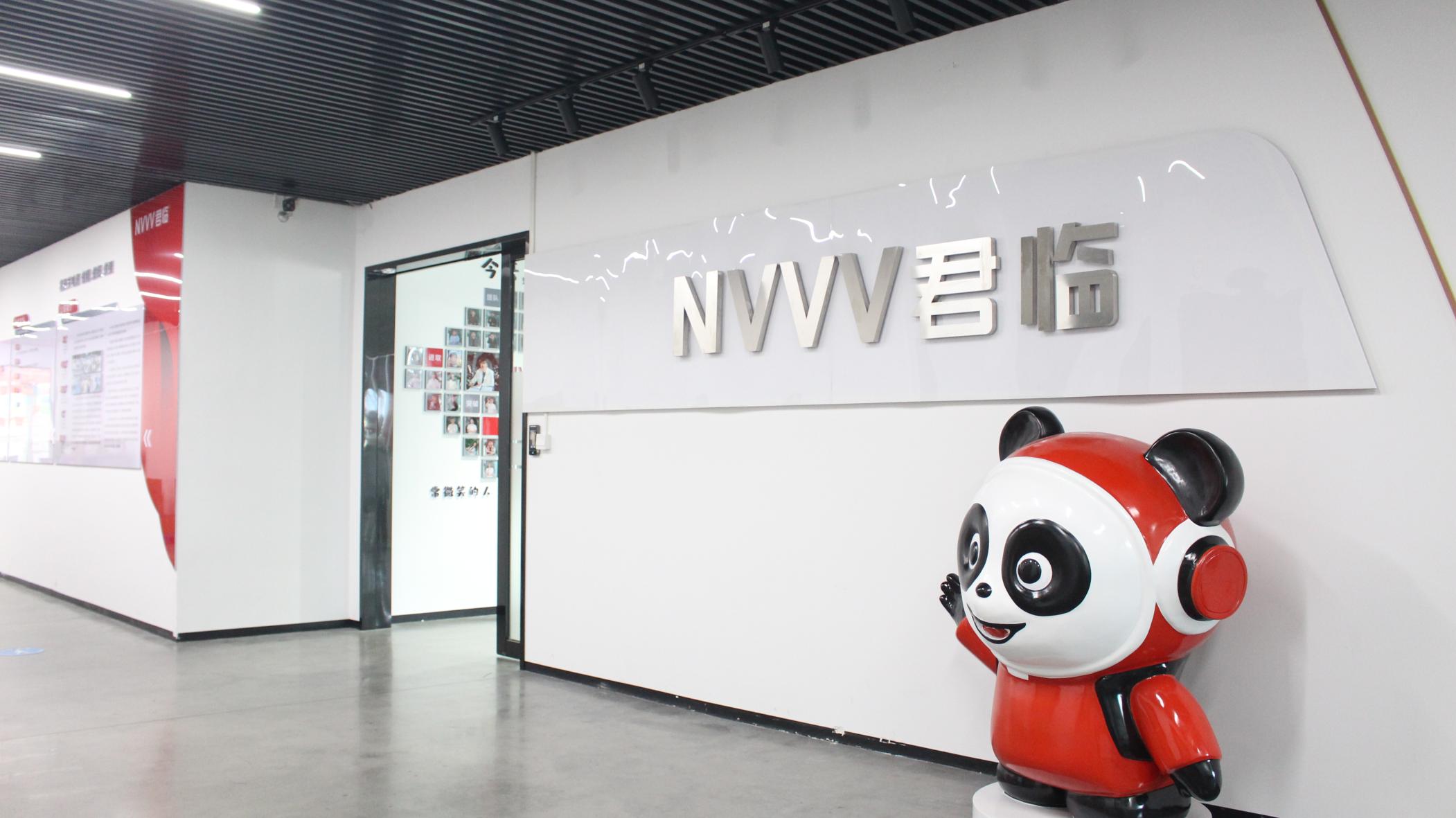
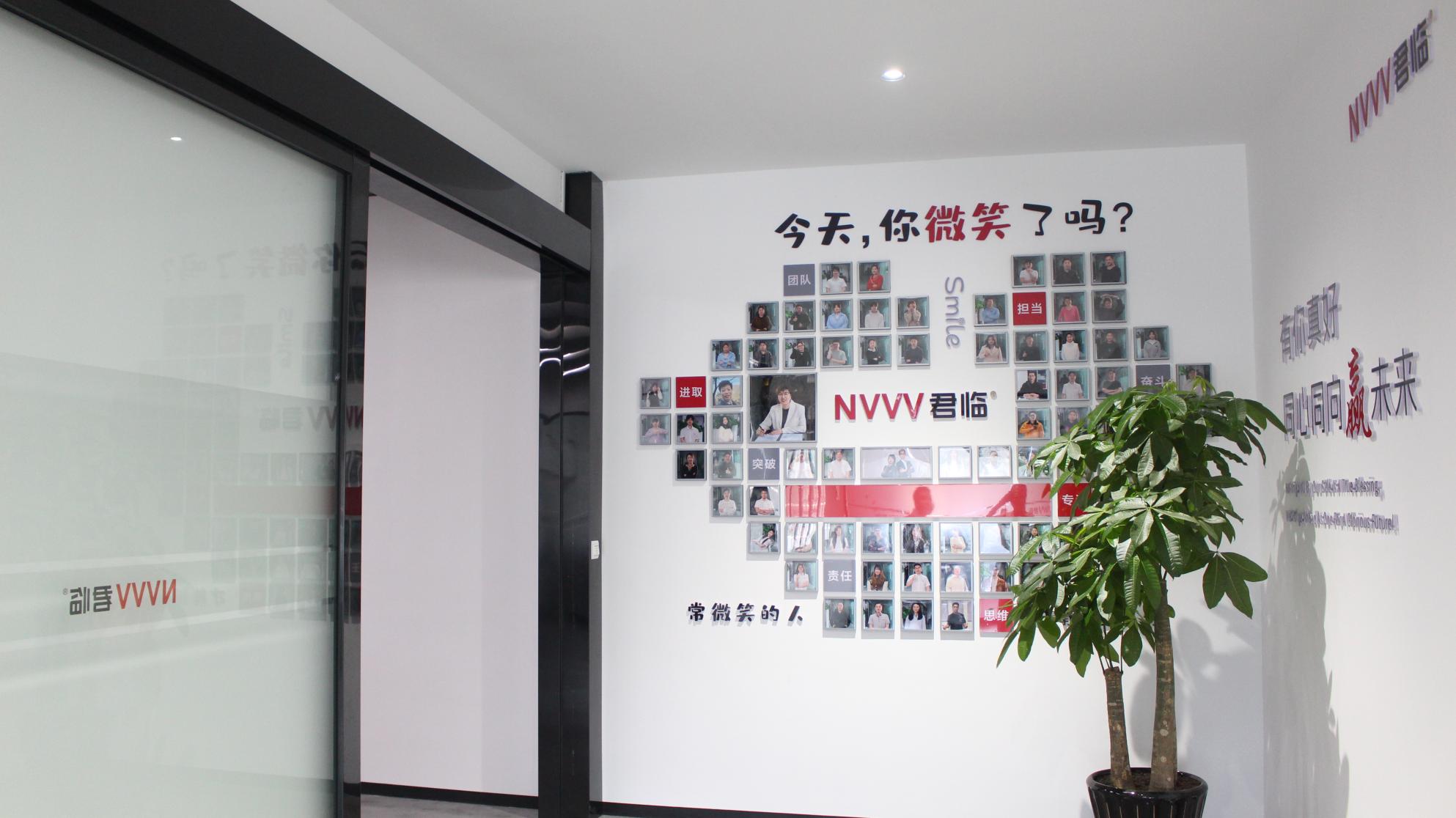
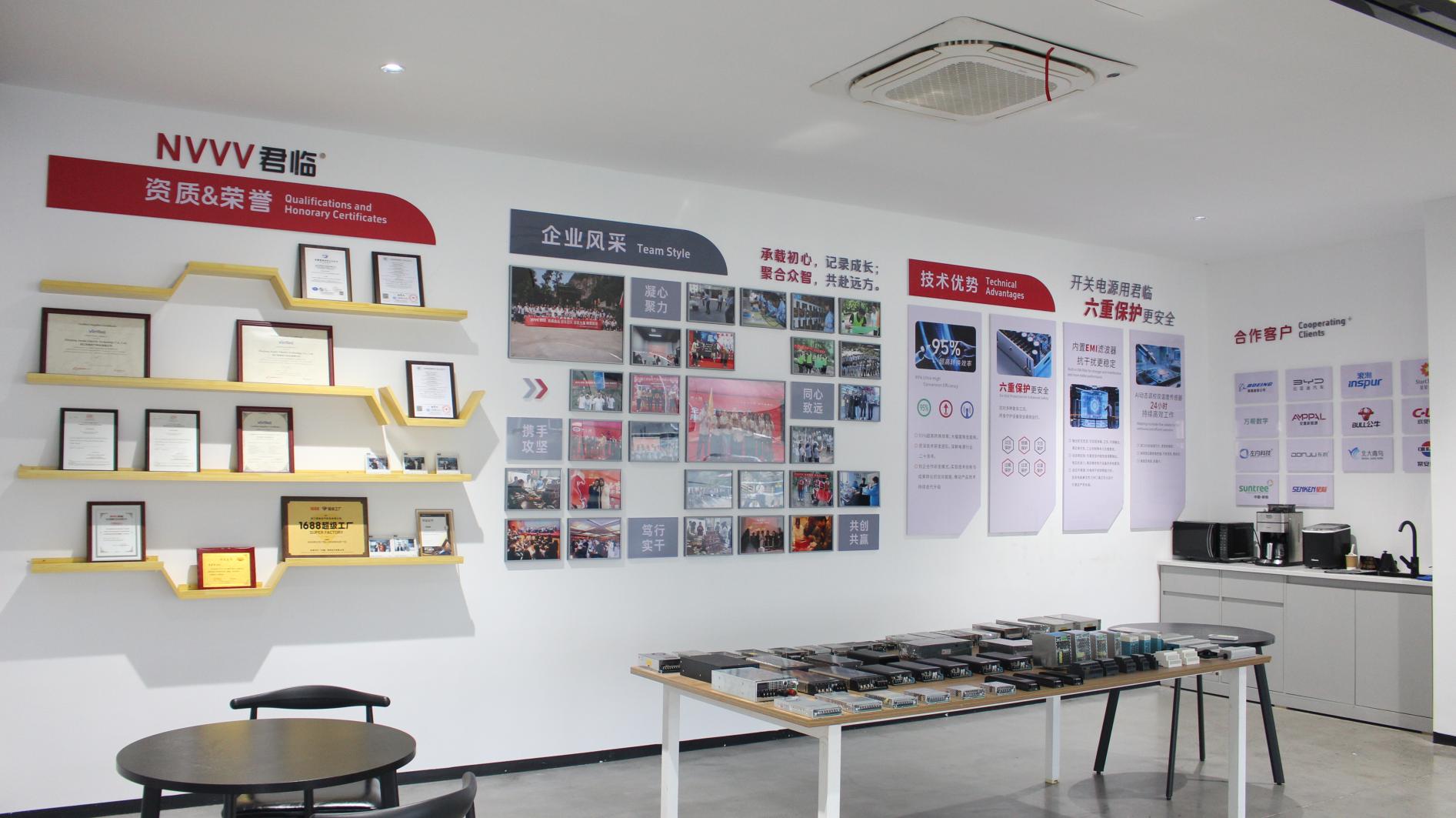
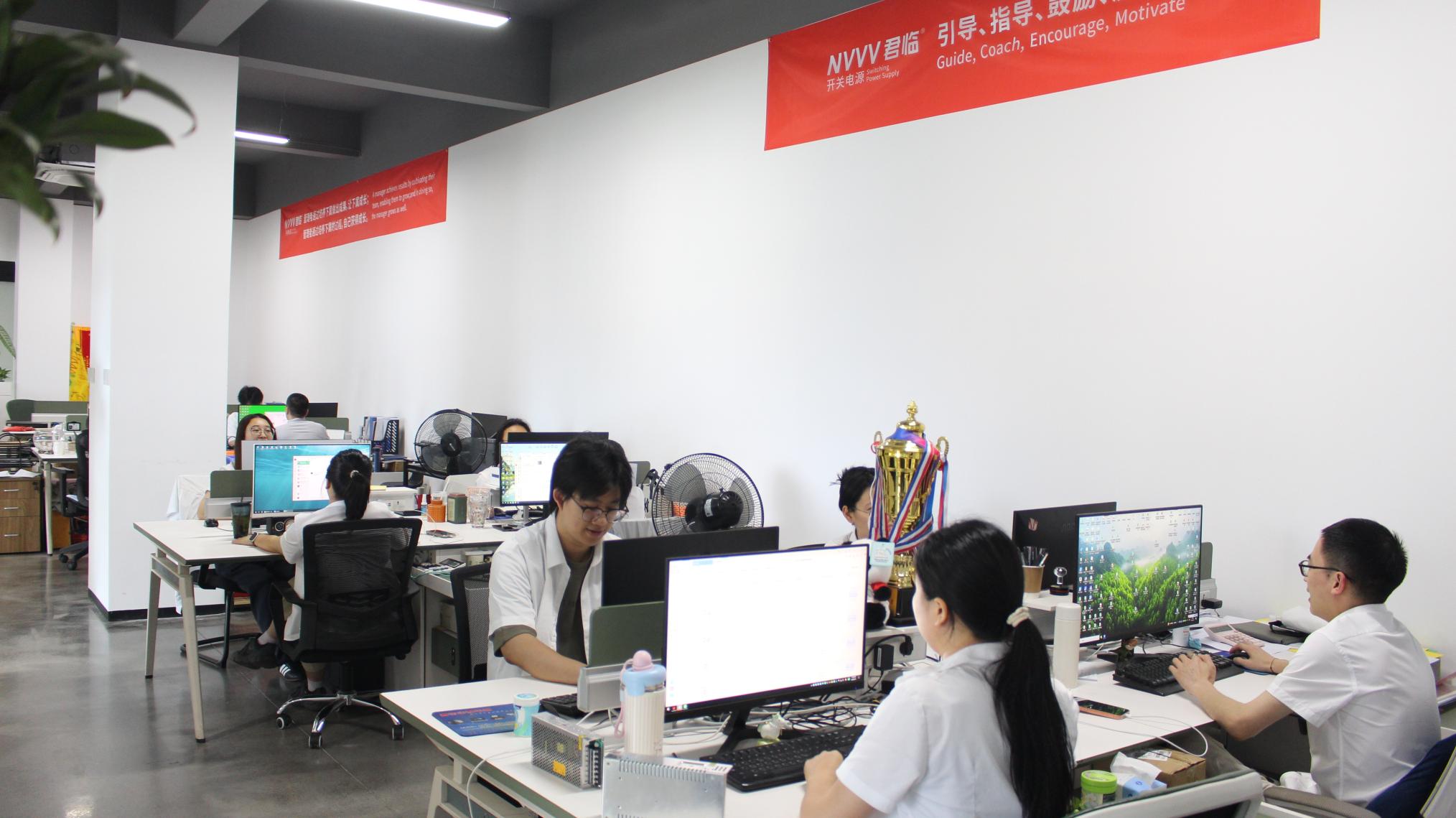
Based in the industrial hub of Wenzhou, Zhejiang, NVVV operates a modern 2,644 square meter facility. With a registered capital of USD 1.4 million and robust annual export metrics exceeding USD 1.27 million, the company guarantees financial stability and long-term supply agreements.
Supported by 7 dedicated R&D engineers, NVVV releases approximately 120 new products per year. This technical infrastructure allows the brand to consistently offer solutions that keep pace with changing standards in electronic hardware design.
NVVV's portfolio is backed by international certifications including CE, FCC, CCC, UKCA, BIS, and EMC. This comprehensive regulatory alignment simplifies global market entry for systems integrators and distributors.
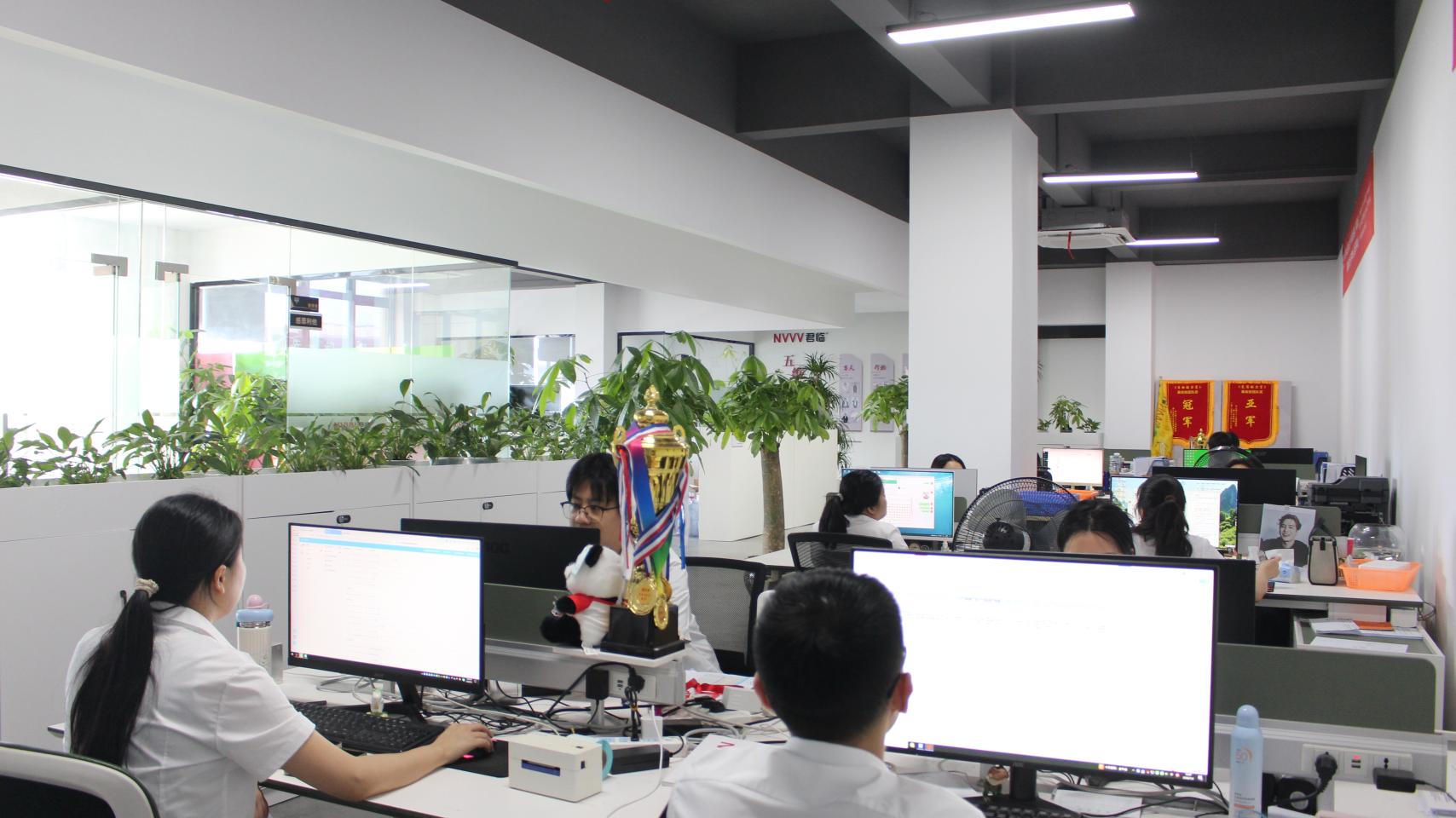
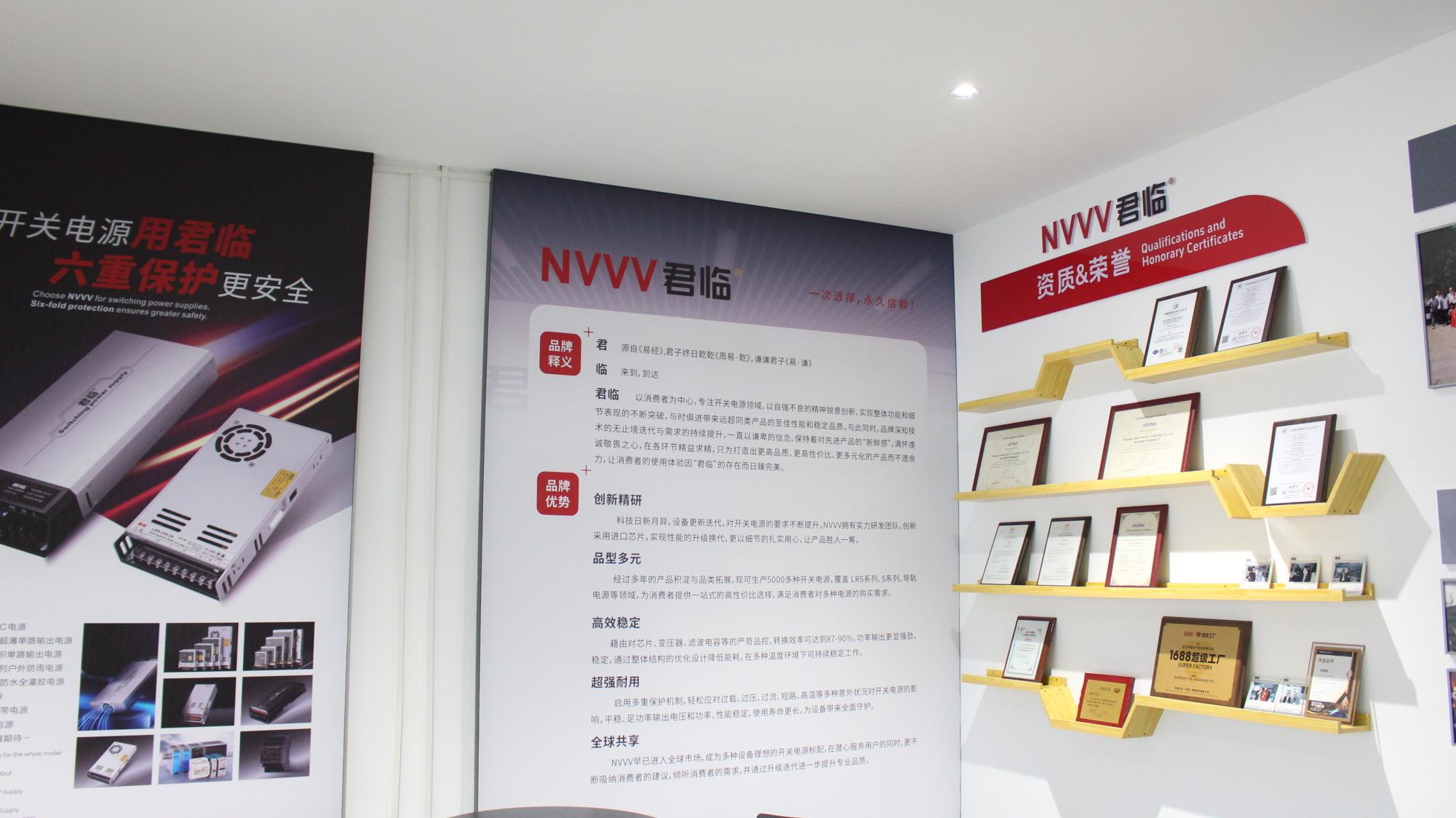
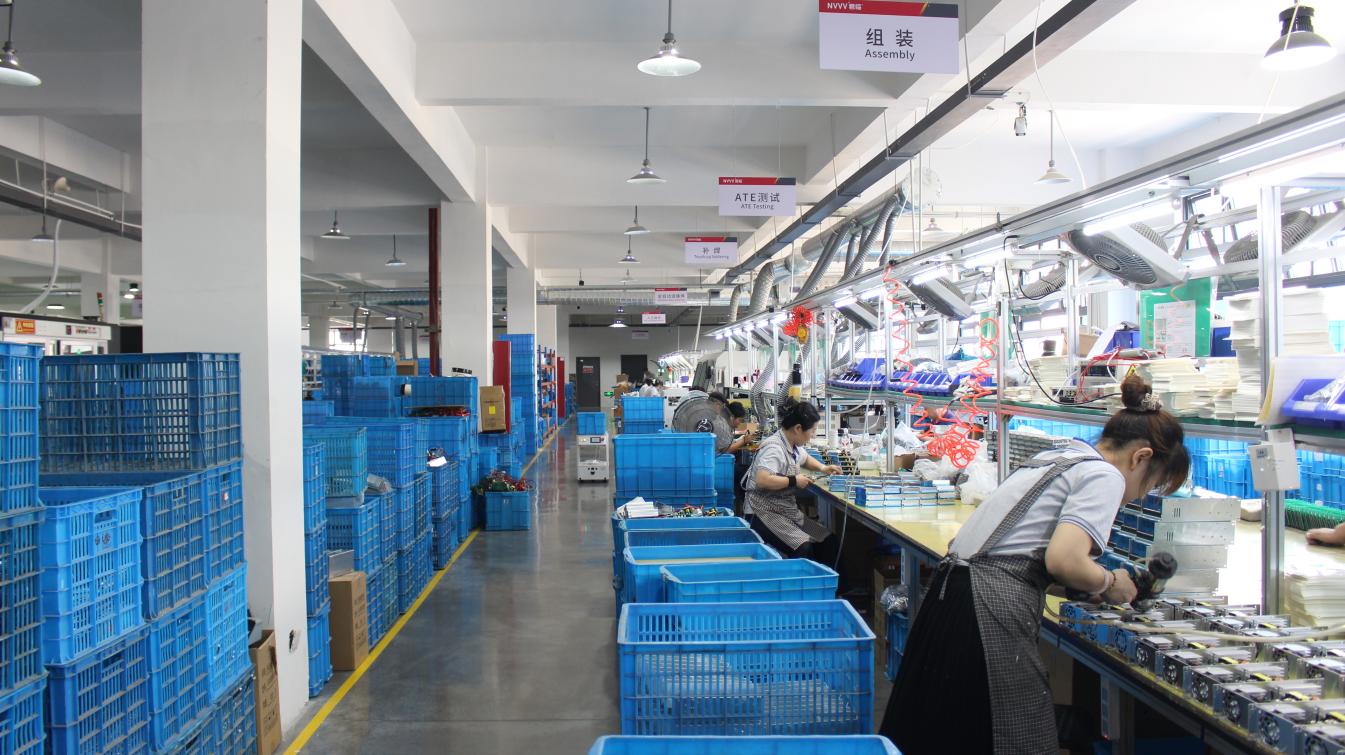
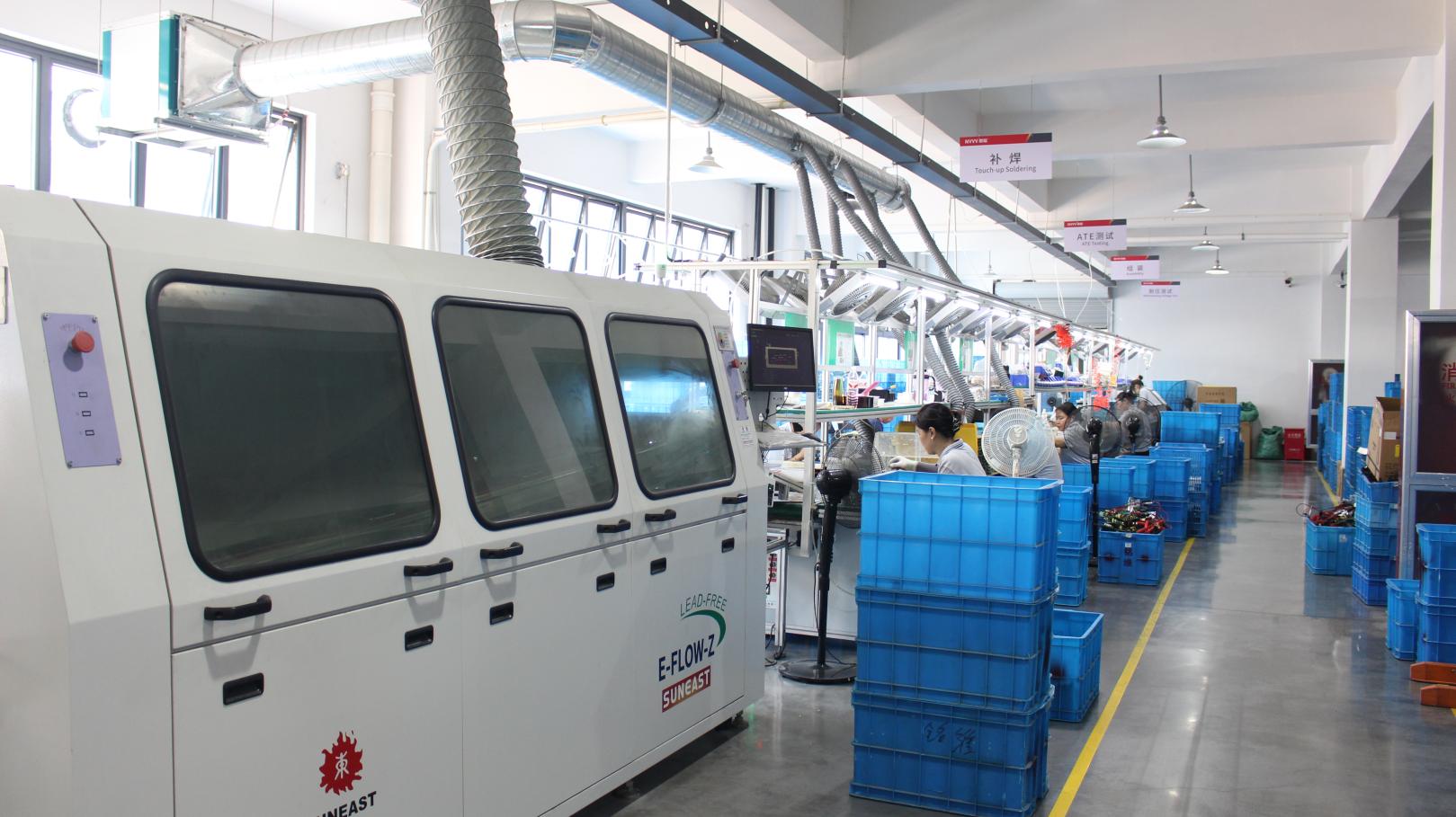
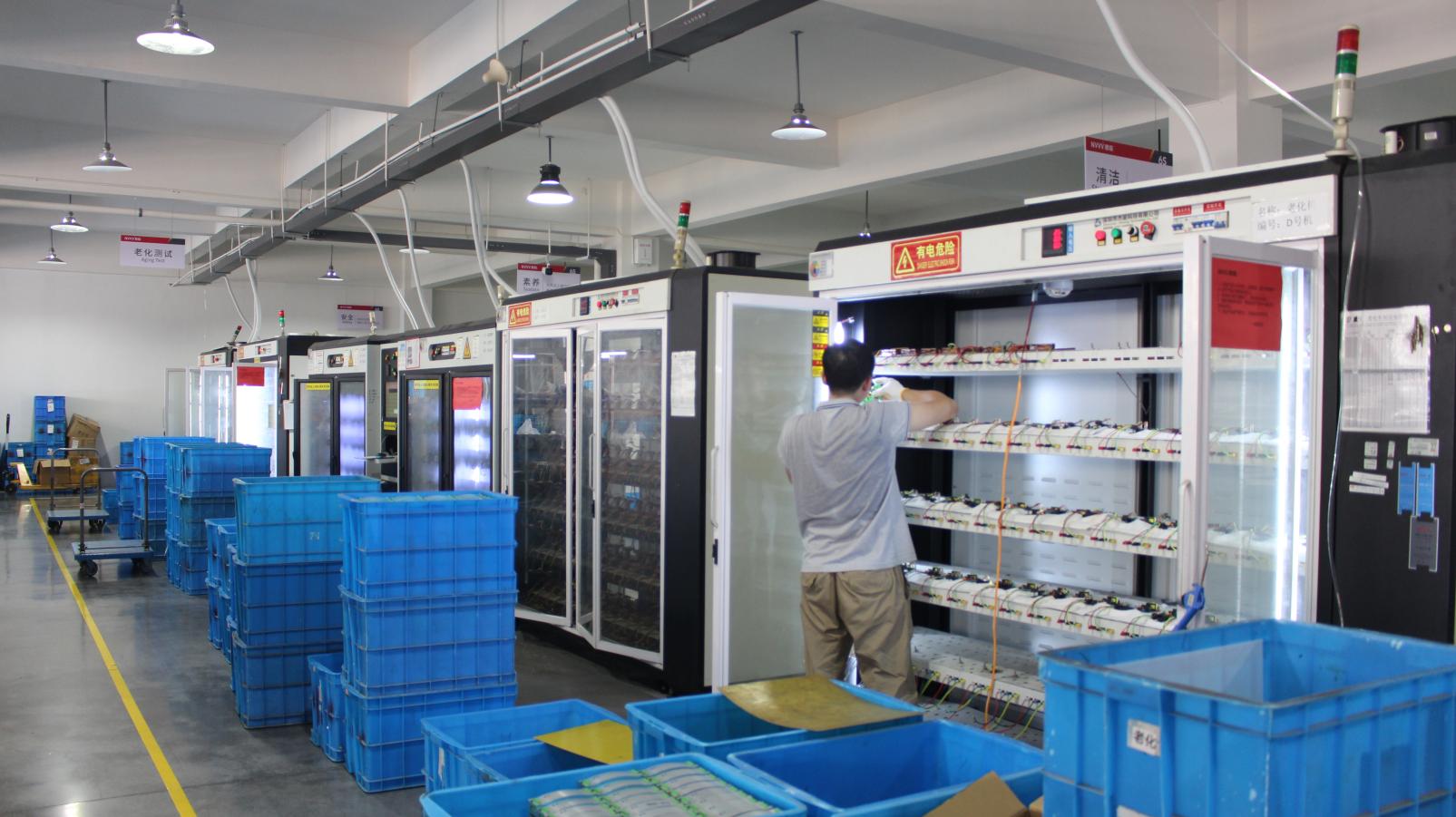
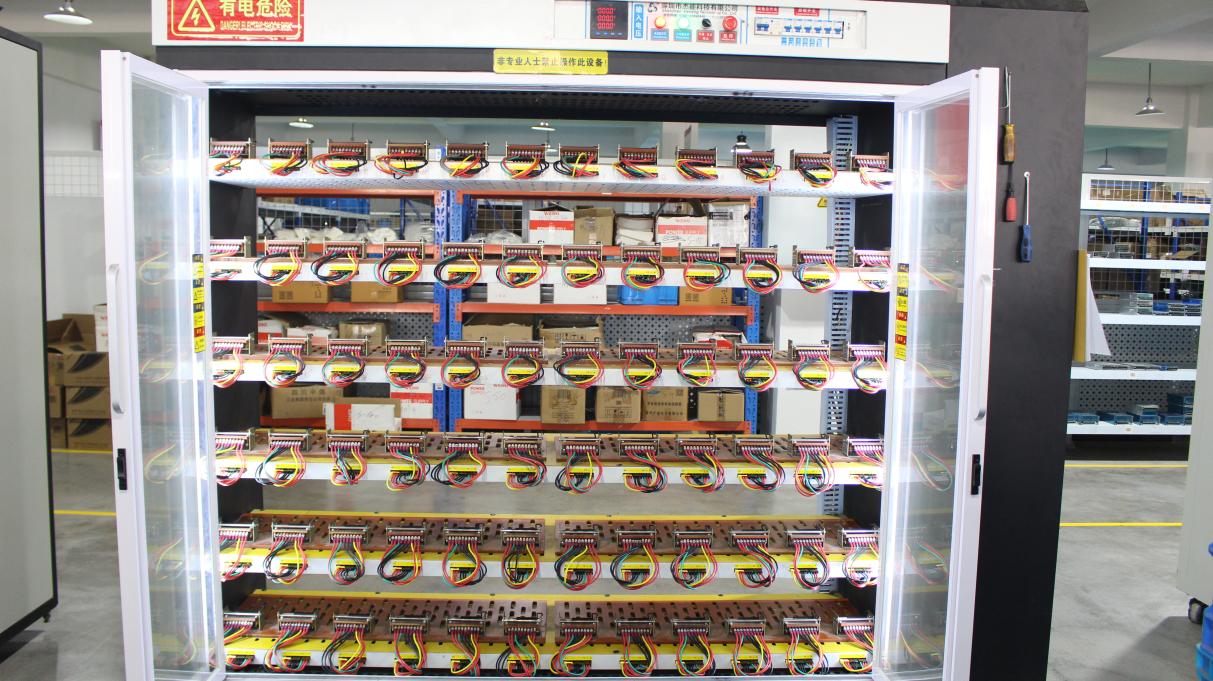
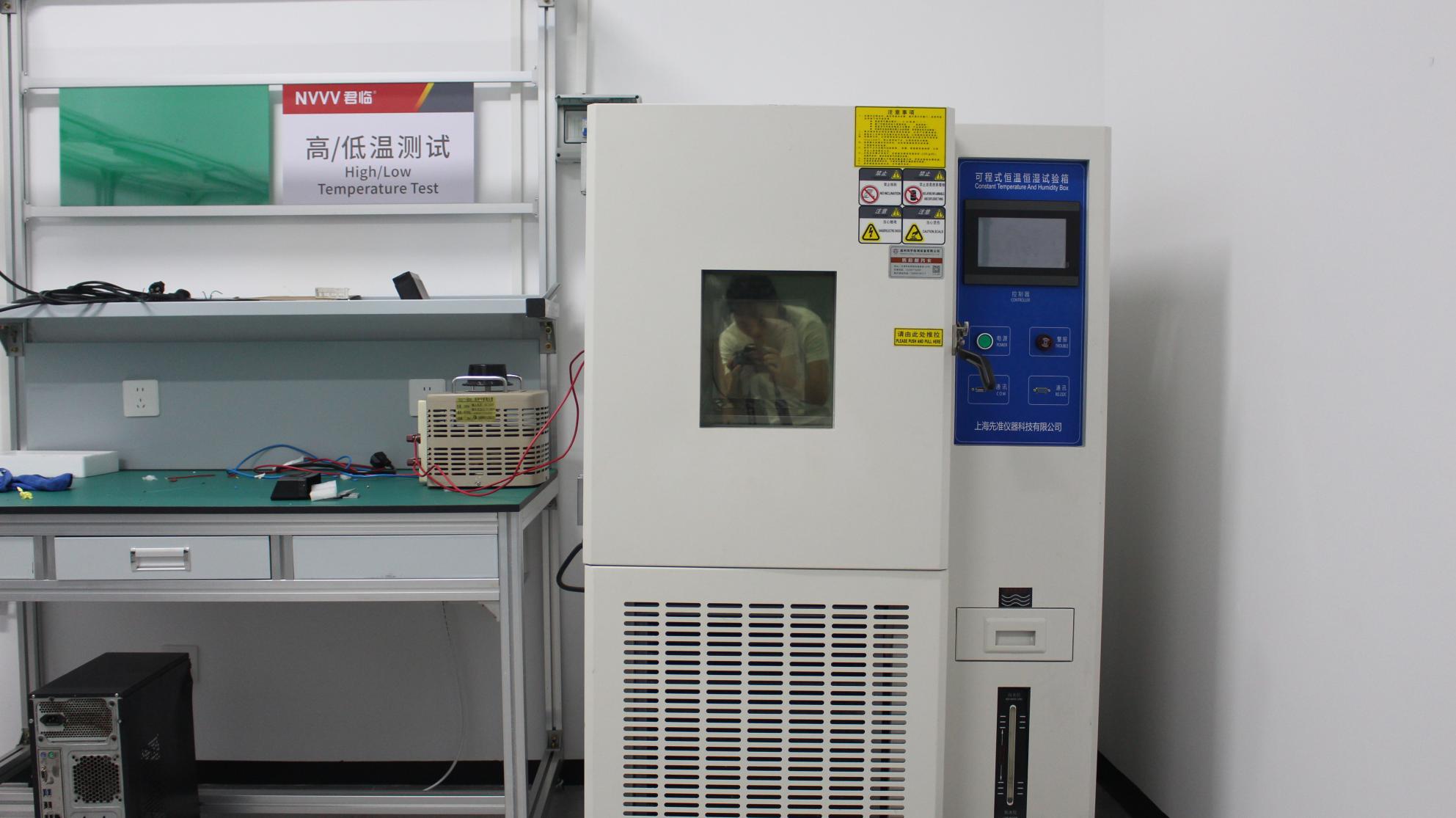
E-E-A-T principles require transparent insight into how products are built and tested. A robust SMPS must go through stringent thermal tests, automated pick-and-place, wave soldering, and extensive burn-in tests to guarantee optimal MTBF (Mean Time Between Failures) metrics.
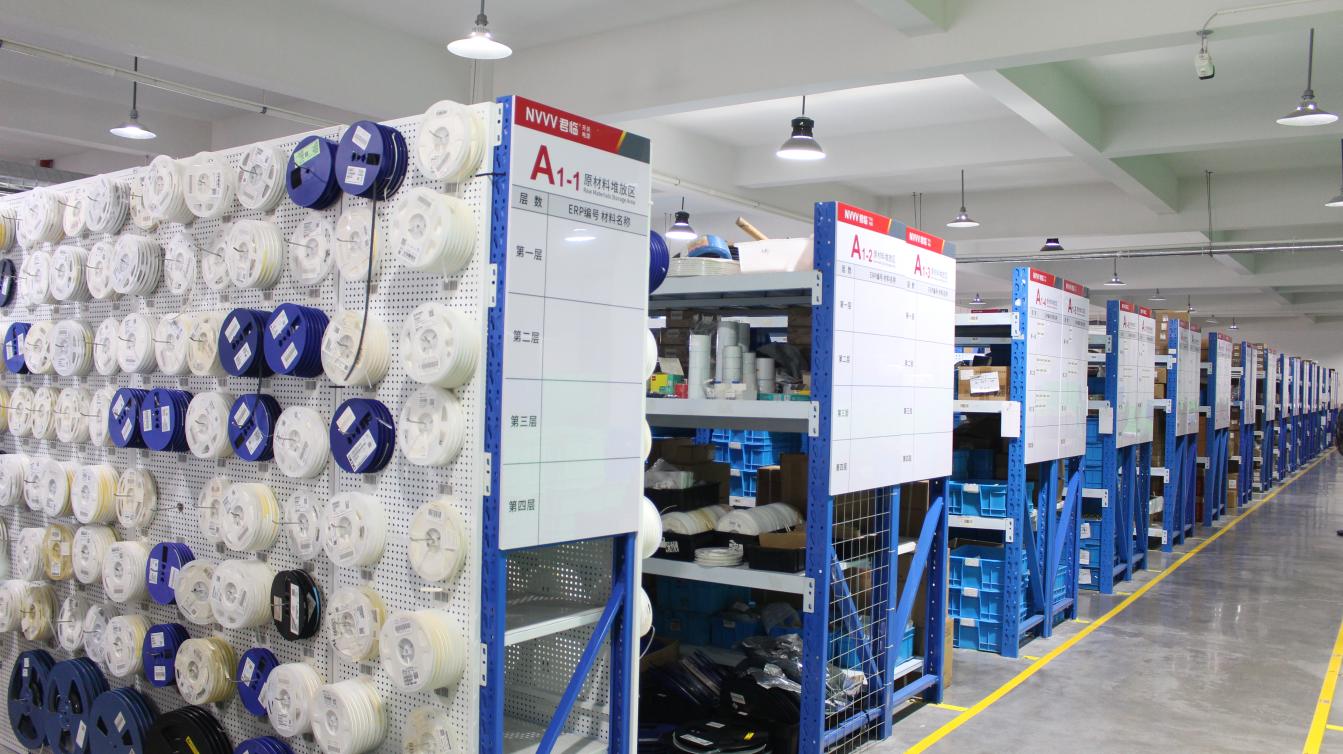
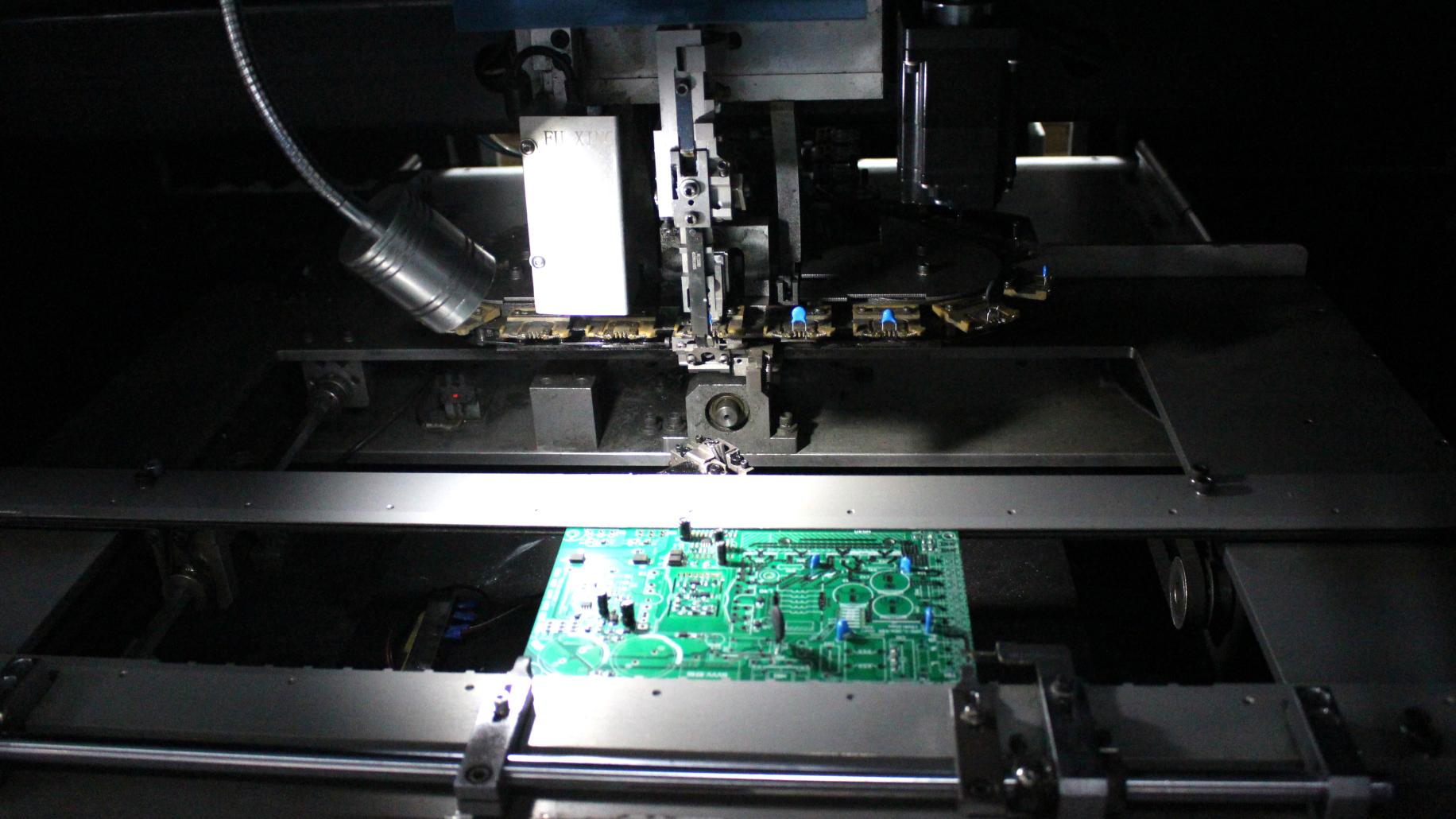
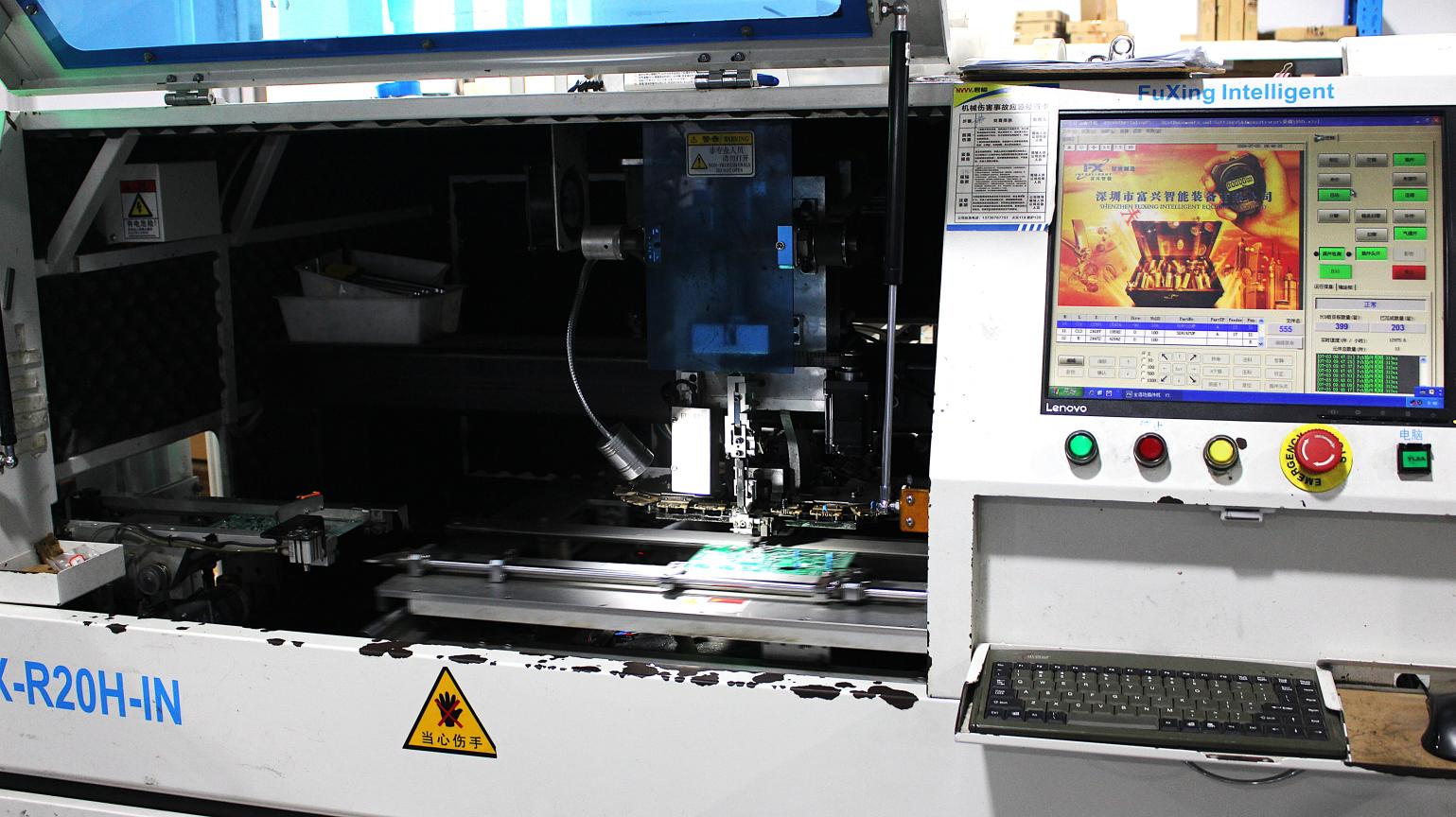
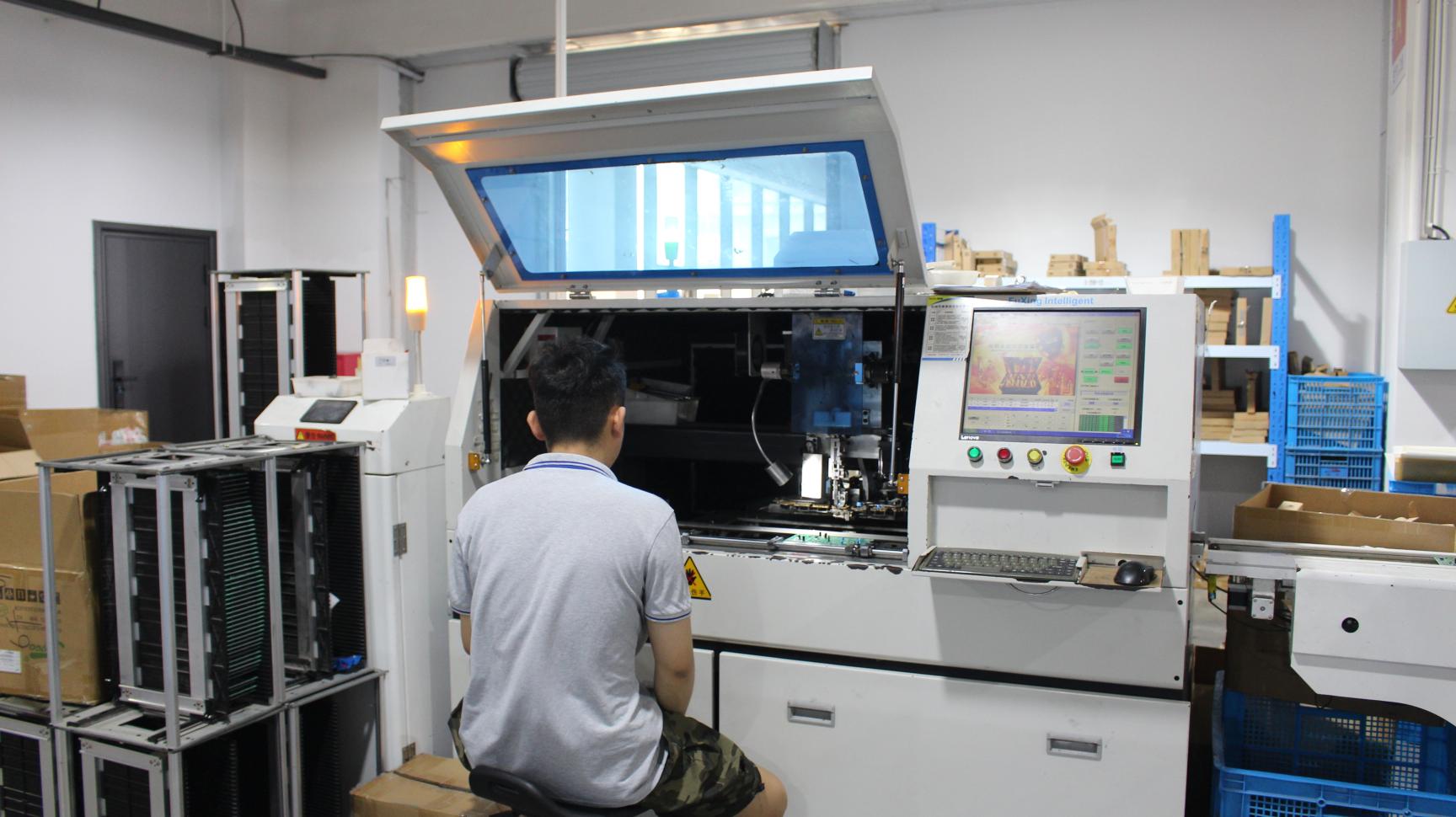
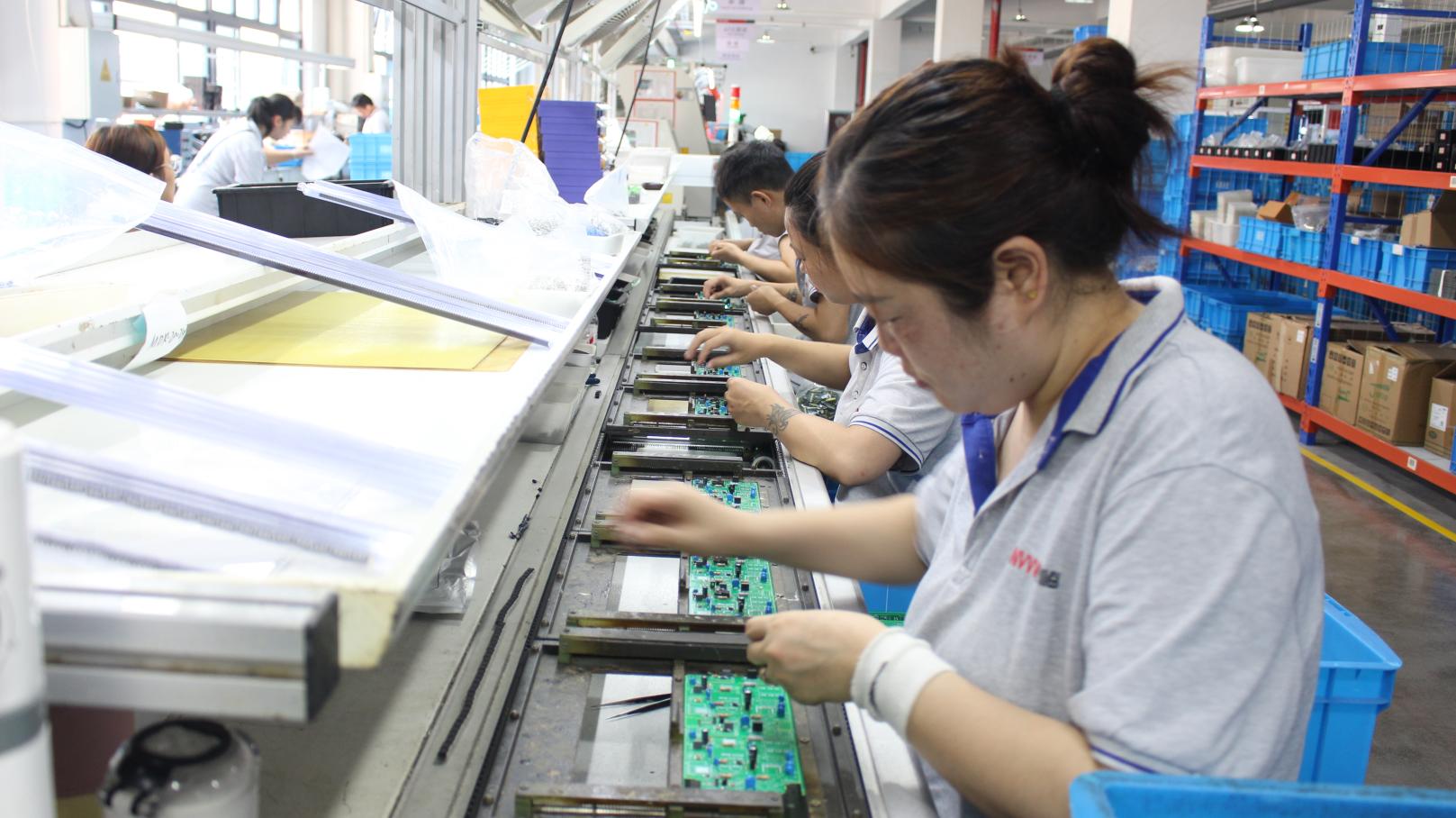
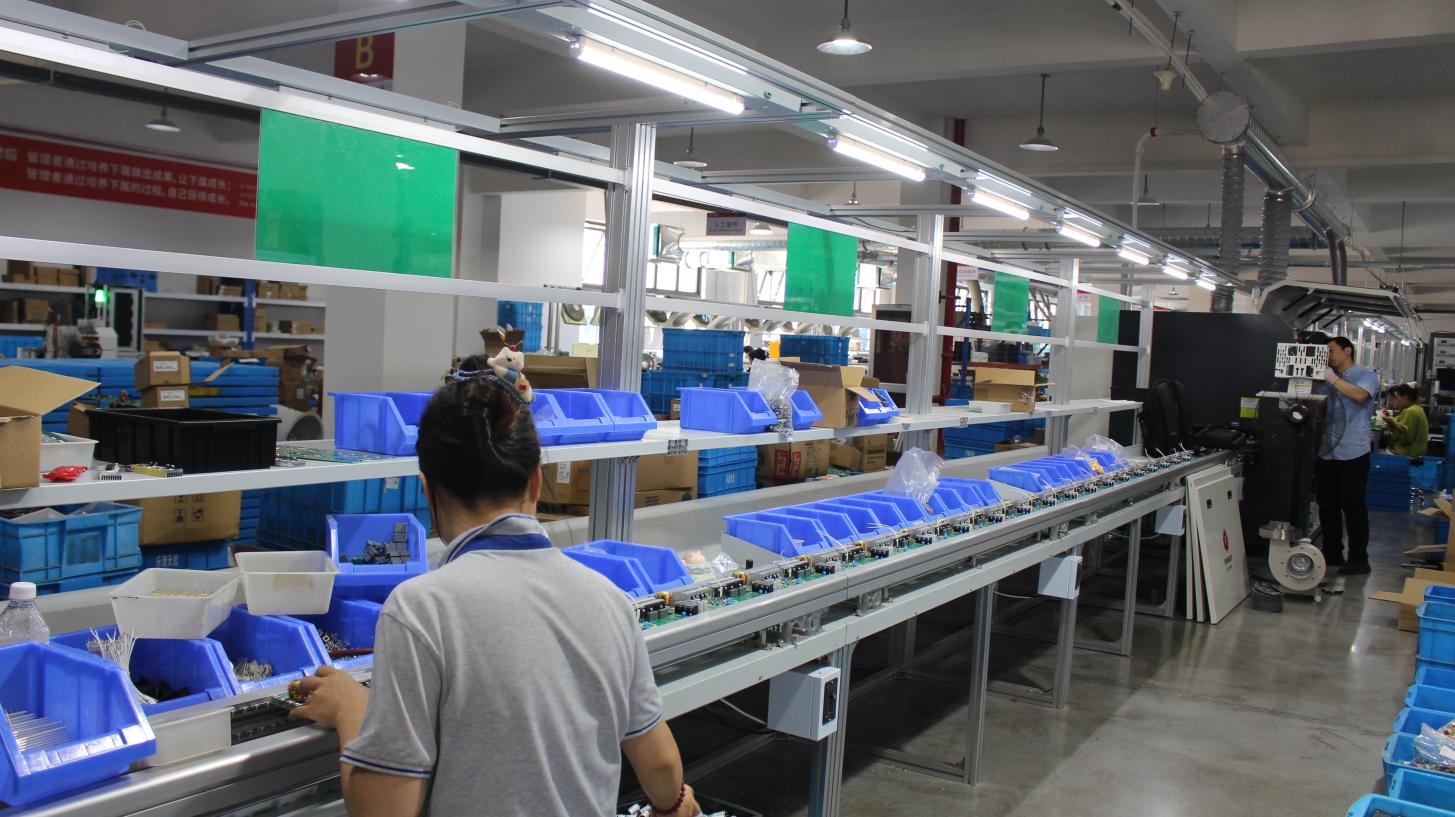
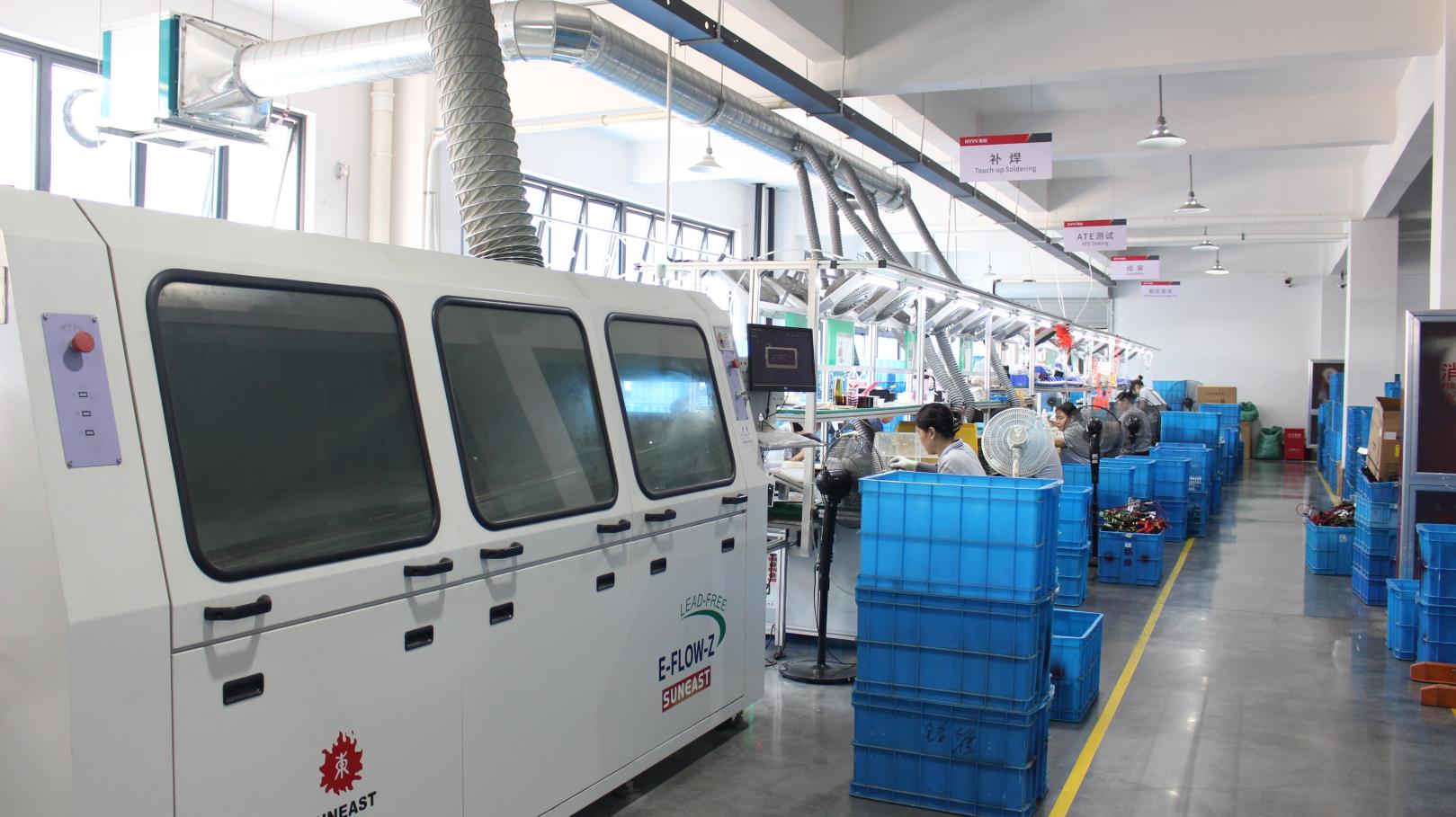
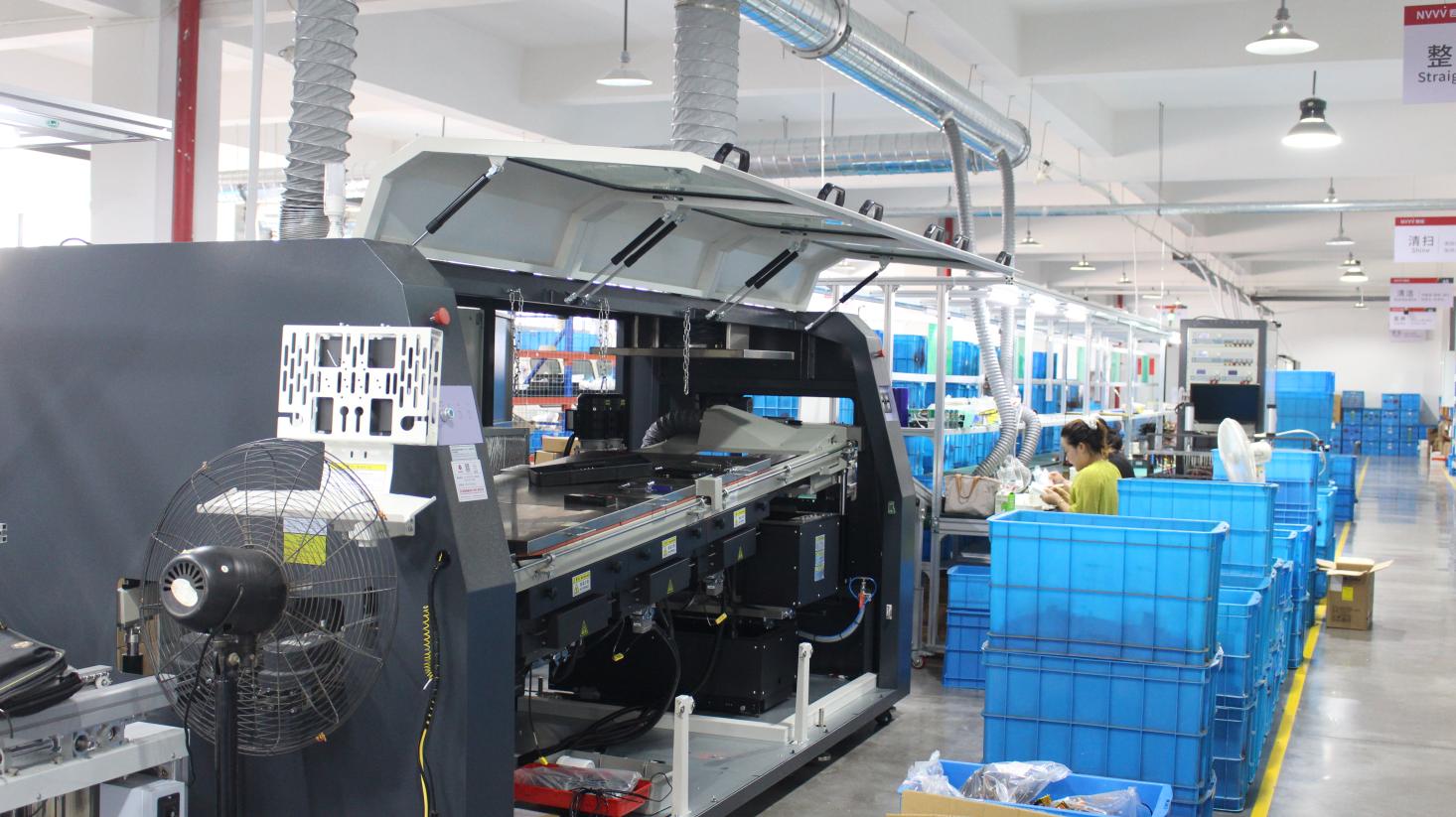
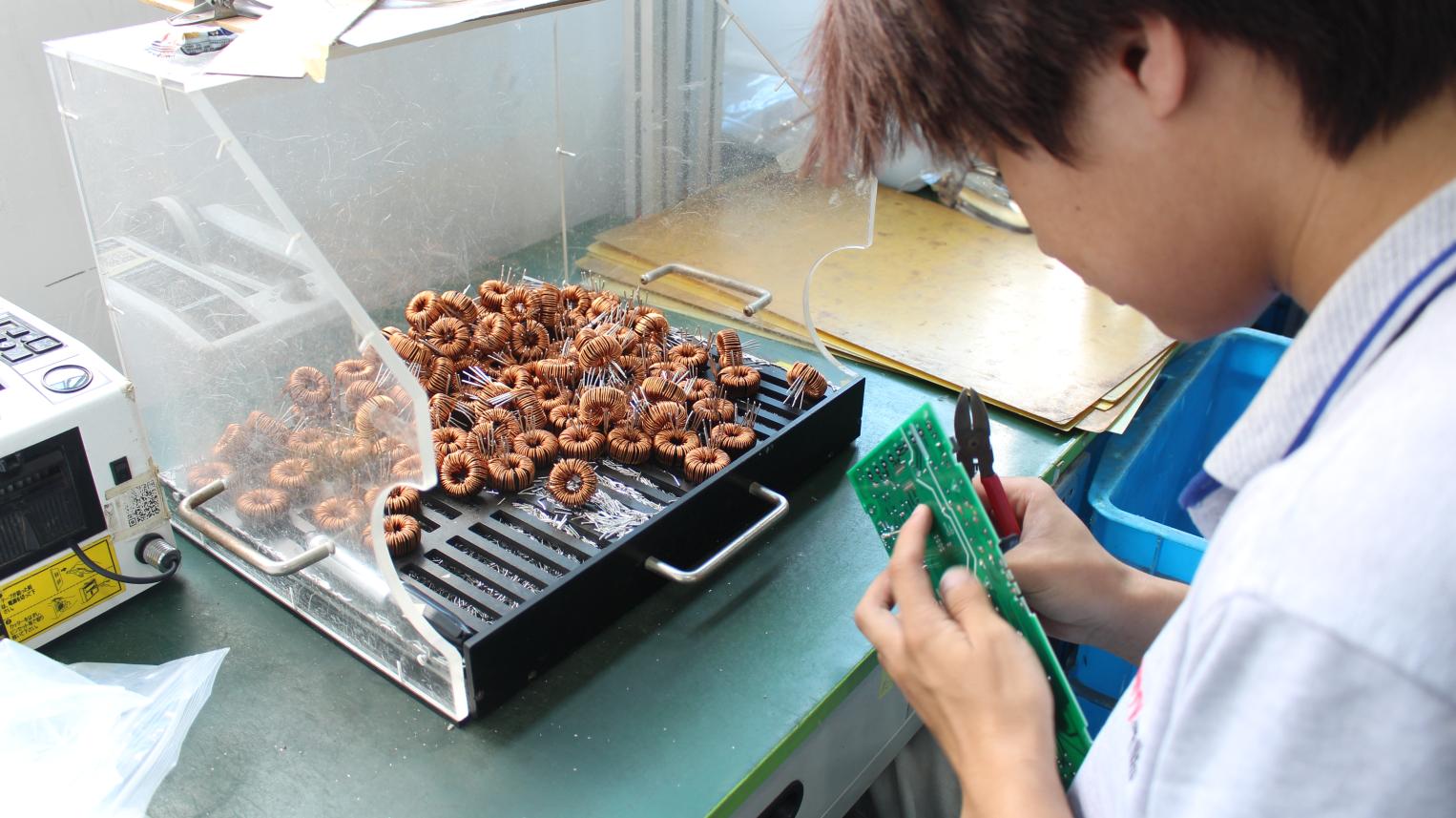
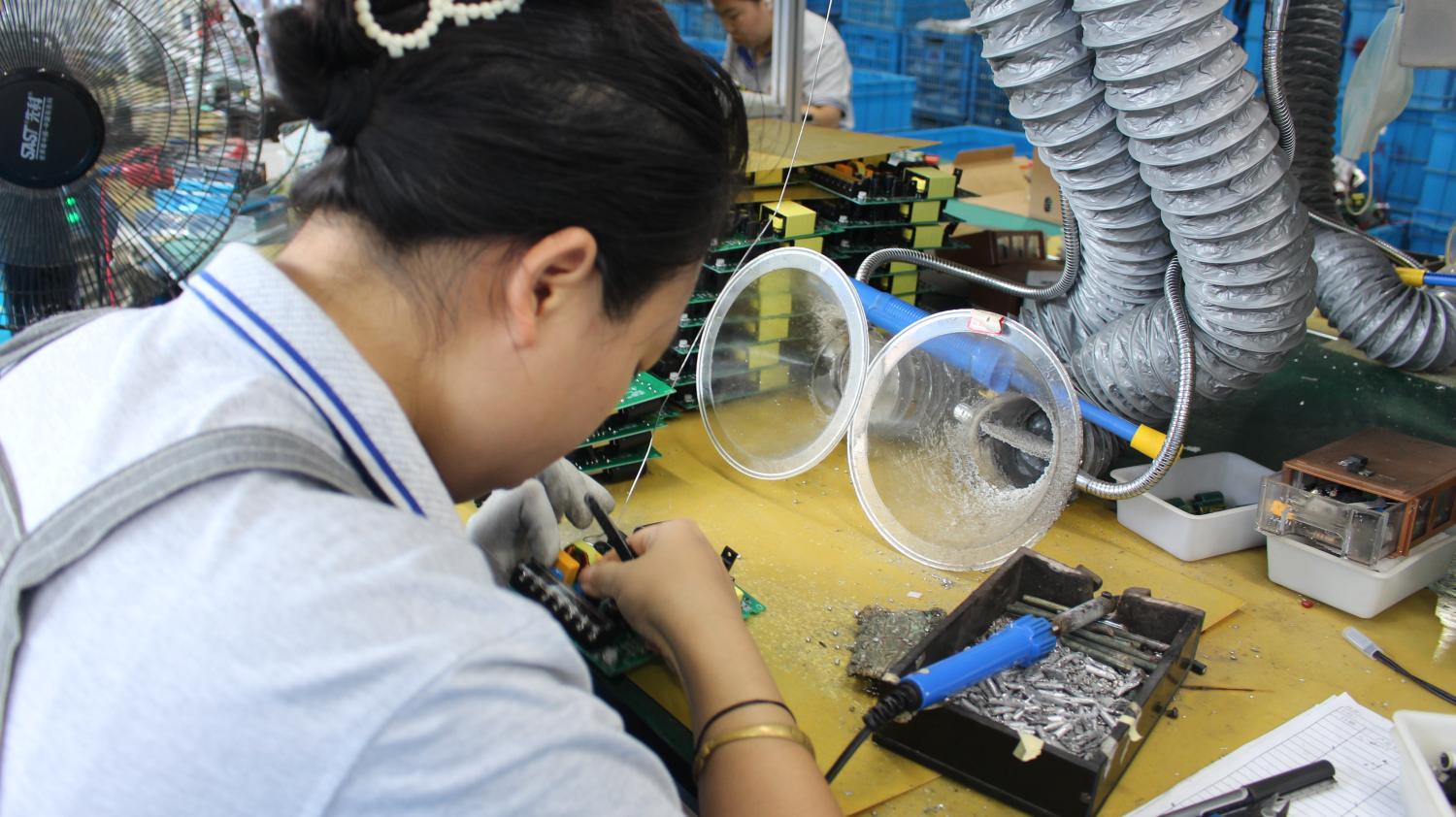
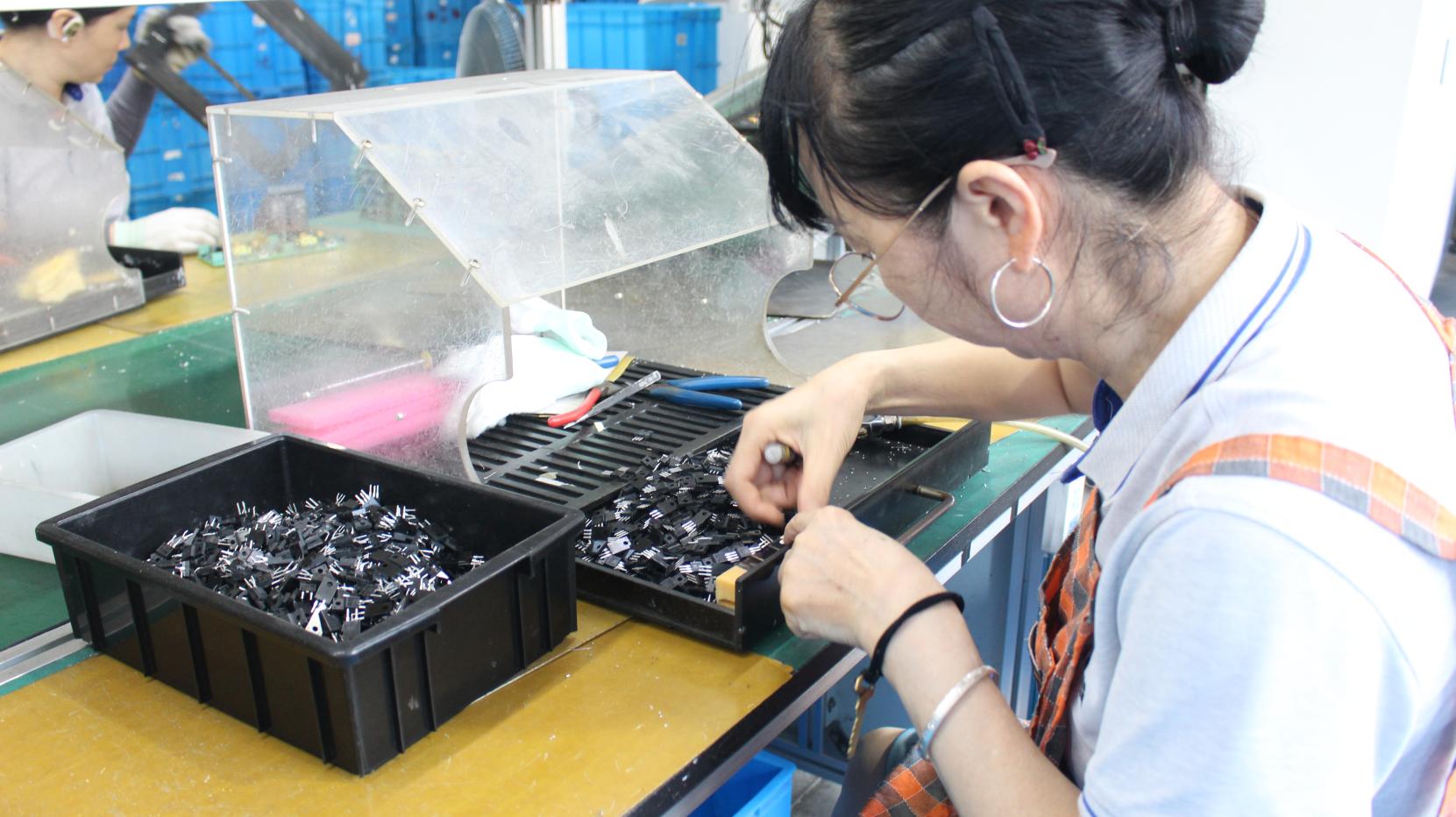
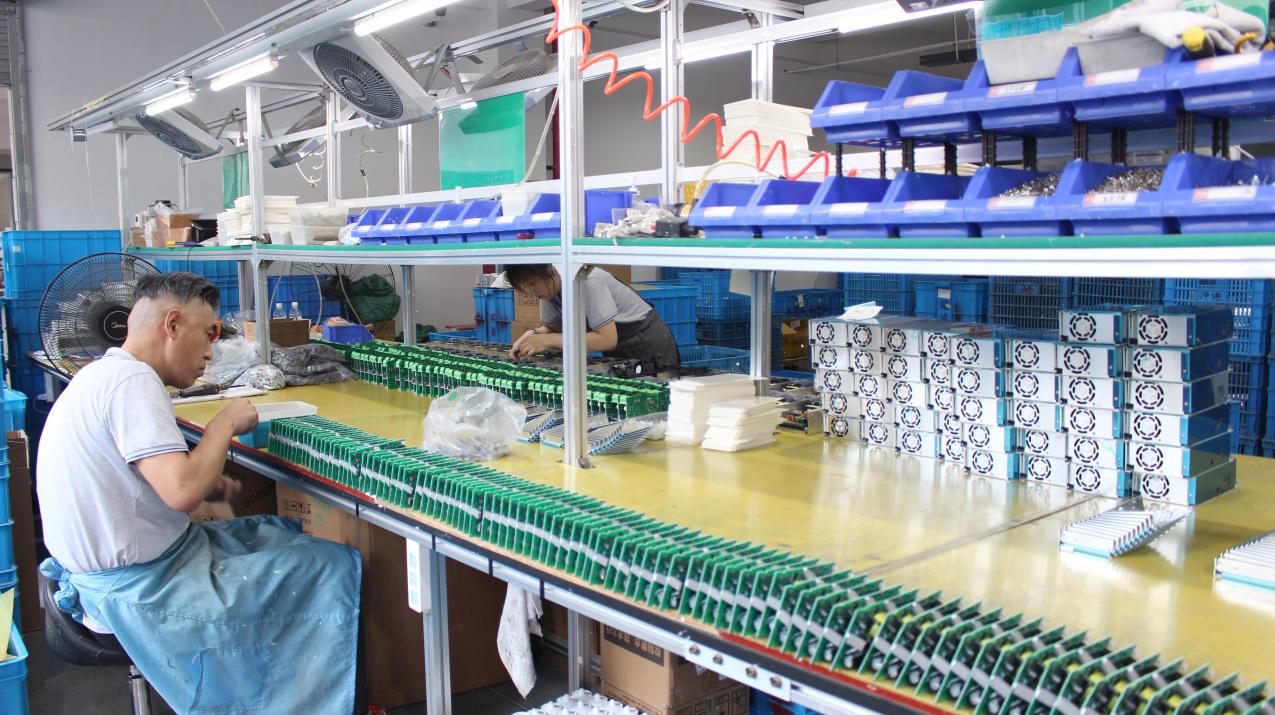
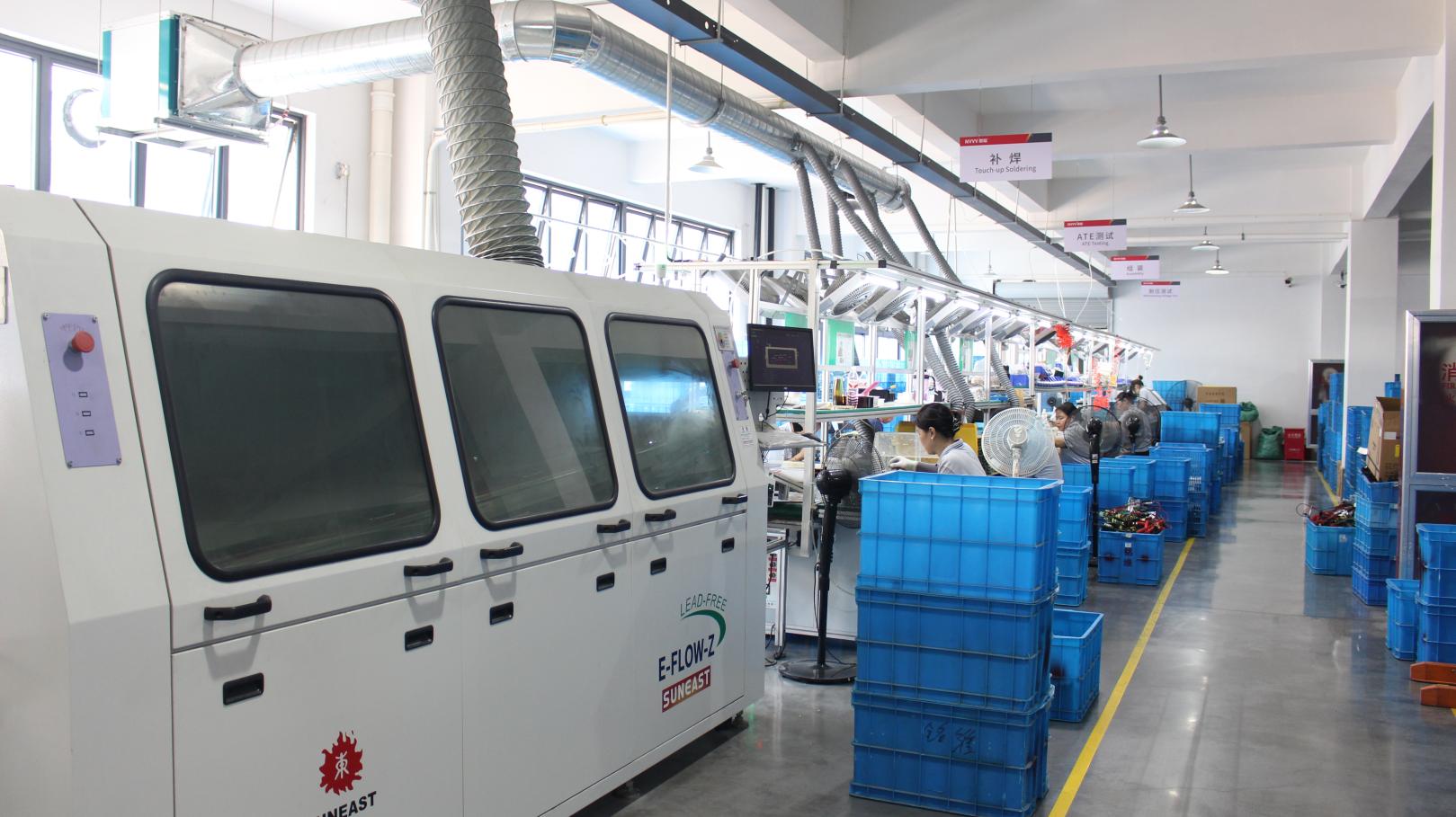
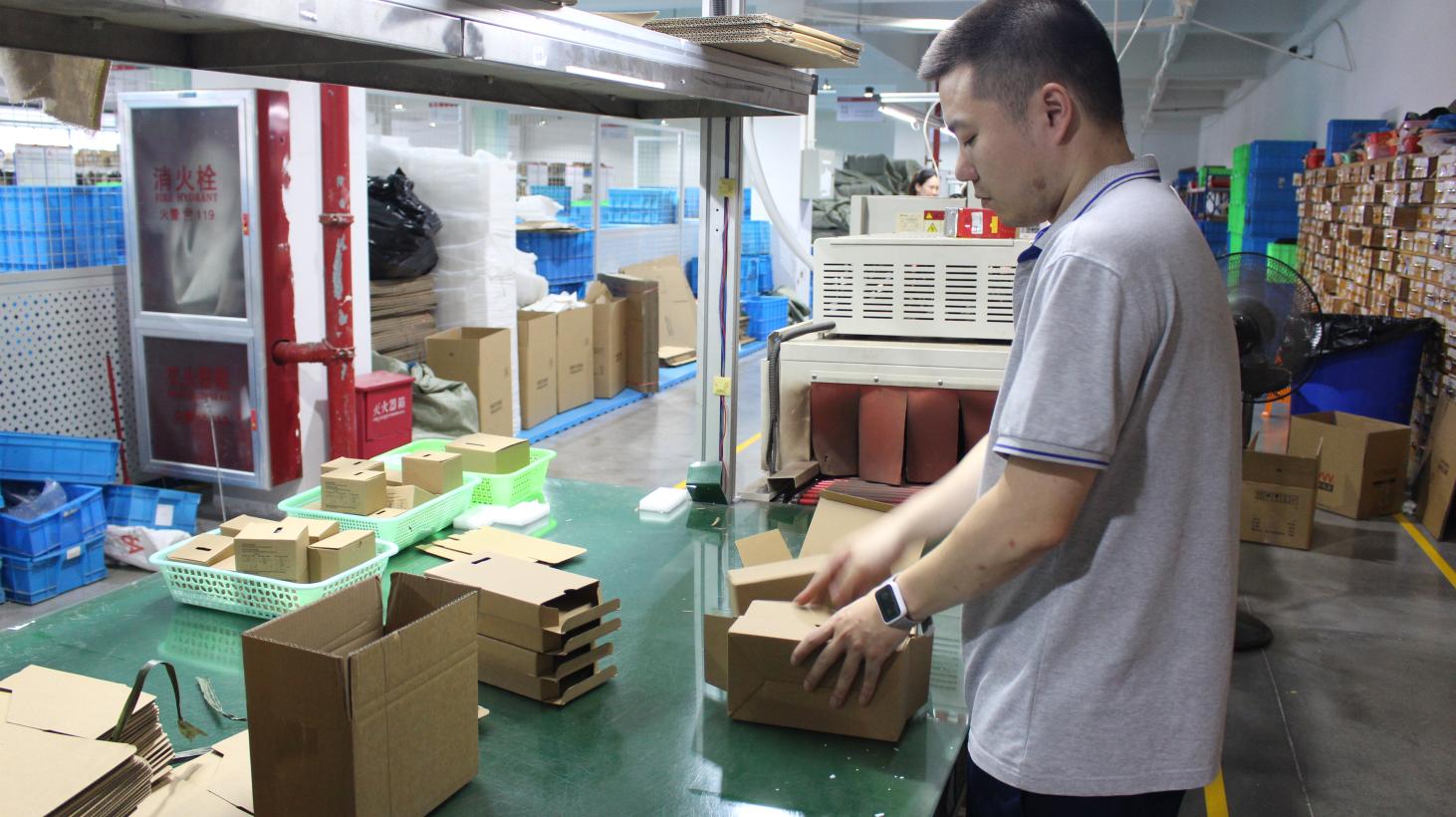
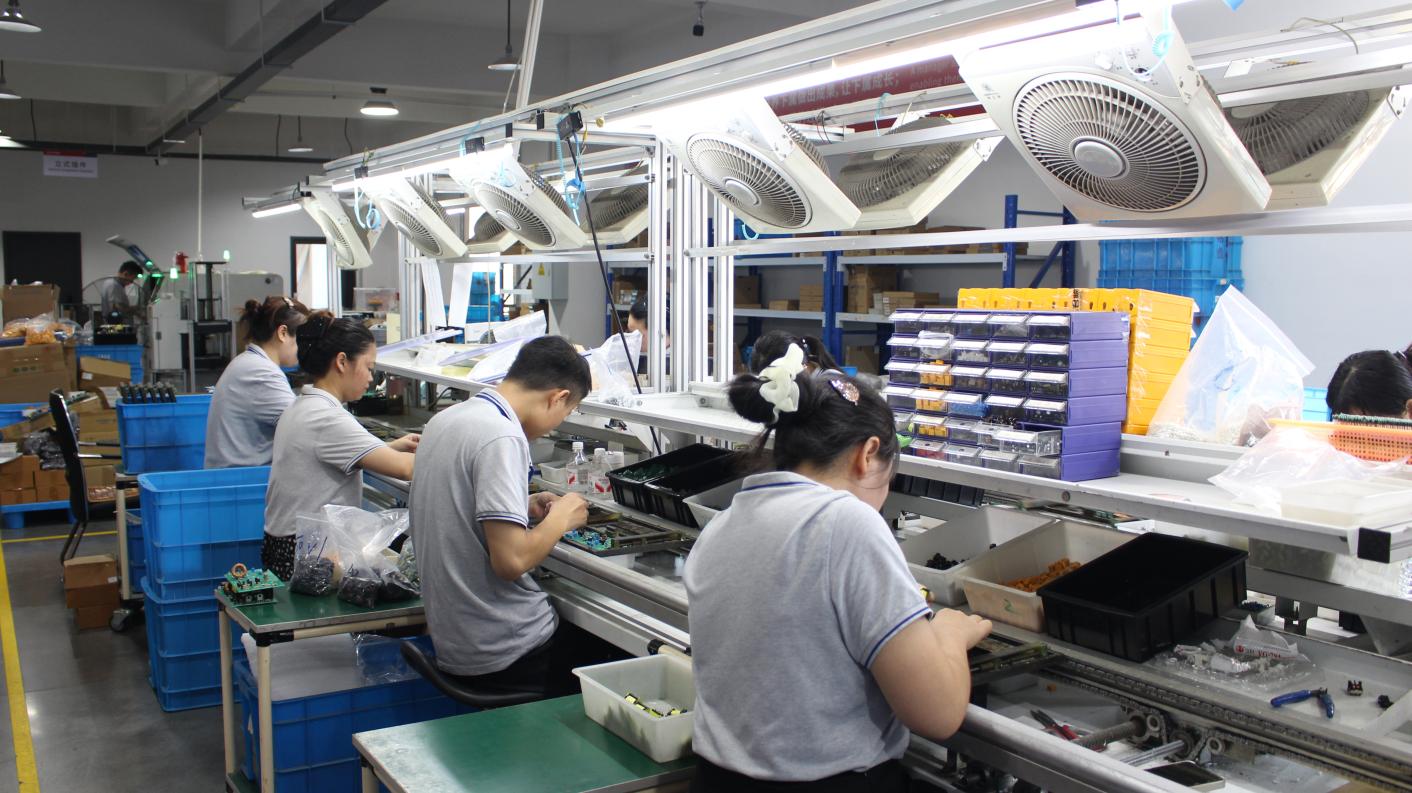
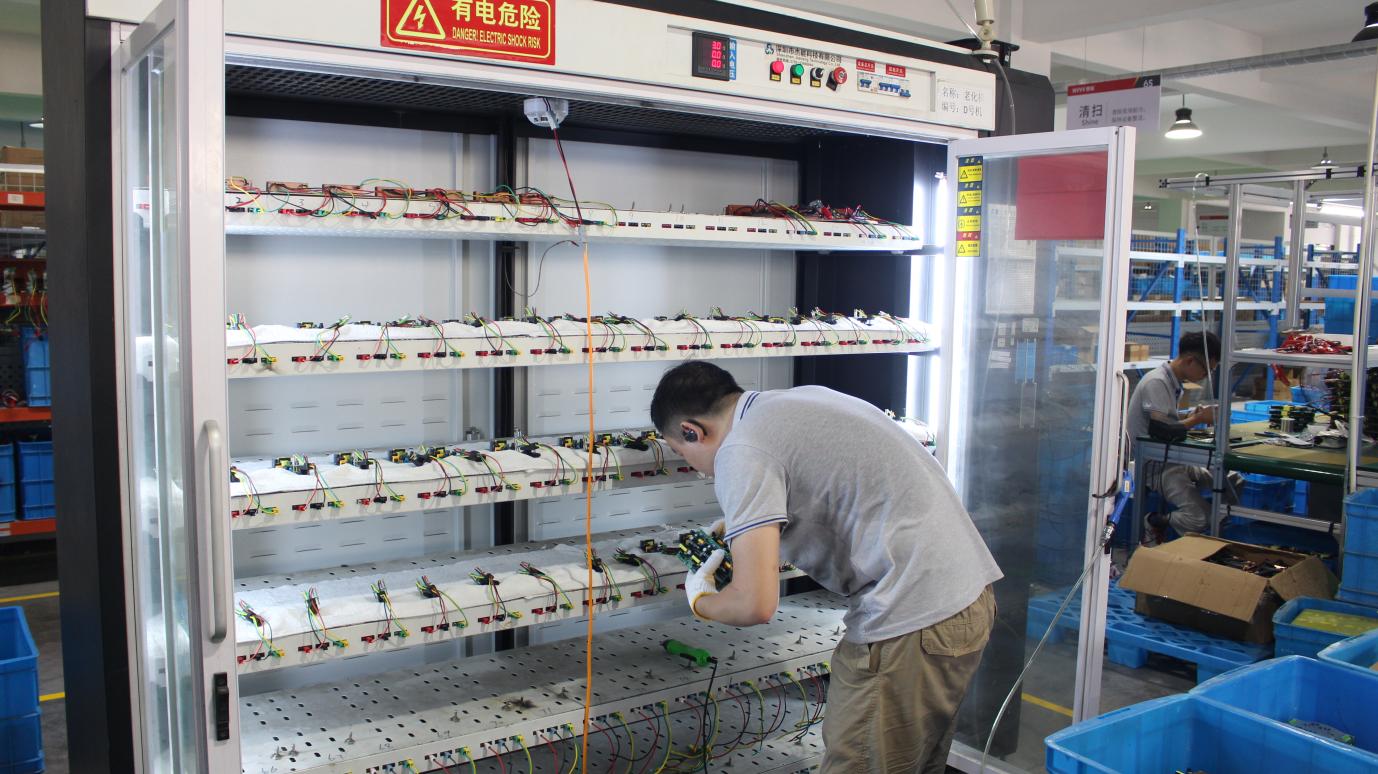
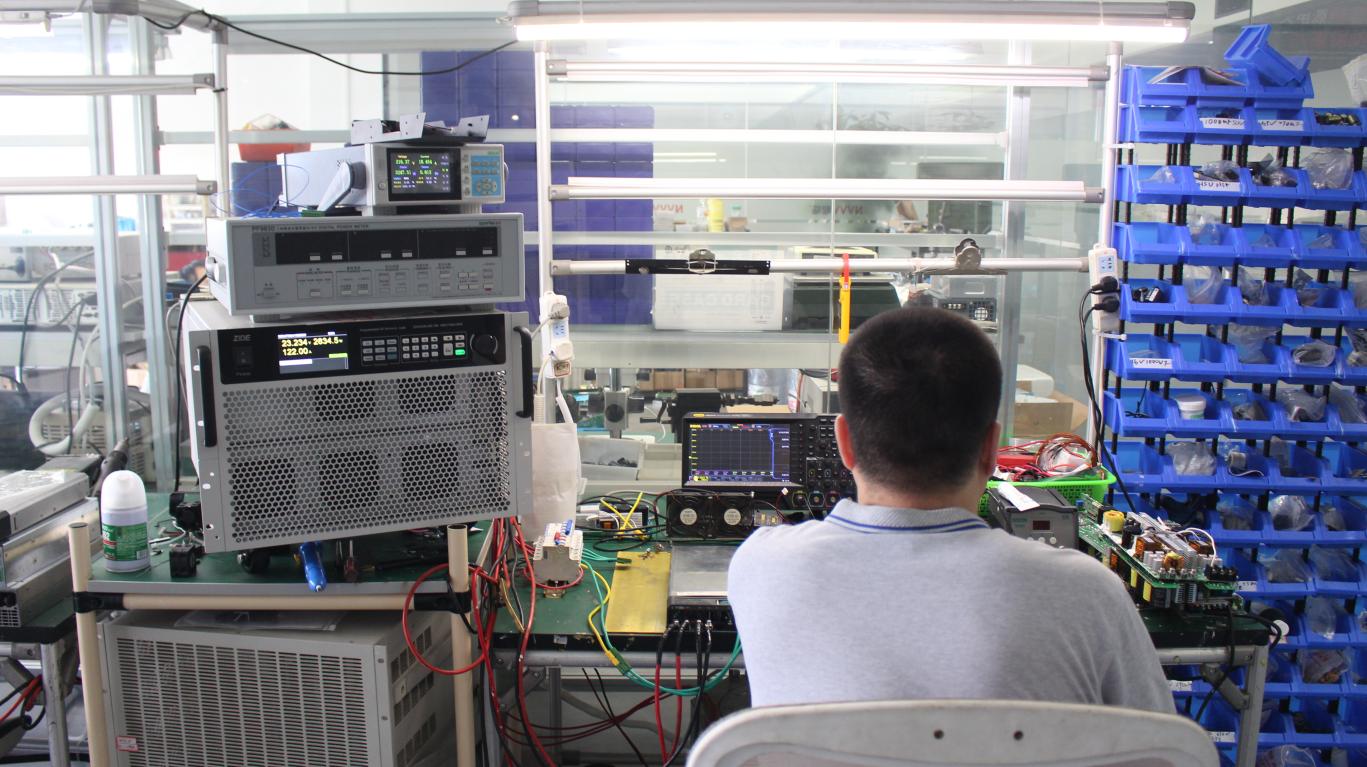
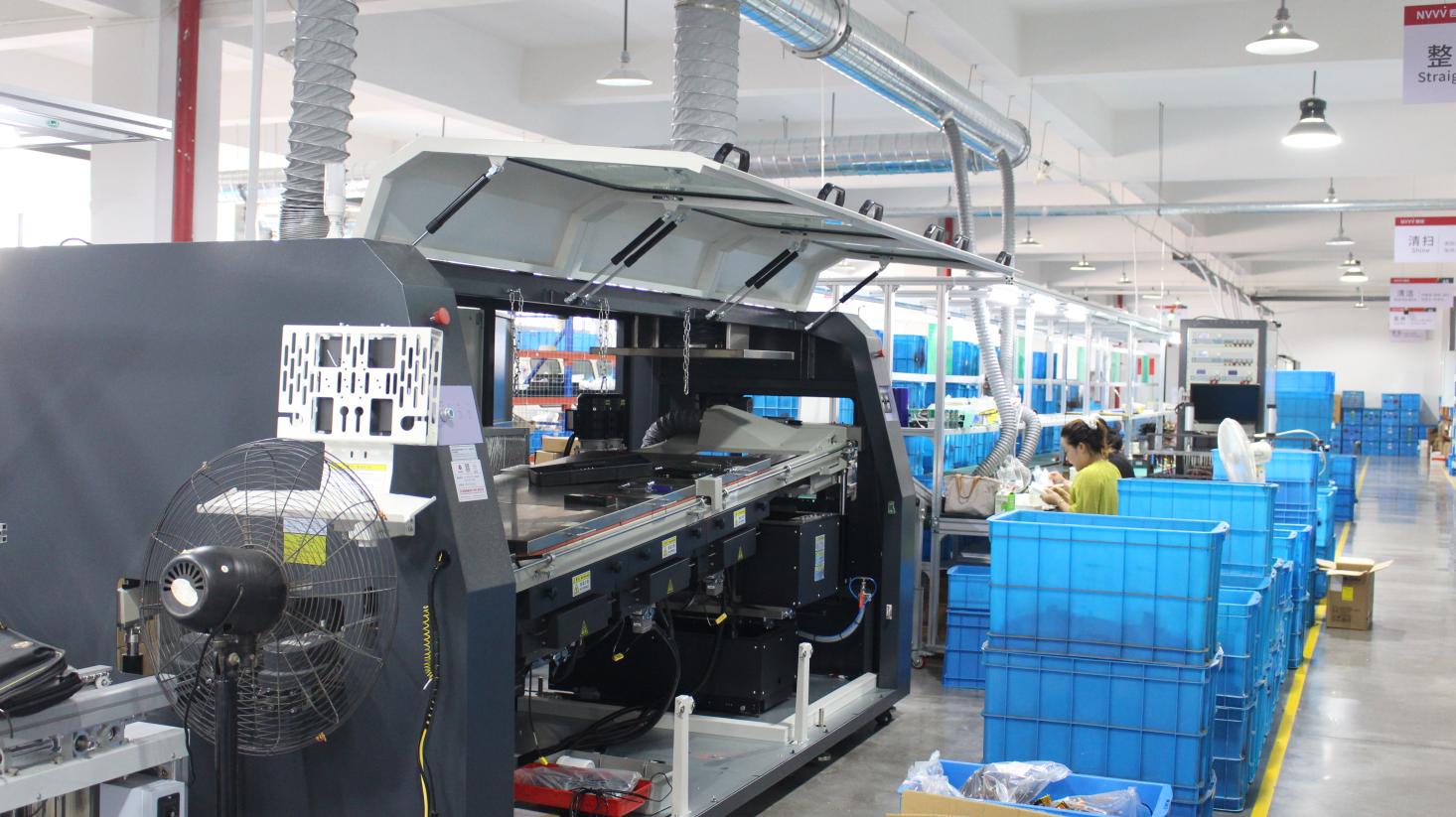
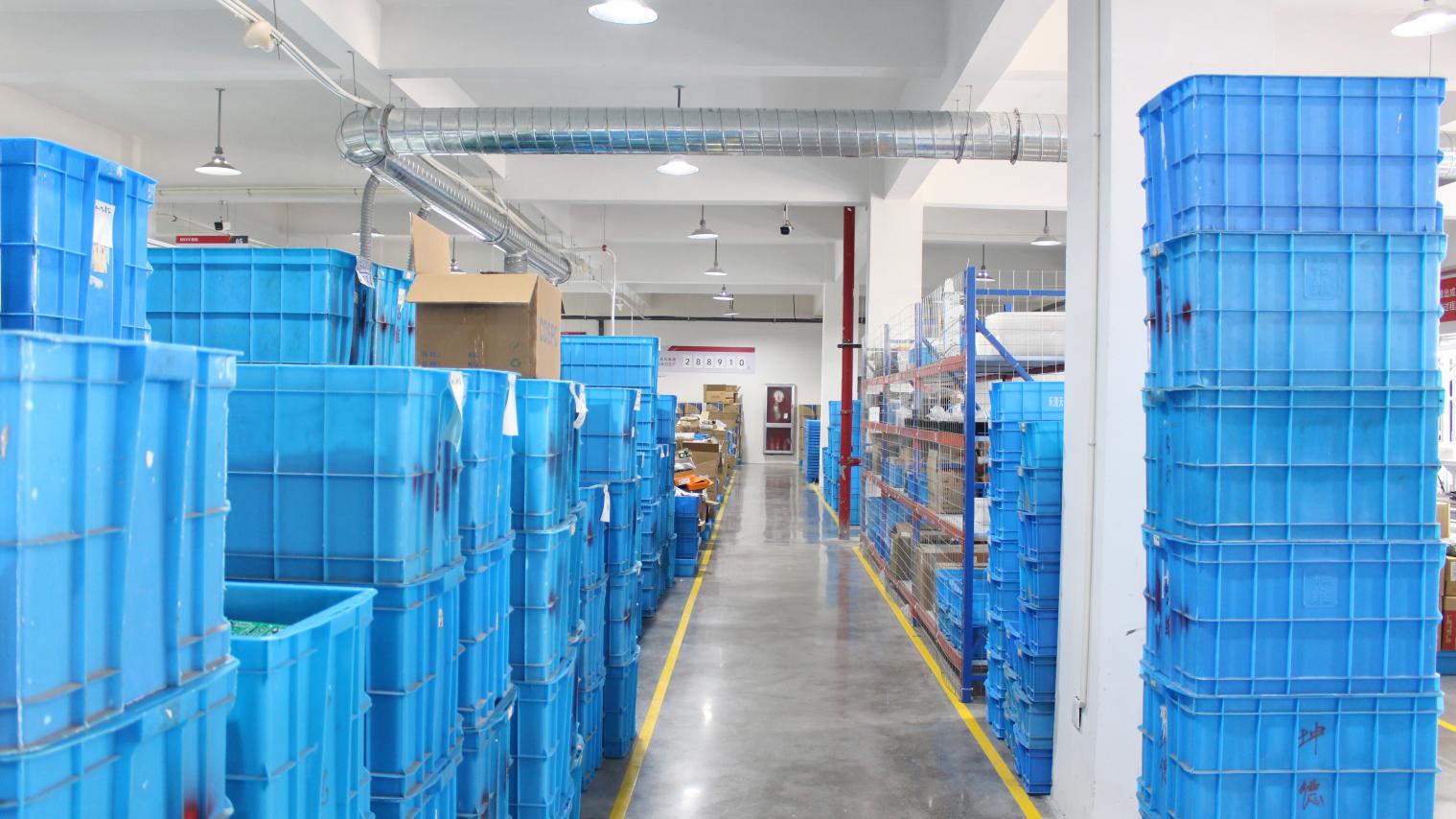
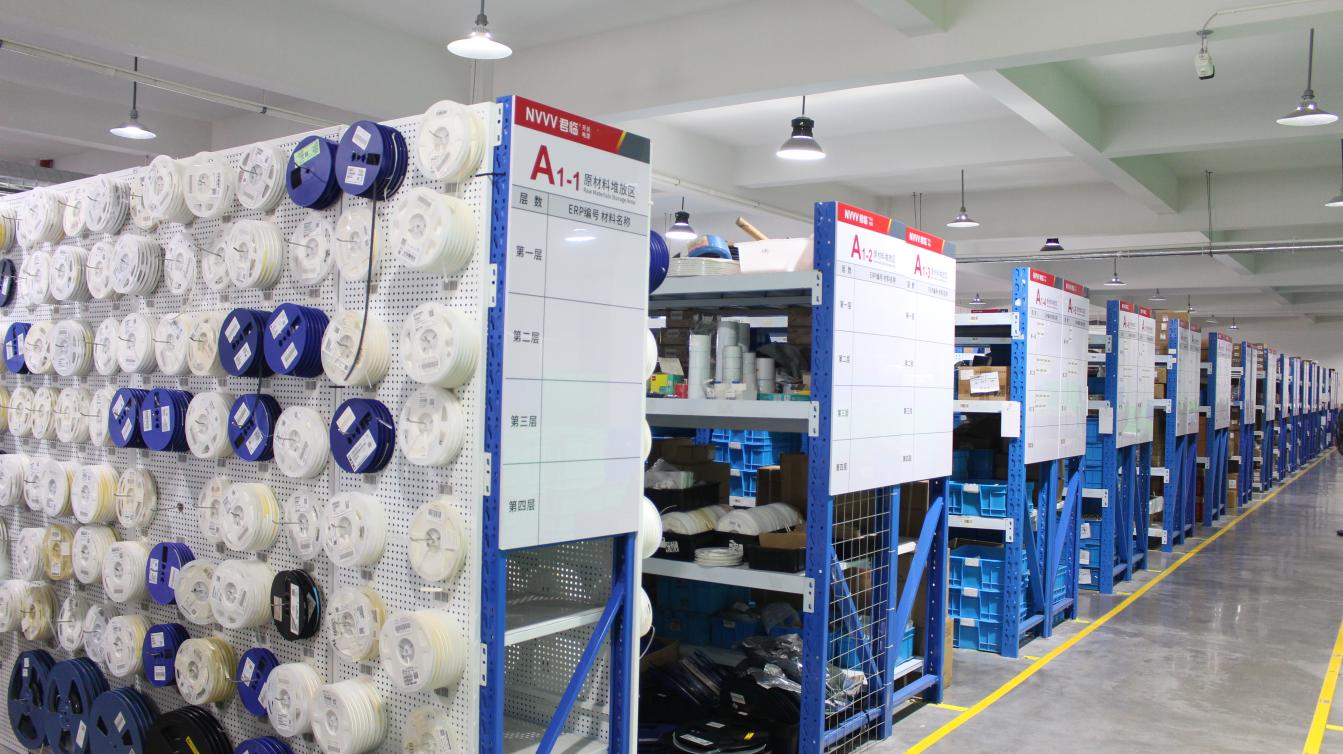
Importing industrial power systems requires navigating a complex environment of international standards. Top exporters provide certified solutions that match local target markets.
FCC Part 15 Class B compliance for electromagnetic compatibility, alongside UL/CSA equivalent certifications, ensures smooth integration in residential and industrial spaces.
Rigorous CE LVD and EMC directives compliance combined with post-Brexit UKCA certification allows frictionless trade across the European Economic Area and Great Britain.
Compliance with BIS (Bureau of Indian Standards) ensures high safety standards for Indian infrastructure, while CCC handles standard requirements within Greater China.
High-quality switching power supplies prevent electrical faults through structural protections, including Over-Current Protection (OCP), Over-Voltage Protection (OVP), Short-Circuit Protection (SCP), and Over-Temperature Protection (OTP). Implementing certified components guarantees reliability and avoids operational liability.
Modern switching power supply units are built with diverse topologies to meet specific operating conditions:
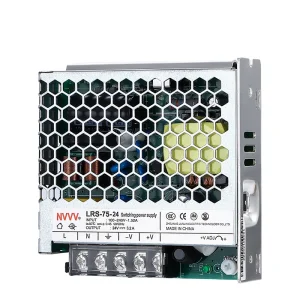
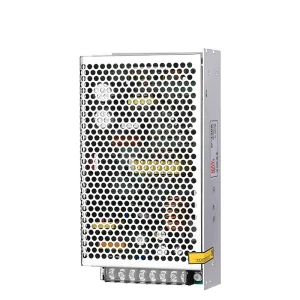
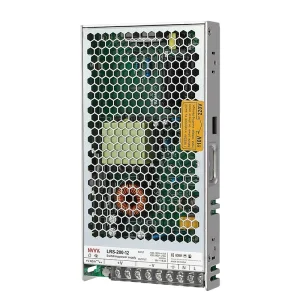
Mounted inside control panels to power PLCs, HMIs, and actuators. Highly stable DIN Rail power supplies are required to withstand harsh factory vibration and thermal loads.
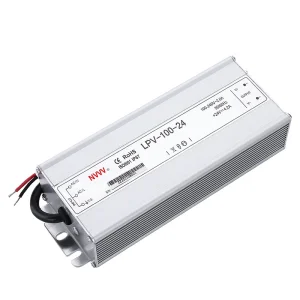
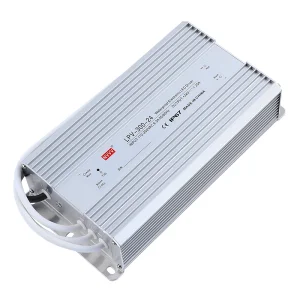
Requires rainproof or fully sealed waterproof (IP67) structures to handle weather variations and transient surges in public spaces.
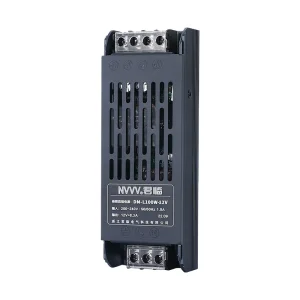
Requires high-frequency filtration to maintain low ripple and noise, preventing interference in video surveillance feeds.
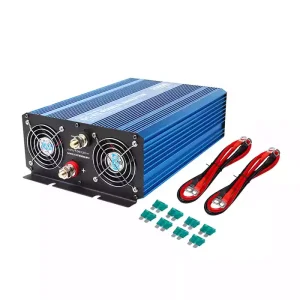
Utilizes high-capacity DC/AC pure sine wave inverters with smart microcontrollers (MCU) to convert solar panel battery output into grid-quality power.
Looking toward 2026, the SMPS sector is undergoing structural changes. Industry-leading exporters are focusing on several key technical shifts:
Transitioning from standard silicon to Gallium Nitride (GaN) and Silicon Carbide (SiC) switches allows for faster switching frequencies, reduced transformer sizes, and efficiencies exceeding 94%.
Traditional analog feedback loops are being replaced by digital signal processors (DSPs) to dynamically adjust operational variables under variable load conditions.
Exporters are optimizing topologies to minimize no-load standby power draw, in line with strict European Union Energy-Related Products (ErP) directives.
Linear power supplies regulate voltage by dropping excess power across a series element, operating at low efficiencies (typically 30-50%). In contrast, a switched power supply utilizes high-frequency electronic switching (MOSFETs) to regulate power output. This delivers efficiencies of 80-95%, lower operating temperatures, and a lighter chassis.
Ripple is the residual AC voltage component superimposed on the DC output, while noise represents high-frequency switching transients. Lower ripple and noise (typically <100mVp-p) are crucial for sensitive electronics like CCTV cameras, telecom equipment, and precision sensors to prevent signal distortion or logic errors.
Compliance certifications verify that the power supply meets strict safety, electromagnetic interference (EMI), and electromagnetic compatibility (EMC) regulations in different jurisdictions. Sourcing uncertified power supplies can lead to import rejection, fines, and safety issues under thermal overload conditions.
A reliable manufacturing workflow requires 100% full-load burn-in (aging) testing at elevated temperatures (typically 40°C to 50°C) for several hours, along with automated optical inspection (AOI), vibration tests, high and low temperature chamber tests, and dielectric strength (Hi-Pot) tests to check safety isolation boundaries.
Browse our multi-output switching power supplies, high-capacity industrial SMPS modules, and intelligent programmable systems.
 NVVV Electric