Engineered with high efficiency, active stabilization, and surge suppression for the demanding Brazilian energy market.
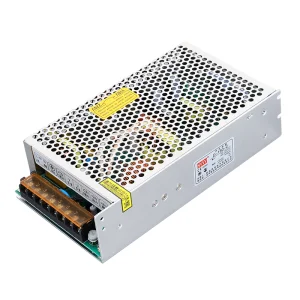
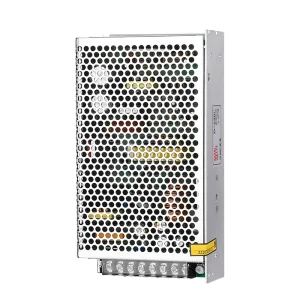
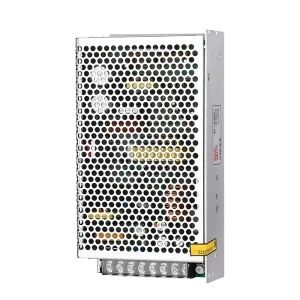
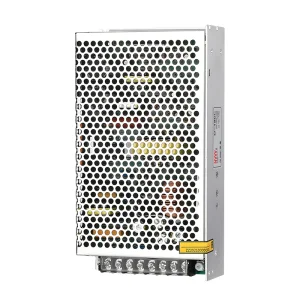
Brazil represents one of the most dynamic yet challenging environments for industrial power management. The country's power grid is characterized by a diverse mix of regional distribution systems, operating at different standard nominal voltages. Unlike unified grid structures, industrial operations in regions like São Paulo and Rio de Janeiro interface with standard consumer/light industrial voltages of 127V and 220V, often subject to considerable load fluctuations and voltage sag.
Furthermore, Brazil's geographic disposition leads to high lightning density and transient voltage surges, placing extreme stress on Switch Mode Power Supply (SMPS) installations. Standard power converters frequently fail under these conditions due to inadequate component selection or poor isolation barriers. Consequently, Brazilian system integrators, telecom companies, and automation distributors require highly resilient dual switch power supplies that offer broad input voltage tolerances and reliable galvanic separation.
To operate reliably within Brazilian industrial zones (such as the Manaus Free Trade Zone or São Paulo's industrial belt), dual switch power supplies must feature wide-range input capacity (such as auto-switching or wide-range universal AC inputs), robust transient overvoltage protection (surge ratings matching IEC 61000-4-5 standards), and high-efficiency thermal management to withstand the subtropical ambient temperatures.
Voltage Standards: 127V / 220V Dual Phase Availability
Frequency: 60Hz Standardized
Transient Risk: High (Frequent tropical atmospheric surges)
Regulatory Bodies: ABNT, INMETRO, ANATEL (Telecom)
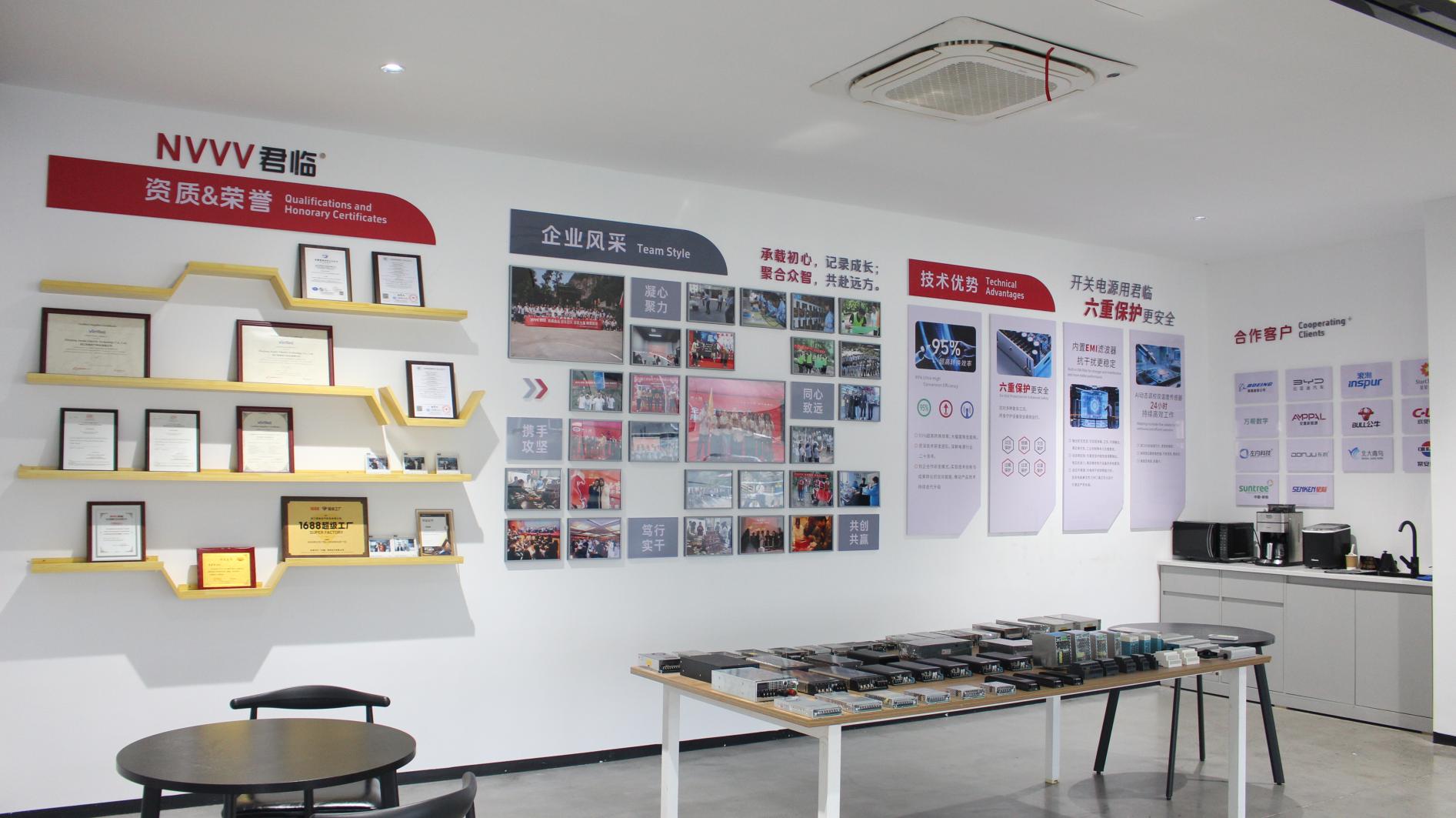
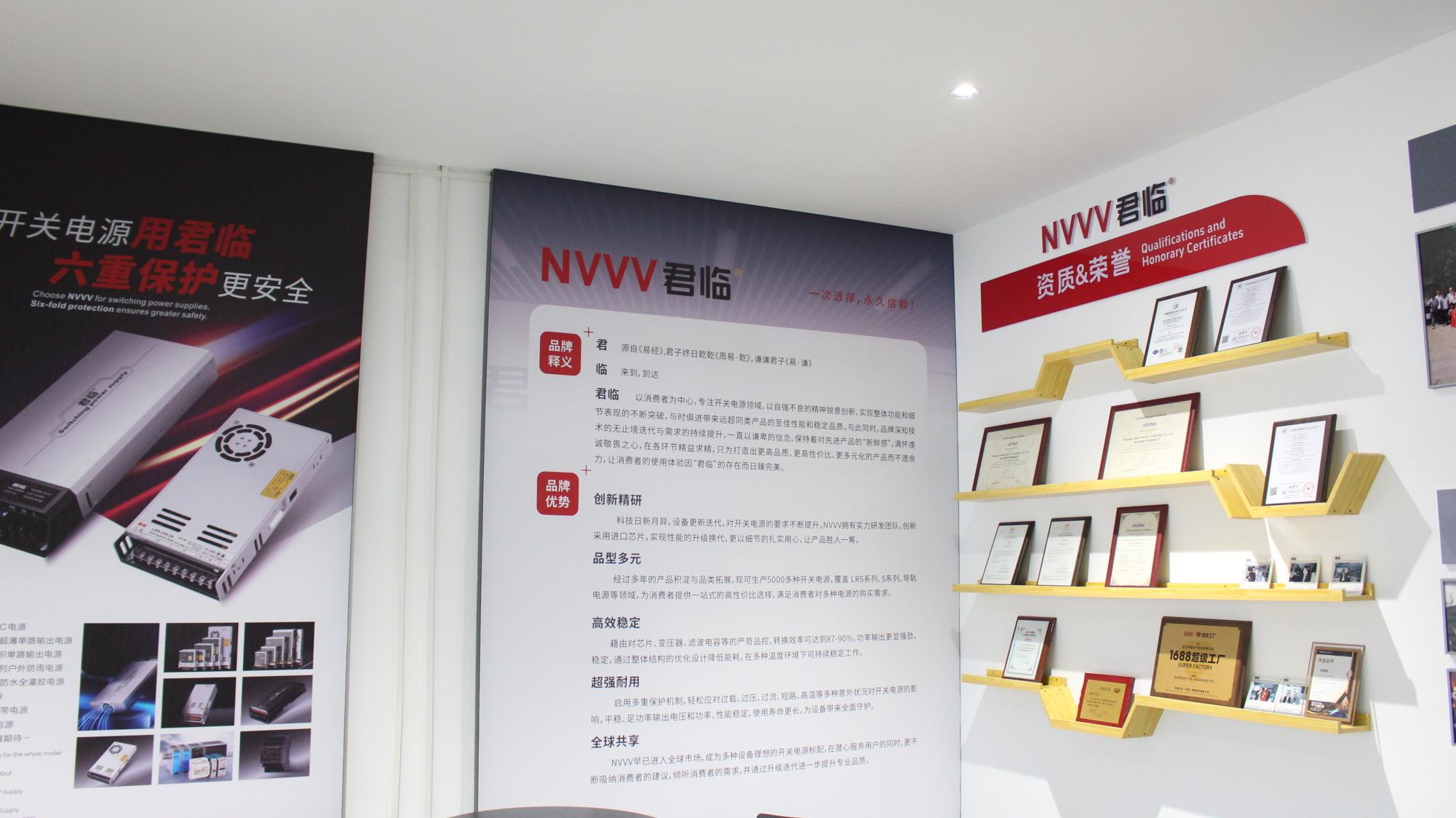
Certifications: CE, FCC, CCC, UKCA, BIS, EMC Compliant
Quality Rate: 98.6% On-Time Delivery, 31% Reorder Rate
Logistics Capability: Direct DDP/FOB channels to Brazil Ports
How double-topology designs minimize cross-regulation errors and maximize MTBF in intensive industrial deployments.
A dual switch power supply (double-ended topology or dual-output converter) utilizes a primary circuit designed to switch two power transistors simultaneously. This configuration halves the voltage stress across each power MOSFET compared to single-switch forward topologies. Lowering the voltage strain on switching components significantly reduces the risk of thermal runaway, making it an ideal choice for operations where maintenance accessibility is limited.
In addition to reliability, dual-output models (e.g., supplying 5V/12V or 12V/24V outputs) must resolve the challenge of cross-regulation. When one output rail undergoes a heavy transient load change, the secondary output rail's voltage must remain stable. NVVV’s engineering team implements advanced coupled-inductor topologies and independent secondary regulation circuits to keep cross-regulation within strict tolerances (<3%). This design protects sensitive control logic (operating on 5V or 12V) while supplying high-current loads (such as DC motors or actuators operating on 24V).
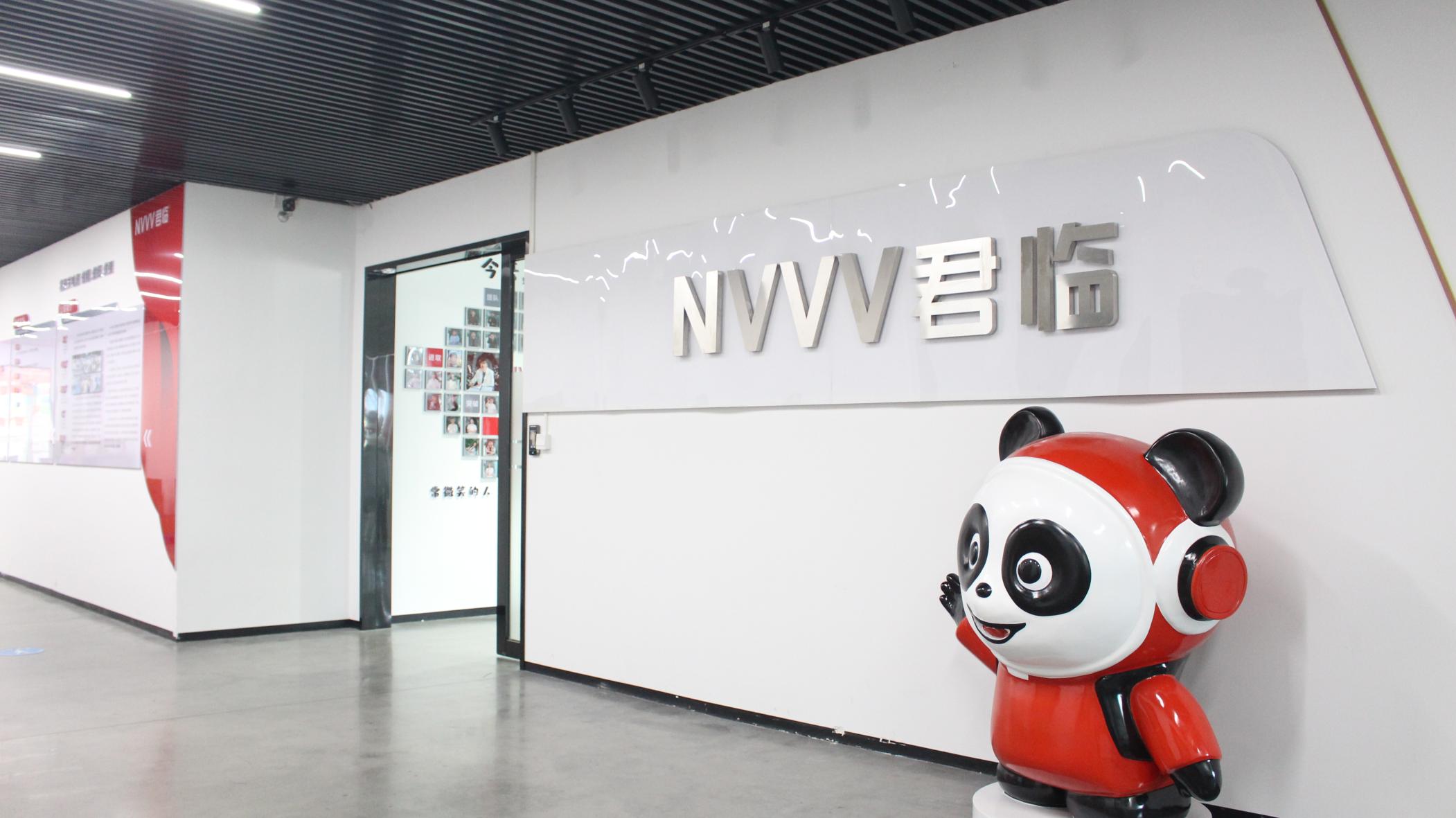
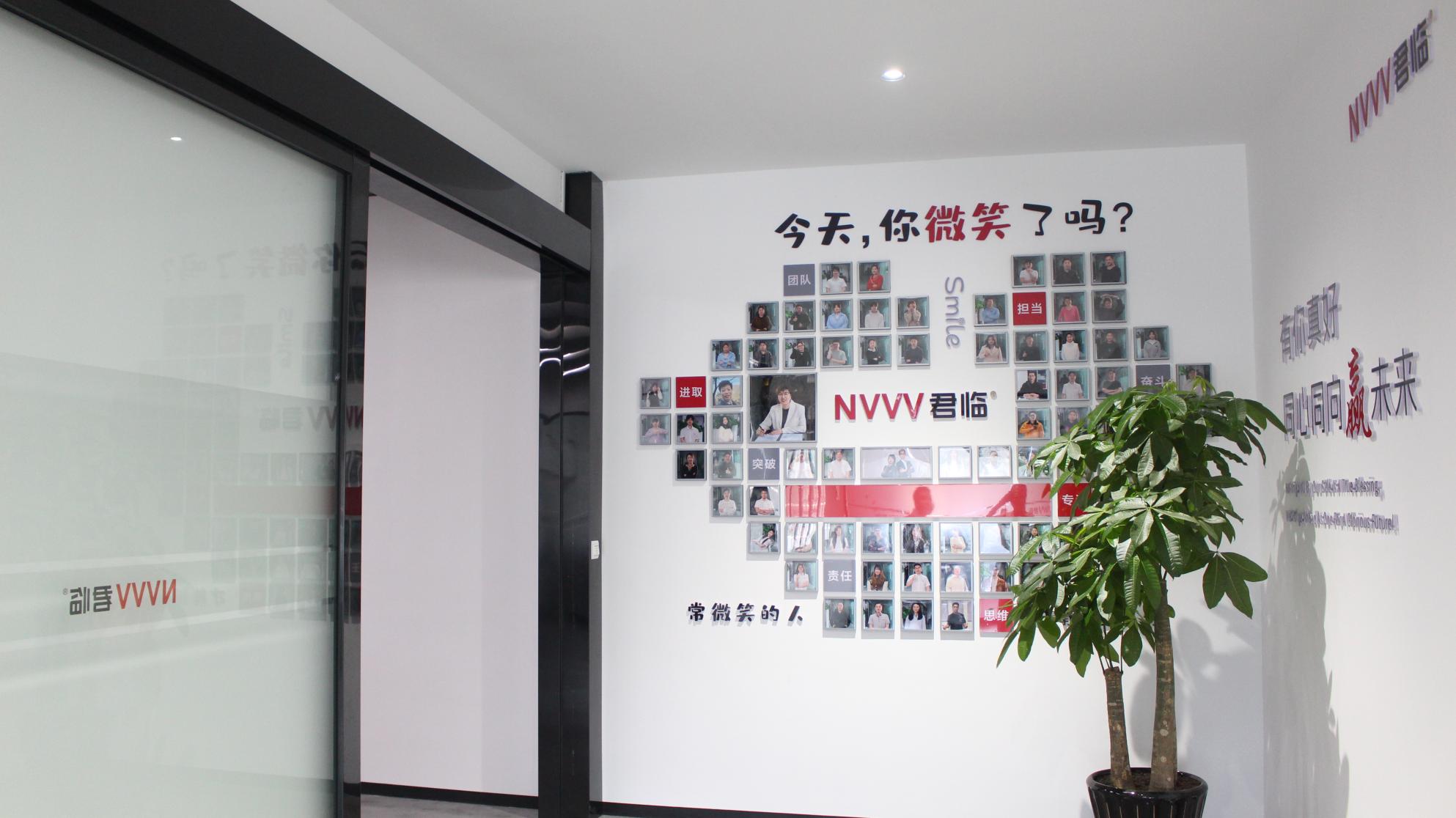
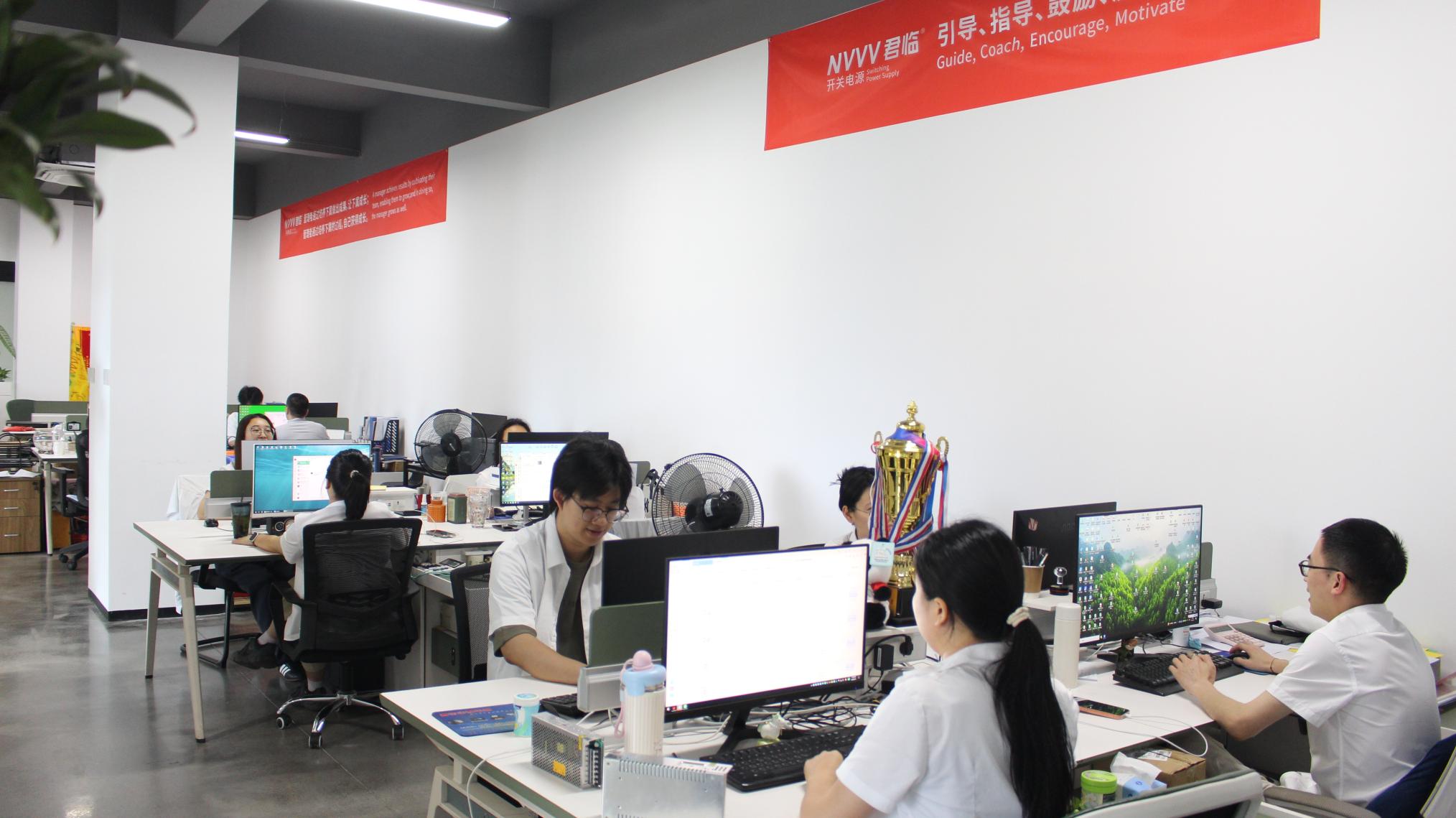
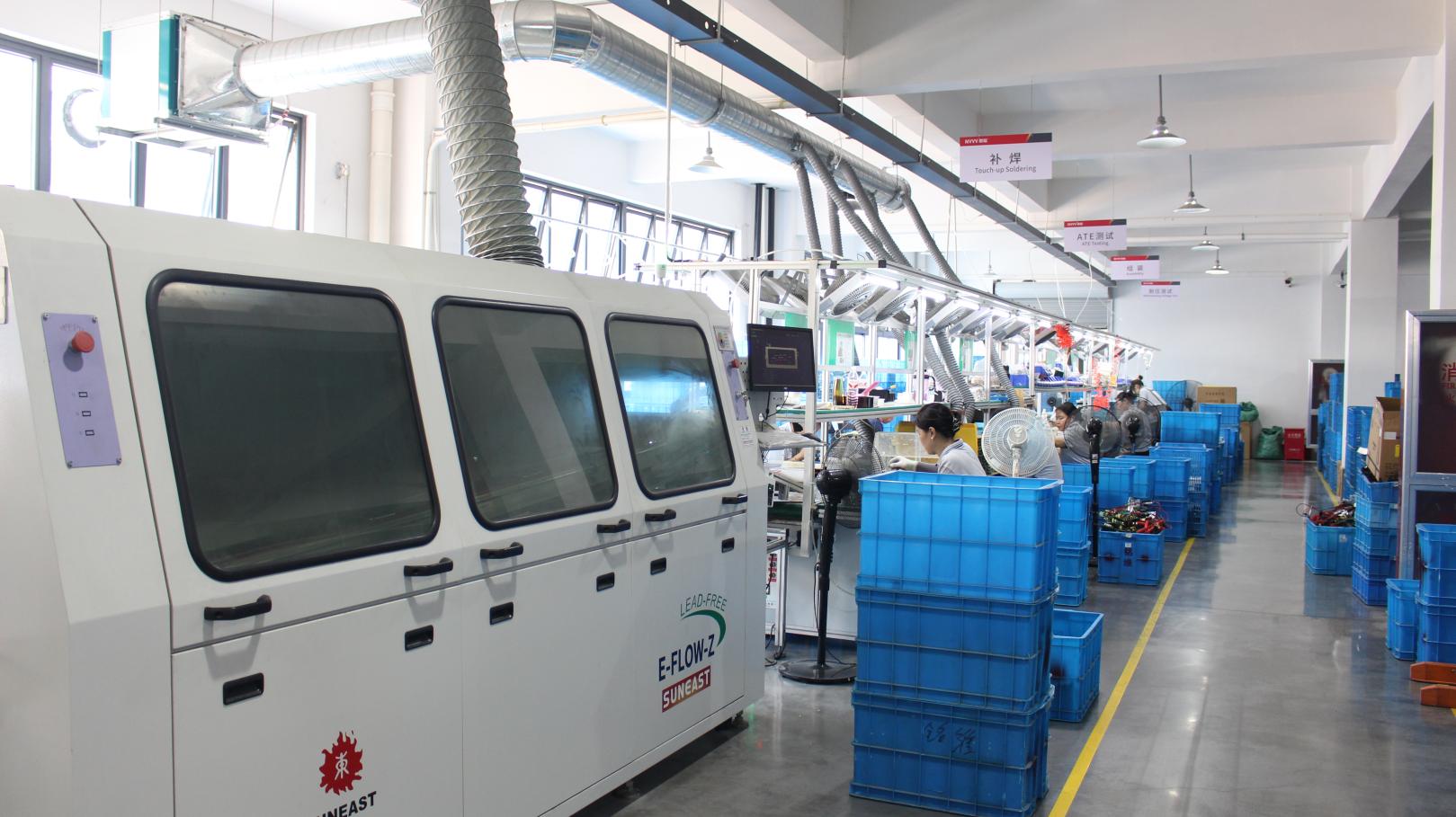
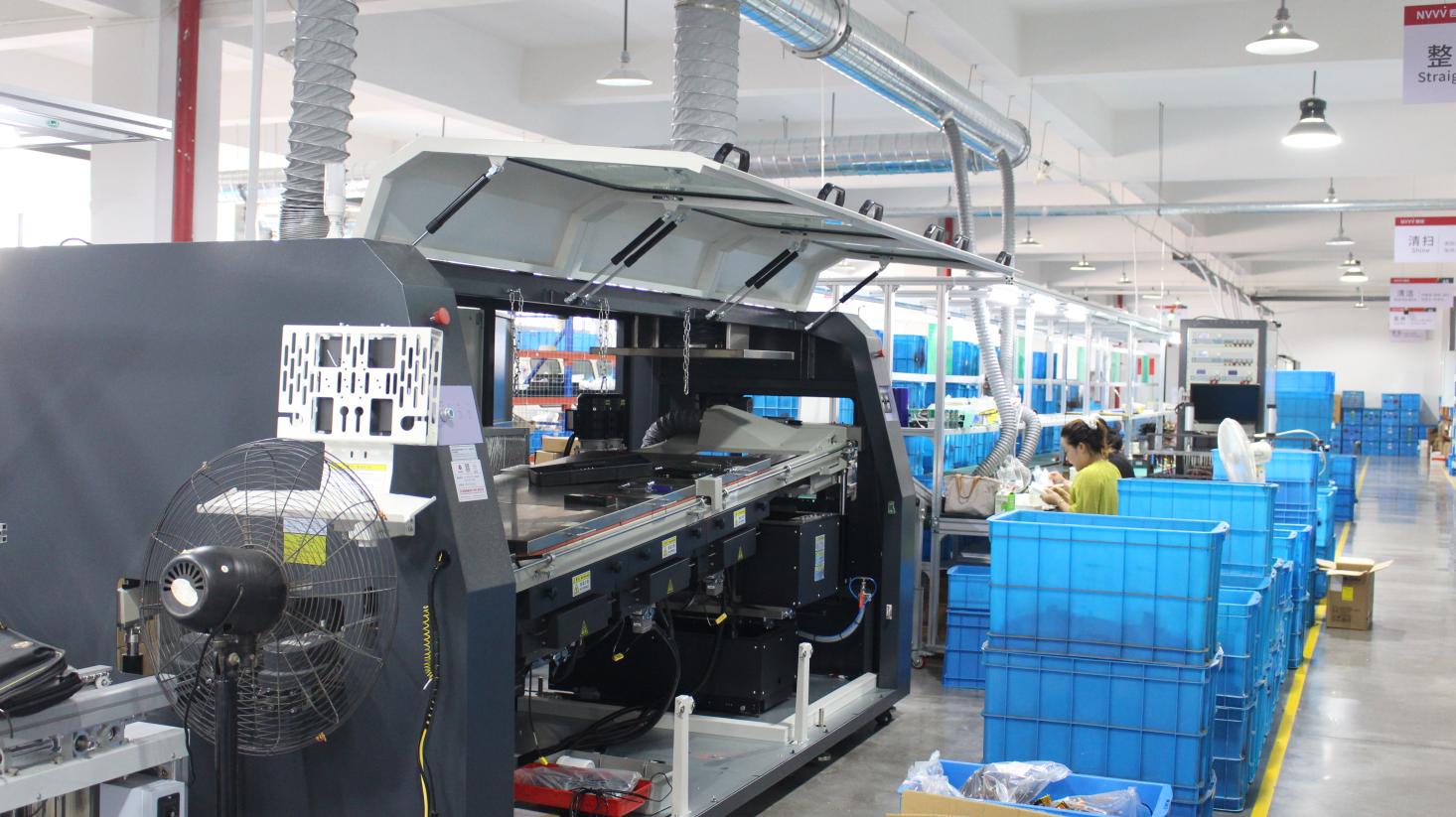
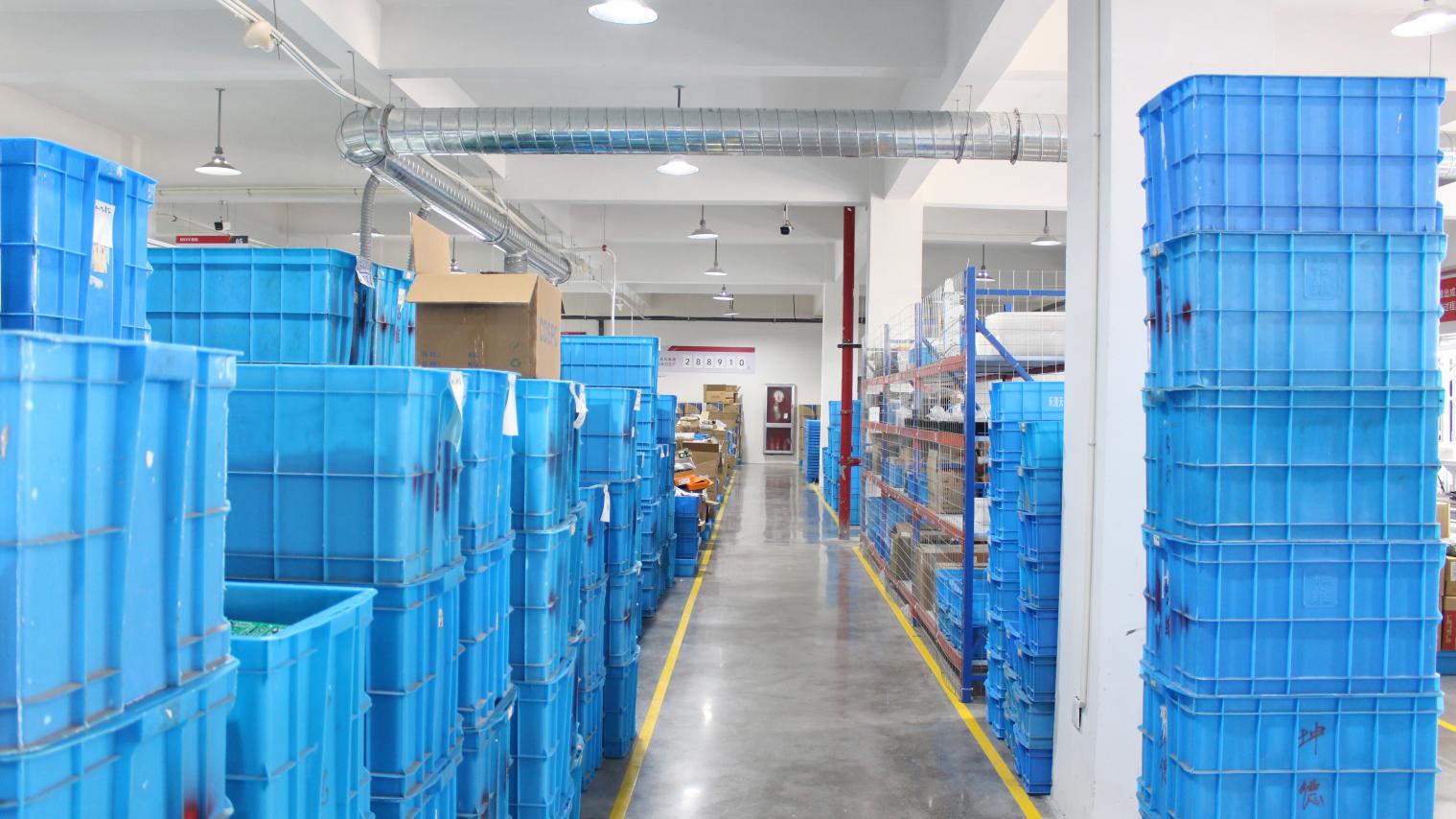
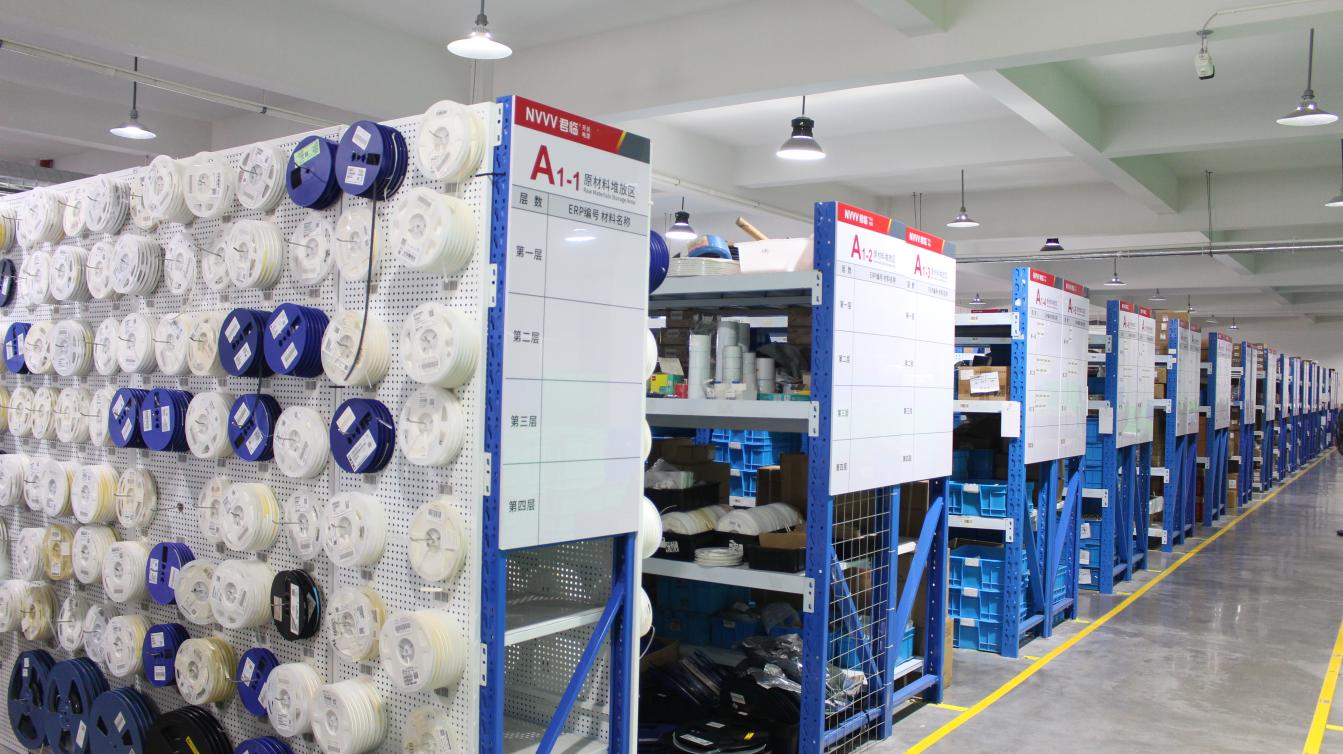
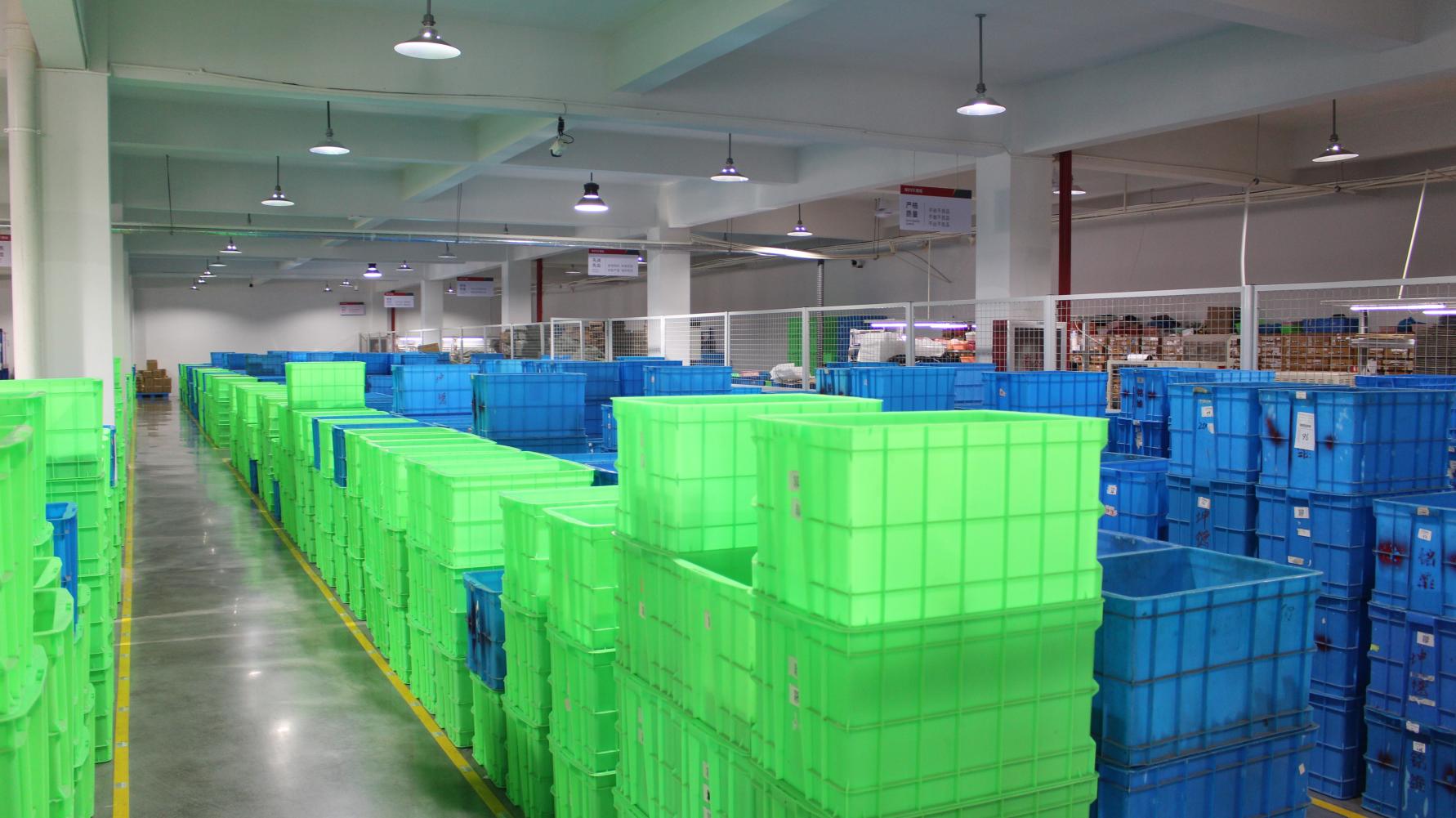
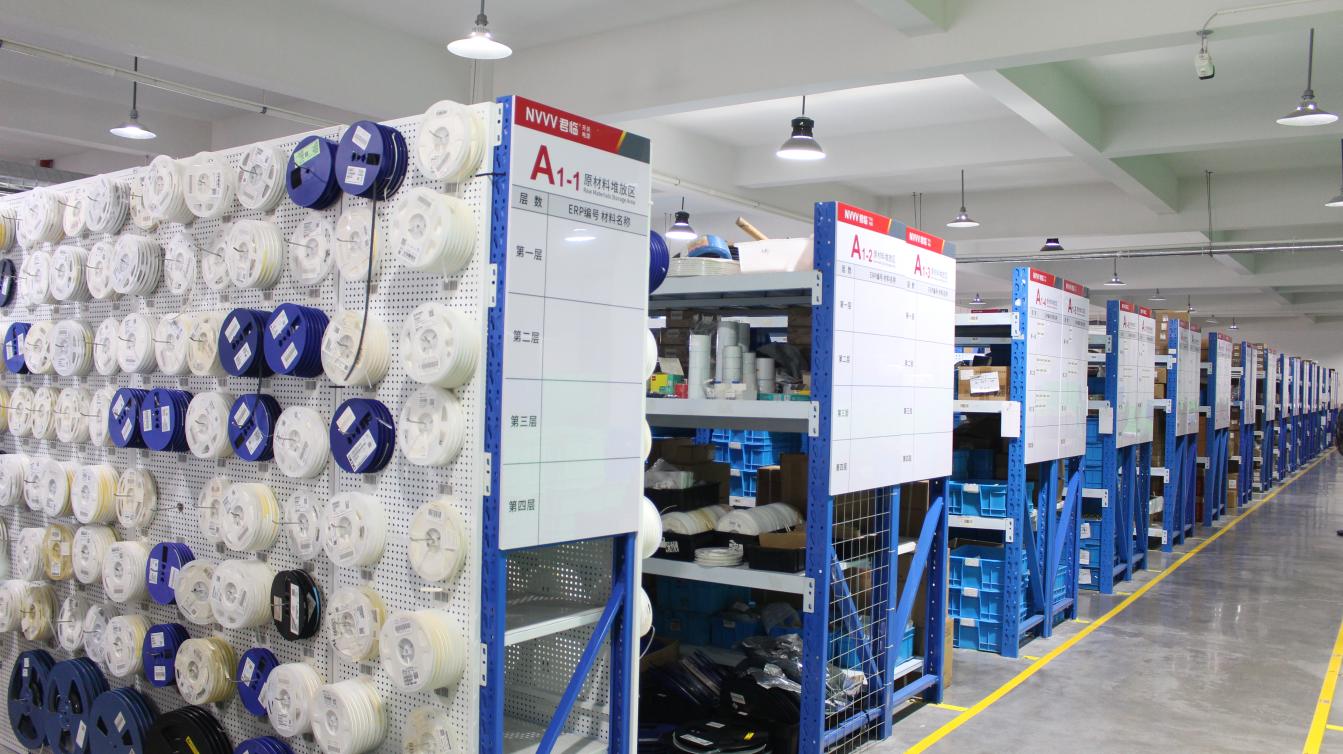
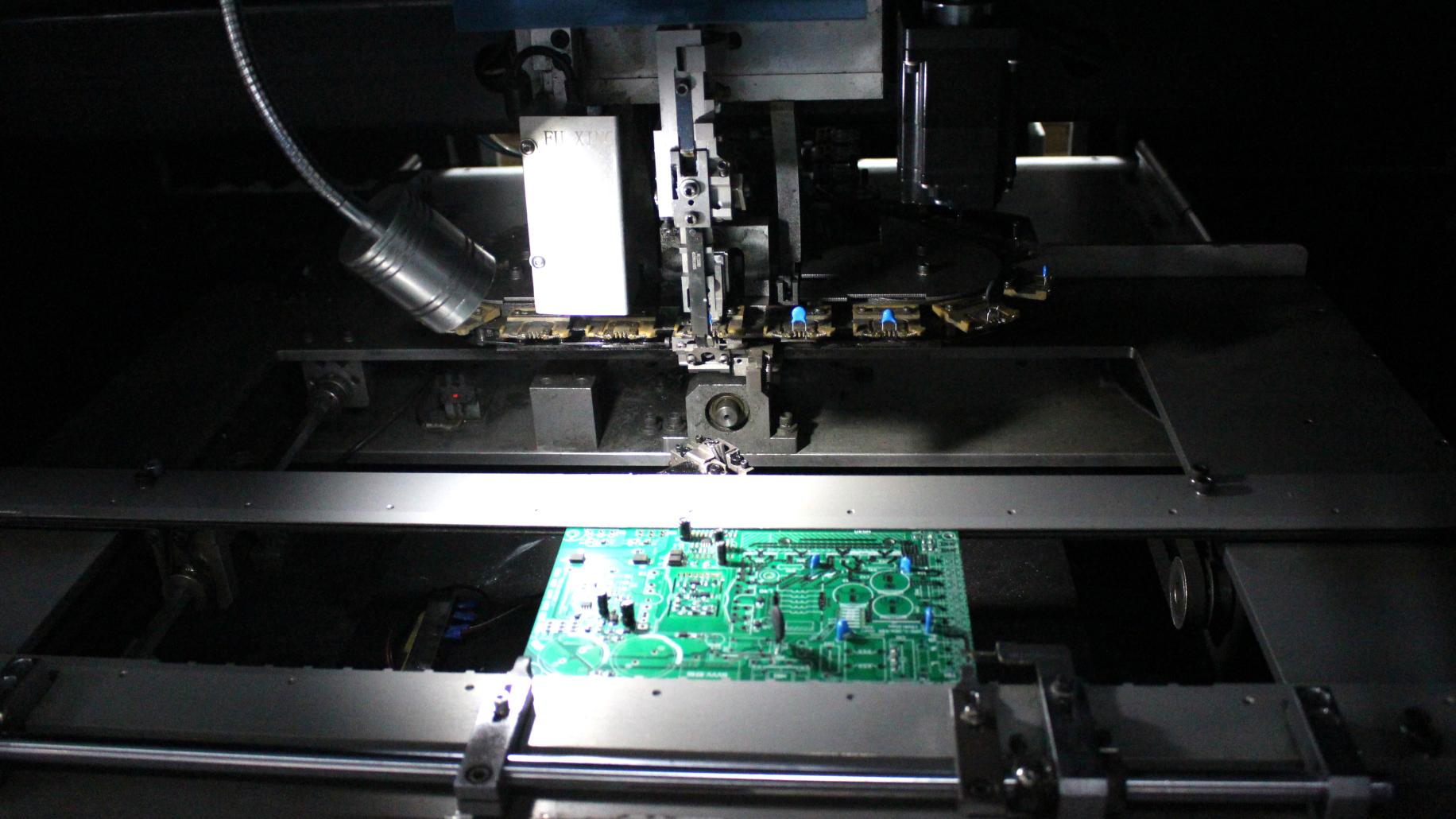
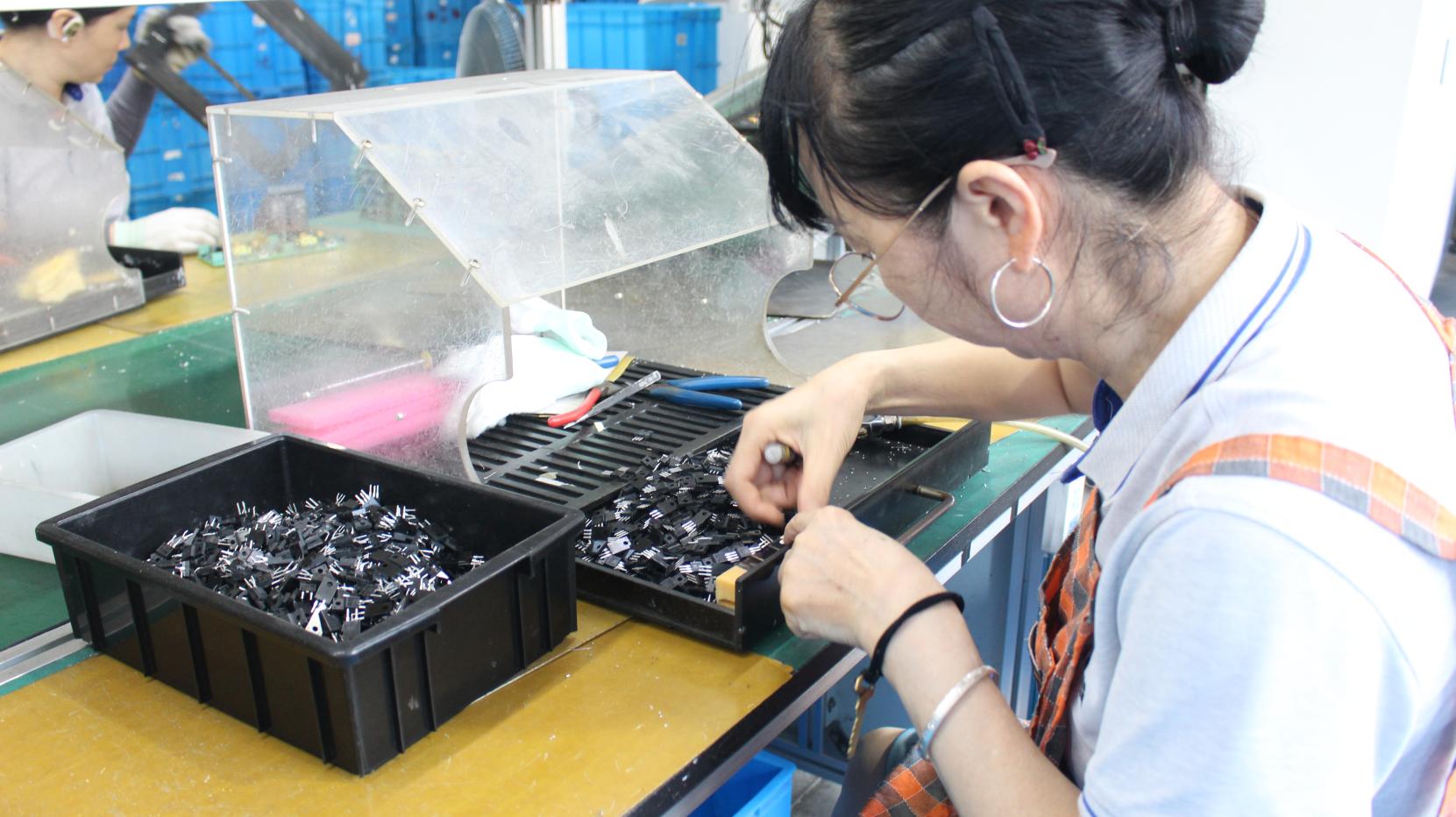
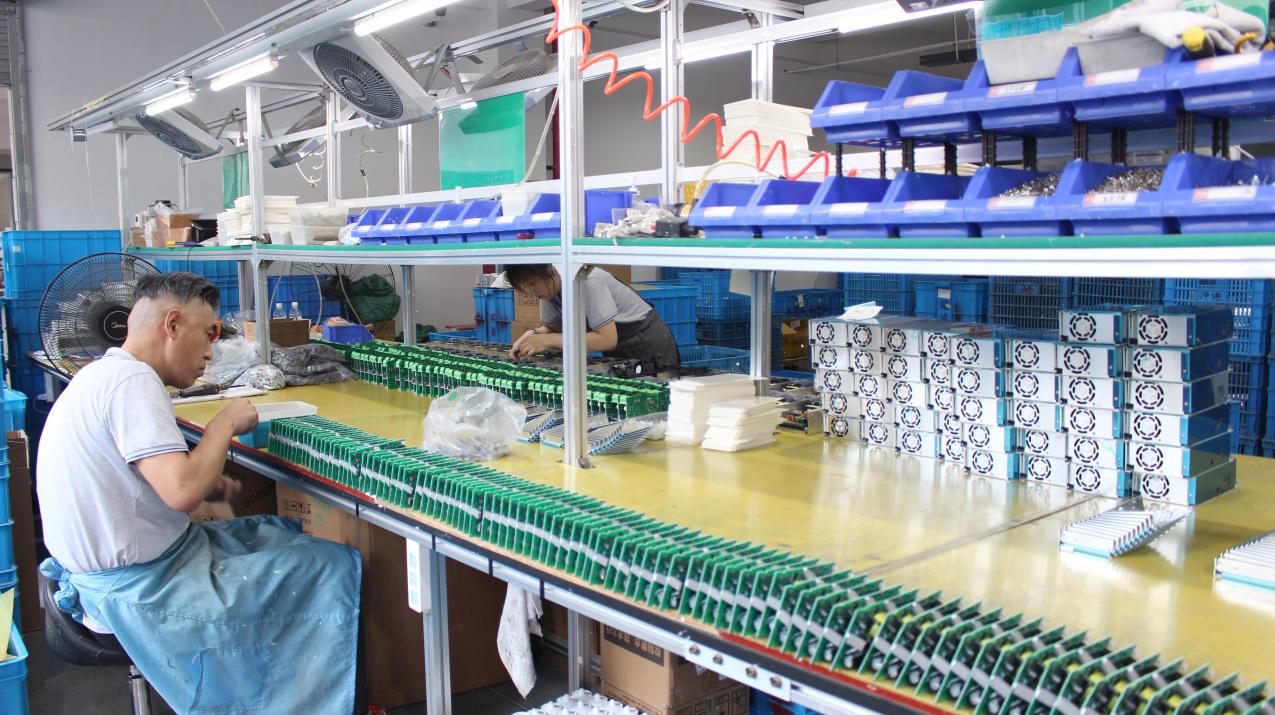
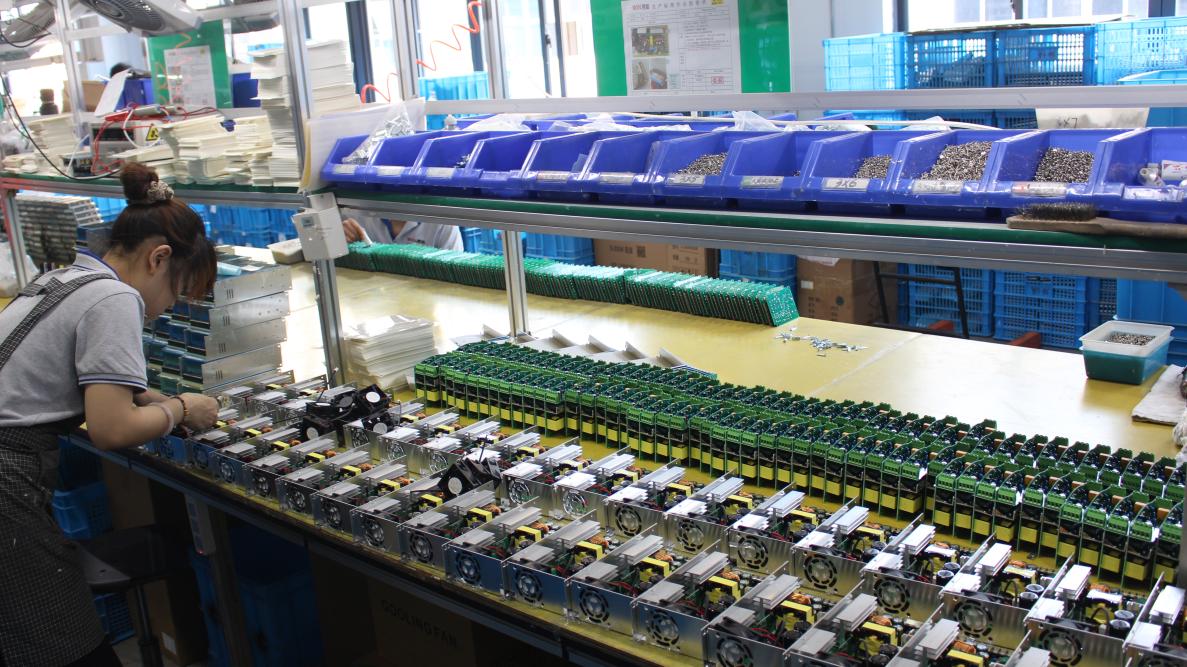
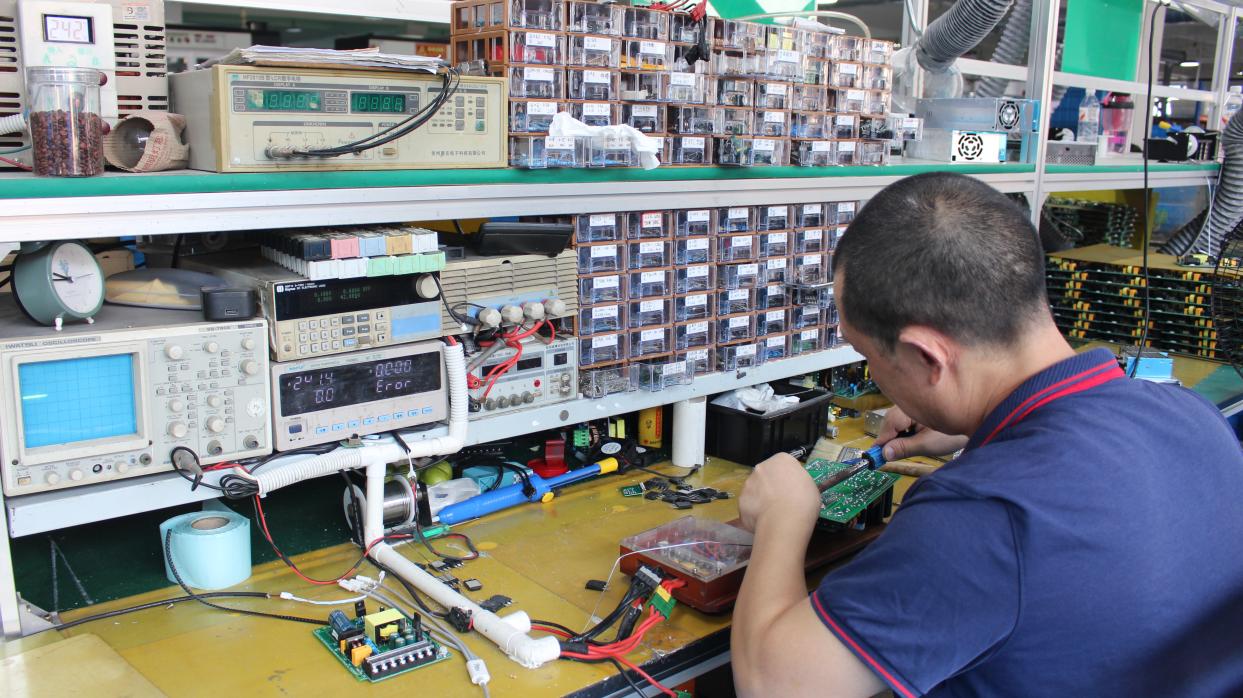
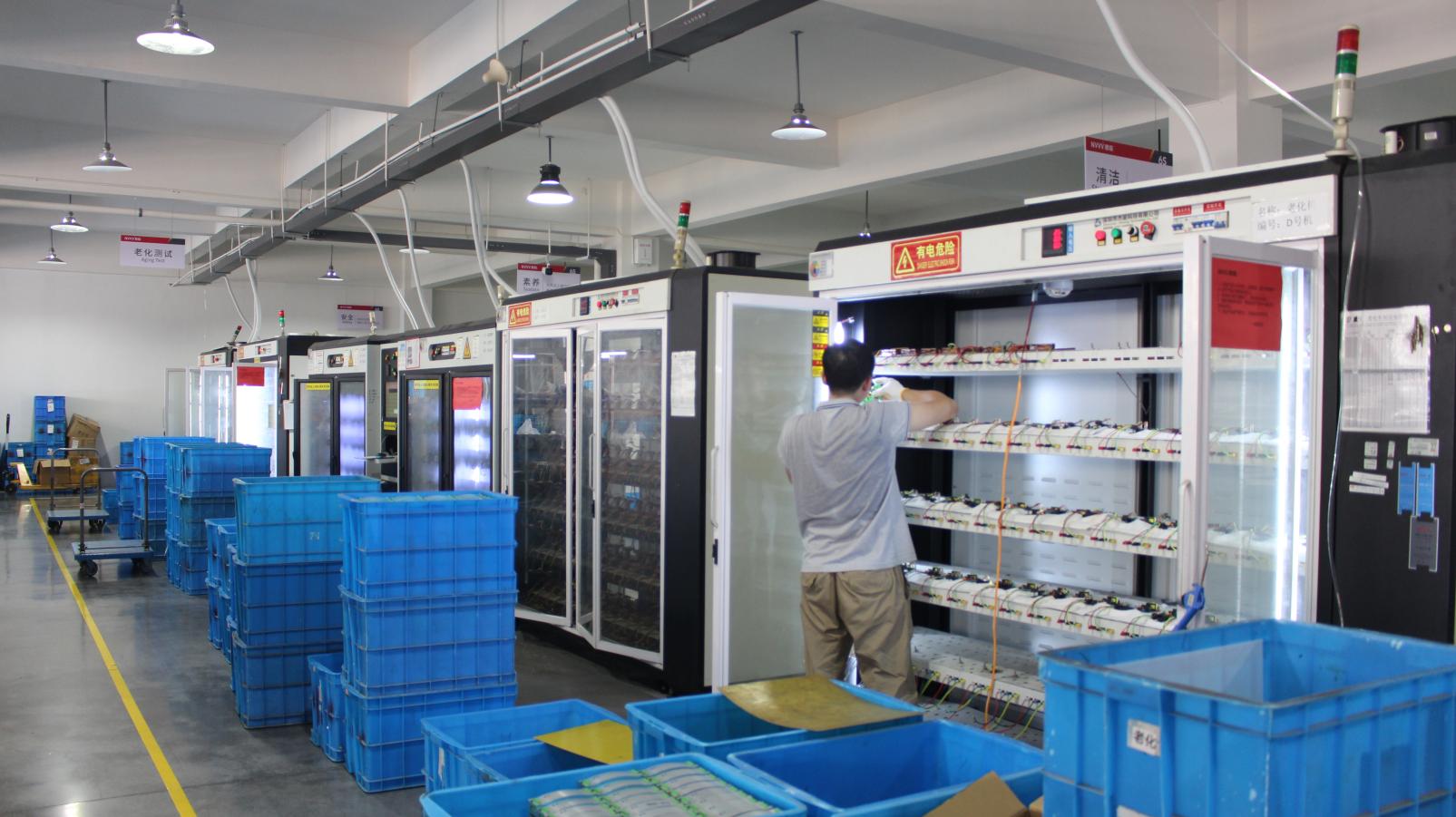
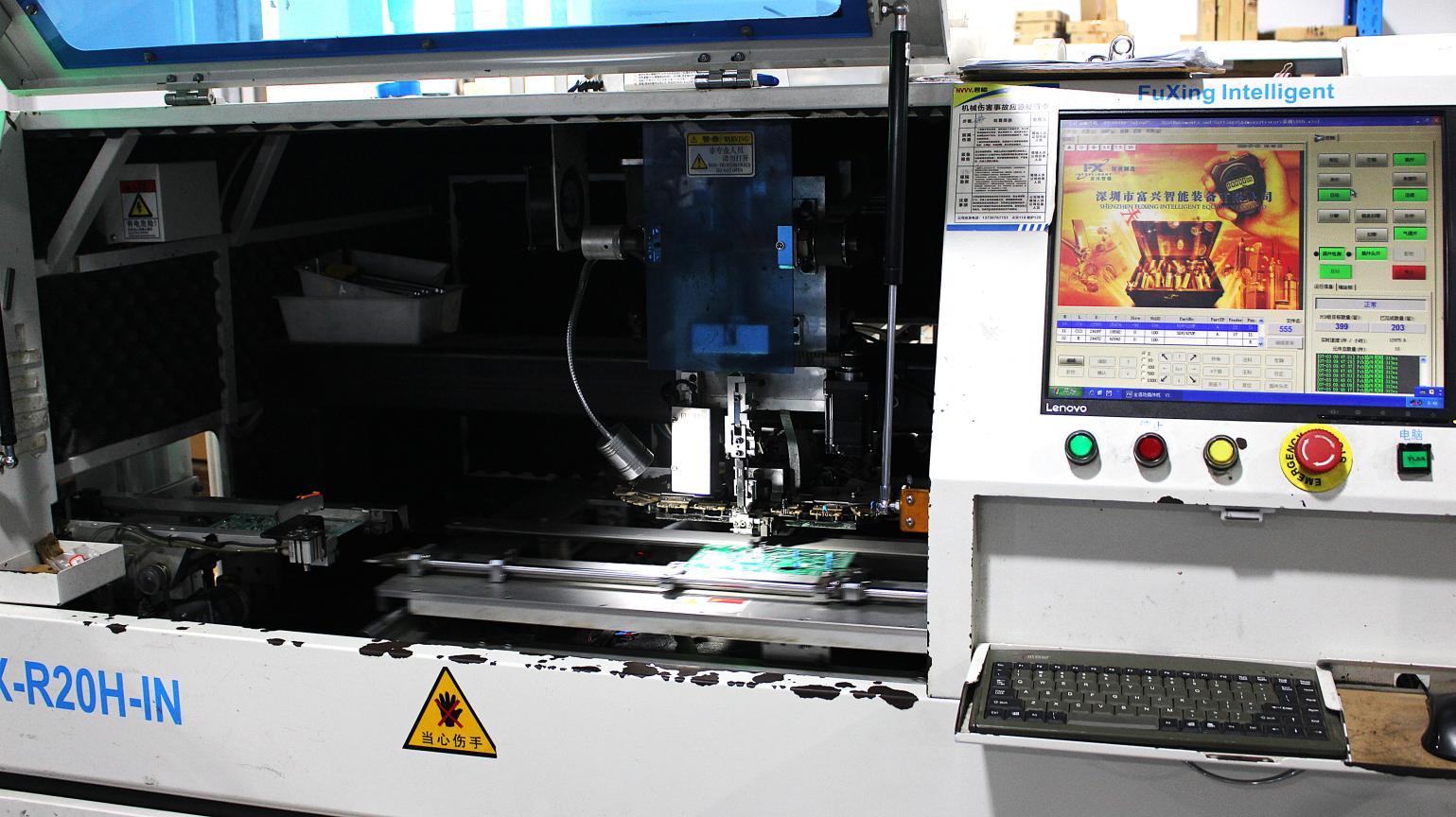
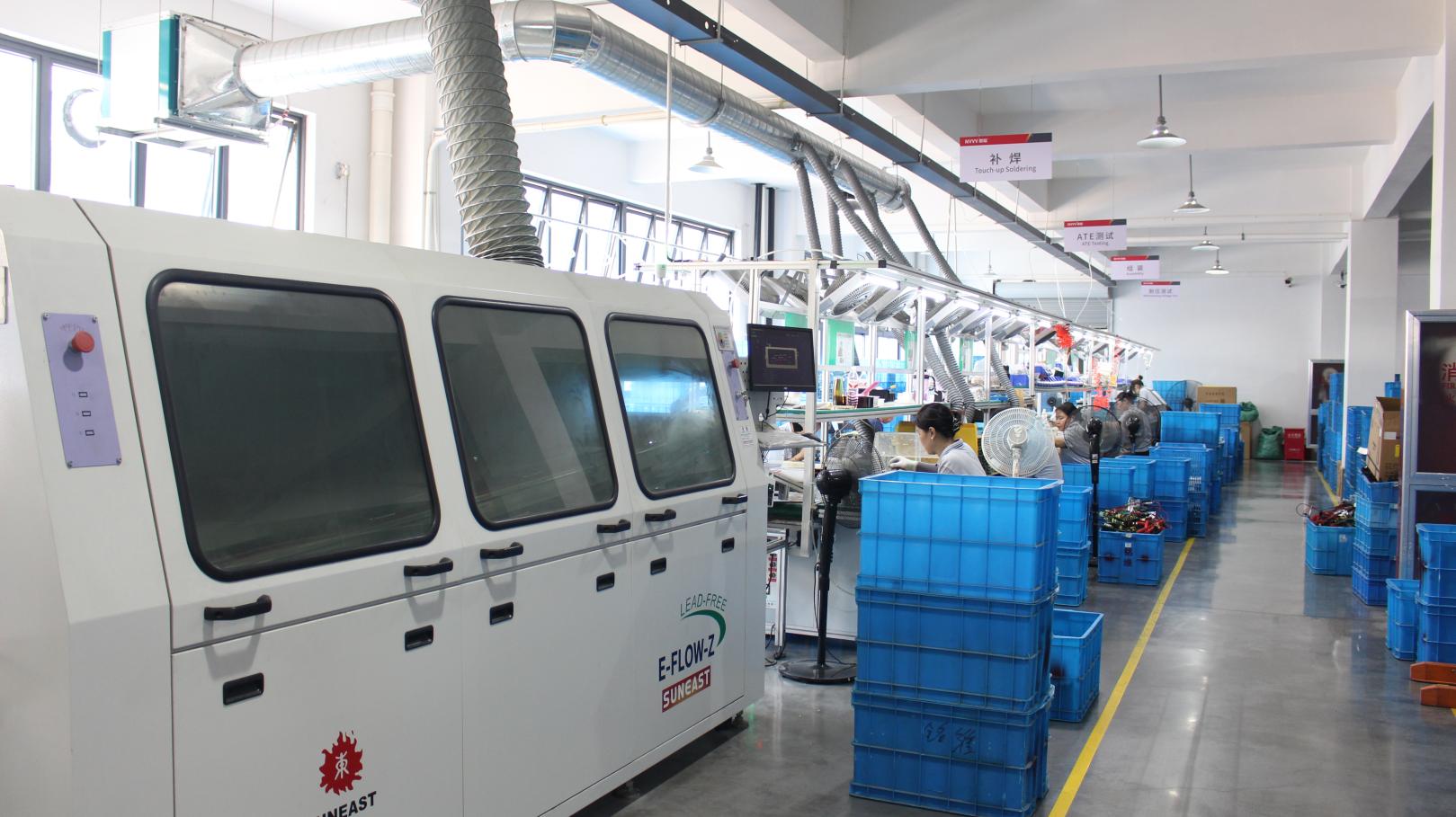
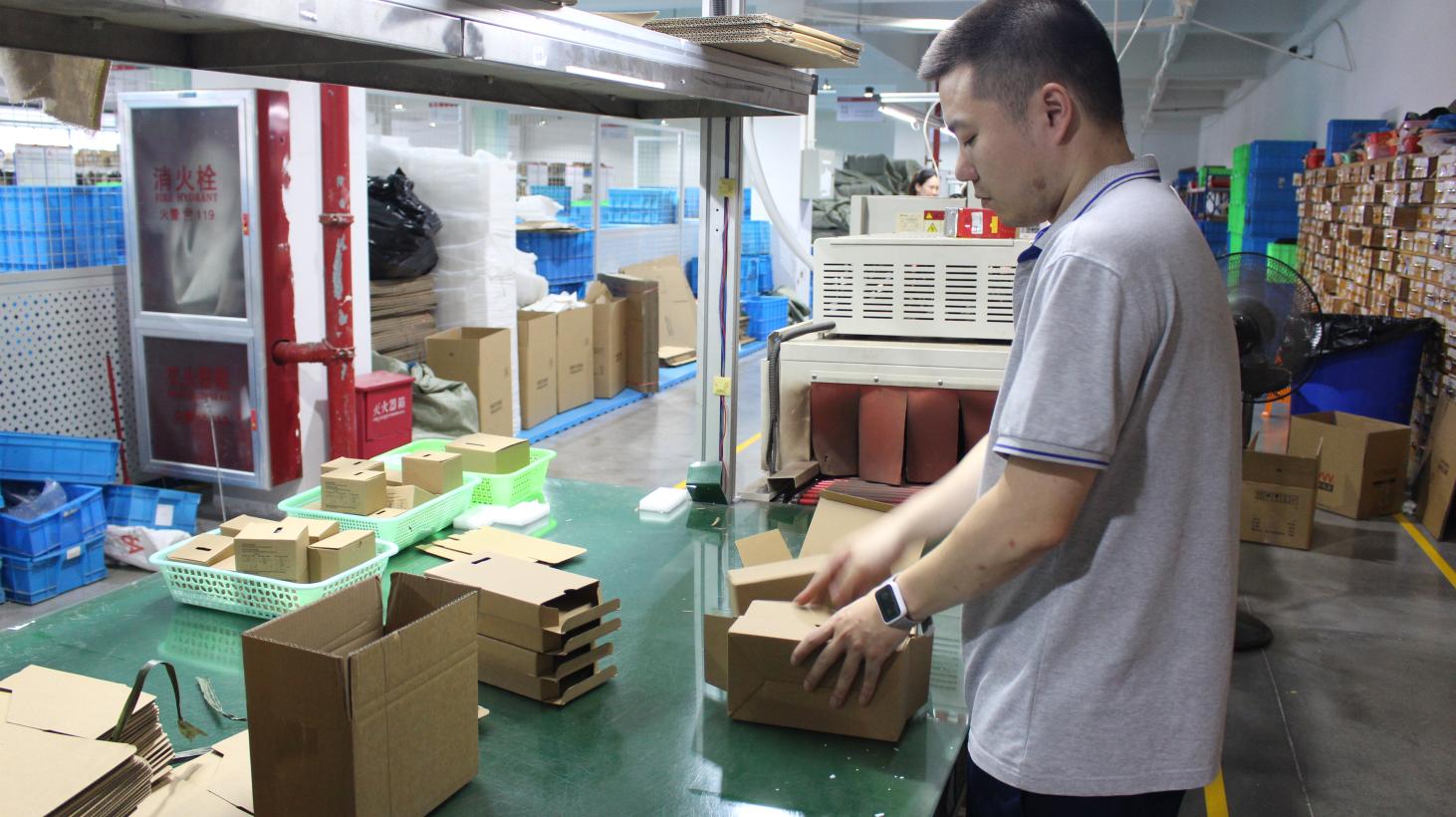
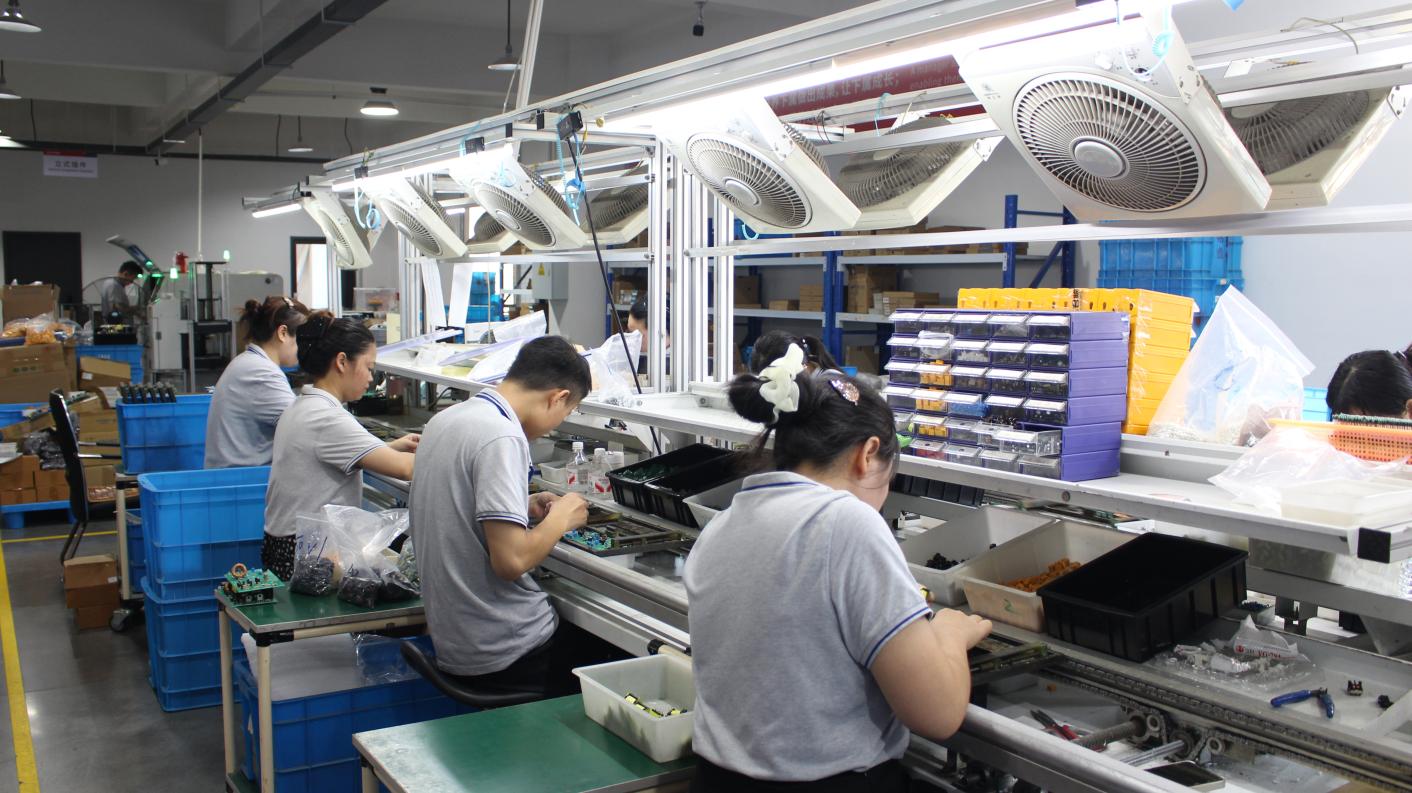
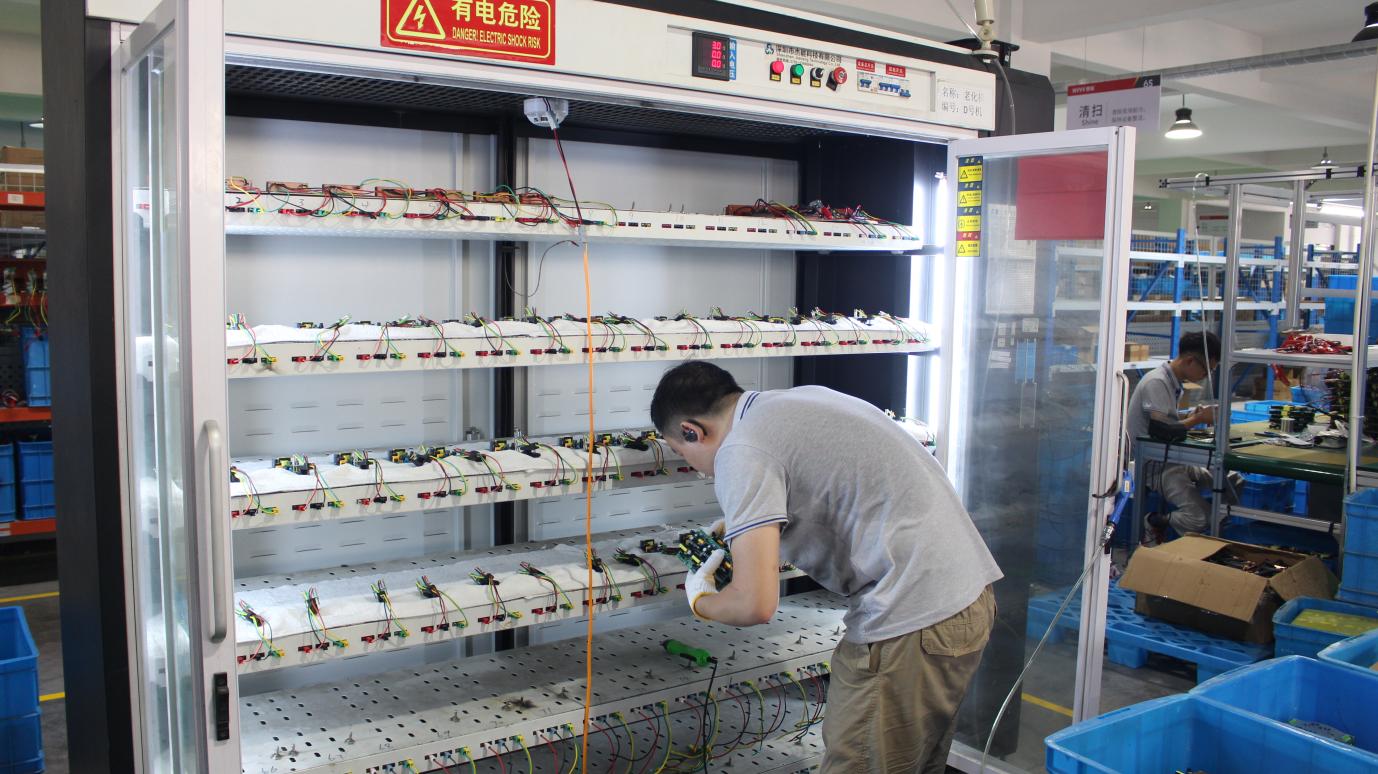
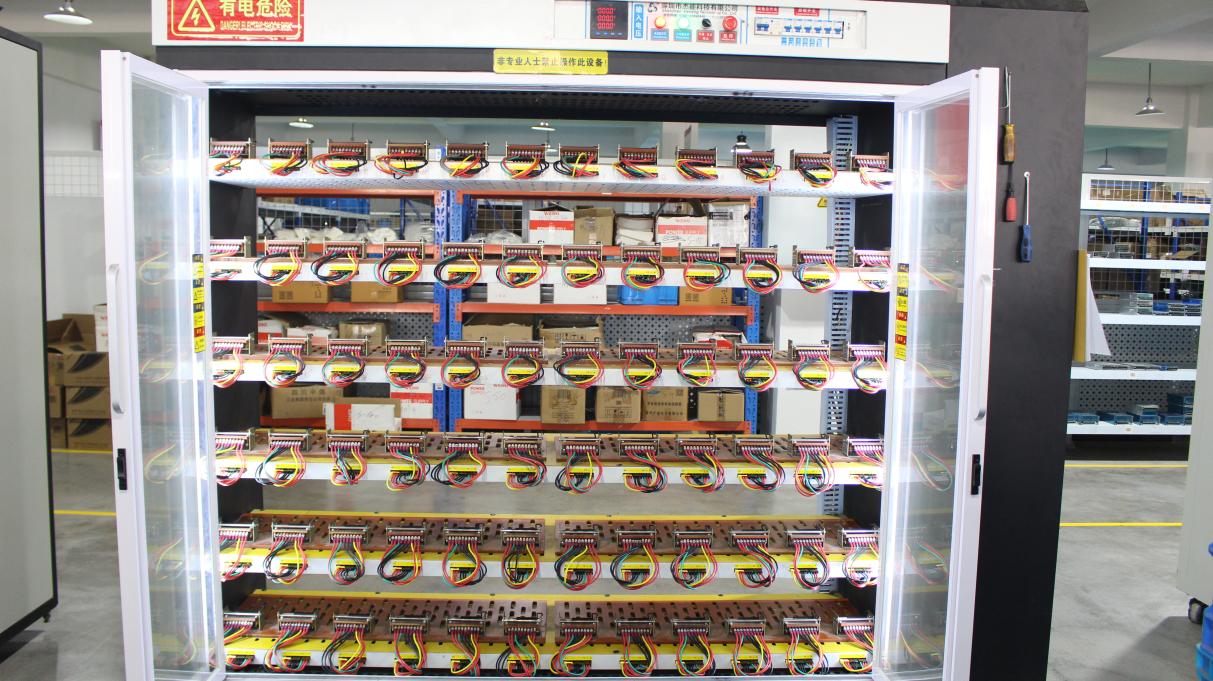
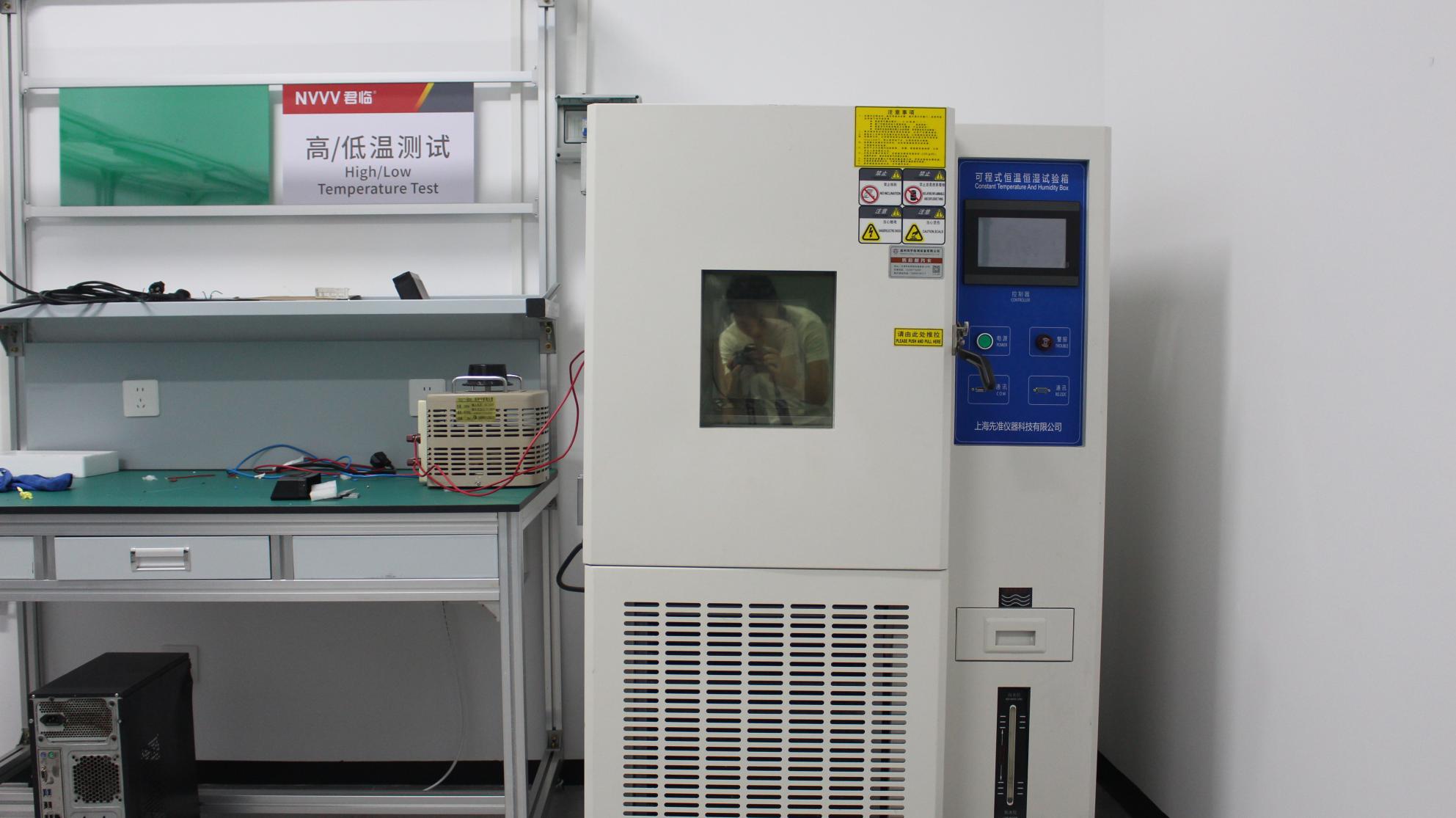
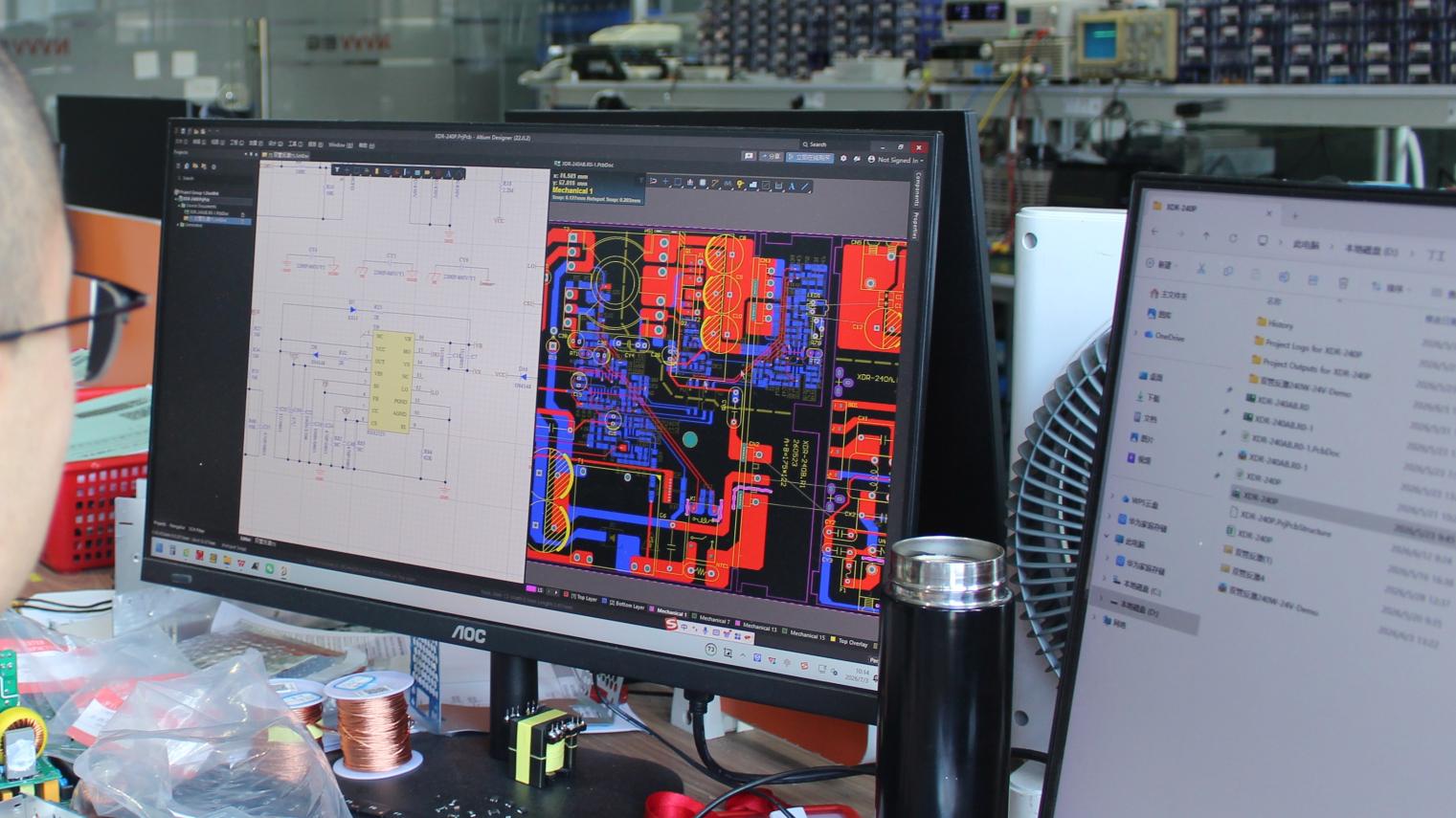
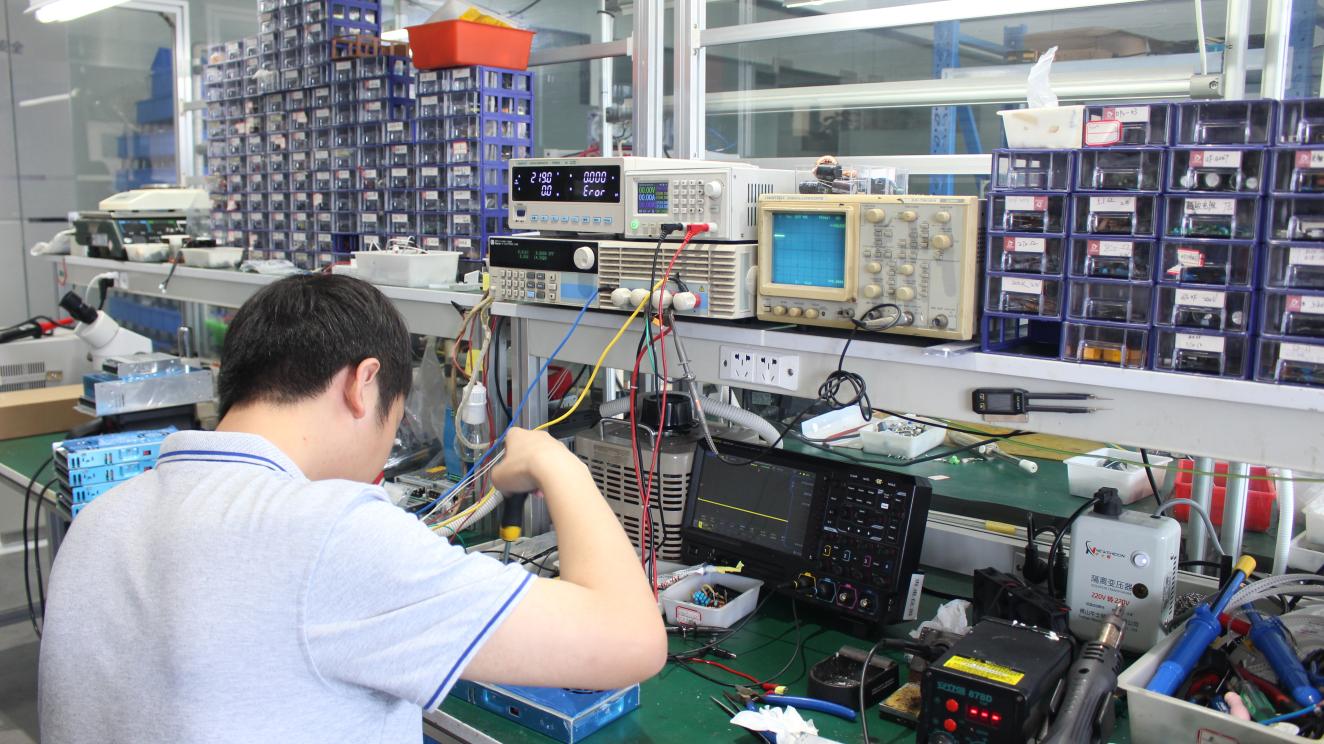
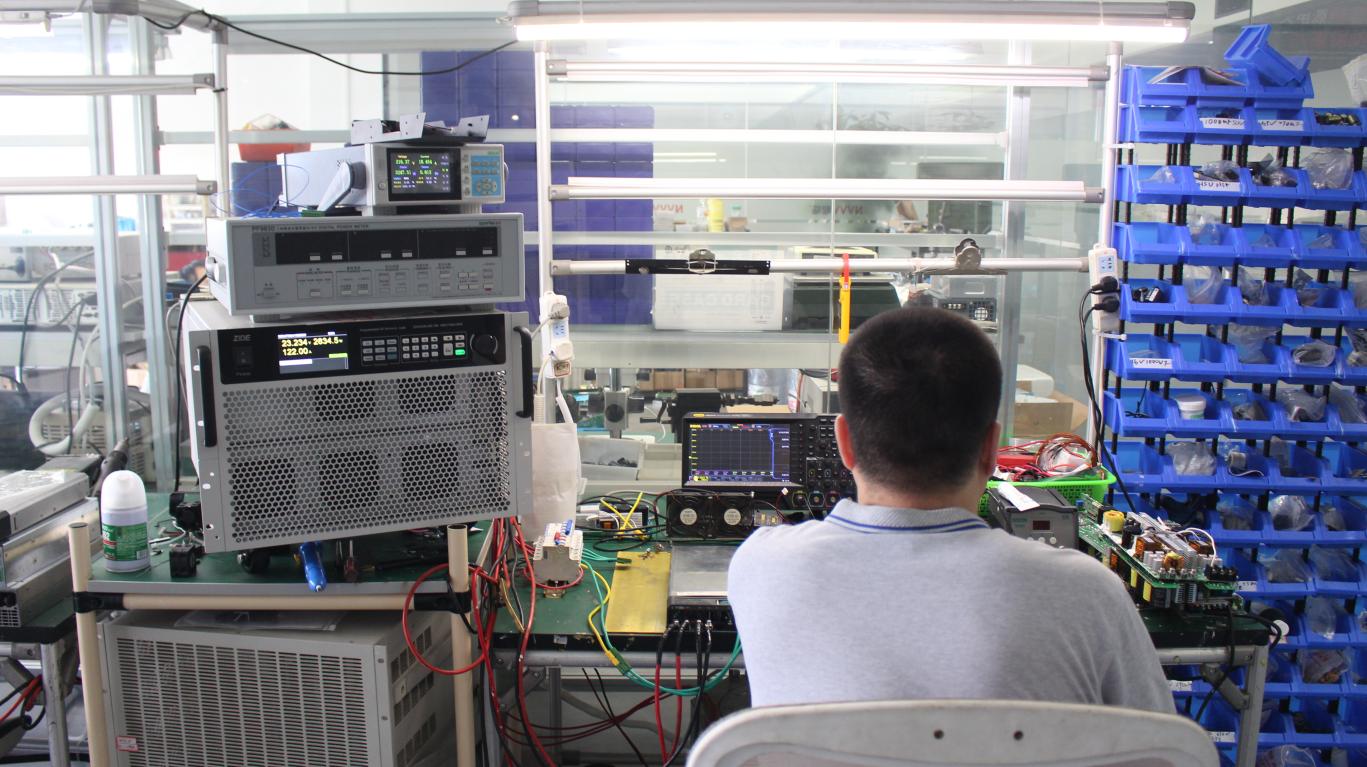
Every unit is subjected to extensive automated tests, aging chambers, and environmental simulations before global dispatch.


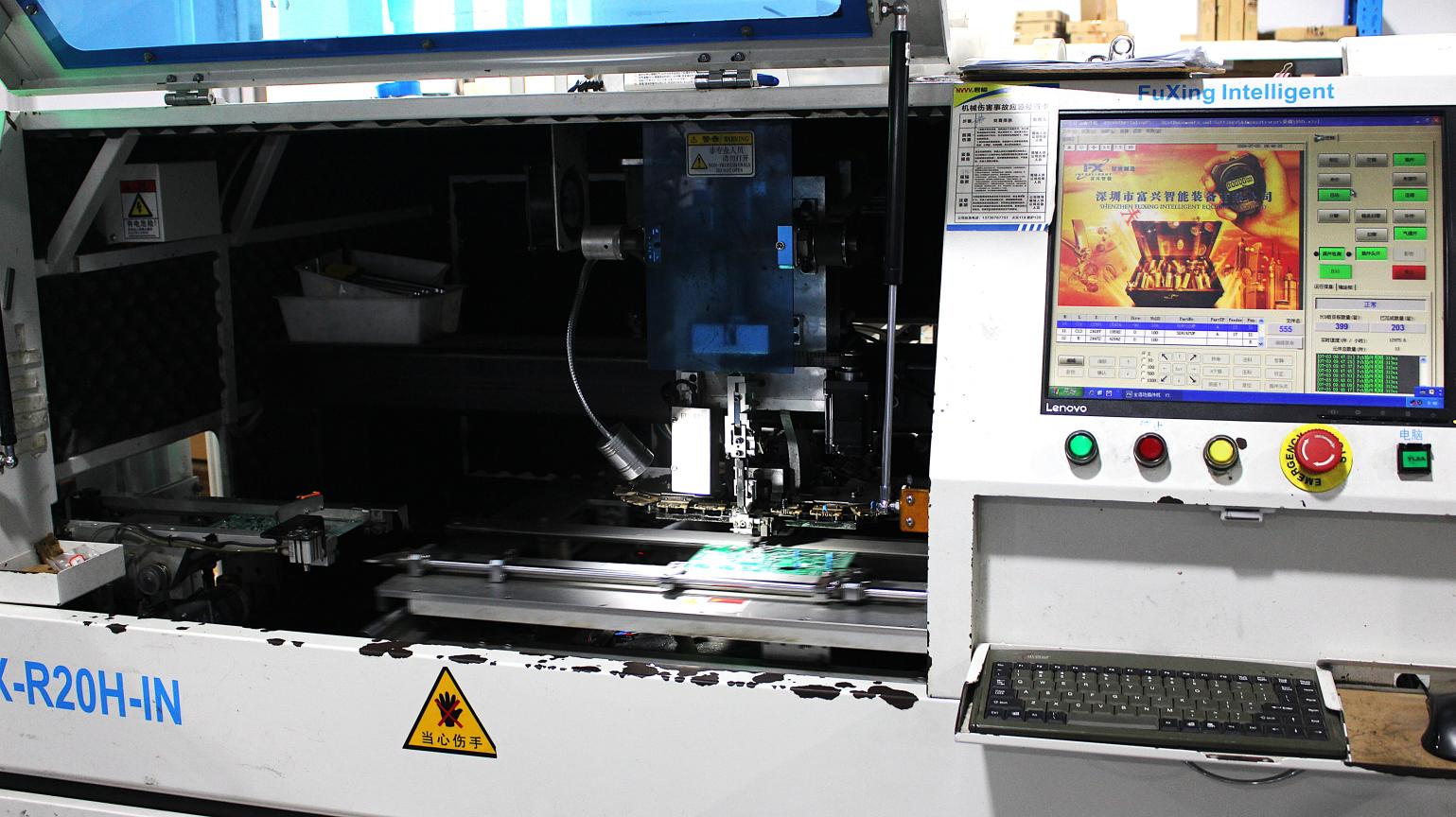
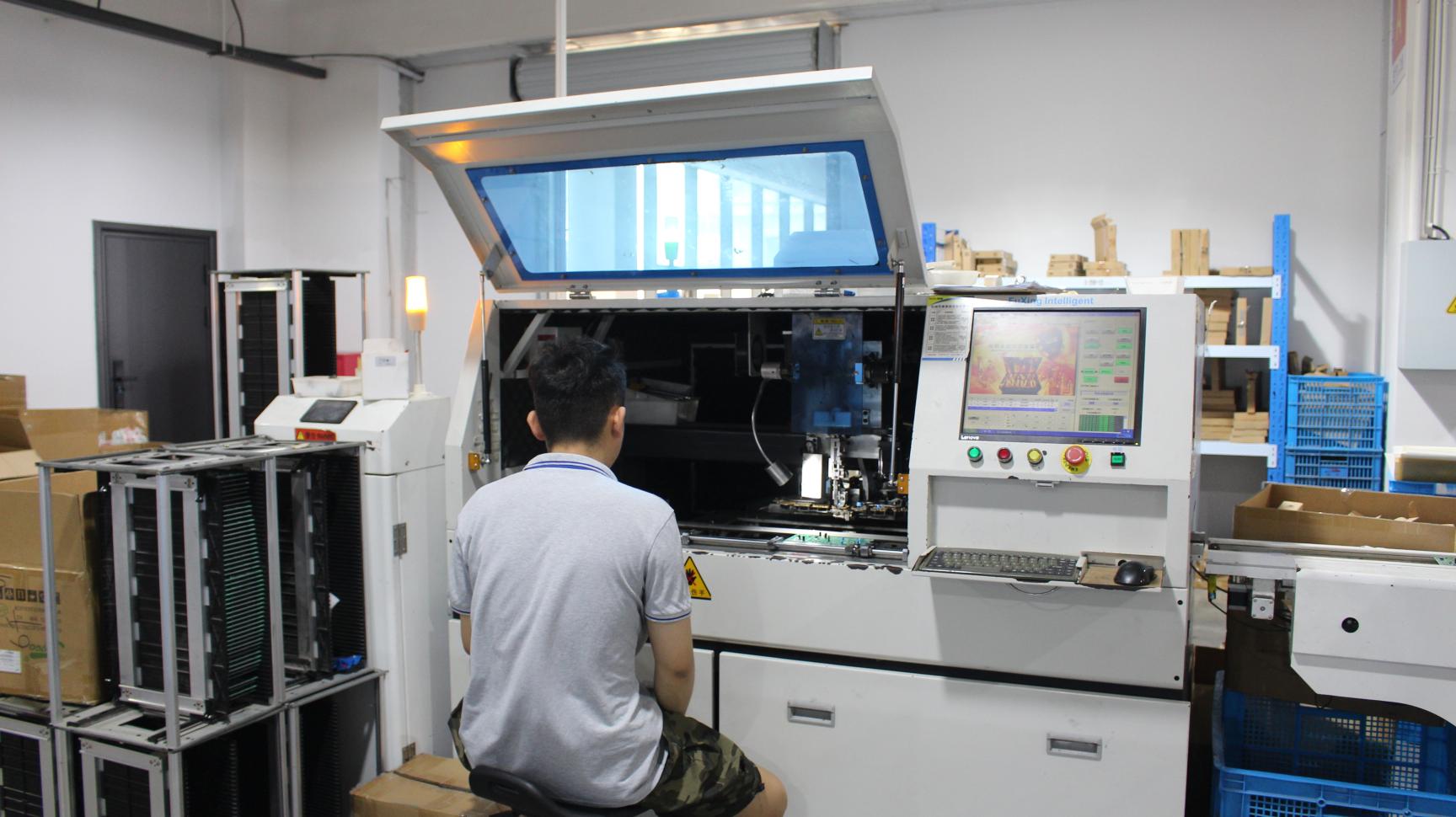
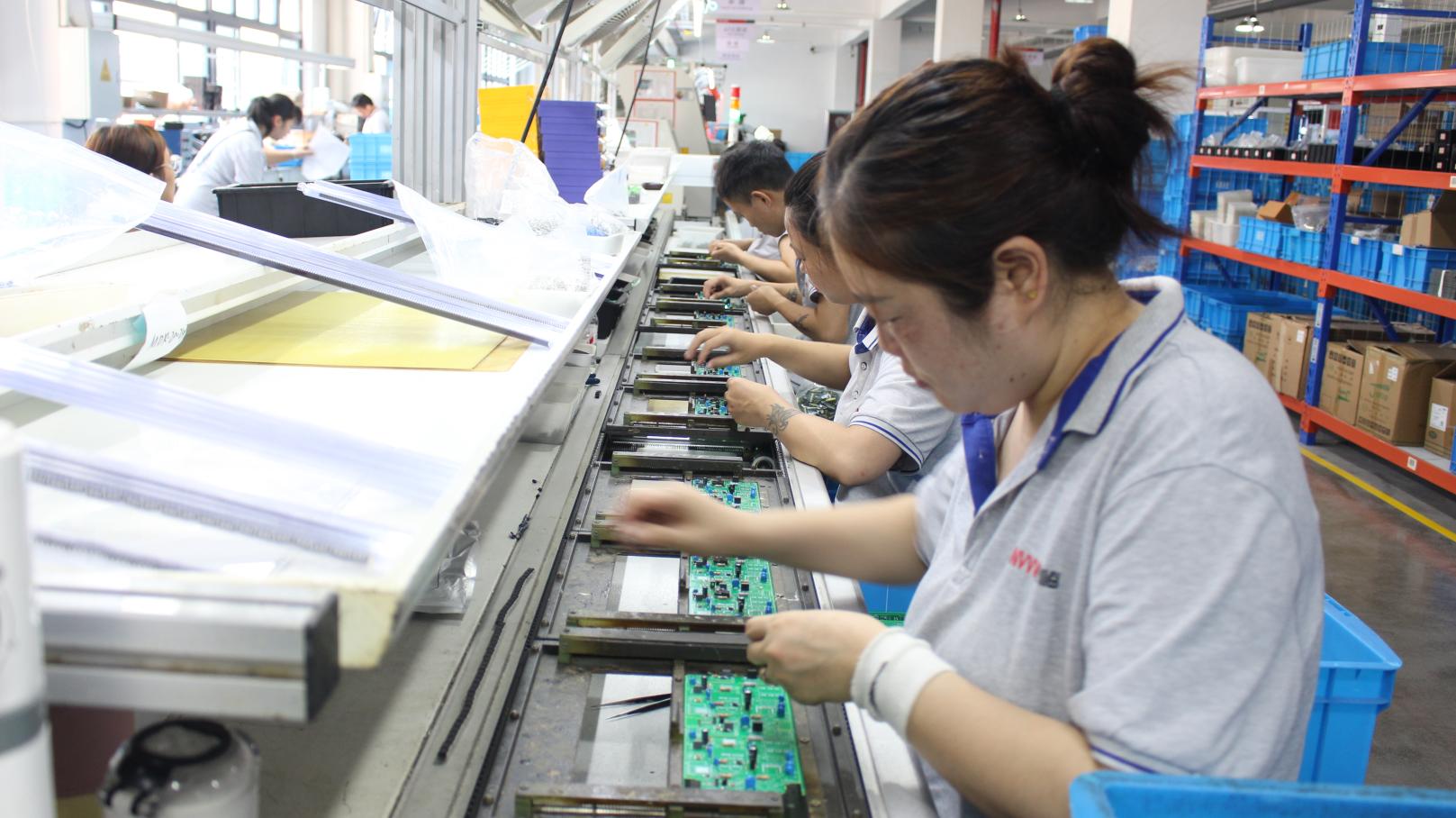
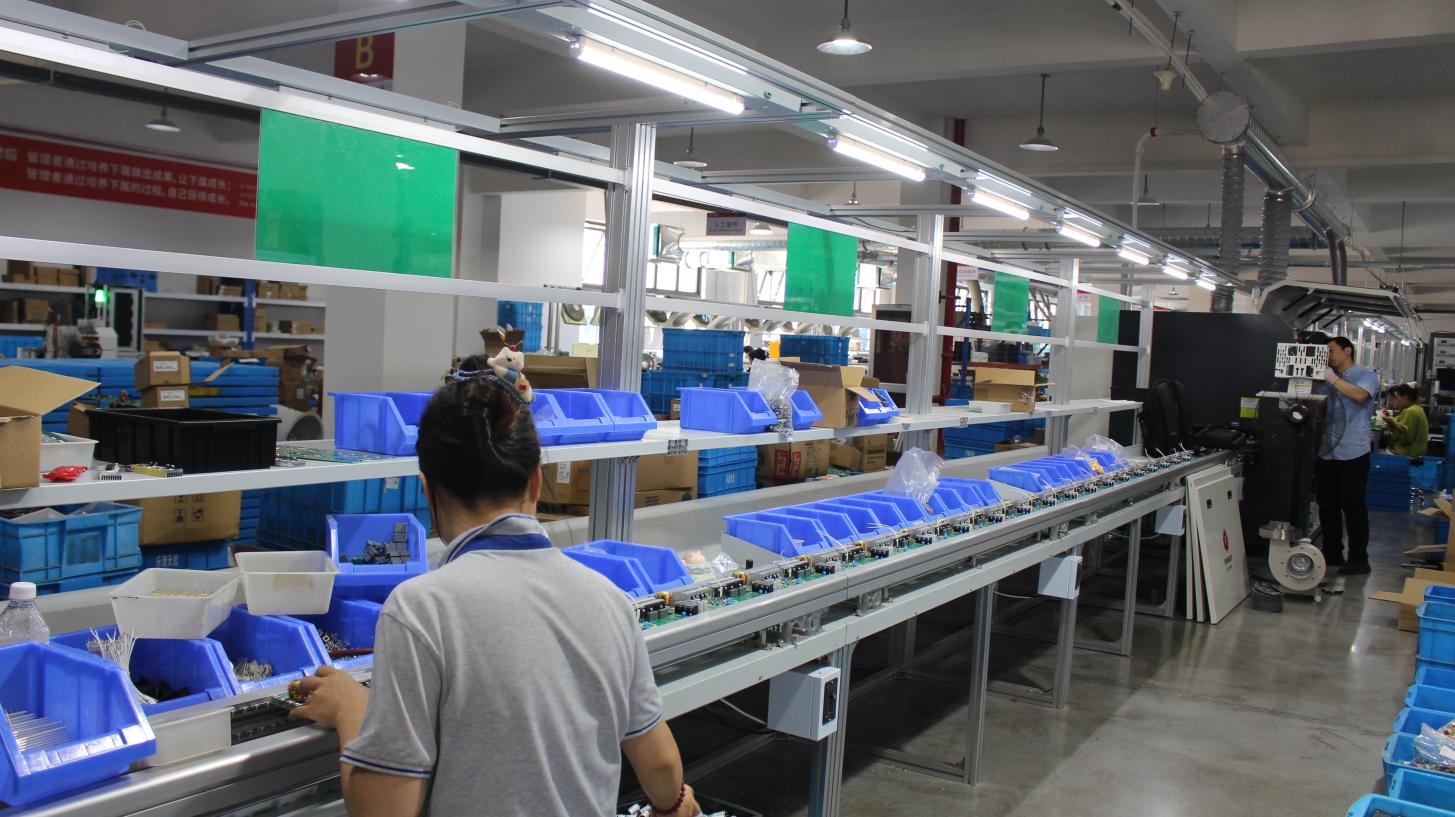
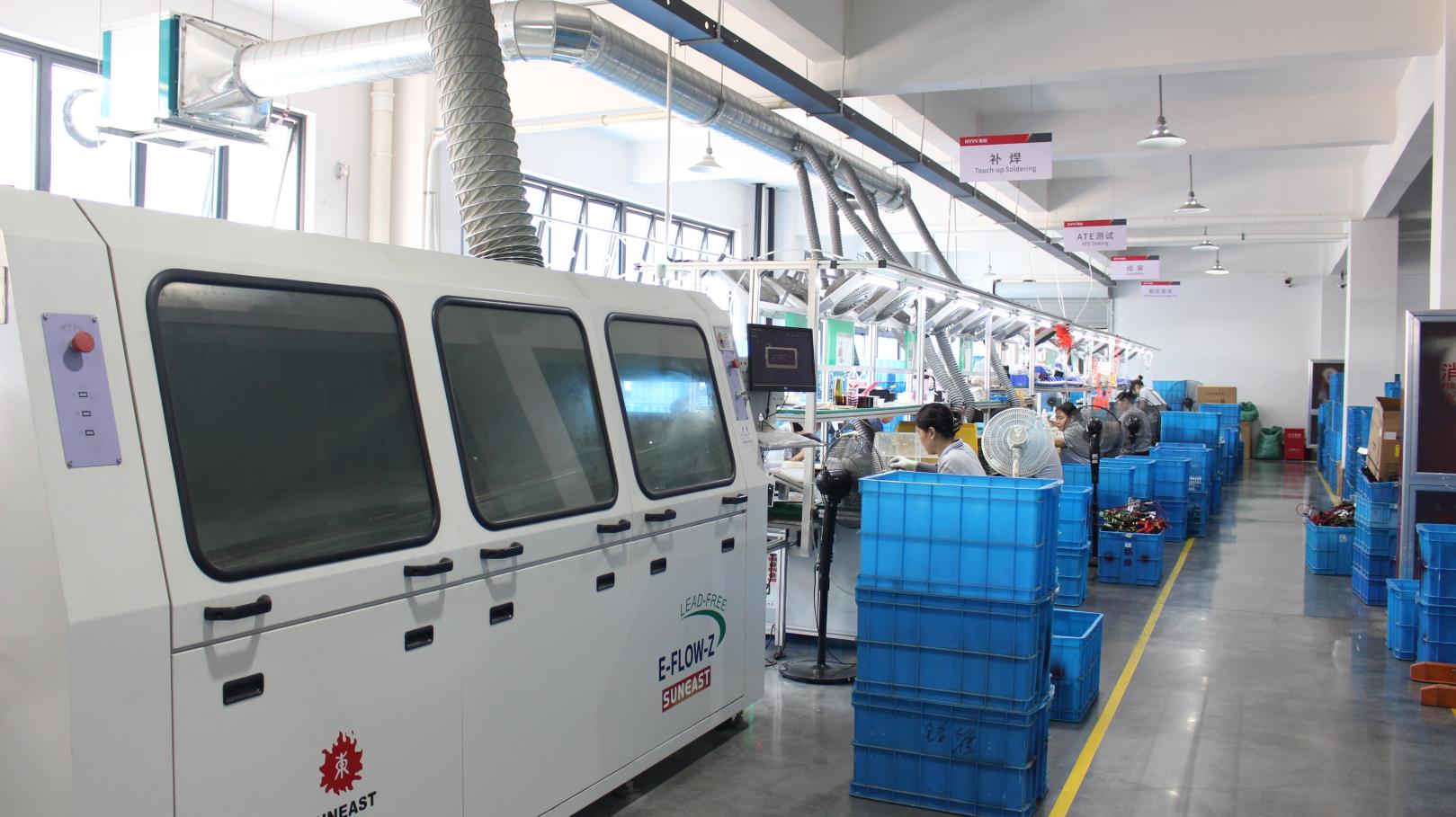
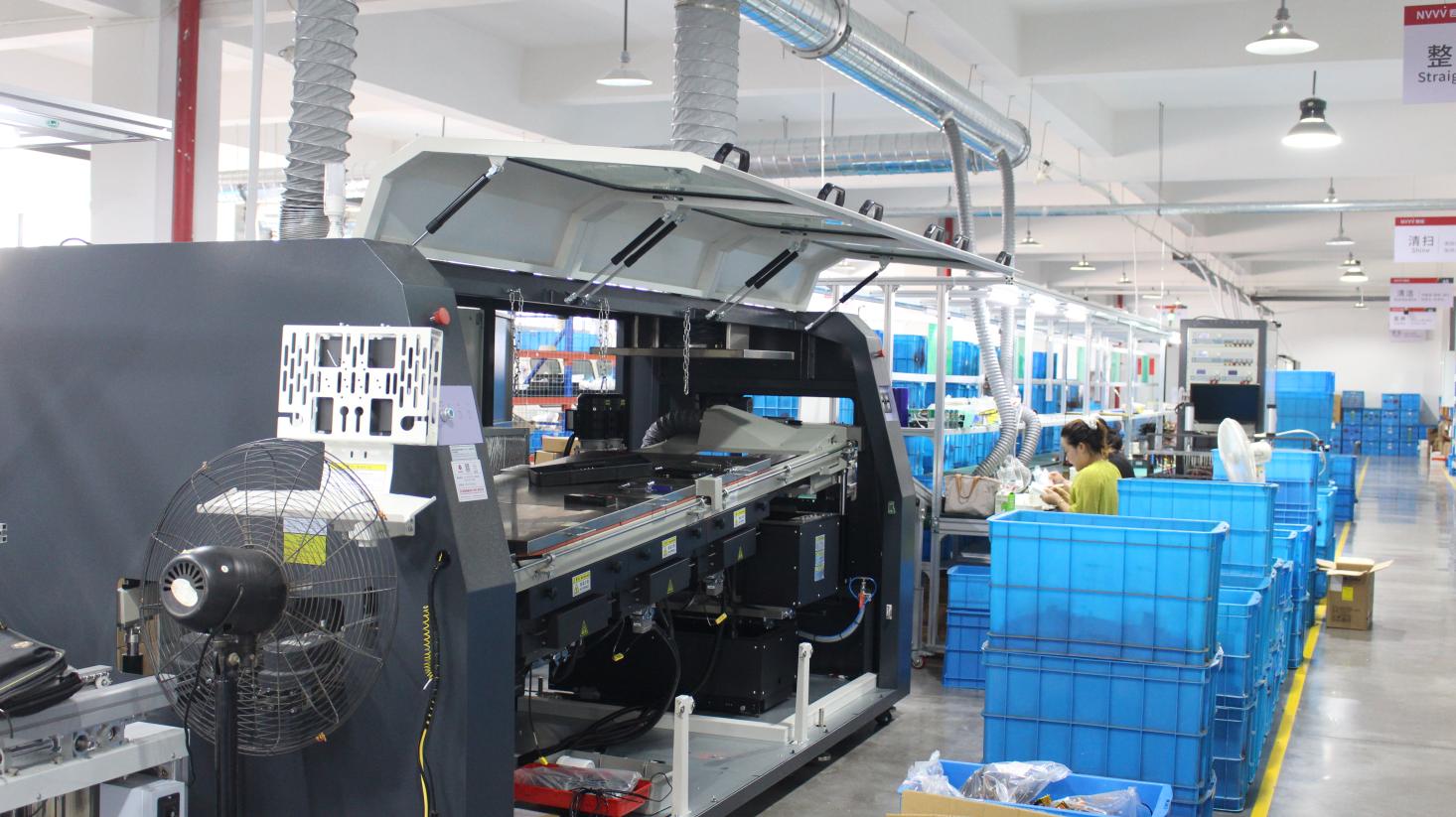
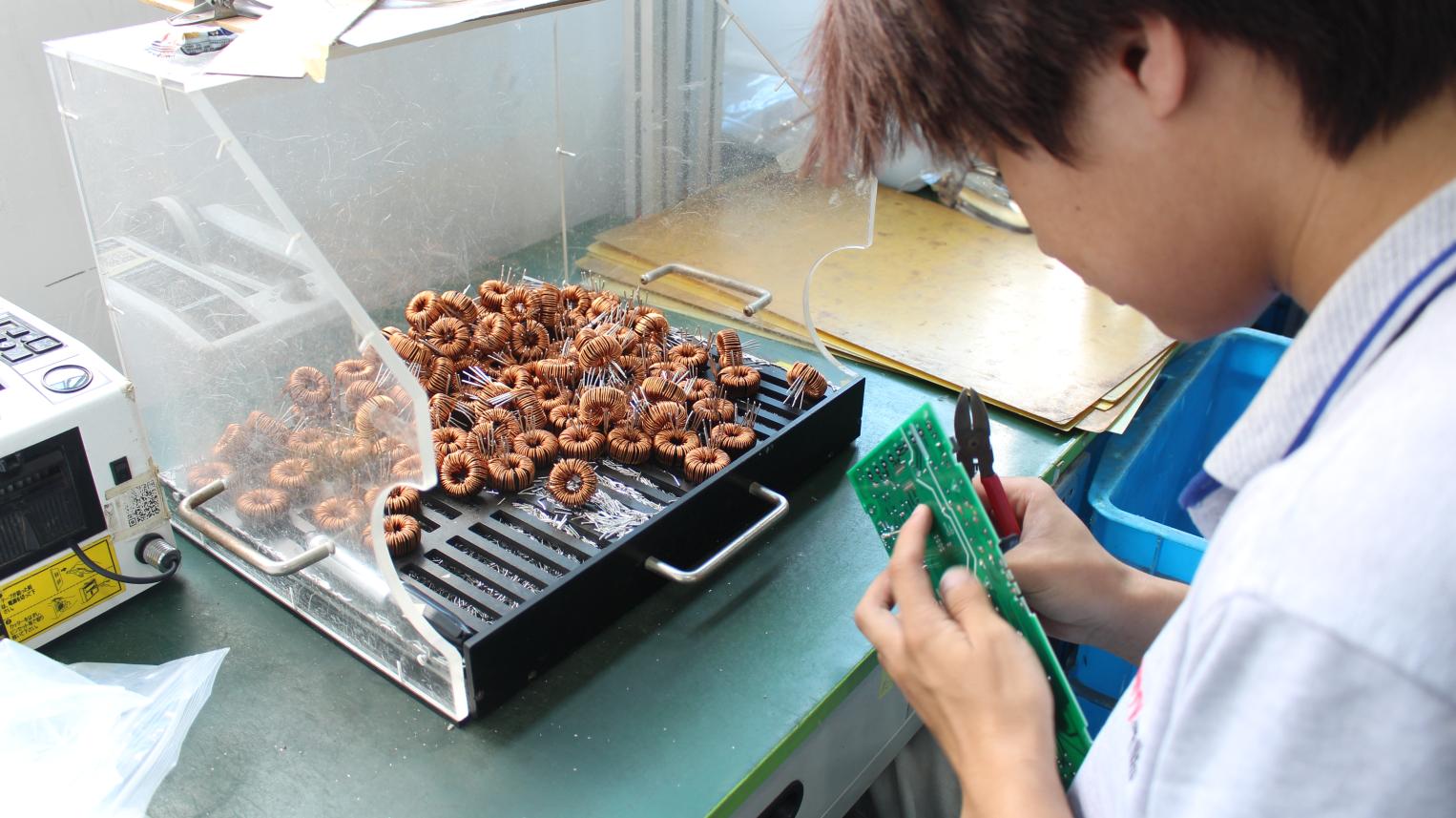
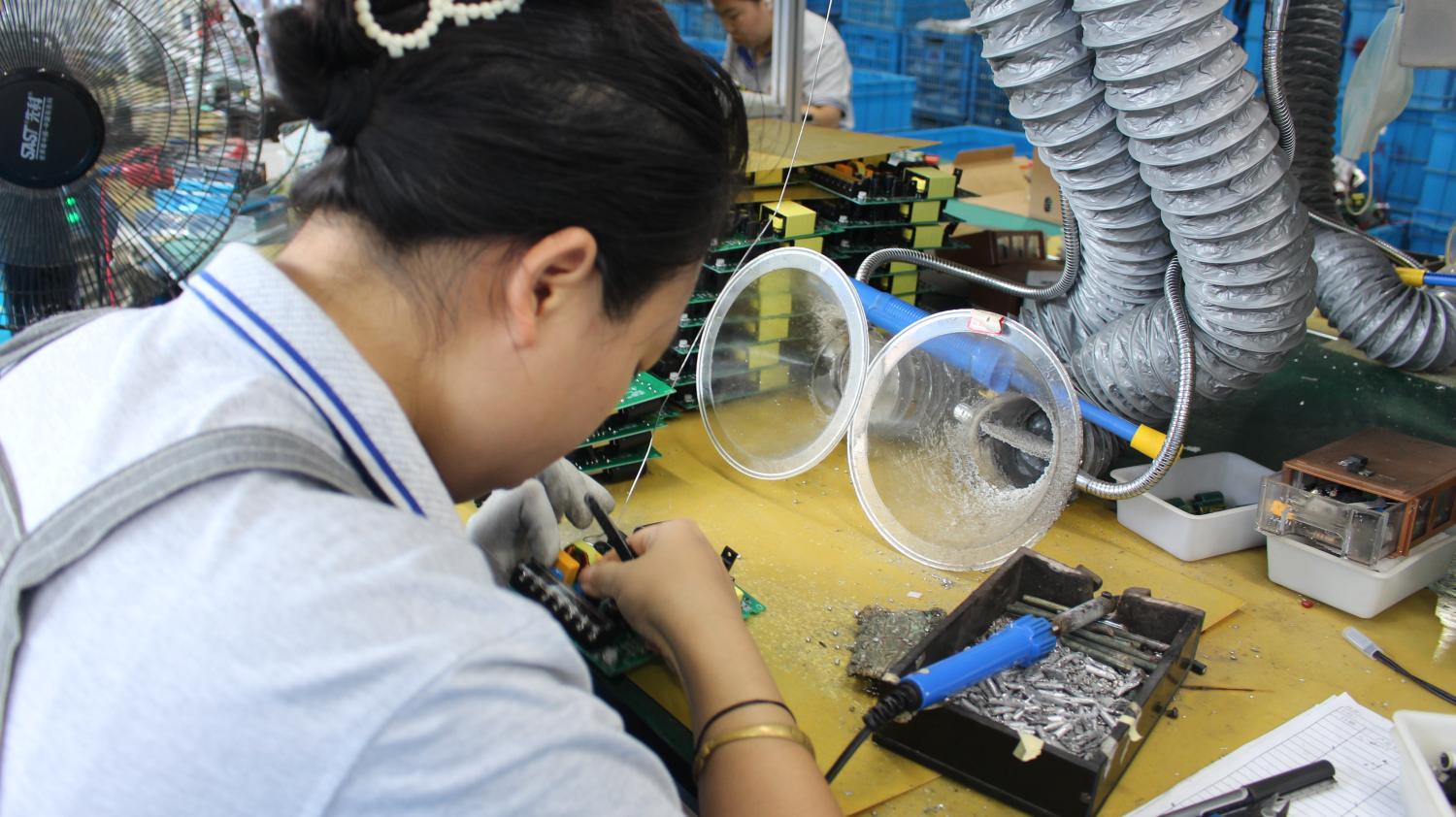
Simplifying the complexities of Brazilian customs, ICMS, NCM classification, and compliance requirements.
Procuring power supplies for integration in Brazil requires navigating specific tariff programs and technical standards. Importing industrial electronics into major trade hubs, such as Santos, Paranaguá, or Rio de Janeiro, demands correct NCM (Nomenclatura Comum do Mercosul) classifications to prevent clearance delays and avoid fiscal penalties. Our experienced export department works directly with your despachante aduaneiro (customs broker) to ensure that all documentation—including Proforma Invoices, Bills of Lading (B/L), and packing lists—perfectly reflects the required regulatory structure.
Our power supplies are designed to meet standard technical directives, helping OEMs and distributors streamline local certification pathways (such as obtaining ANATEL approval for telecom integration or verifying compatibility under ABNT NBR guidelines). By maintaining a consistent 98.6% on-time delivery rate, NVVV guarantees that project deadlines in industrial hubs like São Bernardo do Campo, Joinville, or Caxias do Sul are met without delay.
Our commitment to sustainable power: transitioning to wide-bandgap (WBG) materials and smart predictive diagnostics.
The industrial landscape is moving toward higher power density and smarter monitoring. Over the next five years, NVVV is upgrading its product architectures by incorporating Gallium Nitride (GaN) and Silicon Carbide (SiC) switching transistors into our standard production runs. These materials exhibit lower switching losses and higher thermal conductivity than traditional silicon, enabling us to reduce SMPS dimensions by up to 35% while maintaining excellent thermal profiles.
In addition to efficiency improvements, we are developing IoT-enabled smart power supplies. These units will communicate via standard industrial protocols (Modbus, CAN bus, or IO-Link) to transmit real-time telemetry—including internal temperature, current ripples, and voltage deviations. This data allows maintenance engineers to perform predictive maintenance, avoiding unexpected shutdowns in continuous production lines like food processing plants or mining facilities.
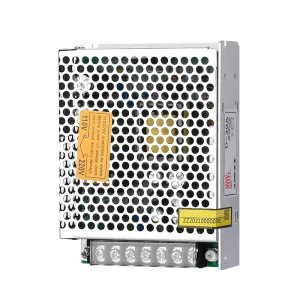
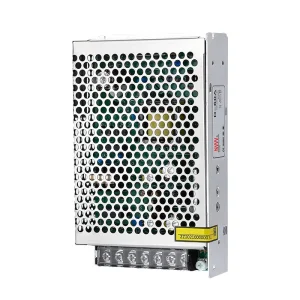
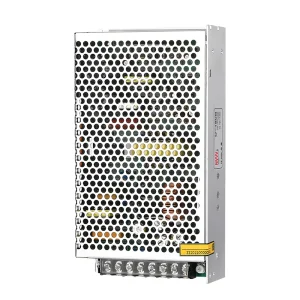
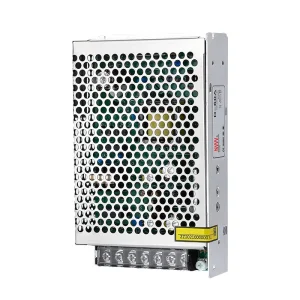
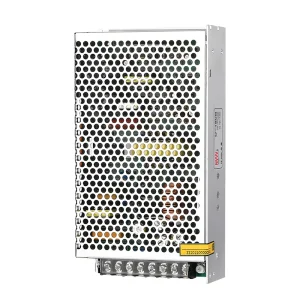
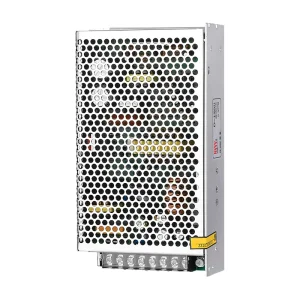
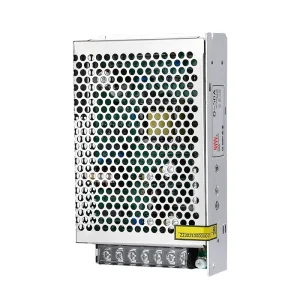
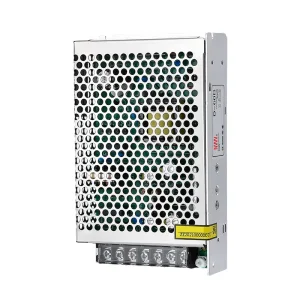
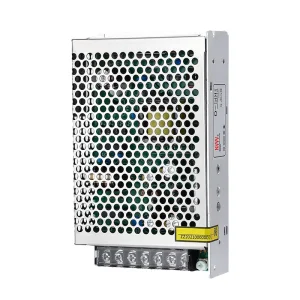
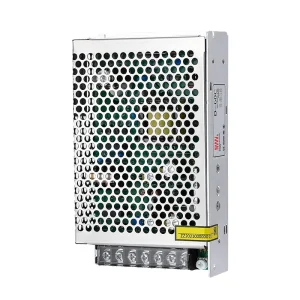
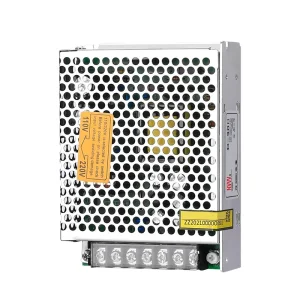
Explore our complete range of dual and multi-output industrial switching power supplies, featuring robust safety features and global compliance.
Frequently asked questions concerning importing, custom engineering, and integration of NVVV power supplies into Brazil.
 NVVV Electric