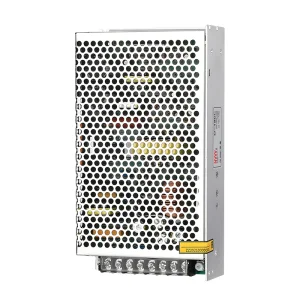
Explore our premium grade selection of switching power supplies, hybrid inverters, and DIN-rail systems optimized for demanding commercial applications.
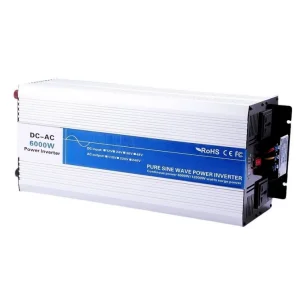
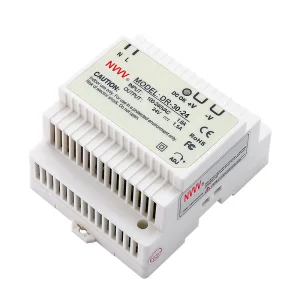
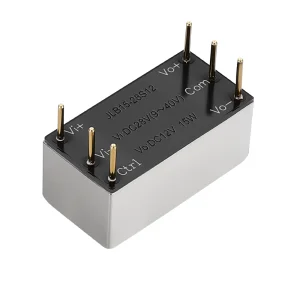
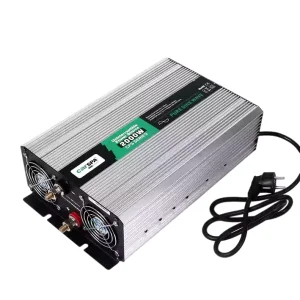
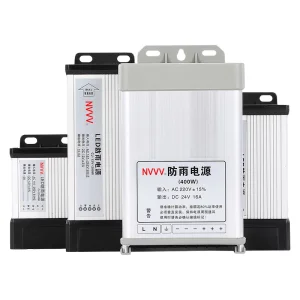
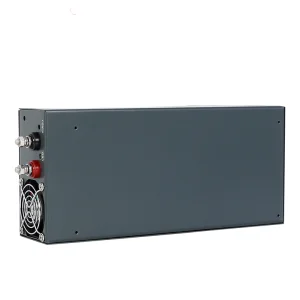
Modern electrical grids, heavy industrial manufacturing, and critical outdoor infrastructures require unparalleled reliability in power conversion. As global operations navigate harsh weather conditions, marine environment exposures, and variable electrical feed stability, the selection of Waterproof Power Converters is no longer just a component decision, but a strategic structural asset.
For B2B procurement managers and systems integrators in North America, Europe, and Asia, sourcing robust conversion systems that comply with local regulatory grids while ensuring zero water ingress is a priority. NVVV Electric Technology meets this global demand by providing highly optimized thermal-efficient designs, IP67 and IP68 waterproof ratings, and comprehensive localized regulatory compliance.
A comprehensive analysis of design, thermal management, and reliability matrices in industrial-grade waterproof conversion systems.
Waterproof power converters must prevent water ingress under distinct pressure differentials while facilitating efficient heat transfer. Traditional air-cooled switching power supplies rely on open vents, which are highly susceptible to moisture, corrosive salt air, and dust accumulation. Industrial-grade waterproof power units solve this by employing a completely sealed chassis, typically utilizing aluminum alloys with high thermal conductivity.
The boundary between IP67 (immersion up to 1 meter for 30 minutes) and IP68 (continuous immersion under pressure) lies in the sealing methodology. NVVV converters implement advanced vacuum potting techniques, using specialized silicone or epoxy elastomers that feature a thermal conductivity rating exceeding 1.5 W/m·K. This thermal material replaces all internal air cavities, eliminating the risk of condensation caused by thermal cycling (vacuum pull from cooling cycles) and providing a primary path for heat to transfer from the internal components to the outer aluminum casing.
Operating a sealed power supply introduces significant thermodynamic challenges. Because there is no active airflow or convection currents within the enclosure, heat must be dissipated entirely via conduction and external natural convection. The formula governing this thermal resistance is:
To prevent junction temperatures of key semiconductors (MOSFETs, Schottky diodes) from exceeding safety thresholds, the internal physical layout must minimize thermal resistance. Our design team utilizes finite element analysis (FEA) to strategically position high-heat components directly against the thermally conductive chassis. Additionally, we integrate low-loss components—such as synchronous rectifiers instead of traditional diodes—to achieve operational efficiencies up to 94%, thereby reducing the total amount of waste heat generated.
Different industrial sectors present unique challenges that standard off-the-shelf power converters cannot satisfy:
How NVVV is pushing the boundaries of power density, smart control, and environmental resilience.
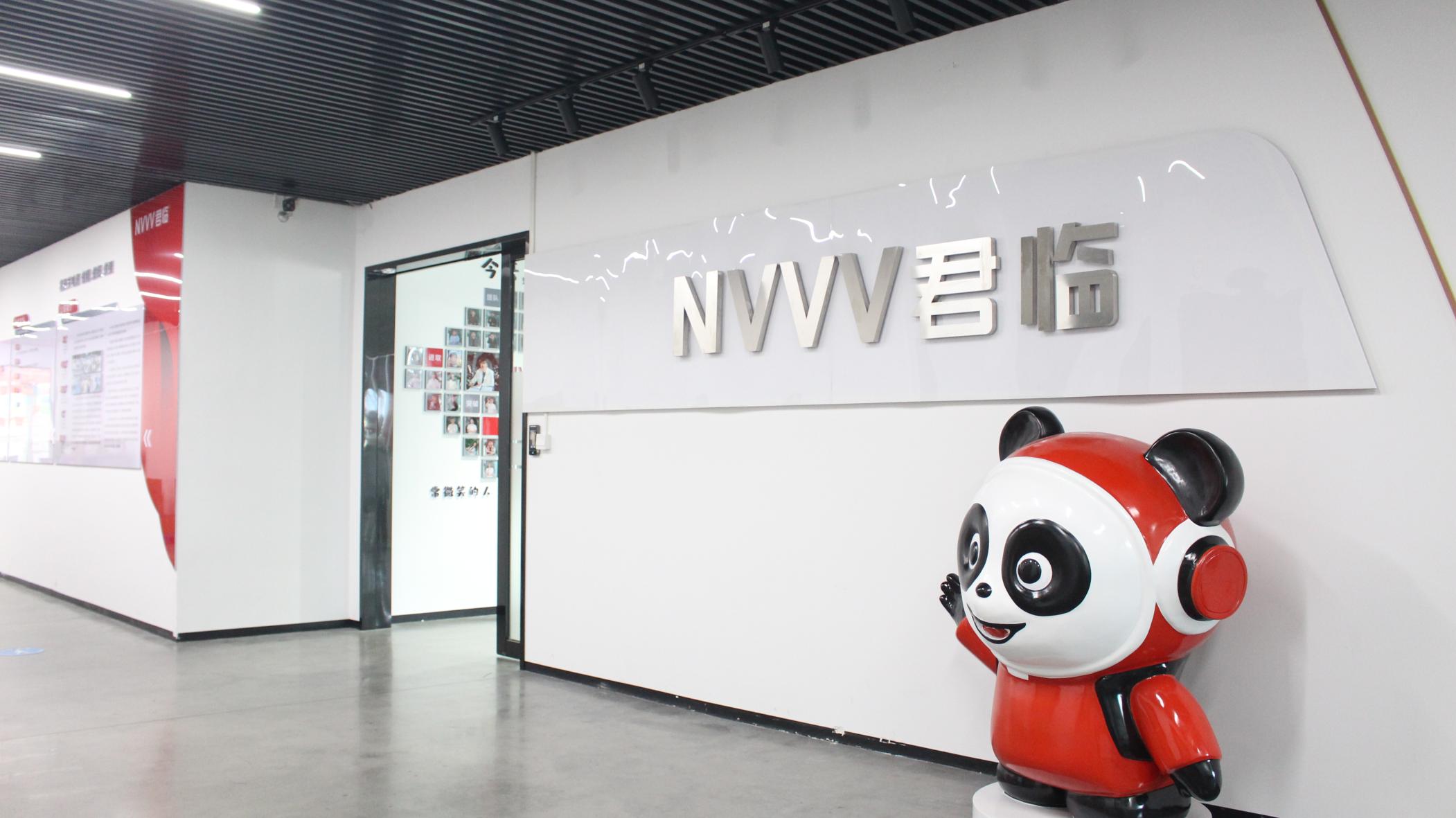
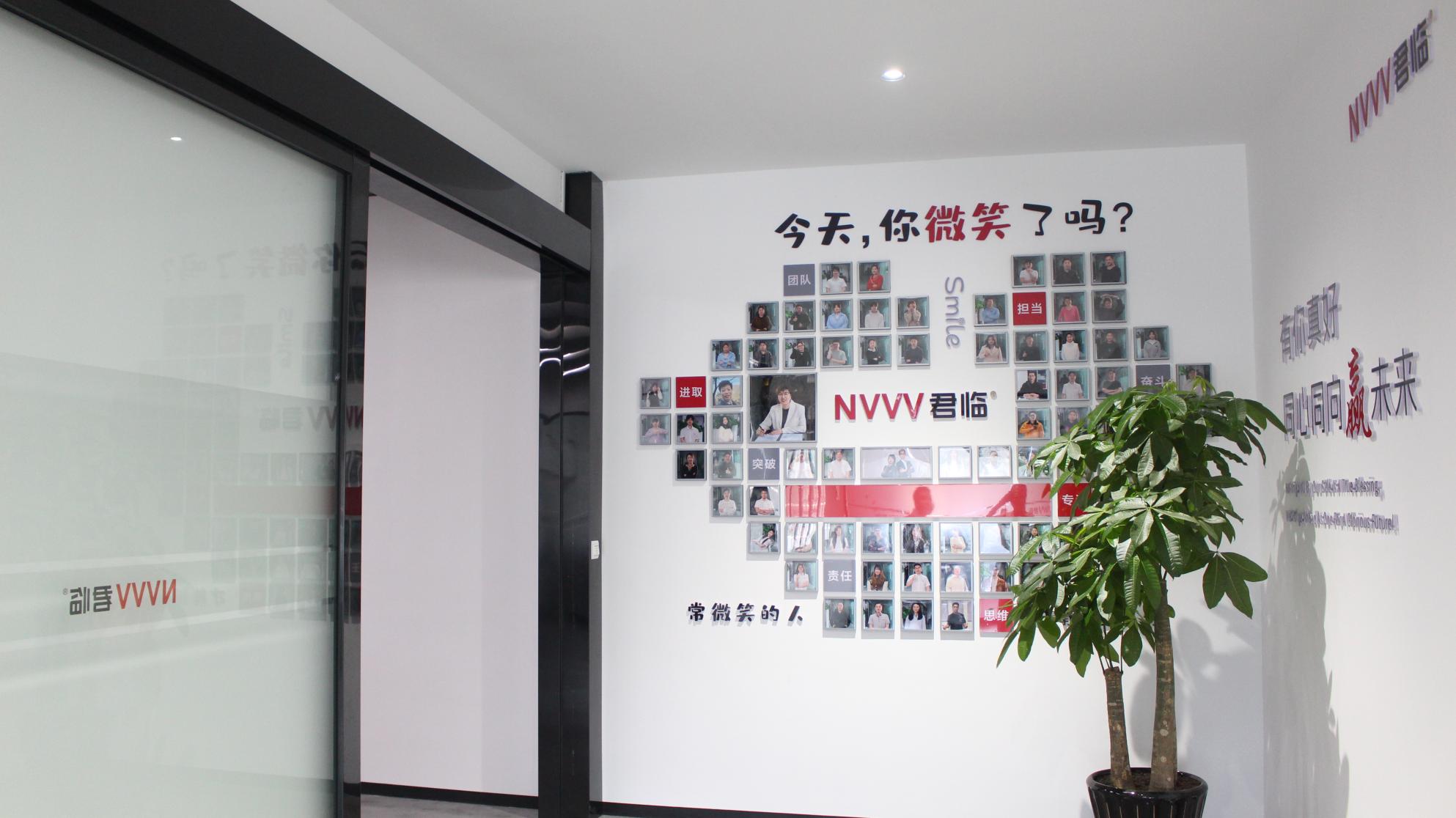
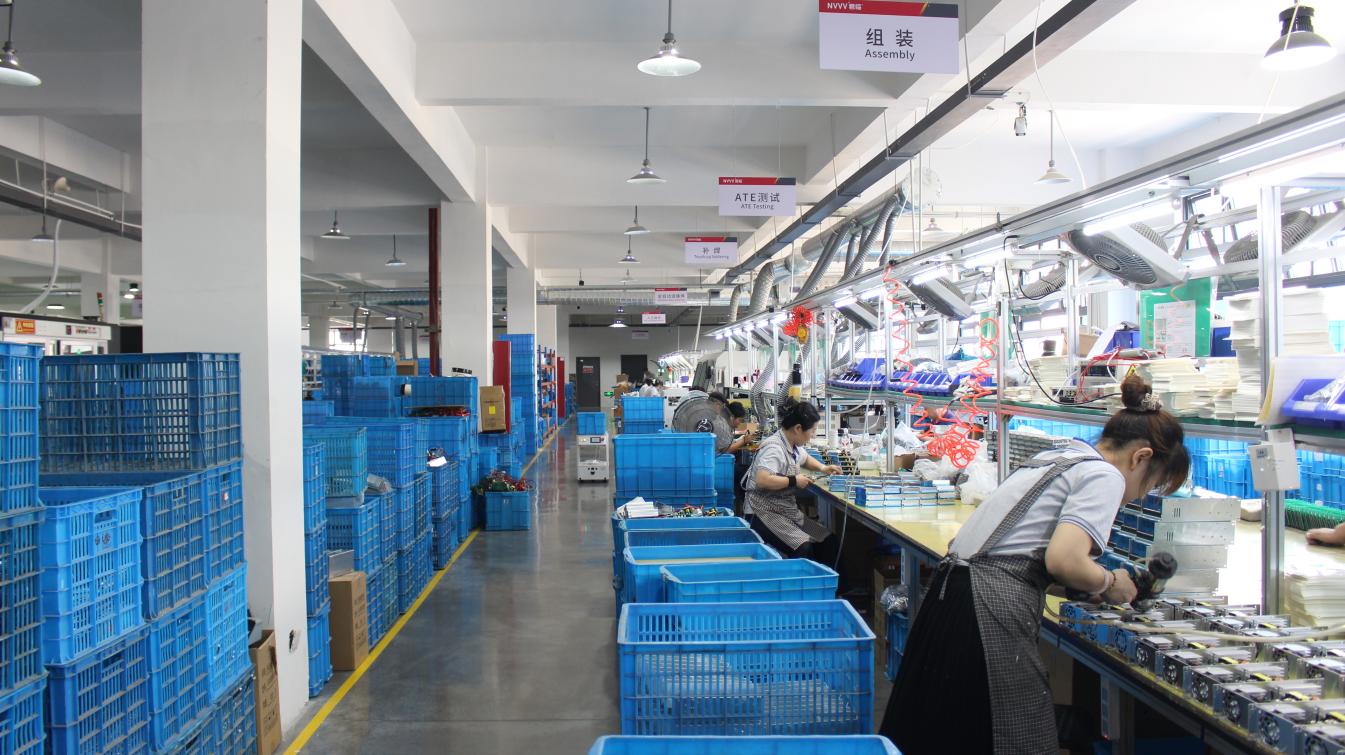
Located in the premier industrial hub of Wenzhou, China, our 2,644 square meter facility features 5 automated production lines and 46 advanced machines.
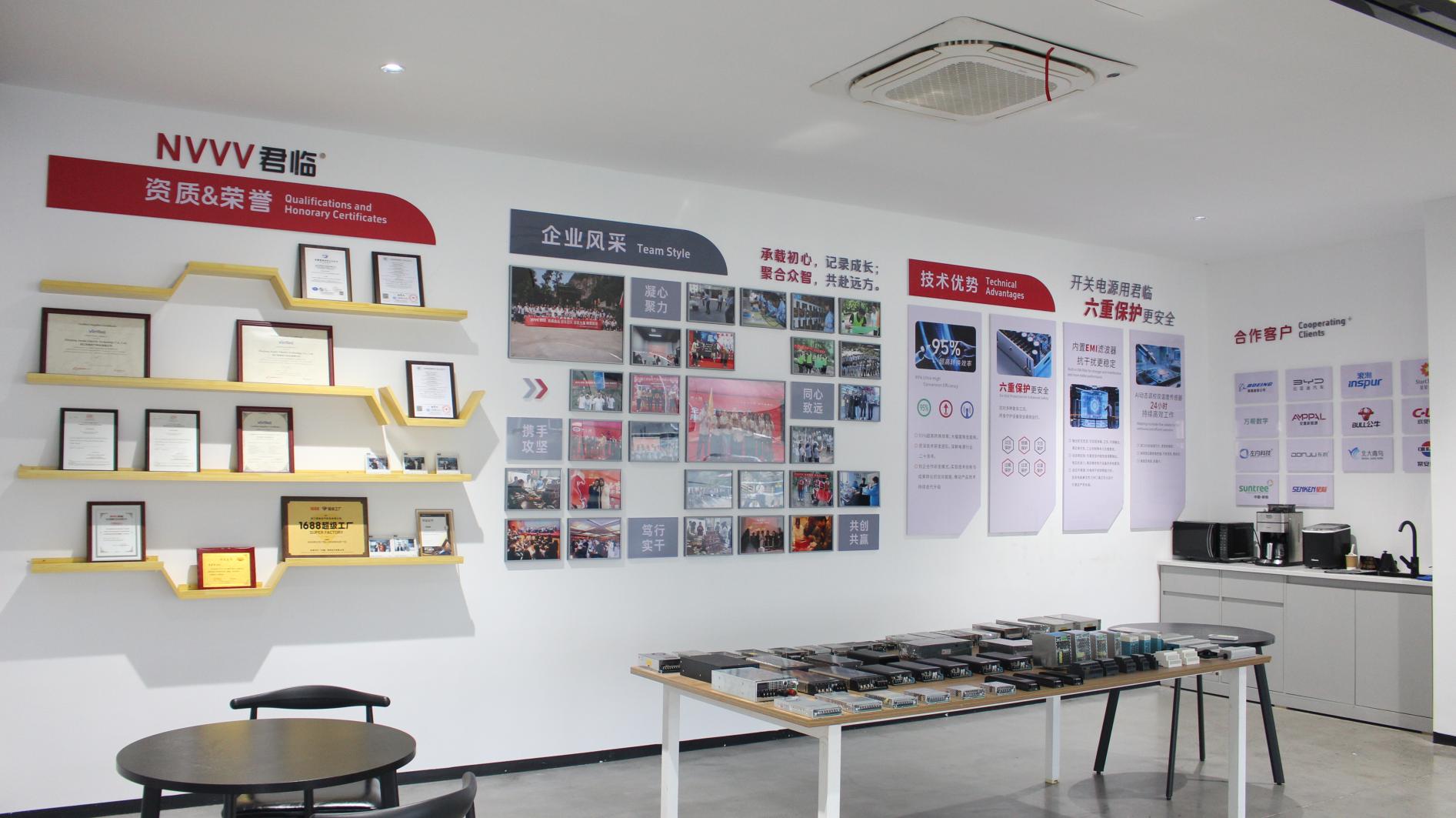


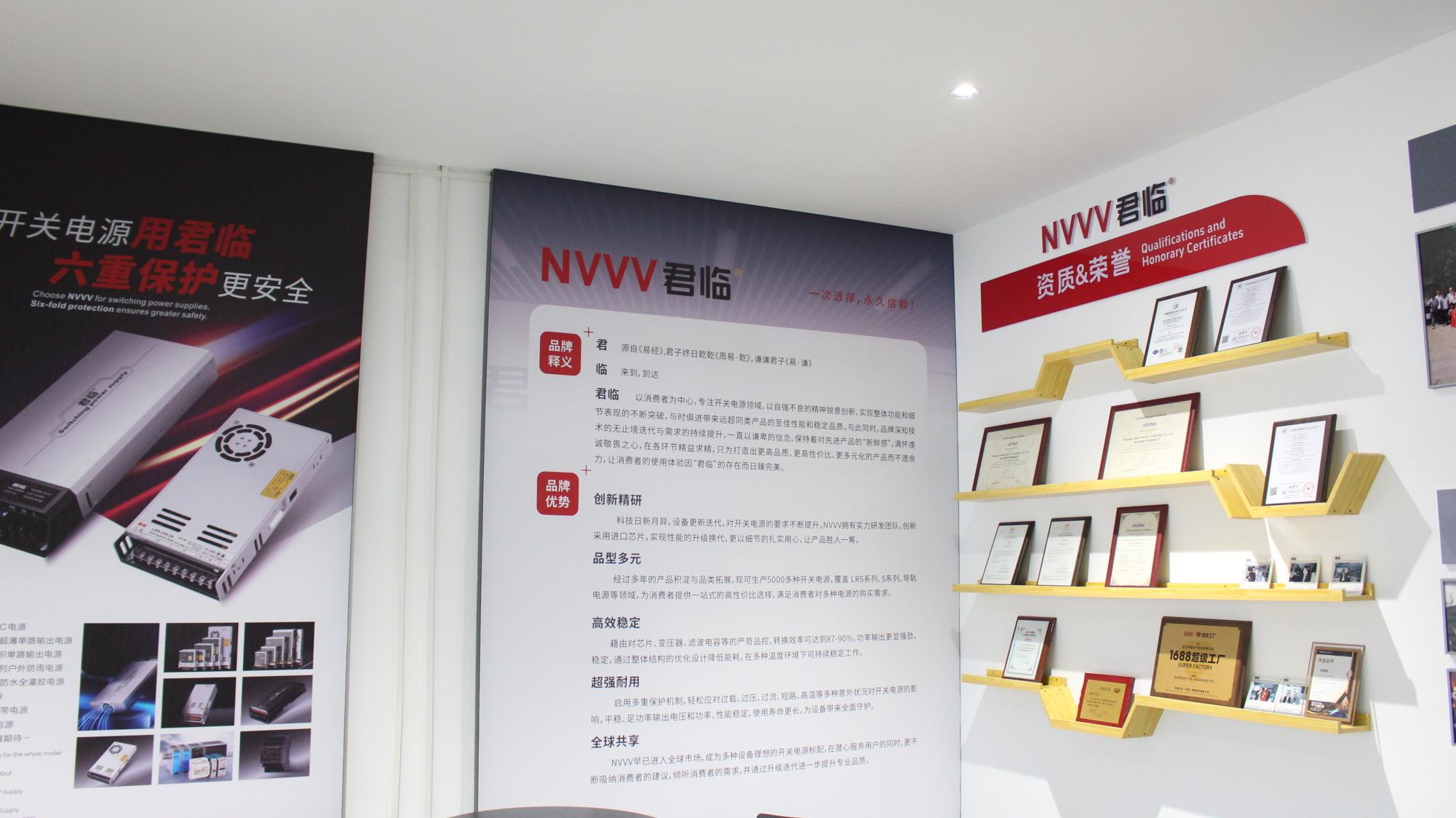
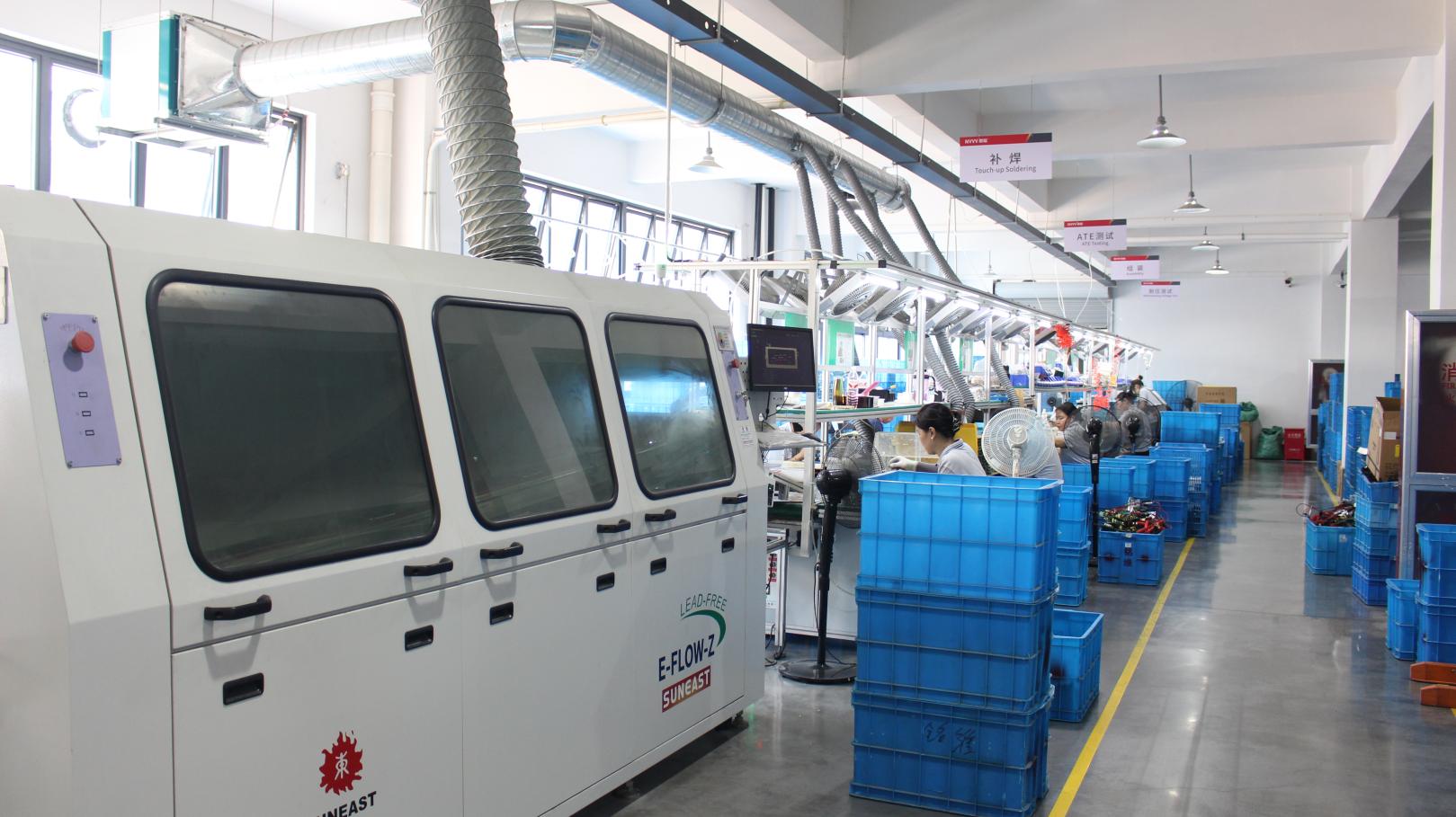
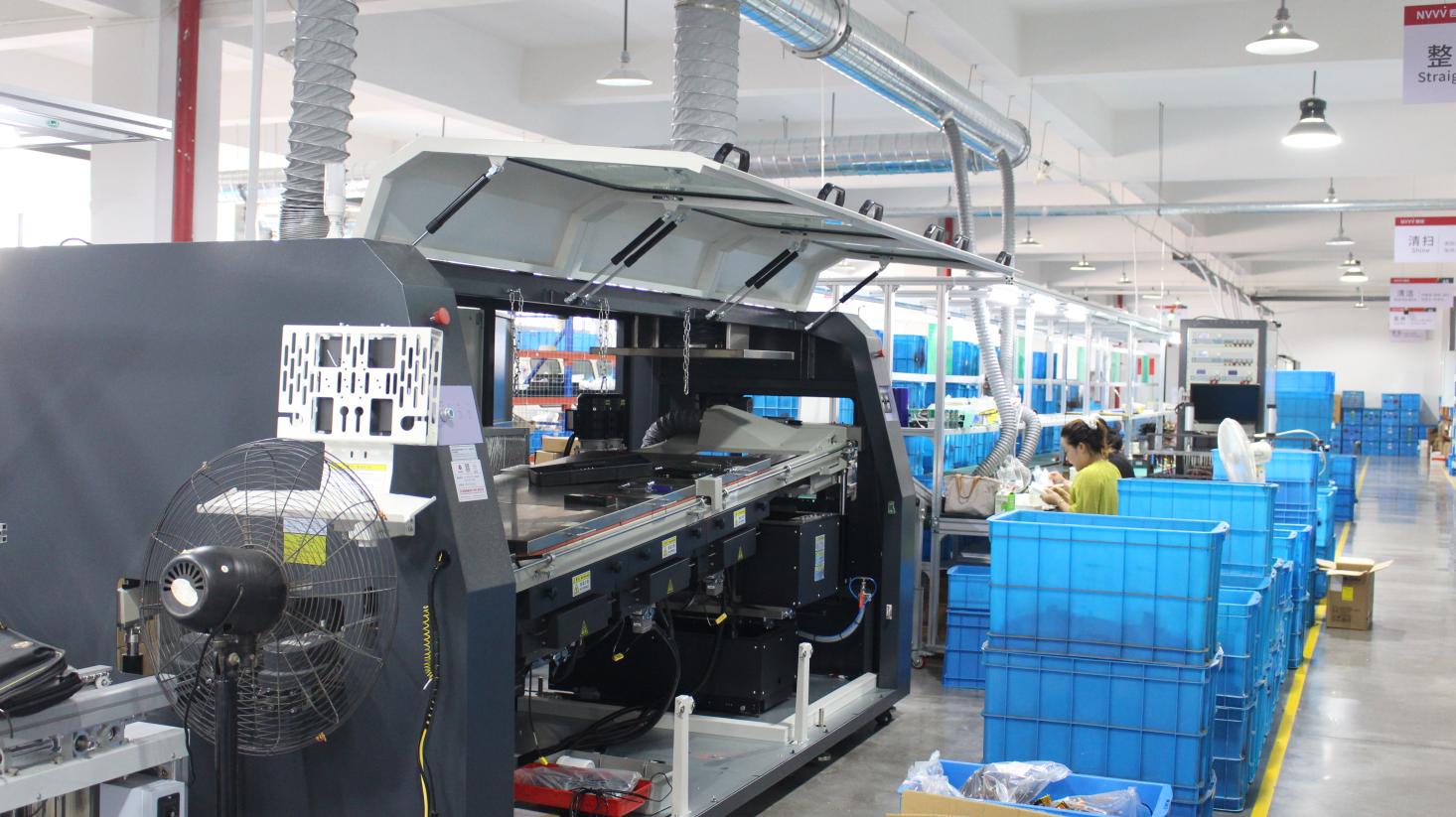
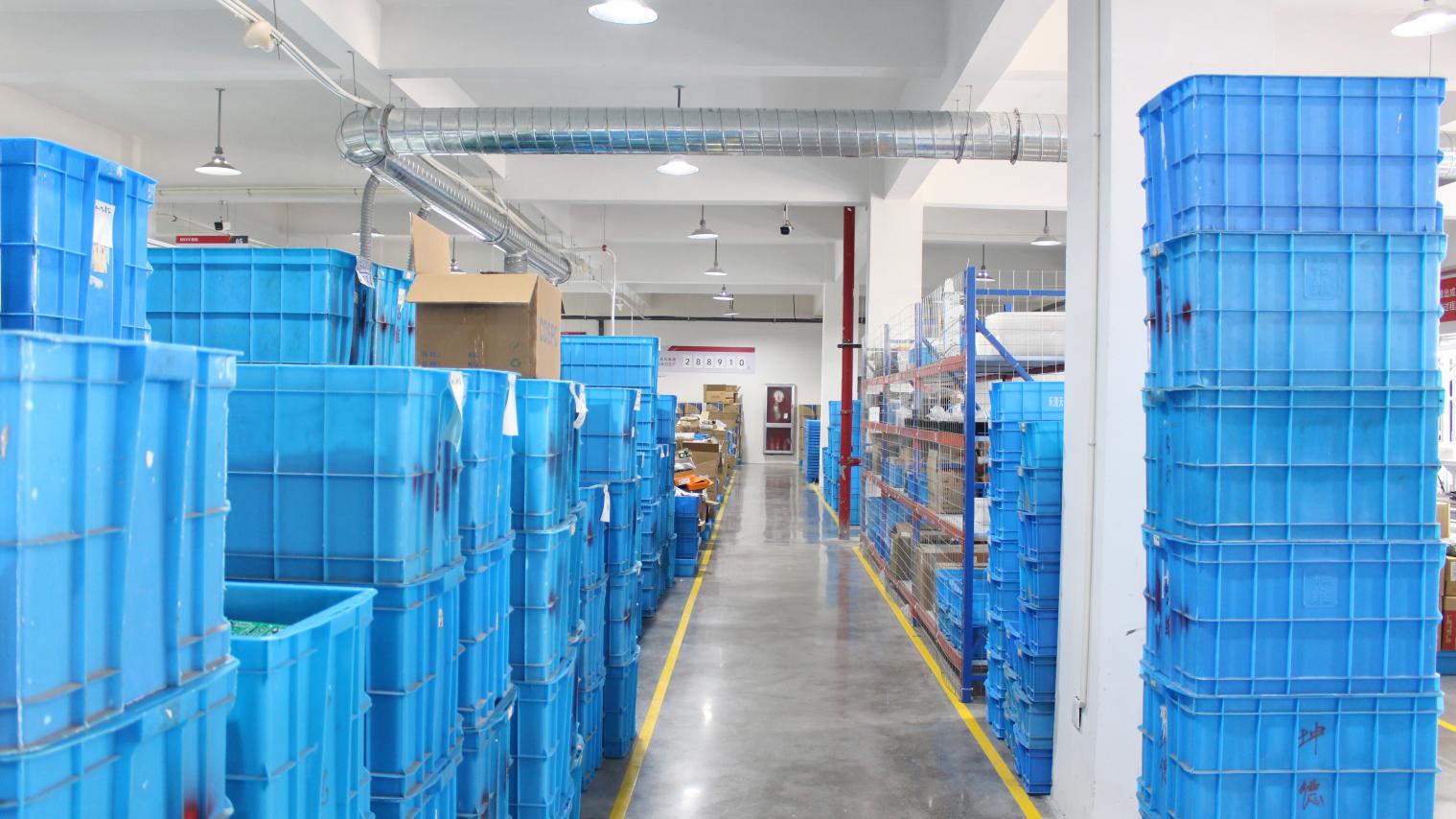
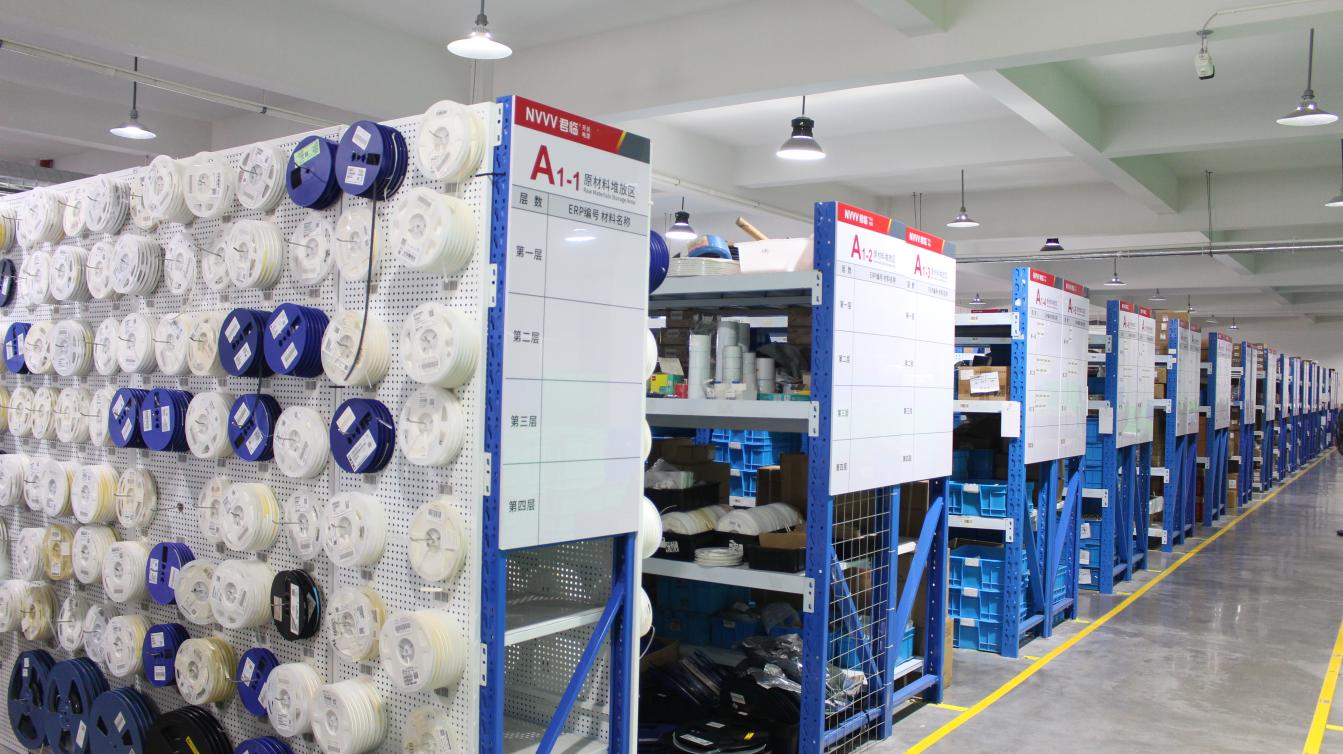
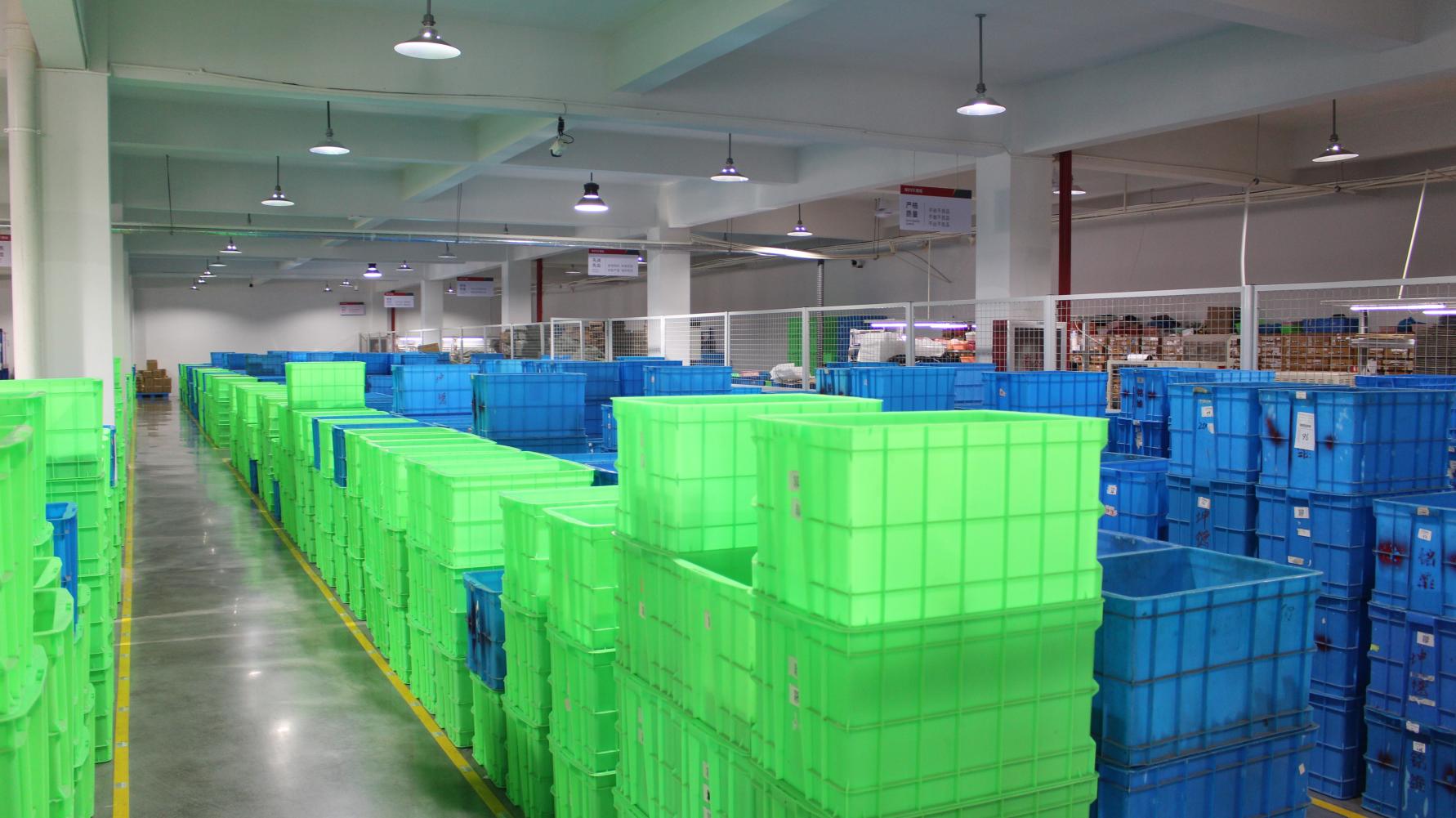
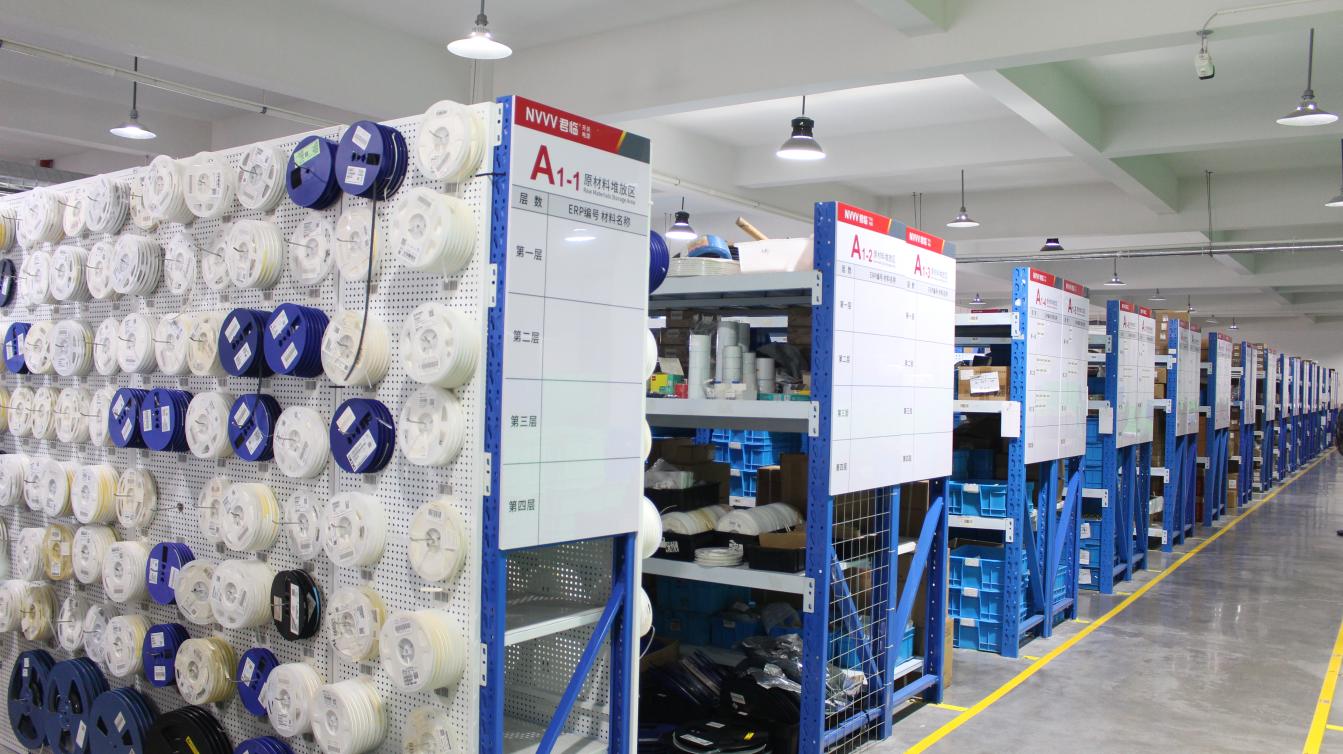
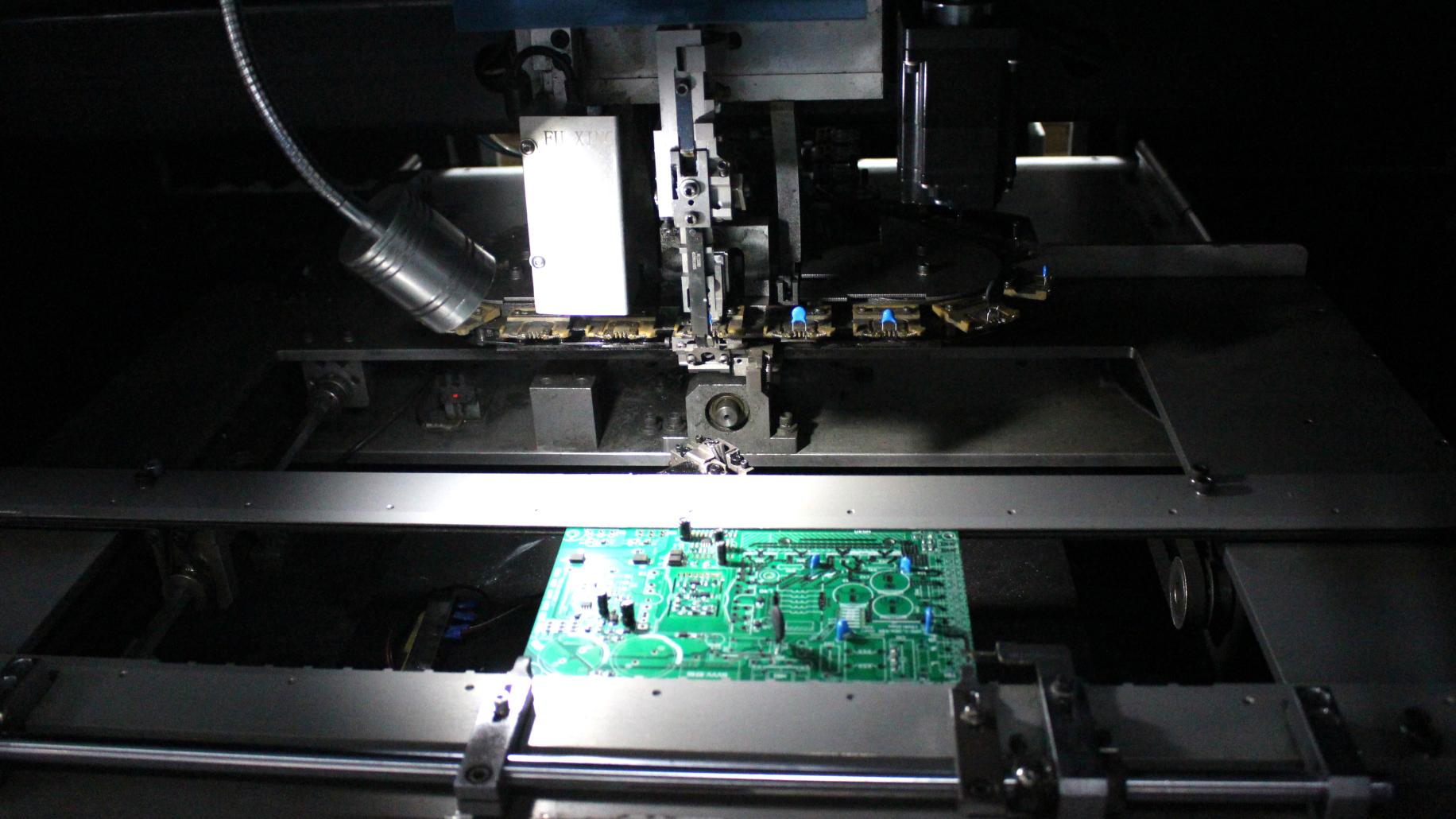
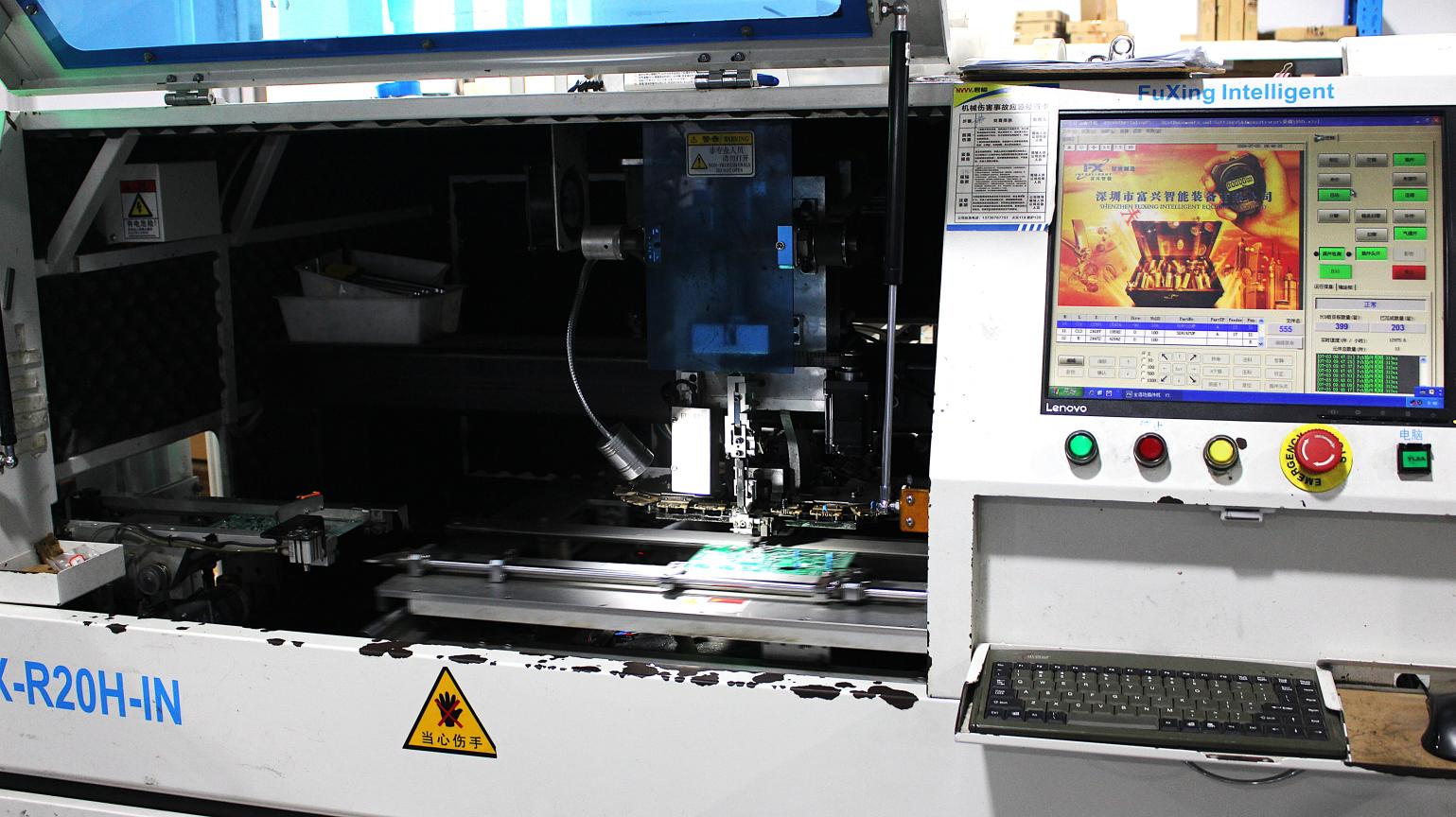
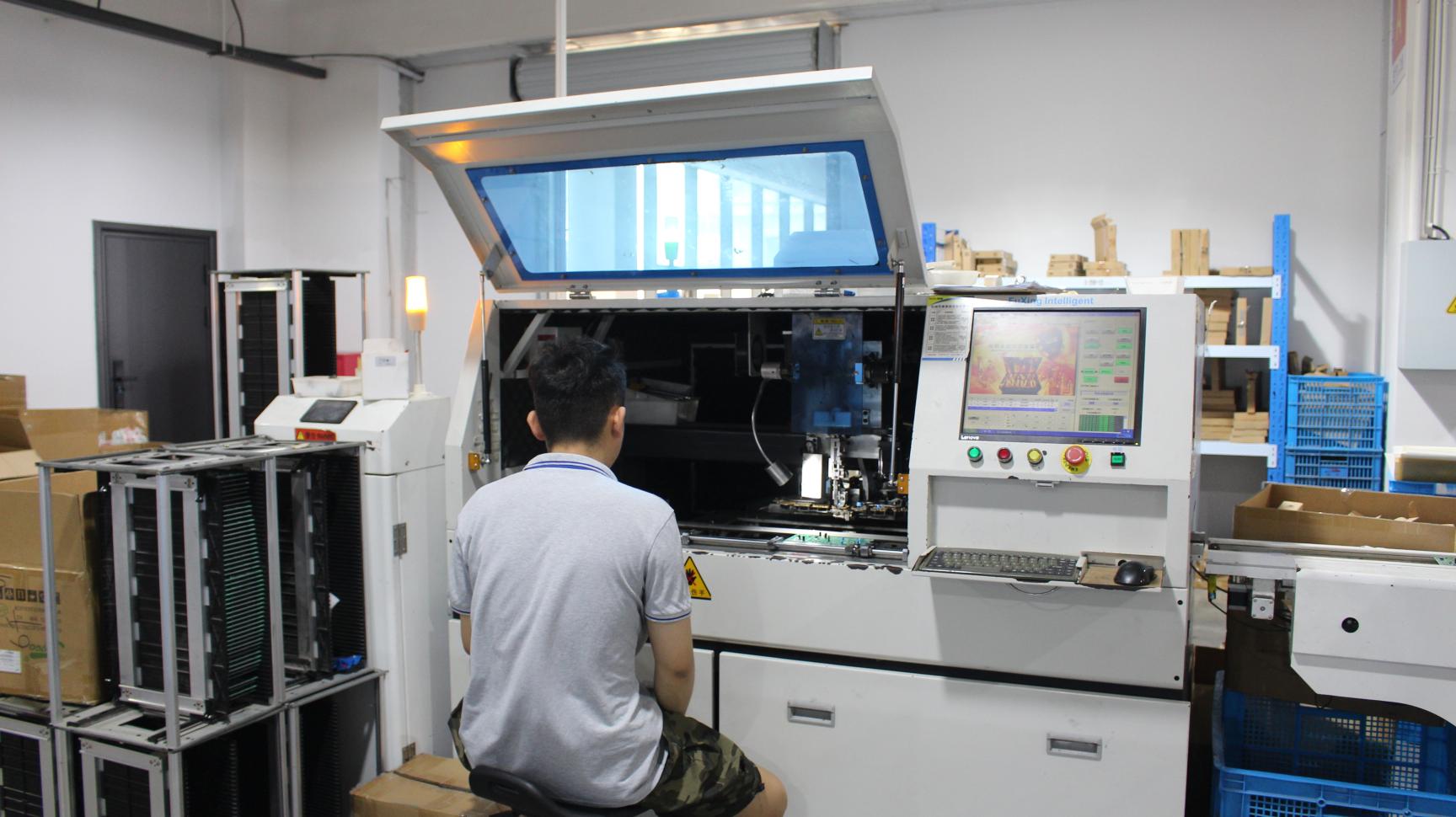
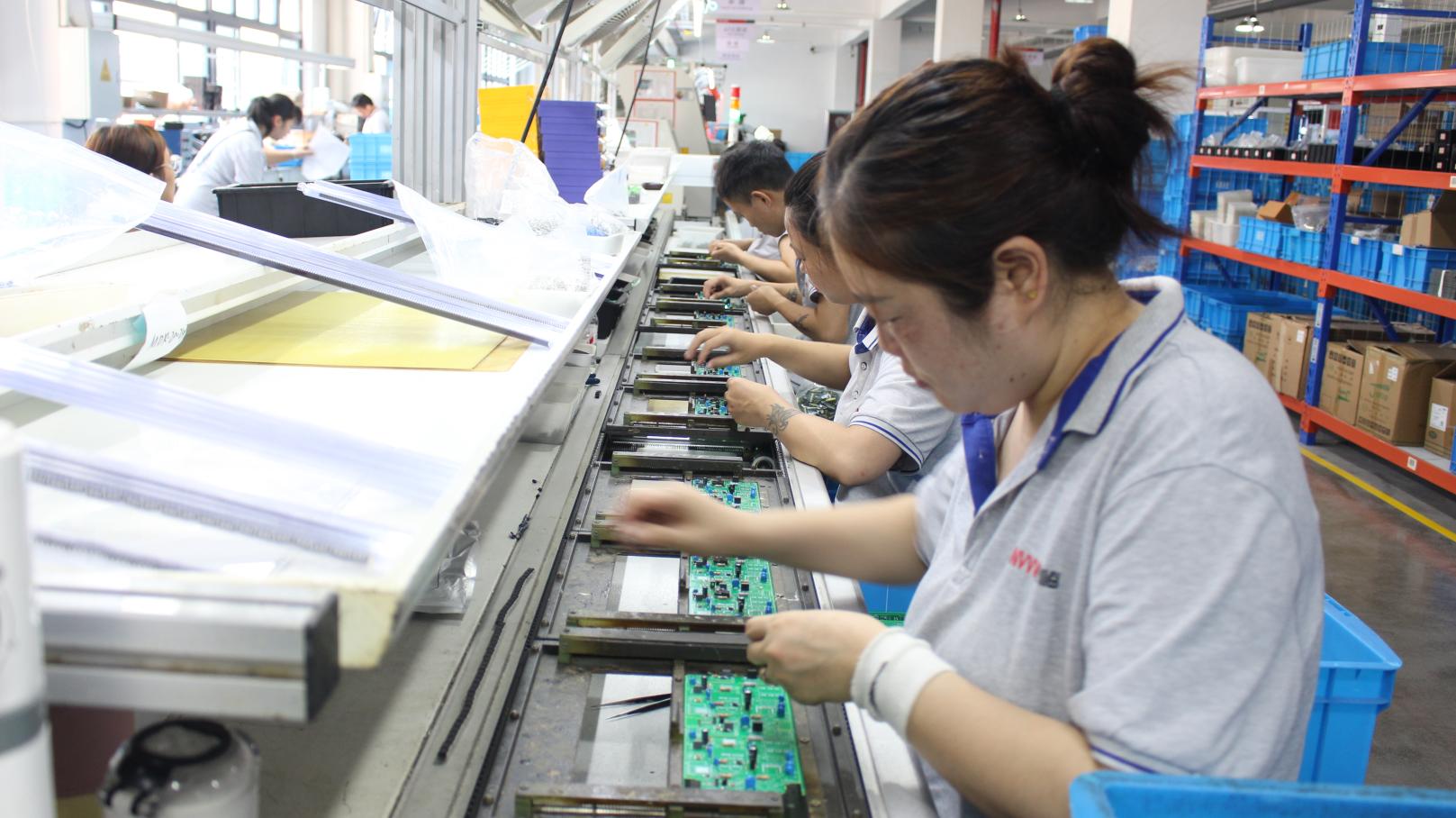
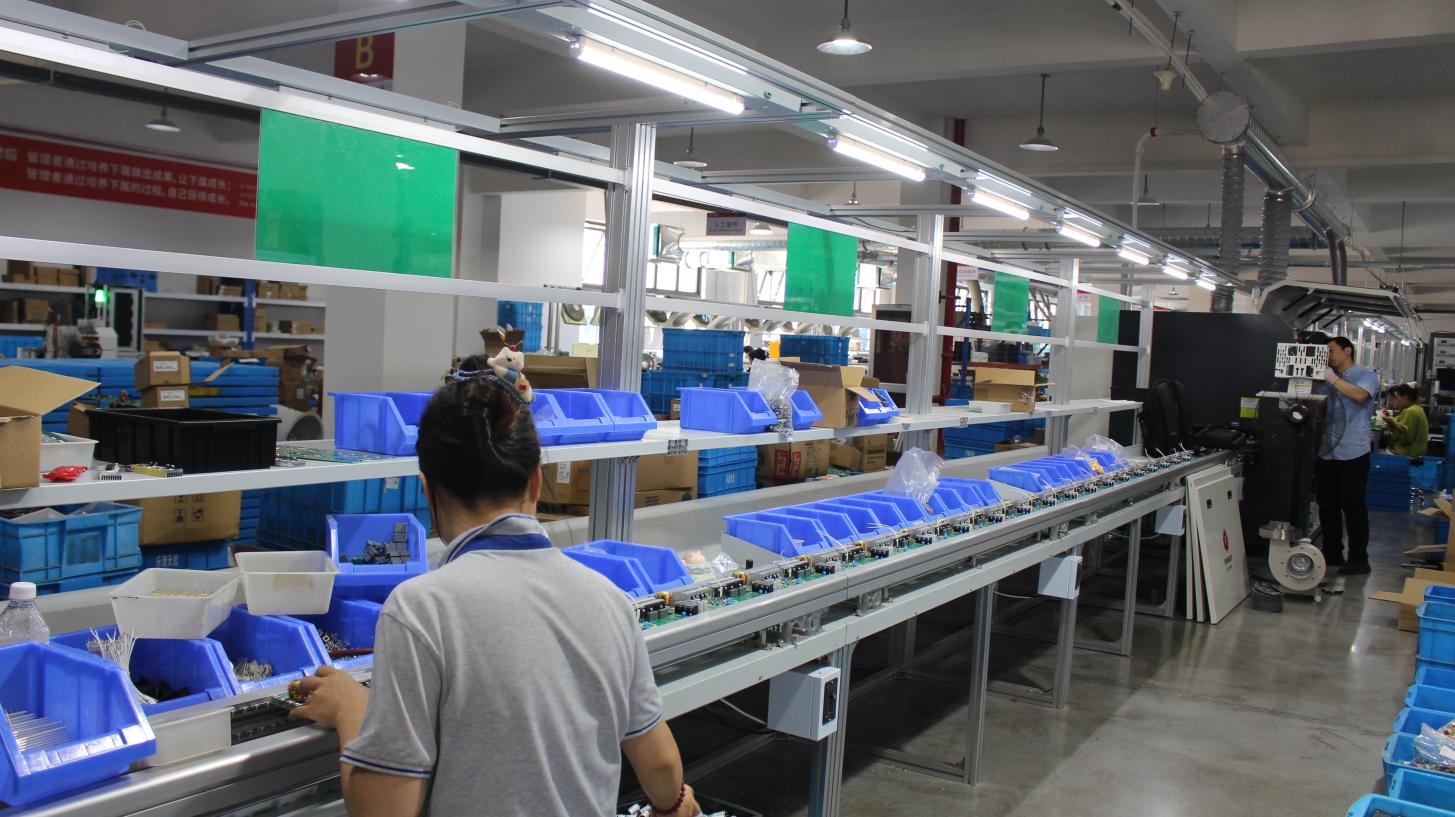
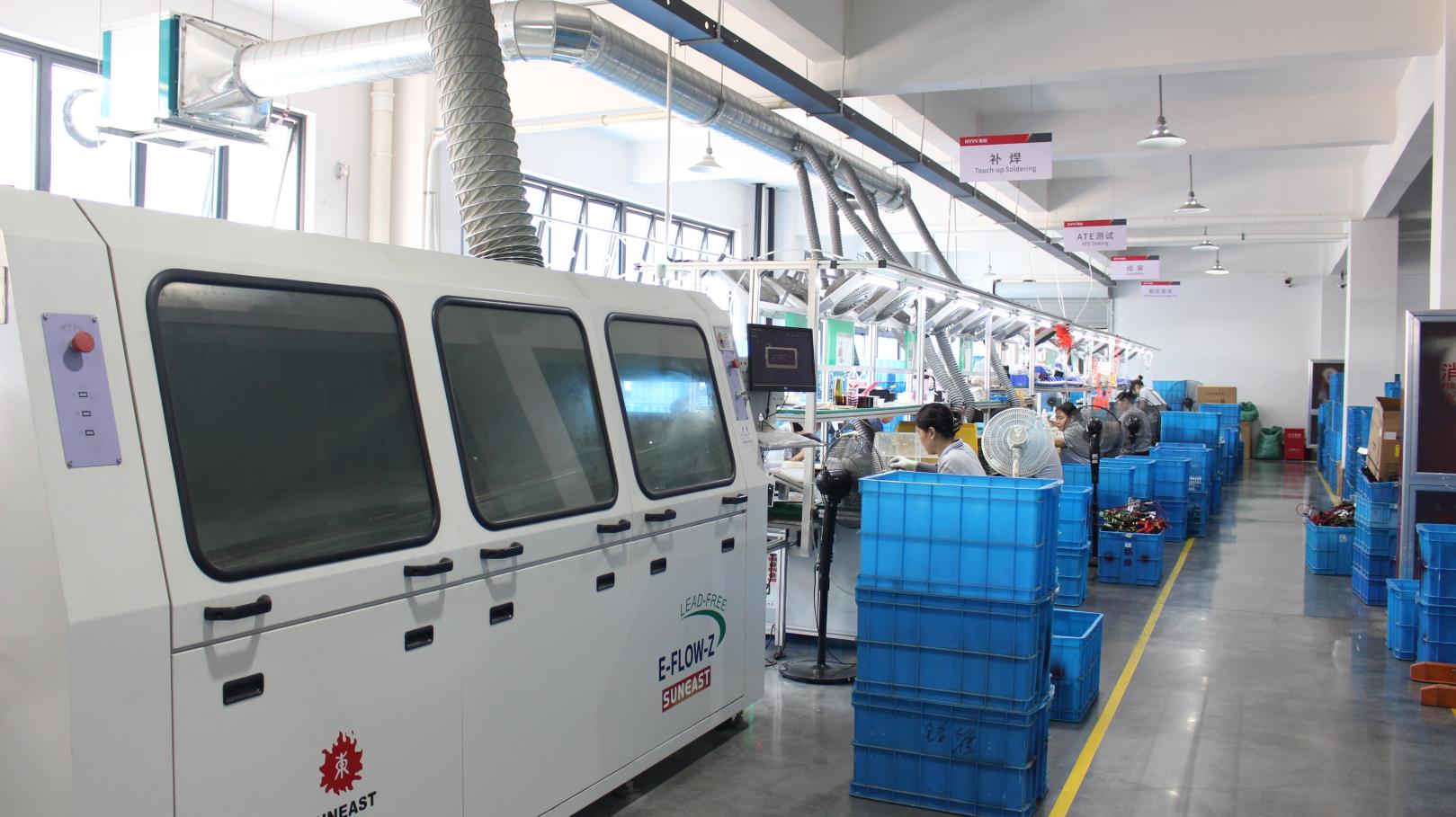
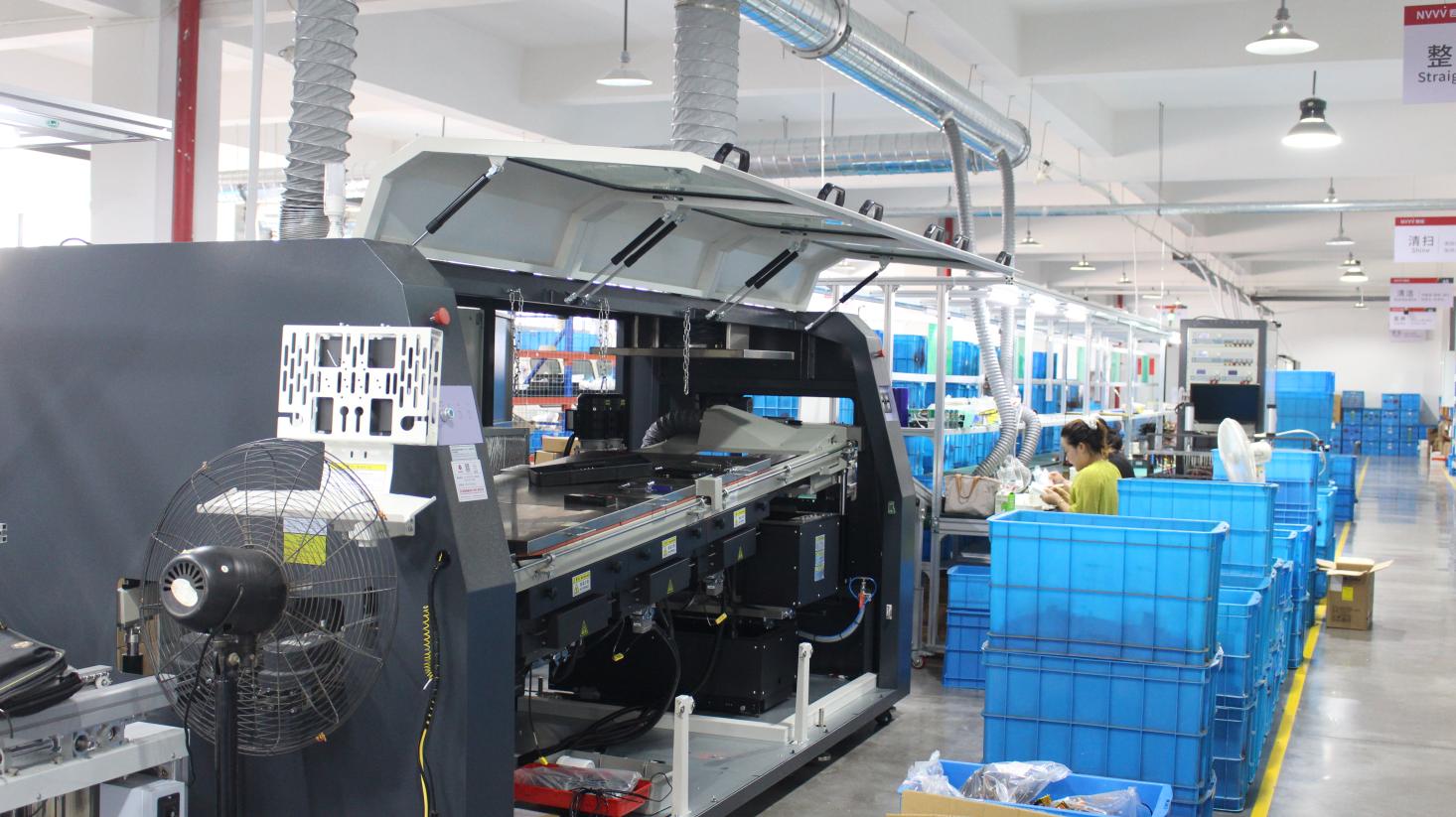
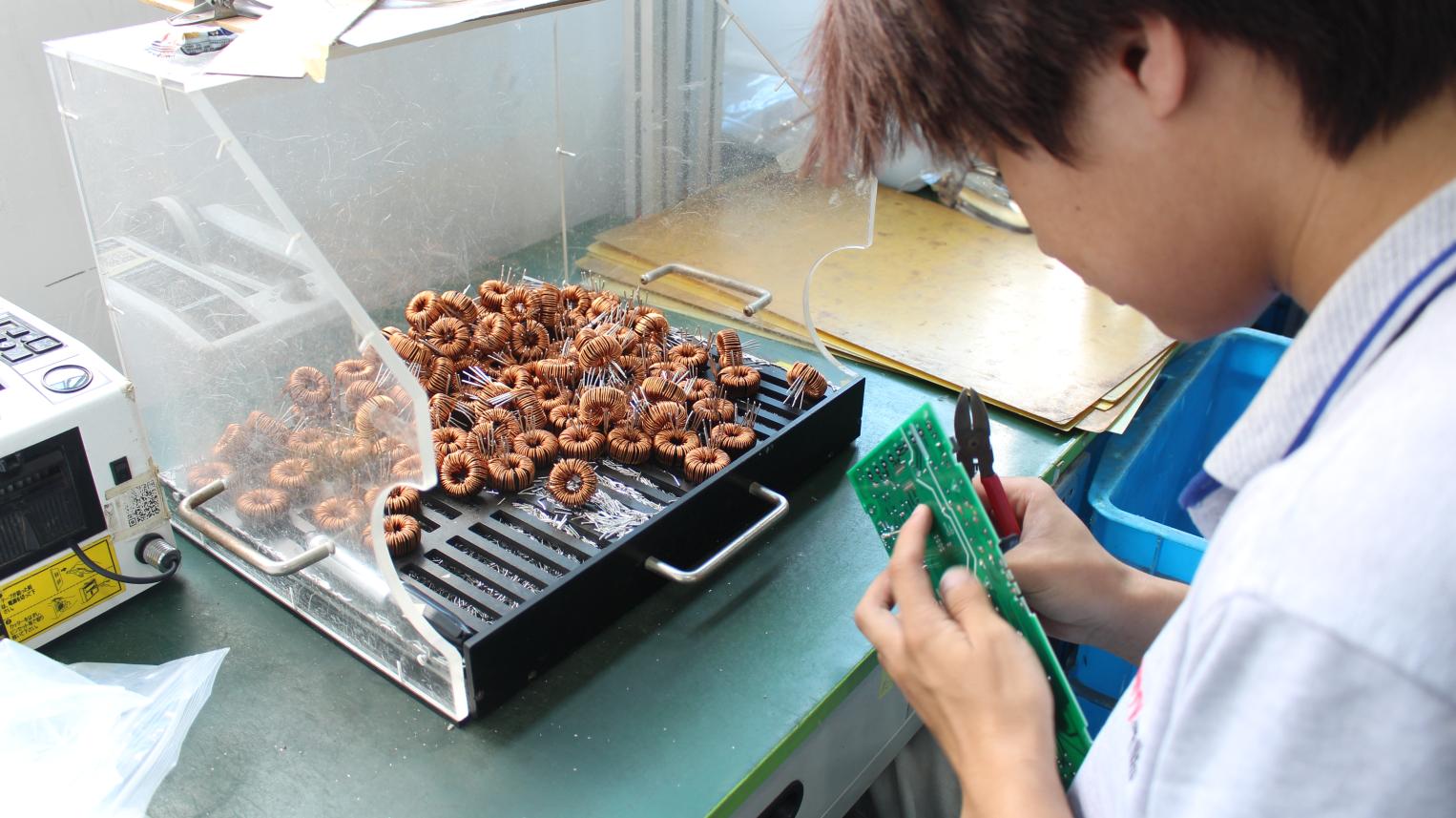
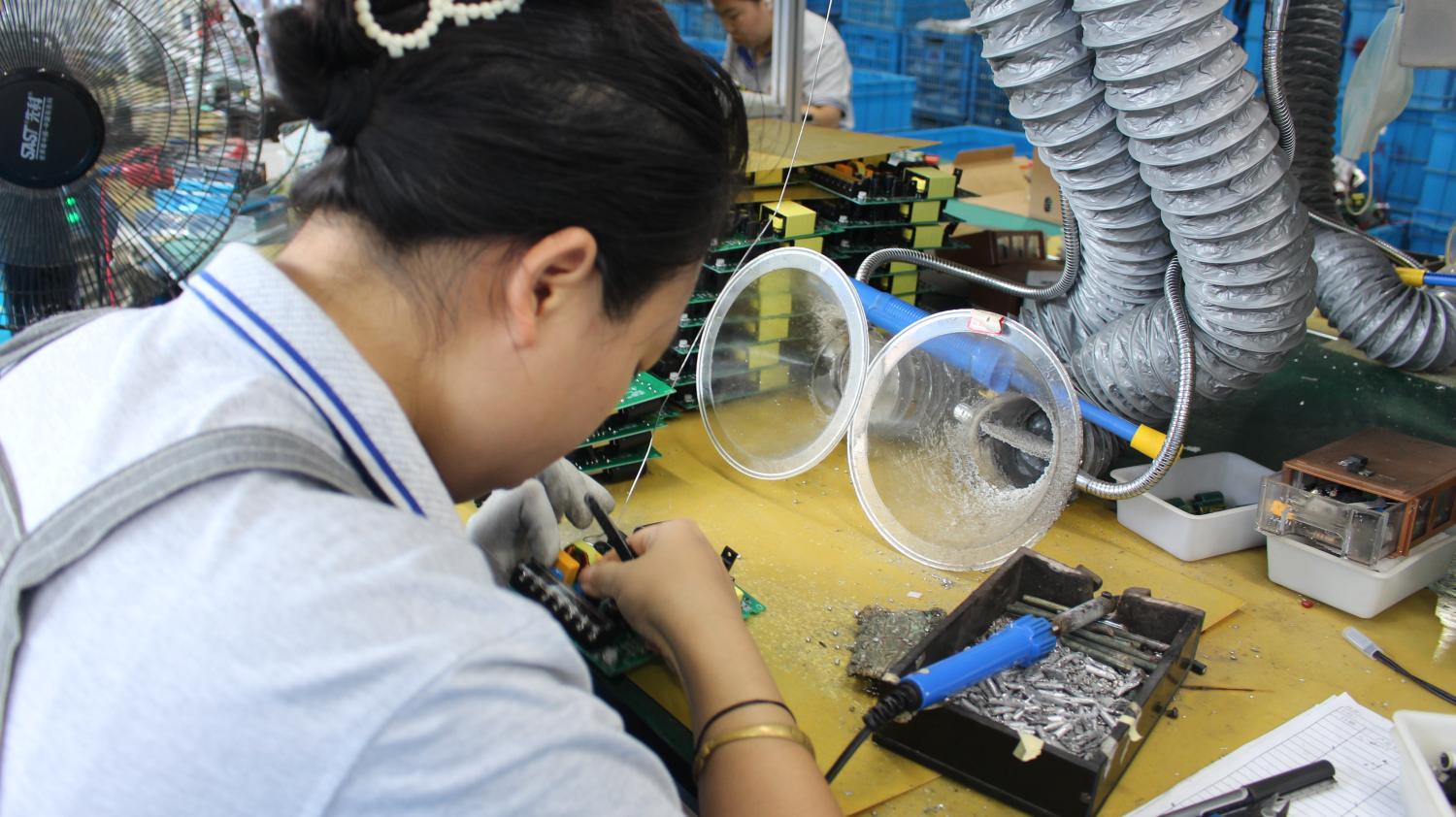
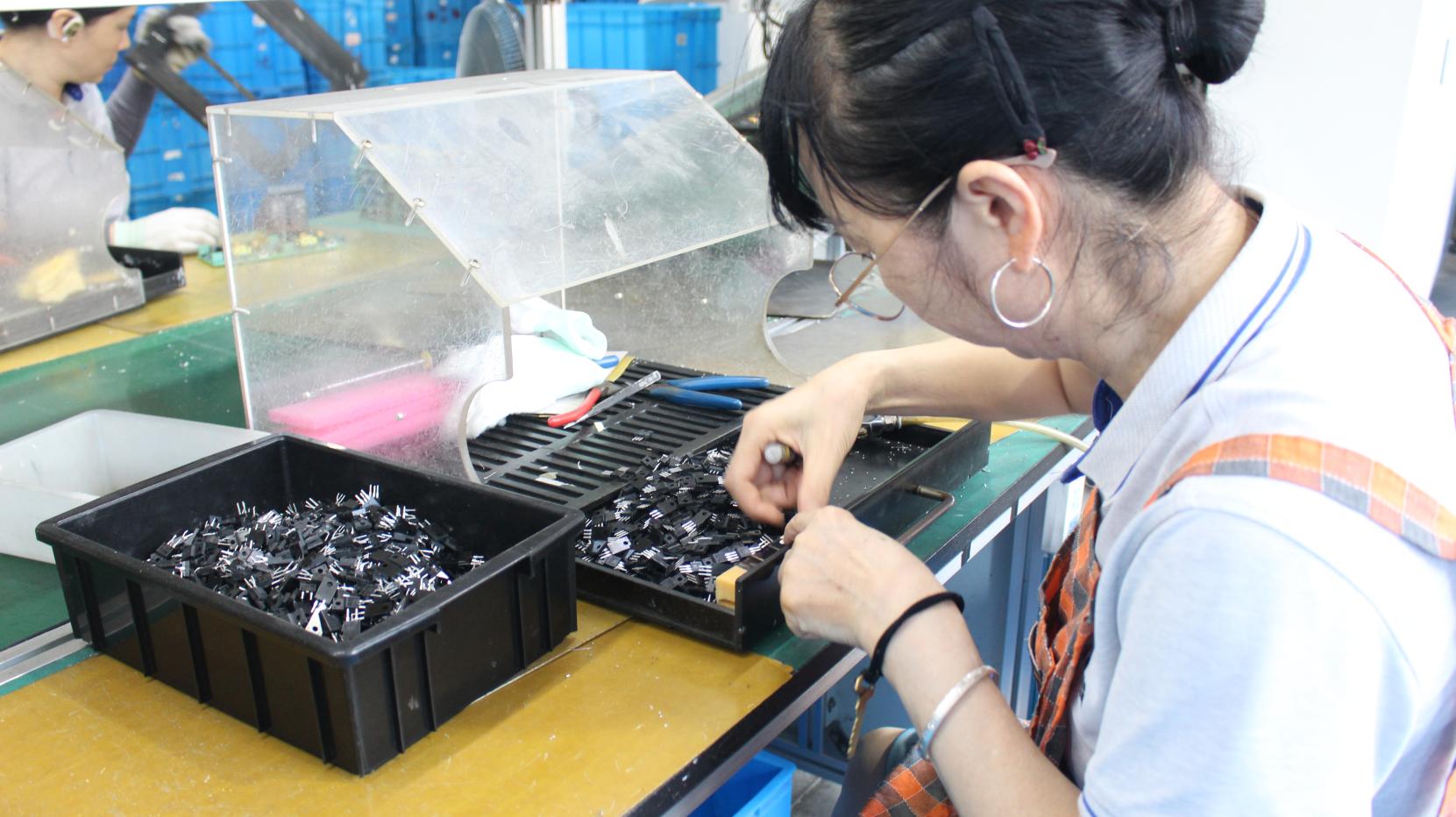
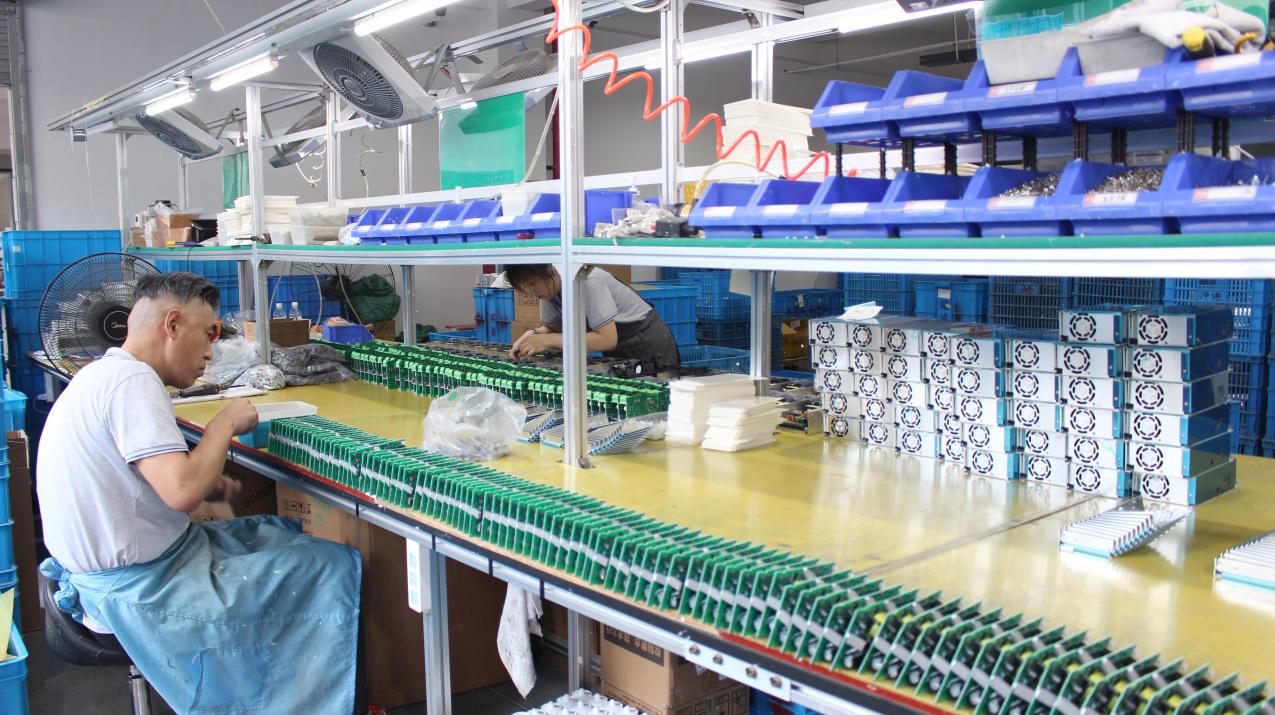
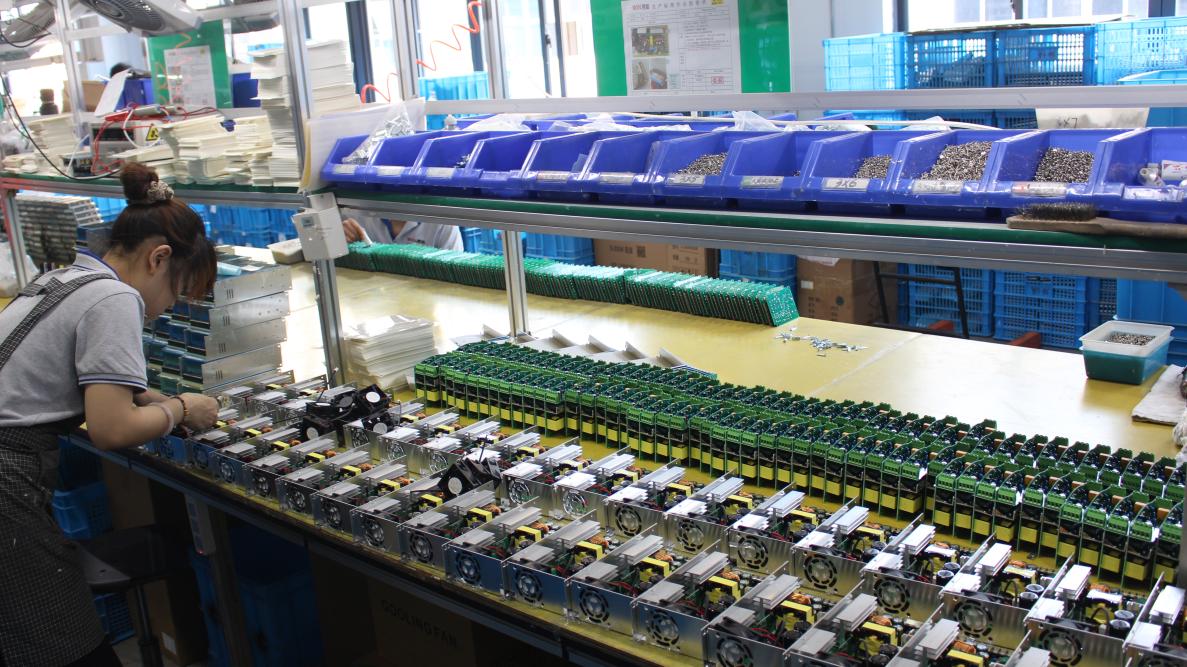
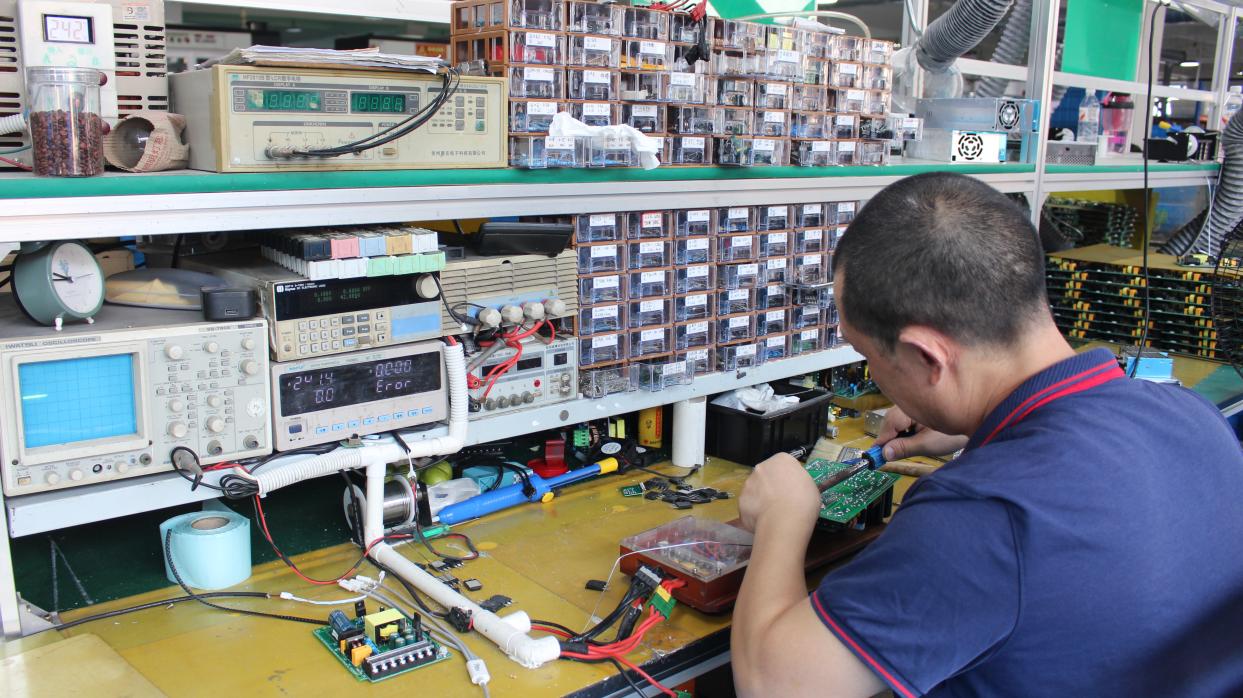
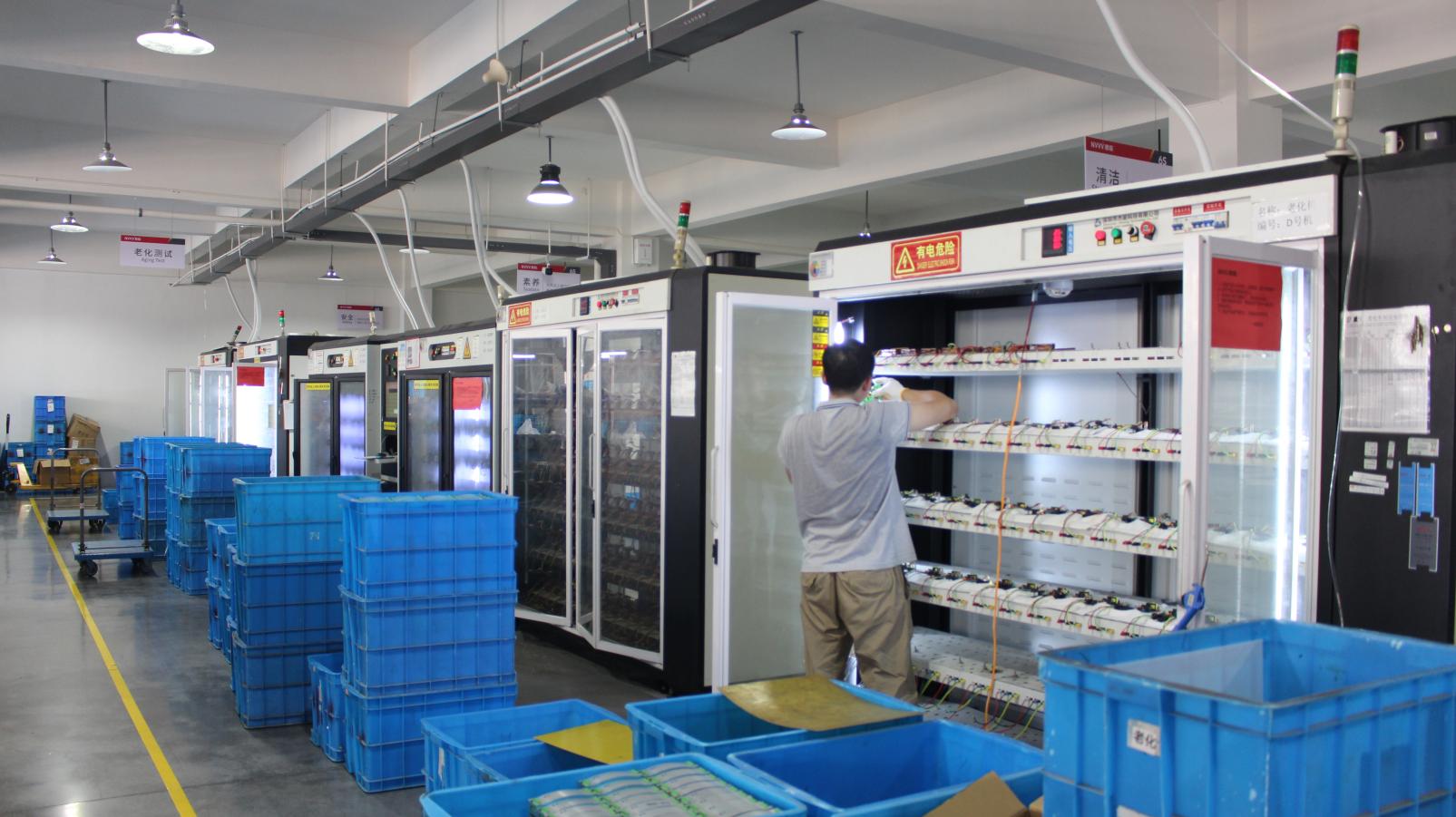
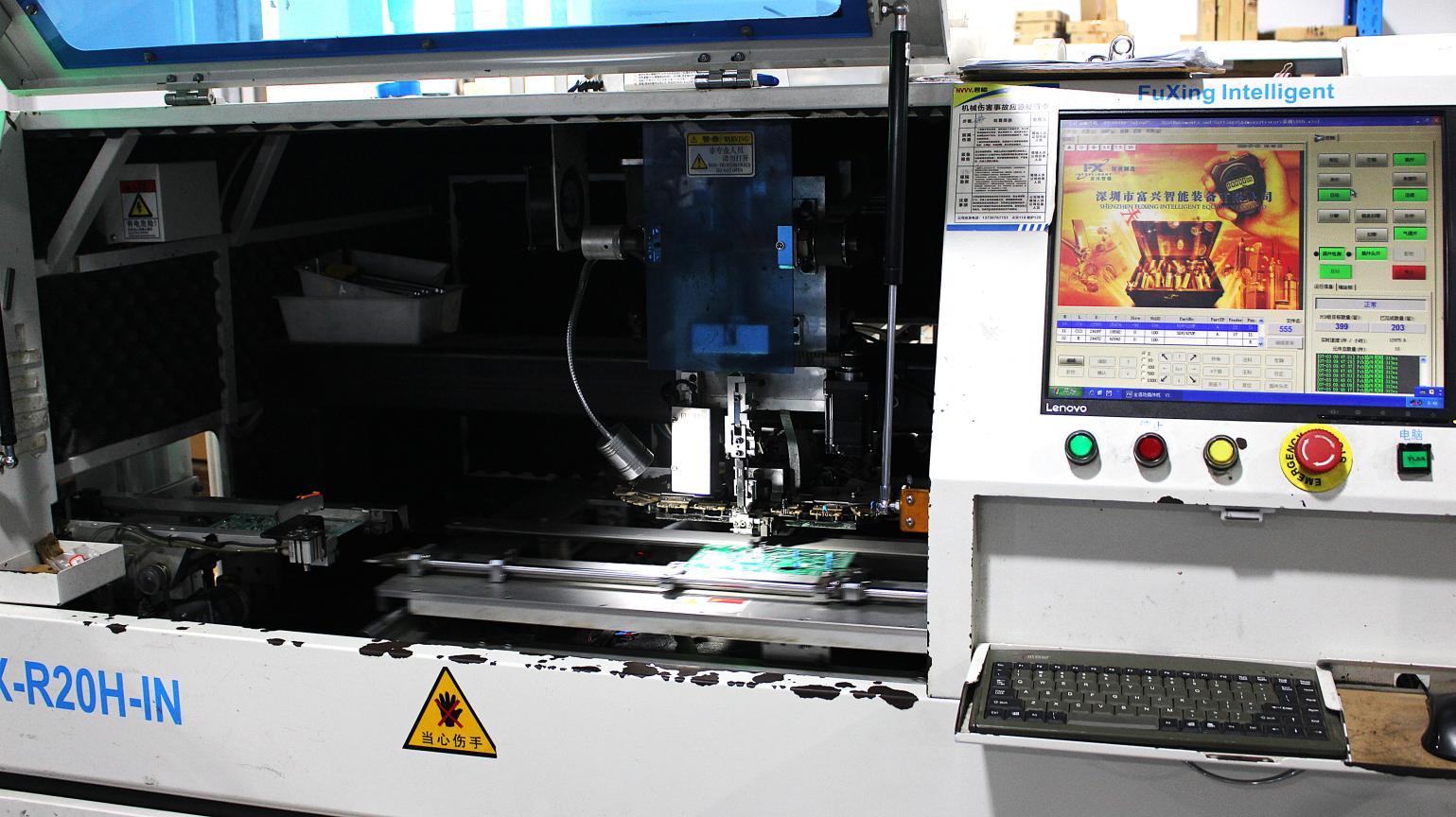
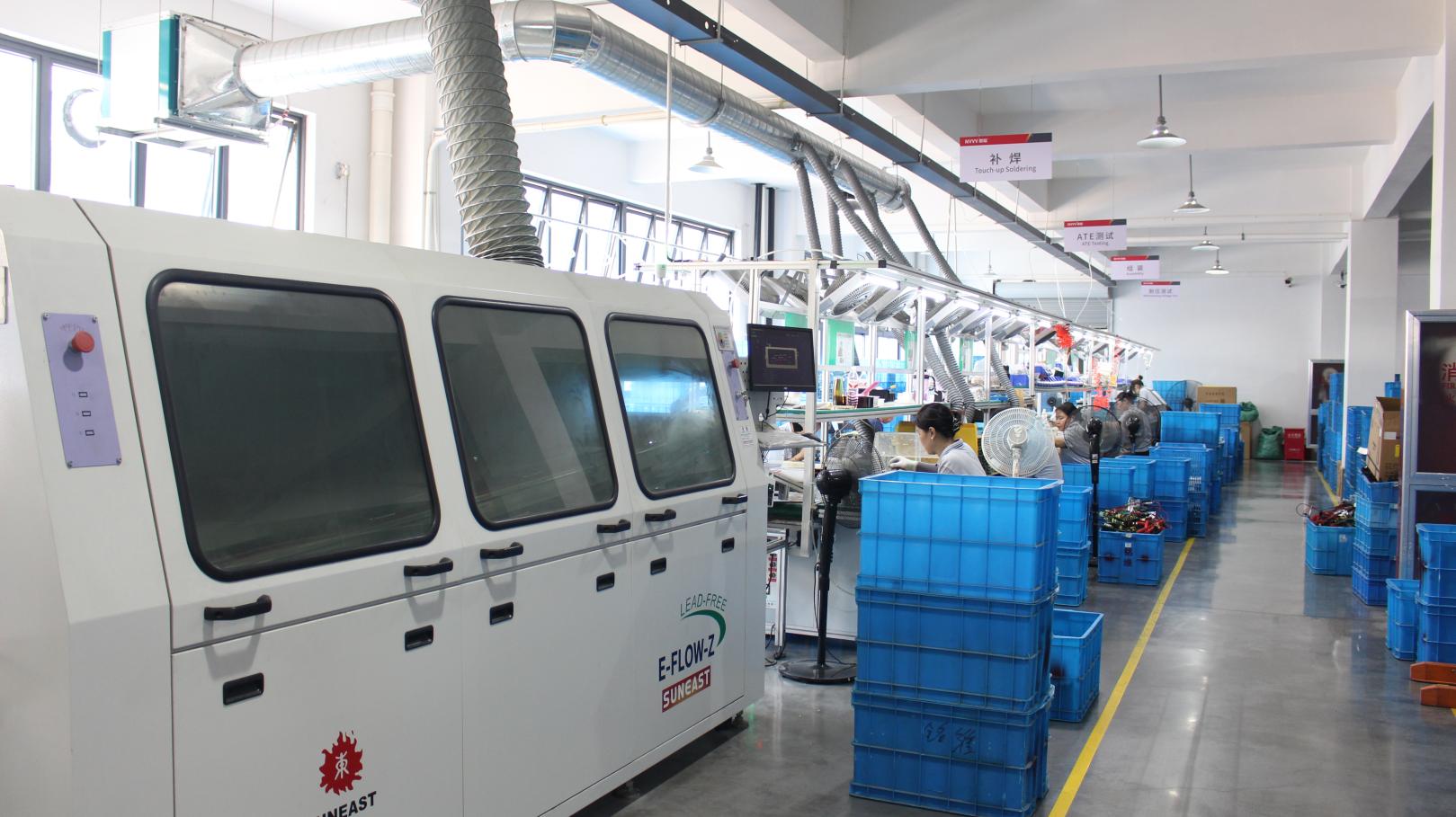
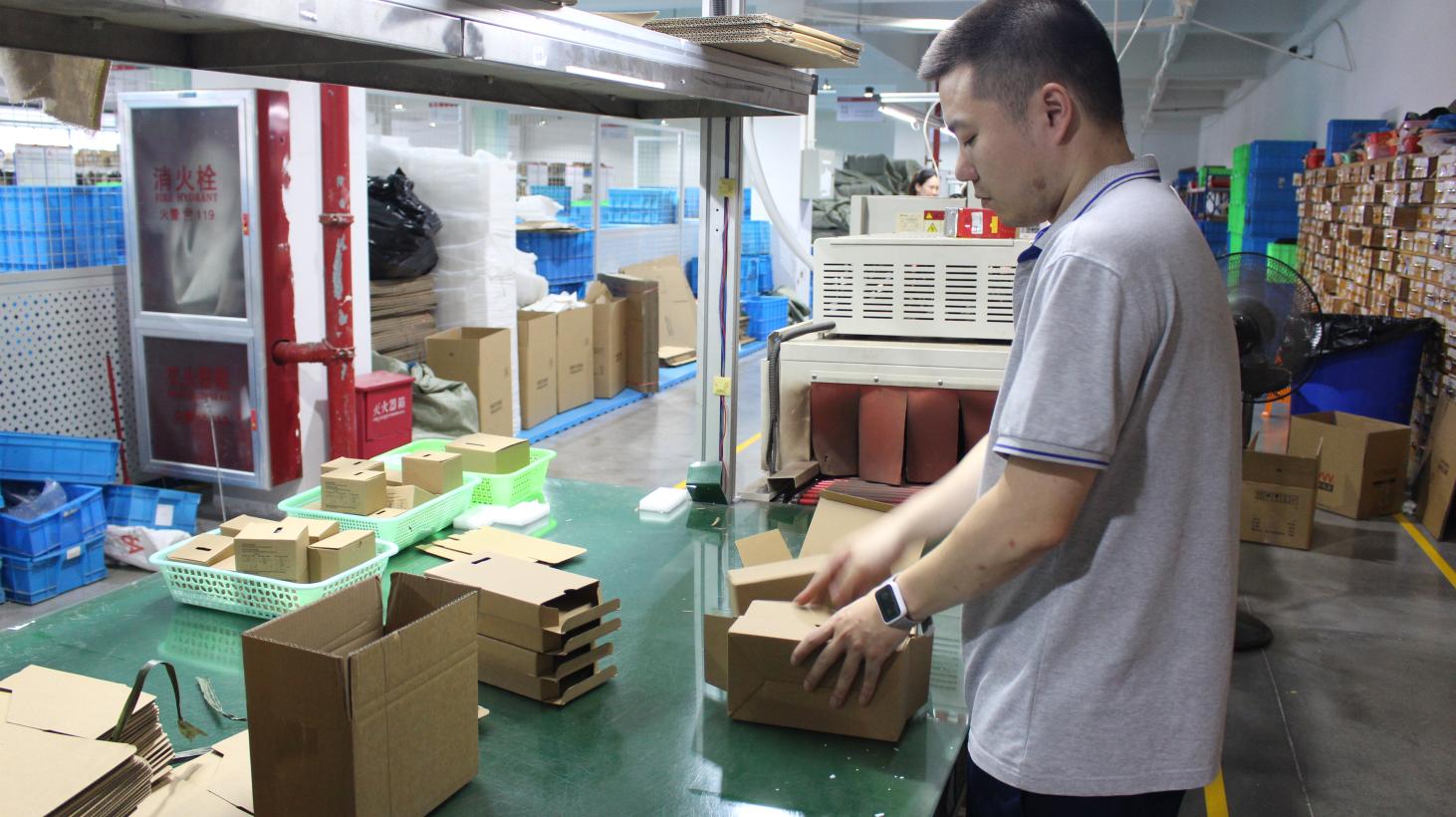
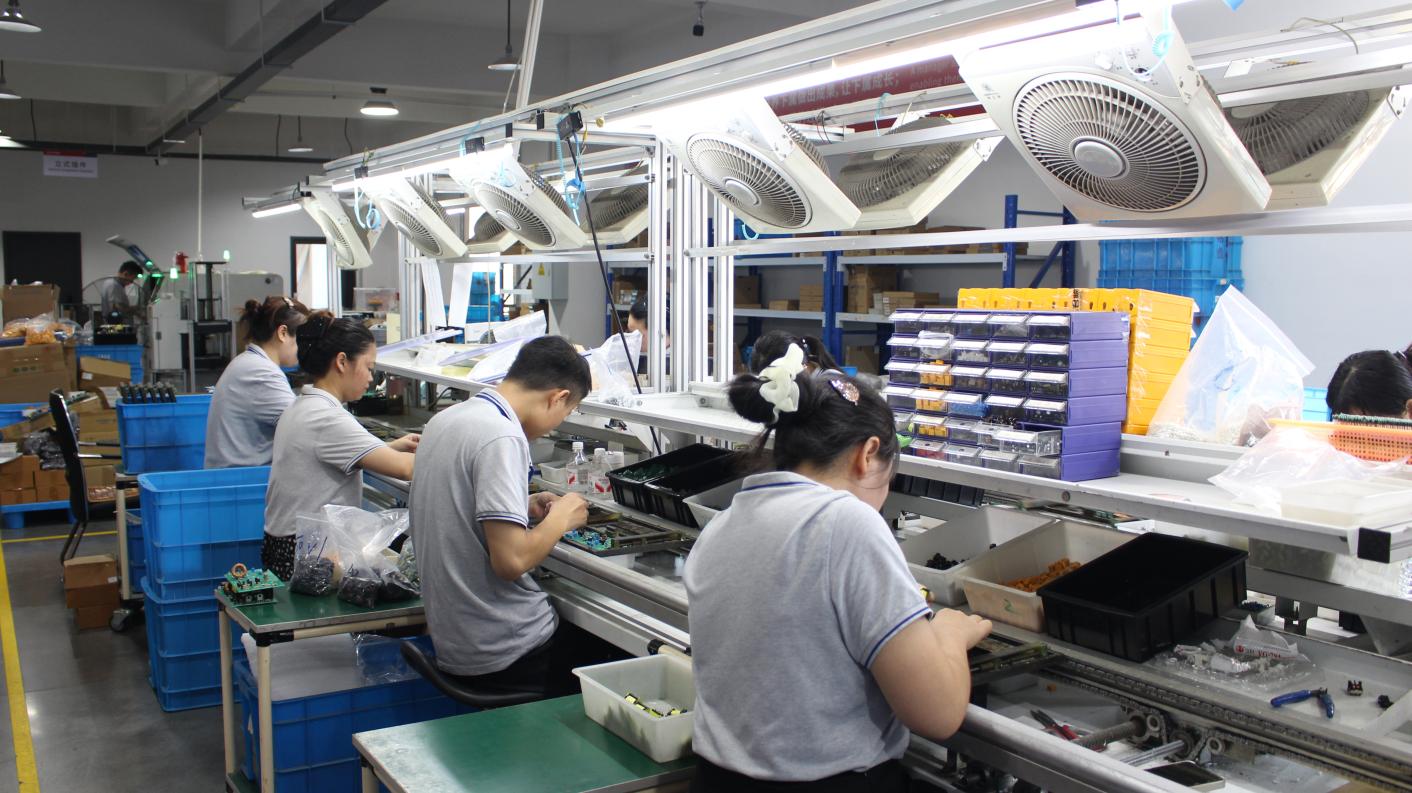
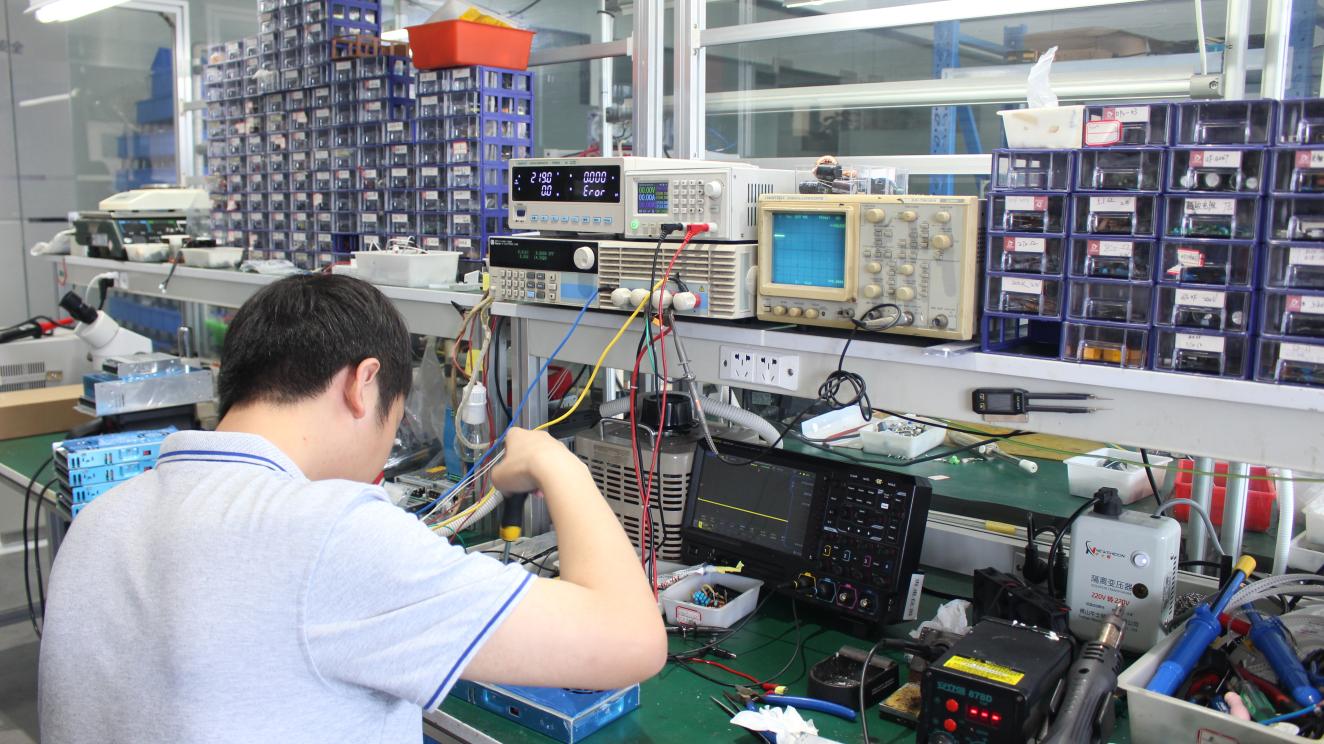
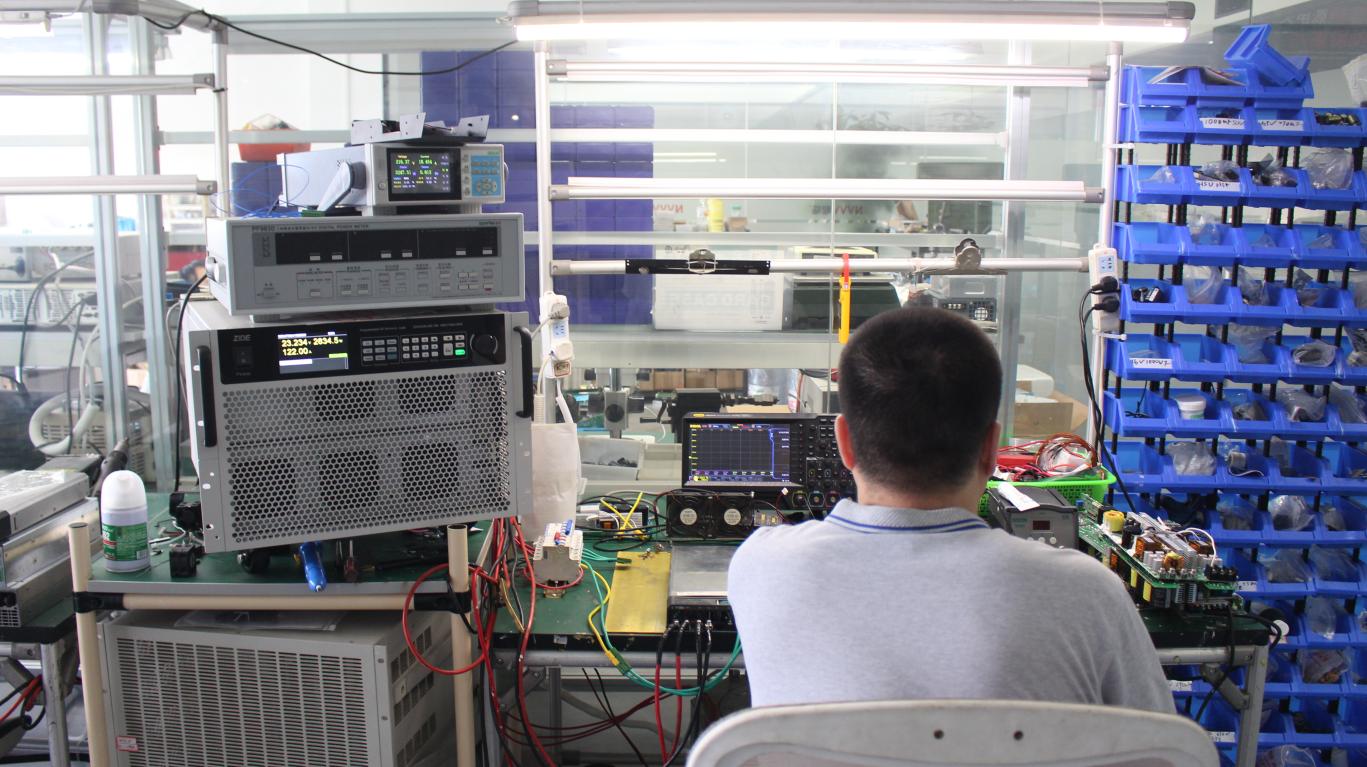
Meeting complex international standards prevents delays in product validation and keeps your operations safe and reliable.
NVVV power solutions hold CE, FCC, CCC, UKCA, BIS, and EMC certifications. Our R&D engineering process guarantees that every converter complies with low-voltage directives (LVD) and electromagnetic compatibility thresholds.
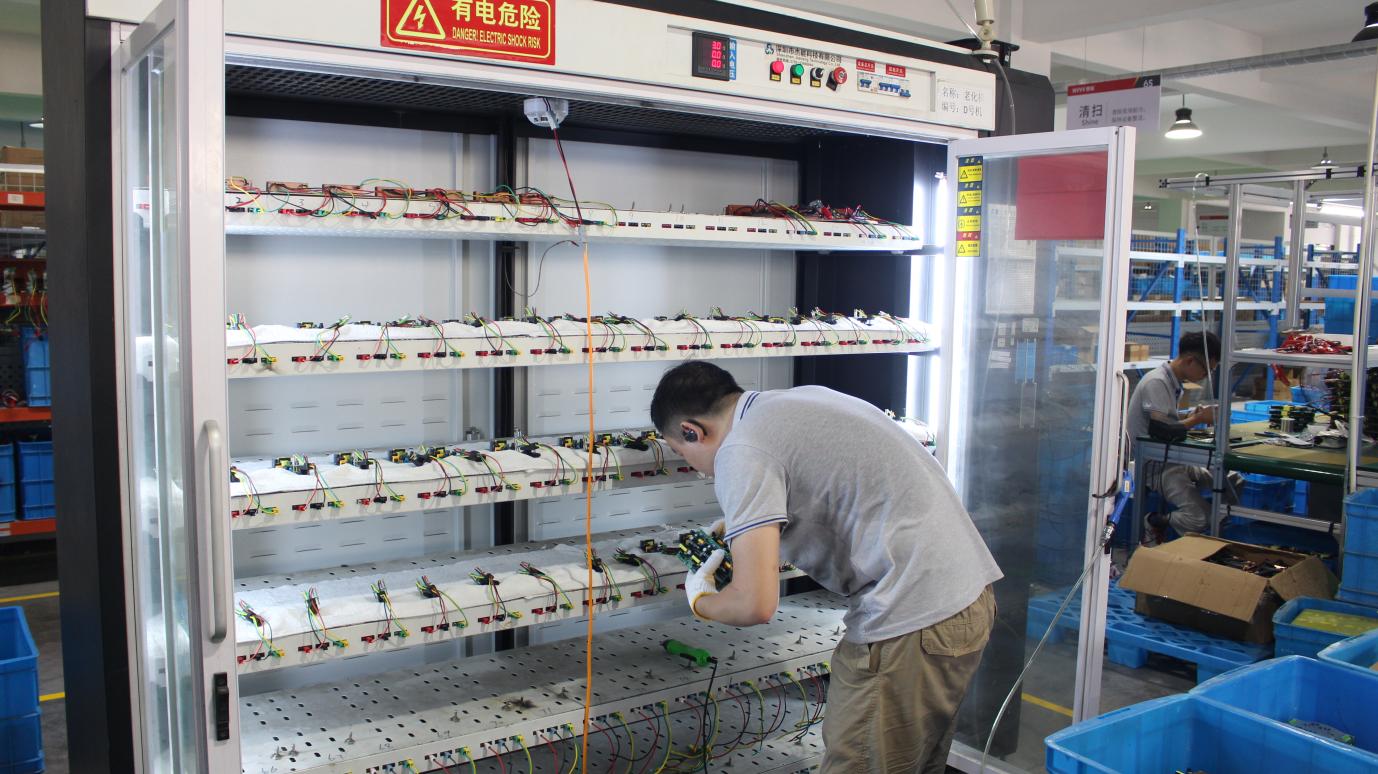
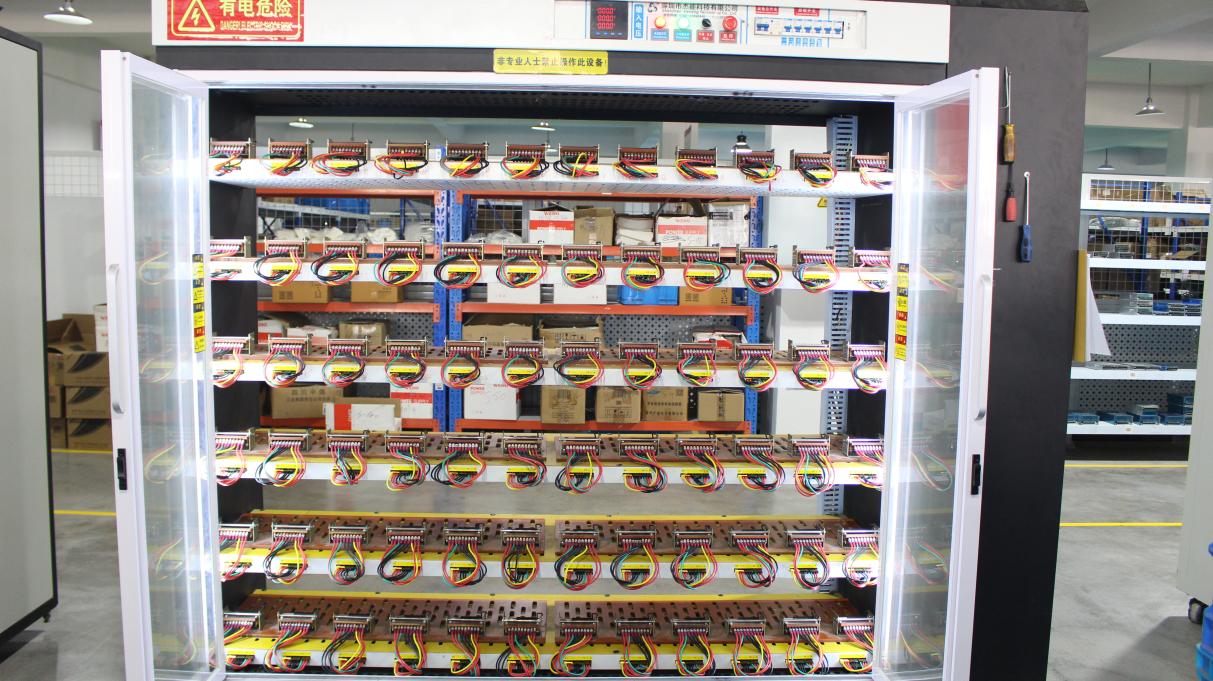
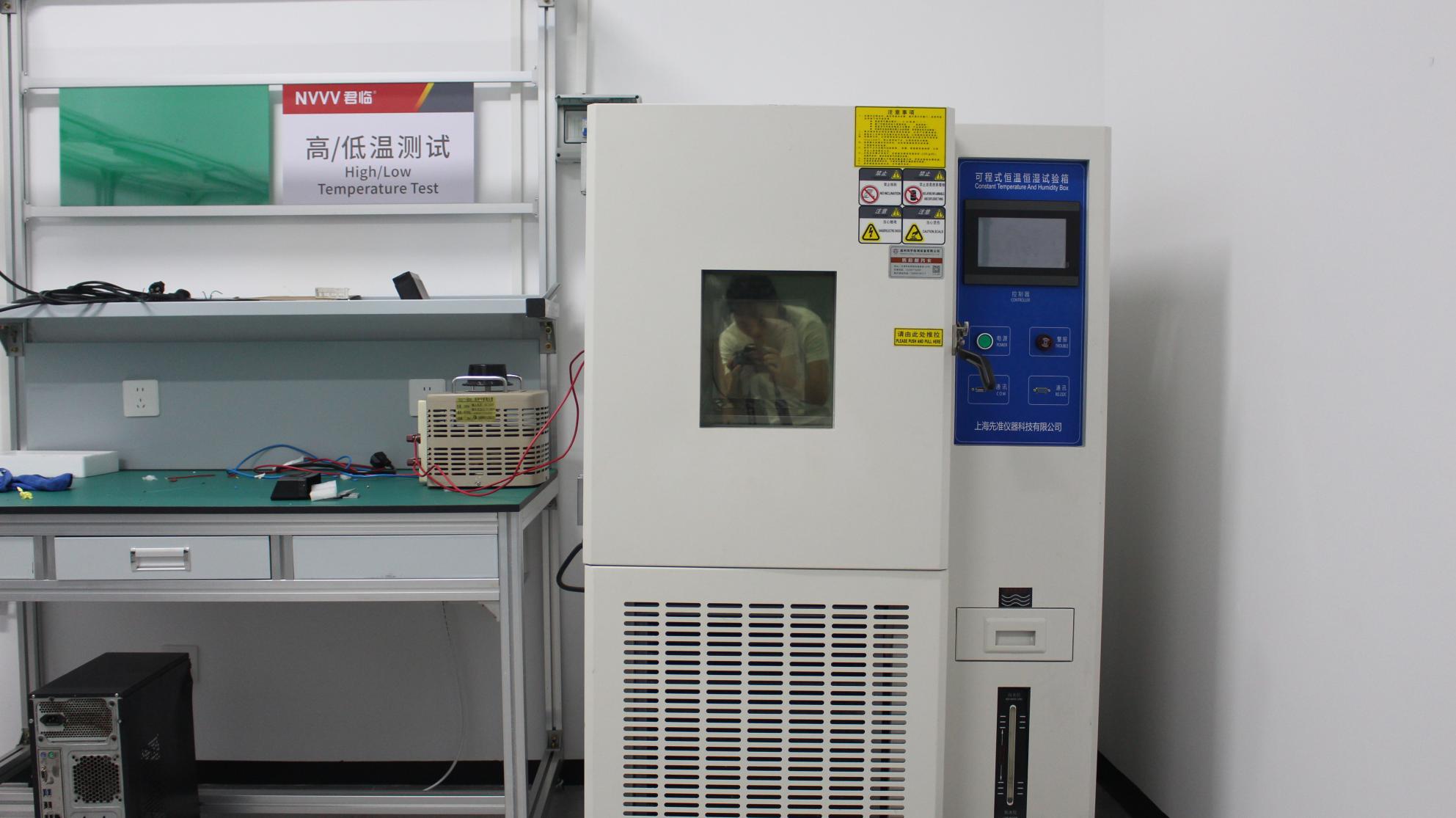
We perform 100% full-load burn-in aging tests, high-low temperature thermal cycling shocks (-40°C to +85°C), and automated safety testing. This process maintains our high reorder rate and holds our defect rate to a minimum.
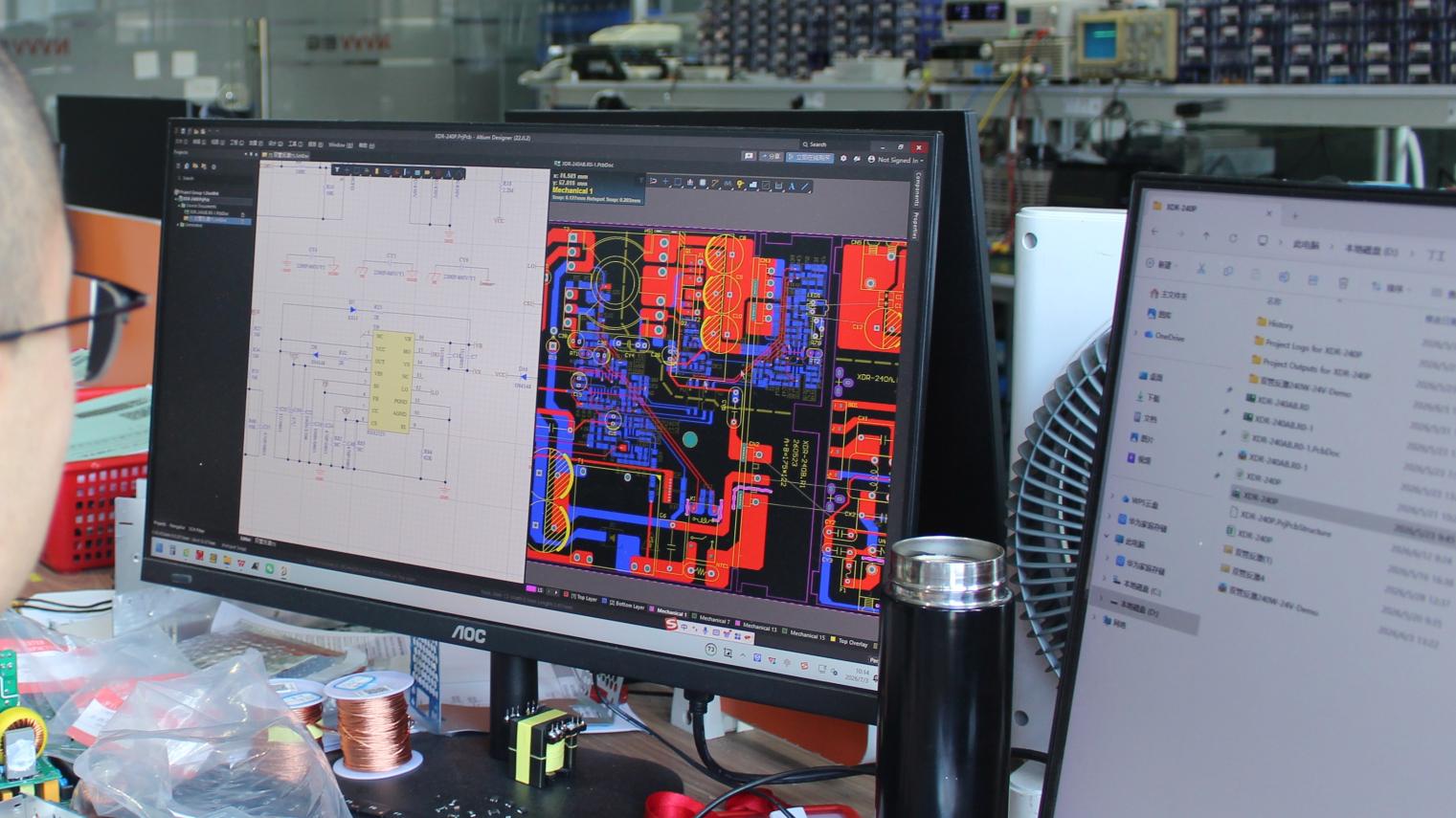
We provide full customization for B2B requirements. Our 7 experienced R&D engineers design tailored output parameters, custom enclosure form factors, special connector layouts, and branding to meet your project specifications.
Get answers to common engineering questions regarding waterproof power conversion systems.
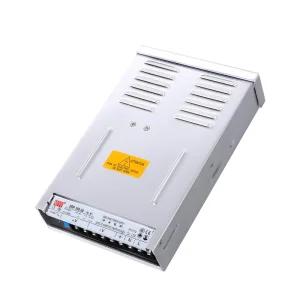
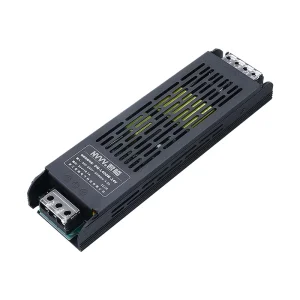
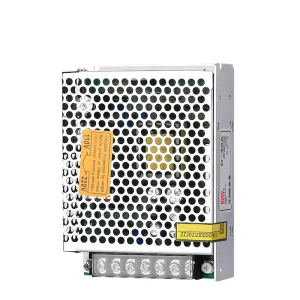
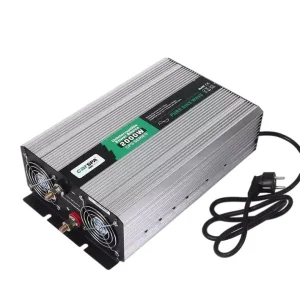
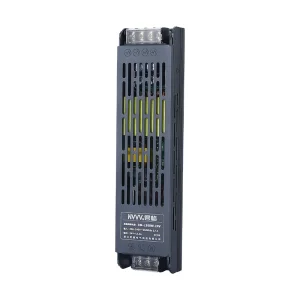
Browse our selection of heavy-duty waterproof drivers, SMPS units, and specialty converters built for long-term field stability.
 NVVV Electric