Explore our core engineering catalog designed for continuous industrial operation, critical system integration, and advanced power management.
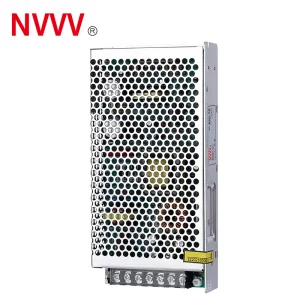
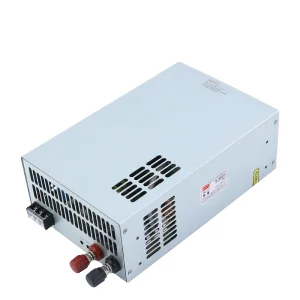
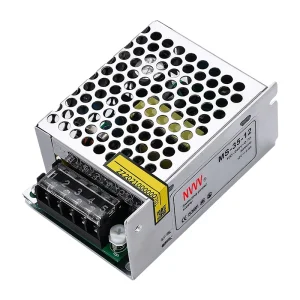
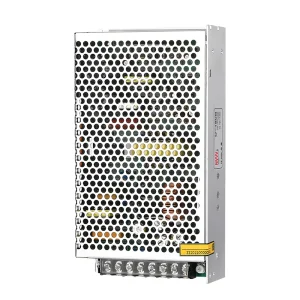
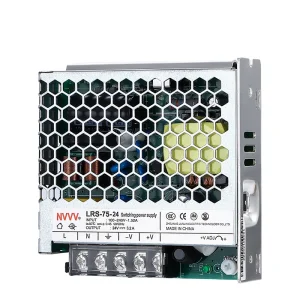
In the modern industrial layout, the demands placed upon module power supplies have escalated beyond basic voltage conversion. As digital transformation sweeps through smart factories, Edge AI deployment, 5G base stations, and automated logistics networks, these units serve as the foundational heartbeat of electrical systems. B2B technical buyers and procurement officers from North America, Europe, and Asia look for modules with maximum efficiency (often targeting >92% efficiency curves), advanced electromagnetic compatibility (EMC), and robust thermal management.
A high-quality module power supply reduces overall system footprints while increasing system reliability. Thermal engineering has become the primary bottleneck in system design; hence, sourcing from manufacturers with certified raw materials (such as top-tier semiconductors, high-temperature electrolytic capacitors, and low-loss magnetics) is critical. Reliability indicators like Mean Time Between Failures (MTBF) and comprehensive safety listings determine the lifecycle cost of high-density industrial electronics.
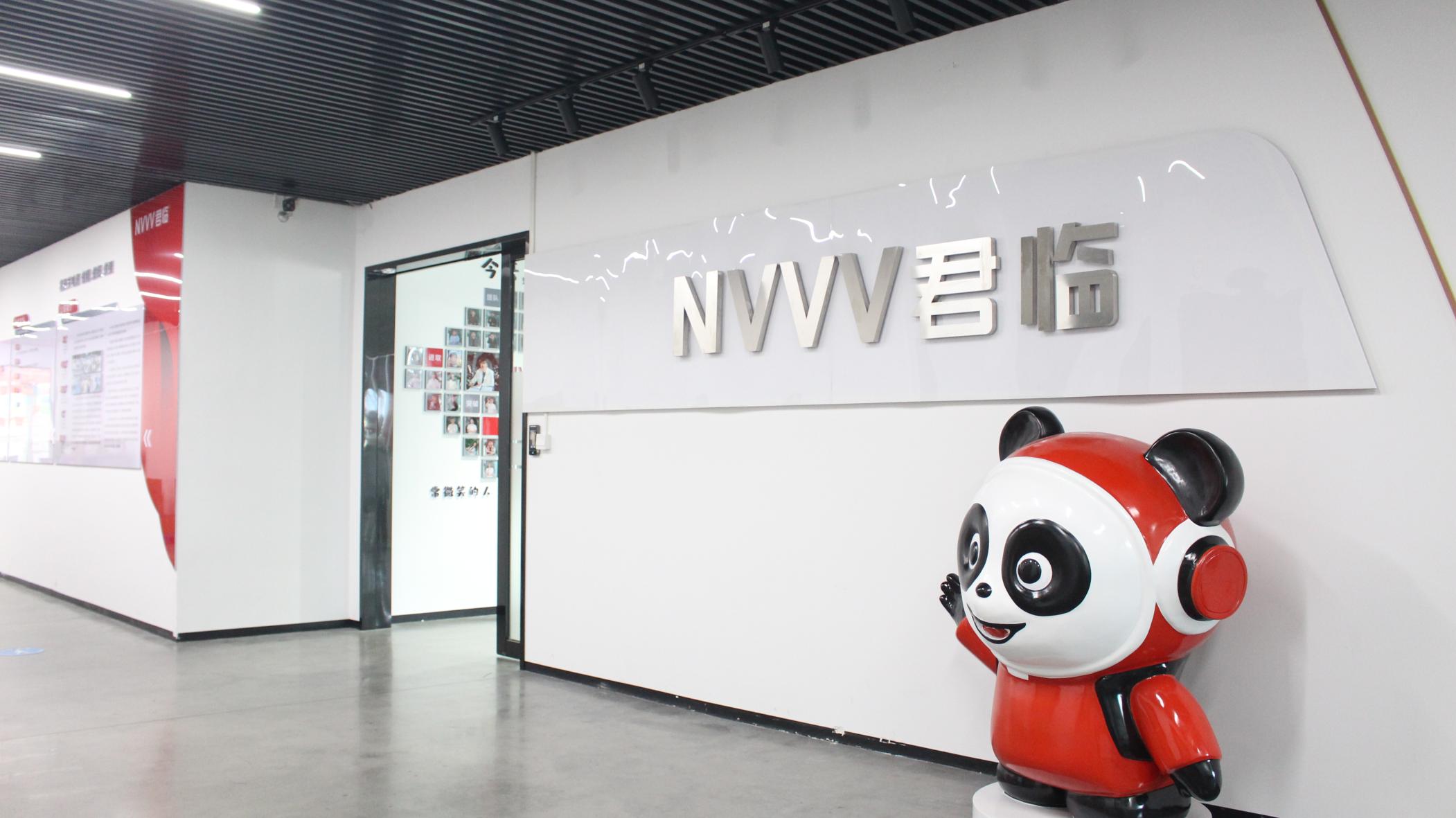
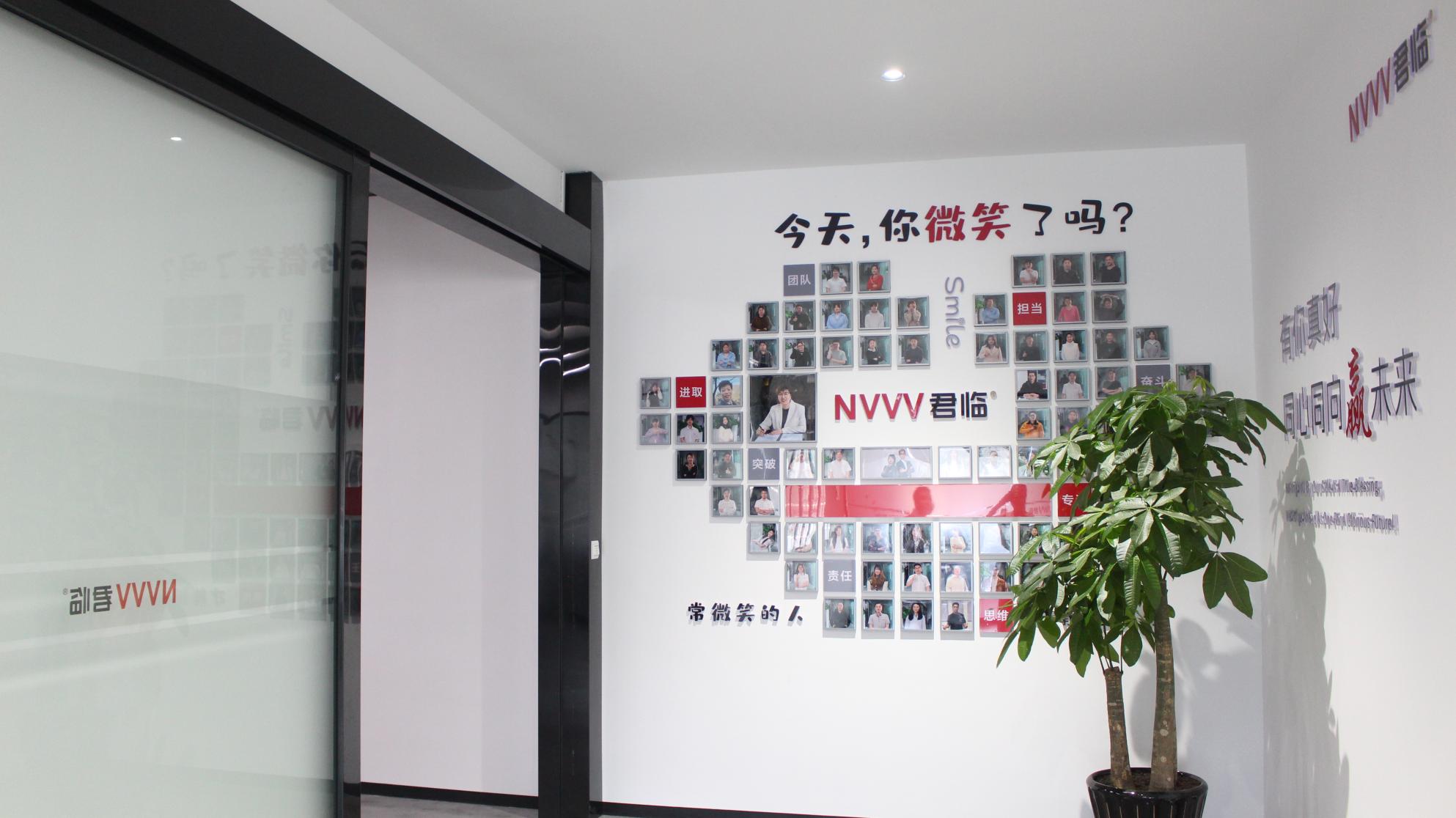
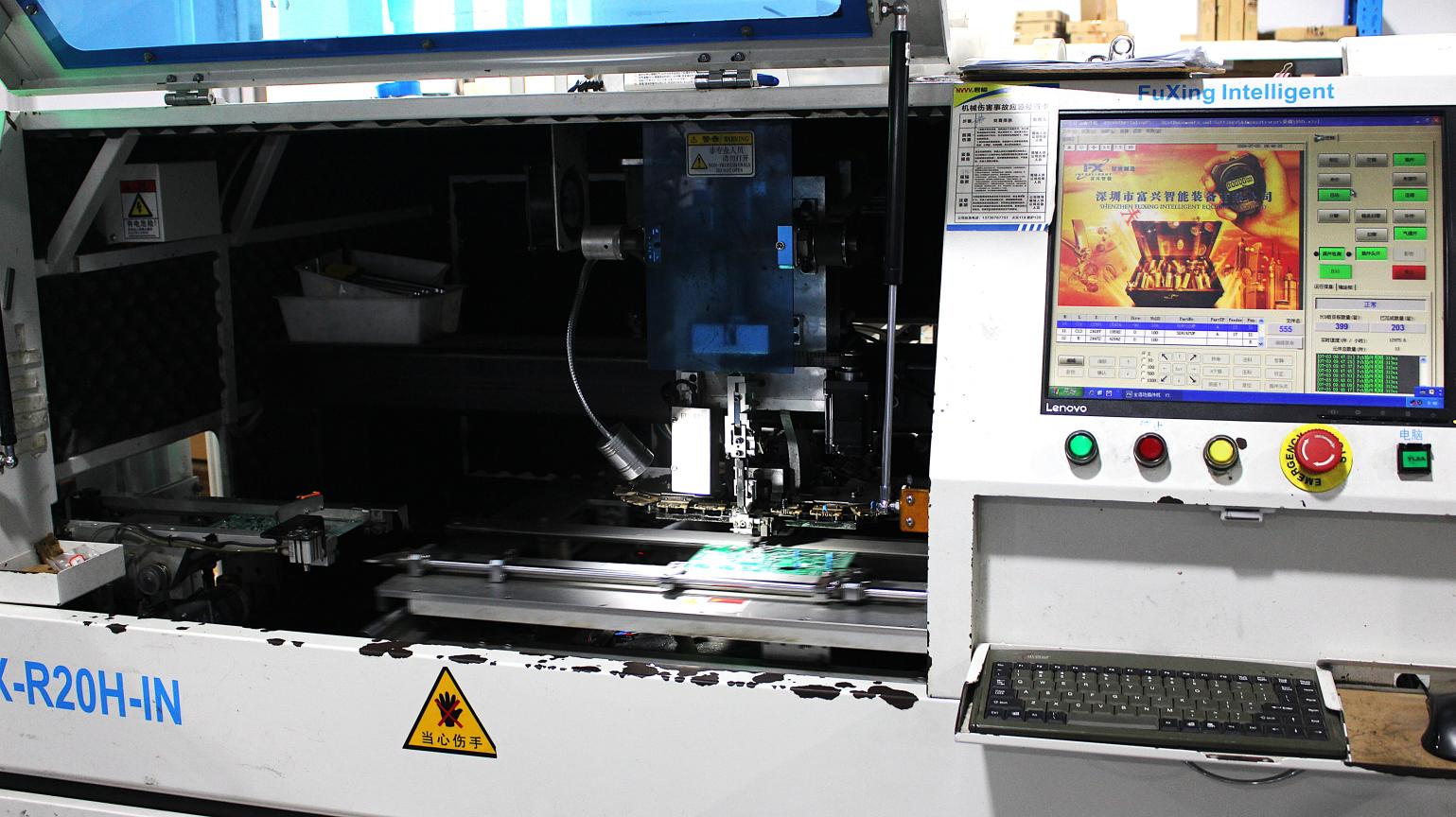
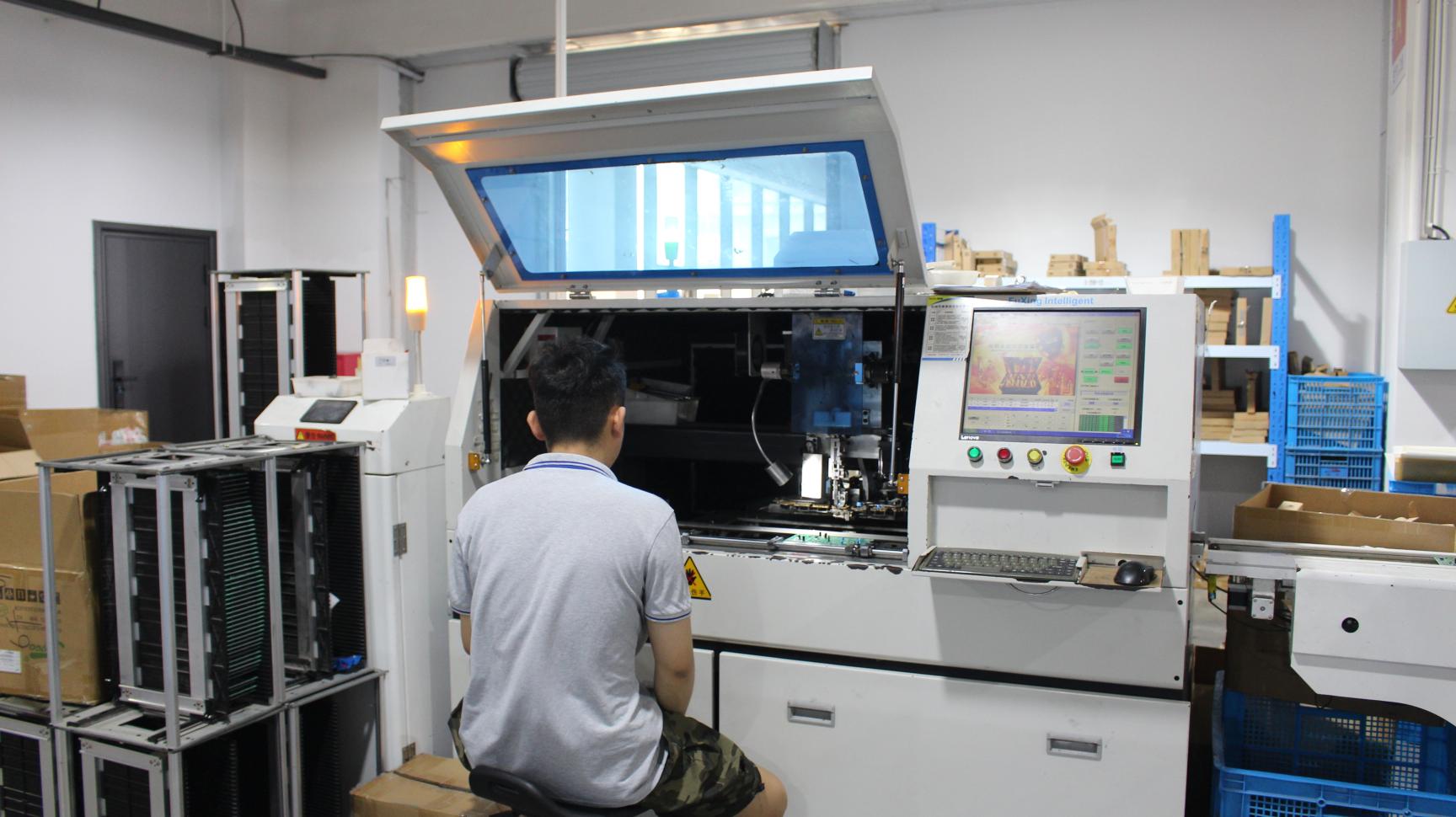
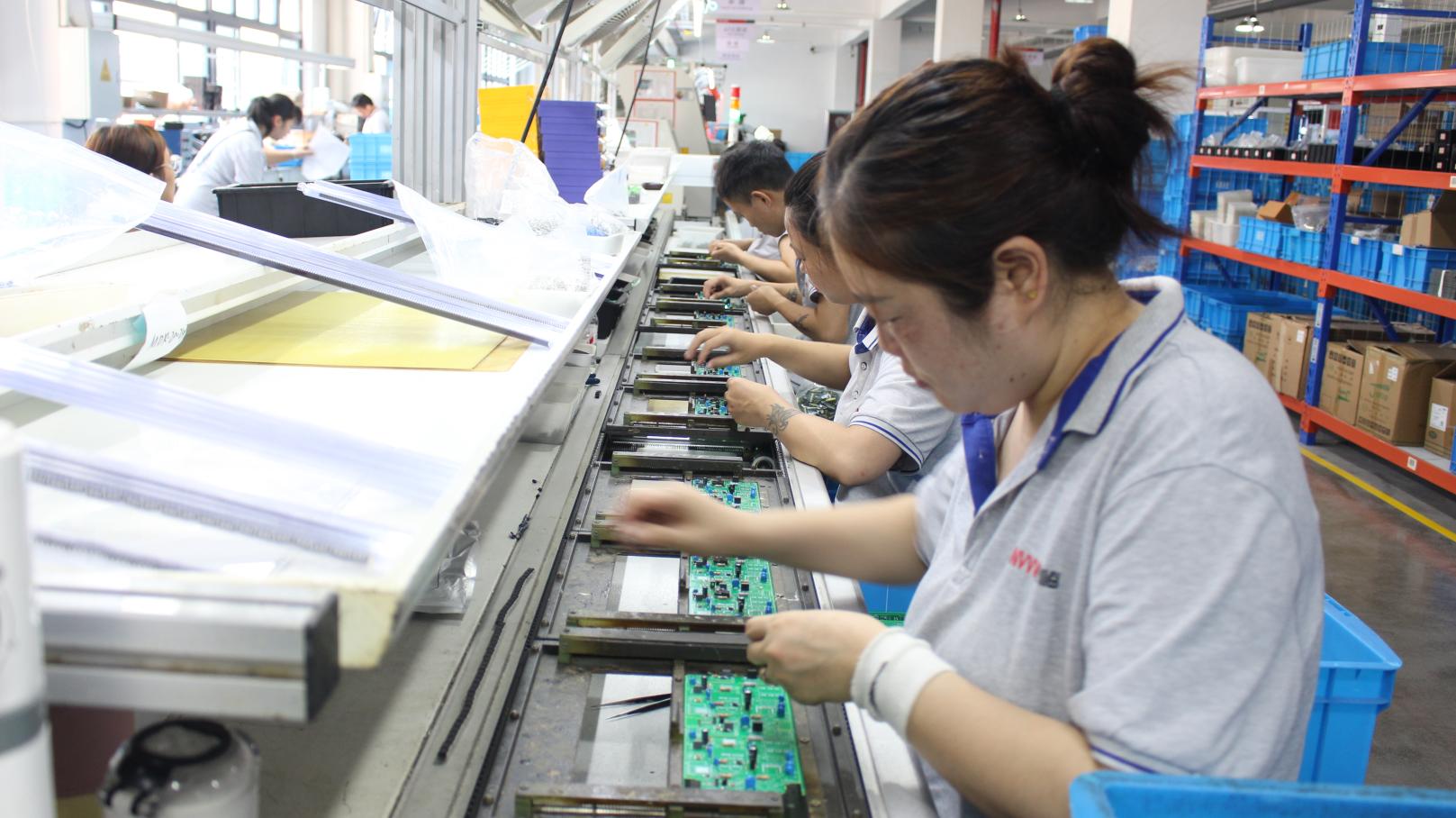
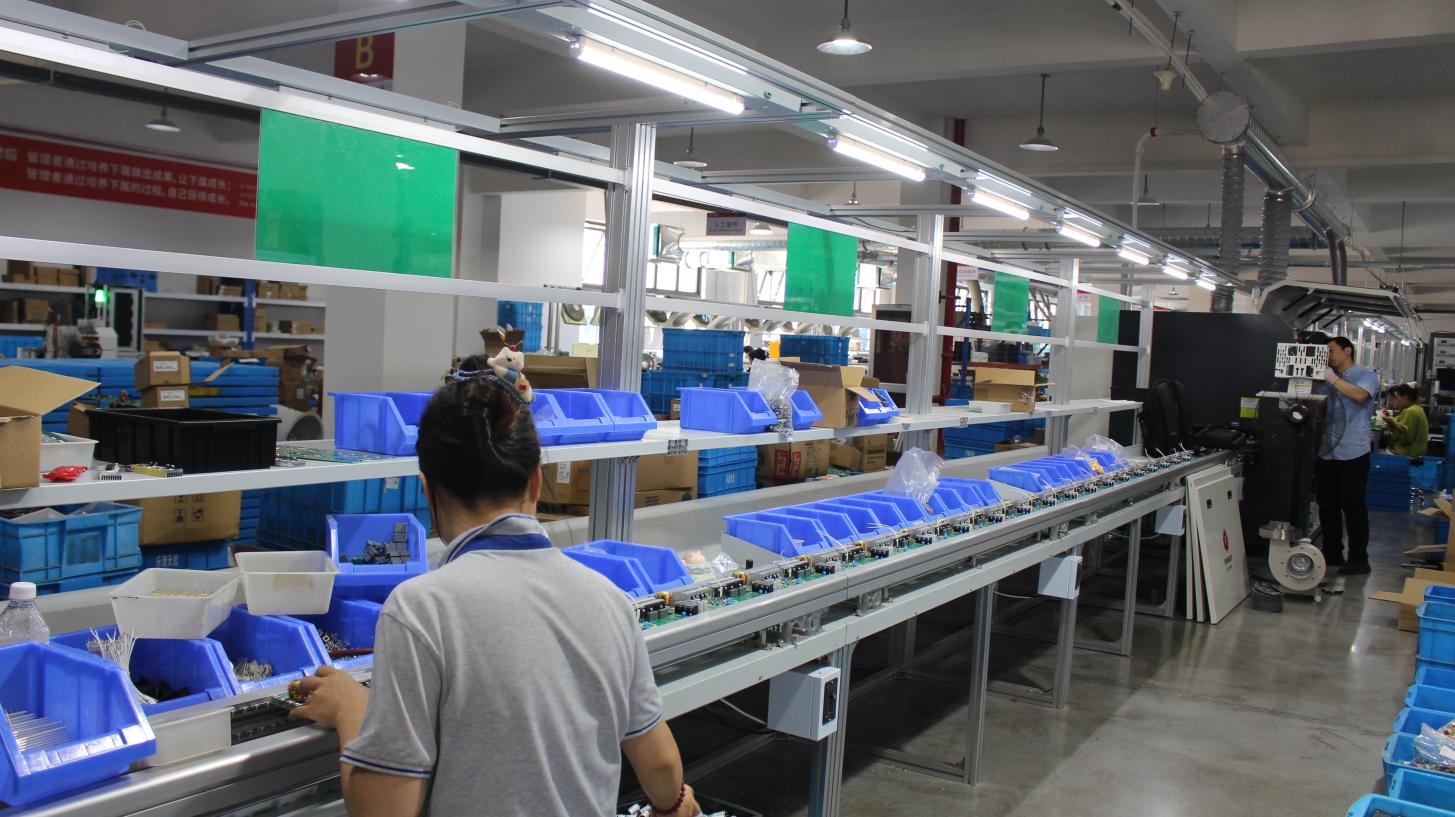
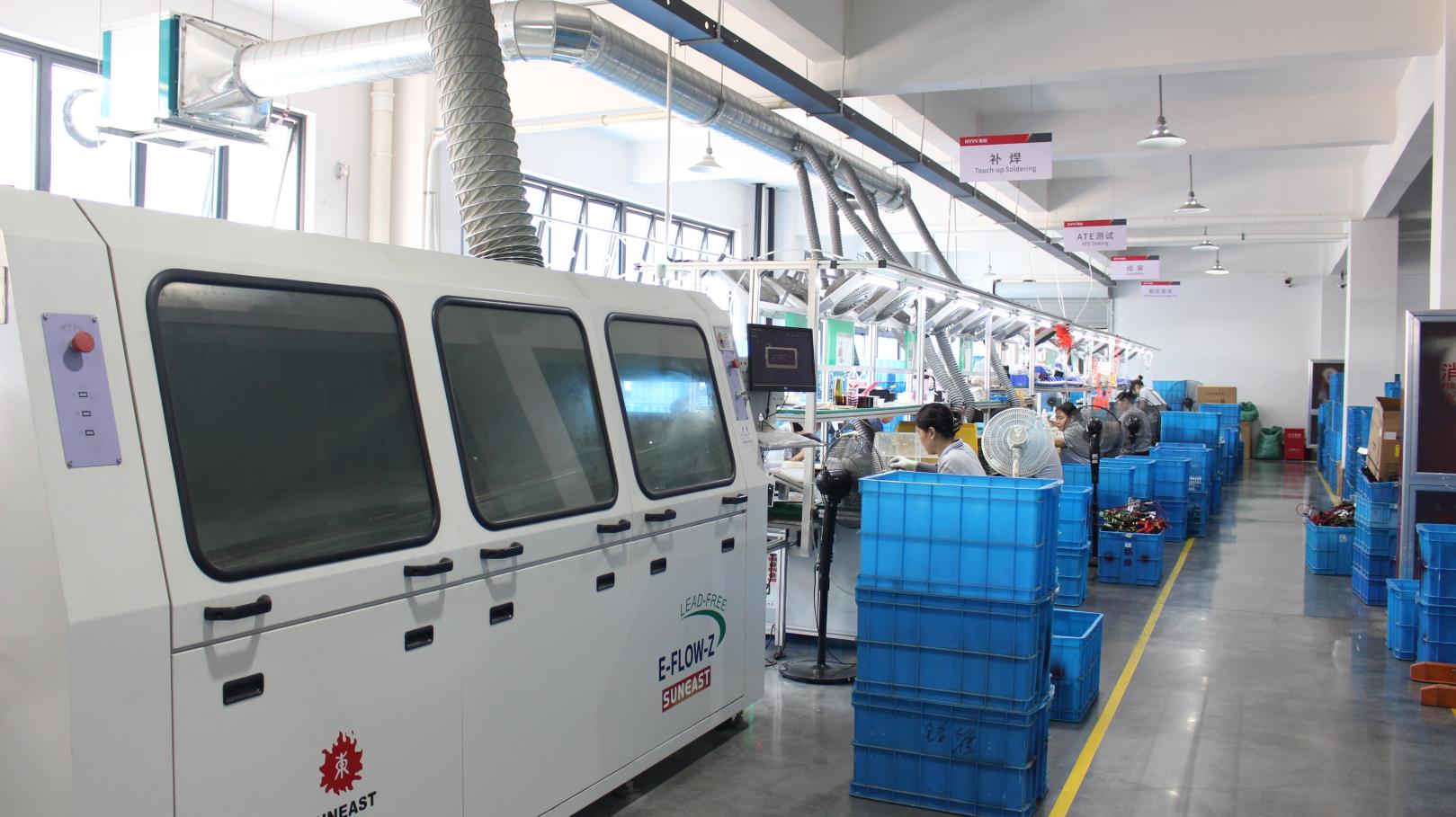
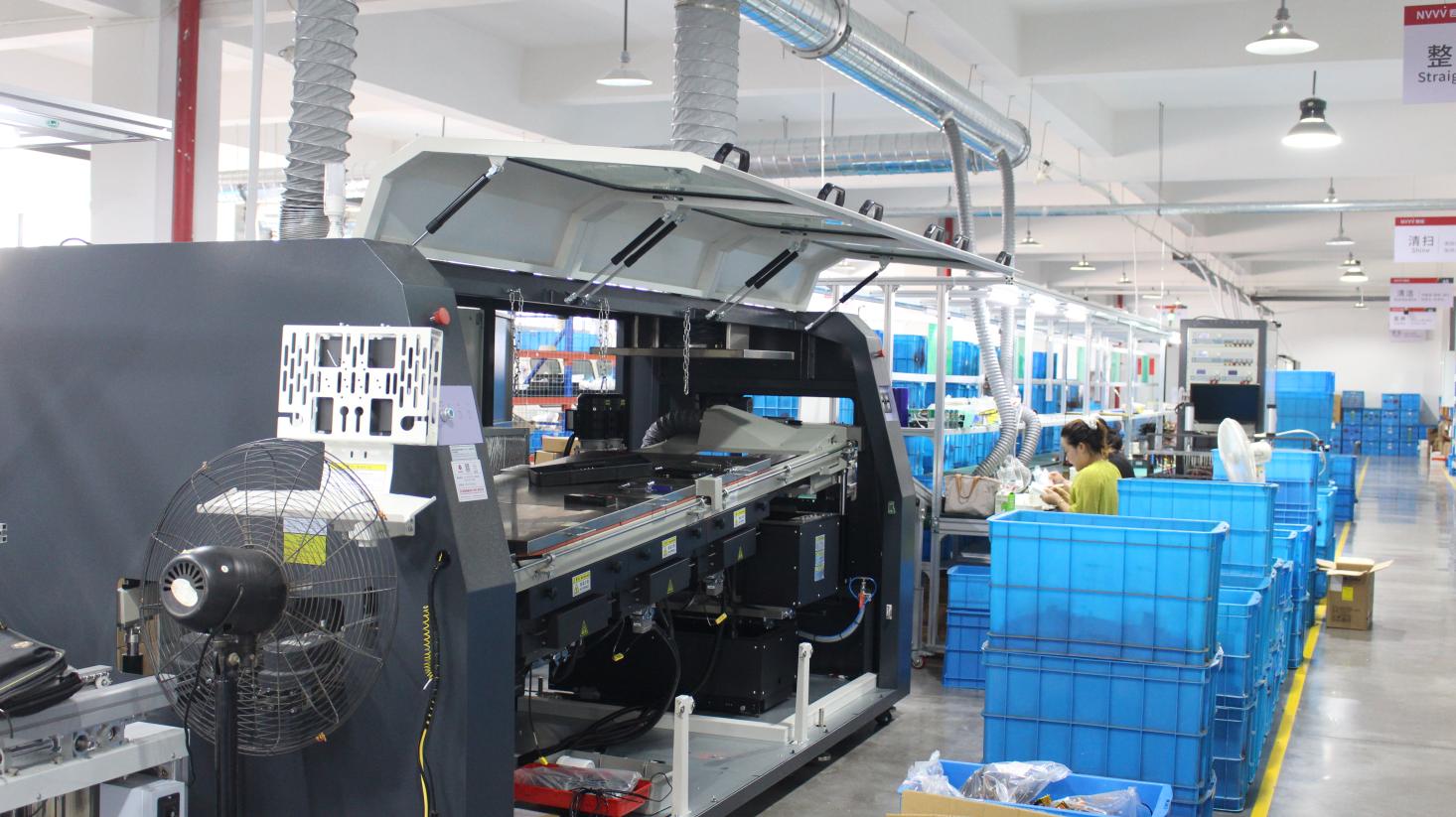
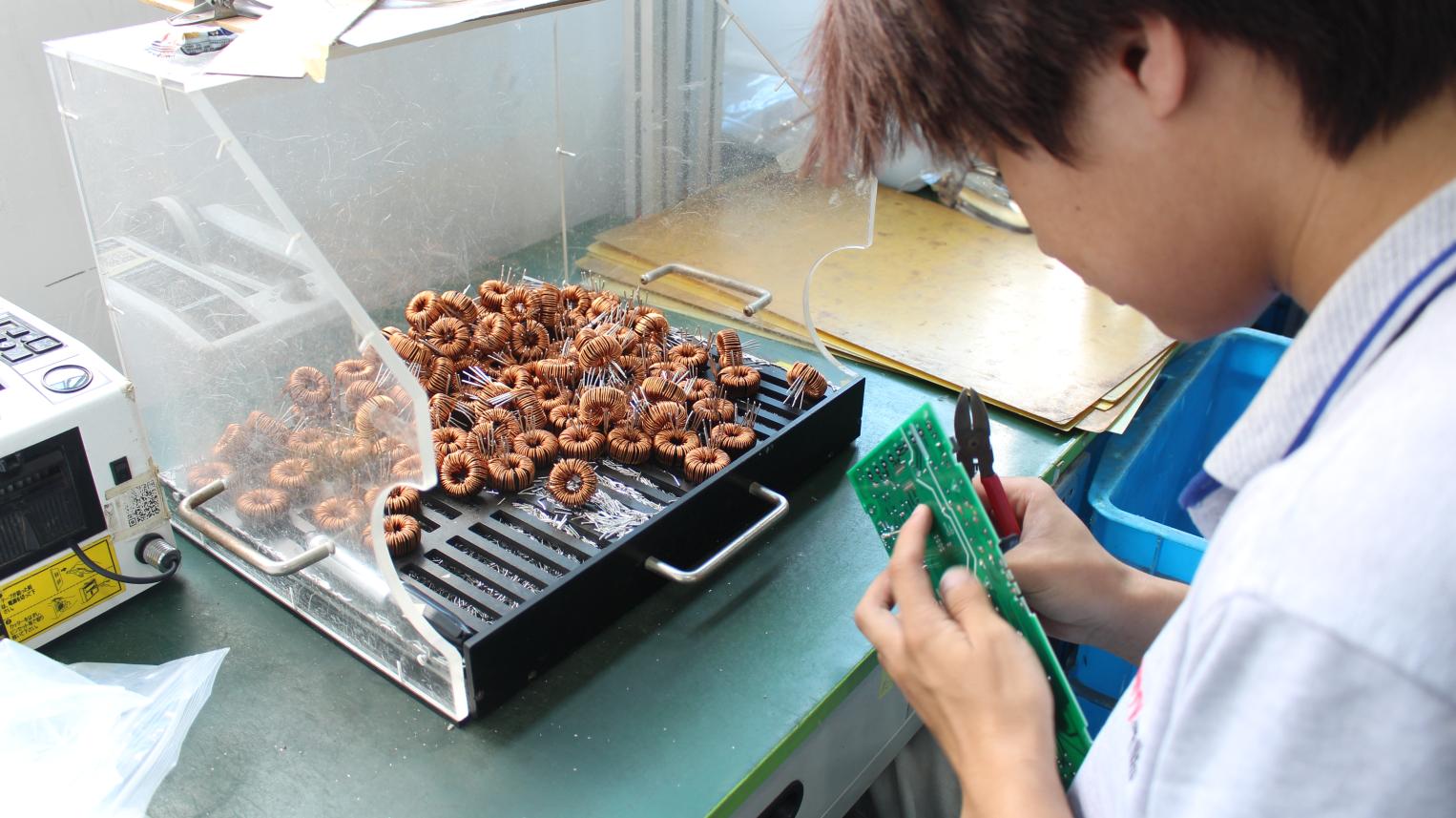
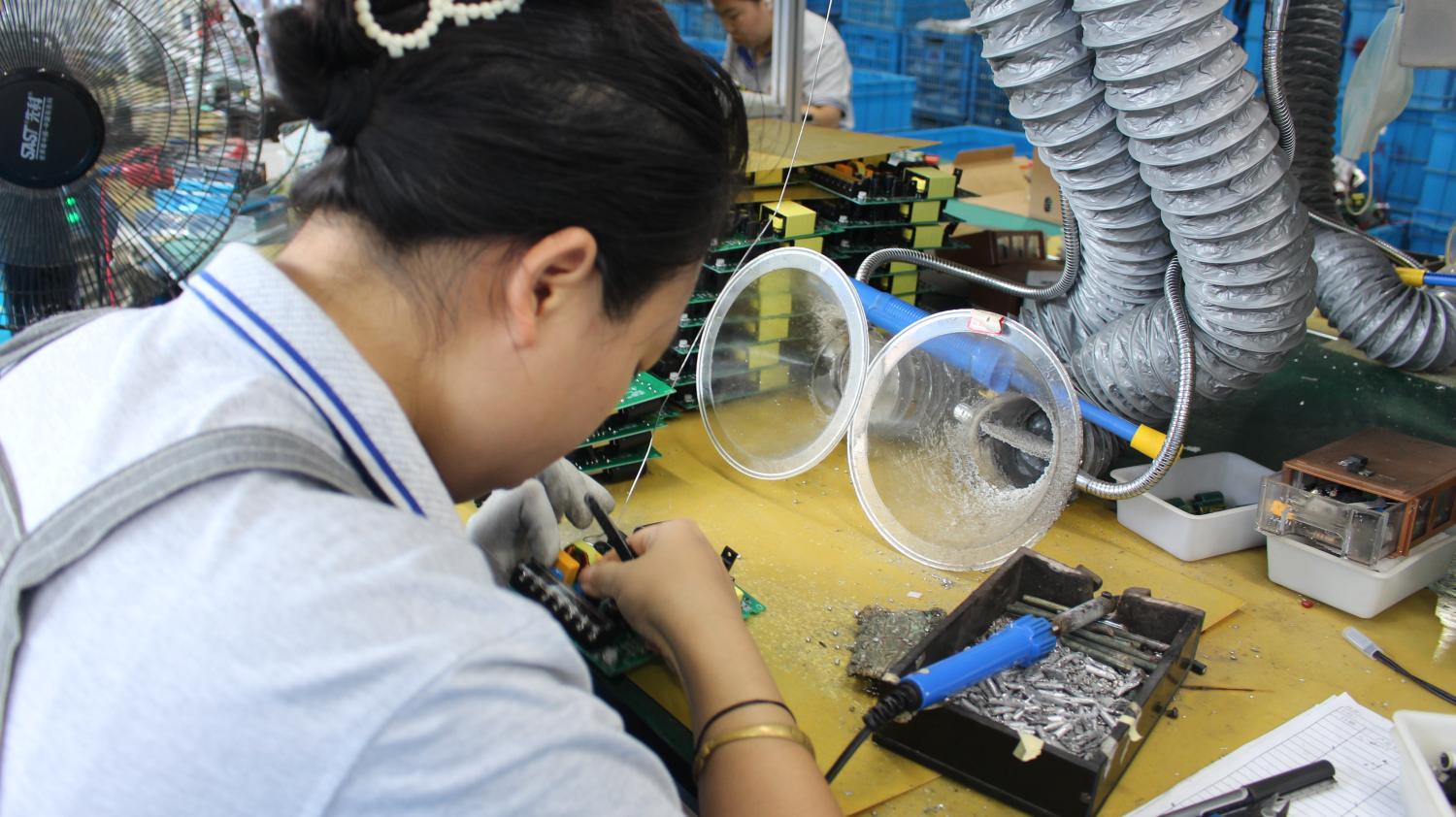
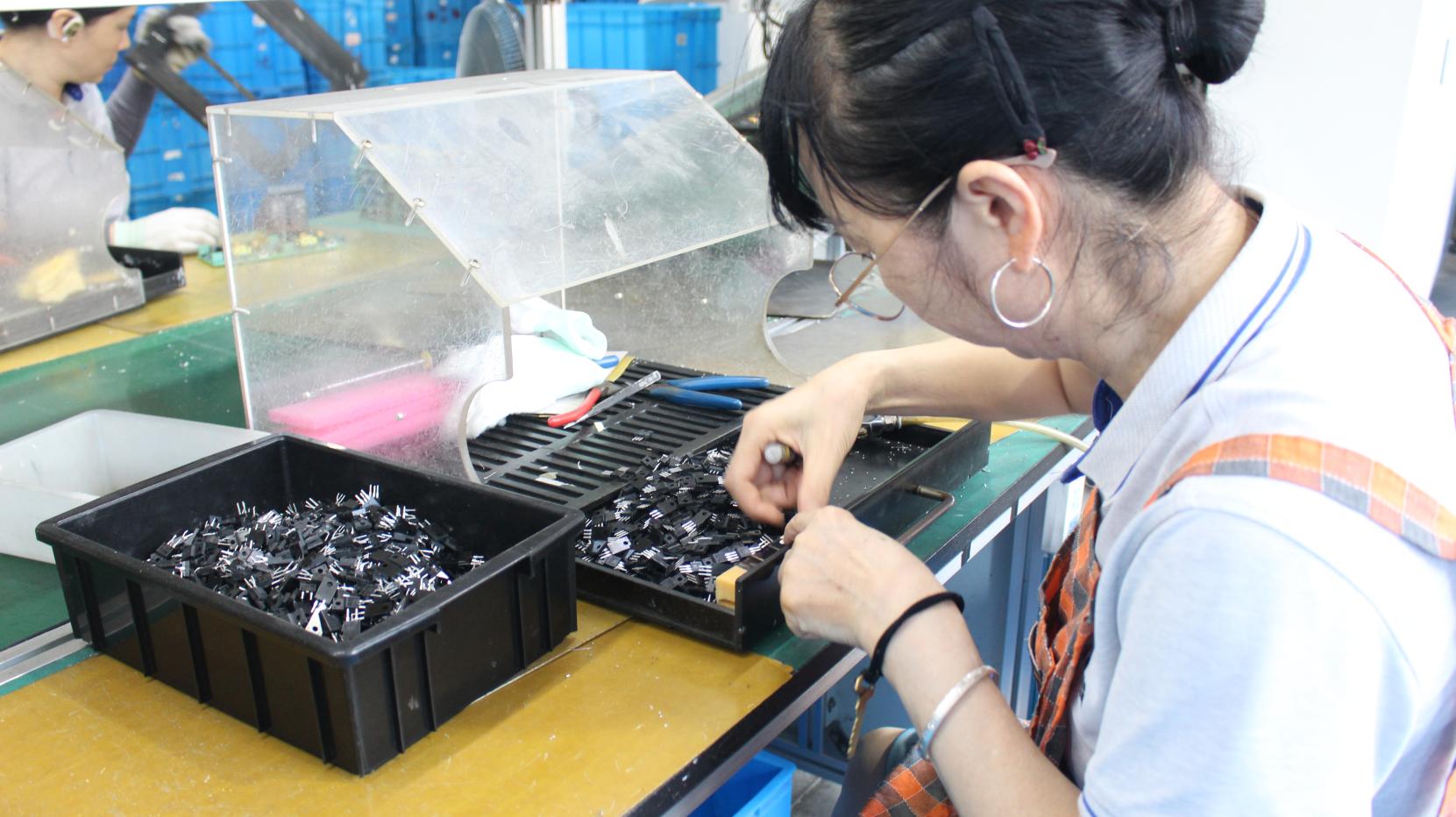
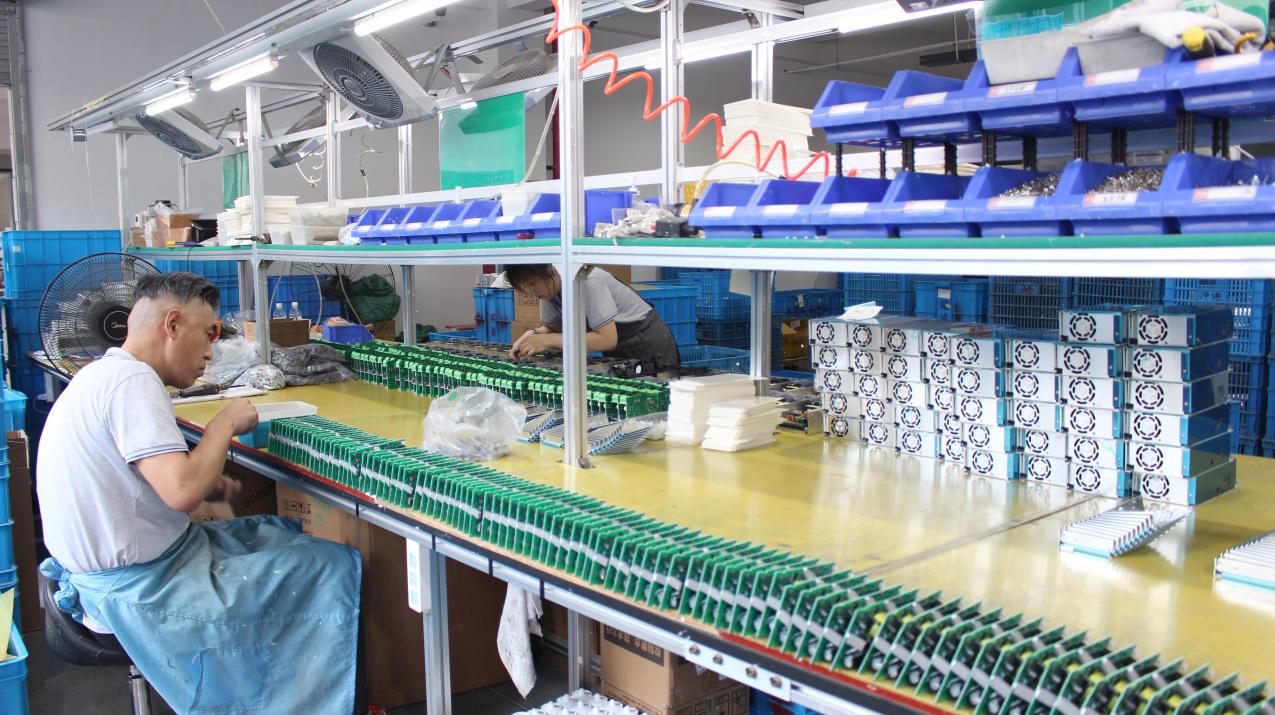
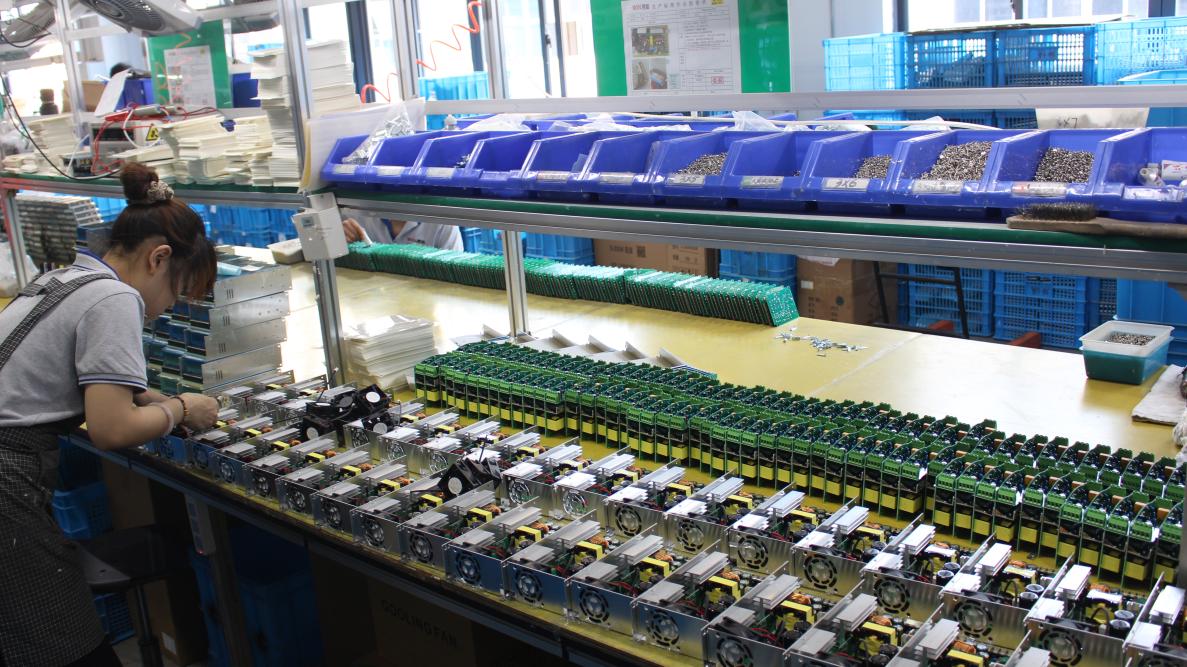
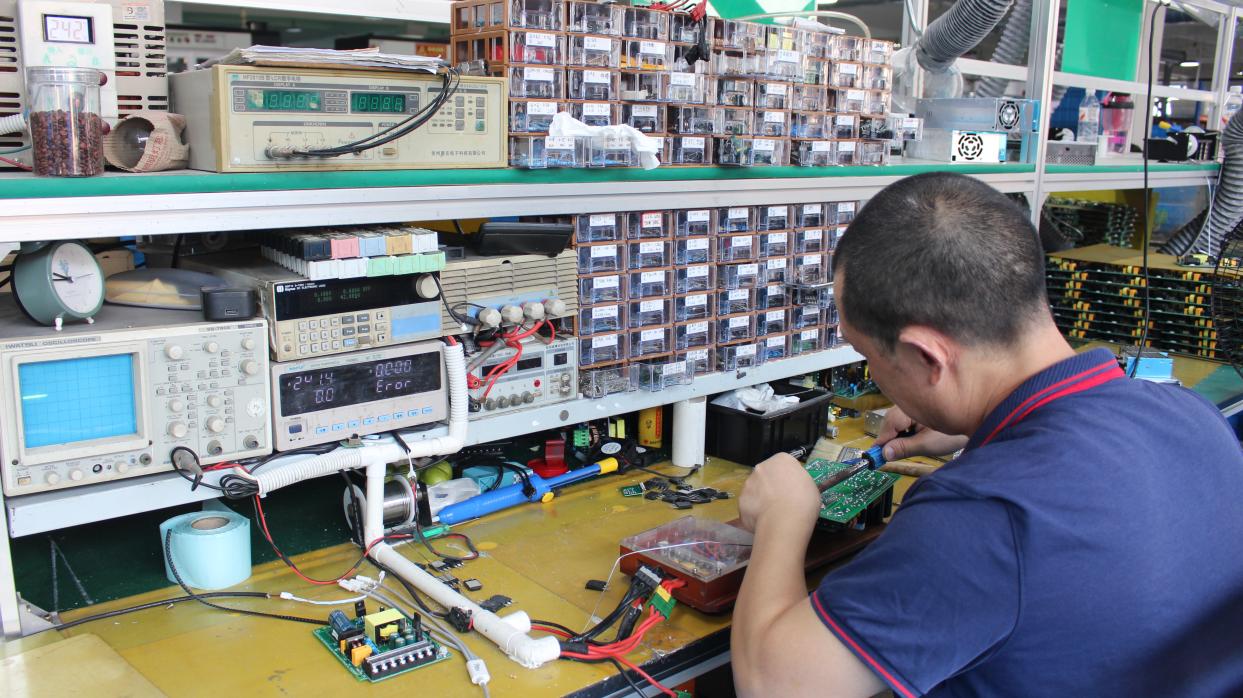
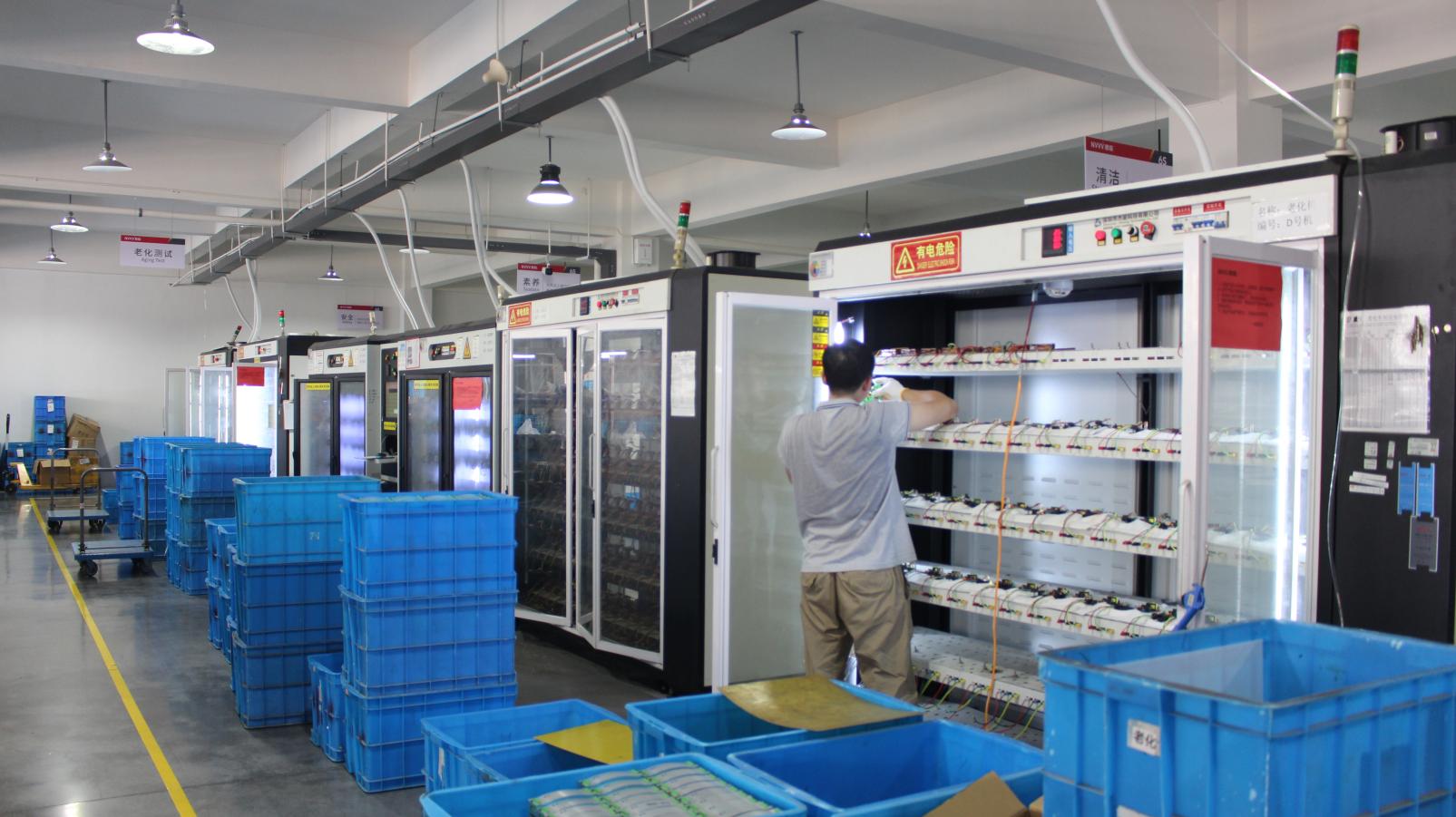
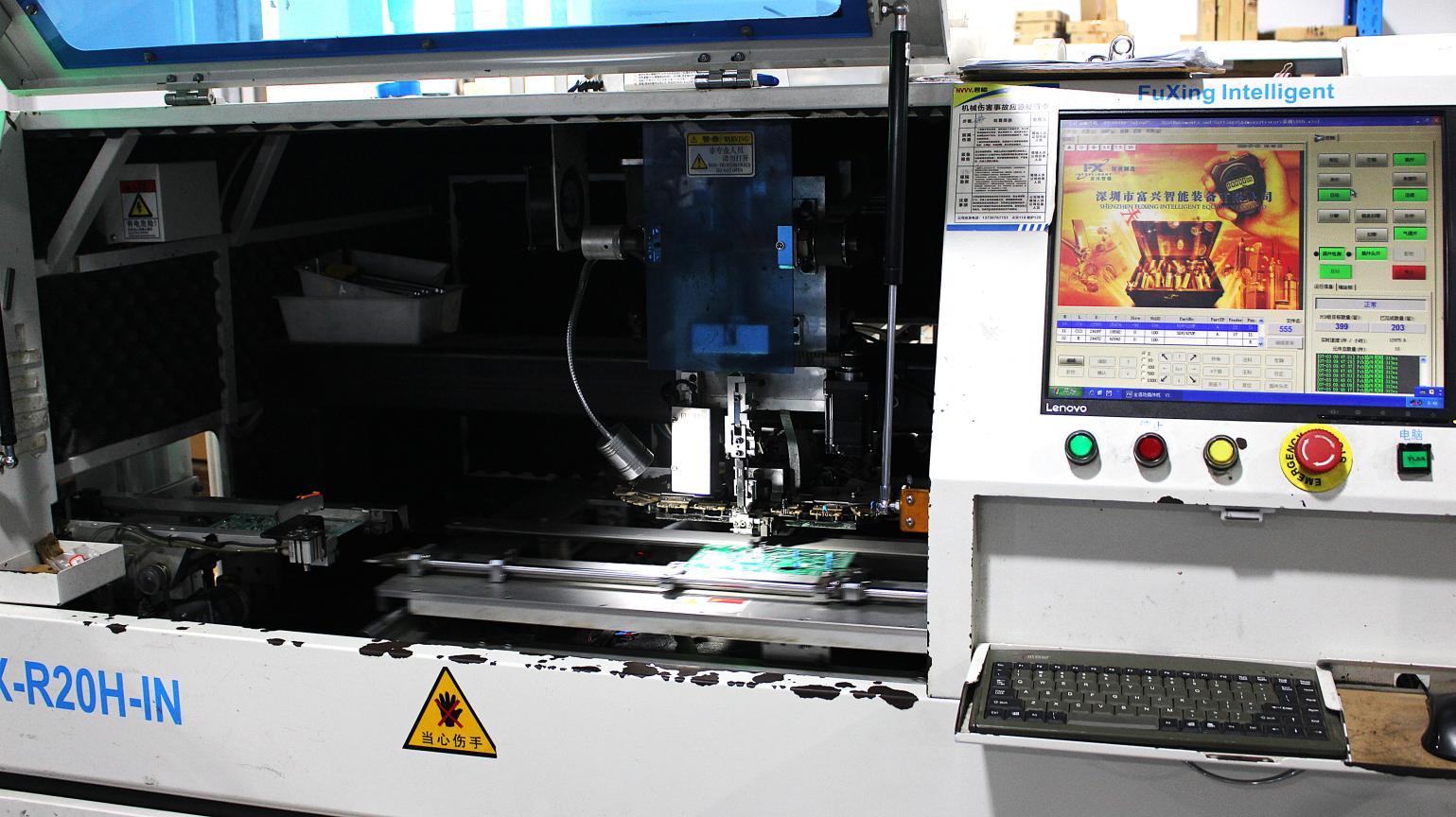
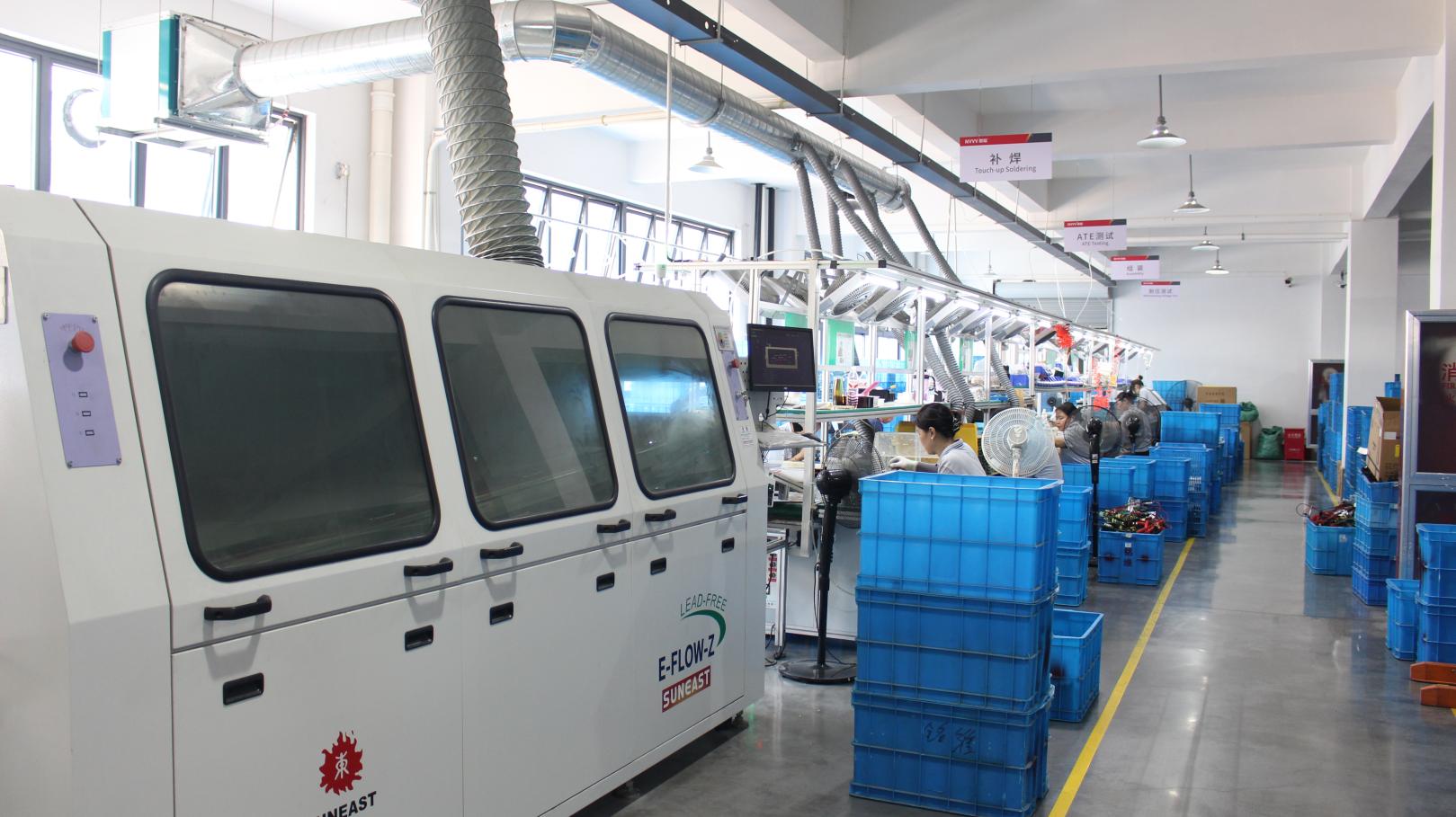
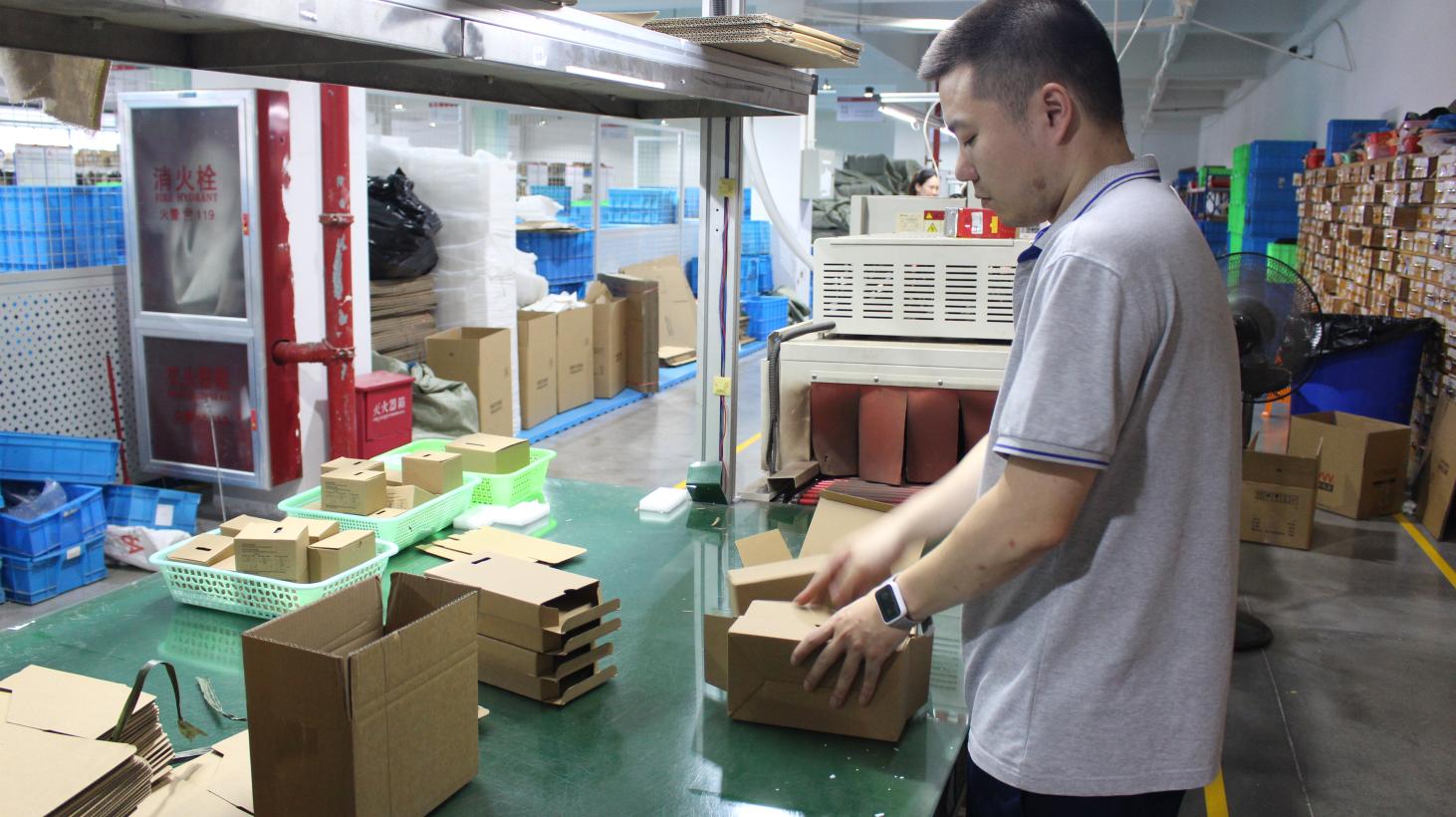
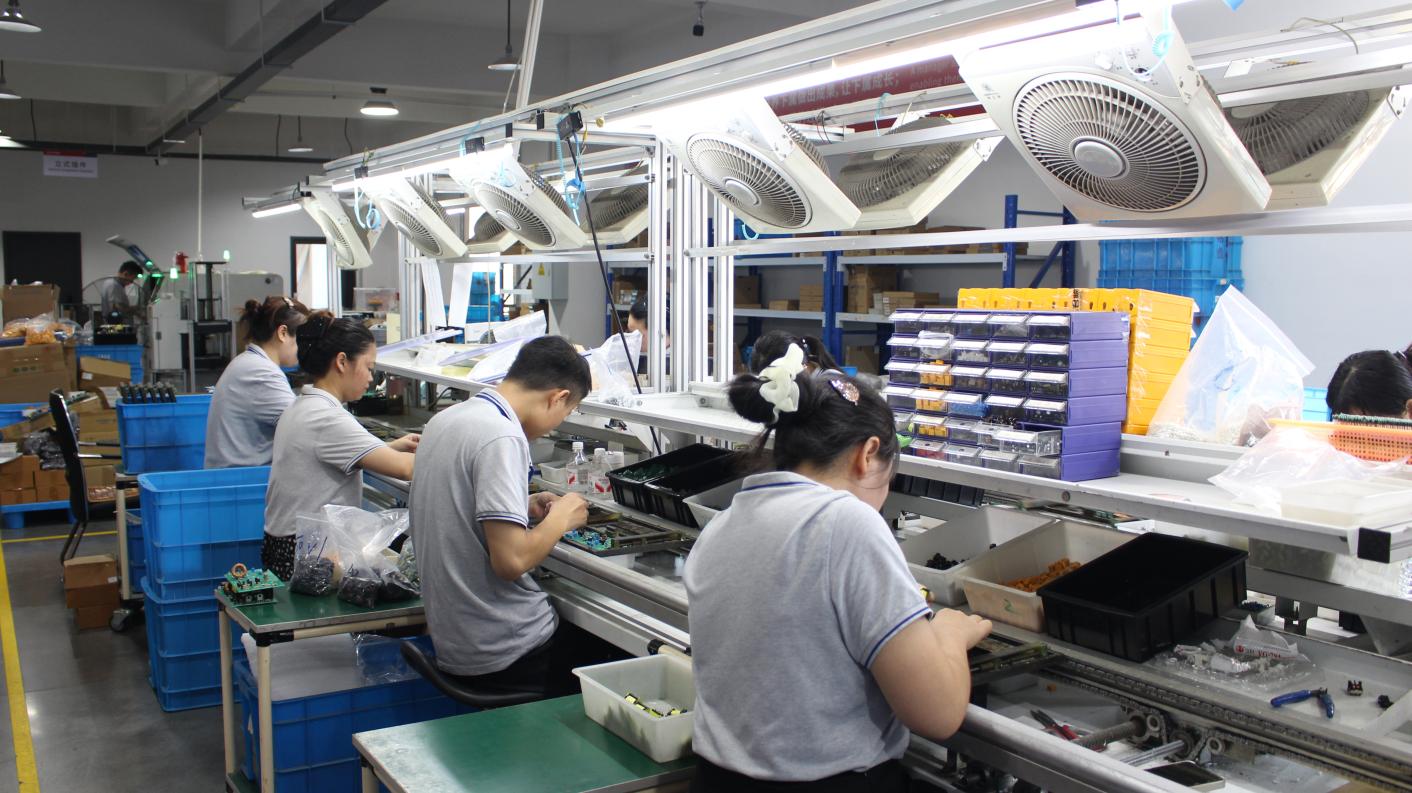
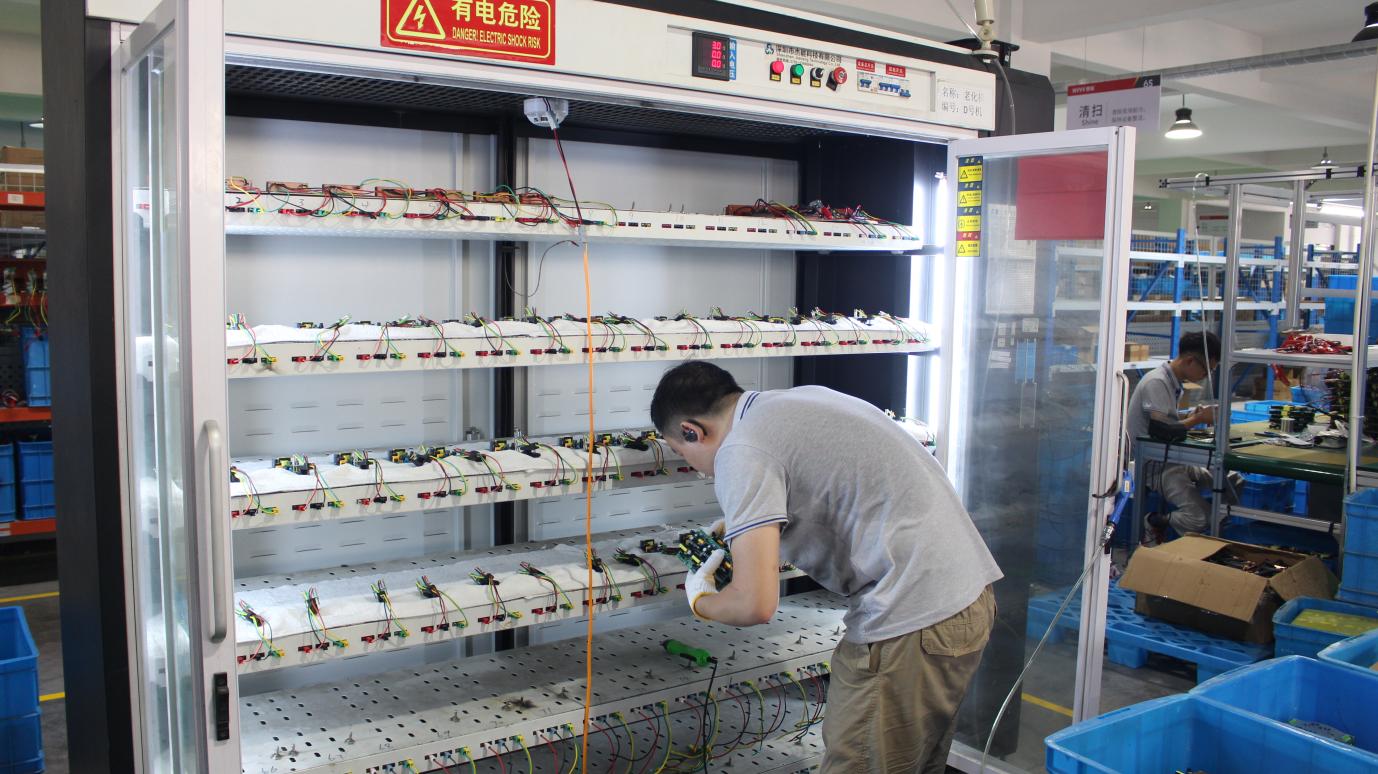
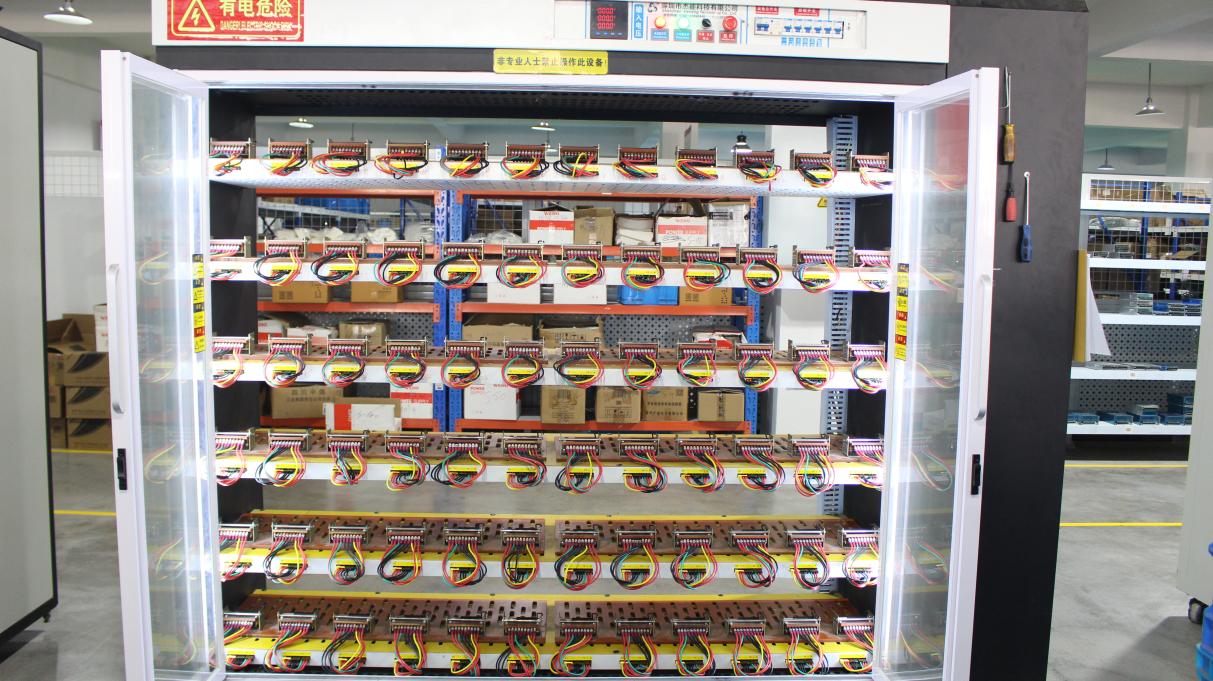
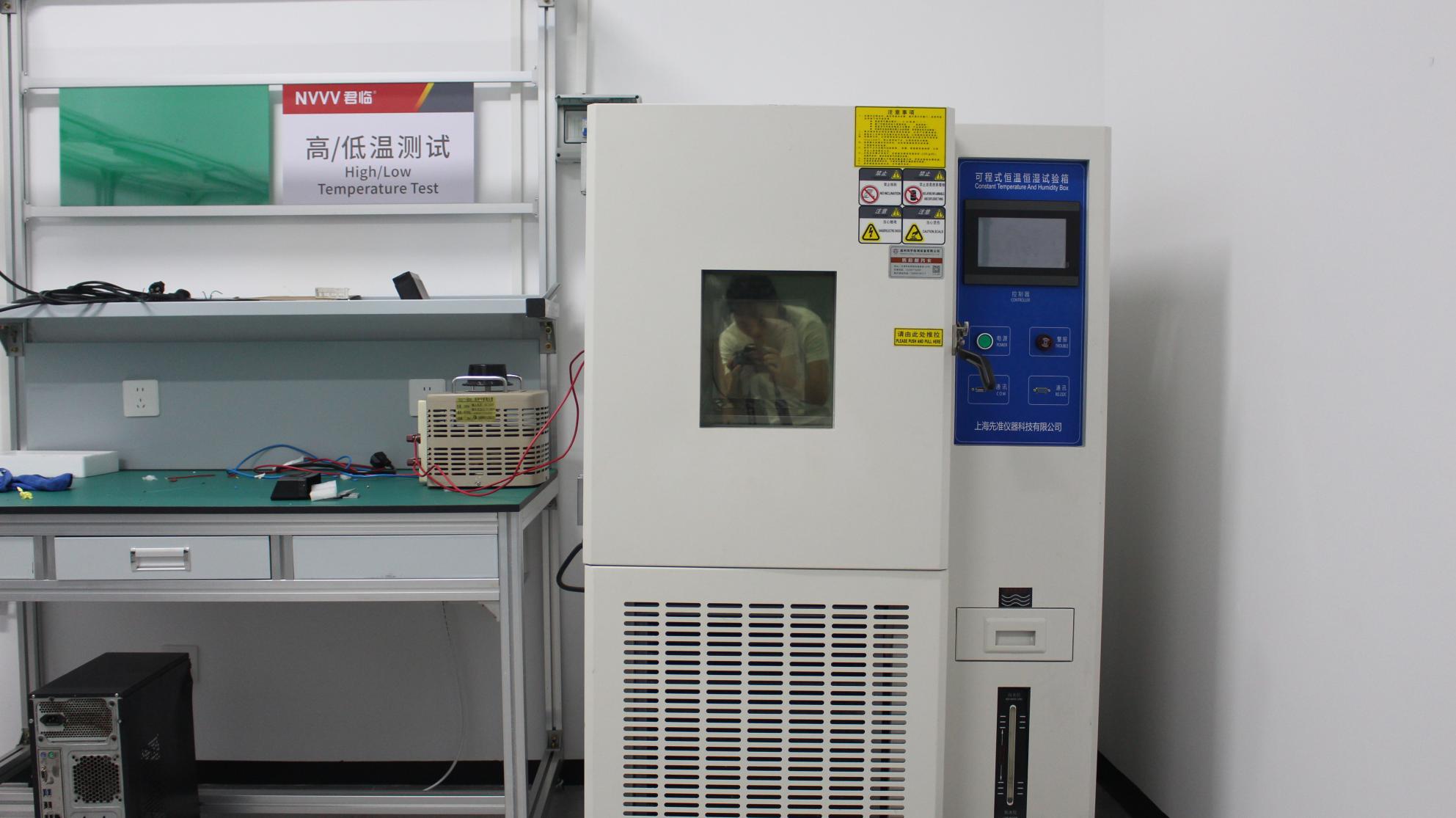
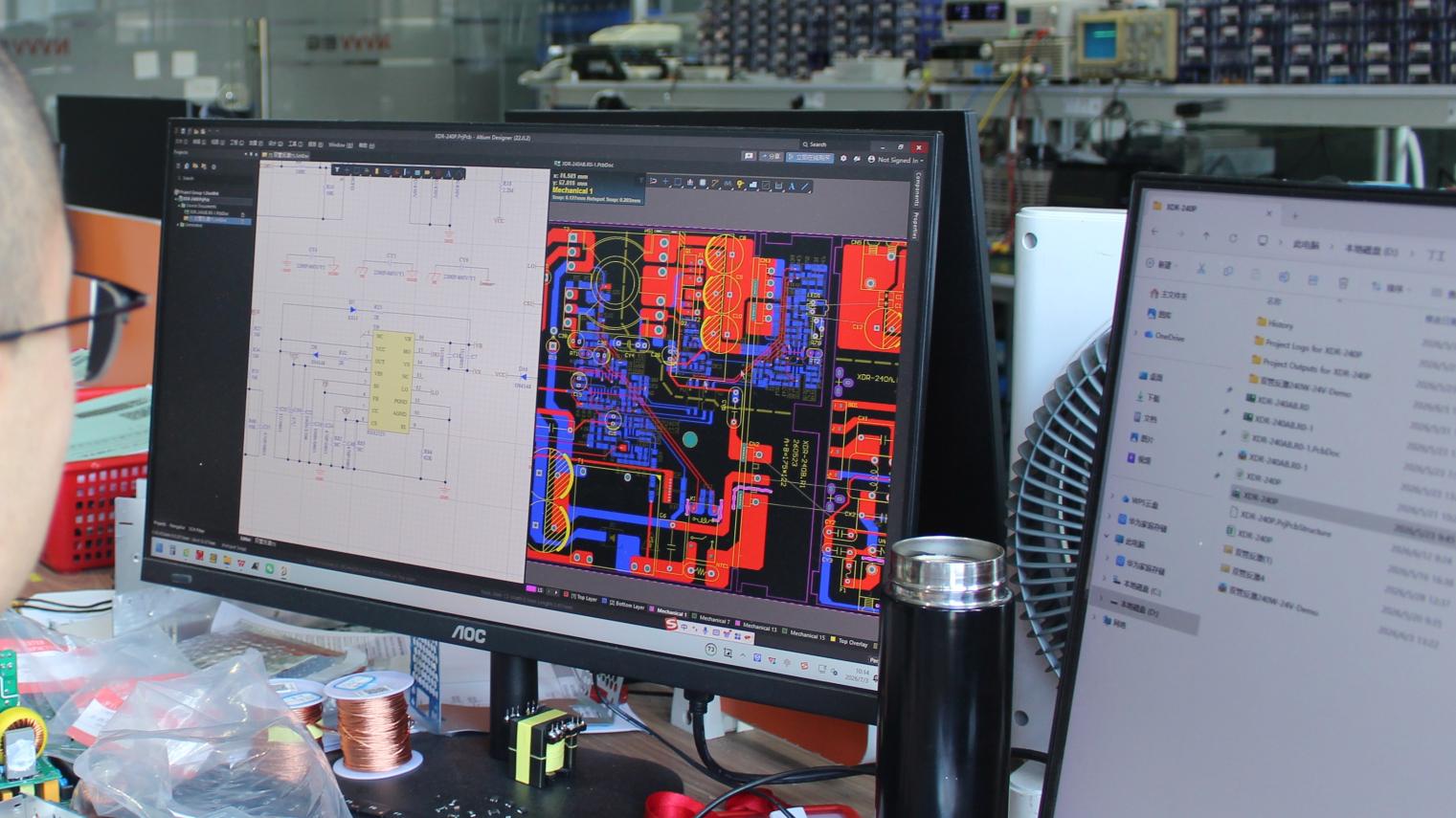
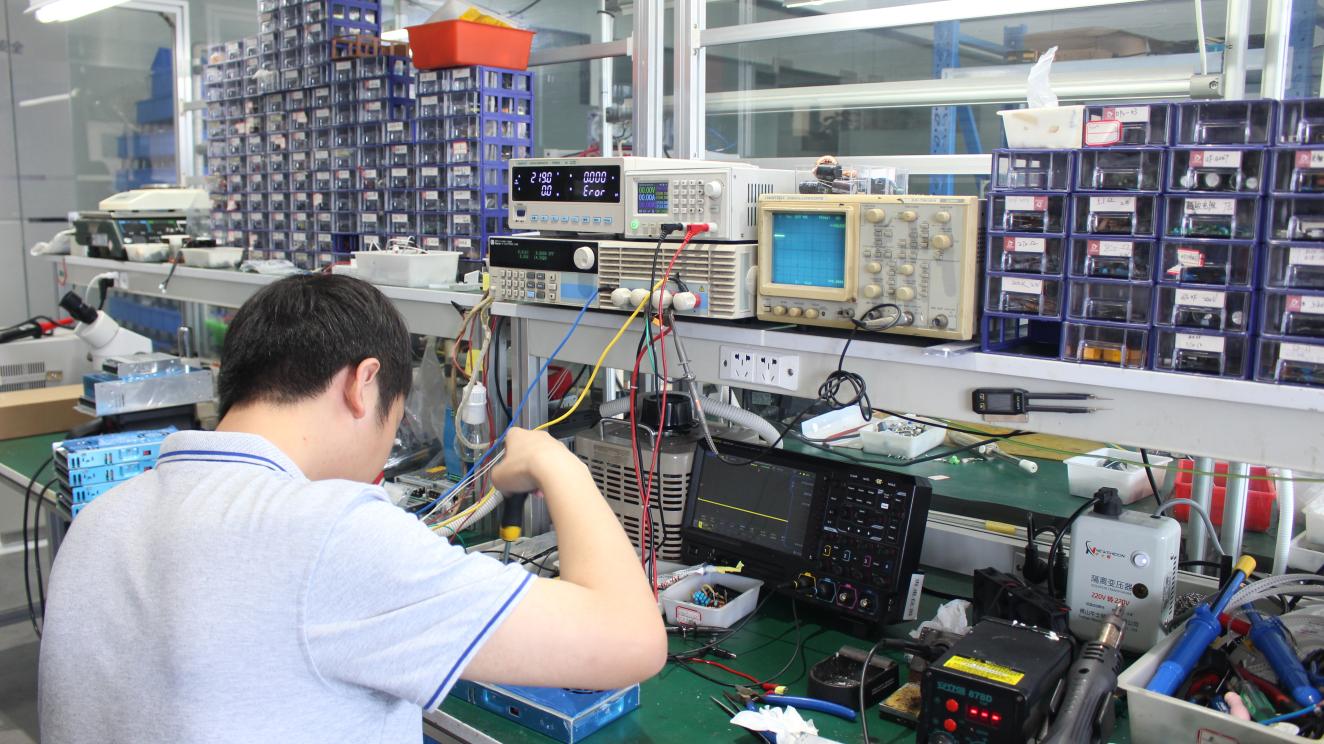
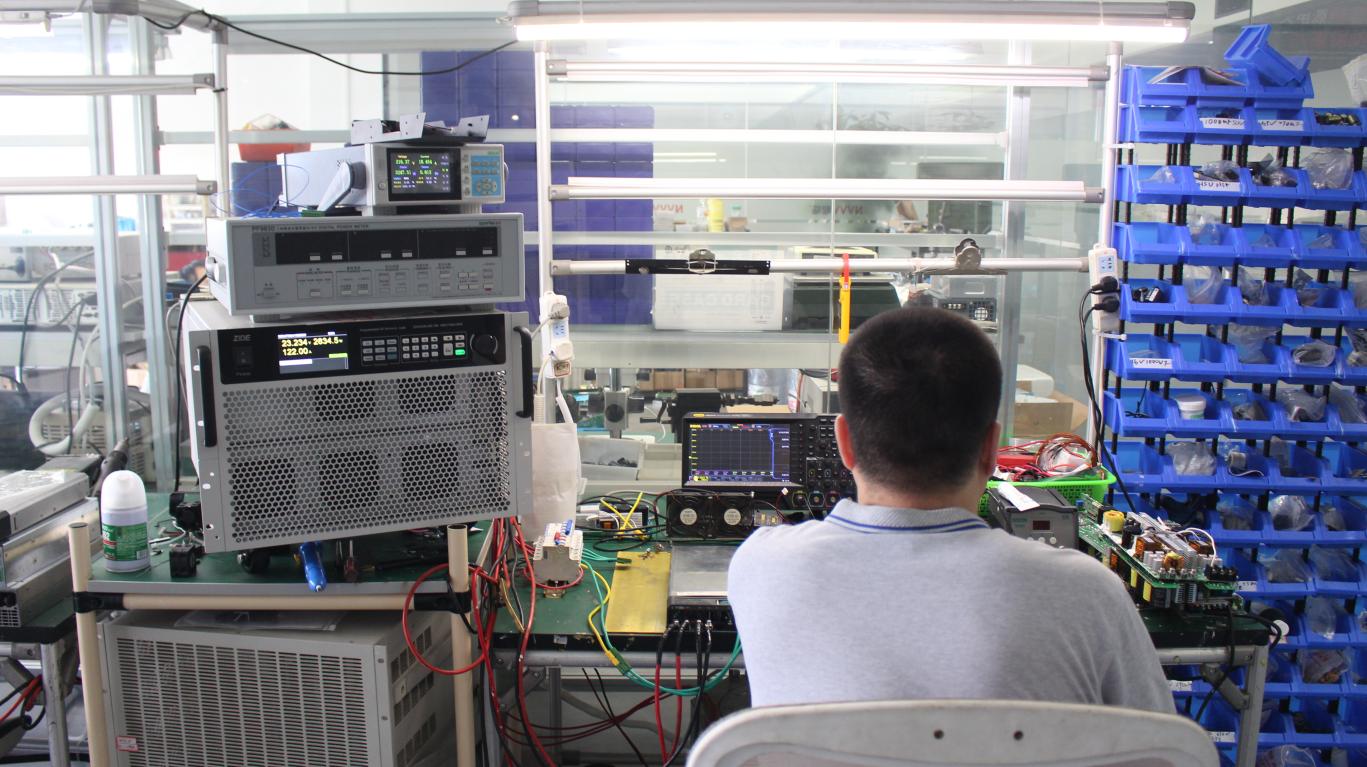
A comprehensive view of our modern production line, rigorous testing processes, and advanced engineering equipment in Wenzhou, China.
NVVV Electric Technology Co., Ltd. is a recognized engineering pioneer specializing in the design, testing, and volume production of high-performance DIN rail power supplies, enclosed switching power supplies, waterproof LED drivers, and heavy-duty industrial inverters. Nestled within the strategic manufacturing hub of Wenzhou, Zhejiang Province, our facility covers a footprint of 2,644 square meters. Operating five fully automated production lines equipped with 46 high-precision fabrication and diagnostic instruments, our team of 50 skilled professionals—led by 7 experienced power electronics R&D engineers—focuses on engineering solutions that bridge the gap between high efficiency and cost competitiveness.
Our facility works under a strict quality management system (QMS). From raw material ingress inspection (IQC) to wave soldering, precision component insertion, automatic optical inspection (AOI), and multi-phase full-load burn-in tests, we systematically mitigate defects. This approach ensures that our annual exports of over USD 1.27 million and a substantial domestic market share consistently reflect an impressive 31% customer reorder rate.
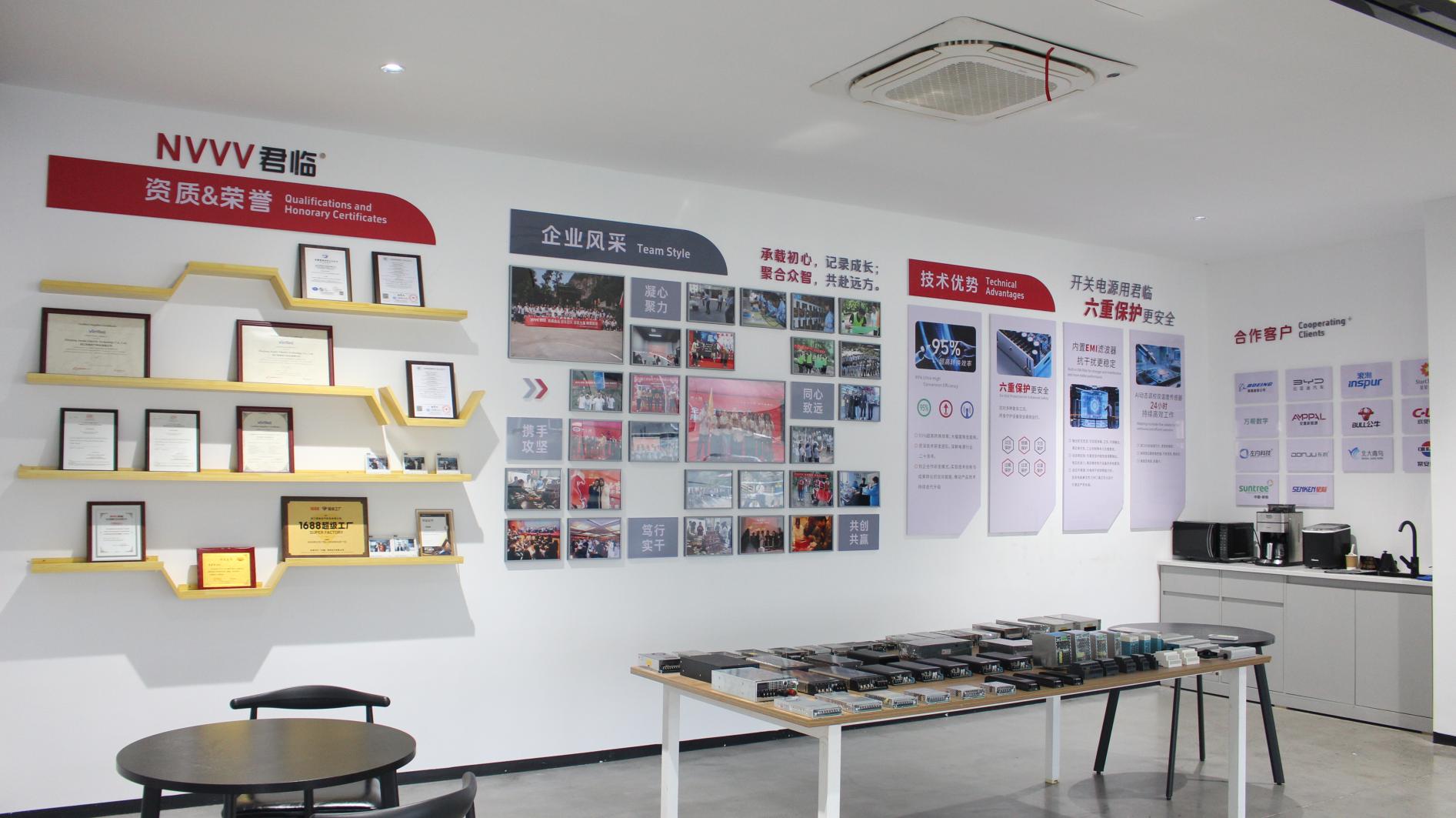
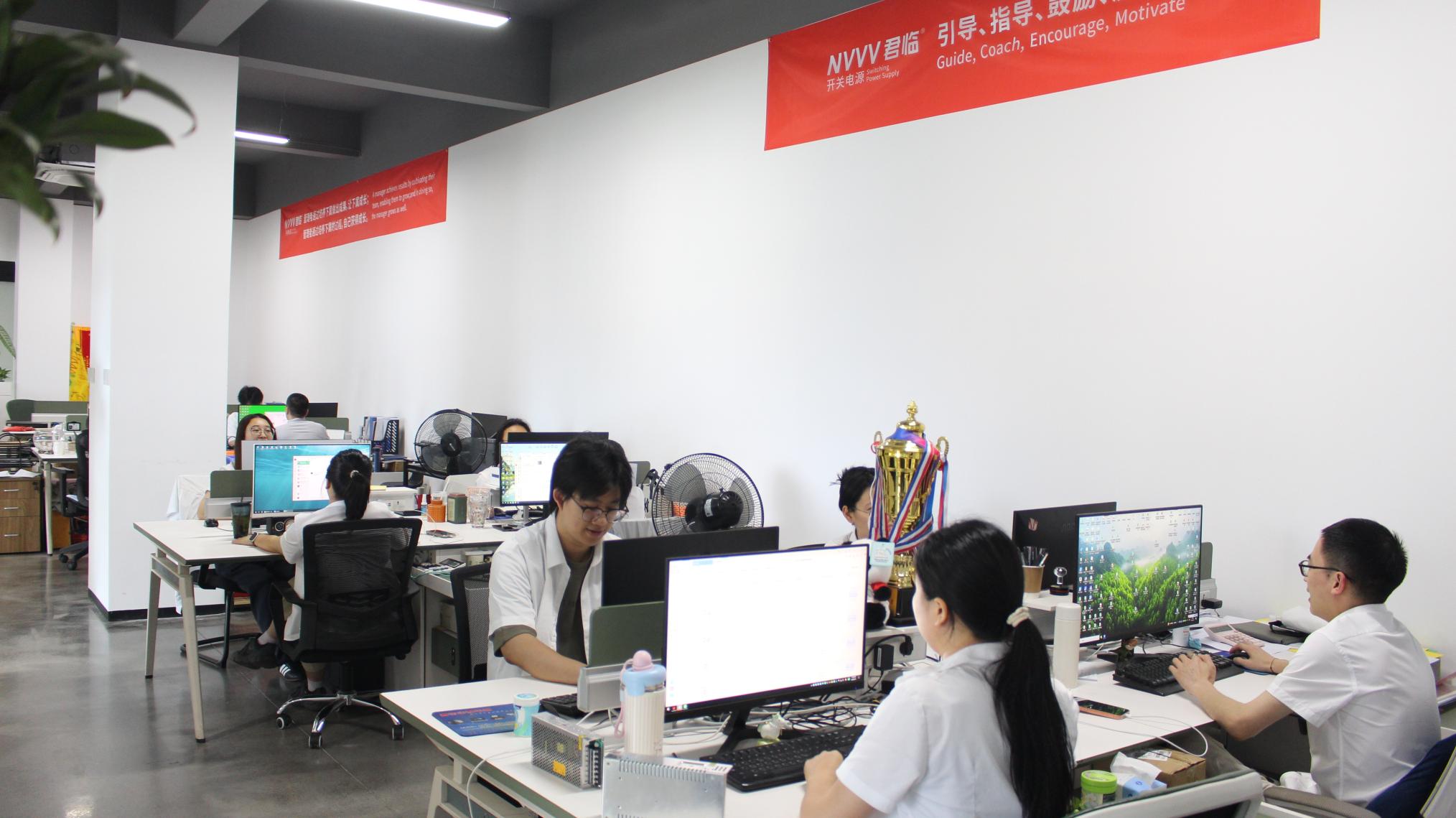
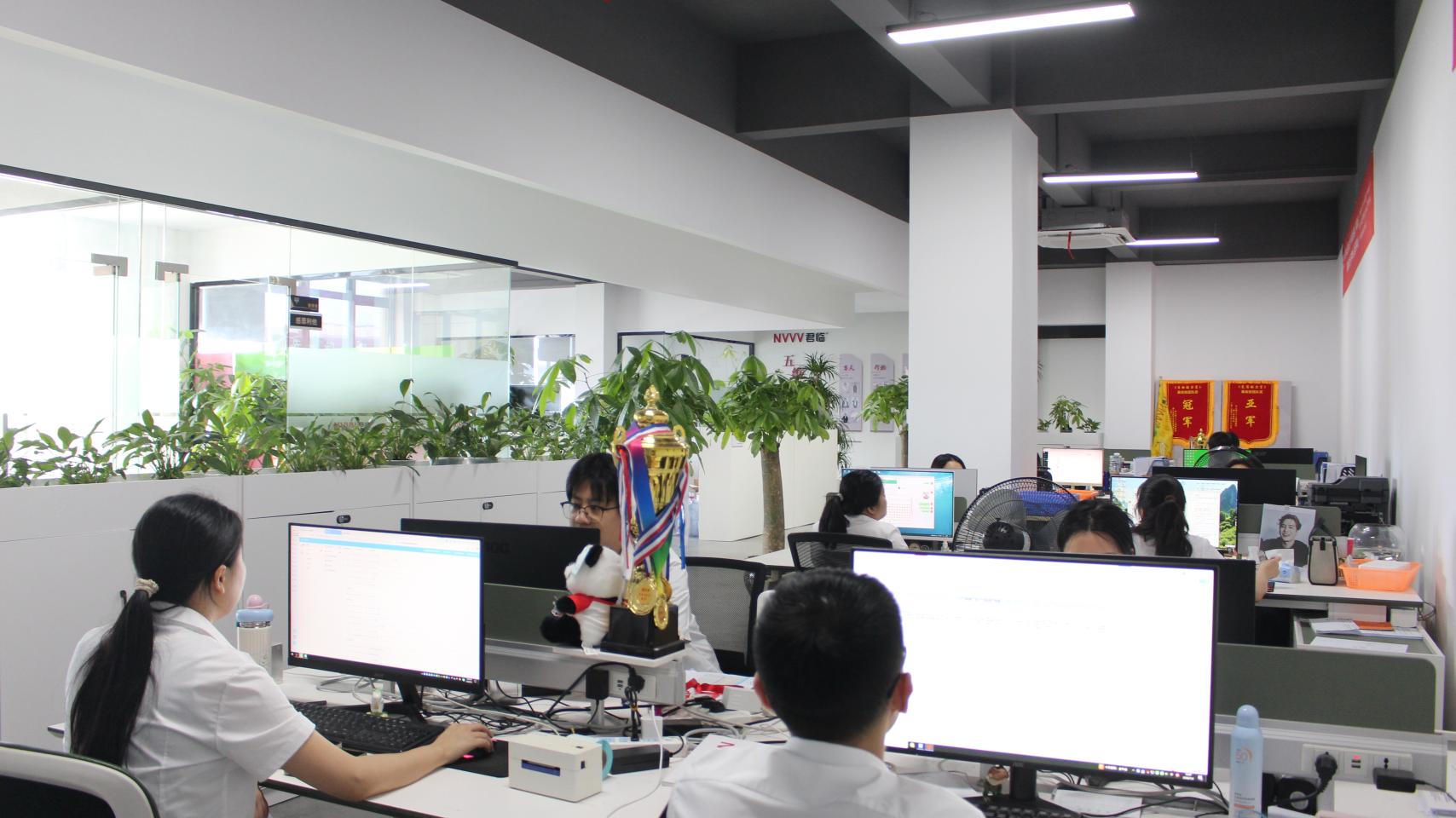
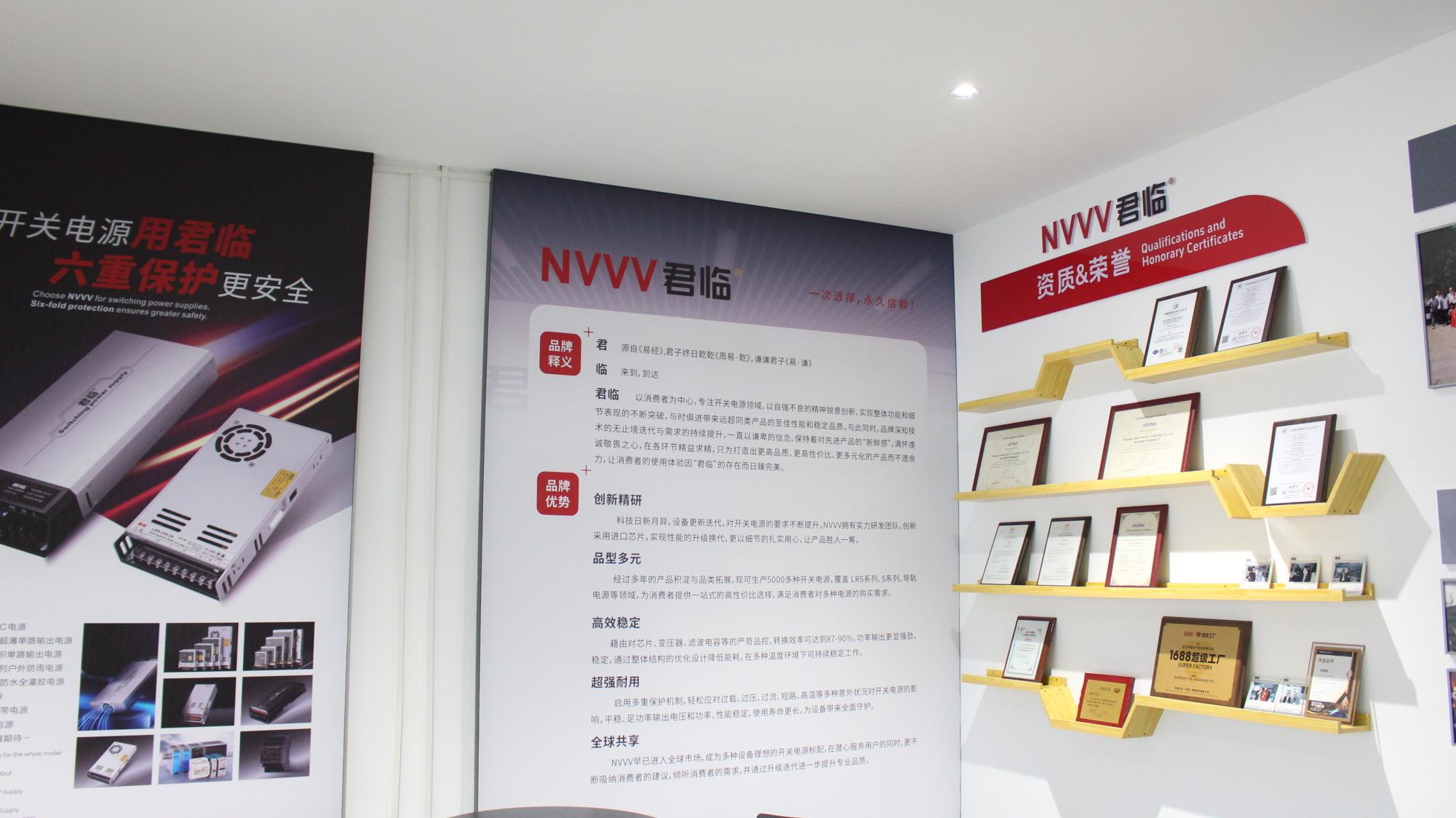
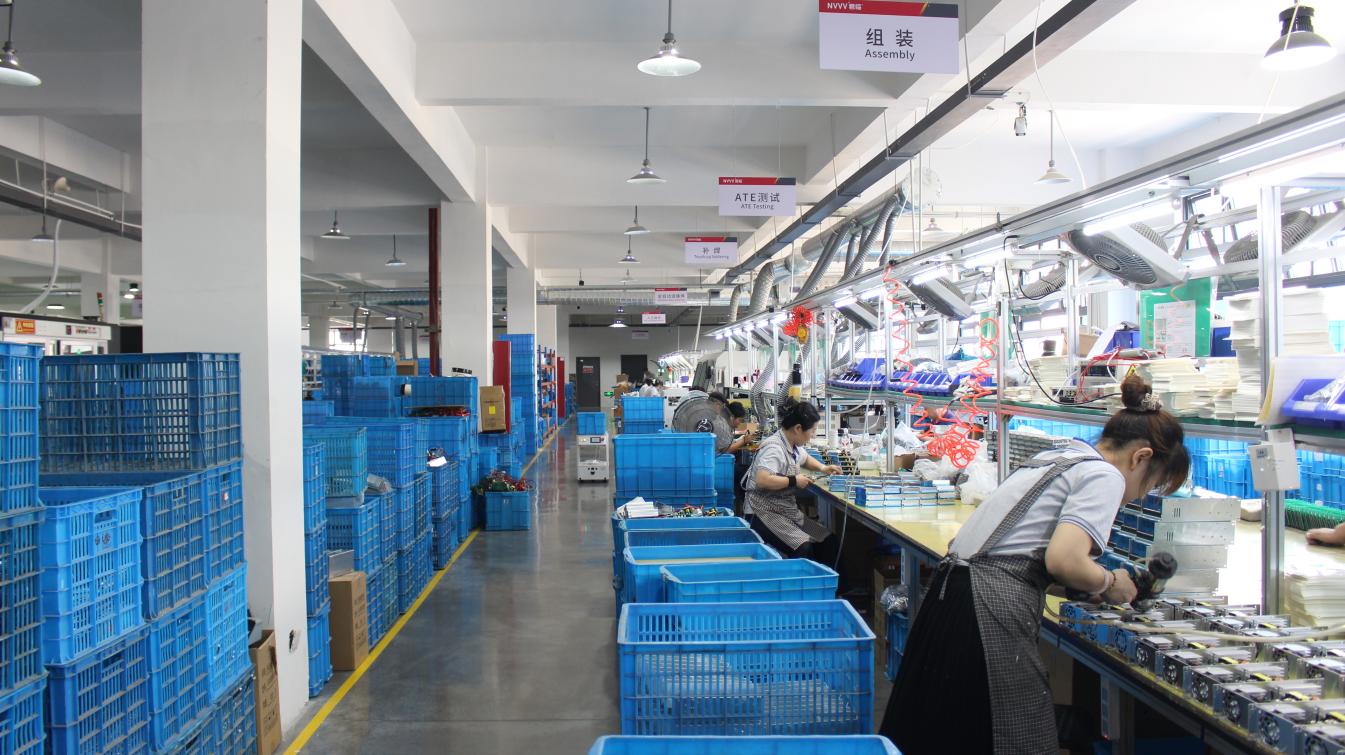
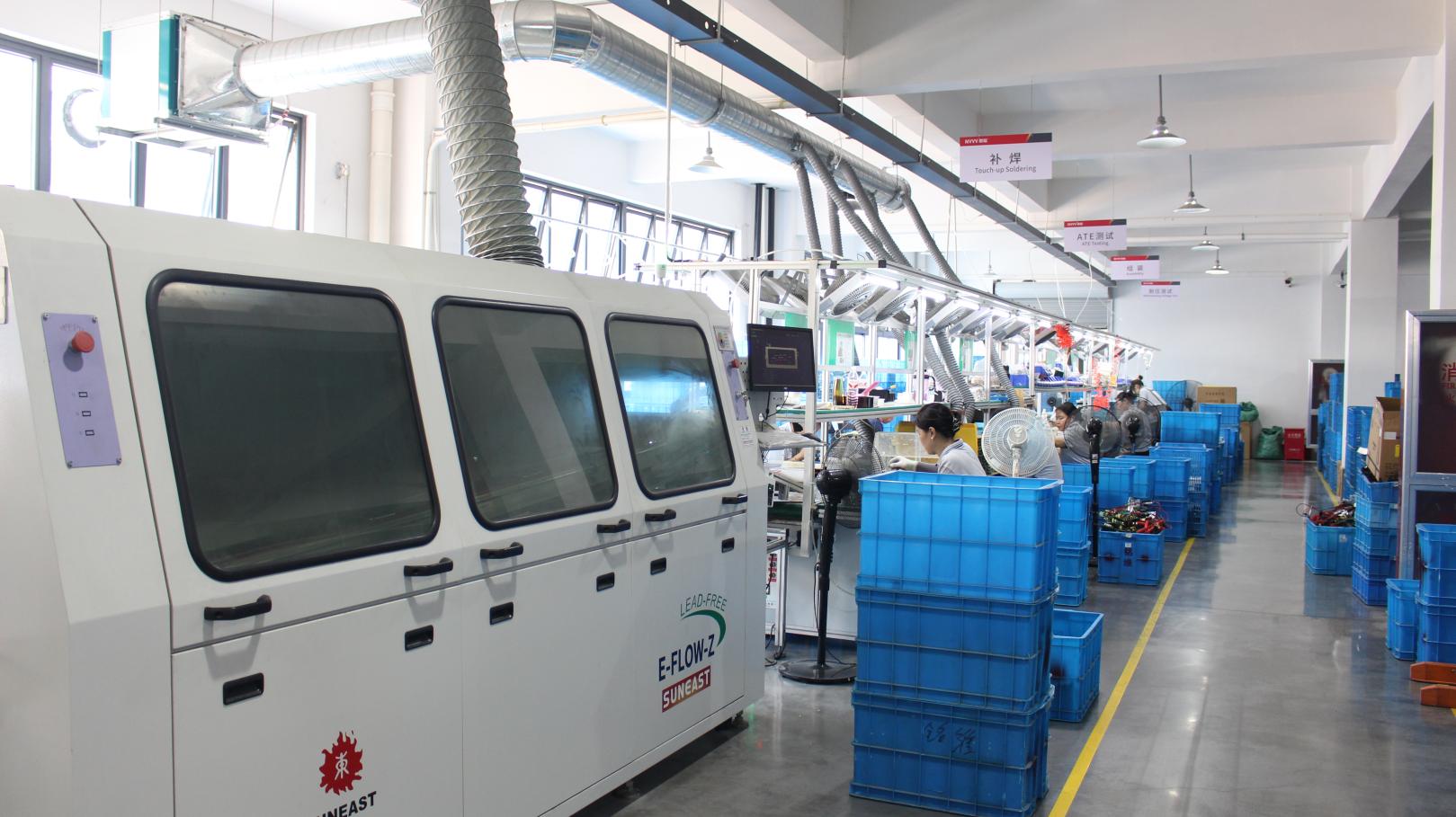
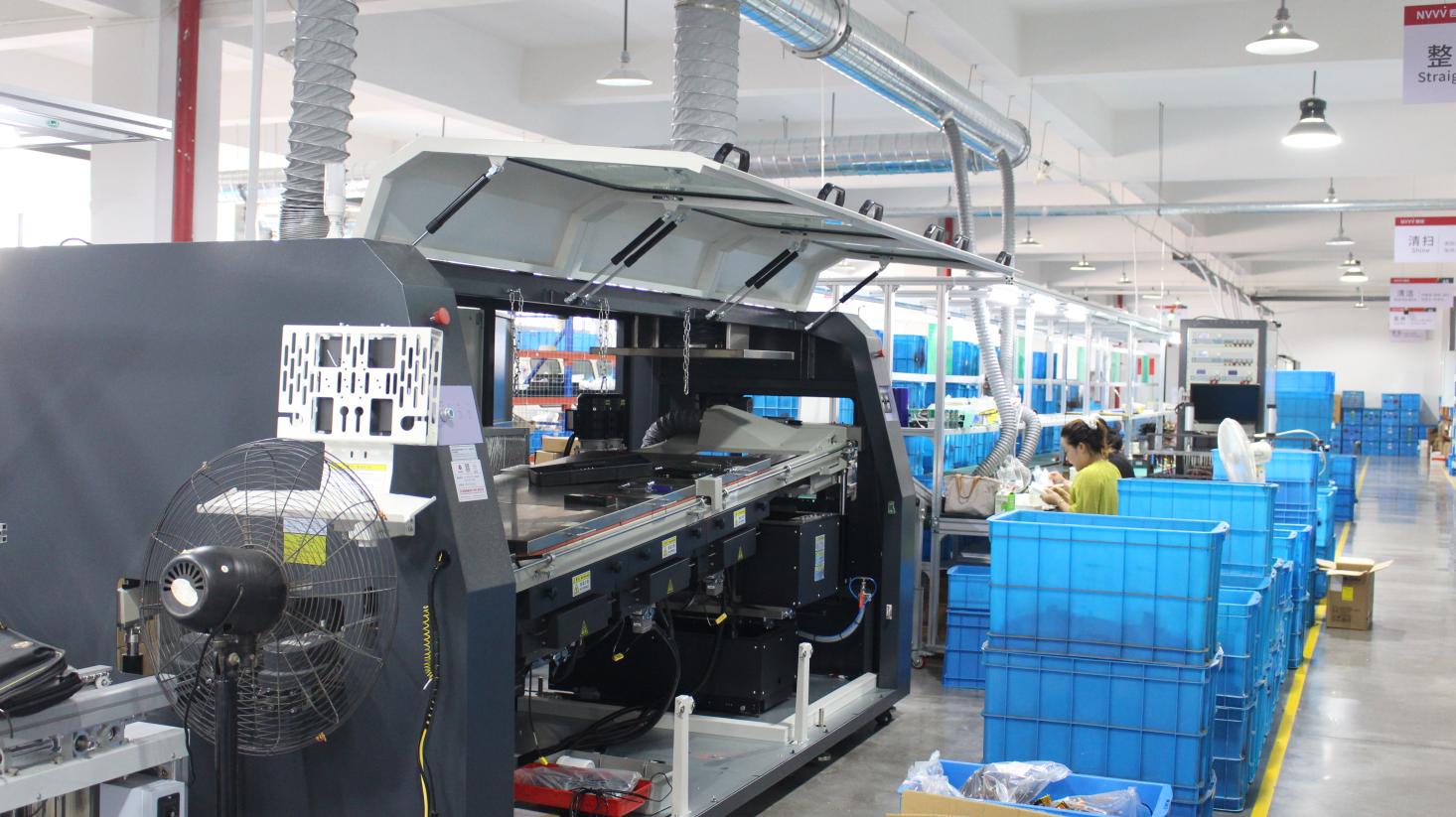
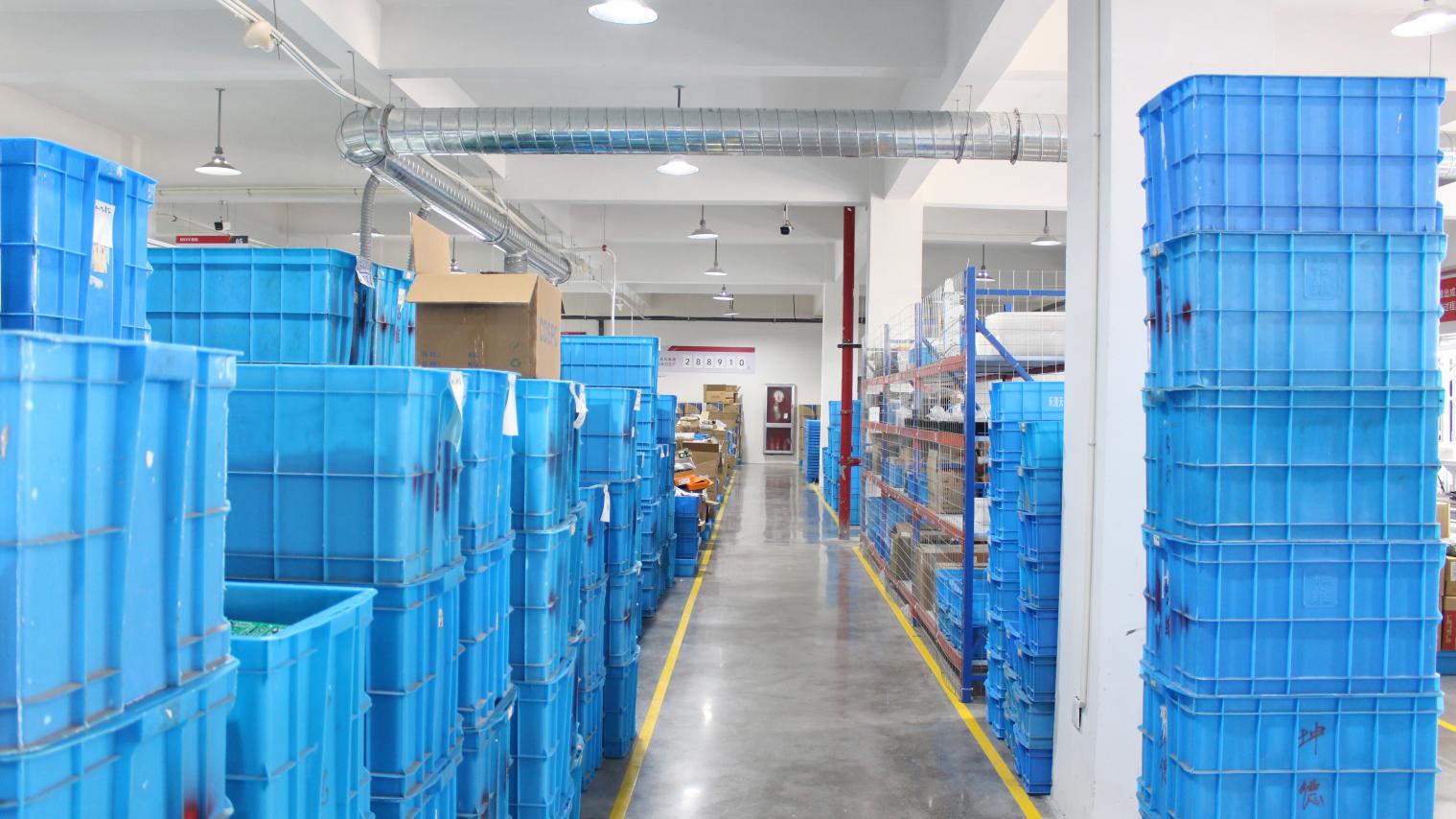
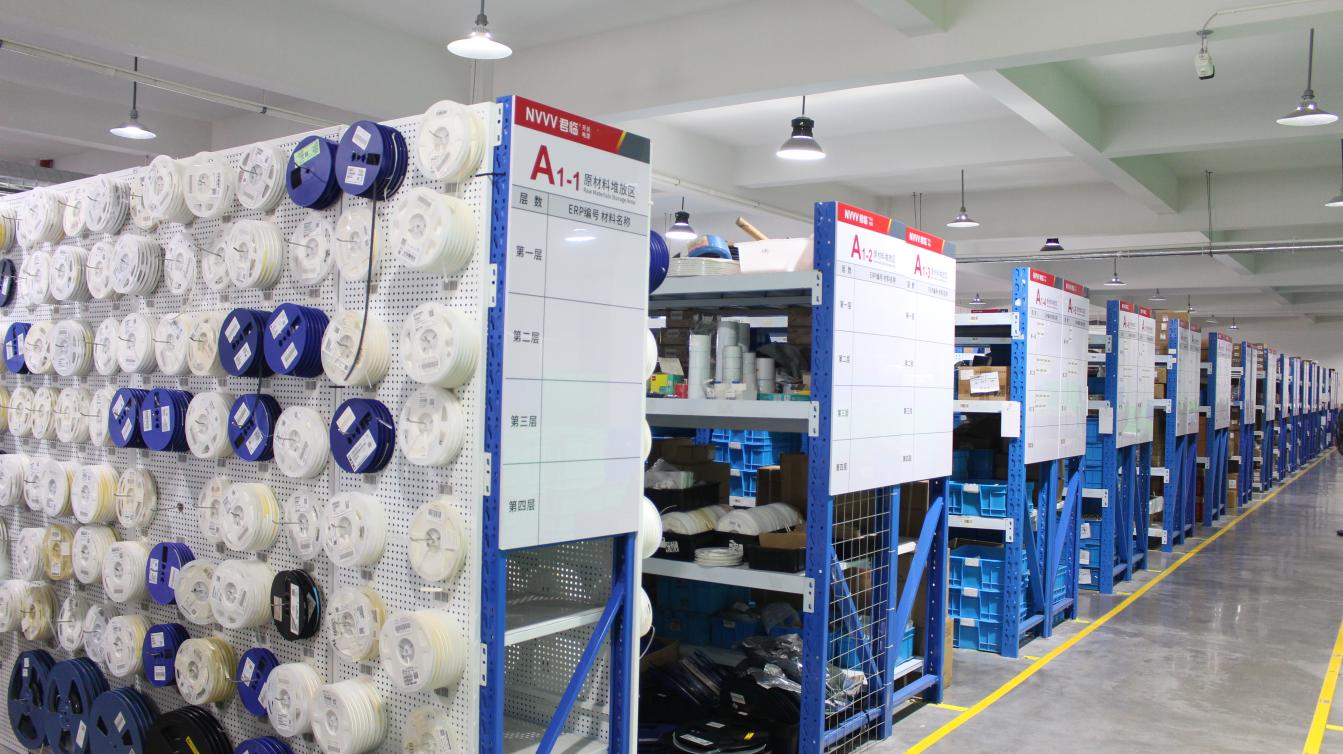
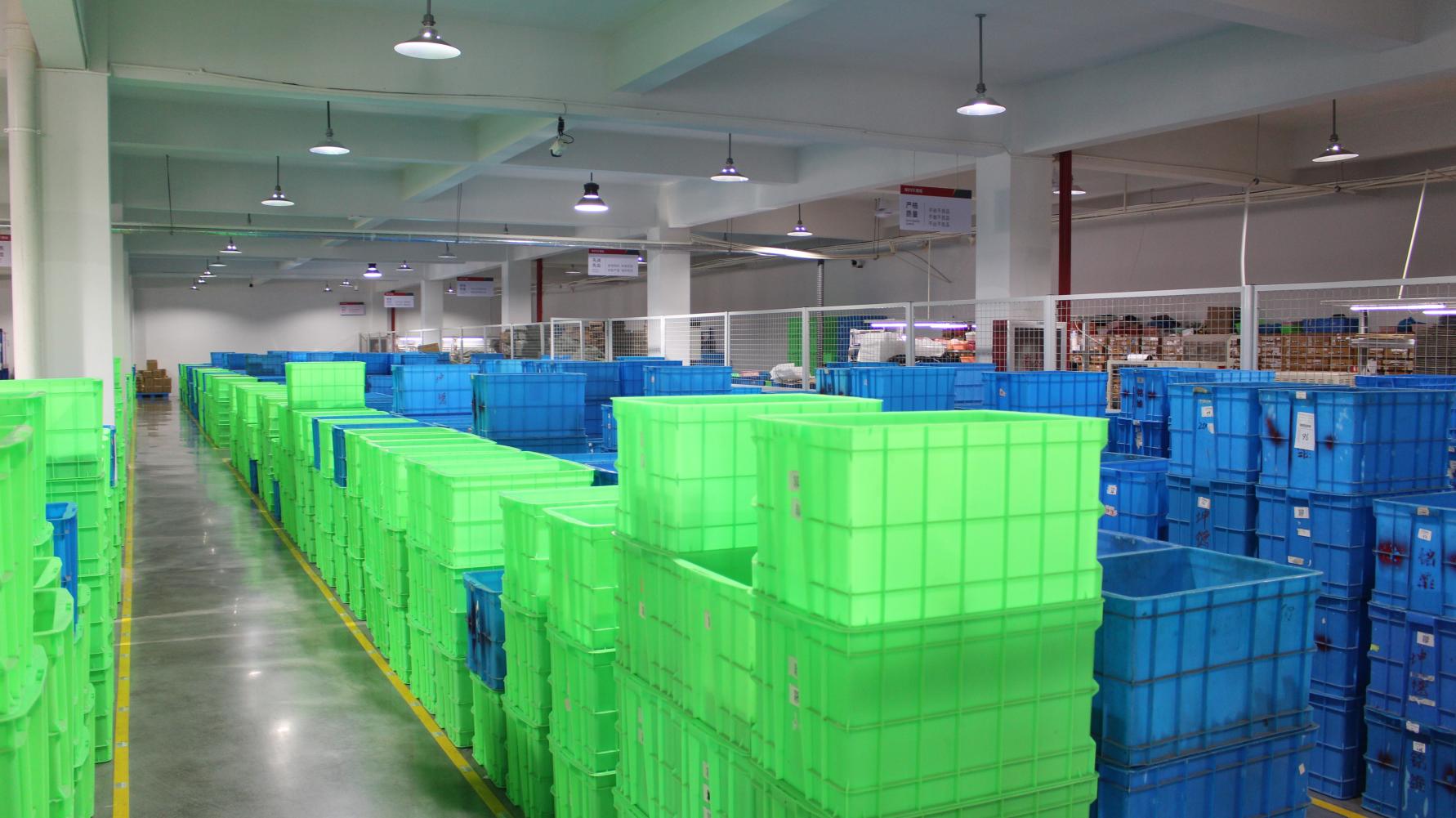
Every singular module power supply that leaves our assembly floor has undergone a series of standardized checks. We document this lifecycle transparently to demonstrate our industrial engineering expertise:
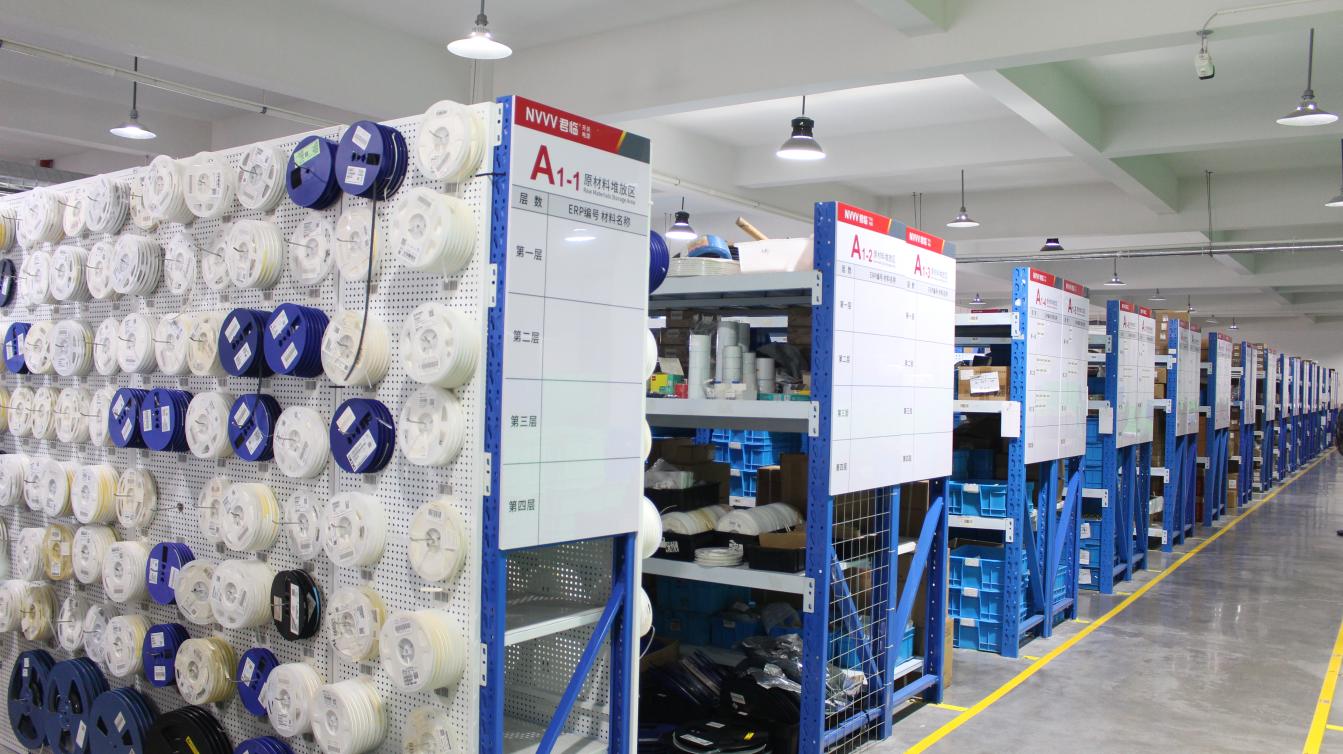
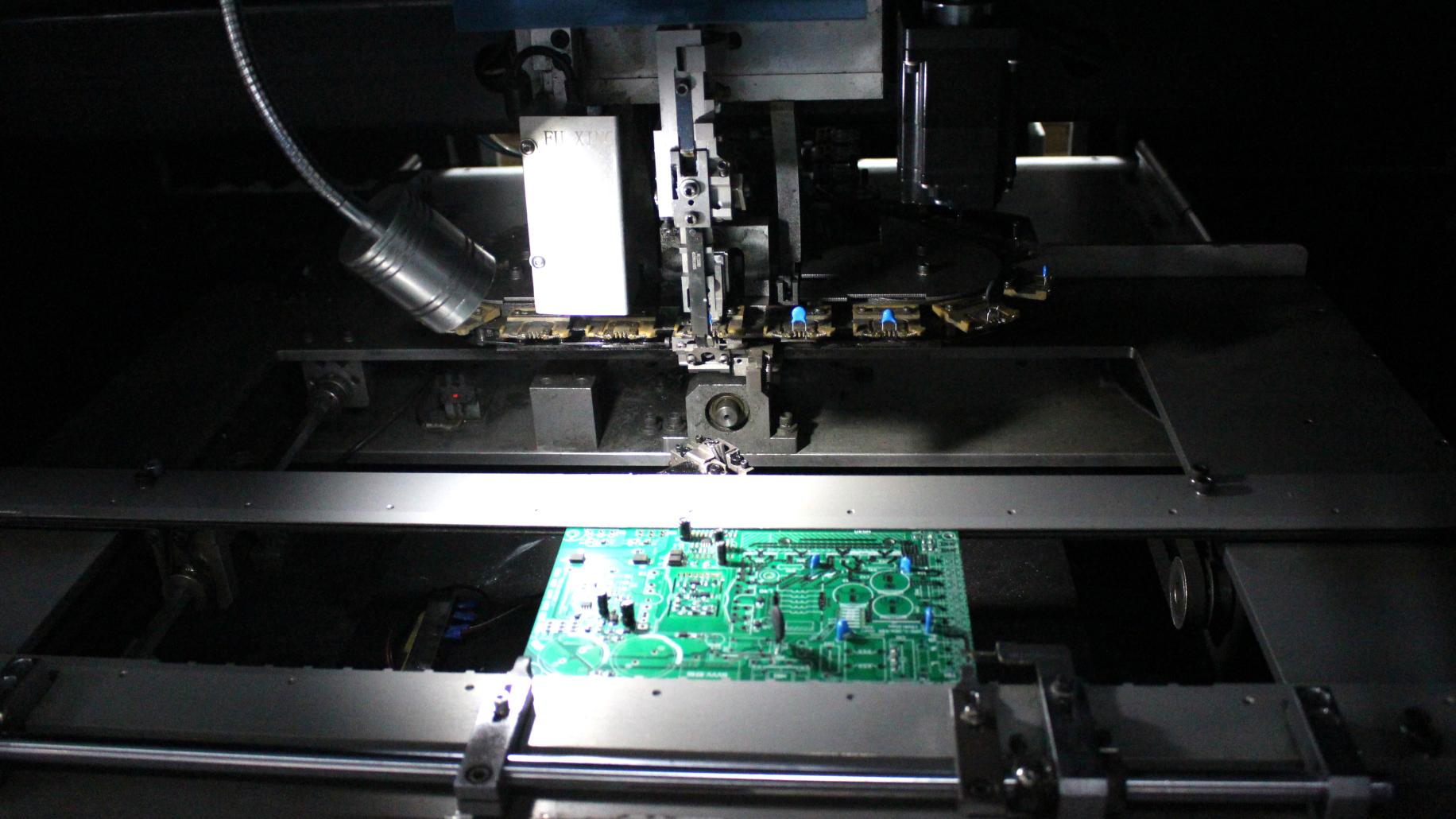
Bridging custom engineering with diverse global application requirements.
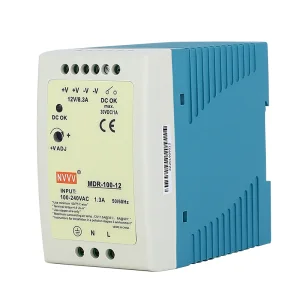
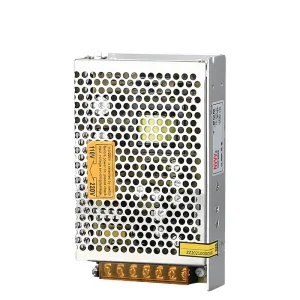
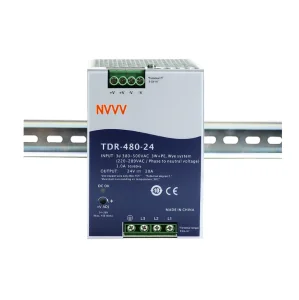
Our ultra-thin DIN rail power supplies (like the MDR and TDR lines) are engineered for standard TS-35 mounting systems. With integrated active PFC (Power Factor Correction), overload Protection, and high noise immunity, these modules form the backbone of PLC control cabinets and assembly machinery.
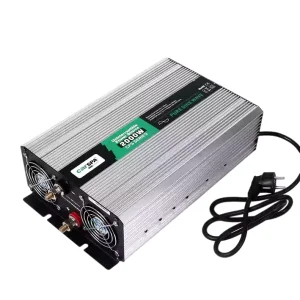
Integrating grid systems with local DC storage requires stable bidirectional inversion. The CPS2000 pure sine wave inverter series bridges battery systems with standard AC configurations, offering minimal total harmonic distortion (THD) and low idling losses.
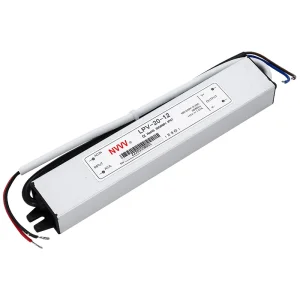
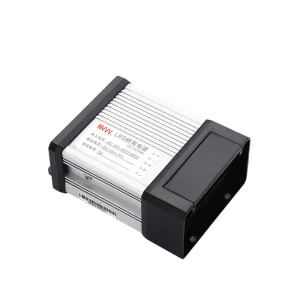
LED drivers (such as the LPV series) feature IP67-rated waterproofing and internal potting compound matrices. Designed to withstand dust ingress, moisture exposure, and thermal shock, they serve architectural lighting and municipal grids.
The power electronics industry is undergoing a transition from traditional silicon-based transistors to wide-bandgap (WBG) materials. NVVV's engineering laboratory is continuously researching integration paths for Gallium Nitride (GaN) and Silicon Carbide (SiC) semiconductors. These materials allow switching frequencies to double without generating high thermal losses, enabling compact power designs.
Concurrently, digital loop control is gradually replacing analog PWM schemes. Incorporating low-power microcontrollers (MCUs) allows for real-time telemetry, auto-tuning feedback loops, and dynamic output adjustments via Modbus or CAN bus interfaces. The future of modular power is not simply power conversion, but smart grid-edge power processing.
Securing project integrity and smooth importing processes across major regional corridors.
Our products conform to the structural and electrical safety standards mandated worldwide: CE, FCC, CCC, UKCA, BIS, and EMC compliance certificates protect your engineering projects against regulatory issues.
Leveraging 7 skilled internal R&D engineers, we specialize in prototype design, custom PCB layout layout changes, brand screen printing, and private labels, enabling localized configurations for direct project demands.
Operating near Wenzhou and Ningbo ports, NVVV ensures delivery execution. Backed by automated inventory management, we maintain an average 98.6% on-time delivery rate.
In-depth responses to common design questions, thermal layout problems, and compliance inquiries.
Browse our multi-output controllers, intelligent DIN Rail systems, and specialized inverters.
 NVVV Electric