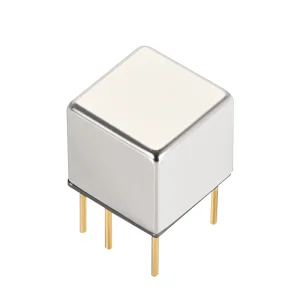
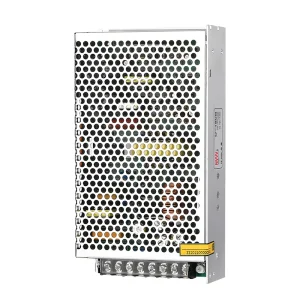
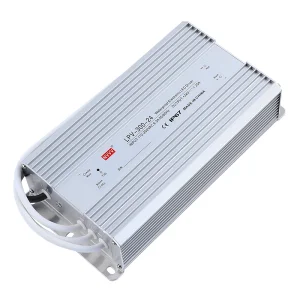
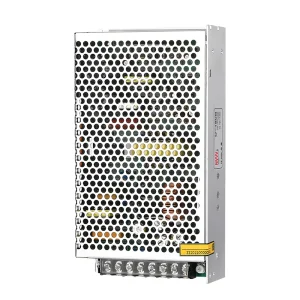
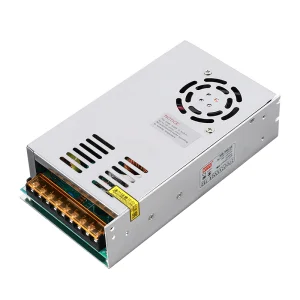
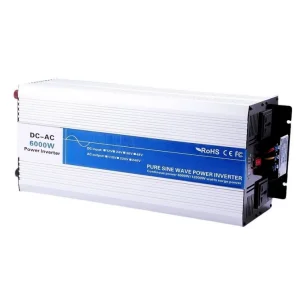
A bidirectional inverter (also known as a grid-interactive or regenerative power inverter) is a sophisticated dual-direction power conversion system. Unlike traditional inverters that only convert Direct Current (DC) to Alternating Current (AC), bidirectional topologies can also convert AC back to DC. This enables dynamic charging of battery storage systems from the grid and discharging back into the grid when demand peaks.
As global infrastructure shifts toward distributed energy resources (DERs), bidirectional inverters form the essential bridge for Vehicle-to-Grid (V2G) applications, microgrids, commercial energy storage systems (BESS), and peak-shaving operations. These units incorporate Active Front End (AFE) rectifiers, enabling pure sine wave output with minimal harmonic distortion while managing reactive power control to support unstable grid environments.
Enterprise buyers from utility, industrial, and telecommunication fields seek custom systems that prioritize thermal efficiency, scalability, and seamless EMS (Energy Management System) integration.
High round-trip efficiency (RTE) minimizes conversion losses. Advanced thermal management protocols ensure longer MTBF and prevent accelerated battery degradation during prolonged cycling.
Industrial operators require custom voltage levels (48V to 800V DC DC link inputs) to pair directly with variable chemistry types including Lithium Iron Phosphate (LiFePO4), NMC, and solid-state battery banks.
Standard integration features such as CAN Bus, Modbus TCP/RTU, and SunSpec compliance allow EMS and SCADA platforms to remotely monitor state of charge, temperature, and active grid faults.
Deploying bidirectional inverters worldwide requires adherence to strict local grid codes. An exporter must understand standard variations to ensure safe interconnection, prevent islanding, and offer voltage-reactive power regulation (Volt-VAR control).
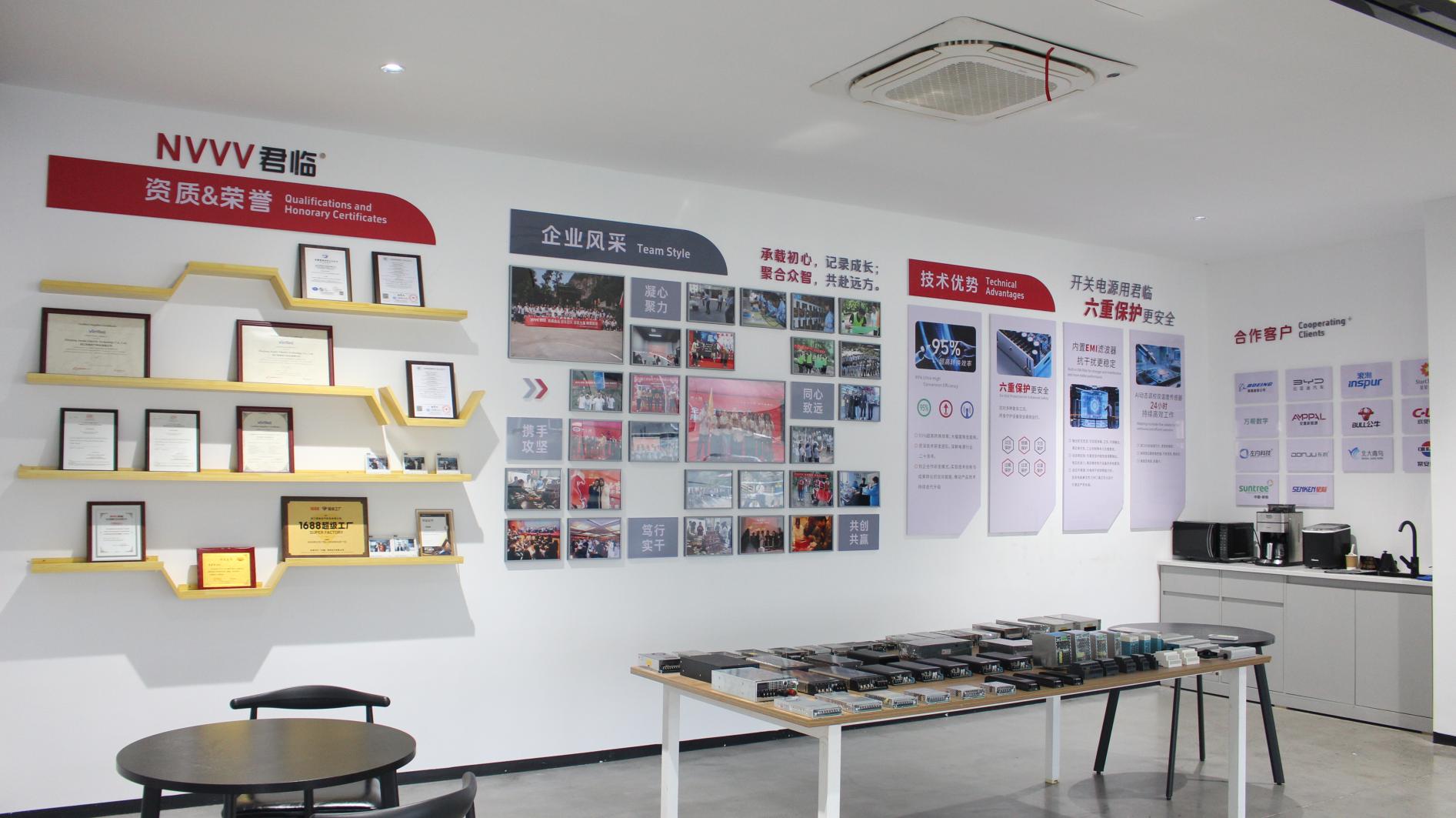
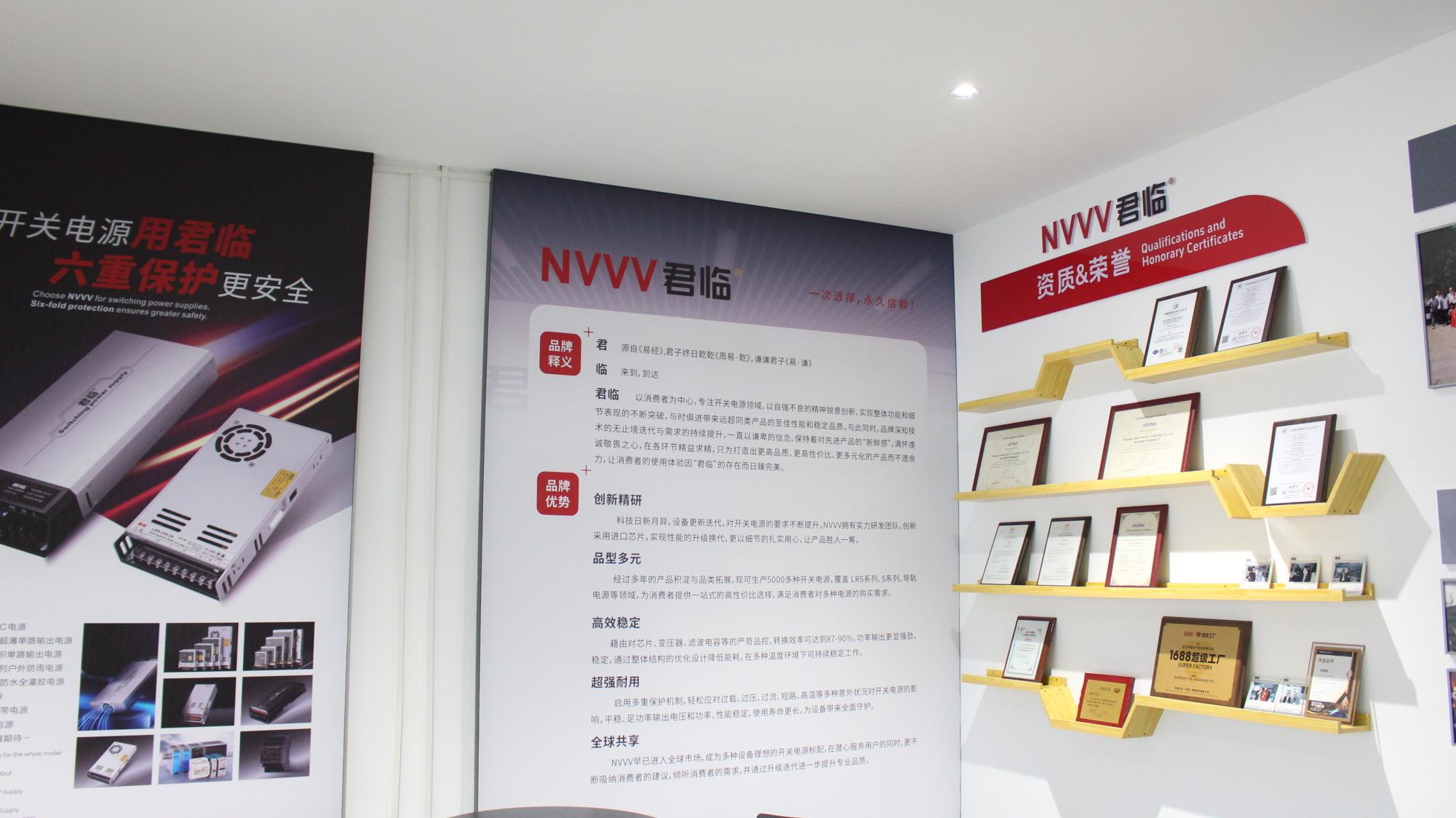
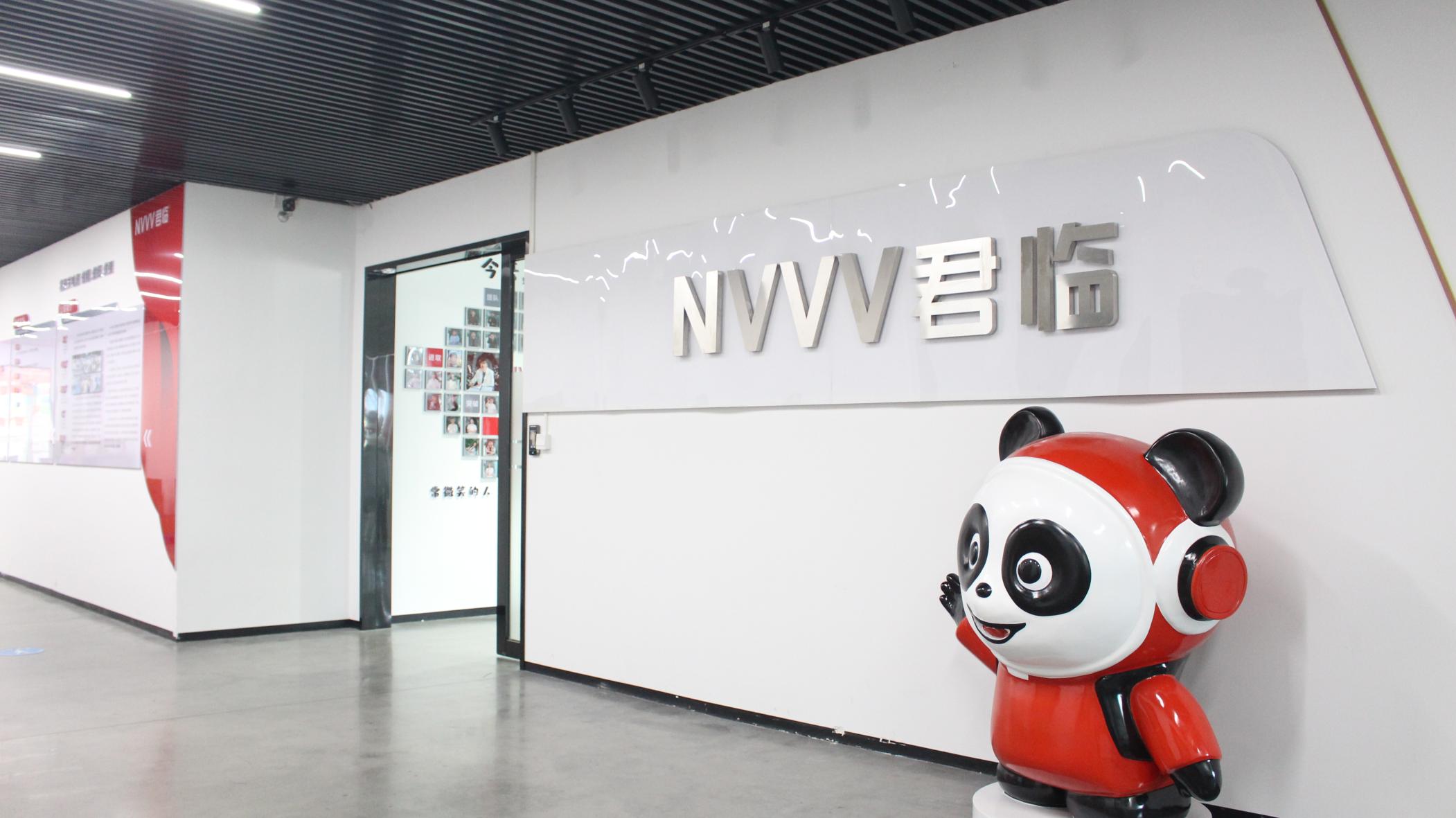
At NVVV Electric Technology Co., Ltd., compliance sits at the center of our engineering. We supply solutions verified under key regional standards:

Sourcing from NVVV Electric in Wenzhou, Zhejiang Province, leverages one of the world's most integrated electrical component supply clusters. This ecosystem enables faster prototype iterations, lower raw material logistics costs, and strict manufacturing speed.
From specialized copper magnetic wire and custom toroidal transformer cores to high-voltage MOSFETs and heat sink extrusions, all essential inputs are manufactured within a 50km radius. This geographic concentration minimizes transit-related logistics bottlenecks and controls costs during global semiconductor supply fluctuations.
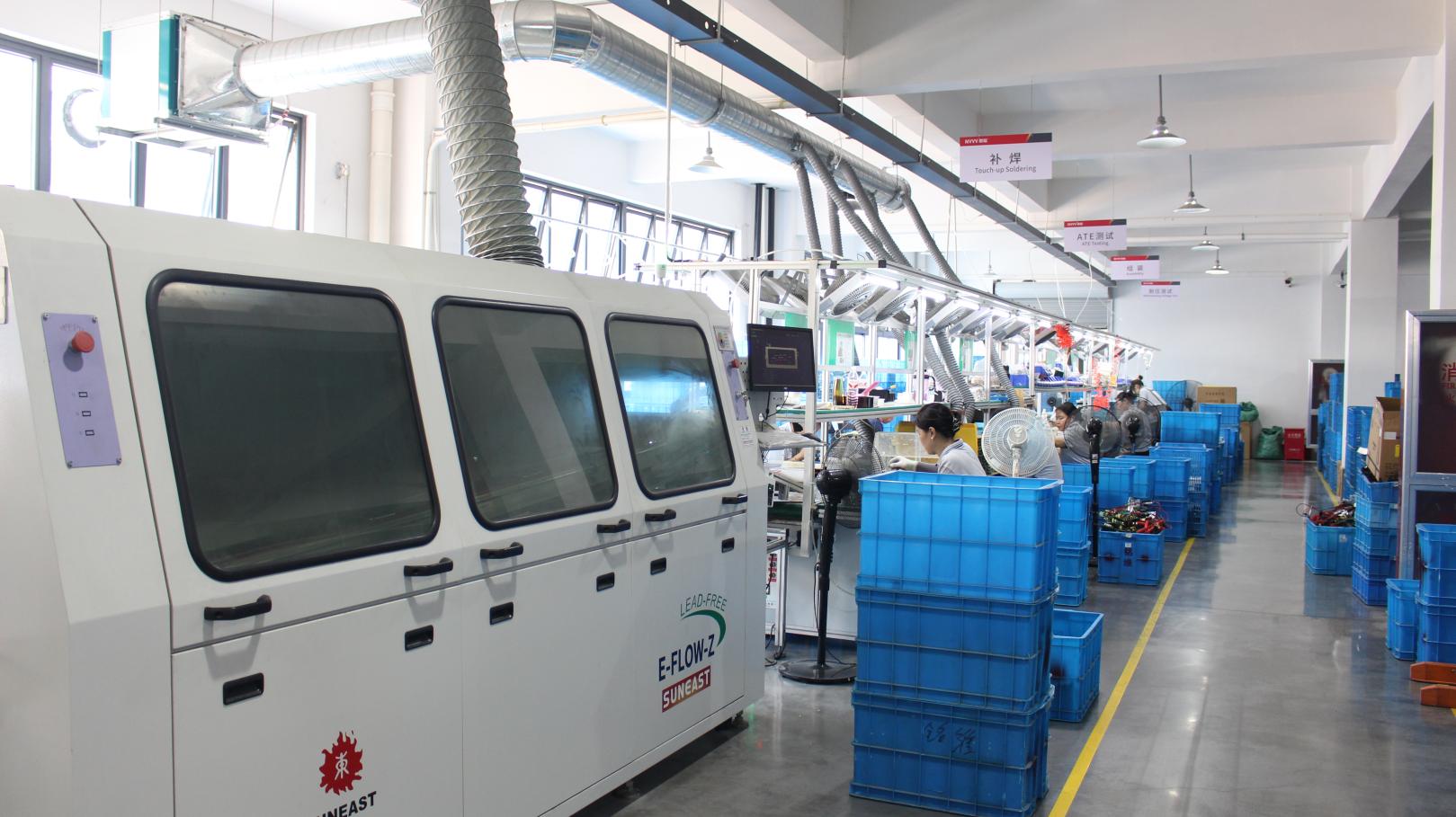
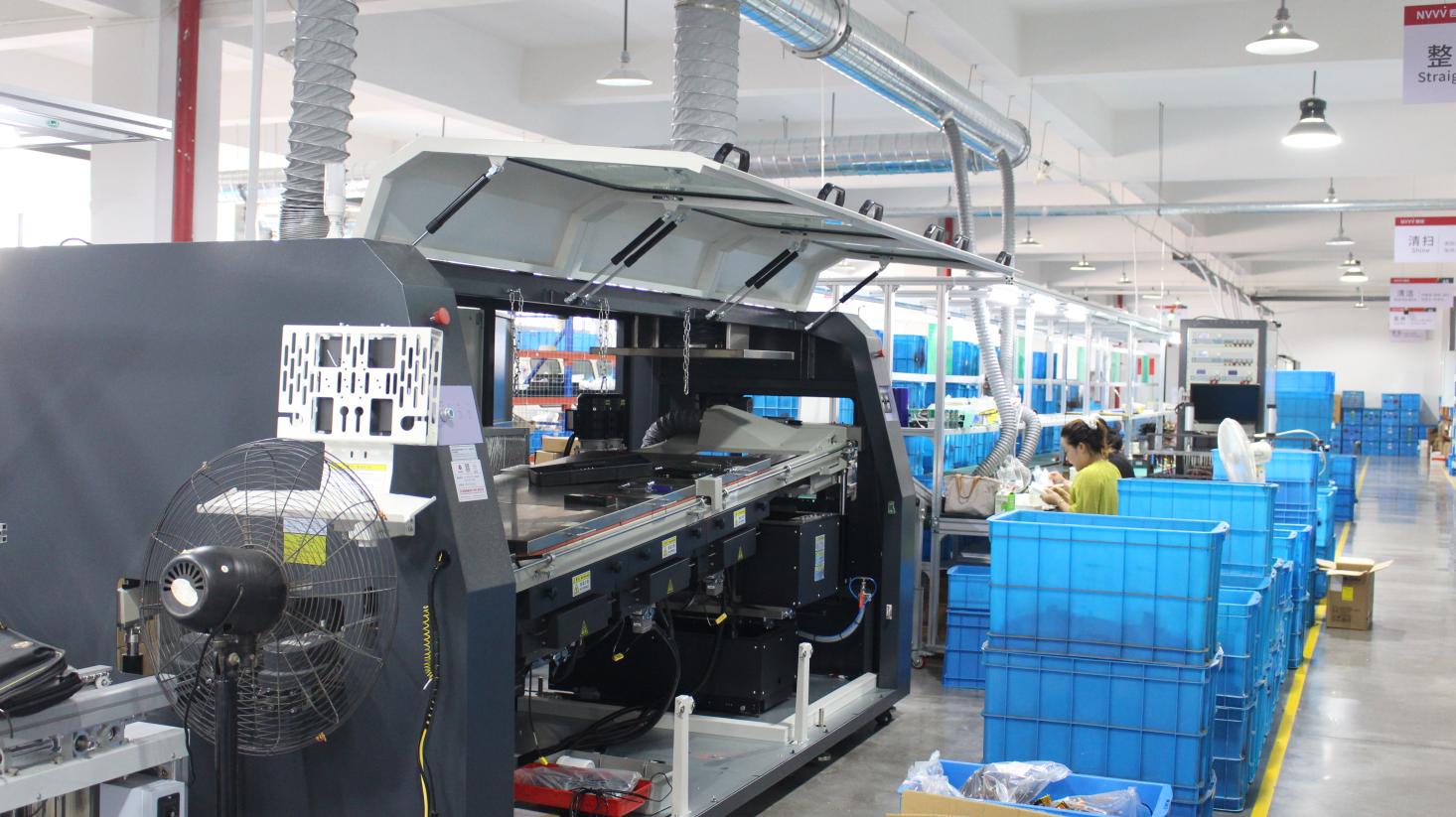
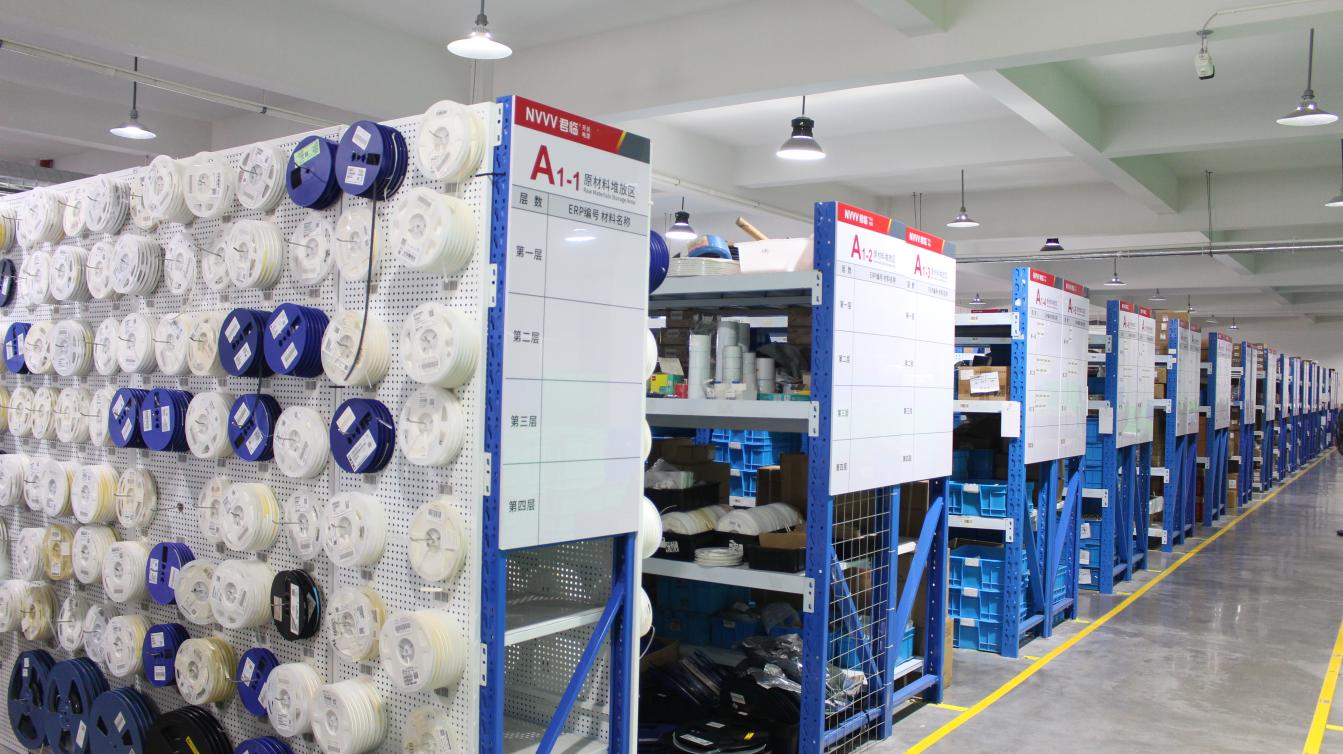
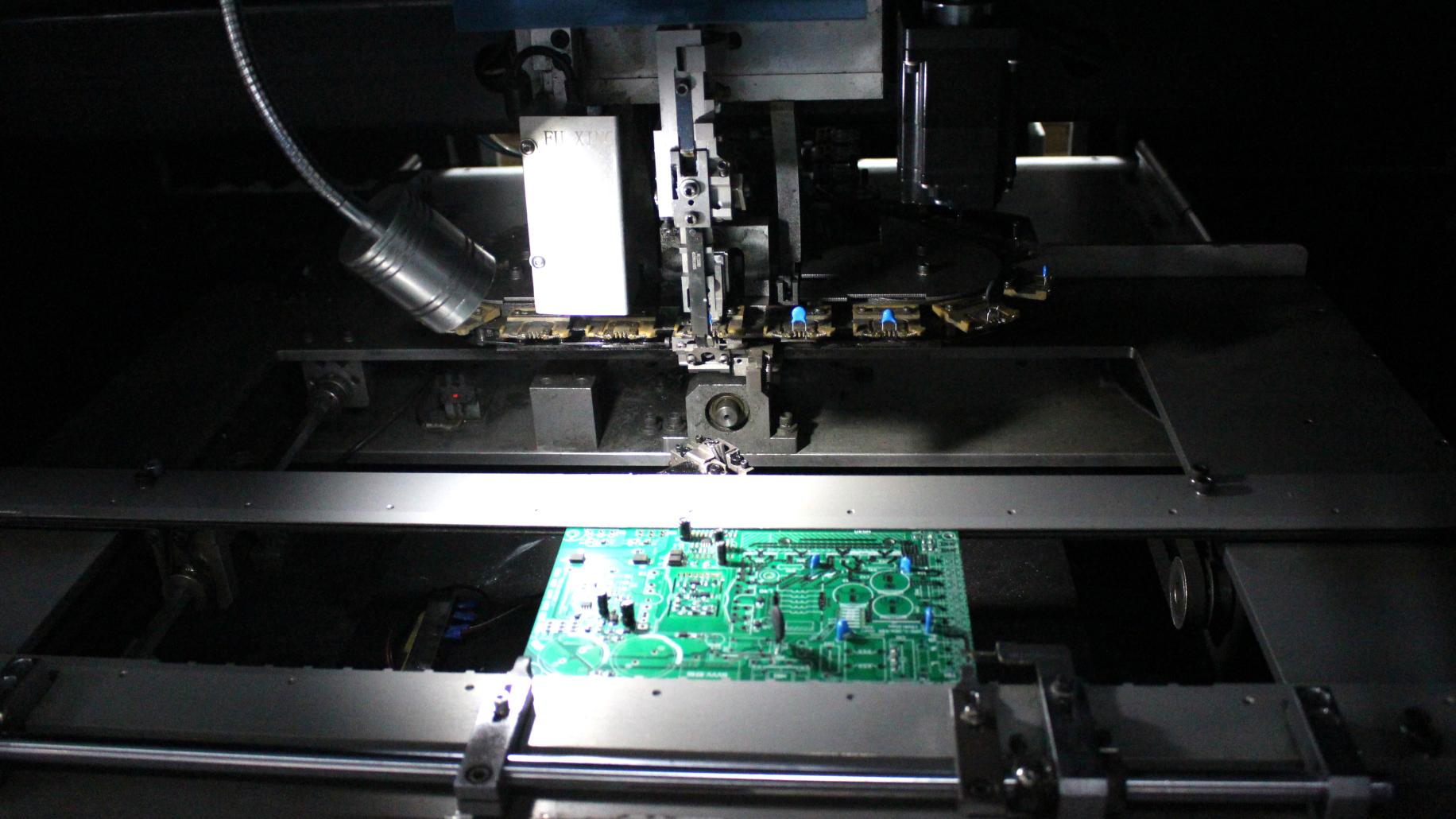
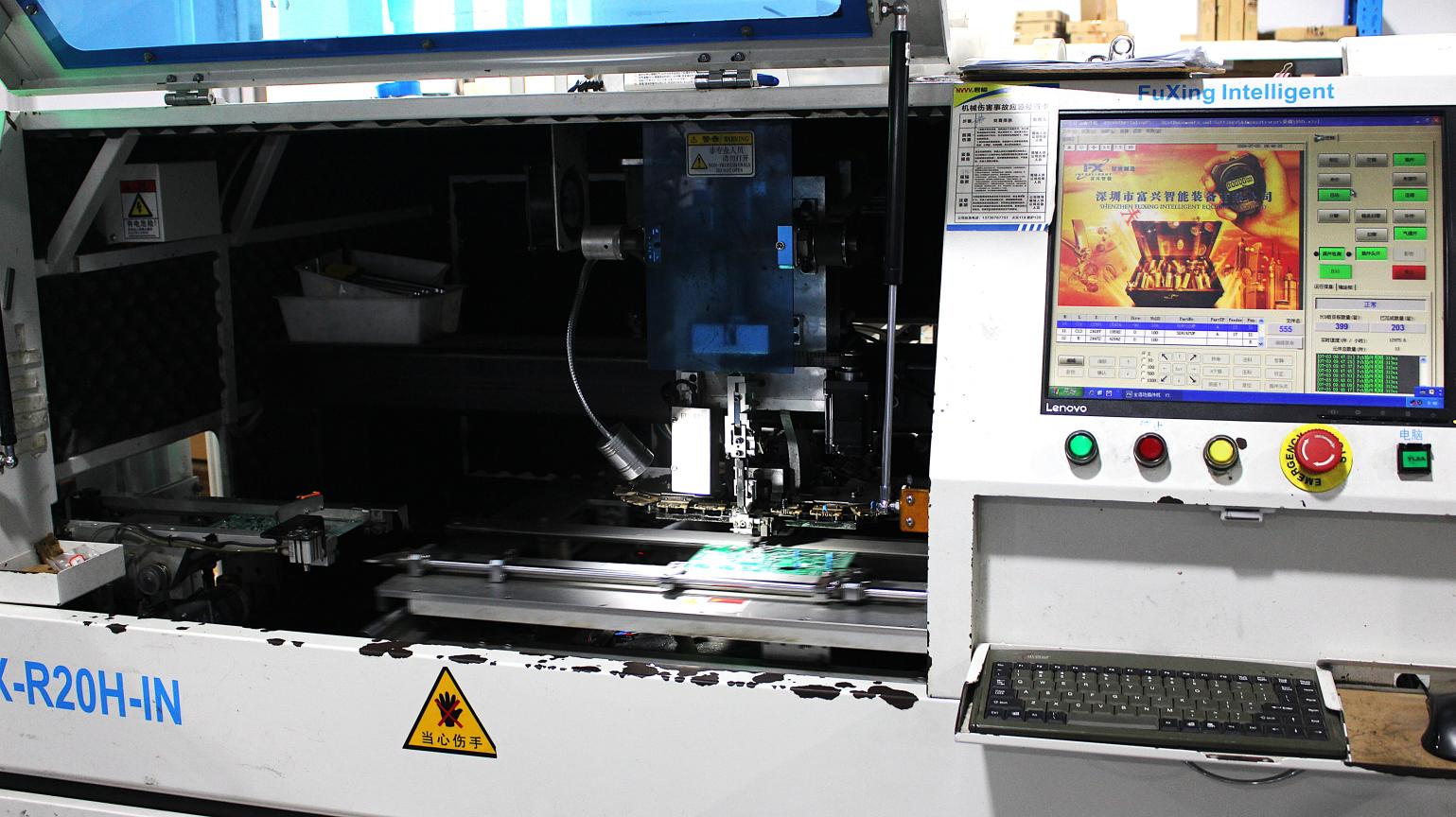
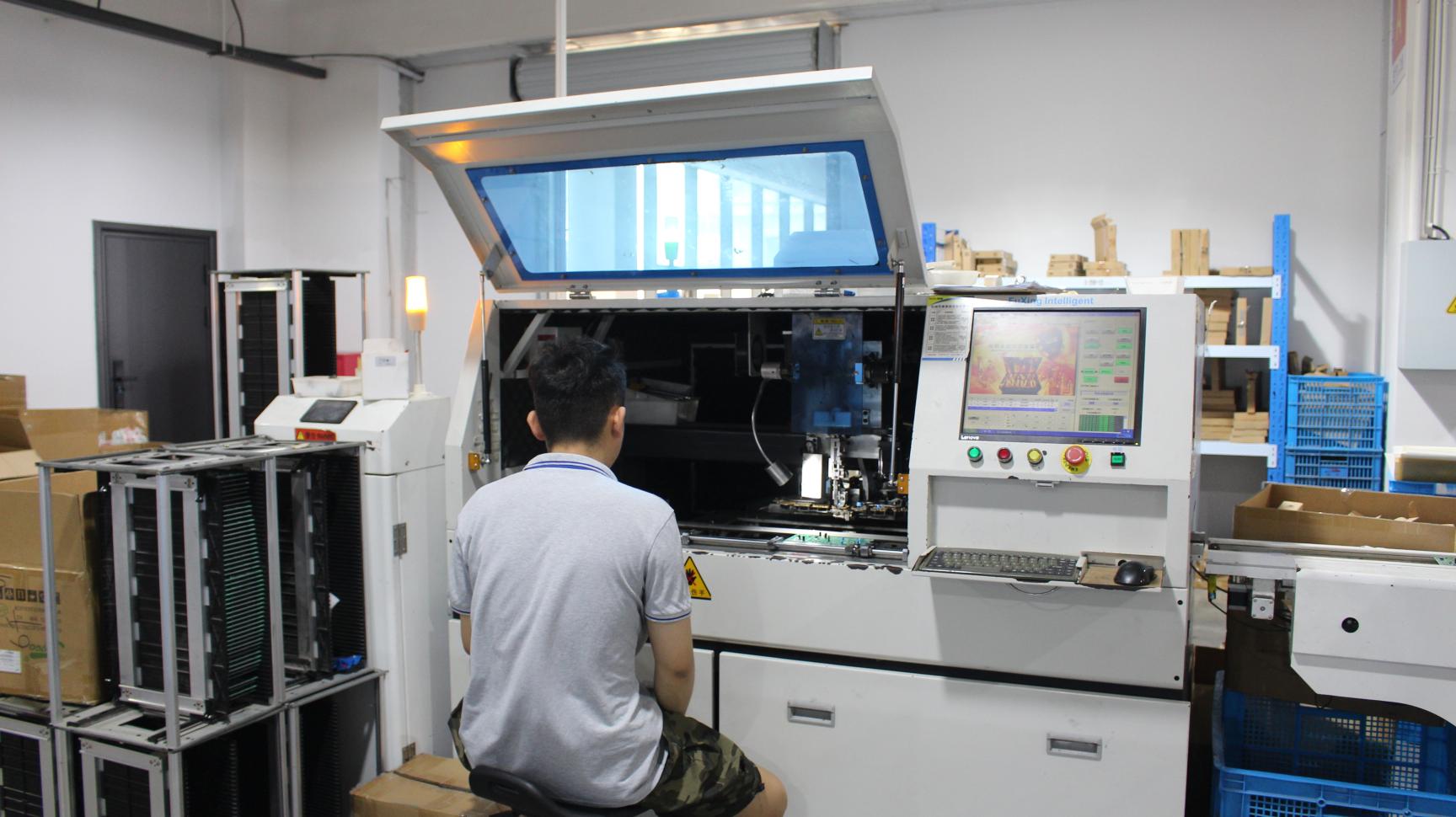
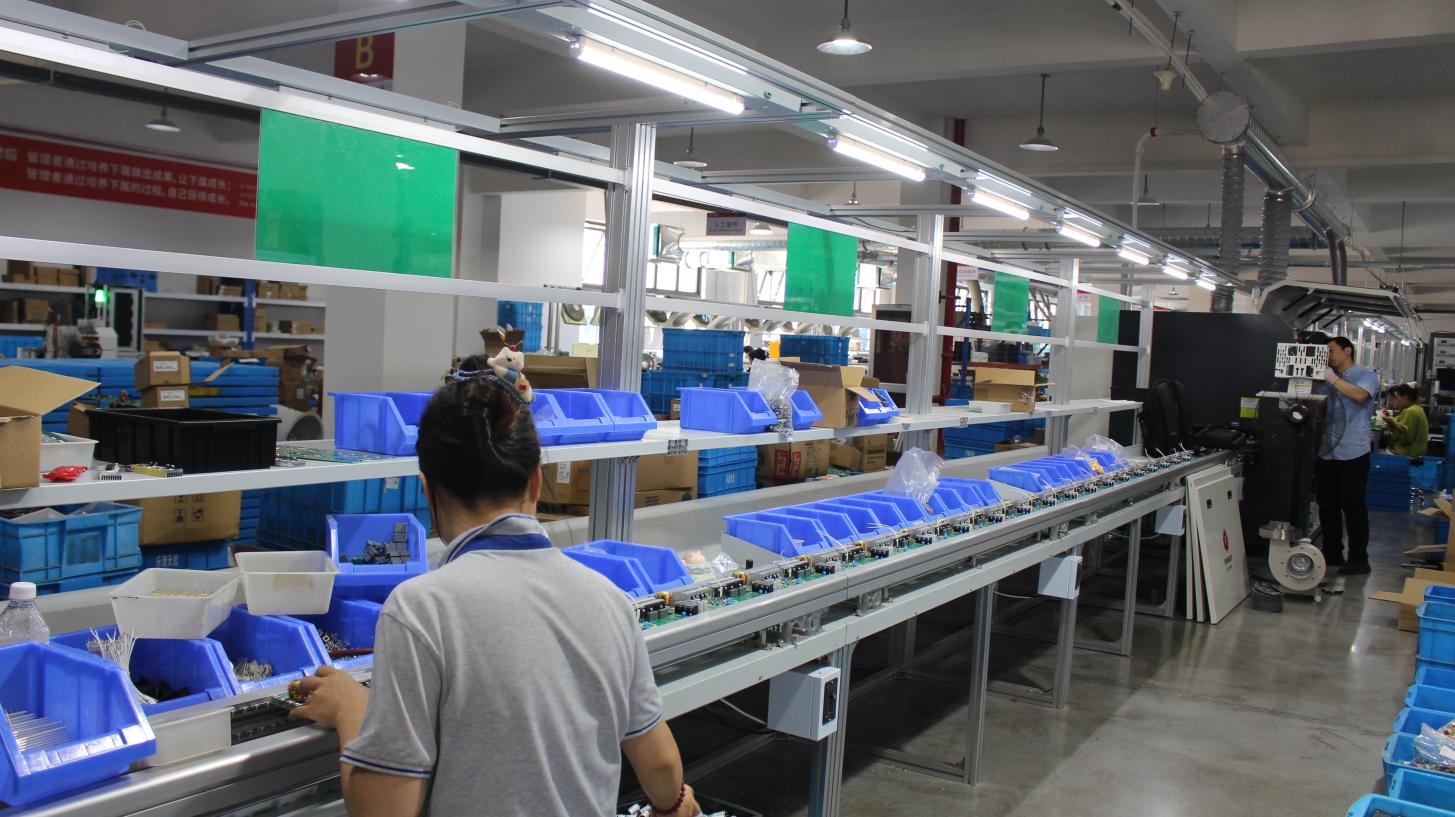
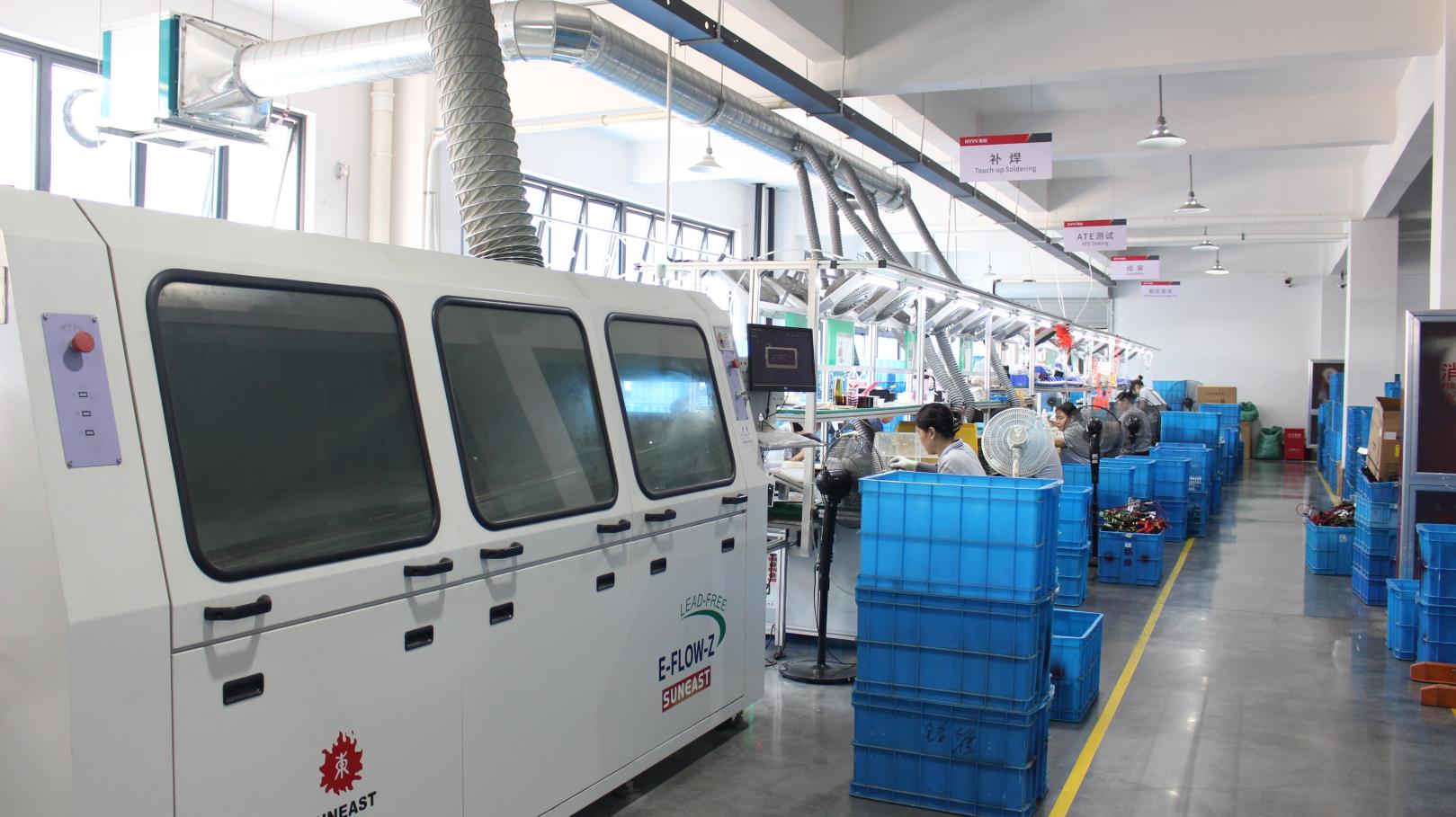
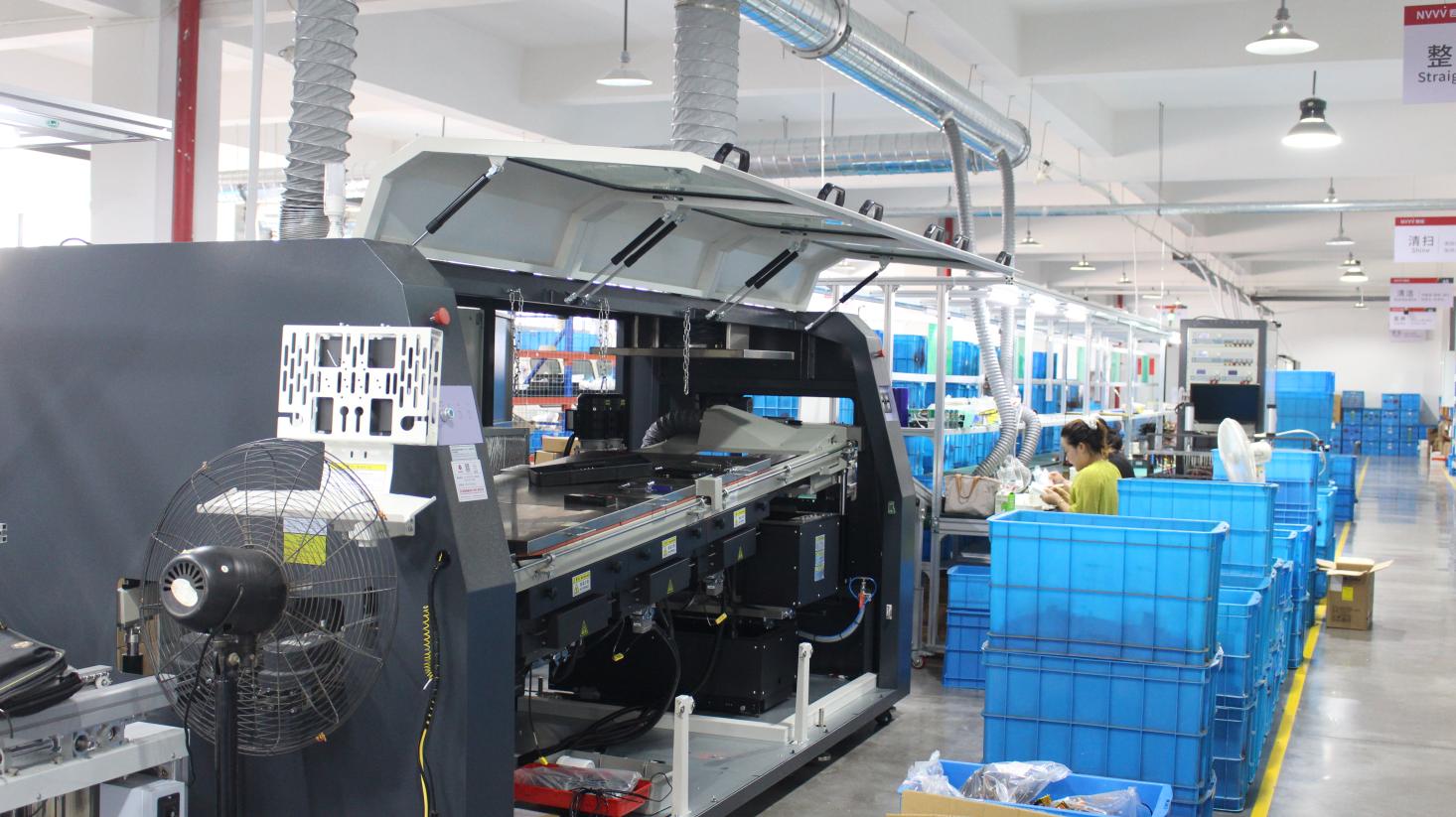
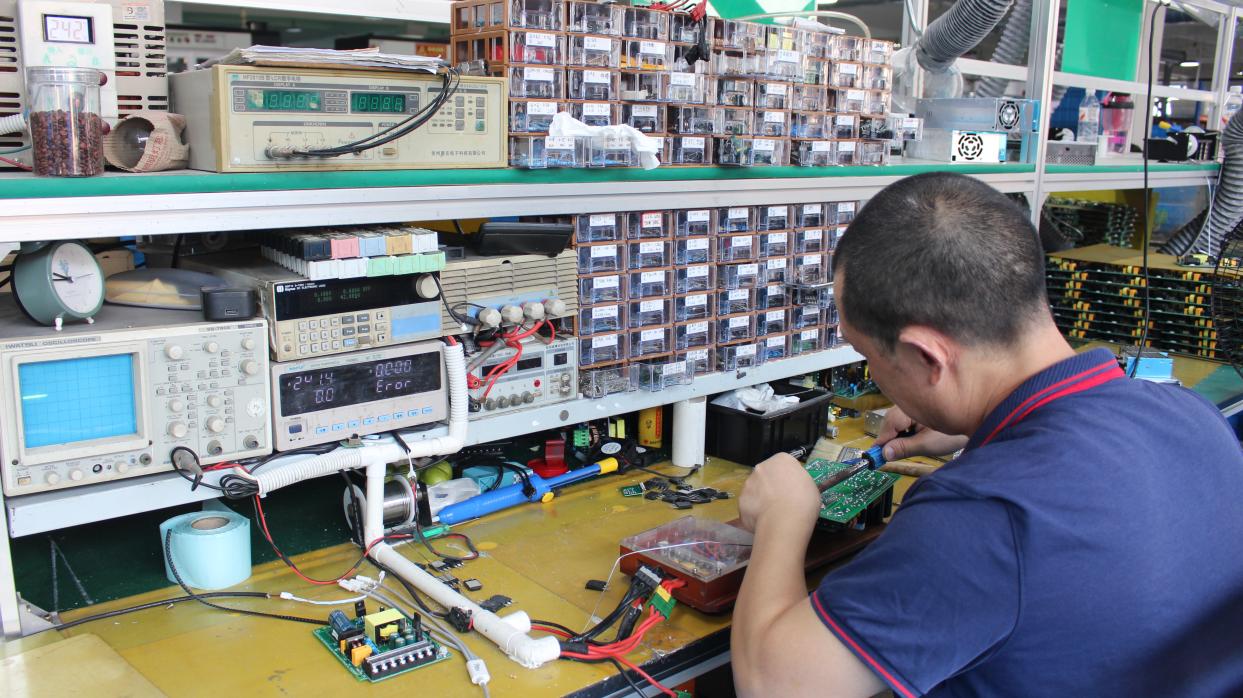
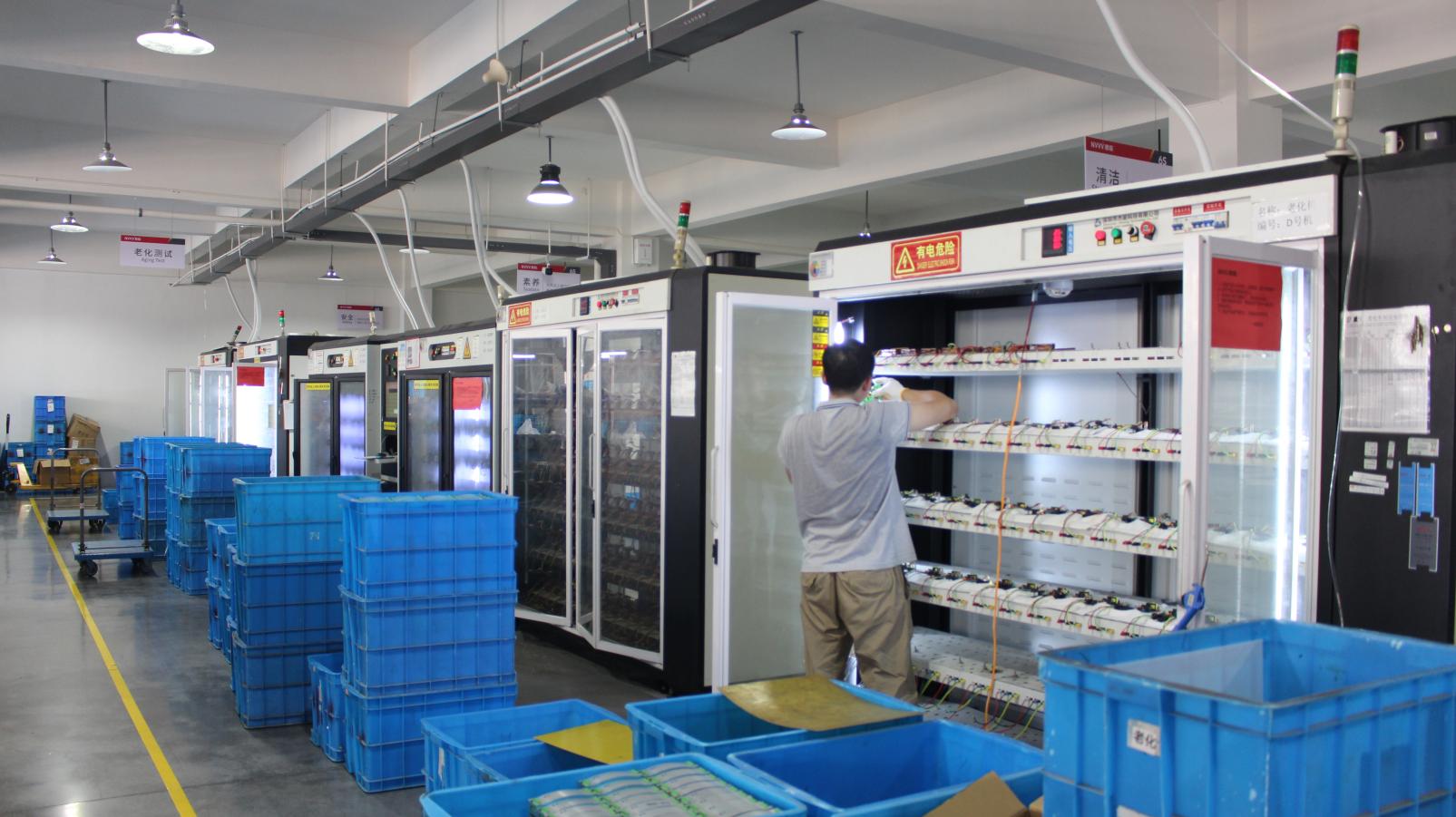
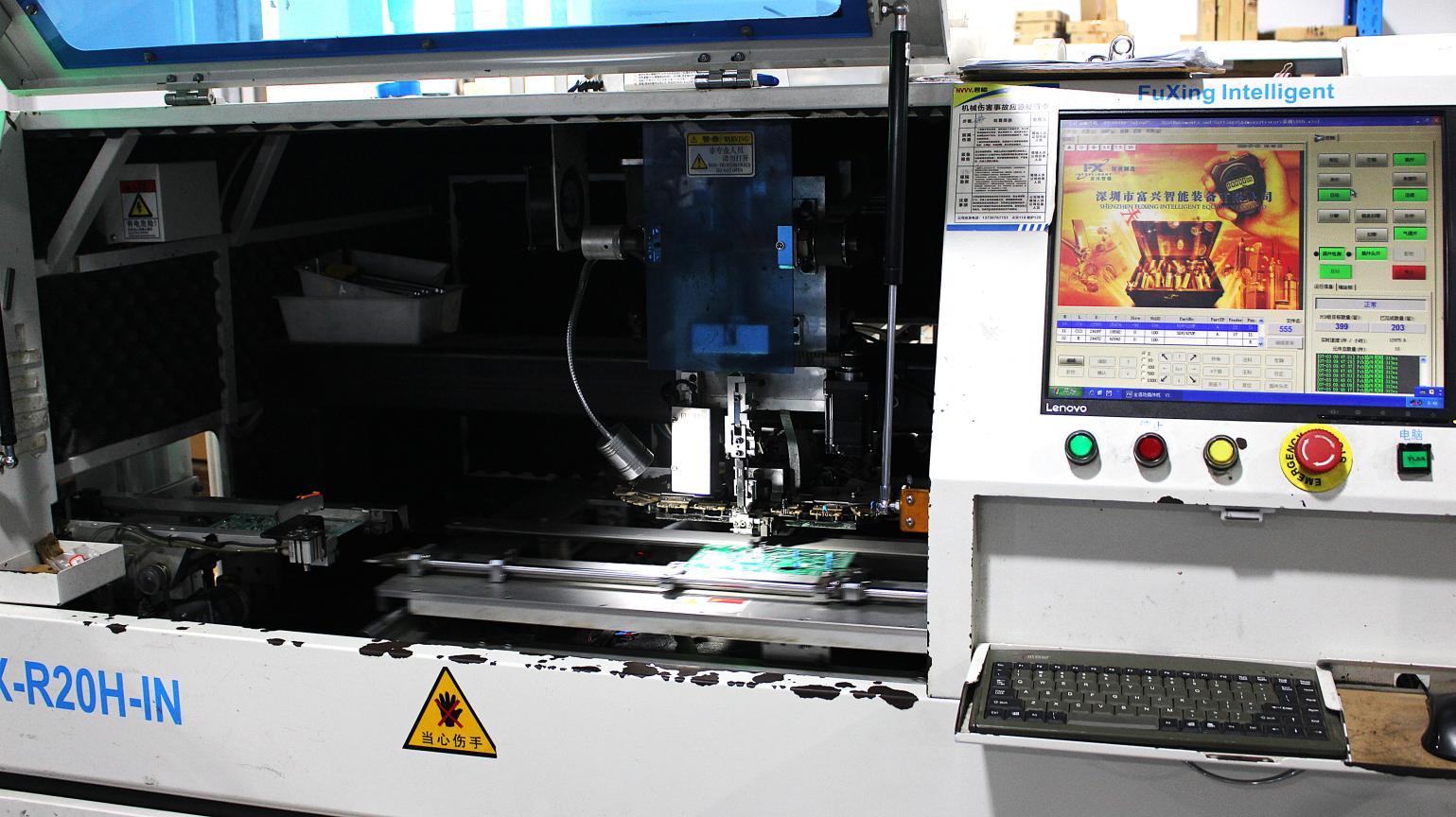
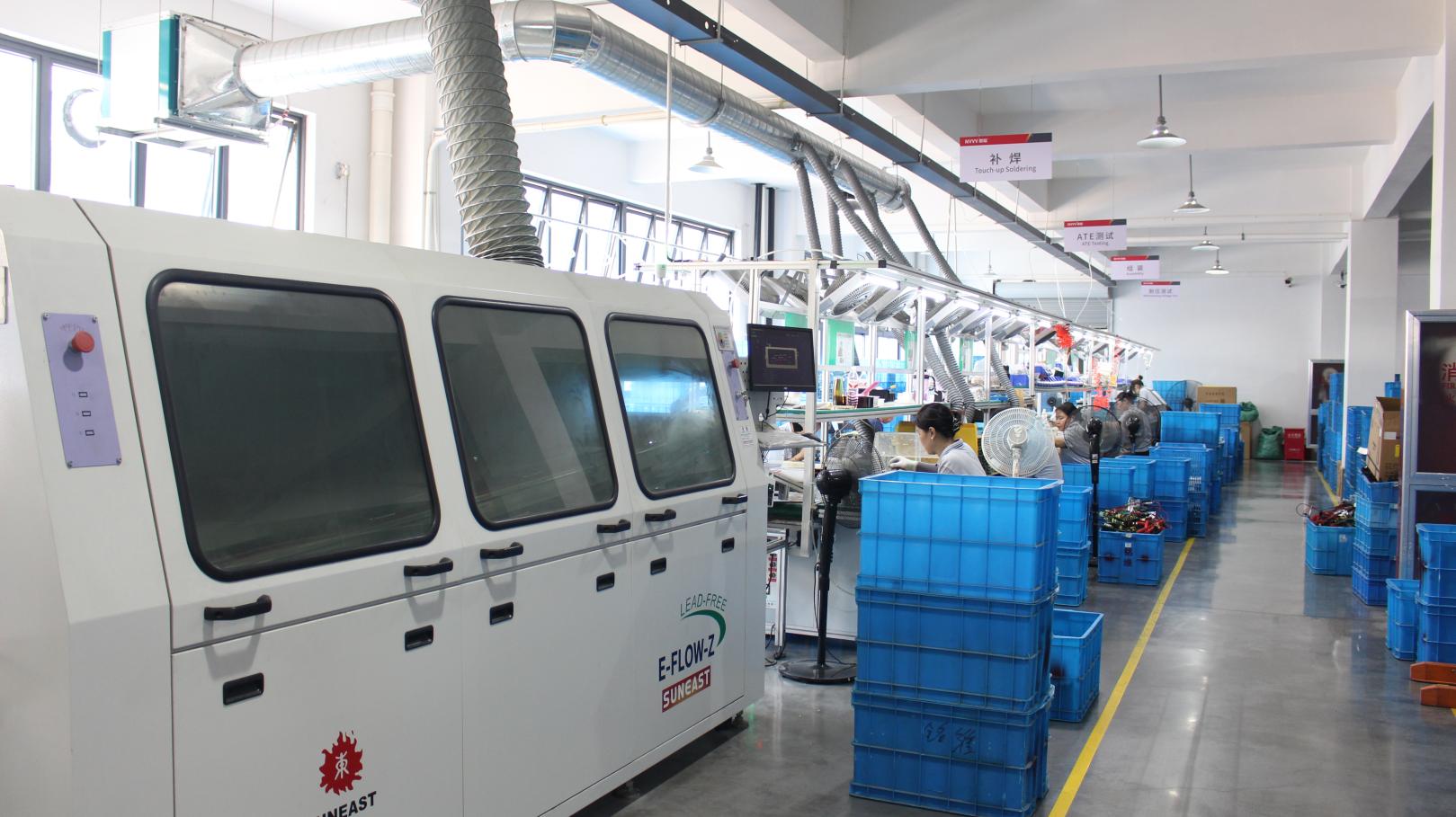
Our 2,644 square meter modern manufacturing facility features 5 automated production lines equipped with 46 advanced manufacturing machines. Our team includes 7 dedicated R&D engineers driving innovation, releasing approximately 120 new products annually. With a registered capital of USD 1.4 million and annual export revenue exceeding USD 1.27 million, we deliver financial stability alongside advanced engineering.





In regions with time-of-use (TOU) electricity pricing (e.g., North America and Central Europe), our bidirectional systems charge high-capacity batteries during cheap off-peak hours and feed that power back to local manufacturing machinery when demand rates rise, reducing facility utility charges.
Enables EV fleet management hubs to utilize parked vehicles as a combined energy battery. The bidirectional converter regulates dual power flow, supporting local grids during emergency grid drops while ensuring EVs remain fully charged for transport shifts.
Replacing classic legacy standby generator setups, bidirectional setups bridge solar energy and battery grids for telecom base stations. They allow smart energy management, using solar generation directly during the day and discharging battery reserves when grid interruptions occur.
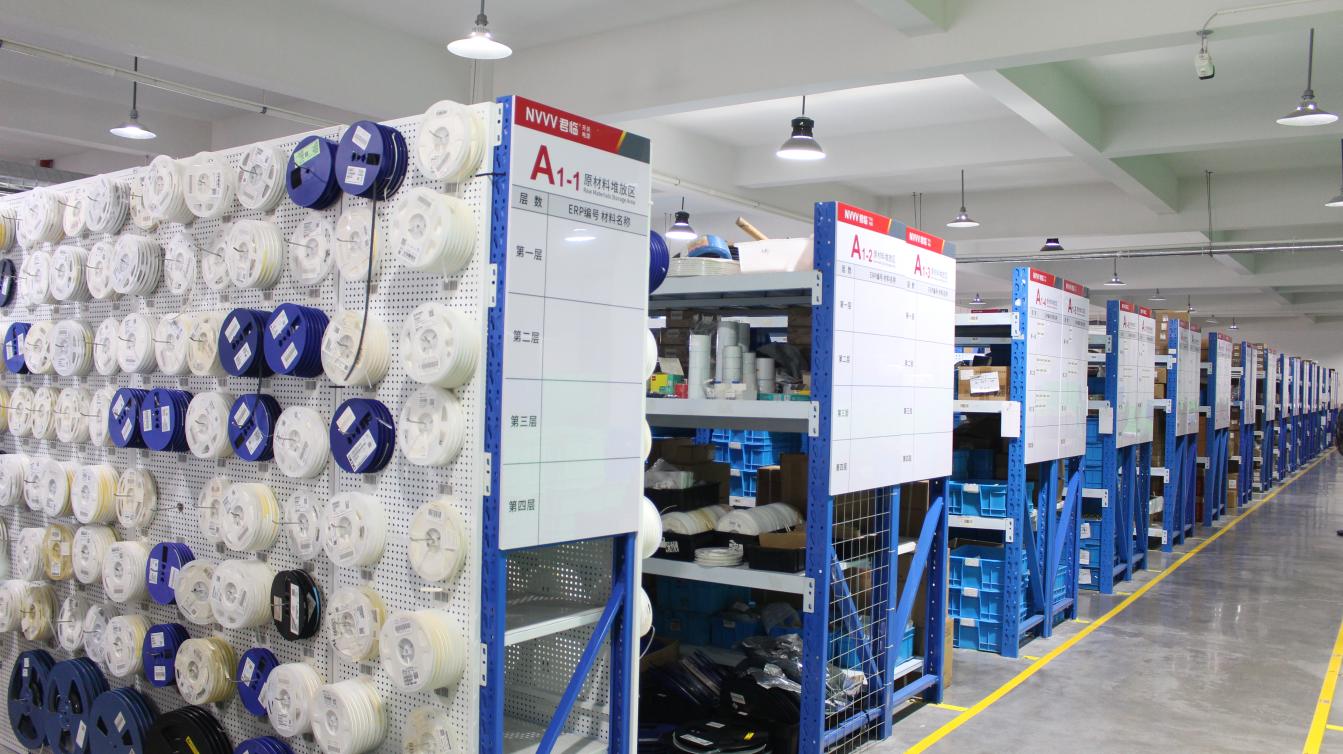
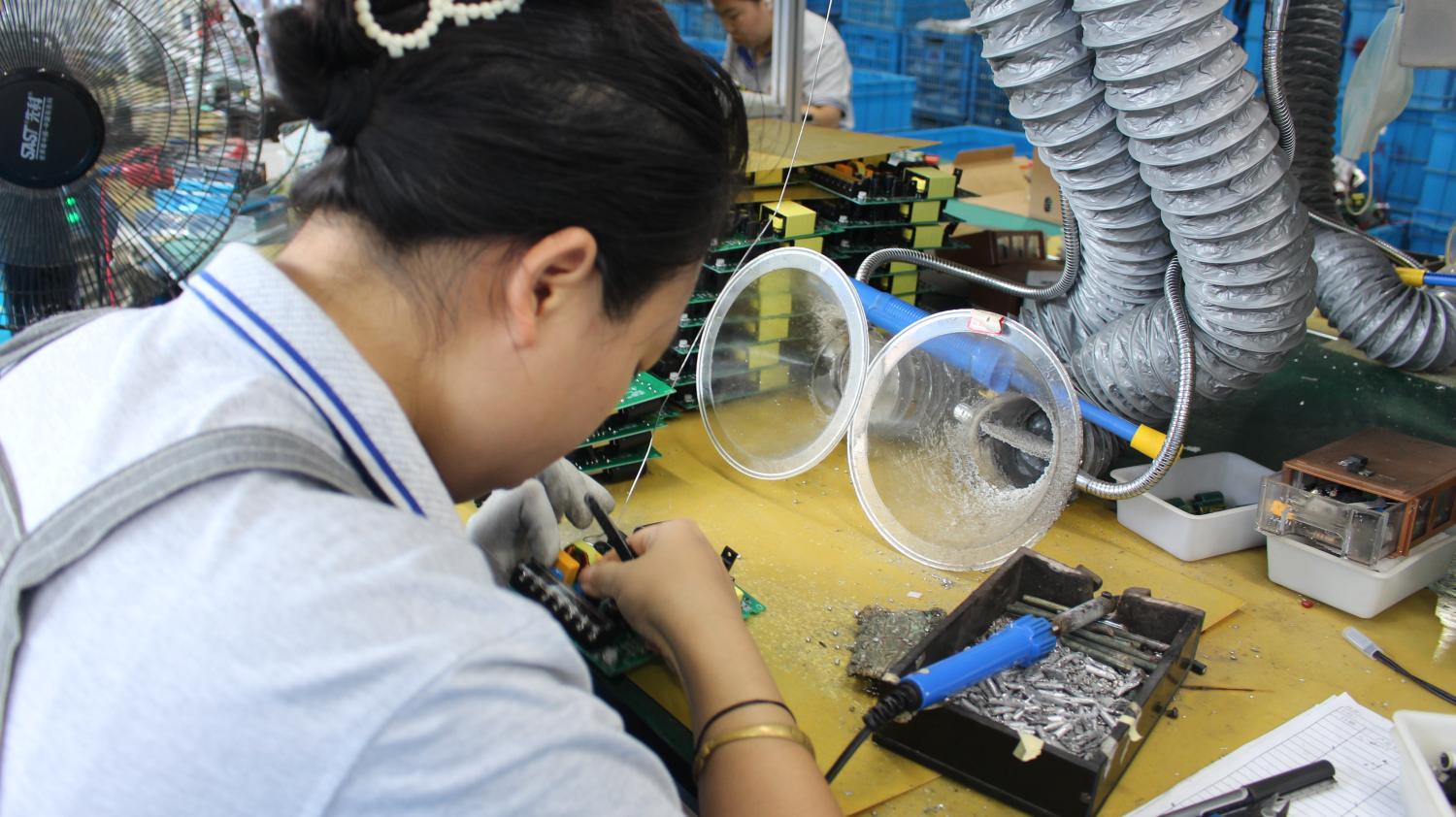
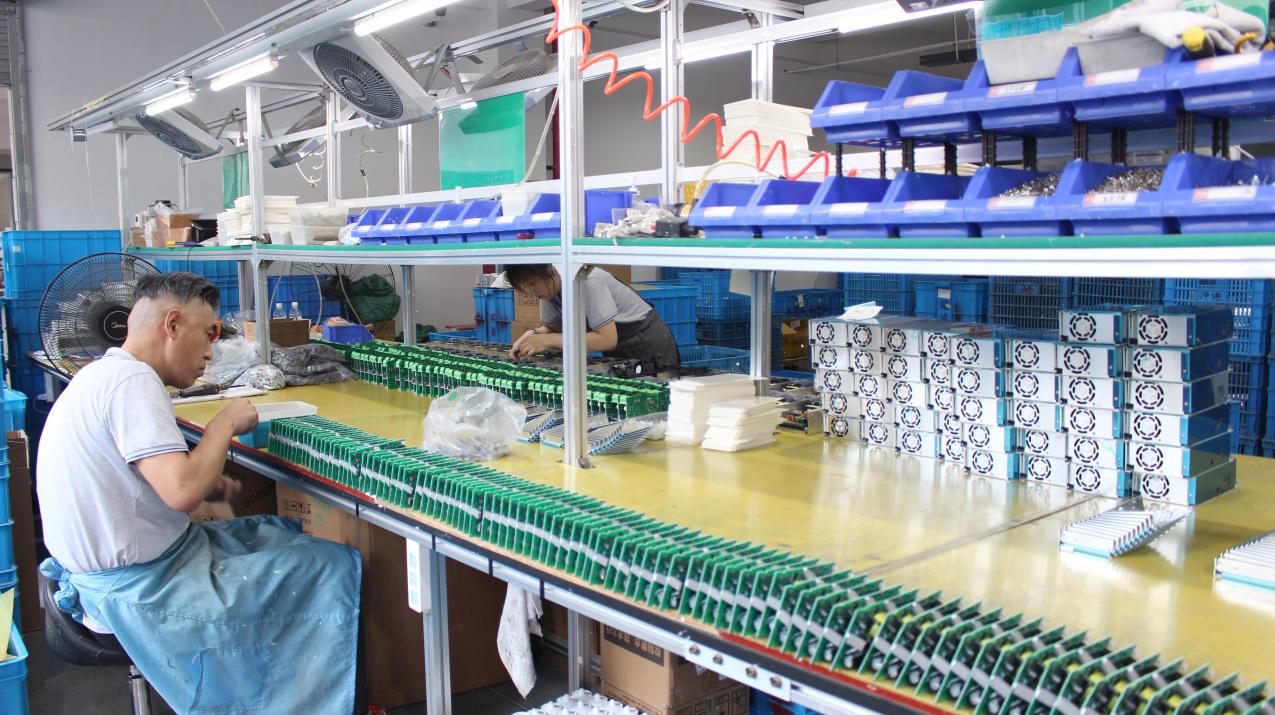
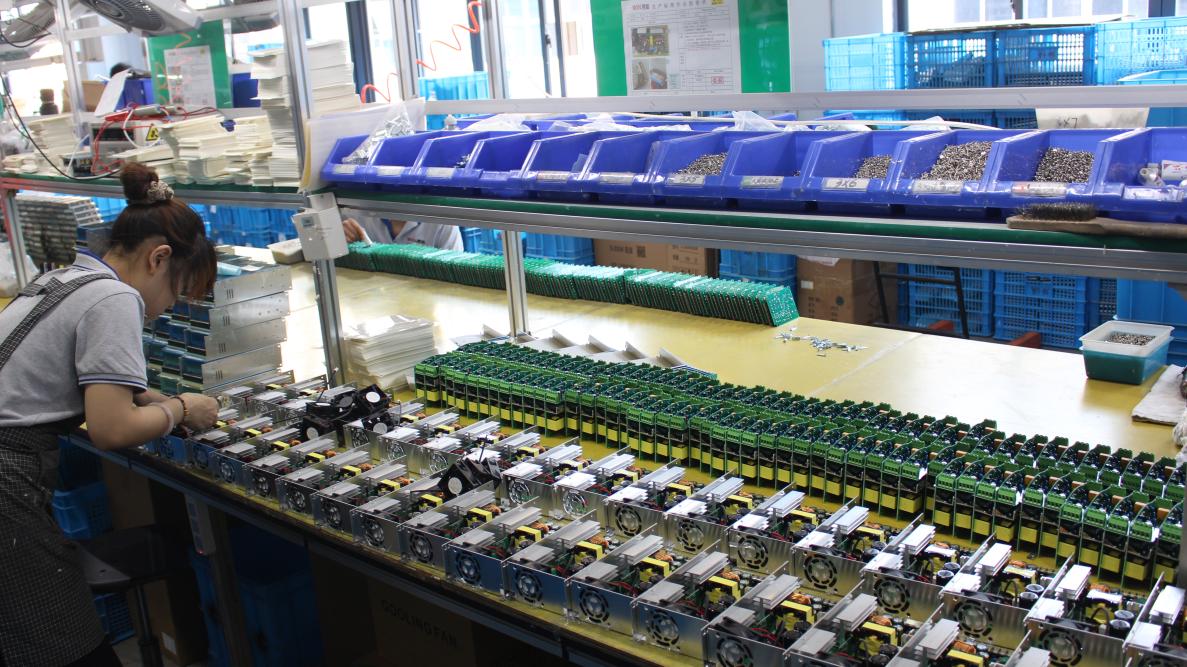
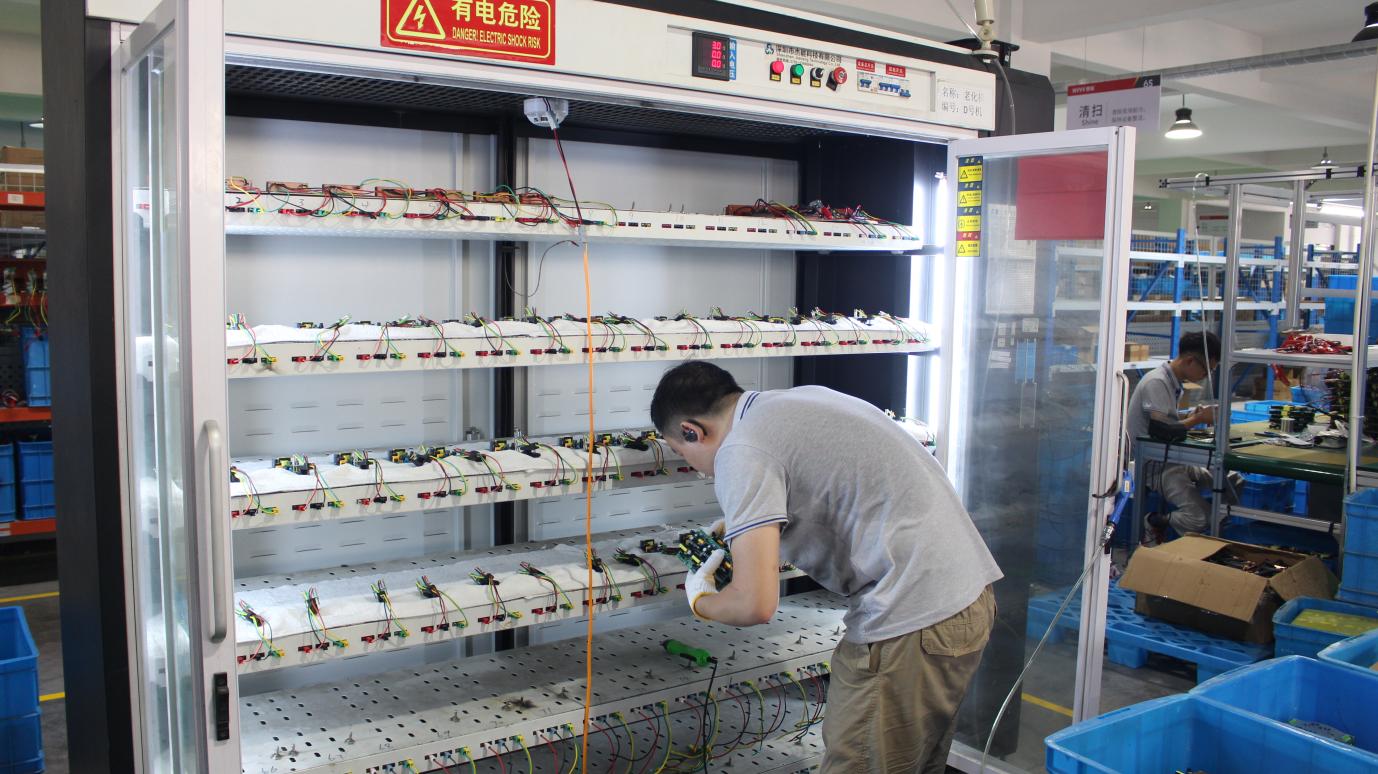
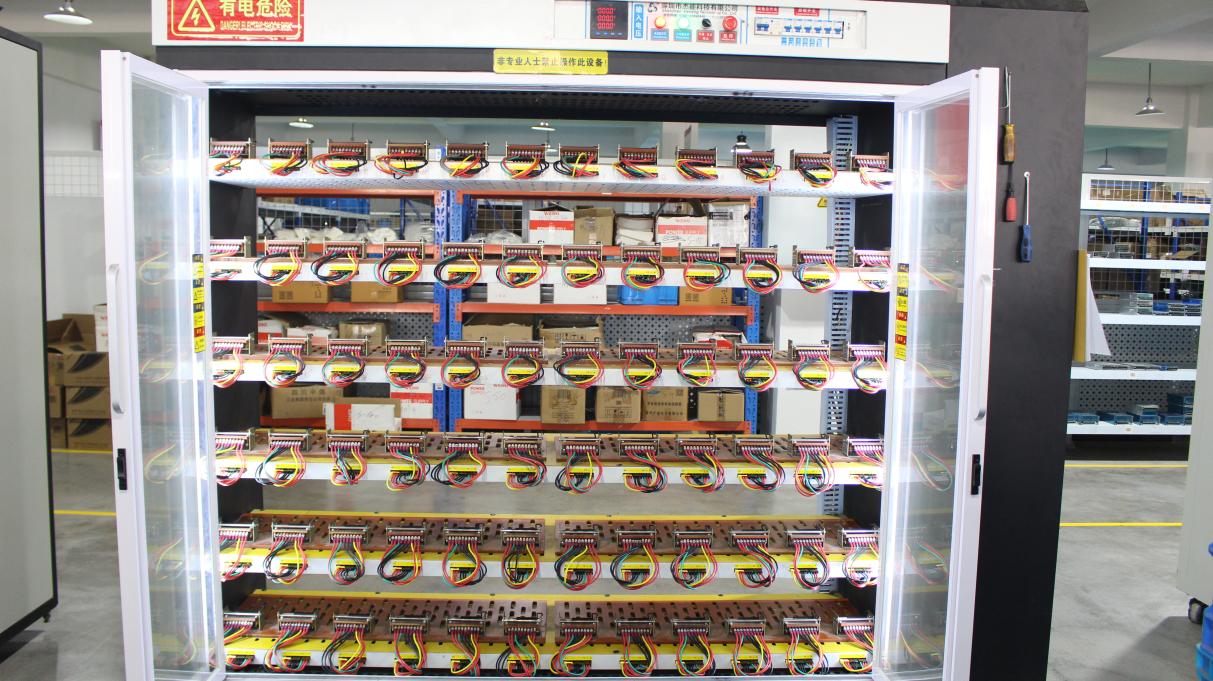
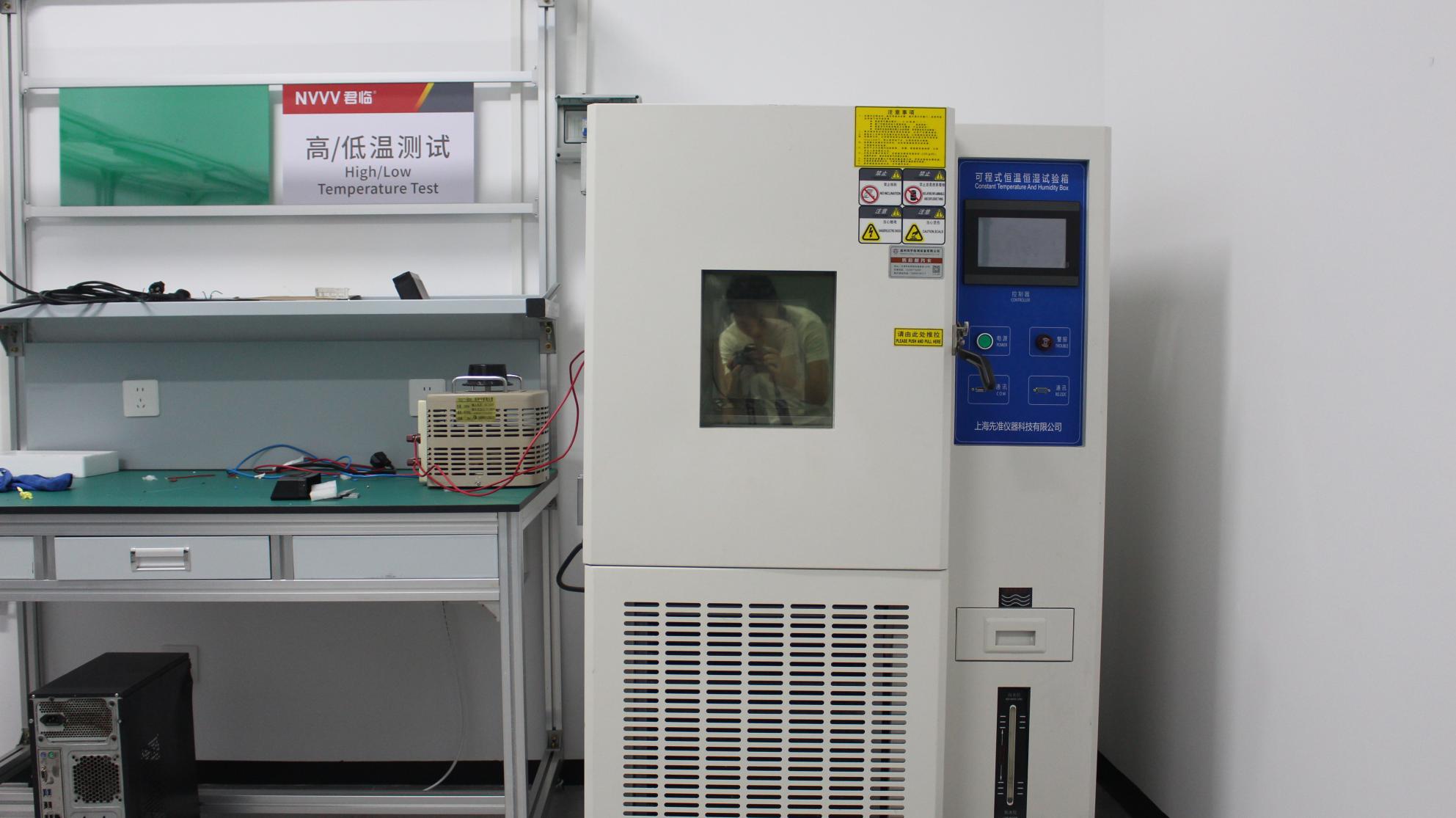
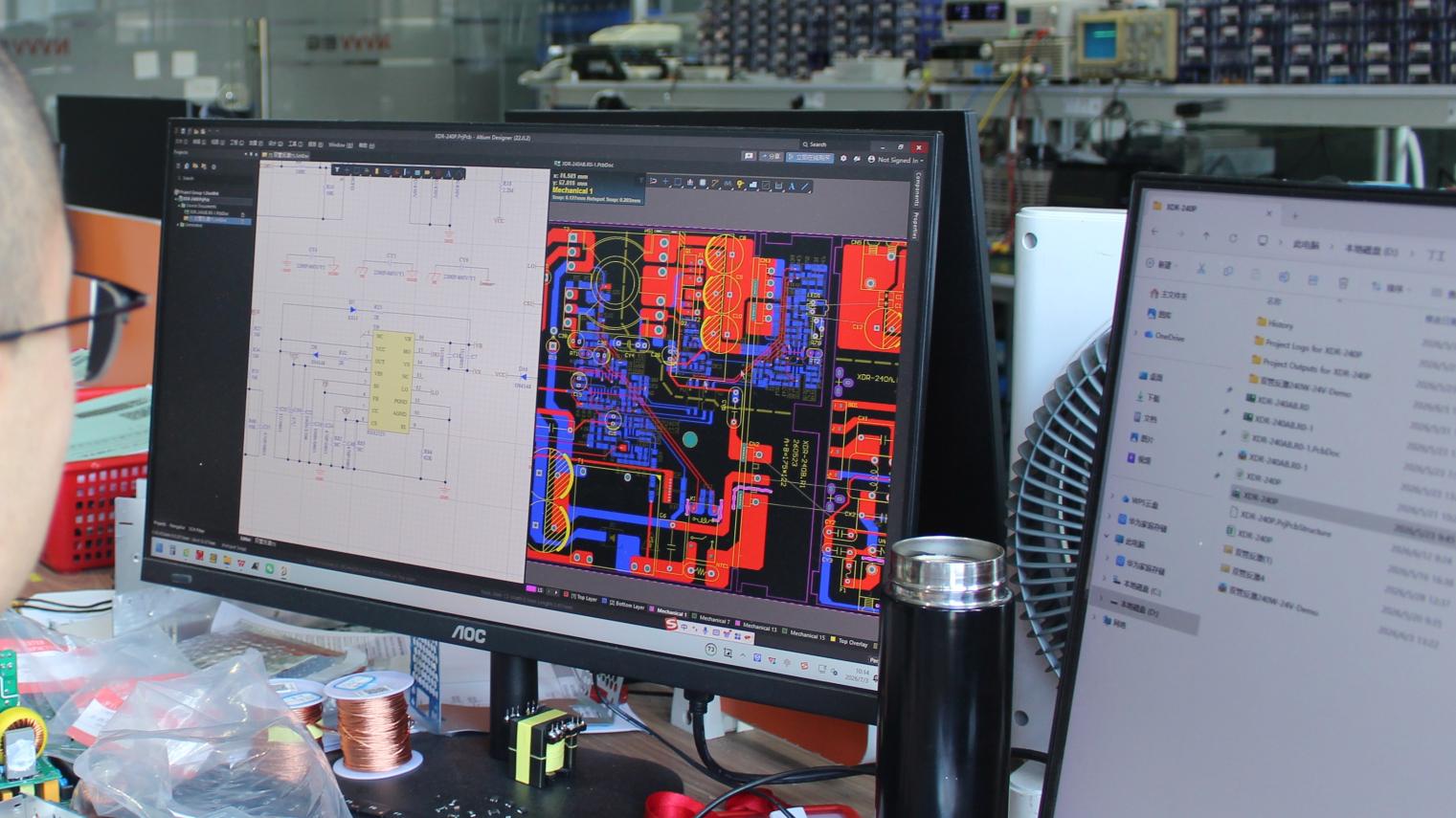
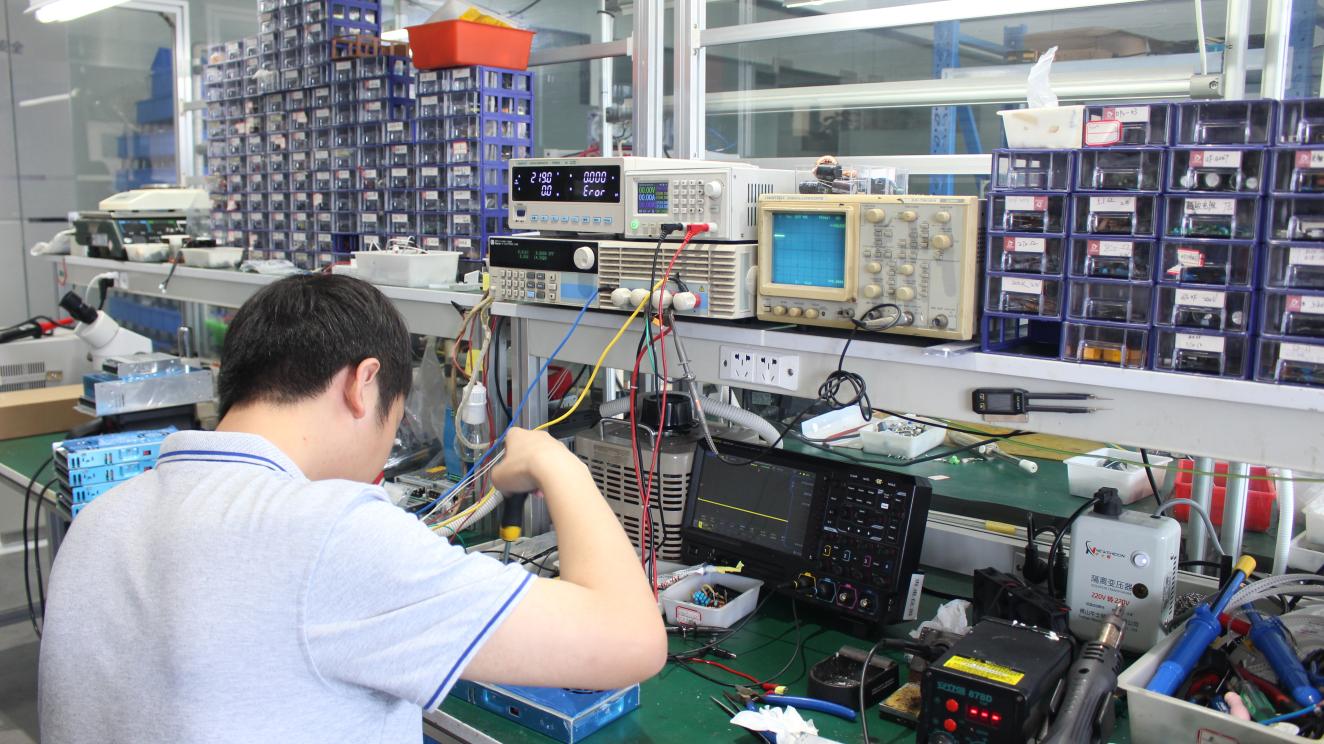
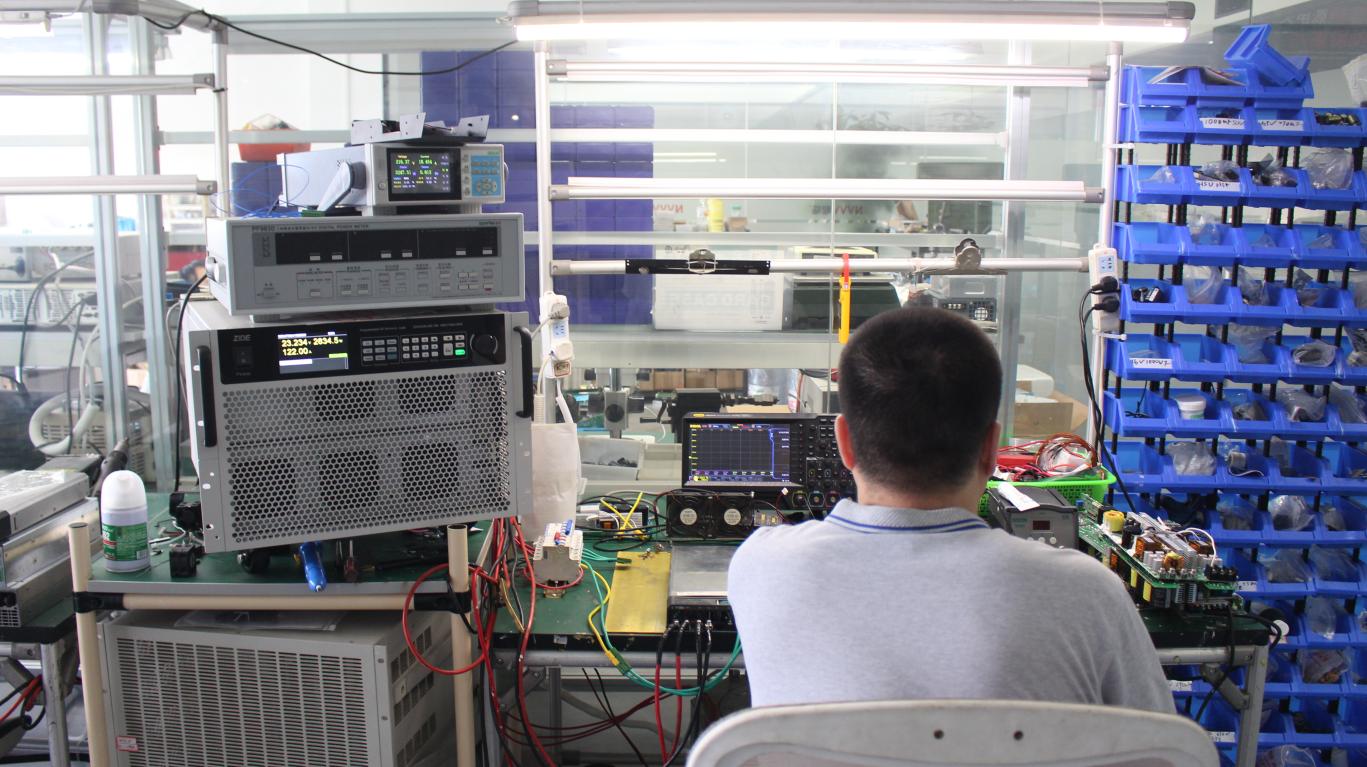
A look inside NVVV Electric's production and engineering facilities, highlighting our automated processes, quality control environments, and specialized testing equipment.
Transitioning to Silicon Carbide (SiC) and Gallium Nitride (GaN) power switches allows bidirectional inverters to achieve higher switching frequencies. This reduces magnetic component size and cuts overall device weight while lifting peak conversion efficiencies past 98.5%.
While conventional inverters monitor voltage phase angles from the utility grid, advanced bidirectional systems utilize grid-forming algorithms. This enables them to act as independent voltage sources during outages, providing black-start capabilities to restore local microgrids.
As energy assets interconnect, securing communication protocols is vital. Modern industrial bidirectional systems integrate secure boot components and hardware encryption to protect commands sent via Modbus or CAN bus from external tampering.
 NVVV Electric