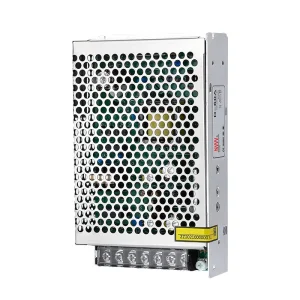
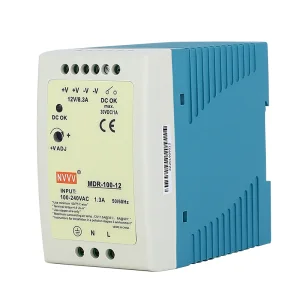
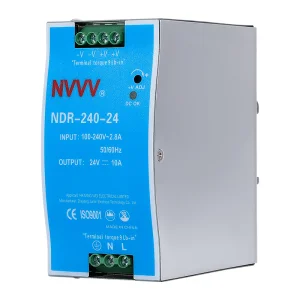
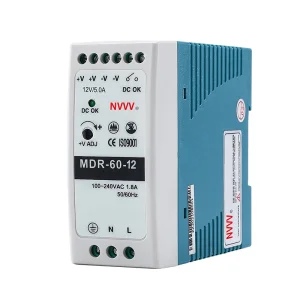
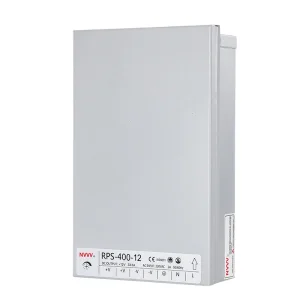
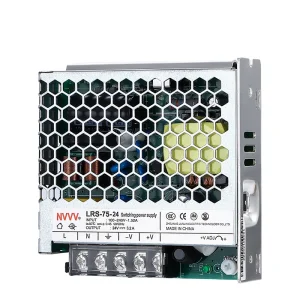
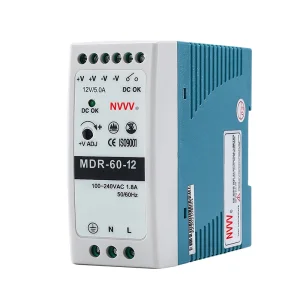
Reliable grid systems, switching converters, and pure sine wave engineering designed to exceed B2B quality standards.
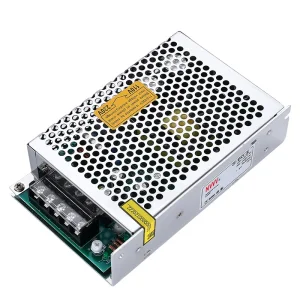
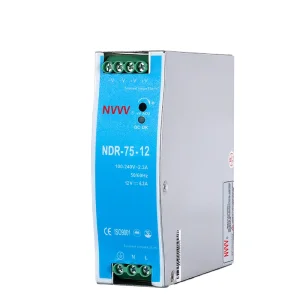
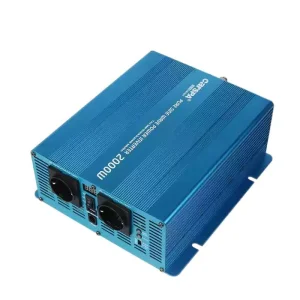
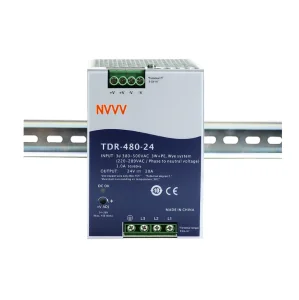
A comprehensive overview of NVVV Electric Technology Co., Ltd.'s operations, capabilities, and strict quality verification structures.
NVVV Electric Technology Co., Ltd. is a recognized leader in the research, development, and high-precision production of switching power supplies, DIN rail systems, and customized power inverters. Headquartered in Wenzhou, Zhejiang Province—the industrial heart of electrical manufacturing in China—NVVV has delivered reliable electrical components to global customers for more than 10 years. With a registered capital of USD 1.4 million and growing annual export values exceeding USD 1.27 million, our fiscal health guarantees continuous innovation and long-term project support.
Our facility spans 2,644 square meters and utilizes five highly automated production lines, incorporating 46 state-of-the-art manufacturing and inspection machines. Supported by 50 highly trained professionals and 7 expert R&D engineers, we execute both standard orders and complex OEM/ODM projects with speed and technical accuracy. We hold certifications from worldwide safety bodies, including CE, FCC, CCC, UKCA, BIS, and EMC, ensuring smooth compliance in global markets.
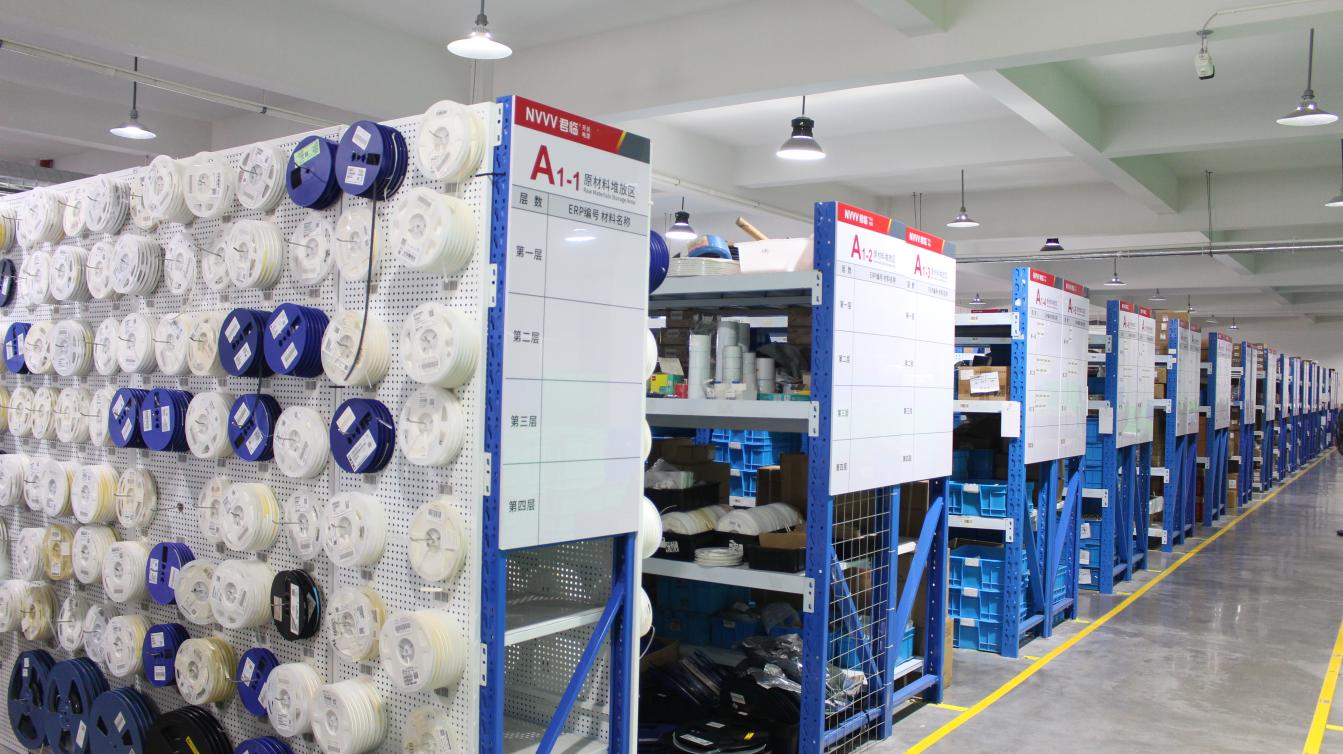
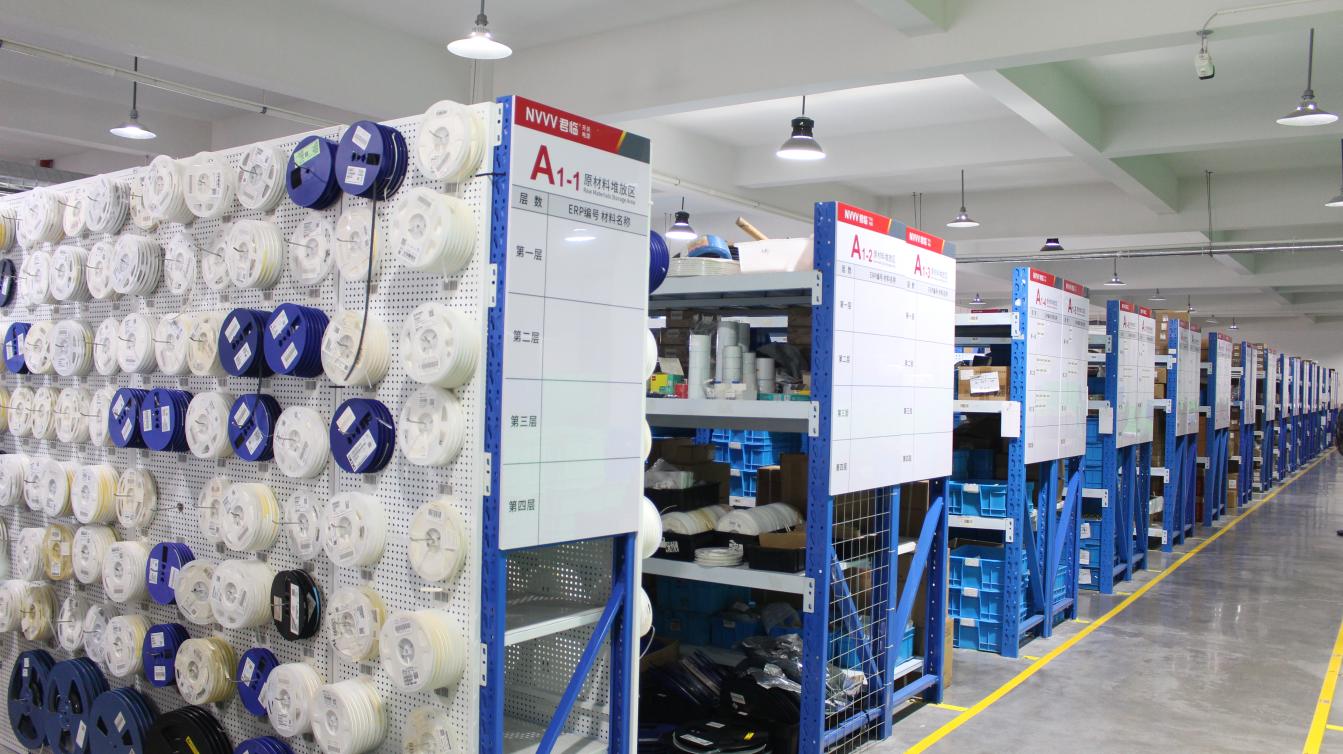 Raw Material
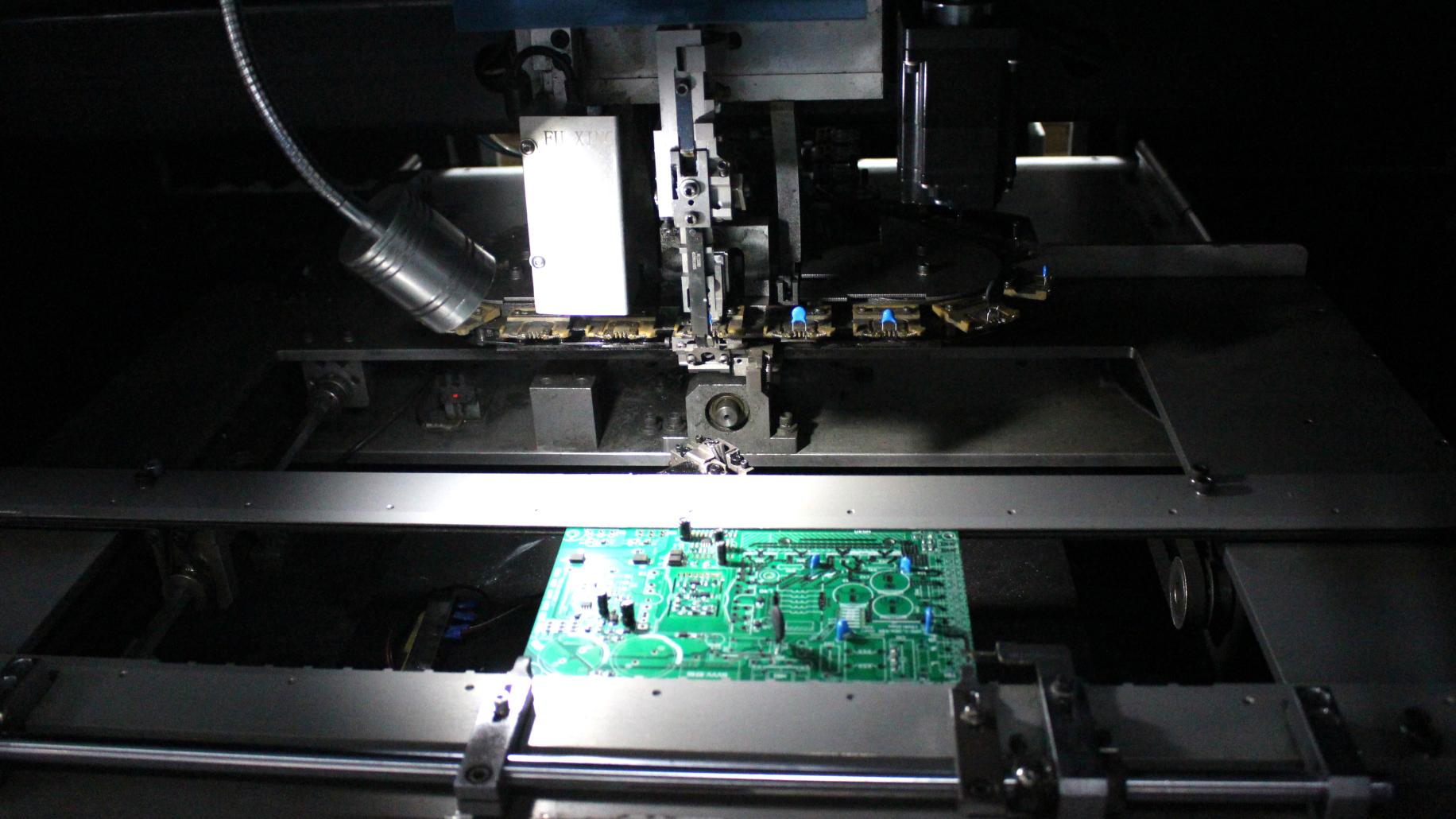 Component Plug-in
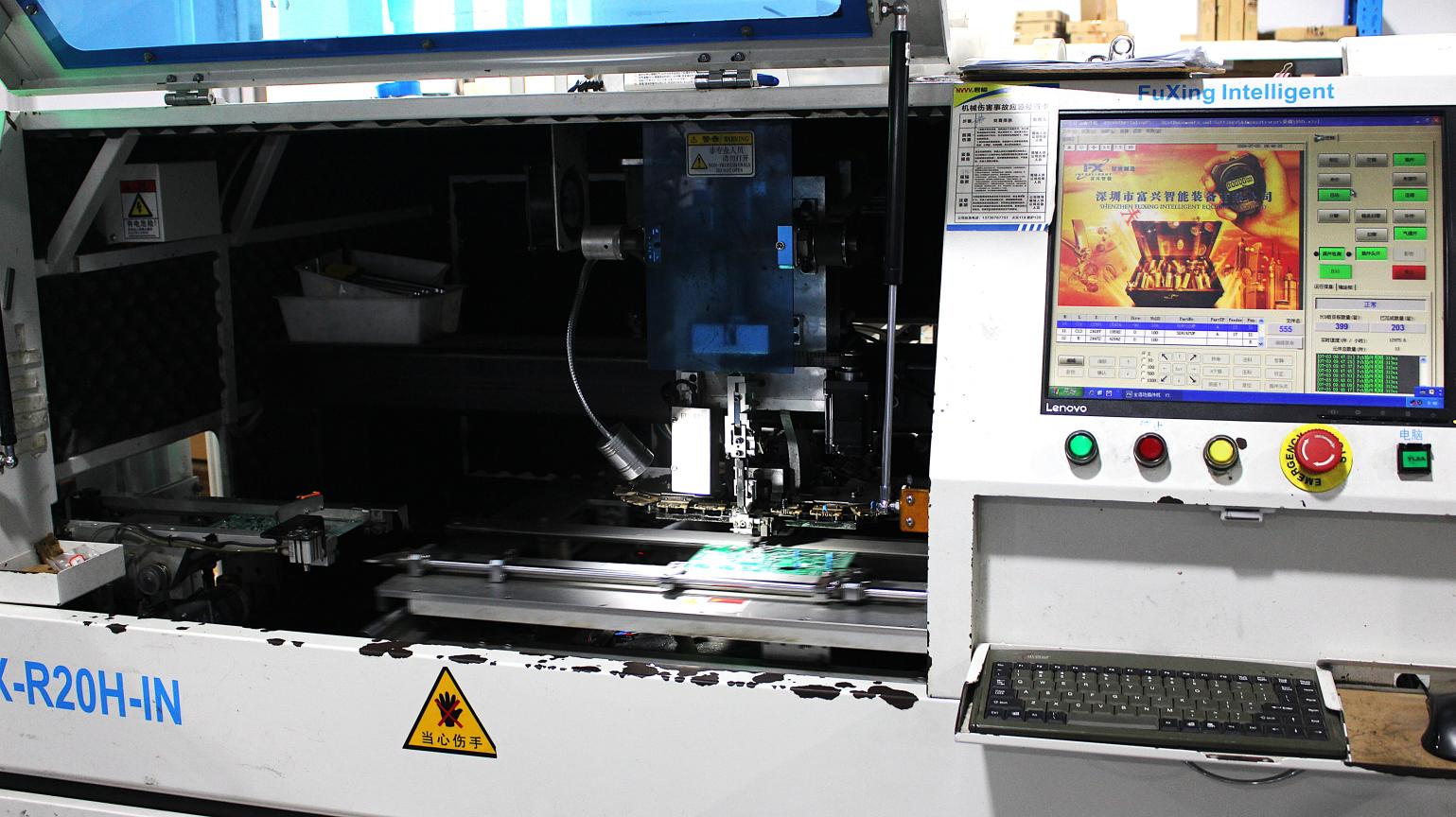 Component Plug-in
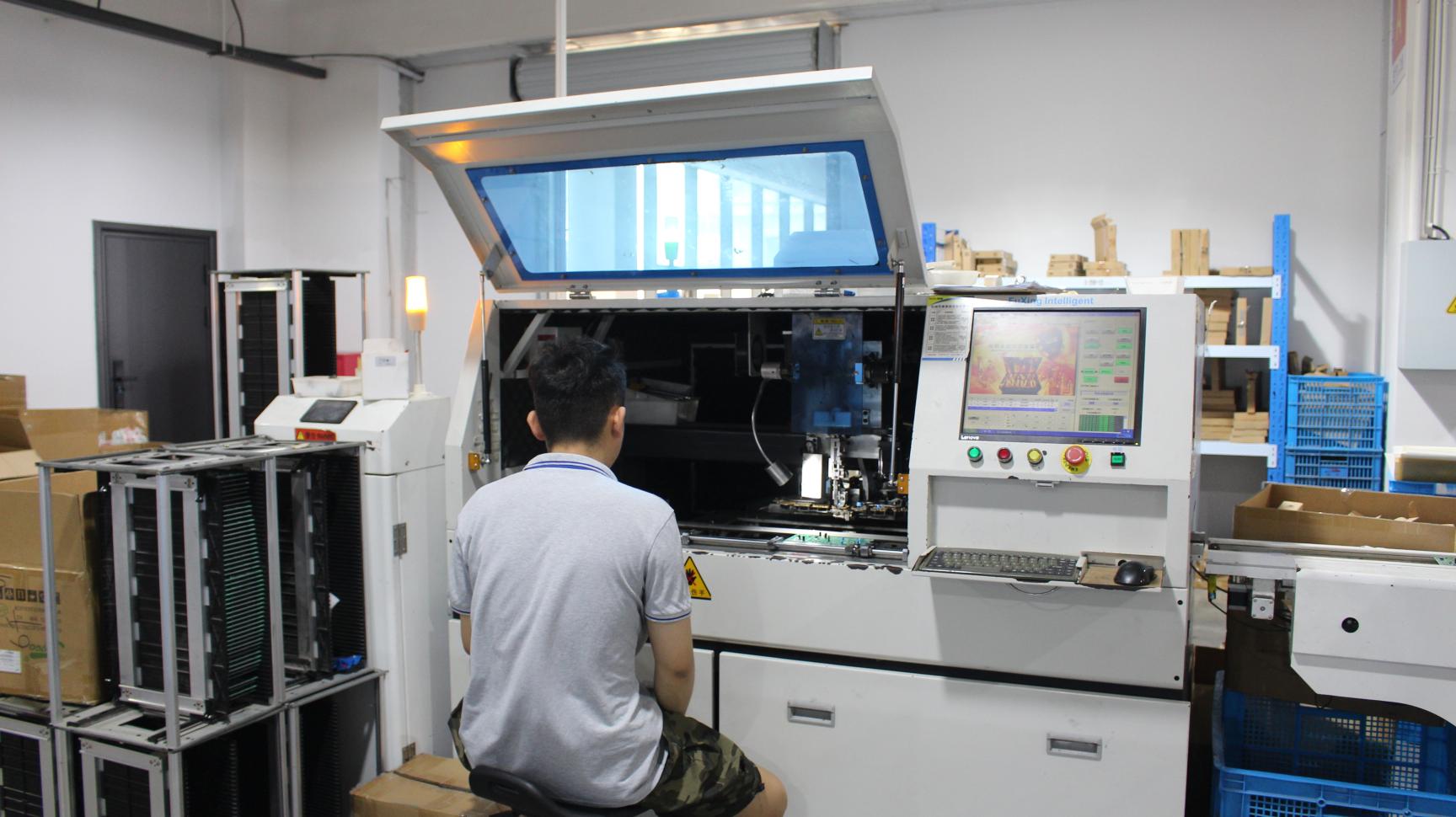 Component Plug-in
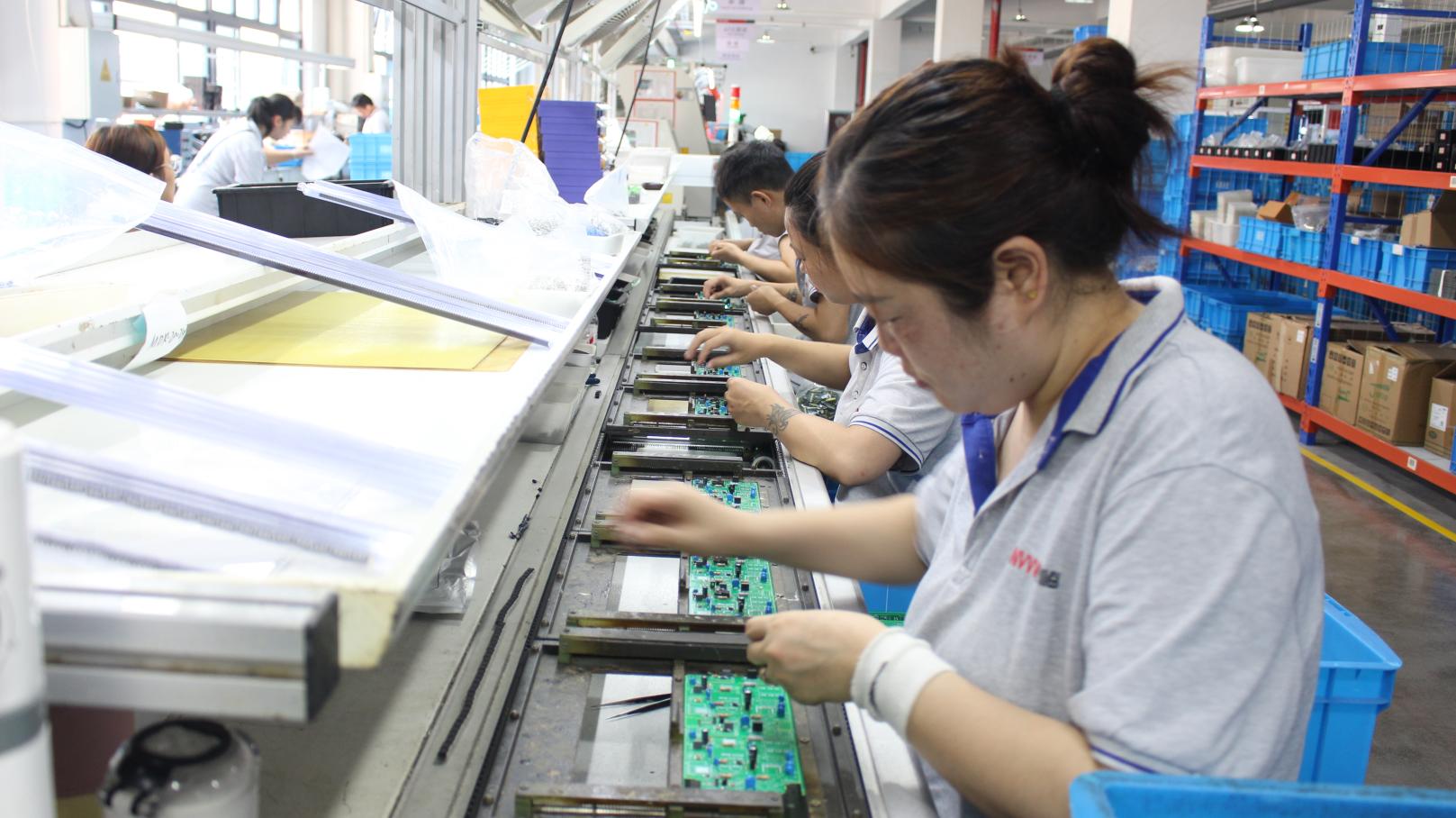 Plug-in
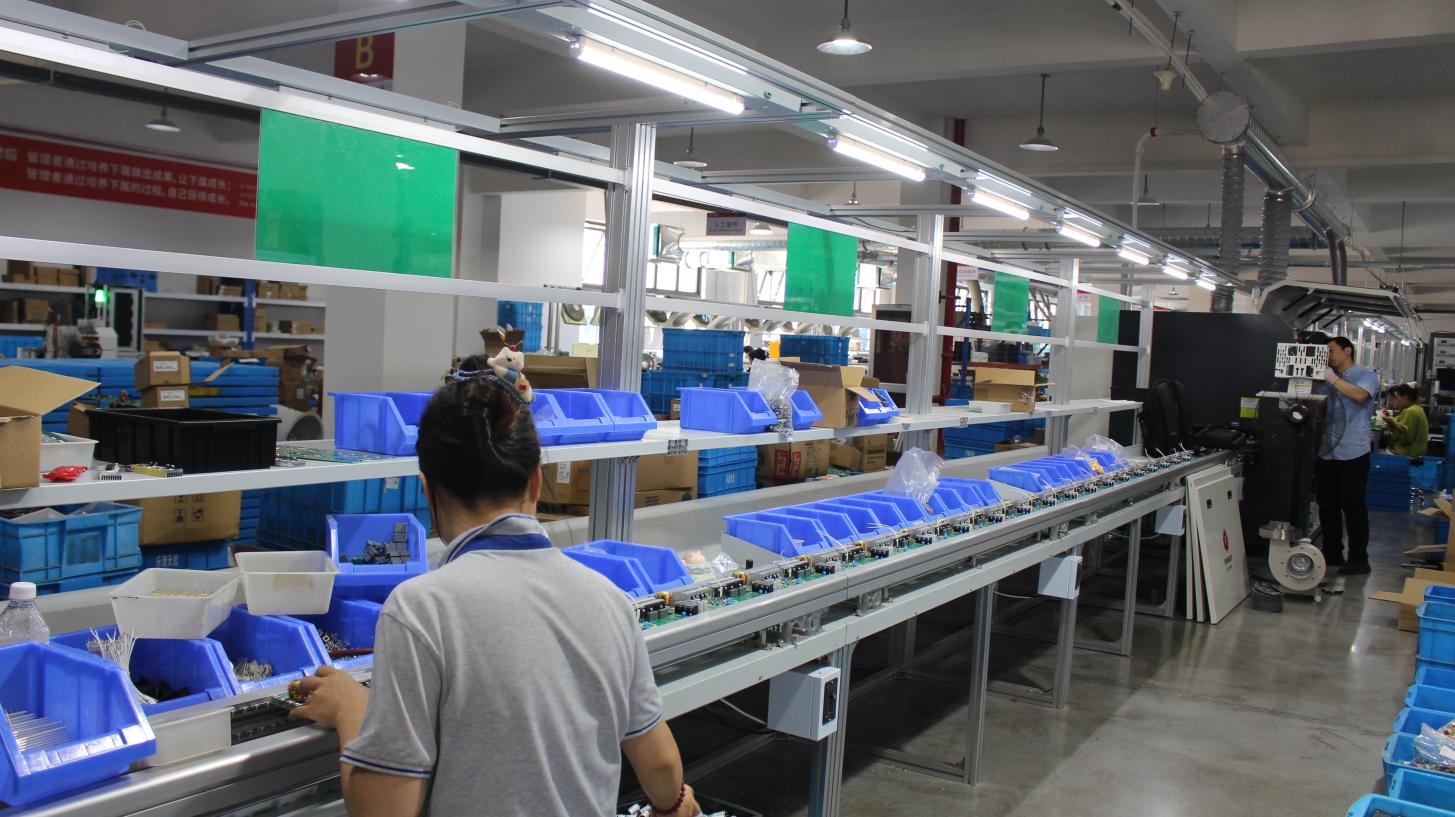 Plug-in
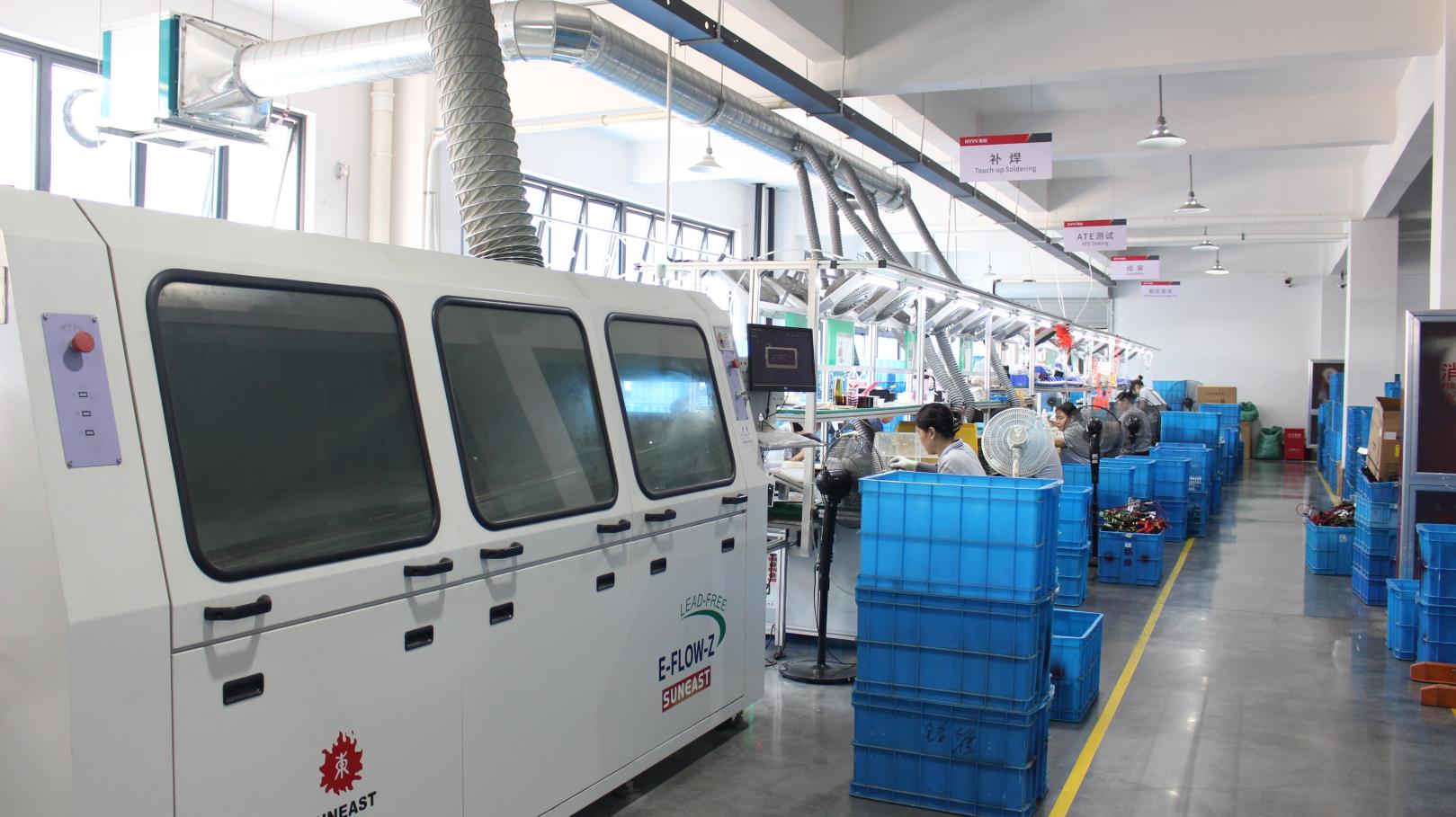 Wave Soldering
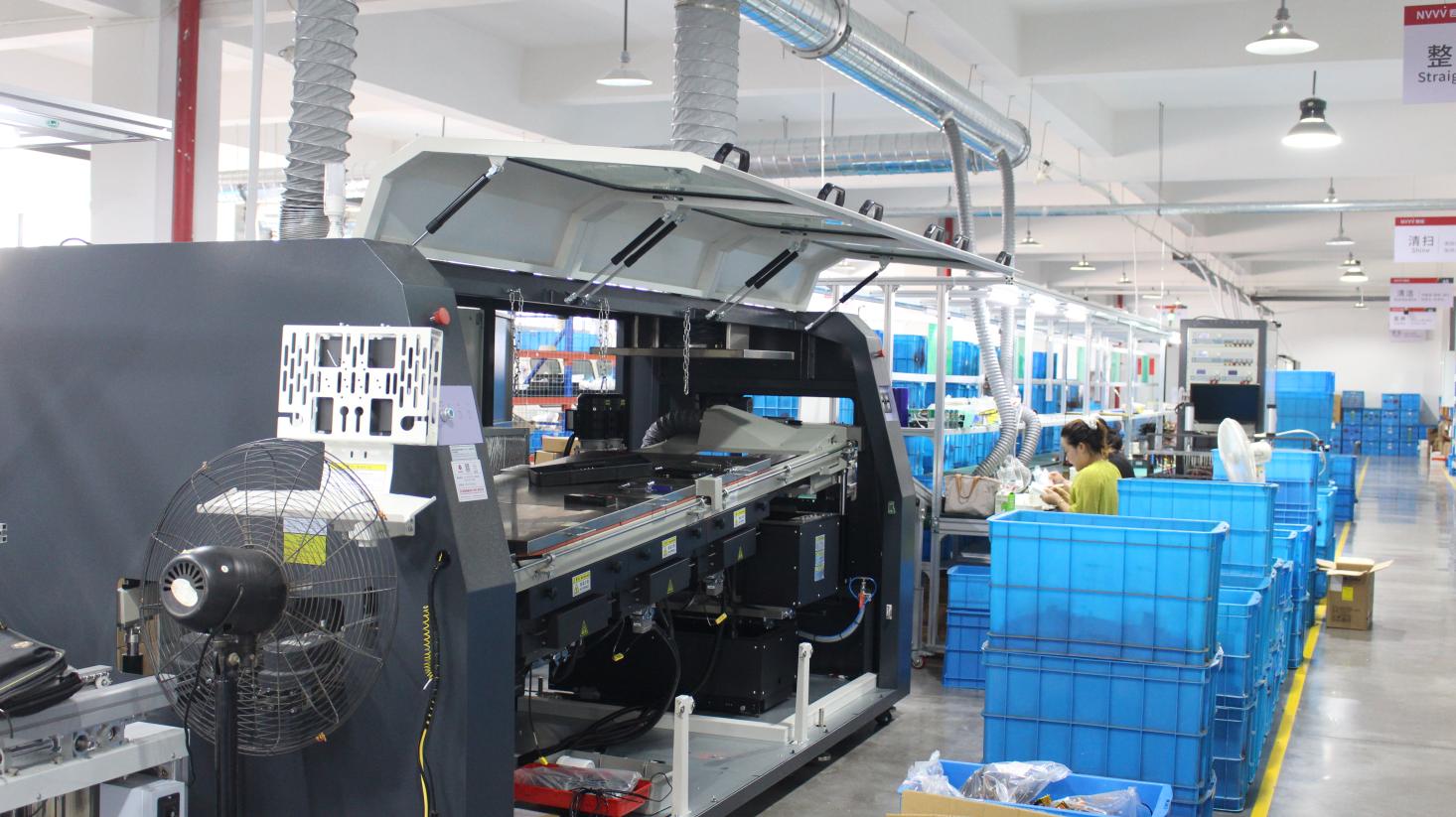 Wave Soldering
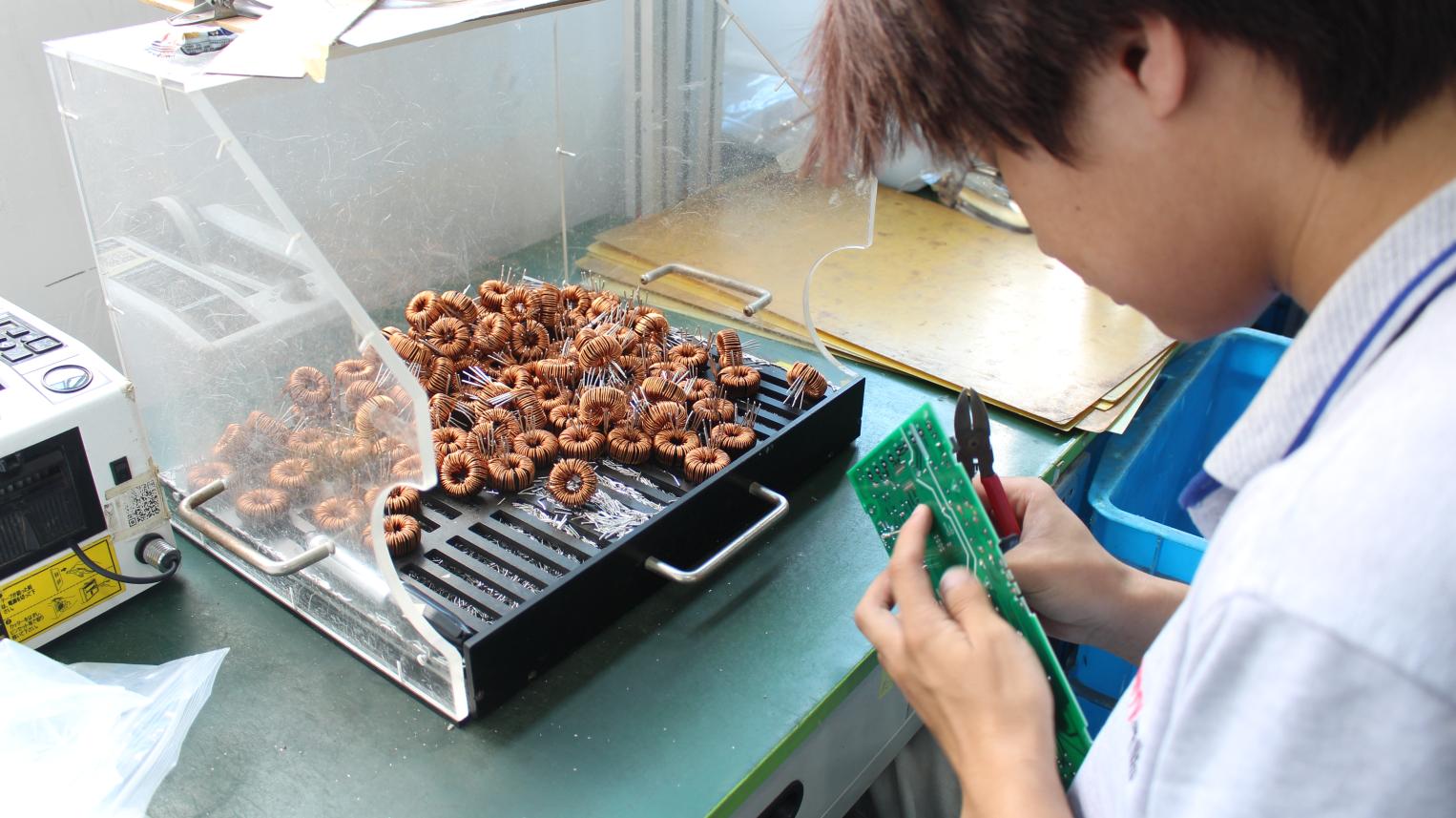 Assembling
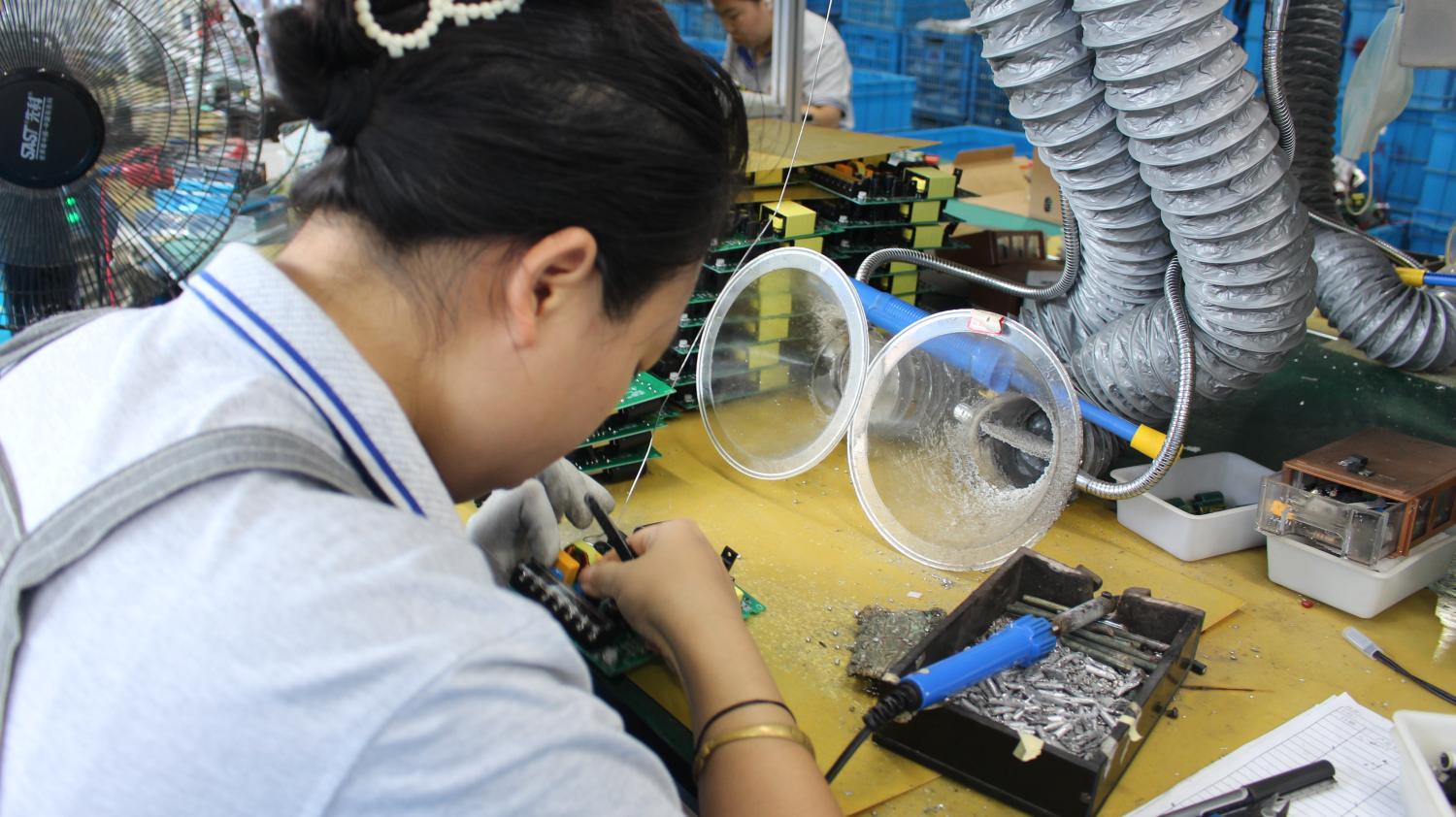 Assembling
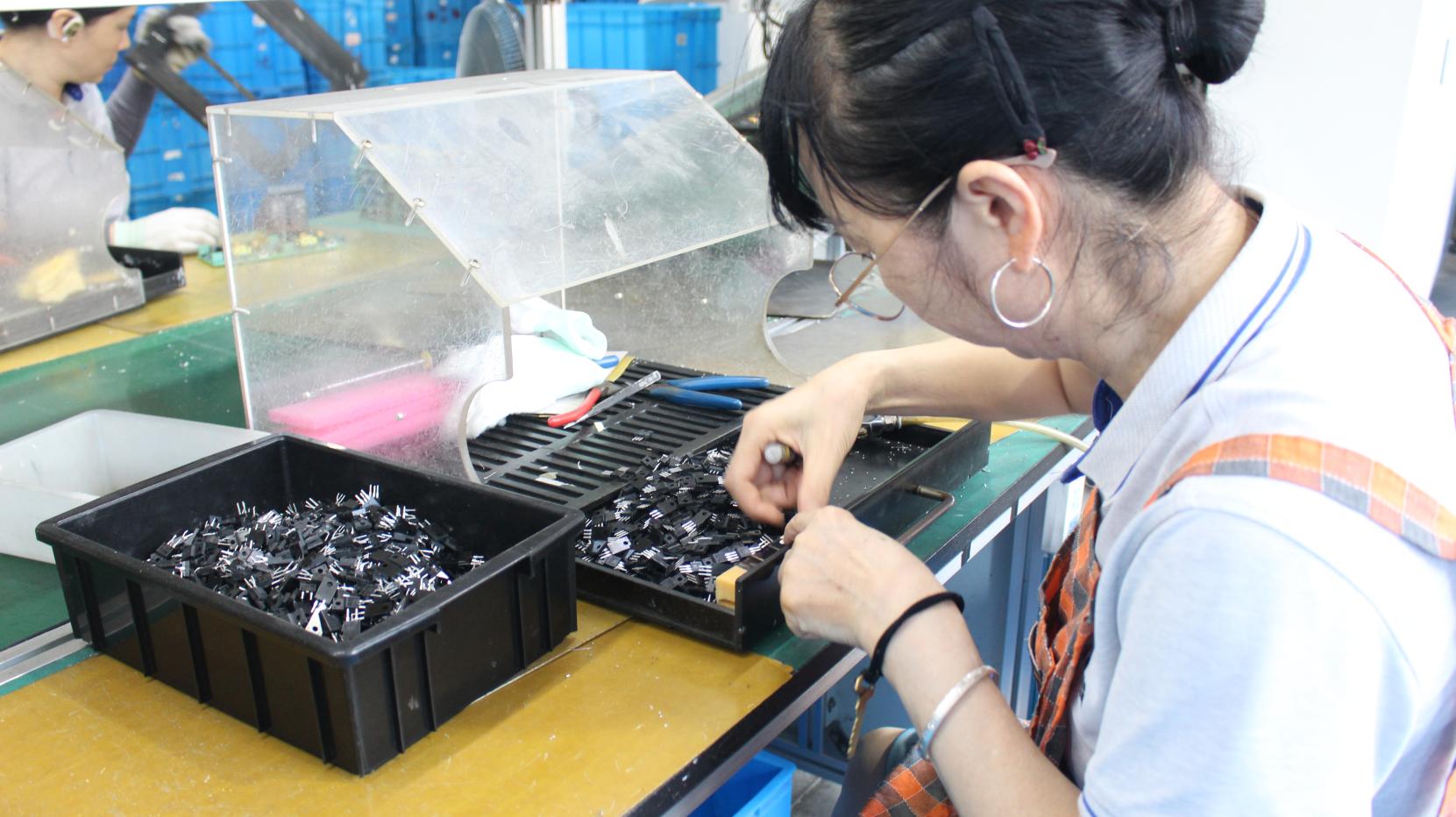 Assembling
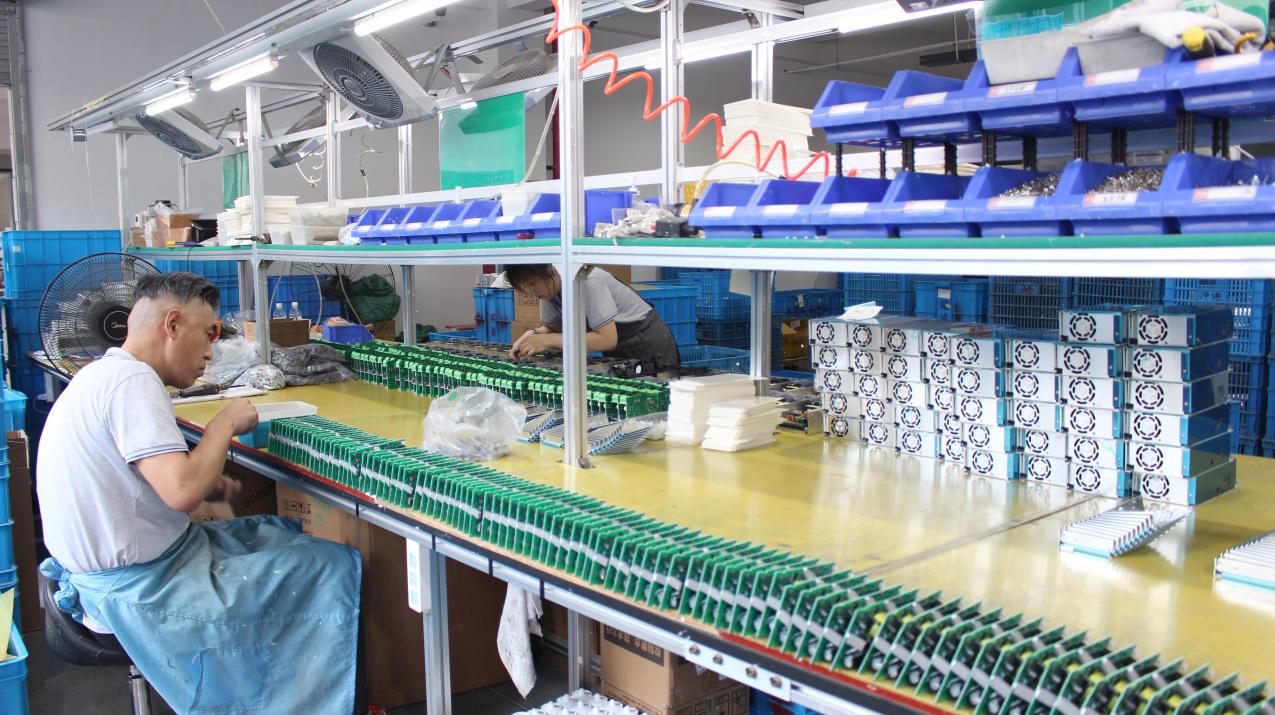 Assembling
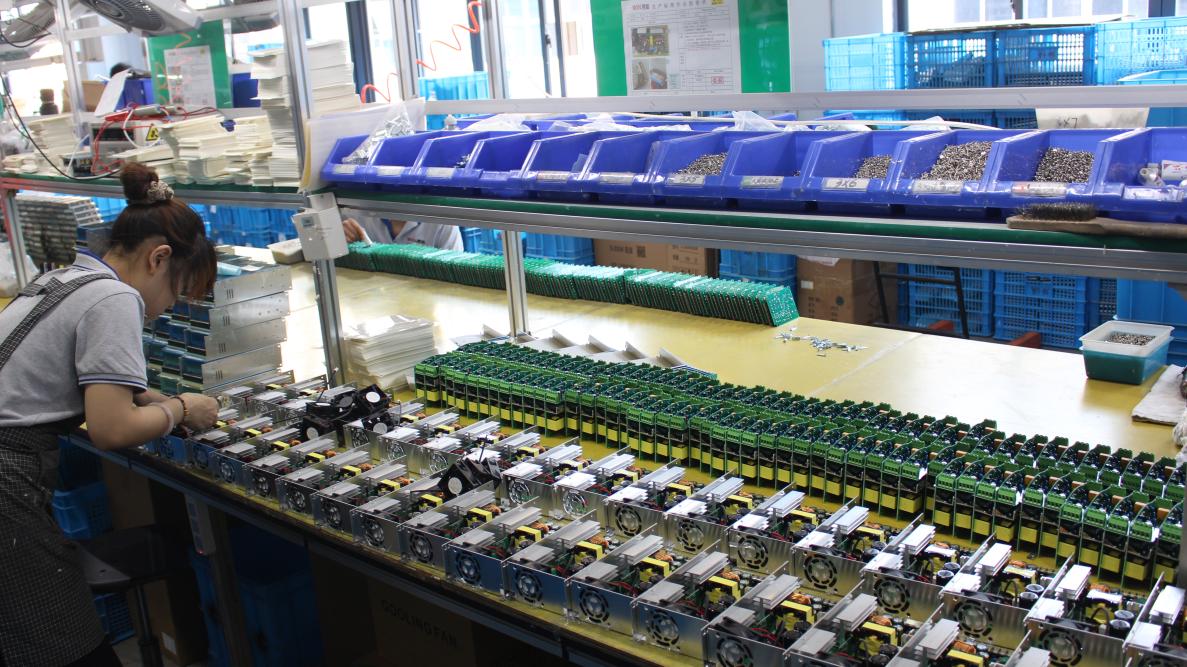 Assembling
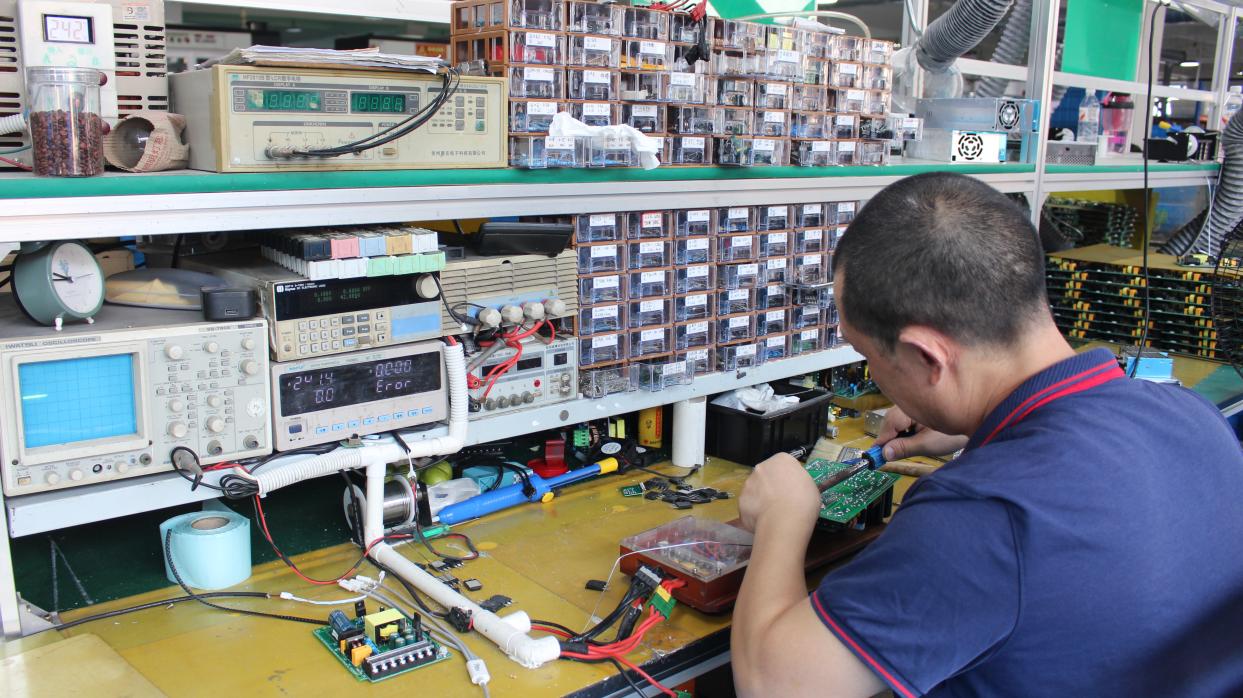 Assembling
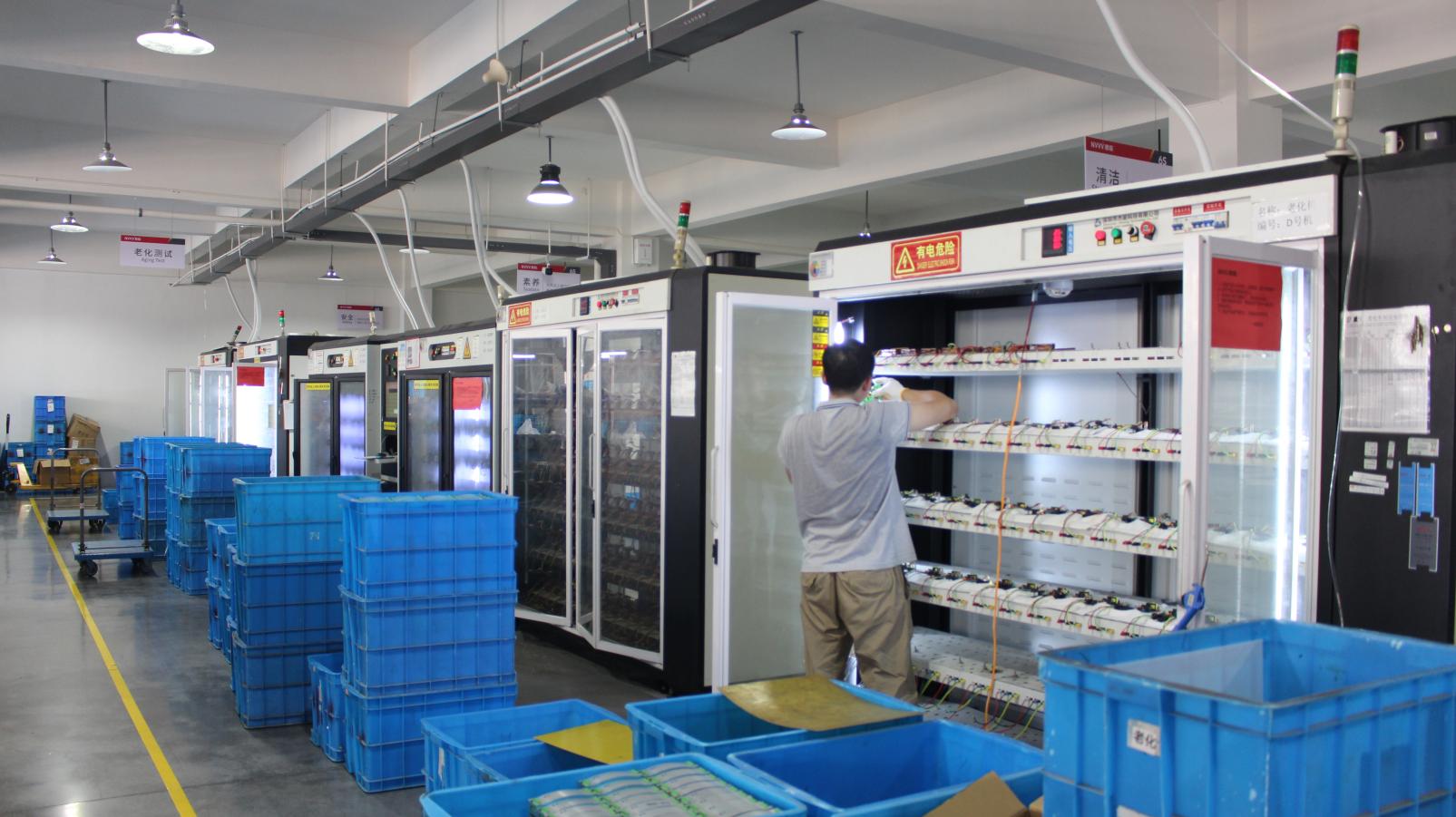 Testing
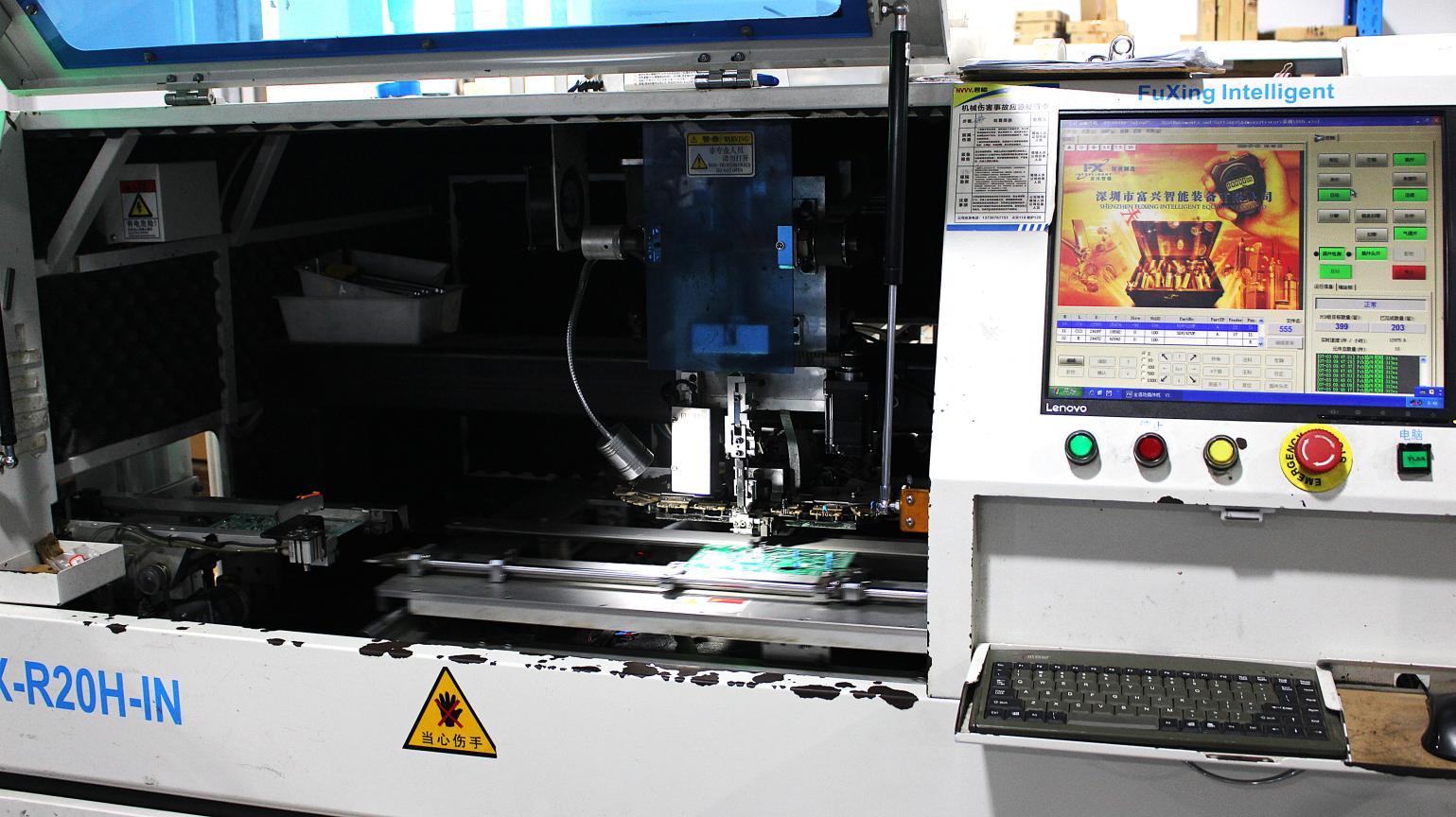 Component Plug-in Machine
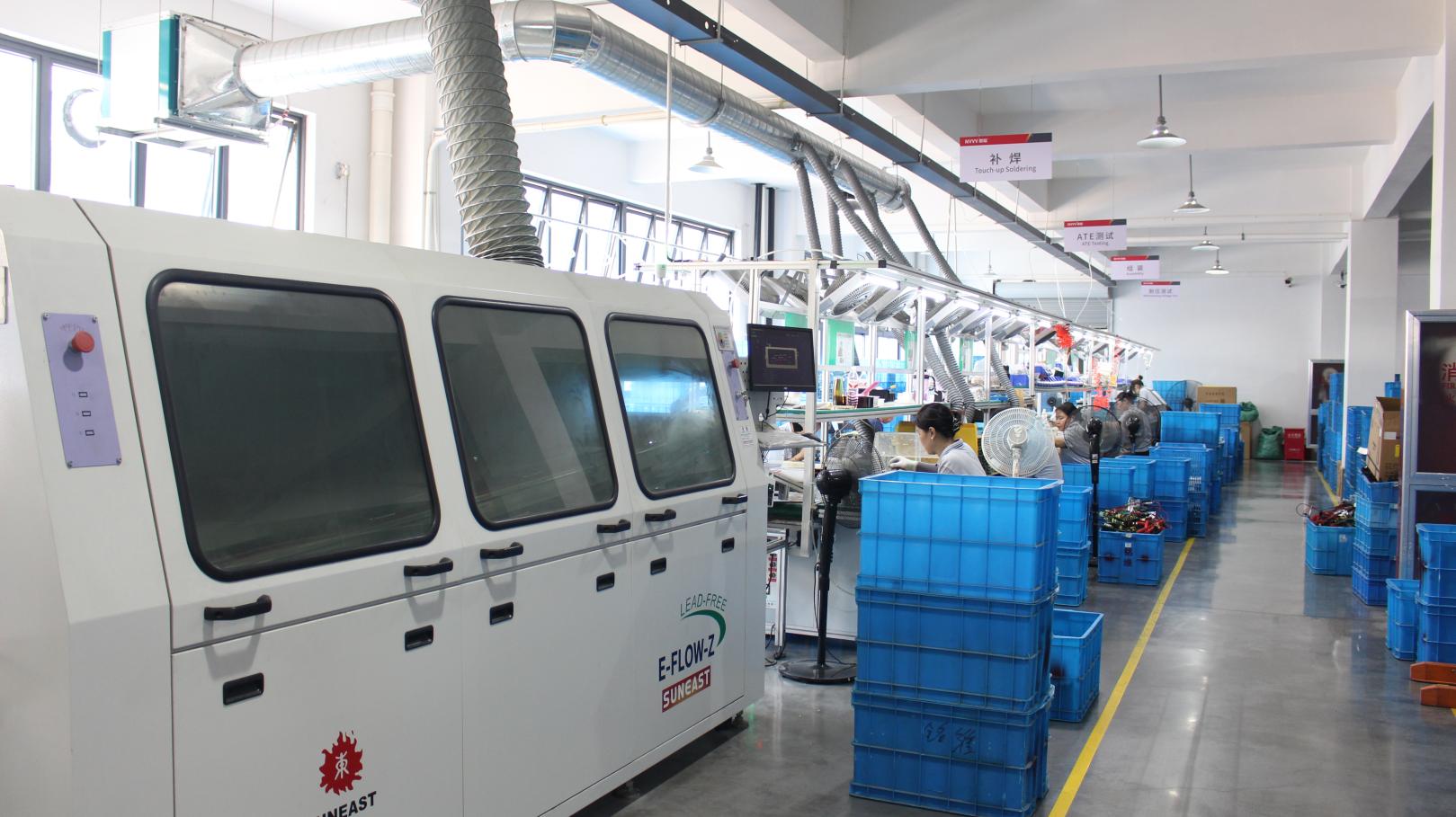 Wave Soldering Machine
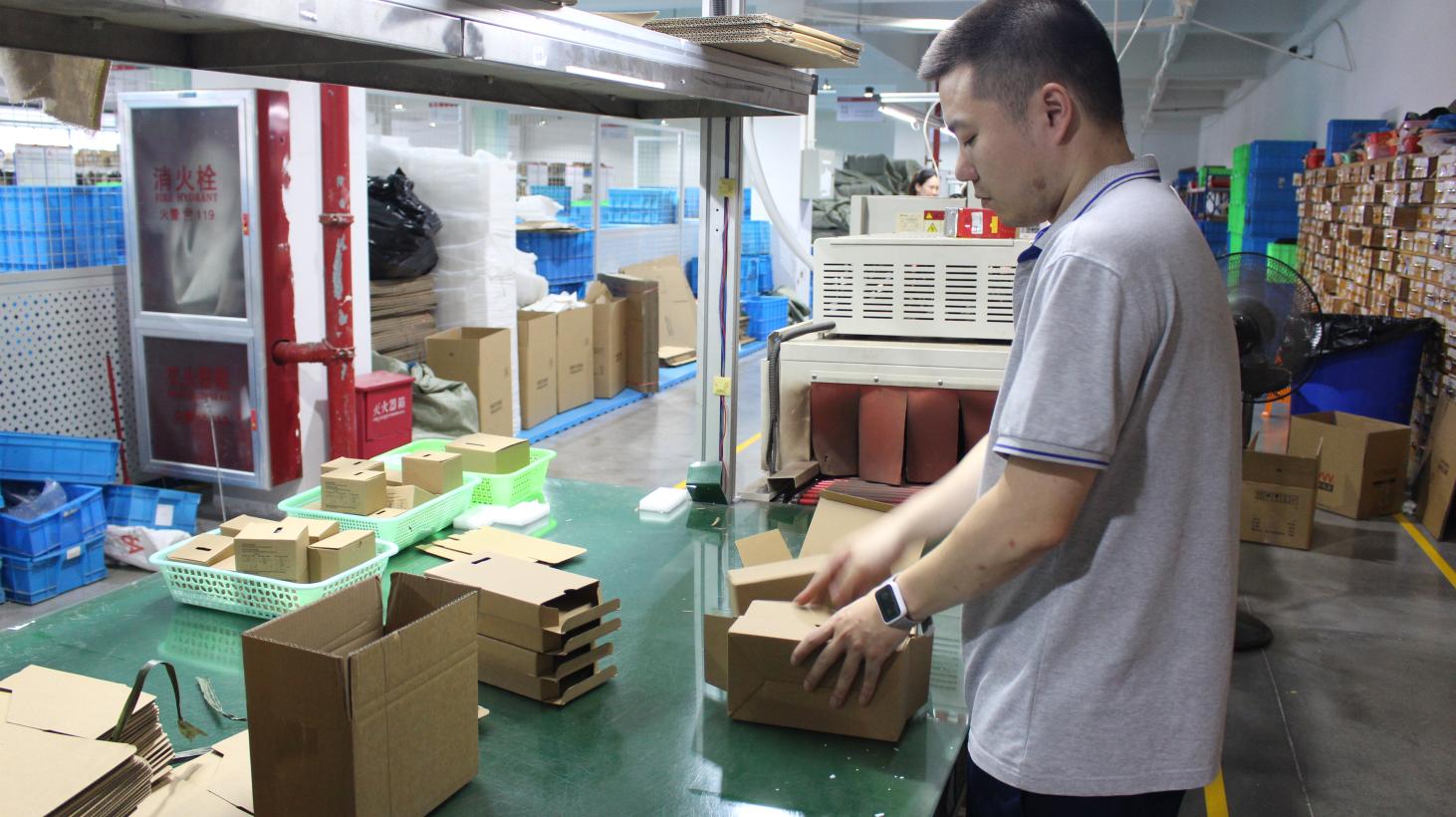 Automatic Packing Machine
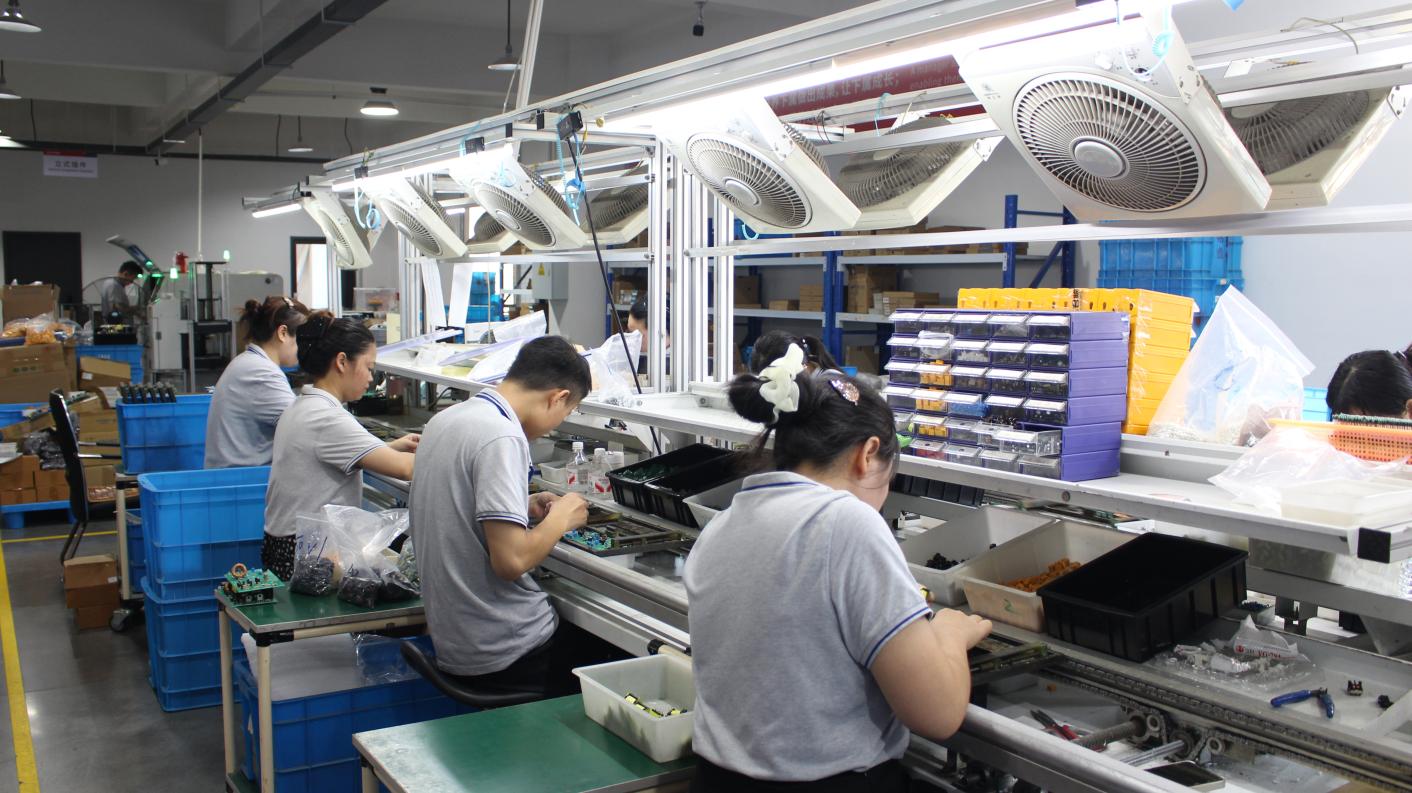 Assembly Line
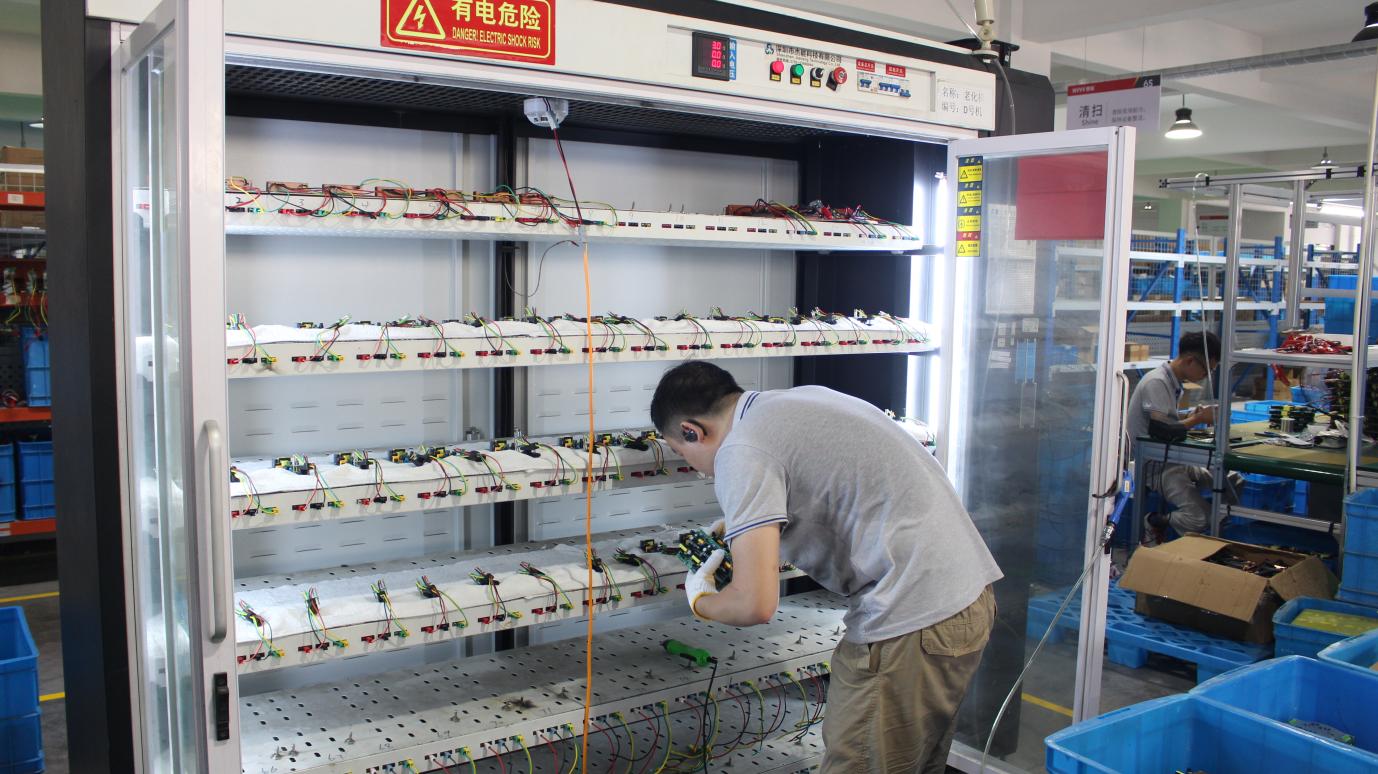 Testing
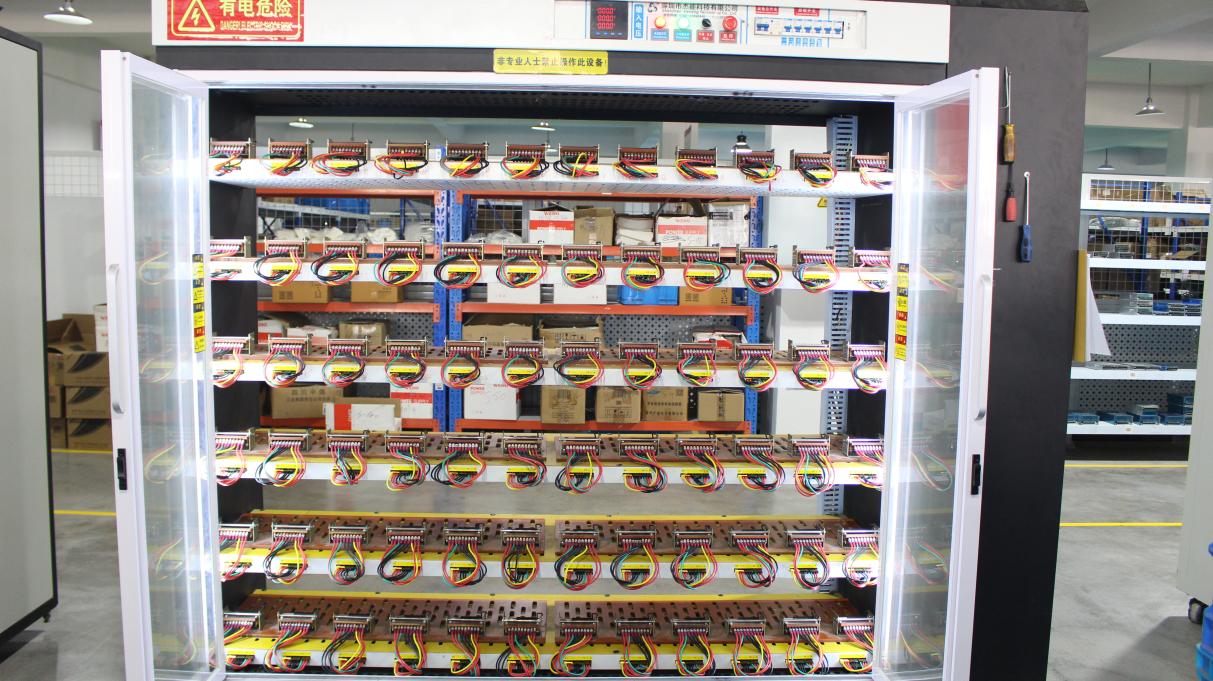 Aging Test Bench
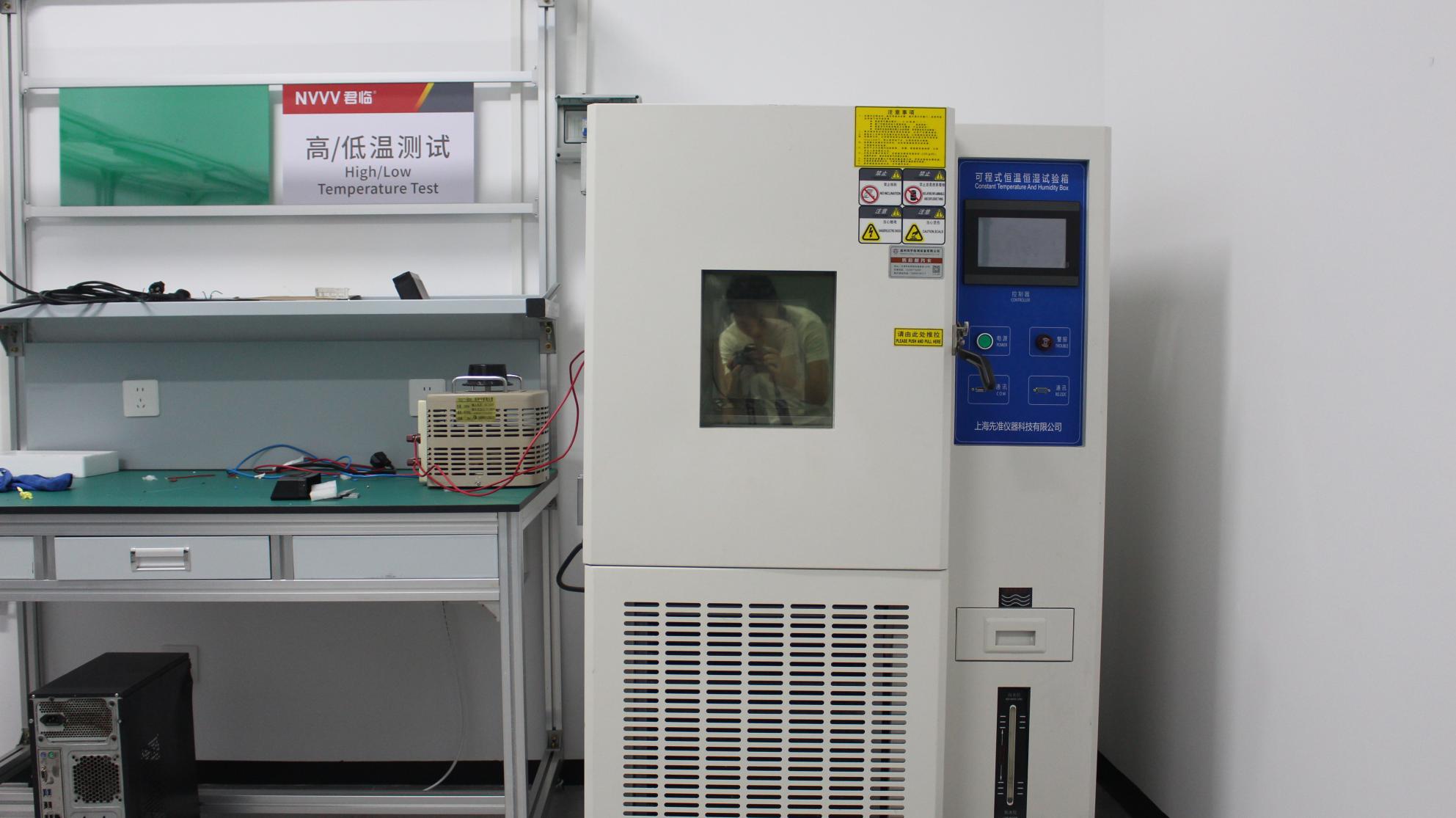 High/Low Temperature Test Machine
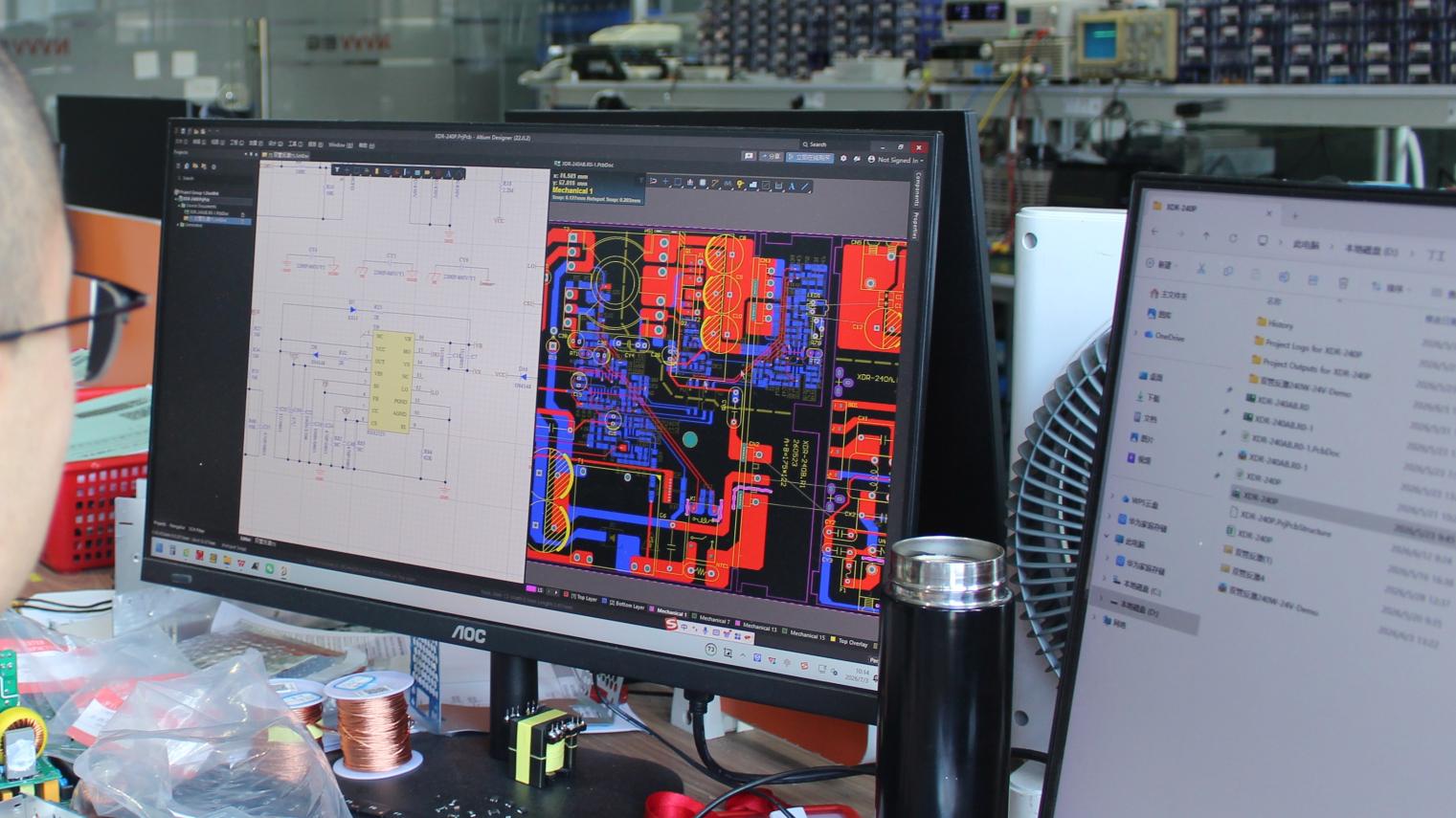 Design
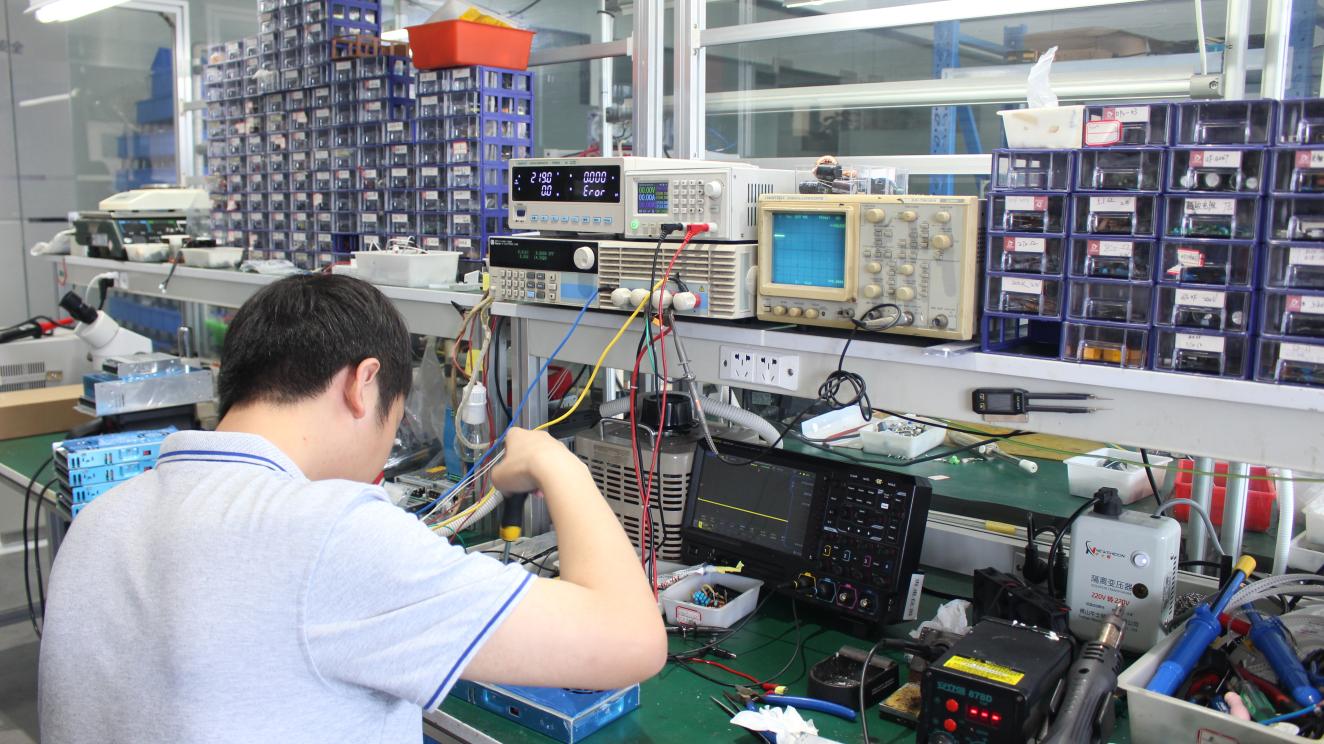 Electronic Engineering Test Equipment
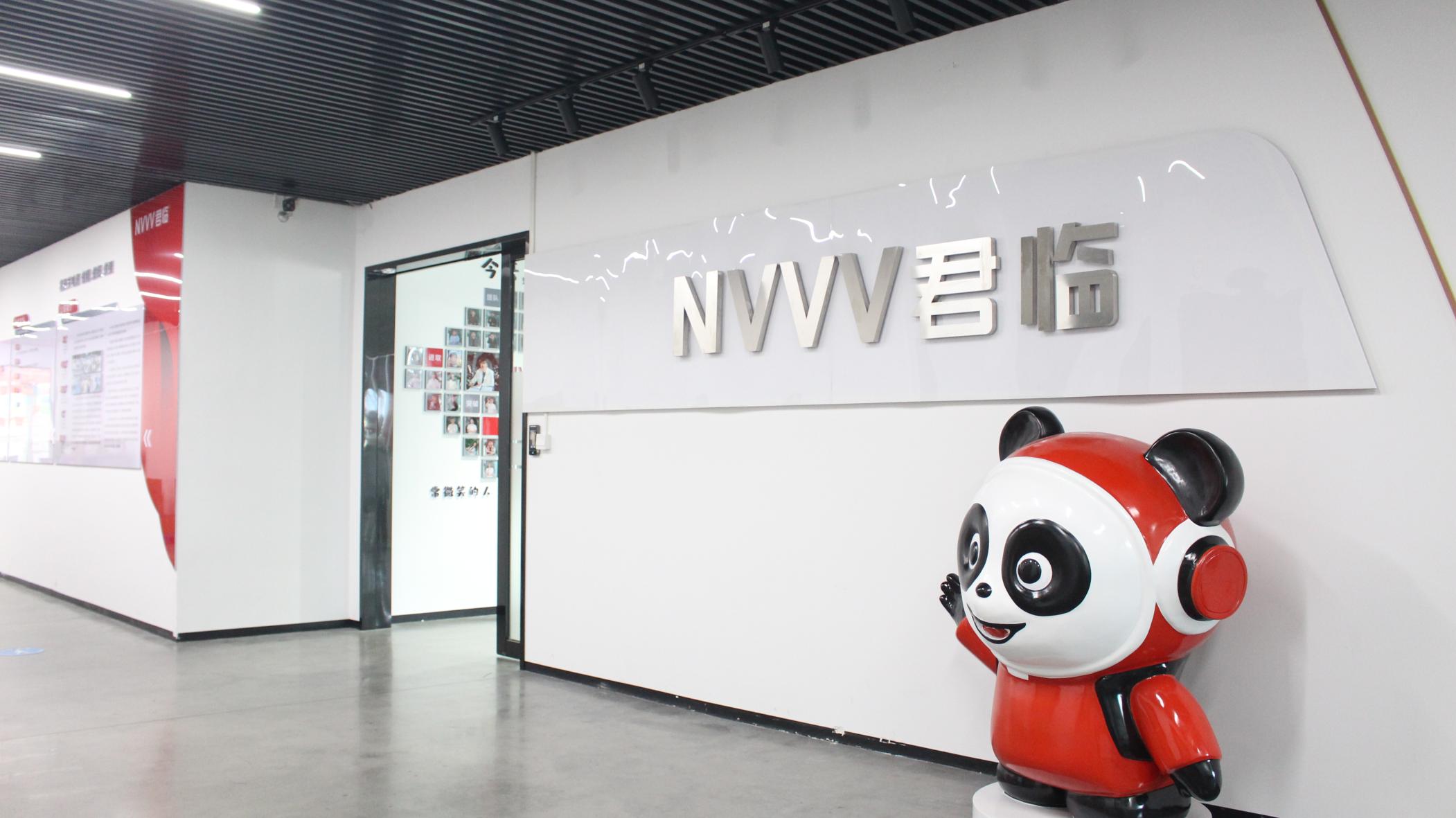
Our main factory line in Wenzhou utilizes modern workflow layouts to maximize precision and speed.
Identifying key parameters that professional engineers and EPC buyers evaluate during manufacturer vetting.
Industrial clients require pure sine wave inverters with a THD below 3% to prevent damage to sensitive downstream electronics, such as medical monitoring gear and automation systems. Custom OEM designs must incorporate multi-stage filtering circuits to achieve this level of wave stability.
Standard off-the-shelf inverters fail prematurely when deployed in hot climates or high altitudes due to thermal buildup and reduced air density. B2B buyers look for advanced heat sink designs, smart cooling systems, and high-grade thermal interface materials that maintain full output without derating.
Inductive loads like motors, pumps, and compressors draw high starting currents. OEM inverters must handle surges of up to 200% of their rated capacity for short periods without shutting down, maintaining stable voltage and frequency control through advanced control loops.
Many manufacturers list theoretical performance metrics that do not hold up under continuous operation. NVVV addresses this gap by subjecting all customized inverters and switching power supplies to an intensive 4-hour full-load burn-in test inside temperature-controlled chambers. This helps ensure that real-world performance matches spec-sheet values, protecting your project from early field failures.
How technical shifts and changing regulatory environments shape next-generation power electronics design.
Wide Bandgap (WBG) semiconductors are replacing traditional silicon switches. By integrating GaN and SiC power transistors, NVVV's latest inverter architectures reduce switching losses, shrink component footprints by 30%, and boost overall system efficiency to over 97%.
Modern commercial solar installations require smart diagnostic tools to minimize maintenance costs. Our new inverter projects support real-time data collection, tracking changes in capacitor health and leakage currents to flag potential issues before a shutdown occurs.
The rise of microgrids has fueled demand for hybrid, bidirectional inverters. These units manage power flow dynamically between PV arrays, battery storage banks, and local AC loads, ensuring uninterrupted power while lowering peak demand charges.
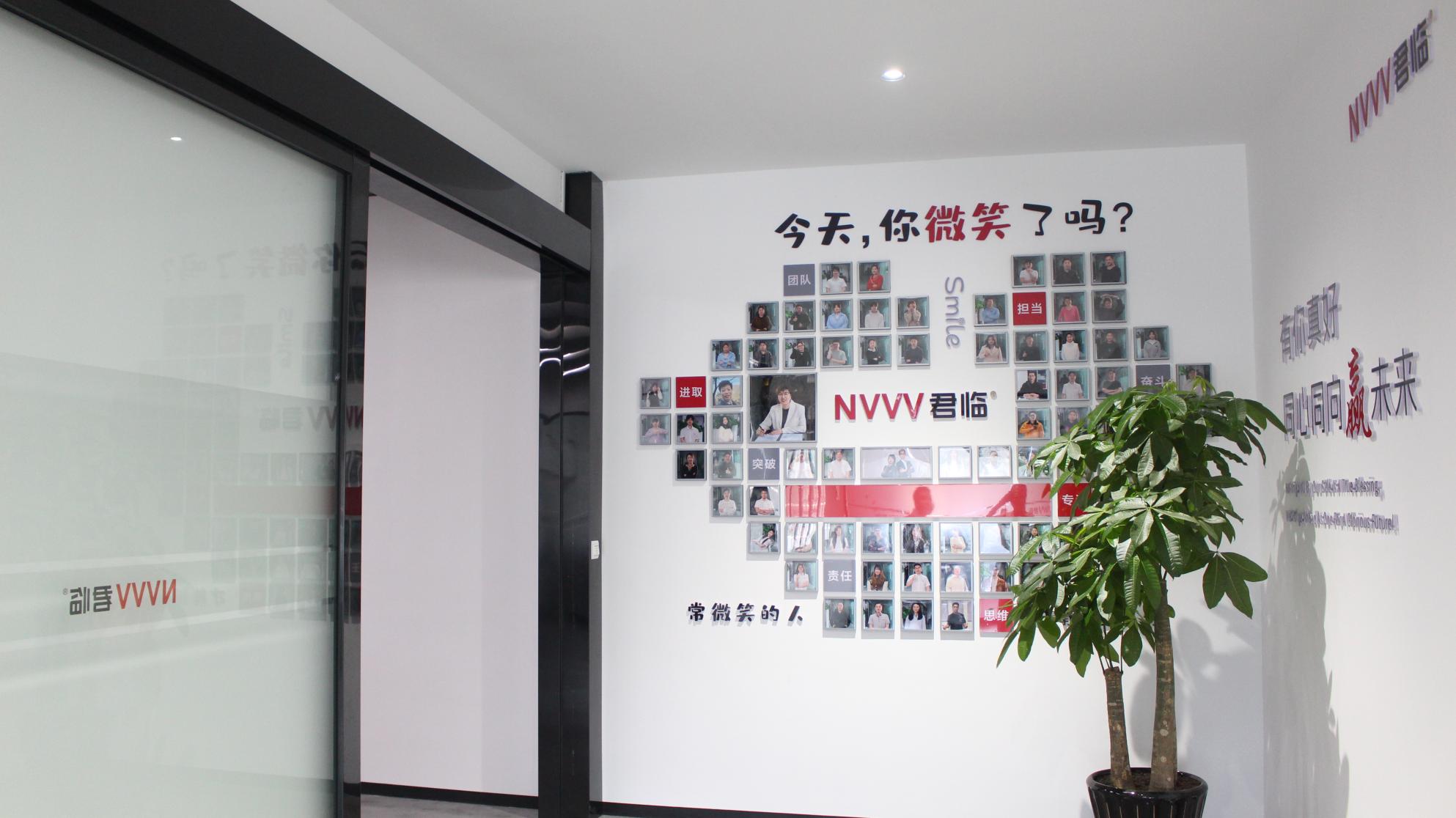
Our R&D laboratory uses advanced test benches to verify frequency stability and harmonic performance across various load conditions.
Engineered power conversion systems tailored to demanding commercial and industrial applications.
Designed to withstand dust, high humidity, and extreme temperatures. These systems feature conformal coatings, IP65 protection ratings, and heavy-duty magnetic components for continuous remote operation.
Low-noise DC-to-AC conversion that prevents electrical interference with radio frequencies. These inverters run alongside our Din Rail power systems to maintain reliable 24/7 uptime for telecom networks.
DIN rail-mounted switching power supplies paired with battery backups (UPS). This setup delivers clean DC power directly to PLCs and control panels, preventing data loss during grid interruptions.
High-capacity pure sine wave inverters with smart energy management logic. These units help businesses reduce peak grid demand by coordinating PV output and battery storage systems.
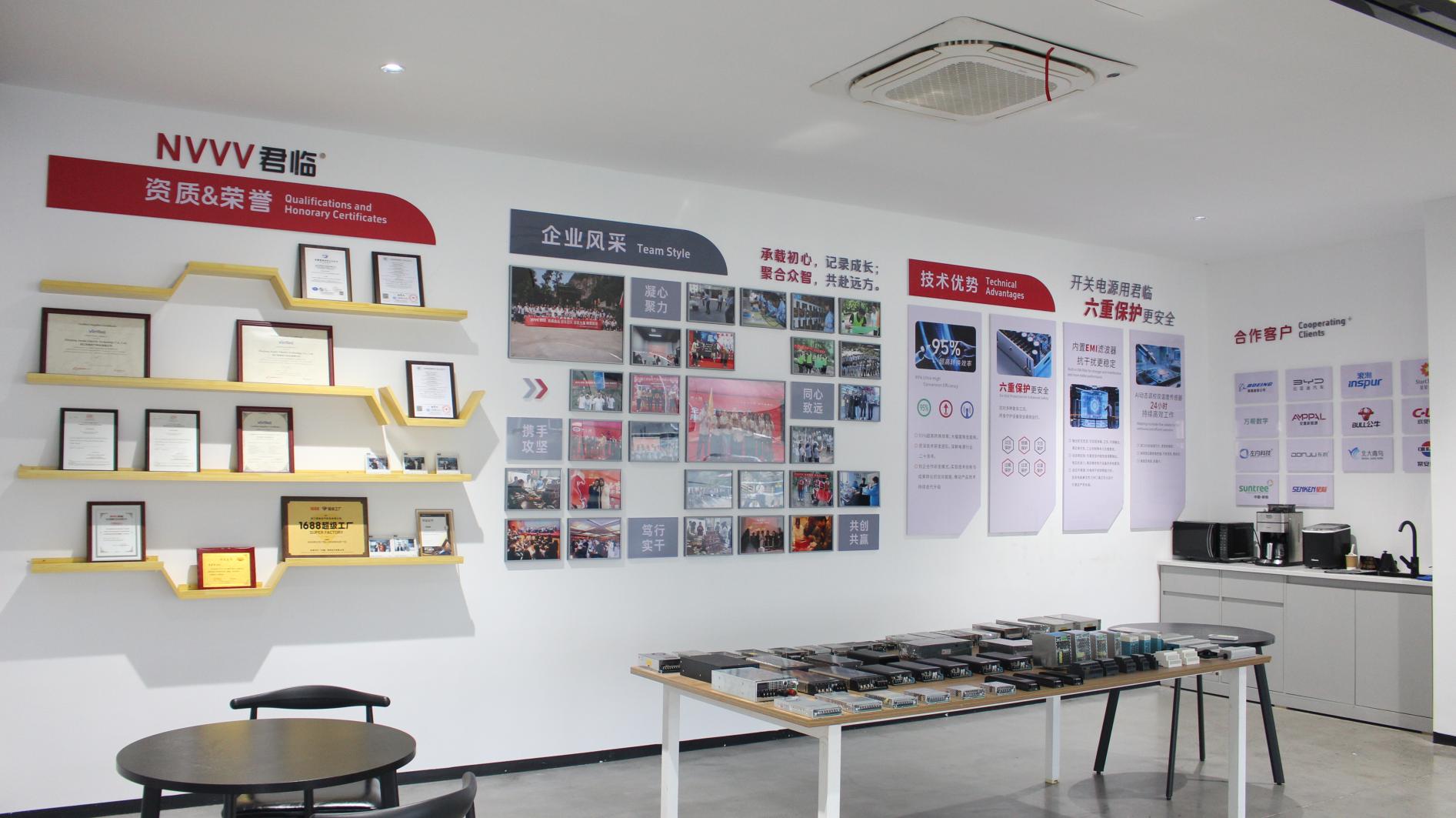
Automated Surface Mount Technology (SMT) lines place components with precision, improving thermal performance and product reliability.
How we design and manufacture power supplies to meet the strict regulatory requirements of global markets.
Exporting power systems internationally requires strict adherence to safety and electromagnetic standards. At NVVV, compliance is integrated directly into the engineering stage. Our products are tested to ensure they prevent radio interference (EMC/FCC) and meet electrical safety rules across different regions, including Europe, North America, and East Asia.
We also offer localization options, adjusting AC output voltages (110V/220V/230V/240V) and frequency ranges (50Hz/60Hz) to match the requirements of your target installation region.
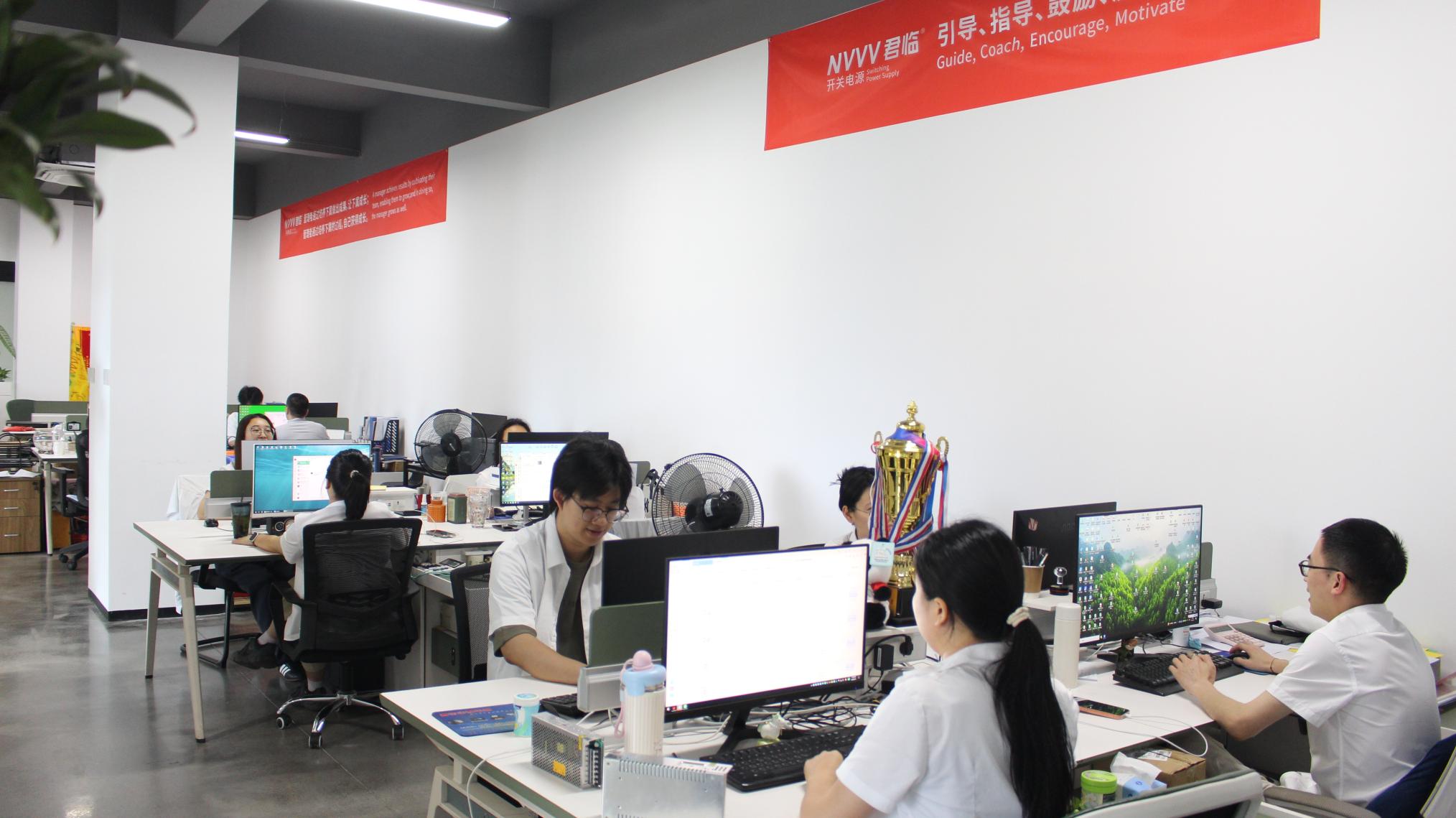
Testing technicians use calibrated measuring systems to check and record leakage currents for every production run.
Our long-term development roadmap focuses on improving efficiency, power density, and IoT connectivity.
Adding Bluetooth, Wi-Fi, and RS485 communication protocols across all inverter lines, enabling operators to track performance metrics from mobile apps and cloud dashboards.
Introducing hot-swappable DIN Rail switching modules that allow users to scale their power systems without shutting down operations, reducing downtime.
Transitioning our entire standard inverter lineup to GaN-based power devices, achieving high power densities in lightweight, ultra-thin enclosures.
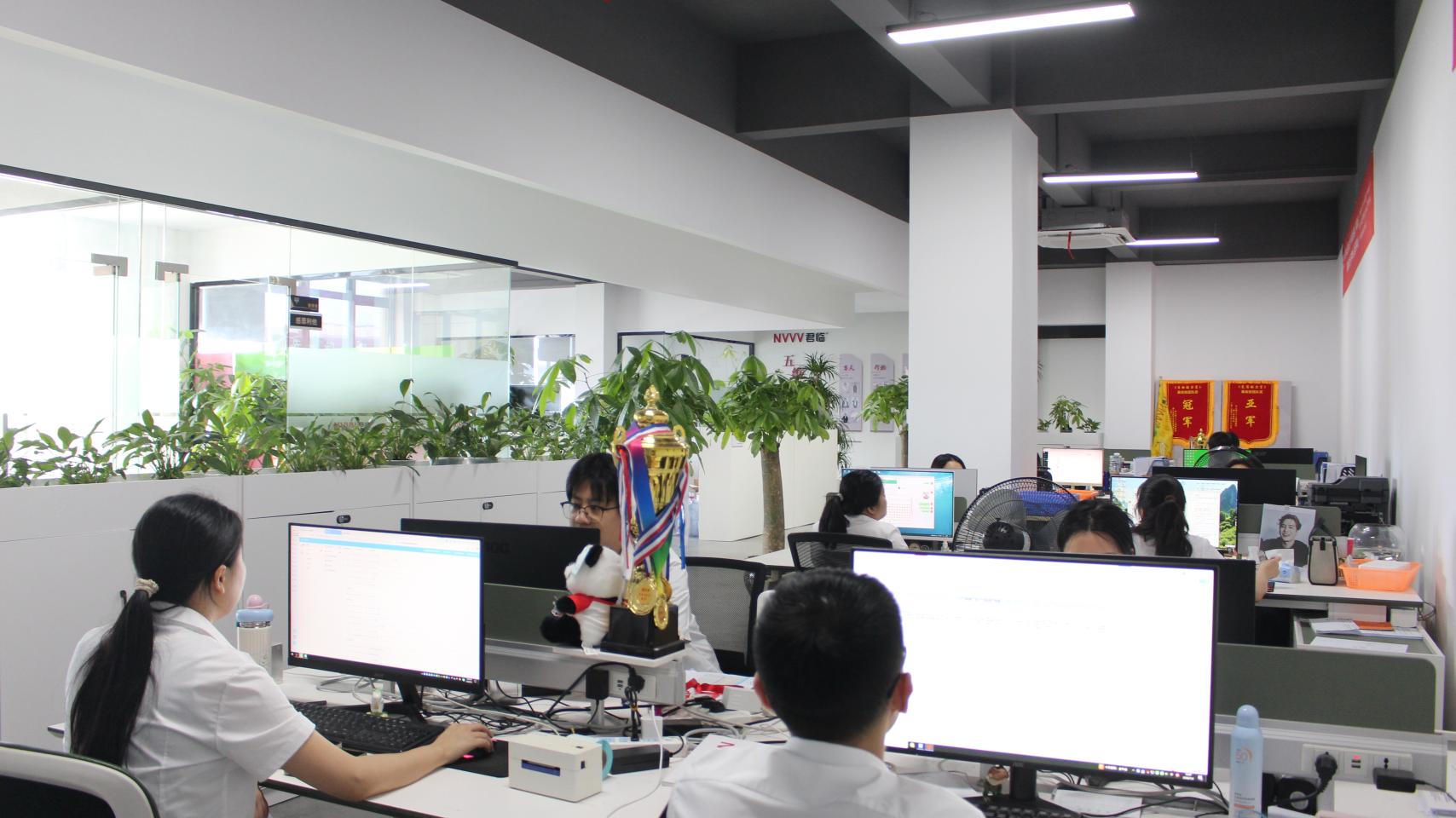
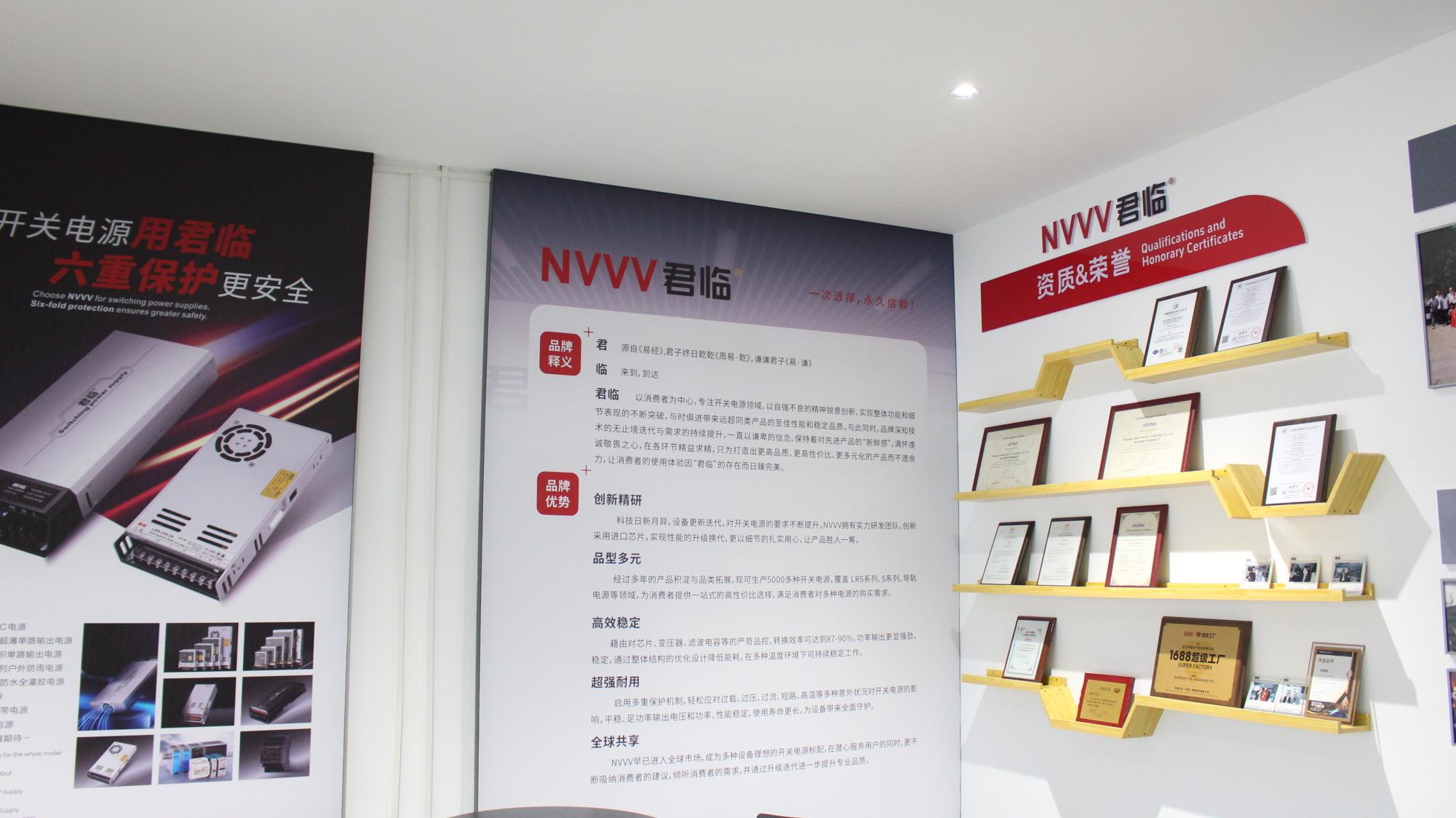
Technical guidance and design advice for electrical engineers, system integrators, and procurement directors.
Inside our ISO-compliant manufacturing plant in Zhejiang, showing automated equipment and precision R&D tools.
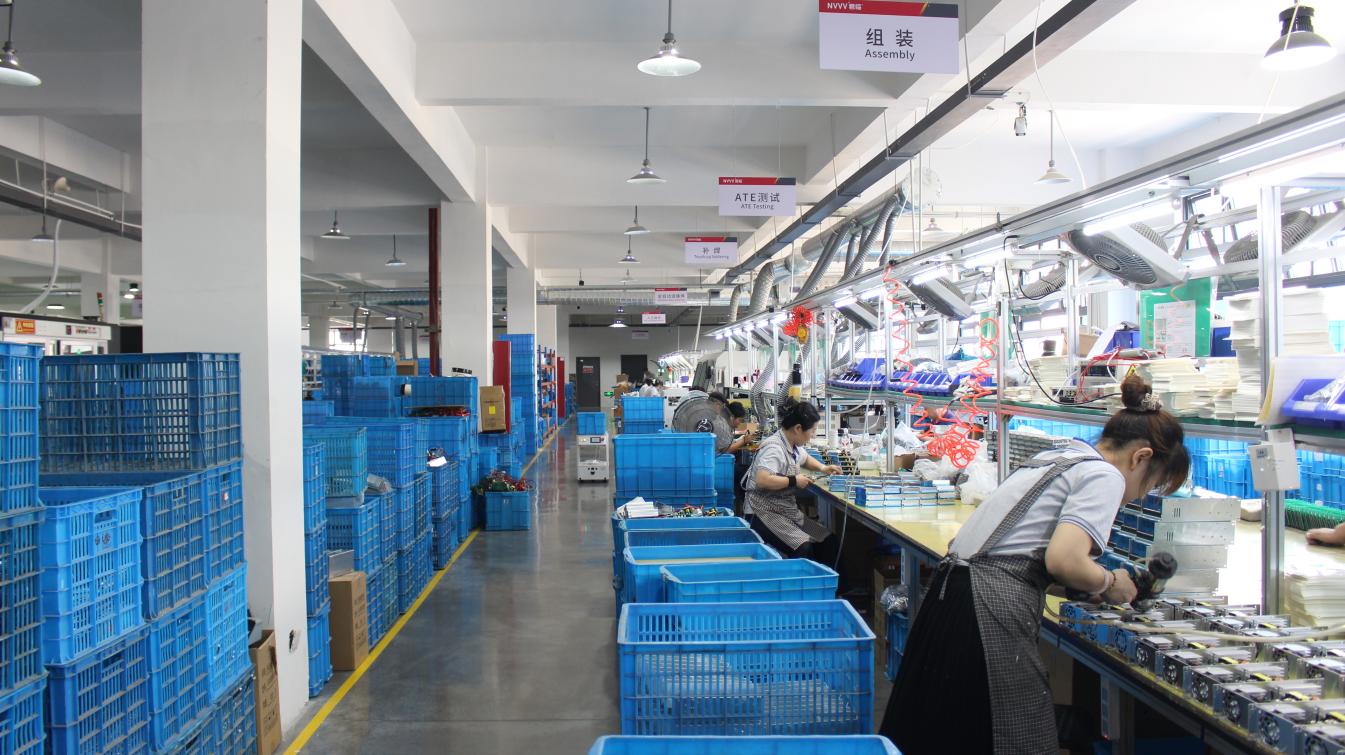
SMT component placement ensures high placement density and stable solder joints.
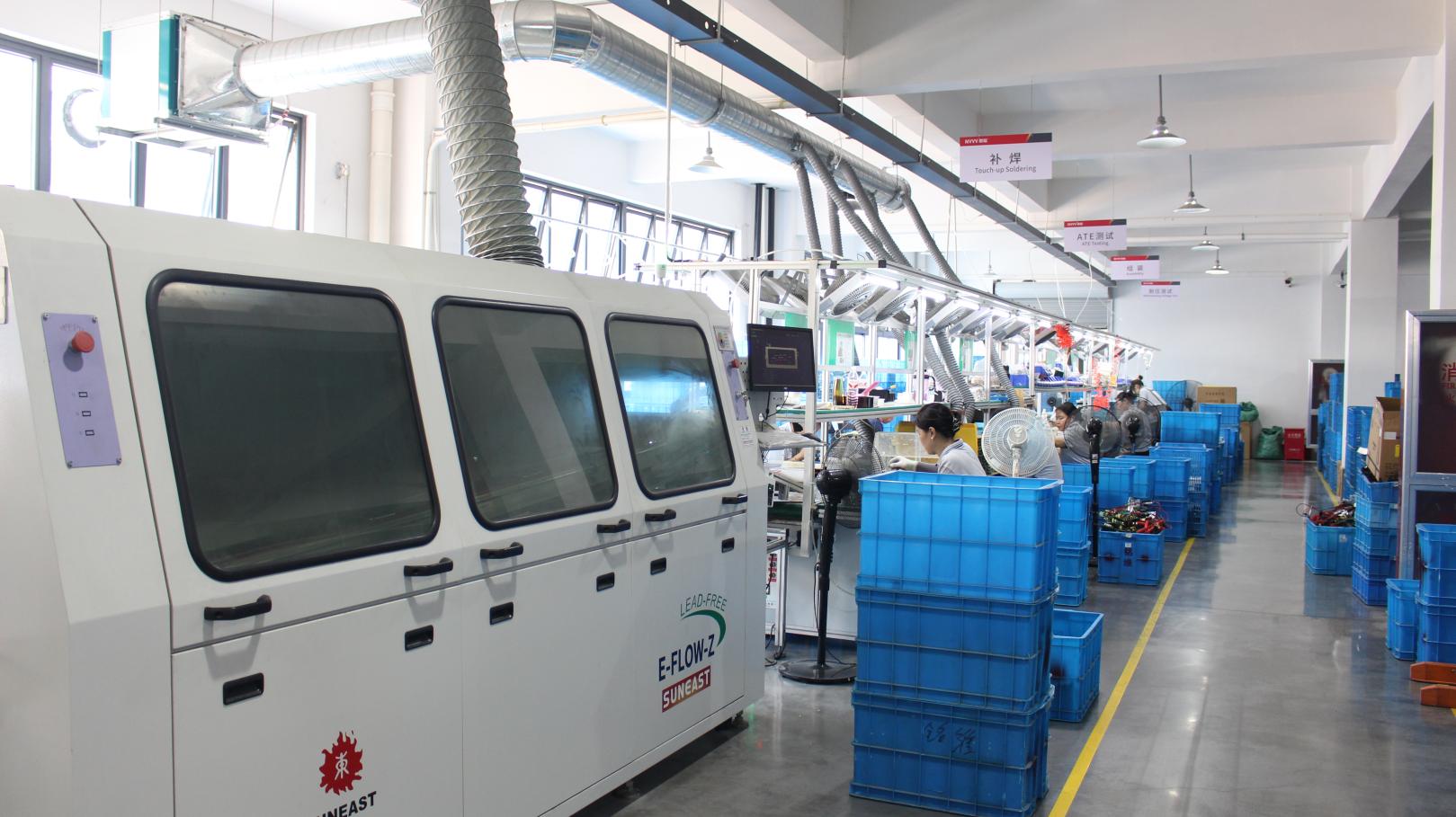
Multi-zone thermal profiles ensure accurate solder reflow for all SMT circuits.
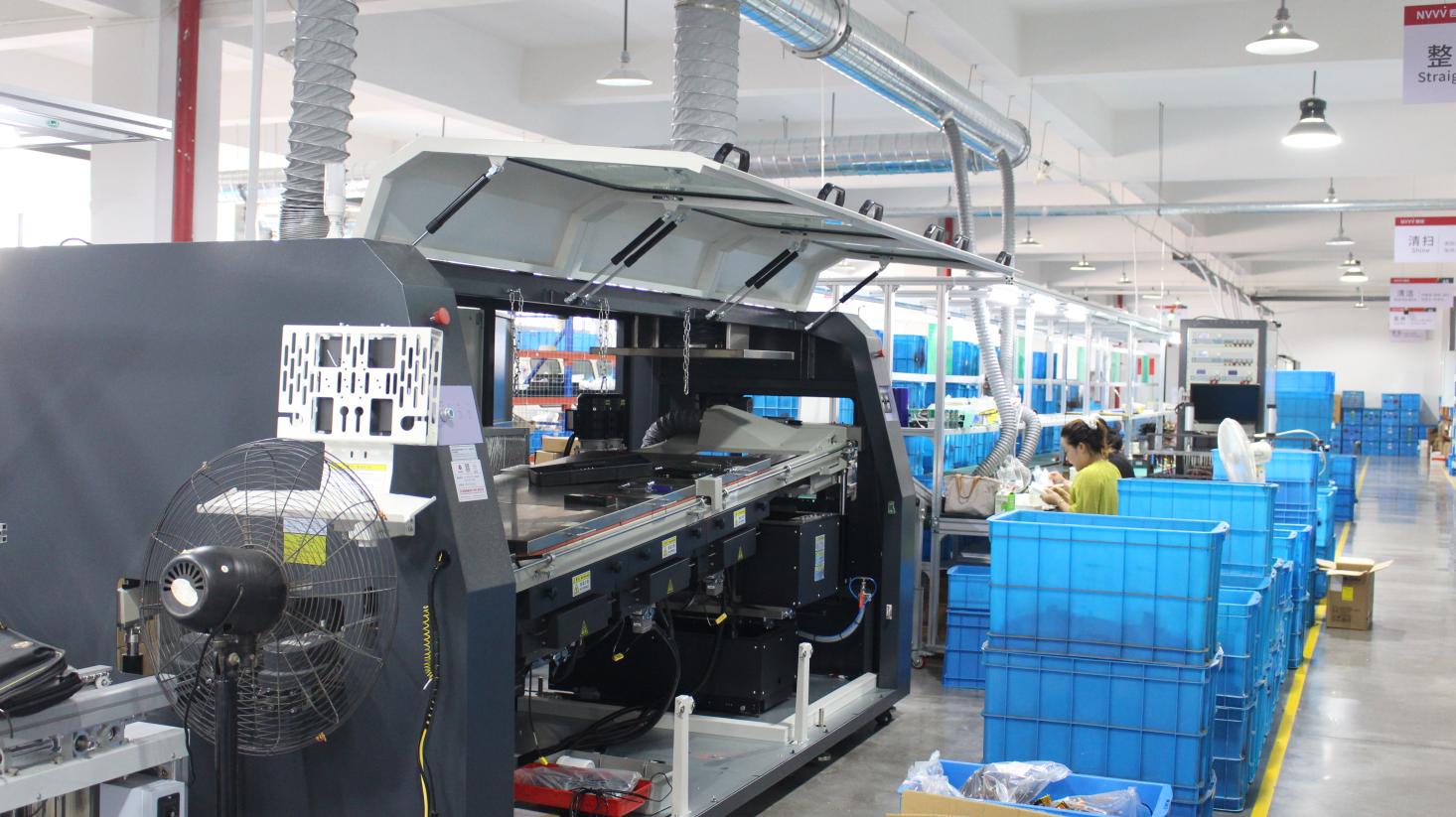
Automated optical inspection checks board component placement before final assembly.
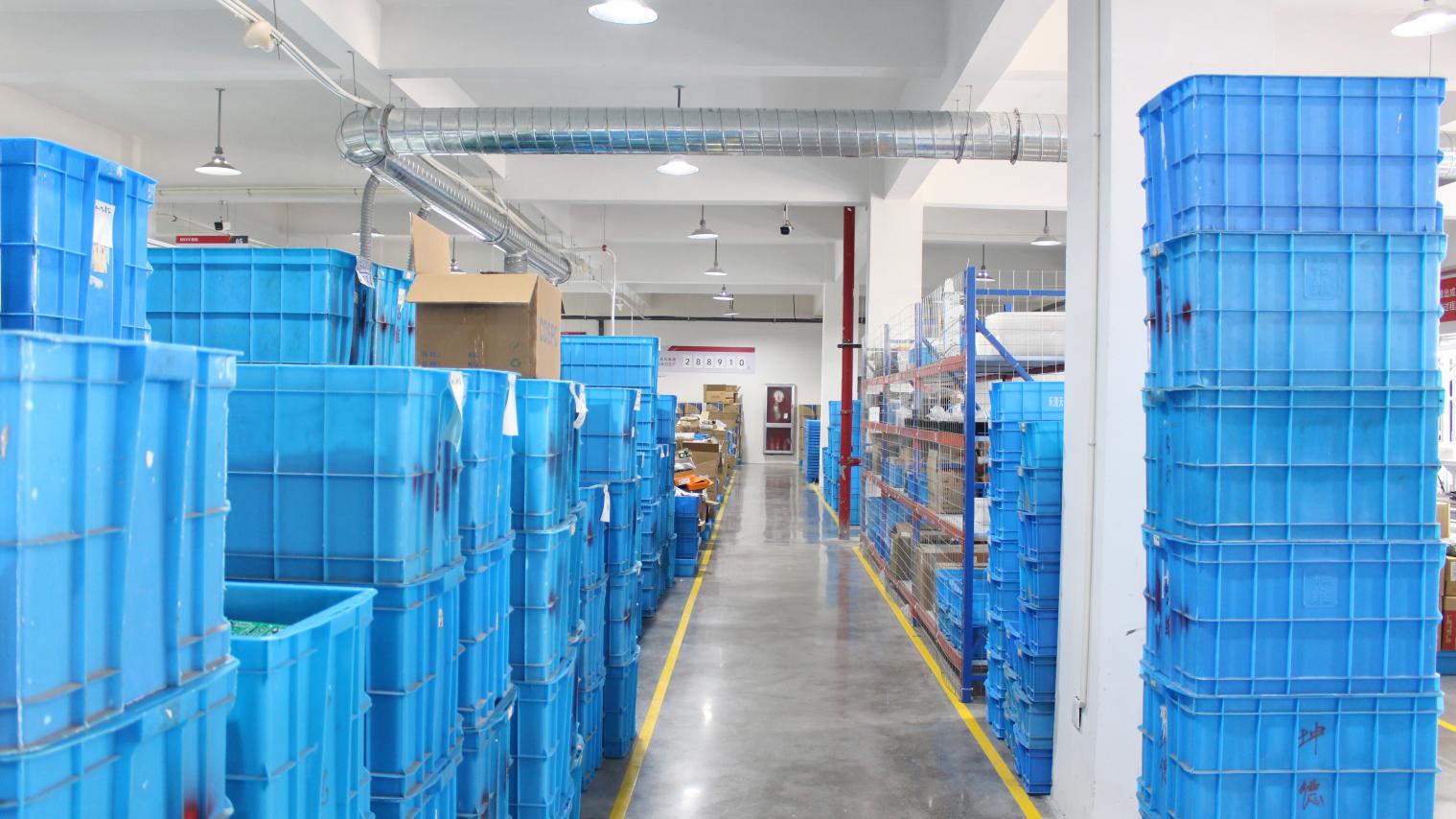
Long-term burn-in racks load-test components at maximum limits.
Dual-wave soldering machines mount through-hole components to the PCBs.

Clean and organized final packing lines ensure products are prepared safely for export shipping.
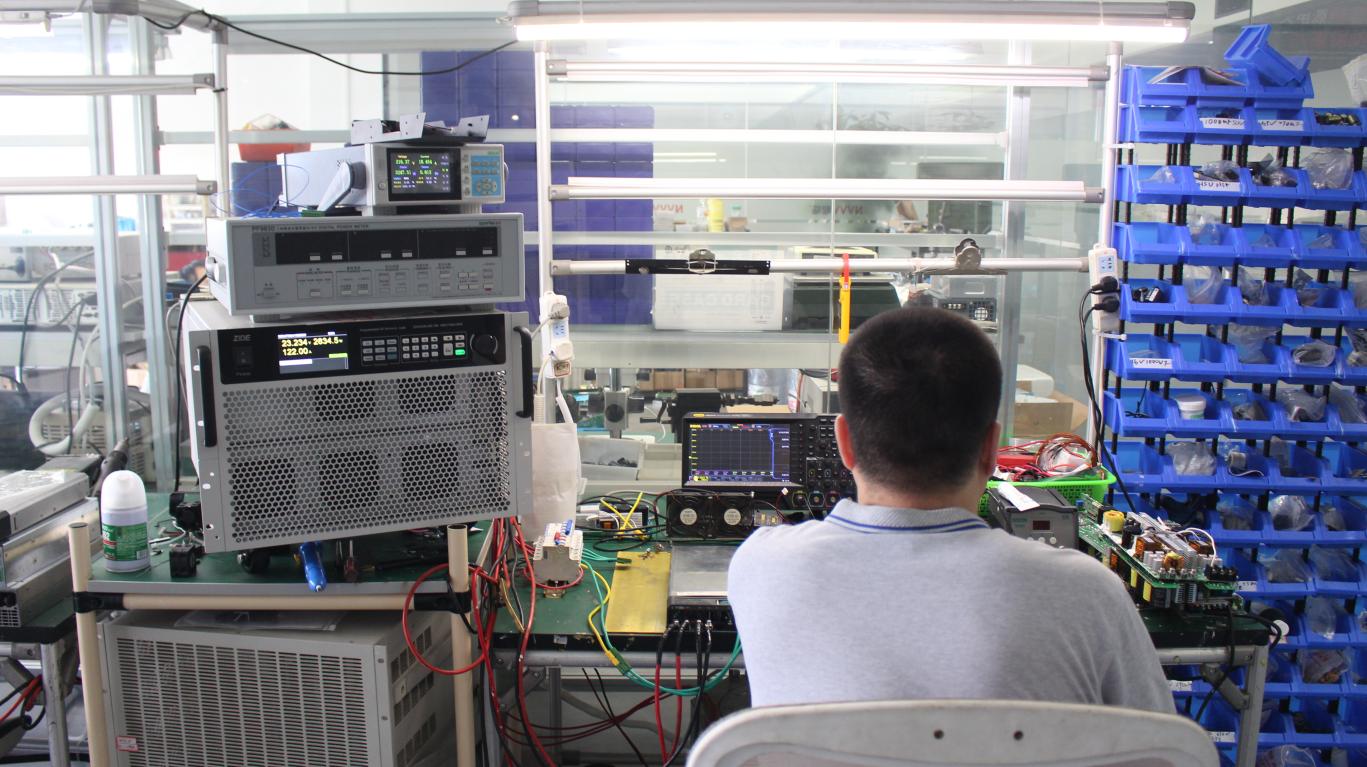
Our R&D lab uses high-bandwidth digital oscilloscopes, programmable AC source simulators, and computerized load banks. This equipment allows us to analyze transient startup spikes, measure efficiency curves under varying input/output parameters, and verify the performance of our pure sine wave algorithms. By analyzing power outputs at the component level, we can design inverters that operate reliably under complex, real-world load conditions.
Whether you require dynamic voltage scaling, custom battery management setups, or multi-rail DC switching systems, our engineering team has the equipment and experience to deliver reliable solutions.
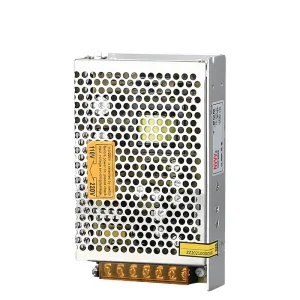
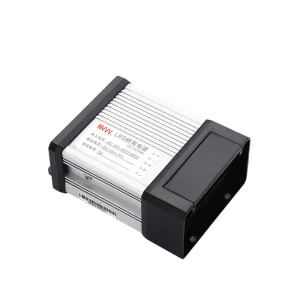
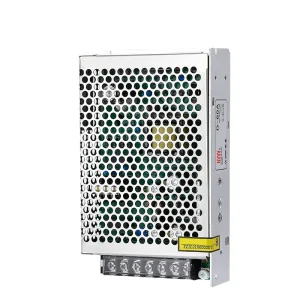
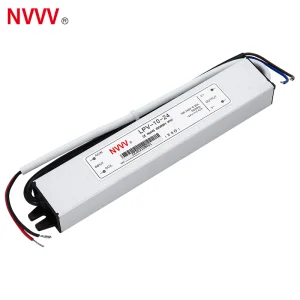
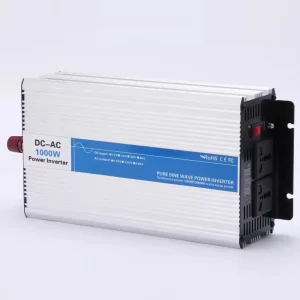
Explore our secondary lineup of specialized DIN Rail modules, rainproof drivers, and industrial-grade switching power supplies.
 NVVV Electric