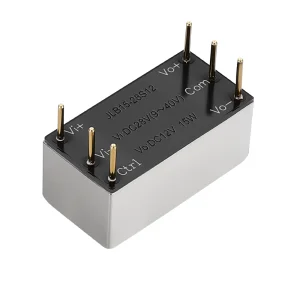
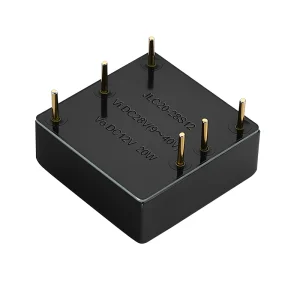
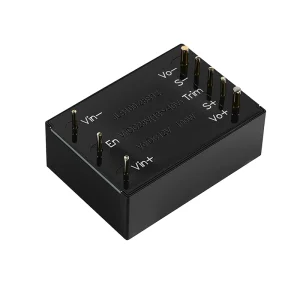
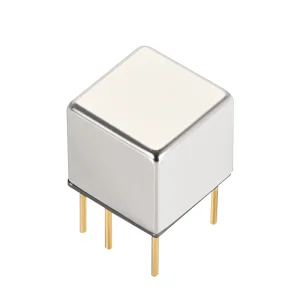
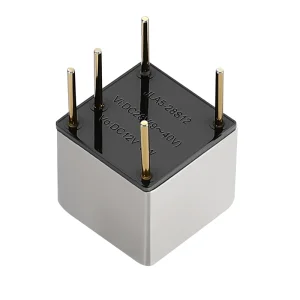
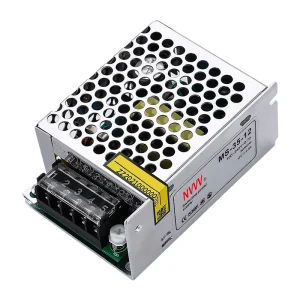
Highly isolated, miniature switching adapters designed to fit seamlessly into German space-restricted automation systems.
Understanding the technical rigor, decarbonization goals, and regulatory demands of Germany's commercial and industrial sectors.
As Europe's economic powerhouse, Germany’s industrial sector is undergoing a profound structural evolution. Driven by the twin pillars of Industrie 4.0 and the Energiewende (Energy Transition), German enterprises demand power supply modules that are not merely functional, but exemplary in efficiency, thermal management, and long-term durability. Every system integrated into a German control cabinet or manufacturing cell must function reliably in environments characterized by continuous 24/7 operating cycles. Low-efficiency modules that generate excessive waste heat are no longer viable in a market constrained by the German Energy Efficiency Act (EnEfG), which mandates comprehensive carbon footprints reduction.
The demand for modular switching power supplies is transitioning rapidly towards high-power-density form factors, such as DIN rail modules. From automotive assembly lines in Baden-Württemberg to machine tools built in North Rhine-Westphalia, components are required to offer wide temperature tolerances, robust galvanic isolation (up to 3kVAC or higher), and low electromagnetic interference (EMI) profiles. To stay competitive, German OEMs and system integrators must partner with suppliers capable of providing modular flexibility without compromising the stringent European electrical safety requirements.
Designed to comply with ErP Directive and ultra-low standby power losses, minimizing heat generation inside cabinets.
Engineered for Standard TS-35/7.5 or TS-35/15 mounting rails, reducing installation labor and configuration time.
Conforms to EN 61000 standards, ensuring clean output under industrial EMI grids without affecting nearby electronics.
Providing reliable legal and operational safety for German engineers and safety inspectors.
In the German B2B ecosystem, legal compliance is the baseline of procurement. A non-compliant power module can invalidate the CE marking of an entire piece of heavy machinery, potentially stopping an automated warehouse or production floor and leading to catastrophic liabilities. NVVV ensures all power modules shipped to the German market are compliant with harmonized European standards. We actively track the transition from the legacy EN 60950-1 safety standard to the unified EN IEC 62368-1 for audio/video, information, and communication technology equipment safety.
Furthermore, our products fulfill the strict guidelines of the RoHS (Restriction of Hazardous Substances) Directive and the European Union’s REACH Regulation, guaranteeing that our components are free from hazardous SVHCs (Substances of Very High Concern). For critical machinery controls and LED driver installations, our systems meet the CE, UKCA, FCC, and CCC certificates, backed by local laboratory verification tests for electromagnetic compatibility (EMC) according to EN 55032 and EN 55035.
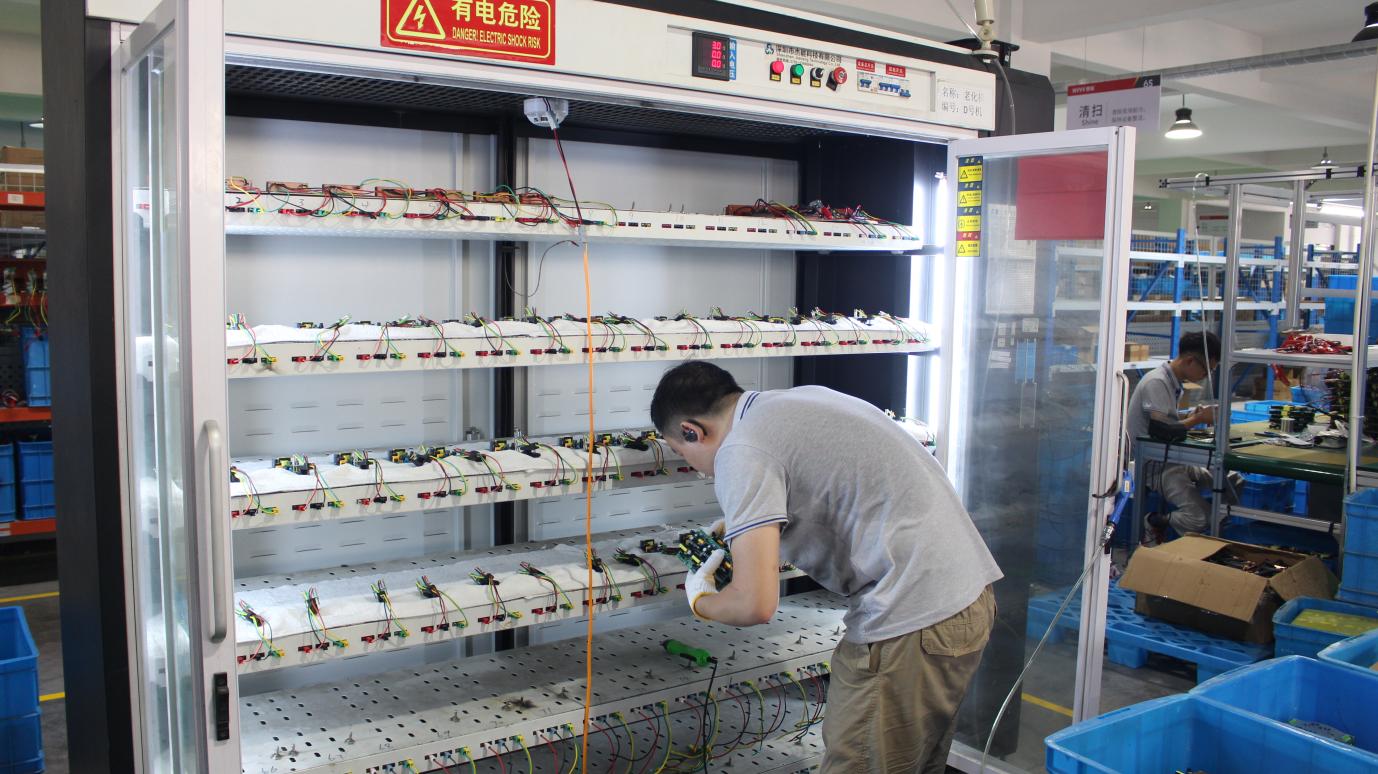
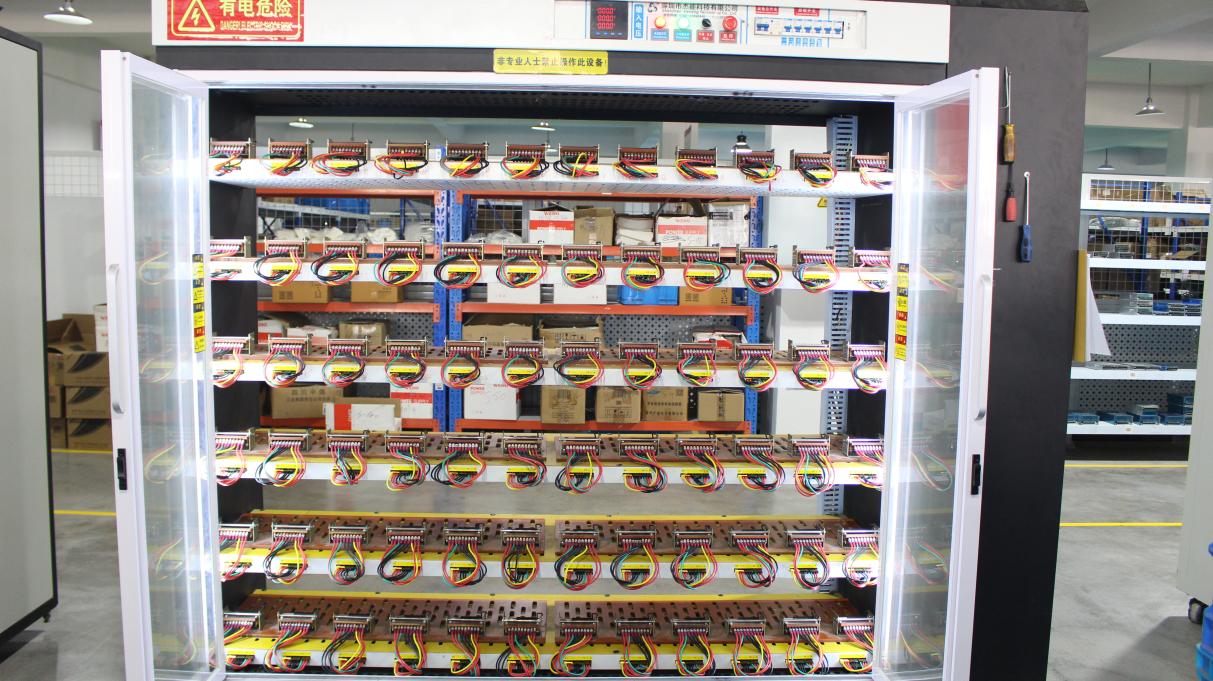
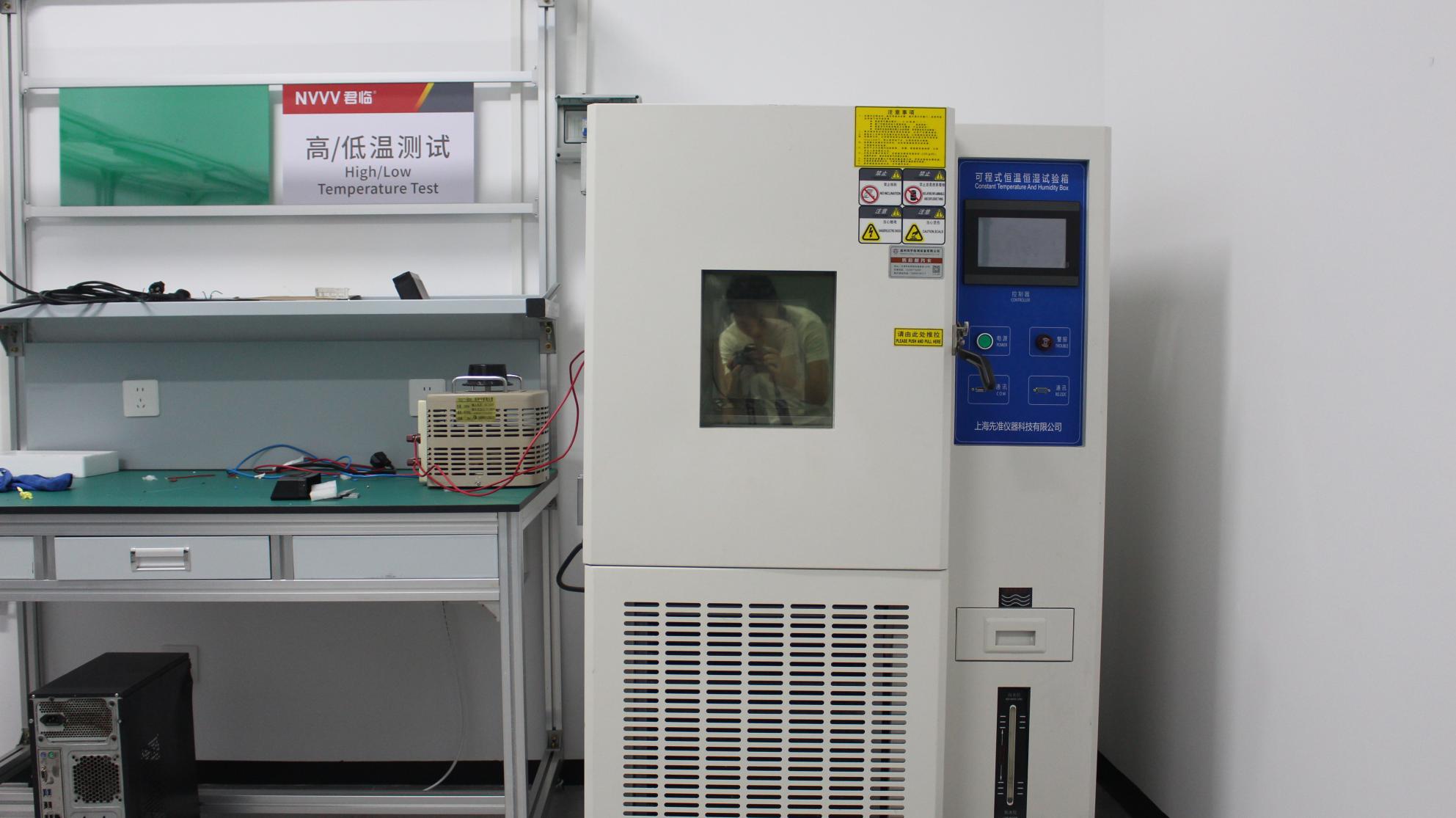
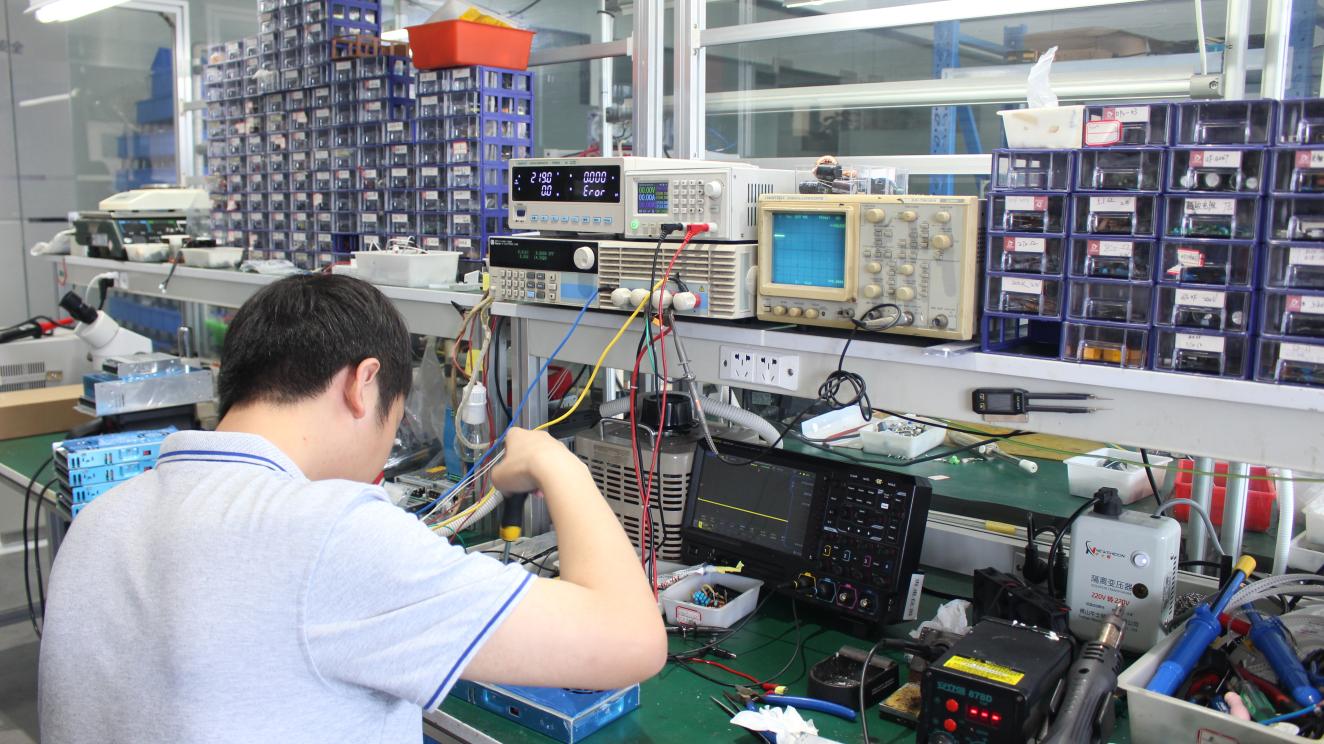
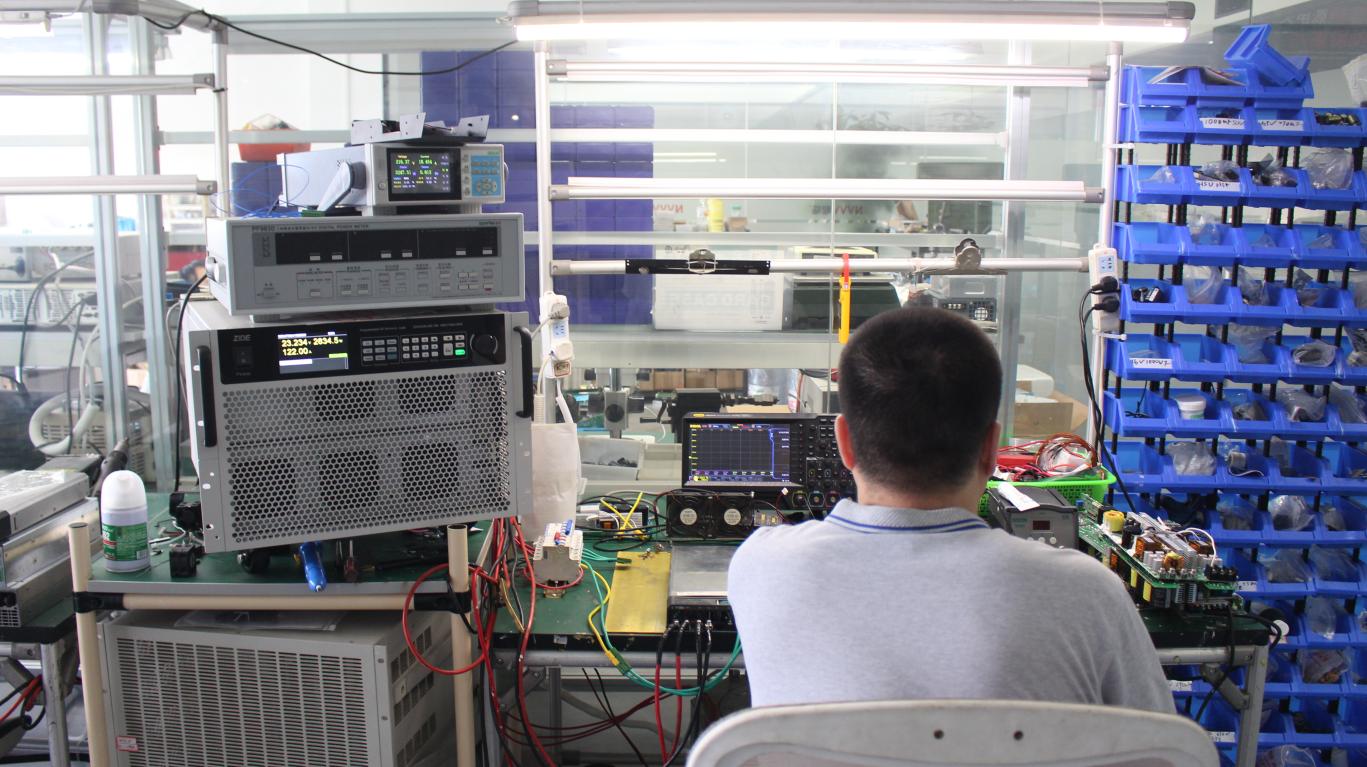
NVVV maintains a 98.6% on-time delivery rate and a 31% reorder rate from international clients. We subject every single power module to 100% full-load burn-in testing. Operating within our modern, ISO-certified facility, we utilize specialized testing instruments, including automatic parameter testers, high/low-temperature cycling chambers, and vibration simulator tables. This ensures our power supplies can handle extreme temperature drops common in German cold-chain facilities or thermal peaks within heavy machinery compartments.
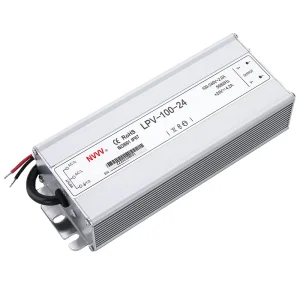
Whether you require a standard dual-output rail supply or a custom waterproof outdoor SMPS for transportation projects in Frankfurt, NVVV integrates premium components—including high-temperature capacitors rated for 105°C and robust protection circuitry (OVP, OCP, OTP, SCP)—to guarantee high Mean Time Between Failures (MTBF).
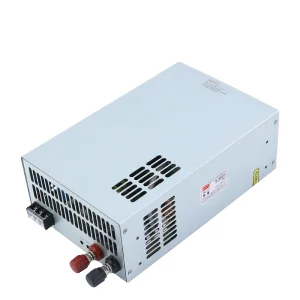
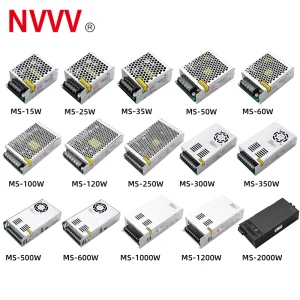
Expanded power ratings optimized for high-power LED installations, security systems, and smart factory nodes.
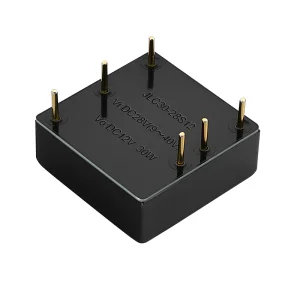
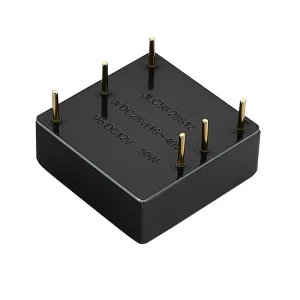
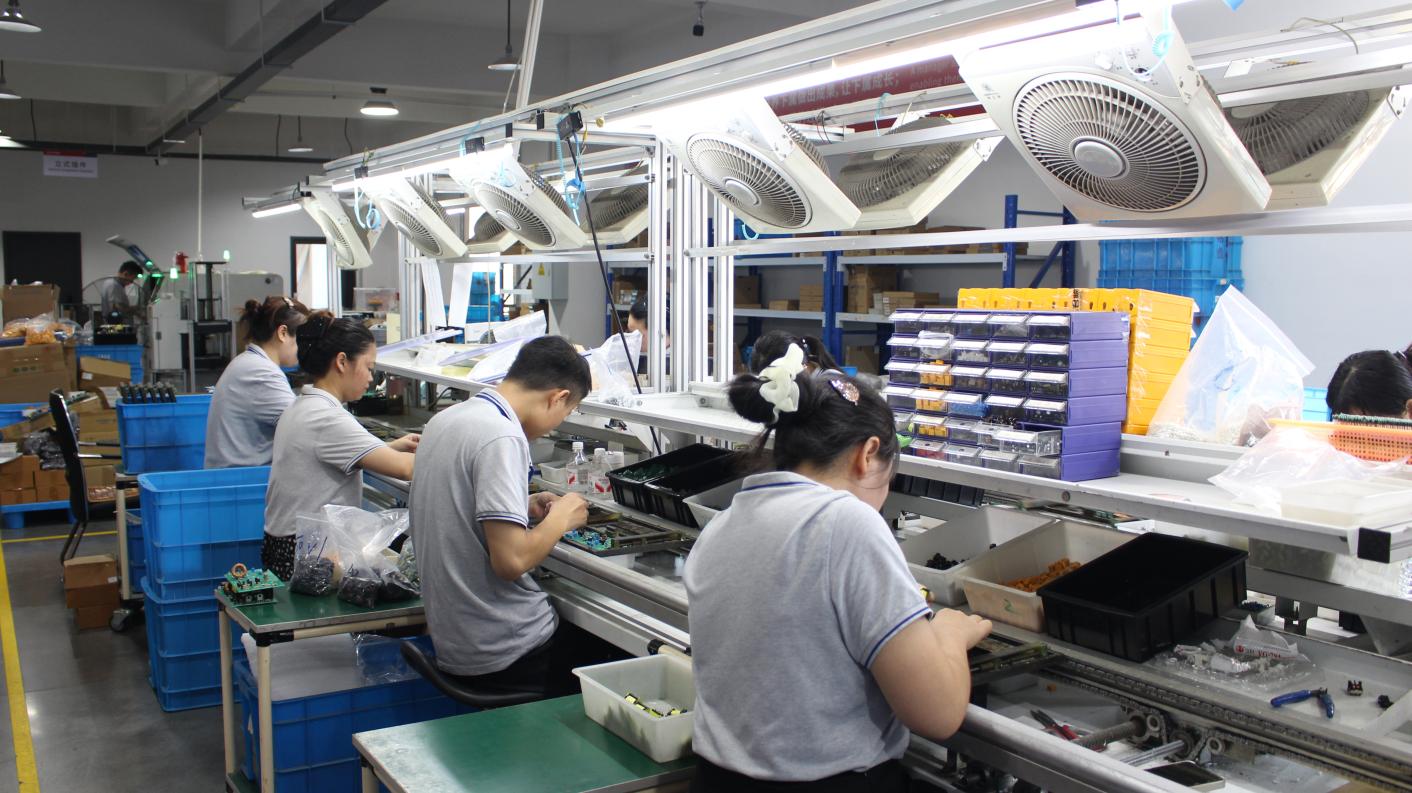
Our 2,644 square meter facility utilizes advanced robotic lines to deliver cost-effective and highly reliable components.
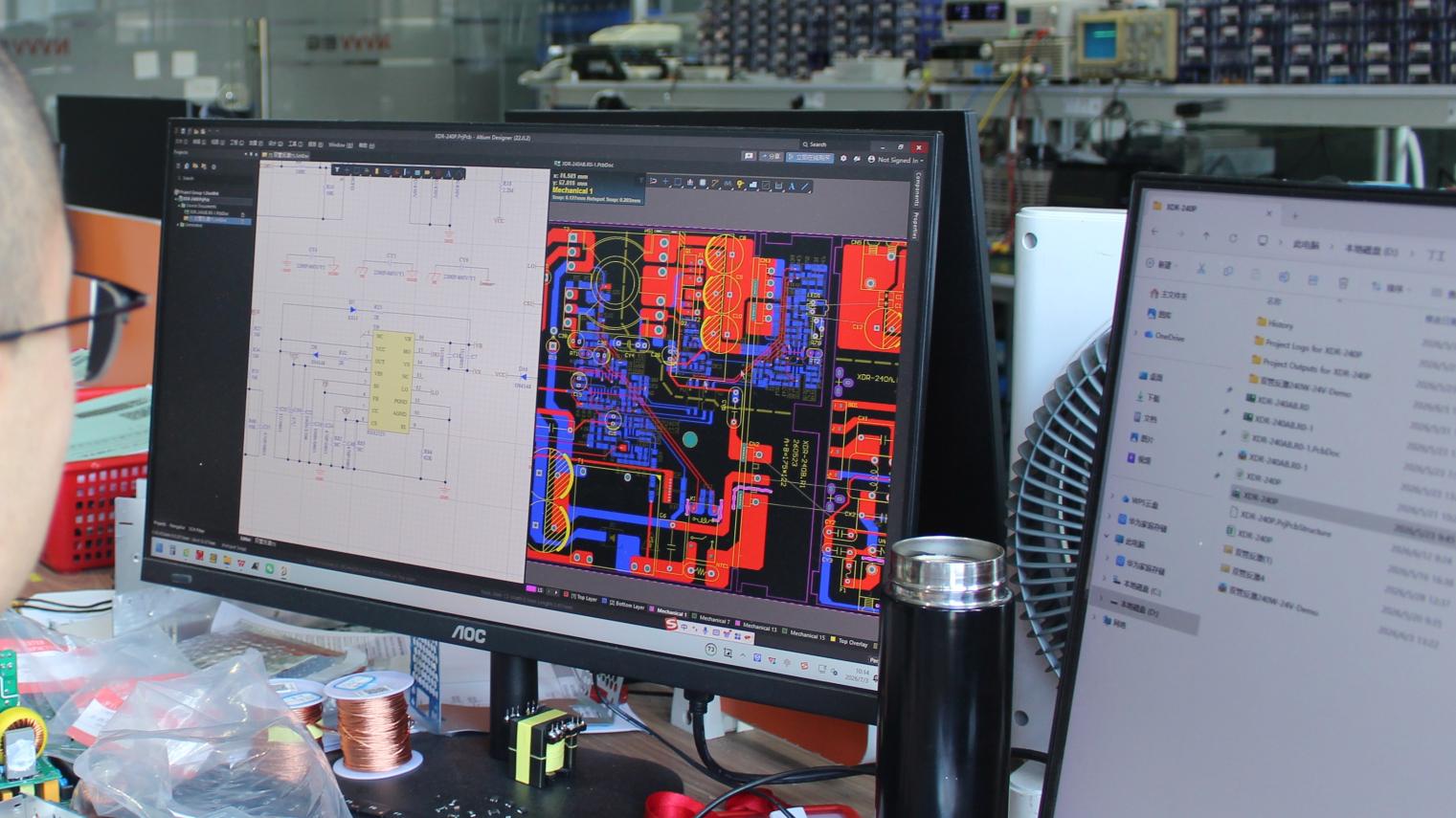
Operating from Wenzhou, China's dynamic industrial manufacturing center, NVVV combines the supply-chain agility and raw material access of Wenzhou with advanced R&D systems. We maintain a registered capital of USD 1.4 million and feature five fully automated production lines. Our team is supported by 7 specialized electronic engineers, continuously working to design more compact topologies. Our engineering team releases approximately 120 new products per year, ensuring our catalog stays aligned with developments in semiconductor design, such as GaN components and LLC resonant converter architectures.
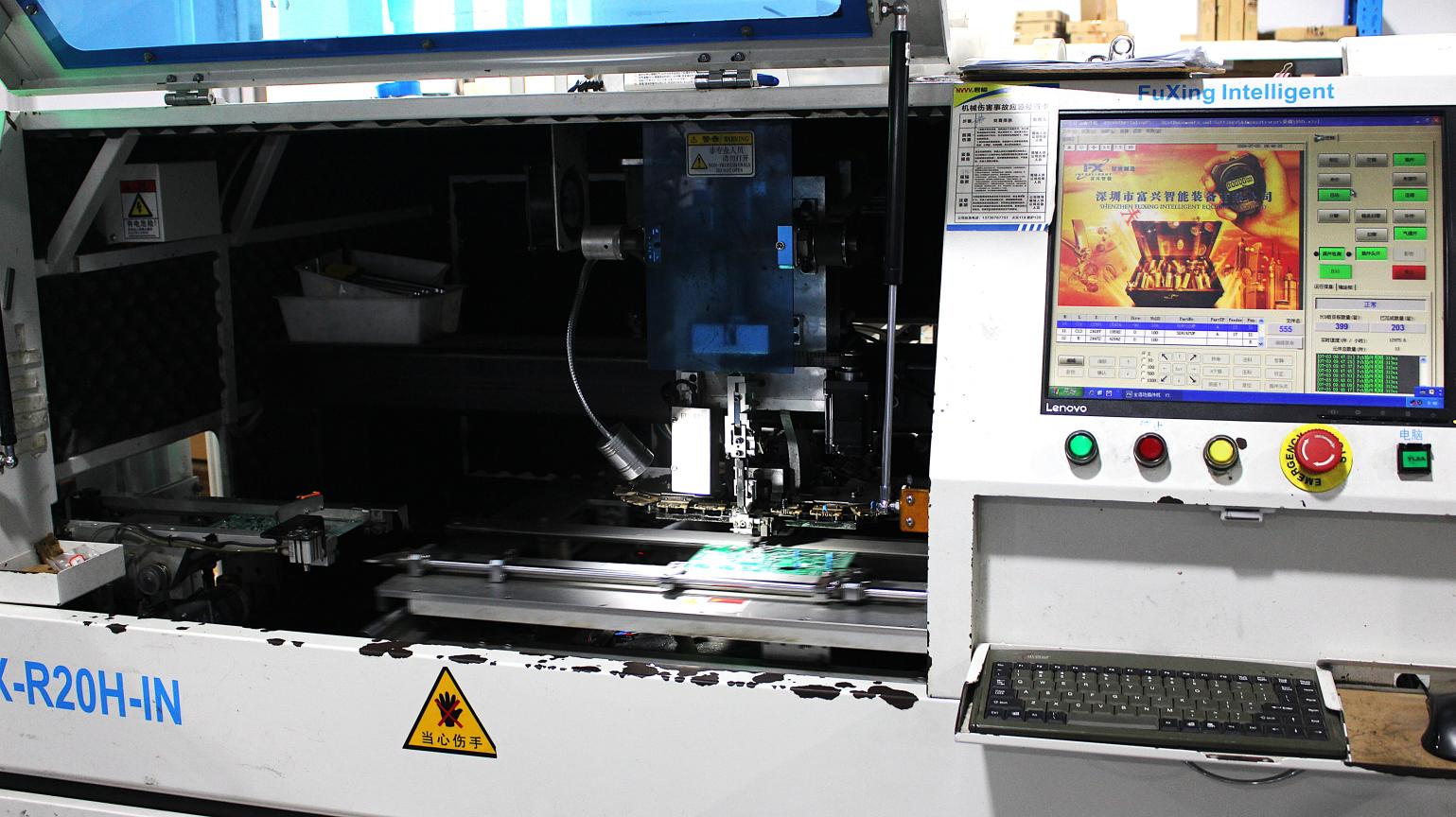
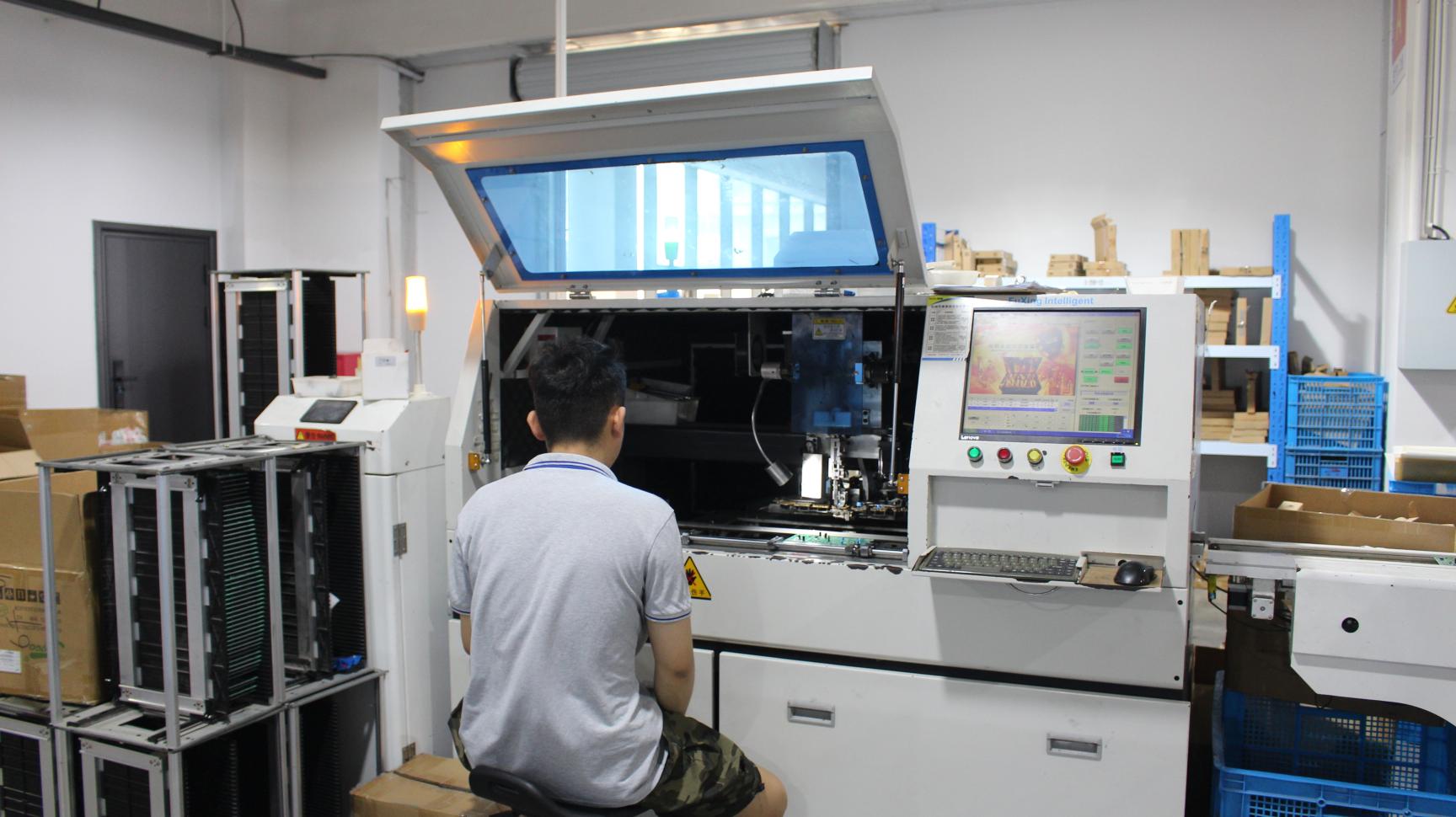
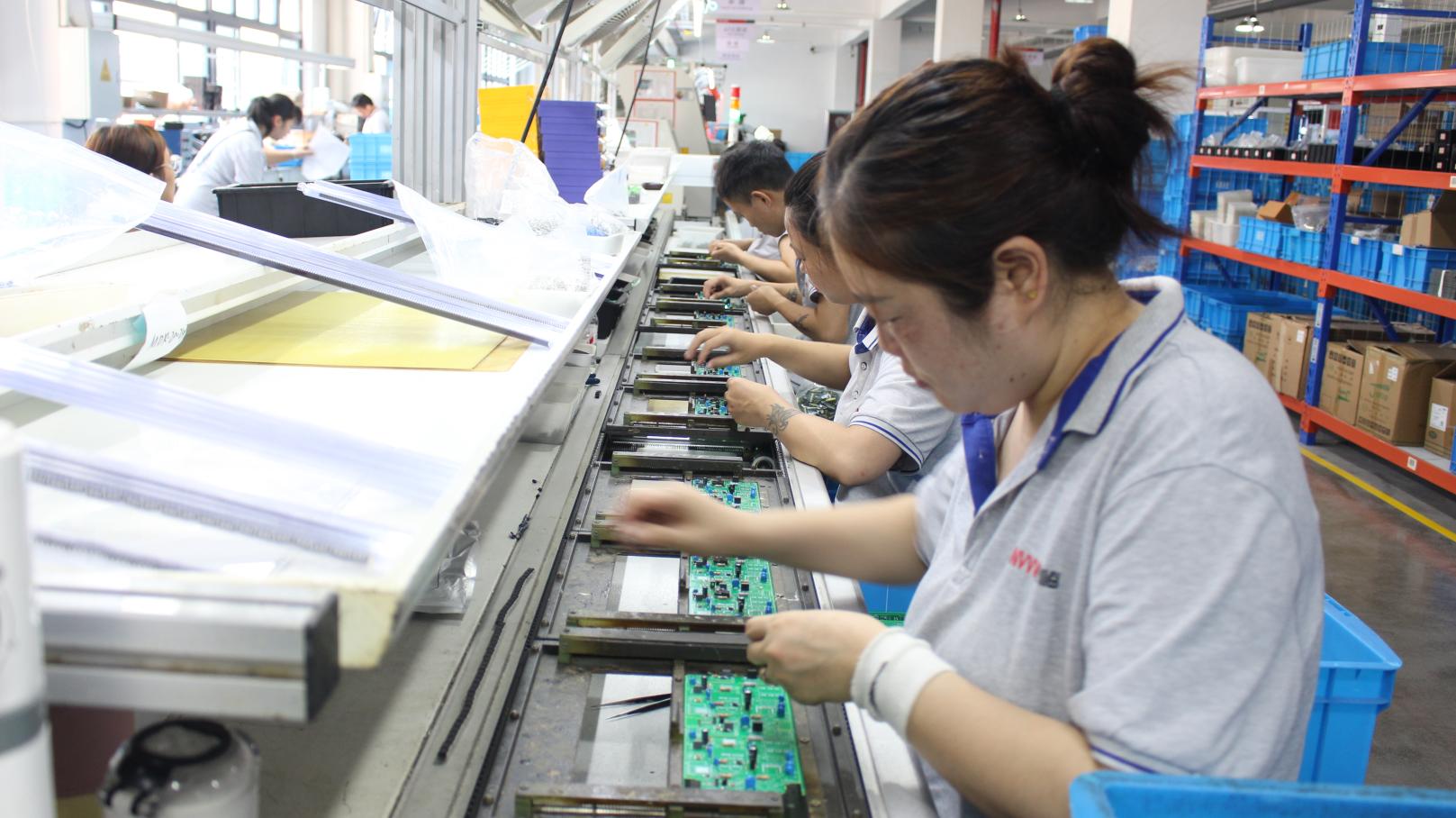
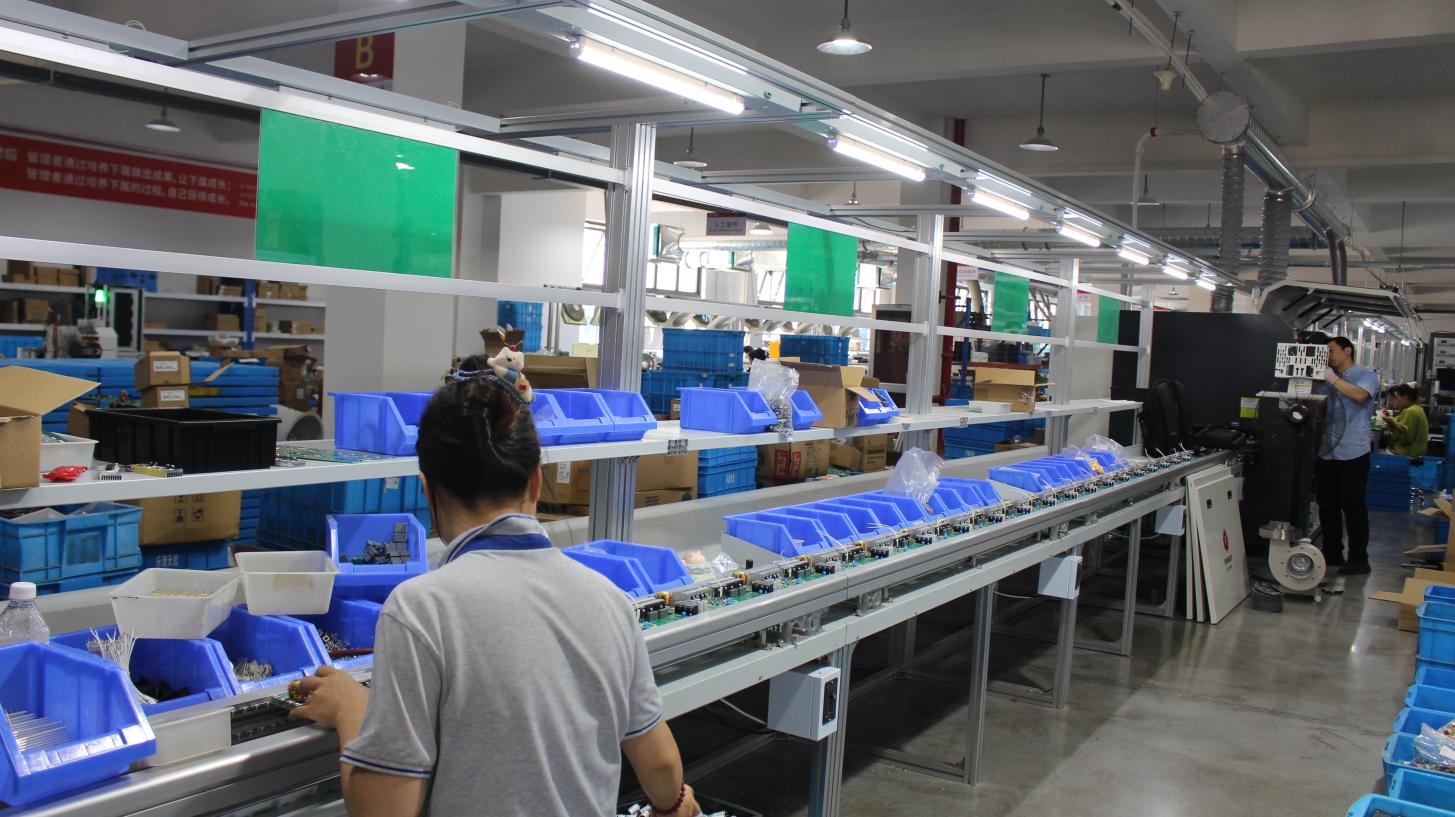
We prioritize manufacturing transparency. We encourage our German B2B clients to inspect our production workflow, which is documented step-by-step below. Through automated component plug-ins, precise wave soldering, automated optical inspections (AOI), and extensive temperature stress chambers, we ensure our power supplies deliver the reliability expected in European industrial applications.
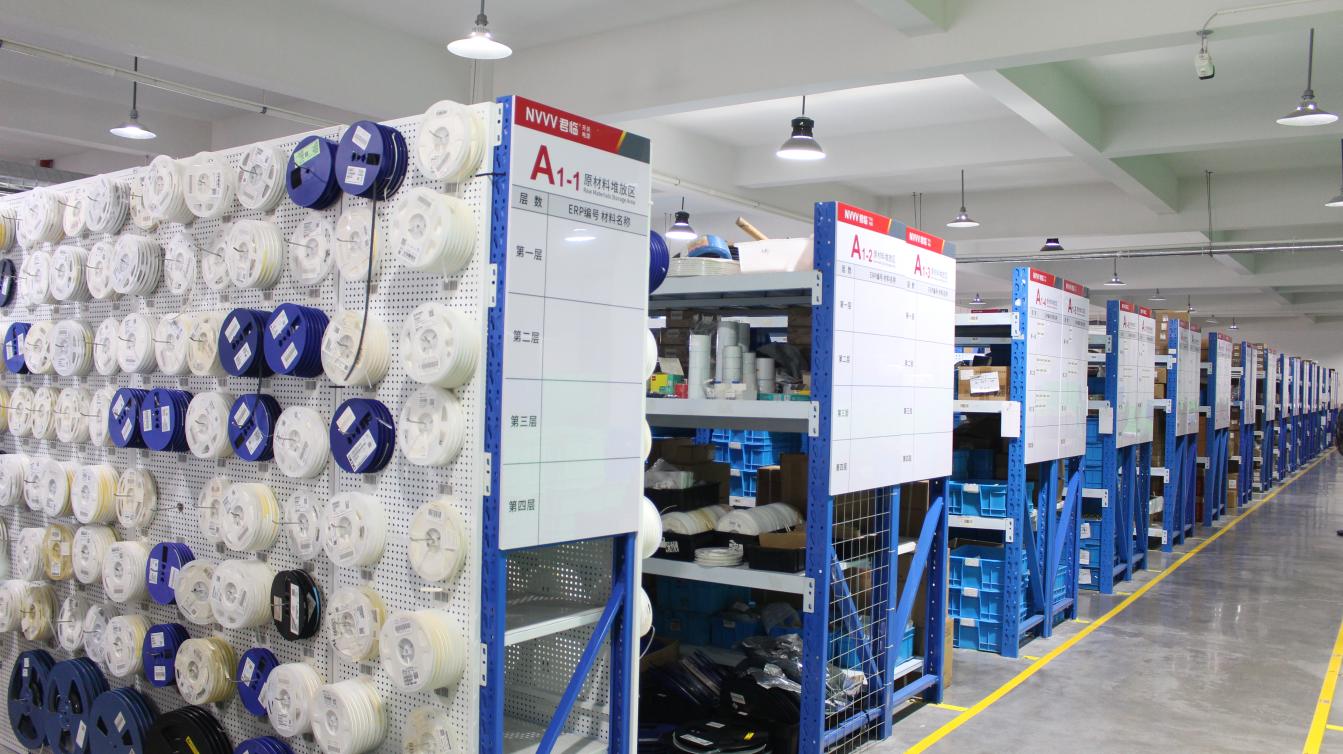
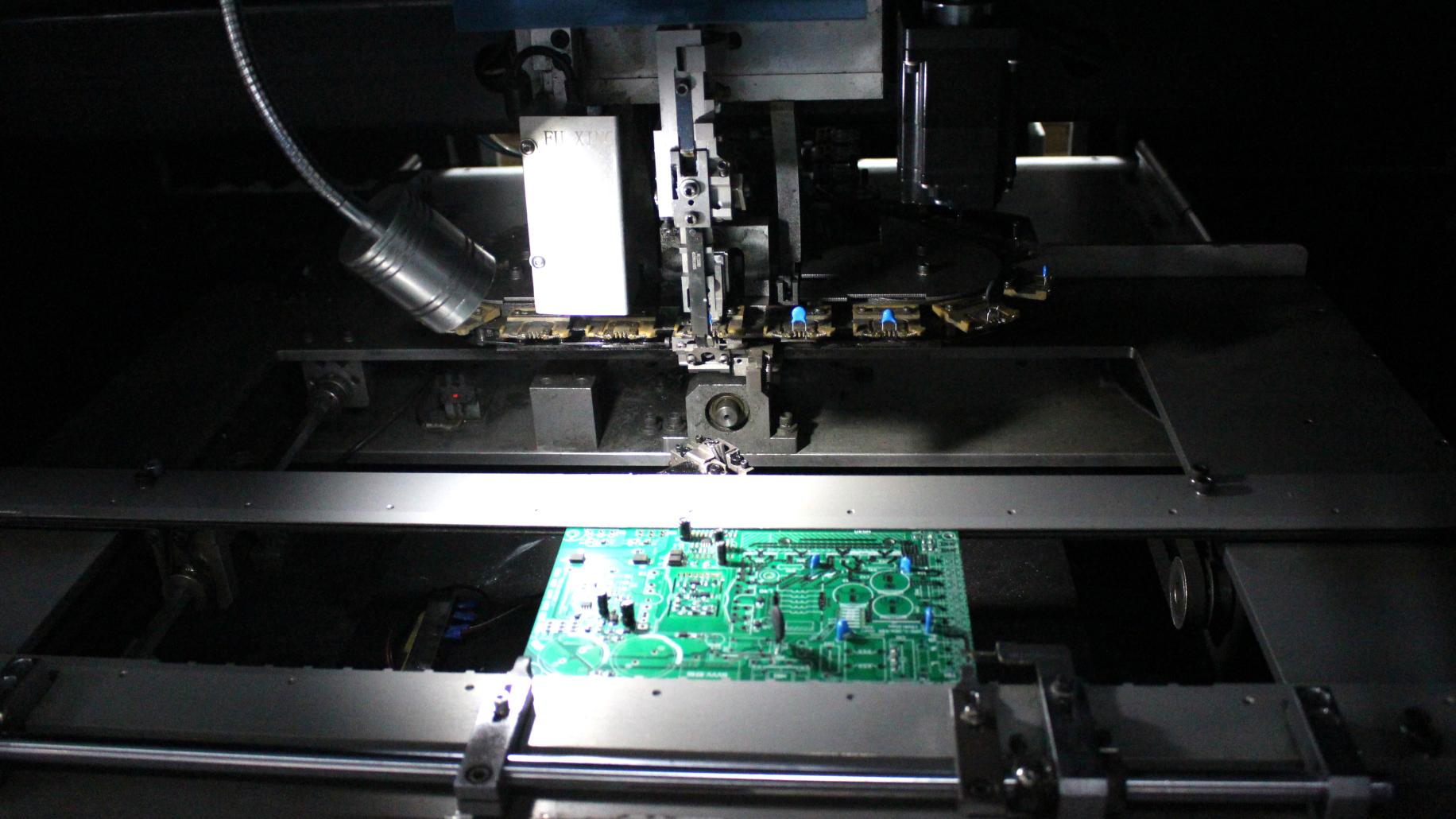
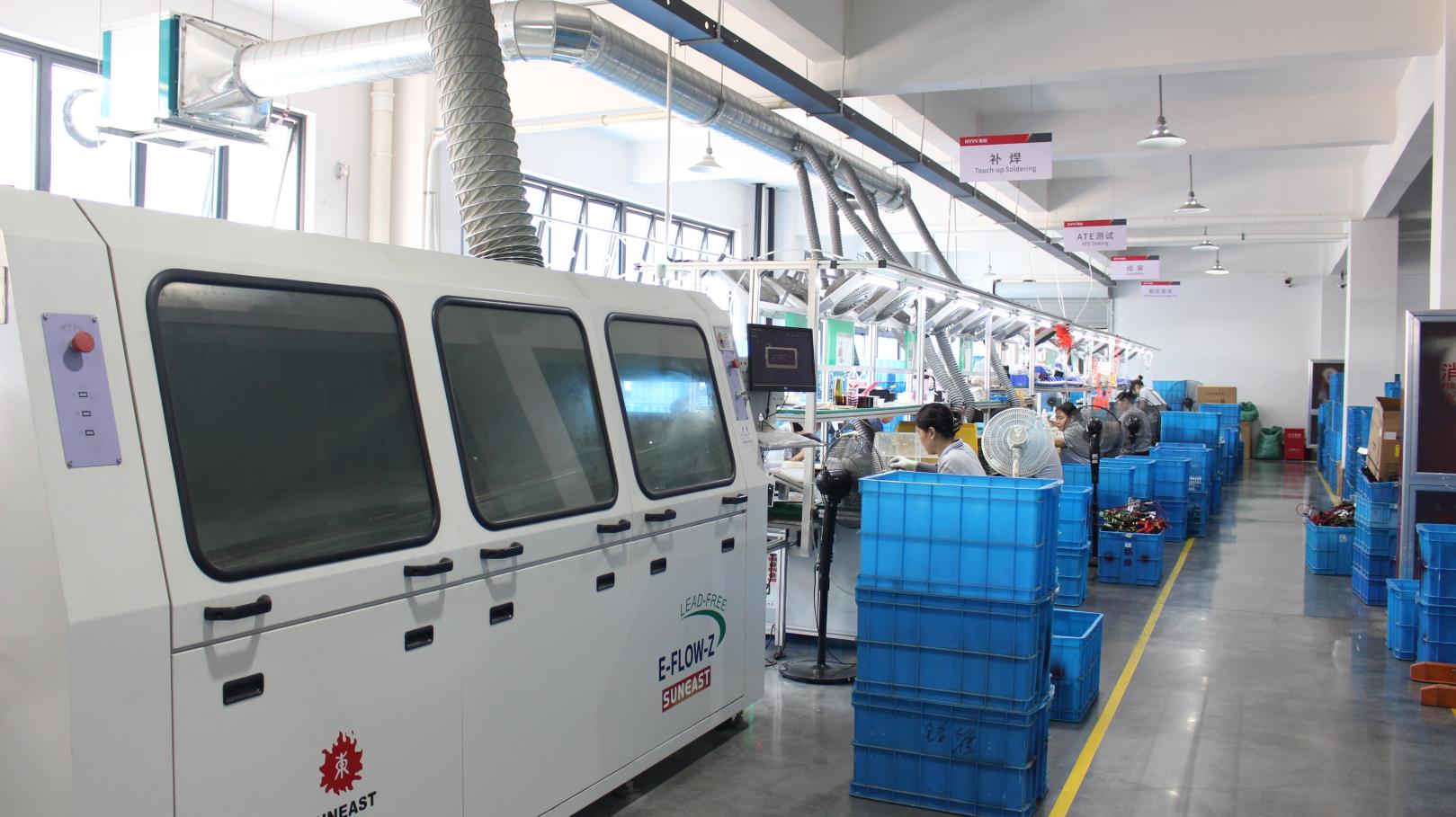
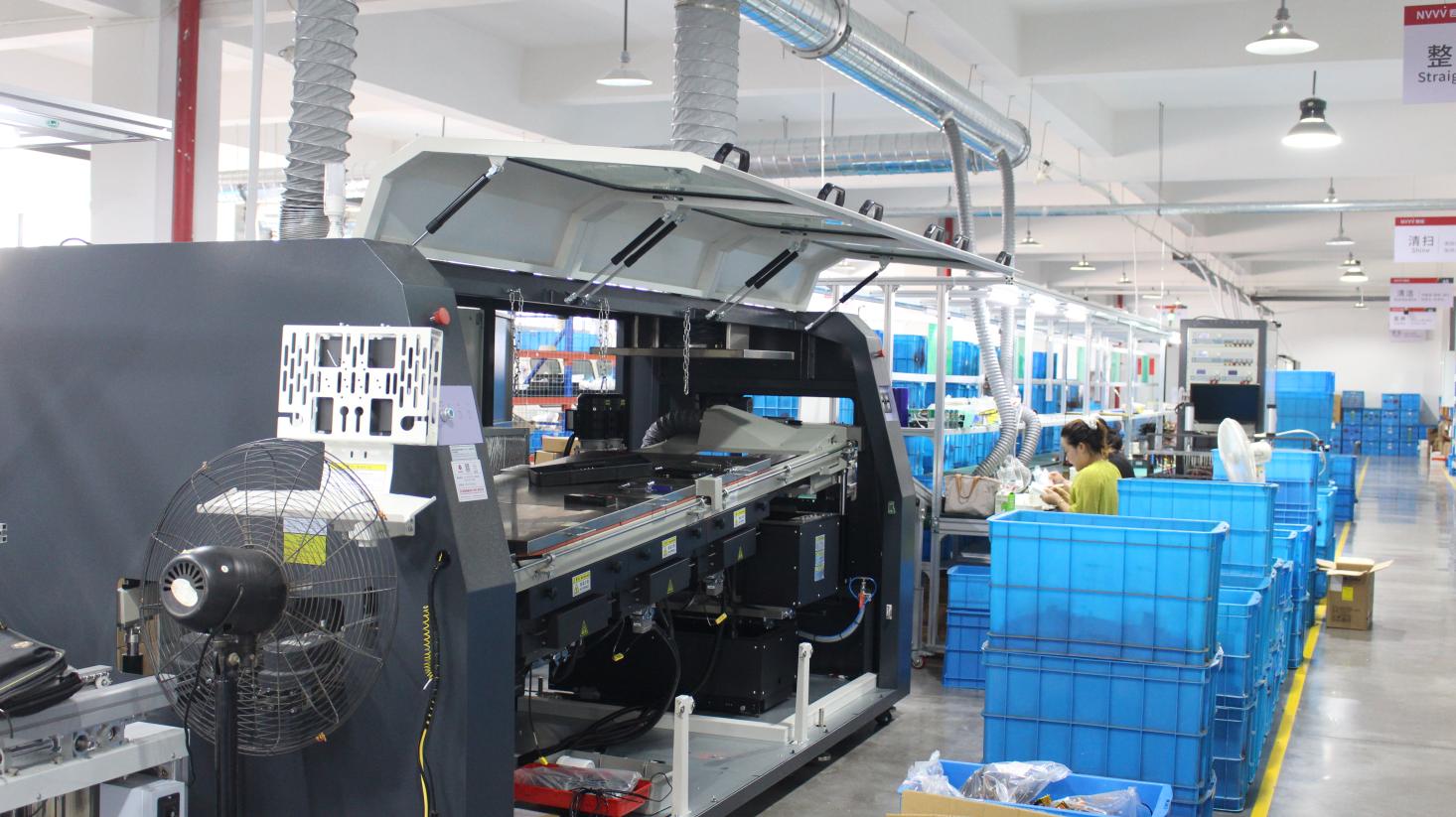
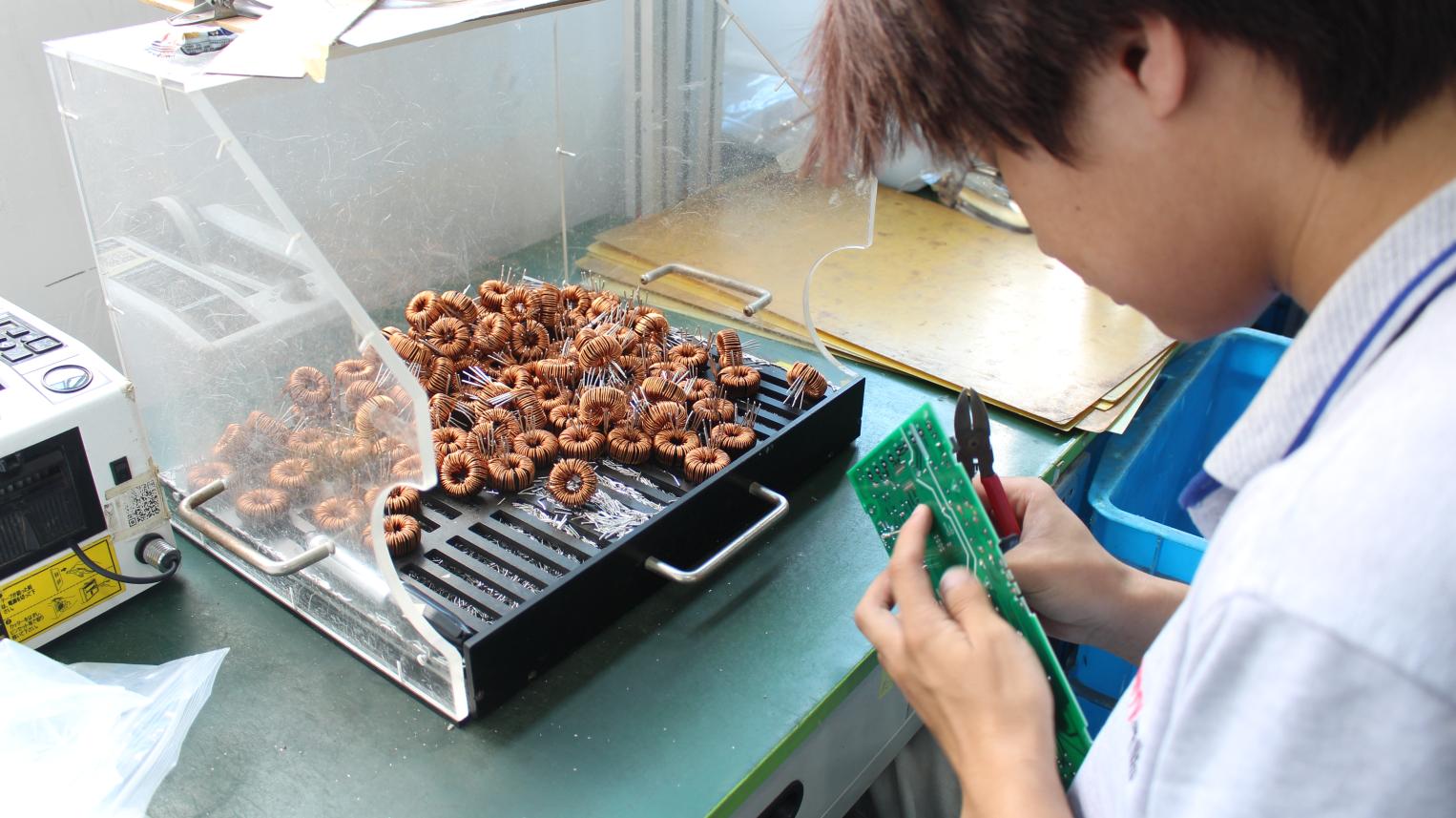
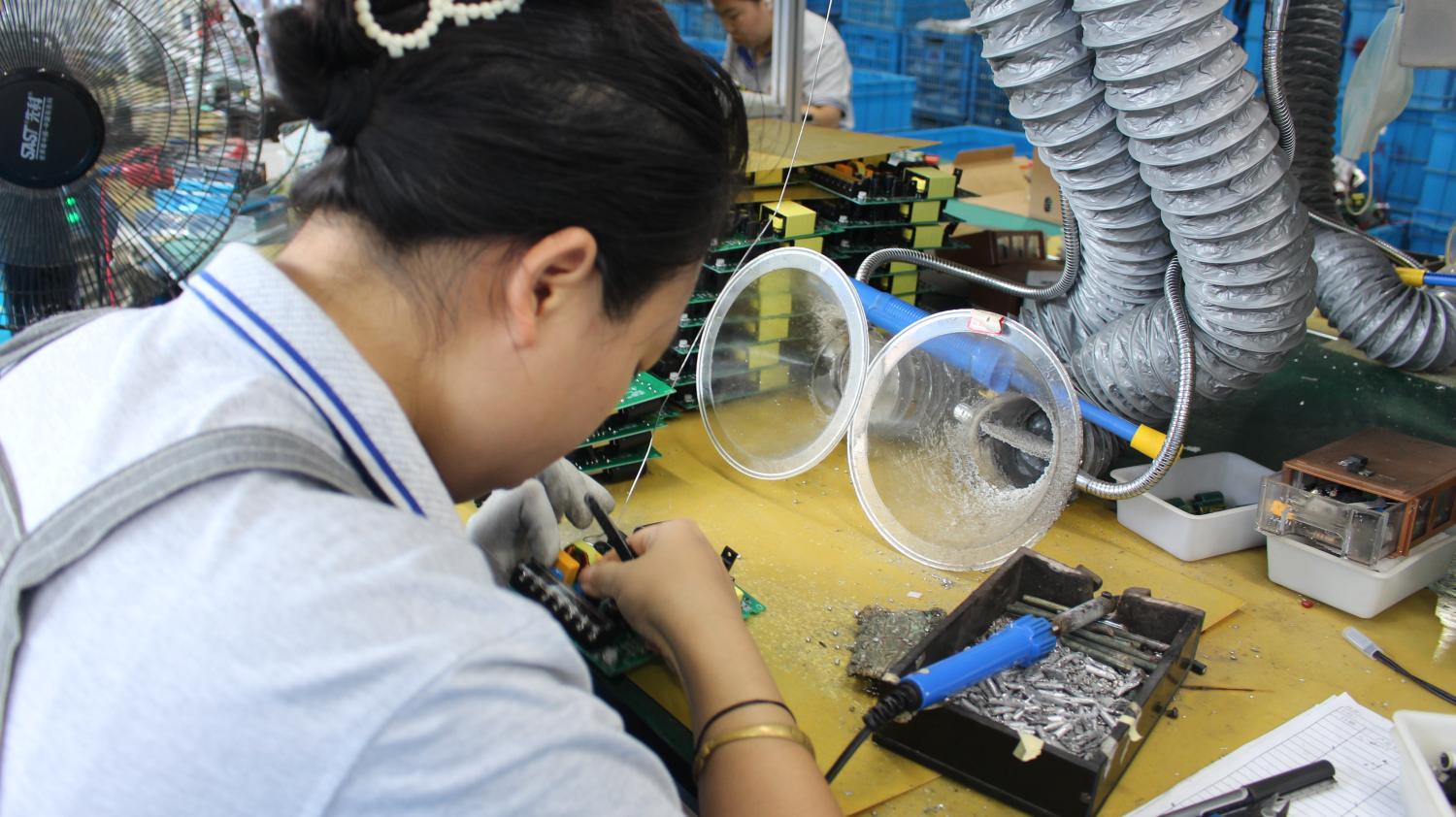
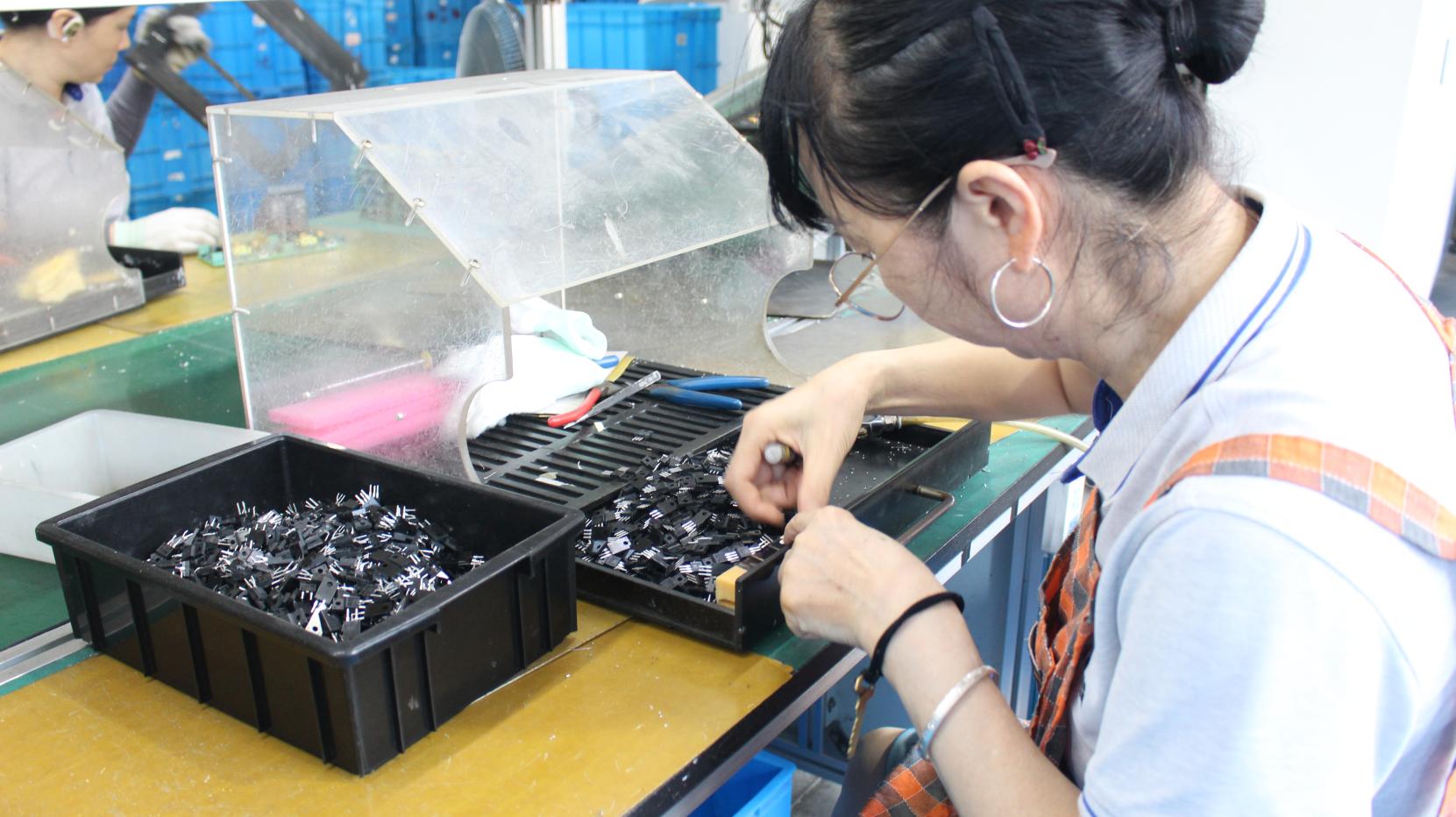
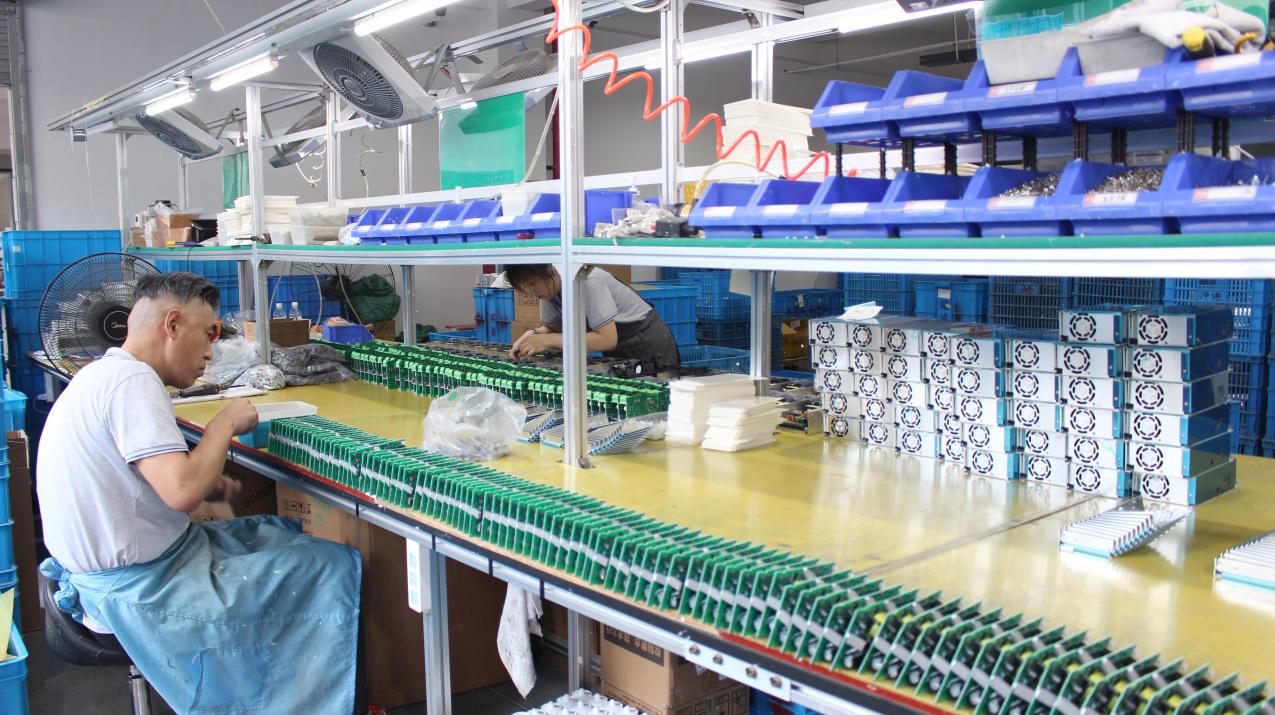
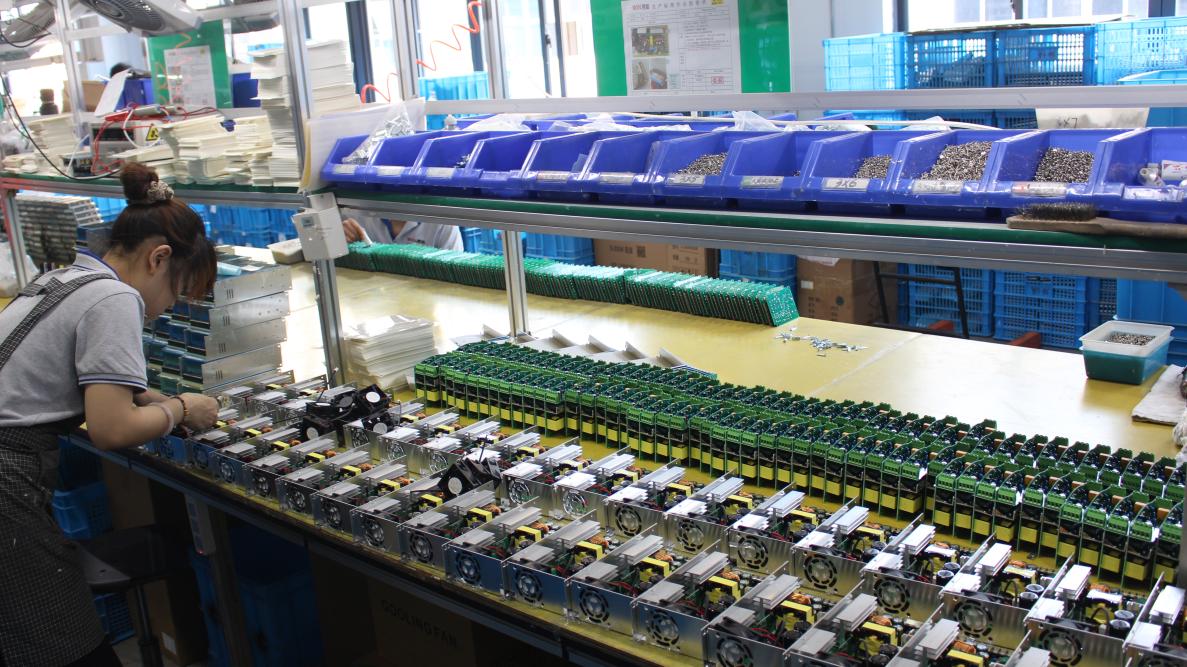
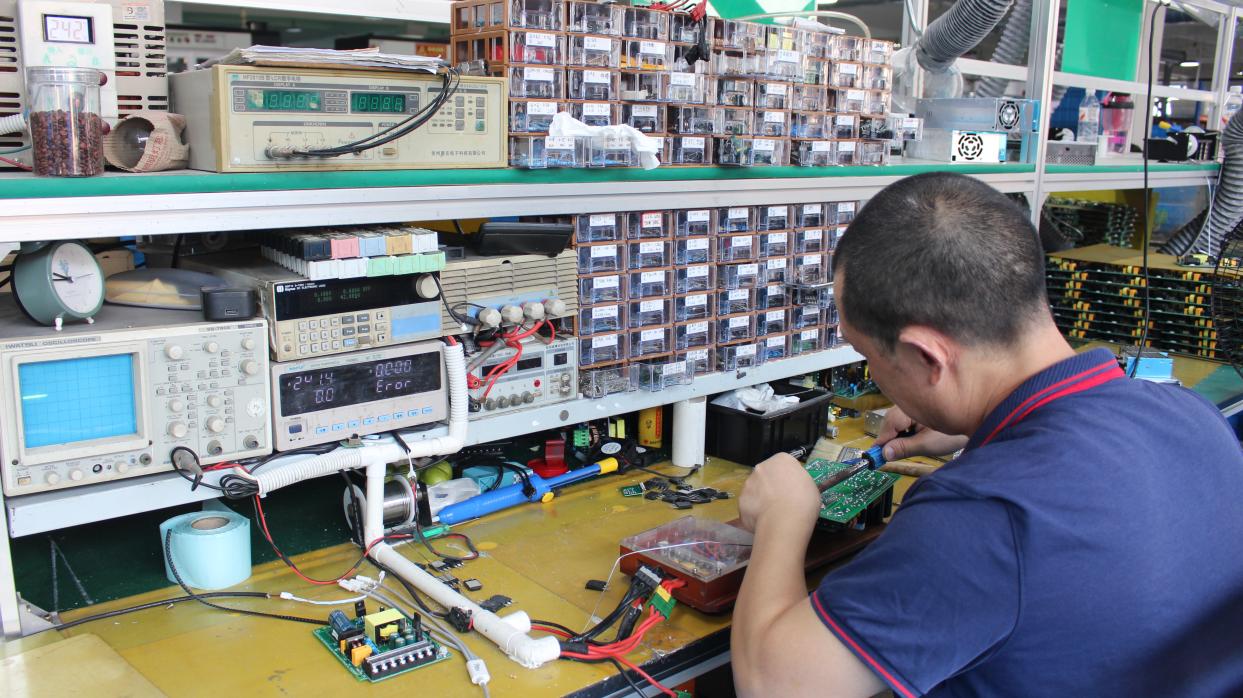
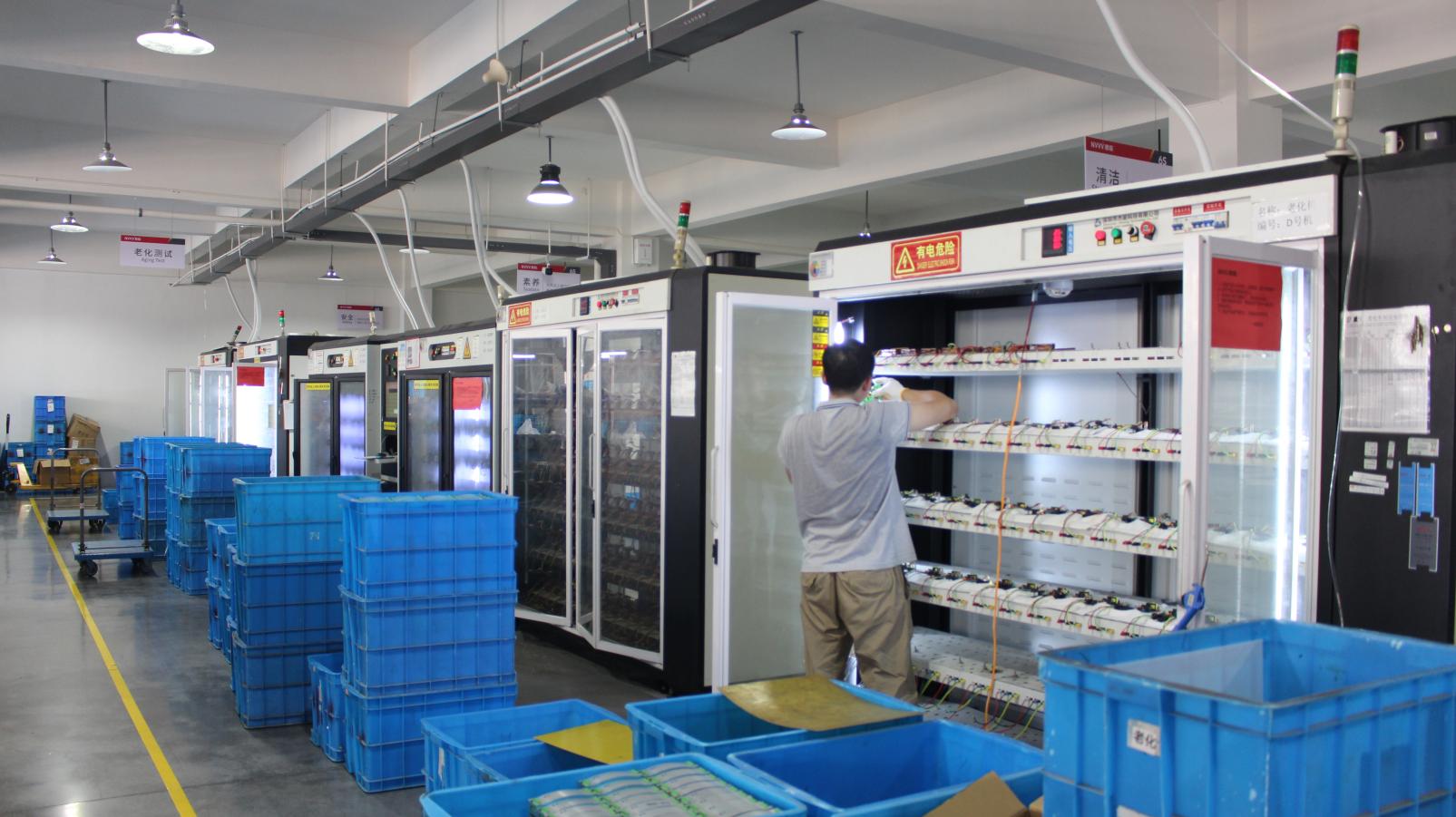
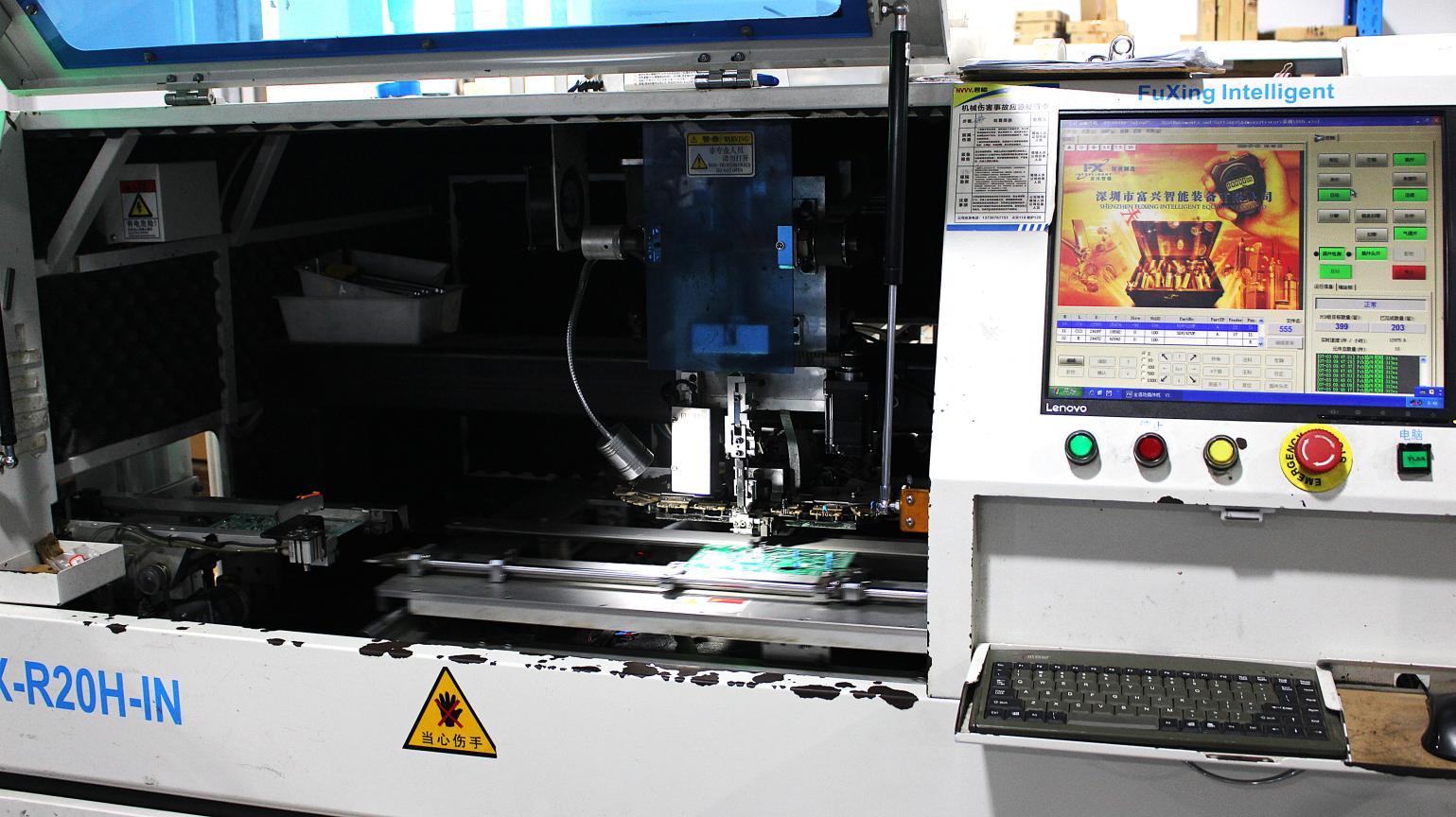
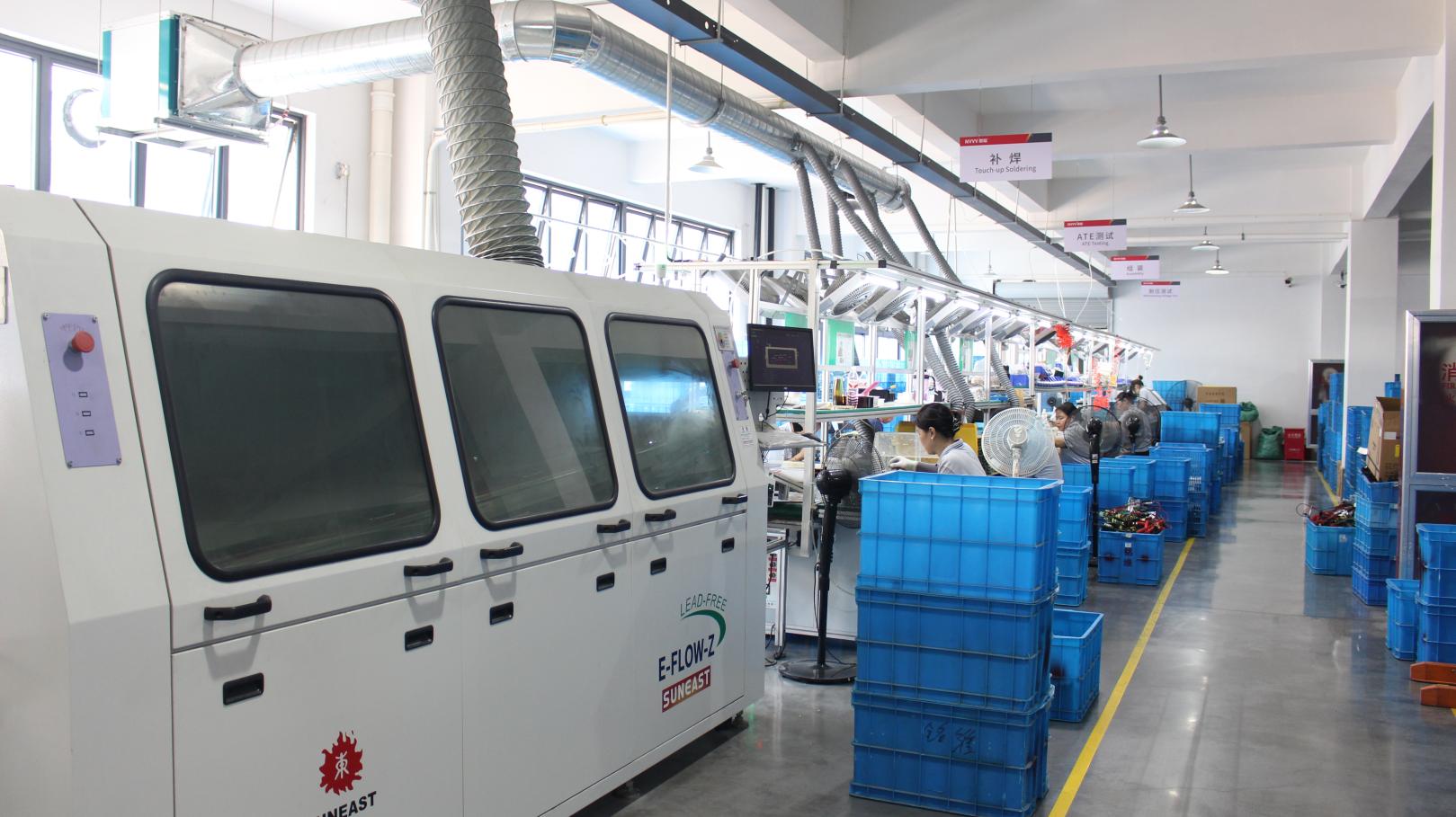
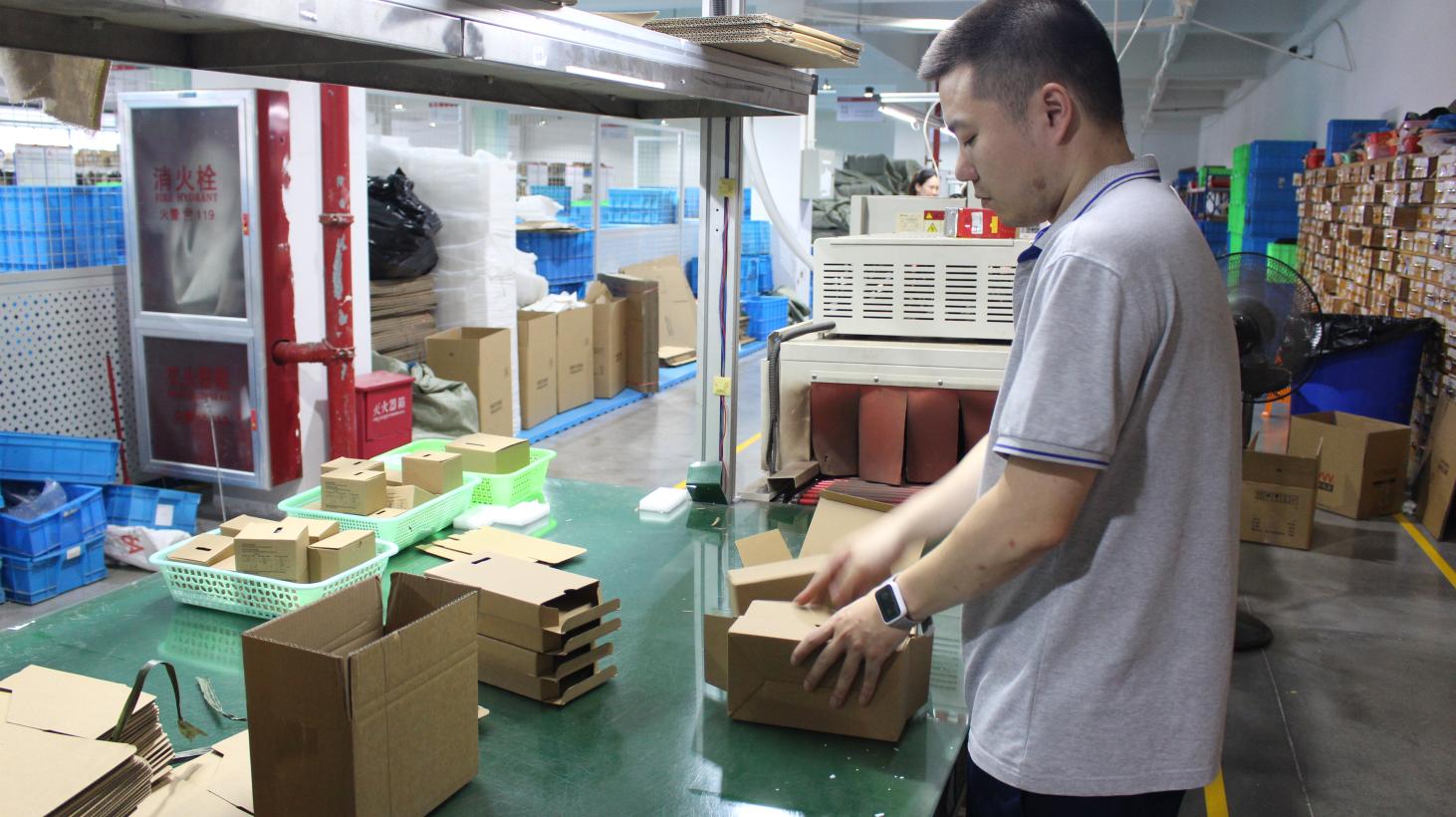
How our localized power modules support key infrastructure and automation systems from Hamburg to Munich.
Industrial architectures require customized solutions depending on the application environment. Rather than applying a single model to all applications, NVVV collaborates with German technical leads to match specific module designs with their operating environments.
Delivering isolated DC-DC step-down converters for robotic welding stations, sensor arrays, and communication gateways. Our products feature high vibration immunity, ensuring continuous contact inside noisy automotive factory units.
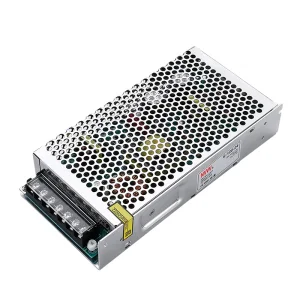
Providing high-efficiency DIN Rail power supplies to drive PLC panels, sensor lines, conveyor belt controls, and automated guided vehicles (AGVs). These modules deliver clean, stable DC output during heavy motor load switching cycles.
Our industrial-grade inverters and isolated power converters operate inside commercial solar grid junctions, heat pumps, and decentralized smart home controllers, sustaining stable operation under high thermal loads.
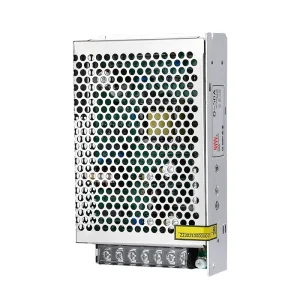
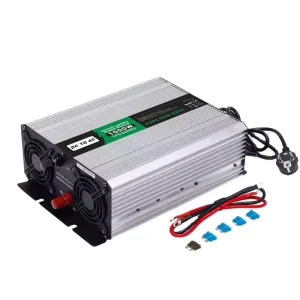
Fulfilling larger current demands, outdoor applications, and UPS requirements for the German distribution network.
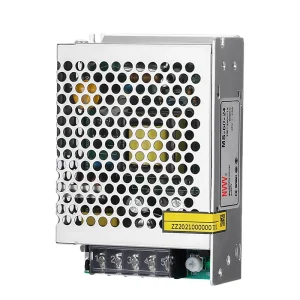
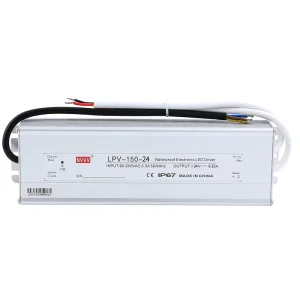
Addressing future design standards for energy conservation and high-density industrial designs.
The future of industrial power modules is determined by the transition to decentralized power architectures. In traditional configurations, a single high-output power station supplied the entire control cabinet. This layout led to massive wiring runs, increased EMI cross-talk, and significant routing losses. Modern designs utilize localized, board-mounted or localized DIN-rail power modules situated directly beside load centers (sensors, actors, processors). By deploying decentralized power converters—such as the JLA and LPV series—designers achieve lower thermal density inside control boxes, simpler thermal management, and lower voltage drops.
Furthermore, regulatory pressure regarding carbon footprint optimization continues to rise. The EU Eco-Design requirements specify minimal energy conversion losses at full loads, as well as high efficiency during standby or low-load operation (since systems spend significant time in idle mode). By focusing on topologies that maintain higher efficiency across the load curve, NVVV provides modules that support our partners' efforts to achieve green building certifications (DGNB) and pass rigorous energy audits under DIN EN ISO 50001.
Frequently asked questions concerning compliance, custom engineering, lead times, and reliability benchmarks.
Contact our technical team to request detailed step files, custom quotation files, test records, or sample modules for evaluation inside your development labs.
Send Inquiry Now NVVV Electric