High-reliability switched-mode power supplies, integrated LED drivers, and heavy industrial automation power control systems.
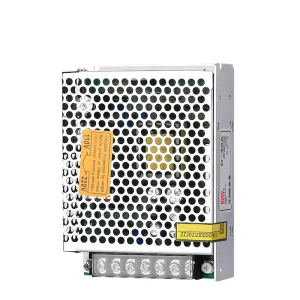
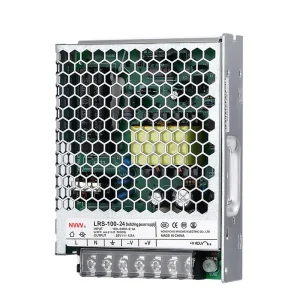
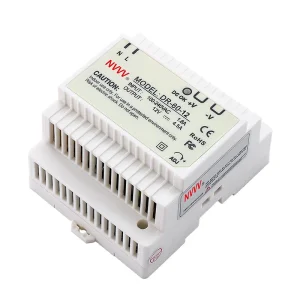
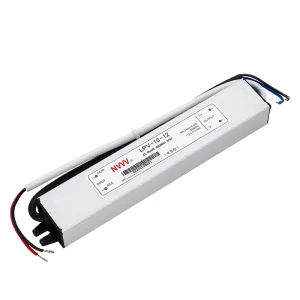
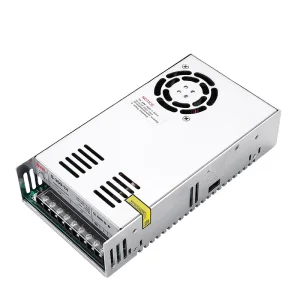
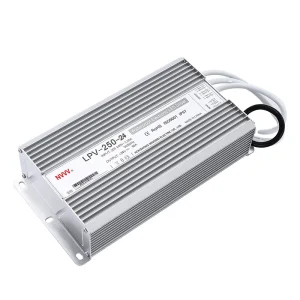
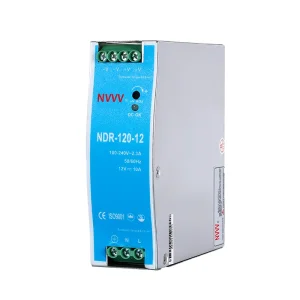
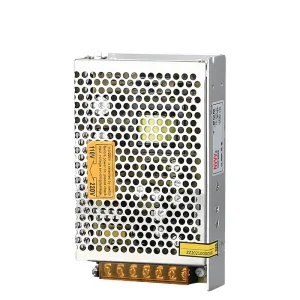
In modern automation systems, the co-dependence between circuit protective devices—such as Power Circuit Breakers—and low-voltage distribution systems (such as DIN Rail Switched-Mode Power Supplies) has reached a historical peak. Power breakers act as the primary defense against thermal overloads and short-circuit faults, shielding highly sensitive component topologies. Concurrently, high-efficiency switching converters stabilize the secondary DC control bus, preventing PLC logic crashes and industrial sensor drift.
Key Insight: Electrical reliability is not achieved by individual high-spec modules alone. It requires a holistic architecture where upstream overcurrent protection devices (OCPDs) dynamically align with the input impedance, inrush current thresholds, and galvanic isolation topologies of downline switching converters.
The international power sector is transitioning from traditional centralized distribution to distributed renewable energy systems (DERs), automated smart grids, and massive hyperscale data centers. According to global energy reports, the demand for smart, low-voltage power products is expanding at a CAGR of 6.4%, driven by heavy manufacturing upgrades, transportation electrification, and strict carbon-reduction policies.
In Europe and North America, strict safety codes like IEC 60947 and UL 489 / UL 508 require companies to transition toward unified control panel architectures. This integrates standard DIN Rail power supplies directly with intelligent miniature circuit breakers (MCBs) and molded case circuit breakers (MCCBs). The modern control cabinet has evolved from a simple metal box of discrete components to a connected node in a plant-wide IoT ecosystem, transmitting real-time voltage, load currents, and fault analytics.
As industrial platforms demand smaller form factors and higher efficiency, power circuit systems have developed key design trends:
Reducing reactive current draws to achieve THD levels below 10%, optimizing energy throughput and minimizing harmonic distortions in the grid.
Applying Wide Bandgap semiconductors inside SMPS blocks to increase power density, permitting switching frequencies over 200 kHz and significantly smaller footprints.
Microprocessor-driven protection curves inside circuit breakers that isolate localized faults within milliseconds while keeping upstream power grids online.
By using dual-loop control topologies and advanced magnetic cores, modern switching power units (like NVVV’s high-density din rail and single-output models) maintain low electromagnetic interference profiles while operating over wide temperature ranges (-30°C to +70°C). This level of rugged engineering ensures the supply maintains stable output regulation even when upstream line dynamics exhibit high fluctuations.
To ensure high uptime, engineering teams customize their protection and conversion hardware according to distinct industrial settings:
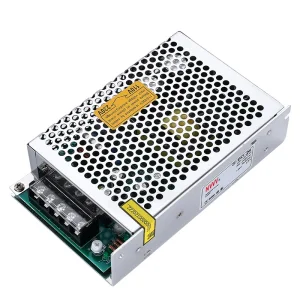
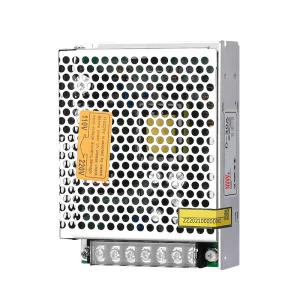
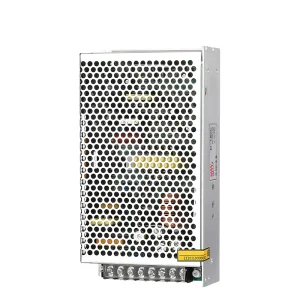
In petrochemical plants and automotive assembly lines, electrical components are mounted side-by-side on TS-35 DIN rails. The DR-60W-12V or NDR-120-12 DIN Rail power supplies are paired with thermal-magnetic breakers. Under transient overload conditions (e.g., valve actuator startup), the power supply delivers short-duration peak current without entering fold-back current-limiting state, preventing PLC supply-line voltage drops and system shutdowns.
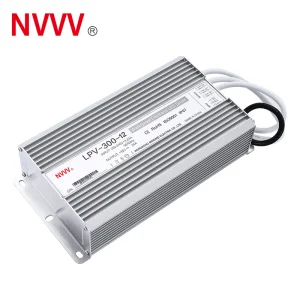
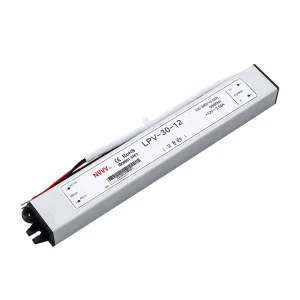
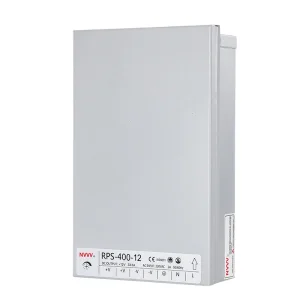
In chemical processing plants, offshore wind stations, and outdoor aquaculture, dust and water ingress pose continuous short-circuit risks. Here, waterproof power modules like the LPV-250-24 and LPV-10-12 are paired with high-IP rating circuit breaker enclosures. The fully potted resin casing of the power supply prevents internal moisture-induced tracking faults, while external breakers isolate faults during cable degradation.
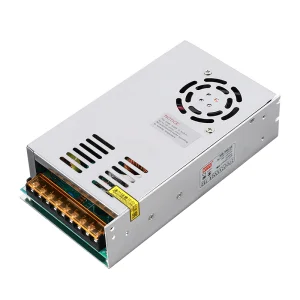
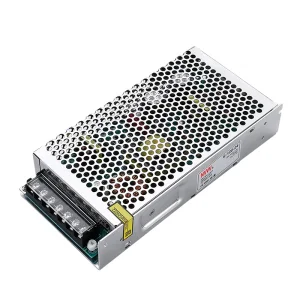
Outdoor advertising displays and architectural lighting draw high currents. The S-350-24 and MS-350W-24V industrial power supplies supply sustained DC power under hot conditions. Upstream branch circuit protection ensures that in the event of an LED array failure or cable short, the distribution panel isolates the fault loop without interrupting the main utility feed.
Over a decade of advanced electrical engineering and rigorous quality verification.
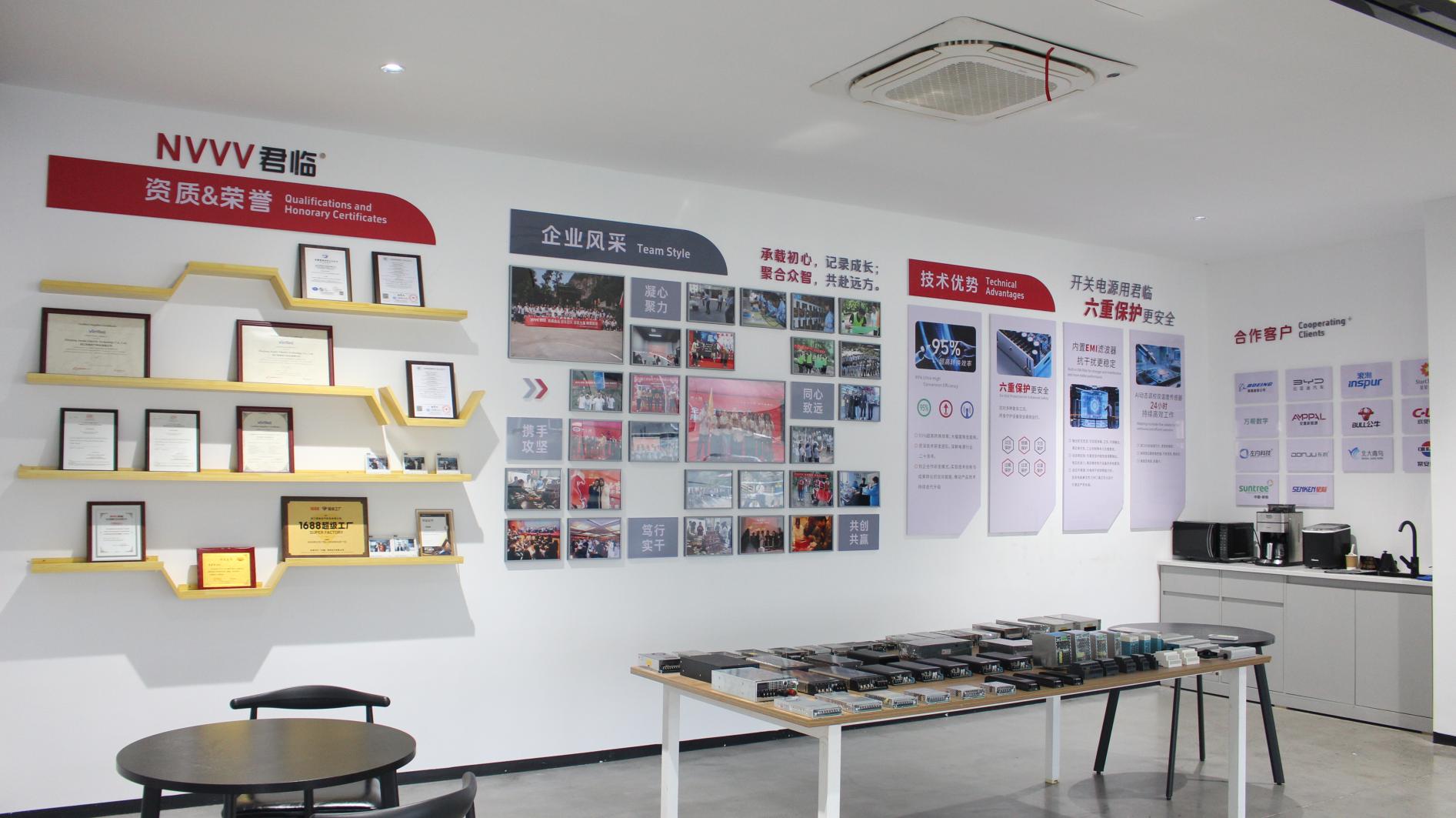
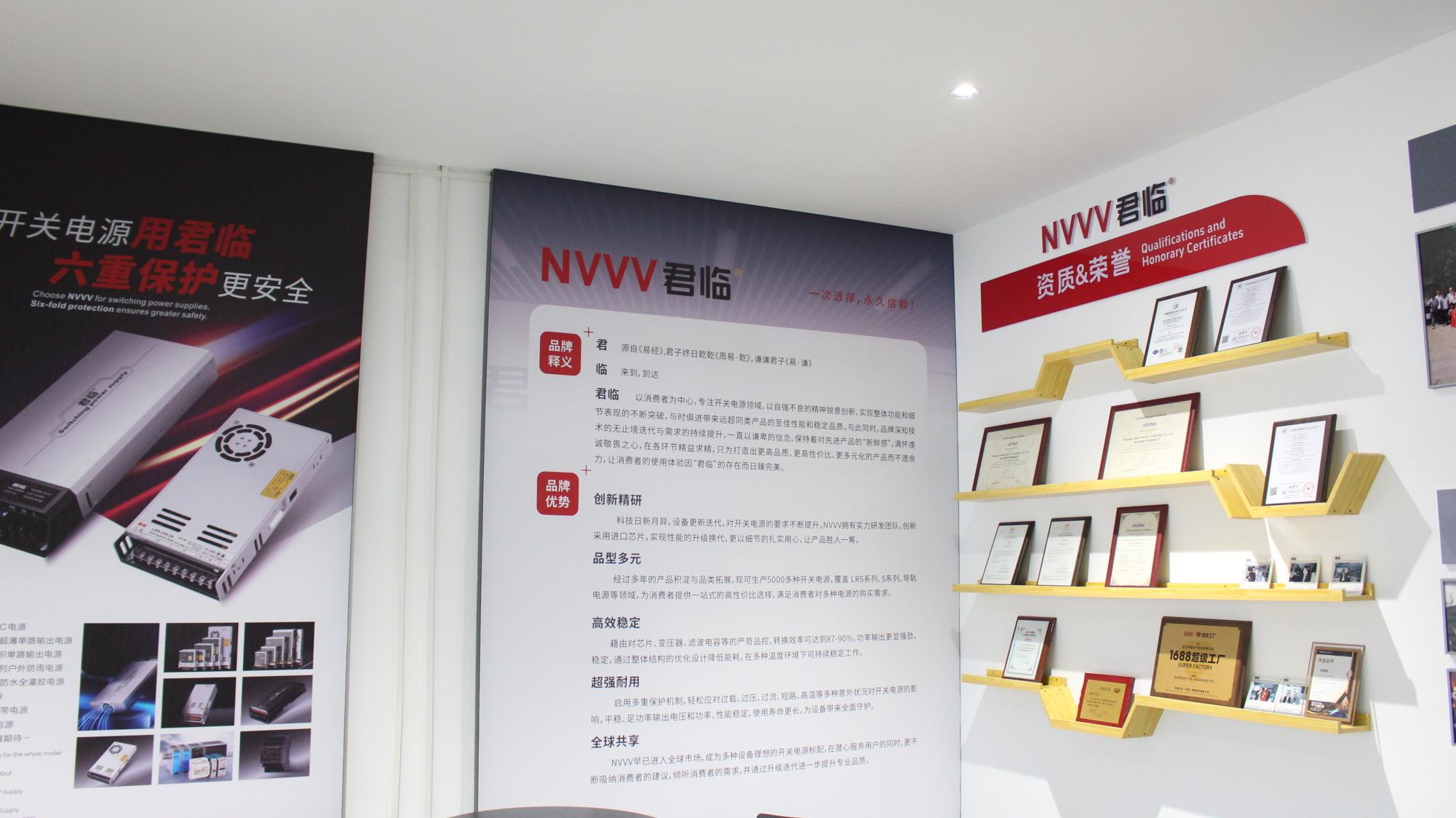
Established in the industrial hub of Wenzhou, Zhejiang Province, China, NVVV Electric Technology Co., Ltd. is a dedicated manufacturer specializing in high-performance DIN rail power supplies, switching power systems, waterproof modules, and custom energy conversion solutions.
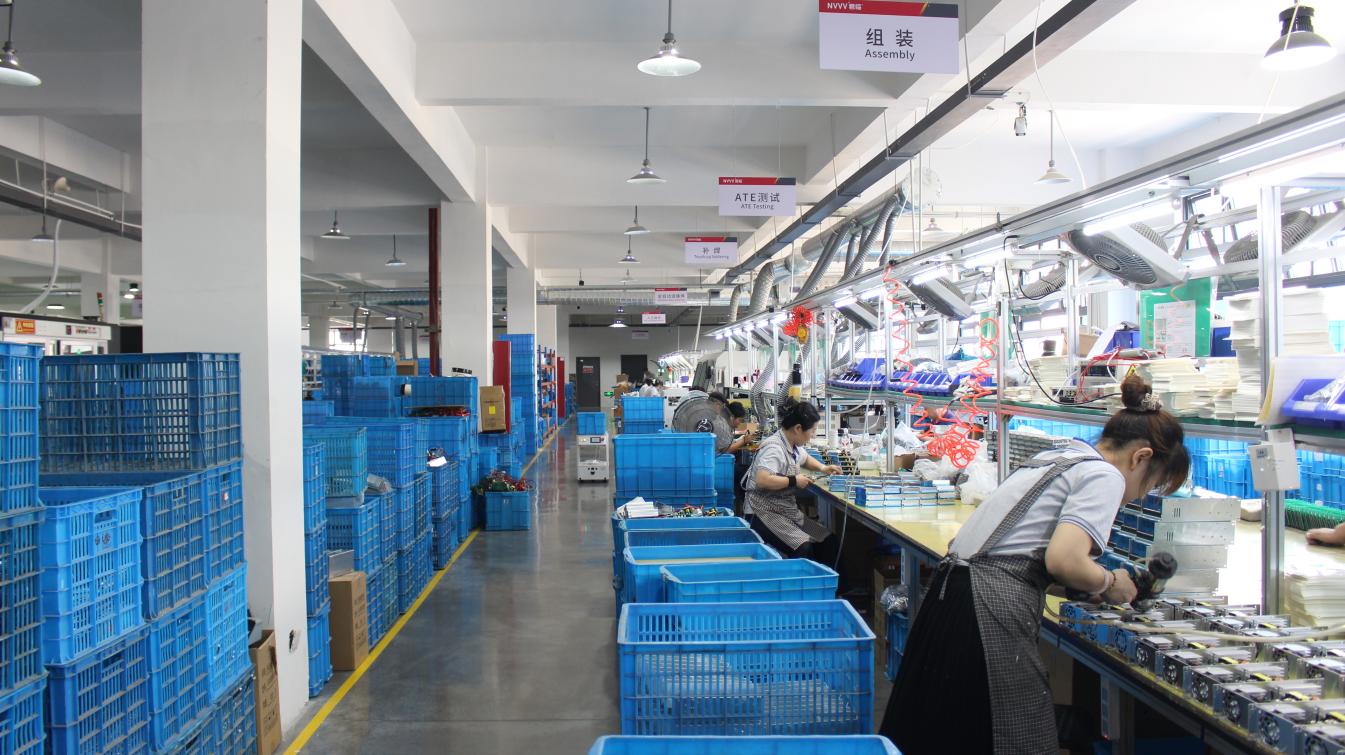
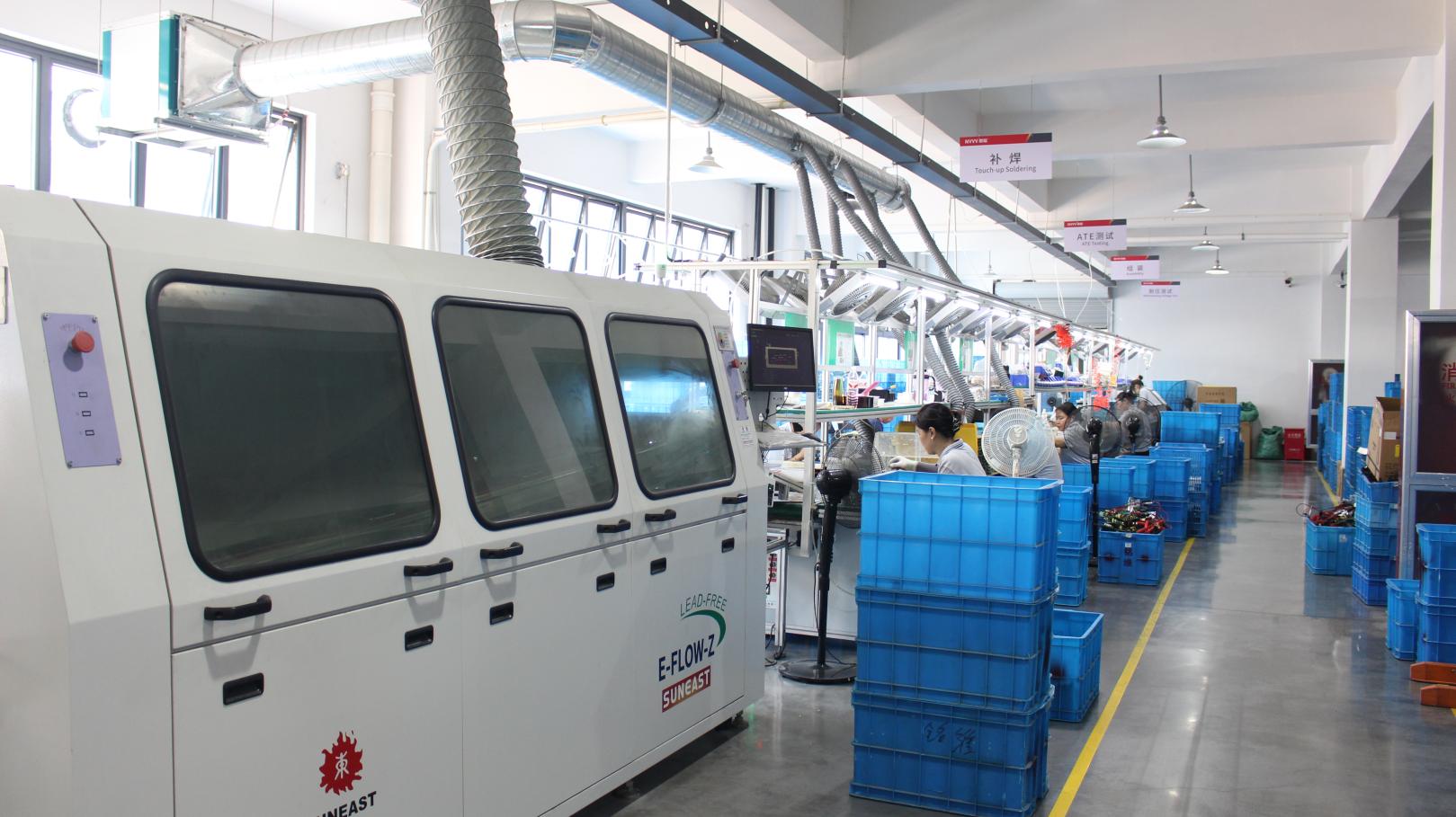
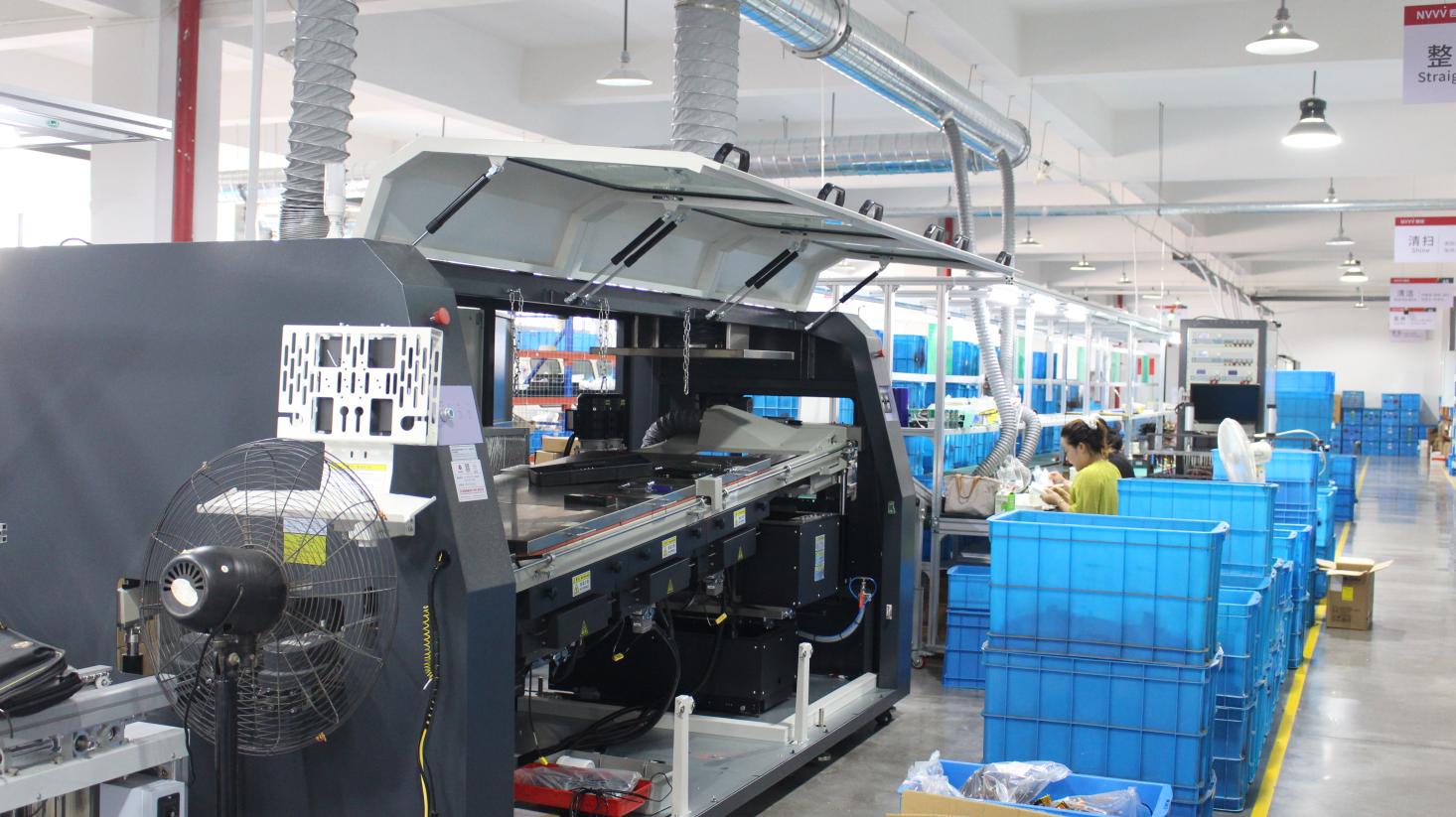
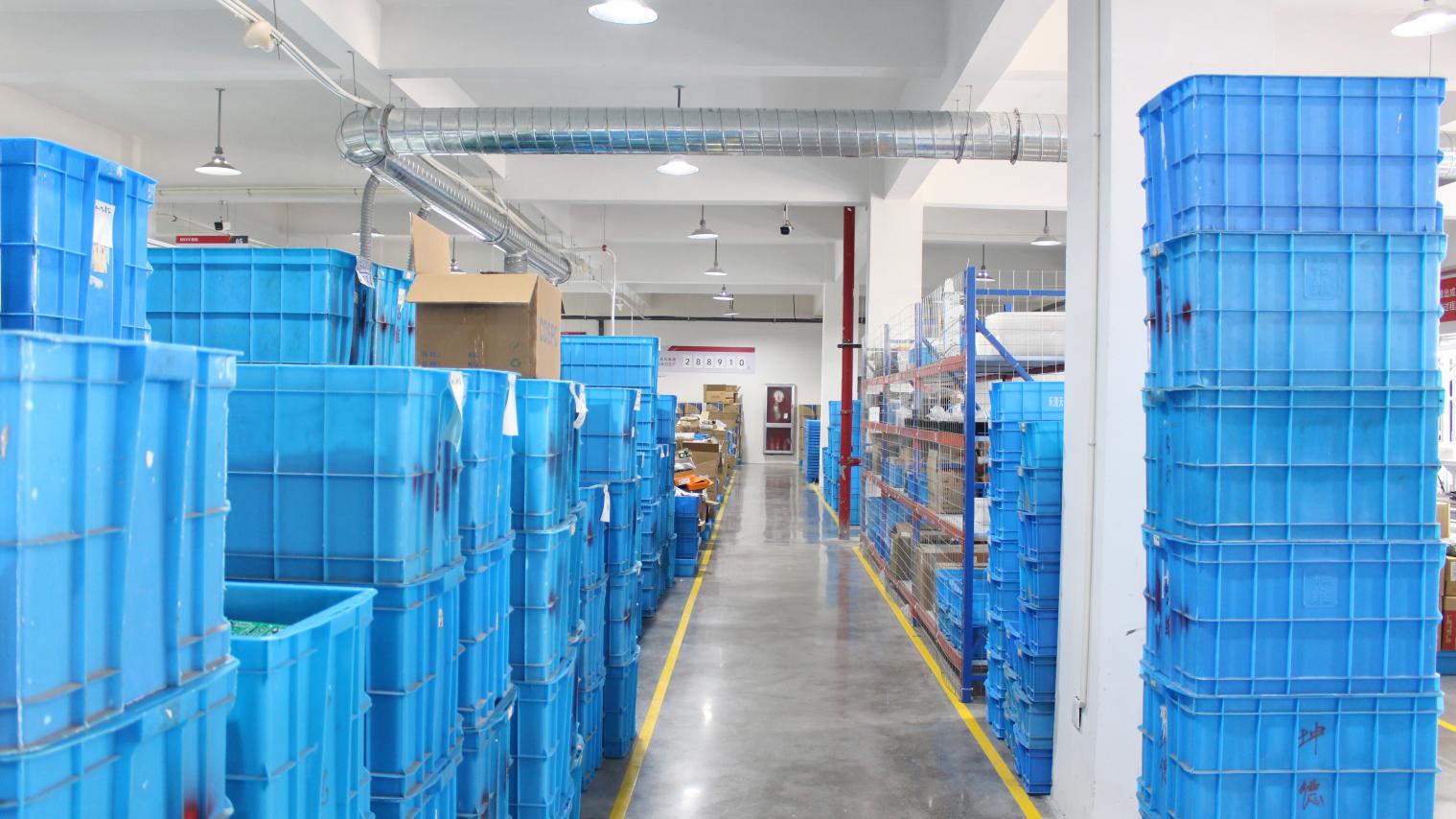
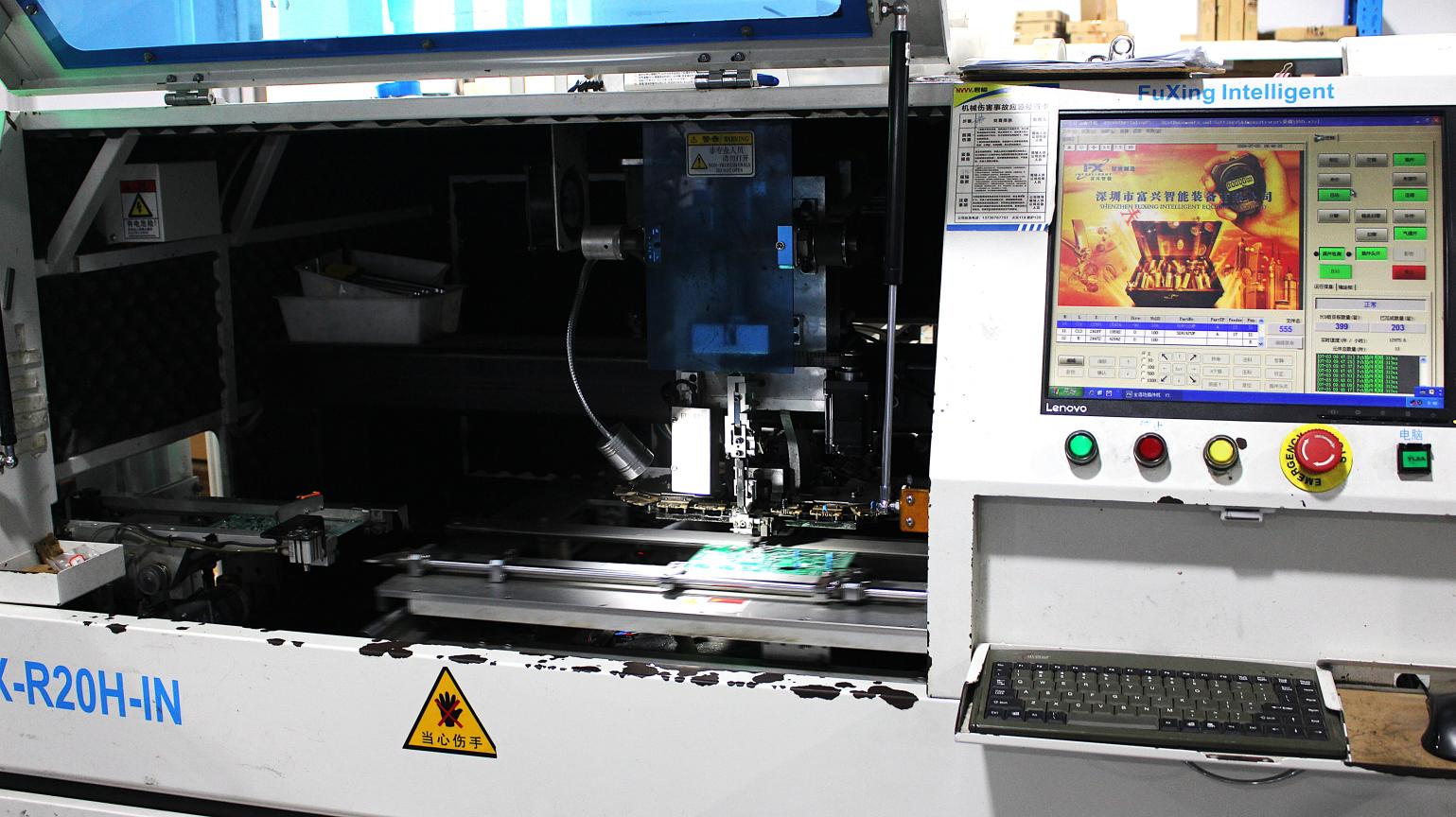
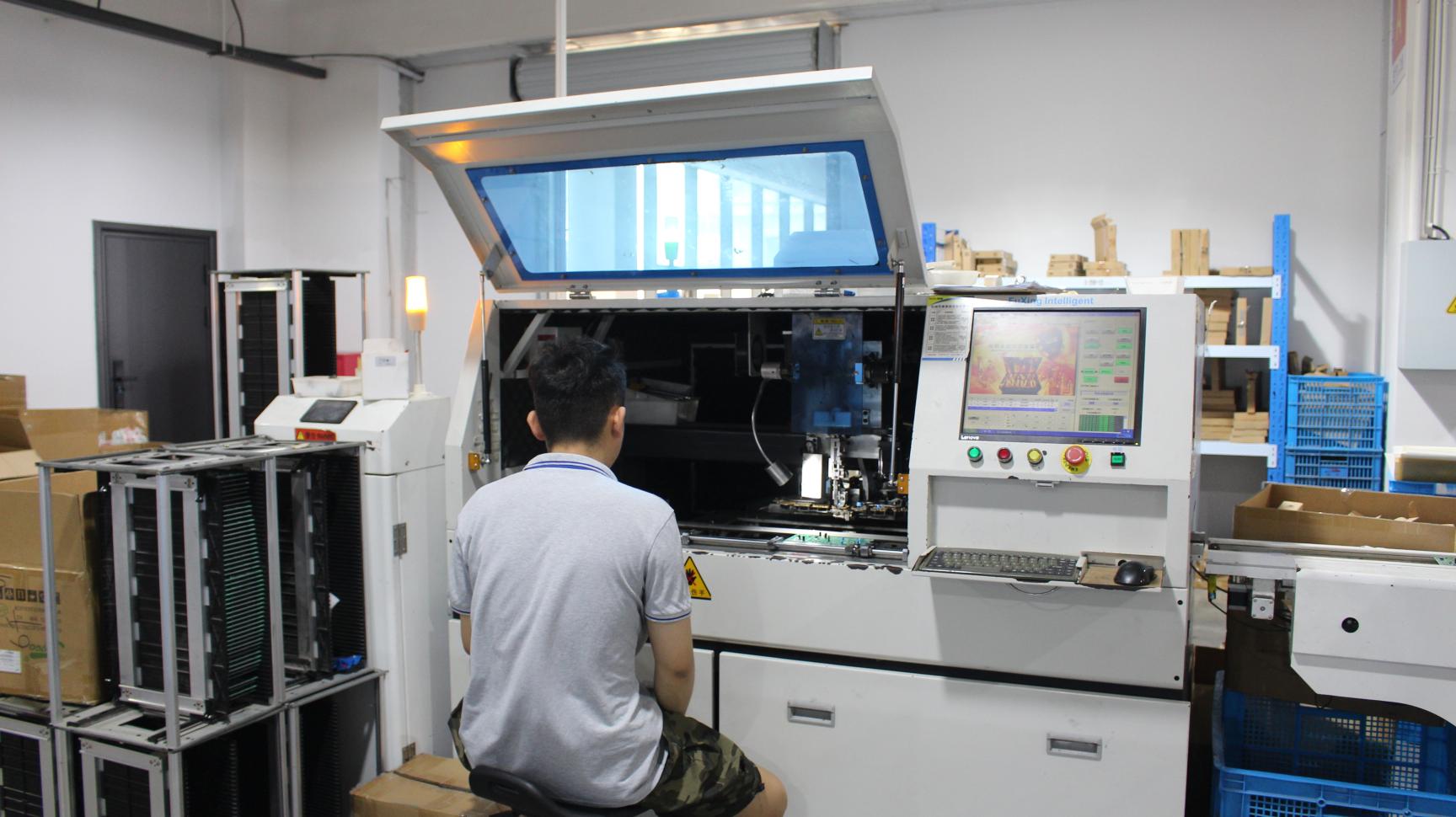
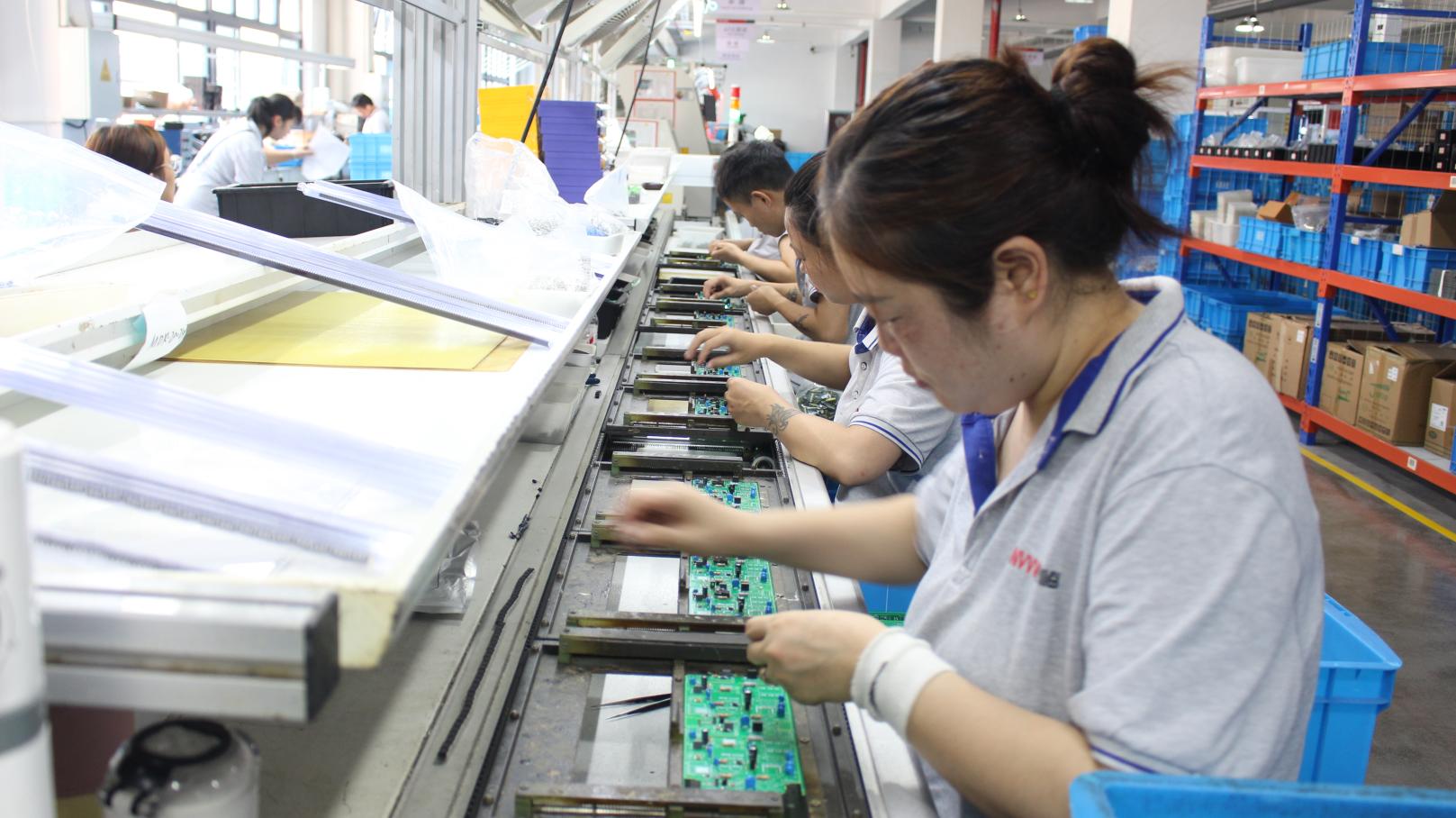
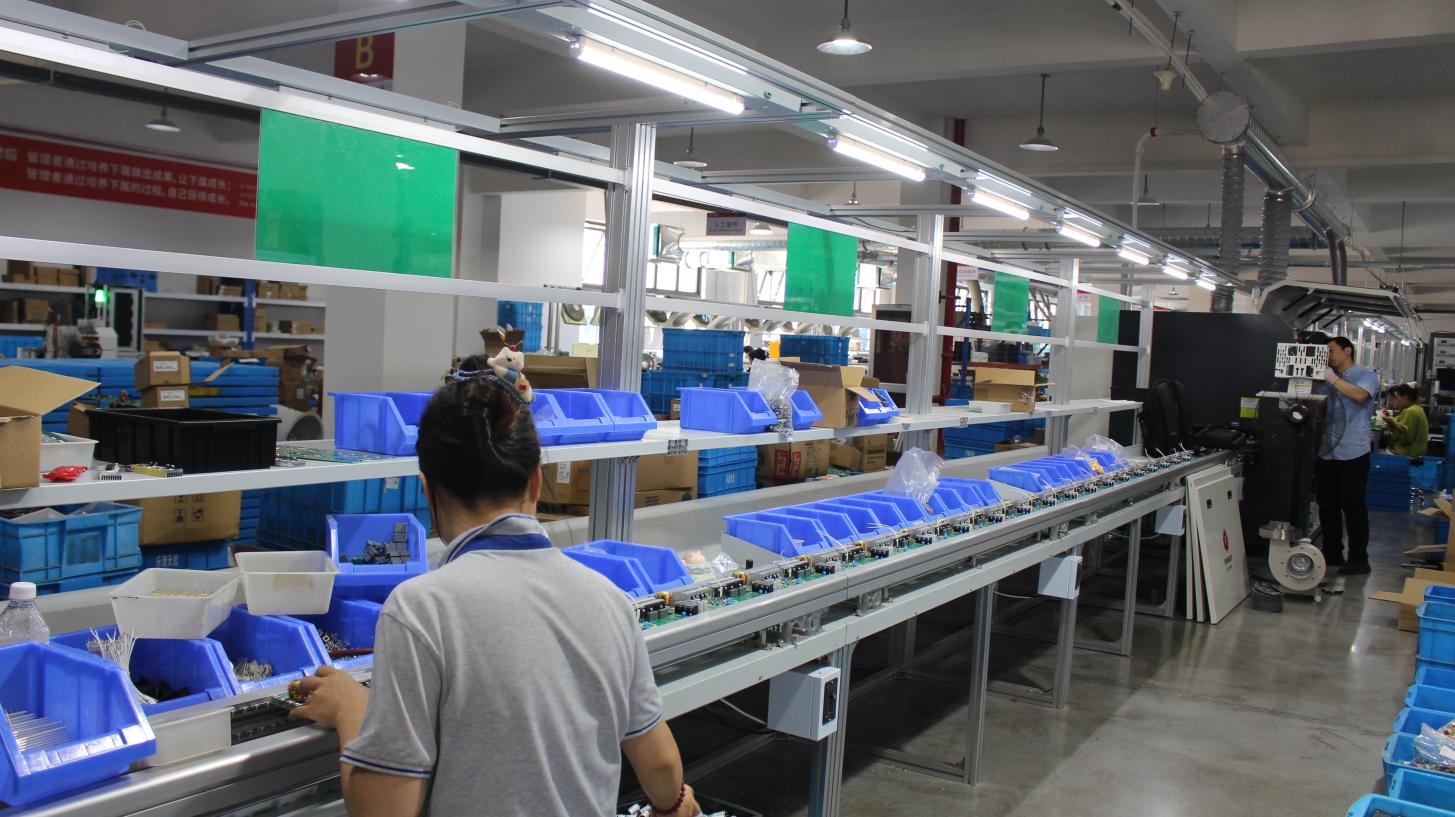
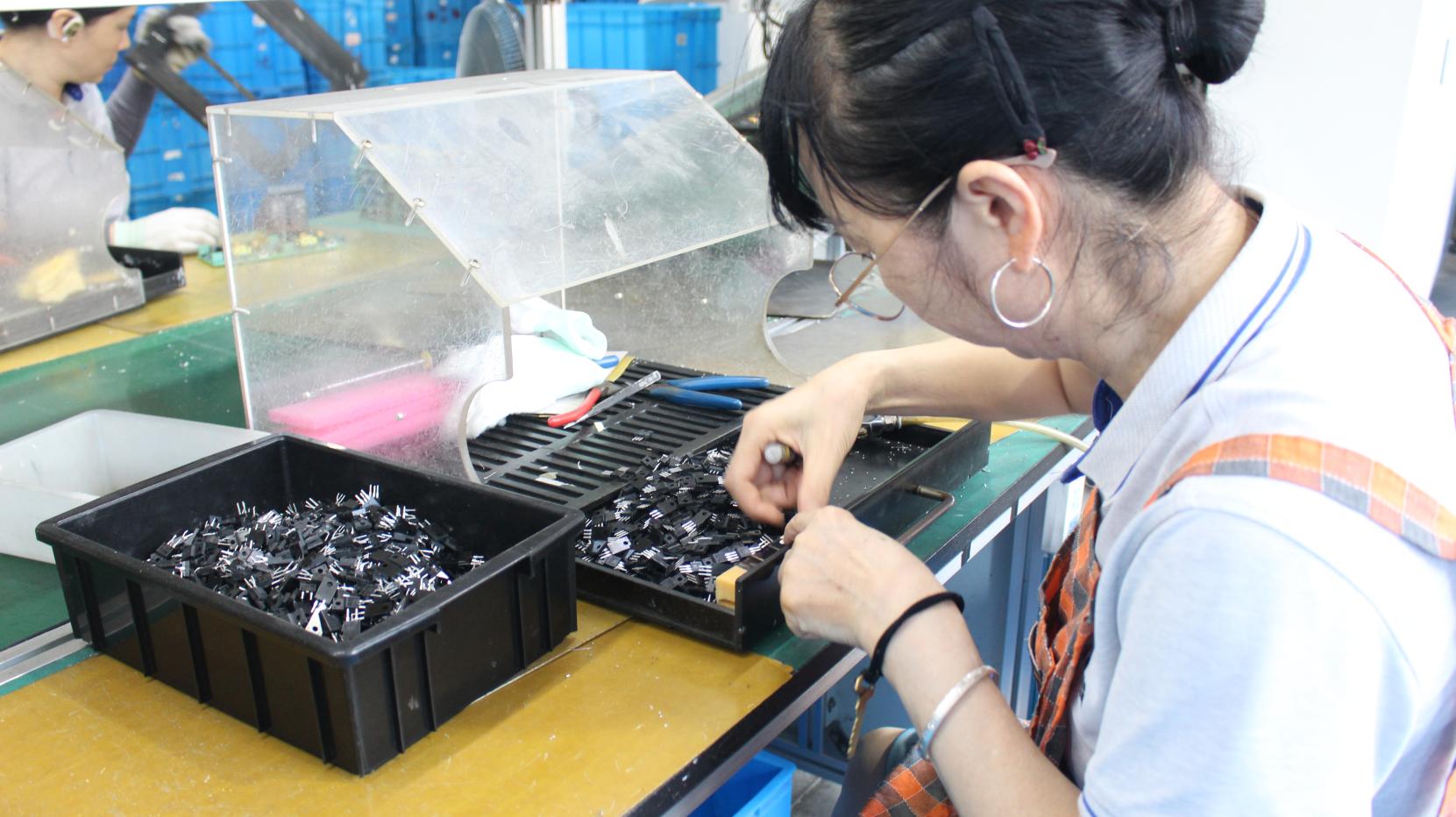
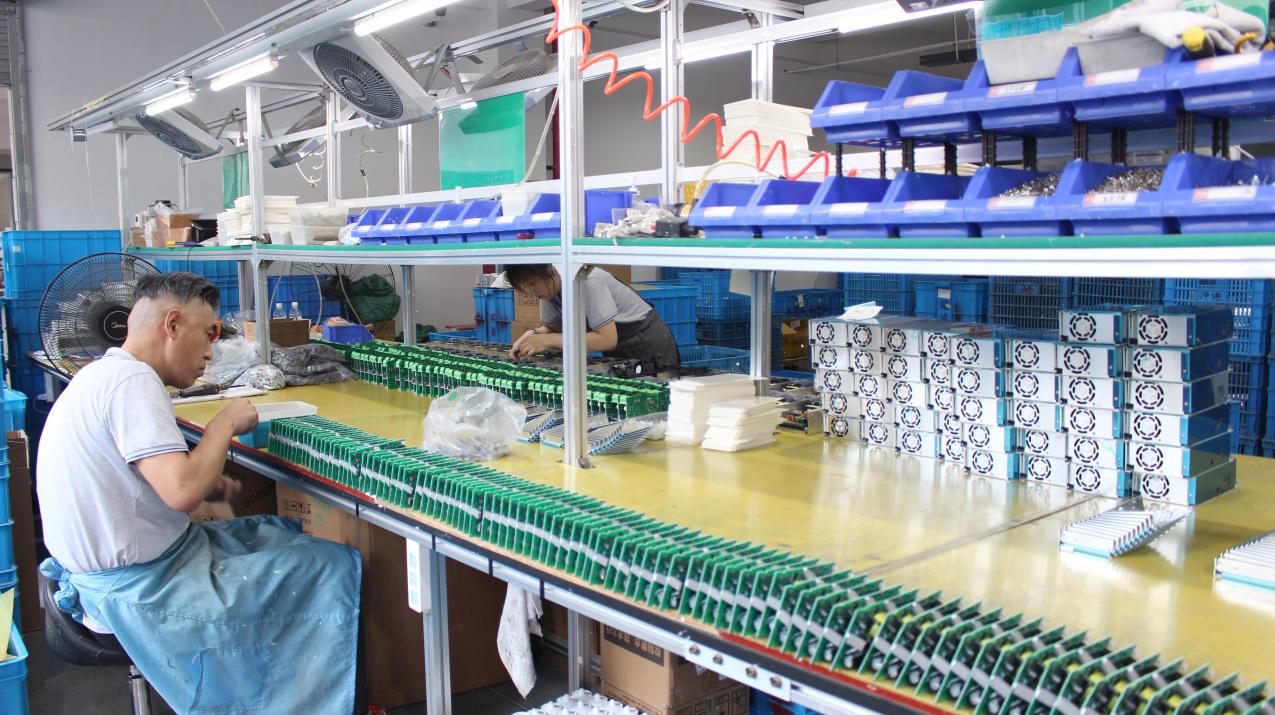
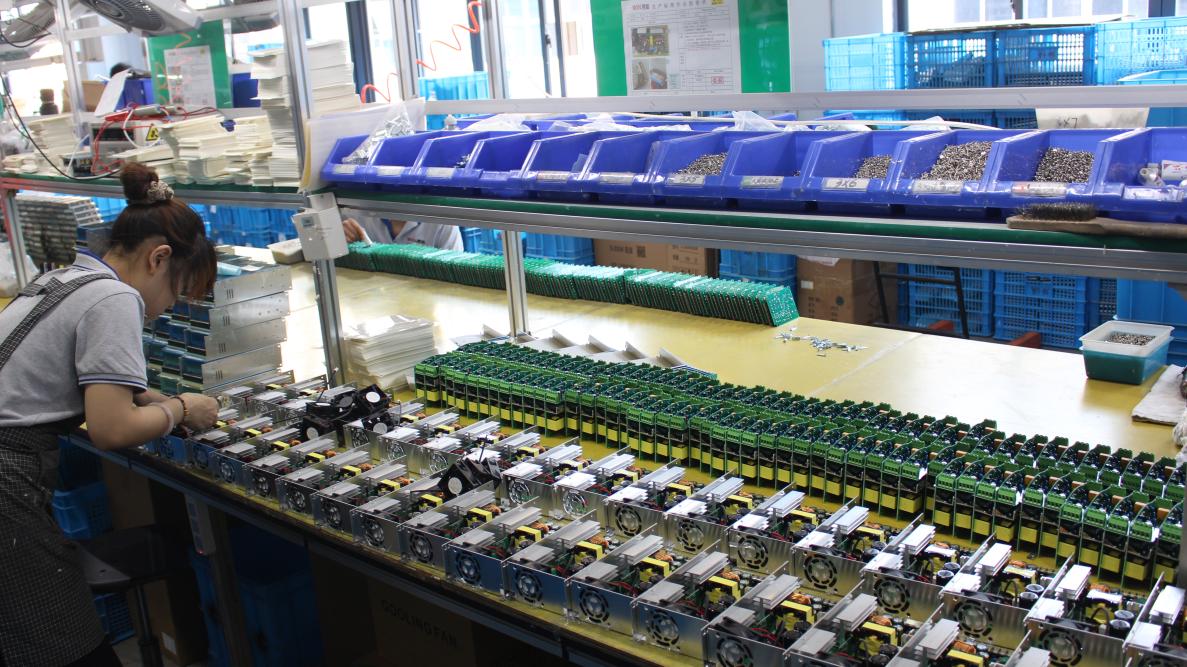
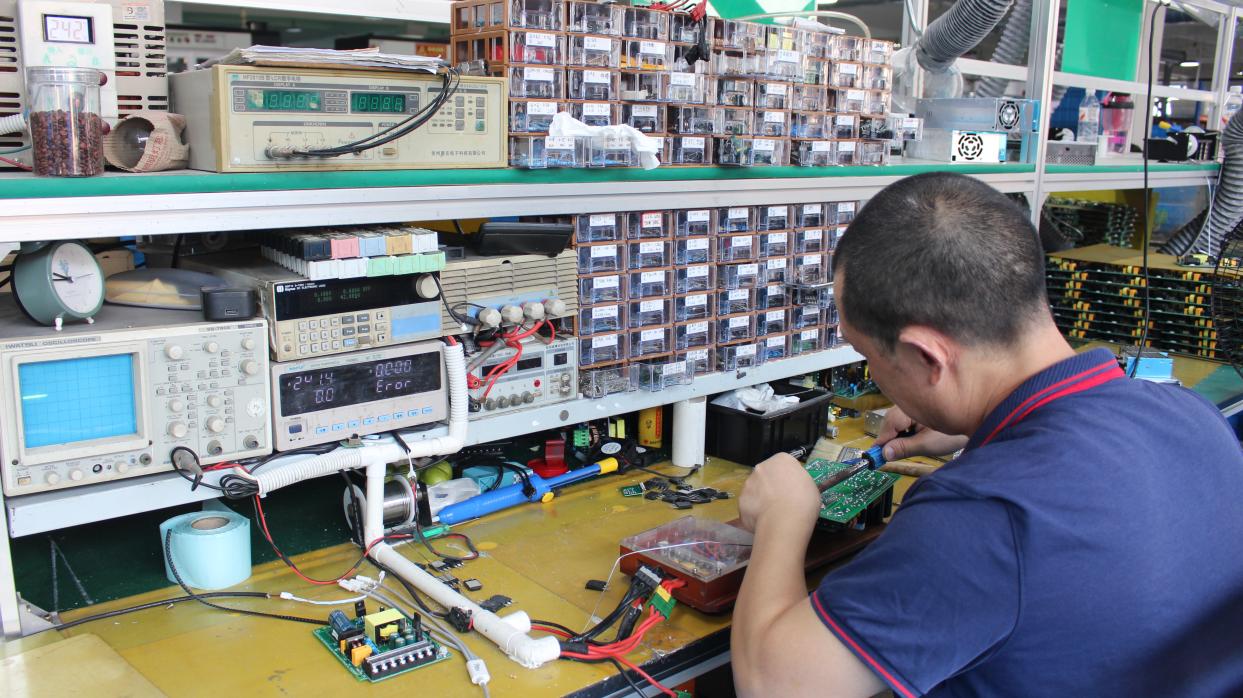
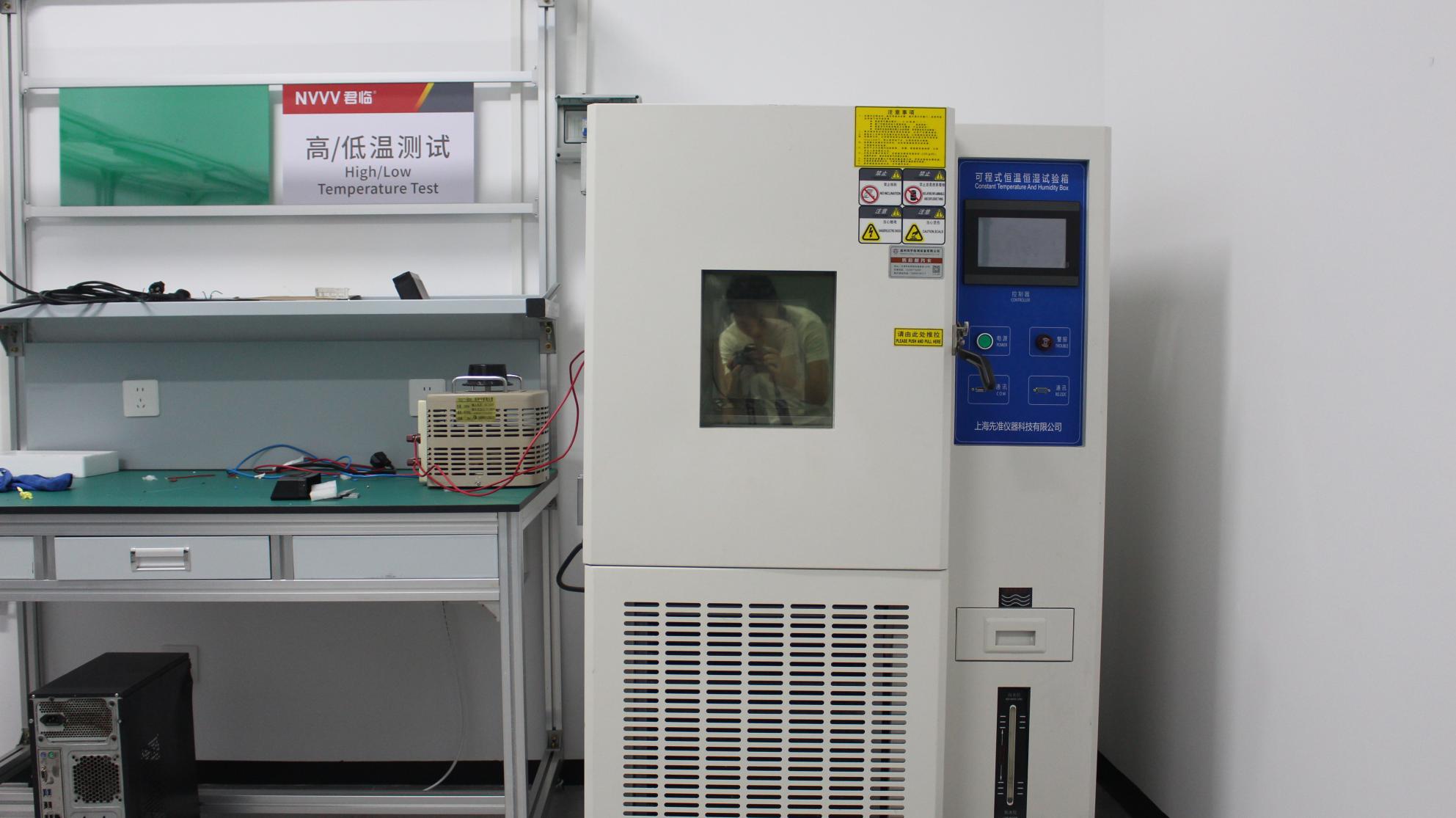
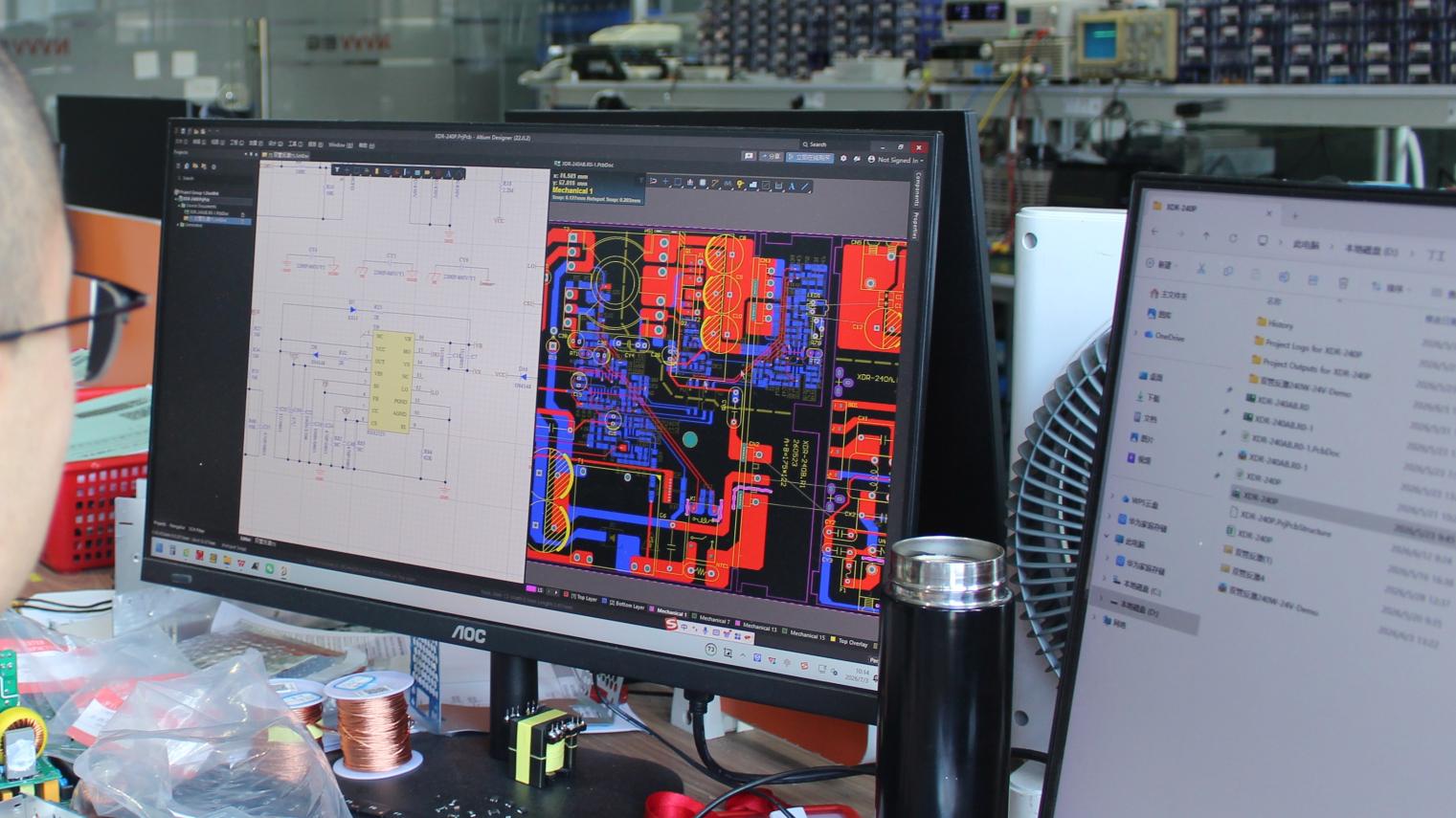
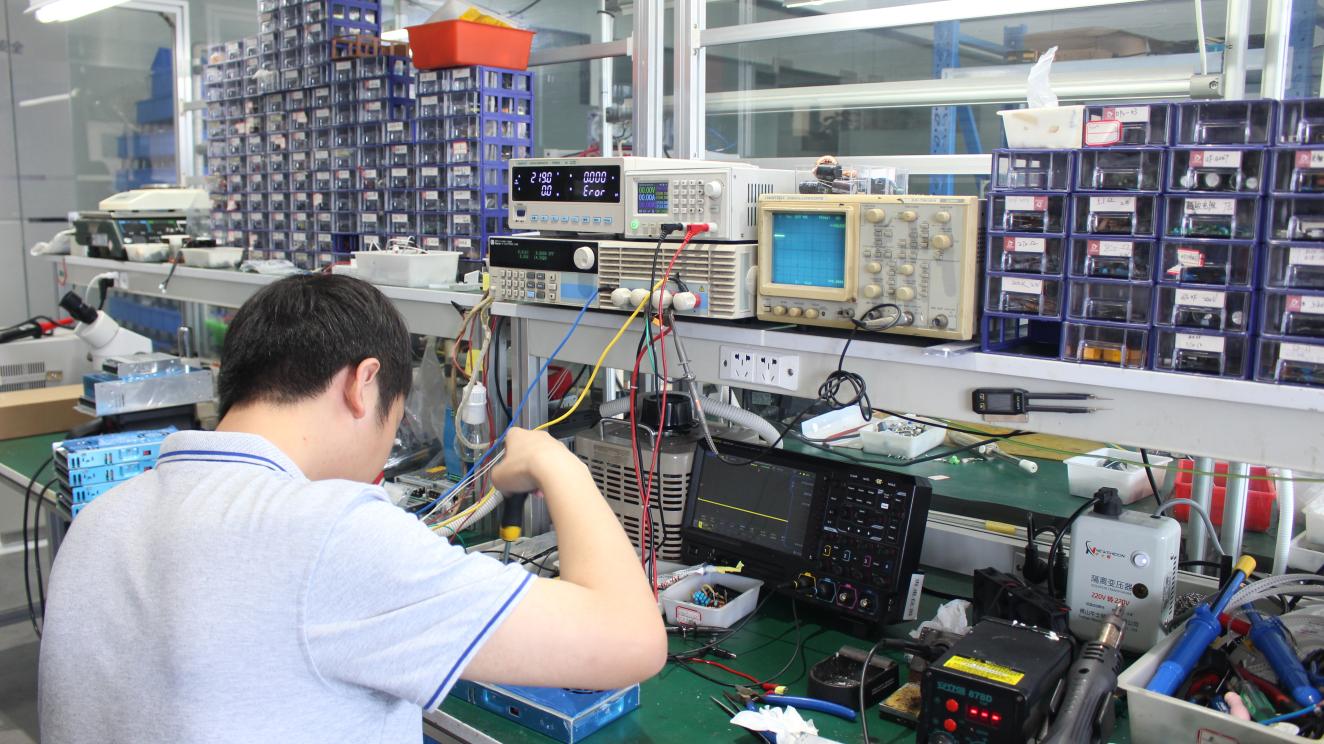
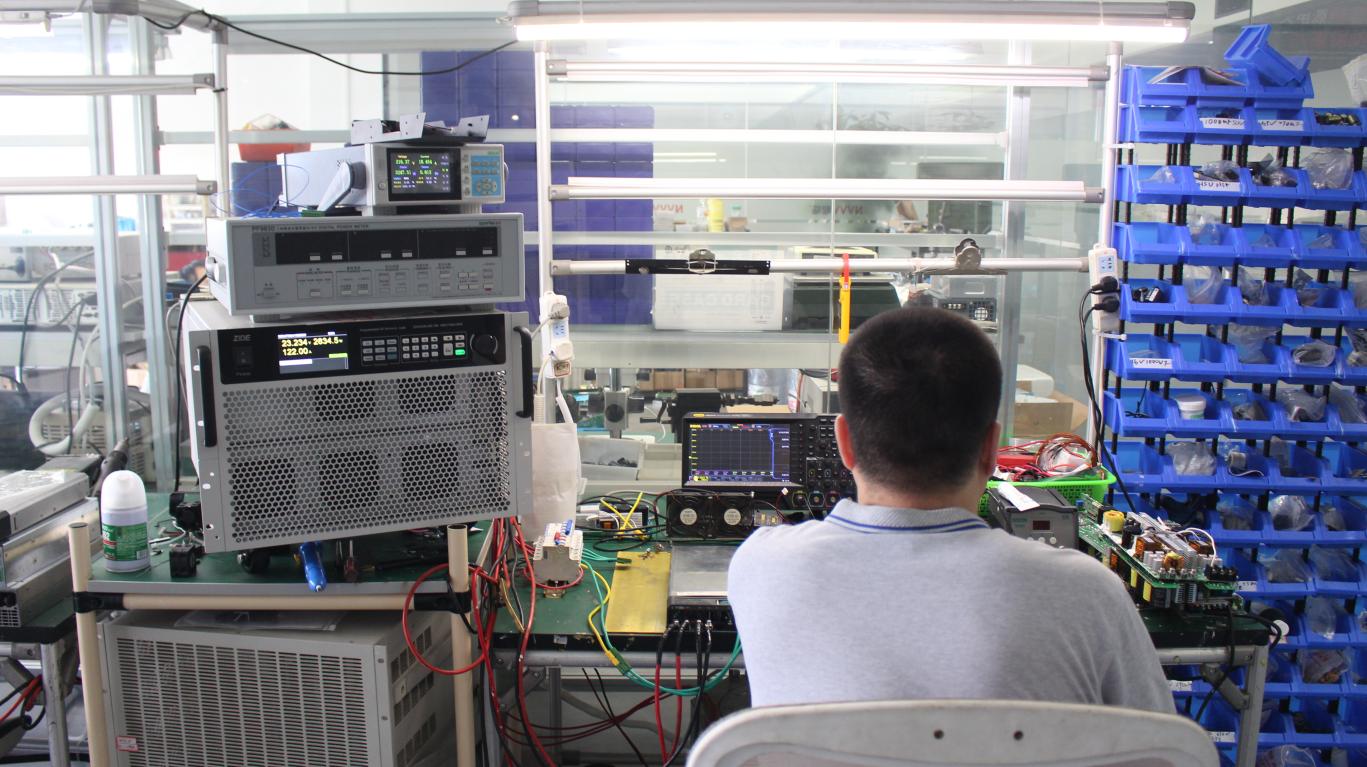
NVVV operates 5 automated production lines managed by a specialized workforce of 50 operators, led by 7 R&D engineers. These engineers design electrical protection architectures that meet international standards. Our quality assurance system spans all production stages, supported by global certifications including CE, FCC, CCC, UKCA, BIS, and EMC. This comprehensive compliance guarantees that NVVV power products integrate safely into complex control panels alongside primary industrial circuit breakers.


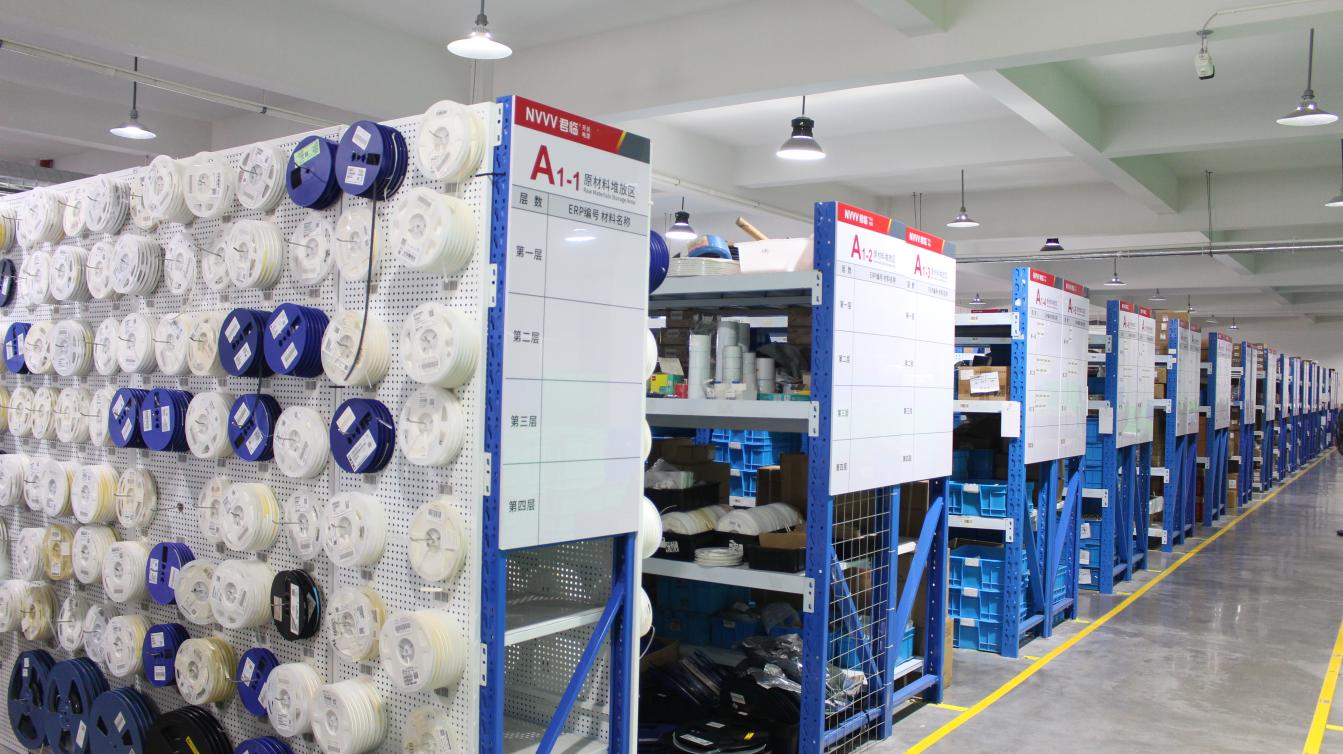
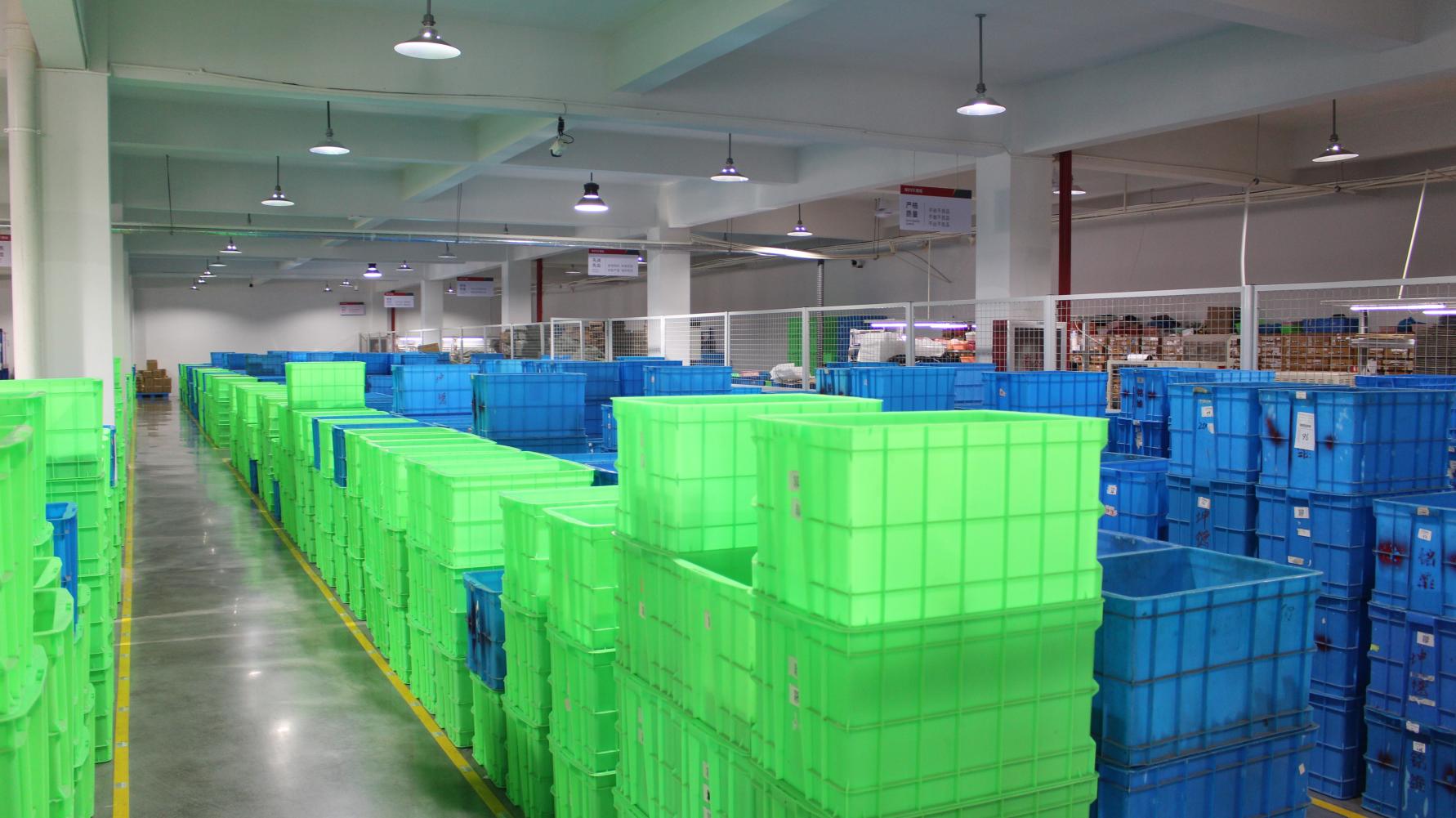
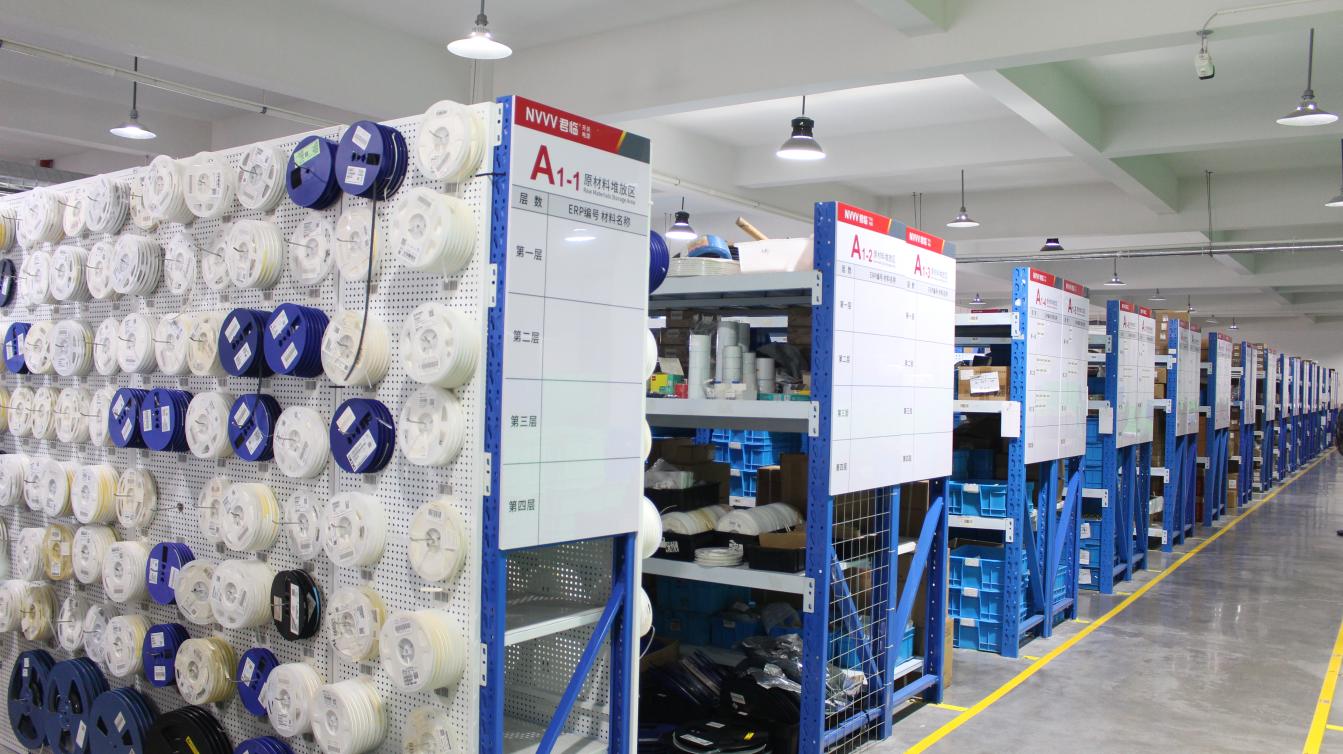
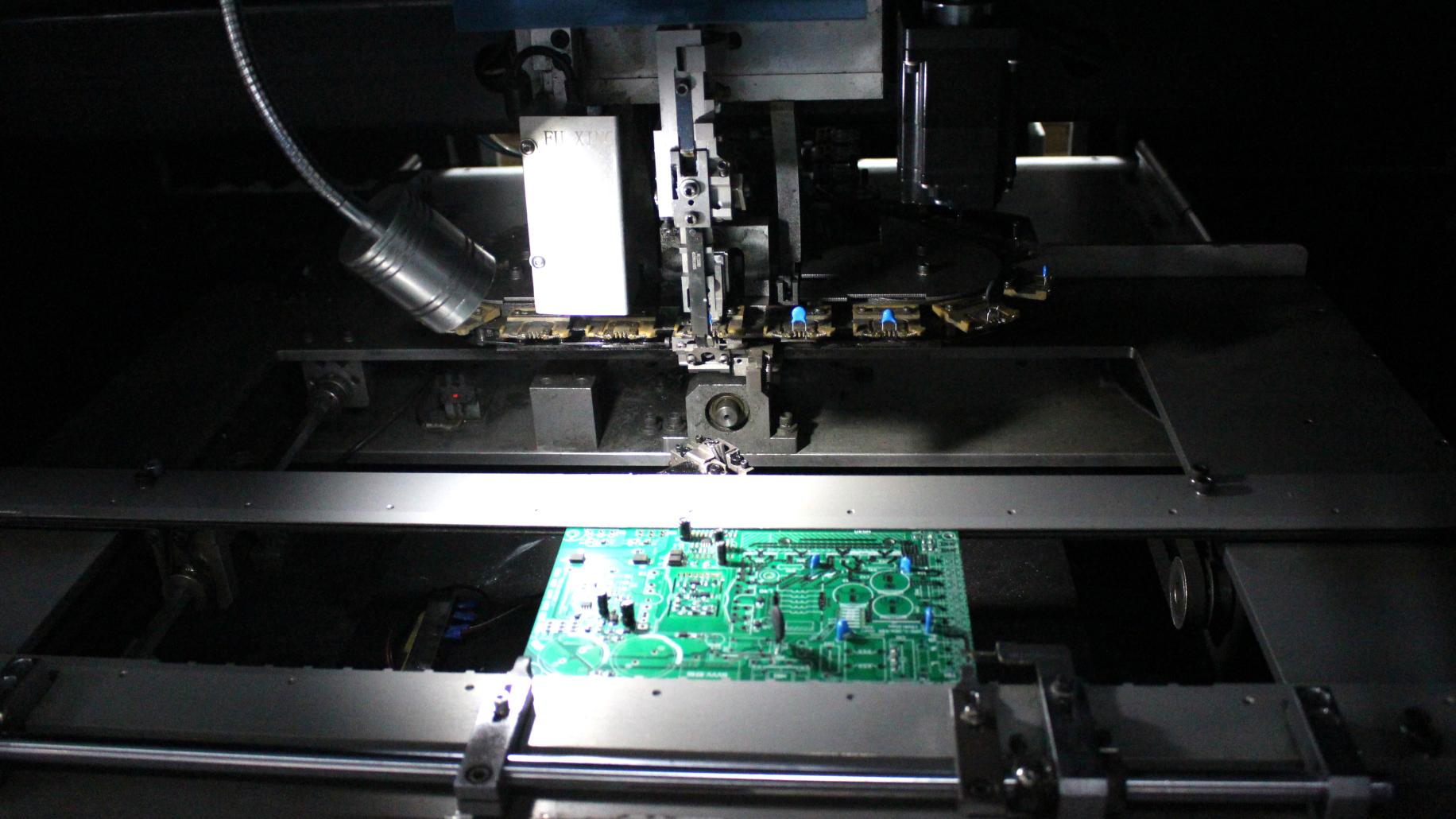
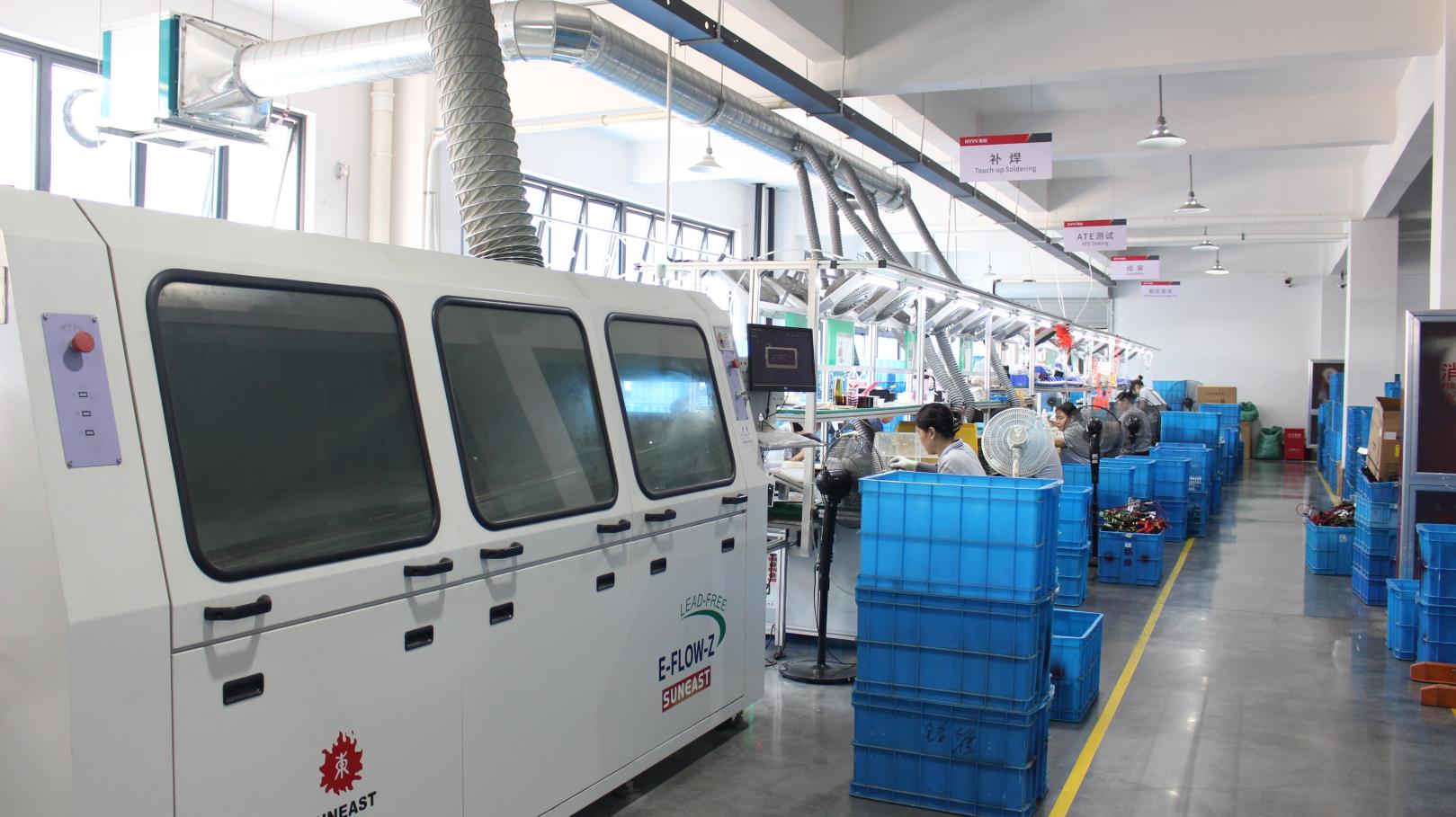
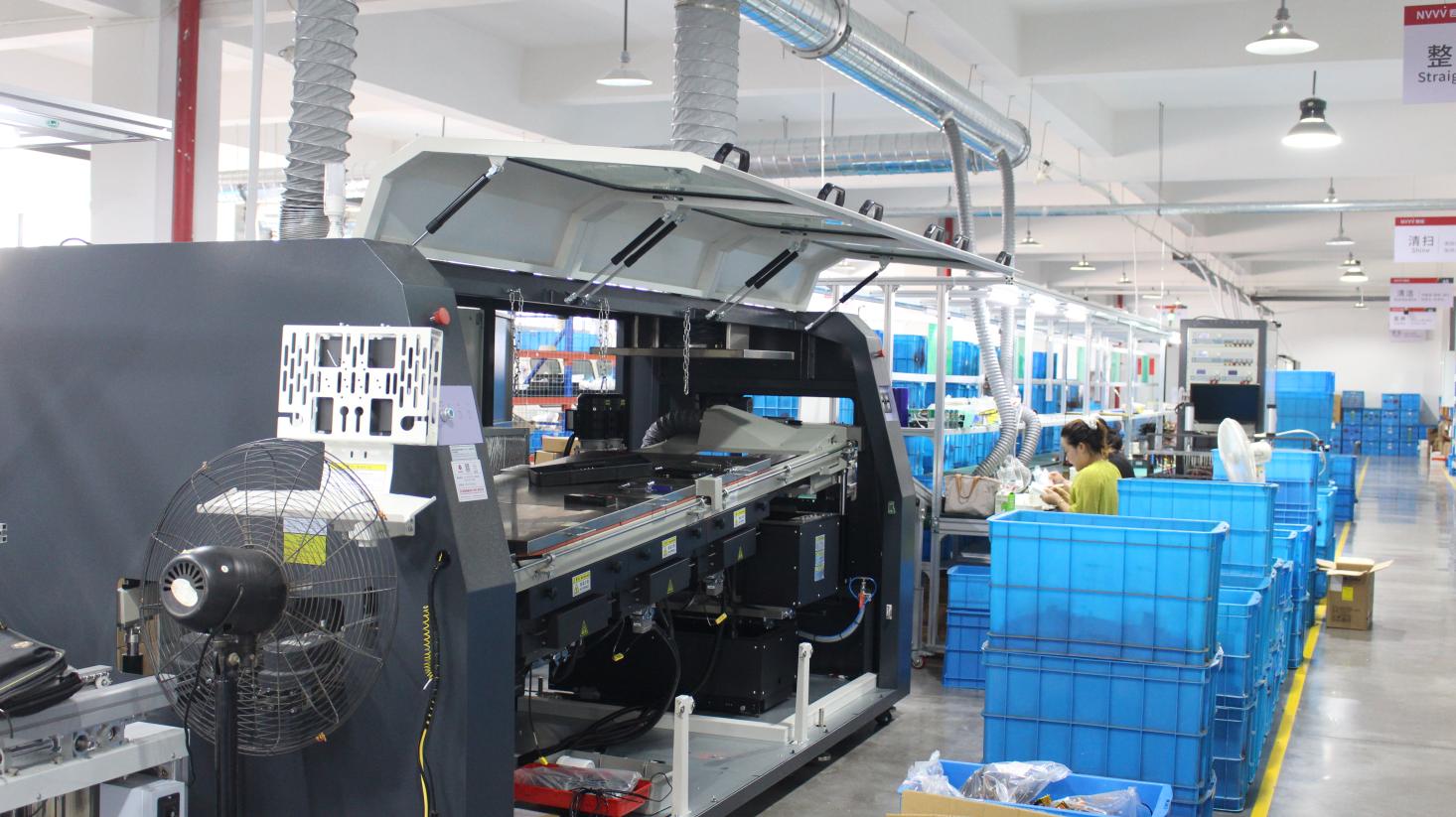
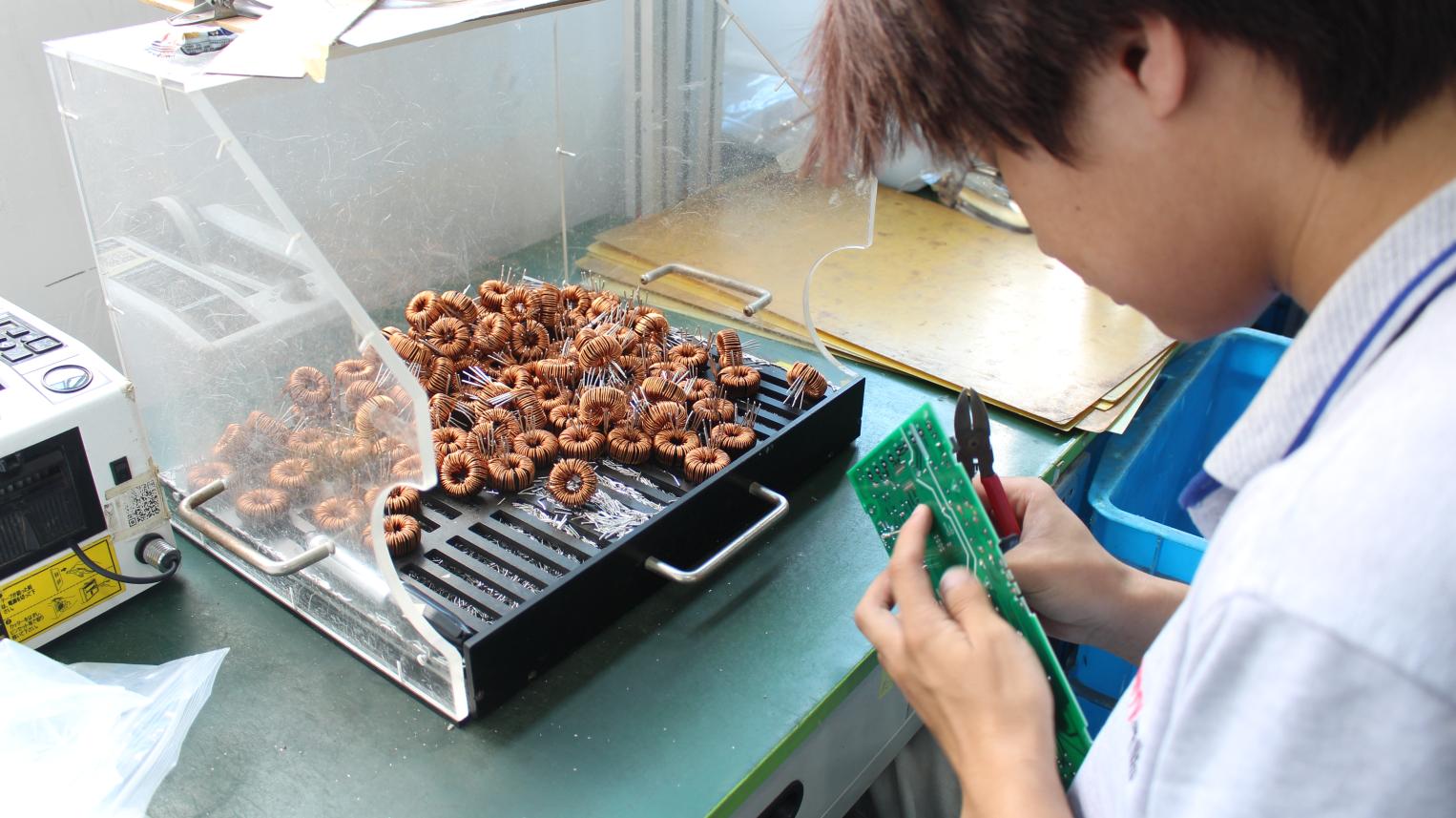
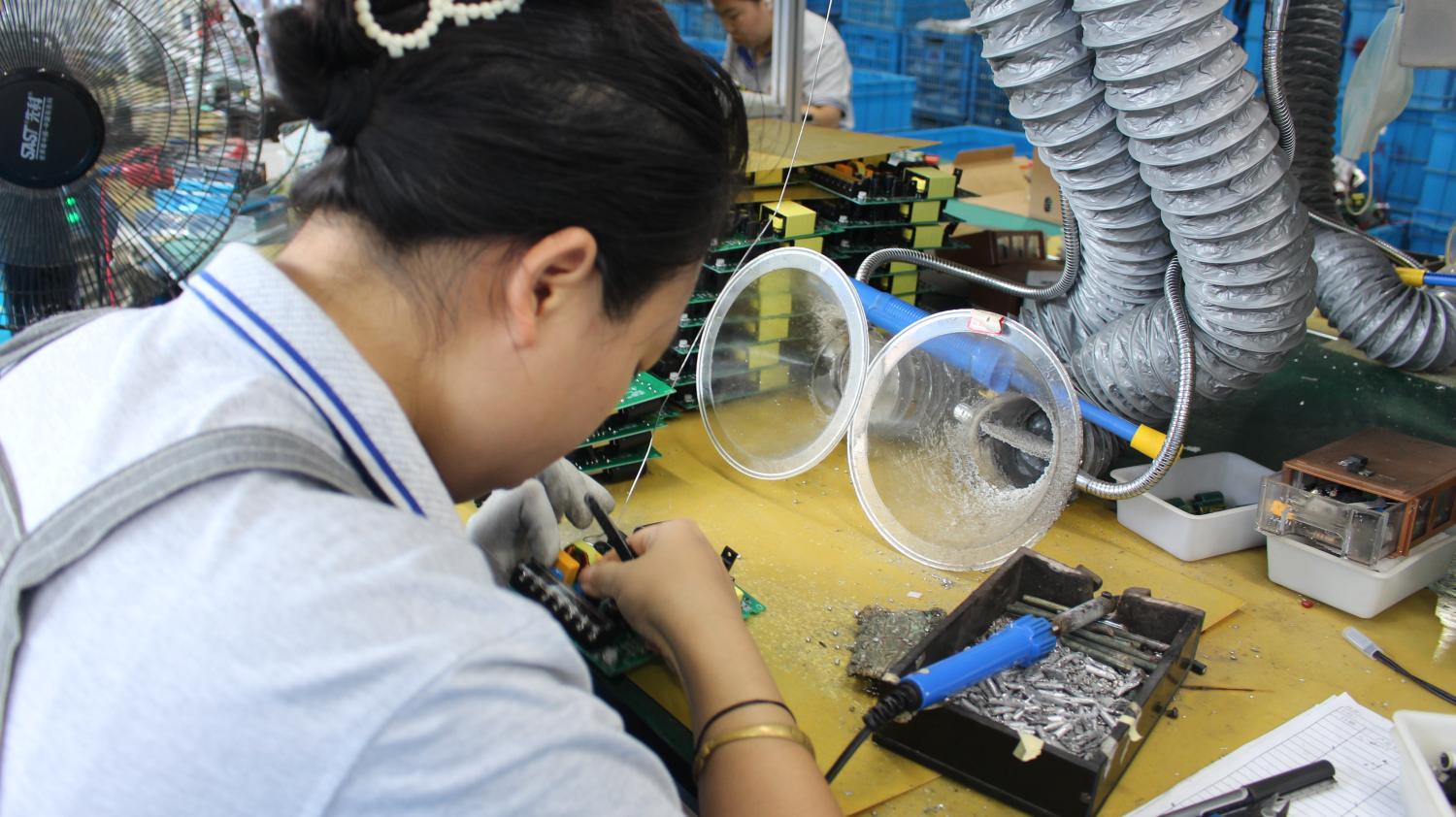
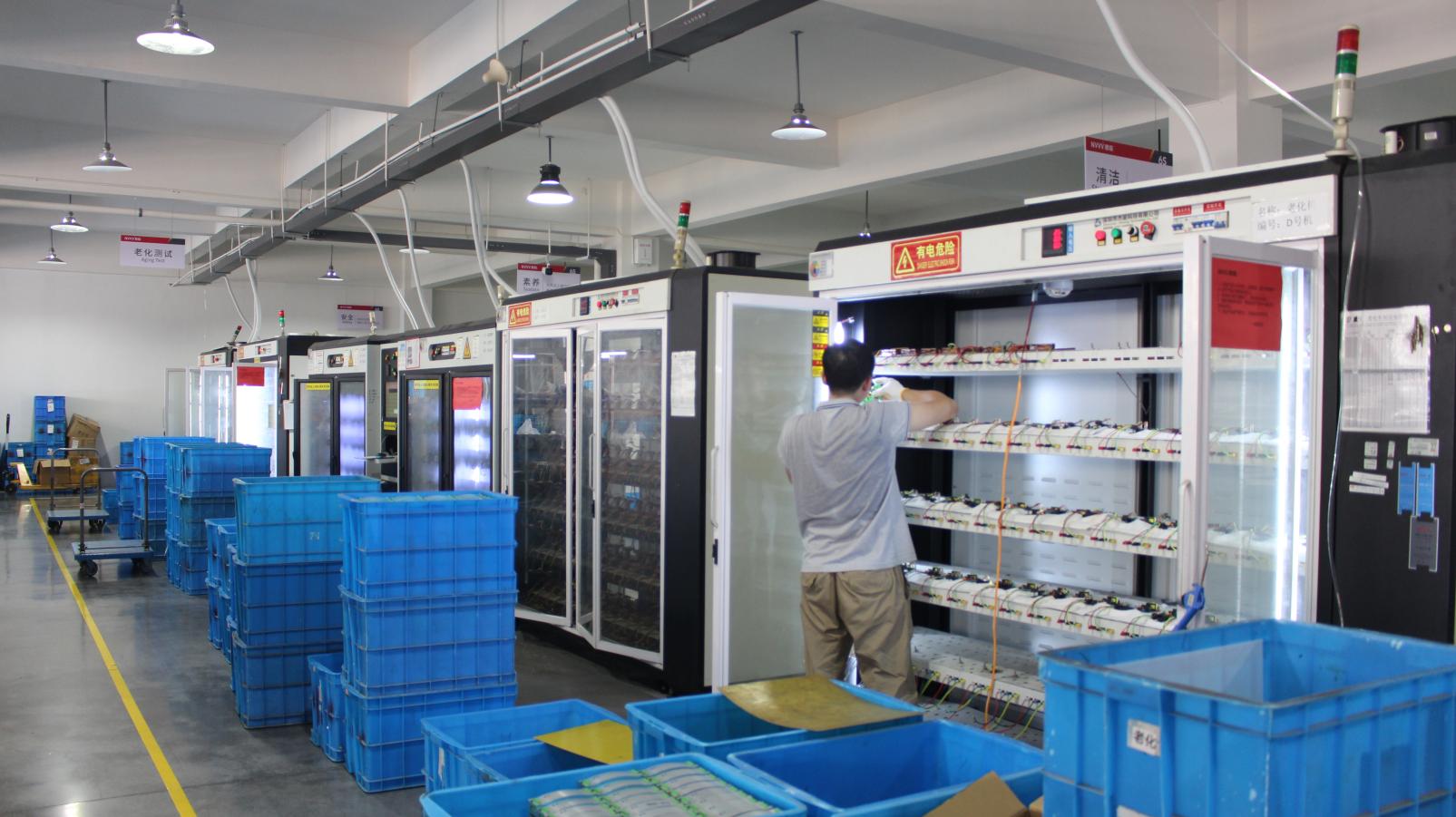
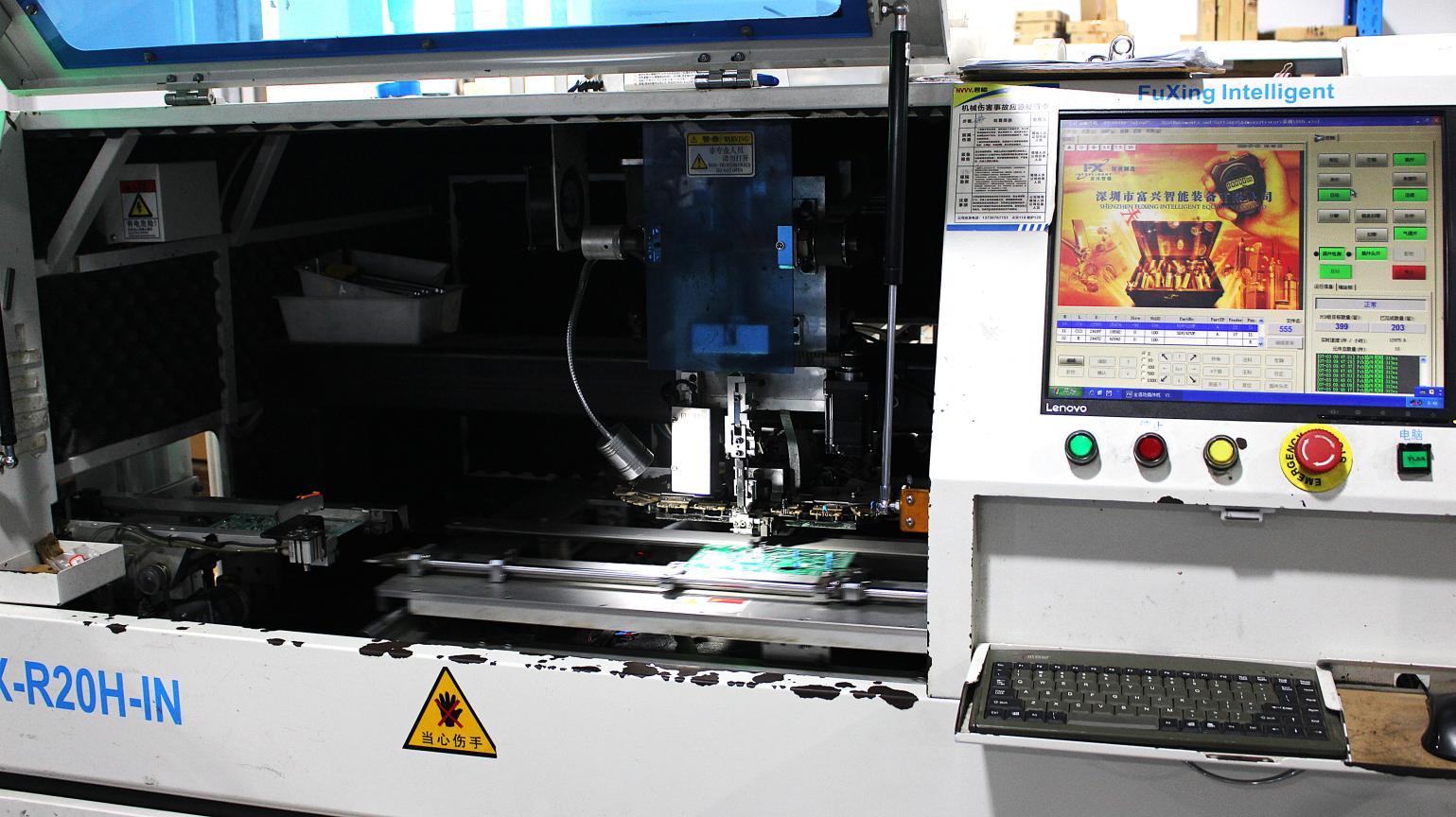
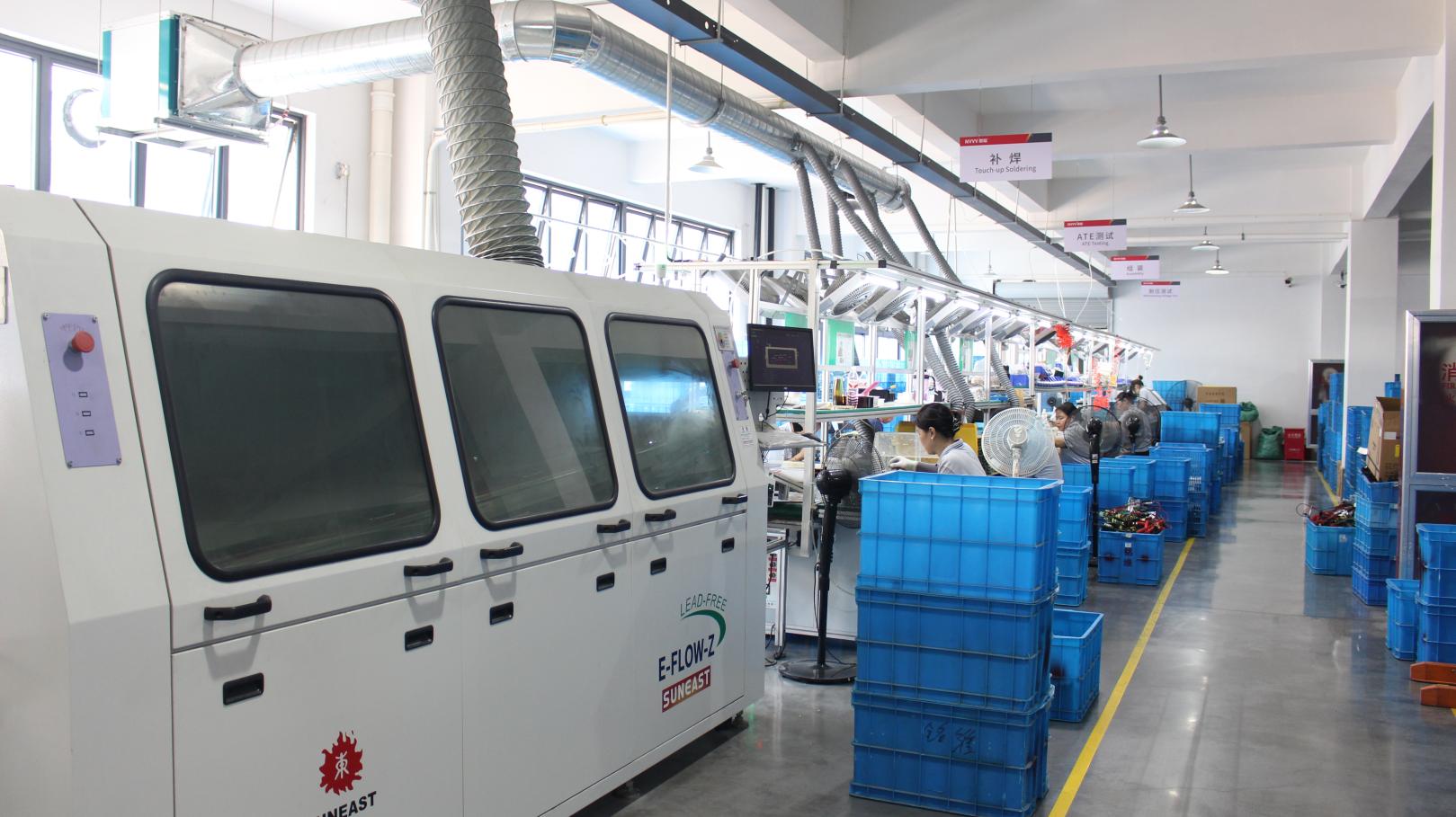

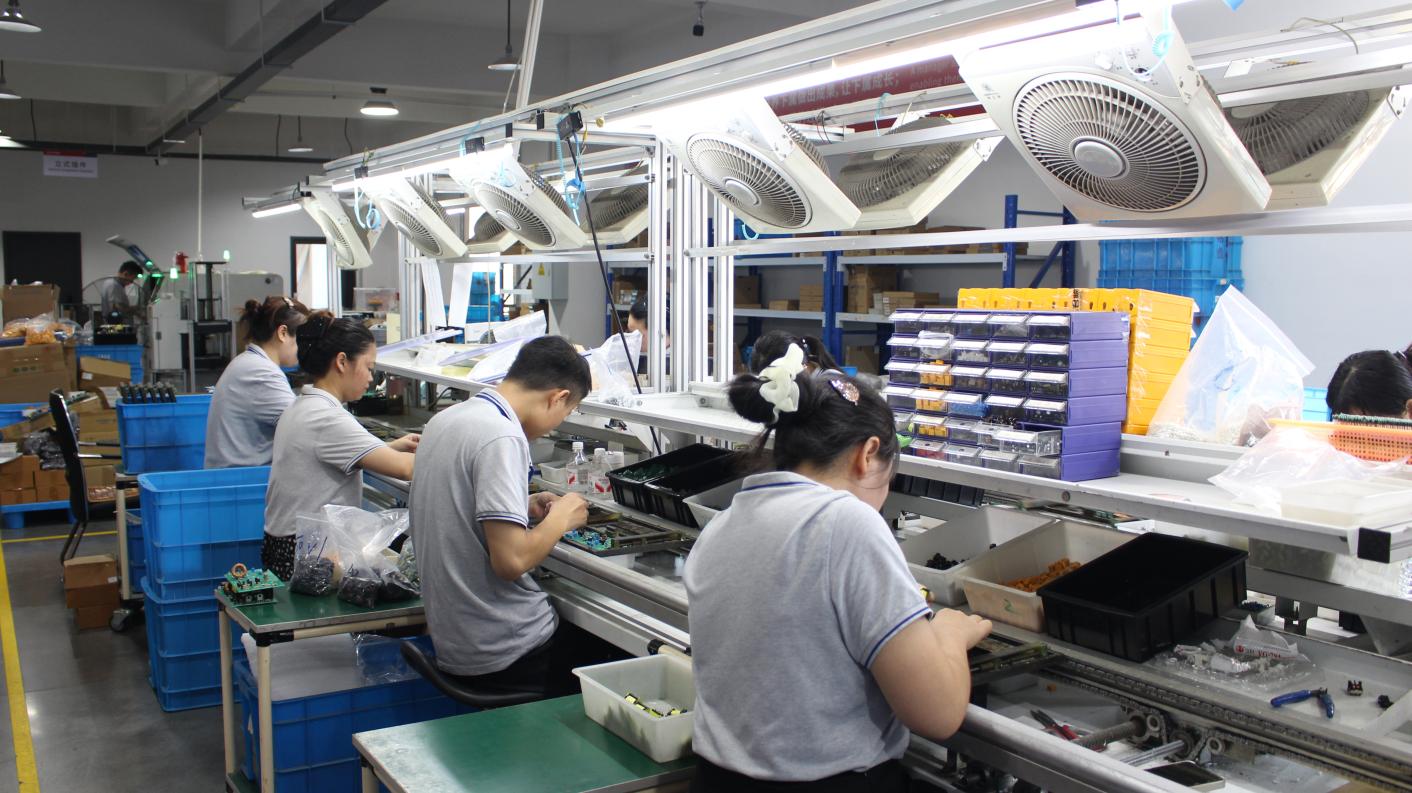
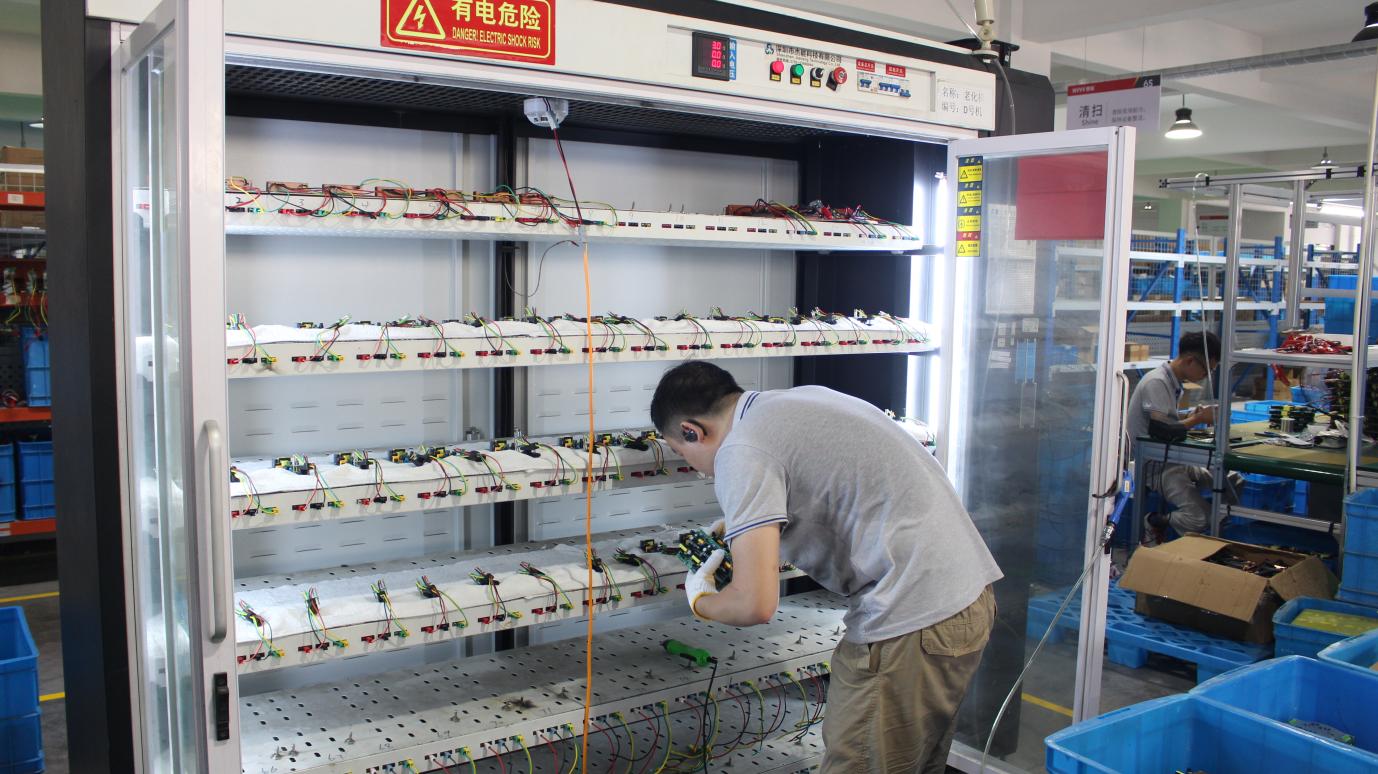
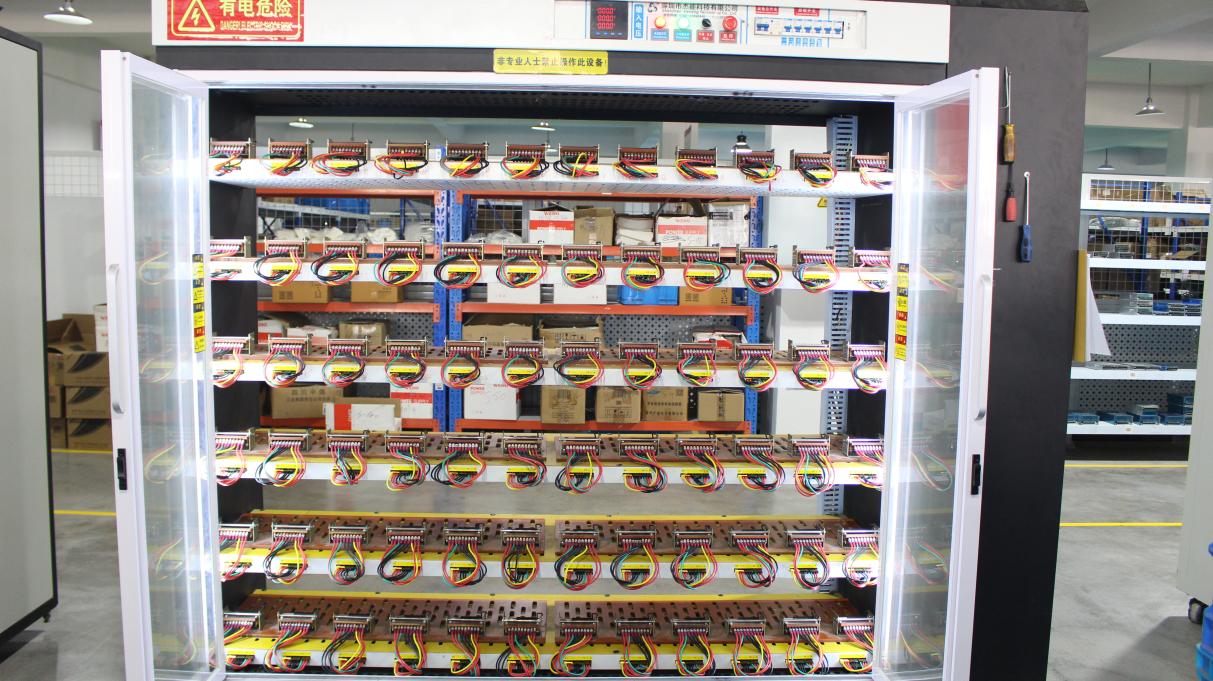
When designing high-uptime plant grids, engineering teams prioritize protection selective coordination. The upstream circuit breaker must not false-trip during low-level transients, yet it must react quickly when a fault bypasses secondary protections. This relationship is critical when feeding SMPS units that power high-current relays, solenoid valves, or LED arrays.
Choosing the correct circuit breaker tripping curve is crucial. Type B curves trip at 3-5 times rated current, suitable for resistive loads. Type C curves (5-10 times rated current) protect standard SMPS like the NDR-120-12, accommodating moderate transformer inrush currents. For high-reactance inductive loads, Type D curves prevent nuisance tripping during switch-on.
Standard magnetic breakers are often insensitive to minor short circuits on long secondary DC cable runs due to cable impedance limiting the fault current. Utilizing high-performance, fast-acting multi-channel electronic circuit protectors ensures microsecond-level fault isolation, protecting the secondary DC rail.
By designing switching units with rapid overload recovery profiles, NVVV products prevent output voltages from dropping during transient fault clearances. This design minimizes system-wide reboots and line resets.
This occurs due to inrush current. At start-up, the uncharged input bulk capacitors in an SMPS act as a temporary short circuit, drawing a high peak current to charge. If the upstream circuit breaker's instantaneous magnetic trip threshold (such as a Type B breaker) is set too low, it interprets this inrush pulse as a short-circuit fault and trips. Using NTC thermistors, active bypass relays, or switching to Type C/D breakers resolved this issue.
Elevated ambient temperatures reduce the heat dissipation capacity of switching power supplies. Most industrial power supplies begin derating linearly above 45°C or 50°C, requiring 20% to 50% load reductions when operating at 70°C. Proper cabinet ventilation, convection spacing (at least 5mm on both sides), and choosing models with high-grade components are necessary to prevent thermal runaway.
Multi-rail power supplies, such as the NVVV T-60B (which provides 5V, 12V, and -12V rails) or the D-30A dual-rail unit, simplify panel layout by eliminating the need for multiple independent converters. A single unit can power both digital logic (5V) and analog operational amplifiers or actuator coils (12V / 24V), reducing the panel footprint and simplifying circuit breaker zoning.
Galvanic isolation (typically 3kVAC primary-to-secondary) prevents dangerous high-voltage line spikes on the AC side from reaching the low-voltage DC control circuits. This protection guards PLCs and HMI touchscreens from high potential damage and limits common-mode noise propagation, ensuring stable telemetry and operation.
High-efficiency switching regulators, IP-rated waterproof transformers, and medical-grade power solutions.
 NVVV Electric