Riyadh is undergoing an unprecedented architectural and urban transformation. Driven by the ambitious goals of Saudi Vision 2030, mega-projects such as the King Salman Park, Riyadh Metro, Qiddiya, and the expansion of smart municipal infrastructure are setting new benchmarks for urban technology. Outdoor visual media installations, intelligent street lighting systems, dynamic building facades, and massive LED advertising screens require specialized electronic architectures that can sustain continuous operations under Saudi Arabia's challenging climate conditions.
In the Middle East, outdoor electronics must survive extreme environmental stresses. The Central Region of Saudi Arabia, and Riyadh in particular, experiences severe sandstorms, high particulate dust loads, intense UV radiation, and ambient temperatures exceeding 50°C during peak summer months. Compounding this, infrequent yet highly intense rainfall events can trigger flash floods and heavy water ingress, leading to potential structural hazards if electrical components are not engineered to strict safety standards. Standard indoor switching power supplies fail rapidly under these stresses. Consequently, engineering firms, government contractors, and commercial developers in Riyadh demand highly specialized, IP-rated rainproof and dust-resistant LED drivers that guarantee reliability, thermal stability, and prolonged service life.
Designing a power supply system capable of withstanding the Riyadh climate requires solving three critical engineering problems: thermal dissipation, particulate seal integrity, and dynamic voltage variation. Standard cooling configurations often fail because the combination of fine atmospheric dust and high temperatures creates a thermal insulating layer on electronic components, accelerating component degradation.
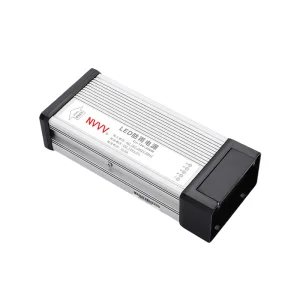
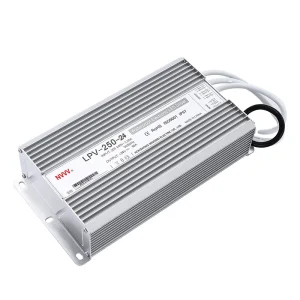
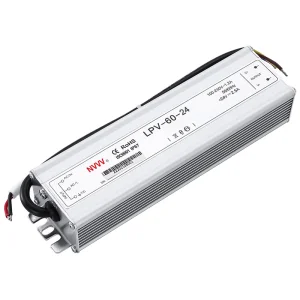
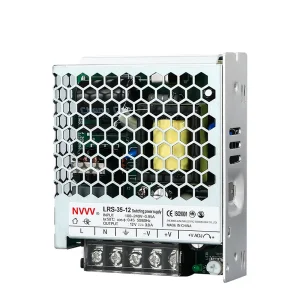
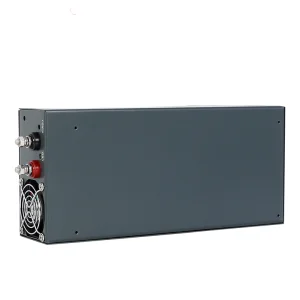
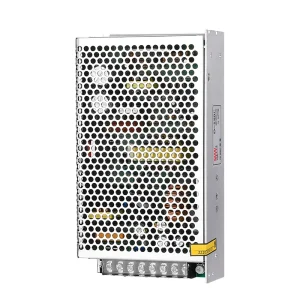
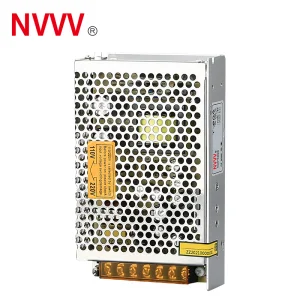
NVVV utilizes semi-potted silicone designs and customized extruded aluminum cases with high heat dissipation fins. This maintains internal operating temperatures below critical limits even when ambient temperatures reach 50°C, minimizing thermal de-rating.
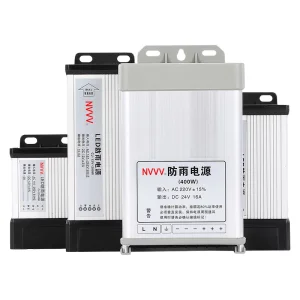
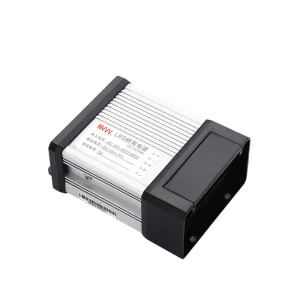
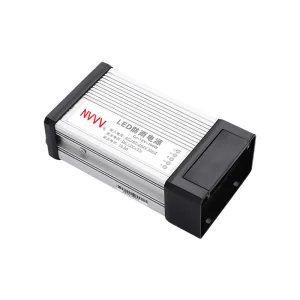
Our rainproof modules feature a unique rain-shield enclosure designed to direct rainwater away from live components while maintaining optimal airflow. Conformal coatings defend the internal circuitry against micro-fine desert dust.
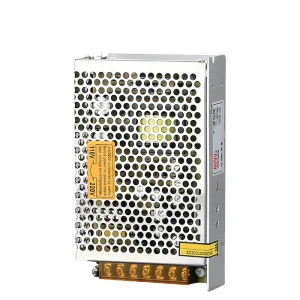
Equipped with broad input range tolerances, our SMPS systems absorb transient surges caused by grid switching or large load variations common in developing industrial zones, ensuring a steady DC output.
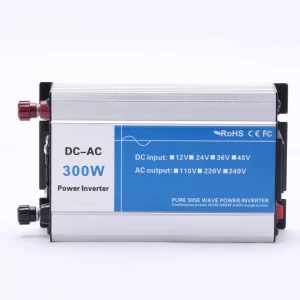
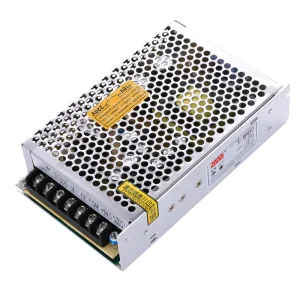
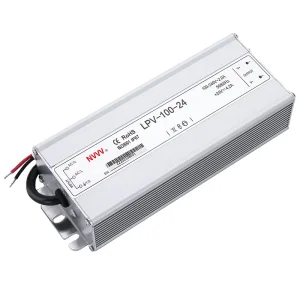
Across the globe, the power conversion industry is transitioning toward digital power control and intelligent energy management. Power supplies are no longer seen as simple passive transformers; they have evolved into critical components of smart grids and municipal IoT systems. The integration of high-frequency power semiconductors, such as Gallium Nitride (GaN) and Silicon Carbide (SiC), has enabled manufacturers to design compact, high-density power modules that operate at up to 94% efficiency.
This increased efficiency is crucial for macro-level sustainable development. Globally, reducing energy conversion losses directly impacts carbon emissions. For megaprojects in Riyadh, using high-efficiency power supplies translates to reduced heat load on infrastructure, lowering building cooling requirements and saving millions of kilowatt-hours annually. Additionally, modern industrial power supplies are increasingly incorporating digital communication buses (such as PMBus or Modbus protocols), enabling central management systems to monitor power efficiency, output voltage, and temperature metrics in real time. This capability allows operators to perform predictive maintenance before a hardware failure occurs, minimizing downtime across critical public displays and traffic management infrastructures.
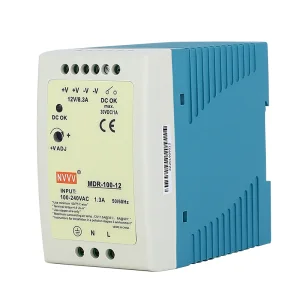
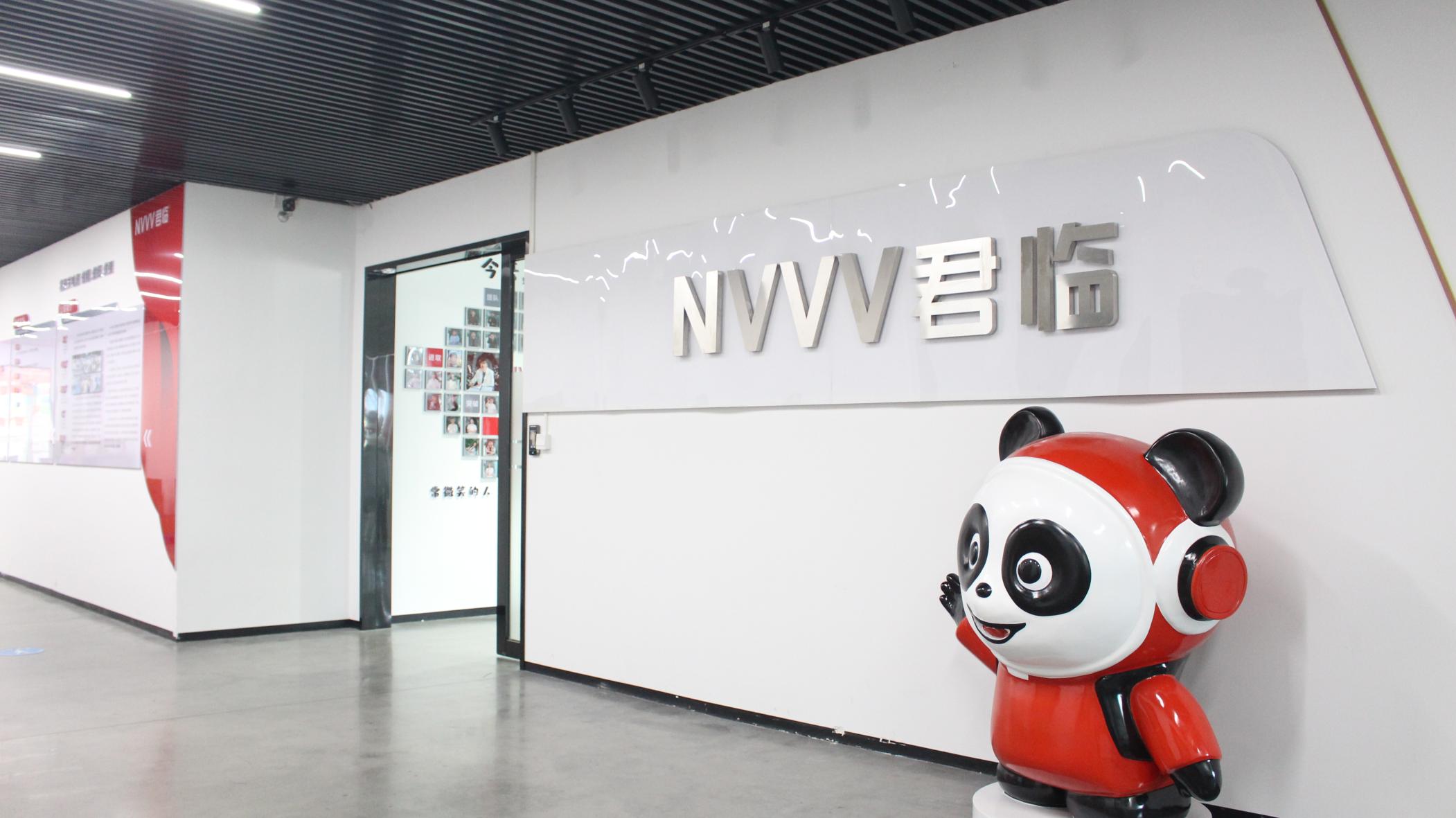
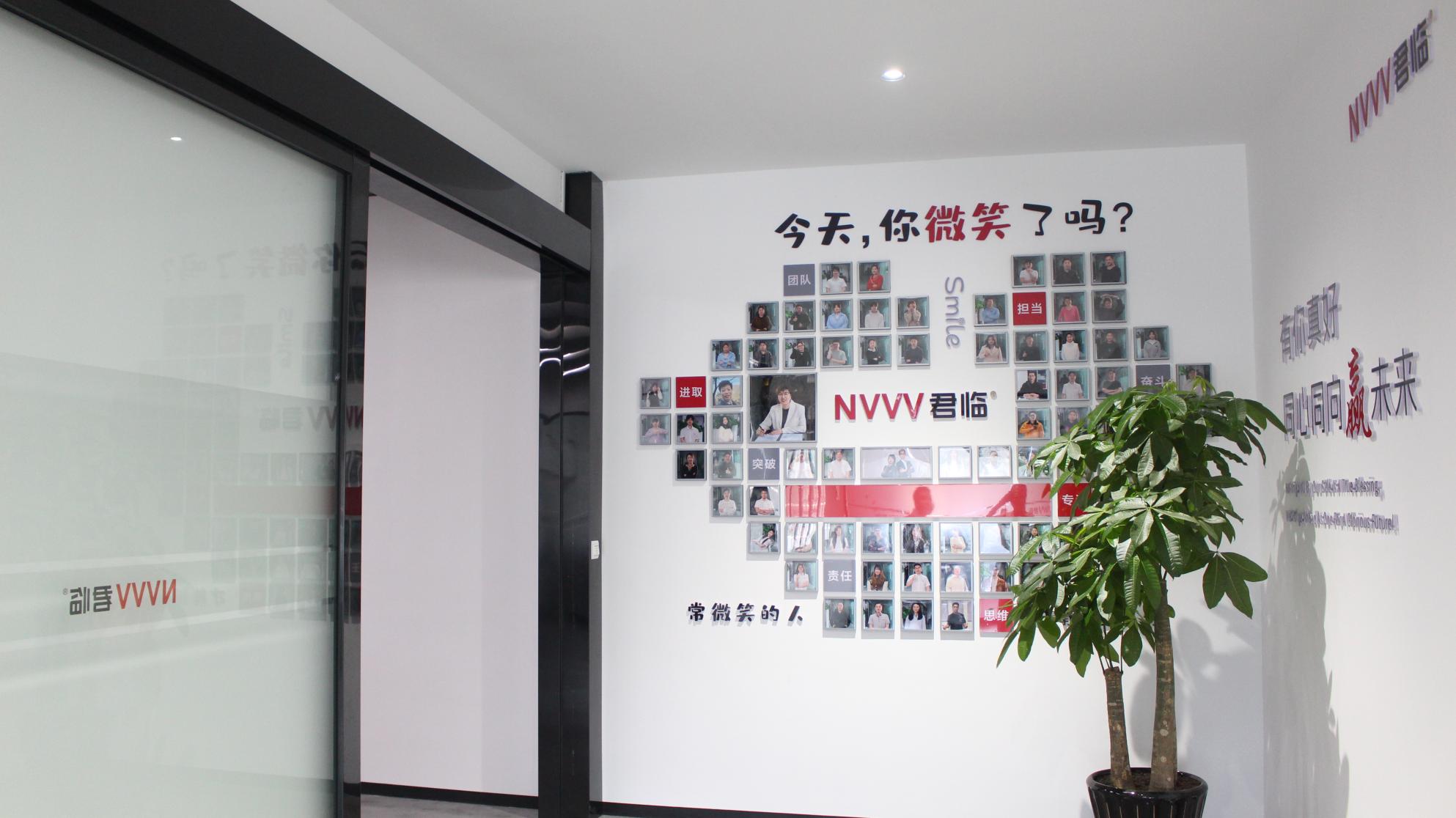
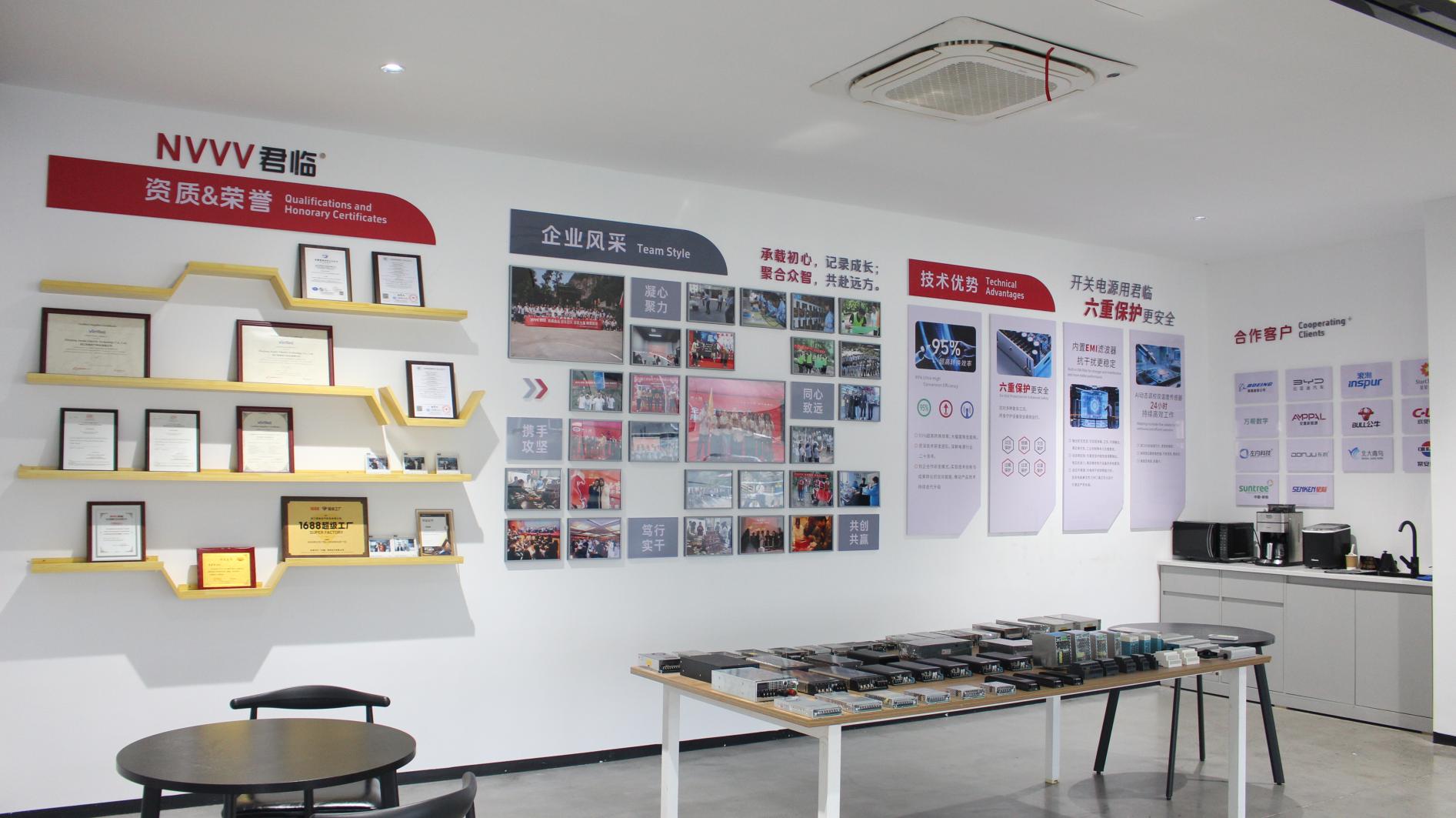
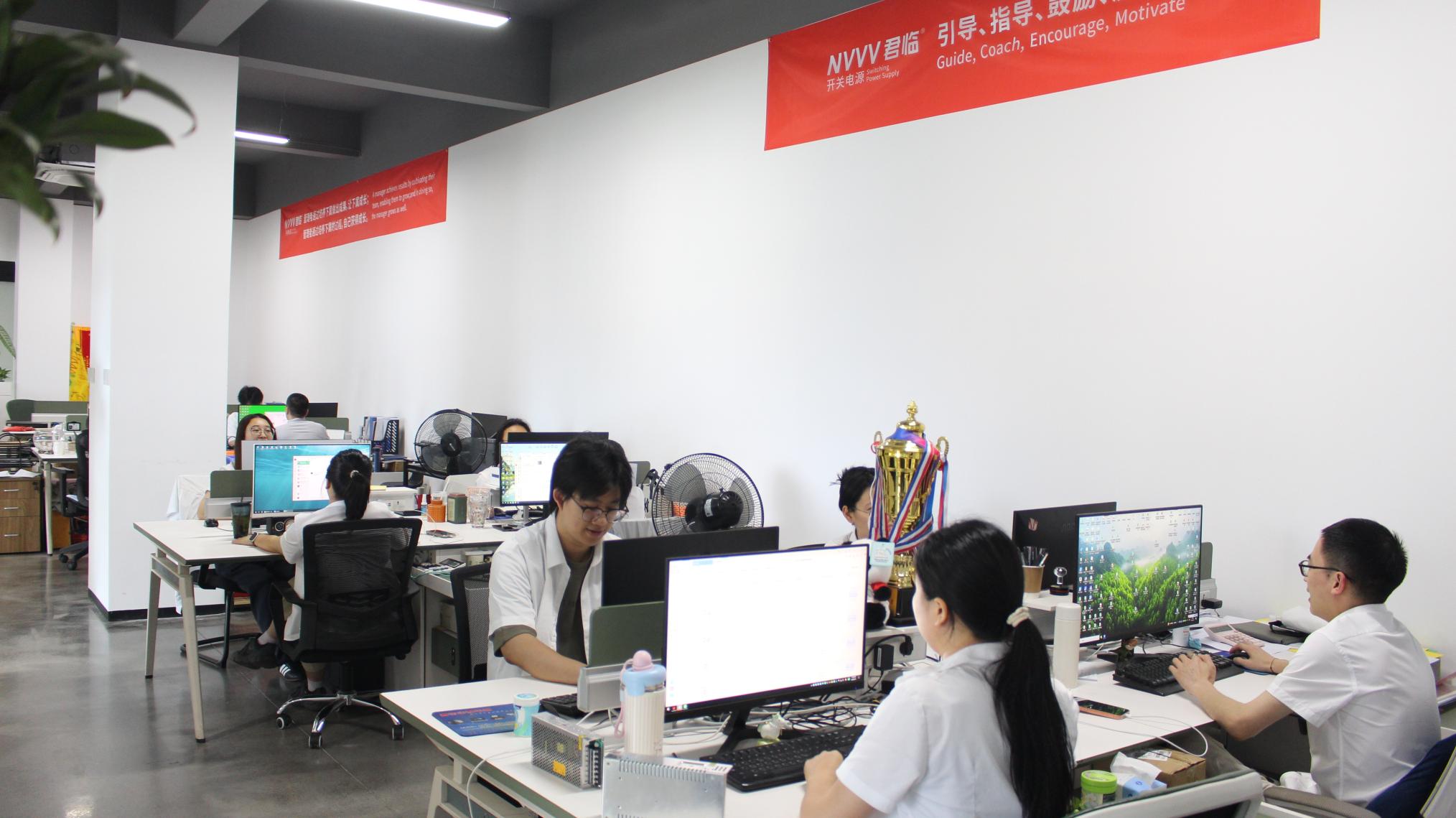
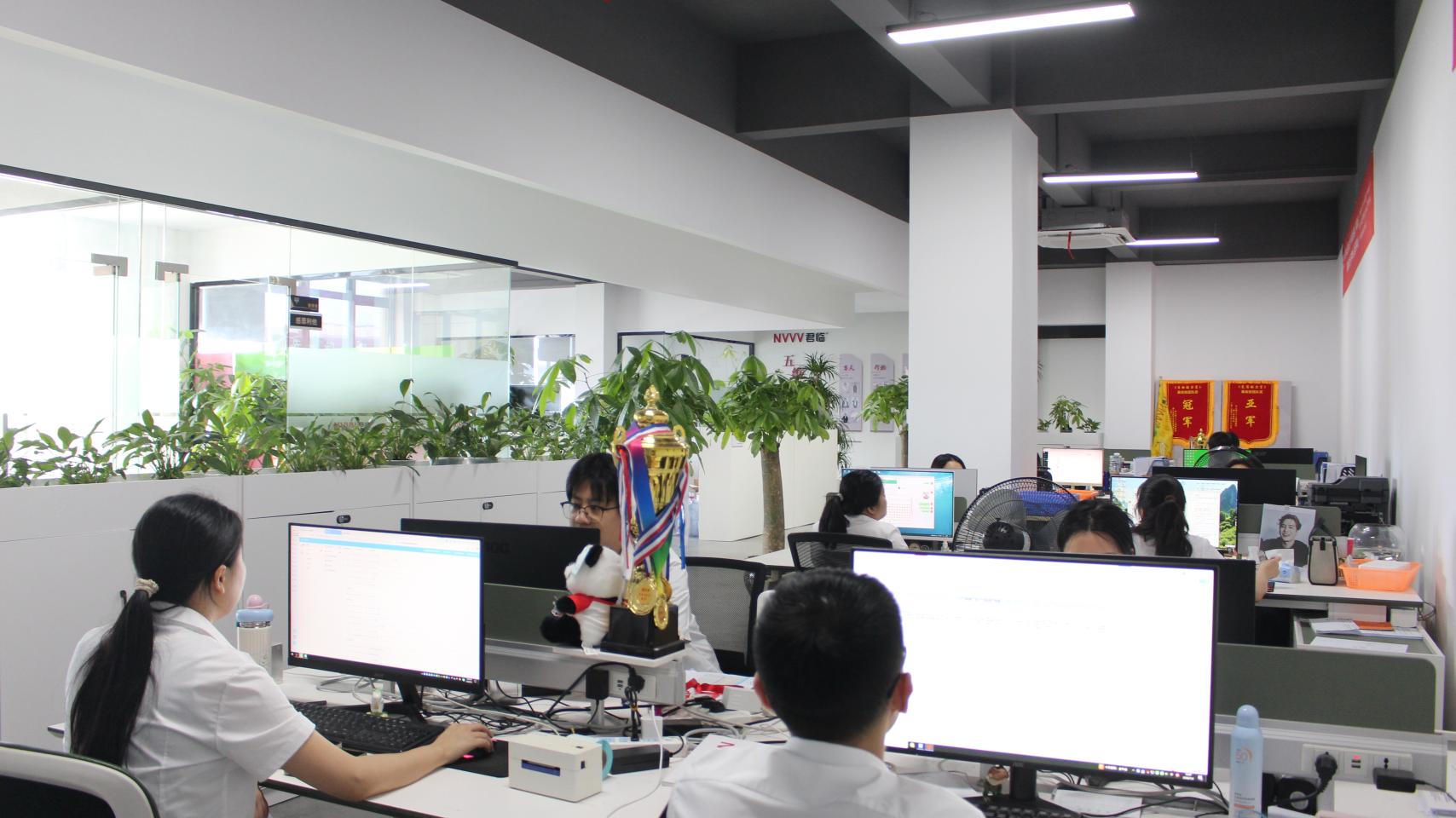
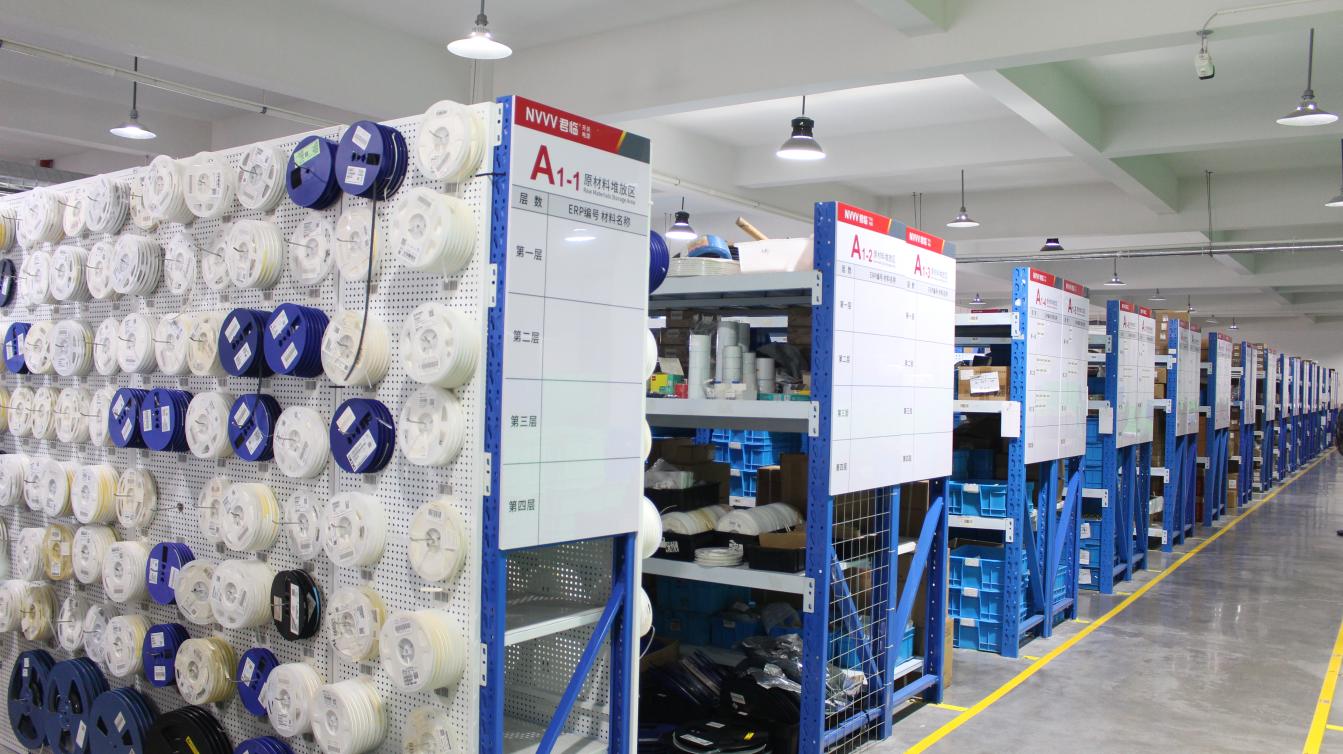
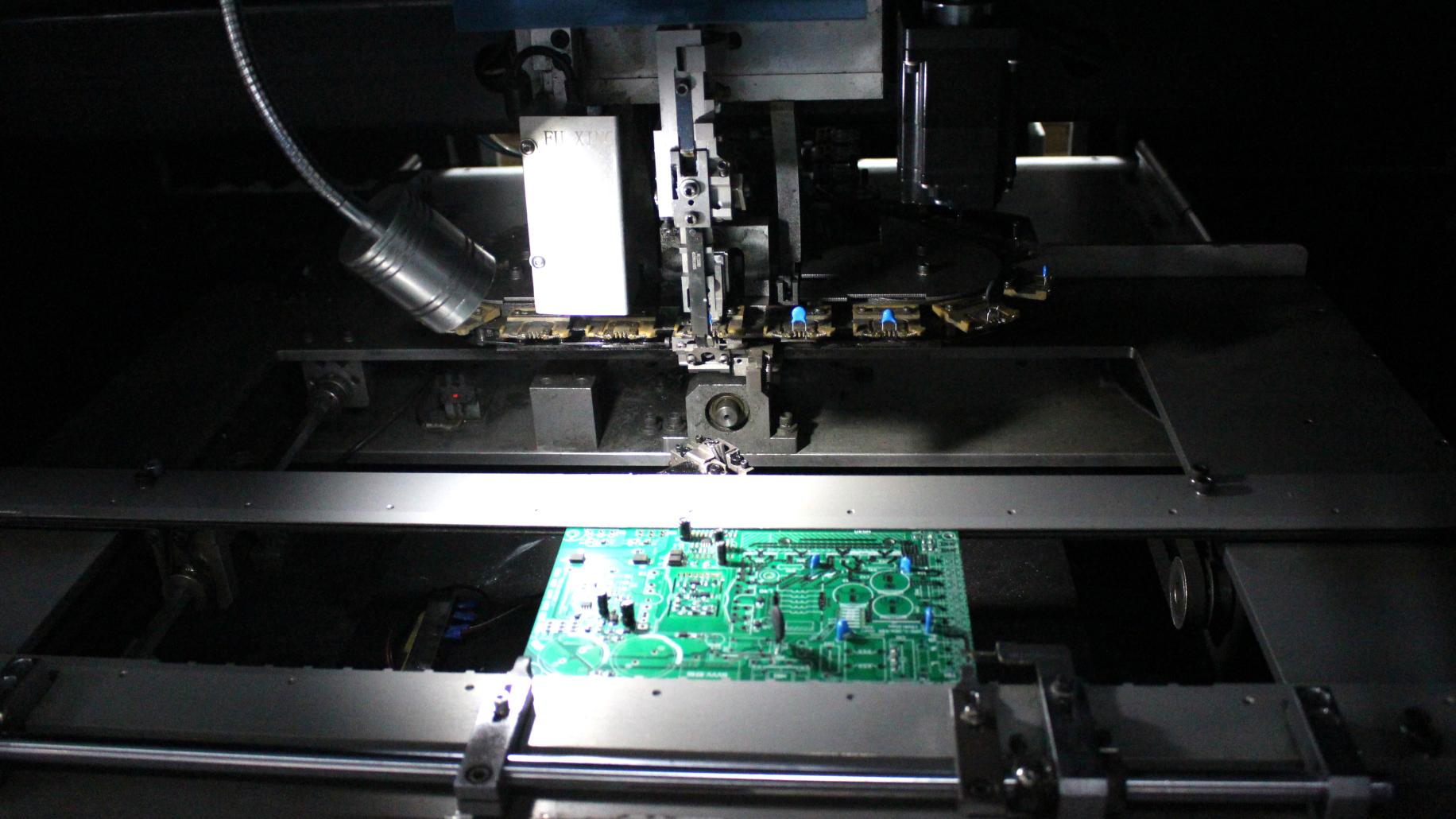
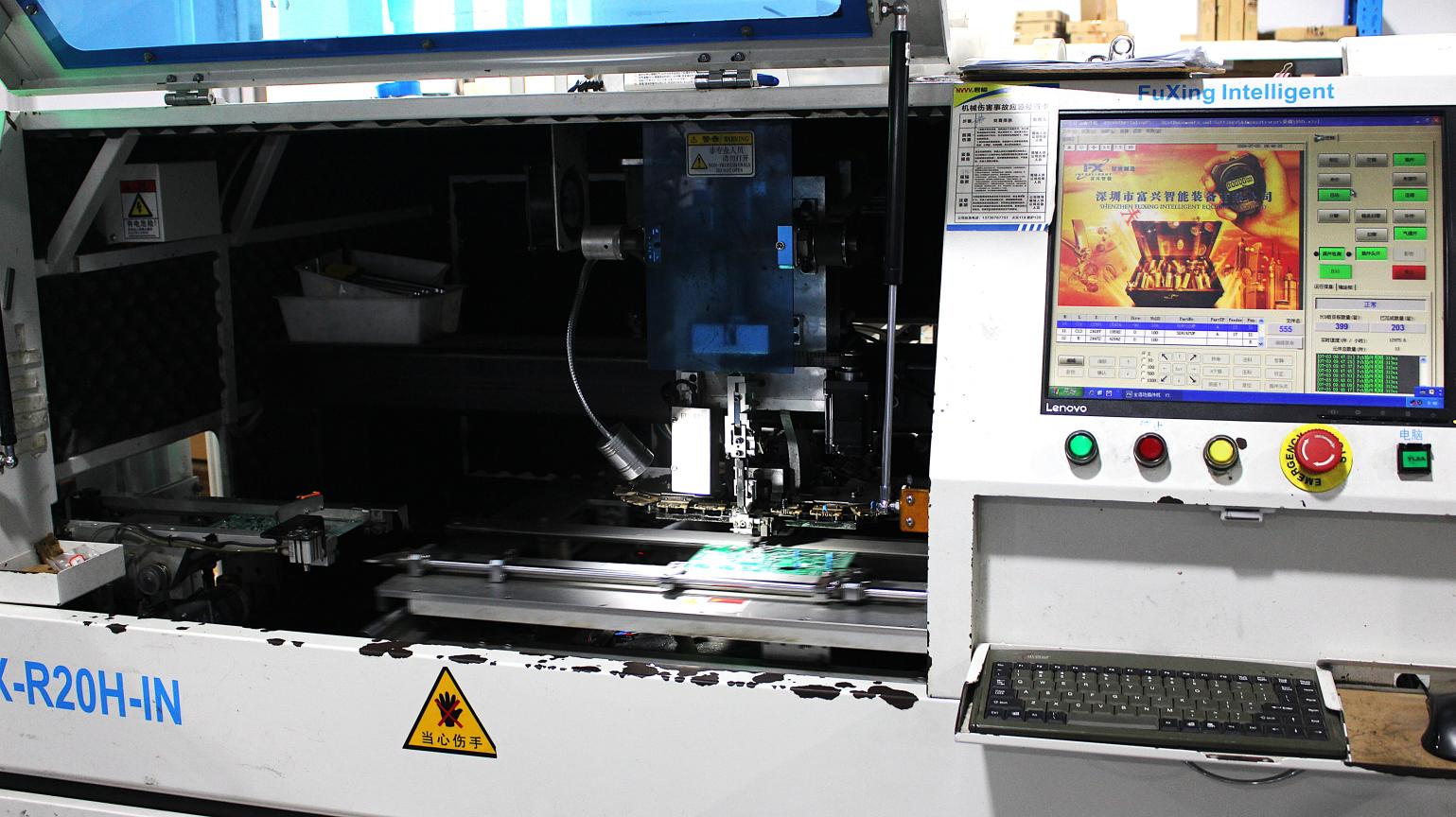
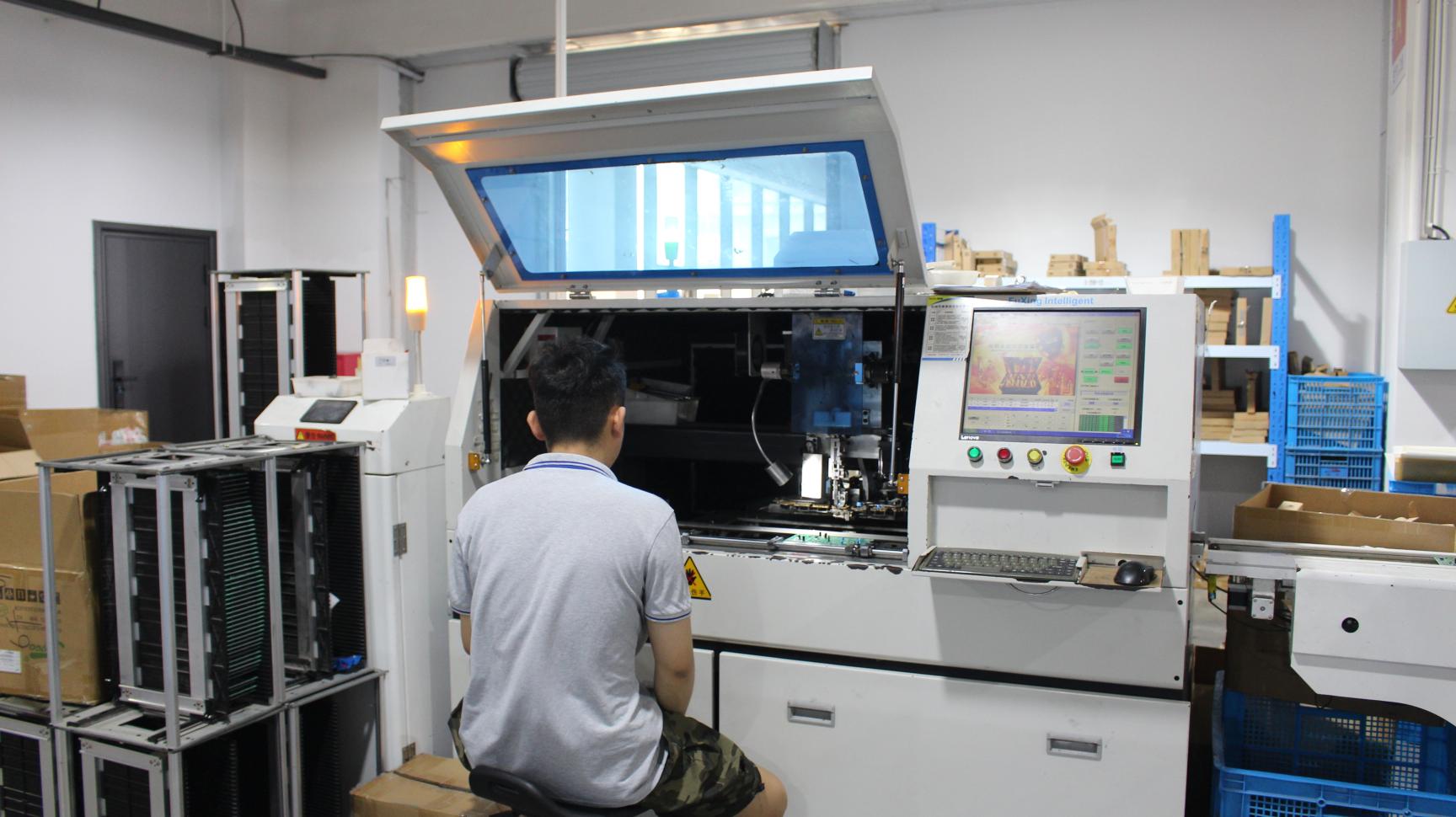
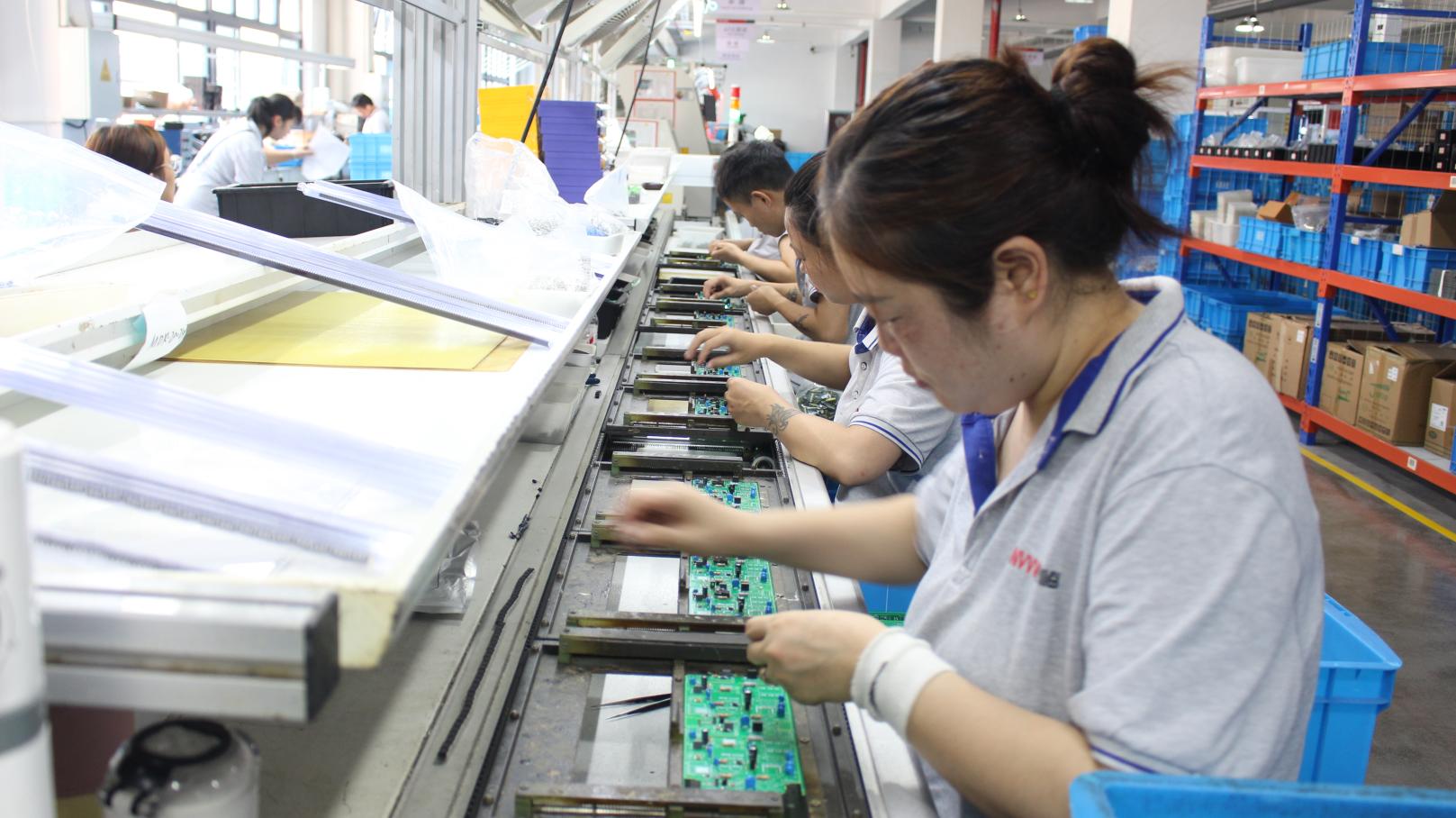
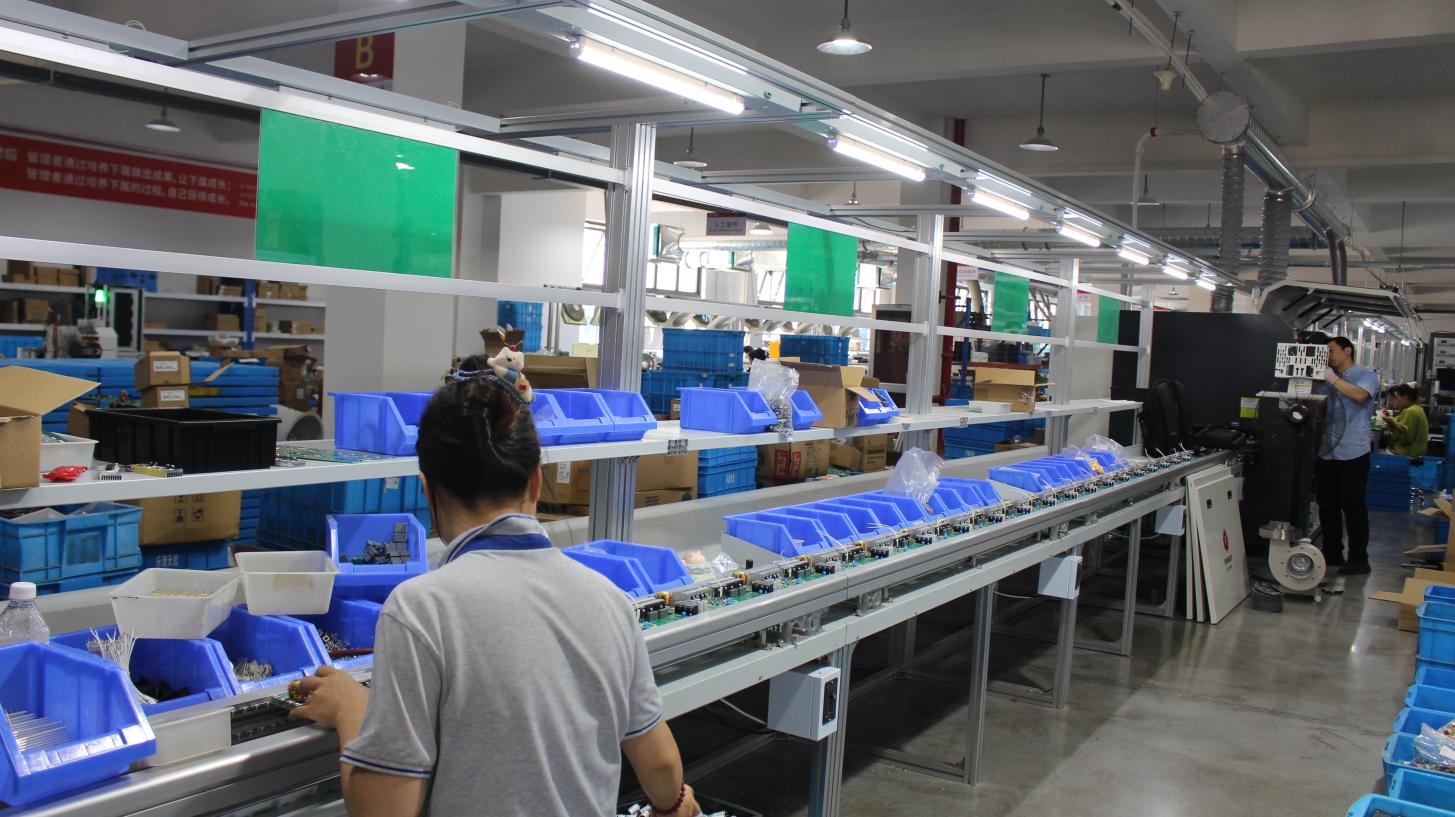
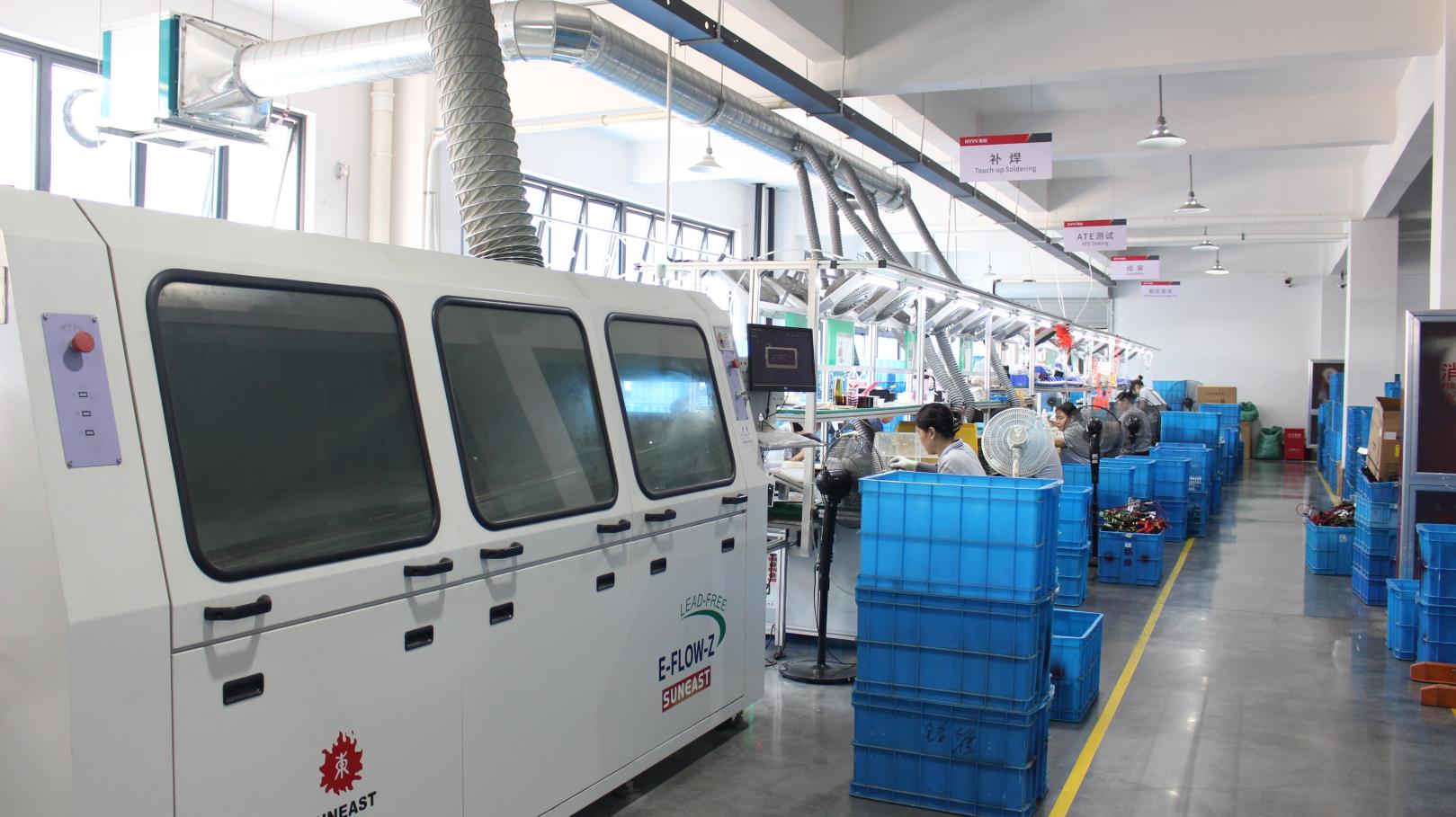
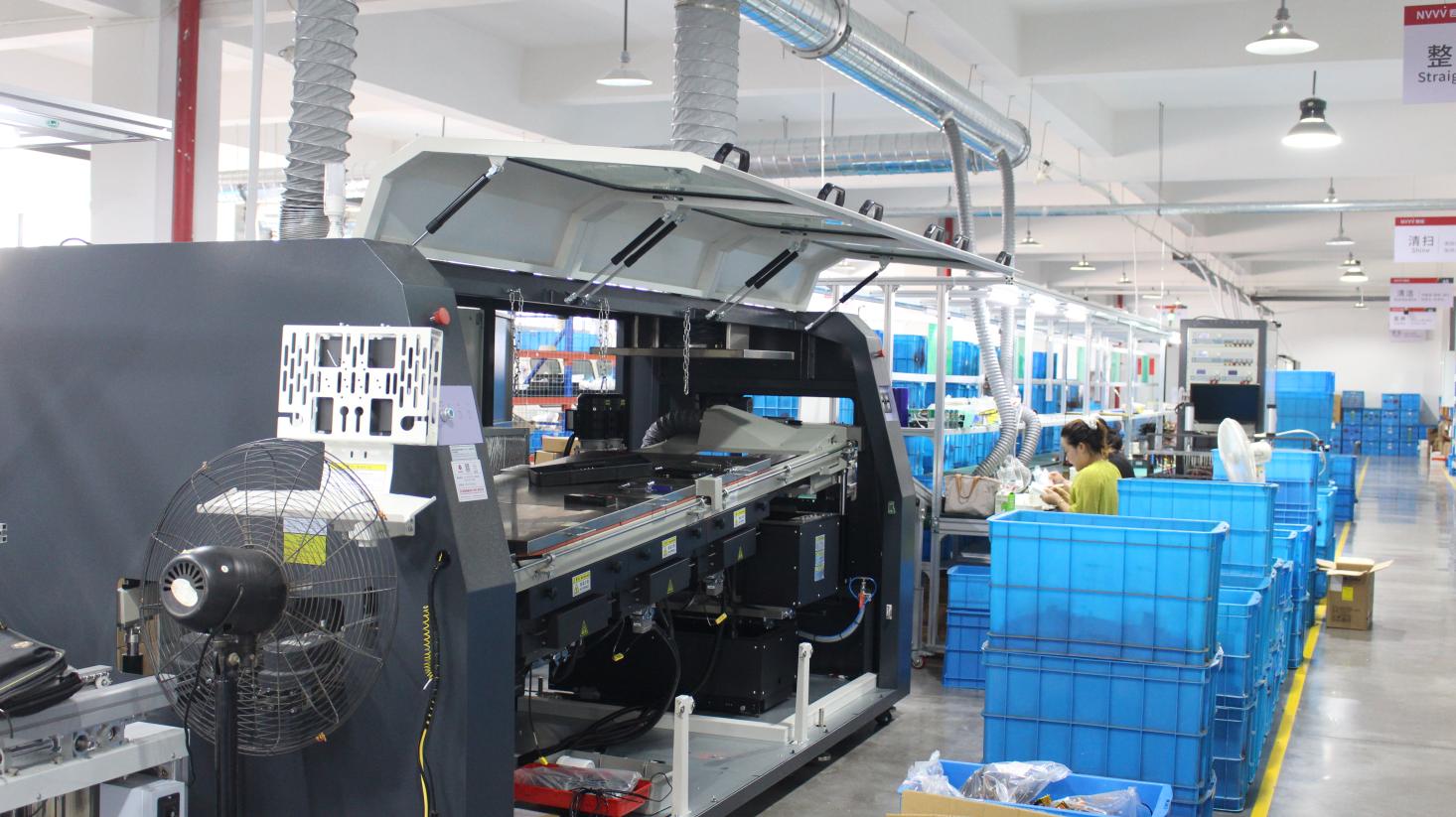
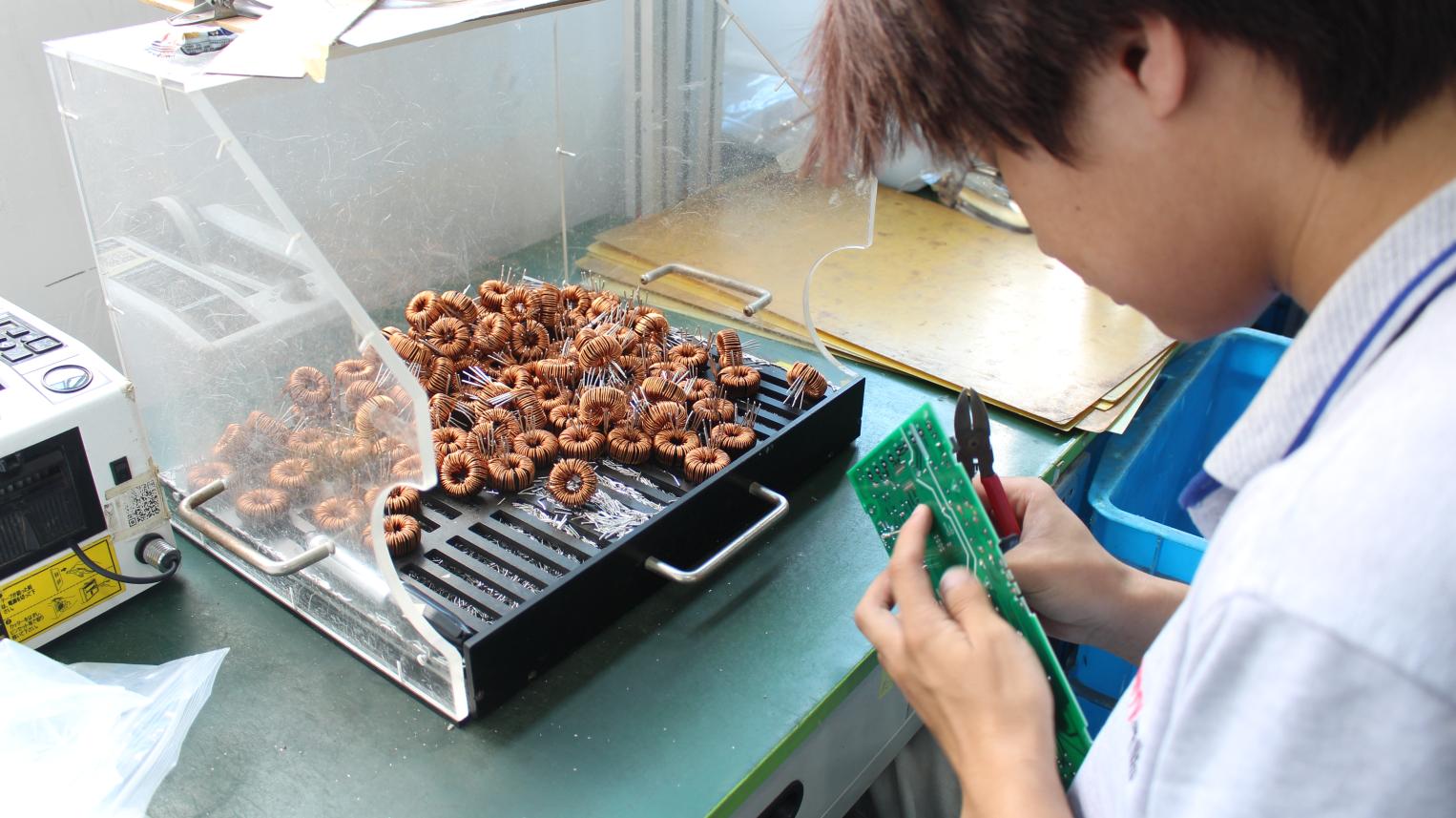
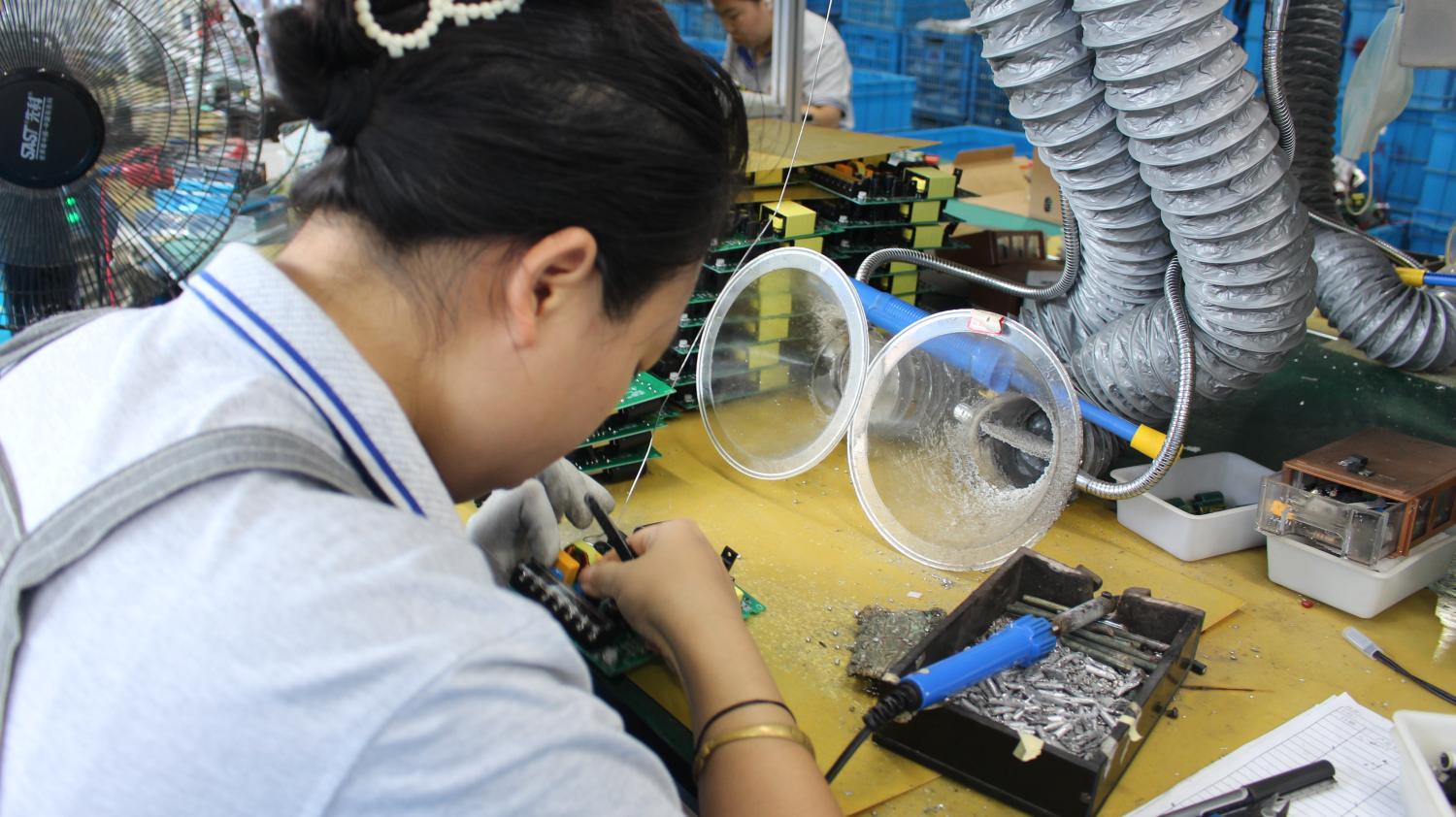
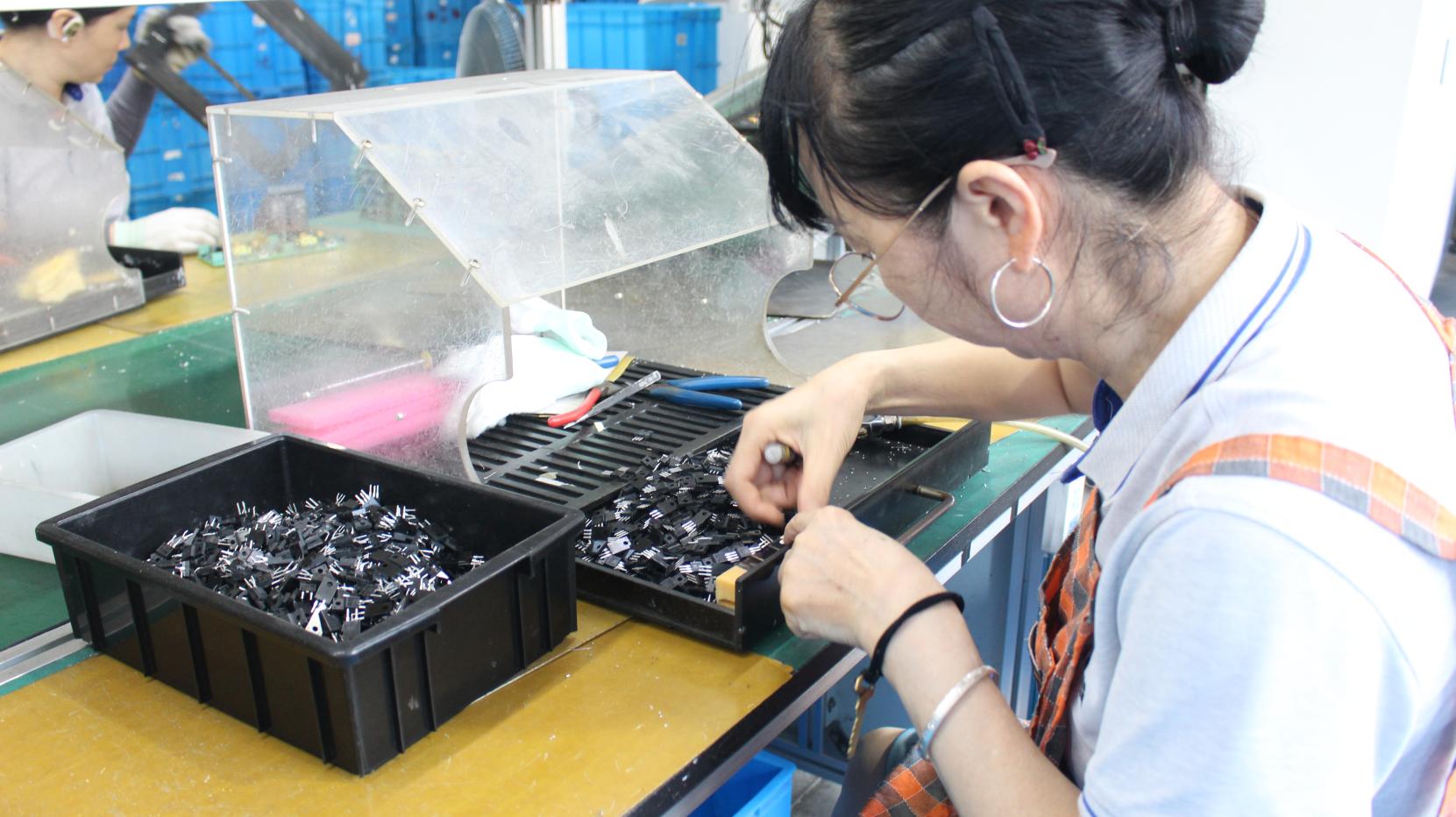
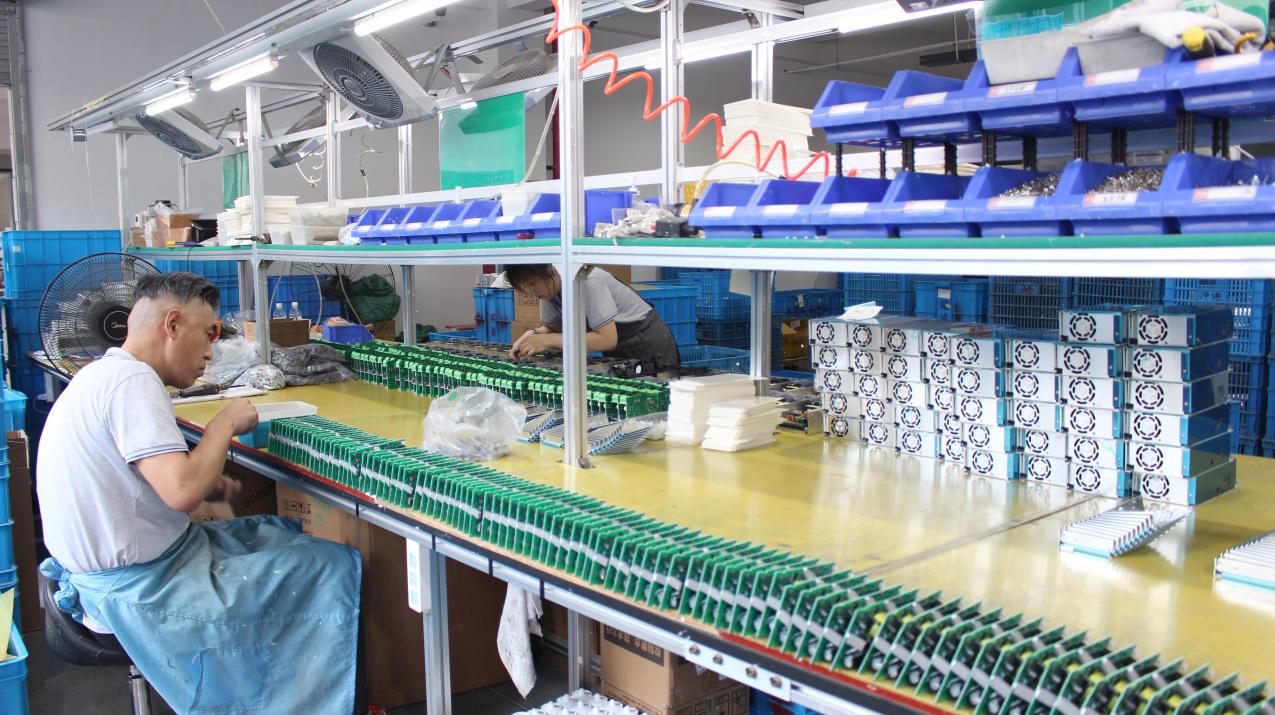
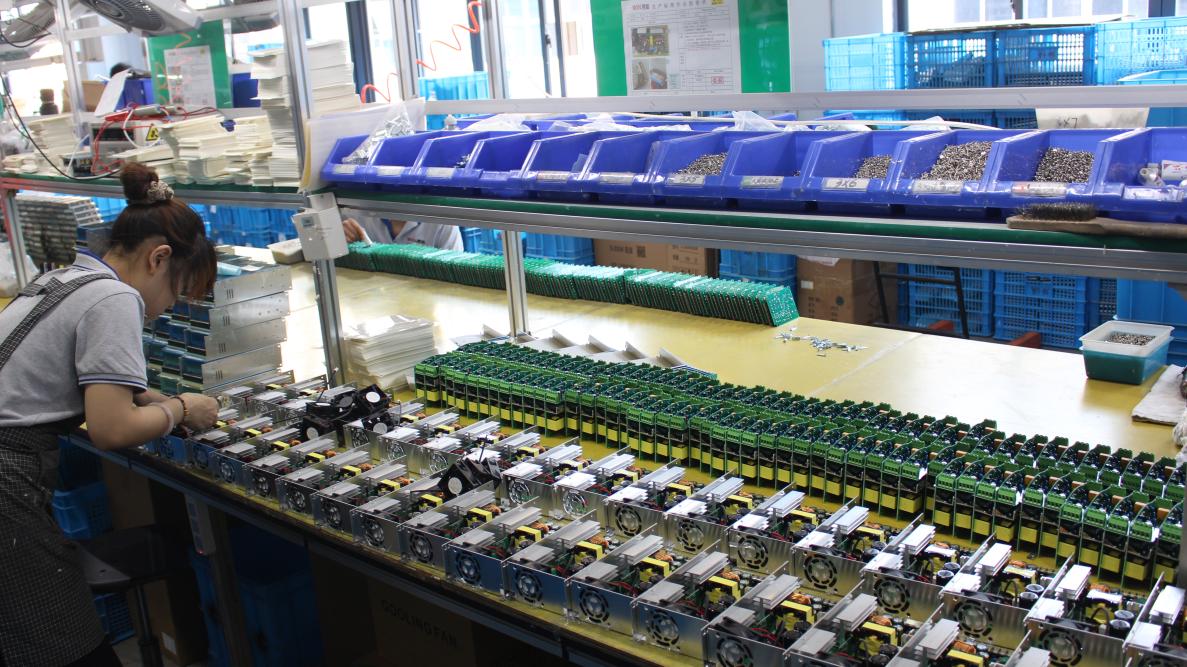
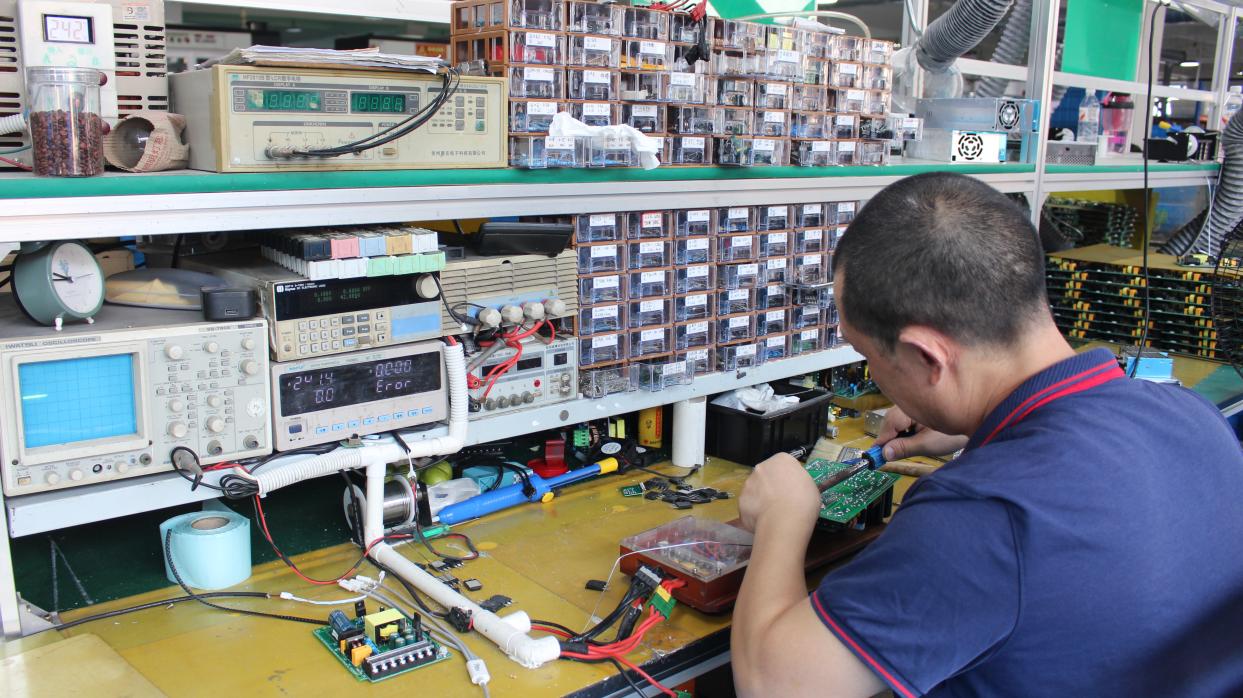
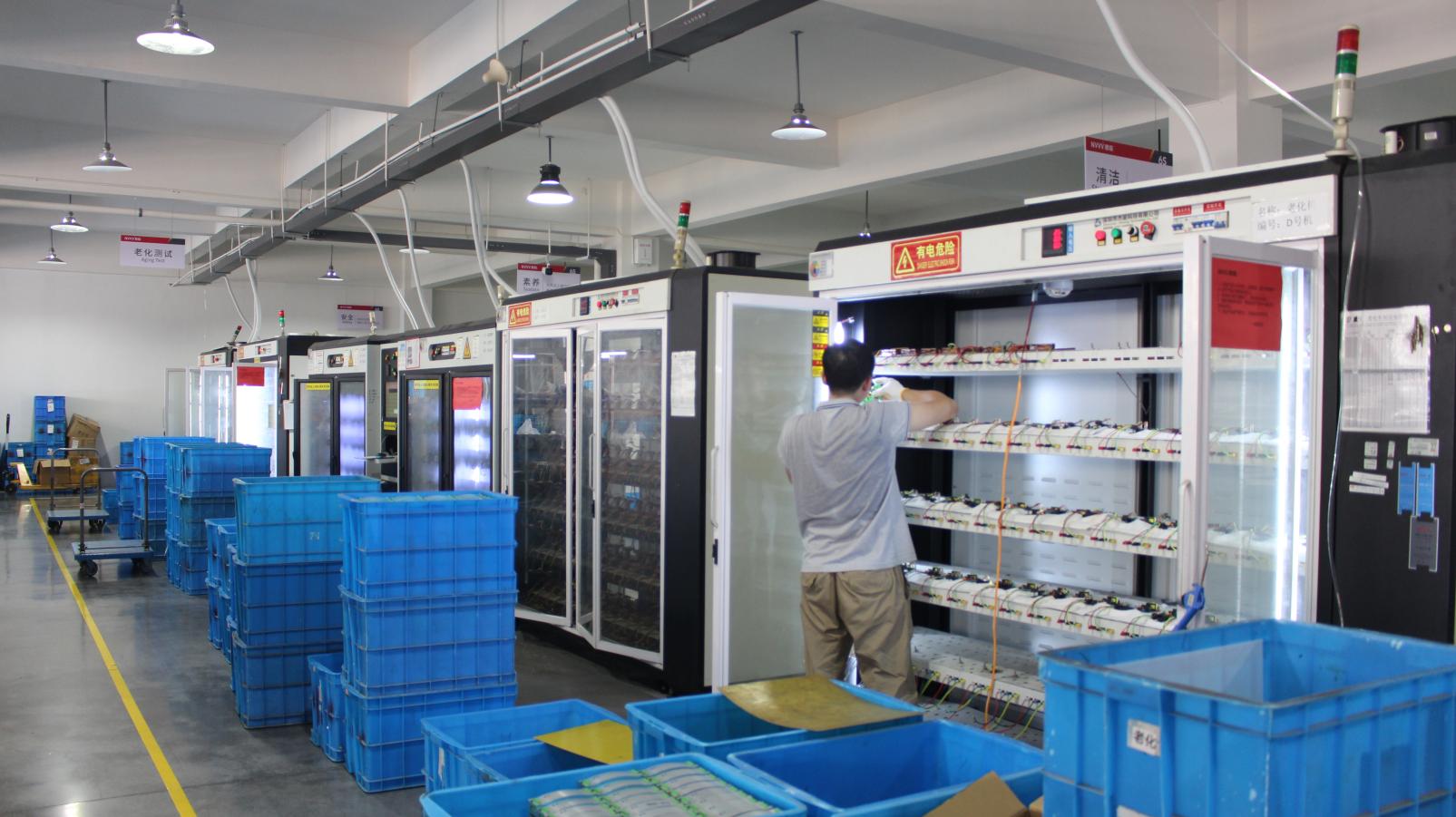
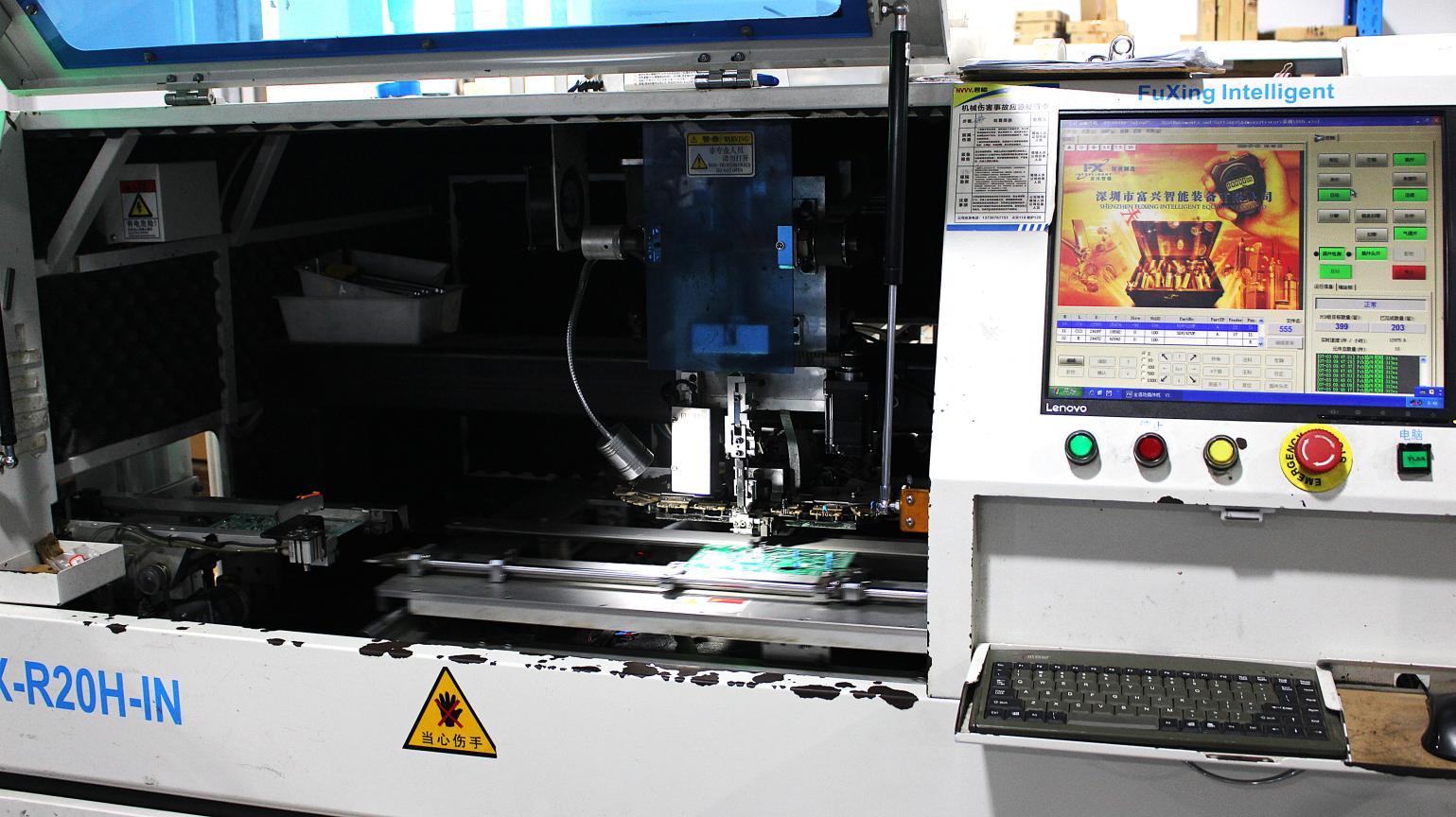
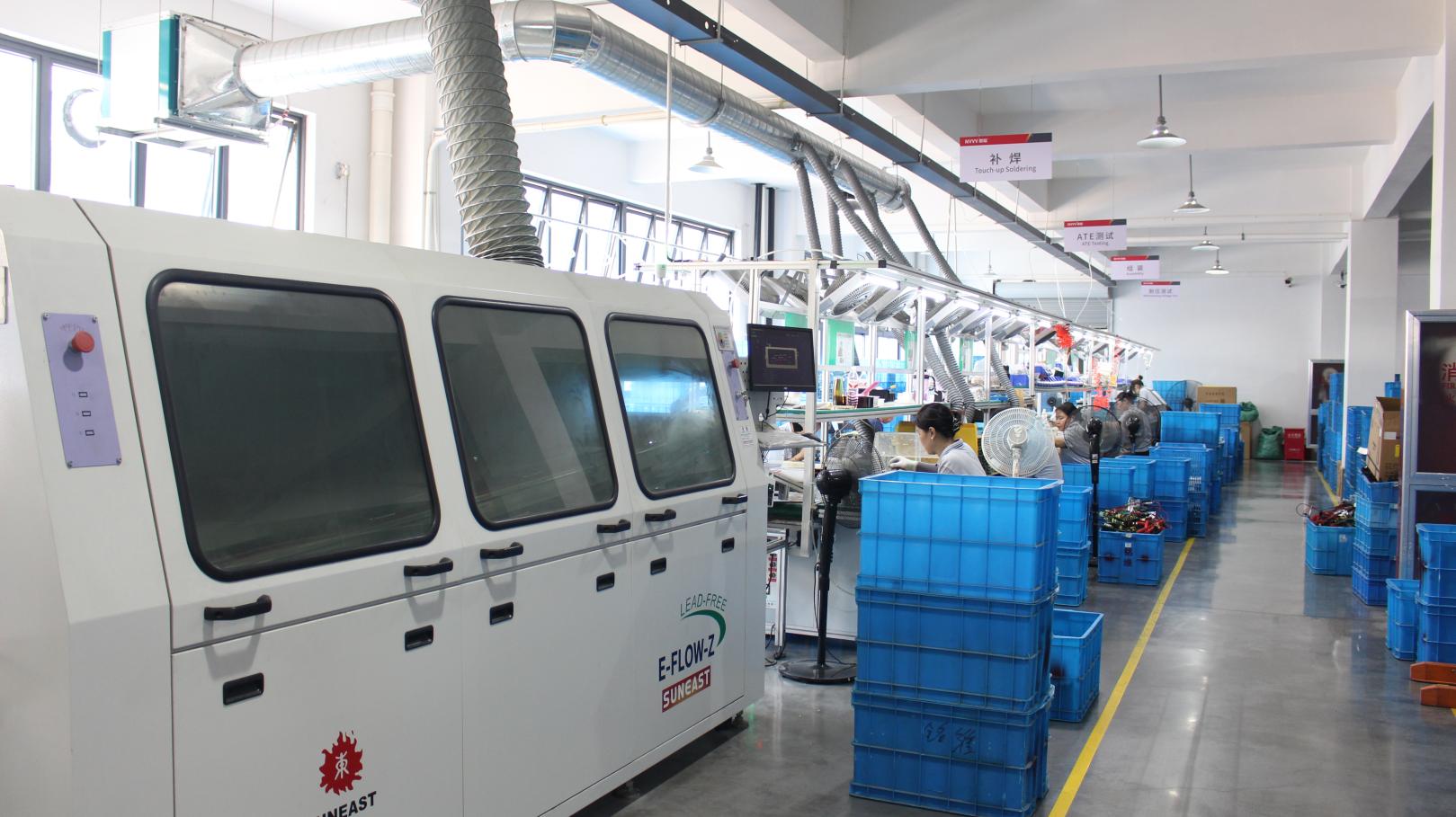
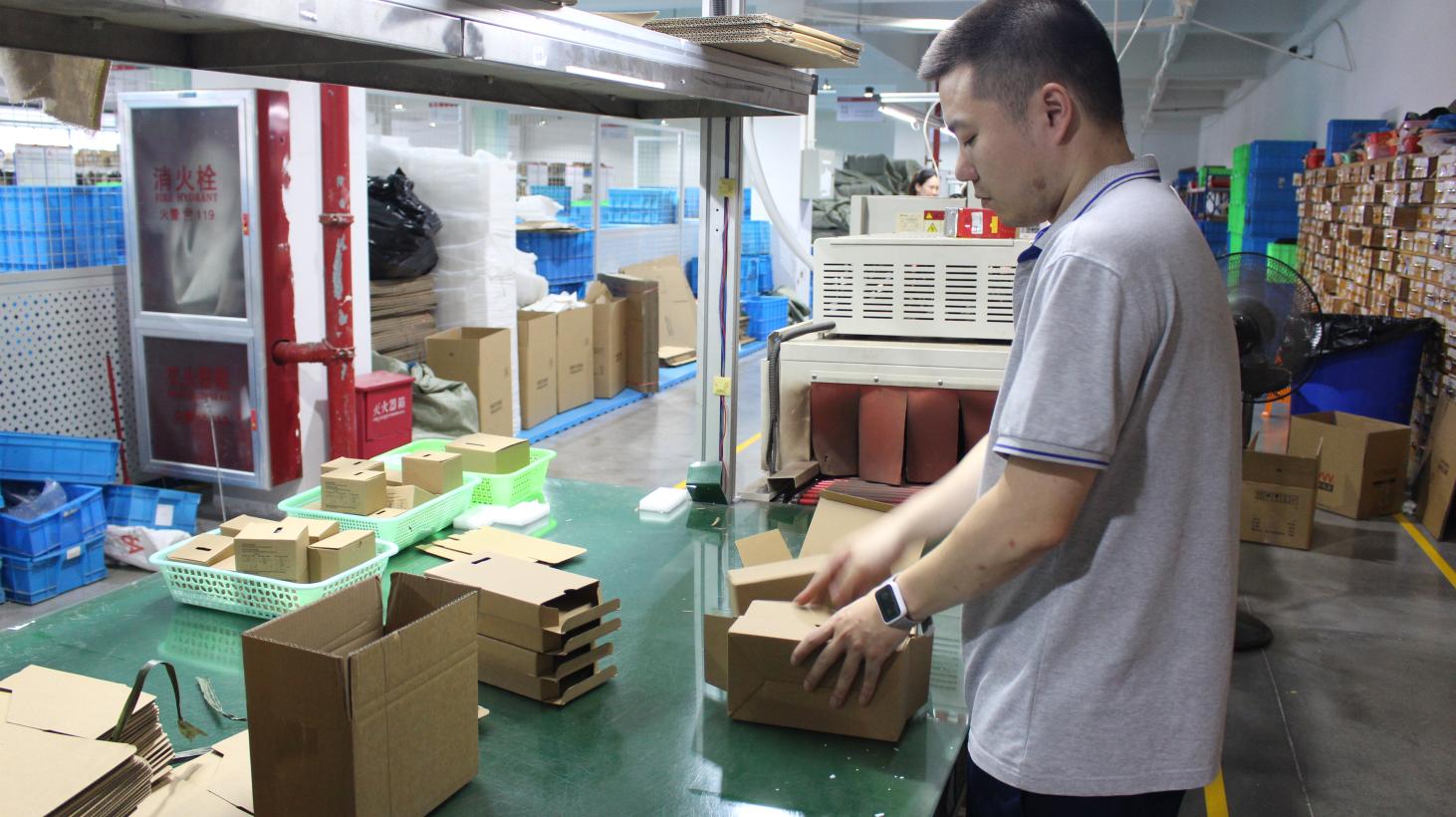
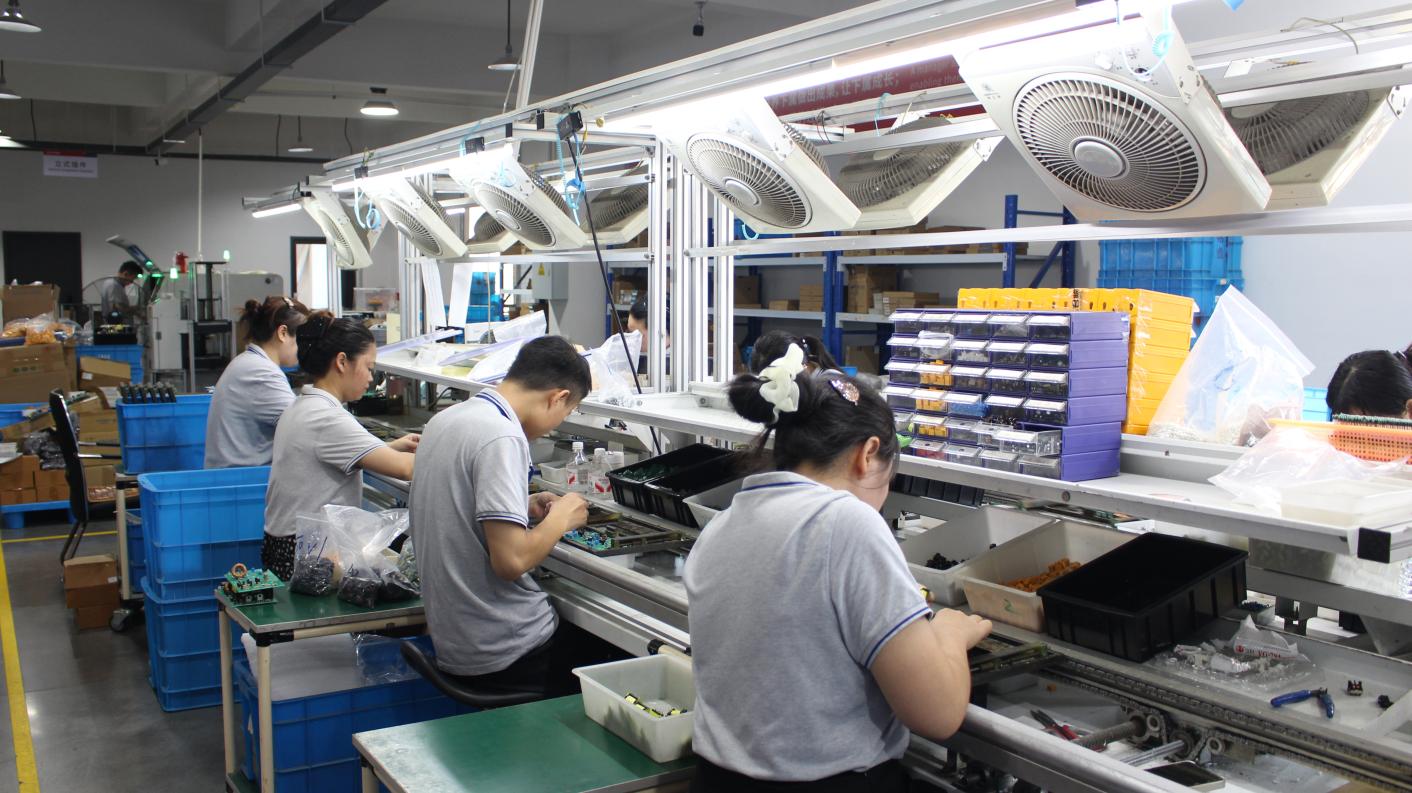
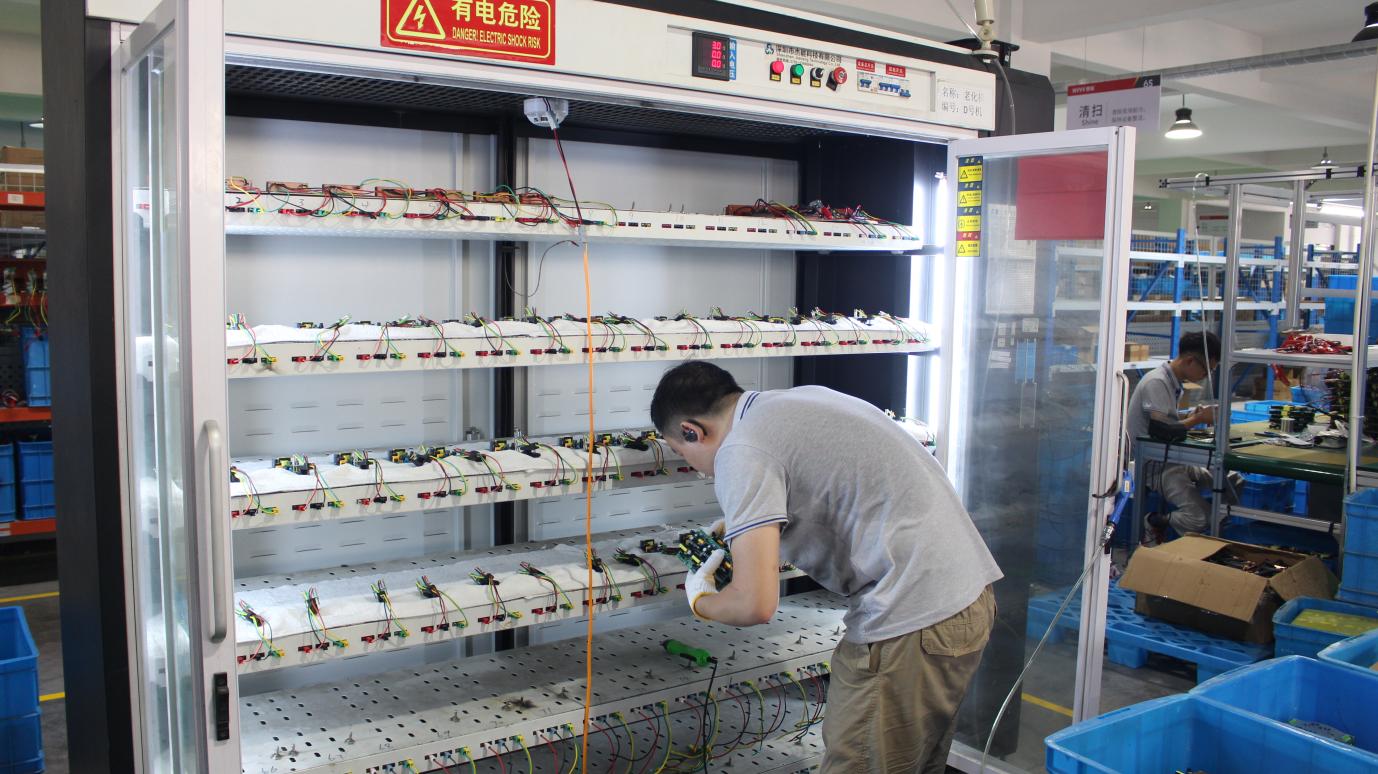
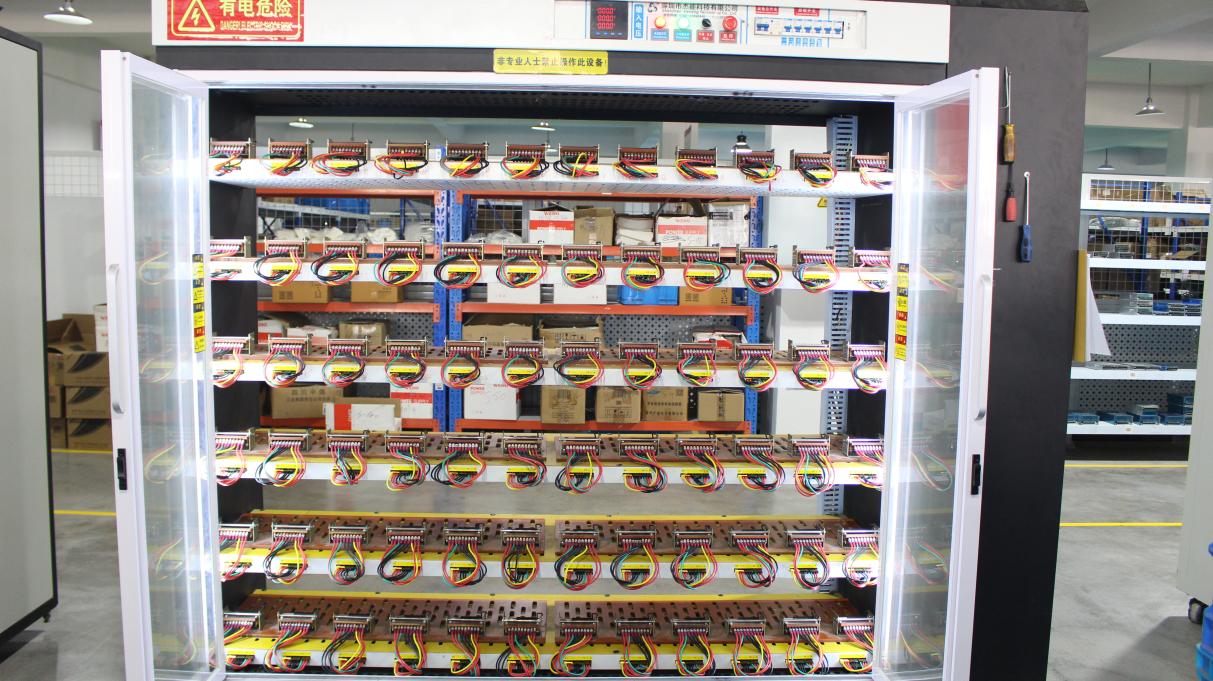
At NVVV Electric Technology Co., Ltd., we combine scientific research and rigorous manufacturing processes to deliver high-performance products. Operating from our modern 2,644 square meter facility in Wenzhou, China, our team of 50 skilled professionals—including 7 dedicated R&D engineers—oversees 5 automated production lines and 46 advanced machines. We implement a rigorous, multi-stage quality control process to verify that every rainproof module and DIN rail switching supply meets demanding international standards, including CE, FCC, CCC, UKCA, and BIS certifications.
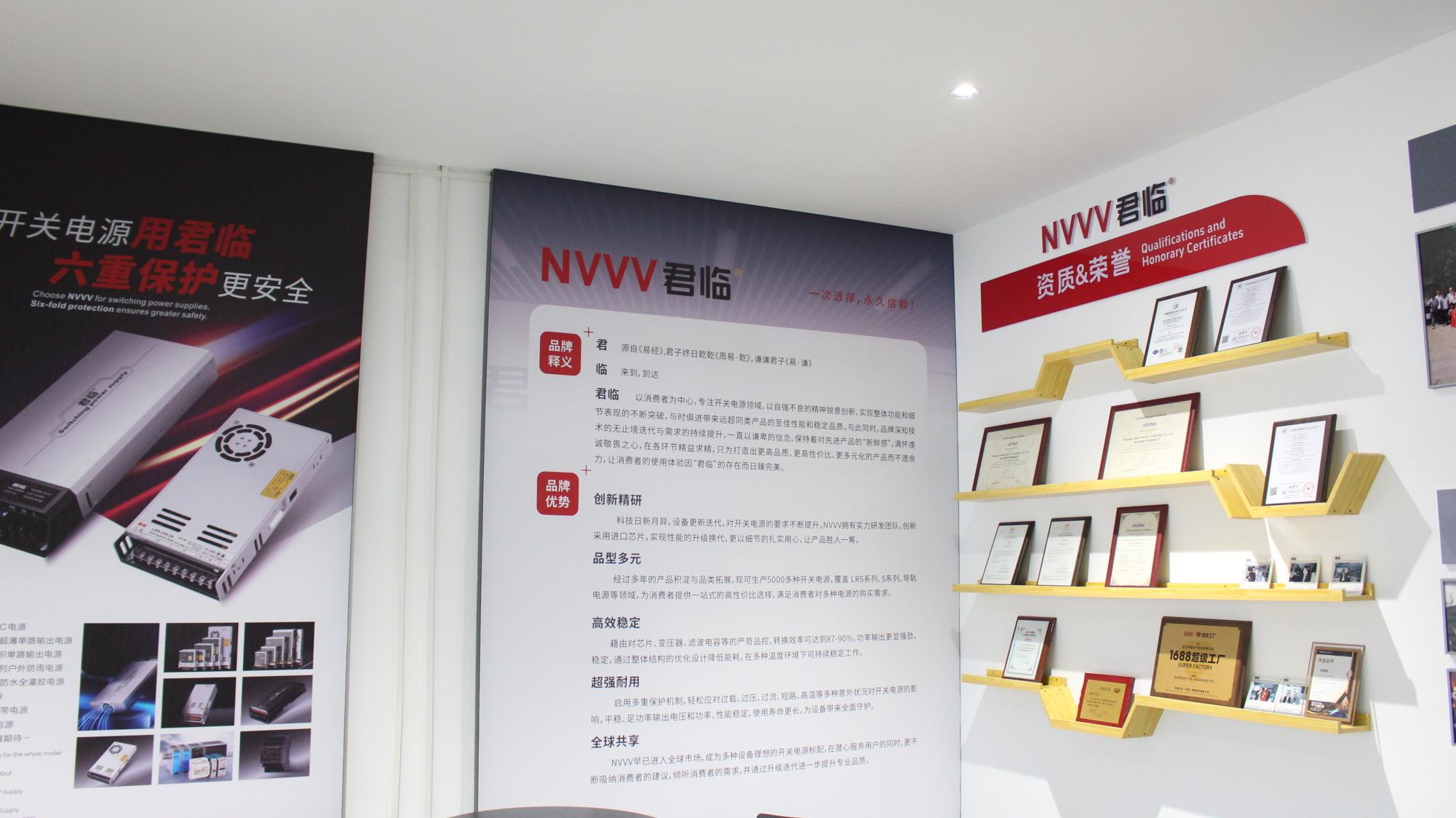
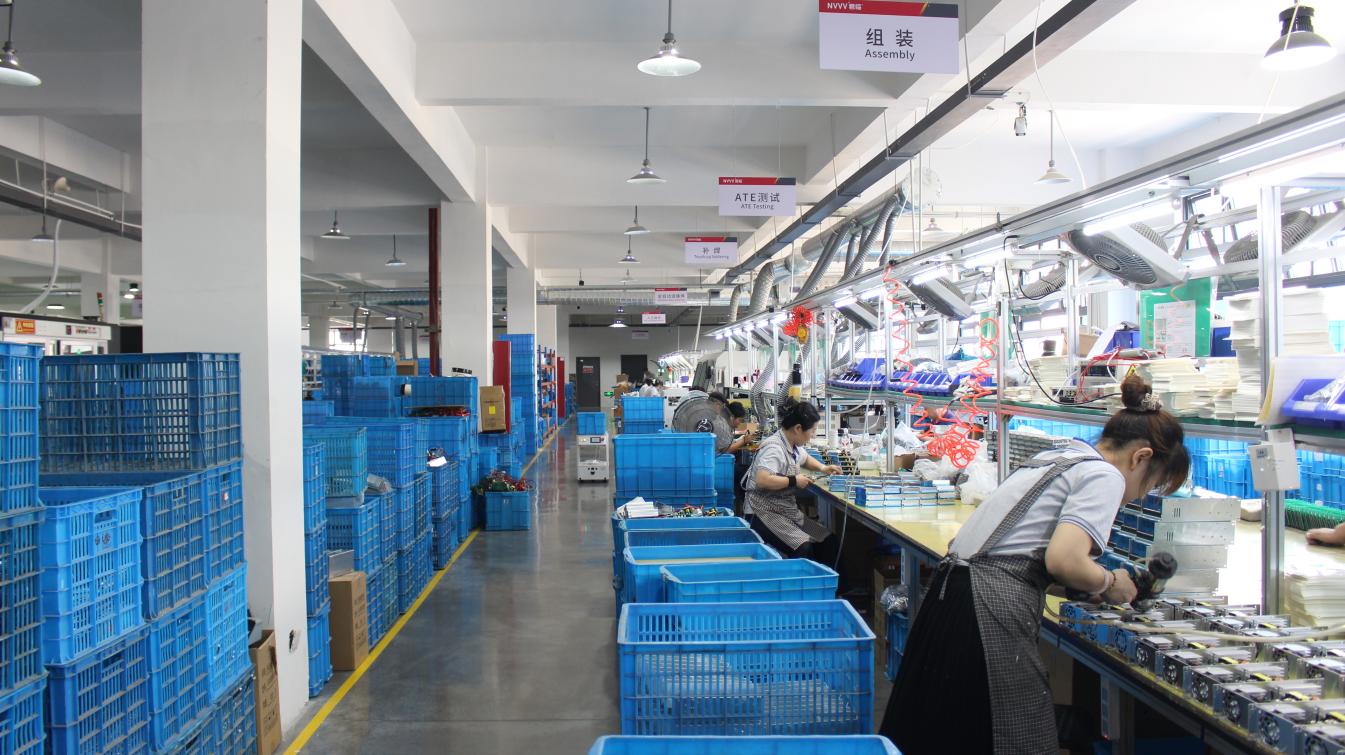
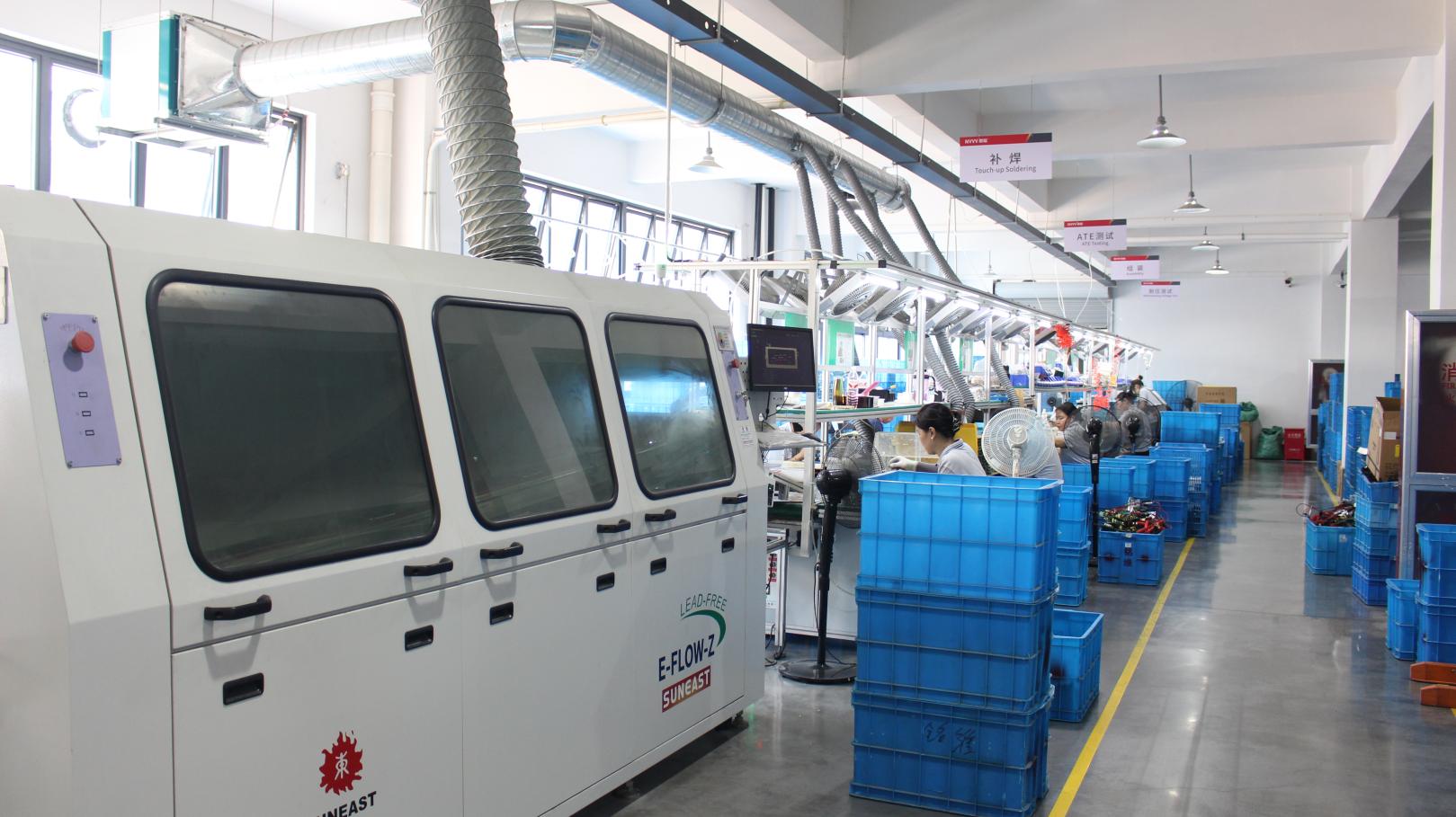
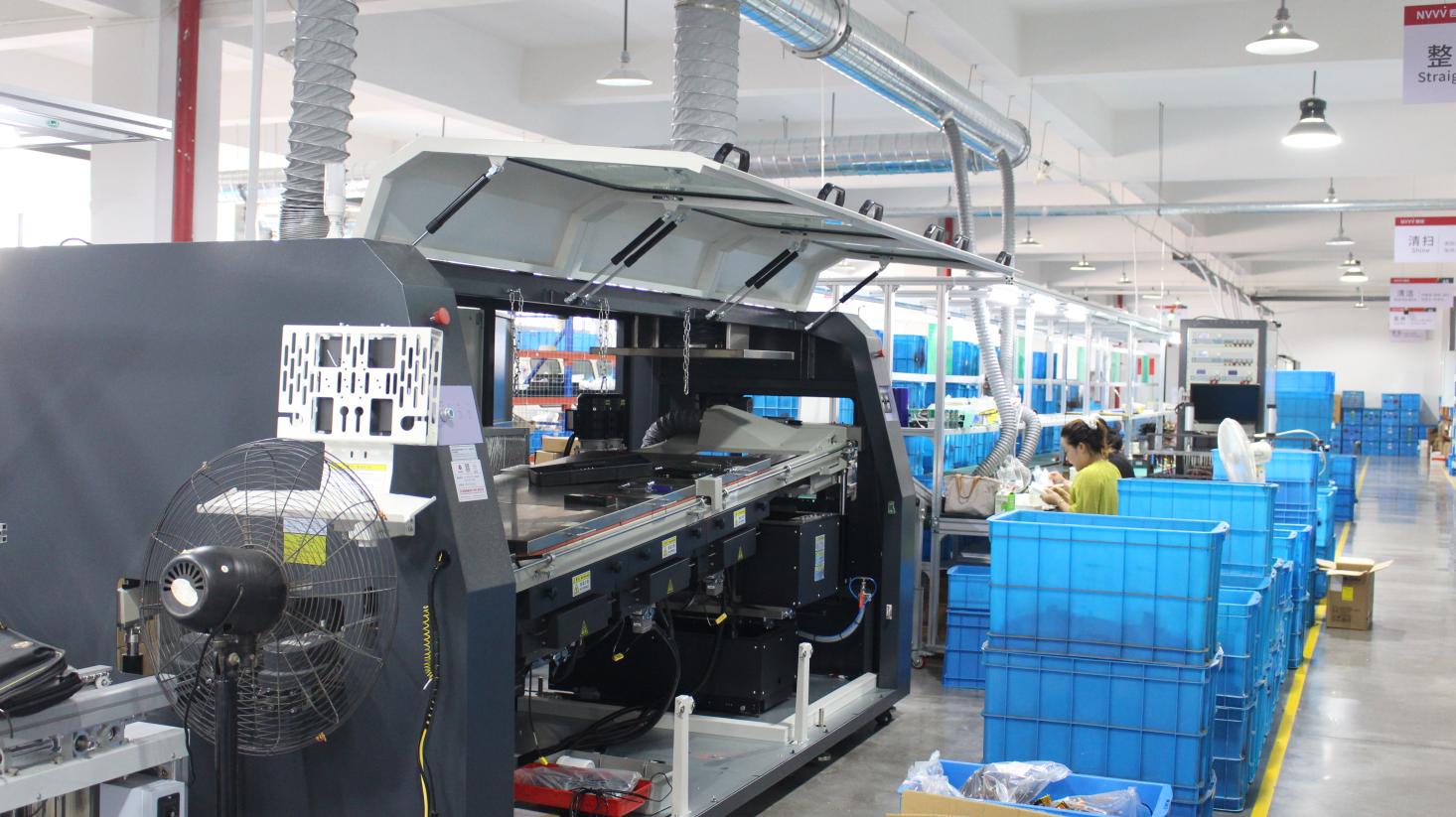
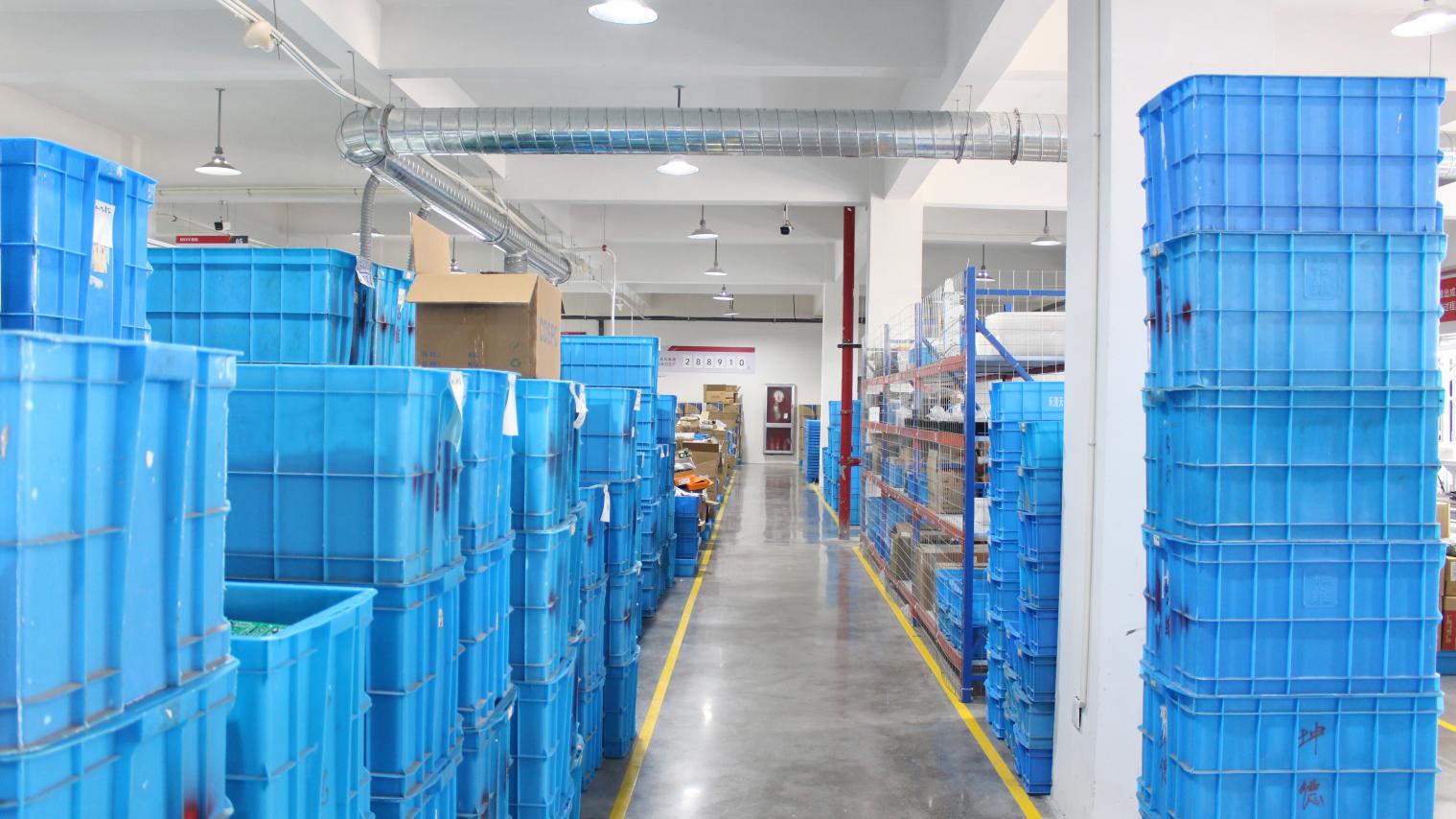
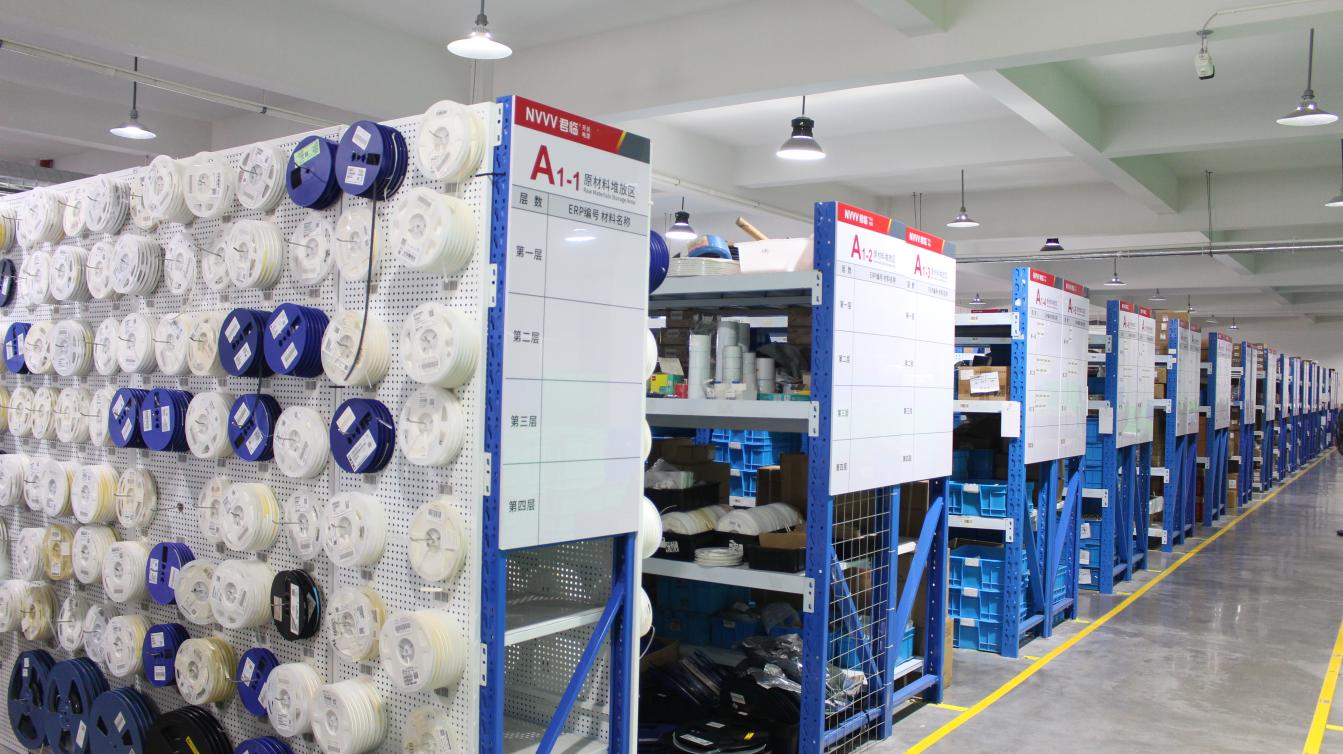
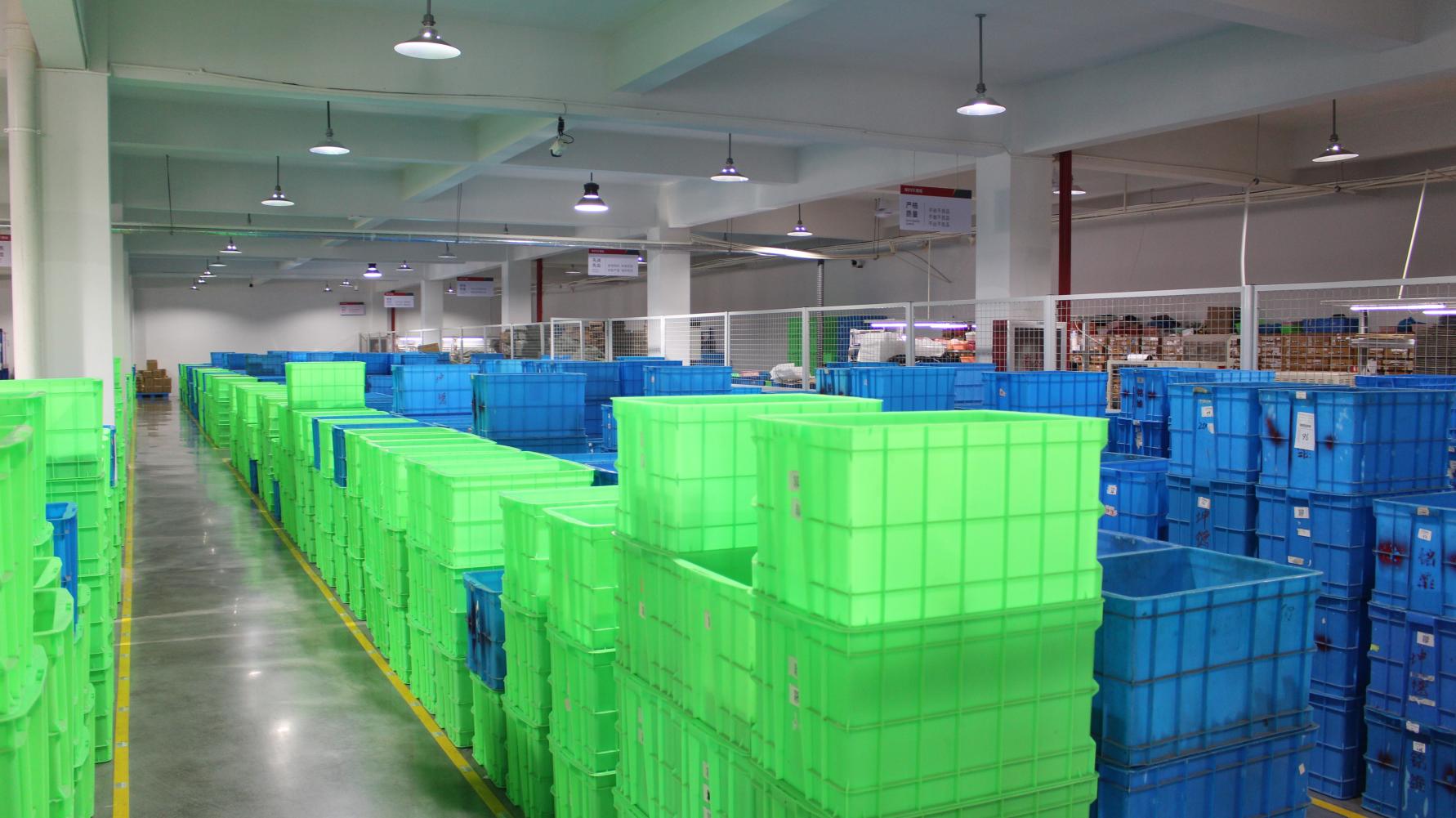
Our manufacturing workflow follows structured processes to maintain quality from design to dispatch. Our internal manufacturing process operates through the following stages:
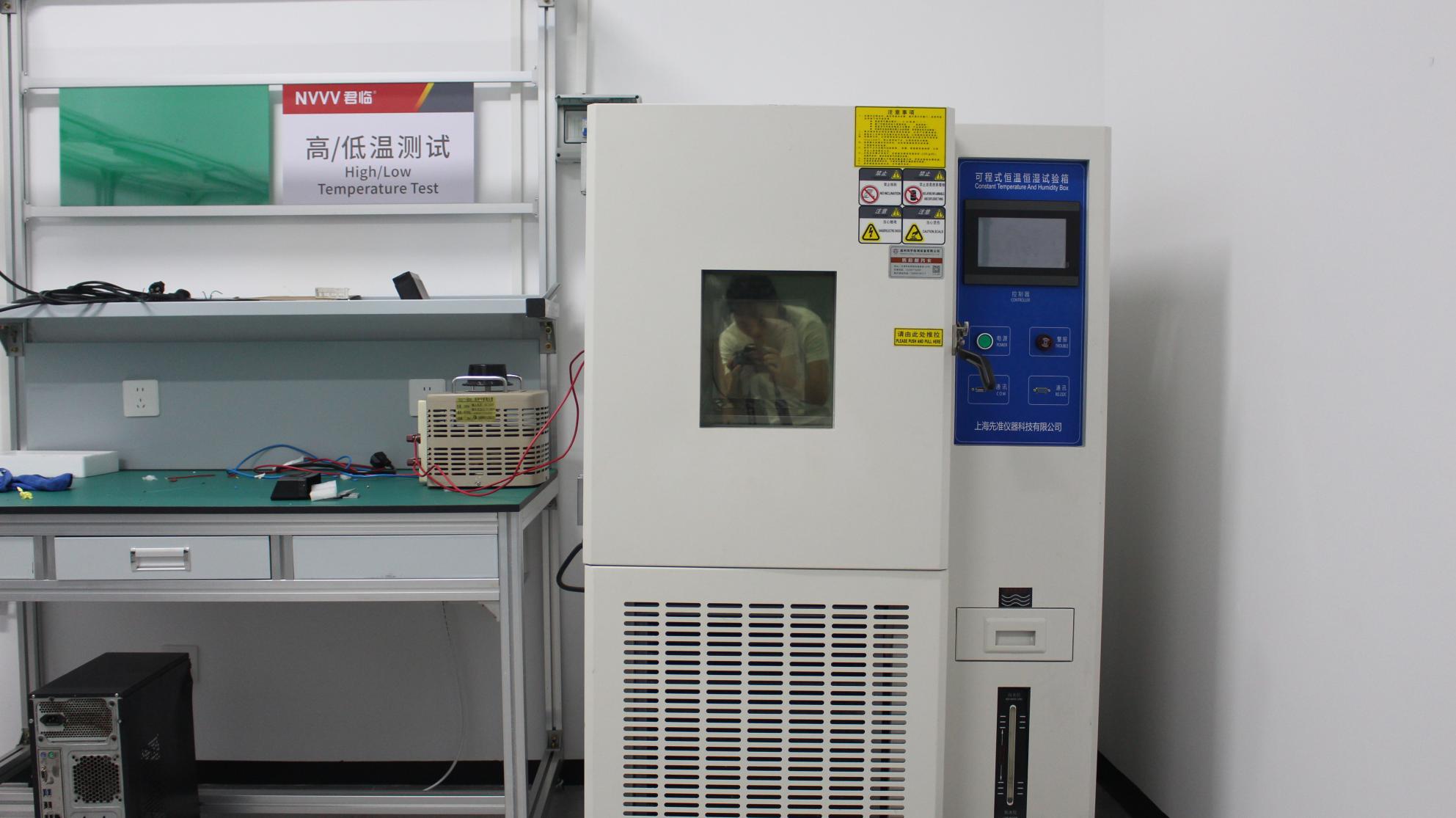
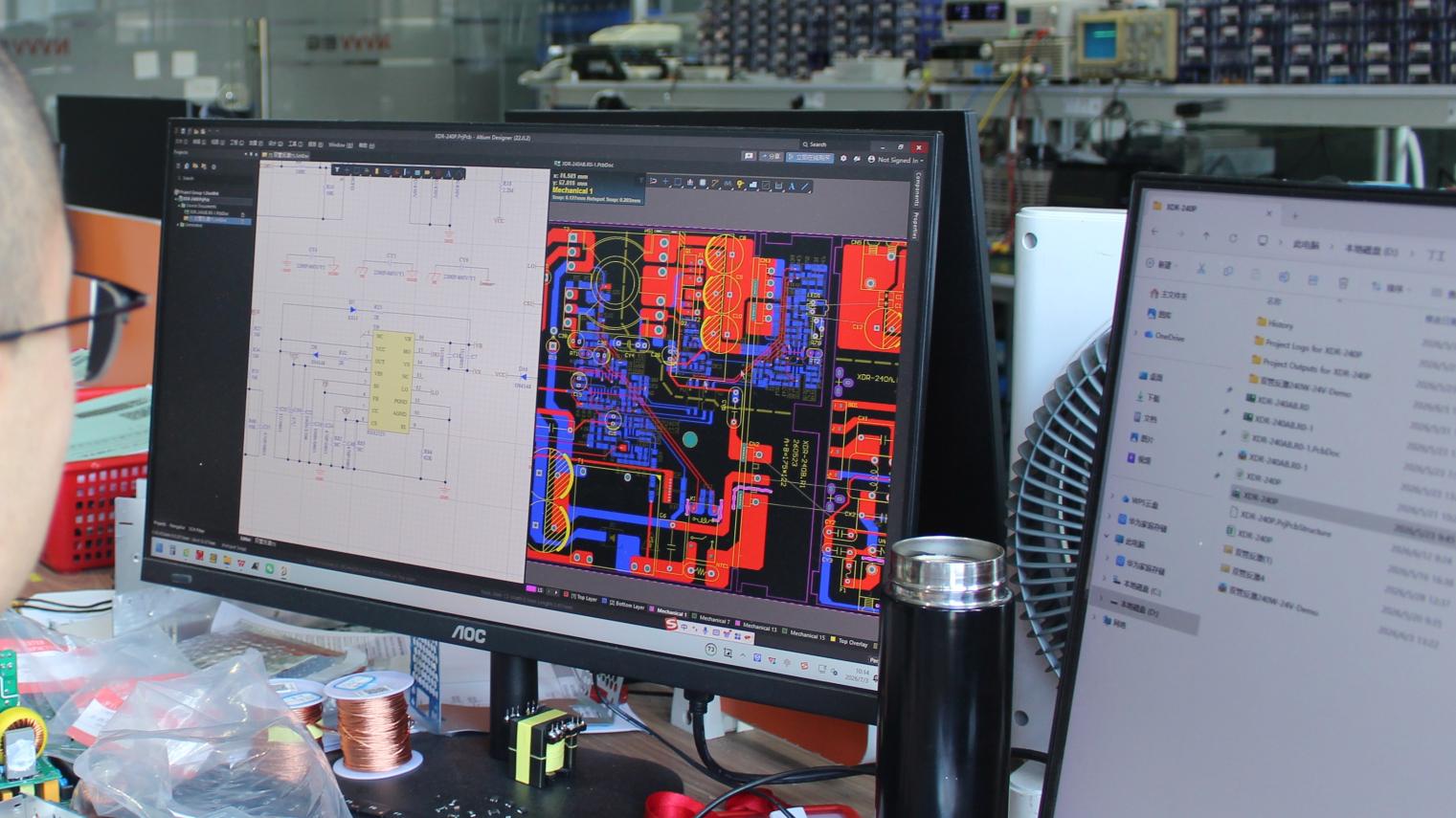
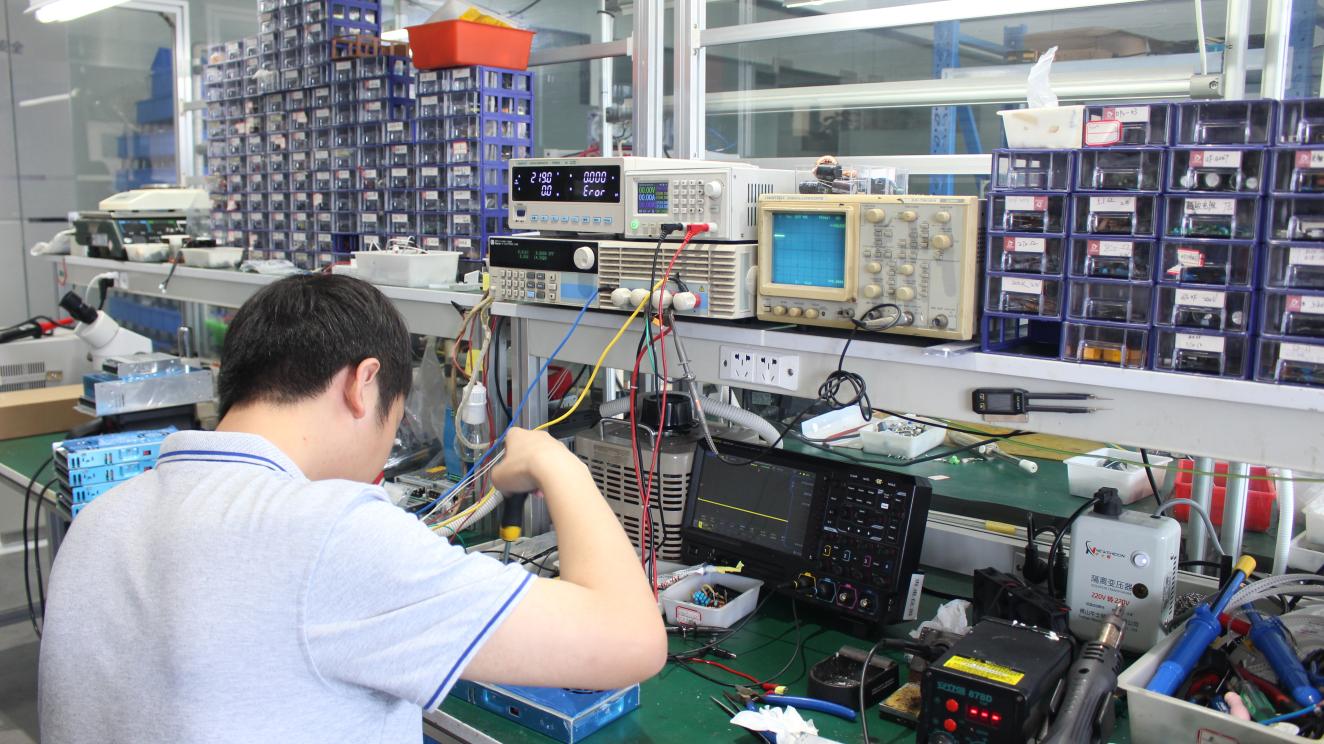
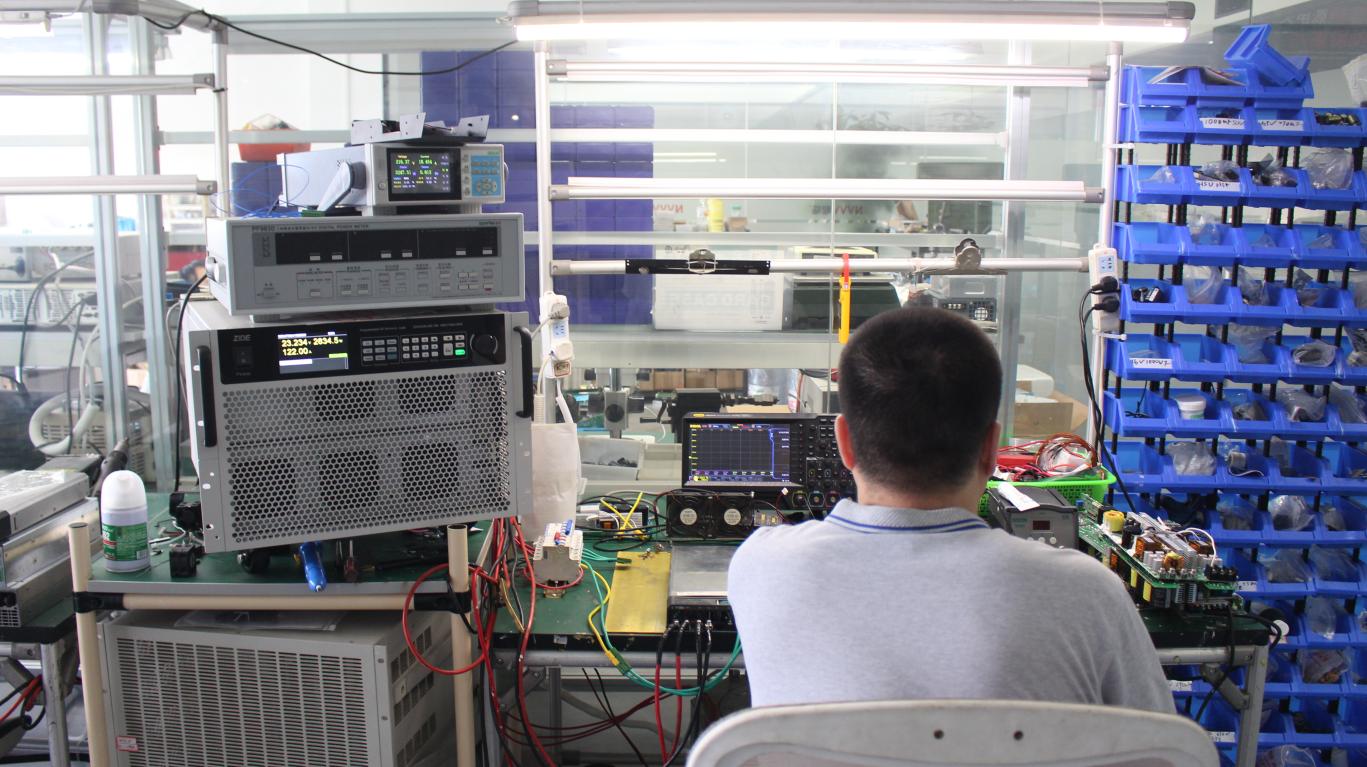
Exporting electrical equipment to Saudi Arabia requires compliance with local safety standards. The Saudi Standards, Metrology and Quality Organization (SASO) sets regulations to verify that imported electronic equipment is safe and energy-efficient. As a compliance-focused manufacturer, NVVV exports globally and provides full support to assist our Riyadh clients in obtaining their Saber system declarations of conformity.
Our manufacturing processes and products are certified to match modern safety standards, including CE, FCC, and CCC certifications. When importing our LED drivers into Saudi Arabia, we provide comprehensive documentation—such as EMC test logs, thermal safety reports, and material origin declarations—to facilitate customs clearance through Saudi ports, including the King Abdulaziz Port in Dammam and Jeddah Islamic Port. Furthermore, our dedicated customer support team assists local engineering departments in calculating thermal de-rating margins and planning cable run metrics, helping projects comply with the Saudi Arabian Grid Code and localized safety guidelines.
 NVVV Electric